全球生态景观的文化交融:歌剧院公园的核心精髓在于其对多样化自然景观的创造性整合。通过在哥本哈根内港这样一个高密度城市环境中引入由北美、丹麦、北欧、东方、英国等不同地理区域特征构成的六大主题花园,Cobe成功地将全球生态景观的文化交融浓缩于一处。这种设计策略不仅极大地丰富了公园的生物多样性(涵盖223个物种),更重要的是,它为市民提供了一个四季更迭、体验丰富的“永年绿洲”。蜿蜒的小径和有机形态的花坛巧妙地串联起这些迥异的景观单元,形成了一个既具教育意义又充满探索乐趣的复合型城市公共空间,实现了从前工业用地的华丽转身。
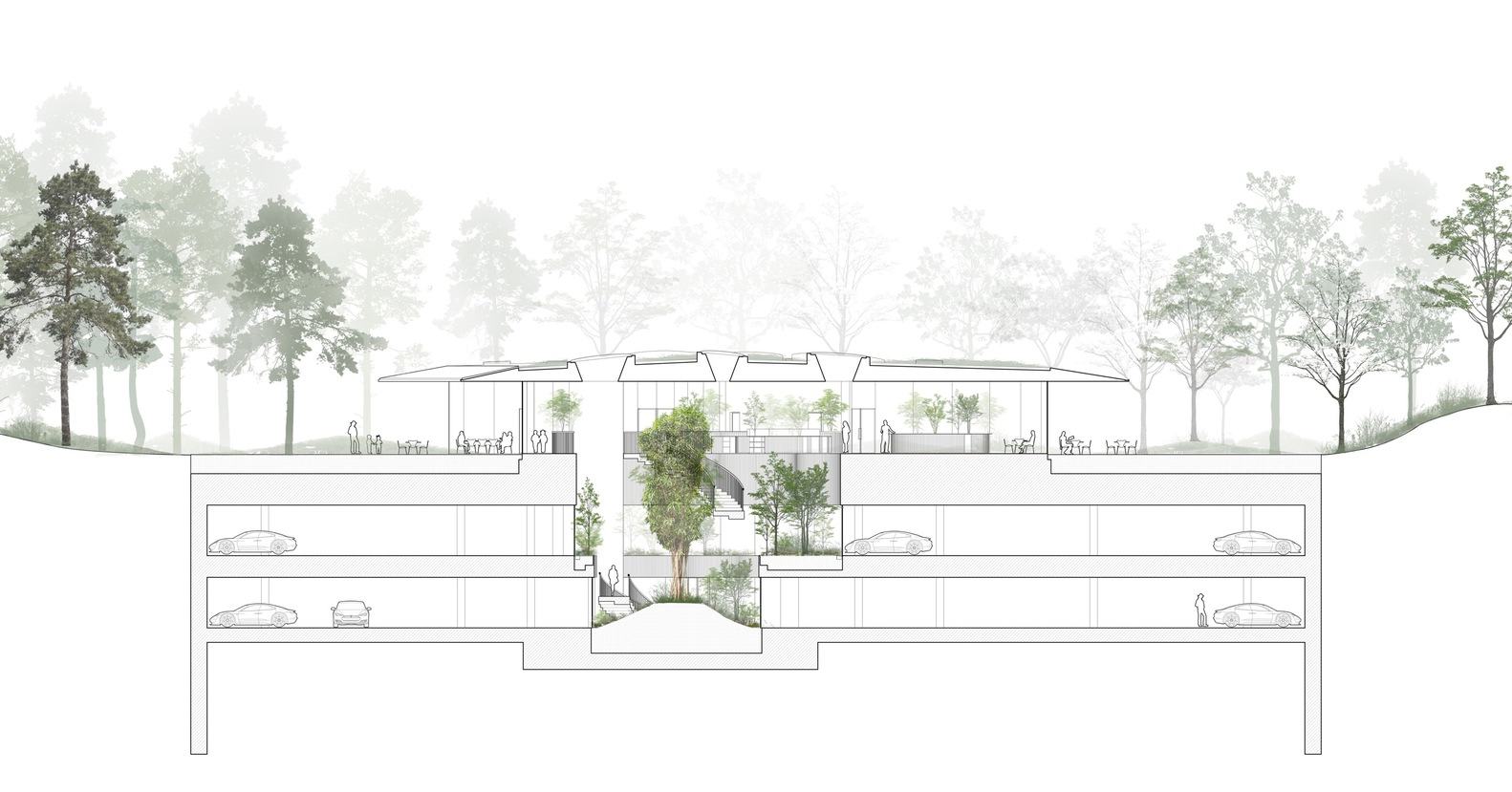
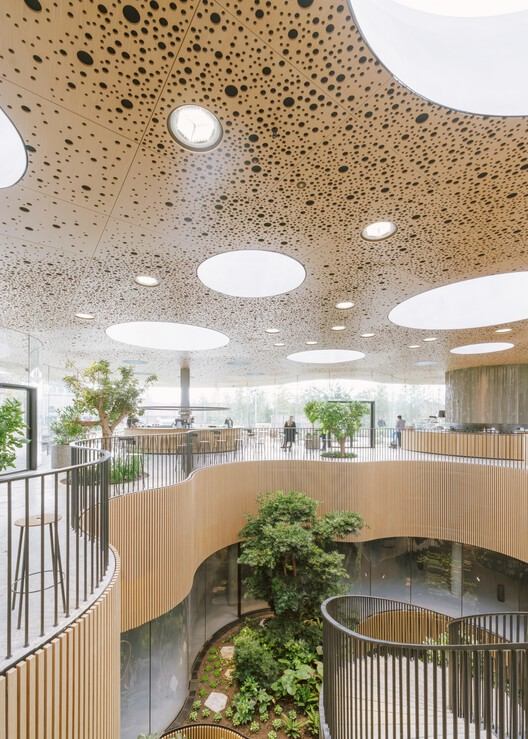
地下空间与地表景观的垂直交织:该项目的另一大亮点在于其对地下空间的巧妙利用,实现了景观与基础设施的垂直整合。中央温室不仅是公园的视觉焦点,更承担了重要的功能角色——连接地面景观、提供全天候的室内公共空间(含咖啡厅),并向下延伸至可容纳300辆汽车的停车场。这种设计使得公园的核心功能得以在全年,尤其是在寒冷的冬季得以维持活力。亚热带生物群落的向下延伸,在视觉和生态上将地下停车场与地表公园无缝连接,形成了一种创新的城市肌理,将服务功能隐藏于自然形态之下,提升了整体空间的纯粹感和体验的连续性。
可持续韧性与城市文脉的和谐共生:歌剧院公园在可持续设计方面展现了前瞻性与地域敏感性。它将雨水资源视为宝贵资产,通过歌剧院屋顶收集并导入地下蓄水池用于灌溉,结合透水路面和绿色屋顶,构建了一个高效的雨水管理系统。此外,太阳能电池板、耐用且可回收的材料运用,彰显了对低影响开发的承诺。更具战略意义的是,通过抬升的地形设计,公园不仅提升了用户在强风环境下的舒适度,更重要的是,它在城市韧性设计中扮演了角色,能够有效抵御港口水位上涨带来的洪水风险,确保了城市基础设施在极端天气下的安全运行。
A romantic garden for today's challenges.
一个应对当今挑战的浪漫花园。
© Francisco Tirado
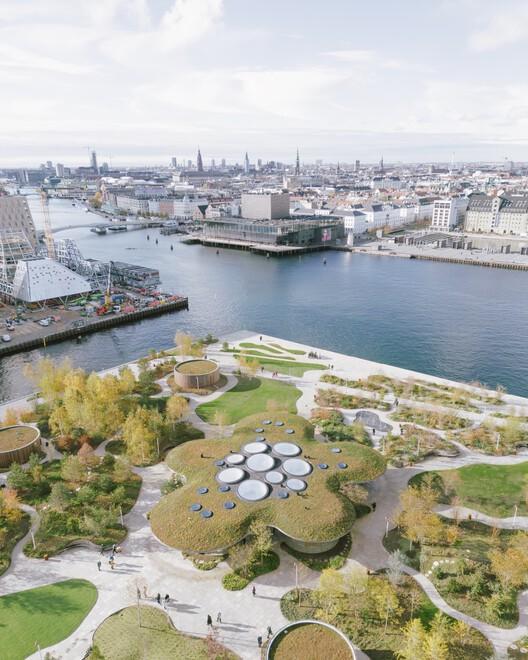
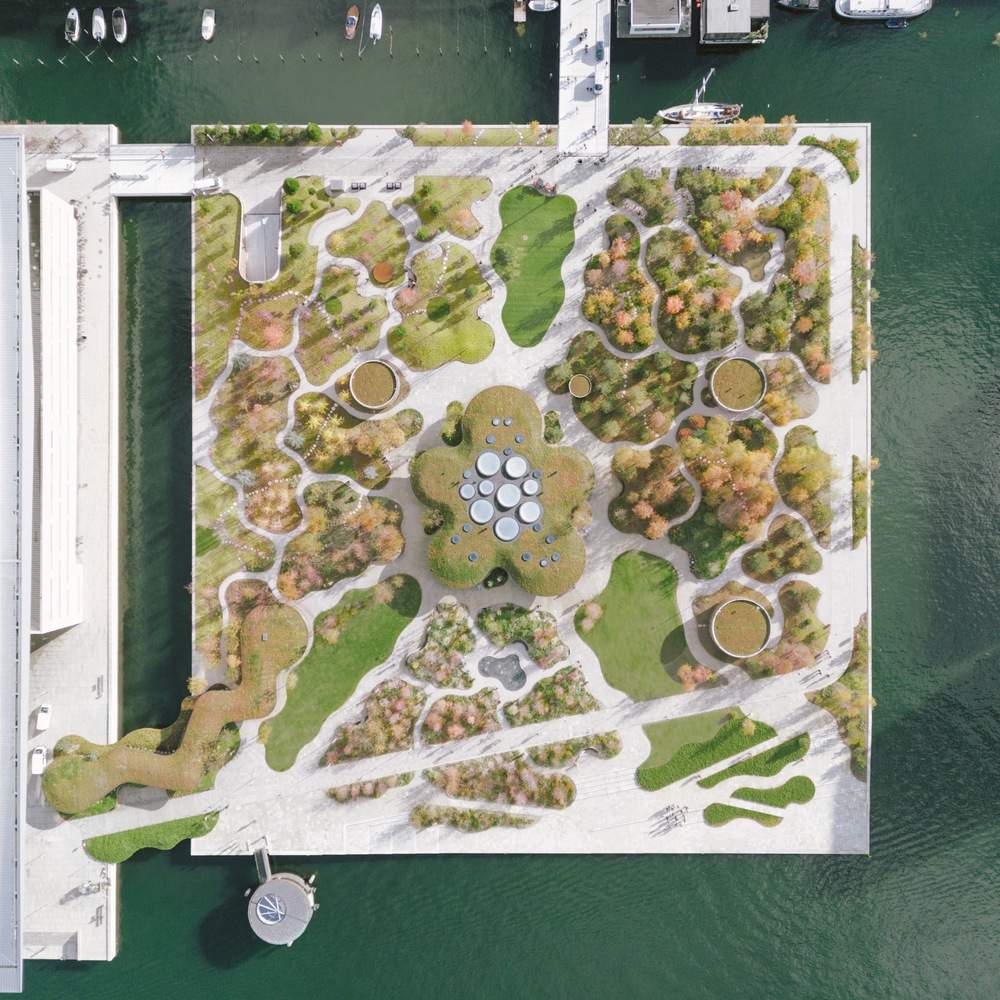
In 2019, following a design competition, the A.P. Møller Foundation appointed the Danish architectural studio Cobe to design a new park on a former industrial island in Copenhagen’s inner harbor. The island is adjacent to the Royal Danish Opera House, which has featured a modest patch of green lawn for almost 20 years since its inauguration. Today, the island, a prime location previously earmarked for new housing development, has been transformed into a diverse natural landscape. Named Opera Park, the new waterfront park adds a green stretch to Copenhagen's densely built inner harbor.
2019 年,经过设计竞赛,A.P. Møller 基金会指定丹麦建筑工作室 Cobe 在哥本哈根内港的一个前工业岛屿上设计一个新公园。该岛毗邻丹麦皇家歌剧院,自近 20 年前歌剧院落成以来,这里一直是一块不大的绿色草坪。如今,这个原本是开发新住宅的黄金地段的小岛已焕然一新,变成了多样化的自然景观。这座新的临港公园被命名为“歌剧院公园”,为哥本哈根建筑密集的内港增添了一道绿色风景线。
© Francisco Tirado
© Francisco Tirado
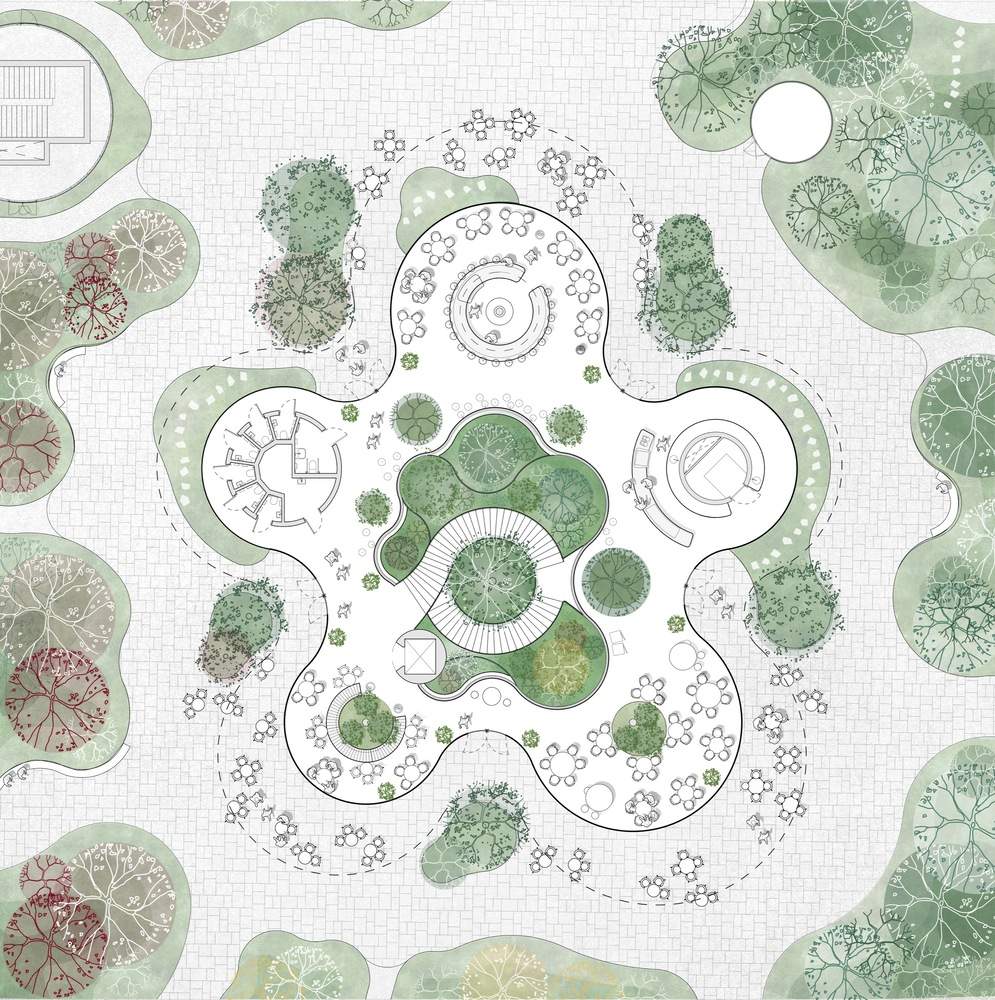
Plan
平面图
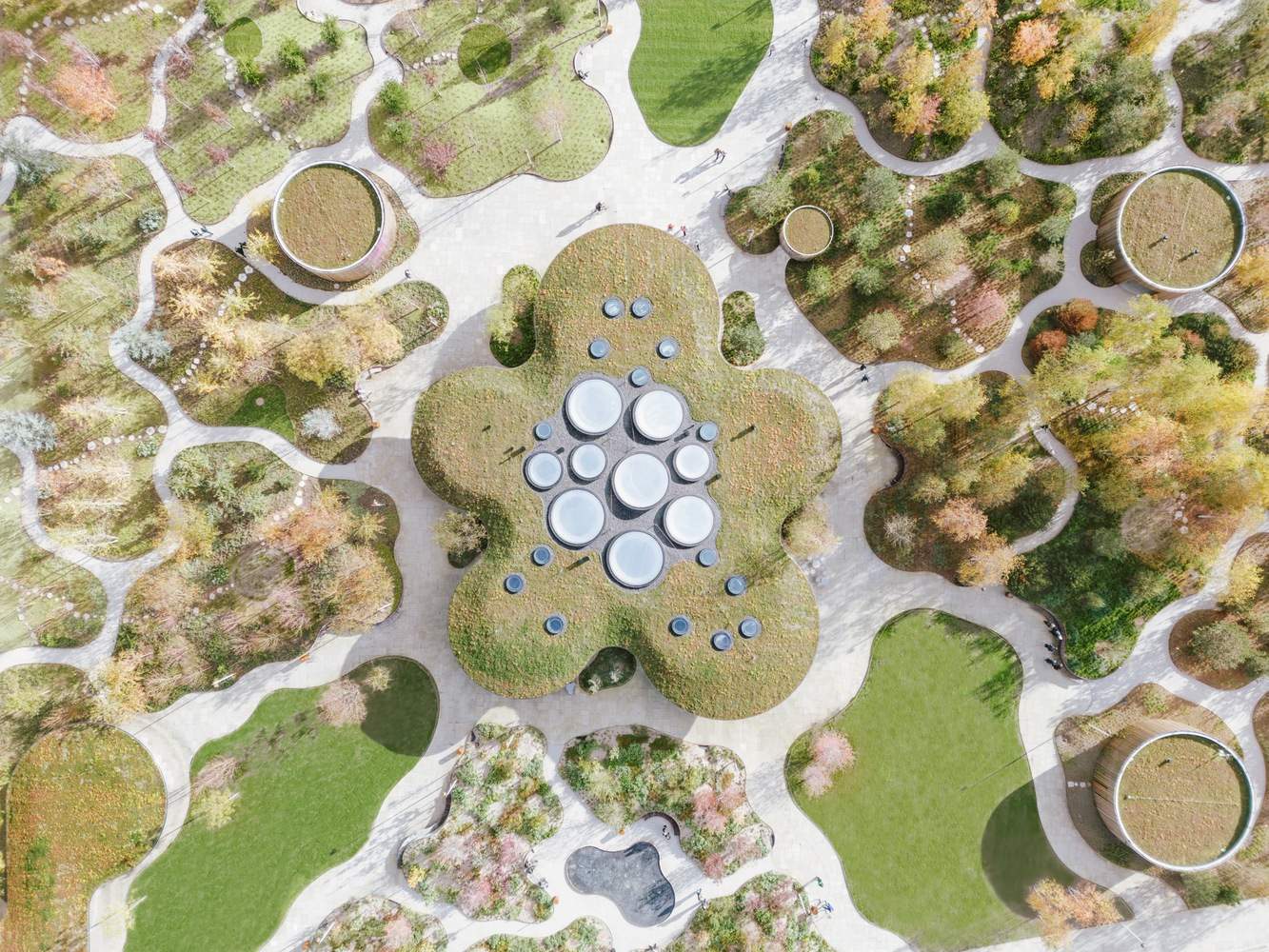
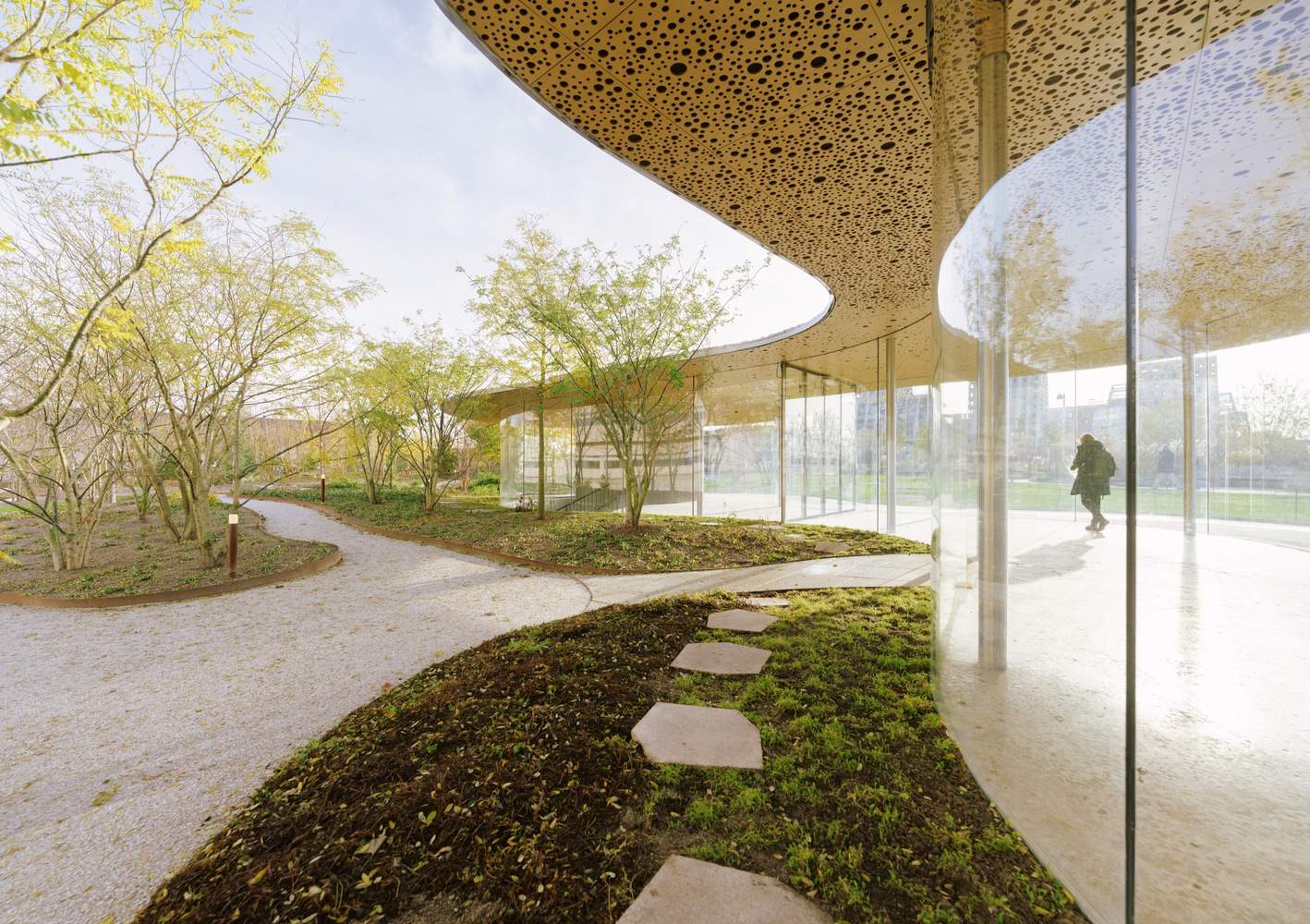
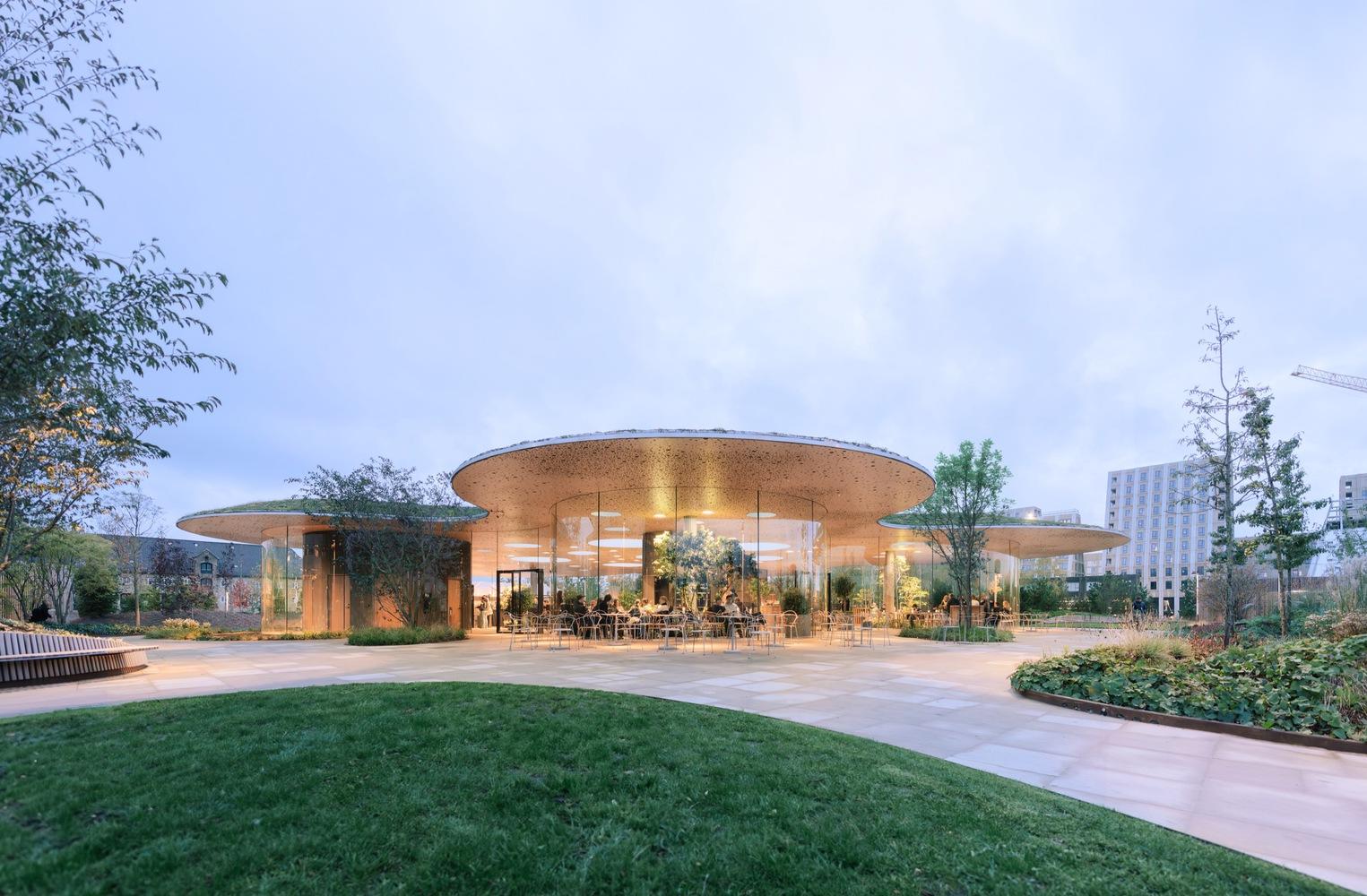
The park, the size of three soccer fields, comprises six gardens from all over the world: a North American forest, a Danish oak forest, a Nordic forest, an Eastern garden, an English garden, and a subtropical garden with a greenhouse and atrium at the center. The diverse gardens feature surprises such as fountains, water lily ponds, and reflecting pools, where droplets from masts gently tap the water in a soothing rhythm. Winding paths and organically shaped flowerbeds integrate the park’s various elements.
公园有三个足球场那么大,由来自世界各地的六个花园组成:北美森林、丹麦橡树森林、北欧森林、东方花园、英国花园和一个在中心带有温室和中庭的亚热带花园。多样化的花园内有惊喜,如喷泉、睡莲池和倒影池,桅杆上的水滴轻轻敲击水面,节奏舒缓。蜿蜒曲折的小径和有机造型的花坛将公园的各个元素融为一体。
© Francisco Tirado
© Francisco Tirado
An oasis all year round, a stage for all kinds of life. The park is designed to be a public attraction open all year, planted with 628 trees, 80,000 perennial herbs and shrubs, and 40,000 bulbs from all over the world. In total, 223 unique exotic and native species provide visitors with a vibrant, ever-changing backdrop. The appearance, scent, color, and density of the vegetation change with the seasons. Spring bursts with colorful blossoms, summer is lush and green, autumn sees shades of red and yellow, and in winter, pines remain evergreen, and ponds freeze over. The variety in plant size and species offers abundant food and habitat for birds and insects.
终年绿洲,为各种生活搭建舞台。公园的设计旨在成为一个全年开放的公共景点,园内种植了来自世界各地的 628 棵树木、80,000 株多年生草本植物和灌木丛以及 40,000 株球茎植物。总计 223 种独特的外来和本地物种为游客提供了一个生机勃勃、不断变化的背景。植被的外观、气味、颜色和密度随季节而变化。春天百花盛开,色彩斑斓;夏天绿意盎然;秋天红黄相间;冬天松树常青,池塘冰封。植物种类繁多,大小各异,为鸟类和昆虫提供了丰富的食物和栖息环境。
© Francisco Tirado
Section
剖面图
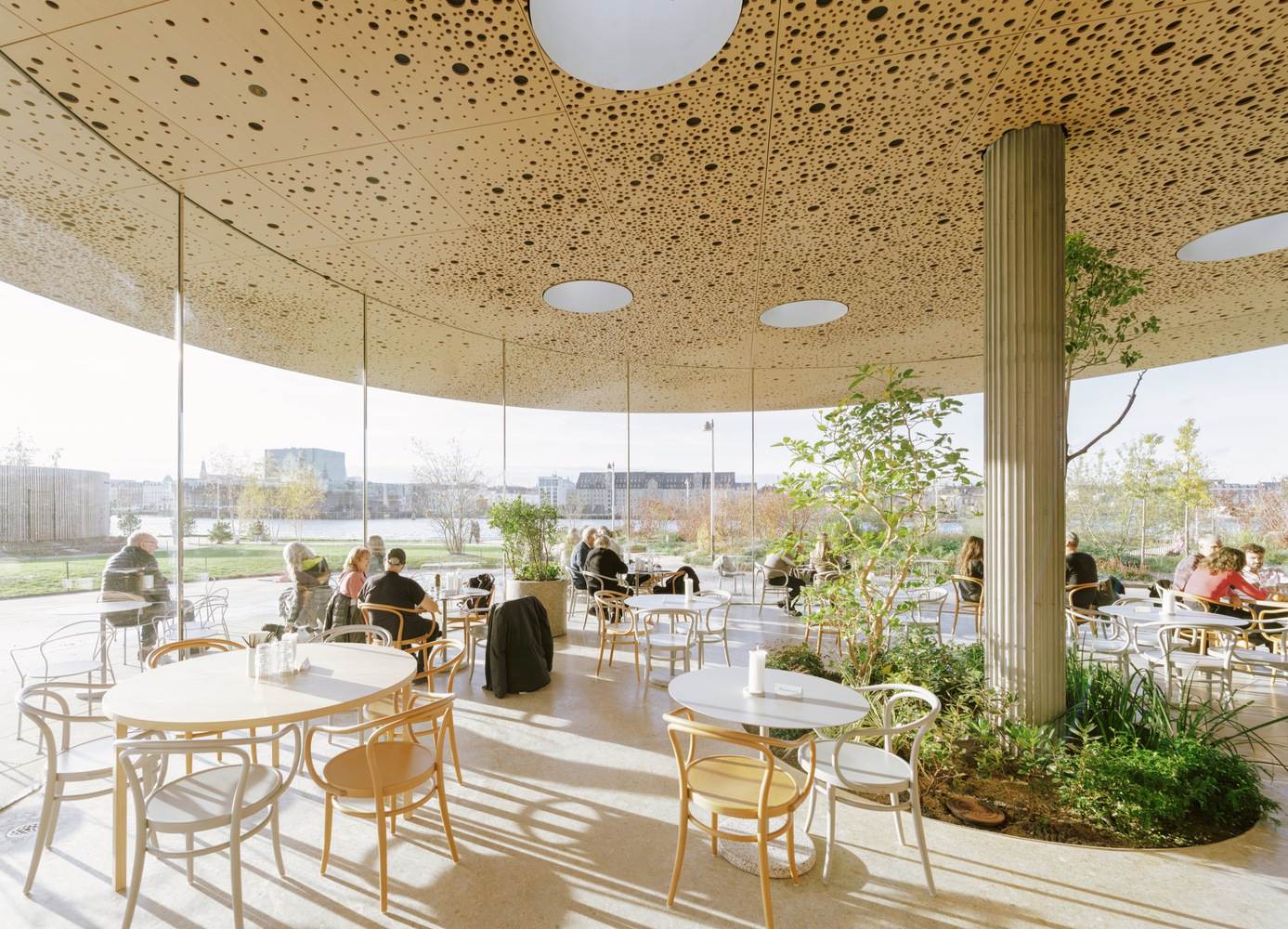
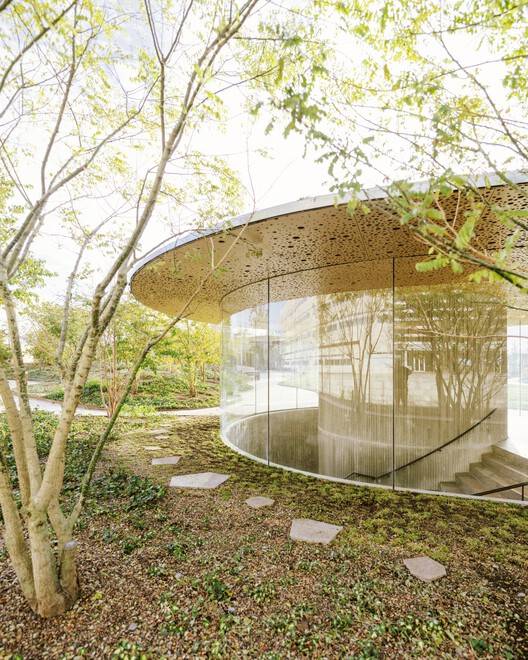
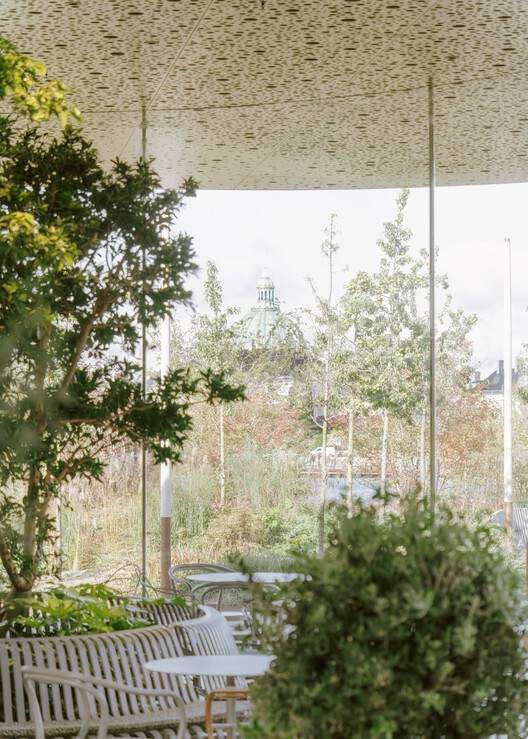
Central Greenhouse. In addition to the gardens, the park features a central greenhouse with a café, which provides access to the parking lot beneath the park grounds. Designed as an organically shaped glass structure with a floating roof, the greenhouse aims to surprise and delight visitors as they explore the lush landscape. The greenhouse and café will ensure that Opera Park remains a vibrant tourist attraction all year round, even during the desolate Copenhagen winters when many parks are bare. Terraces inside the greenhouse extend down to the parking level, accommodating 300 cars, while the subtropical biome descends, vertically weaving the park with the underground level.
中心温室除花园外,公园还设有一个带咖啡厅的中央温室,可通往公园地面下的停车场。温室设计成有机形状的玻璃结构,屋顶悬浮,旨在让游客在郁郁葱葱的景观中游览时感到惊喜和愉悦。温室和咖啡馆将确保歌剧院公园全年都是一个充满活力的旅游景点,即使在哥本哈根许多公园荒凉的冬季也是如此。温室内部的梯田一直延伸到停车场层,可容纳 300 辆汽车,同时其亚热带生物群落也在下降,将公园与地下层垂直交织在一起。
© Francisco Tirado
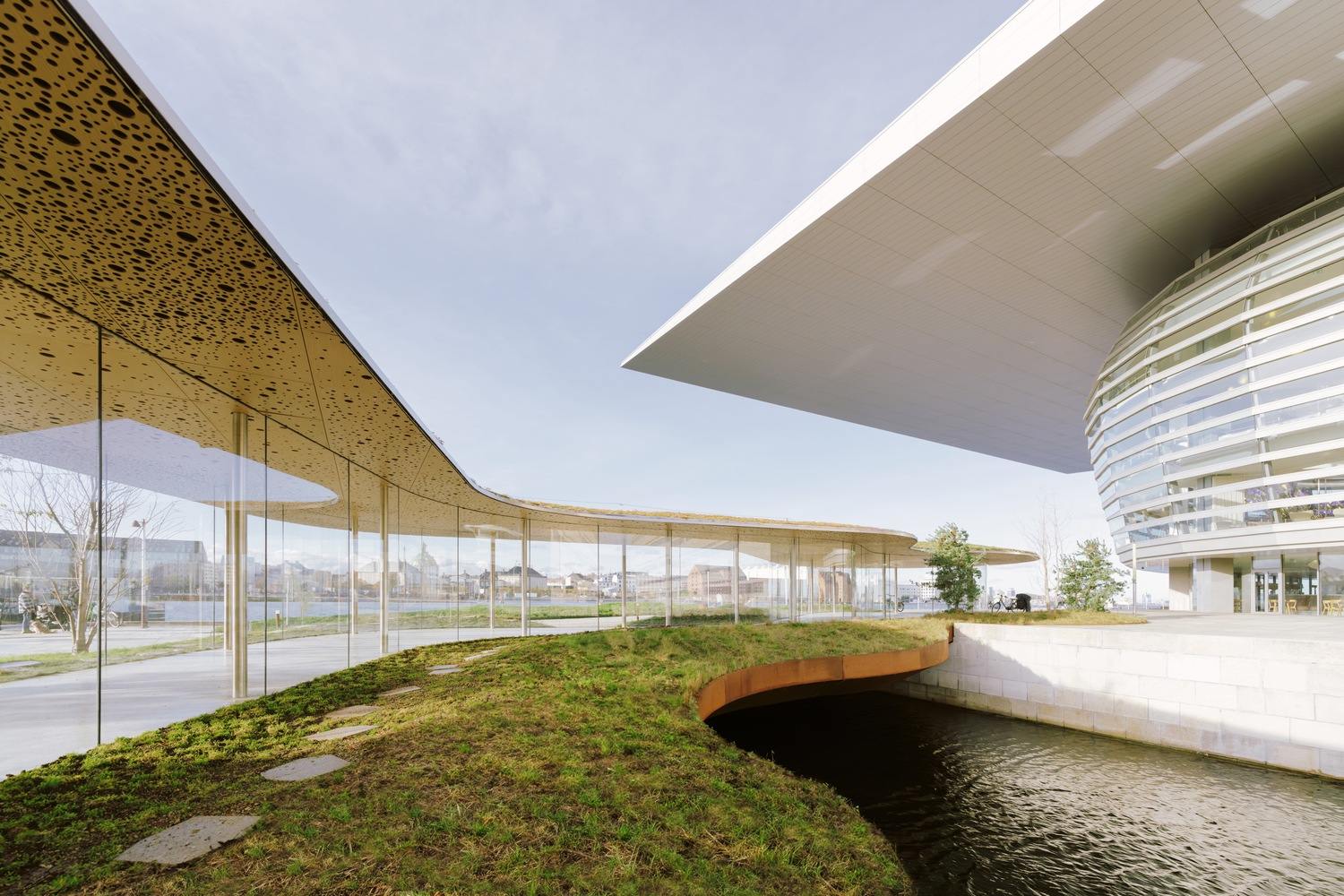
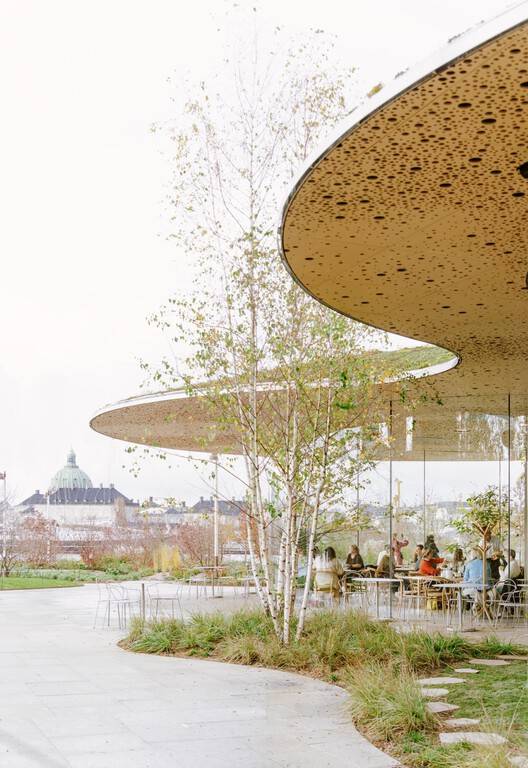
Covered connection to the Opera House. The park is also connected to the adjacent Royal Danish Opera House via a covered walkway over a landscape bridge, making the link between the parking facilities and the Opera House weather-proof. Echoing the architectural style of the greenhouse, the walkway’s curved glass and floating roof mirror the meandering paths of the landscape design. As one of the three bridges leading to the island, the connection is designed as a natural landscape spanning the harbor canal, completely merging landscape and architecture.
与歌剧院的有顶连接公园还通过景观桥上的有顶人行道与毗邻的丹麦皇家歌剧院相连,使停车设施与歌剧院之间的联系不受天气影响。与温室的建筑风格相呼应,人行道的弧形玻璃和浮动屋顶在蜿蜒曲折的路径上与景观设计相呼应。作为通往岛上的三座桥梁之一,该连接通道被设计成横跨港口运河的自然景观,将景观和建筑完全融为一体。
© Francisco Tirado
© Francisco Tirado
© Francisco Tirado
Benefiting from rainwater and sunlight. Rainwater is treated as a valuable resource for the park, channeled from the Royal Danish Opera House's roof into underground reservoirs for greenhouse irrigation. The walkways are designed with permeable gravel surfaces, where excess rainwater is collected in cisterns for infiltration and evaporation. The green roofs of the landscape bridge and the greenhouse collect rainwater and delay its runoff while also serving as a food source for the park's animals. Solar panels on the Opera House roof provide electricity for the underground parking, the park, and the greenhouse. The materials chosen for the park are robust and durable and can be fully recycled. The abundance of trees and vegetation helps mitigate strong winds from the harbor and sea, reducing turbulence and increasing comfort for park users. Furthermore, the elevated terrain protects the island from flooding during heavy rainfall and significant rises in the harbor water level.
受益于雨水和阳光。雨水被视为公园的宝贵资源,从丹麦皇家歌剧院的屋顶引入地下蓄水池,用于温室灌溉。人行道设计为透水砾石路面,多余的雨水被收集到雨水槽中,用于渗透和蒸发。景观桥和温室的绿色屋顶可以收集雨水并延迟雨水的排放,同时也是公园动物的食物来源。歌剧院屋顶的太阳能电池板为地下停车场、公园和温室提供电力。公园选用的材料坚固耐用,可完全回收利用,大量的树木和植被可以抵御来自港口和海面的强风,减少湍流,提高公园使用者的舒适度。此外,高架地形还能在暴雨和港口水位大幅上涨时保护岛屿免受洪水侵袭。
© Francisco Tirado