对自然动态的精妙编排:该项目是皮特·欧多夫(Piet Oudolf)在Vitra园区实践其“新荷兰景观”(New Perennial Movement)理念的典范。其精髓在于摒弃传统装饰性园艺,转而采用多年生、自我再生的植物群落,构建出一种“艺术化的荒野”。设计师通过对植物特性(花期、生命周期、强弱点)的深刻理解,精心策划出能够四季更迭、持续提供感官体验的“植物群落”(communities)。这种设计理念挑战了人们对“荒野”的刻板印象,实现了看似野性不羁与缜密规划间的完美张力,使景观成为一个动态的、持续演进的有机体。
空间叙事与体验至上:欧多夫的设计目标在于重塑游客的场地体验,将焦点从建筑结构转移到地面景观上,引导人们进入一种“鼓舞人心的迷失状态”。通过蜿蜒的小径和非常规的种植布局,他刻意避免了传统的几何焦点和直线指引,鼓励访客“迷失自己,而不仅仅是路过”。这种策略将花园从单纯的背景装饰提升为一种主动的叙事媒介,强调情感与美学的交汇,使得景观与周围的现代建筑产生了互文关系,注入了全新的维度和视角。
种植的戏剧性构成与精细化管理:尽管外观上具有自然主义的自由感,该项目却建立在极度精细化的组织和时间管理之上。设计图纸本身即是艺术品,规划了约三万株具有特定“个性”的植物,如“Persicaria amplexicaul Alba”。欧多夫将自己比作“戏剧导演”,根据植物的“表演”潜力进行配置,确保花园的生命周期(从生长到腐烂)共同构成一出完整的“花卉戏剧”。这种对细节的极致关注,从植物选择到后期维护,是实现其景观哲学——“在画一幅画,然后让它生长和腐烂”——的物质基础。
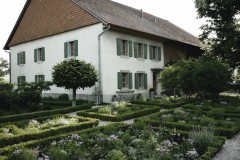
Planting activities for the new garden by Dutch designer Piet Oudolf began in May 2020 at the Vitra Campus in Weil am Rhein. While landscape design requires some patience to reach its full glory, visitors can already admire the initial vision of this artistic wilderness within a few months. The 75-year-old Dutchman is considered a pioneer of a generation of garden designers who, starting in the late 1980s, began questioning traditional practices, finding them too ornamental, labor-intensive, and resource-draining. Instead, they turned to perennials—often self-regenerating plants, shrubs, grasses, thickets, and wildflowers—that had long been neglected as garden plants, favoring equally unconventional planting layouts.
2020年5月,荷兰设计师皮特-欧多夫(Piet Oudolf)在莱茵河畔威尔(Weil am Rhein)的 Vitra 园区开始了新花园的种植活动。景观设计需要一些耐心,才能让景观达到全盛时期,但只需几个月,游客就能欣赏到这片艺术化的荒野的初步景象。这位75岁的荷兰人被认为是一代园林设计师的先驱,他们在 20 世纪 80 年代末开始质疑传统做法,认为传统的园林设计太过装饰、费时费力且耗资源。相反,他们转向多年生的、常常能够自我再生的植物、灌木、草地、灌木丛和野花,这些植物作为园林植物长期以来一直被忽视,他们还喜欢采用同样非常规的种植布局。
© Julien Lanoo
© Julien Lanoo
Oudolf does not consider himself the founder of a movement. "I leave it to others to say what I am. To some, I am just a gardener," he states calmly. Nevertheless, he has been commissioned over the past few decades to design public gardens worldwide, including projects for Hauser & Wirth Somerset, the Serpentine Galleries, and the Venice Biennale, and he initiated a new discourse on urban gardening with the High Line Park in New York.
Oudolf 不认为自己是一个运动的创始人。“我把这个问题留给别人去说我是什么。对一些人来说,我只是一个园丁。”他平静地说道。然而,他在过去几十年里被委托设计世界各地的公共花园,包括为Hauser & Wirth Somerset、蛇形画廊和威尼斯双年展等进行的项目,他在纽约的高线公园发起了城市园艺的新论述。
© Julien Lanoo
© Julien Lanoo
"In the first decades of the development of the Vitra campus, landscape design was not an issue. Landscape interventions were only implemented for the first time after the projects connecting the north and south of the campus were commissioned to Álvaro Siza (Siza Promenade) and Günther Vogt. Piet Oudolf’s garden adds a new dimension to the campus and offers visitors a constantly changing, new experience,” explains Rolf Fehlbaum, Honorary Chairman of Vitra. A common feature of Oudolf's projects is that his landscapes look wild and untamed, yet such a landscape is impossible without meticulous planning and equally careful maintenance. His design plays with certain societal concepts of wilderness. He says, "I just want to make people's fantasies a reality." However, his gardens are by no means desolate. On the contrary, he strives for a balanced combination, or what he calls communities, composed of plants with different strengths and weaknesses, different flowering periods, and life cycles, so that his gardens offer a sensory experience throughout the year and highlight decay just as much as the peak season.
“在Vitra校园发展的头几十年里,景观设计并不是一个问题。直到连接校园北部和南部的项目委托给了阿尔瓦罗·西扎(Siza Promenade)和冈瑟·沃特(Günther Vogt)之后,景观干预才首次实施。皮特·奥多夫的花园为校园增添了新的色彩,为游客带来了不断变化的全新体验。”Vitra的名誉主席 Rolf Fehlbaum 解释道。Oudolf 的项目有一个共同点,那就是他的景观看起来野性十足、桀骜不驯,但如果没有缜密的规划和同样精心的维护,这样的景观是不可能存在的。他的设计玩弄了某些社会对荒野的概念。他说,我只是想把人们的幻想变成现实。然而,他的花园一点也不荒凉。相反,他努力实现一种平衡的组合,或他所说的群落,由具有不同长处和短处、不同花期和生命周期的植物组成,这样他的花园一年四季都能给人带来感官体验,并能像旺季一样突出衰败。
© Julien Lanoo
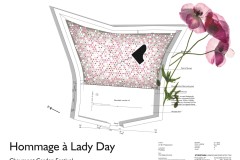
This requires meticulous organization, precise scheduling, in-depth searches for suitable plants and potential suppliers, as well as a planting plan, which, in Piet Oudolf's case, is an artwork in itself. This is also true for the base drawings of Oudolf's project on the Vitra campus, which will use approximately 30,000 plants, including some specimens with cryptic names like “Persicaria amplexicaul Alba,” Echinacea pallida “Hula Dancer,” or Molinia purple moor grass (“Moorhexe”). They frame the garden, which largely dispenses with architectural structures, but they are not just decoration for the surrounding buildings. On the contrary, as Oudolf emphasizes, the landscape complements the architecture and injects new perspectives into it.
这就需要精心组织,制定精确的时间表,深入寻找合适的植物和潜在的供应商,此外还要制定种植计划,就 Piet Oudolf 而言,这个计划本身就像是一件艺术品。Oudolf 在 Vitra 园区的项目基础图纸也是如此,将使用约 3 万株植物,其中包括一些名字神秘的标本,如“Persicaria amplexicaul Alba”、Echinacea pallida “Hula Dancer”或 Molinia purple moor grass(“Moorhexe”)。它们为花园提供了框架,花园在很大程度上省去了建筑结构,但也不只是作为周围建筑的装饰。相反,正如 Oudolf 所强调的那样,园林景观与建筑相辅相成,并为它们注入了新的视角。
© Julien Lanoo
The garden is intended to draw visitors' attention away from the buildings and onto the ground, creating an inspiring state of being lost. Visitors move along winding paths among the plants—fruitlessly searching for strict geometry, straight lines, and clear focal points. Oudolf says, "I want people to get lost in the garden, not just pass through it." He is keen to ensure that visitors experience the same fusion of emotion and aesthetics in his gardens that he does.
花园的目的是将游客的注意力从建筑物吸引到地面上,营造出一种鼓舞人心的迷失状态。观赏者沿着蜿蜒的小路在植物之间穿行--徒劳地寻找一个严格的几何图形、直线和明确的焦点。欧道夫说:“我希望人们在花园中迷失自己,而不仅仅是路过。”他热衷于确保游客在他的花园中体验到与他相同的感受,即情感与美感的交汇。
© Julien Lanoo
For Piet Oudolf, who was once a bartender and fishmonger, plants are more than just organic material to embellish a garden. He says his relationship with the plant world is almost obsessive. At the same time, his expertise is comparable to that of a botanist, but he applies this expertise more like a theatrical director. "For me, plants all have personalities, and I can use and arrange them according to their appearance and behavior. Each plant 'performs' in its own way, but ultimately an interesting drama must emerge from it. If the weather and other global conditions permit, the initial results of these flower theater rehearsals will become visible at the Vitra campus in September. But this is just the beginning," Oudolf explains. "This is not painting a picture and then hanging it on the wall. This is painting a picture and then letting it grow and decay."
对于曾经是调酒师和鱼贩的皮特-欧多夫来说,植物不仅仅是他用来点缀花园的有机物。他说,他与植物世界的关系近乎痴迷。同时,他的专业知识可以与植物学家相媲美,但他更多地是以戏剧导演的方式来运用这些专业知识。“对我来说,植物都是有个性的,我可以根据它们的外表和行为加以利用和安排。每种植物都以自己的方式‘表演’,但最终需要从中产生一出有趣的戏剧。如果天气和其他全球条件允许,这些花卉剧场排练的初步成果将于 9 月份在 Vitra 园区开始显现。但这仅仅是一个开端,”Oudolf 解释道。“这不是画一幅画,然后挂在墙上。这是在画一幅画,然后让它生长和腐烂。”
© Julien Lanoo