激活城市疤痕的有机再生:该项目以对既有废弃工业场地的批判性介入为起点,通过“折叠、扭曲、包裹”的策略,将原有建筑转化为一个由双界面表皮构成的动态实体。这种手法不仅是对旧有结构的安全围合与更新,更是一种有机形态的生长,将原有的城市“疤痕”转化为一个内外交融、功能复合的新型城市节点。其精髓在于通过雕塑性的体量变化,实现了从被动接受到主动重塑城市肌理的转变。
立体交通与第五立面的重构:设计的核心亮点在于对城市公共空间的立体化处理。通过设置向南向北的坡道,成功构建了一个以屋顶花园为中心的“三维交通系统”,有效连接了被交通网络切割的城市碎片,实现了公园、建筑与街角广场的无缝衔接。屋顶被提升为“第五立面”——一个可停留、可放松的公园界面延伸,这种激活消极空间的做法,极大地拓展了城市的使用维度和公共价值。
光影叙事与文化肌理的对话:在材料和光环境处理上,项目展现了细腻的设计语汇。屋顶层次的巧妙叠放嵌入了天窗系统,既形成了屋顶剧场式的自然座椅区,又为内部展览空间提供了富有戏剧性的自然采光,创造了多变的光影体验。同时,以竹子肌理对抗冰冷的混凝土记忆,辅以借鉴上海里弄外墙的艺术漆处理,实现了新旧记忆的碰撞与融合,赋予了市民中心鲜活的文化情感深度。
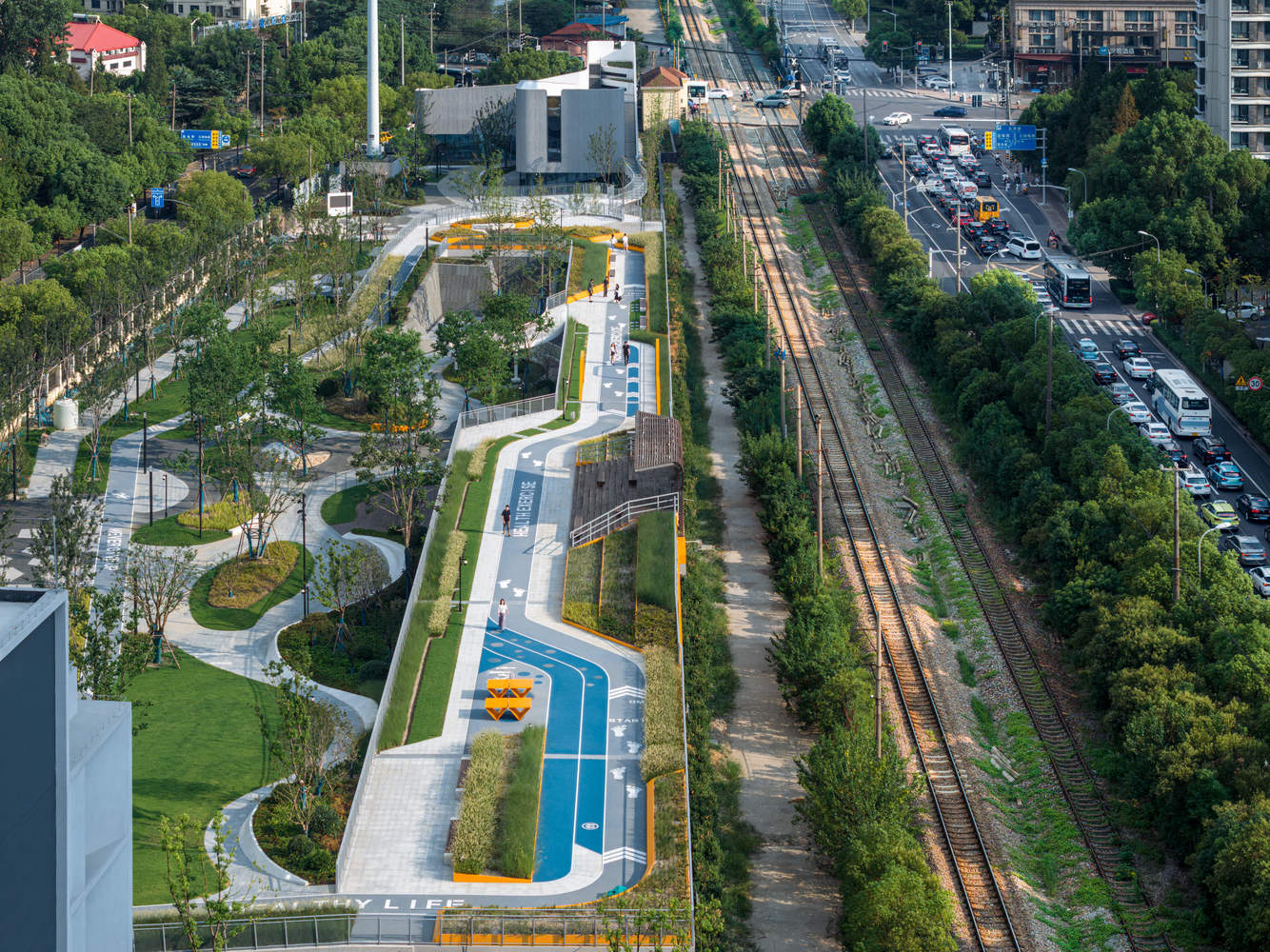
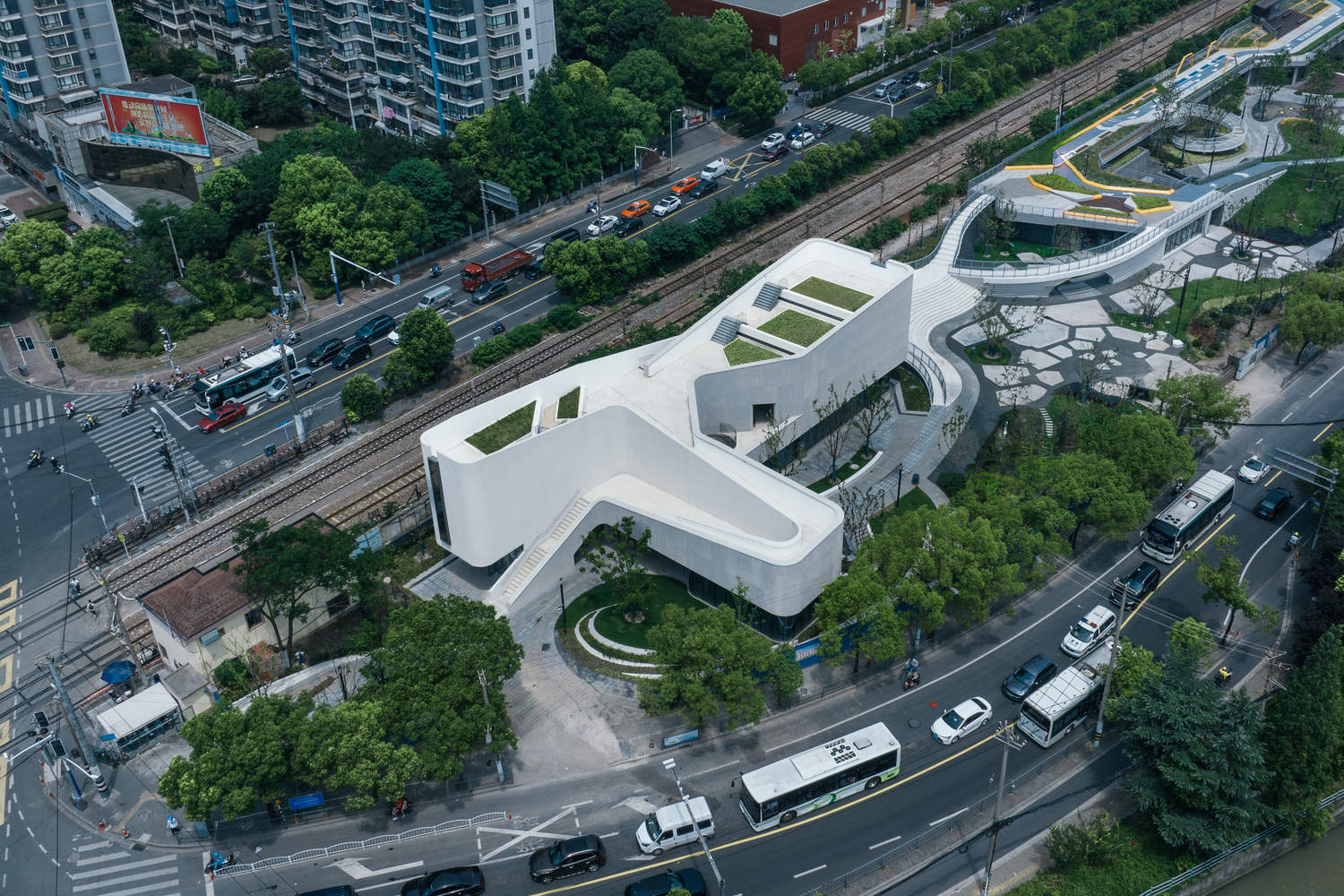
The Gaojing Park Civic Center is a renovation project for an old building. The project is located in Gaojing Town, Baoshan District, Shanghai, adjacent to a deserted railway freight yard and near the Beiyang railway branch line that runs through the center of Shanghai. The site is cut by intersecting road traffic, forming neglected and abandoned spaces within the urban structure.
高境公园市民中心是一个旧建筑翻新项目。该项目位于上海市宝山区高境镇,相邻于一个废弃的铁路货运站,毗邻贯穿上海市中心的北洋铁路支线。该场地被交错的道路交通切割,形成了城市结构中被忽视的、废弃的空间。
© CreatAR Images
© CreatAR Images
© CreatAR Images
The Logic of the Architecture
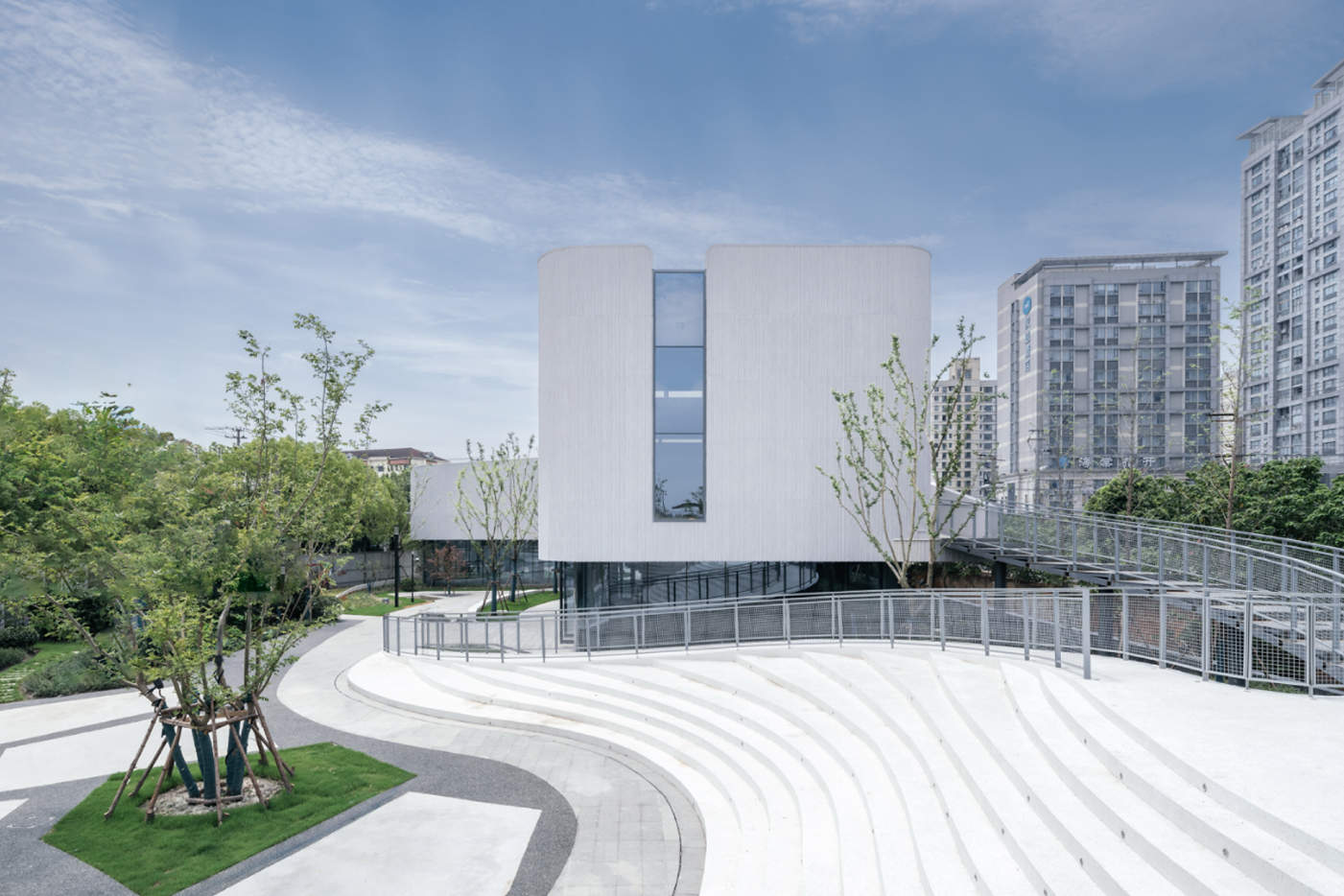
During the construction process, the first step was to enclose the old building. We abstracted the natural state of the earth's surface into the initial closed skin space of the building, folding and twisting the old building to tightly wrap it. The skin consists of an inner and an outer interface, and the inner and outer spaces can be mutually transformed during the rotation process.
建筑的逻辑
在建设过程中,首先需要对旧建筑进行围合。我们将地球表面的自然状态抽象为建筑的初始封闭表皮空间,将旧建筑进行折叠、扭曲,严密地包裹起来。表皮由内外两个界面组成,在旋转的过程中,内外空间可以相互转换。
© CreatAR Images
© CreatAR Images
Growth from the Earth
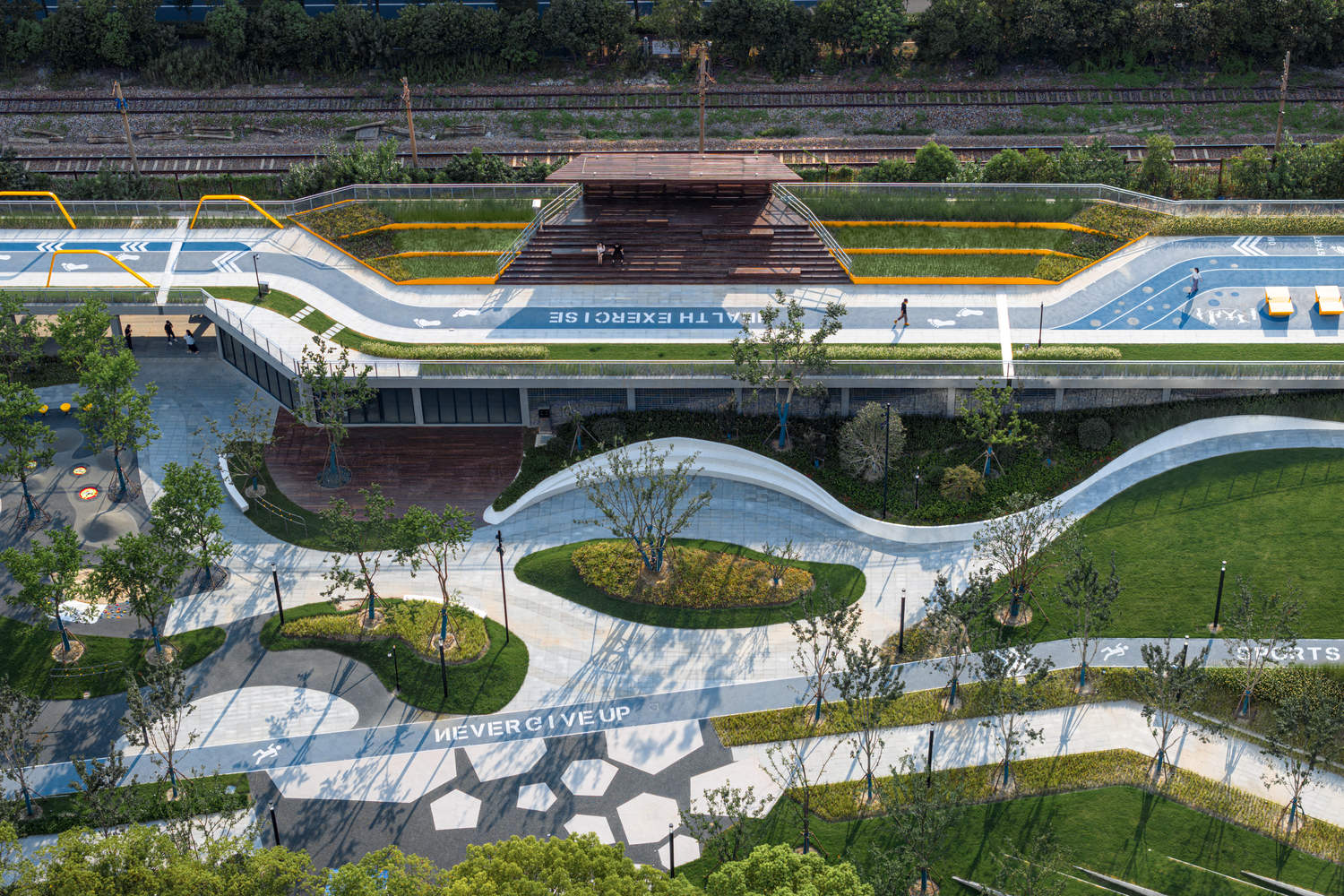
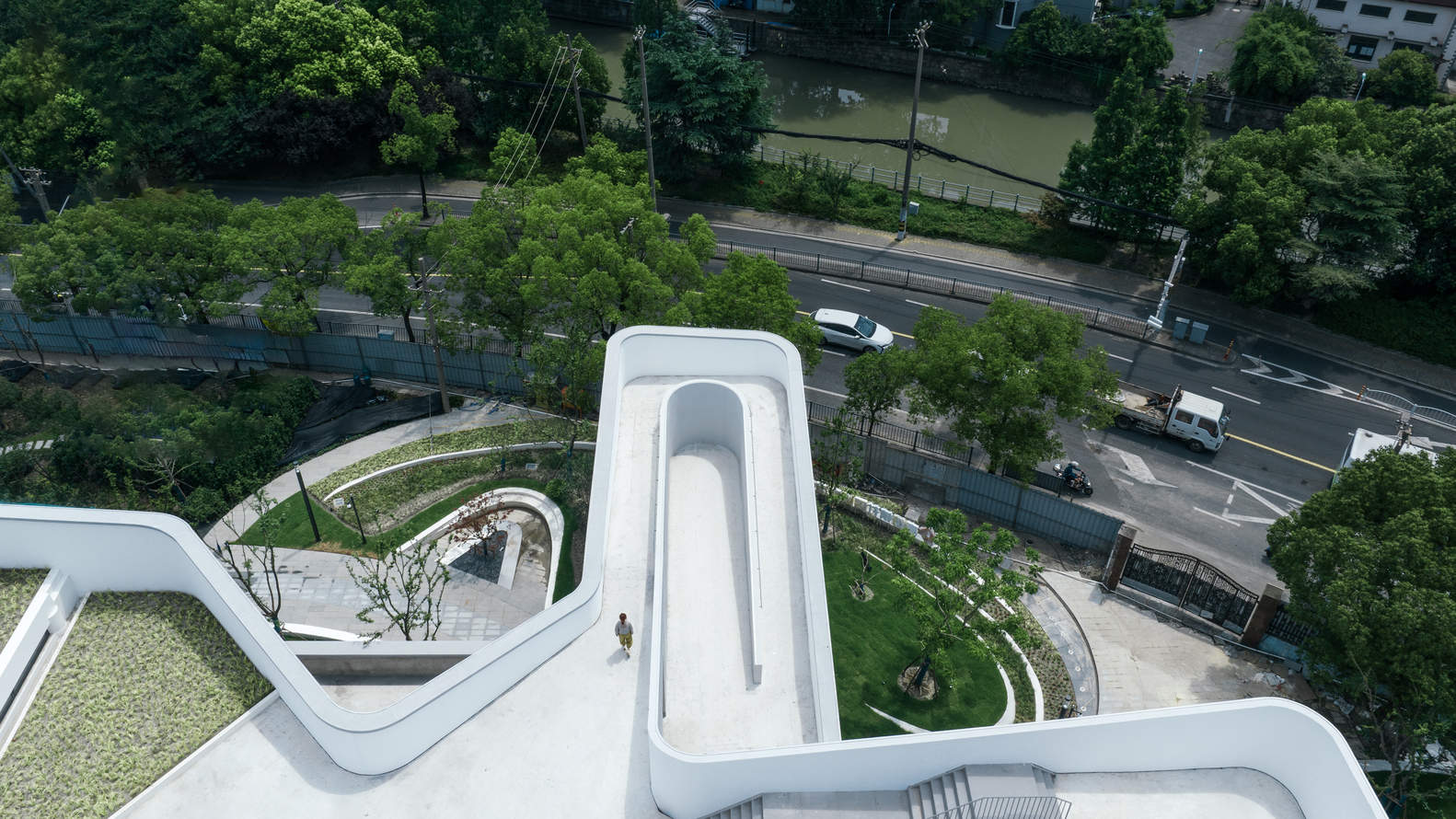
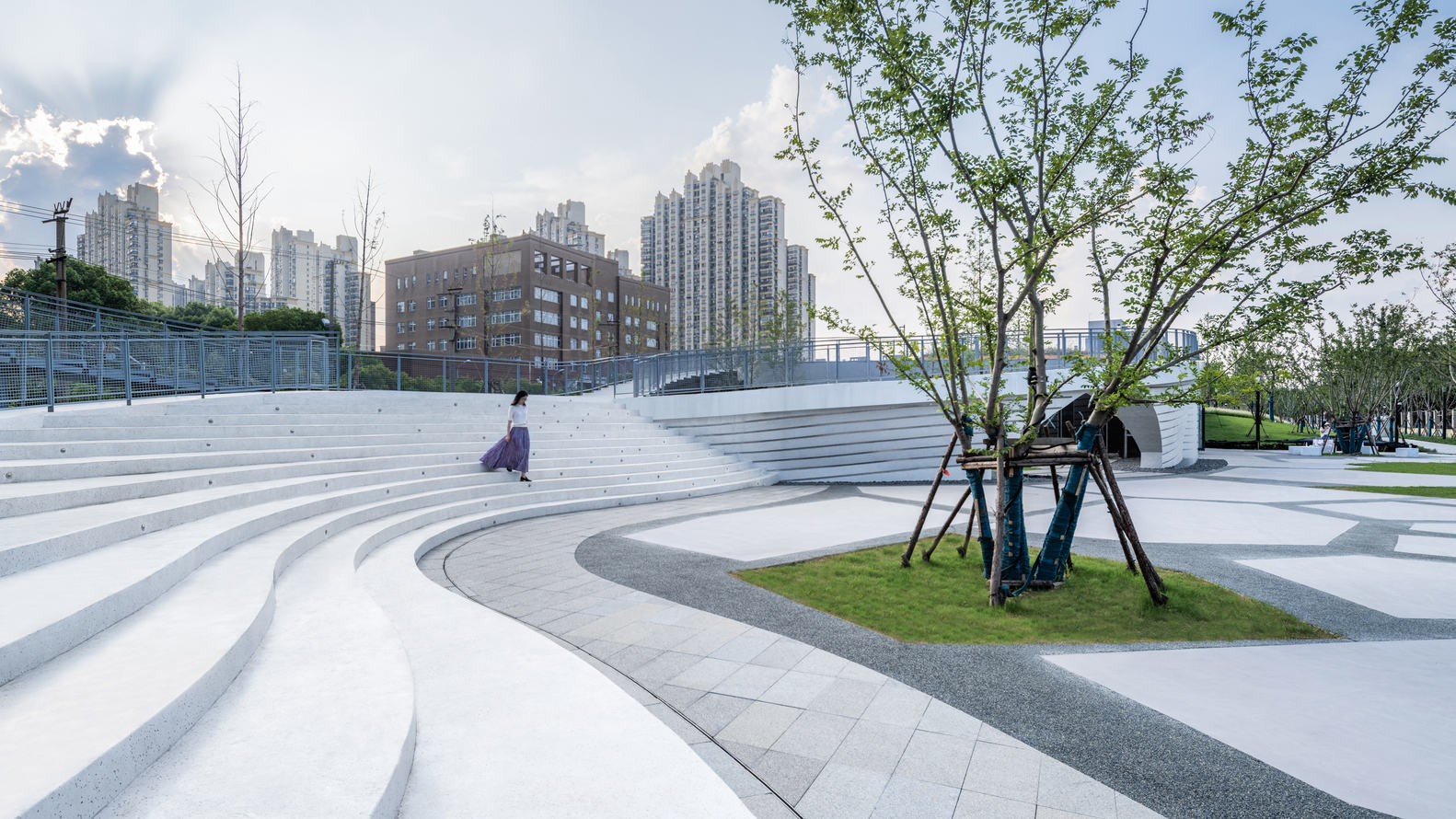
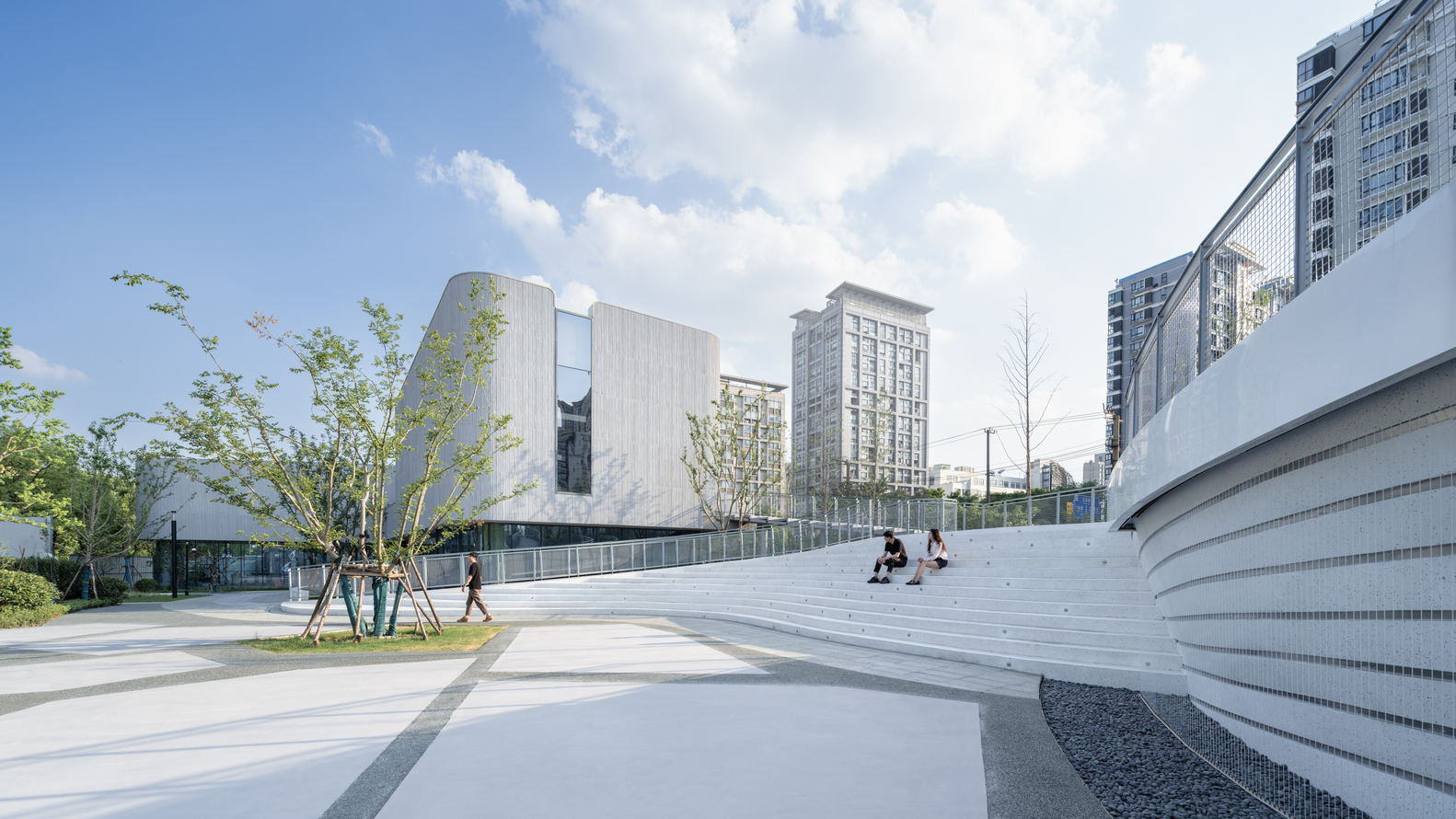
The enclosed interior space formed after sealing is the physical part of the entire exhibition space. The generation of the solid structure and the park is seamless; the original concrete ground is broken, growing and expanding from the natural surface. The fifth facade of the solid structure is an extension and amplification of the park interface, and the vertical slope of the rooftop park naturally forms the linear skylights of the exhibition hall below.
大地上的生长
封闭后形成的内部包裹空间是整个展览空间的实体部分,实体和公园的生成一气呵成,原始的混凝土地面被打破,从自然地表生长、扩展,实体的第五个立面是公园界面的延伸和放大,屋顶公园的坡台垂直界面自然形成了下方展厅的线性采光窗户。
© CreatAR Images
Floor Plan
Connection of Paths
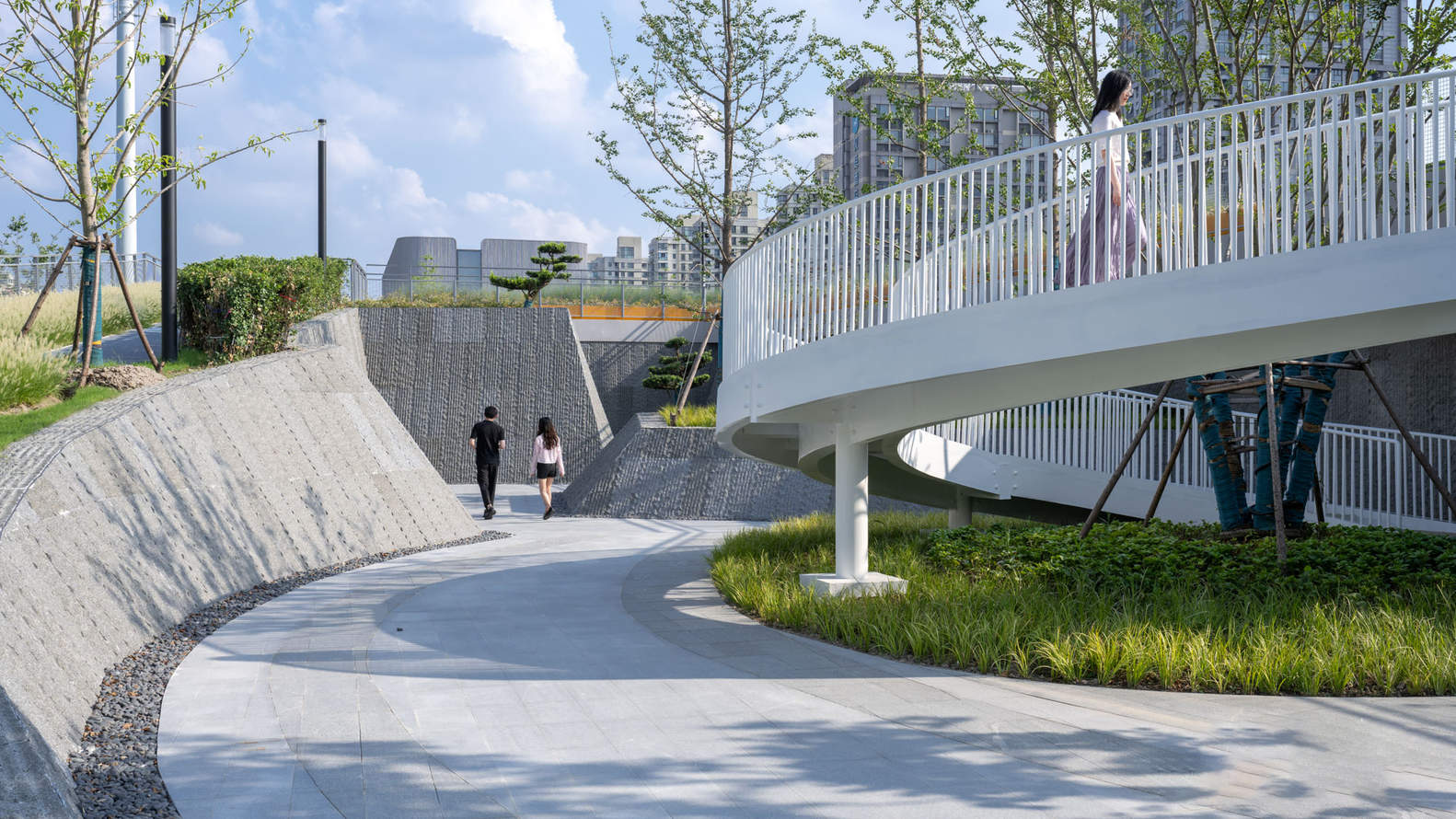
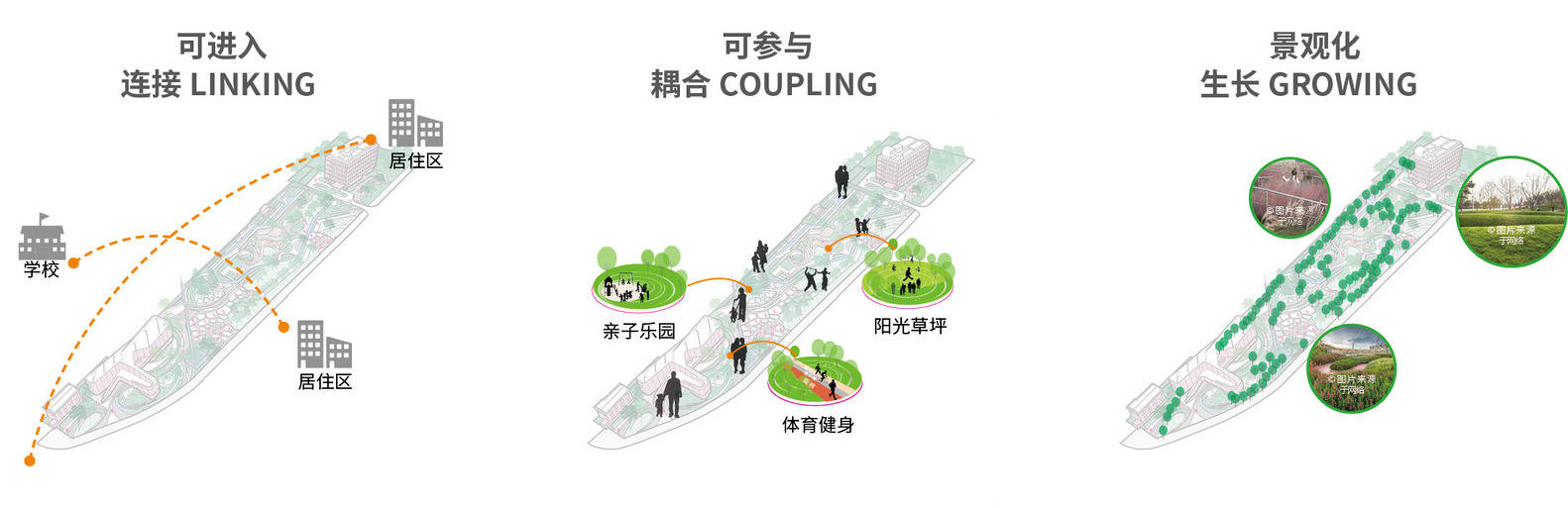
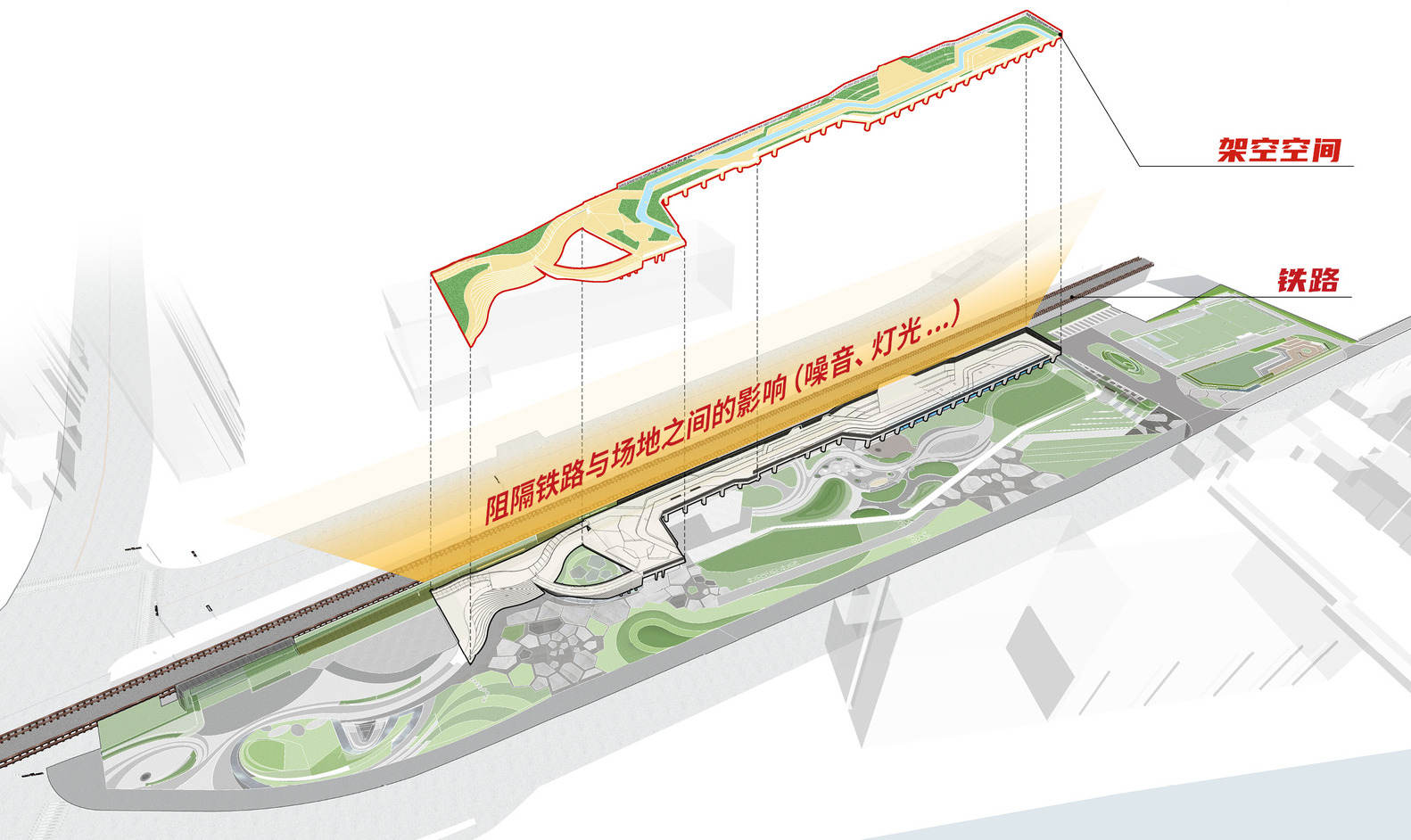
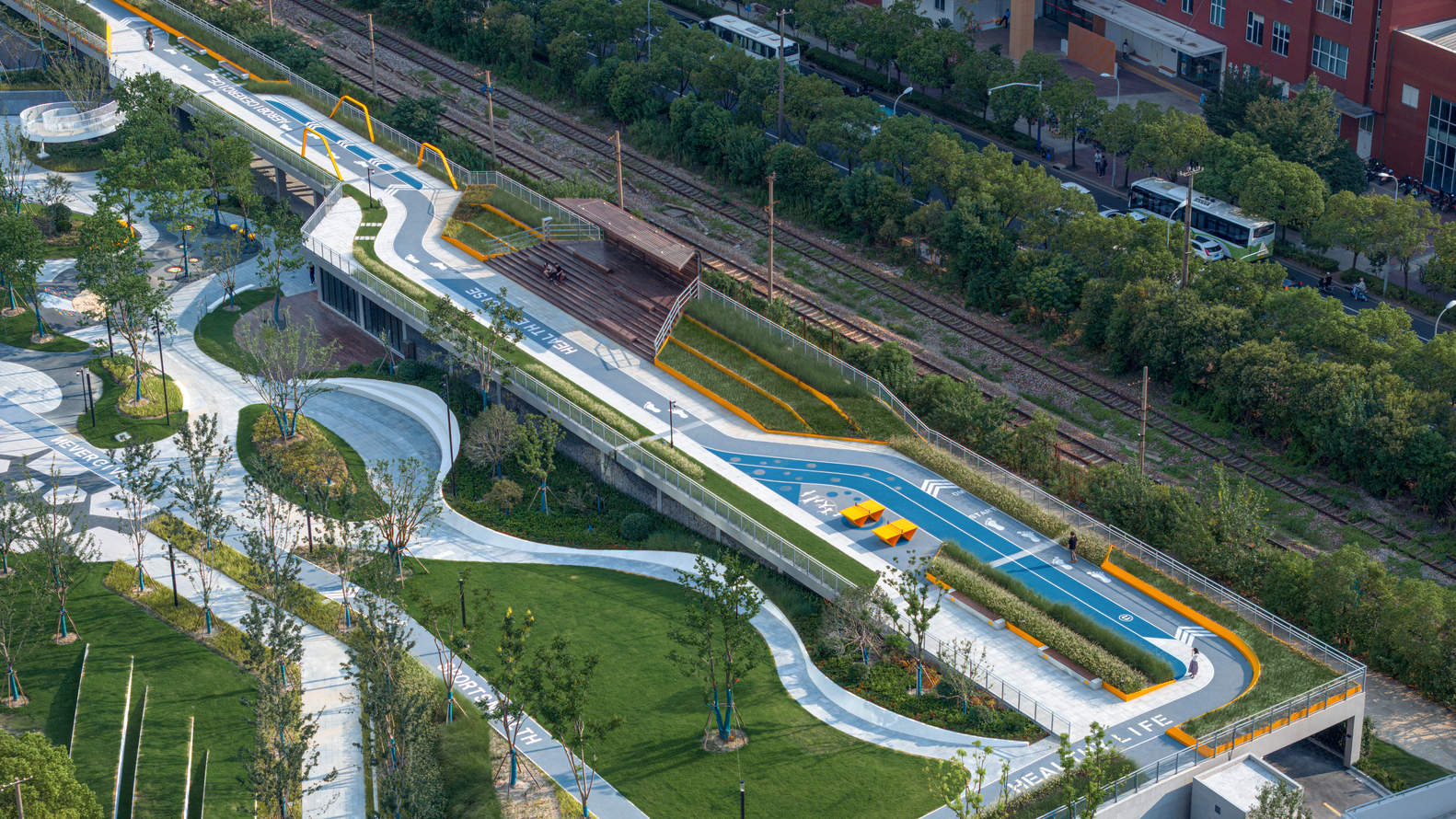
The paths on the roof reshape the public space of the original site. The贯穿 (贯穿 means running through/connecting) path at the bottom of the building connects the fragmented urban spaces originally cut by the building. The new form is a positive reshaping of the open public space of the city. The roof is designed with ramps to the north and south, creating a three-dimensional traffic system centered around the rooftop garden. This system connects the urban park, the building, and the corner square through a立体交通 (three-dimensional traffic system).
路径的连接
屋顶的路径重新塑造了原始场地的公共空间,建筑底部的贯穿路径连接了原本被建筑物切割的零散城市空间,新的形体是对城市开放公共空间的积极重塑。建筑的屋顶设计有向北和向南的坡道,营造了一个以屋顶花园为中心的三维交通系统。该系统通过立体交通连接了城市公园、建筑和街角广场。
© CreatAR Images
The Fifth Facade
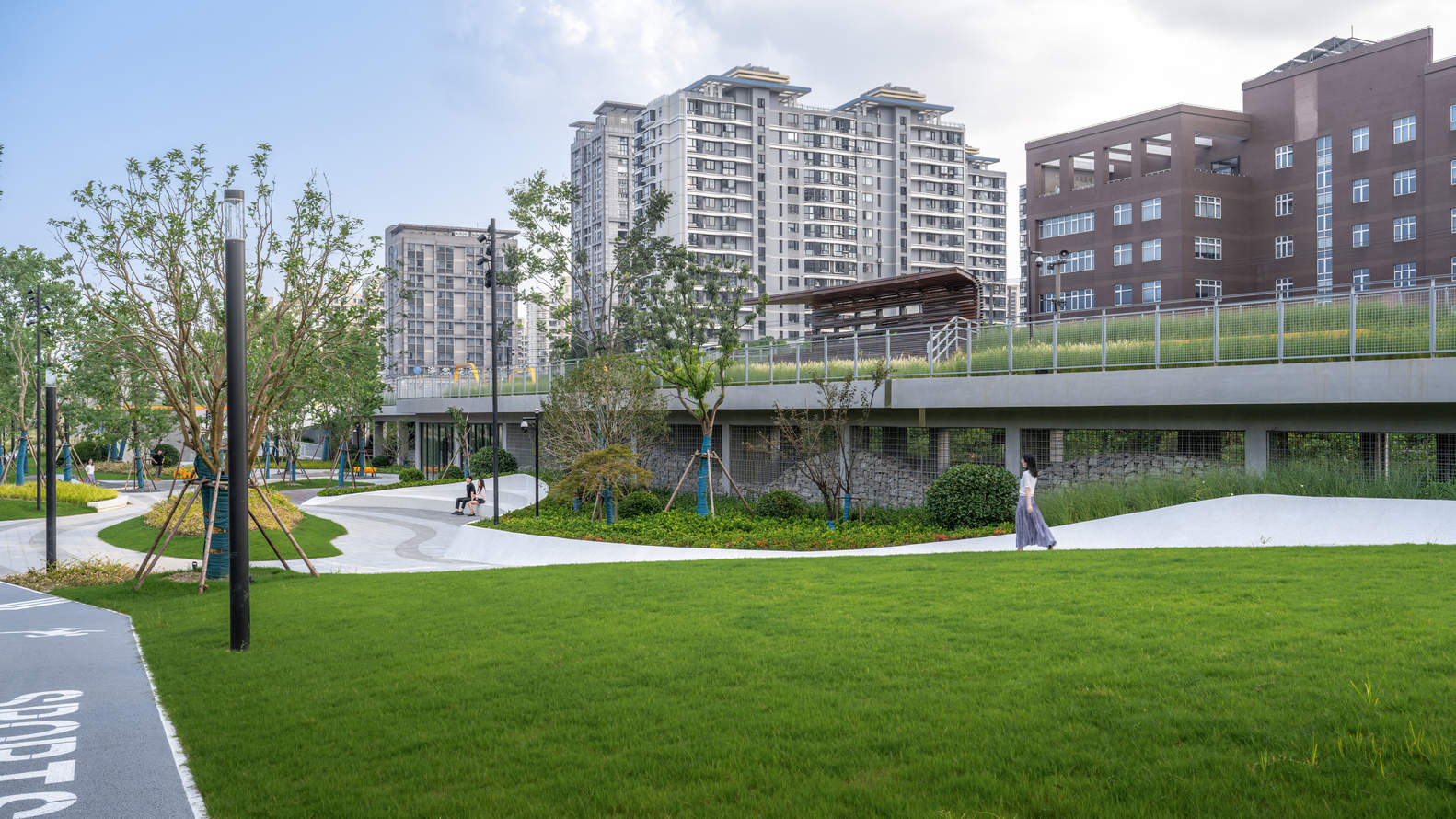
In order to extend the park interface to as many spaces as possible, we regard the roof as an extension and amplification of the park interface in the design. This approach aims to activate originally passive urban spaces and release a place for rest and relaxation.
第五个立面
为了尽可能多的空间焕活成为公园活动的延展界面,我们将屋顶视为设计中公园界面的延伸和放大。这种方法旨在激活原本消极的城市空间,释放出一个能够停留和放松的场所。
© CreatAR Images
© CreatAR Images
Space of Light
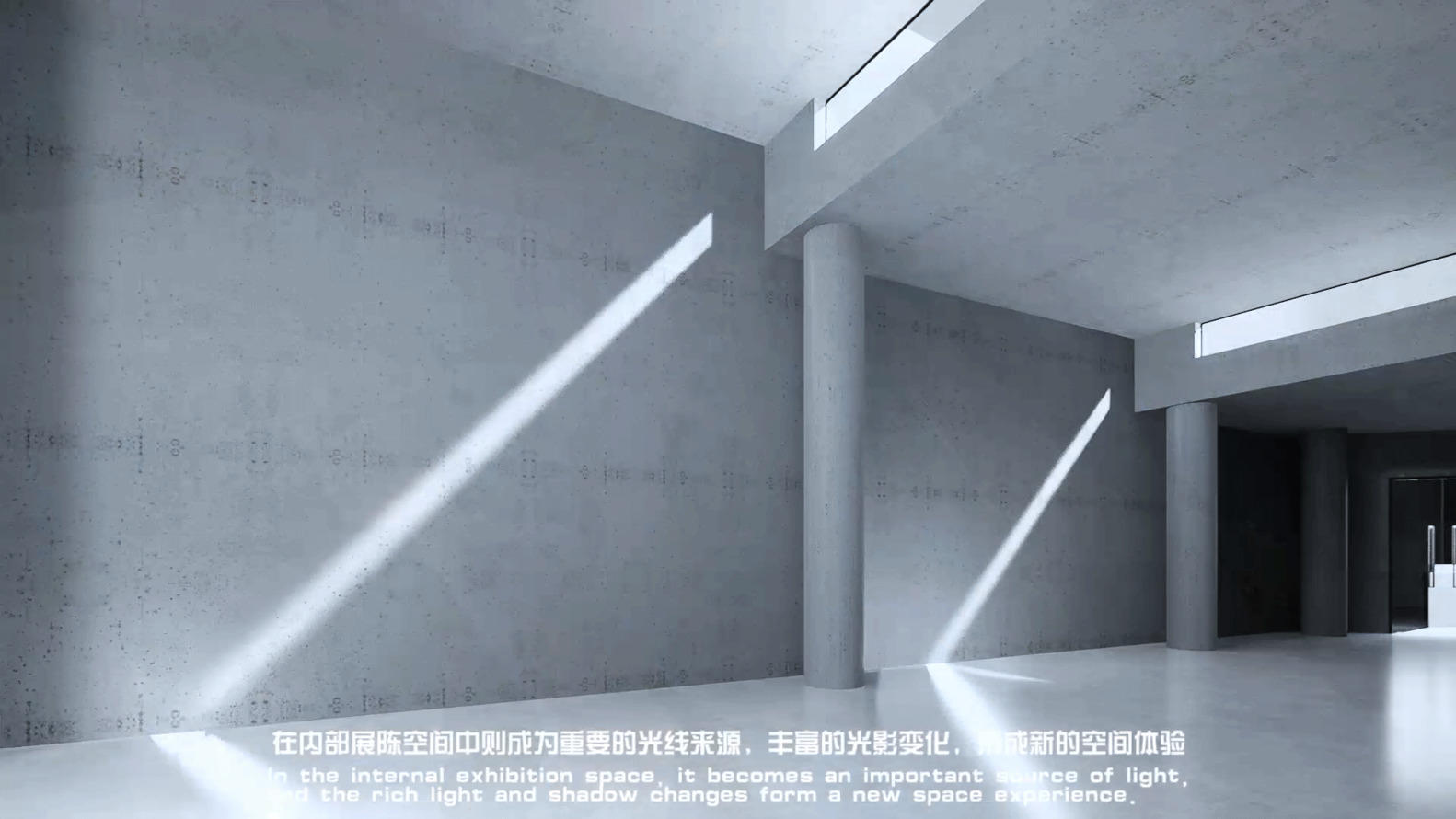
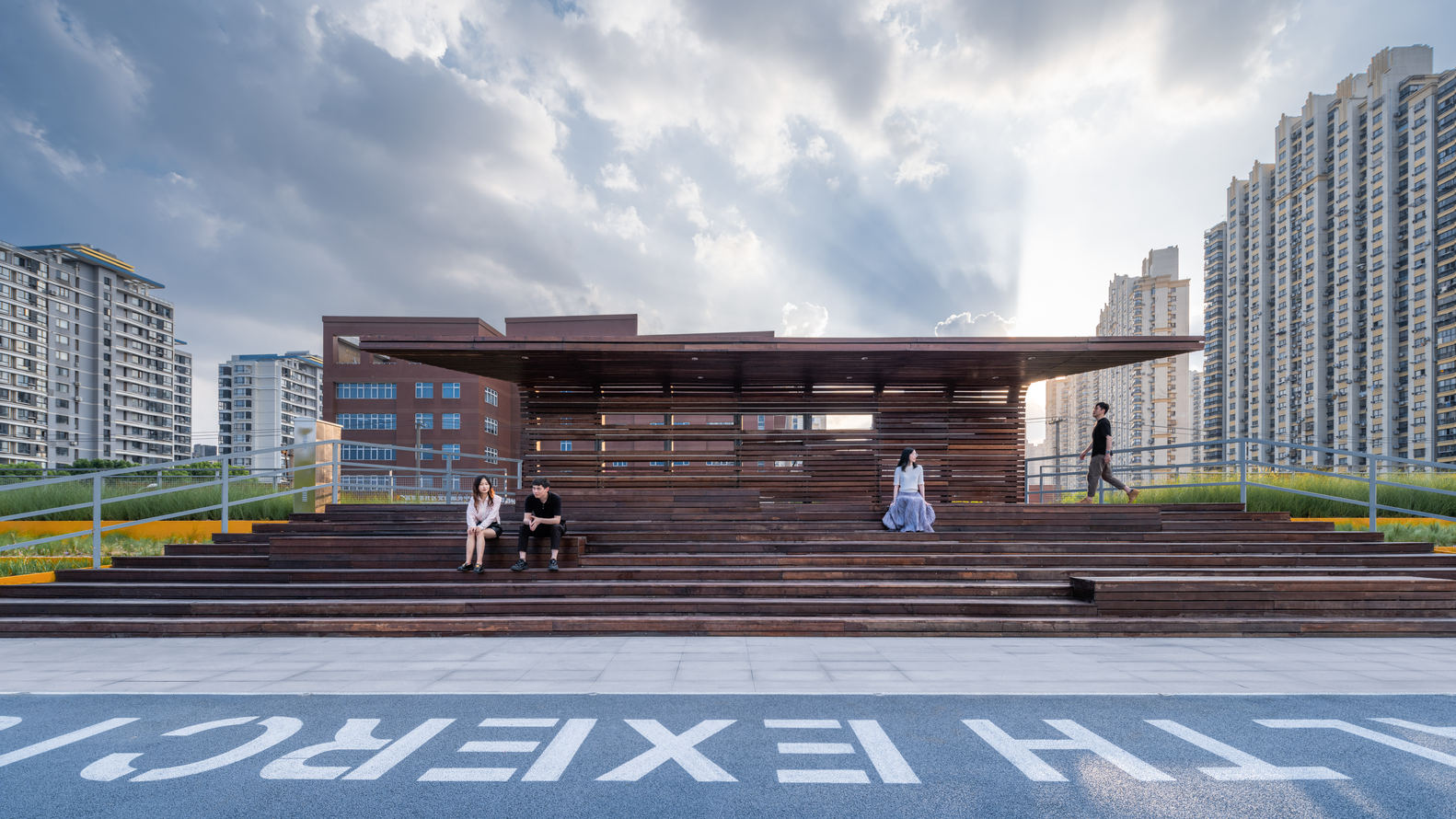
The overlapping layers of the roof cleverly embed skylights, which become the natural stepped seating area for the rooftop garden theater in the top surface space and an important light source for the internal exhibition space. In the future, exhibitions and activities in the internal space can interact with different forms of light to create new spatial experiences.
光之空间
屋顶叠起的层次,将天窗巧妙地镶嵌其中,在屋顶的表层空间成为屋顶花园剧场自然起坡座椅区,并成为内部展览空间的重要光源,未来内部空间中的展览和活动可以与不同方式的光相互作用,形成新的空间体验。
© CreatAR Images
Cultural Imprint
The texture of vibrant bamboo collides with the concrete memory of the original site. Art paint adopts the treatment method of the texture of traditional Shanghai lane facades, adding emotional memory to the civic center. The two facade materials and the architectural form perfectly combine to form an enclosing architectural space, telling different architectural languages.
文化的烙印
用有生命力的竹子肌理对撞原本基地的混凝土记忆,艺术漆则沿用上海传统里弄外墙肌理处理手法,增添市民中心的情感记忆。两种立面材料和建筑形体完美结合形成围合的建筑空间,并诉说着不同的建筑语言。
© CreatAR Images
© CreatAR Images