软基础设施与水资源管理的深度融合:该项目最核心的亮点在于其将景观设计提升至“软基础设施”的层面,以应对场地所在城市区域的水资源挑战。通过创建水滞留梯田、使用当地多孔的石英玄武岩填充材料,并引入一个大型调节水池,项目成功地将雨水径流转化为一种资源,而非负担。这种策略不仅有效控制了坡地侵蚀、减少了洪水风险,更重要的是,它直接为墨西哥城过度开采的含水层补充地下水,实现了环境效益与城市韧性的高度统一。
城市肌理的重构与社会连接性的恢复:项目精妙地解决了原场地的社会隔绝和治安问题。通过拆除围墙,将原先封闭的区域重新融入城市肌理,并有效地延伸了断头街道,创造出清晰的步行流线。设计策略注重激活公共空间,如增加照明以确保夜间使用、优化视野(移除低矮植被,增加树木提供遮荫),并通过设置眺望塔加强了监控和公共使用的安全性。这使得公园从一个被遗弃的空间转变为促进社区连接、激活城市活力的重要节点。
高效且回应场域的物质性表达:在建筑和结构层面,设计体现了功能性与极简美学的结合。L形混凝土挡土墙的使用是控制坡地、构建梯田系统的关键物质手段,简洁而有力地支撑了水管理策略的实现。同时,对原有设施的“回收利用”(卫生设施改造)体现了对现有资源的尊重和可持续的建造观。通过引入活动设施(游乐区、健身区)和休息节点,项目在实现环境目标的同时,确保了高品质的用户体验,成为一个整体性解决环境、社会和功能需求的典范。
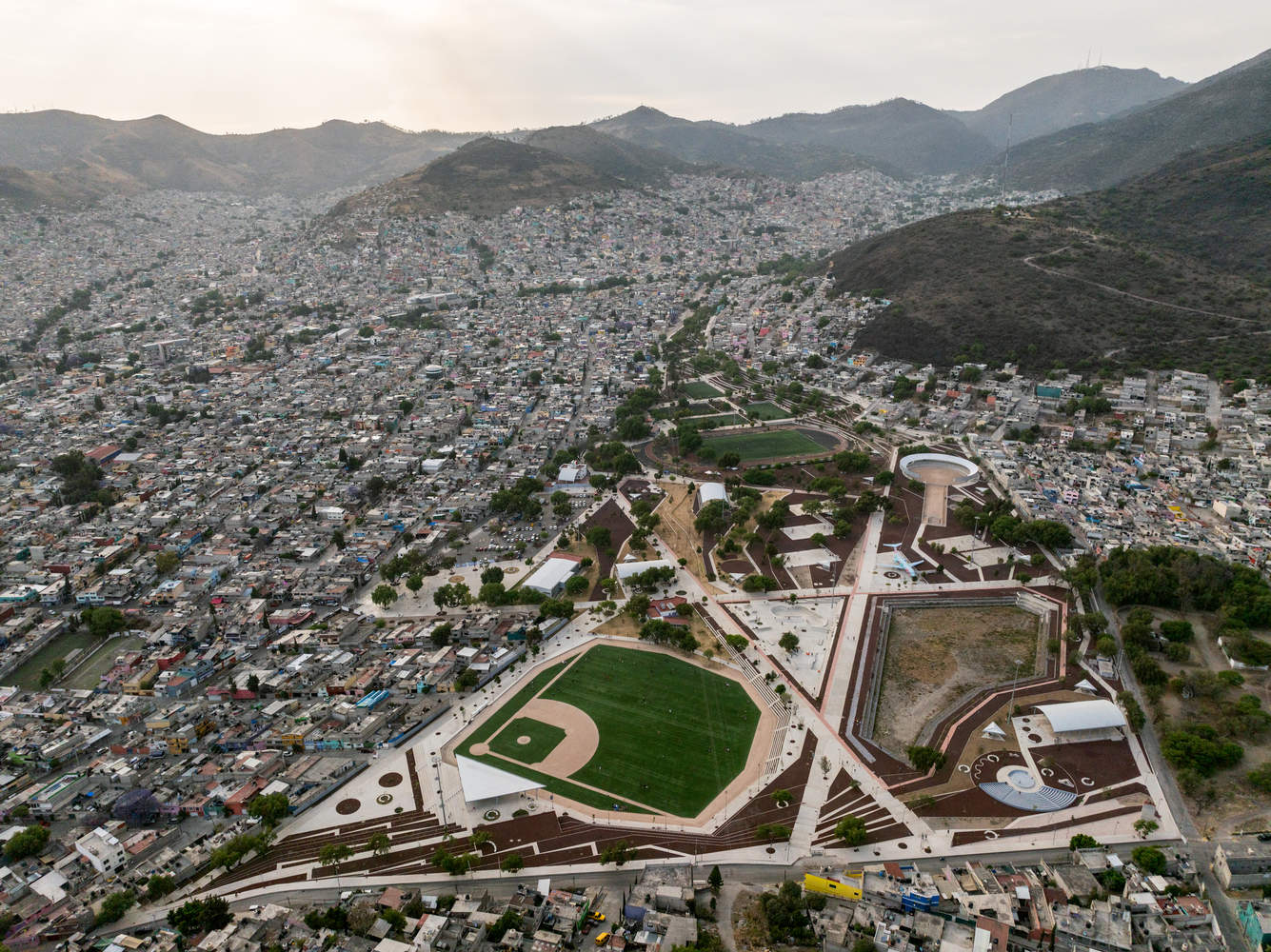
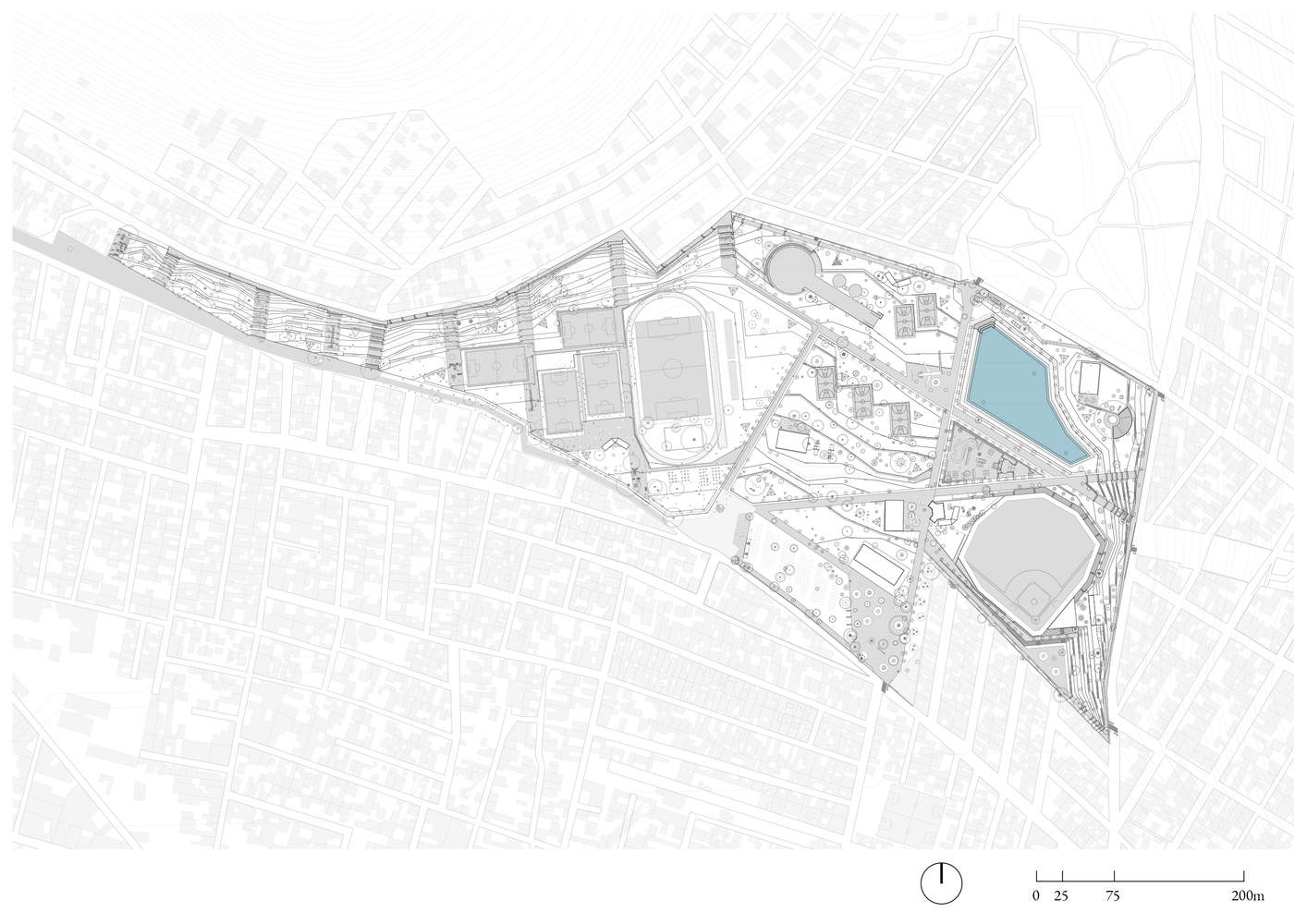
A twenty-hectare project, the Bicentennial Park is located in Ecatepec, the second most populous municipality in Mexico, part of the Mexico City Metropolitan Area. It is established on a previously closed and abandoned public space. Its transformation integrates soft infrastructure strategies that manage water resources through public space, addressing social and environmental needs.
一个占地二十公顷的项目,位于墨西哥第二大人口密集的市镇埃卡特佩克,属于墨西哥城大都会区的一部分。它建立在一个曾经封闭和废弃的公共空间之上。其转变结合了软基础设施策略,通过公共空间管理水资源,解决社会和环境需求。
© Rafael Gamo
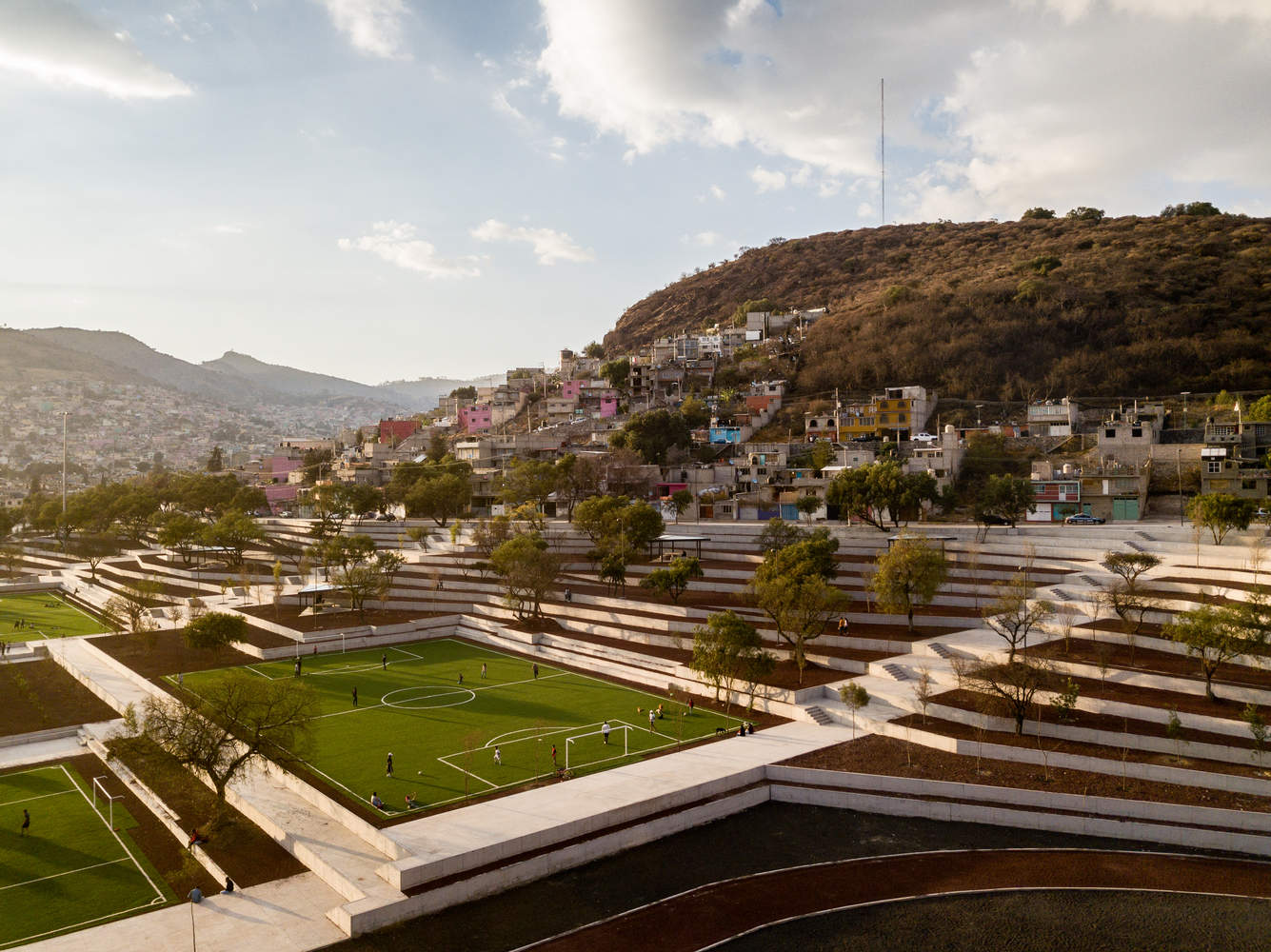
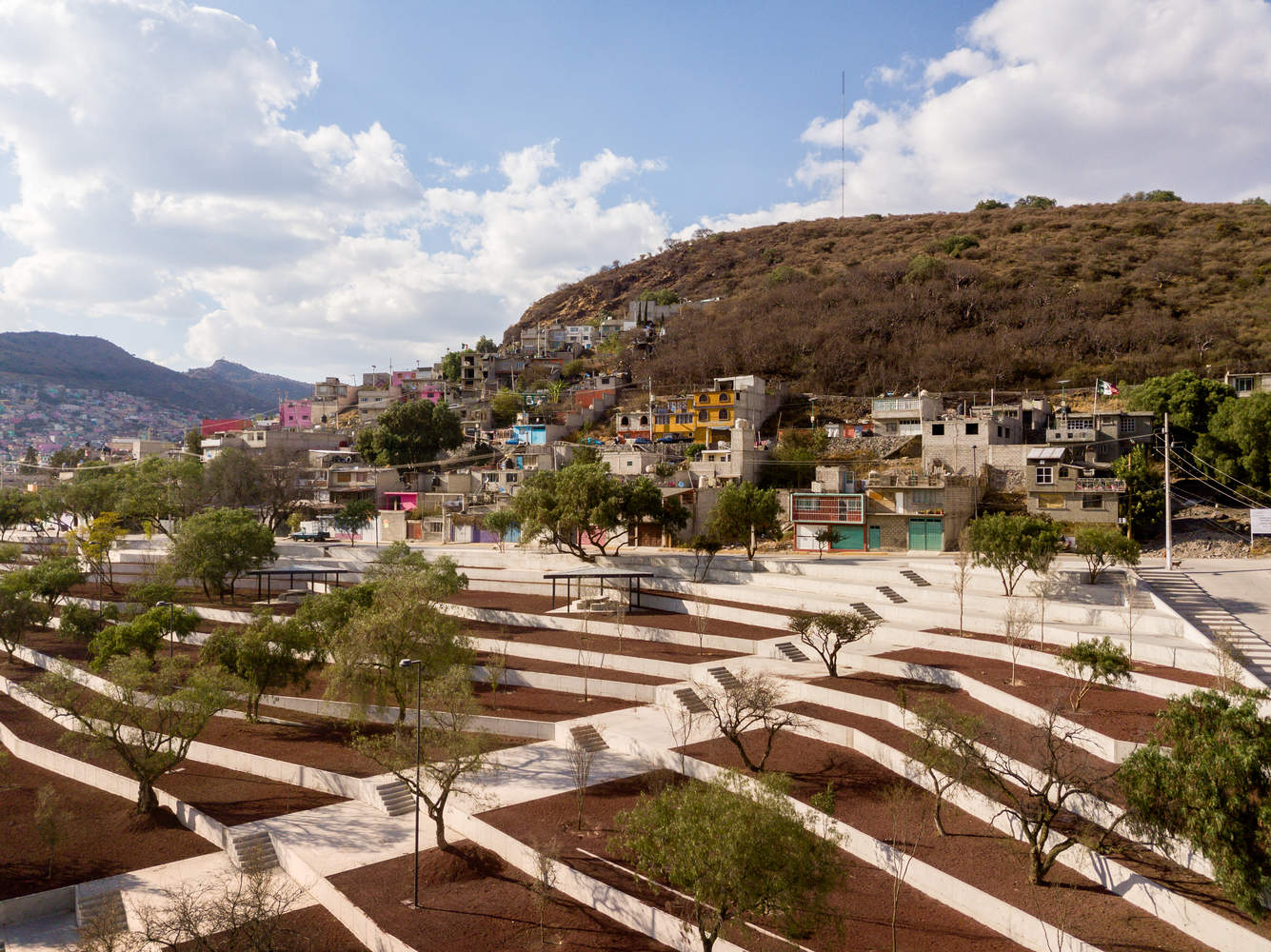
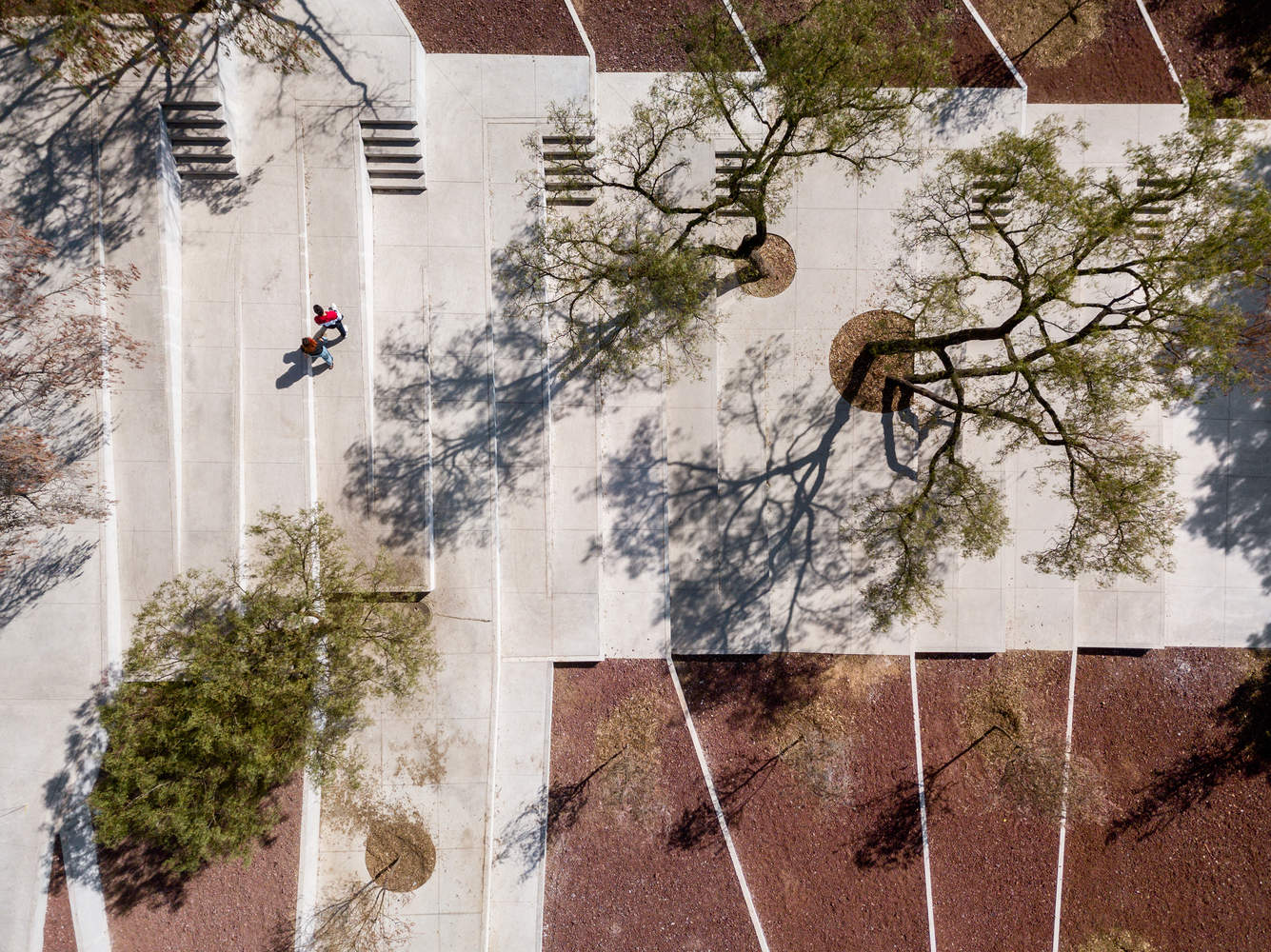
The design employs an efficient construction system to build water retention terraces and control slope erosion. L-shaped concrete retaining walls and minimal architectural details, such as bleachers and ramps, play a crucial role. The project integrates landscape, water management, and urban design, making it an active element for the better functioning of the environmental and urban context.
设计采用了高效的建筑系统,建造了水滞留梯田,并控制了坡地侵蚀。L形混凝土挡土墙和少量的建筑细节,如看台和坡道,发挥了重要作用。项目整合了景观、水资源管理和城市设计,使项目成为环境和城市背景更好运作的主动因素。
© Rafael Gamo
© Rafael Gamo
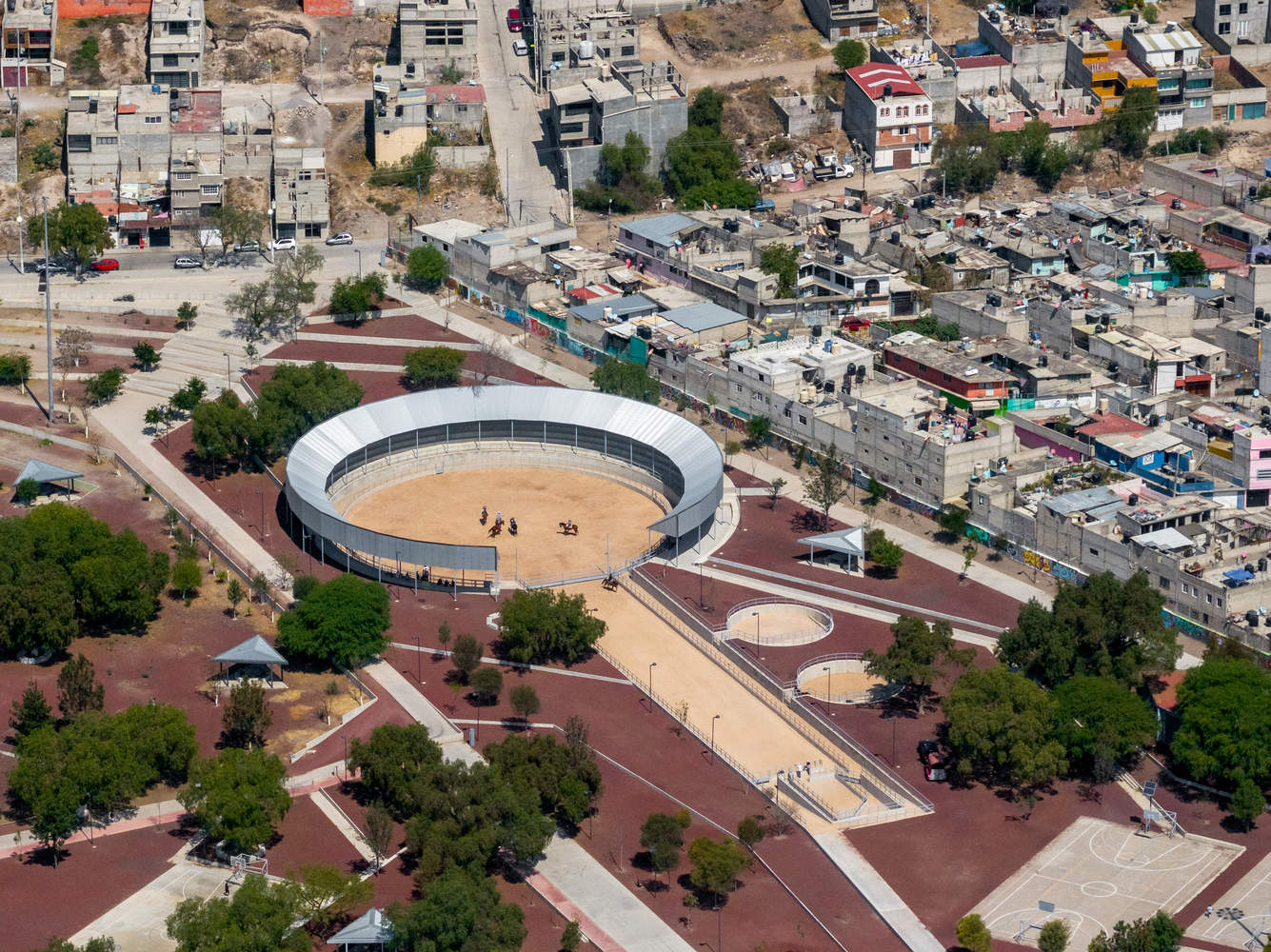
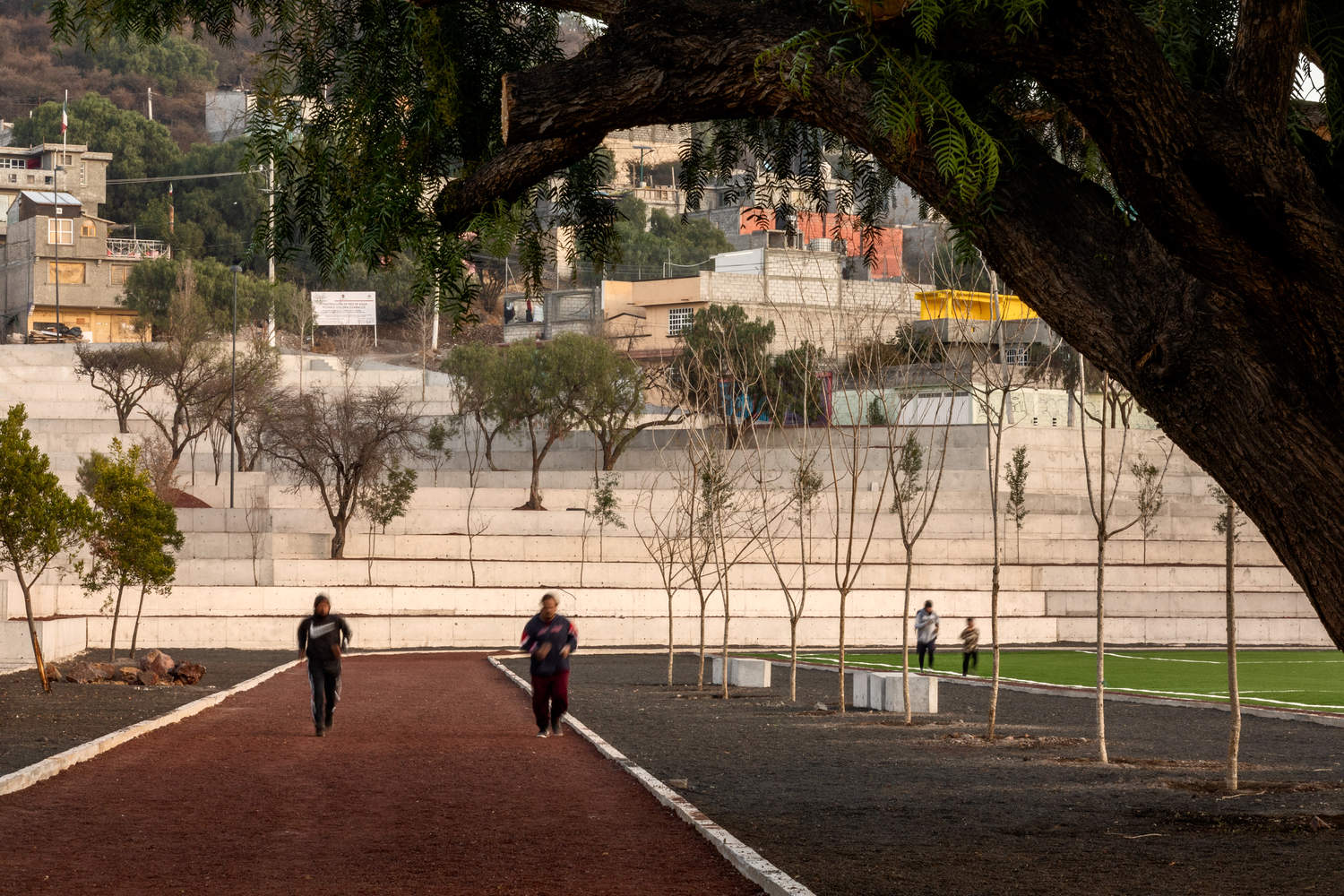
To address security and crime issues, the surrounding perimeter walls were removed. The project now connects the communities north and south of the park, extending previous dead-end streets and designing them as pedestrian flows and functional elements throughout the site, promoting connectivity. An observation tower was added to the least visited areas, enhancing public use and serving as an important surveillance element. A lighting system allows the space to be used at night. Low vegetation was removed to promote cross-views, while the number of trees was increased to provide shaded areas.
为了解决治安和犯罪问题,周围的围墙被拆除。该项目现在连接了公园北部和南部的社区,延伸了以前的死胡同街道,并将其设计为步行流线和功能元素,贯穿整个项目,促进了连接性。在最少访问区域增加了一个眺望塔,增强了公共使用,并成为重要的监控元素。照明系统使空间可以在夜间使用。移除了低矮的植被,以促进交叉视野,同时增加了树木数量,提供遮荫区域。
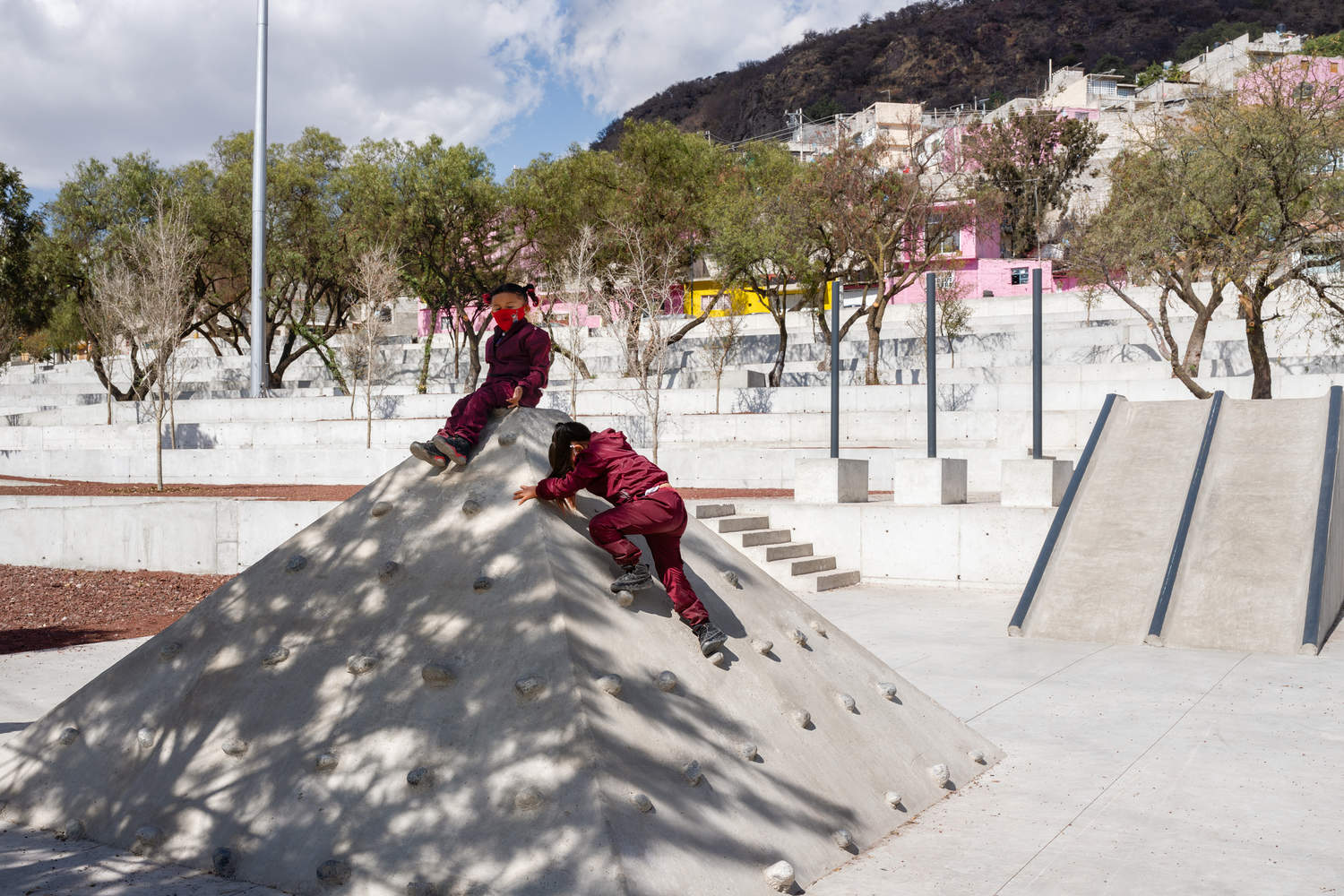
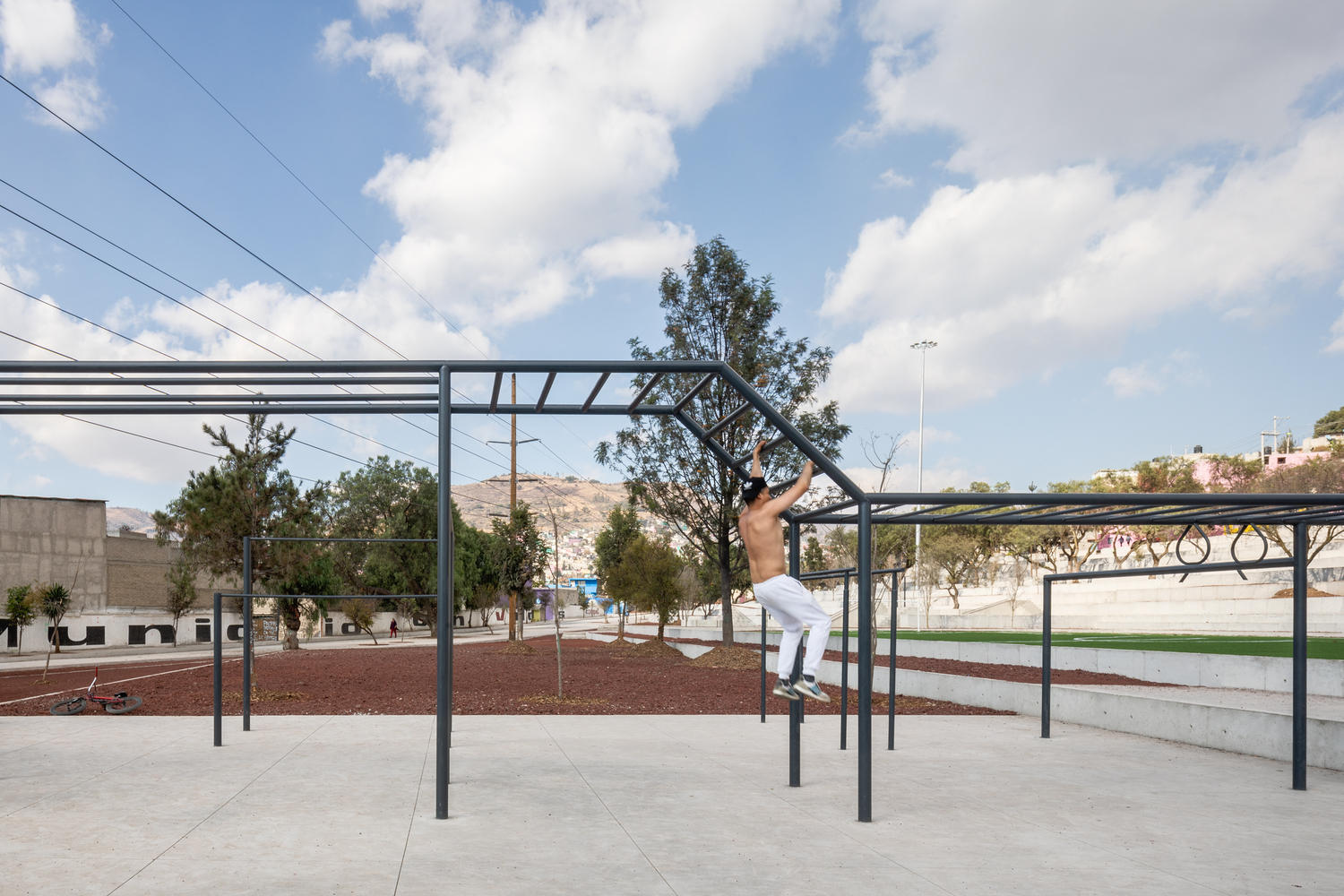
Activities were introduced on the new cross streets: play areas, fitness, and parkour zones were added. A series of new rest areas and small pavilions were set up in different parts of the park. Existing deteriorated sanitary facilities were recycled and transformed into buildings that allow sound transmission, natural light, and ventilation.
为了解决治安和犯罪问题,周围的围墙被拆除。该项目现在连接了公园北部和南部的社区,延伸了以前的死胡同街道,并将其设计为步行流线和功能元素,贯穿整个项目,促进了连接性。在最少访问区域增加了一个眺望塔,增强了公共使用,并成为重要的监控元素。照明系统使空间可以在夜间使用。移除了低矮的植被,以促进交叉视野,同时增加了树木数量,提供遮荫区域。
© Rafael Gamo
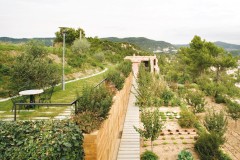
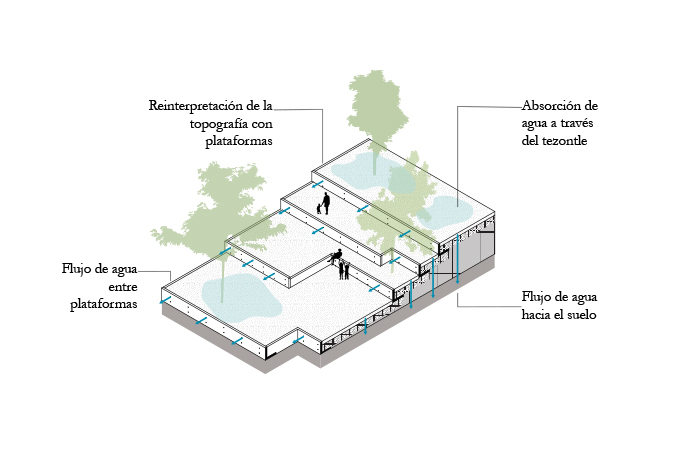
The Bicentennial Park is deeply rooted in its environmental context, favoring the territory's water management capacity. Its design responds to its hillside location, providing an ideal setting for the natural infiltration of rainwater and runoff, supplementing the overexploited aquifers in the Mexico City basin. Therefore, the main design strategy was to transform the hillside into terraces, a historical method for reducing erosion, retaining soil, and promoting water storage. All park terraces are filled with scoria basalt, a local porous volcanic gravel that retains moisture and acts like a sponge, slowly introducing rainwater and runoff into the ground.
项目在新的交叉街道上引入了活动:增加了游乐区、健身和跑酷区域。在公园的不同部分设置了一系列新的休息区和小亭子。对现有的破旧卫生设施进行了回收利用,改造成可以透声、自然采光和通风的建筑物。
© Rafael Gamo
This approach reduces flooding and prevents erosion throughout the park area. Furthermore, this method facilitated the planting of 450 trees to improve canopy cover. A regulation pond with a capacity of 17,500 cubic meters was also built to collect the runoff from seasonal streams that previously flooded downstream urban areas and discharge it into the city's drainage system.
二百周年纪念公园深深植根于其环境背景之中,有利于领土的水资源管理能力。其设计响应了其坐落在山坡上的位置,为雨水和径流的自然渗透提供了理想的环境,补充了墨西哥城流域中过度开采的含水层。因此,主要设计策略在于将山坡转化为梯田,这是减少侵蚀、保持土壤和促进蓄水的历史方法。所有的公园梯田都填充有石英玄武岩,一种当地多孔的火山砾石,能够保持水分并起到海绵的作用,缓慢地将雨水和径流引入地下。
This intervention transformed the conditions of the previous park, whose high-maintenance design created a negative impression in the community. Today, it has become essential soft infrastructure for water management, significantly improving the community's relationship with its surrounding environment and the urban fabric.
这种方法在整个公园区域内减少了洪水并防止了侵蚀的发生。此外,这种方法还促进了种植450棵树木以改善树冠覆盖。同时还建造了一个容量为17,500立方米的调节水池,用于收集以前会淹没下游城市区域的季节性溪流的径流,并将其排入城市排水系统。
© Rafael Gamo
© Rafael Gamo
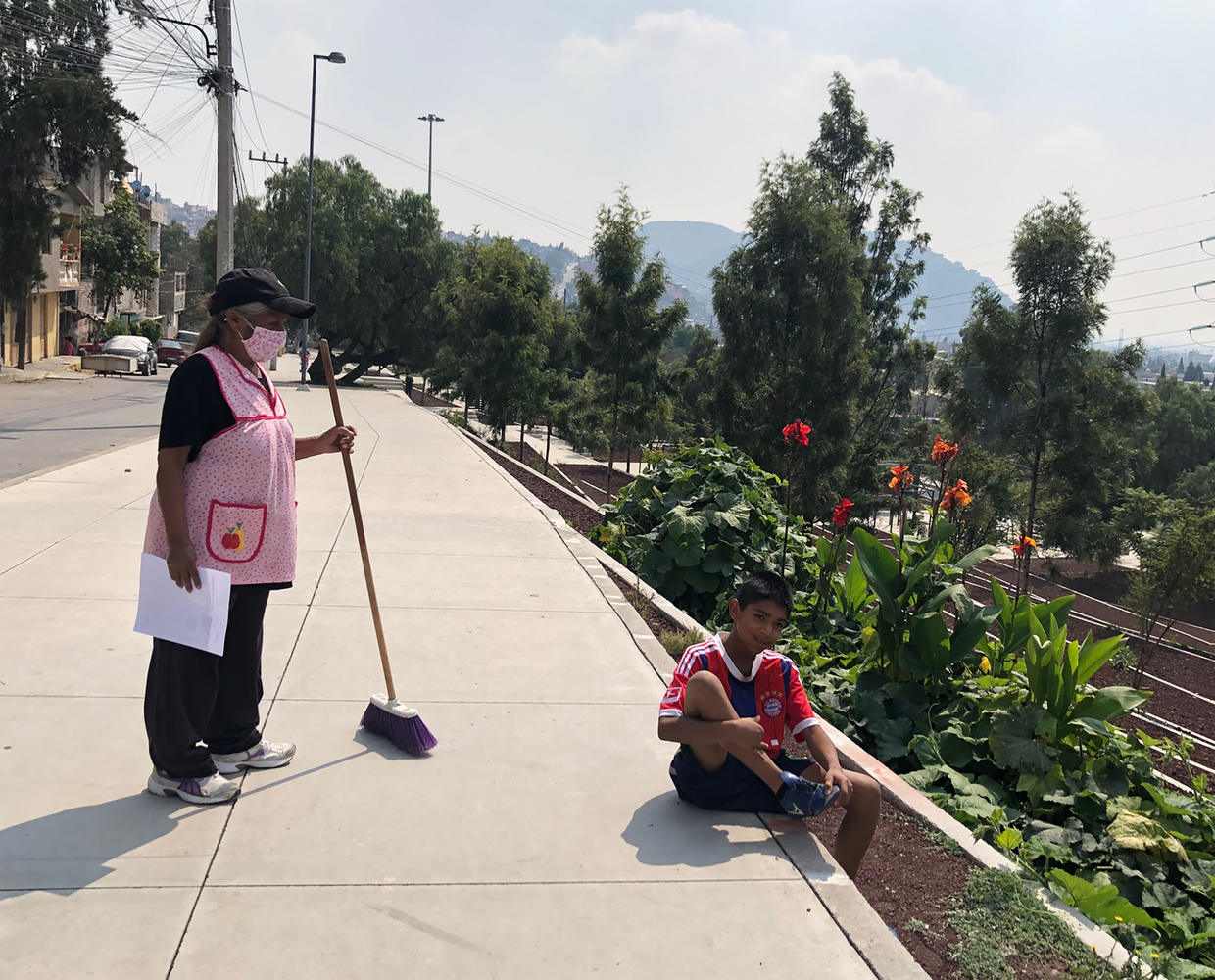
The Bicentennial Park is an excellent example of how architecture, landscape, and urban design projects can positively transform spaces. It is designed for the informal areas already built in the city: self-isolated internally, with high insecurity, a lack of quality open spaces, and severe water management problems. The design took this fully into account and responded directly to these issues.
这一干预措施改变了以前公园的条件,其高维护设计在社区中造成了消极印象。如今,它已成为重要的水资源管理软基础设施,显著改善了社区与其周围环境和城市环境的关系。
© Rafael Gamo
We firmly believe in the power of architecture to be a driving force for urban transformation, restoring harmony with the environment and providing safe gathering places for people. Our profession has the capacity and the need to address the ecological and social problems of the current world to the fullest extent. Architecture has always been a catalyst for environmental transformation. In the current context, it must be a powerful tool for restoring balance.
二百周年纪念公园是建筑、景观和城市设计项目如何反过来积极转化空间的优秀范例。它设计用于城市已经建成的非正式区域:内部自我隔绝,治安混乱,缺乏优质开放空间,并存在严重的水资源管理问题。设计充分考虑了这一点,并直接回应了这些问题。
© Alejandra Romo
我们坚信建筑的力量,它可以成为城市转型的推动因素,恢复与环境的和谐关系,并提供安全的人类聚集场所。我们的职业有能力并需要全力以赴解决当前世界的生态和社会问题。建筑一直是环境转型的催化剂。在当前的情况下,它必须成为恢复平衡的有力工具。