场所精神与在地性营造:该项目成功地将一片废弃建筑群转化为与峨眉山自然环境深度融合的栖居地。设计通过借鉴当地村落形态和传统坡屋顶、深挑檐等建筑语汇,以当代设计手法进行重塑,实现了对场地历史文脉和自然地形的尊重与回应。特别是对“景观优先”策略的坚持,确保了建筑的每一个界面都与自然景观展开对话,使得酒店不仅仅是功能性的住宿空间,更成为了一个让人回归自然、感知“静谧”的文化场域。
材料的真实性与感官体验:从入口处手工凿刻的混凝土立面到客房和浴室中大量使用的本地石材(片岩、红砂岩、水洗石),设计在材料选择上极度克制且注重质感。这种对材料“真实触感”的追求,赋予了建筑一种恒久、朴拙的基调。特别是通过对光影在粗粝肌理上的微妙变化捕捉,以及对木材(雪松木梁)的温润运用,极大地丰富了居住者的多重感官体验,深化了建筑与土地的联系。
空间序列与沉浸式叙事:项目精心设计了从入口到核心庭院、再到私密客房的空间序列。以古老的桢楠树为核心的庭院作为社交和历史锚点,将人流导入。精神空间的无界落地窗设计,模糊了室内外的边界,实现人与自然的沉浸式对话。客房“框景于山”的手法,将山水诗意地引入居住空间。这种层层递进的空间叙事,引导访客从外部世界的喧嚣,逐步进入一个可以沉思、慢下来的内在宁静之境。
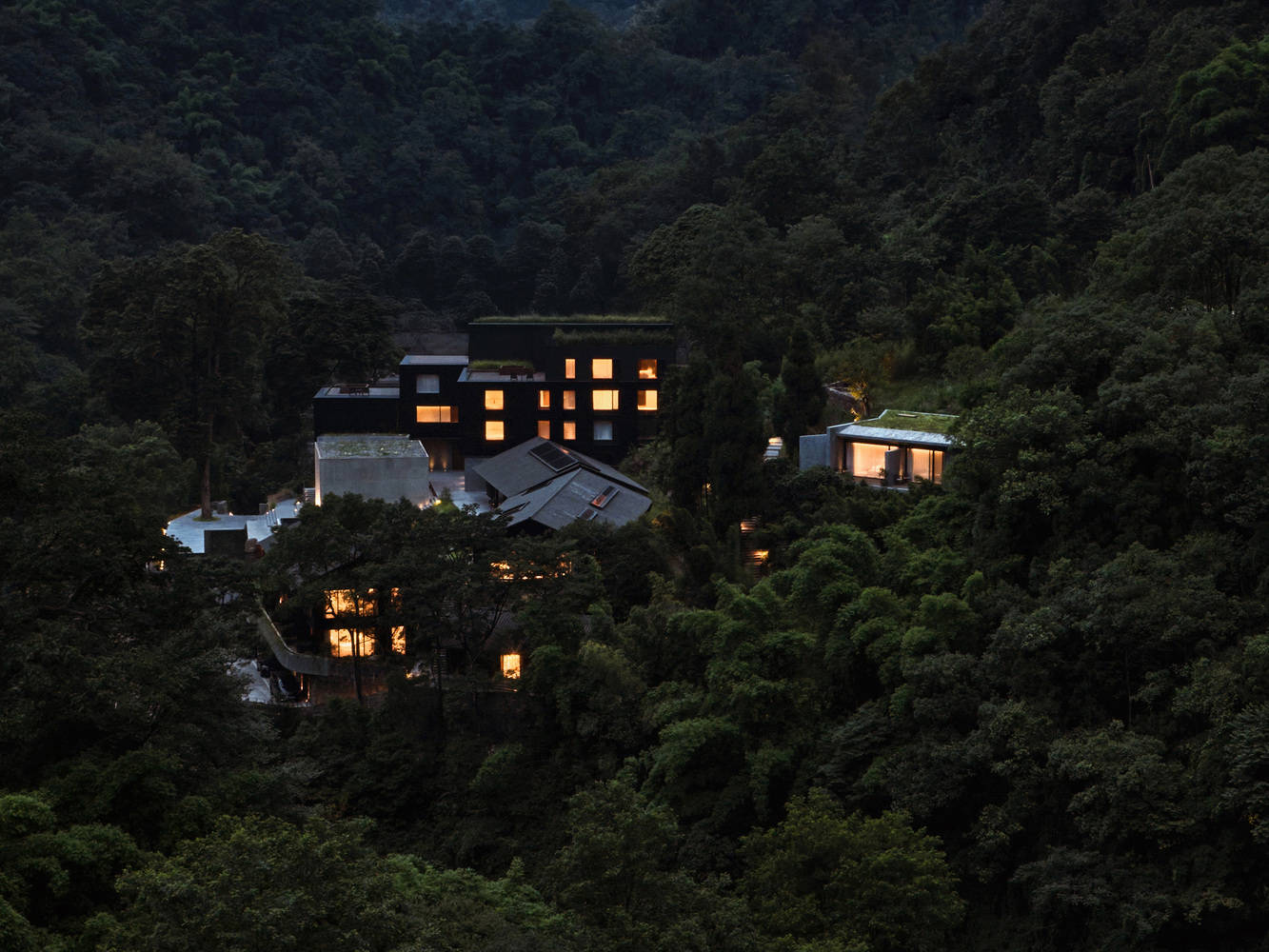
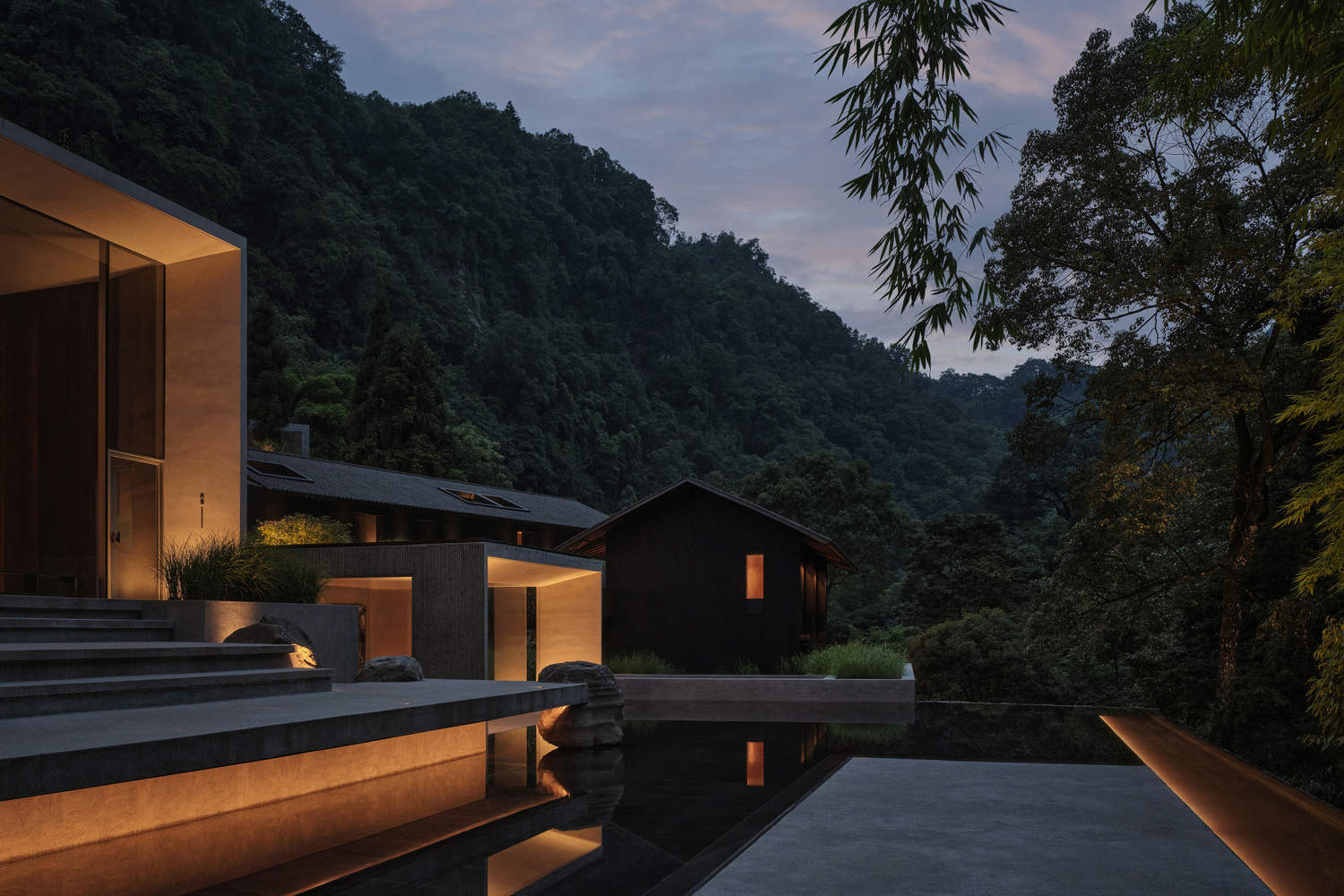
The Zoland Star Emei Resort, designed by Studio J. Bridgland (SJB), is situated at the foot of Mount Emei. The design is rooted in the quiet philosophy of architecture, transforming a derelict complex into a dwelling nestled within the forest—guiding people back to nature and inward reflection. The architectural design draws inspiration from the site's topography and traditional culture. The overall layout unfolds in a staggered, village-like form, echoing the stone house clusters built along the mountainside. Traditional pitched roofs and deep eaves are reinterpreted with contemporary vocabulary to connect the past and the present. Through a "landscape-first" design strategy, restrained material selection, and the poetic integration of tradition and modernity, the Zoland Star Emei Resort is not just a hotel, but a field for perceiving "tranquility"—a place where people can contemplate, slow down, and re-establish a dialogue with the land.
岚域·峨眉山度假酒店由 Studio J. Bridgland(SJB) 设计,坐落在峨眉山麓。设计根植于建筑的静谧哲学,将一片废弃的建筑群更新为隐入山林的栖居之所——让人回到自然,也回归内心。建筑设计从场地地形与传统文化中汲取灵感。整体布局以错落有致的村落式形态展开,呼应依山而建的石屋聚落。传统坡屋顶与深挑檐被重新演绎,以当代语汇连接过去与现在。通过“景观优先”的设计策略、克制的材料选择,以及对传统与现代的诗意融合,让岚域·峨眉山度假酒店不仅是一家酒店,更是一处让人感知“静谧”的场域——在这里,人们得以沉思、放缓节奏,并与土地重启对话。
© 雷坛坛
© 雷坛坛
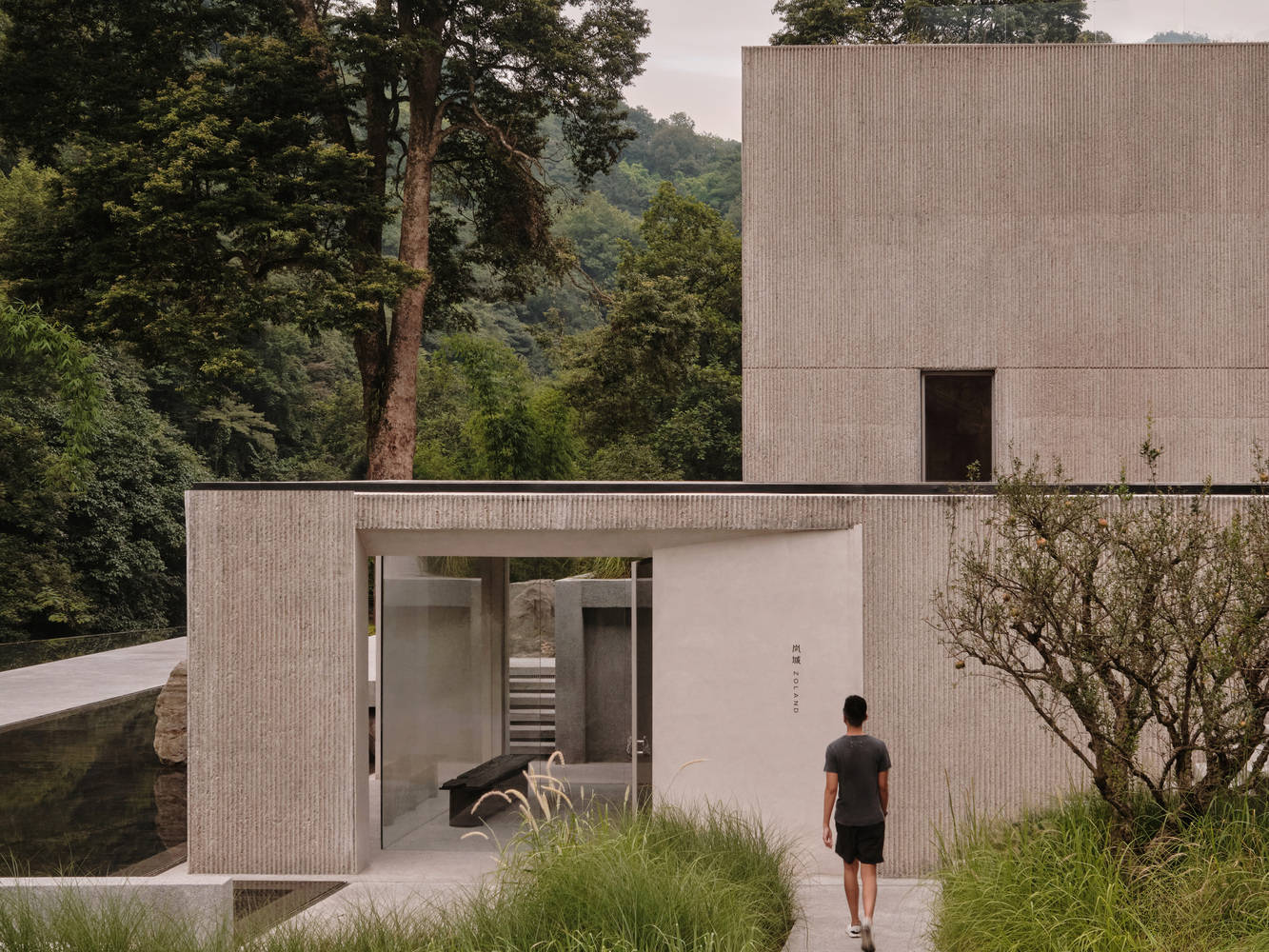
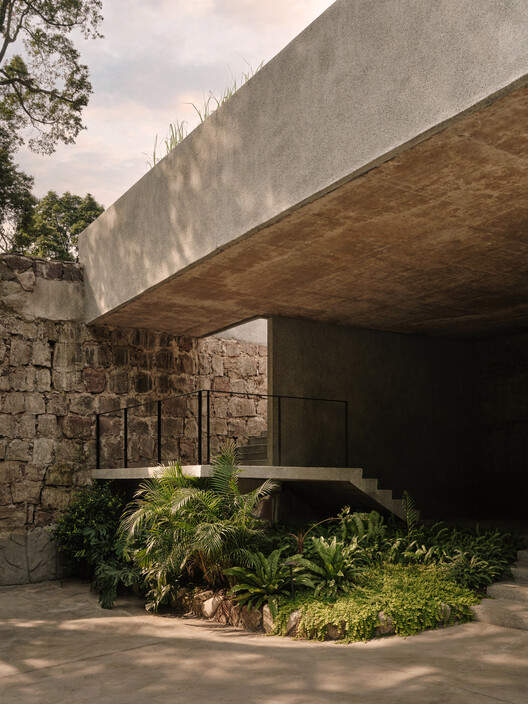
Entrance · Prelude of Stone: The hand-chiseled concrete facade of the entrance reception space imparts a sense of enduring texture to the building through its rough and authentic feel. The chiseled surface reveals layers under light and shadow, conveying a feeling of authenticity and eternity from the moment of arrival.
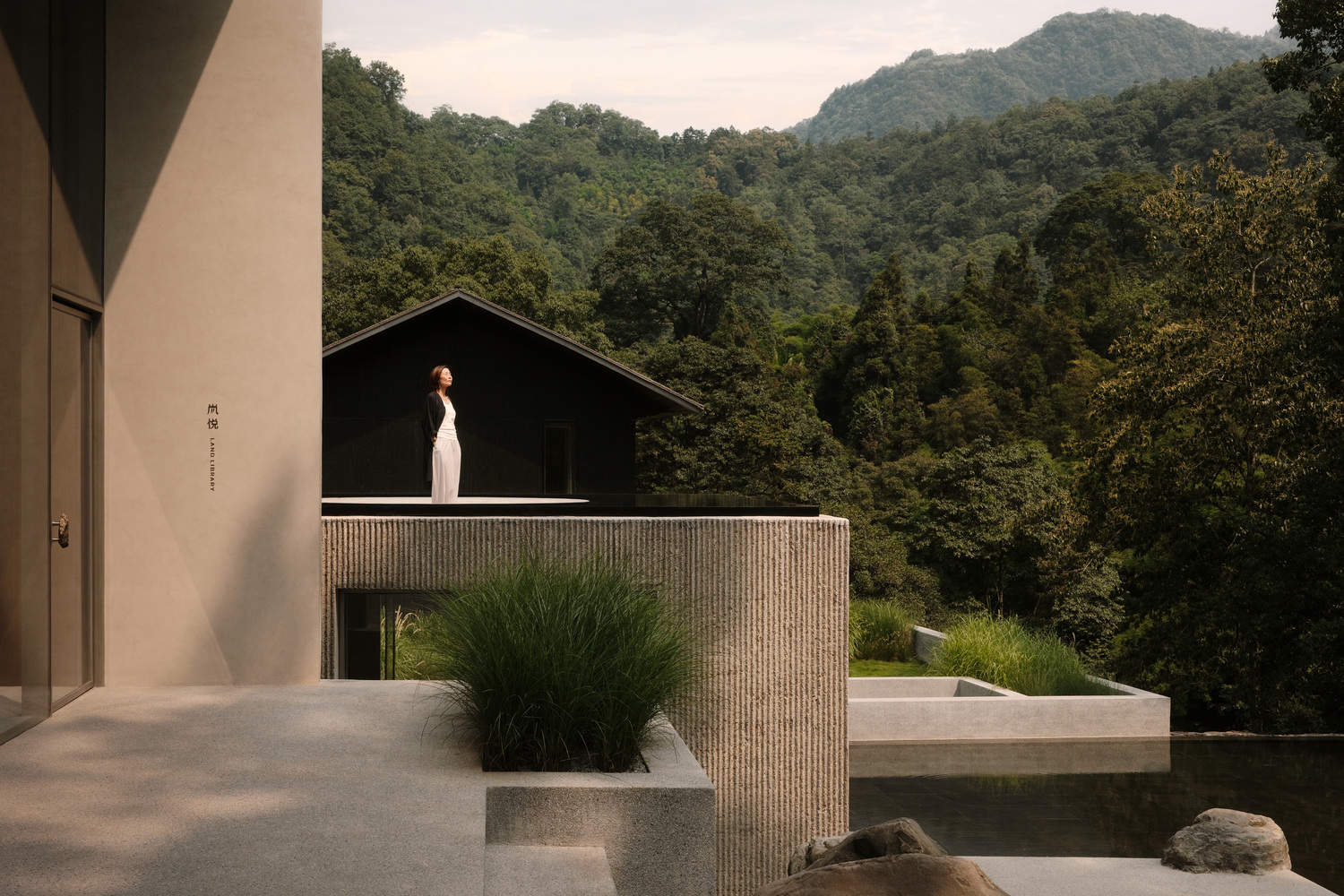
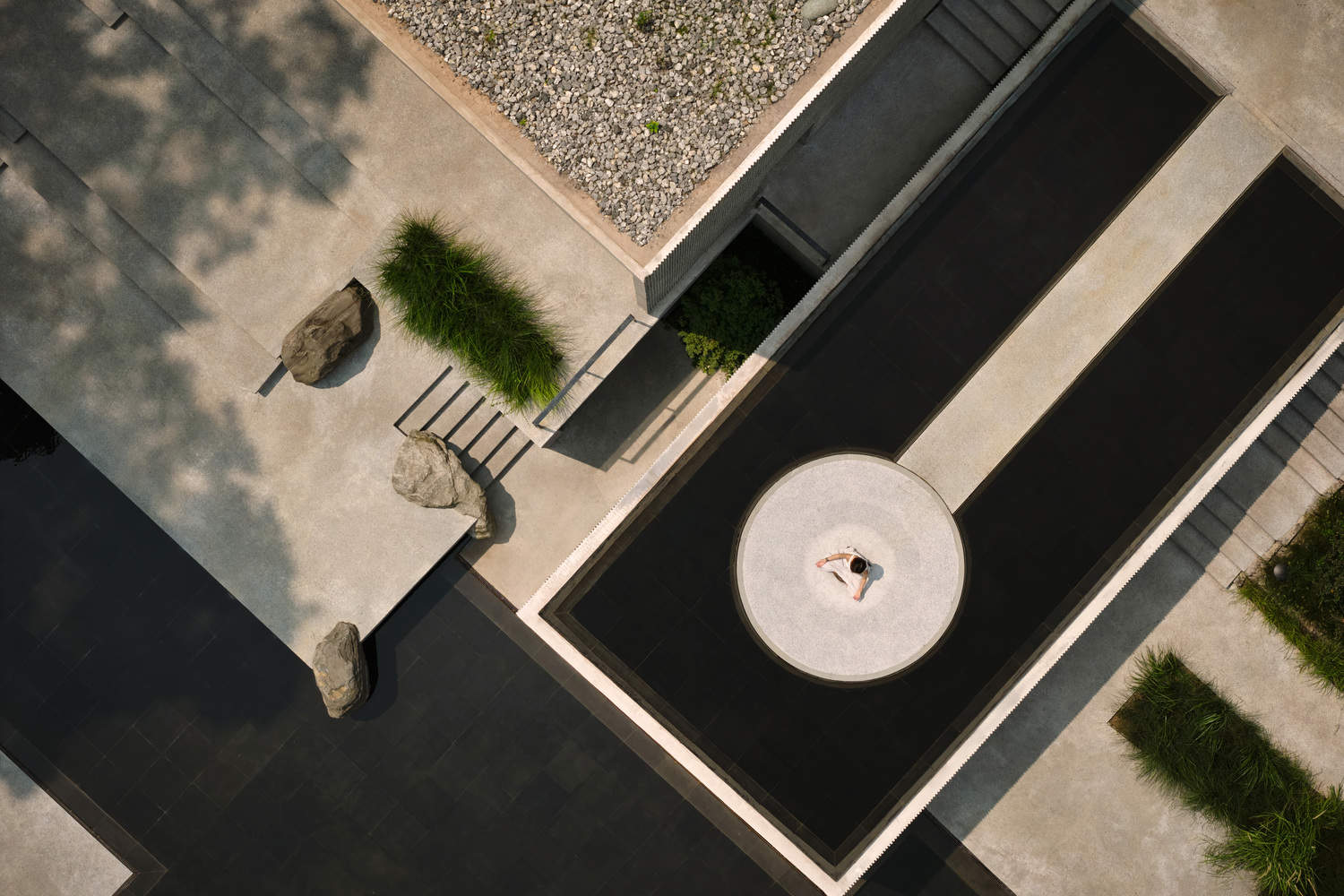
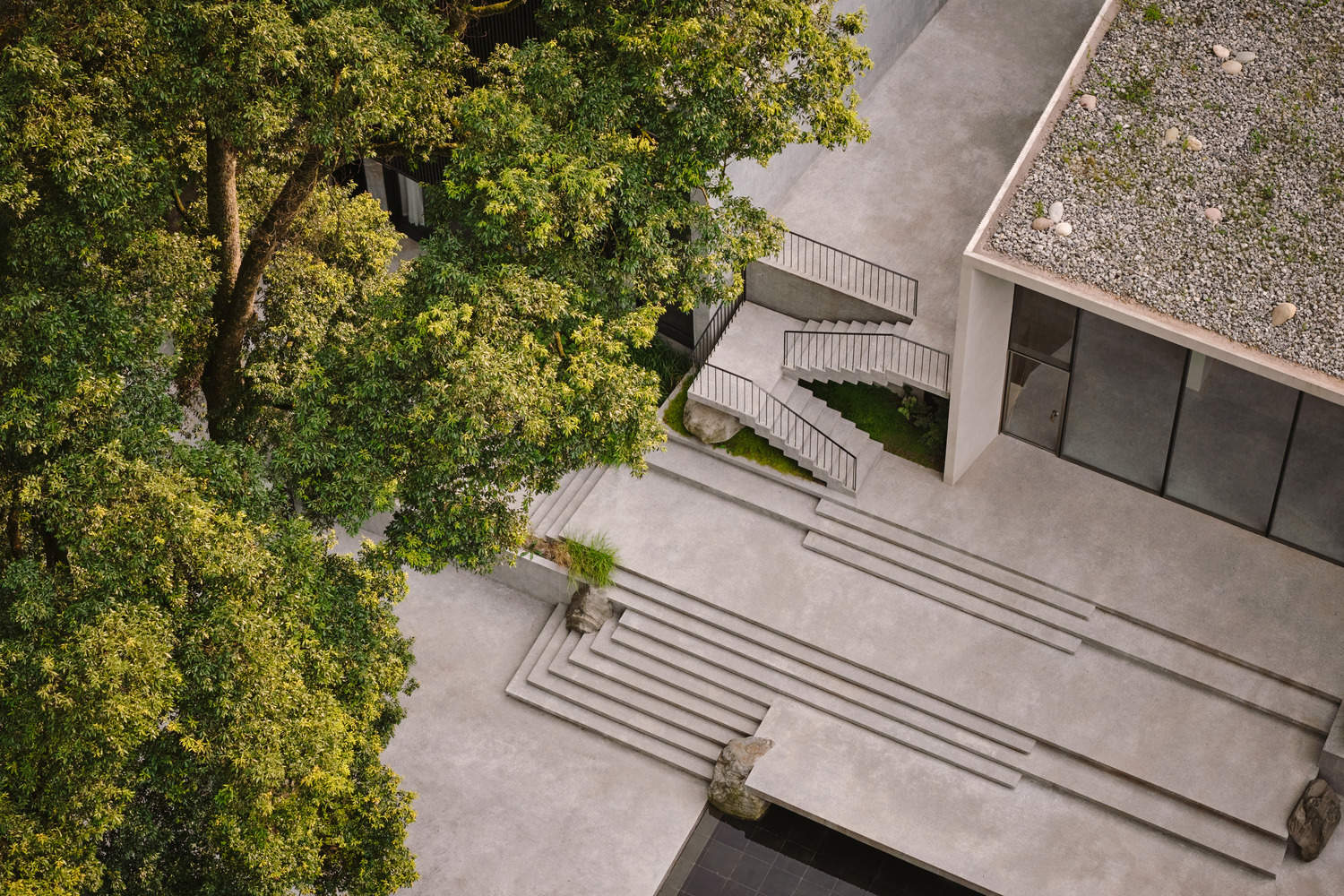
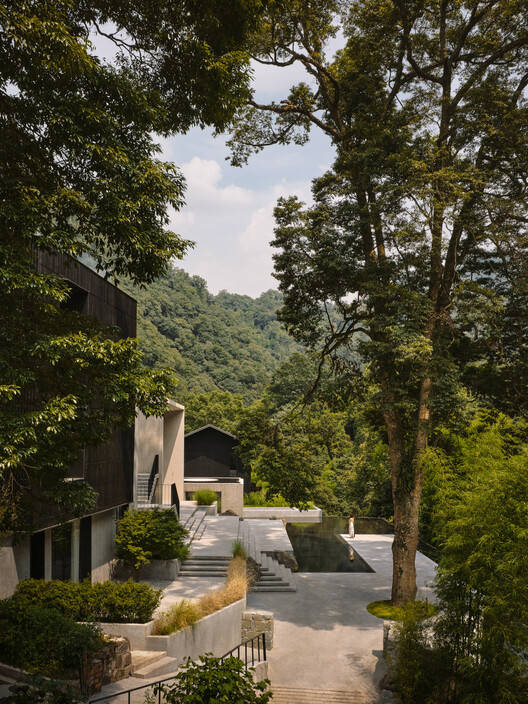
Courtyard · Heart of the Valley: The central courtyard serves as the hotel's social core, an outward-extending space where nature and architecture converge against the backdrop of the mountains. An ancient Cinnamomum tree stands at the center of the courtyard, encircled by a pool. As the oldest and tallest tree in the valley, it acts as a silent guardian, anchoring the experience in the continuity between history and modernity.
入口·石之序曲
入口接待空间手工凿刻的混凝土立面,粗粝而真实的触感赋予建筑一种恒久质感。凿刻出的肌理表面,在光影下显露层次,从抵达的第一刻便传递出空间的真实与永恒。
庭院 · 山谷之心
中央庭院是酒店的社交核心,一个向外延展的空间,在群山背景下让自然与建筑交汇。庭院中央矗立着一株古老的桢楠树,四周水池环绕。作为山谷中最古老、最高大的树木,它宛如无声的守护者,将体验锚定于历史与现代的延续之中。
© 雷坛坛
© 雷坛坛
© 雷坛坛
© 雷坛坛
© 雷坛坛
© 雷坛坛
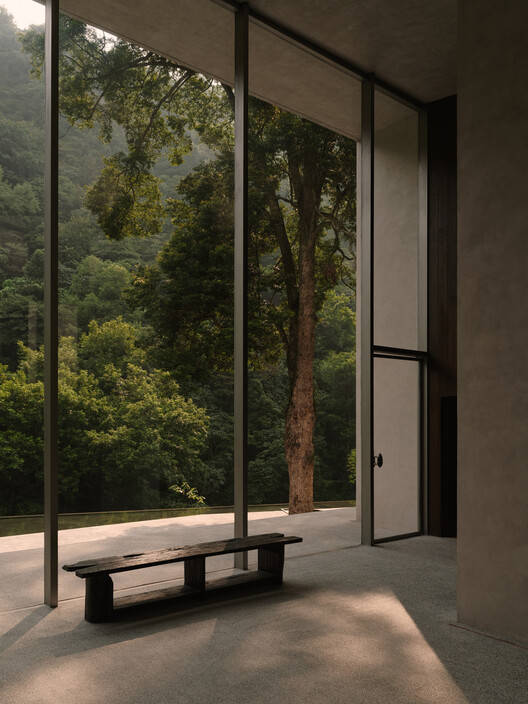
Spiritual Space · Boundaryless Realm: The large floor-to-ceiling windows in the spiritual space dissolve the boundaries between indoor and outdoor, drawing the natural landscape inside. Here, people engage in an immersive dialogue with the forest, feeling the rhythm of the surrounding nature in an atmosphere that is both serene and open.
精神空间 · 无界之境
精神空间的大面积落地窗消融了室内外边界,将自然景观引入室内。人与森林在此展开沉浸式对话,在静谧与开阔的氛围中,感受周遭自然的律动。
© 雷坛坛
© 雷坛坛
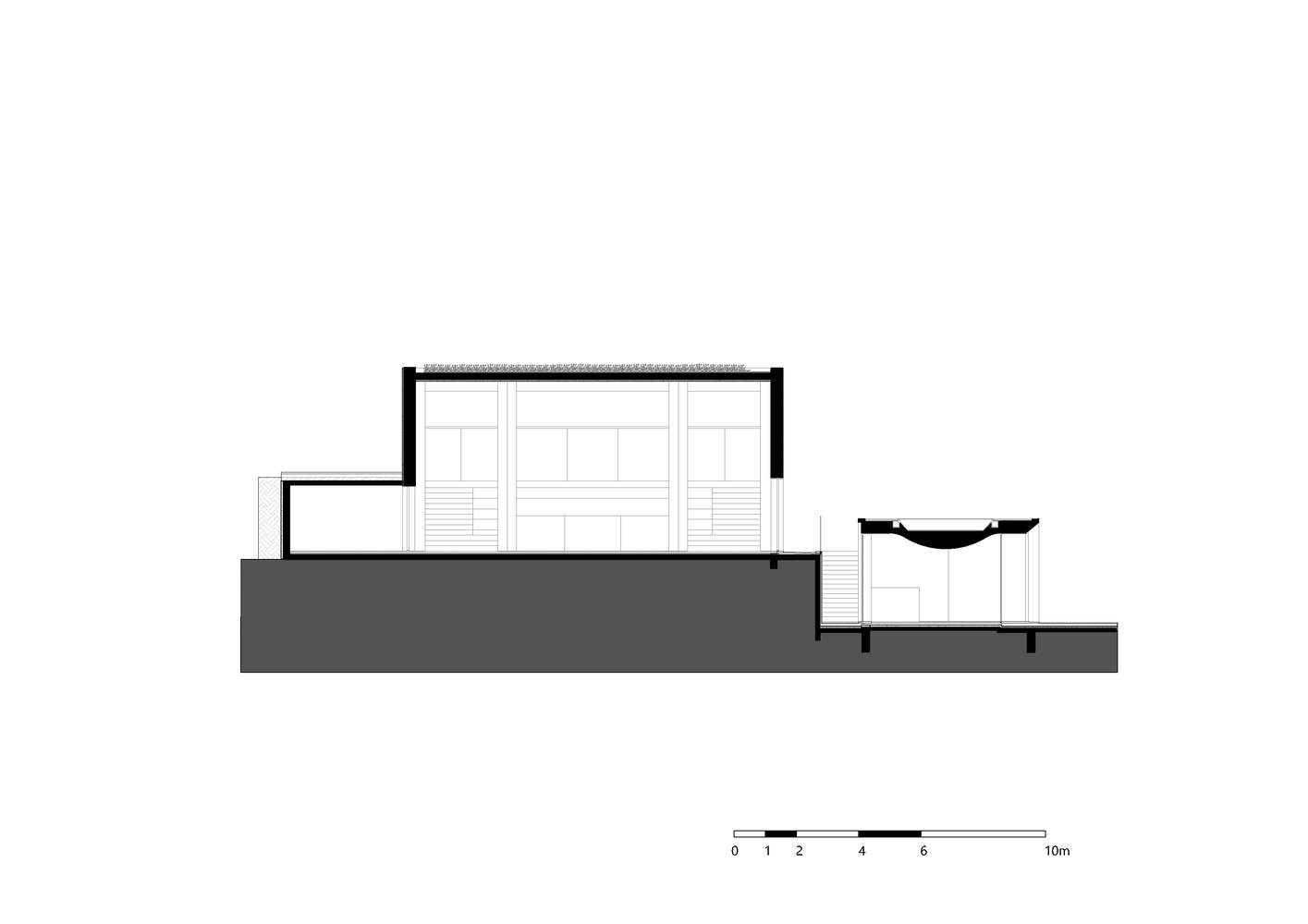
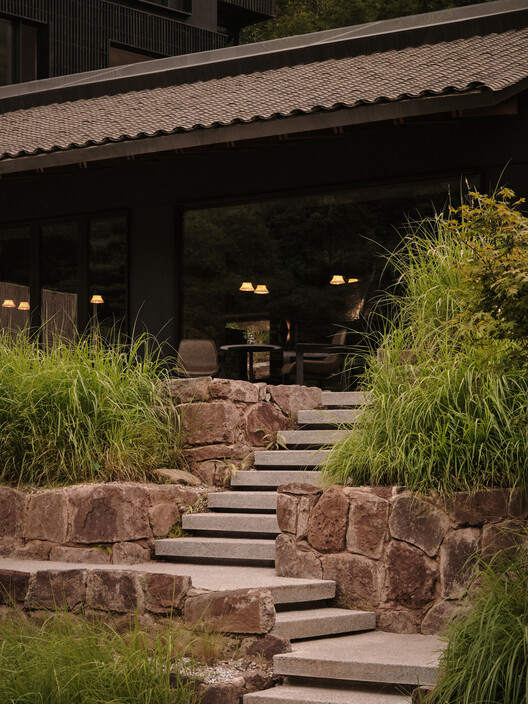
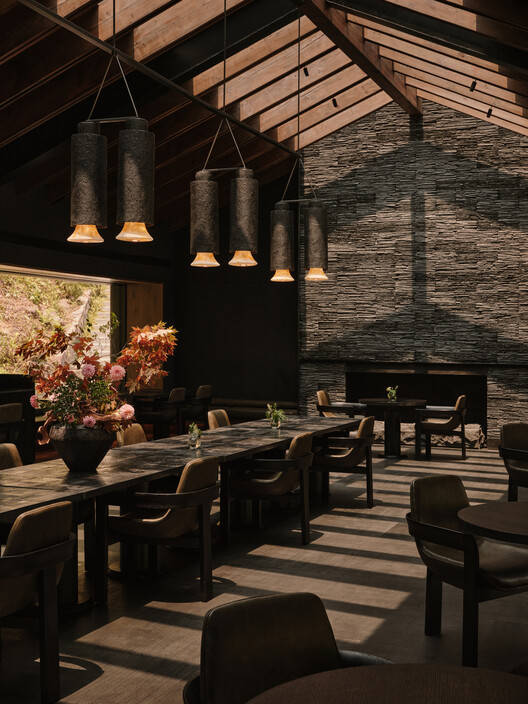
Restaurant · Taste of Craftsmanship: The restaurant integrates traditional construction techniques with rigorous structural logic. The roof employs traditional green tiles from Jiajiang, Leshan, while the indoor ceiling is spanned by cedar beams, creating a warm and rhythmic spatial atmosphere. The walls use schist sourced from Mount Emei, emphasizing the building's locality and echoing the surrounding forest landscape.
餐厅 · 工艺之味
餐厅将传统建造技艺与严谨的结构逻辑相融合。屋顶采用了乐山夹江传统青瓦,室内天花由雪松木梁横跨支撑,营造出温润且有节奏的空间氛围。墙面选用采自峨眉山的片岩,凸显建筑的在地性,使室内与周边的山林景观相呼应。
© 雷坛坛
© 雷坛坛
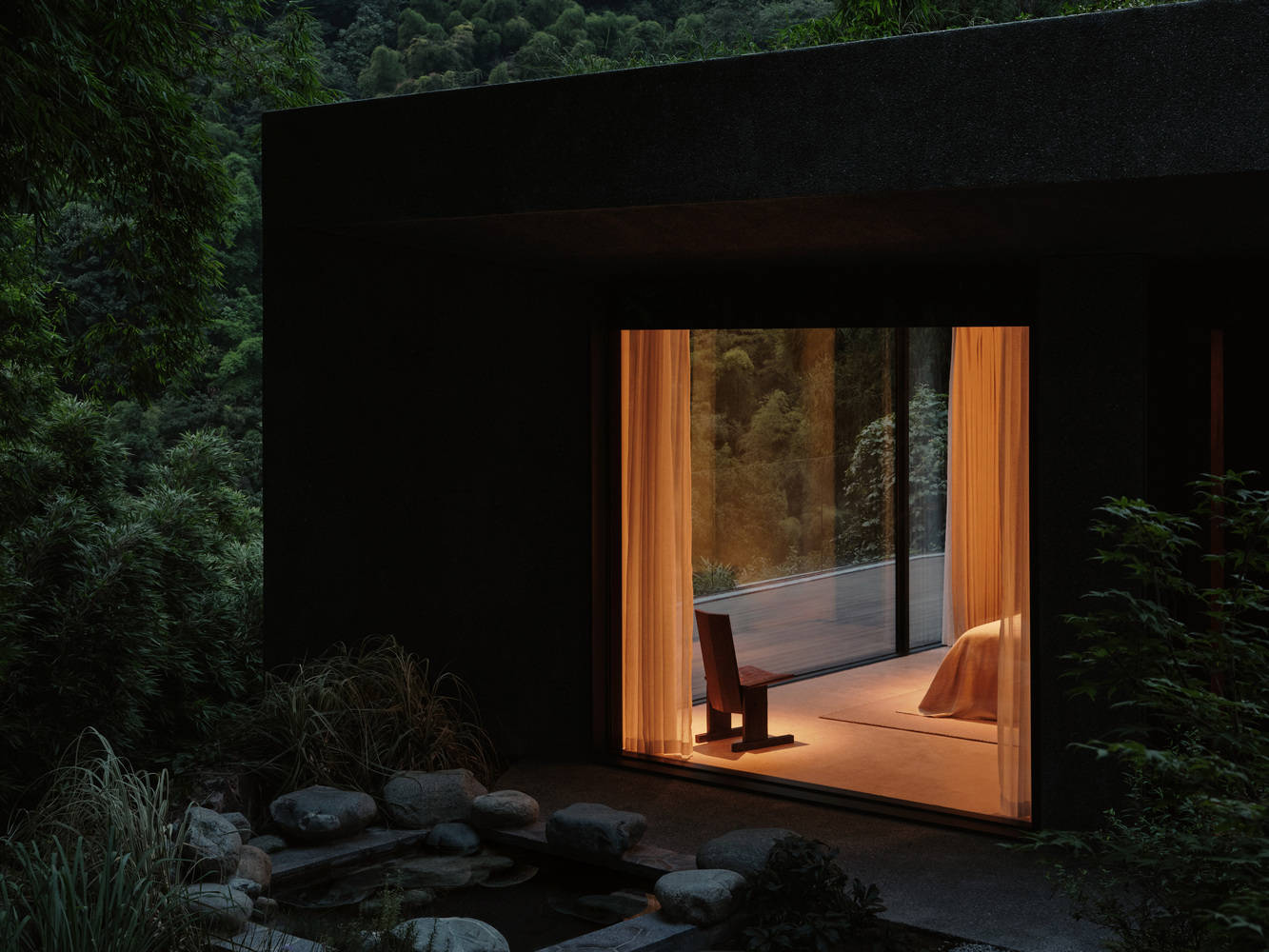
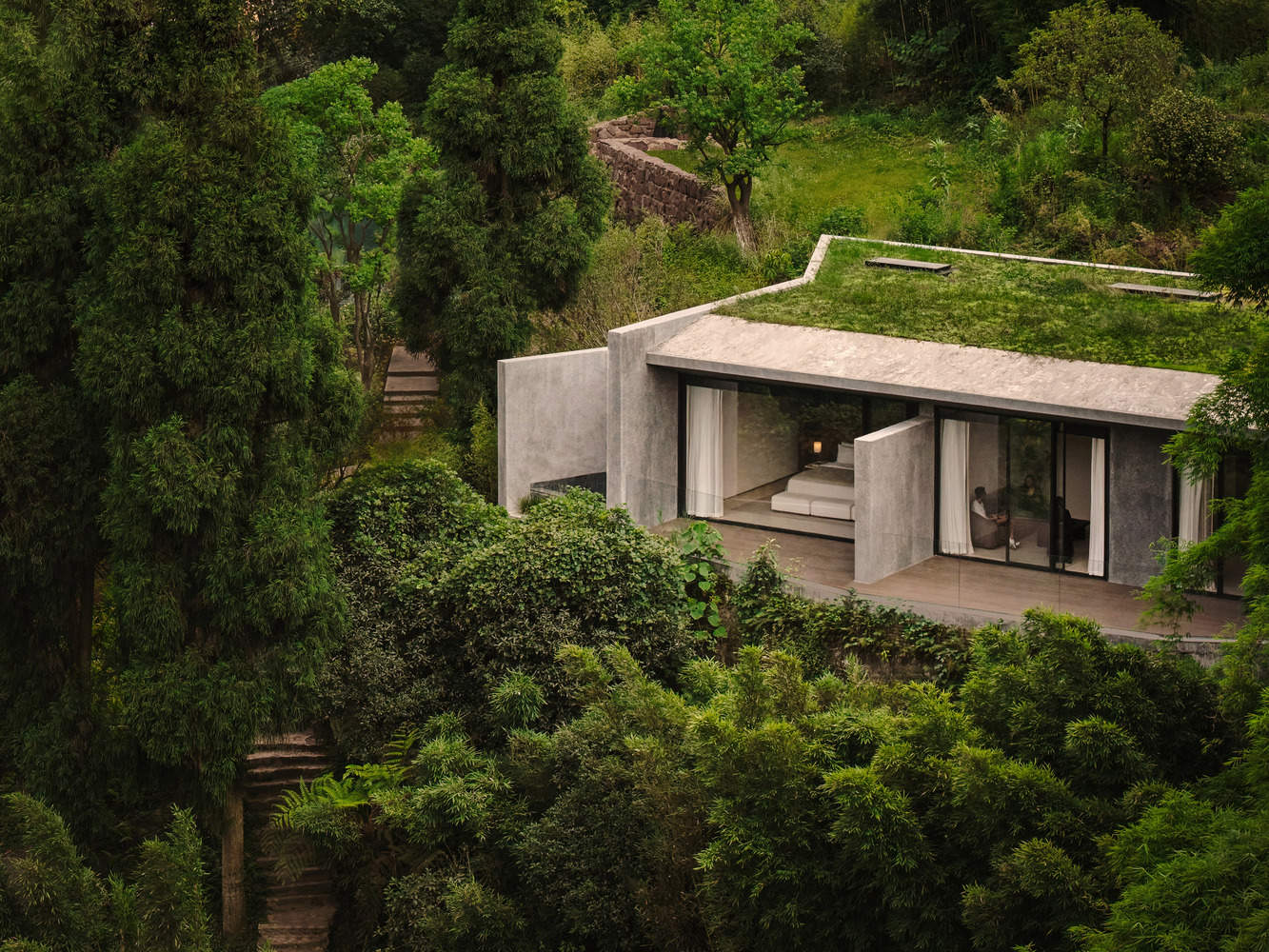
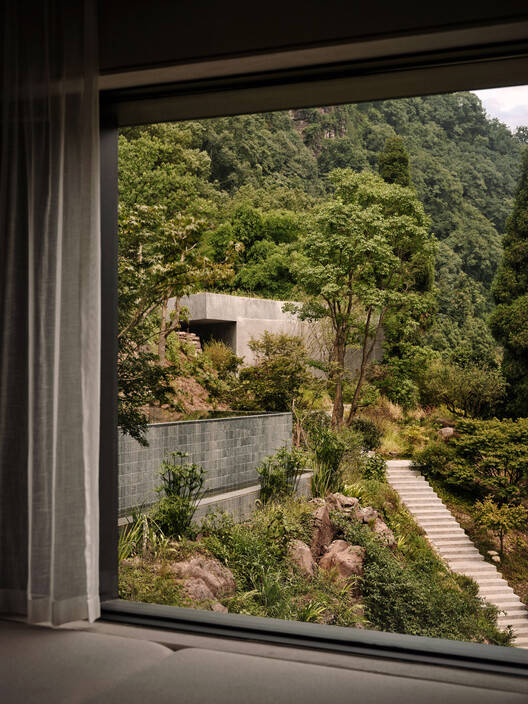
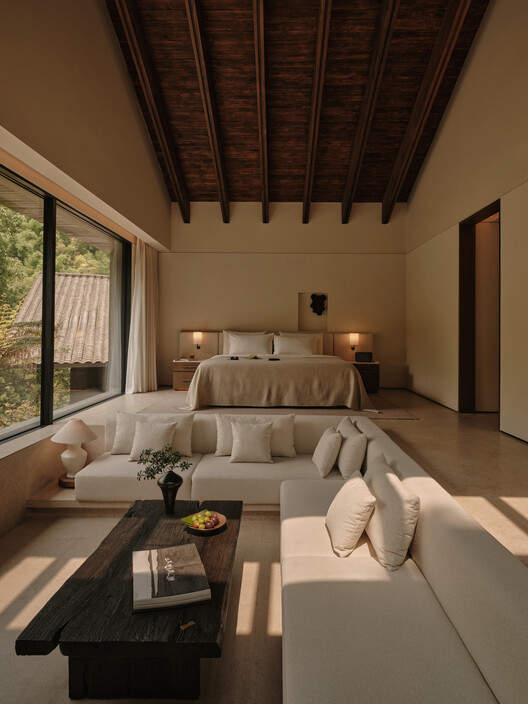
Guest Rooms · Framed Views of the Mountain: Located at the highest point of the site, the guest room facades are clad in rustic washed stone, allowing them to almost disappear into the forest under the cover of trees when viewed from a distance. Upon entering, a full-height window captures the serene mountain panorama, framing the landscape like an unfolding landscape painting and creating an immersive viewing experience.
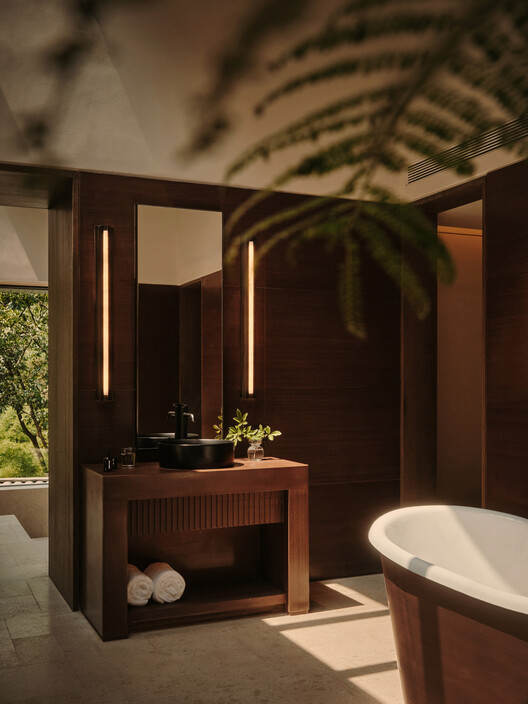
Bathroom · Stone Tranquility: The bathrooms utilize local red sandstone, whose heavy and unrefined texture continues the essence of the earth. The natural texture and restrained palette transform the space into a quiet sanctuary within the mountains.
客房 · 框景于山
位于场地最高点的客房,立面覆以质朴的水洗石,树木掩映下,远观几乎隐于山林;推门而入,整面落地窗将宁静山峦尽收眼底,框景于山,如同一幅展开的山水画,营造出沉浸的观景体验。
浴室 · 石之静谧
浴室采用当地红砂岩,厚重而质朴的质感延续着土地的气息。天然的肌理与克制的色调,又将空间转化为山中一隅宁静的栖居之所。
© 雷坛坛
© 雷坛坛
© 雷坛坛
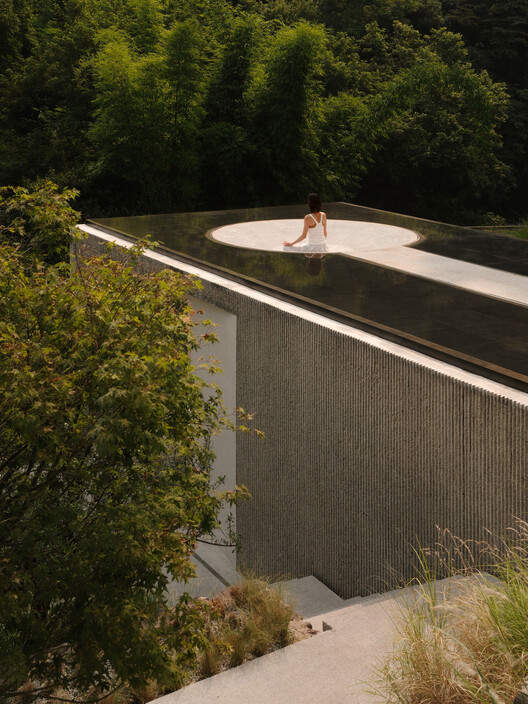
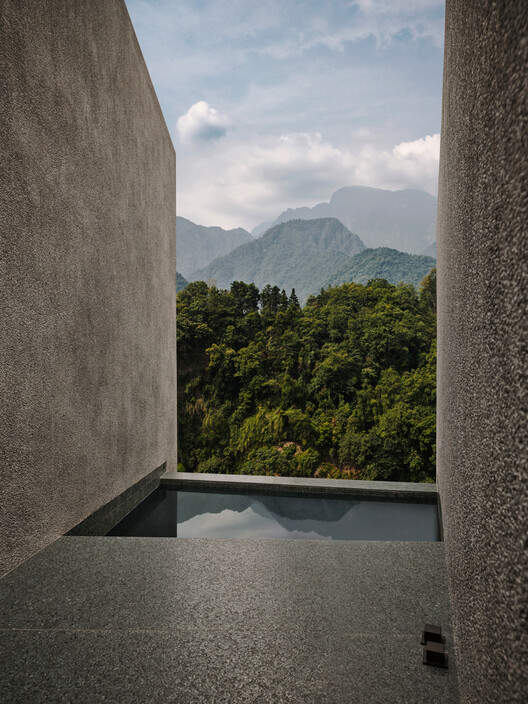
Outdoor Pool · Immersed in the Forest: The bathing experience extends outdoors into a stone pool that blends with the mountain topography. The pool walls are paved with washed stone and green granite, where the interplay of solidity and void blurs the boundary between space and nature, making one feel embraced by the forest.
户外泡池 · 沉浸山林
沐浴体验延展至室外,在一方与山体地形相融的石池中继续展开。池壁以水洗石与绿花岗岩铺陈,虚实交织间模糊了空间与自然的界限,让人仿佛沉入了山林的怀抱。
© 雷坛坛
© 雷坛坛
© 雷坛坛
Embracing Slow Time: The Zoland Star Emei Resort embodies and interprets "tranquility" through the concept of "slow time," advocating for a conscious retreat from the hustle and bustle. Guided by the "landscape-first" strategy and complemented by a tranquil and restrained architectural language, the hotel aims to encourage people to slow down, appreciate the subtle beauty of the environment, and rediscover the dialogue with their inner selves.
拥抱慢时光
岚域·峨眉山度假酒店以“慢时光”作为对“静谧”的实践与诠释,倡导有意识地远离喧嚣。酒店以“景观优先”的策略为引导,辅以宁静克制的建筑语言,希望让人们放慢脚步,感受环境的细微之美,重新拾回与内心的对话。