人本尺度与宏大场域的张力对话:本项目位于嘉兴火车站这一宏大、高速扩张的城市背景下,精准地以“微缩的人本尺度”介入,形成了强烈的体量与语言对比。这种策略不仅是对当代城市空间生产逻辑的深刻回应,更通过引入木作与手工体验的核心,成功地将冰冷的商业综合体环境转化为一个可触碰、可参与的“木制手工乐园”。设计师主动承担甲方、设计方与建造方多重角色,确保了设计语言的高度纯粹与一致性,实现了一种从宏观到微观的有效渗透与转化。
“数字榫卯”驱动的模块化与再生设计:项目的核心精髓在于其“数字榫卯”设计语言。通过CNC数控切割实现的全体系模块化构建,使得从建筑构件到家具的所有元素都基于同一参数化逻辑。这种系统性不仅极大地提高了建造效率和精度,更关键在于赋予了空间极强的可再生性和流动性。构件既是建筑的一部分,也是独立的商品,可被拆解、组装和再生,成功地将建筑的静态属性转化为一种“生长式”的动态演化过程,模糊了建造、展览与商业的界限。
空间作为持续生成过程的哲学表达:此项目超越了传统商业空间的功能性定义,旨在提出一种关于空间本质的全新思考——空间应是“持续生成的过程”。通过木材的选择,强调了空间对时间性痕迹(划痕、磨损)的记录能力,邀请参与者共同完成空间叙事。设计团队以最直接的方式,邀请公众在“机器与手作的交界处”参与空间定义的再思考,挑战了现代建筑语境下设计师与用户之间的传统关系,实现了设计理念向公共参与的有力传达。
“Party friends’ spaceship” has always been committed to exploring the possibilities of space through open co-construction, attempting to lower the threshold for spatial interpretation and allow more people to participate in the generation of space through hands-on involvement. Over the past decade, we have conveyed this concept through various collaborations and commissions; now, we hope to take a more proactive stance to personally construct and validate our own design language.
“派对朋友的飞船”始终致力于以开放共建的方式探索空间的可能,尝试降低空间诠释的门槛,让更多人以亲手参与的方式介入空间的生成。过去十年间,我们通过不同的合作与委托传达这一理念;如今,我们希望以更主动的姿态,亲自构建、验证自己的设计语言。
© 张永彬
© 张永彬
© 张永彬
© 张永彬
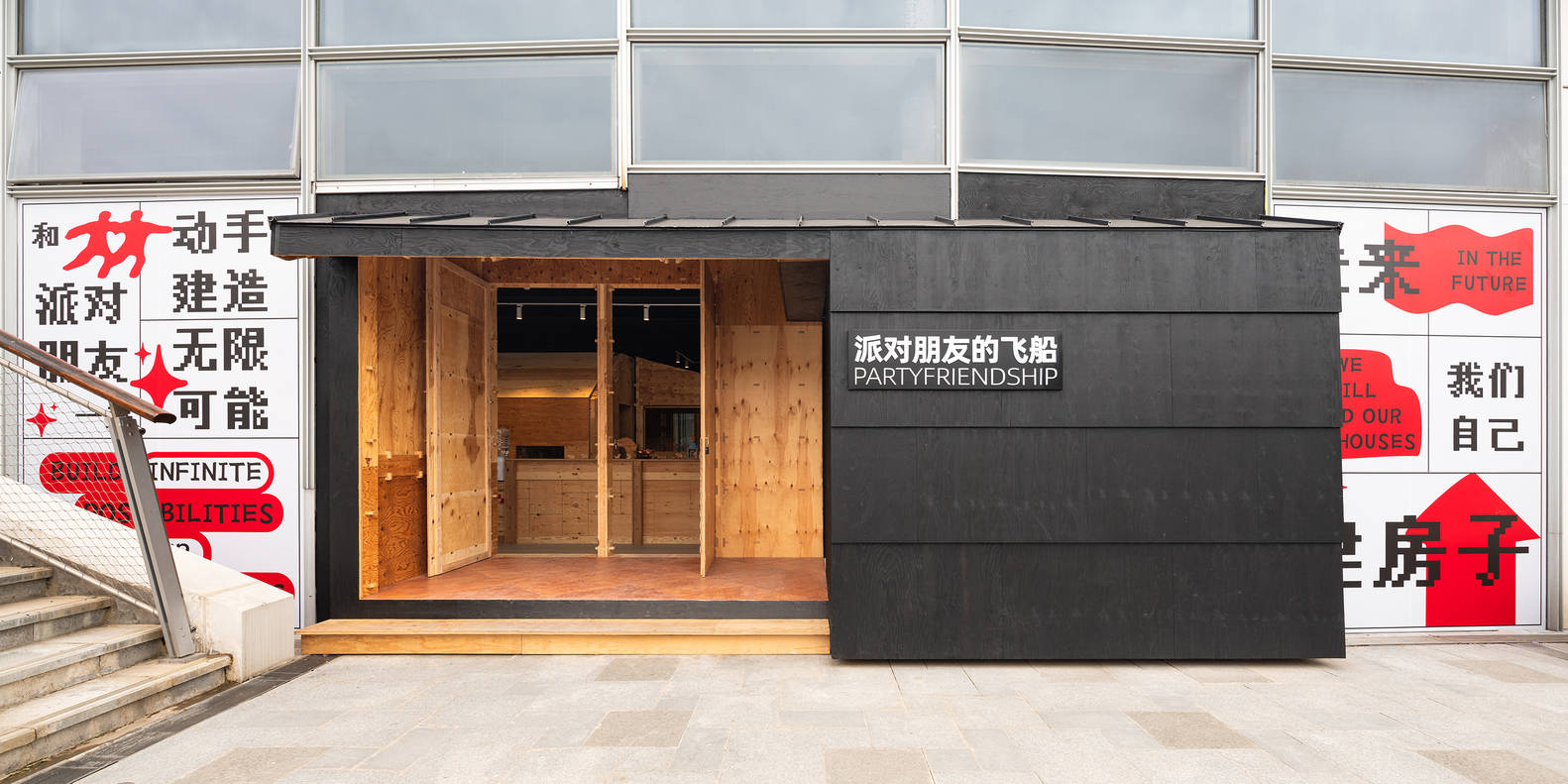
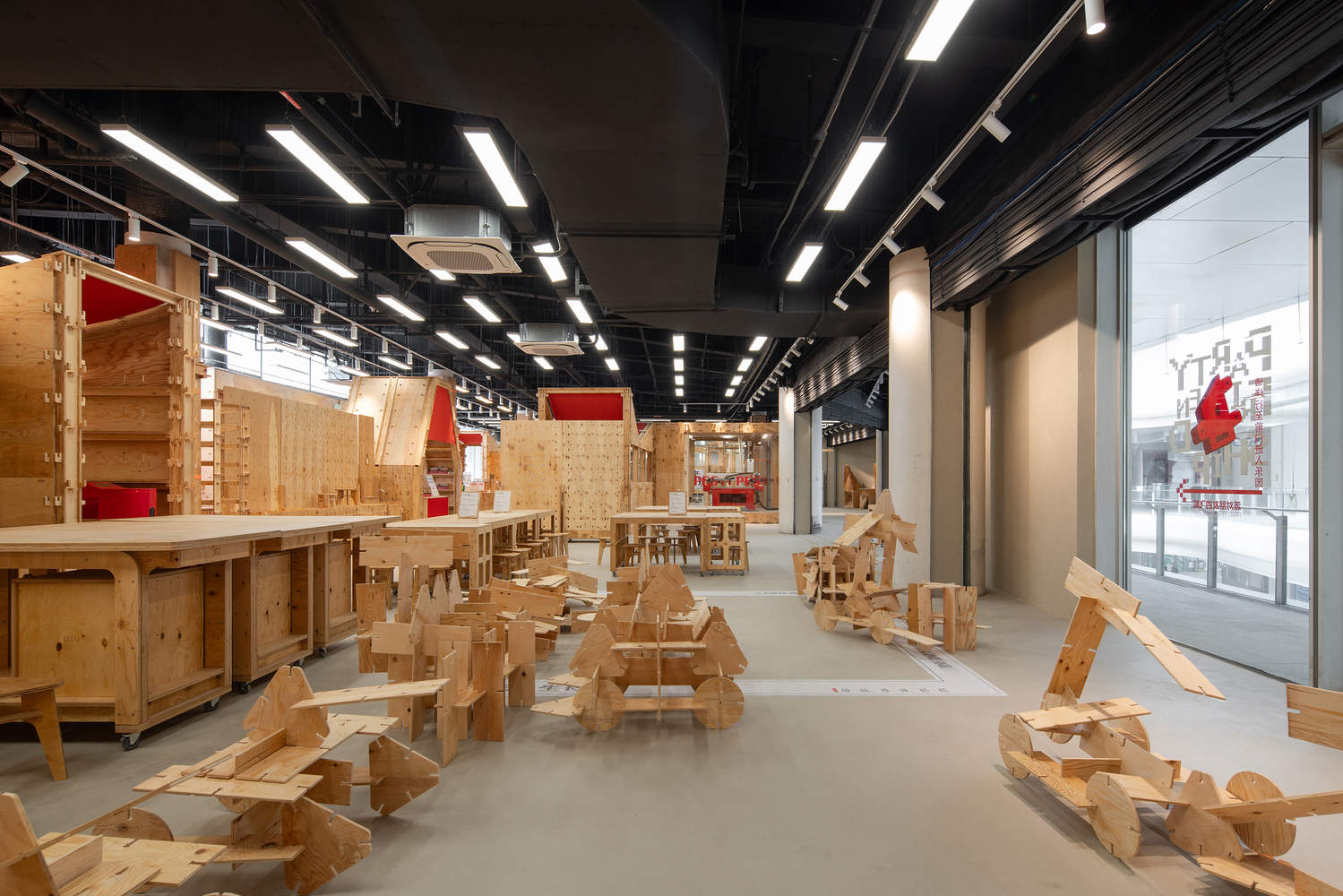
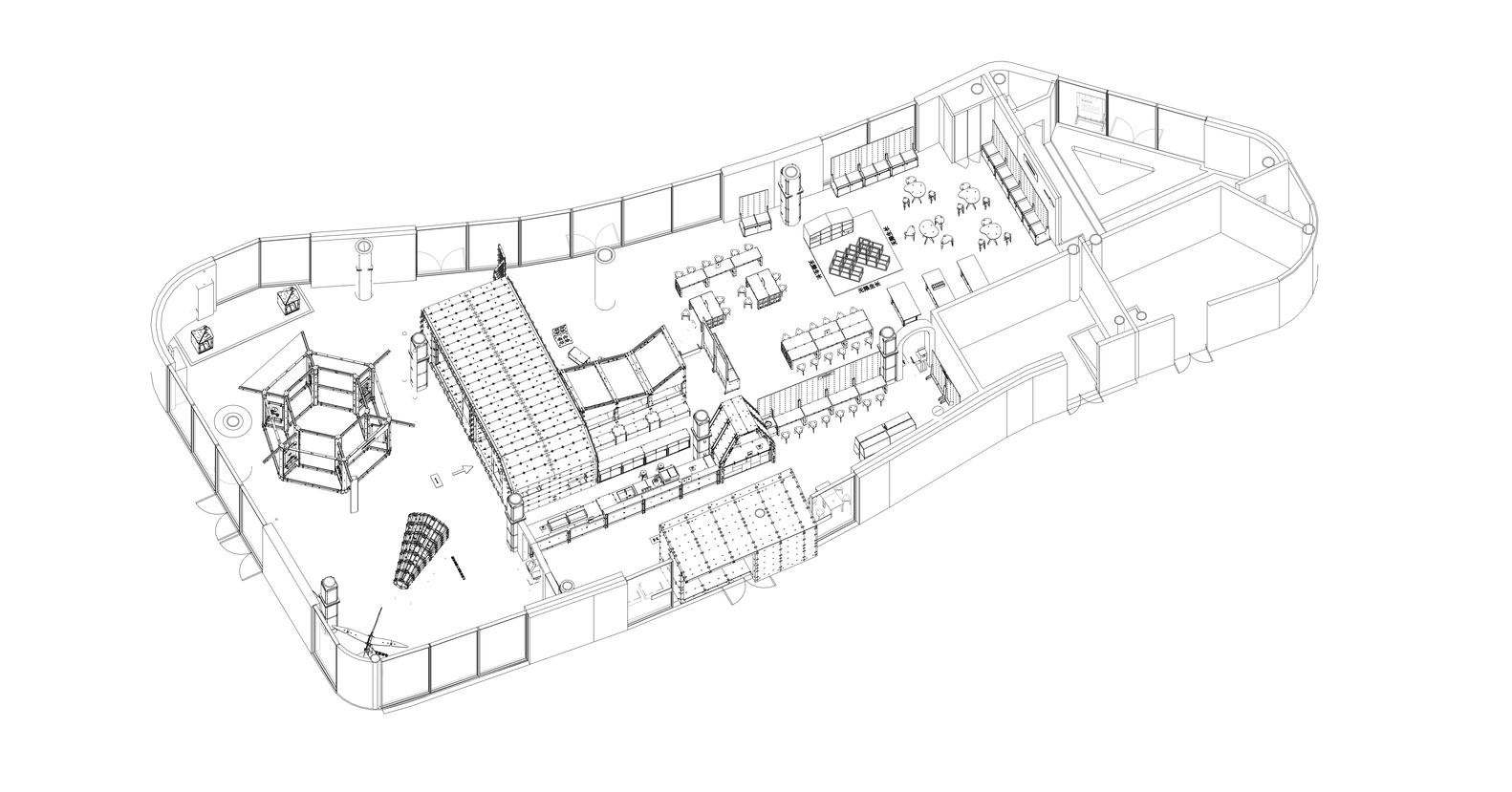
This project aims to create a commercial space centered on woodworking and handicraft experience. Unlike previous design methods where we acted as the second party (乙方), this time we assumed the roles of the client (甲方), designer, and builder simultaneously, hoping to construct a "wooden handicraft paradise" that can be touched and participated in, using the purest and most consistent language. The project is located in a commercial unit on the second floor of the Jiaxing Railway Station, designed by MAD Architects, covering a total area of about 500 square meters. This building is a representative product of China's period of rapid urban expansion; its immense volume and streamlined space jointly constitute a grand contextual field. Against this backdrop, we intervene with a miniature, human scale, creating a contrast in volume and language, while also responding to the current logic of urban space production by creating a content-driven paradise.
本项目旨在打造一个以木作与手工体验为核心的商业空间。不同于以往乙方角色的设计方式,这一次我们同时承担甲方、设计方与建造方的身份,希望以最纯粹一致的语言,建造一个可被触碰、可被参与的“木制手工乐园”。项目位于由 MAD 建筑事务所设计的嘉兴火车站二层商铺,总面积约 500 平方米。该建筑是中国城市高速扩张时期的代表性产物,巨大的体量与流线型空间共同构成了宏大的场域语境。在此背景下,我们以一种微缩的人本尺度介入其中,形成体量与语言的对比,也借此回应当下城市空间的生产逻辑打造一个内容驱动的乐园。
© 张永彬
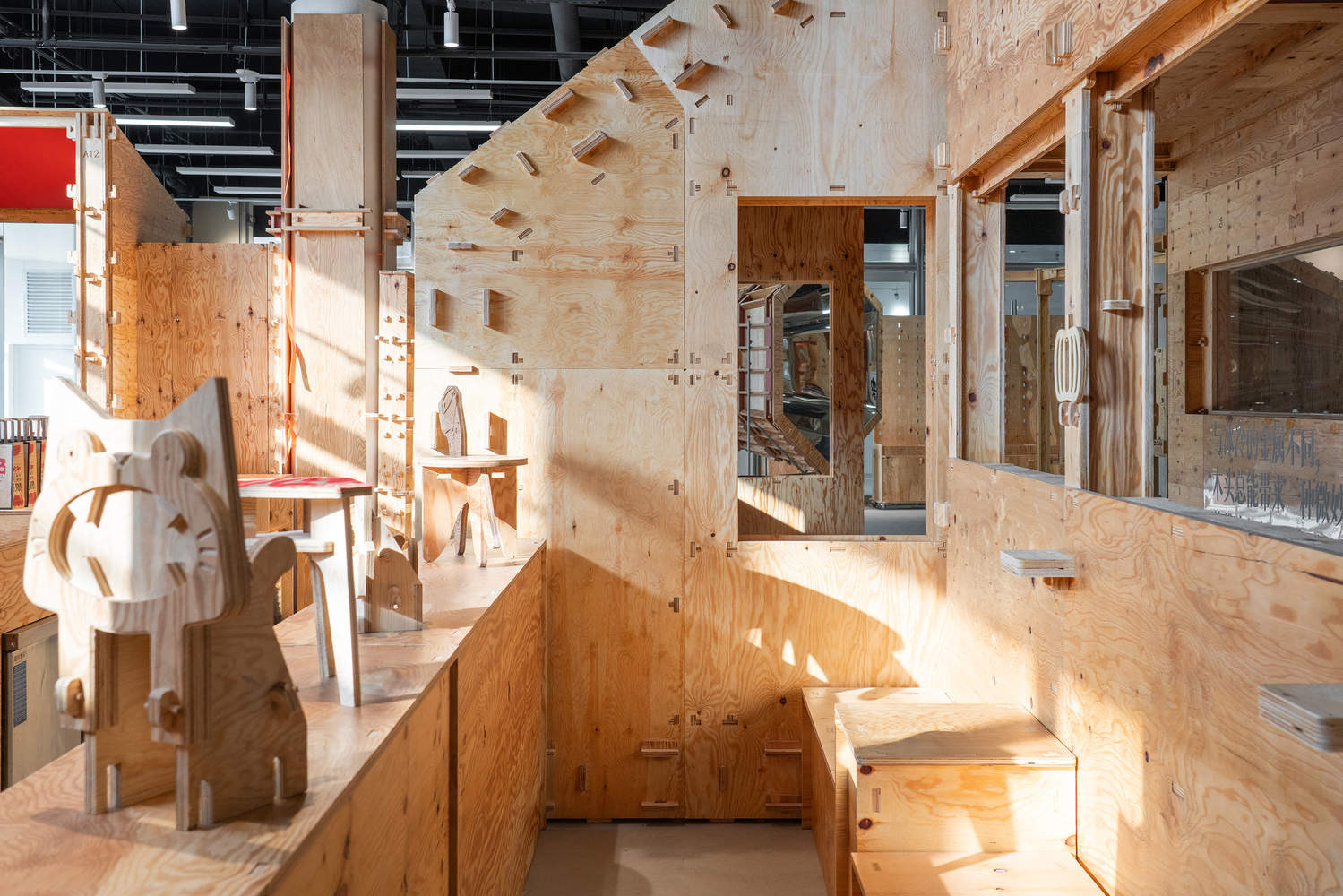
We do not want it to be just a paradise built upon an accumulation of visual symbols, but rather a "place activated by activity." We hope that when people enter this space, they can detach from the everyday context of the commercial complex and enter another dimension that is self-contained and cyclical.
我们不希望它只是一个视觉符号堆砌而成的乐园,而是一个“可被活动激活的场所”。我们希望人们在进入这个空间时,从商业综合体的日常语境中抽离,进入一个自洽、可循环的另一维度。
© 张永彬
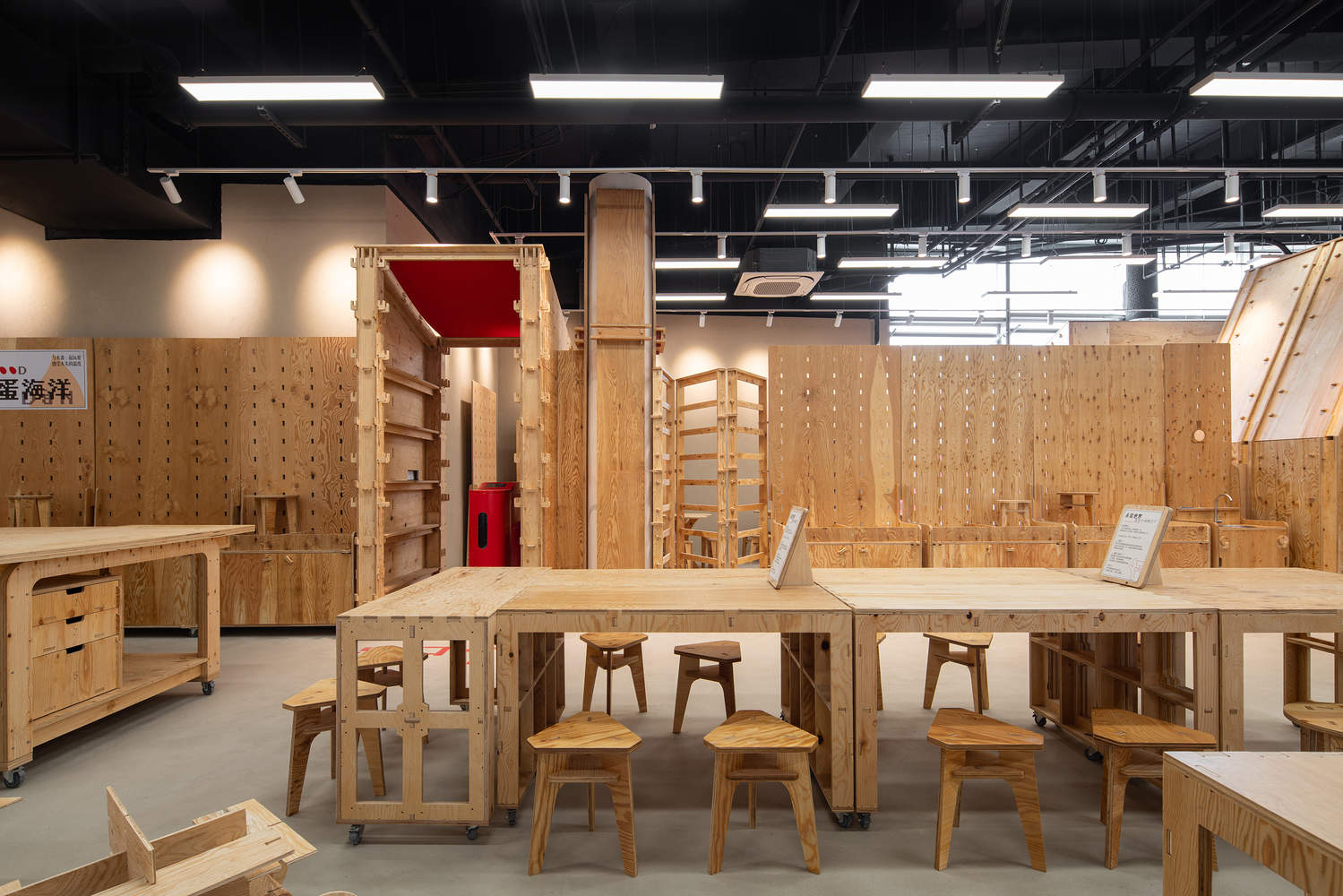
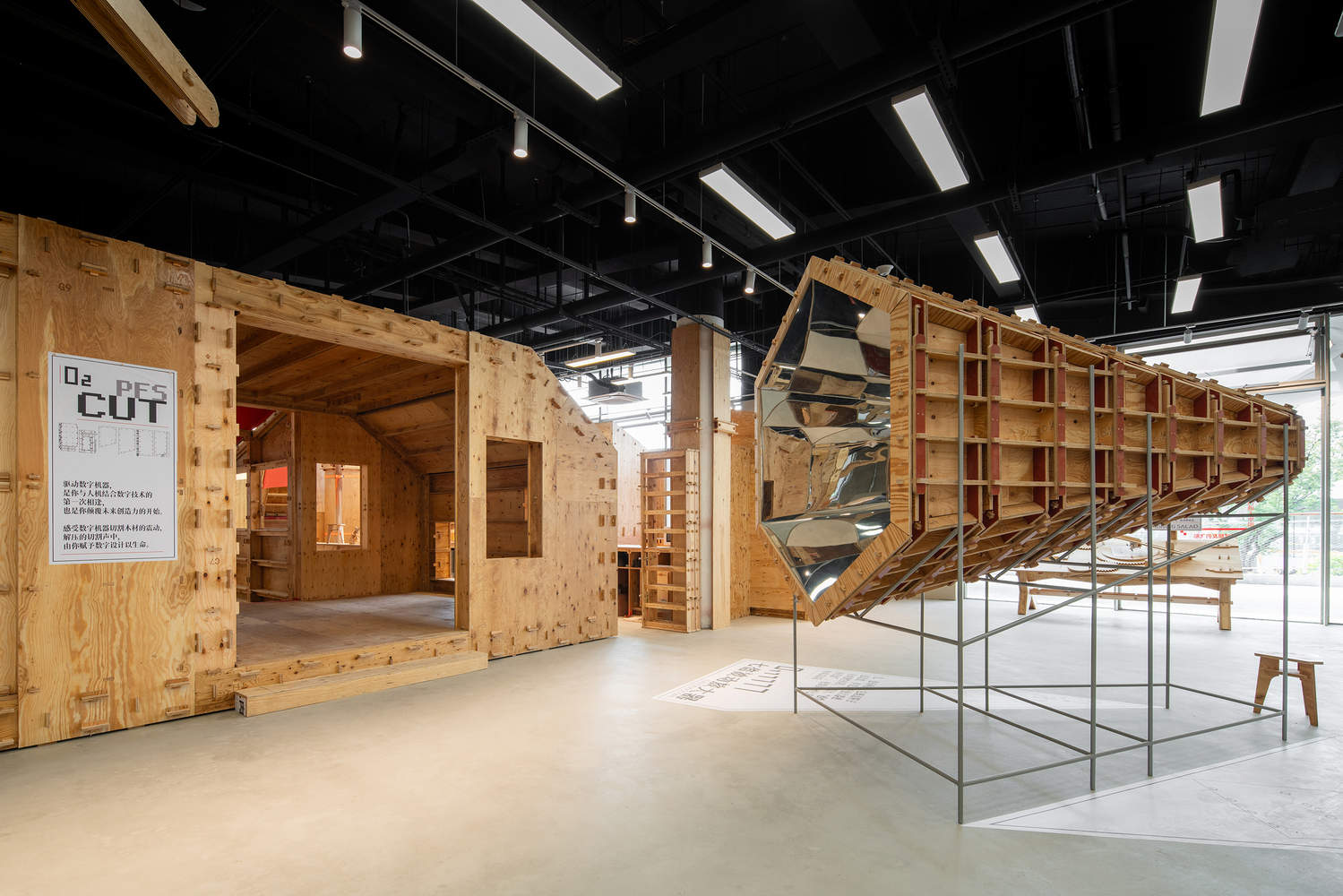
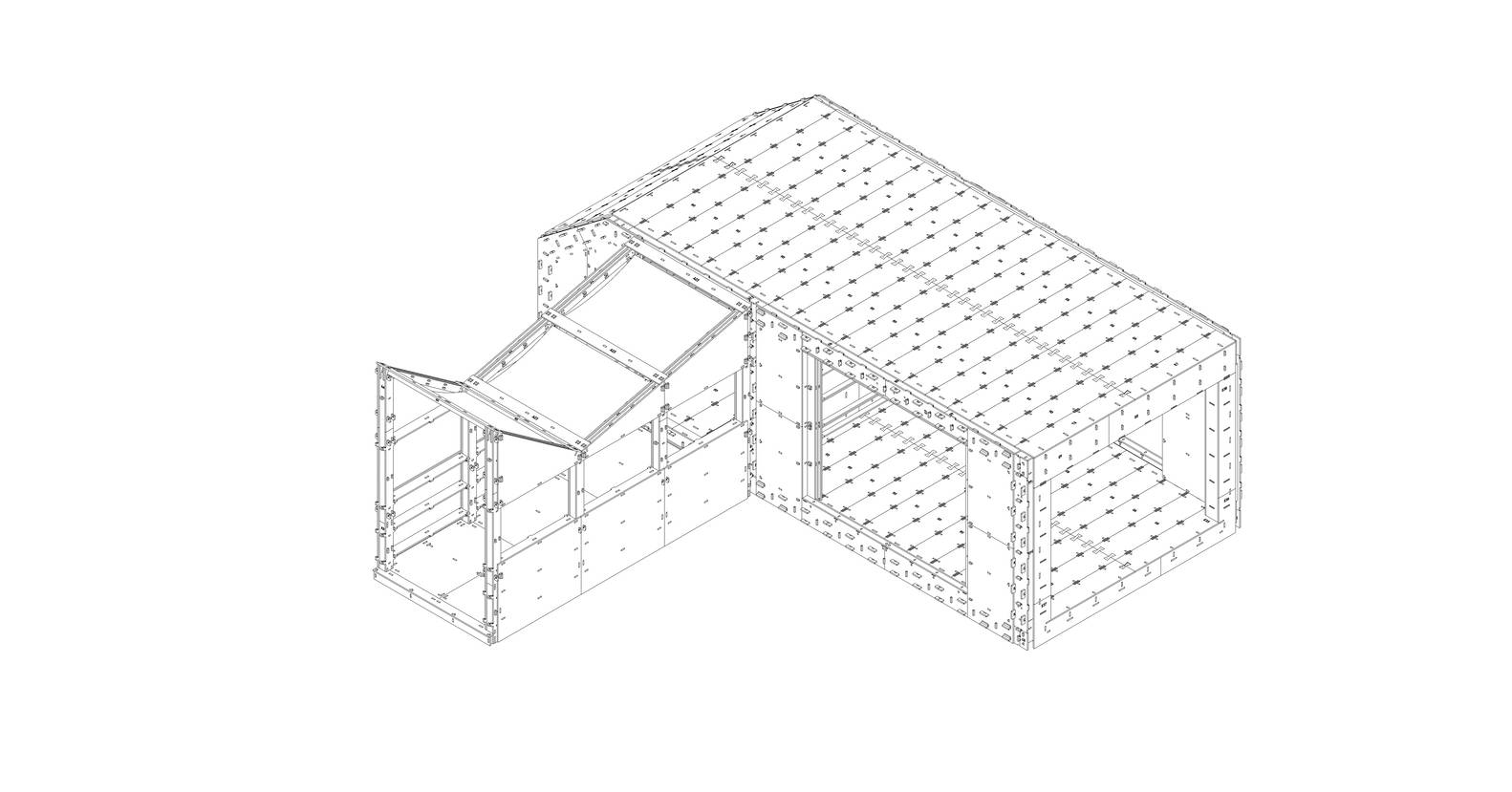
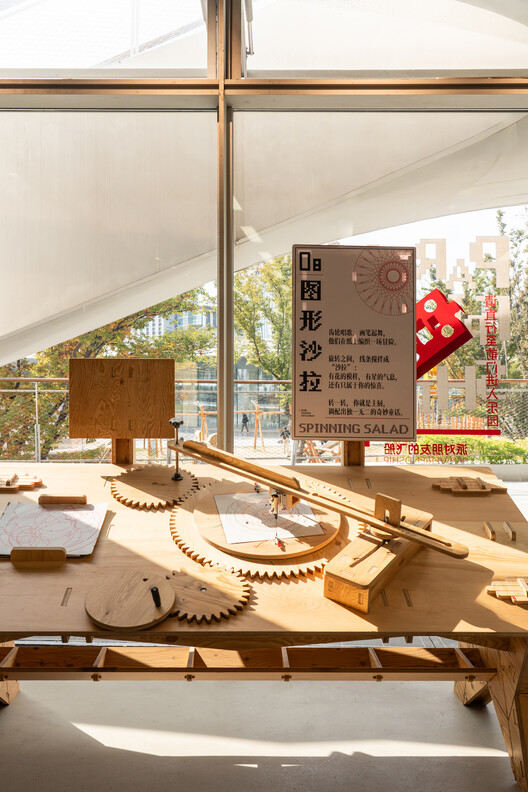
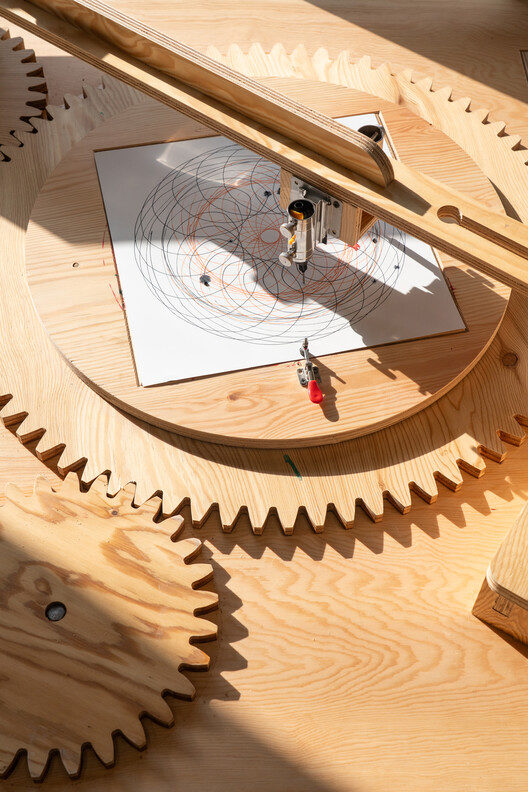
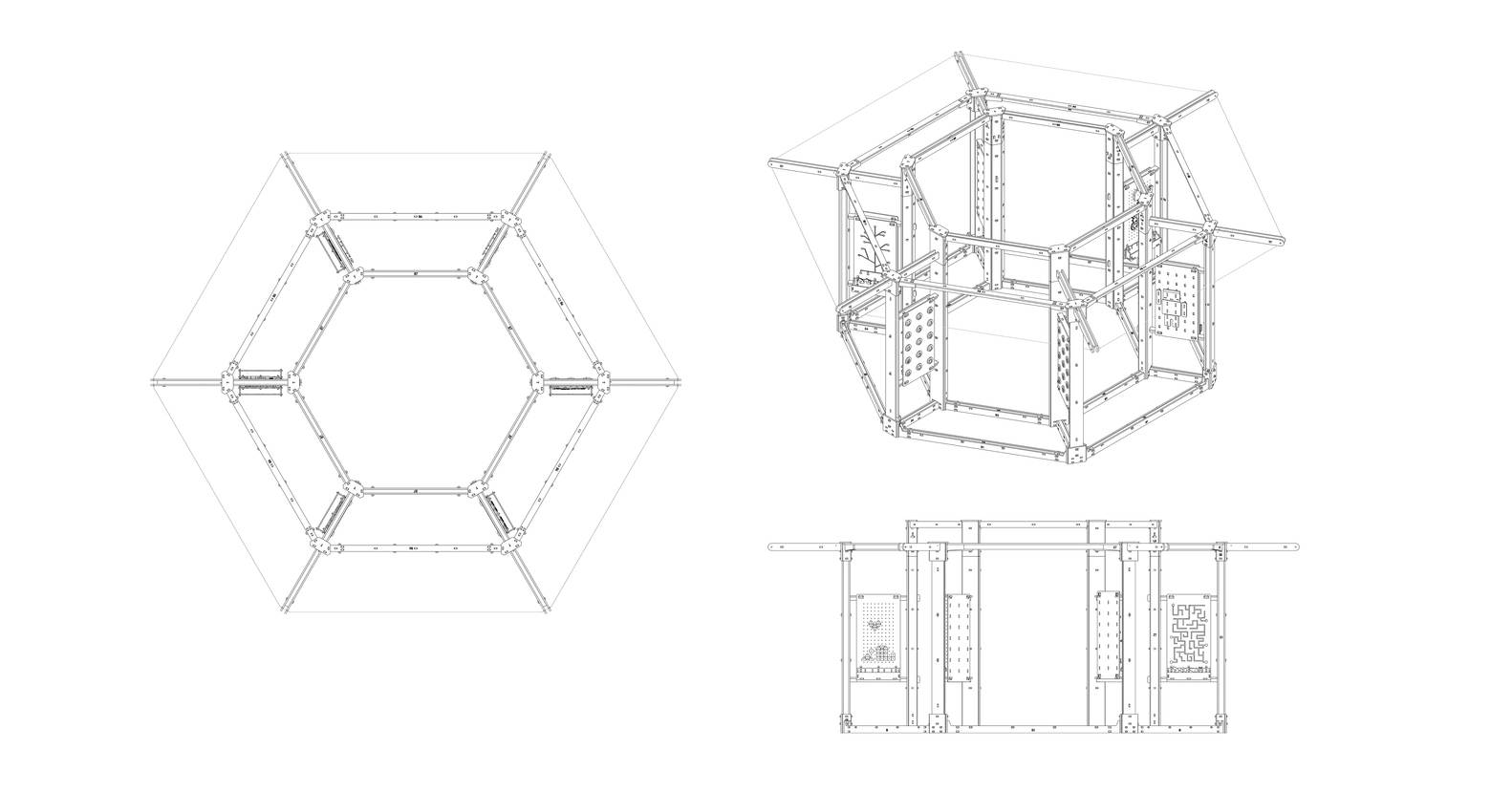
The design language is based on "Digital Tenon and Mortise," achieving full system modular construction through CNC cutting. From architectural components to furniture and fittings, all elements originate from the same parametric logic. Each component is both part of the architecture and an independent exhibit and commodity, capable of being disassembled, reassembled, and regenerated. The starting point of this methodology is presented in an intuitive and participatory manner. At the intersection of machine and handcraft, we invite customers to jointly participate in redefining the relationship between construction and space.
设计语言以“数字榫卯”为基础,通过 CNC 数控切割实现全体系的模块化构建。从建筑构件到家具与陈设,所有元素都源于同一组参数化逻辑。每个构件既是建筑的一部分,也是独立的展品与商品,可被重新拆解、组装与再生。这种方法论的出发点,并以一种直观可参与的模式进行呈现。在机器与手作的交界处,我们希望邀请顾客一起参与重新定义建造与空间的关系。
© 张永彬
© 张永彬
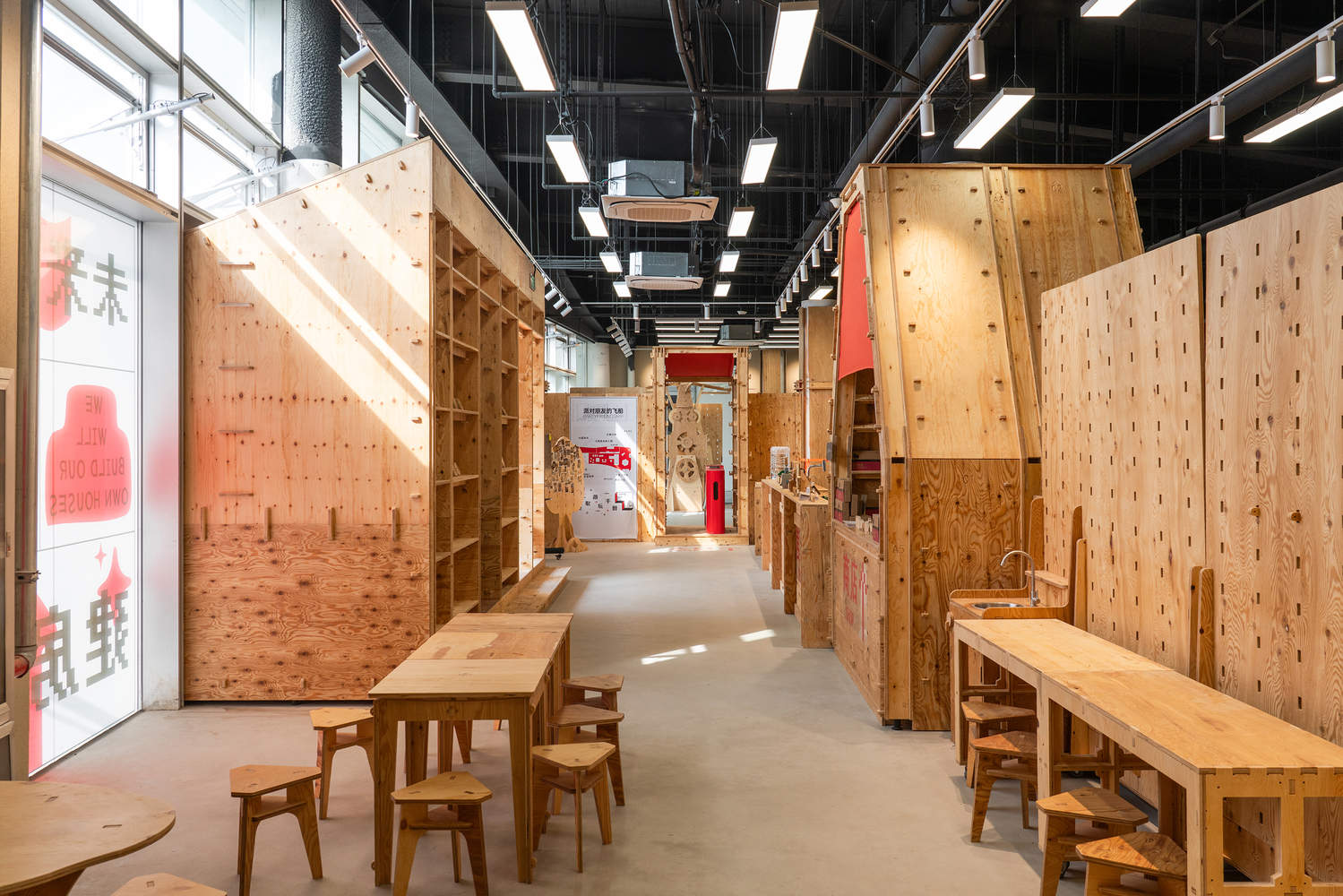
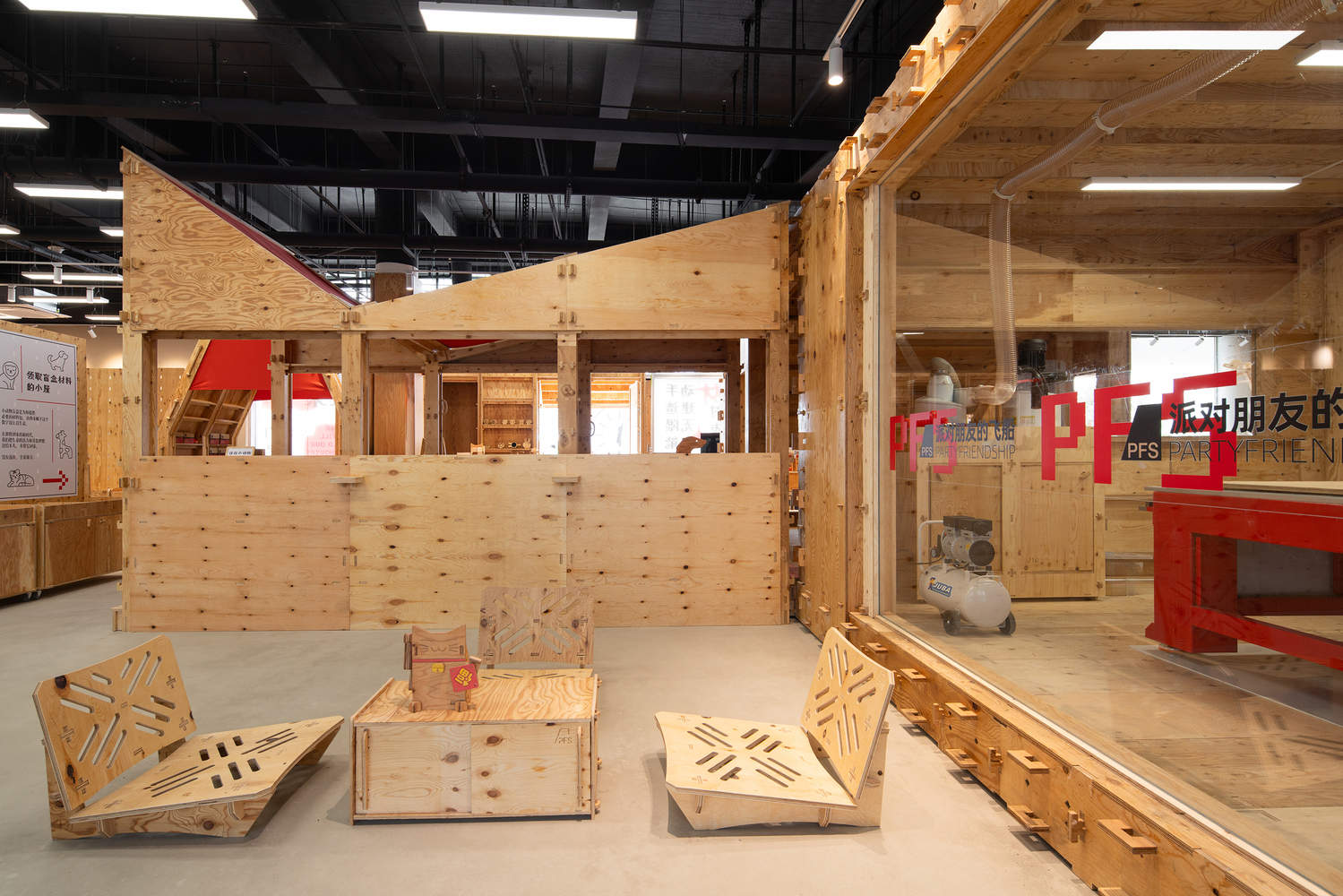
This construction logic transforms the space itself into a regenerative structural language. Every module possesses interchangeability and independence—they can be disassembled into furniture and exhibits, or recombined in the future to generate new spatial forms. We hope this "growth-oriented" construction method breaks the static nature of architecture, allowing the space to maintain an open state of evolution. The use of wood is not only due to the material's inherent warmth and tactile quality but also its relationship with people—it carries scratches, wear, and a sense of touch, recording the behavioral traces of participants. These traces become evidence of the space's temporality and incorporate the act of construction into the spatial narrative.
这种建造逻辑使空间本身成为可再生的结构语言。每一个模块都具备可替换性与独立性 —— 它们既可被拆解成家具与展品,也可在未来重新组合,生成新的空间形态。我们希望这种“生长式”的构造方式打破建筑的静态属性,让空间保持一种开放的进化状态。 木材的使用不仅出于材料本身的温度与可触性,更在于它与人的关系 —— 它承载划痕、磨损与手感,记录参与者的行为痕迹。这些痕迹成为空间时间性的证据,也让建造行为被纳入空间叙事之中。
© 张永彬
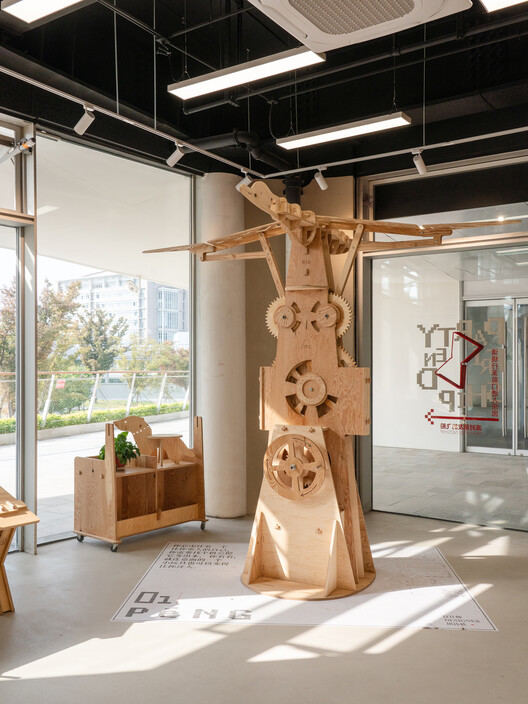
“Party friends’ spaceship” does not aim to create a fixed space as its ultimate goal, but rather uses it to propose a more open method of construction—allowing space to become a continuous process of generation. This is not only a self-validation for the team but also a bold and direct sharing. Whether it is the assembled wooden structure system or the interactive installations and construction areas, everything ultimately points to a broader question: in the context of modern architecture, can space still be understood, changed, and participated in by people in the simplest way, through another approach? We believe that space is more than just form; it is a continuous way for people to interact with the world. As designers, can we break free from the single roles of client and contractor to rethink the theme of serving the public?
“派对朋友的飞船”并不以创造一个固定的空间为终点,而是借此提出一种更开放的建造方式 —— 让空间成为持续生成的过程。这不仅仅是团队的一次自我验证,也是大胆而直接地分享。无论是可拼装的木构系统,还是可互动的装置与搭建区,最终都指向一个更广义的问题:在现代建筑语境下,空间是否仍可以以另一种方式被人以最简单的方式理解、改变与参与。我们相信,空间不止于形体,它是人与世界持续互动的方式。同样作为设计师我们是否能摆脱委托方和乙方的单一身份来重新思考服务公众的这一主题。
© 张永彬