批判性再适用:历史语境与当代转译的典范:本项目最大的亮点在于如恩(Neri&Hu)对粗野主义地标“第比利斯旧电报大楼”的“批判性再适用”。设计巧妙地避开了对过去的理想化修复,而是采纳了斯维特拉娜·博伊姆“反思型怀旧”的理念,突显了建筑岁月的痕迹和残缺美。通过保留并凸显原有的混凝土结构,新旧元素之间形成了富有层次感的对话,使历史记忆得以鲜活延续,而非僵化为博物馆式的遗迹。这种处理方式,既是对历史的尊重,也是对当代建筑实践的深刻反思。
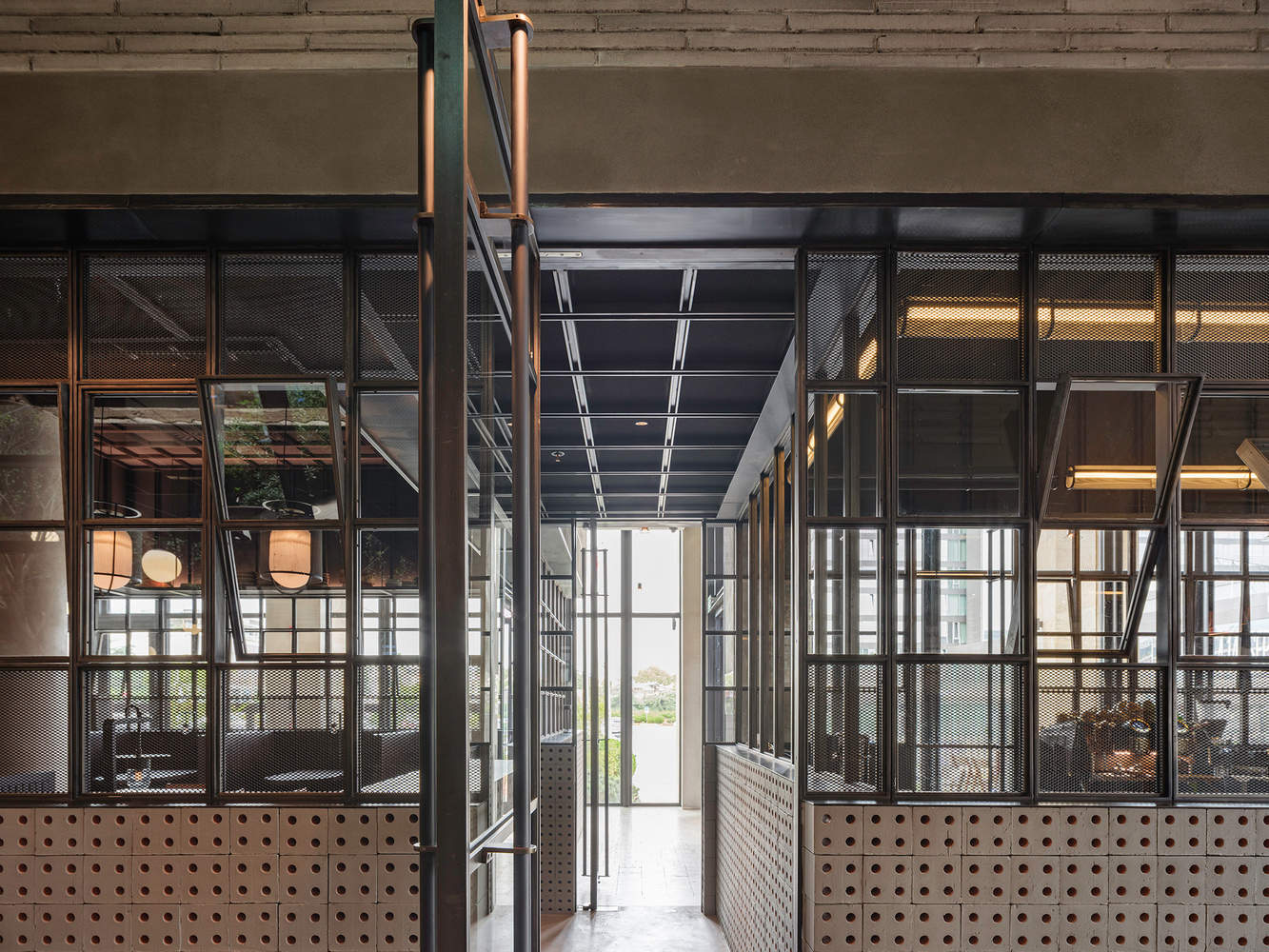
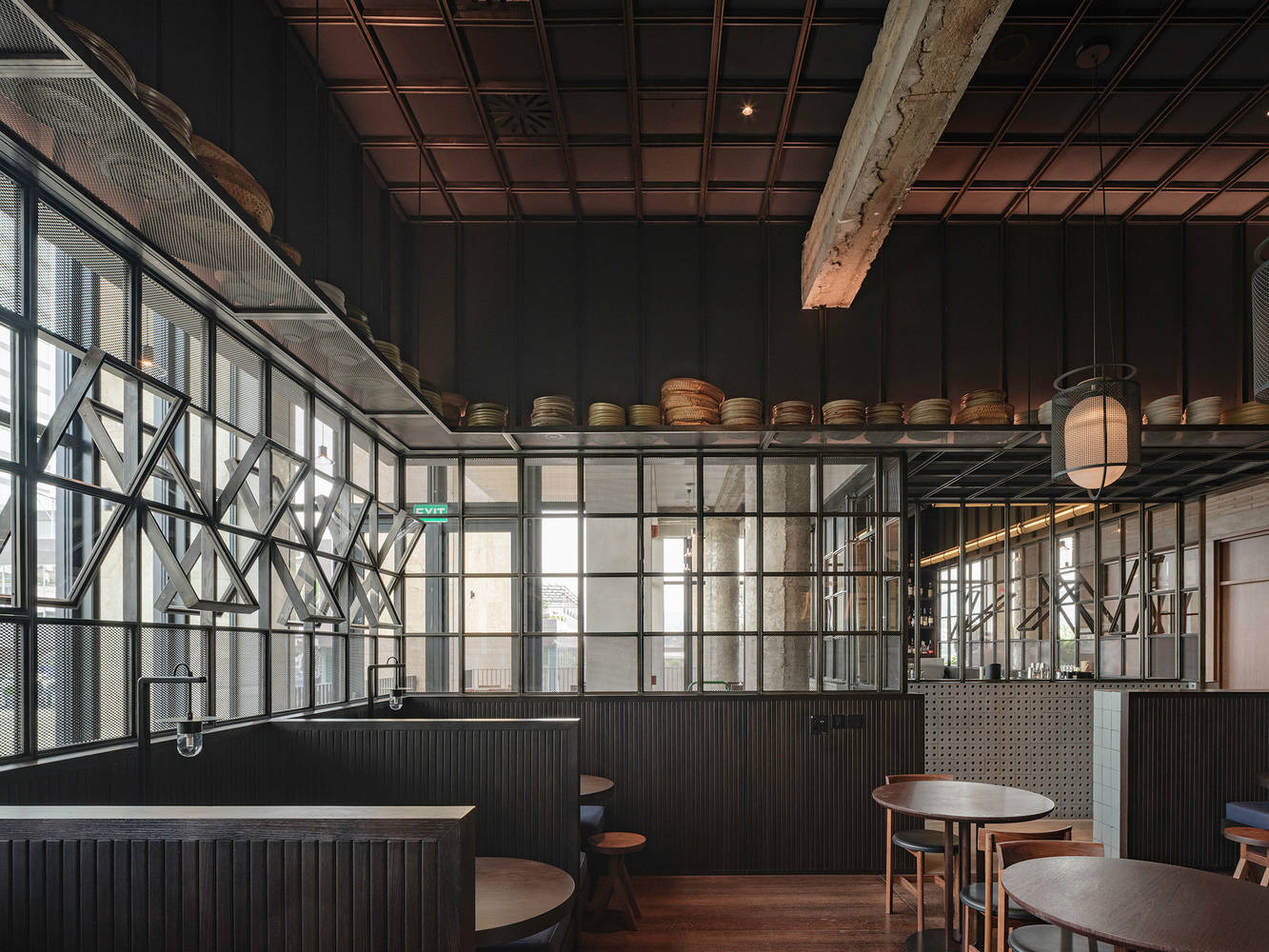
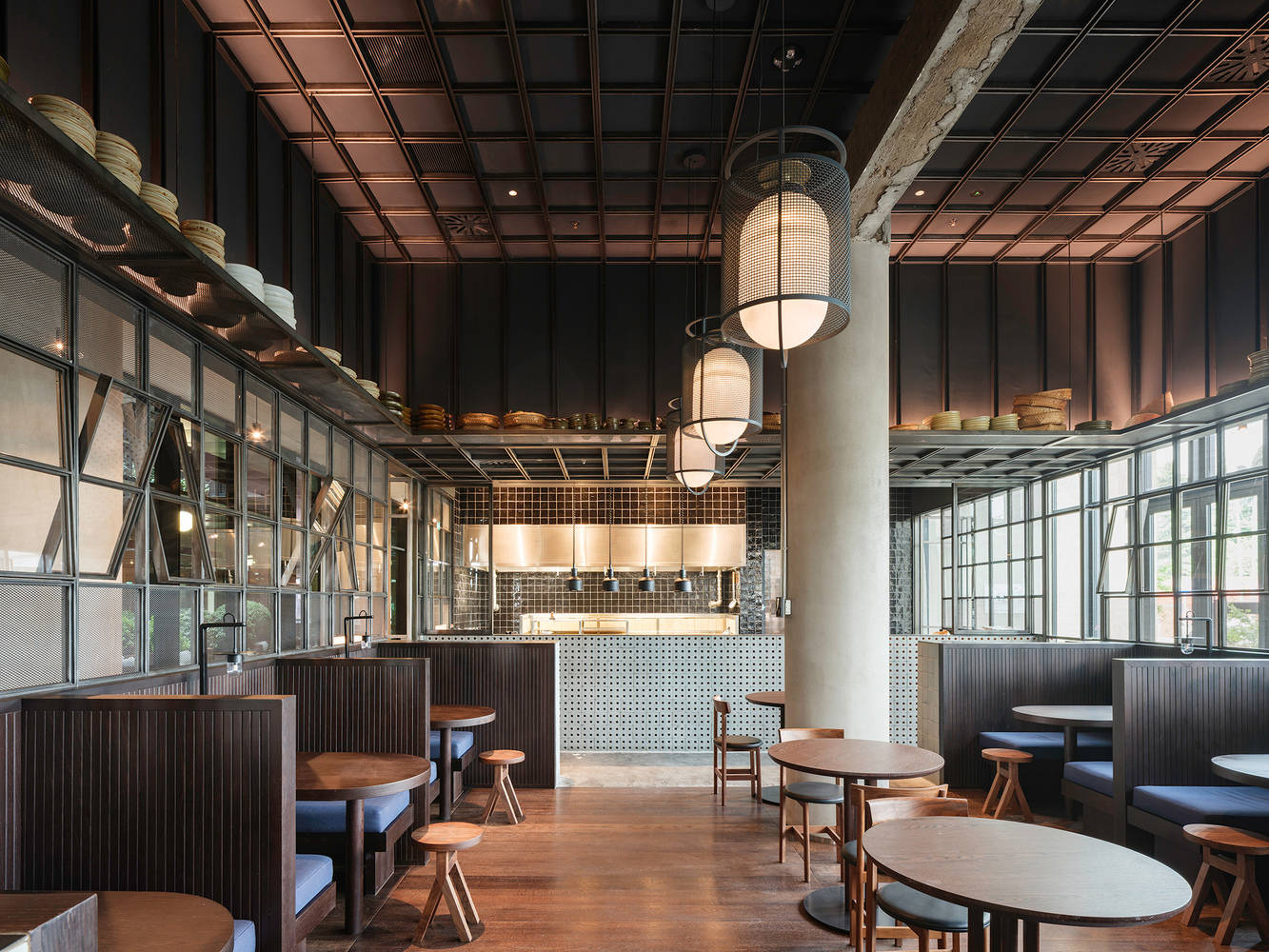
室内城市化:模糊边界与激活公共性:设计在空间叙事上达到了极高的水准,尤其是在首层空间的处理上。如恩将首层构想为“城市公共空间的延伸”,通过一系列交织的廊道和公共设施,激活了建筑原有的社区聚集功能。这种对 Richard Sennett“城市渗透性”的体现,刻意模糊了室内外、公共与私密的界限,将“间”转化为自发交流的平台。这不仅重塑了建筑作为集会场所的传统,也呼应了第比利斯独特的城市肌理和社区生活方式,成功在建筑内部营造了充满活力的城市生活场景。
叙事性的空间体验:从通信枢纽到旅者叙事:上层客房的设计融入了深刻的叙事性,巧妙地将建筑的历史通信功能与现代旅行体验相结合。线性布局的空间序列,营造出火车车厢般的流动感,并引用了保罗·鲍尔斯的文学意象,区分了“游客”与“旅者”。设计为“旅者”提供了一个沉思和休憩的空间,将“旅程本身定义为目的地”。这种将建筑使用功能与哲学思考相结合的策略,使得入住体验超越了简单的消费行为,成为一段关于移动、探索与联结的叙事,激活了建筑深层的文化意义。
The Old Telegraph Building in Tbilisi is an iconic architectural heritage from the Soviet era in Georgia. Designed by architects Lado Alexi-Meskhishvili and Teimuraz Mikashavidze in the 1960s, completed in the 1970s, and awarded the Georgian National Prize in 1983. As a landmark of Brutalist style, it once served as the central post and telegraph office in Tbilisi, fulfilling both an infrastructural hub function and acting as a communal public space, becoming a vivid symbol of local communication and public life.
第比利斯旧电报大楼是格鲁吉亚苏联时期的标志性建筑遗产。该建筑由建筑师拉多·阿列克西-梅什基什维利(Lado Alexi-Meskhishvili)与泰穆拉兹·米卡沙维泽(Teimuraz Mikashavidze)于 20 世纪 60 年代设计,70 年代建成,并于 1983 年荣获格鲁吉亚国家奖。作为粗野主义风格的地标建筑,它曾是第比利斯的中央邮局及电报局,不仅承担着基础设施的枢纽功能,更是社区聚集的公共空间,成为当地交流与公共生活的鲜明象征。
© Pedro Pegenaute
© Pedro Pegenaute
After decades of dormancy, Neri&Hu was invited by George Ramishvili, founder of Silk Road Group, to transform the building, aiming for a seamless integration between historical heritage and contemporary architectural language. This adaptive reuse design strategy goes beyond simple physical restoration, carrying a deeper mission: safeguarding collective memory and reinterpreting the social significance embedded in the architecture. The core philosophy of the project is to revitalize community vitality, which was the former spirit of this building.
在沉寂荒废数十年后,如恩受丝路集团(Silk Road Group)创始人 George Ramishvili 之邀,对该建筑进行改造,旨在实现历史遗产与当代建筑语言之间的自然融合。此次适应性再利用的设计策略,超越了物理层面的简单修复,肩负着更深层的使命:守护集体记忆,重新诠释建筑蕴含的社会意义。项目的核心理念是重塑社区活力,而这也是该建筑昔日的精神所在。
© Pedro Pegenaute
© Pedro Pegenaute
© Pedro Pegenaute
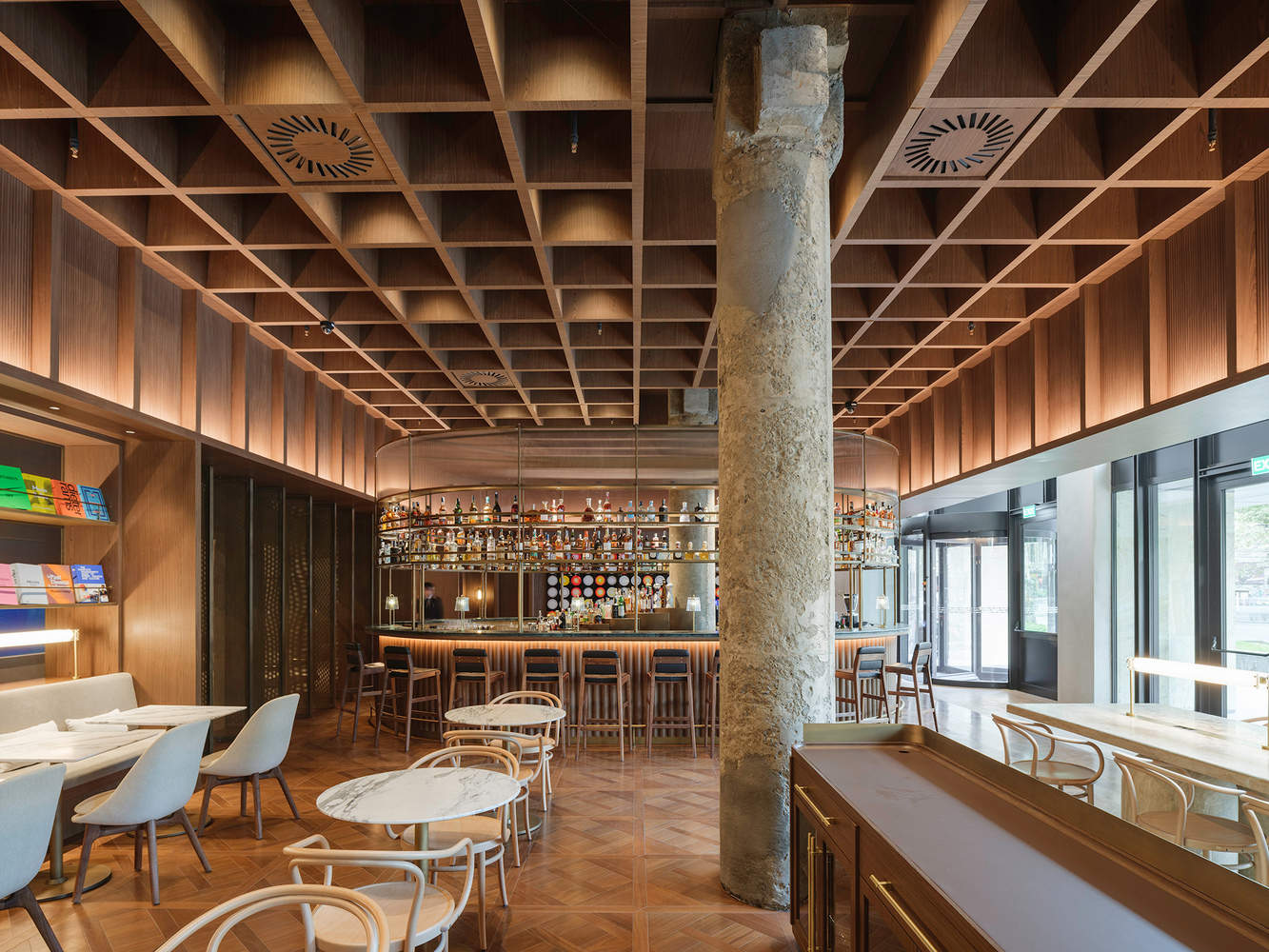
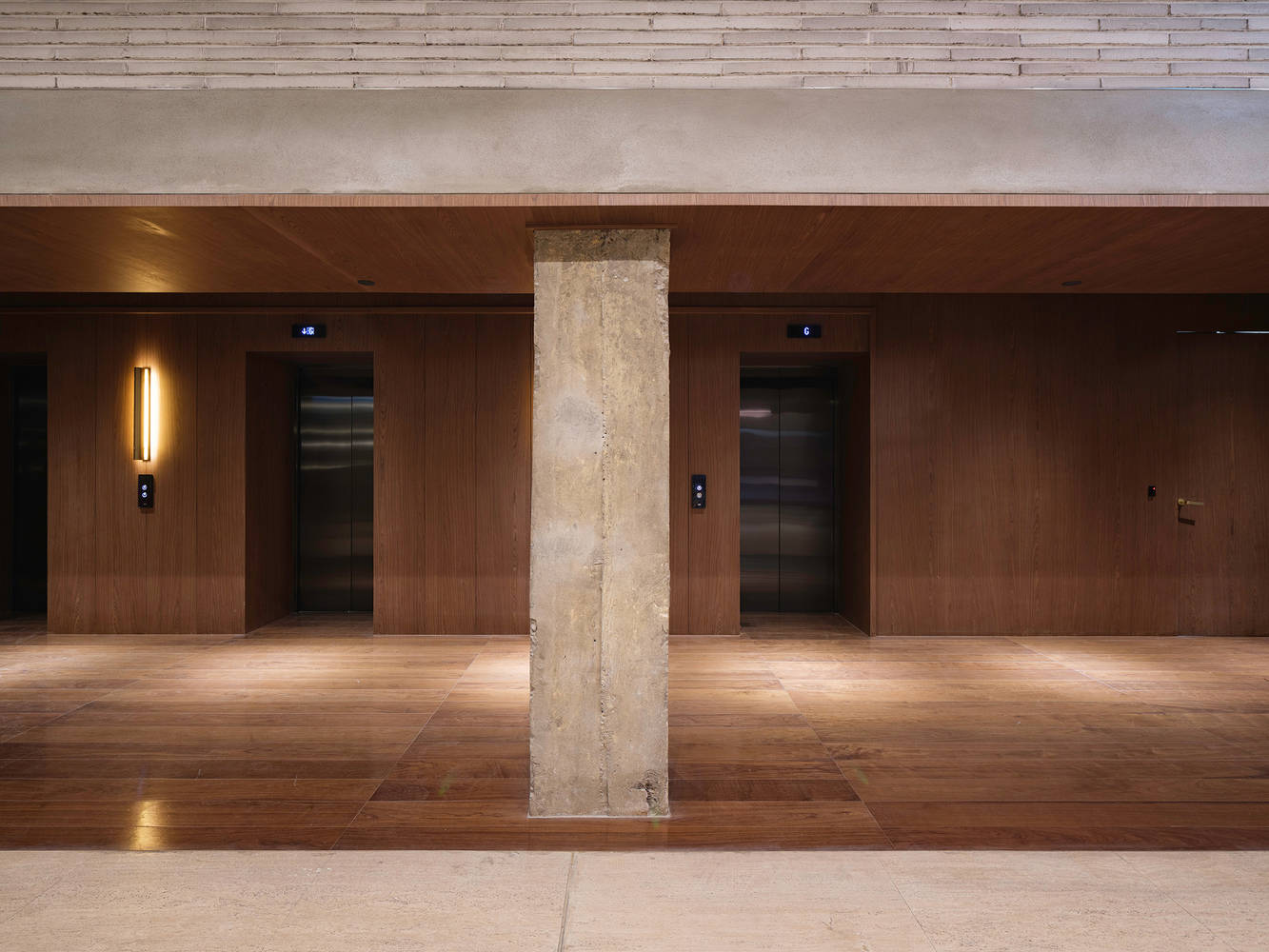
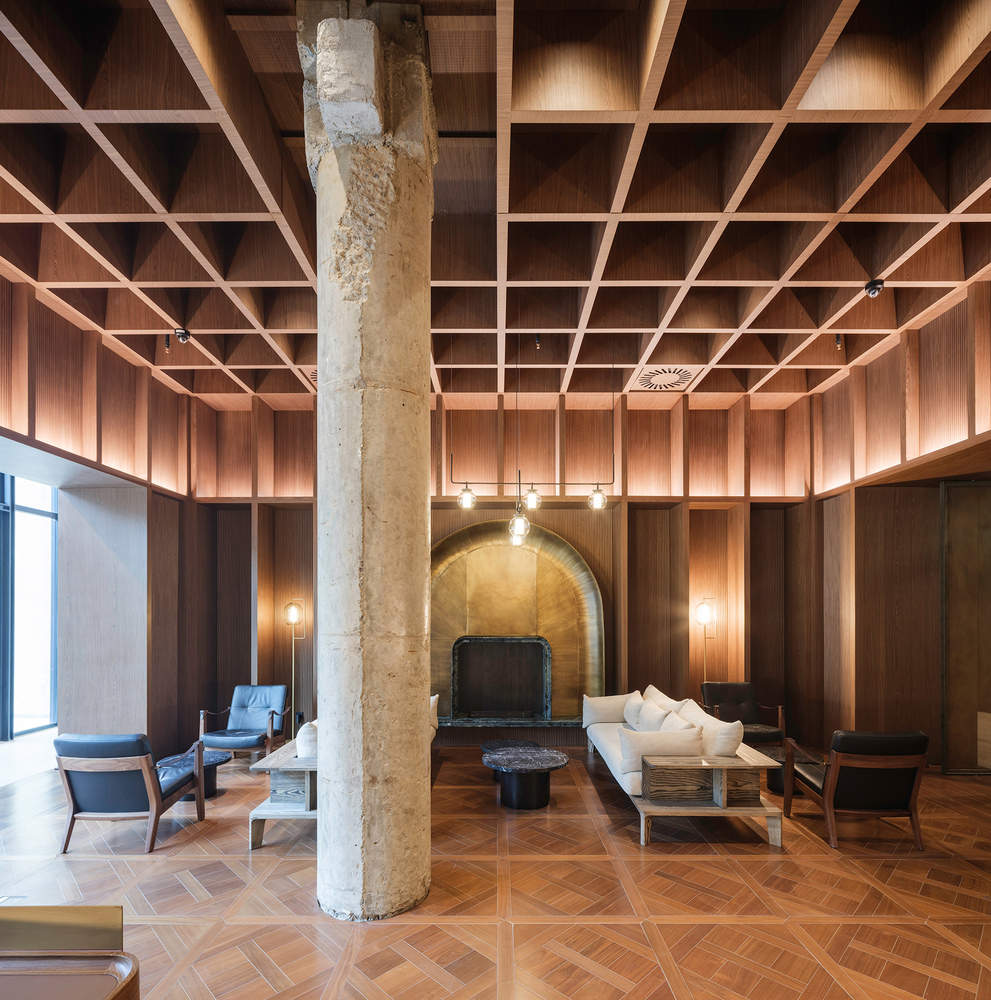
Neri&Hu's design intervention is not a conventional 'restoration' but a 'critical re-appropriation'. This approach is inspired by Svetlana Boym's concept of 'reflective nostalgia', abandoning an idealized reconstruction of the past in favor of cherishing fragmentation, incompleteness, and poetic expression. The design does not hide the cracks of time but highlights them, allowing the original concrete structure of the building to engage in a layered dialogue with the elegant new additions. This method keeps historical memory alive rather than sealing the building as a relic. As architect Aldo Rossi noted, such buildings are eternal anchors of urban memory. By restarting the building's connective functions, Neri&Hu reactivates memory, allowing it to find new continuation within the contemporary urban context.
如恩的设计改造并非传统意义上的“修复”,而是一场“批判性再适用”。这一方法受到斯维特拉娜·博伊姆(Svetlana Boym)“反思型怀旧”(reflective nostalgia)理念的启发,摒弃对过去的理想化重构,转而珍视碎片化、残缺感与诗意性的表达。设计没有掩盖岁月的裂痕,而是将其凸显,使建筑原有的混凝土结构与优雅的新增元素展开层次丰富的对话。这种方式并非将建筑封存为遗迹,而是让历史记忆以鲜活的姿态延续。正如建筑师阿尔多·罗西(Aldo Rossi)所言,此类建筑是城市记忆的永恒锚点。如恩通过重启建筑的连接功能,让记忆重新被激活,在当代城市语境中获得新的延续。
© Pedro Pegenaute
© Pedro Pegenaute
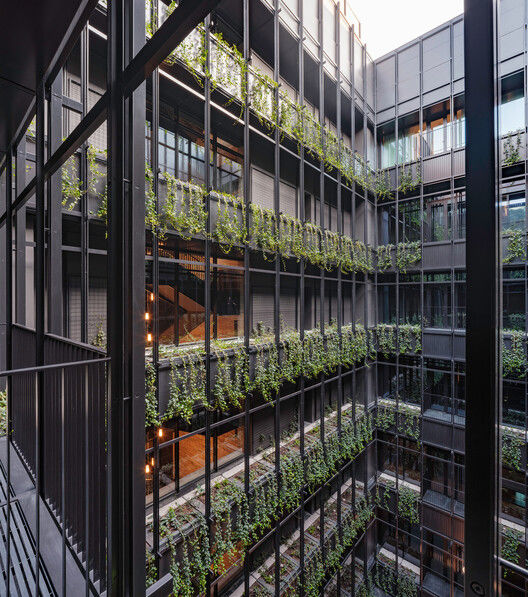
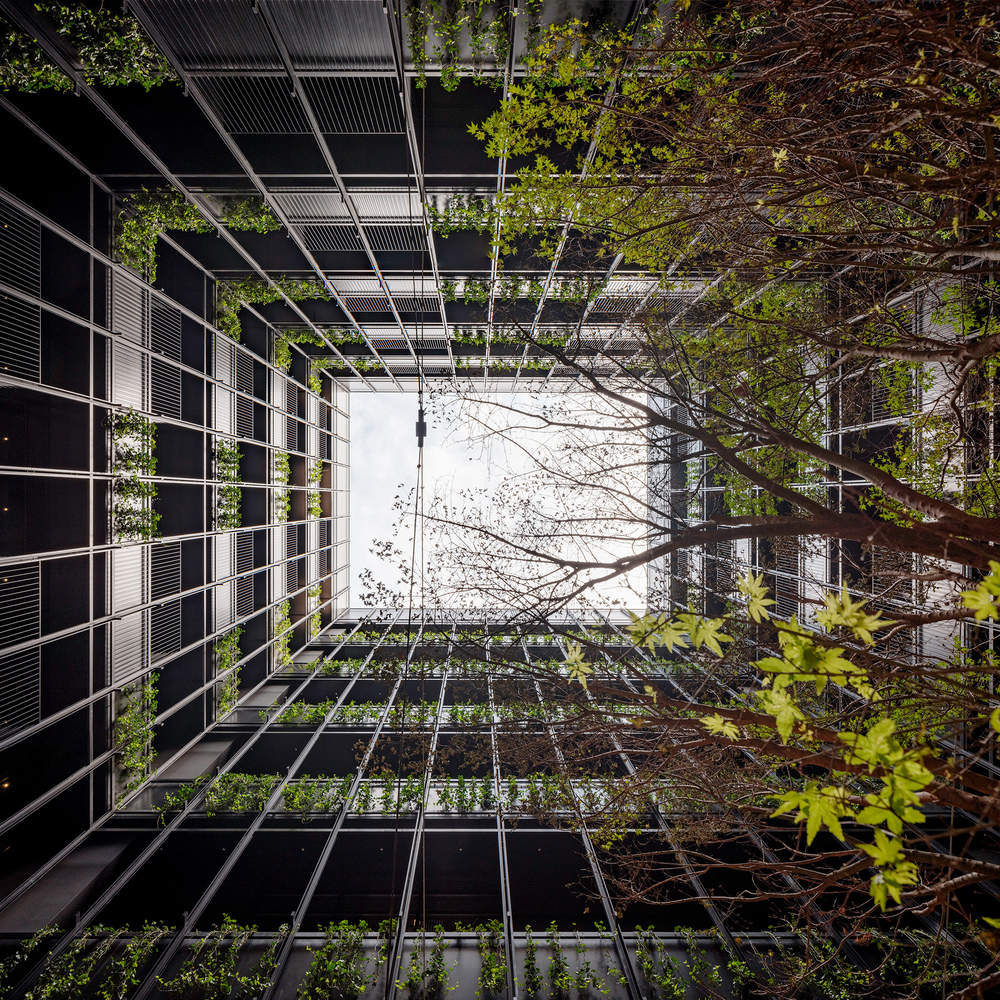
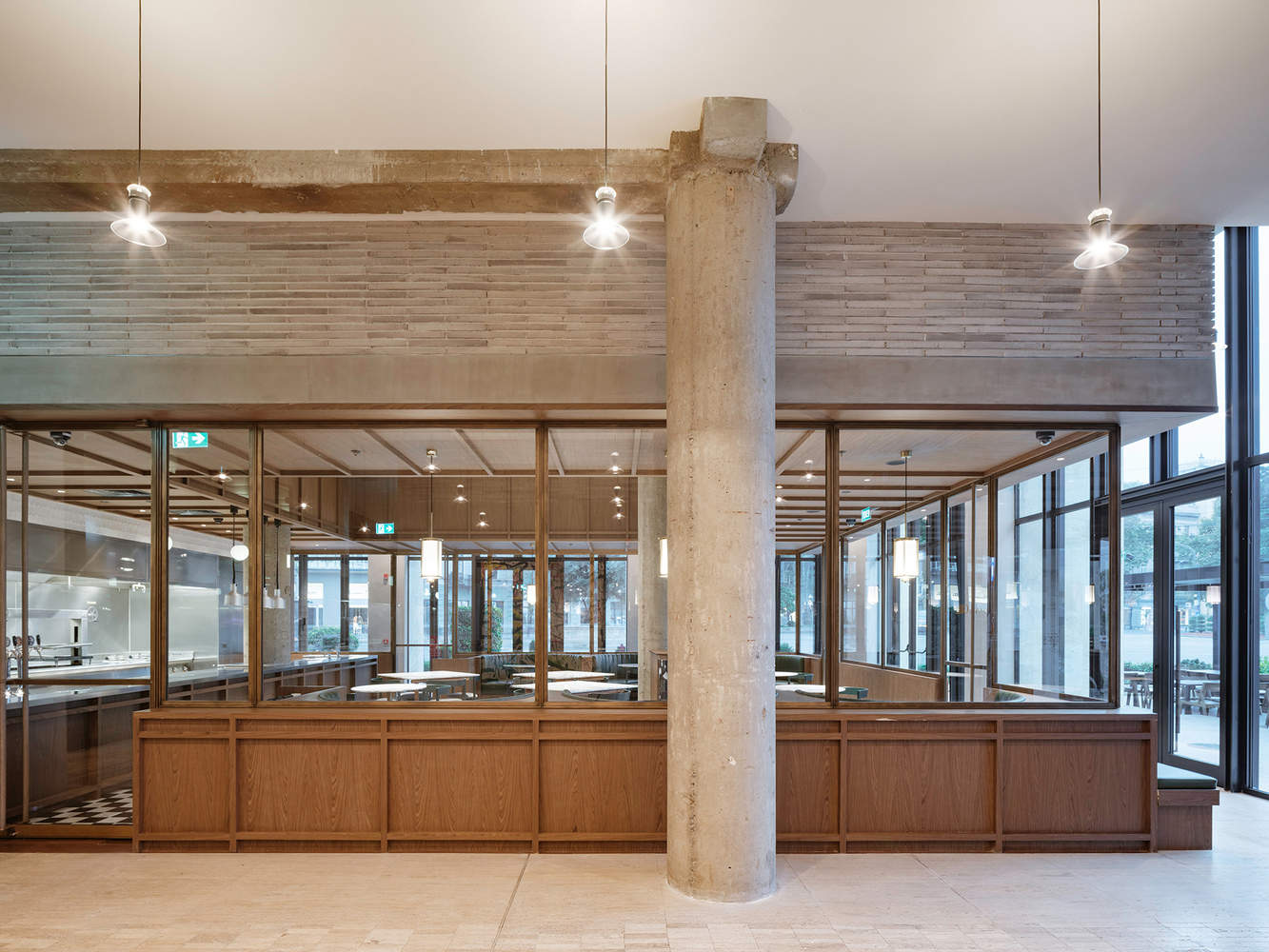
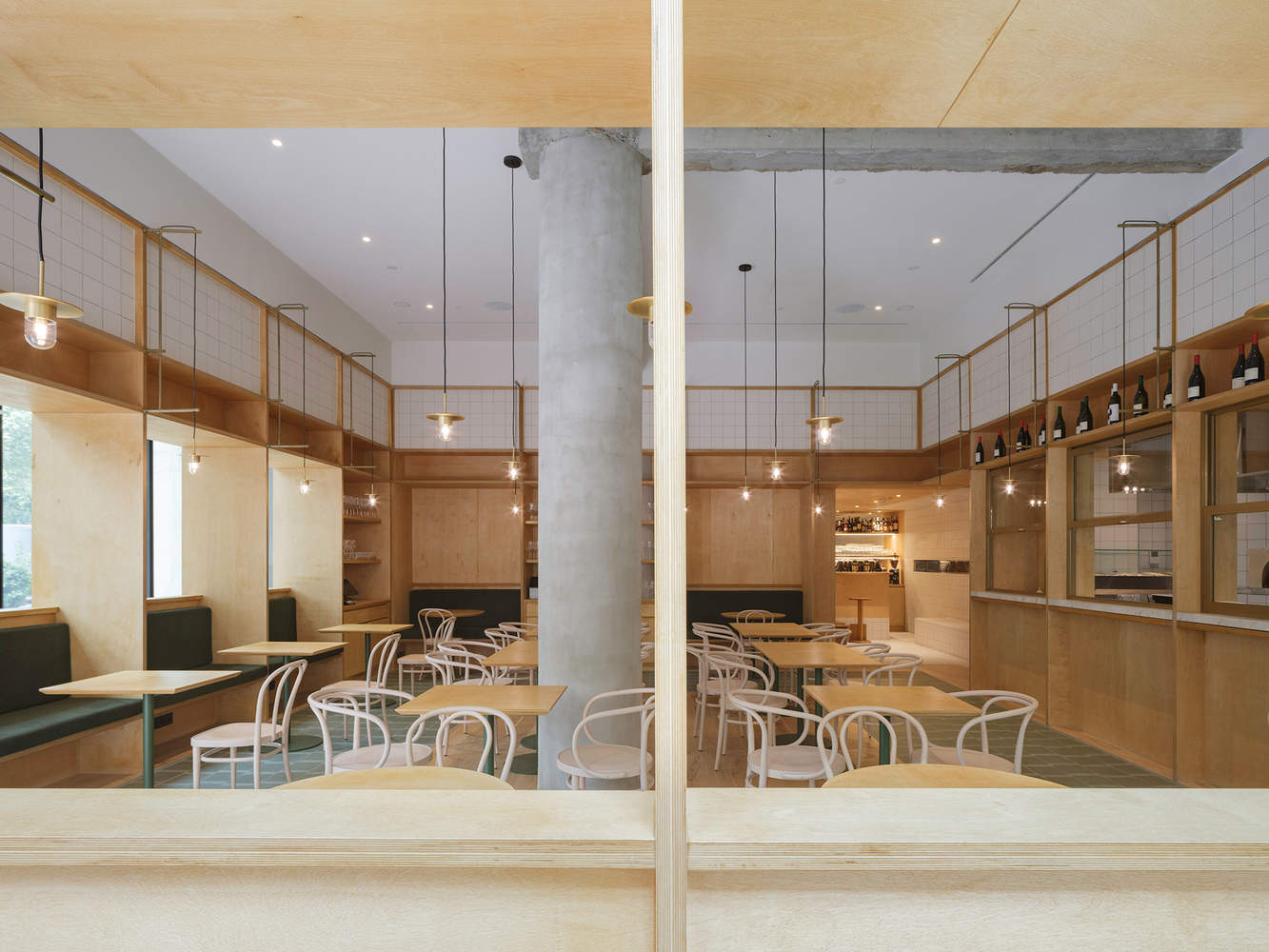
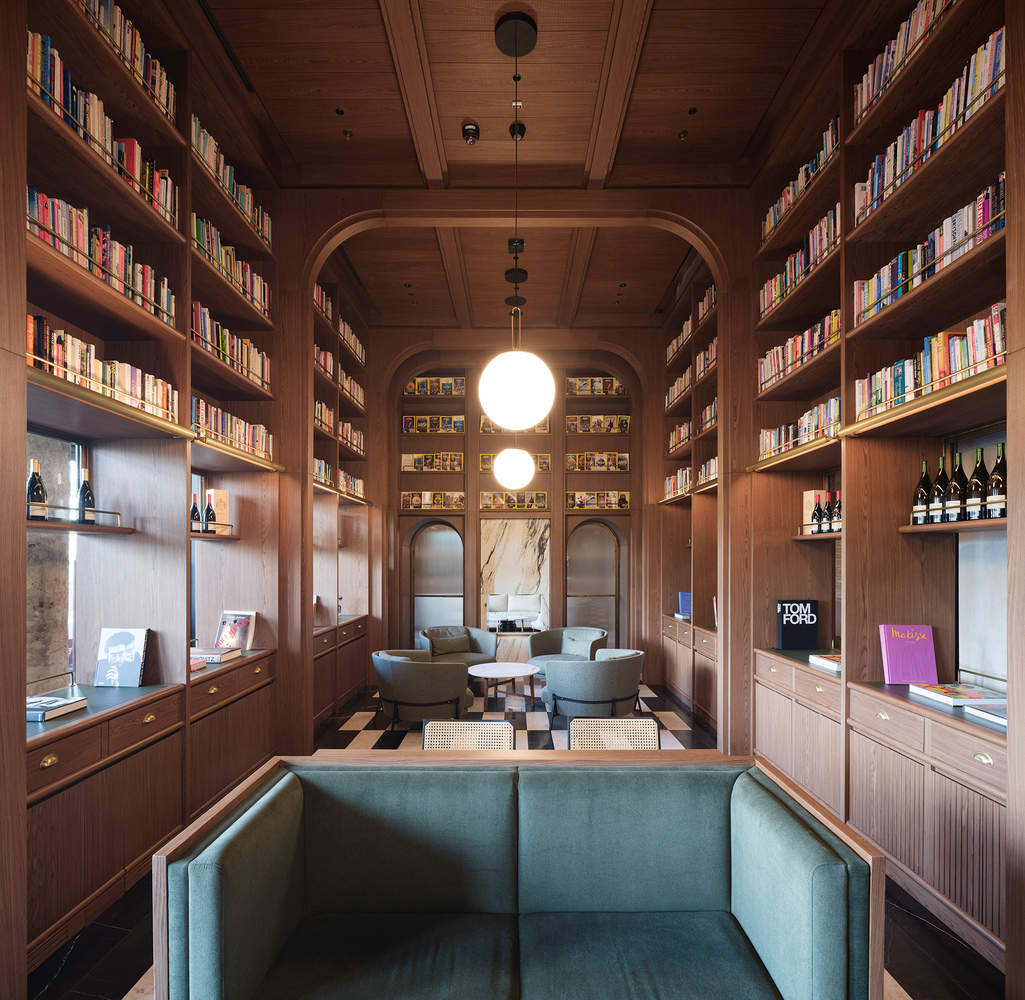
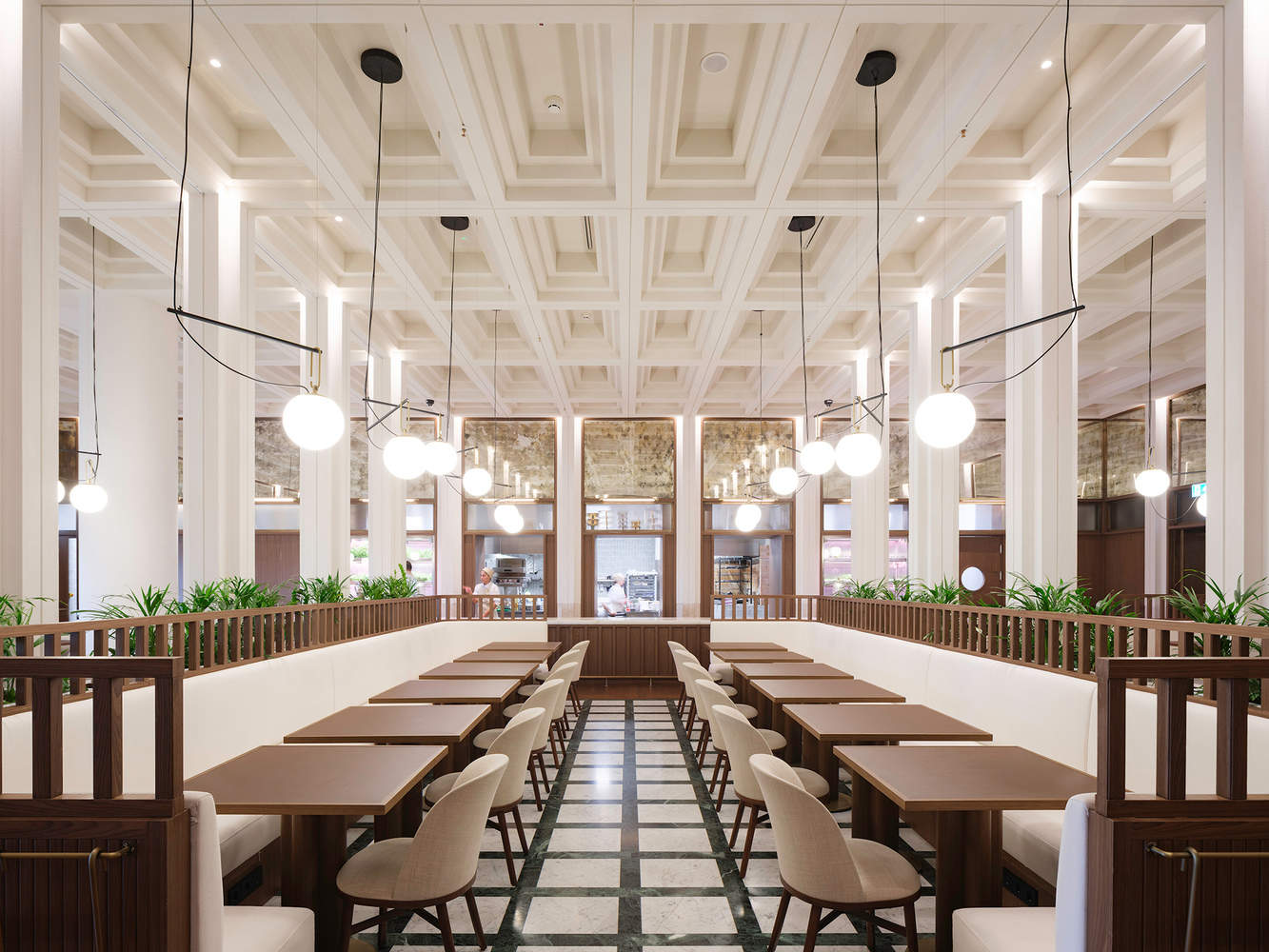
The ground floor of the building is conceived as an extension of the city's public space: a series of interwoven corridors, reminiscent of Tbilisi's narrow streets, connecting public amenities such as restaurants, a library, and a club, ultimately converging at the central courtyard. This reinterpreted interior urban square reactivates the building's tradition as a gathering place, while also echoing the feature of shared balconies in Georgian residences. The design embodies Richard Sennett's concept of 'urban permeability,' deliberately blurring the boundaries between interior and exterior, public and private. By transforming the 'threshold' into a platform for spontaneous exchange, it nurtures the social interactions vital for a vibrant city and achieves a new continuation within Tbilisi's collective memory.
建筑首层被构想为城市公共空间的延伸:一系列交织的廊道,如同第比利斯的狭窄街巷,串联起餐厅、图书馆与俱乐部等公共设施,最终汇聚至中央庭院。这个经过重新诠释的室内城市广场,激活了建筑作为集会场所的传统,亦呼应了格鲁吉亚住宅中共用阳台的特色。设计体现了理查德·森内(Richard Sennett)所提出的“城市渗透性”理念,刻意模糊了室内与室外、公共与私密的界限。通过将“间(threshold)”转化为自发交流的平台,它孕育出活力城市赖以生存的社会互动,也在第比利斯的集体记忆中实现了新的延续。
© Pedro Pegenaute
© Pedro Pegenaute
© Pedro Pegenaute
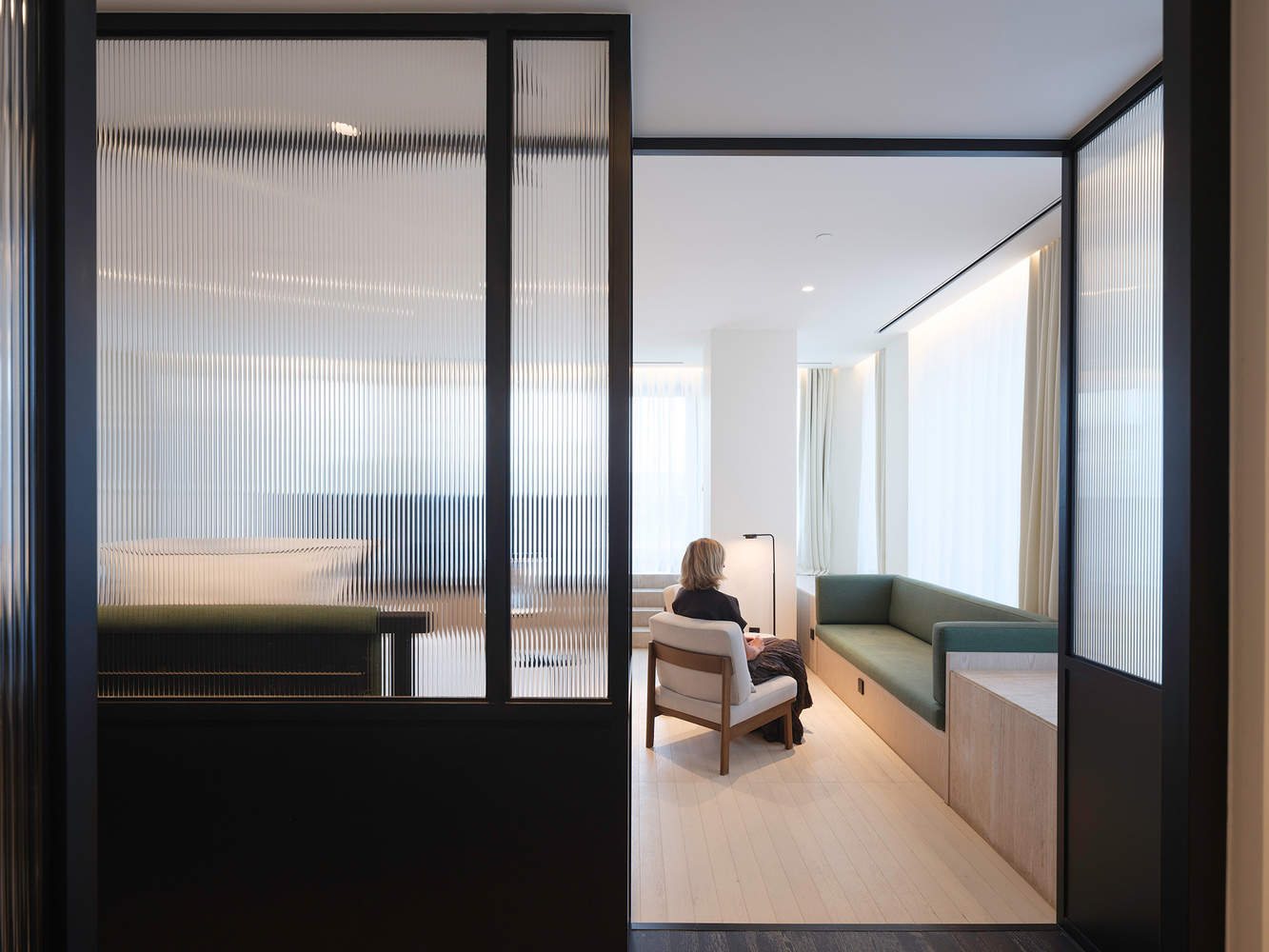
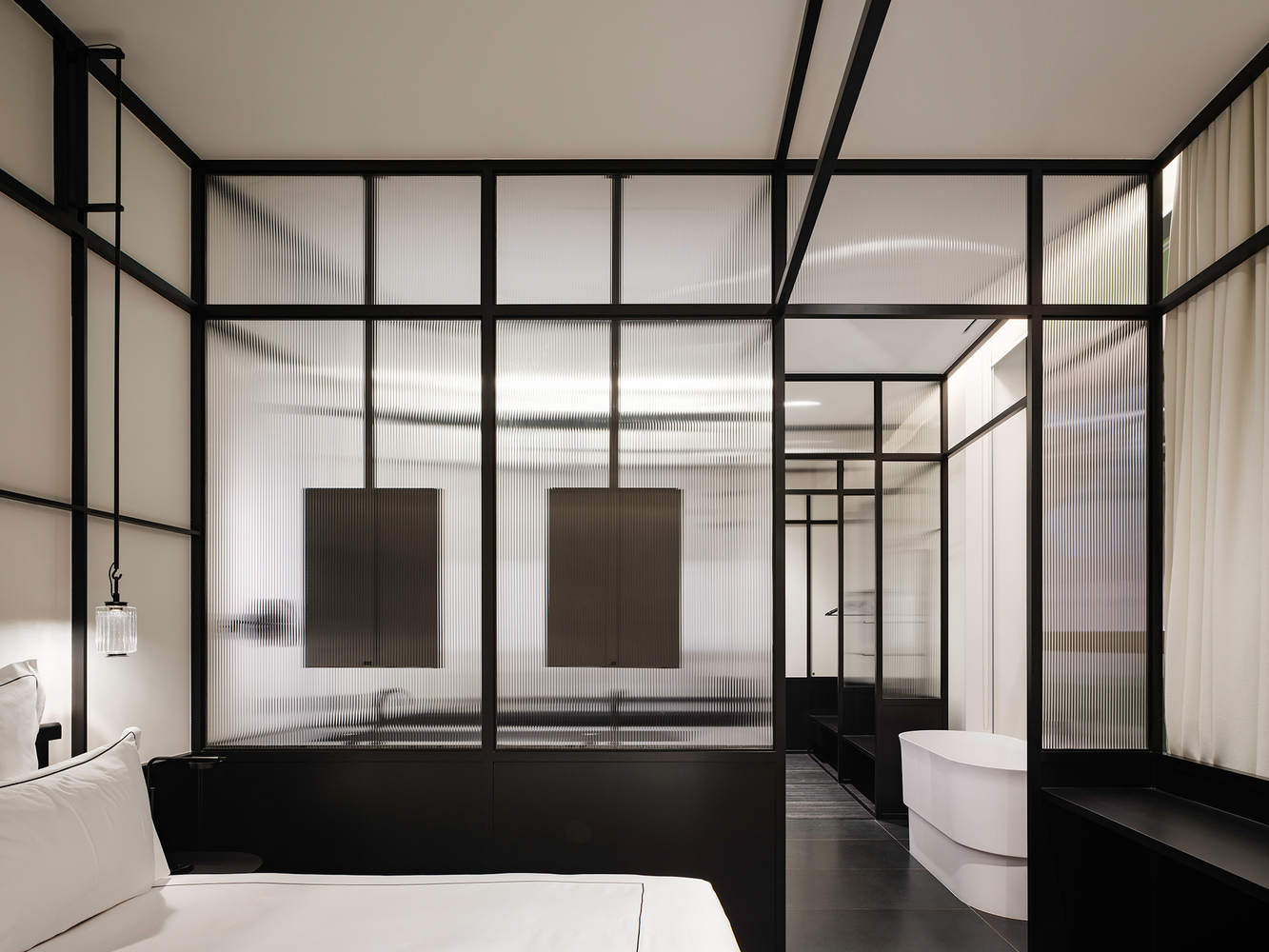
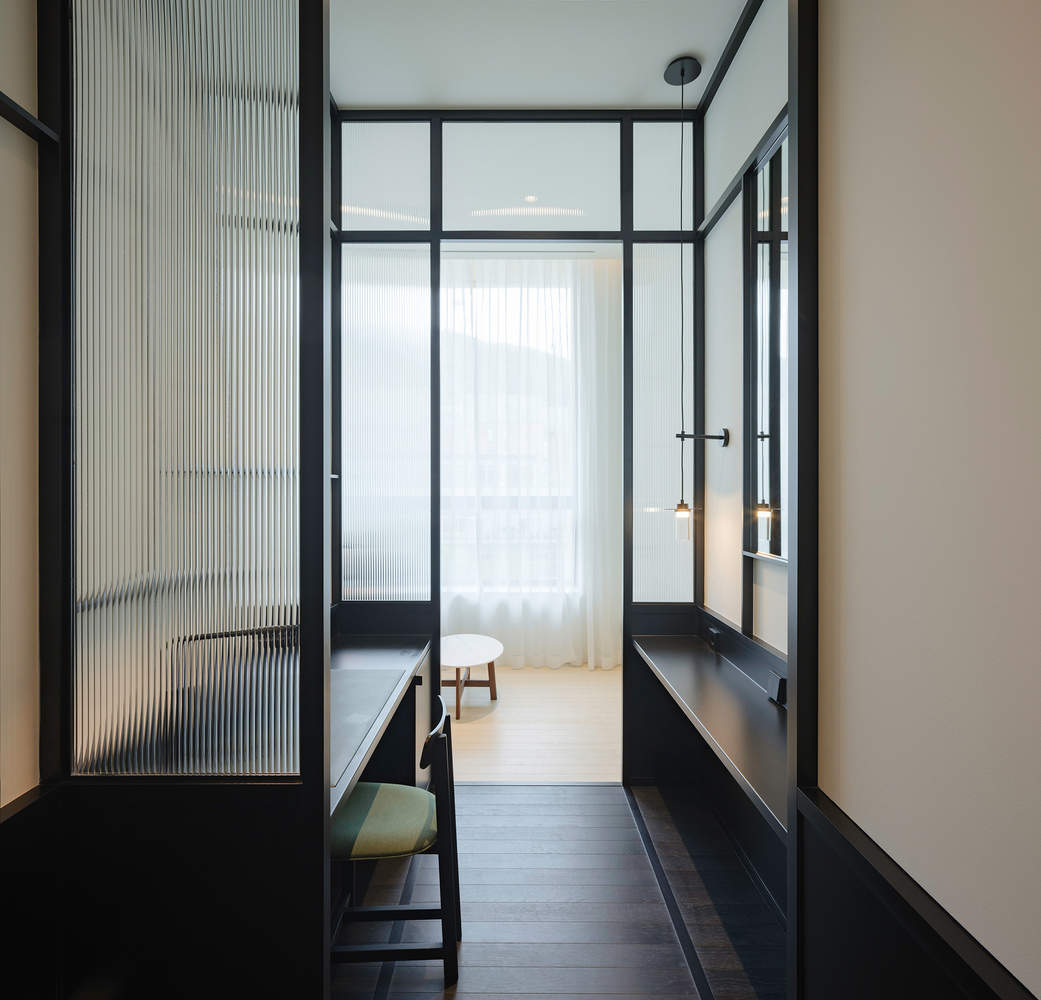
In the upper levels, the guest rooms follow the original structural grid. The space extends linearly from the entrance to the resting areas and the windows, presenting a linear order and rhythm, resembling the flow of a train carriage, which also pays homage to the historical Silk Road. This metaphor deeply echoes the theme conveyed by writer Paul Bowles in 'The Sheltering Sky,' which distinguishes between tourists who are merely passing through and travelers who seek connection and long to bond with the locality. As a character in the book says: "The tourist always hurries back home the moment he has arrived... but the traveler may never return." Neri&Hu consciously designs a space for 'travelers' for contemplation and rest, defining the journey itself as the true destination. Staying here is thus no longer a simple act of consumption but a narrative about movement and exploration, closely intertwining the building's former communication function with the modern ritual of travel.
在上层空间中,客房布局遵循原有的结构网格。空间从入口延展至休憩区与窗边,呈现出线性的秩序与节奏,仿佛火车车厢的流动感,亦是对历史上的丝绸之路致敬。这一隐喻与作家保罗·鲍尔斯(Paul Bowles)在《遮蔽的天空(The Sheltering Sky)》中传递的主题深度呼应。书中区分了短暂途经的游客与寻求融入并渴望与当地建立联结的旅者。正如书中角色所言:“游客在抵达的瞬间便想着归途……而旅者或许永不回头。”如恩的设计有意识地为 “旅者” 打造一个可供沉思与休憩的空间,将旅程本身定义为真正的目的地。入住停留因此不再是简单的消费行为,而是一段关于移动与探索的叙事,使建筑昔日的通信功能与现代的旅行仪式紧密交织。
© Pedro Pegenaute
© Pedro Pegenaute
© Pedro Pegenaute
The Telegraph Hotel is a paradigm of this concept. It does not preserve this Brutalist landmark as a historical relic but imbues it with vibrant new life while honoring its past. This method of transformation fosters a deeper concept of cultural tourism—visitors do not just observe history, but participate in it: they become temporary participants in the daily life of Tbilisi, deeply experiencing the layering of history, the texture of materials, and the social significance.
电报酒店正是这一理念的典范。它并未将这座粗野主义地标当作历史遗迹封存,而是在致敬其过往的同时,为其赋予充满活力的新生。这种改造方式孕育了一种更深层次的文化旅游理念 —— 访客不仅观看历史,更参与历史:他们成为第比利斯市民生活的临时参与者,深入感受历史的层积、物质的肌理与社会的意义。
© Pedro Pegenaute
© Pedro Pegenaute
© Pedro Pegenaute
Neri&Hu's intervention makes the building's historical narrative resonate profoundly in a new way. The project achieves an outstanding balance by integrating the spirit of public engagement, the traveler's pursuit of authentic experience, and the concept of dynamic preservation. The former hub of telegraphic communication is transformed into a multi-layered architectural narrative space about community, memory, and flow. The Telegraph Hotel is no longer a sleeping monument but a vibrant, ever-living public space, continuing the urban spirit and pulse of life in Tbilisi.
如恩的介入让这座建筑的历史叙事以全新的方式深刻回响。项目融合了公共参与的精神、旅者对真实体验的追寻,以及动态保护的理念,实现了出色的平衡。曾经作为电报通信枢纽的场所,如今被转化为关于社区、记忆与流动的多层建筑叙事空间,电报酒店不再是沉睡的纪念碑,而是充满活力、生生不息的公共空间,延续着第比利斯的城市精神与生活脉动。