Interior Design of Lujiang Fanshan Crystallization Pool Site/FLIP Studio Production
庐江矾山结晶池遗址室内设计 / FLIP studio 番番營作
亮点一:对历史遗迹的尊重与保护:项目最显著的亮点在于其对工业遗址的尊重和保护,设计师采取了“保育-活化-植入-焕新”的核心策略,将保护置于首位。这种严谨的态度如同考古,最大限度地保留了原始地貌、建筑结构和工业痕迹,将这些元素作为后续设计的基底。这不仅是对历史的致敬,也为项目赋予了独特的场所精神。这种对历史的尊重,使得改造后的空间充满了岁月的沉淀感,并与新的功能完美融合,避免了对原有环境的破坏,体现了可持续设计的理念,是项目成功的关键之一。
亮点二:创造性的空间叙事与材料运用:项目的精髓在于通过“晶体”这一核心元素构建空间叙事,巧妙地将历史与现代、工业与自然联系起来。设计师通过架空的黑色木栈道串联起整个空间,引导参观者在遗址中穿梭,这种方式既减少了对原始地貌的干扰,又创造了独特的行走体验。而透明材料如白色半透玻璃钢、亚克力管和彩色亚克力等的使用,更是点睛之笔,它们在自然光和人工照明下呈现出璀璨的“矾花”效果,营造出一种“光、矿物与时间的立体诗篇”的浪漫氛围。这种富有诗意的设计语言,赋予了项目独特的艺术魅力。
亮点三:功能植入与文化生态的重塑:项目不仅仅是对工业遗址的简单修复,更重要的是通过植入新的功能,为场地注入了当代活力。矿坑咖啡、主题展览、水雾剧场等创新业态的引入,将遗址转化为一个充满活力的公共空间,吸引了多元人群。更令人赞赏的是,项目还注重生态修复,将部分圆坑还原为结晶池景观或微型生态容器,赋予场地持续的生态韧性。这种对文化生态景观的重塑,使得项目不仅成为了一个文化地标,更成为了一个具有可持续发展潜力的典范,实现了工业遗产的活化与新生。
© 朱润资
© 朱润资
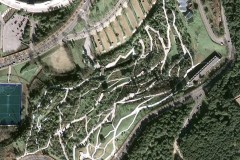
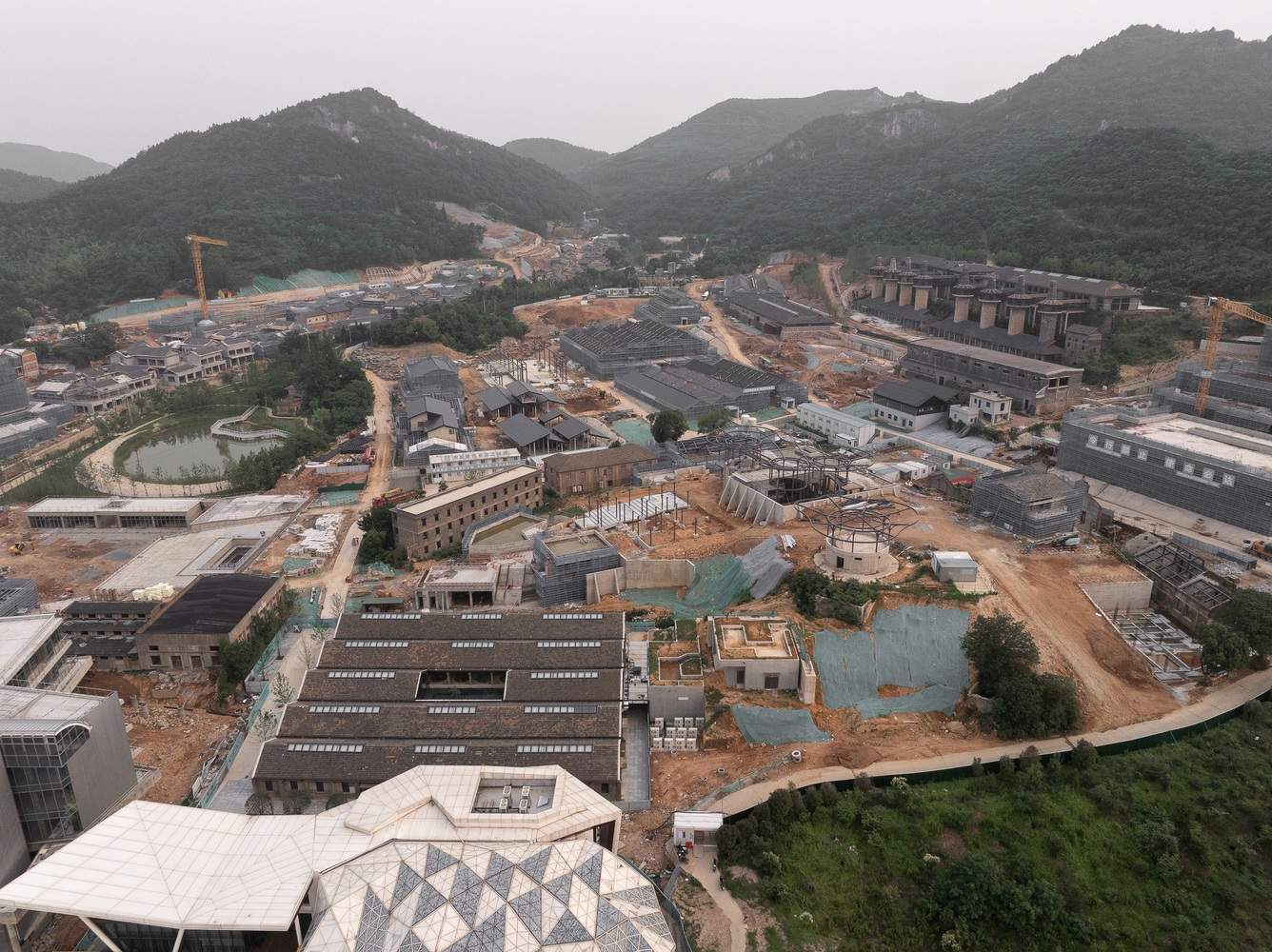
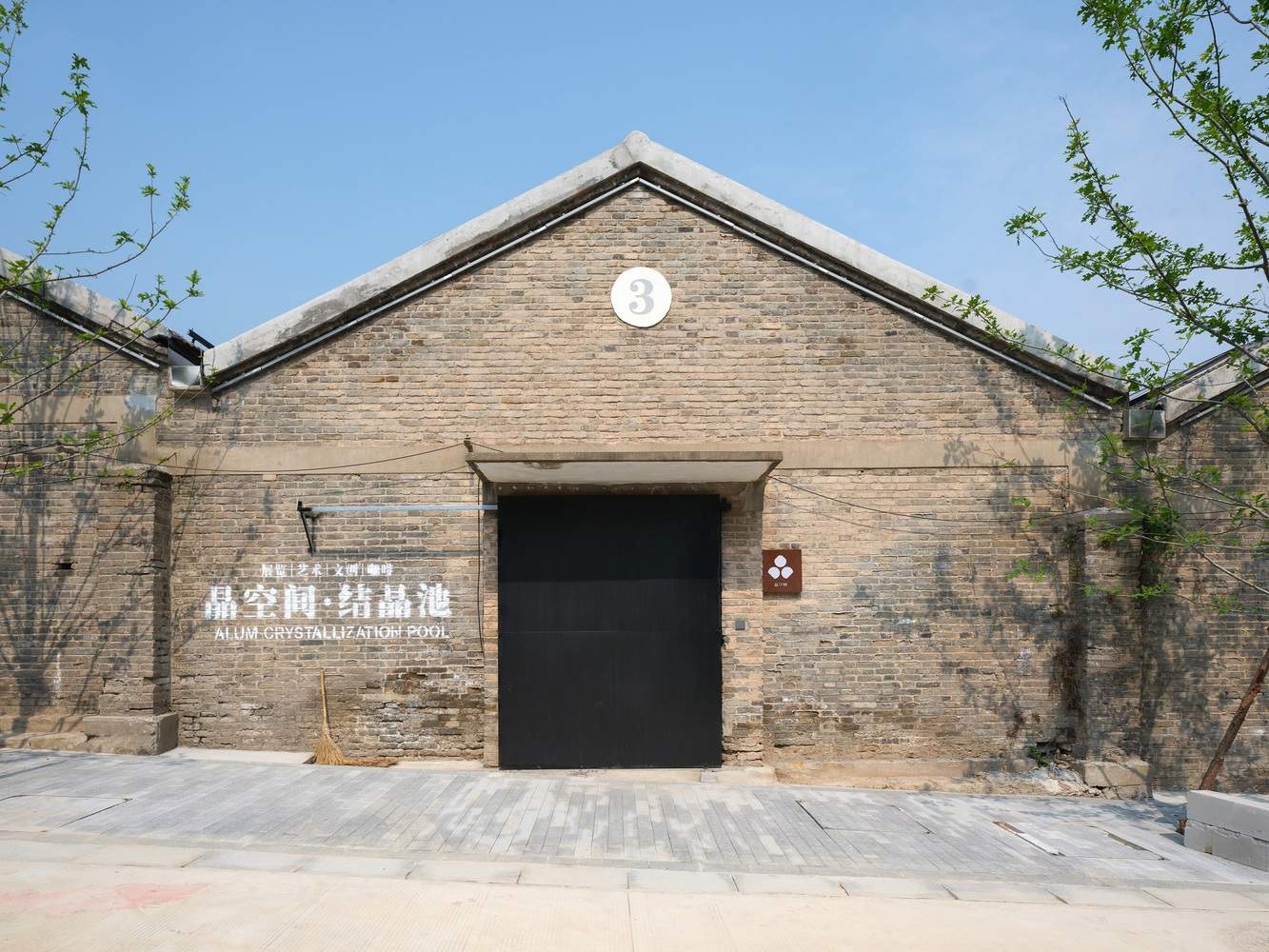
The Lujiang alum mine in Hefei, known as the "millennium alum capital", is an industrial site that carries profound historical value. With the market shrinking in the 1990s, the bauxite mine ceased production in 2001, leaving behind damaged factories, stepped landforms, and huge circular pit sites, like a "wound on the earth", with ecological and historical veins almost disappearing.
合肥庐江矾矿,被誉为“千年矾都”,是一处承载深厚历史价值的工业遗址。随着 90 年代市场萎缩,矾矿于 2001 年停产,留下破损的厂房、台阶状地貌和巨大的圆坑遗址,如同一道“大地的伤口”,生态与历史脉络几近湮灭。
© 朱润资
分析图
Courtesy of FLIP studio
Faced with this industrial site, the project adopts the core strategy of "conservation activation implantation renewal". Through creative intervention, the mine coffee is no longer just an object of gaze, but has been updated and transformed into a contemporary living scene, becoming a public container that carries contemporary life and ecological restoration, achieving the restoration of industrial sites and the reshaping of cultural ecological landscapes.
面对这片工业遗址,项目以“保育-活化-植入-焕新”为核心策略。通过创造性的介入,其不再只是被凝视的对象,经更新改造被赋予当代生活场景的矿坑咖啡,成为承载当代生活与生态修复的公共容器,实现了工业遗址的修复与文化生态景观的重塑。
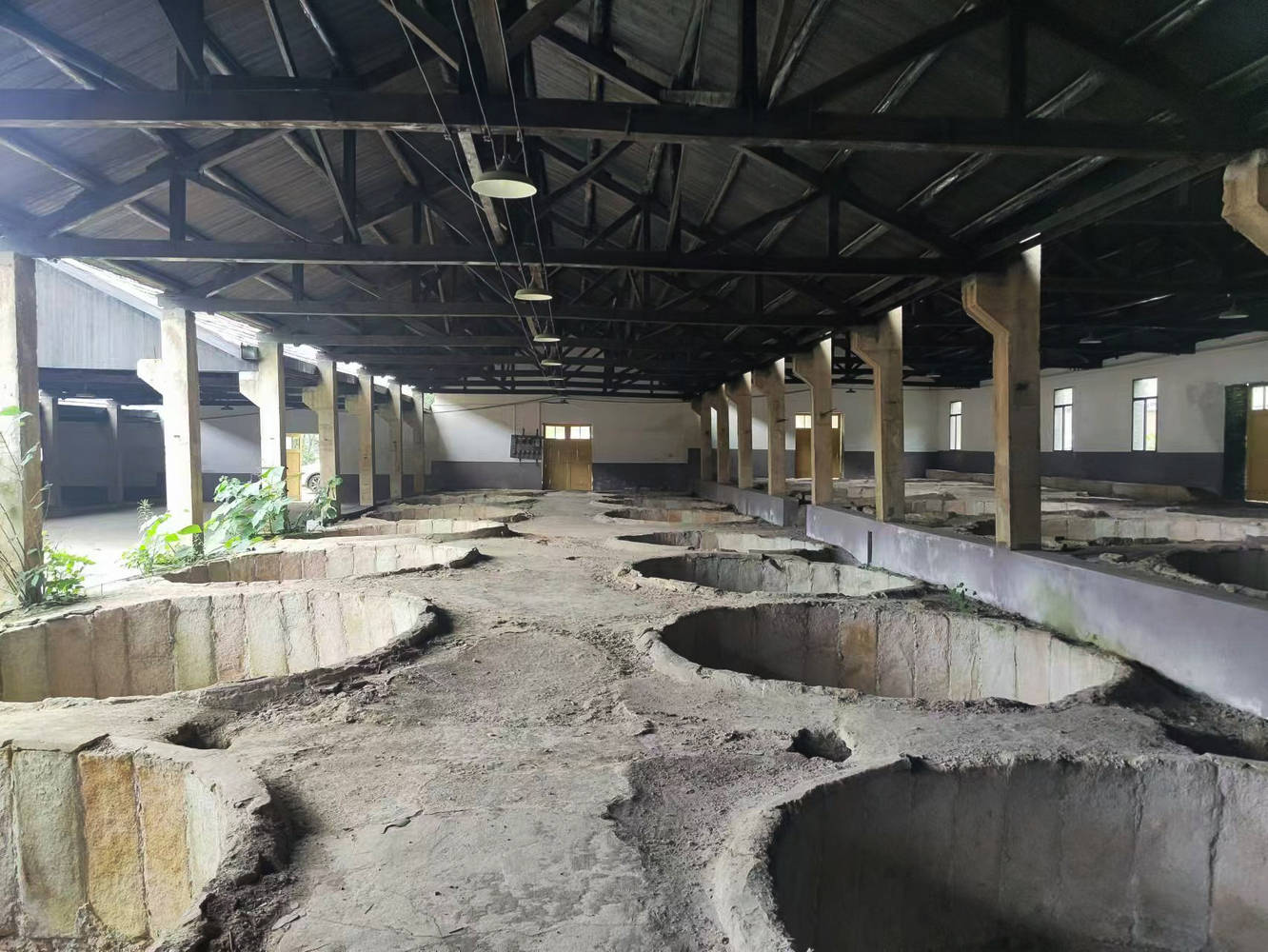
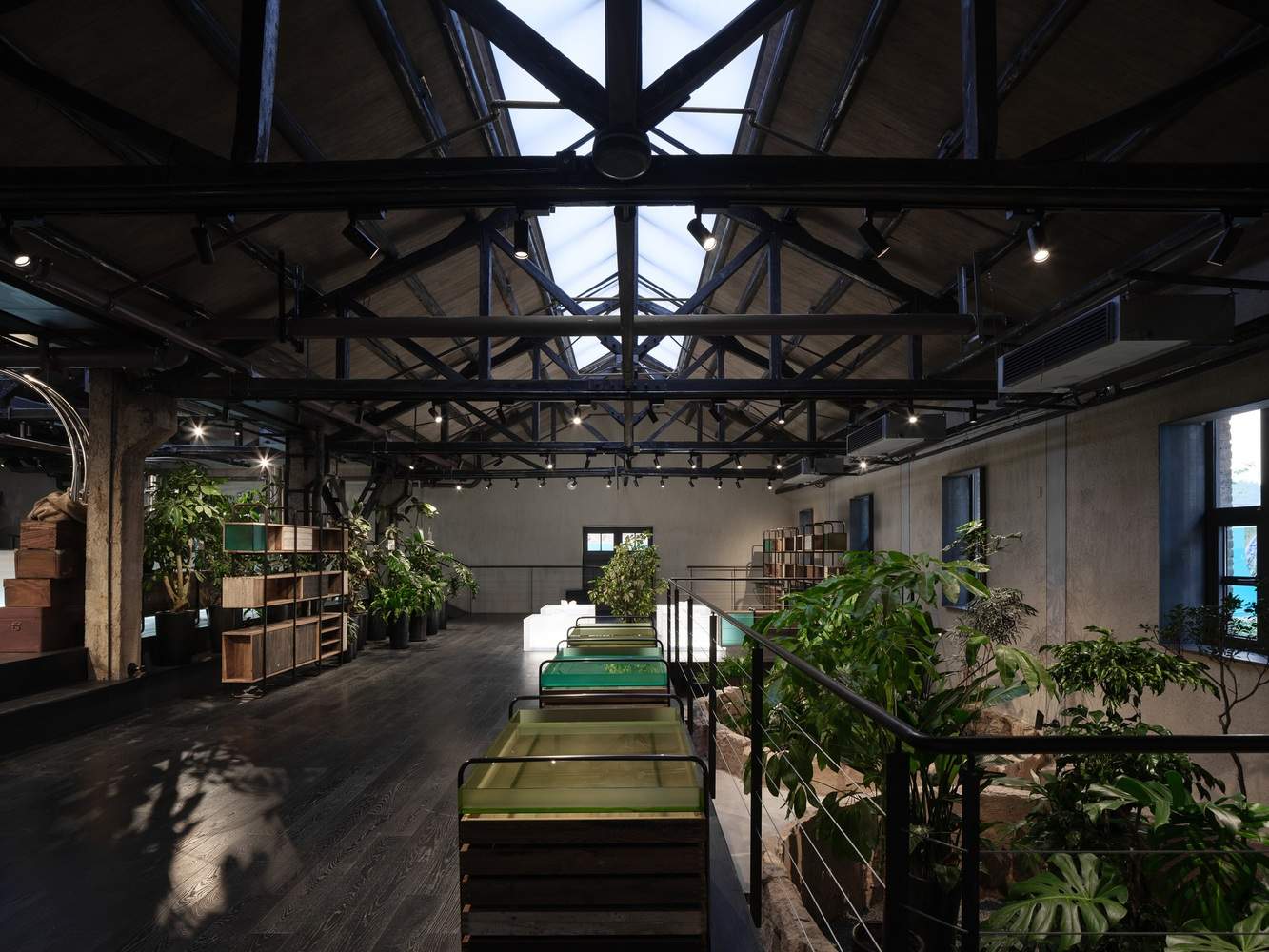
Conservation is the cornerstone. Design with a rigorous attitude akin to archaeology towards the site remains: the stepped landforms, circular pit shapes, original architectural structures, and industrial traces are maximally preserved, becoming a three-dimensional foundation for subsequent interventions.
保育是基石。设计以考古般的严谨态度对待场地遗存:台阶地貌、圆坑形态、原有建筑结构及工业痕迹被最大限度保留,成为后续介入的立体基座。
© 朱润资
© 朱润资
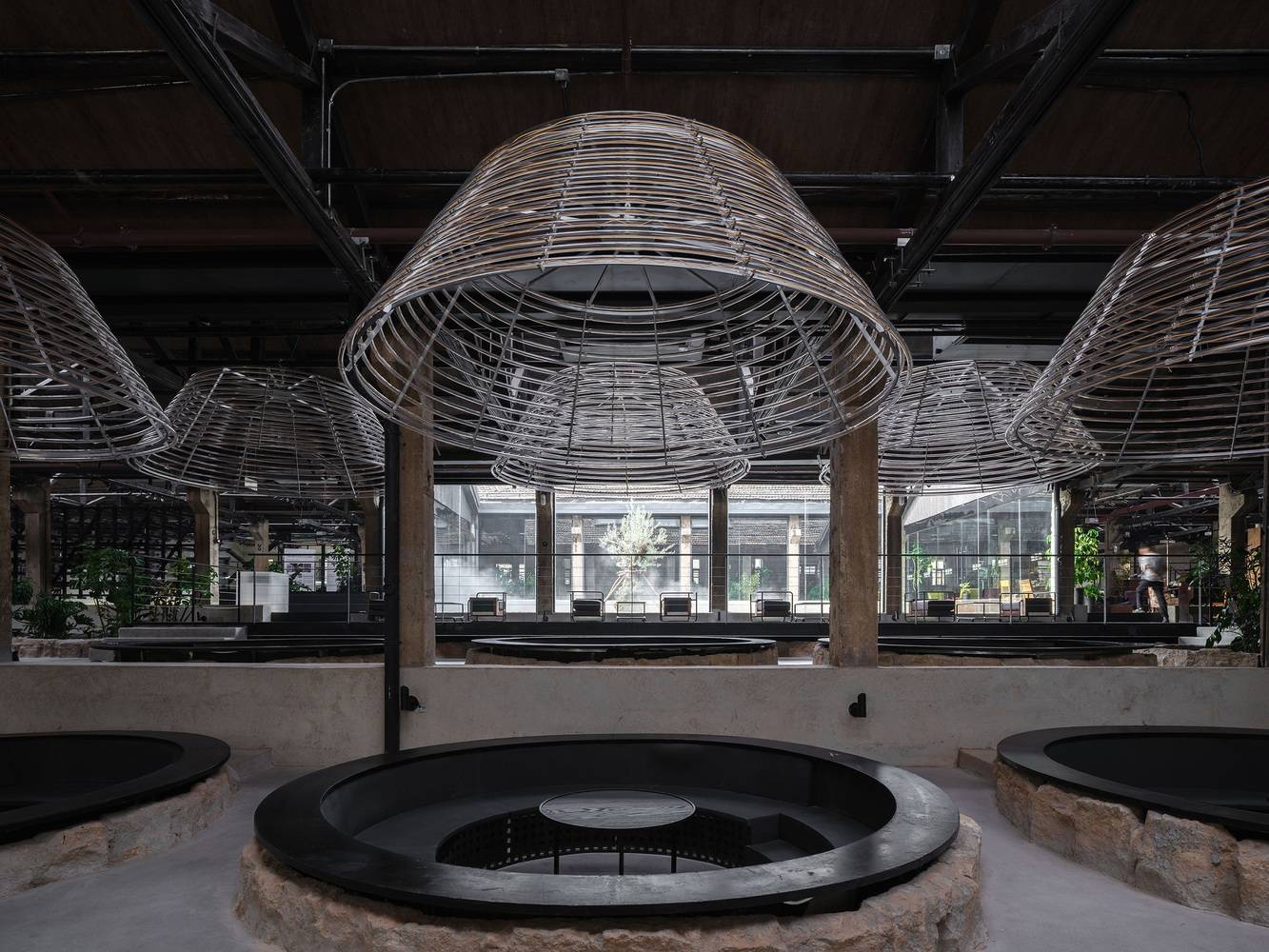
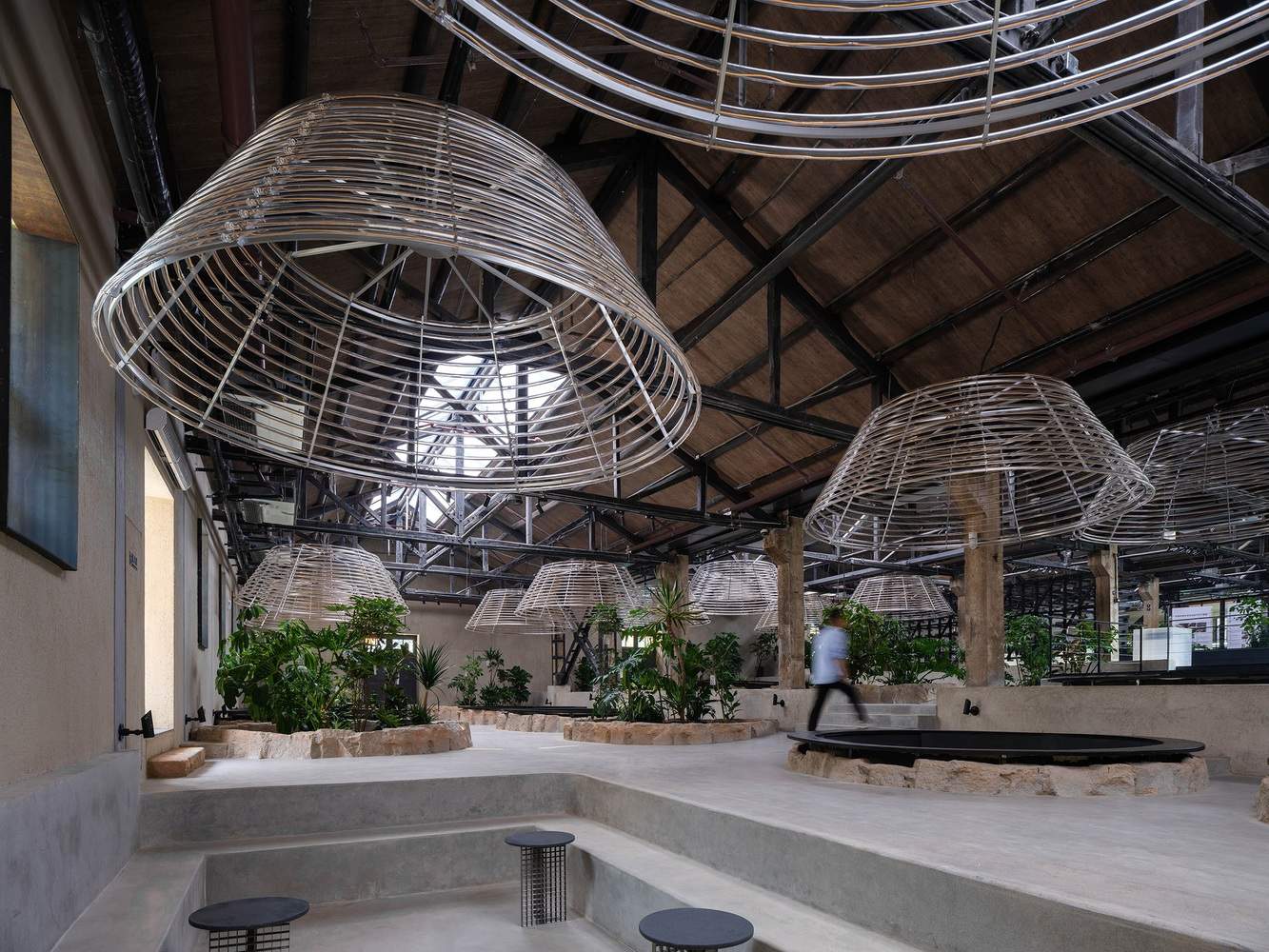
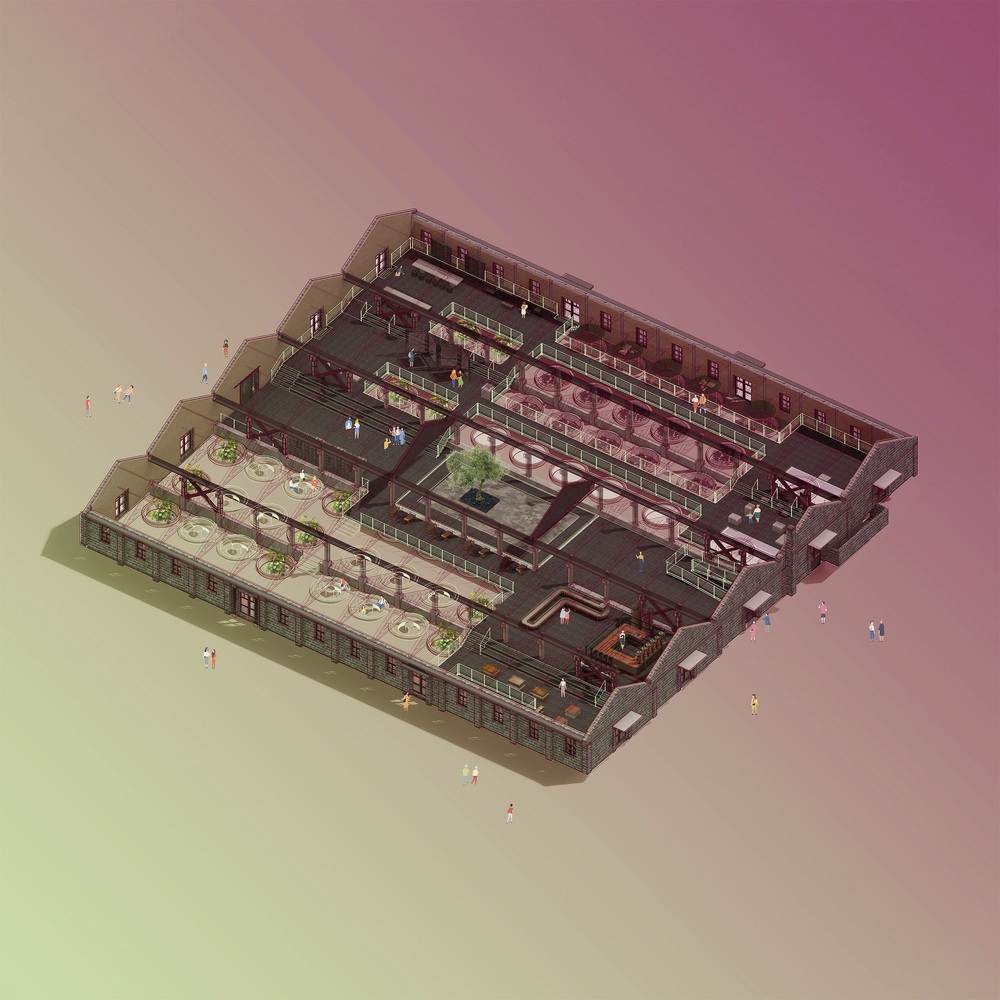
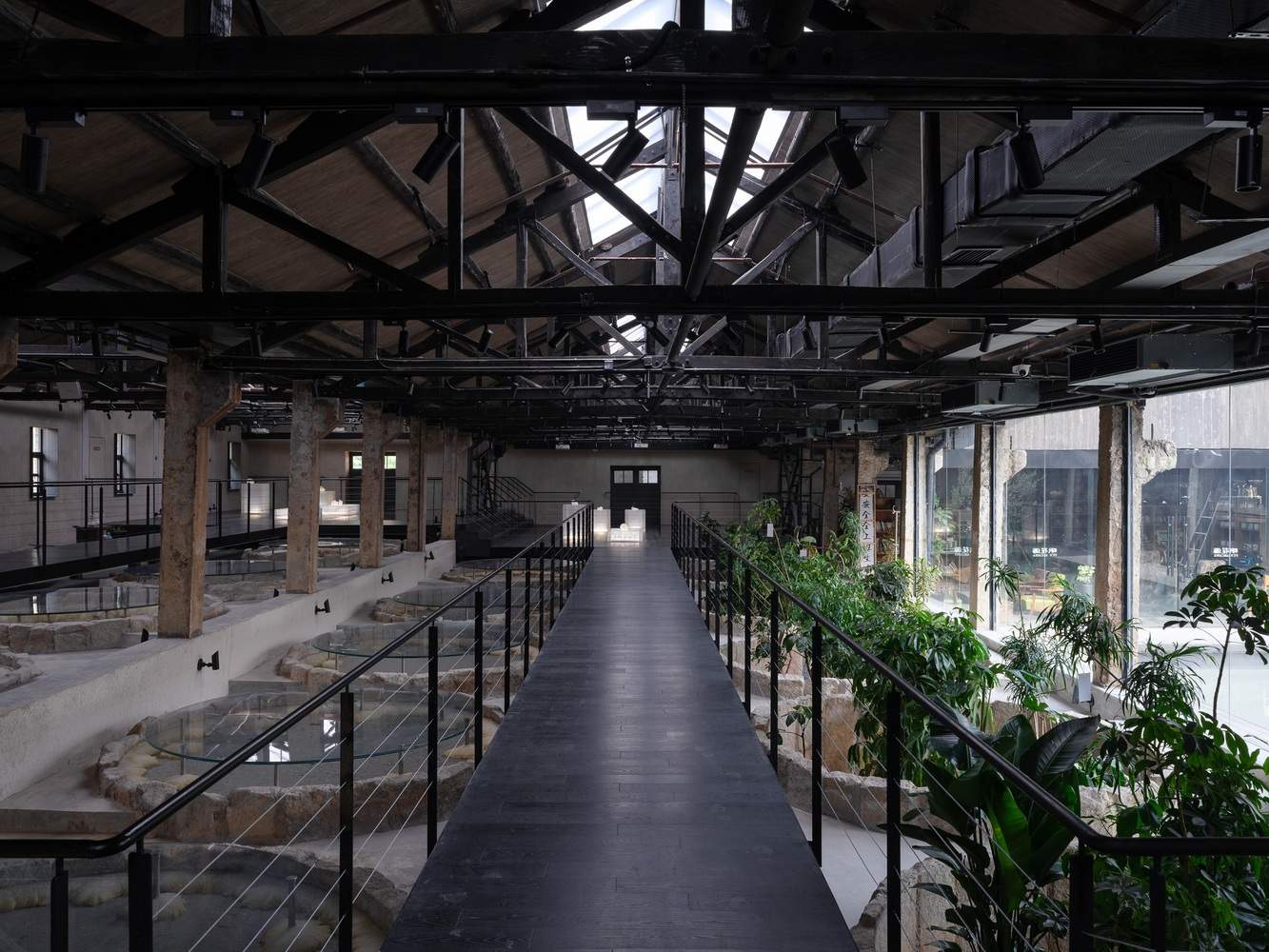
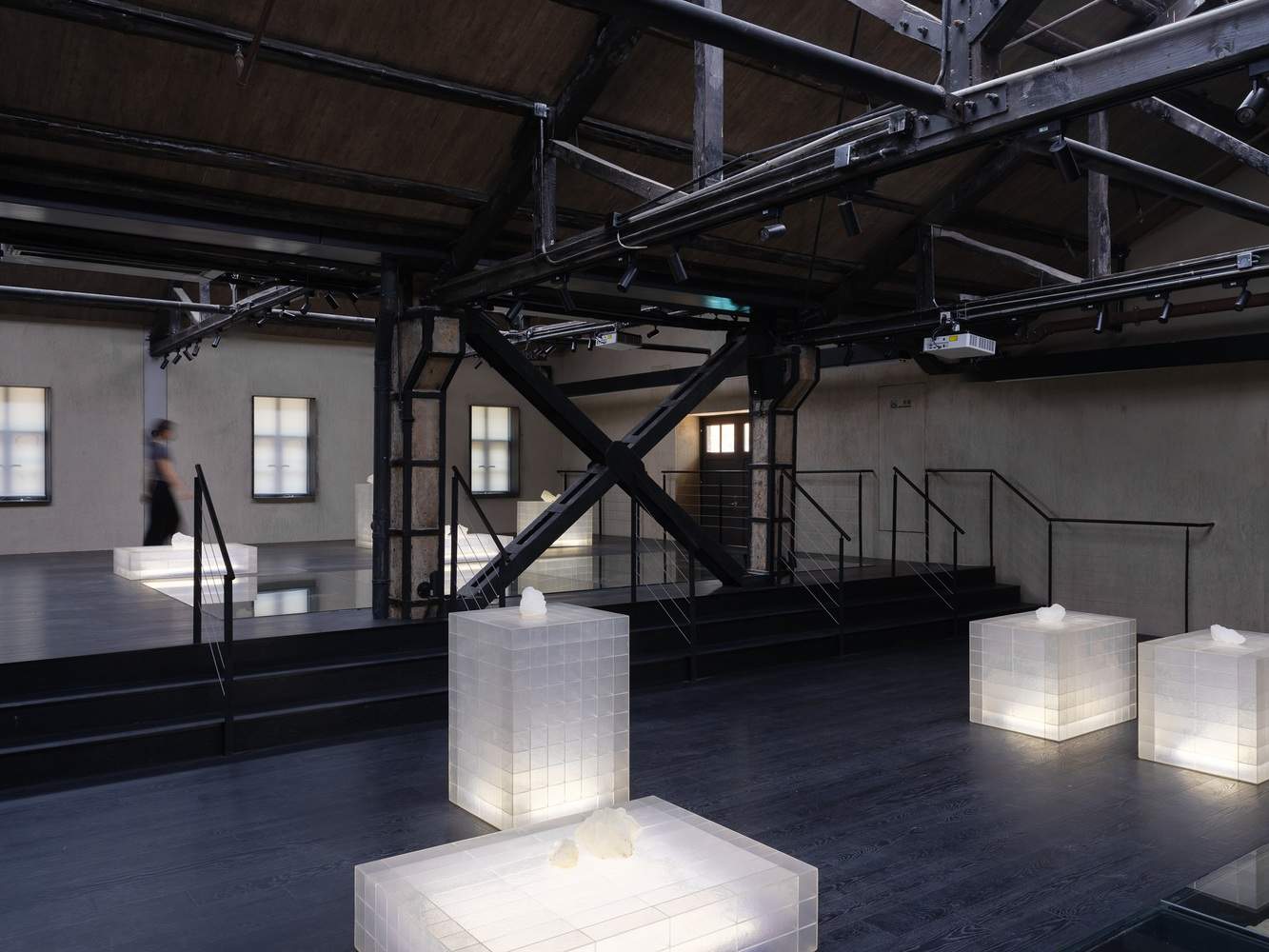
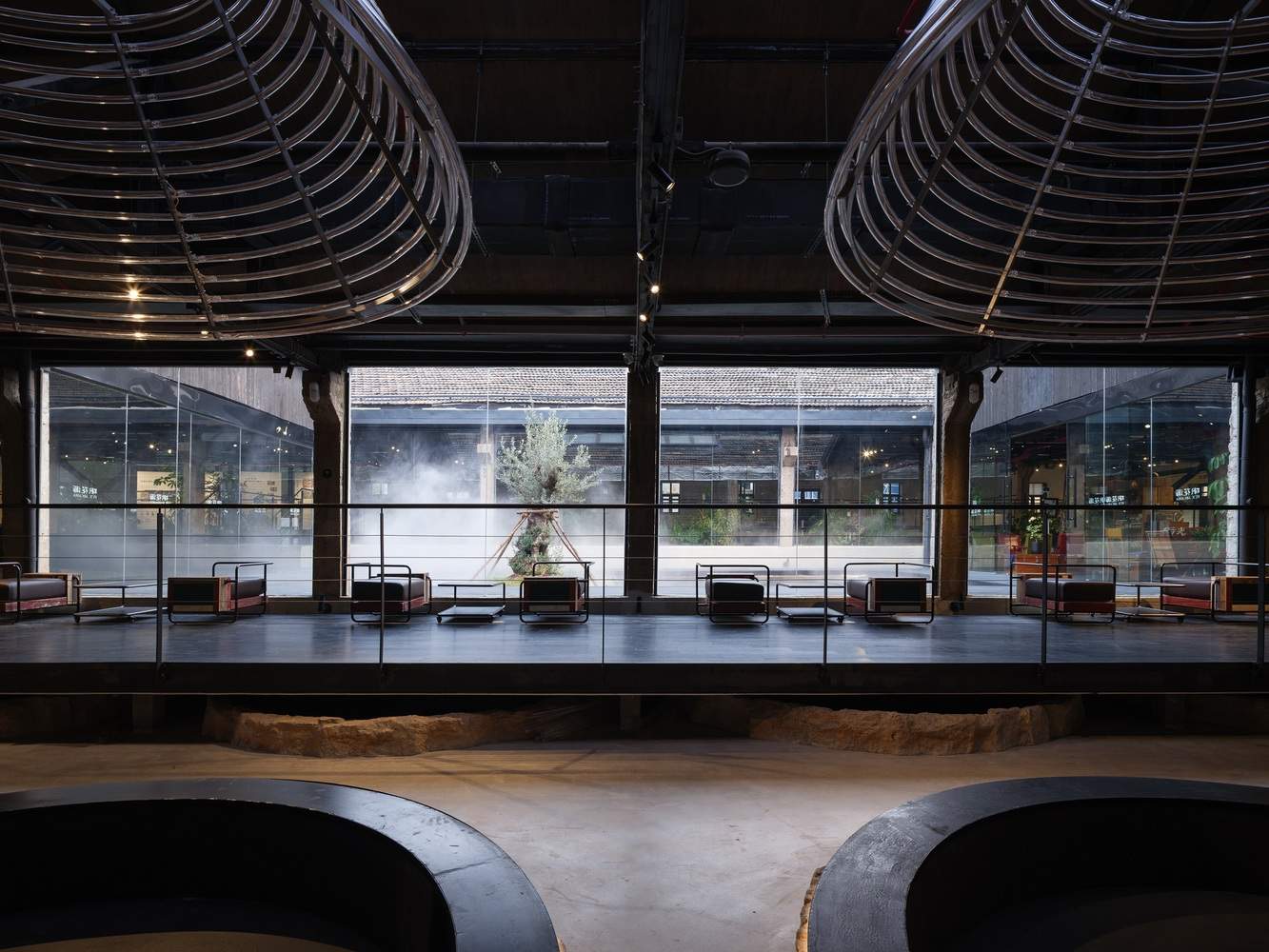
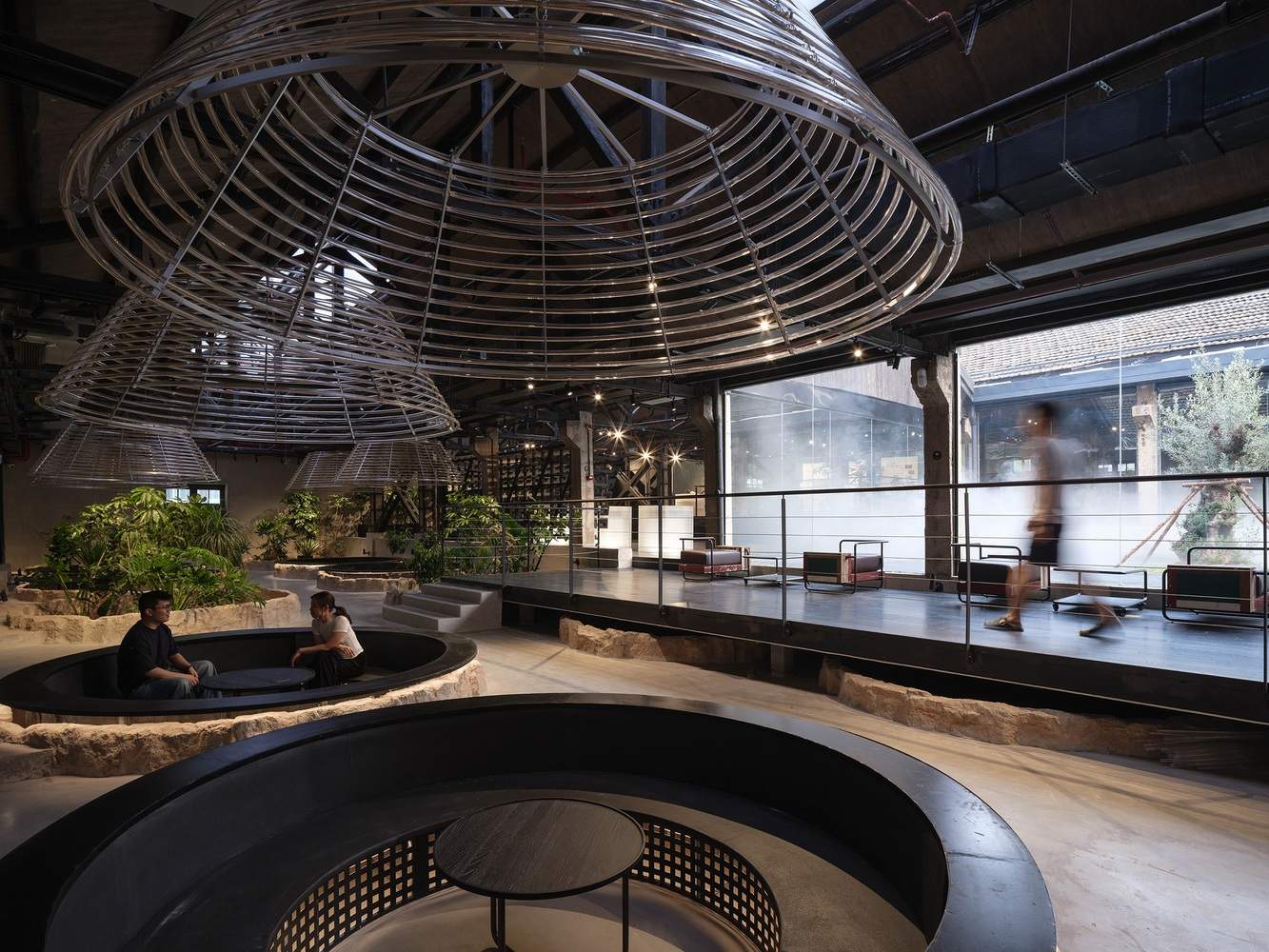
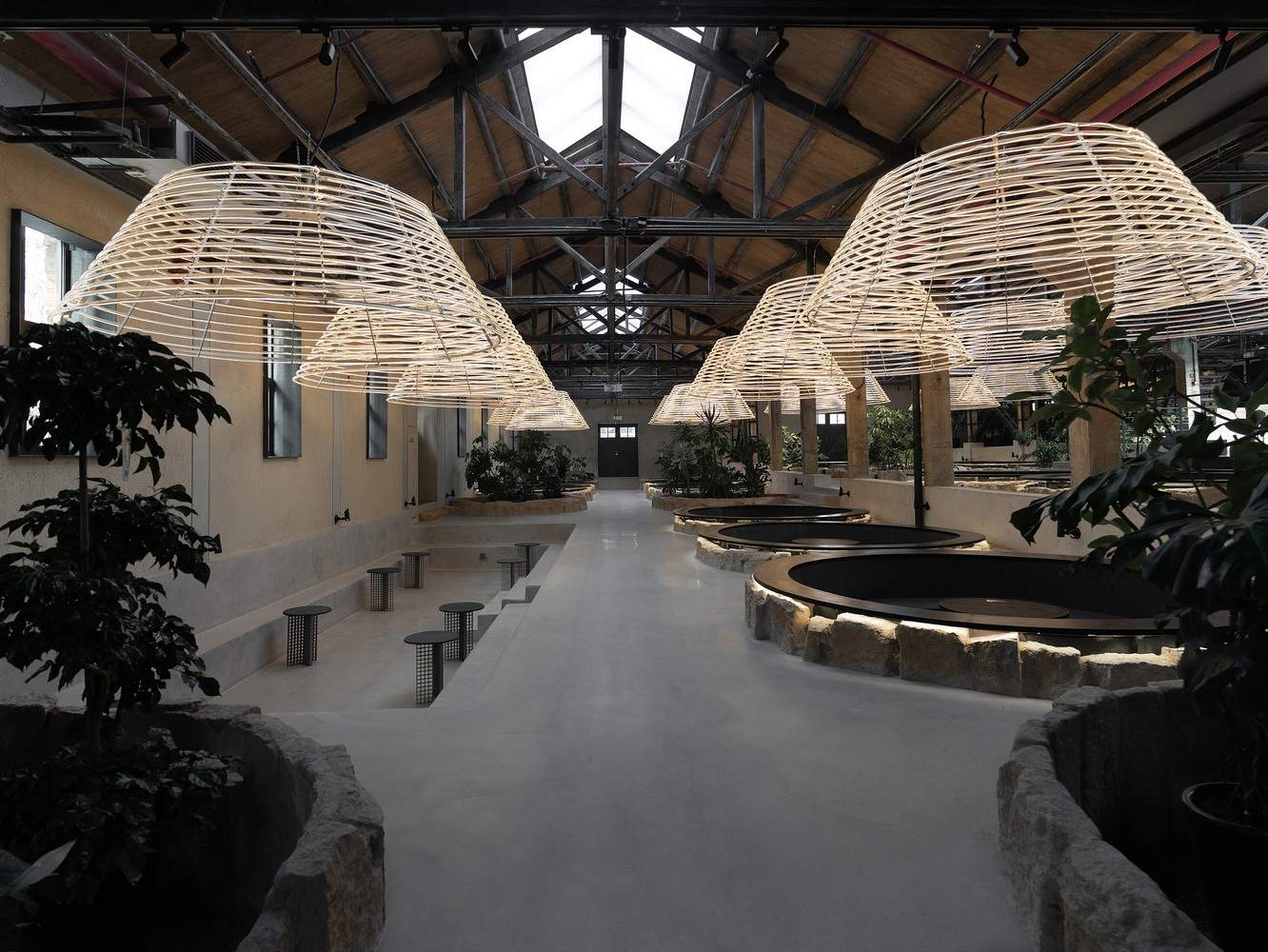
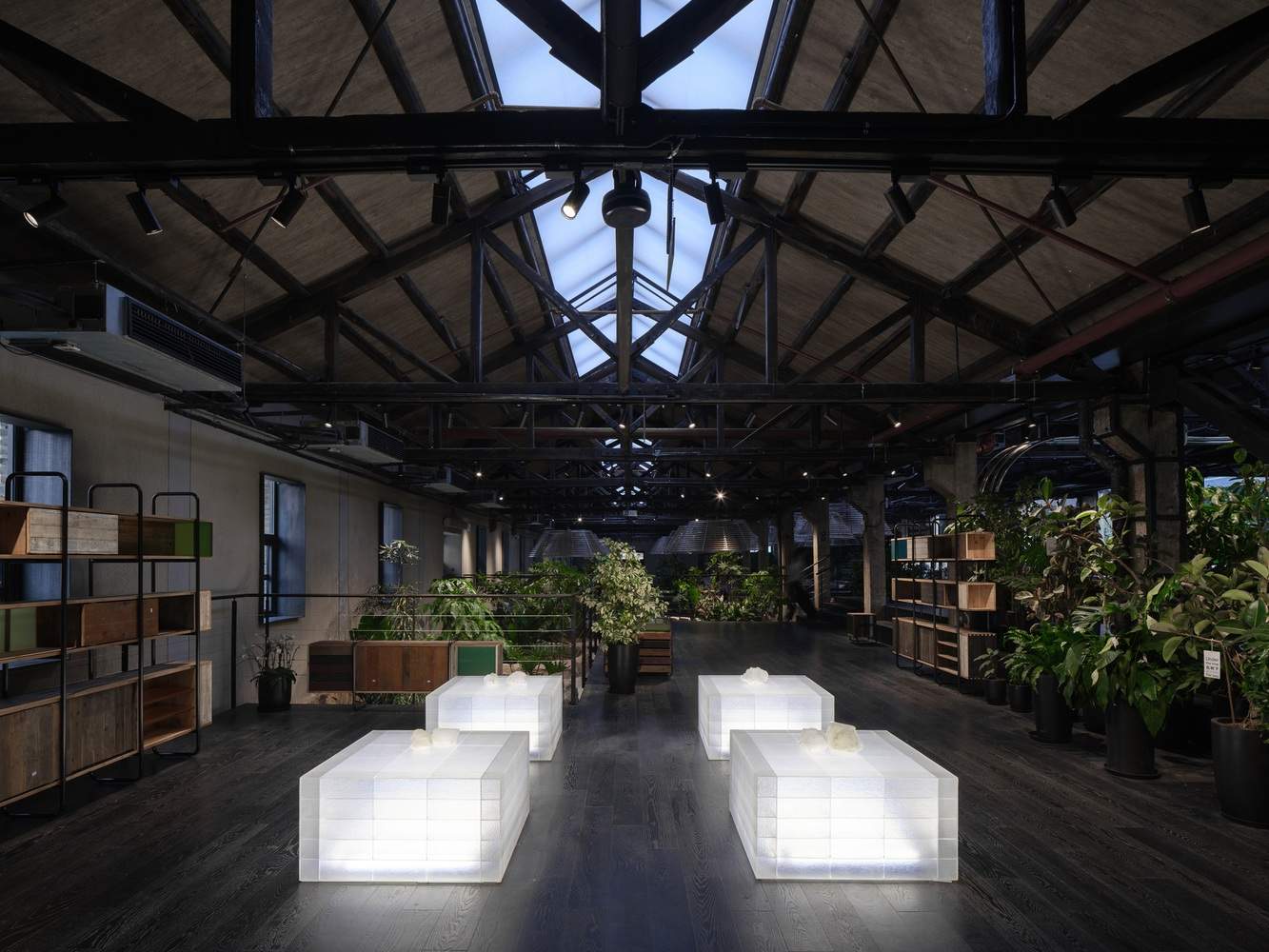
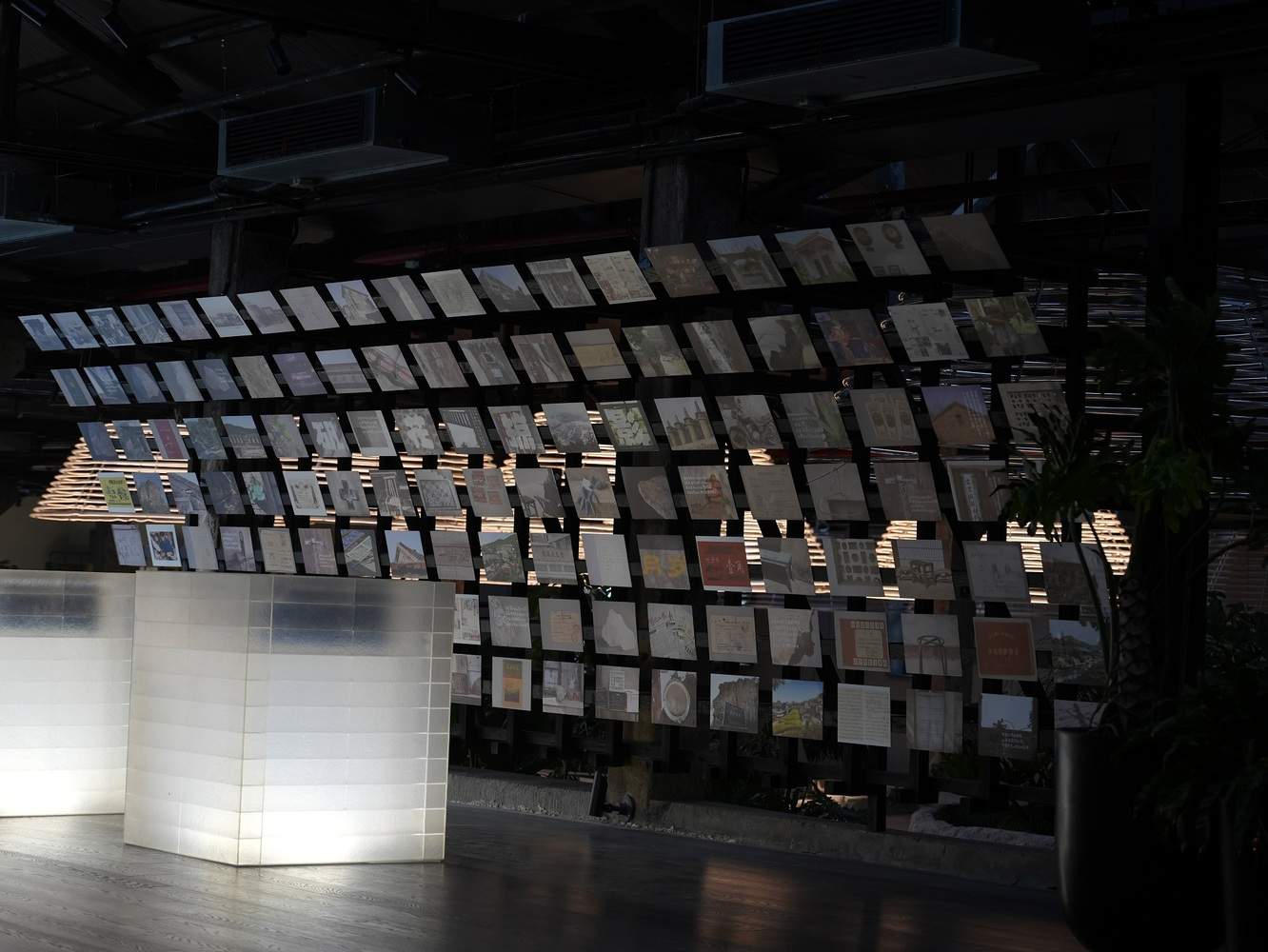
Revitalization involves reconstructing spatial experiences through narrative. The design uses "crystals" as a medium and connects them through overhead black wooden walkways, reducing interference with the original terrain while guiding the audience to shuttle between the ruins. Transparent materials such as white semi transparent fiberglass, acrylic tubes, and colored acrylic are used in exhibitions, furniture, and lighting installations, presenting a dazzling effect like alum flowers under natural and artificial lighting, forming a "three-dimensional poem of light, minerals, and time".
活化则以叙事重构空间体验。设计以 “晶体”为媒介,通过架空的黑色木栈道串联,在减少对原地貌干扰的同时,引导观众穿梭于遗址之间。透光材料如白色半透玻璃钢、亚克力管和彩色亚克力等被运用于展陈、家具及灯光装置中,在自然光与人工照明下呈现璀璨如矾花的效果,形成一部“光、矿物与时间的立体诗篇”。
© 朱润资
© 朱润资
© 朱润资
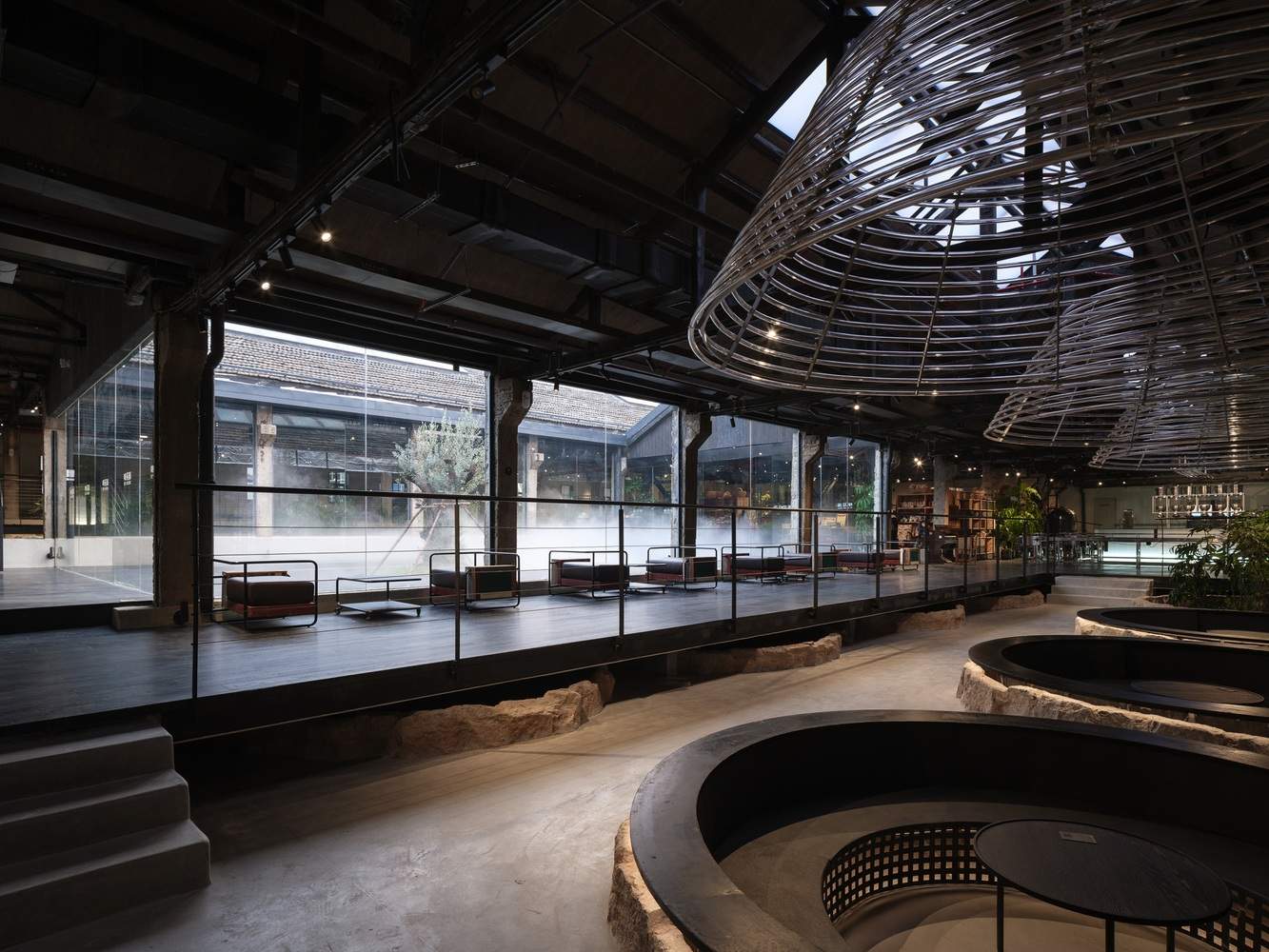
Implant new functions to inject contemporary vitality into the site. The project accurately introduces innovative formats such as themed exhibitions, mine coffee, outdoor water mist theaters, cultural and creative retail, and sets up flexible activity venues to attract diverse audiences. The most representative is the transformation of circular pits into "mine coffee", allowing tourists to immerse themselves in industrial scenes and achieve a transformation from "gazing at objects" to "living containers".
植入新功能,为遗址注入当代生命力。项目精准引入创新业态:主题展览、矿坑咖啡、室外水雾剧场、文创零售等,并设置灵活活动场地,吸引多元人群。最具代表性的是将圆坑转化为“矿坑咖啡”,使游客可沉浸于工业场景之中,实现从“凝视客体”到“生活容器”的身份转变。
© 朱润资
© 朱润资
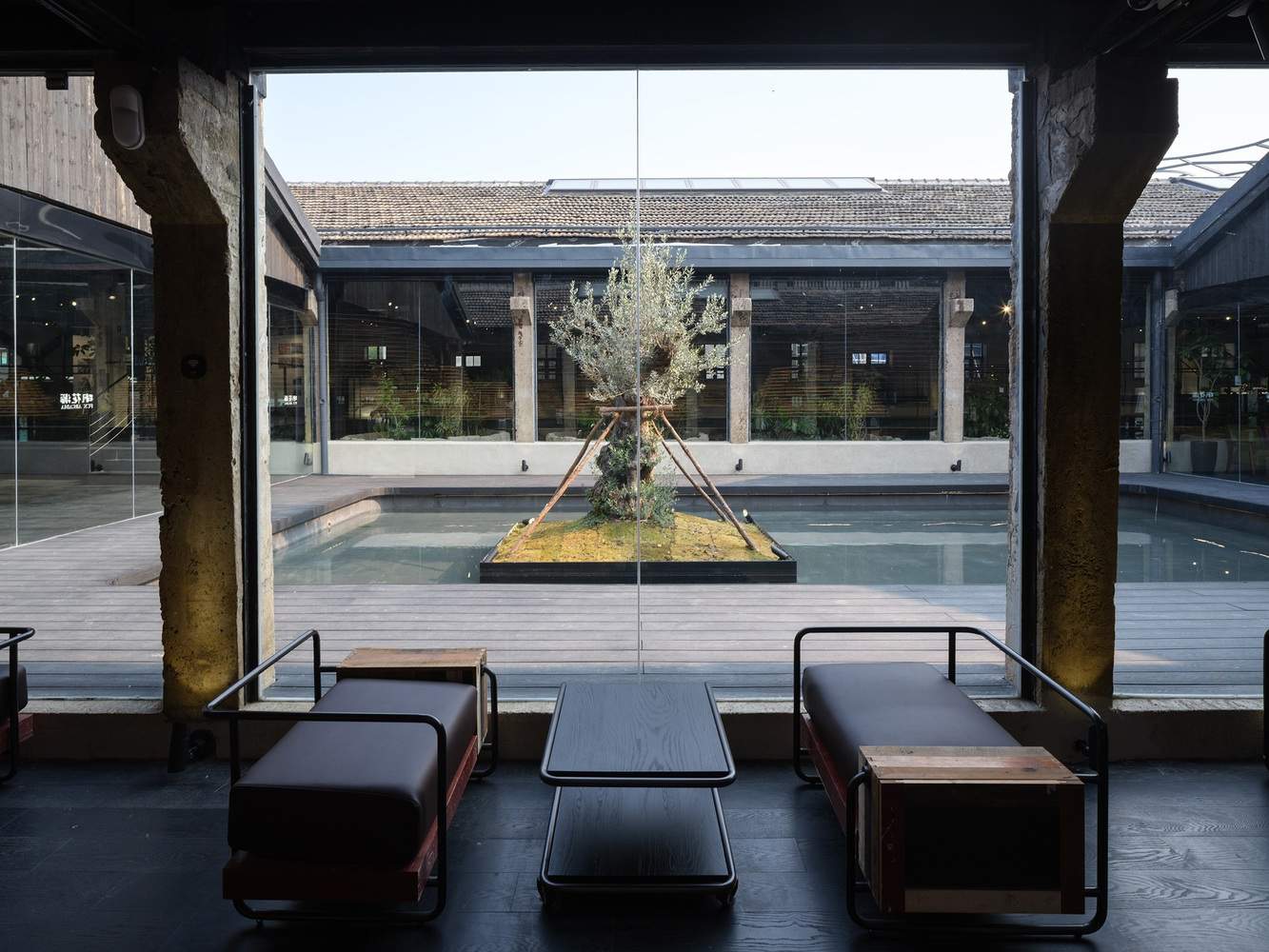
In the end, this series of strategies promoted the revitalization of cultural ecology: the site not only became a cultural landmark that integrates exhibitions, leisure, and education, but also restored some circular pits into crystal pool landscapes or micro ecological containers through ecological restoration methods, endowing the site with sustained ecological resilience.
最终这一系列策略推动实现了文化生态的焕新:遗址不仅成为融合展览、休闲与教育的文化地标,更通过生态修复手段,将部分圆坑还原为结晶池景观或微型生态容器,赋予场地持续的生态韧性。
© 朱润资
© 朱润资
The transformation of the crystallization pool in Fanshan, Lujiang is a cultural practice of industrial site transformation. It not only overlaps history and the present in space, but also reshapes a cultural ecological landscape that combines memory, vitality, and natural vitality.
庐江矾山结晶池的改造,是一次工业遗址转型的文化实践。它不仅在空间中叠合了历史与当下,更重塑了一个兼具记忆、活力与自然生命力的文化生态景观。
Courtesy of FLIP studio
© 朱润资