城市更新与文脉激活的典范:该项目成功地将一个废弃花房转化为具有深厚文化内涵的城市雕塑艺术馆,是城市更新领域的一次精彩实践。它不仅保留了原有建筑的肌理,更通过对芜湖古称“鸠兹”及中国传统五行哲学的在地化转译,赋予了建筑新的生命和叙事性。这种将地域历史、文化符号与现代设计语言深度融合的手法,有效激活了城市空间,使其成为一个既尊重历史又充满活力的公共文化枢纽。
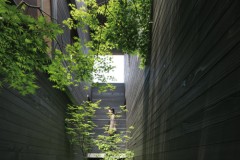
空间叙事与观展体验的创新融合:设计巧妙地打破了传统封闭式展厅的局限,借鉴中式园林的“借景”手法,实现了室内外空间的无缝渗透。通过将展区划分为五行主题,并利用天光、挑空回廊、亲水展厅等手法,构建了多维度的观展路径。这种动静结合、虚实相生的空间序列,使得观众在流动的光影与自然环境中与雕塑进行深度对话,极大地丰富了艺术体验的层次感和沉浸感。
生态可持续与艺术共生的设计理念:建筑在实现功能转化的同时,高度关注生态可持续性。采用钢结构、高性能玻璃幕墙和保温体系,确保了建筑的低能耗运行。更具匠心的是,设计将建筑本身视为与自然环境互动的“时光雕刻机”,通过自然光线、水景和镜面地坪的反射,使建筑与山水植被融为一体,拓展了艺术与环境的感知边界,实现了建筑、自然与艺术三者间动态的、可持续的共生关系。
© TOPIA
© TOPIA
I. Overview of Geographical and Cultural Context
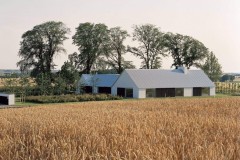
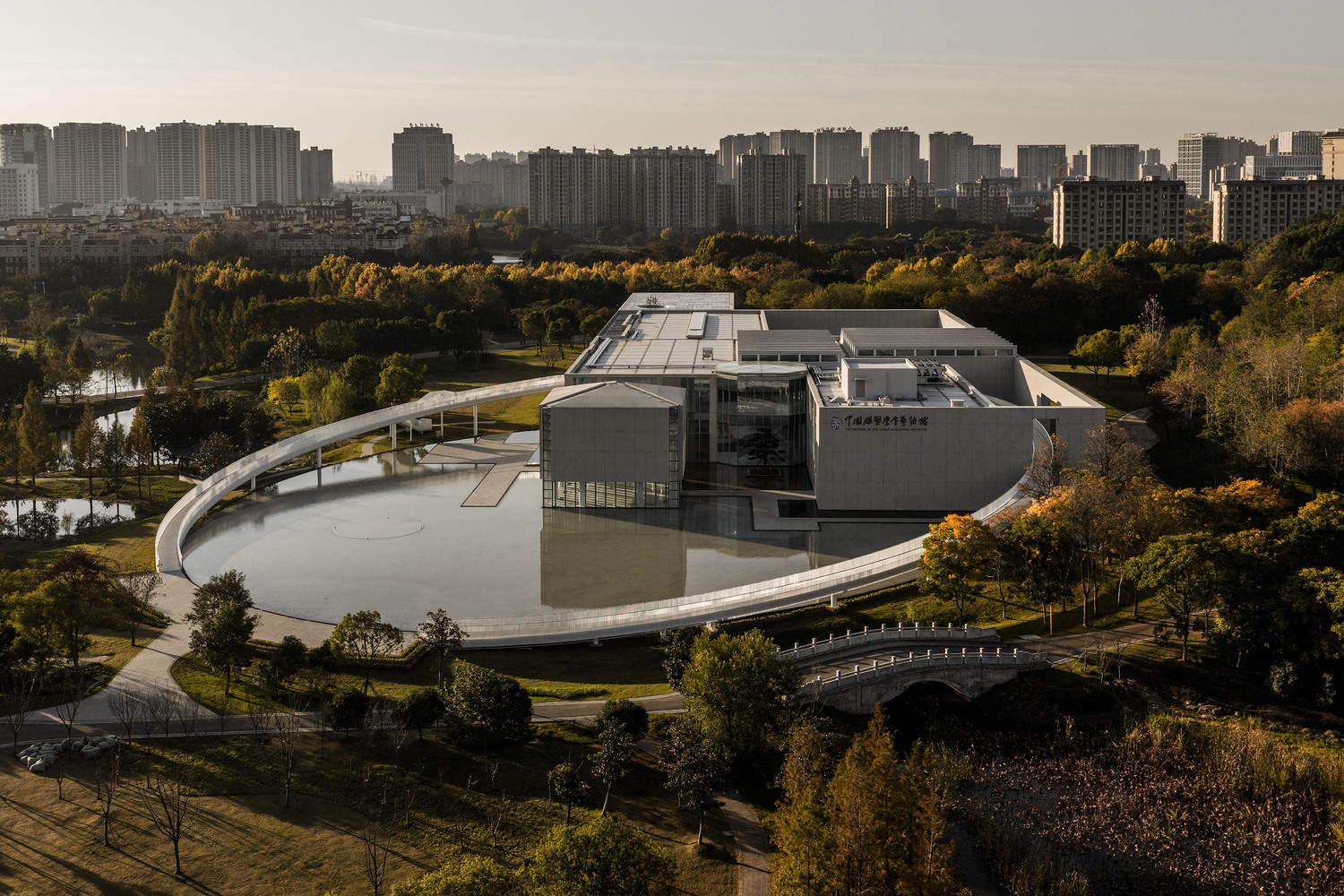
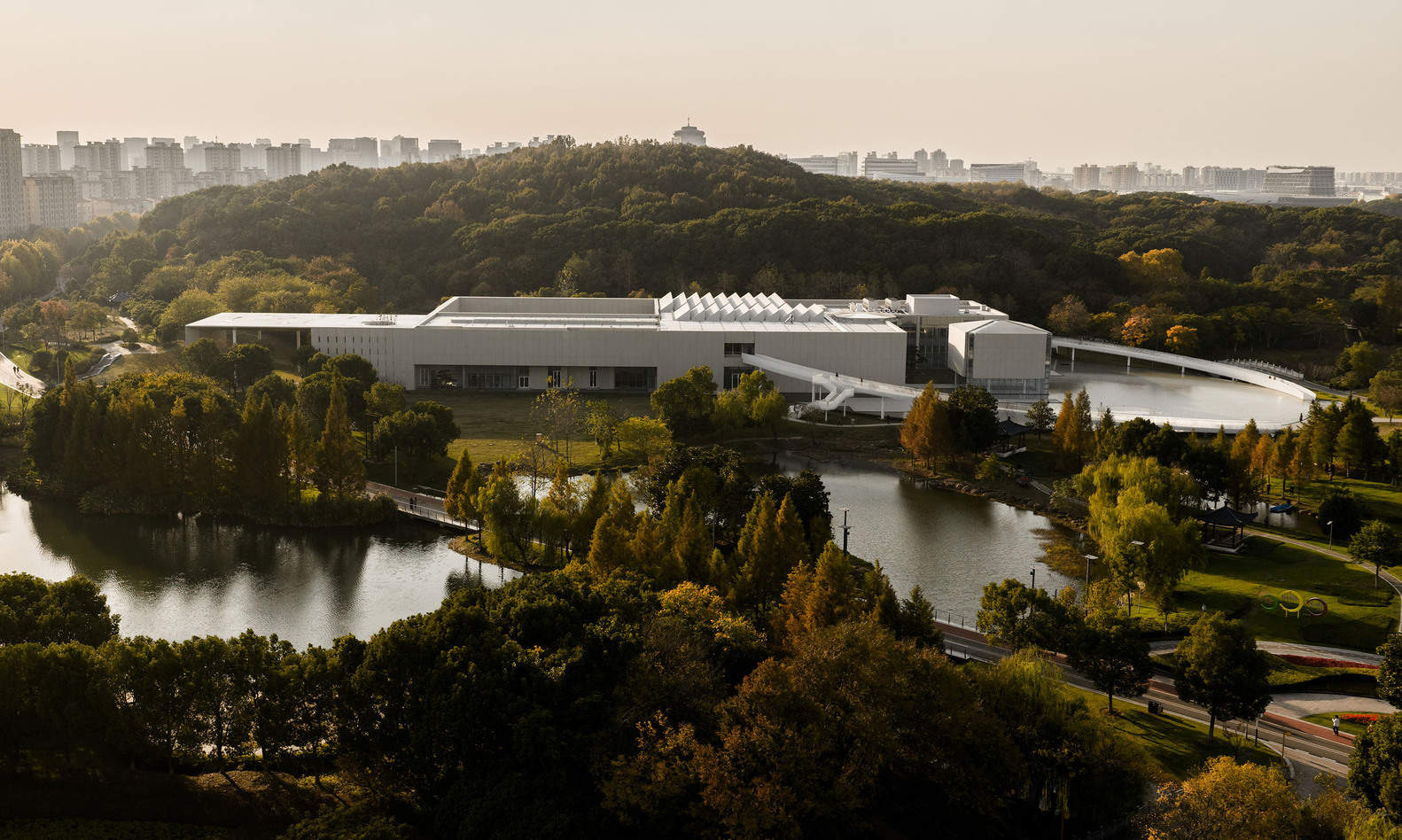
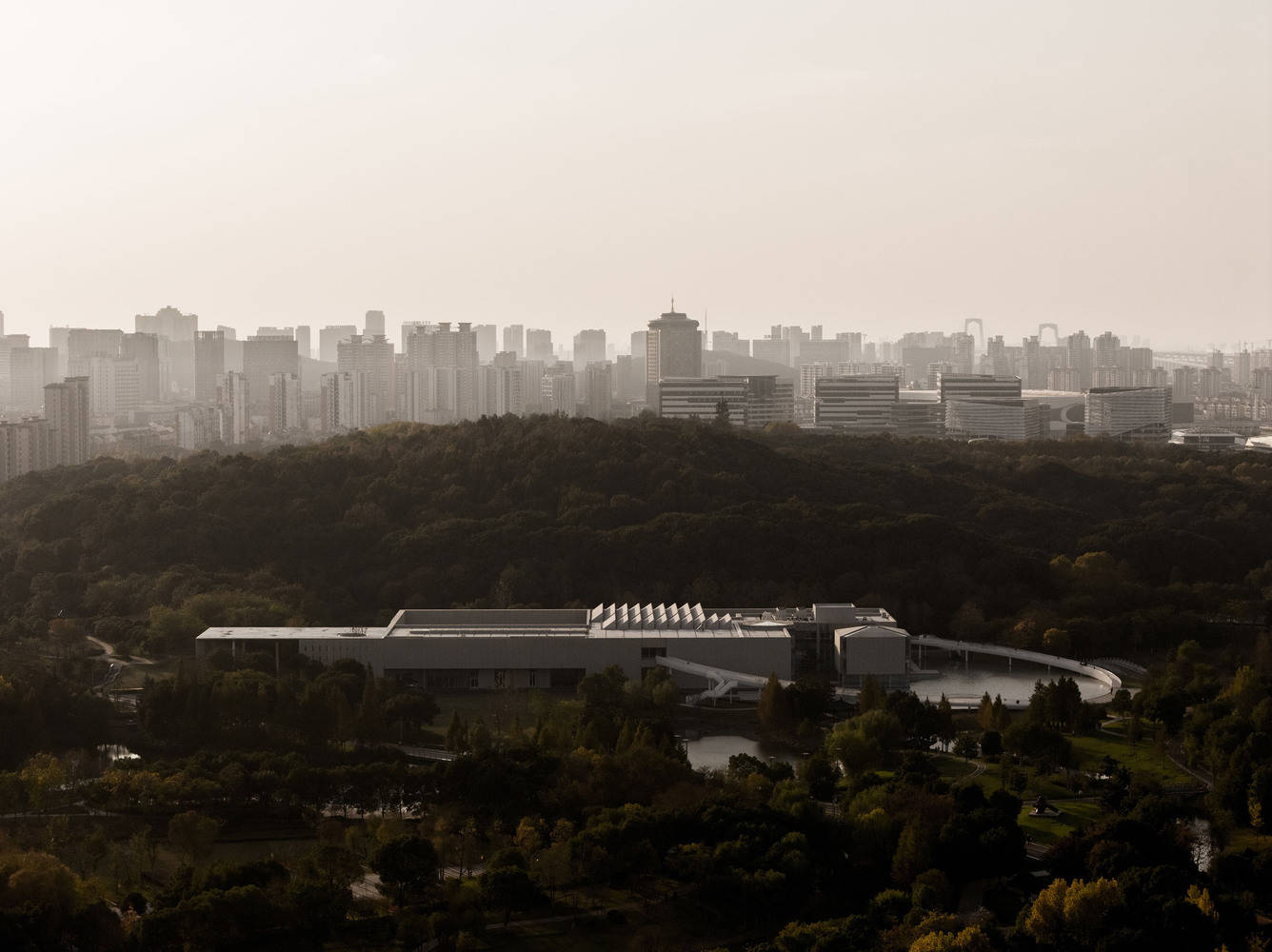
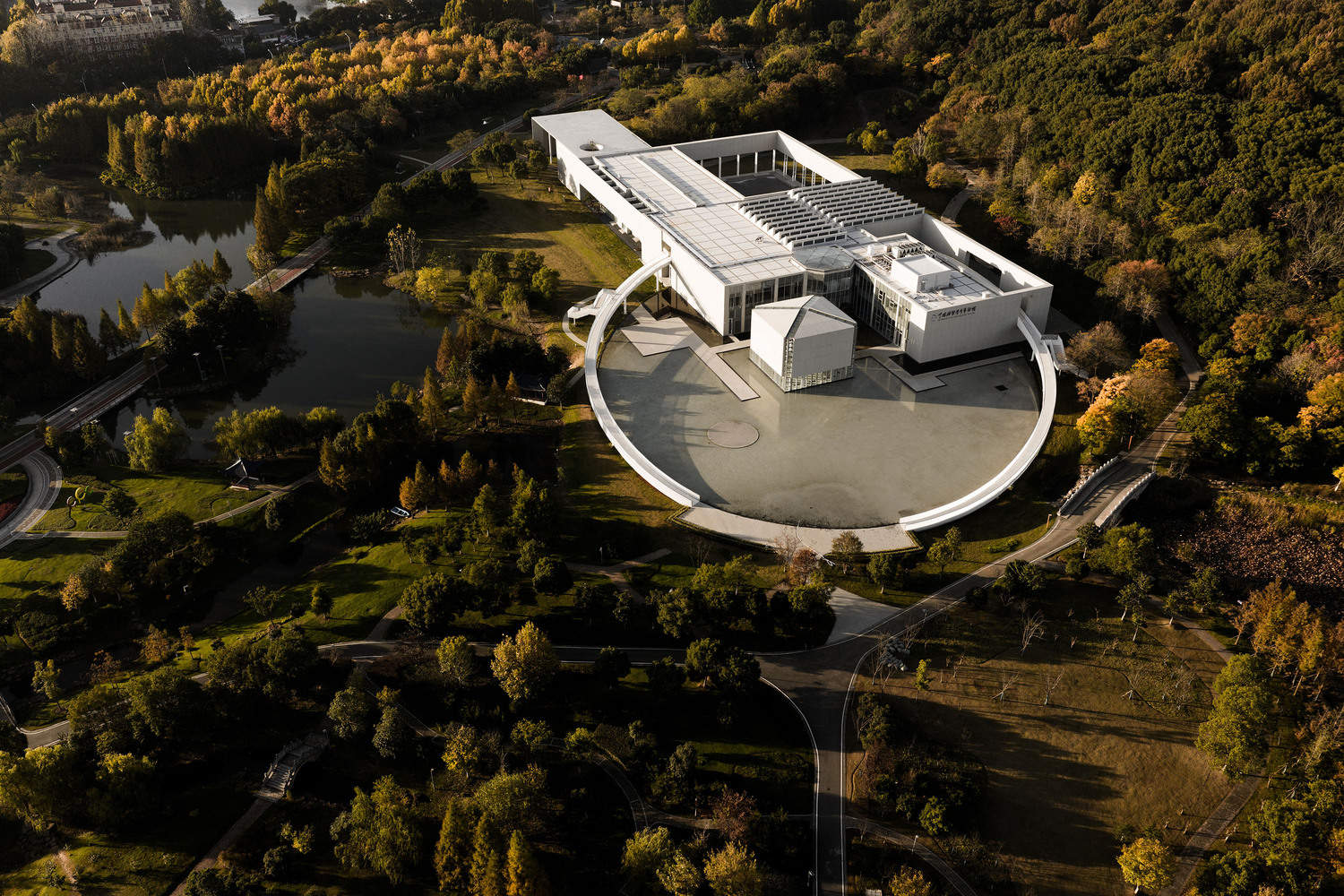
The China Sculpture Institute Art Museum is located in Shenshan Park, the central area of Wuhu City, Anhui Province, and is an urban renewal project transformed from a derelict greenhouse. The Wuhu Sculpture Park where it is situated is the first thematic art space in China that organically integrates sculpture culture with natural landscapes. With a vast area of 8.2 hectares, it blends sculpture art ("three-dimensional fine art") into the imagery of mountains and waters, creating a unique urban cultural landscape. The park features picturesque scenery in all four seasons, constructing an open and vibrant public art interface with the sculptures, and has now become the most popular urban sculpture park among citizens nationwide.
© TOPIA
© TOPIA
© TOPIA
II. Translation of Local Cultural Context
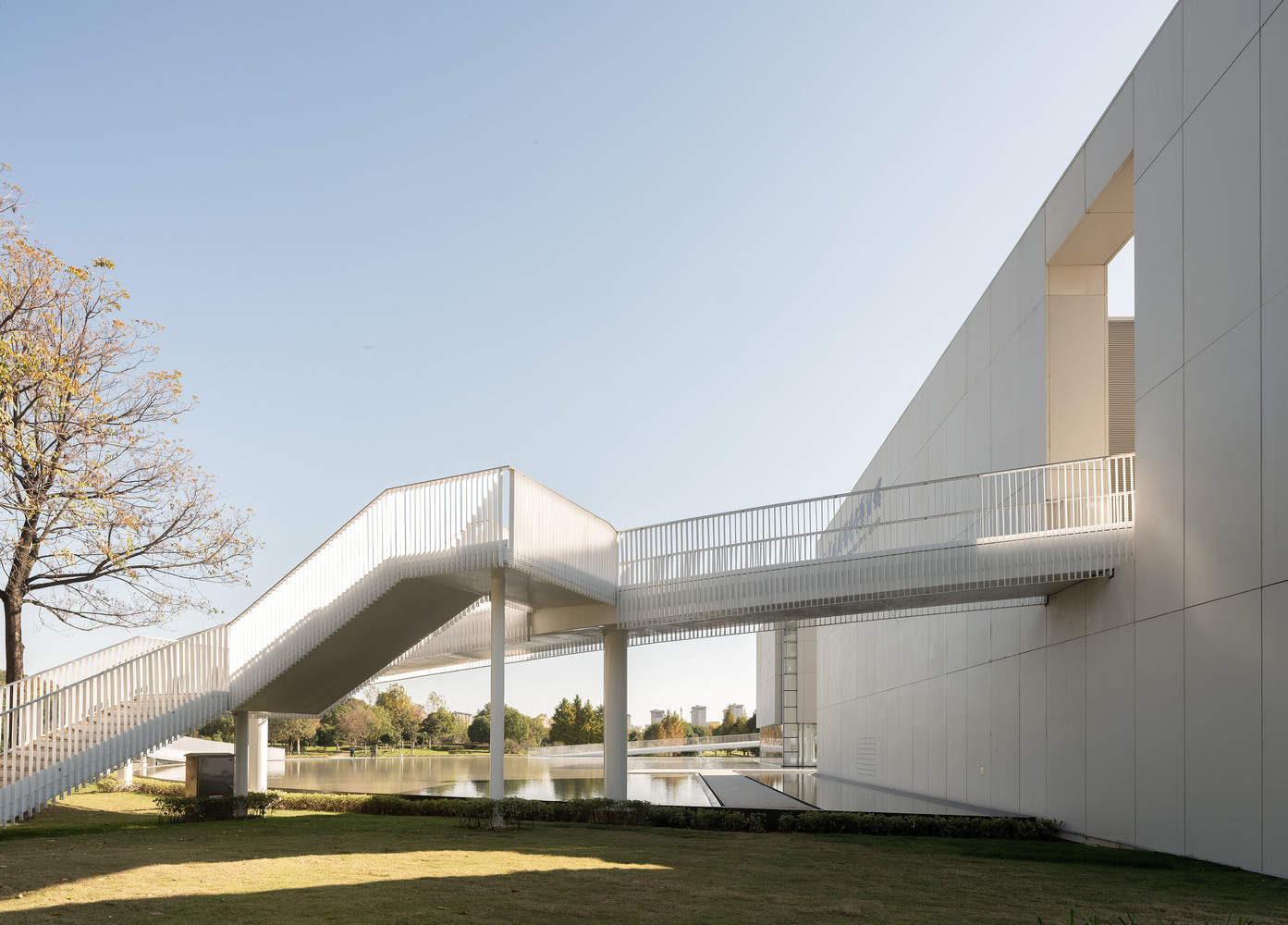
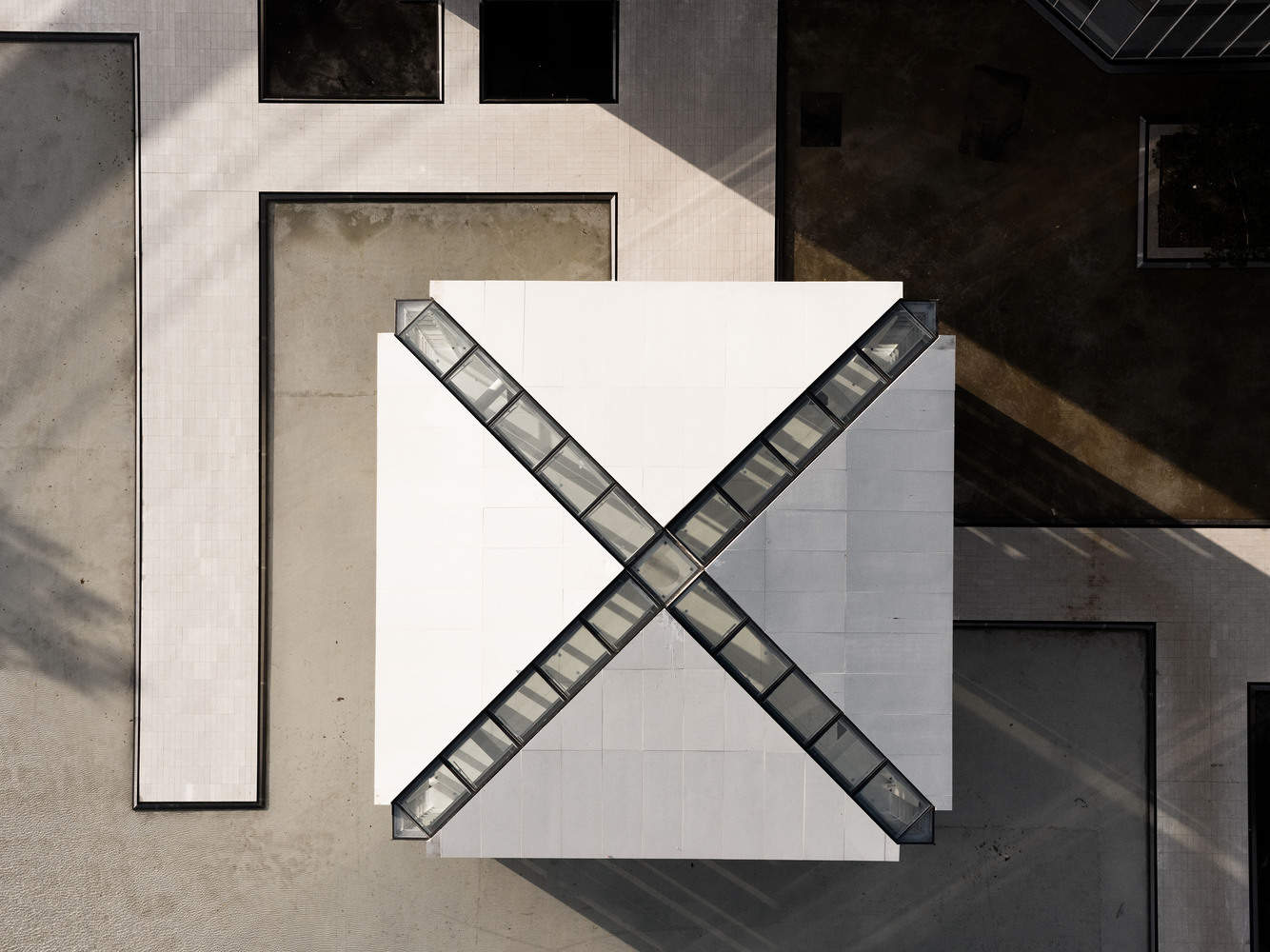
"Jiuzi" is the ancient name for Wuhu, meaning "Doves nesting by the water, full of vitality." The art museum adopts the imagery of "Doves landing by the water" to echo the local natural and historical genes, and divides the exhibition areas into five major thematic blocks—Wood, Fire, Earth, Metal, and Water—based on the traditional Chinese Five Elements system. The Five Elements theory is not only a classification system for material forms but also a cognitive method regarding movement, transformation, and connection. The art museum constructs a narrative structure where sculptures and space interact in a generating and mutually corresponding relationship, using the five states of Metal (gathering), Wood (growth), Water (soaking), Fire (destruction), and Earth (fusion).
© TOPIA
© TOPIA
III. Design Realization and Urban Integration
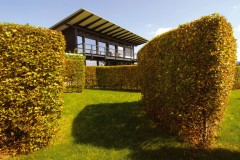
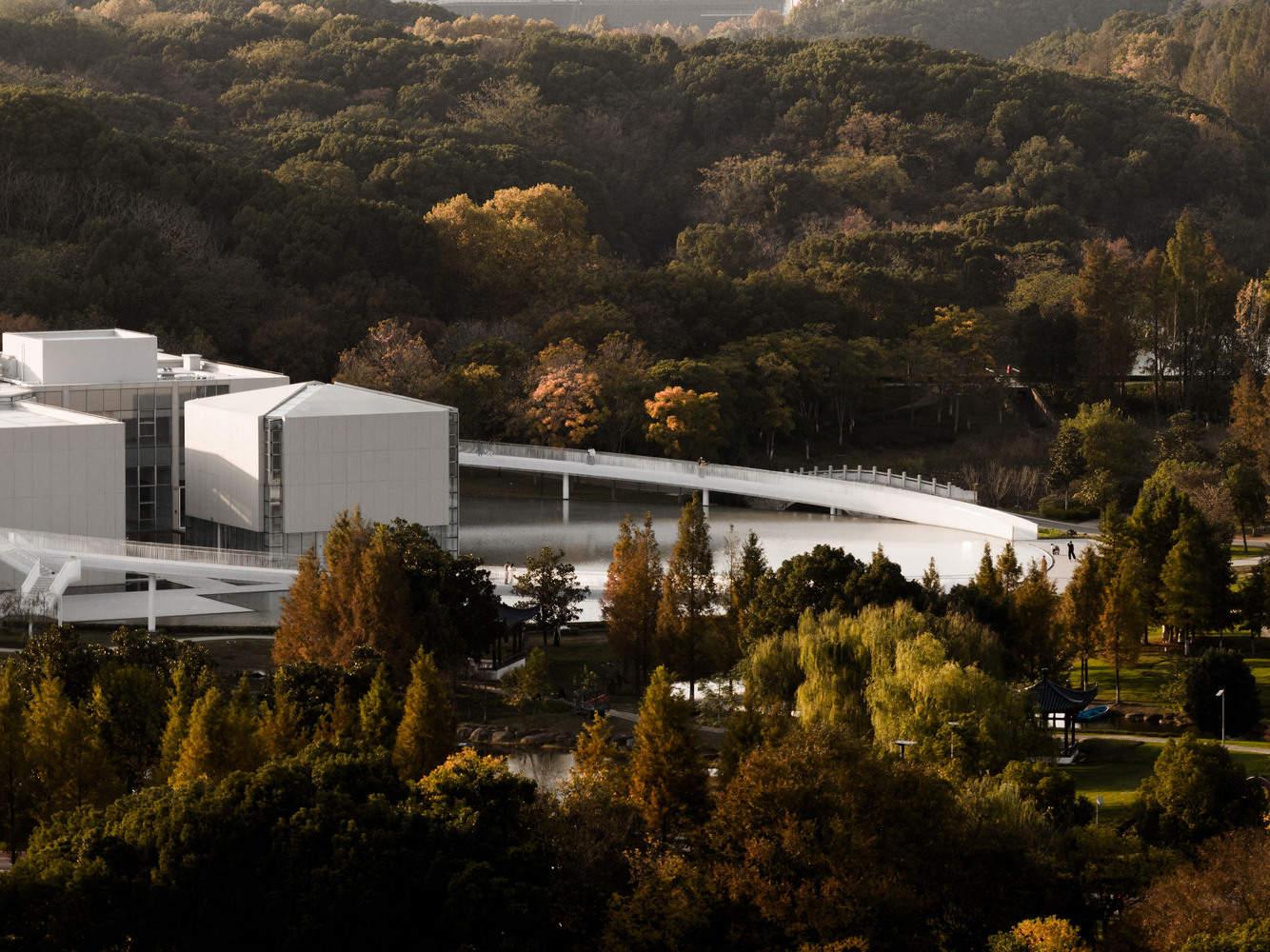
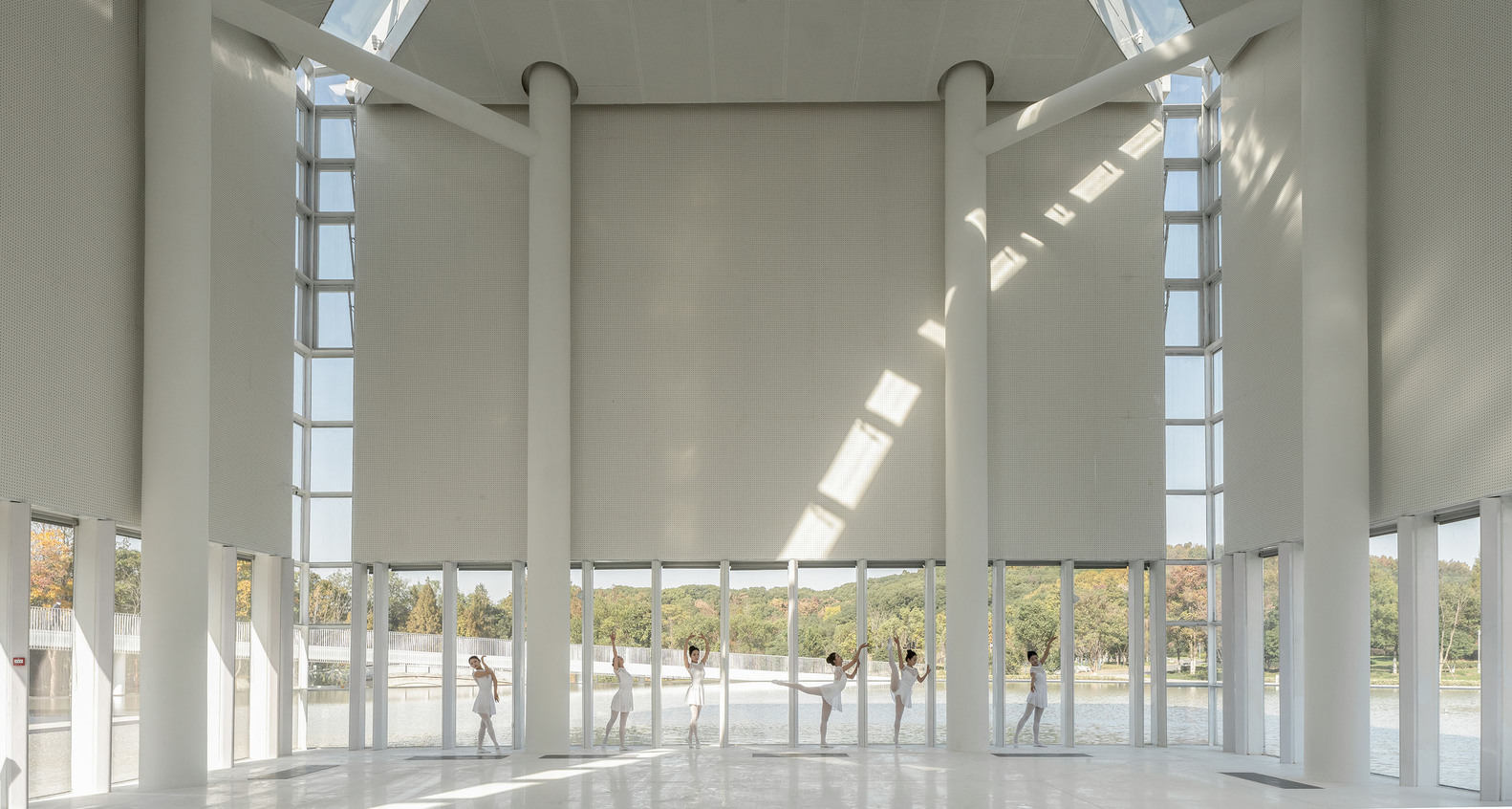
The art museum actively breaks away from the closed exhibition model, transforming into an open urban cultural hub. The design continues the original architectural form and cleverly borrows the "borrowed scenery" technique from Chinese gardens, striving to dissolve the boundaries between architecture and nature. This allows the indoor exhibition hall, outdoor green spaces, and waterside exhibition areas to permeate each other, creating a harmonious and coexisting performance venue.
© TOPIA
© TOPIA
© TOPIA
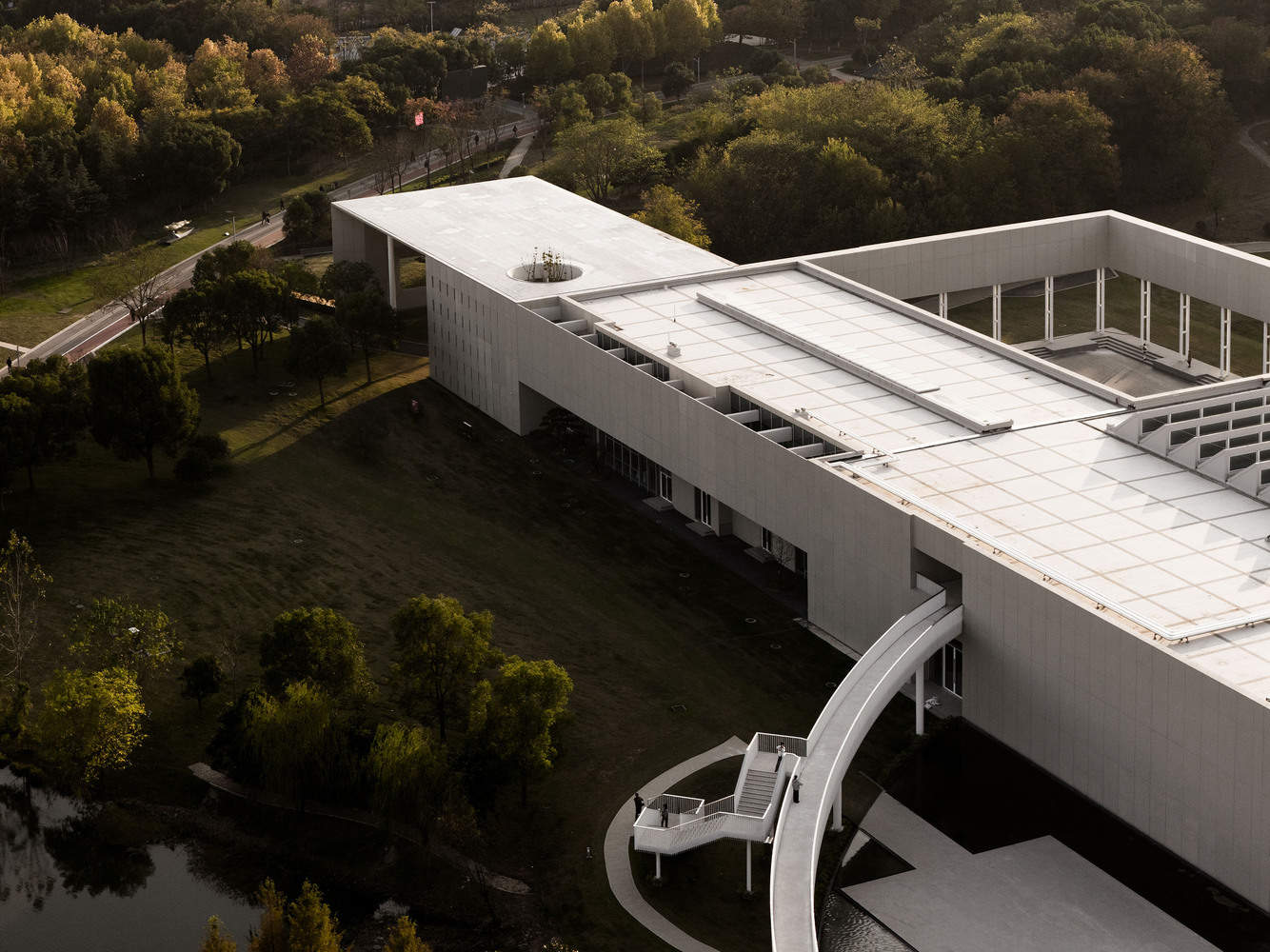
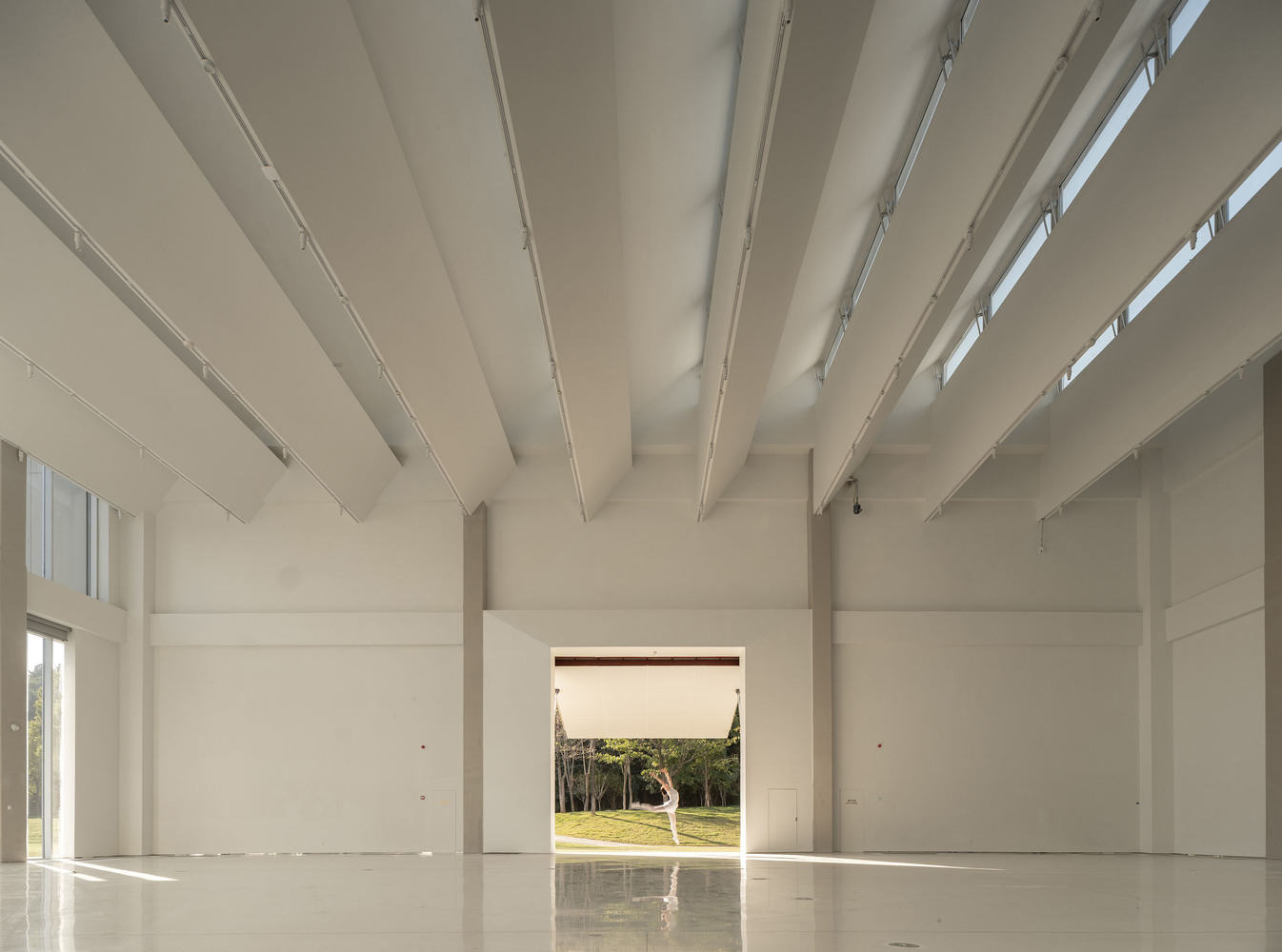
Vertically and horizontally, the space is activated in three dimensions: natural light from the side windows creates soft illumination, the high-ceilinged colonnade offers a unique perspective for viewing large sculptures, and the waterside exhibition hall and surrounding paths further extend the viewing route, collectively creating a visual poetry where artworks seem to float amidst light, shadow, and water ripples.
在垂直与水平向度上,空间实现立体激活:侧窗天光营造出柔和照明,挑空回廊提供了俯瞰大型雕塑的独特视角,亲水展厅与环道则进一步延展了观览动线,共同营造出艺术作品悬浮于光影水波之间的视觉诗意。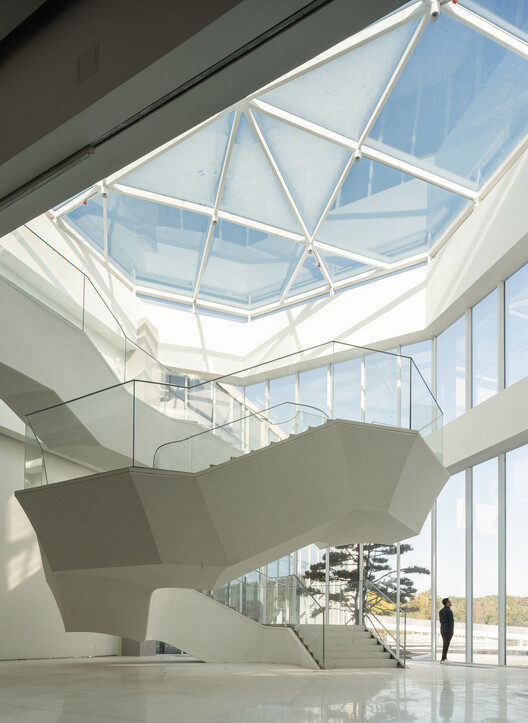
© TOPIA
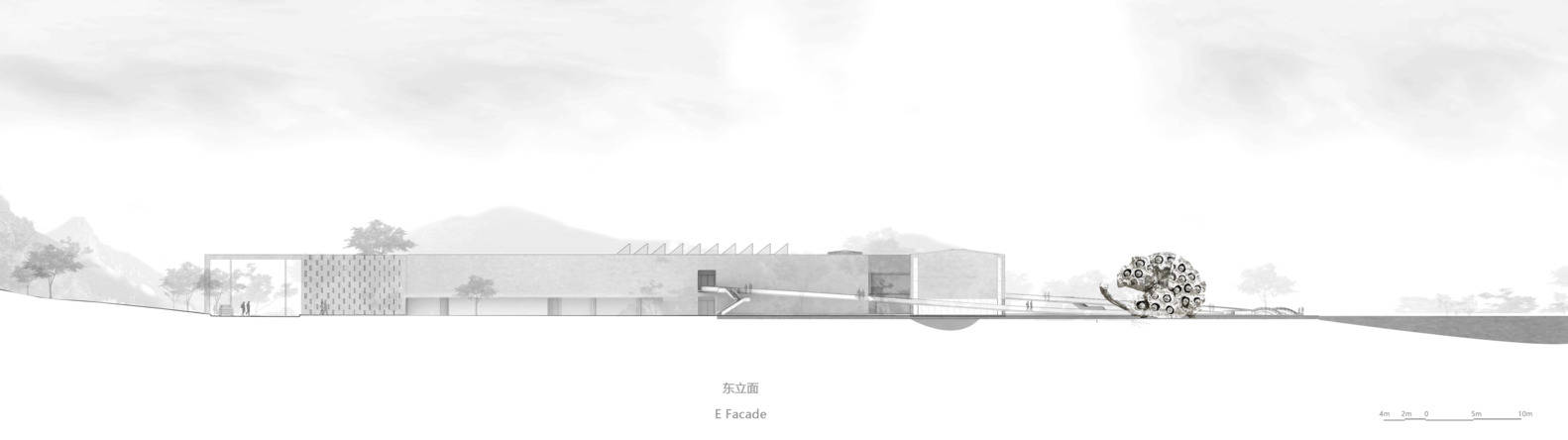
Elevation Drawing
© TOPIA
IV. Sustainable Construction and Cultural Empowerment
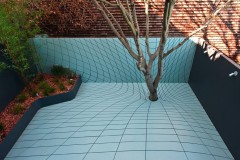
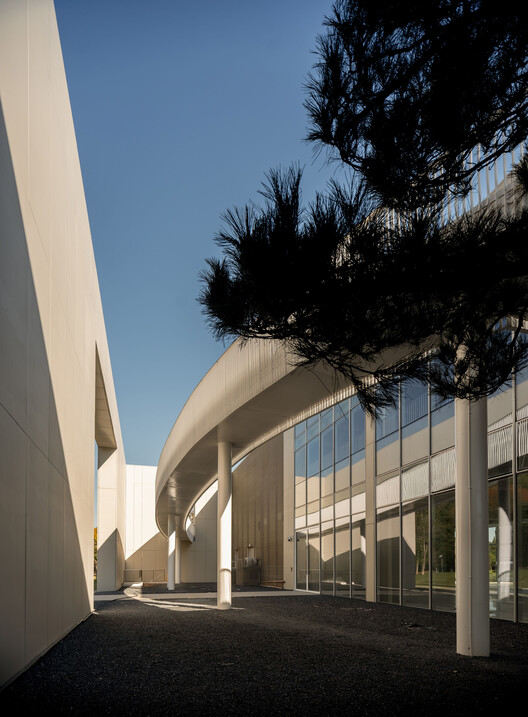
The art museum comprehensively implements ecological concepts in its construction. The main structure uses steel, and the exterior facade integrates extra-large concrete cladding panels with triple-layer insulated Low-E glass curtain walls, coupled with a high-efficiency insulation system, achieving low-energy operation. The design also fully utilizes natural elements: the interplay of sunlight and clouds throughout the day imparts a dynamic vitality to static sculptures; meanwhile, the mirrored flooring expands the physical dimension of the space and the perceptual layers of the viewer through reflections between reality and illusion. The building itself thus becomes a giant sculpture that interacts with the surrounding mountains, water systems, vegetation, and light, acting like a "time-carving machine" that continuously expands the infinite possibilities between nature, architecture, and art.