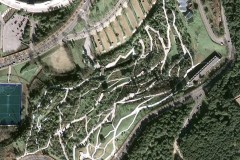
以社区为核心的综合性场所营造:该项目精妙地整合了图书馆、教室、技术空间以及室内外运动设施,成功地在卢旺达的山丘地带打造了一个多功能、全开放的社区学习与体育中心。其核心价值在于提供了安全可靠的环境,促进了居民的学习、娱乐与健康生活。与传统封闭式机构不同,设计巧妙地利用地形、植被和周边建筑群,创造出开放而又具有归属感的庭院空间,真正实现了建筑为人服务的理念,使空间成为社区日常活动的有机组成部分。
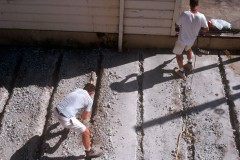
可持续的在地化建造与技能赋能:项目在建造过程中充分体现了对地方资源和人力资本的尊重与投资。通过雇佣大量当地工人和妇女,并提供全面的技能培训(如现代砖结构、回收材料屋顶、现场采集石材等),建筑实践本身成为了社区发展的催化剂,留下了耐用且可复制的建设技术。此外,雨水收集、生物沼气池等离网基础设施的实施,以及挖掘土方转化为建筑材料,展示了低影响建筑技术和对资源循环利用的深刻理解,极大地提升了项目的环境韧性。
社区的长期适应性与社会韧性:该中心的设计和管理策略具备高度的社会前瞻性。通过与社区领袖和NGOs的紧密合作,确保了功能满足当前和未来的需求,并成功实现了项目交付后的本地化管理和维护。在危机时期(如疫情期间),中心迅速转型为信息和物资分发中心,园地提供的食物和图书馆的资源保障了社区成员的基本生存和教育需求。这种内置的社会适应性和韧性,使得建筑成为一个持续的、自我维护的社区资产。
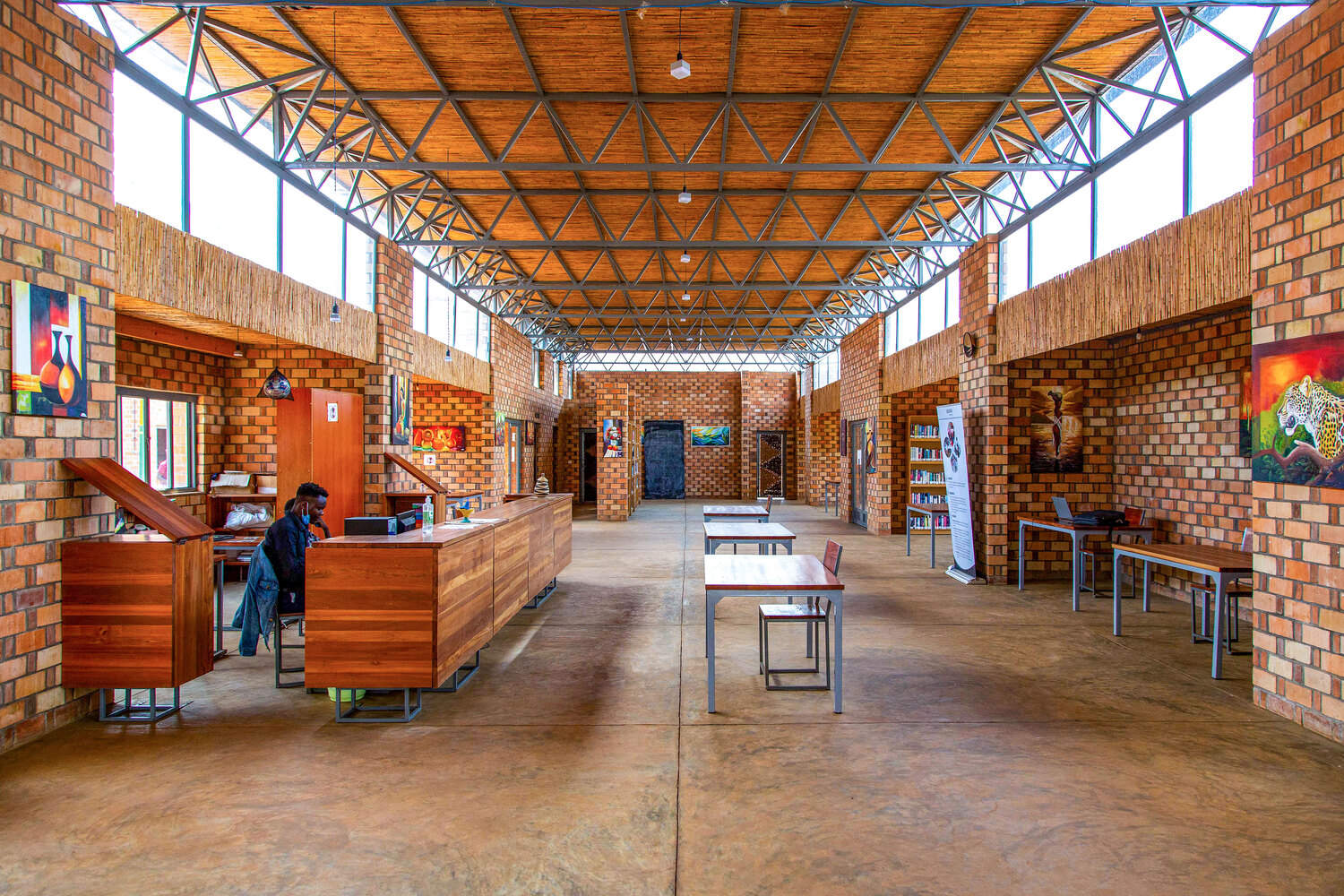
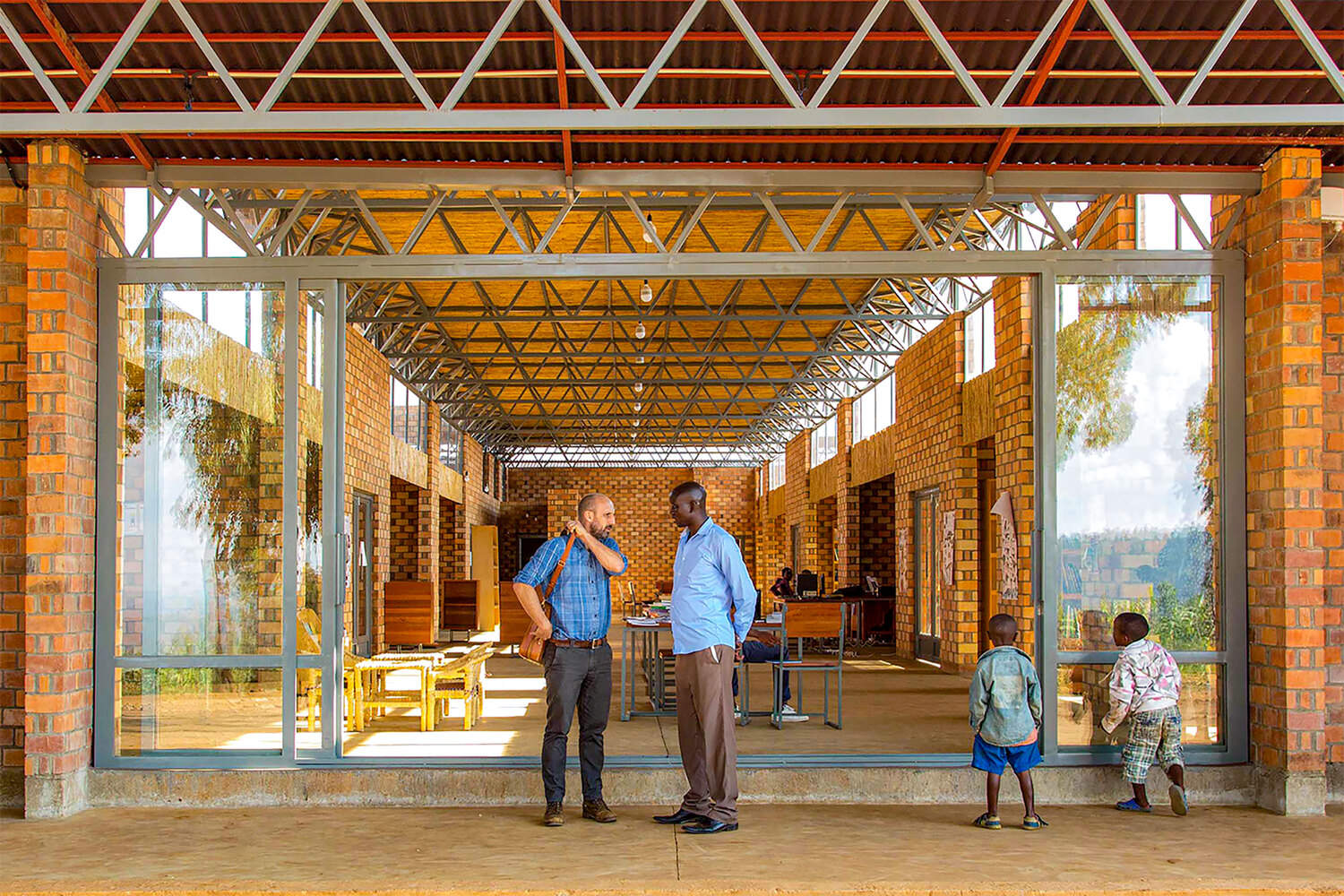
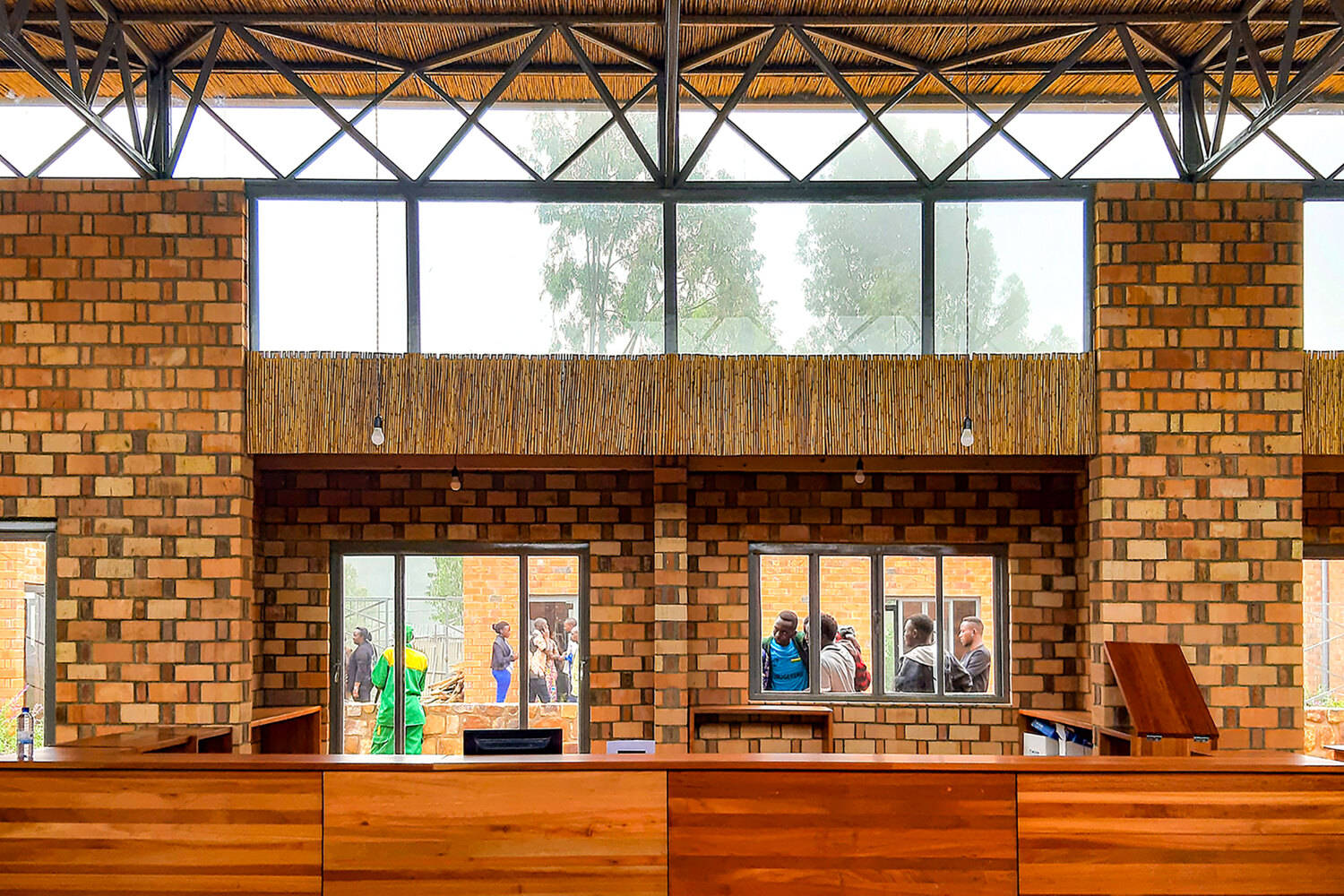
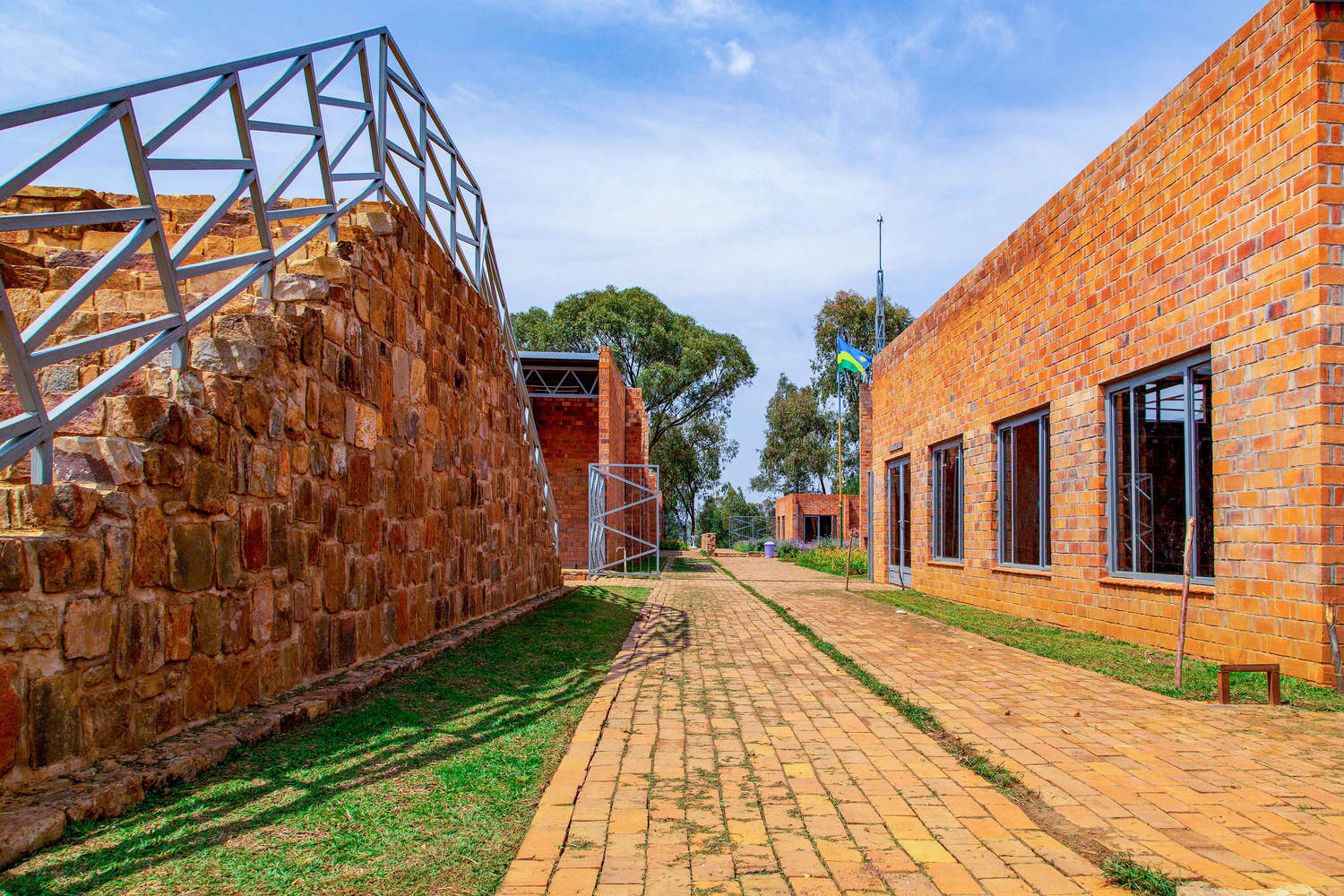
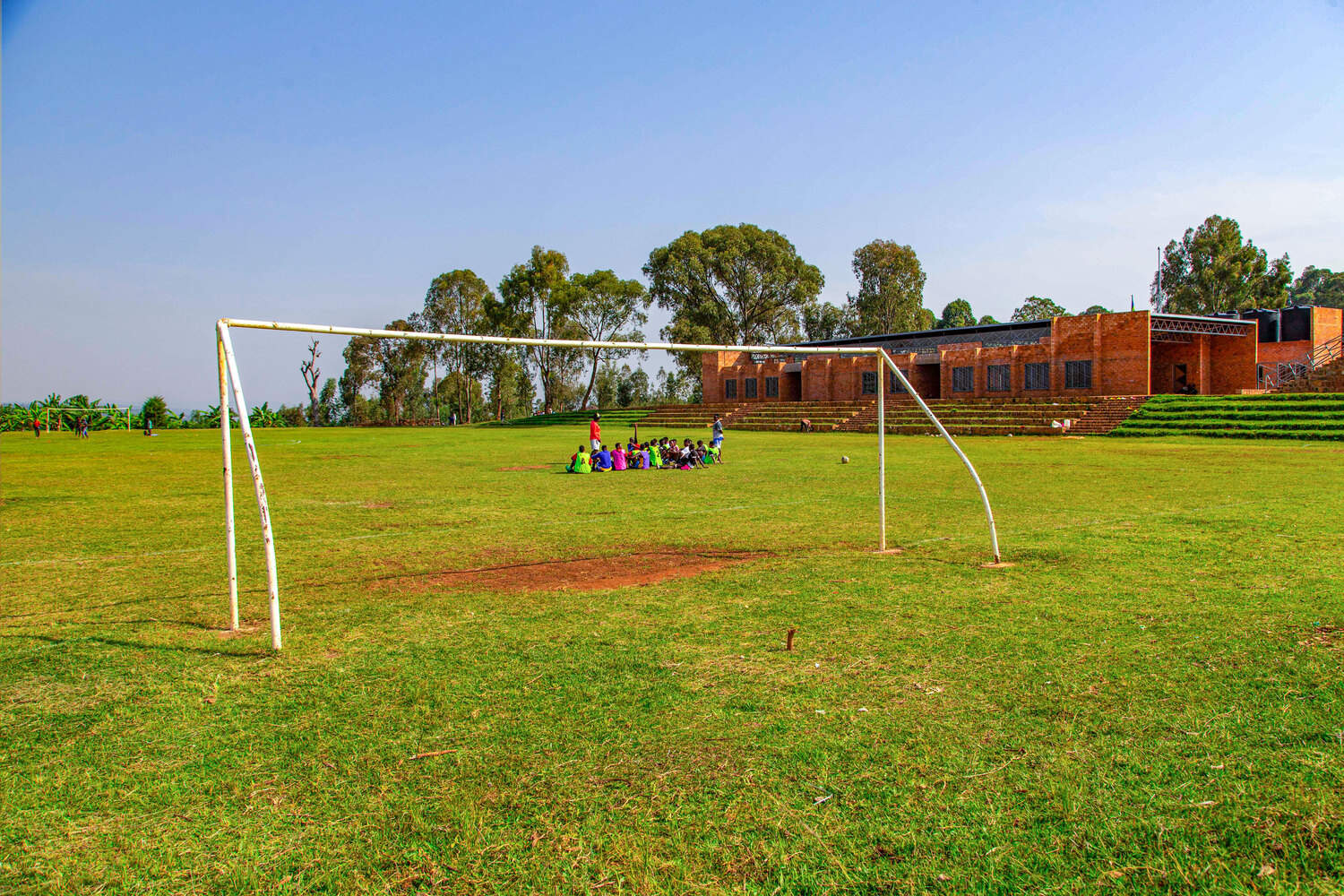
This learning and sports center is nestled in the rolling hills of Rwanda, close to the village periphery of Masoro. The center offers a library, classrooms, technology rooms, indoor and outdoor sport spaces, a community teaching garden, an outdoor theatre, basketball courts, and a community football pitch—all free for community members to use. The project is a collection of interior and exterior spaces that provide a safe and reliable environment for learning, playing, and healthy living.
该学习体育中心位于卢旺达连绵起伏的山丘之间,靠近 Masoro 市郊的村庄。该中心提供了一个图书馆、教室、技术教室、室内和室外运动空间、社区教学园地、室外剧院、篮球场和社区足球场,所有这些都可以免费供社区成员使用。该项目是一个内部和外部空间的集合,为学习、玩耍和健康生活提供了一个安全可靠的环境。
© Katie Garner + GAC
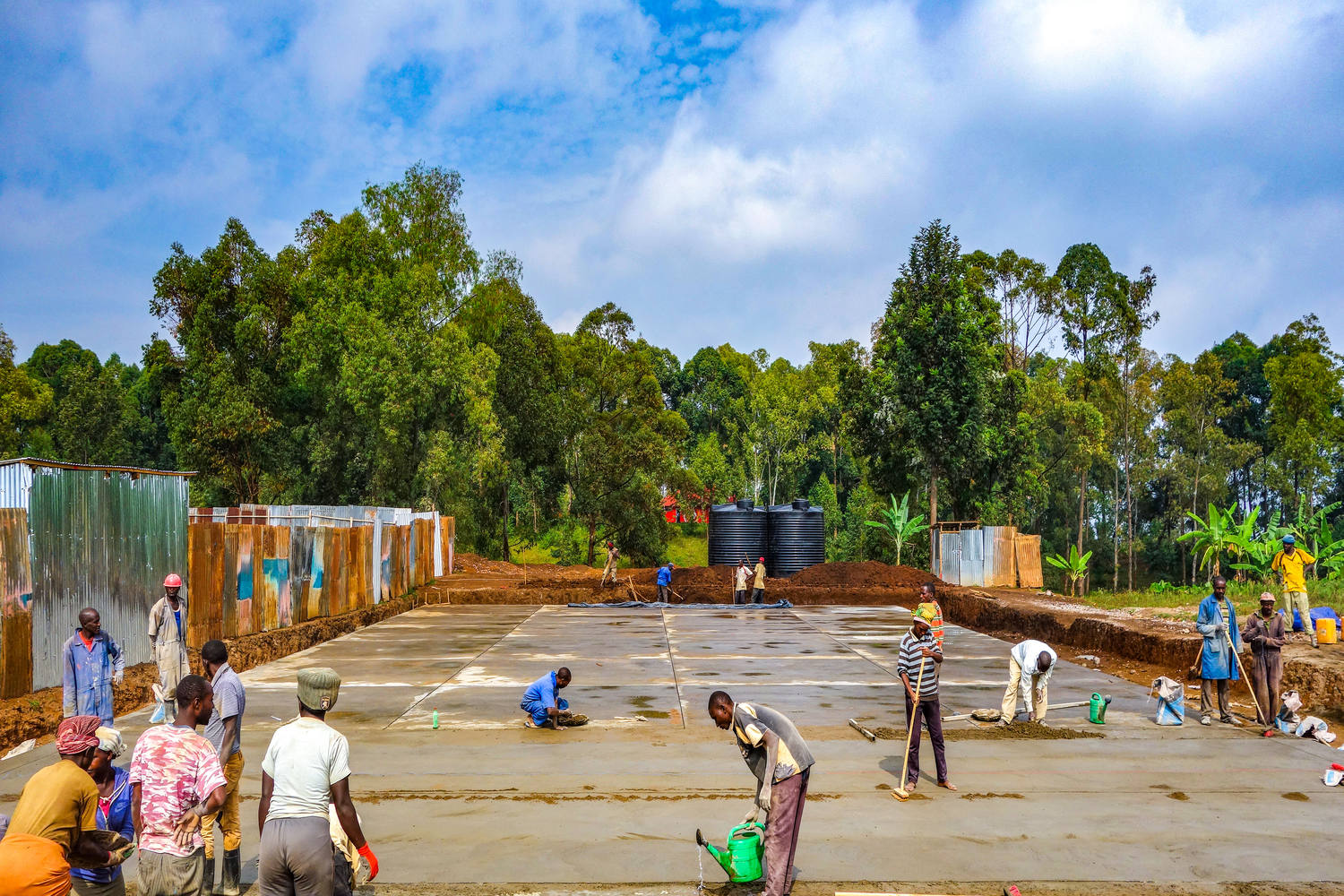
During construction, GAC employed 390 construction workers from the surrounding area, 54% of whom were women. They received pension contributions, breakfast and lunch, as well as safety training and equipment. The project’s development and construction process aimed to provide builders from the community with training opportunities in sustainable and durable building techniques, including modern brick structure construction methods, retrofitting roofs using recycled low-cost metal, sourcing stone on-site for foundations, and weaving walls, doors, and ceiling surfaces using local grasses and bark.
在施工期间,GAC 从周边地区雇佣了 390 名建筑工人,其中 54% 是女性。他们获得了养老金缴费、早餐和午餐,以及安全培训和设备。该项目的开发和建设过程旨在为社区建设者提供可持续和耐用的建筑技术培训的机会,其中包括现代砖结构建造方法、利用回收的低廉金属改造屋顶、现场采集石头搭建地基以及使用当地的草和树皮编织墙、门和天花板表面。
© Katie Garner + GAC
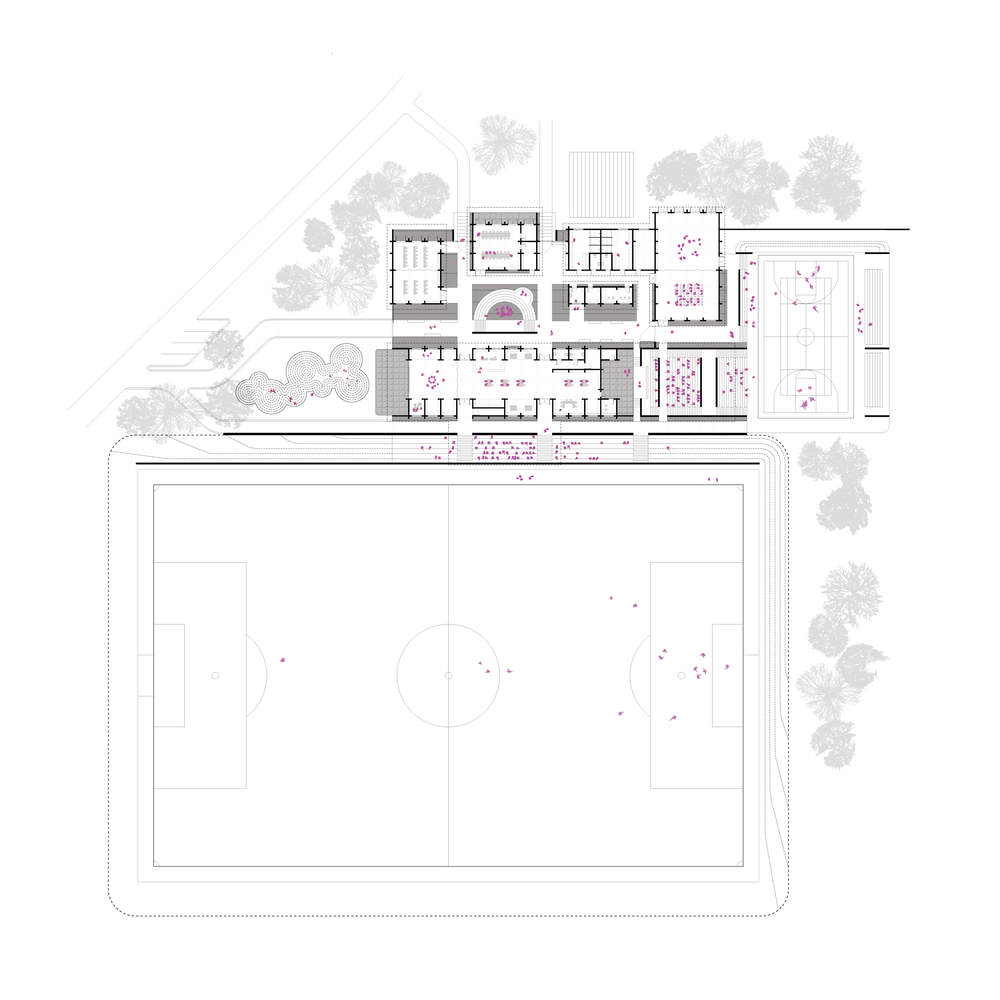
Plan
Infrastructure not connected to the grid, such as rainwater harvesting and biogas digesters, was also implemented. Unlike institutions in the area that are typically surrounded by fortress-like perimeter walls, the center utilizes the surrounding buildings, vegetation, and topography to create a sense of security across multiple small courtyards and exterior spaces. Changes in the terrain are used to provide seating, delineate functional spaces, and frame an existing football pitch for sports and community activities. Excess soil excavated was transformed into compressed earth blocks for future building projects and training in low-impact building techniques.
平面图
未加入电网的基础设施,如雨水收集和生物沼气池也被实施建立。与该地区典型的被堡垒式围墙包围的机构不同,该中心利用周边楼群、植被和地貌,在多个小庭院和外部空间创造一种安全感。地形变化被用来提供座位,区分功能空间,并为体育和社区活动界定一个现有的足球场。挖掘出的多余的土壤被转化为压缩土块,用于未来的建筑项目和低影响的建筑技术培训。
© Katie Garner + GAC
GAC collaborated with community leaders and NGOs for education and health to ensure the center met current and future community needs. Following its opening, GAC facilitated the hiring and training of local managers who are now responsible for managing and maintaining the center. During the pandemic, the center became a hub for disseminating information and distributing supplies necessary for keeping the community safe and healthy. The harvest from the gardens was given to reduce the risk of malnutrition in local mothers and their children when access to food became difficult, and books in the library were accessible to children, so they could continue to learn when schools were closed.
GAC 与社区领袖以及教育和医疗的非政府组织合作,确保该中心满足当前和未来的社区需求。开业后,GAC 促进了当地管理人员的聘用和培训,他们现在负责管理和维护该中心。在疫情期间,该中心成为传播信息和分发保持社区安全和健康所需物资的中心。园子里丰收的食物被用来减少当地母亲和他们的孩子在难以获得食物时营养不良的风险,图书馆里的书也可以供儿童阅读,这样他们就可以在学校关闭时继续学习。
© Katie Garner + GAC
pandemic, the center became a hub for disseminating information and distributing supplies necessary for keeping the community safe and healthy. The harvest from the gardens was given to reduce the risk of malnutrition in local mothers and their children when access to food became difficult, and books in the library were accessible to children, so they could continue to learn when schools were closed.
在疫情期间,该中心成为传播信息和分发保持社区安全和健康所需物资的中心。园子里丰收的食物被用来减少当地母亲和他们的孩子在难以获得食物时营养不良的风险,图书馆里的书也可以供儿童阅读,这样他们就可以在学校关闭时继续学习。
© Katie Garner + GAC
The inclusive design and construction process for the center created a place that the entire community has invested in protecting, maintaining, and growing to this day. Today, community members collectively decide how this shared public space will be used.
该中心的包容性设计和建设过程创建了使整个社区至今都投入保护、维护和发展的地方。今天,社区成员集体决定如何使用这个共享的公共空间。
Text description provided by the architects
文字描述由建筑师提供
Translator: Chun Wang
译者:王淳
© Katie Garner + GAC