历史传承与城市激活的有机融合:本项目最精髓之处在于其对历史文脉的深刻尊重与对城市公共空间的积极重塑。在保留“一场两馆”等核心历史建筑的基础上,设计团队巧妙地避免了大规模的拆建,而是通过功能升级和立面语汇的提炼(如白玉兰和火炬元素),赋予老建筑新的生命力。这不仅是对上海体育发展记忆的致敬,更是通过“让公园动起来”的理念,将原先封闭的体育中心转化为一个开放、多功能的城市活力界面,实现了历史遗产的有效再利用和城市活力的有效激活。
“一轴两翼加环形跑道”的创新空间组织:HPP提出的“一轴两翼加环形跑道”布局是解决原有交通混乱、空间消极问题的核心策略。将原有专业赛事功能聚焦于“东西向专业赛事轴”,明确了核心功能导向。更具匠心的是“两翼”的划分,创造了南北两大主题公园,极大地增加了城市绿量和活力空间。双圈跑道的设计更是高明之举,内圈服务于场馆间的快速连接,外圈则融入城市肌理,有效改善了步行体验,将体育活动自然地渗透到城市日常生活中。
功能复合化与地下空间的精妙利用:在满足顶级赛事需求的同时,设计成功地植入了体育文化、衍生商业及市民体育服务。历史场馆的内部更新实现了灵活的空间分割,提高了使用效率。新建的“万体汇”作为地景式地下建筑,完美地解决了新增配套设施(如球类场地)与轨道交通衔接的需求,使得巨大的建筑体量得以隐形于地景之下,极大地解放了地面空间用于景观和公共活动,体现了对场地承载力的精细化管理和对城市综合效益最大化的追求。
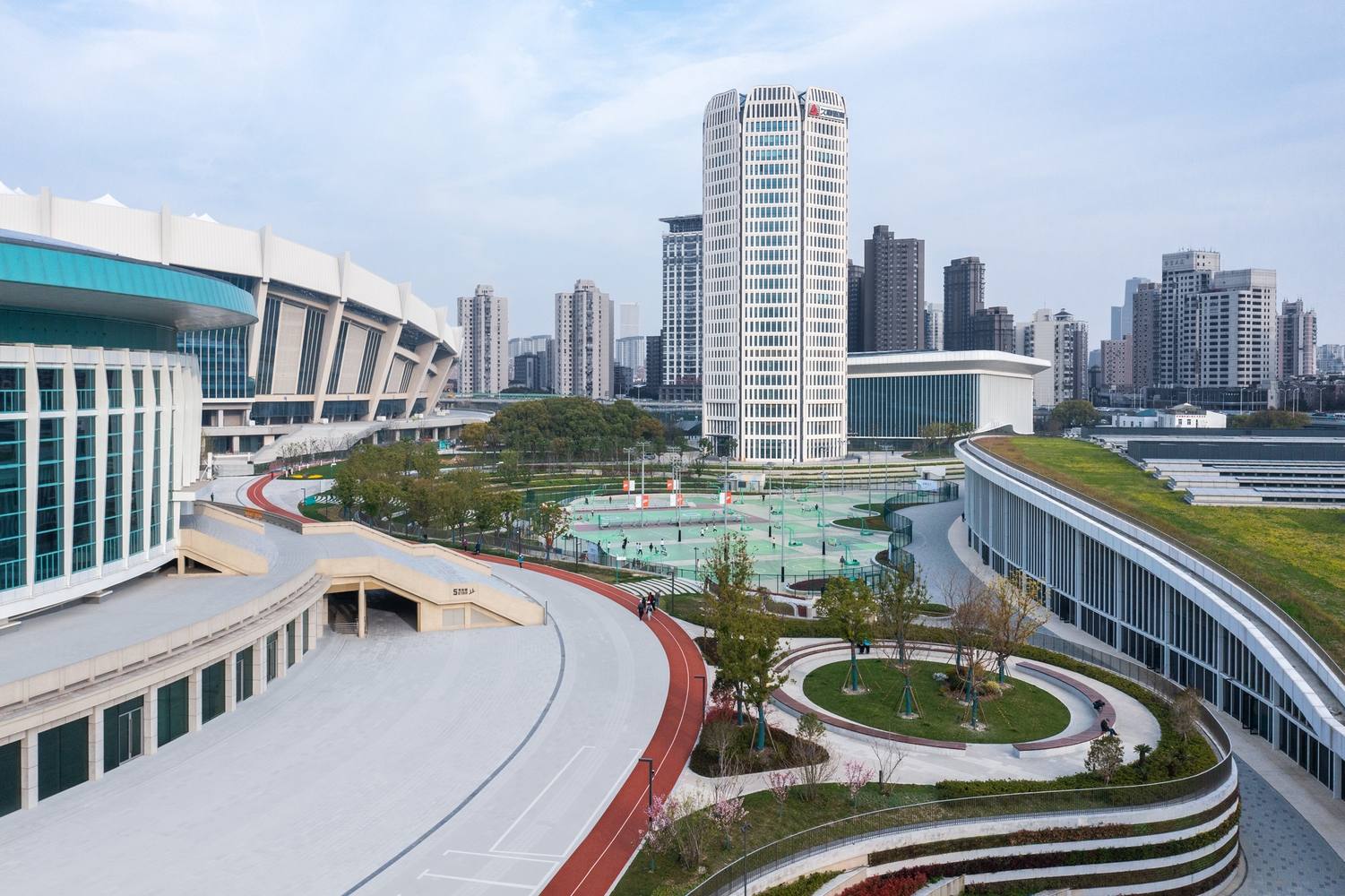
Original Name Shanghai Sports Center, the project was planned in the 1960s. Over nearly half a century, the Shanghai Gymnasium (1973), Shanghai Natatorium (1983), Shanghai Stadium, and Dongya Building (1997) were built successively. Various top domestic and international competitions have been held here, carrying the important memories of the development of sports in Shanghai and even China. Now, based on the retained "one stadium, two halls" and Dongya Building, it is being replanned and designed to create an open urban space.
徐家汇体育公园原名上海体育中心,筹建于20世纪60年代,近半个世纪以来先后建成上海体育馆(1973年)、上海游泳馆(1983年)、上海体育场和东亚大厦(1997年)。这里相继承办过各类国内外顶级赛事,承载了上海乃至中国体育发展的重要回忆,现如今在保留的“一场两馆”以及东亚大厦等老建筑基础上进行重新规划设计,将其打造成为开放的城市空间。
© CreatAR Images
General Layout
总平面图
© AST Studio
© CreatAR Images
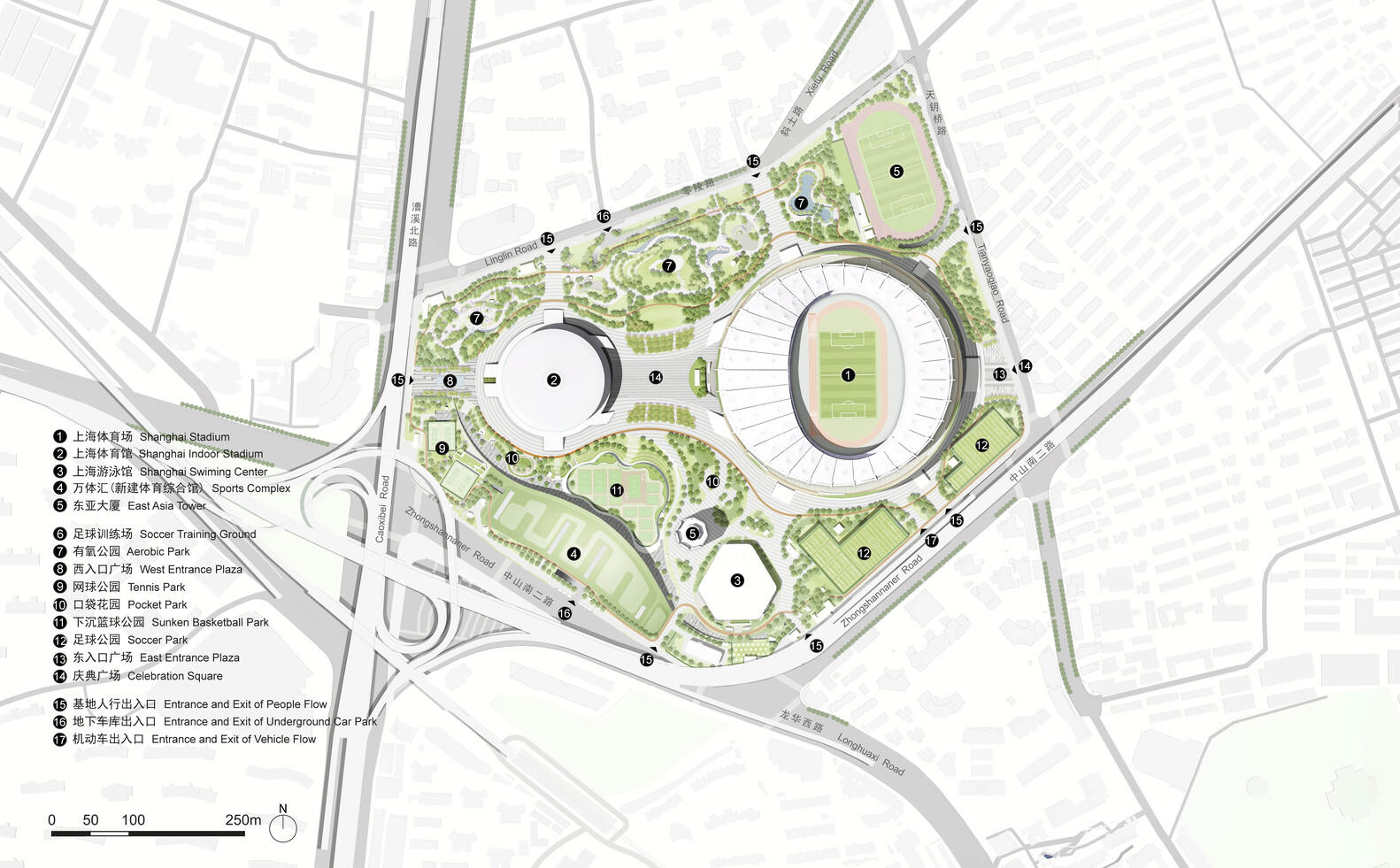
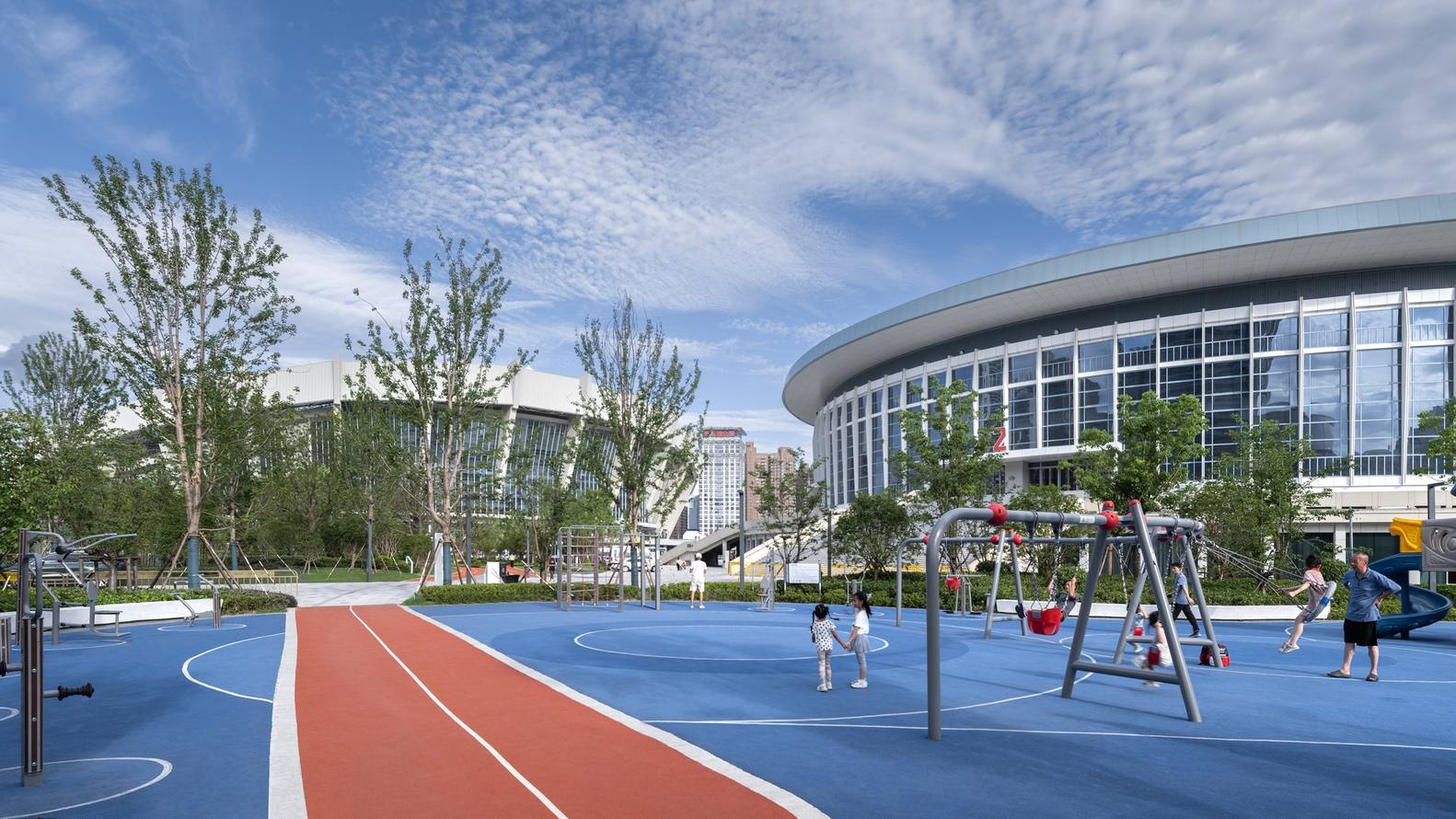
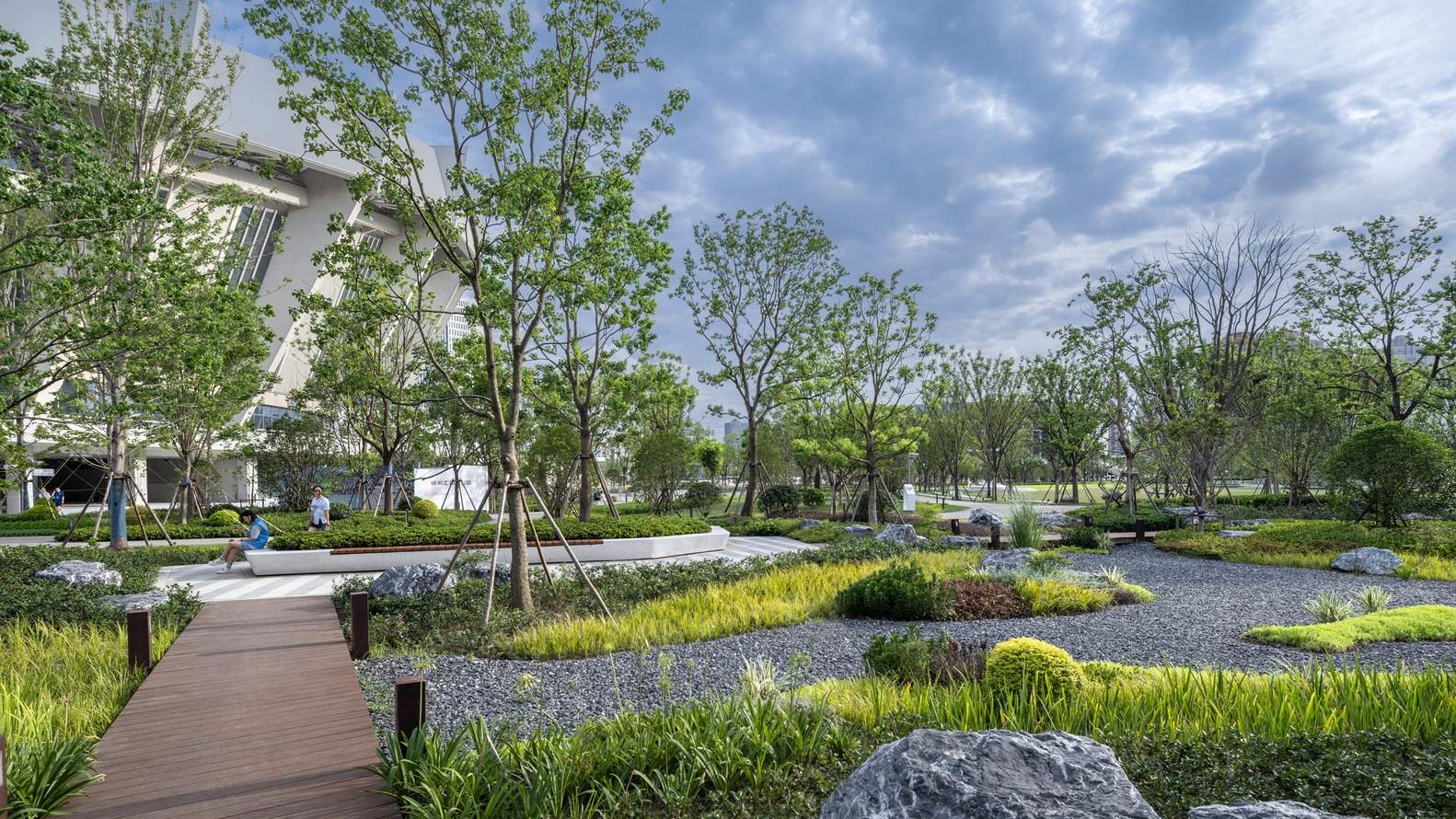
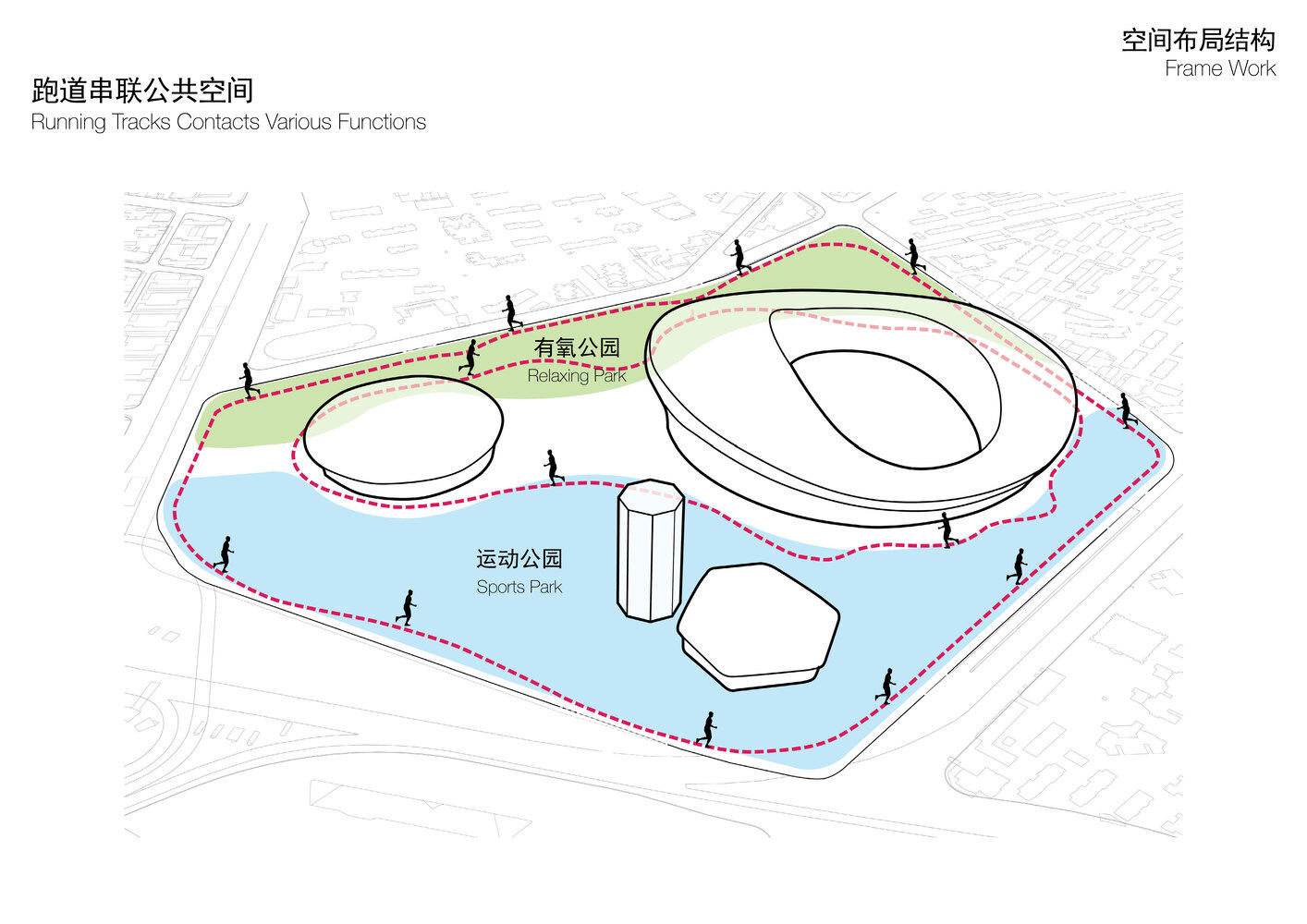
Before the renovation, designers found four main problems during the survey: chaotic road traffic, negative spaces, single sporting functions, and insufficient supporting facilities. Adhering to the planning concept of "revitalizing the city, greening the sports facilities, and activating the park," HPP proposed the renovation layout of "one axis, two wings, plus a circular track." The "one axis" retains the main functions of the existing stadium and gymnasium, forming an east-west "professional competition axis." The "two wings" divide the park into two major theme parks in the north and south and create a large amount of green space and urban vitality space. In addition, a double-loop track was creatively designed, with the outer loop integrated with the urban environment and the inner loop connecting the two major venues, providing convenience for people.
改造前,在调研中设计师发现街坊存在道路交通混乱、空间消极、体育功能单一及配套设施不足等4个主要问题。秉承“让城市活起来,让体育绿起来,让公园动起来”的规划理念,HPP提出“一轴两翼加环形跑道”的改造布局。“一轴”即保留现有体育场、体育馆两大场馆的主体功能,形成东西向的“专业赛事轴”;“两翼”即将公园划分为南北两大主题公园,并创造了大量的绿化及城市活力空间。此外,创造性地设计了双圈跑道,外圈结合城市环境,内圈连接两大场馆,为人们提供便利。
© CreatAR Images
Functional Upgrade of Historic Buildings: The venue renovation avoided large-scale demolition and reconstruction. After clearing out non-sports-related functions within the venues, the renovation design prioritized meeting the needs of top-tier competitions and supporting spaces, while also arranging sports culture and derivative commercial activities.
历史建筑功能升级中在场馆改造上避免大拆大建。在清退场馆内与体育无关的功能后,改造设计优先满足顶级赛事及配套空间的需求,同时布局体育文化和体育衍生商业。
© CreatAR Images
© CreatAR Images
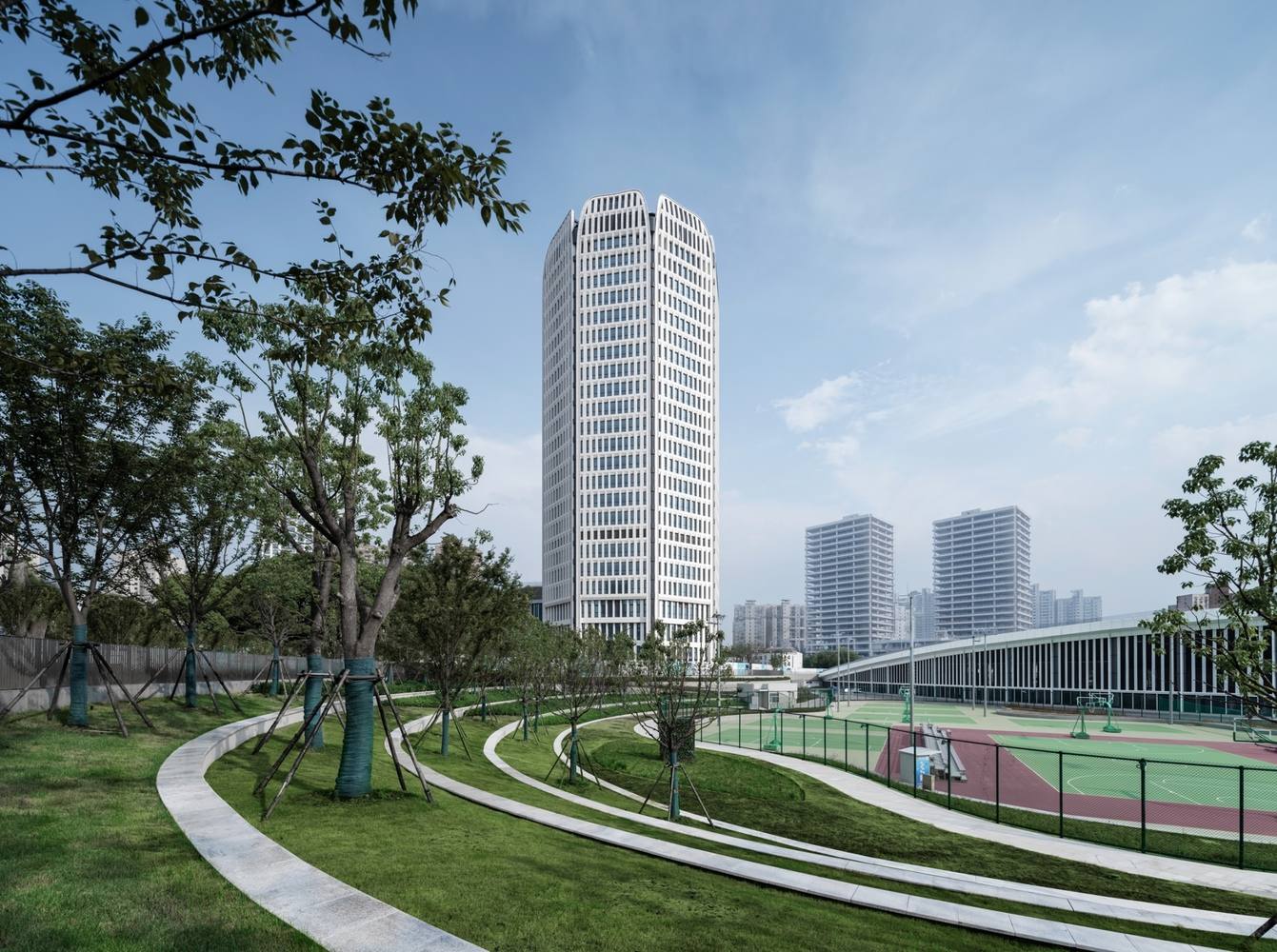
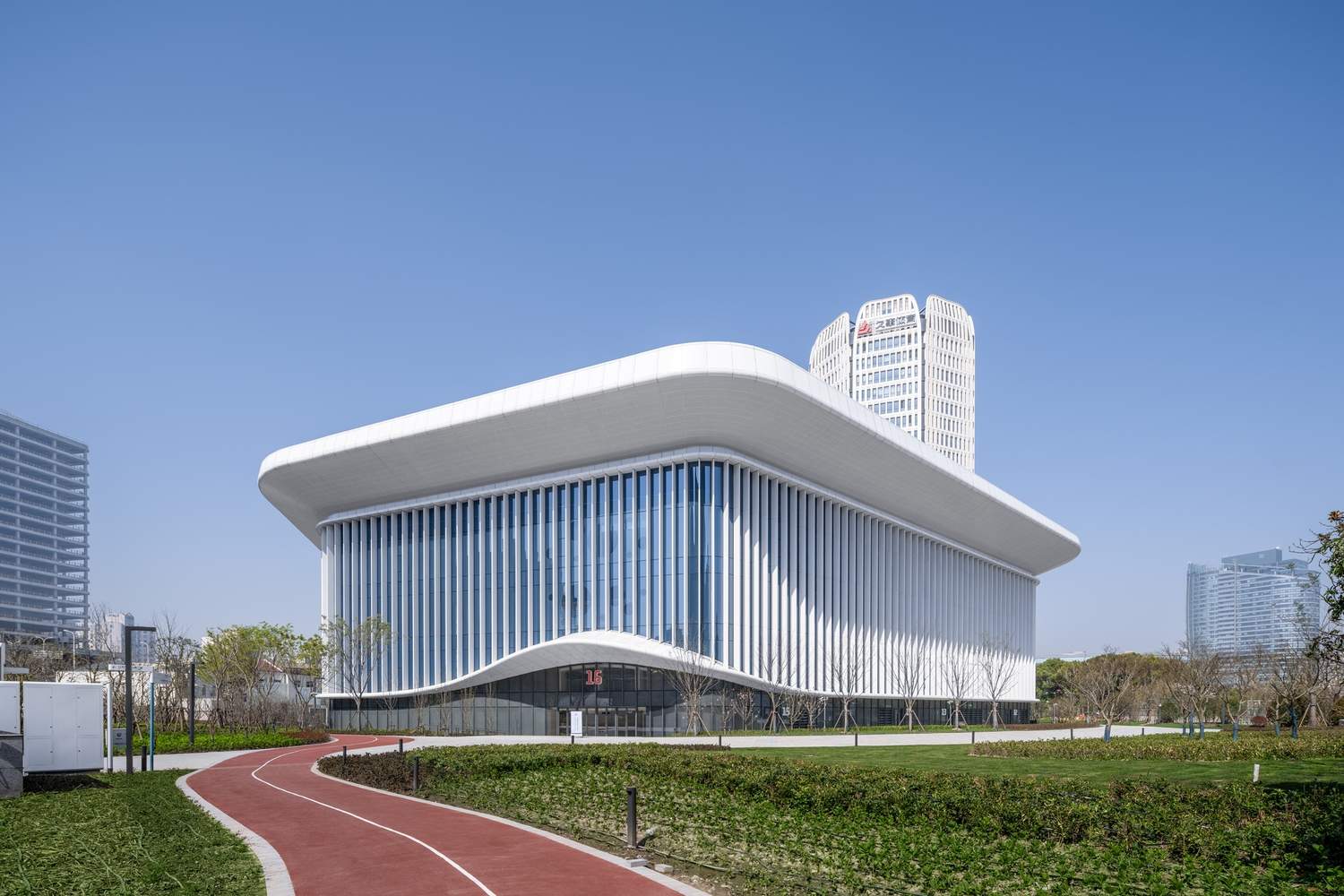
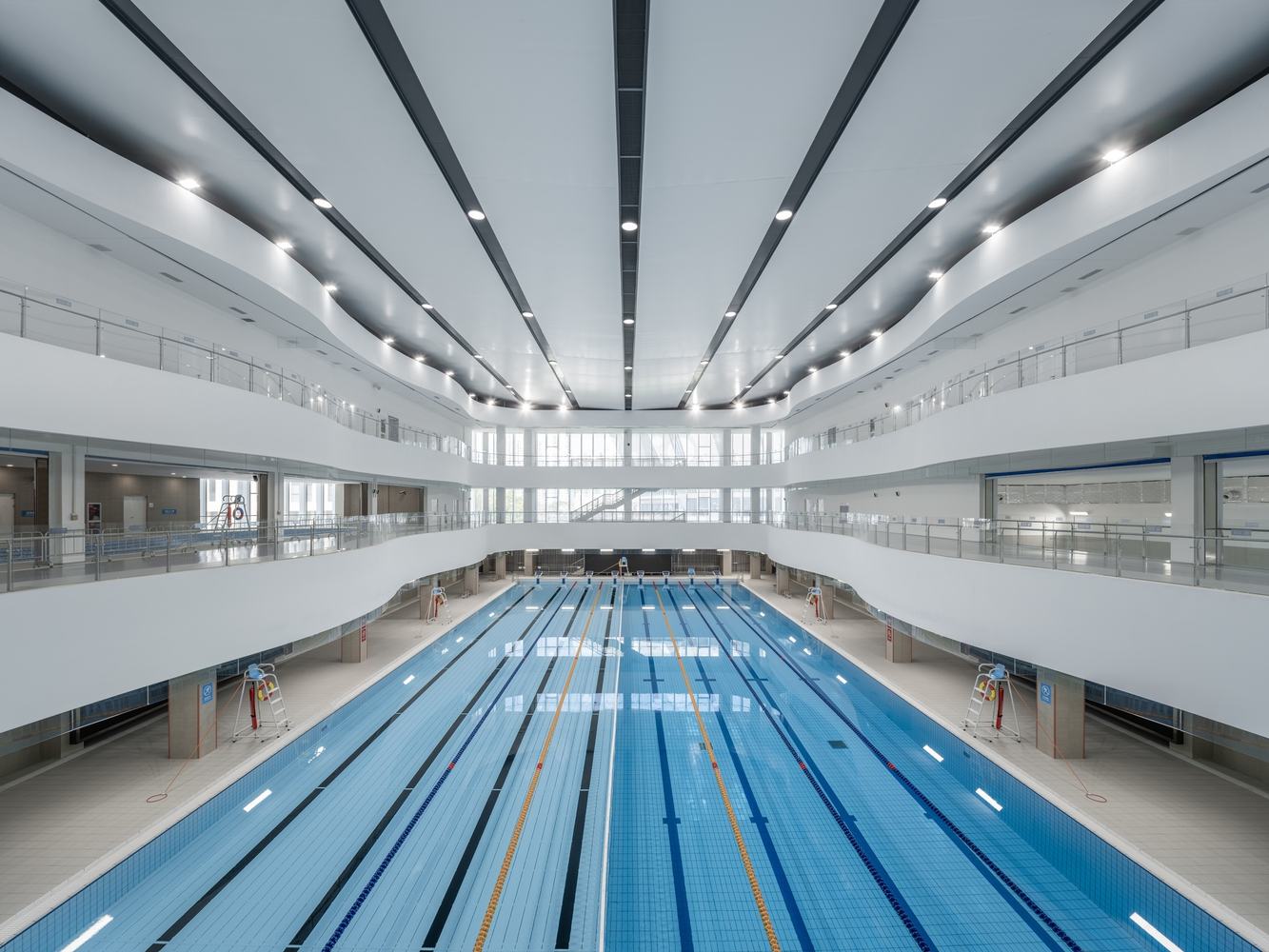
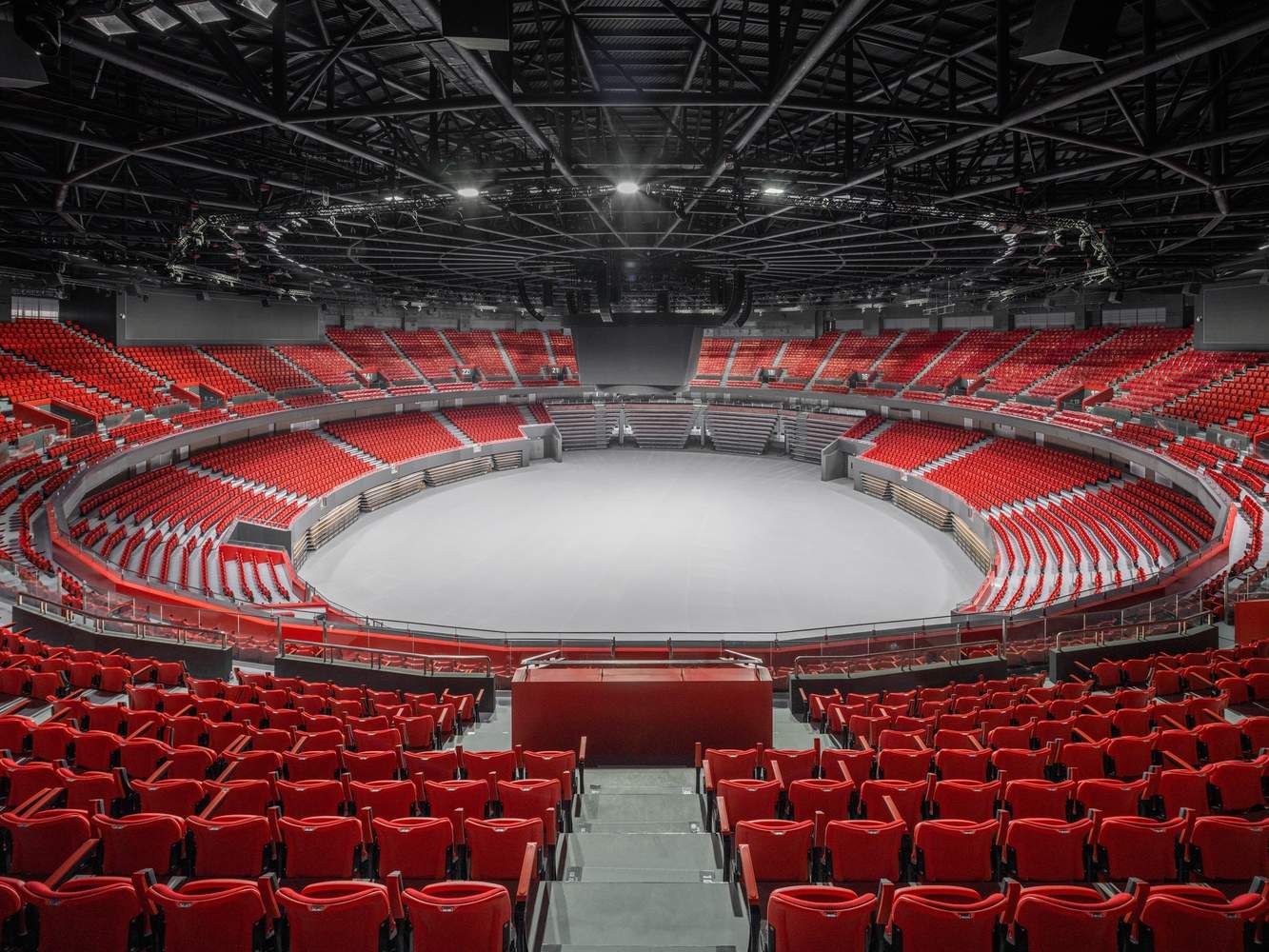
The facade of the Shanghai Gymnasium retains and continues the original architectural elements, while the interior undergoes structural reinforcement. The renovated interior space of the gymnasium allows for quick field division and switching, serving not only as the home court for the Shanghai basketball team but also hosting various performances and commercial activities. After renovation, the Shanghai Natatorium was transformed into a "Citizen Water Sports Center" open to the public. The original closed wall at the end of the standard pool was transformed into a floor-to-ceiling glass curtain wall, introducing natural light. The facade renovation of the Dongya Building extracts imagery elements from the white magnolia, the city flower of Shanghai, and the torch, an element of sports.
上海体育馆立面保留并延续原有造型元素,内部进行结构加固,改造后的体育馆内部空间可实现快速场地分割与切换,不仅将作为上海篮球队的主场,还能承载各类演出、商业活动。上海游泳馆改造后转型为向公众开放的“市民水上运动中心”,原标准池端头封闭的墙体被改造为落地玻璃幕墙,引入自然光线。东亚大厦立面改造提取了上海市花白玉兰和体育元素火炬的形象元素。
规划结构 03
© CreatAR Images
© CreatAR Images
Wan Tihuai is the only newly built sports complex in the block, located on the second basement level, integrated into the park as a landform building. With a total construction area of approximately 60,000 m2, it supplements the sports functions and connects to the rail transit, further improving the supporting facilities of the Xujiahui Sports Park. It includes facilities such as badminton courts, table tennis courts, tennis courts, outdoor basketball courts, and tennis courts. Today, Xujiahui Sports Park has become one of the most fully equipped sports and cultural gathering places in Shanghai.
万体汇是街坊内唯一的新建体育综合场馆,位于地下二层,以地景式建筑融入公园。总建筑面积约为60,000 m2,作为体育功能的补充和轨道交通的衔接,进一步完善了徐家汇体育公园的配套设施,包含羽毛球场、乒乓球场、网球场、户外篮球场、网球场等设施。如今,徐家汇体育公园已成为上海设施设备最齐全的体育文化聚集地之一。