场地文脉的深度融合与有机生长:该项目最核心的亮点在于其“景观优先”的设计哲学,即 Auer Weber 团队成功地将新的体育基础设施深度嵌入到法兰西岛大区马恩河畔的现有地形和水系肌理之中。设计并非在原有绿地上进行简单叠加,而是通过借鉴和延续相邻的景观结构,构建了一个由水域和绿地构成的“运动群岛”马赛克。这种手法使得建筑群与环境形成了一种有机的、流动的关系,水成为贯穿各个功能区的结构性元素,极大地提升了场地的整体性和场所精神,成功回应了对现有自然空间的重塑和提升需求。
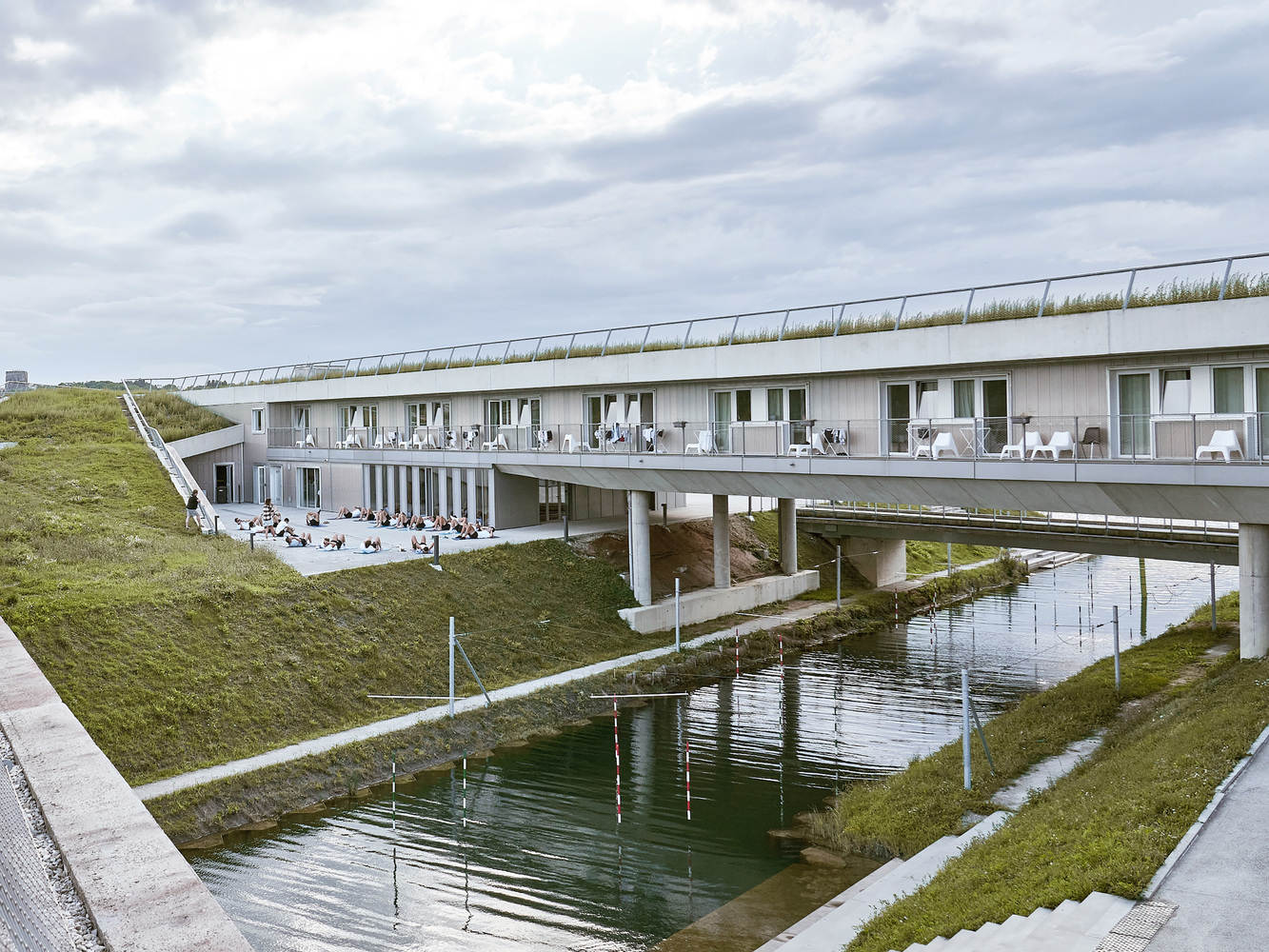
功能分区与体验的精妙平衡:设计通过一个贯穿南北的“活力平台”实现了复杂功能区的清晰划分与高效连接,这是本案在空间组织上的精髓体现。该平台不仅是连接主入口、停车场与南侧公共水上设施的交通动脉,更巧妙地实现了专业竞技区与公众休闲区的物理与视觉隔离。运动员在平台下方的空间得到安静的训练环境,而平台上的通道则为公众提供了观赛视野,同时确保了运动员的训练不受干扰。这种“上层通达、下层私密”的结构,体现了对奥运标准和公共服务并重的高级设计思考。
材料的精炼与工艺的致敬:在建筑语言上,设计团队采取了克制而有力的材料策略,主要采用裸露混凝土和木材,确保了整个综合体在不同功能板块间的高度视觉统一性和和谐感。更值得称道的是,平台下方建筑立面采用了在造船业中使用的聚碳酸酯板,这一细节不仅呼应了水上运动的主题,也体现了对地域或相关行业工艺的致敬,赋予了建筑一种独特的、与水环境相适宜的质感,展现了细节处的匠心独运。
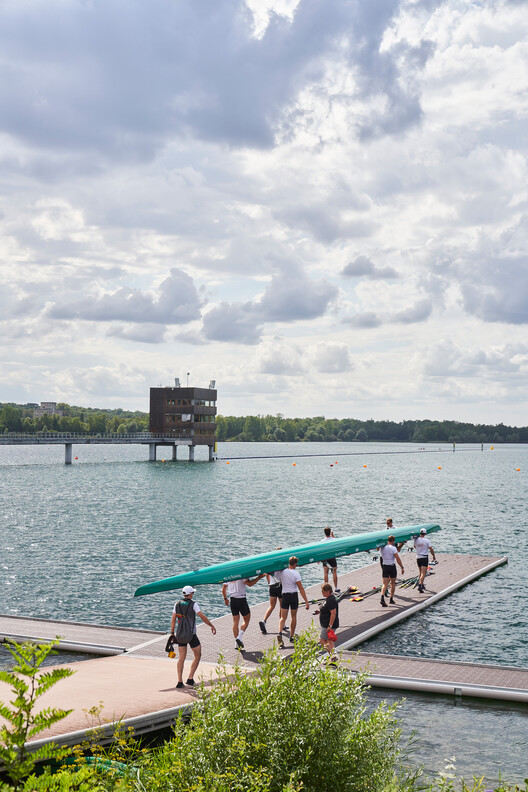
The Olympic Nautical Stadium, located about 30 kilometers from Paris, is the first venue built in France for the Summer Olympics and Paralympics. It features the largest white-water rafting center in Europe and will host rowing, canoeing, and slalom competitions.
位于距离巴黎约 30 公里处的水上运动体育场是法国首个为夏季奥运会和残奥会建成的场馆。这里拥有欧洲最大的白水漂流中心,并将作为赛艇、皮划艇以及激流回旋比赛的举办地。
© Christoph Gramann
© Aldo Amoretti
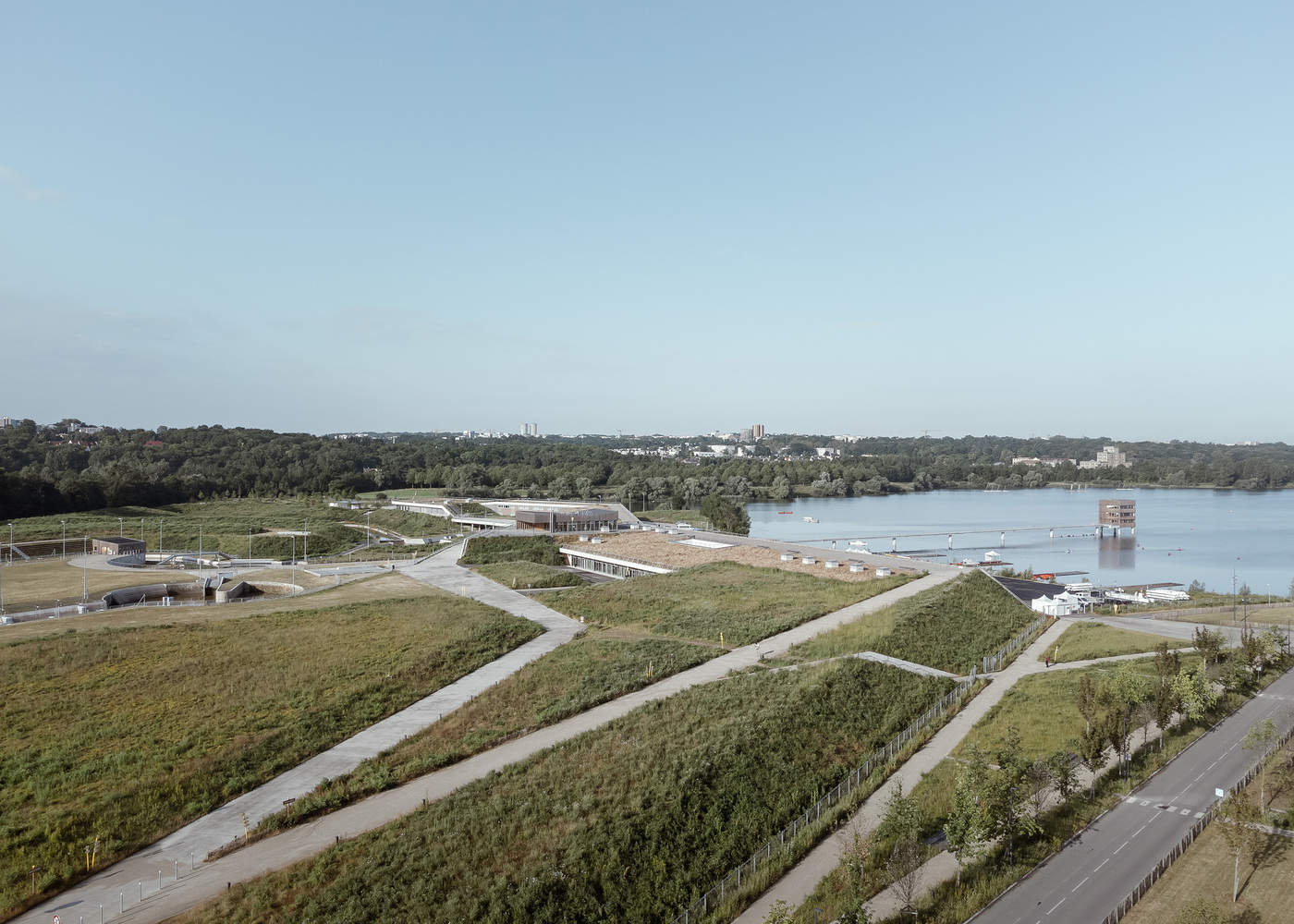
In 2012, the Île-de-France Region decided to redesign, redevelop, and augment the existing green spaces and water bodies. The goal was to create a sports center capable of meeting the requirements for the 2024 Olympic rowing and canoeing competitions. The planning team led by Auer Weber won the international design competition for the facility. This design concept convinced the jury because the new infrastructure blends perfectly with the existing topography. The architectural design draws upon the structure of the adjacent landscape, continuing it as a design element on the high ground, integrating all functional areas.
2012 年,法兰西岛大区决定重新设计、重新规划并增加现有的绿地和水域空间。这是为了打造一个能够满足 2024 年奥运会赛艇和皮划艇比赛要求的体育中心。由 Auer Weber 领导的规划团队赢得了该设施的国际设计竞赛。这一设计理念之所以说服了评委,是因为新的基础设施与现有地形完美融合。建筑设计借鉴了相邻的景观结构,并在高地上将其作为设计元素继续延伸,融合了所有功能区。
© Aldo Amoretti
© Christoph Gramann
Floor Plan
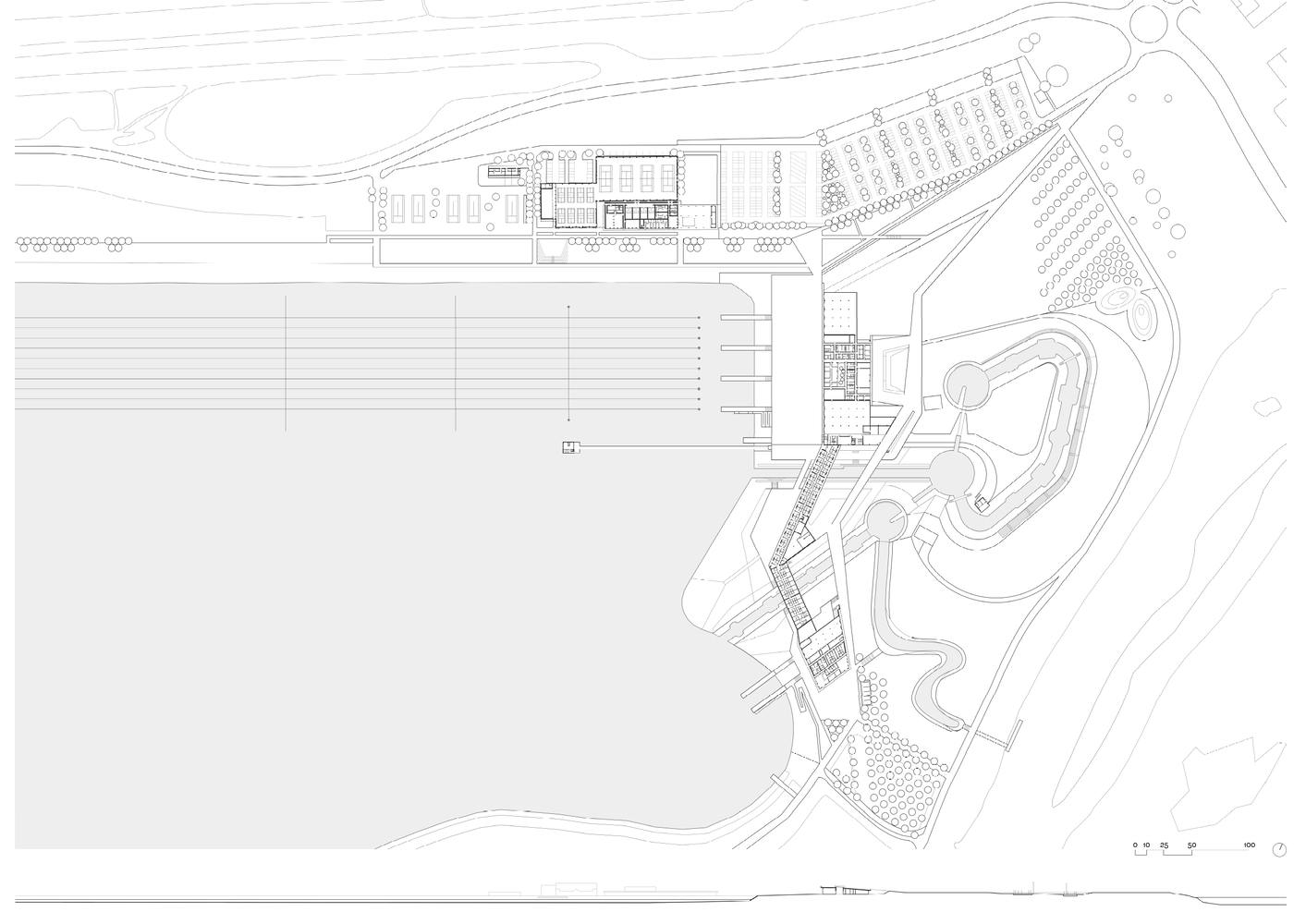
The solution to the task is a landscape project that integrates, reinterprets, and continues the character of the existing green spaces. Water is omnipresent, creating fluid transitions between the various facilities. It structures the entire site and transforms the space into a mosaic of small islands—the “Sports Islands”—comprising four distinct sports centers.
该任务的解决方案是一个融入现有绿地、重新诠释并延续其特色的景观项目。水无处不在,在各个设施之间创造了流畅的过渡。它构成了整个场地的结构,并将空间转变为由小岛组成的马赛克——“运动群岛”,由四个不同的体育中心组成。
© Christoph Gramann
© Christoph Gramann
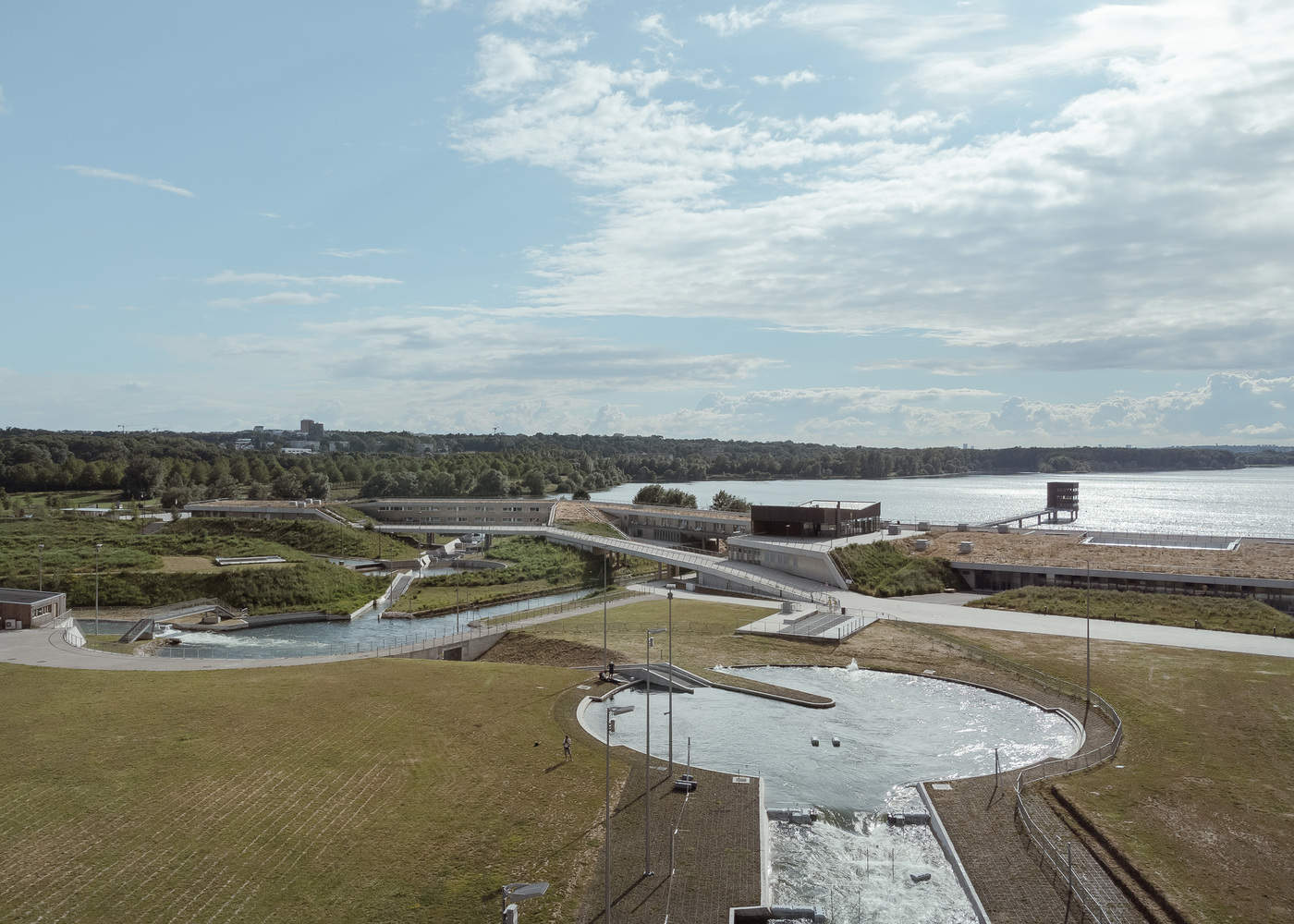
The 200-hectare Vaires-Torcy Nautical Sports Park is located on the Marne River in the Île-de-France region, east of Paris, in a historically significant landscape area. Its main feature is a large lake, with the nautical park on its western side and a leisure area with a bathing lake and golf course on its eastern side. To the south, the park borders the Marne River, and to the north is a shipping canal that bypasses the lock and the former Menier chocolate factory mill. The leisure area, "Île de Loisirs de Vaires," is situated like an island between these two bodies of water.
占地 200 公顷的瓦埃尔-托尔西水上运动公园位于巴黎以东的法兰西岛大区马恩河畔,这里是一片历史悠久的风景胜地。其主体部分是一个大湖,大湖西侧是水上运动公园,东侧则是一片拥有浴湖和高尔夫球场的休闲区。公园南侧紧邻马恩河,北侧则是一条绕过水闸和梅尼耶巧克力工厂旧址磨坊的航运运河。休闲区“瓦埃尔岛”就像一座岛屿,位于这两片水域之间。
© Aldo Amoretti
© Aldo Amoretti
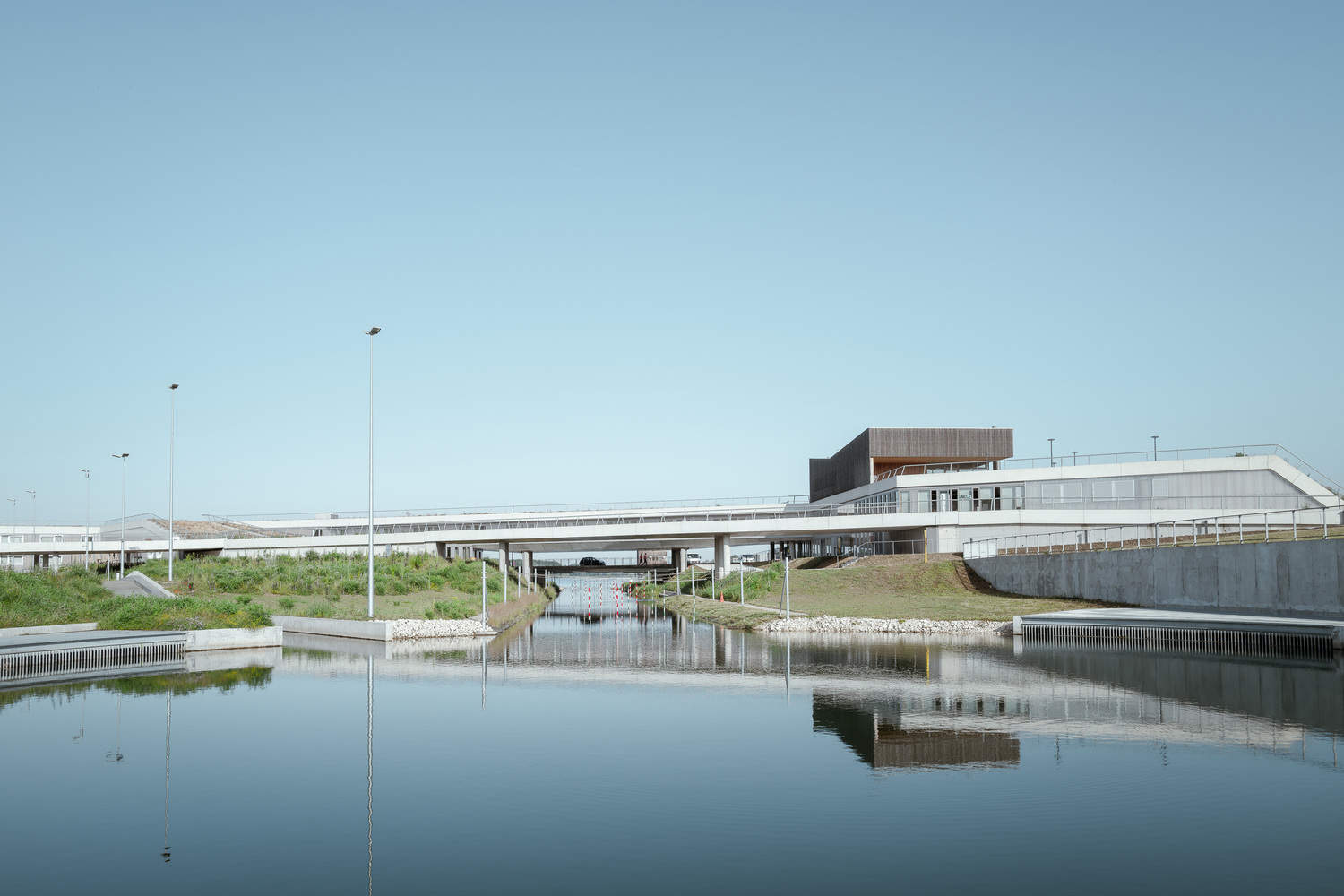
Architectural and landscape elements define the appearance of the complex: a dynamic platform extends from north to south, rising from the flat area on the eastern side of the lake. As a grand, unifying design, it integrates all main functions into a single form: competitive sports, accommodation facilities, and public water sports facilities. This horizontal strip running north-south provides access for amateur athletes from the main entrance and the parking area in the north to the public water sports facilities on the south side.
建筑和景观元素共同决定了该综合体的外观:一个充满活力的平台从北向南延伸,从湖泊东侧的平坦区域升起。作为一个宏大的、概括性的设计,它将所有主要功能融入了一个整体形态中:竞技体育、住宿设施和公共水上运动设施。这条横跨南北的水平带为主入口和停车场北侧的业余运动员提供了通往南侧公共水上运动设施的通道。
© Aldo Amoretti
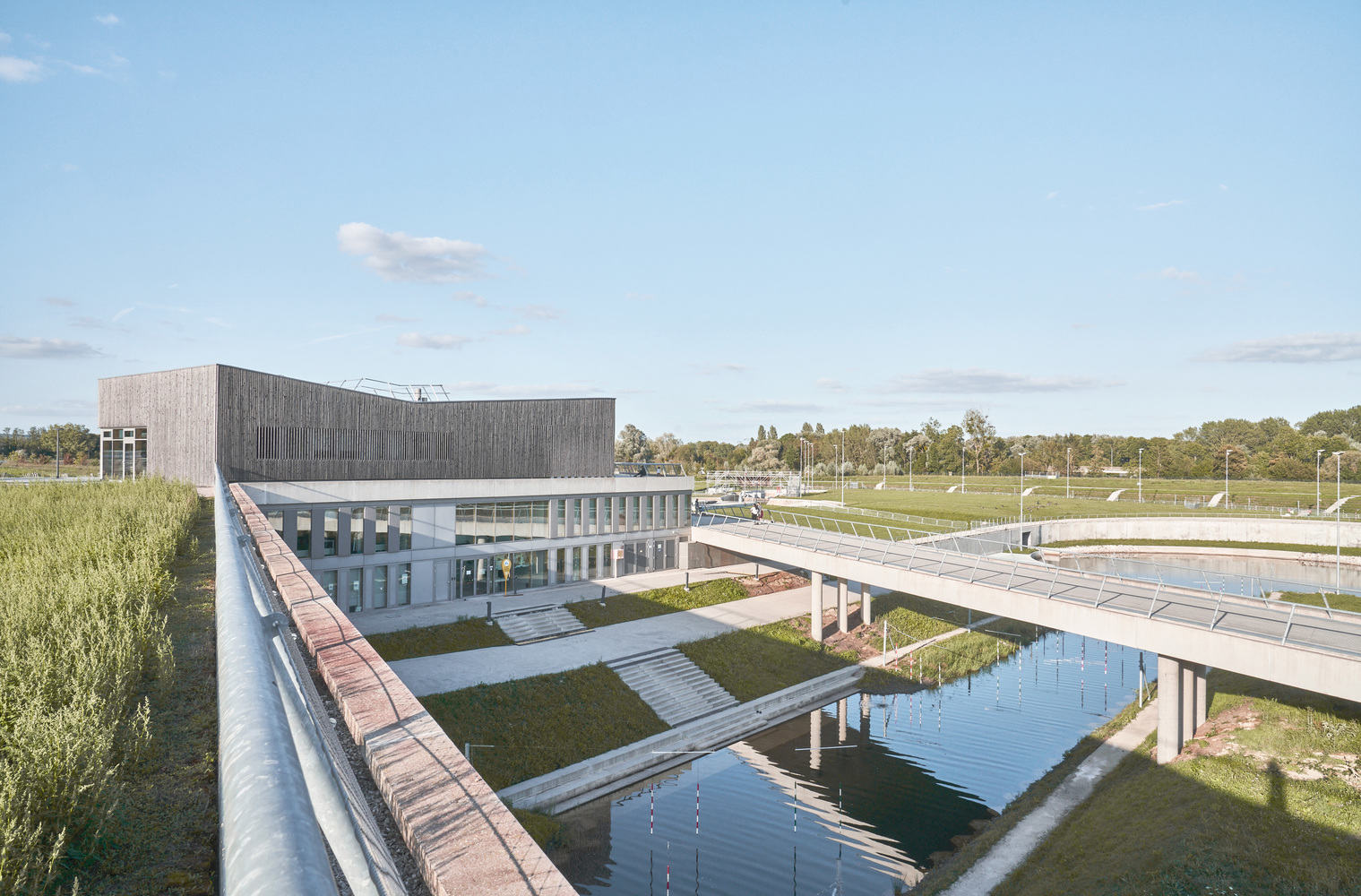
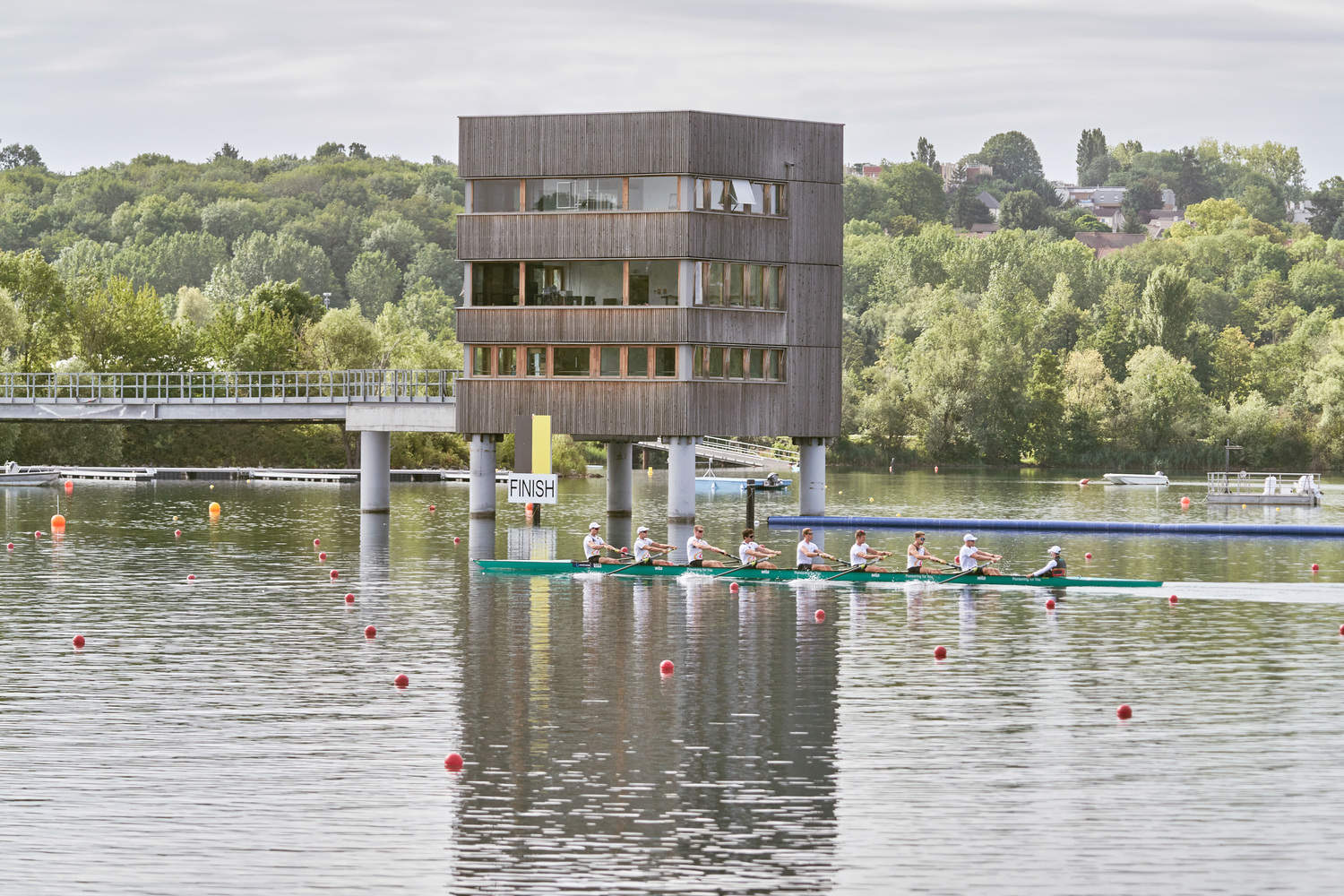
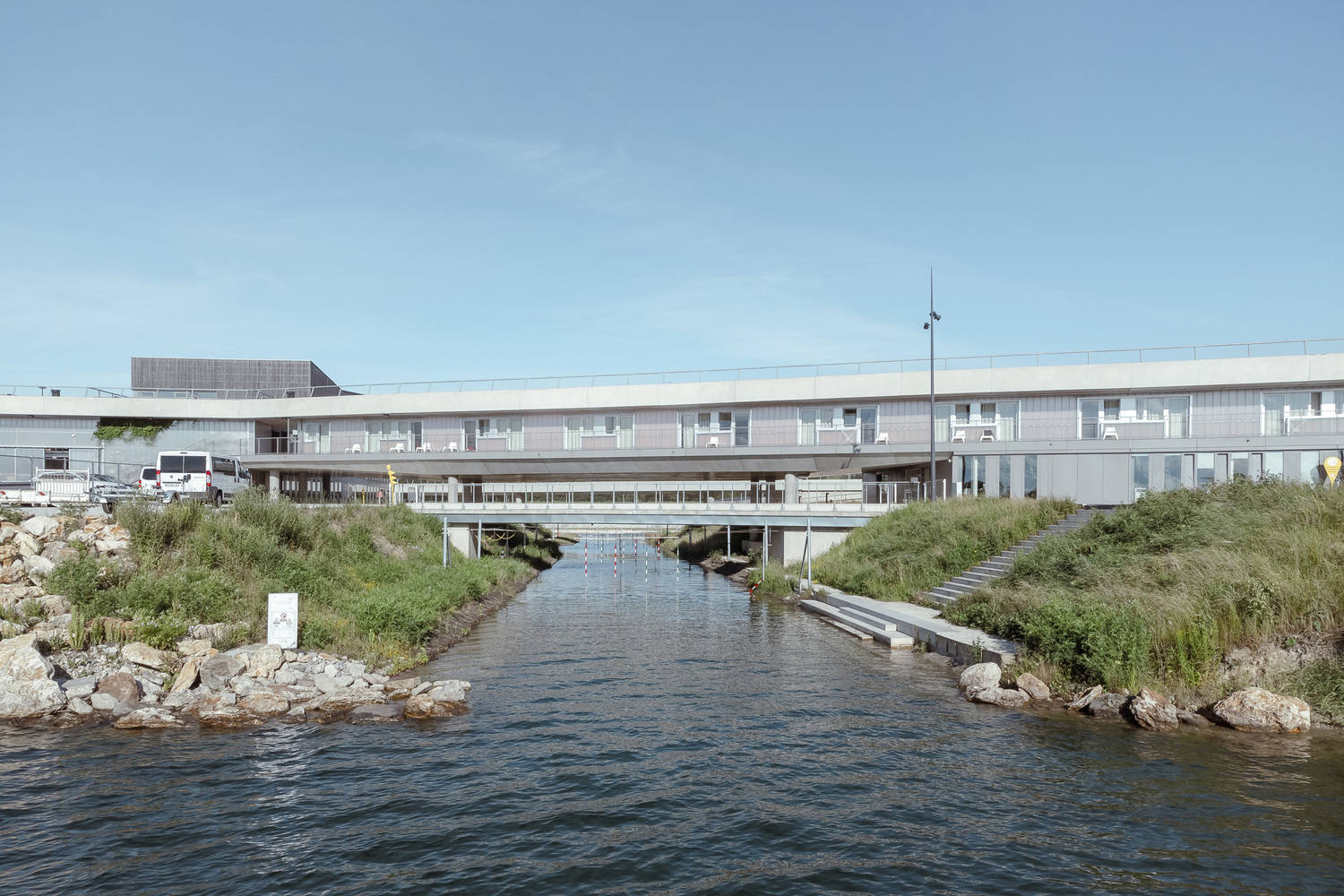
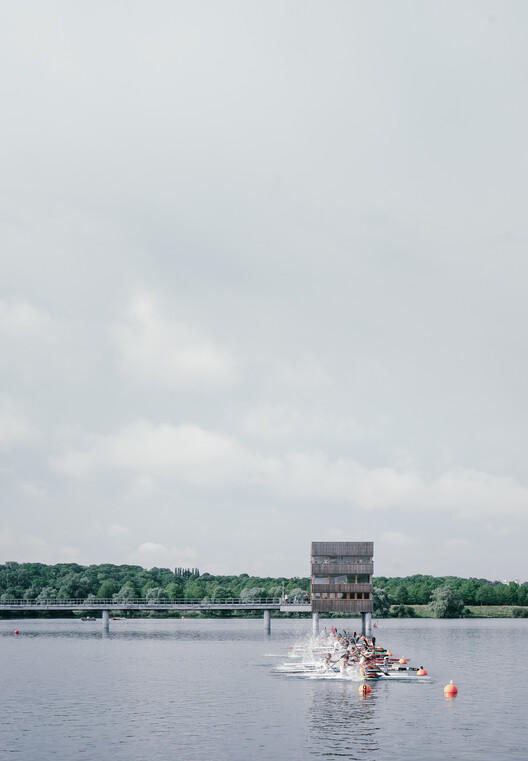
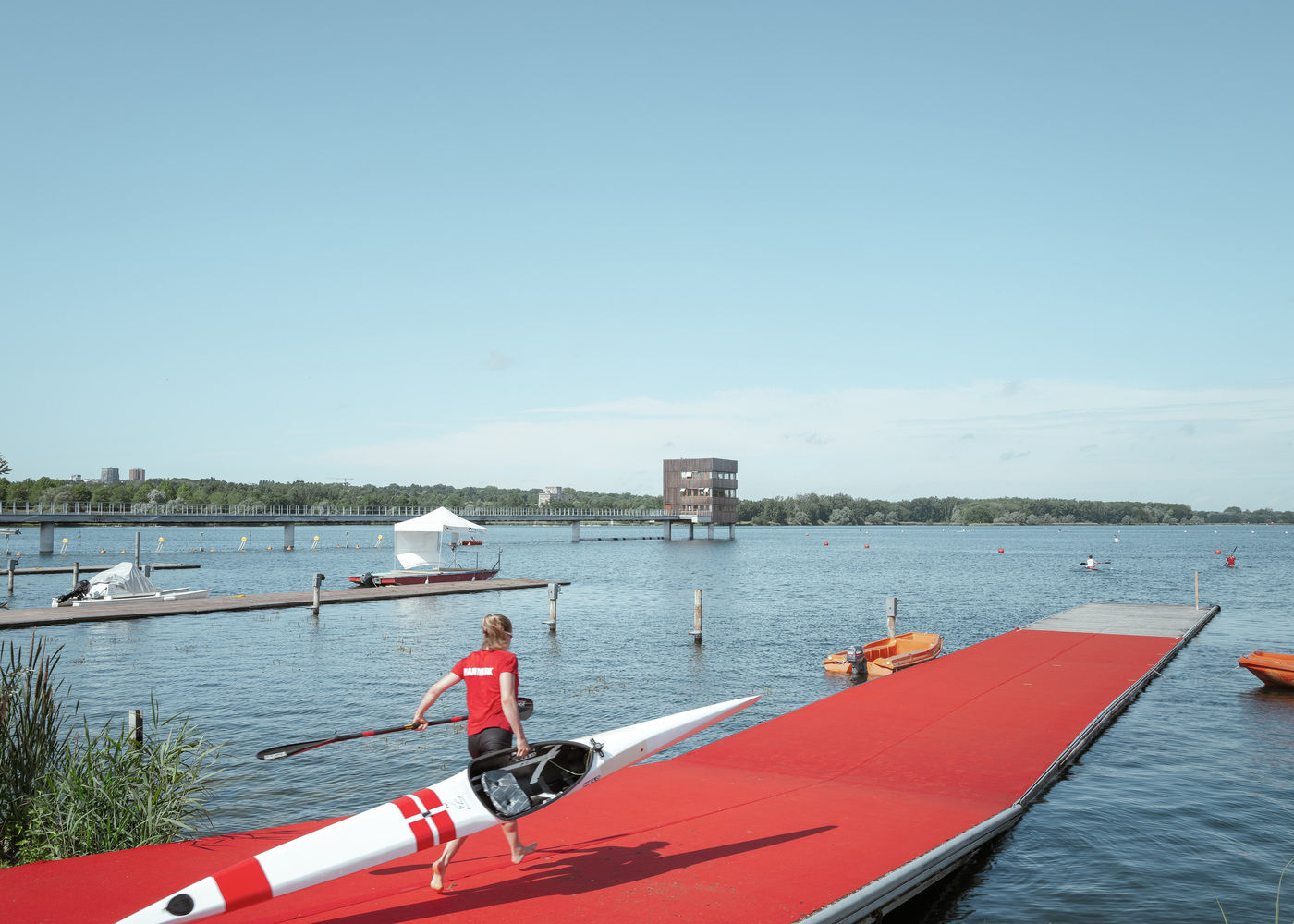
At the same time, it separates the public from the sports facilities: the professional sports buildings are located beneath wide, picturesque, partly balcony-like passageways, allowing athletes to train undisturbed by visitors, yet making their presence visible and palpable to the public. It connects the two referee towers with the central competition and media center, which has a panoramic hall above the platform. The design team thus kept the material palette lean—mainly exposed concrete and wood are used—so that the various facilities appear highly harmonious and unified. The building façades located under the platform use polycarbonate panels, a material used in shipbuilding.
同时,它也将公众与运动设施分隔开来:专业体育建筑位于宽阔、风景如画、部分类似阳台的通道下方,这样运动员就可以在不受游客干扰的情况下进行训练,但同时又能让游客看到并感受到他们的存在。它连接了两座裁判楼与中央比赛和媒体中心,后者在平台上方设有一个全景大厅。因此设计团队在材料商做了精简——主要材料仅采用裸露的混凝土和木材,因此各种设施看起来非常和谐统一。位于平台下方的建筑立面使用了聚碳酸酯板,这是一种在造船中使用的材料。
© Aldo Amoretti
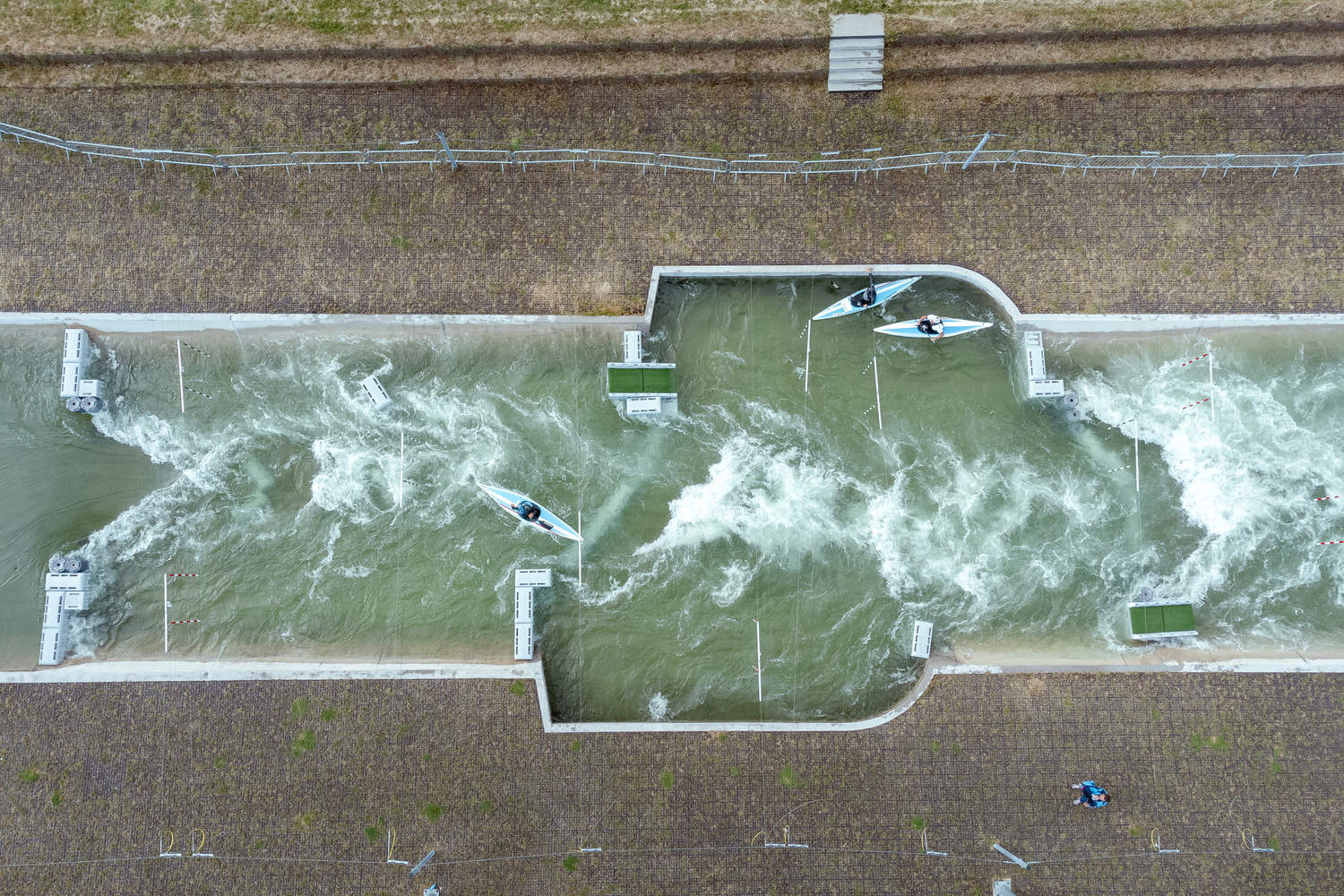
The white-water rafting facility, located on the eastern side of the platform, is designed as a canyon-like amphitheater. Visitors in the amphitheater have the best vantage point for spectating and experiencing the competition up close.
位于平台东侧的白水漂流设施被设计成一个类似峡谷的圆形剧场。游客在剧场中能够获得最佳的观赛视野并近距离观看比赛。
© Aldo Amoretti