空间序列与叙事节奏的精妙编排:项目通过14个独立的砖砌展室,构建了一条连续且富有层次的历史叙事序列。建筑师巧妙地利用拱门、穹顶和帐篷形顶盖等结构形式,创造出截然不同的空间张力——明暗对比、高低起伏、宽窄变化,使得参观者不仅是信息接收者,更是空间体验的参与者。这种通过几何形态和光影氛围引导情绪的叙事手法,极大地增强了对1918年至1923年间马尼萨历史事件的直观感受,实现了从被动阅读到主动感知的建筑体验升华。
传统工艺与结构表现的深度融合:设计深度挖掘并尊重了马尼萨本地的砖砌传统,采用完全承重砖砌技术建造展室。这一做法不仅是对历史文脉的致敬,更是对建筑材料本真美学的极致展现。特别是拆除木质模具后,砖墙内部韵律的自然显现,为建筑增添了独特的原始质感和建造的“惊喜感”。这种结构即表皮、工艺即美学的处理方式,使得博物馆本身成为对当地建筑遗产的活态纪念碑。
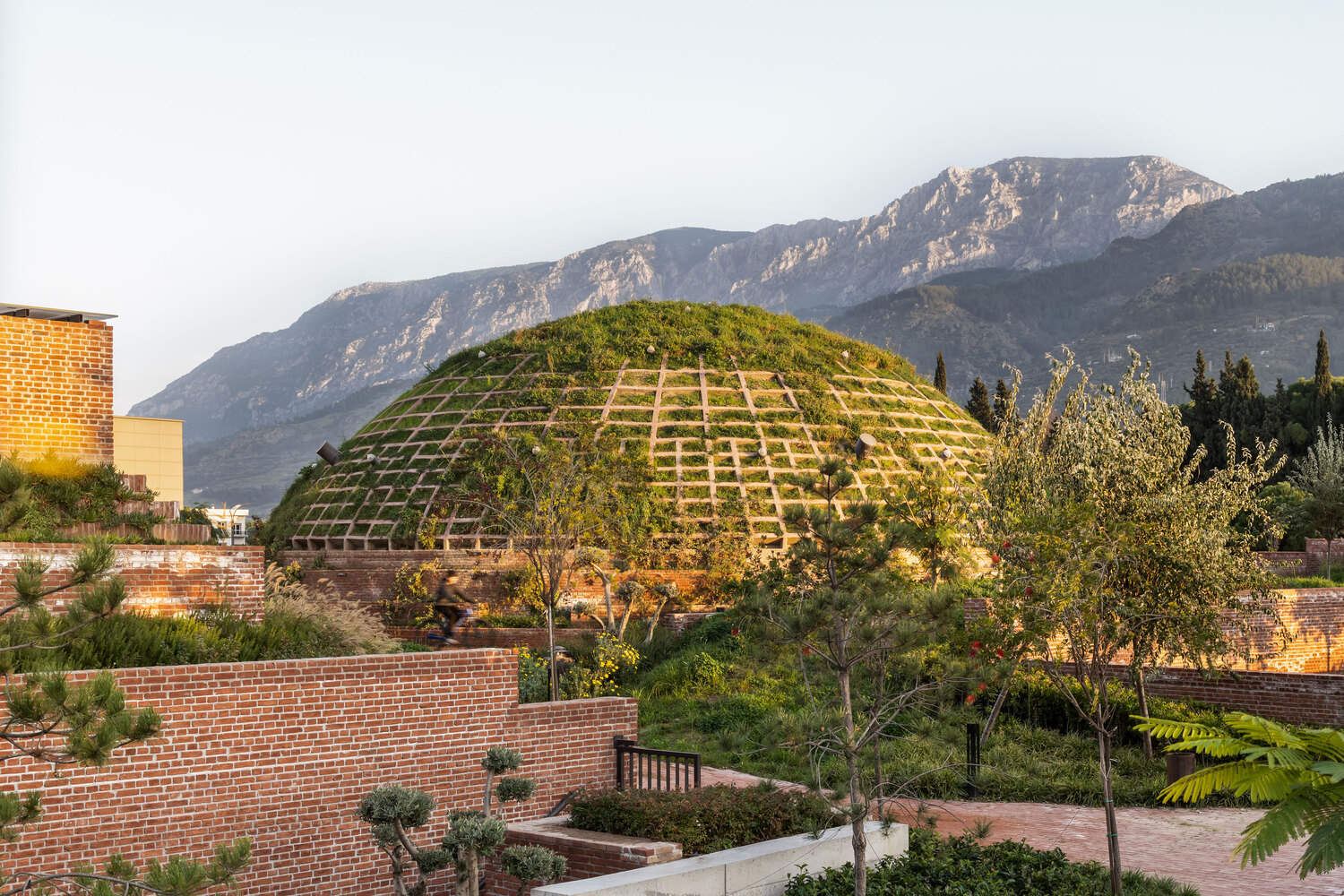
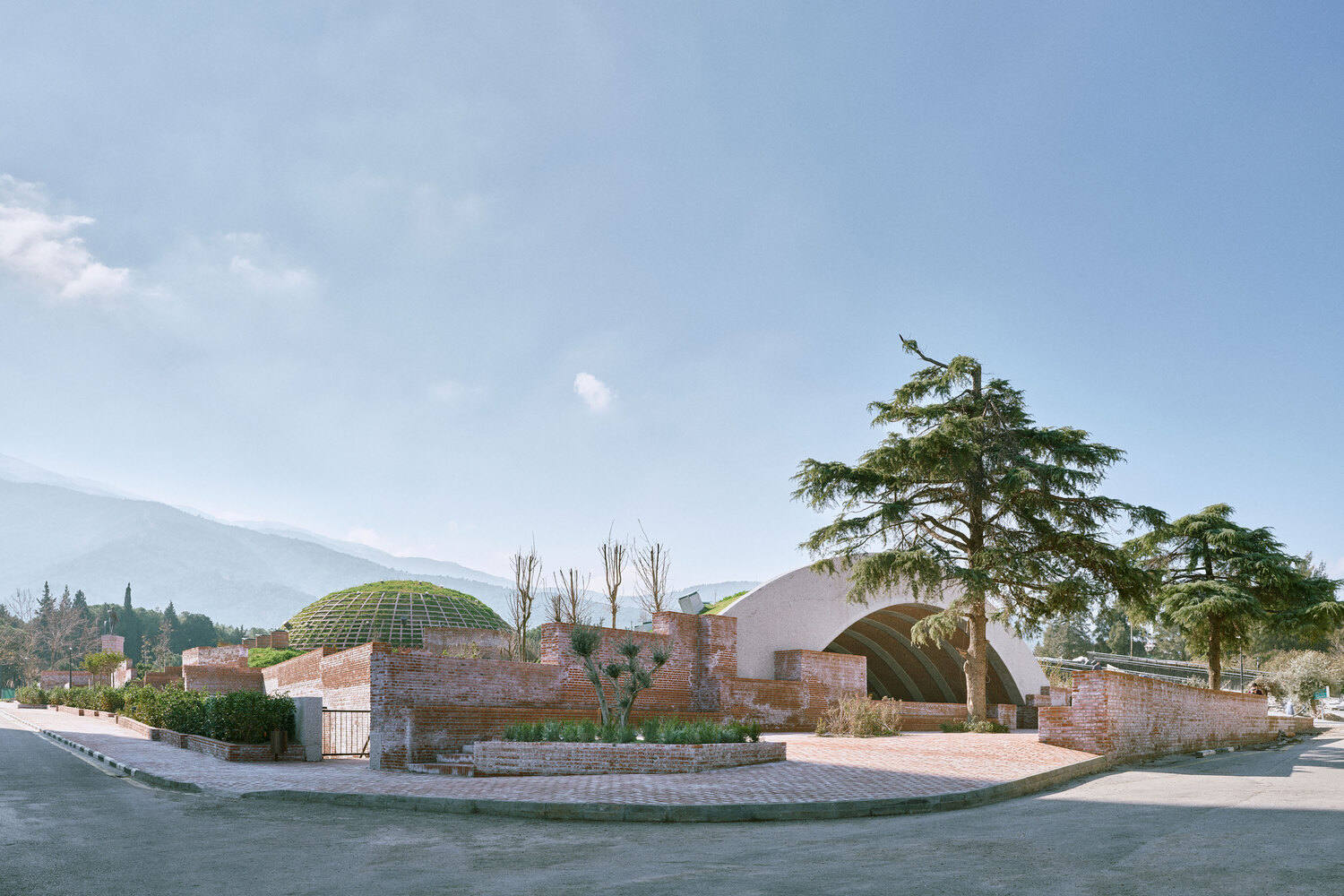
地景融合与多重界面的设计策略:博物馆在空间布局上实现了地下叙事空间与地面公共空间的巧妙平衡。地下的近历史叙事空间通过具有象征意义的入口大厅(形似鲸鱼腹部)引导体验,而上层则被设计成市民可自由穿行的公共公园。这种将历史深埋与日常渗透相结合的手法,创造了一个多层级的“嵌入体”——历史被低调地承载于城市肌理之下,而其结构形态又以土丘的形式在地表留下印记,实现了建筑对城市环境的谦逊回应与历史责任的潜移默化传递。
The concept of the Manisa Liberation Museum (MKM) is to create a space that carries memory, conveying the civil popular movement that developed independently of the central government in the Manisa region between 1918 and 1923.
马尼萨解放博物馆(MKM)的构想,是打造一处承载记忆的空间,用以传递 1918 年至 1923 年间,在马尼萨地区独立于中央政权之外发展起来的平民群众运动。
The design merges traces of the load-bearing masonry, stone, and brick structures that survived the fire with the local bricklaying tradition traceable to antiquity in Manisa. Fourteen independent brick exhibition rooms, built entirely using load-bearing techniques, present different historical moments in a continuous experience.
该设计将火灾后幸存下来的承重砌体、石材及砖砌结构的痕迹,与马尼萨可追溯至远古时期的本地砖砌传统相融合。完全采用承重技法建造的 14 座独立砖砌展室,以连续的体验方式呈现不同的历史时刻。
© Hacer Bozkurt
© Hacer Bozkurt
© Hacer Bozkurt
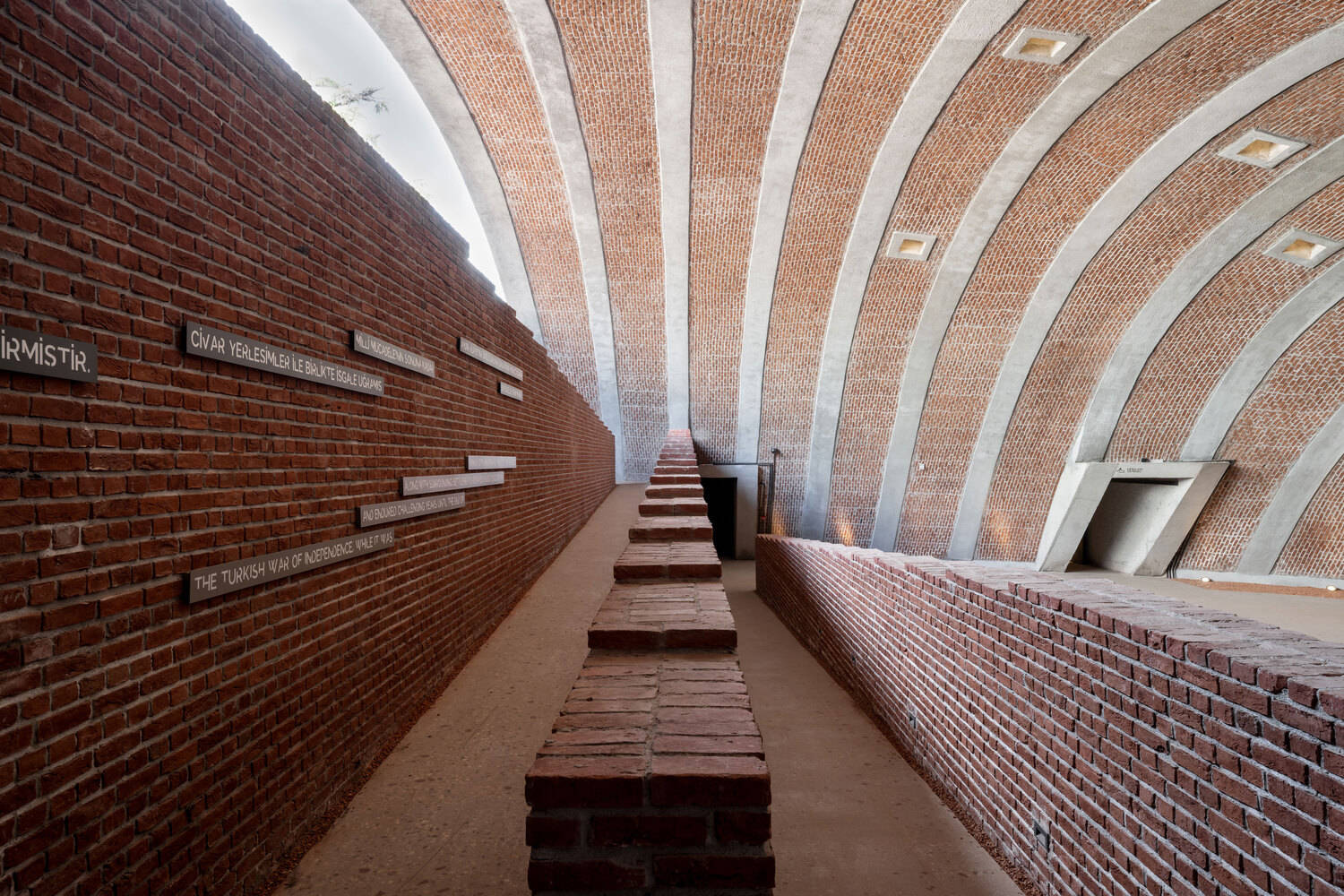
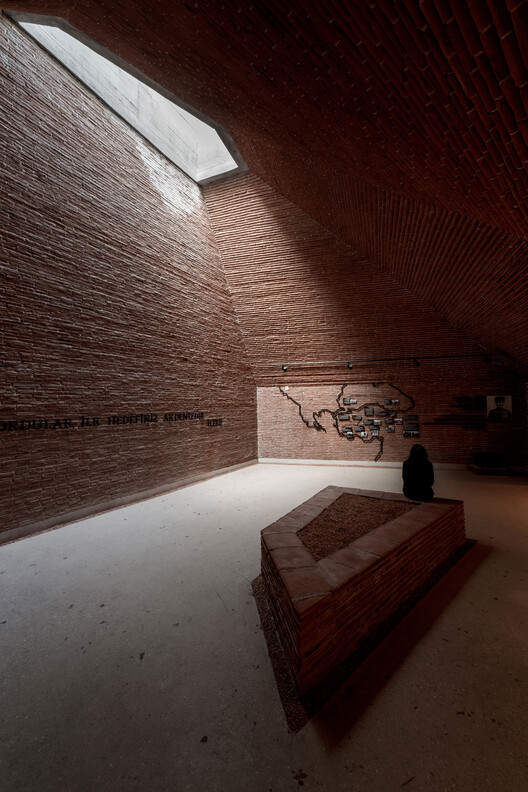
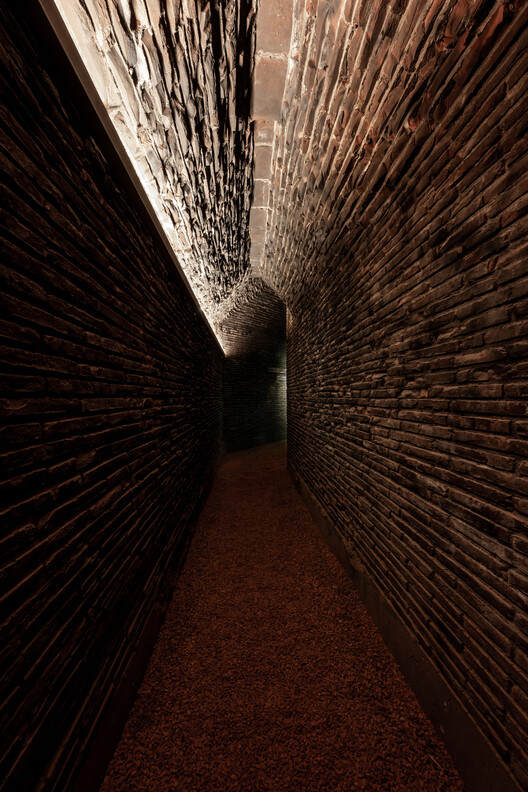
This sequence reflects specific historical turning points by highlighting the unique emotional state of each space. Brick arches, domes, vaults, and tent-shaped canopies create varied spatial tensions—light and dark, narrow and wide, low and high. The geometry of each room is shaped by unique details. Thus, visitors not only learn about the events of this period through reading but also gain intuitive understanding by physically sensing the qualities inherent in the spaces.
这一序列通过凸显每个空间独特的情感状态,来体现特定的历史转折点。砖砌拱门、穹顶、拱顶以及帐篷形顶盖营造出明暗、狭阔、低高等不同的空间张力。每个房间的几何造型均由独特细节塑造而成。如此一来,游客不仅通过阅读来了解这一时期的事件,还能通过亲身感受空间所蕴含的特质,获得直观的体验。
© Hacer Bozkurt
© Hacer Bozkurt
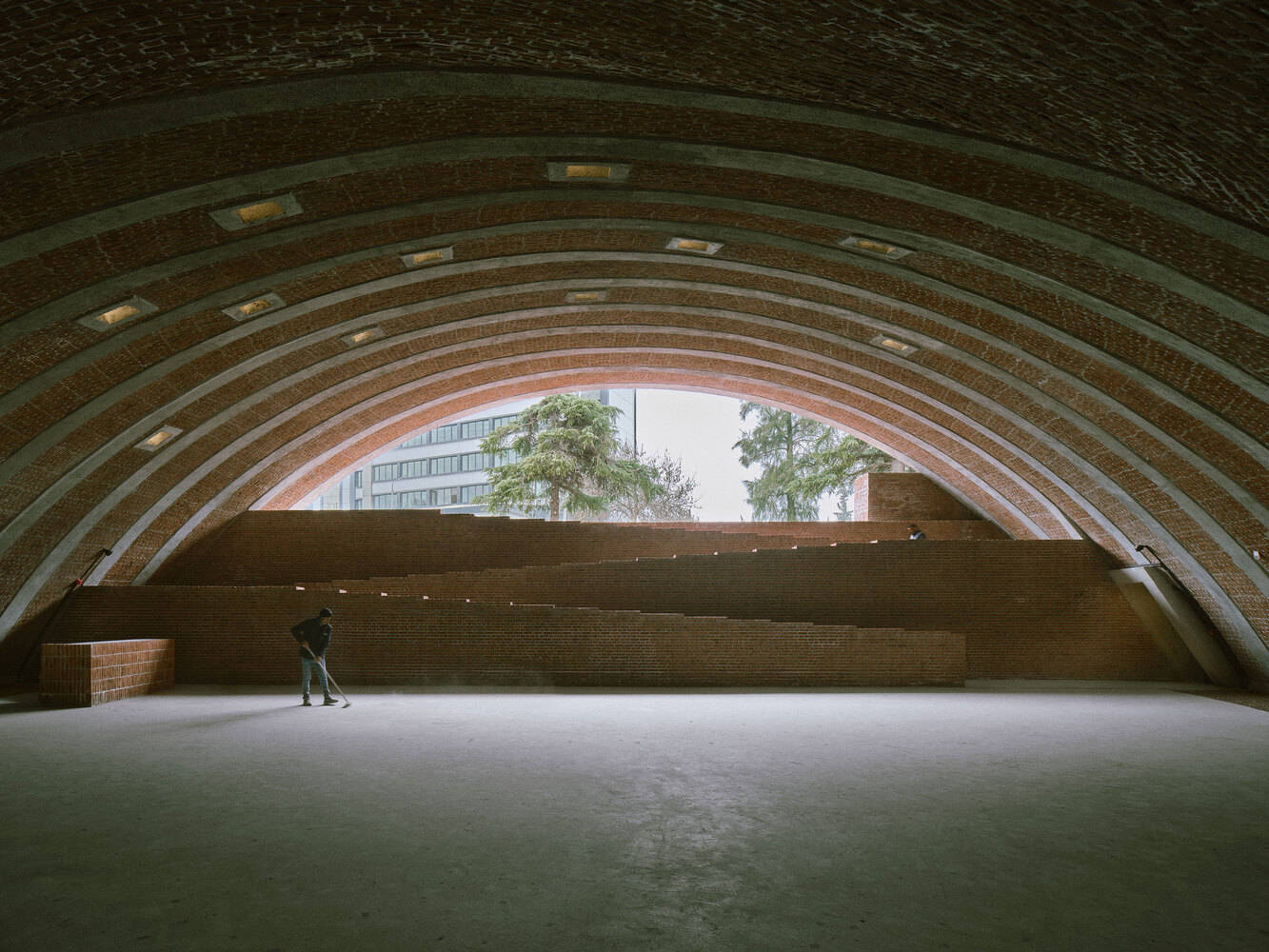
During construction, a concrete base was first laid for the exhibition rooms, which were built using two different sizes of bricks. Afterward, wooden formworks were prepared, and in the final stage, the load-bearing brick walls were constructed over these formworks. In the vaulted, tent-shaped, or domed rooms, when the formwork was removed, the rhythm of the interior brickwork was revealed in its entirety for the first time, adding a unique and surprising texture to the entire construction process.
在建造过程中,首先为展室搭建了混凝土基座,这些展室采用两种不同尺寸的砖块砌筑而成。随后,准备好木质模具,最后阶段,在这些模具上方砌筑承重砖墙。在这些呈拱形、帐篷形或穹顶形的房间中,当模具拆除后,内表面砖砌的韵律首次完全展现,为整个建造过程增添了独特而令人惊喜的质感。
© Egemen Karakaya
© Hacer Bozkurt
© Hacer Bozkurt
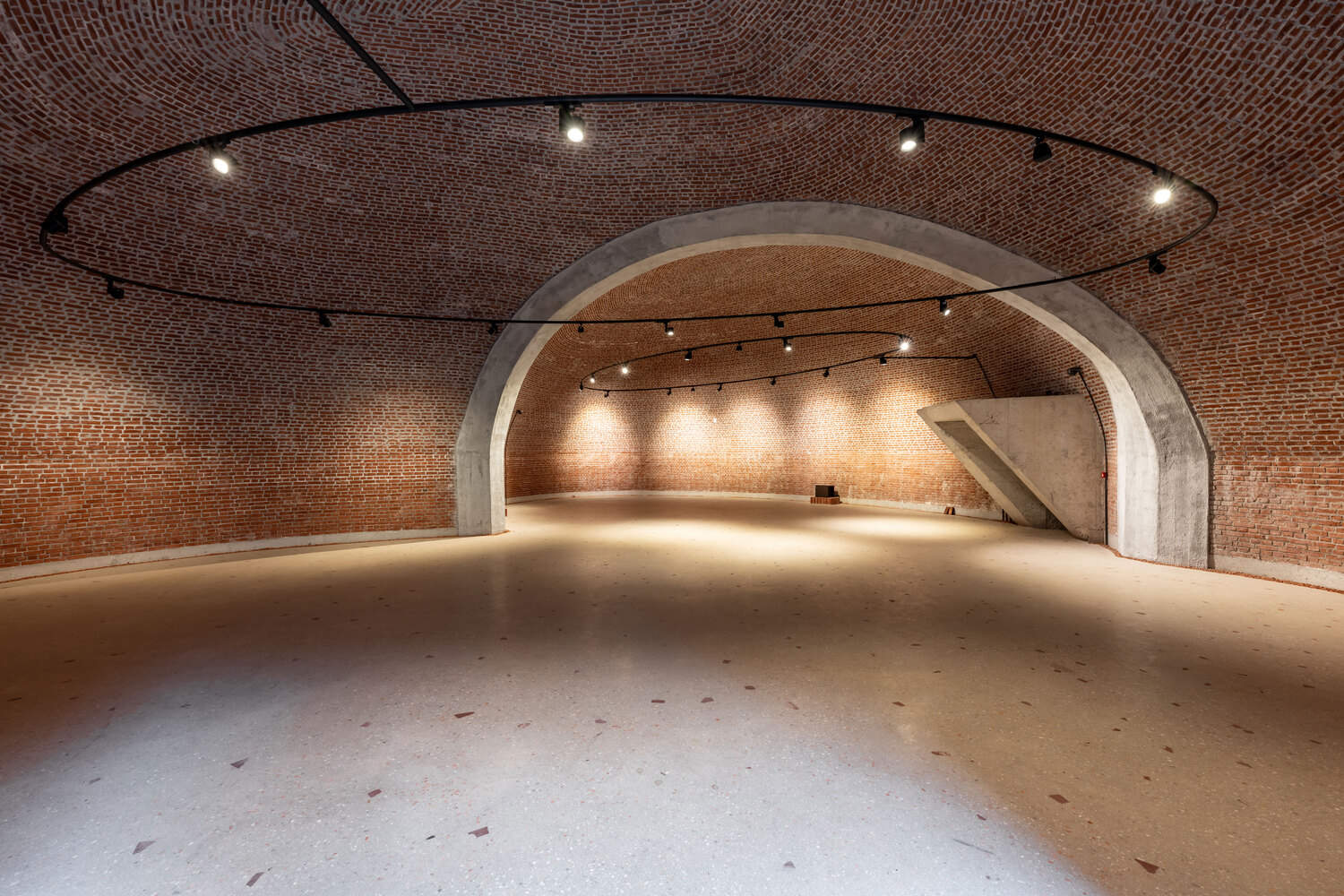
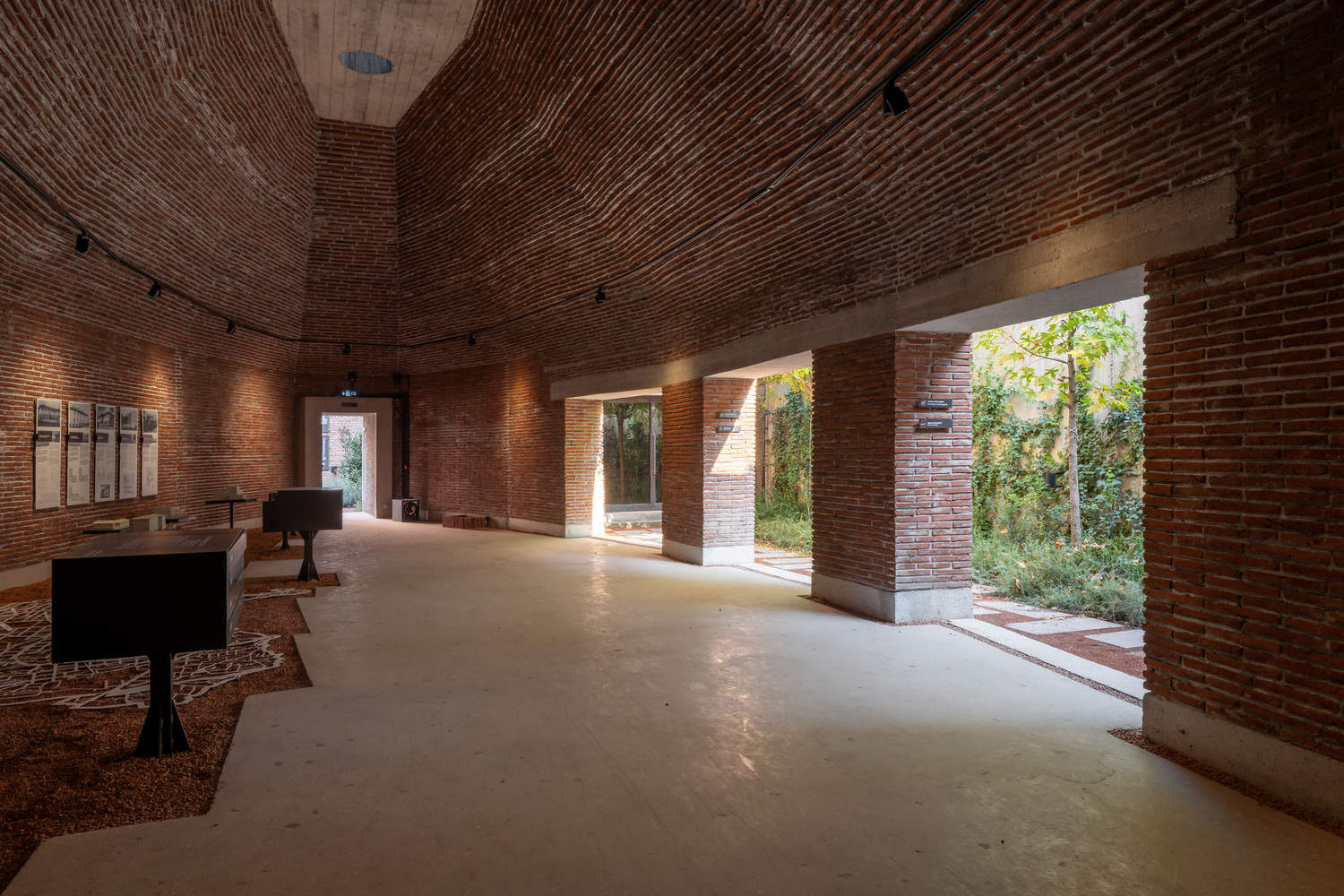
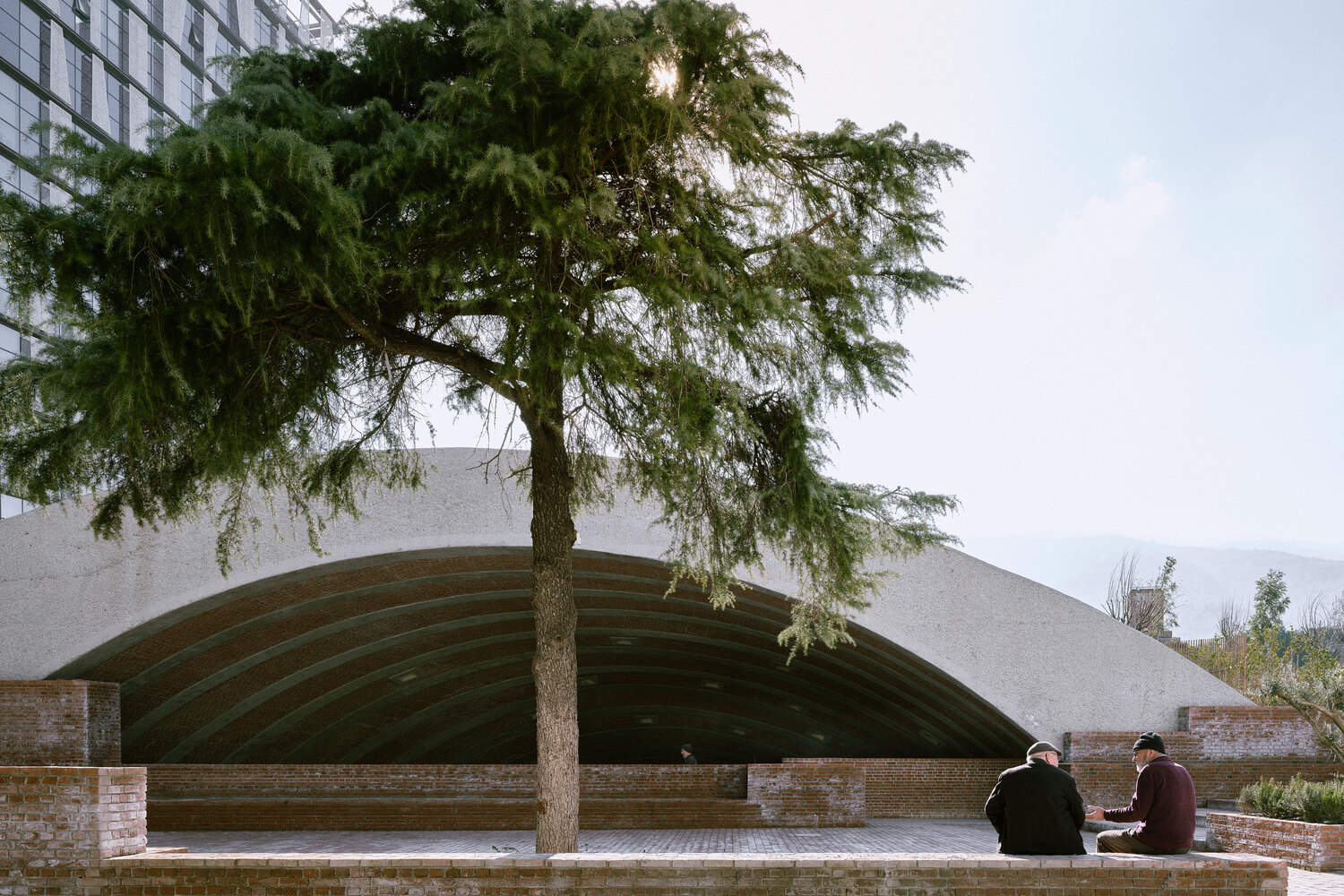
One enters this semi-underground near-history narrative space via a three-pronged ramp. The main entrance hall is designed as a semi-elliptical, vaguely shaped form. Concrete vault slabs and brick arches characterize this entrance, reminiscent of a whale's belly. This central space functions as a large foyer connecting the different areas. From here, the continuous history of Manisa—from the WWI context, through the great fire, to the subsequent reconstruction—is presented one by one across 9 narrative exhibition rooms with varying degrees of emotional intensity.
人们通过一条三岔坡道,步入这个半地下式的近历史叙事空间。主入口大厅设计成半椭圆形、形态模糊的样式。混凝土拱顶板和砖砌拱门构成了这一入口的特色,令人联想起鲸鱼的腹部。这个中央空间作为连接各个区域的大型门厅发挥作用。从这里开始,马尼萨从一战背景到历经大火再到后续重建的连续历程,通过 9 个情感强度各异的叙事展室逐一呈现。
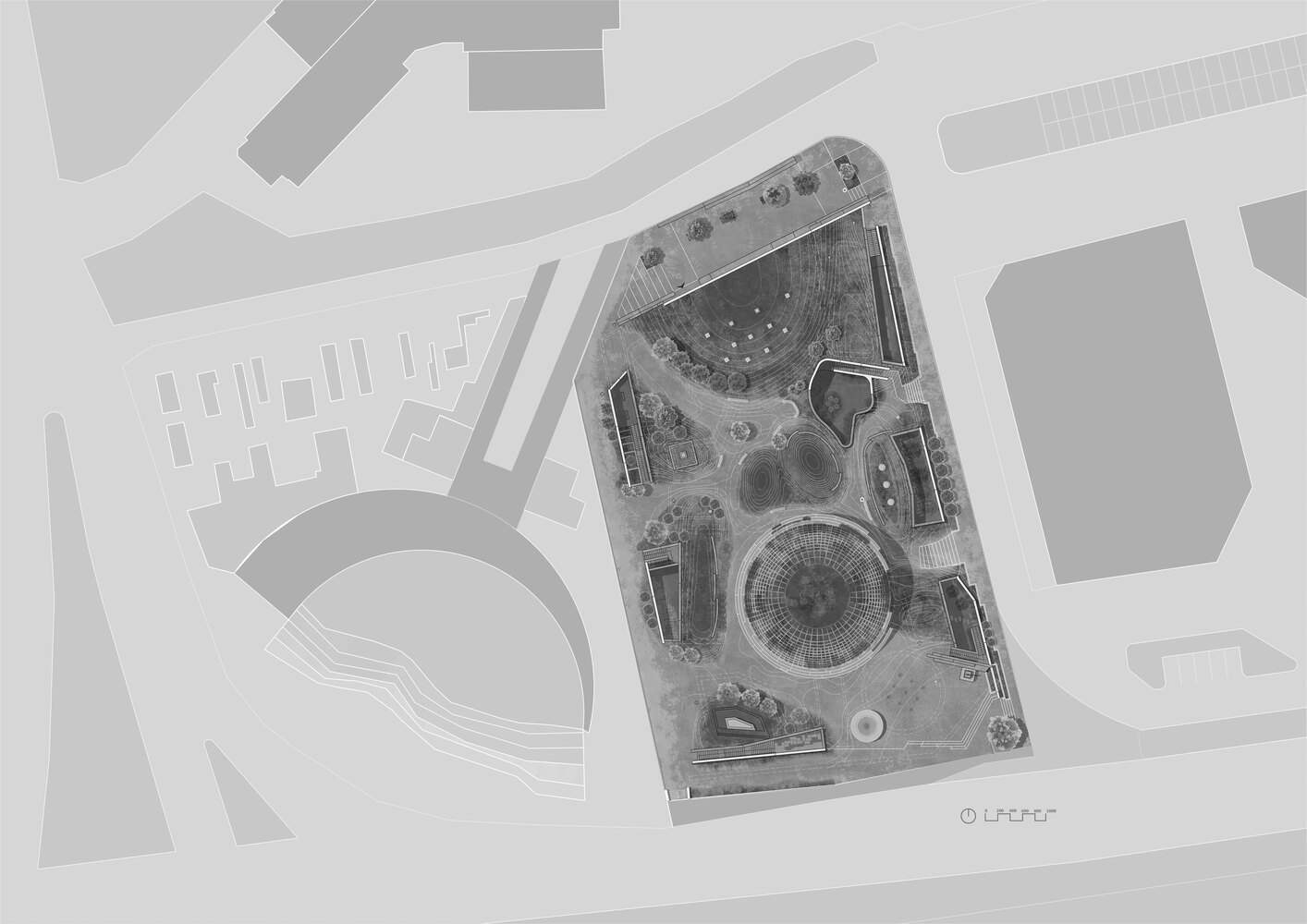
平面图
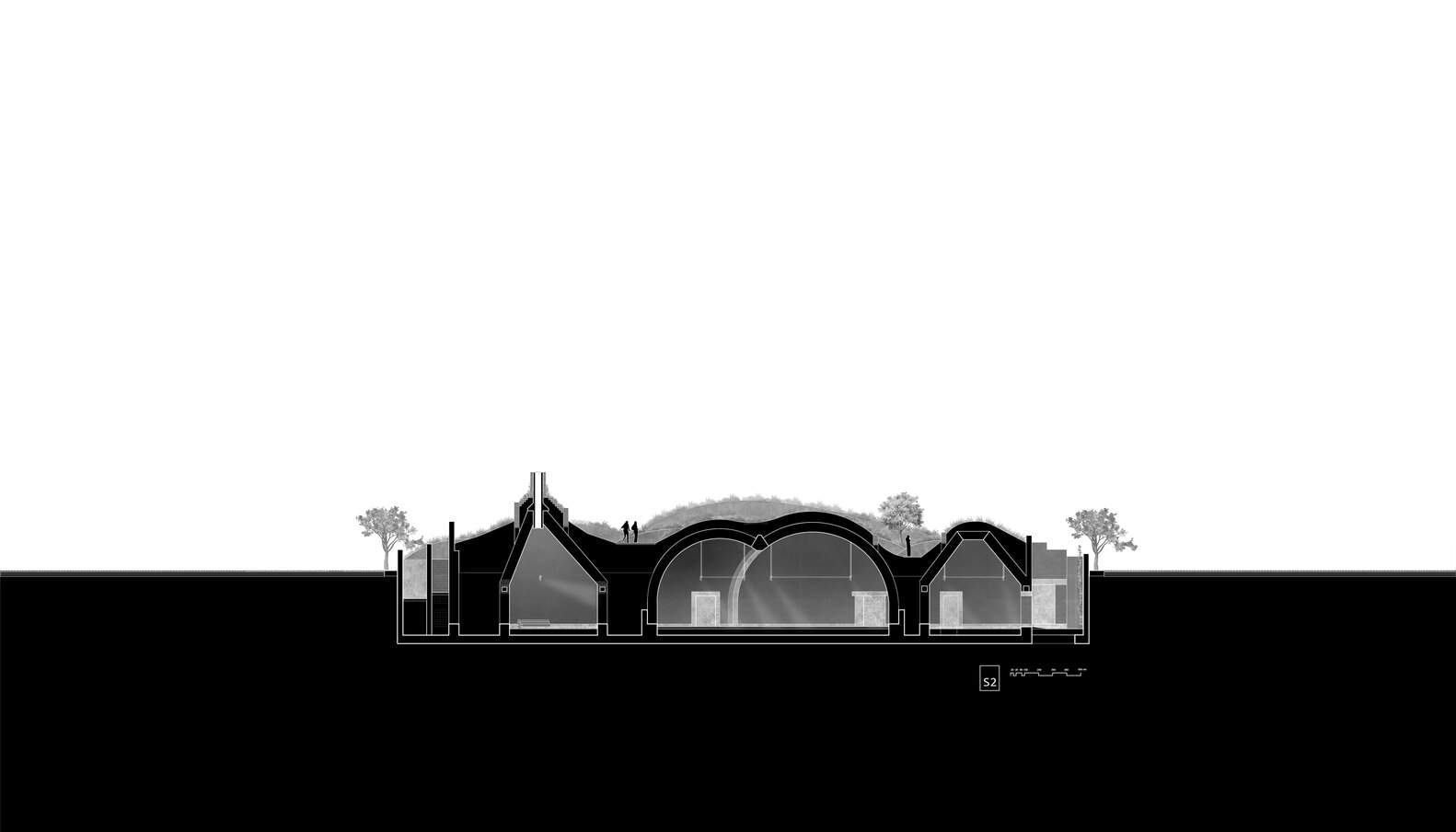
剖面图
© Hacer Bozkurt
© Hacer Bozkurt
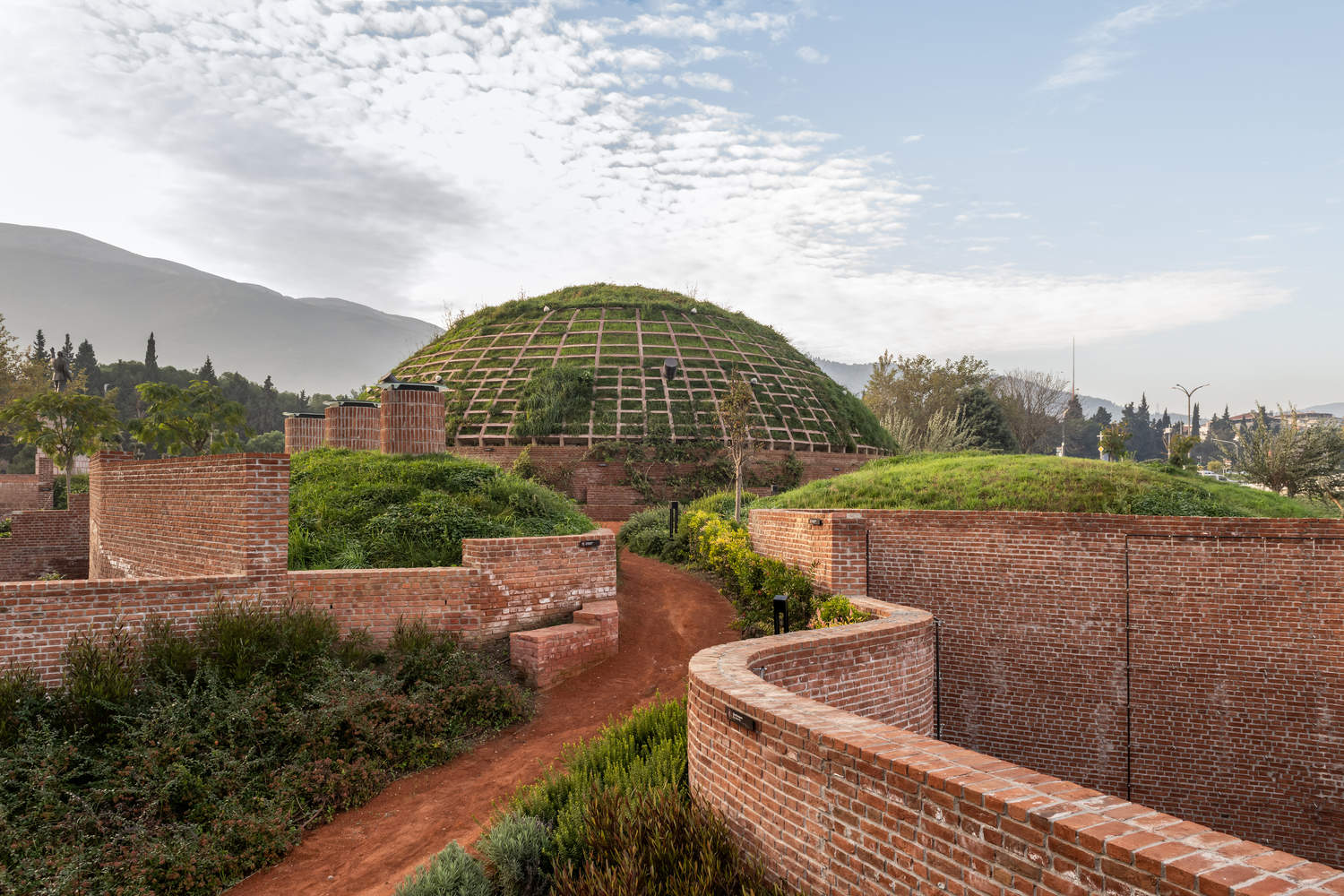
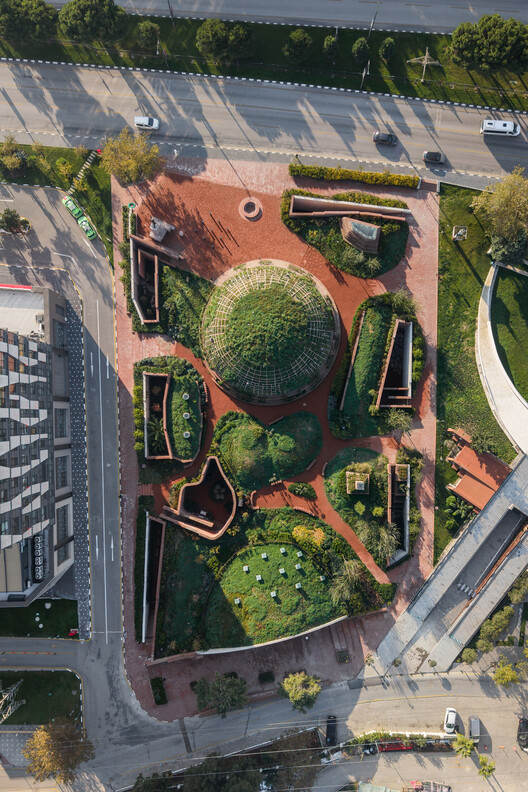
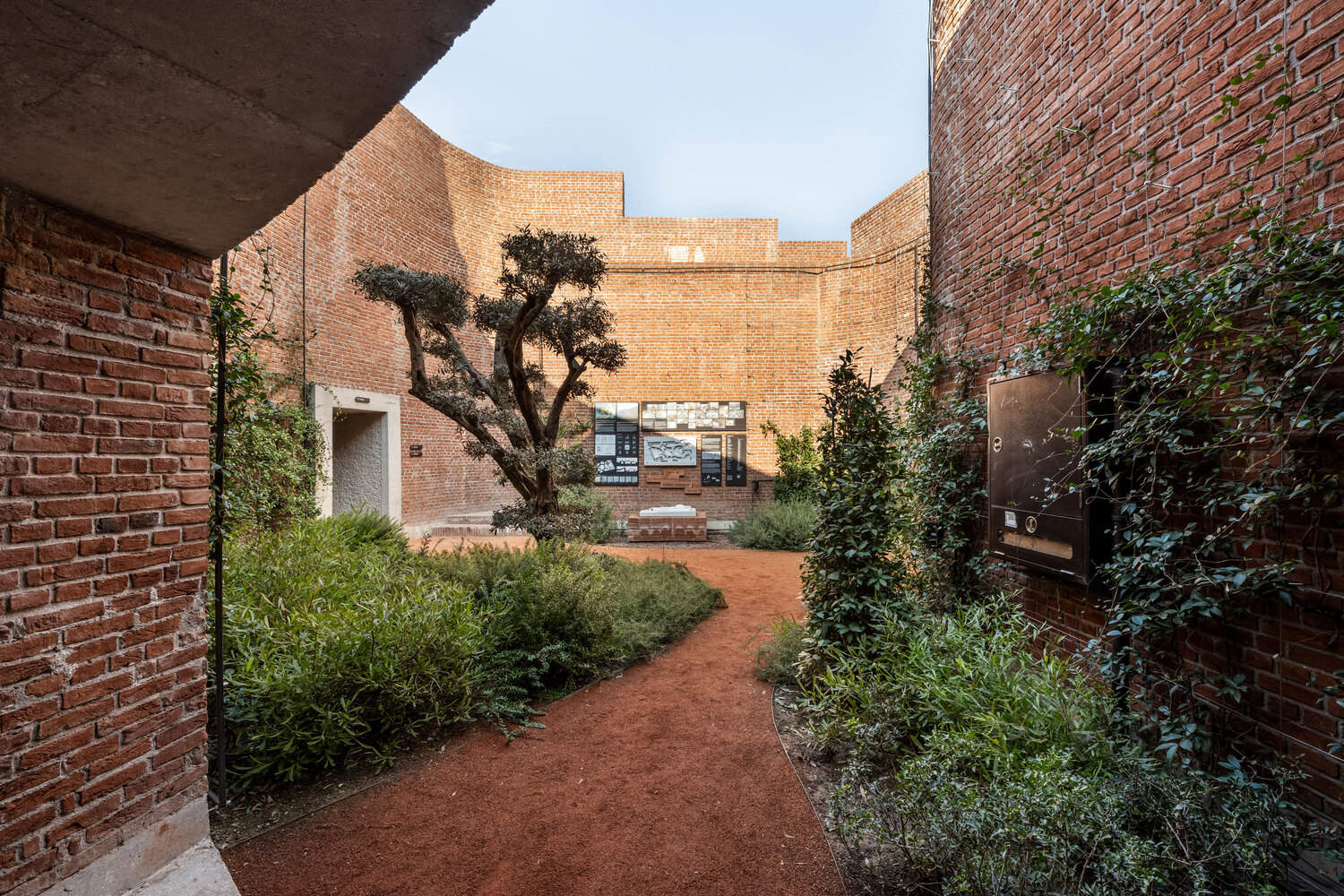
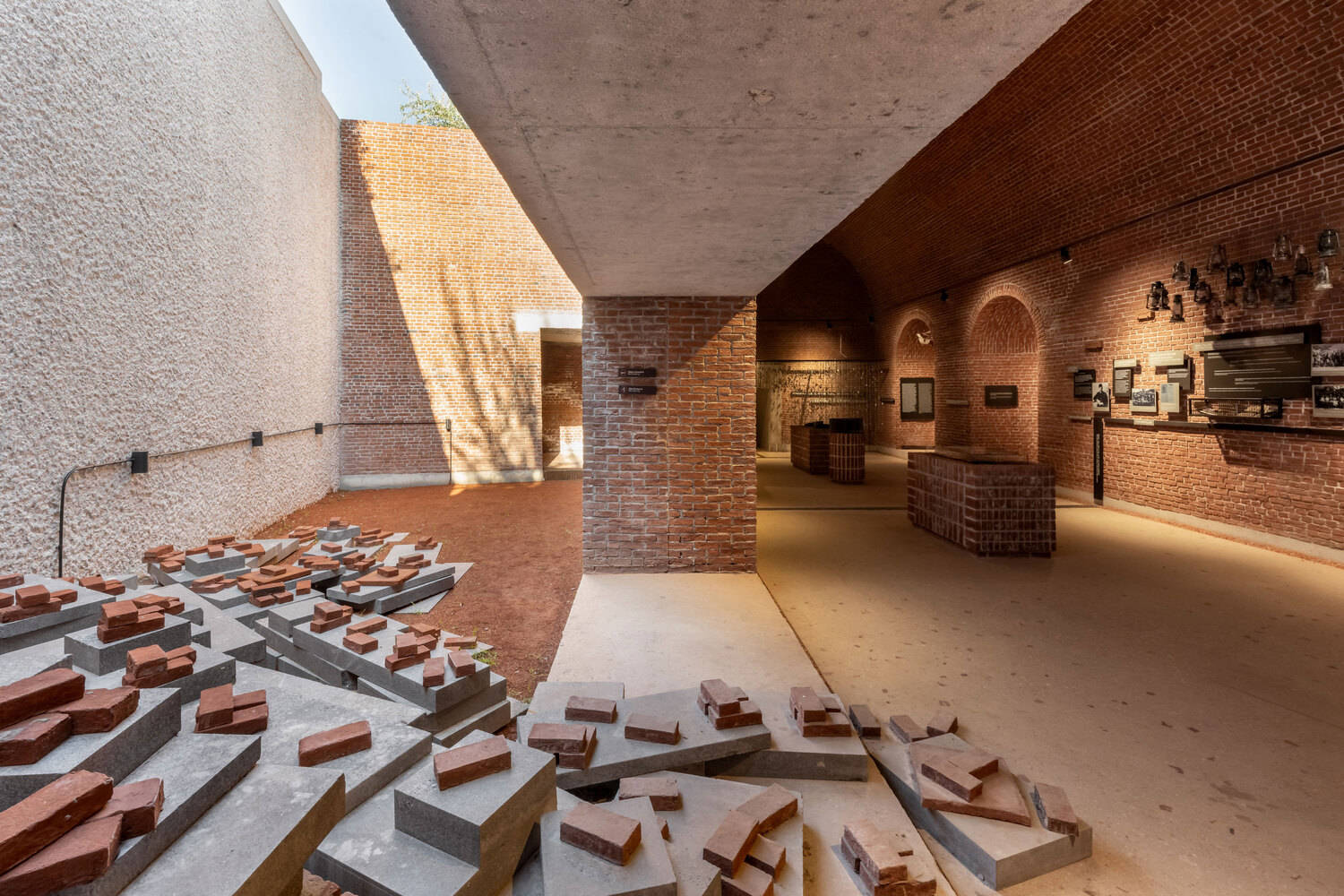
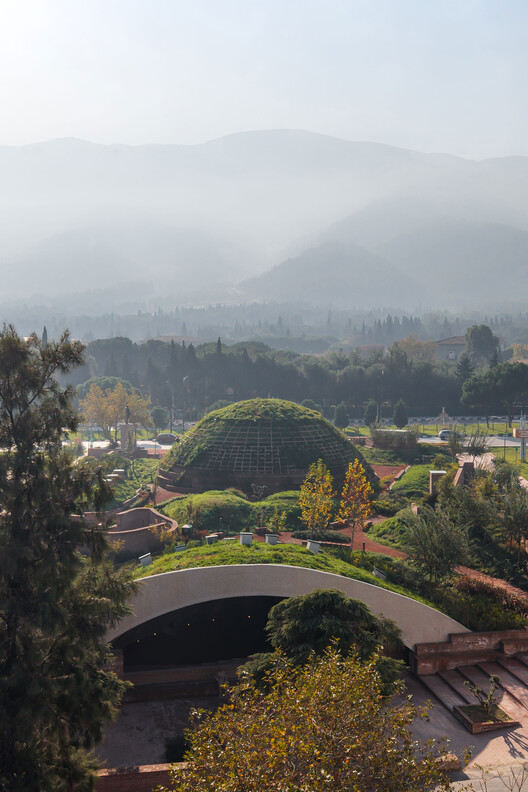
The upper level of the building is designed as a public park space entirely made of load-bearing brick. City dwellers walking through the park might not realize the heavy historical narrative carried beneath their feet. However, the spaces constituting the museum manifest as mounds and obstacles within the park, transforming the park into a self-contained garden.
建筑的上层完全采用承重砖结构,被设计为一处公共公园空间。穿行于公园中的城市居民或许并未察觉,脚下承载着厚重的历史叙事。然而,构成博物馆的各个空间在公园中以土丘和障碍物的形式显现,将公园转变为一个内部自成格局的花园。
© Hacer Bozkurt
© Hacer Bozkurt
© Egemen Karakaya
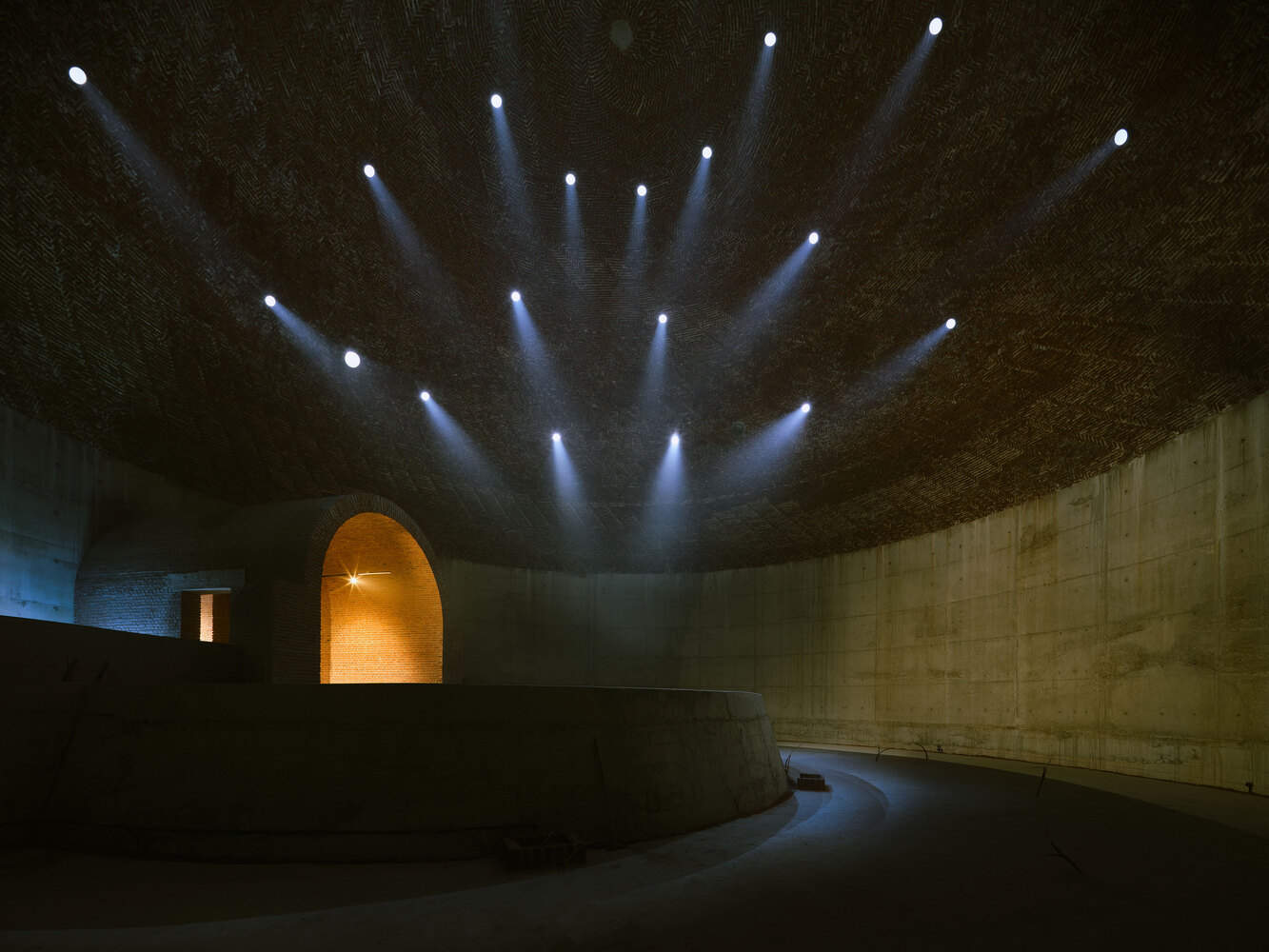
The main goal of the museum is to convey the great trauma and revival legend that the city of Manisa, so close and vibrant, recently experienced, to citizens and visitors of all ages. To achieve this transmission, the museum employs diverse architectural and spatial narrative techniques, ranging from rooms focused on information delivery to spaces with strong sensory atmospheres, and narratives dominated by the characteristics of installation art.
该博物馆的主要目标,是将马尼萨这座近在咫尺、延续着生命力的城市,在不久前所经历的巨大创伤与复兴传奇,传递给各个年龄段的市民与游客。为实现这一传递,博物馆运用了多样化的建筑与空间叙事手法,涵盖从注重信息传达的展室,到具有强烈感官氛围的空间,再到以装置艺术特质为主导的叙事方式。
© Egemen Karakaya
© Egemen Karakaya
The Manisa Liberation Museum (MKM) can be described as a multi-layered, semi-primitive architectural insertion dedicated to building a bridge between the past, the present, and the future.
马尼萨解放博物馆(MKM)可被描述为一处多层级的、带有半原始风貌的建筑嵌入体,它致力于在过去、现在乃至未来之间搭建起沟通的桥梁。
© Hacer Bozkurt