文化根基与现代性能的完美融合:该项目成功地将印度尼西亚传统格构结构(Gable Structure)的生物气候智慧,提升为一个现代、高性能的建筑表皮。它不再仅仅是结构或象征,而是经过参数化设计和双重编码(功能与象征意义)后,演化为一套高效的自适应遮阳系统。这种设计语言不仅是对本土可持续建筑历史的视觉回溯和致敬,更是在炎热潮湿的热带气候下,实现被动式气候调控的典范,体现了对地域性智慧的当代性重塑。
创新的循环经济实践与社会担当:项目的核心亮点在于其对废弃物转化的极致利用。通过将当地商业区产生的回收塑料转化为建筑构件(格构板),该设计直接介入了严峻的城市废弃物管理挑战。将功能性建筑元素与社会责任紧密绑定,使得建筑本身成为一个有力的“见证者”,直观地向公众和决策者传达了塑料污染的紧迫性,实现了从“垃圾”到“美学与功能实体”的价值飞跃。
以生态为中心的逆向设计逻辑:最精妙之处在于其场地策略——“建筑围绕树木生成”。项目坚持了最低 40% 的地面覆盖率,优先保留场地内现有的高大乔木,并通过参数化立面、多孔露台和过渡性户外空间,使建筑体量与自然环境形成有机交织的对话。这种生态优先的逆向推导,有效解决了商业效率与环境保护的固有矛盾,不仅最大化了租赁空间,更通过优化自然通风和减少机械依赖(如用坡道取代电梯),重新定义了高密度城市环境下的可持续运营模式。
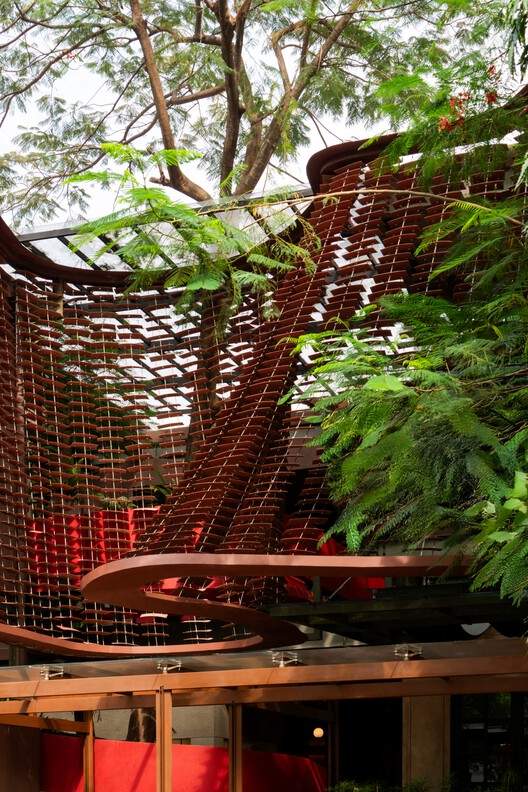
Hundreds of years ago, the principle of the gable structure was crucial in Indonesia's hot and humid tropical climate, serving as a key element for achieving basic climate regulation and an excellent example of bioclimatic design. Re-adapted with greater design freedom and flexibility through double coding (functional and symbolic), the gable structure becomes a modern, high-performance shading device, while also serving as a visually rich curtain tightly connected to the local context, recalling the region's architectural explorations in sustainability.
数百年来,格构结构原理在印度尼西亚炎热潮湿的热带气候中至关重要,它是实现基本气候调控的关键要素,也是生物气候设计的绝佳范例。当通过双重编码(功能与象征意义)赋予其更大的设计自由度和灵活性并加以重新适配后,格构结构成为一种现代、高性能的遮阳装置,同时它也是一幅视觉丰富、与当地环境紧密相关的幕布,让人回想起当地在可持续性方面的建筑探索。
© Ernest Theofilus
© Ernest Theofilus
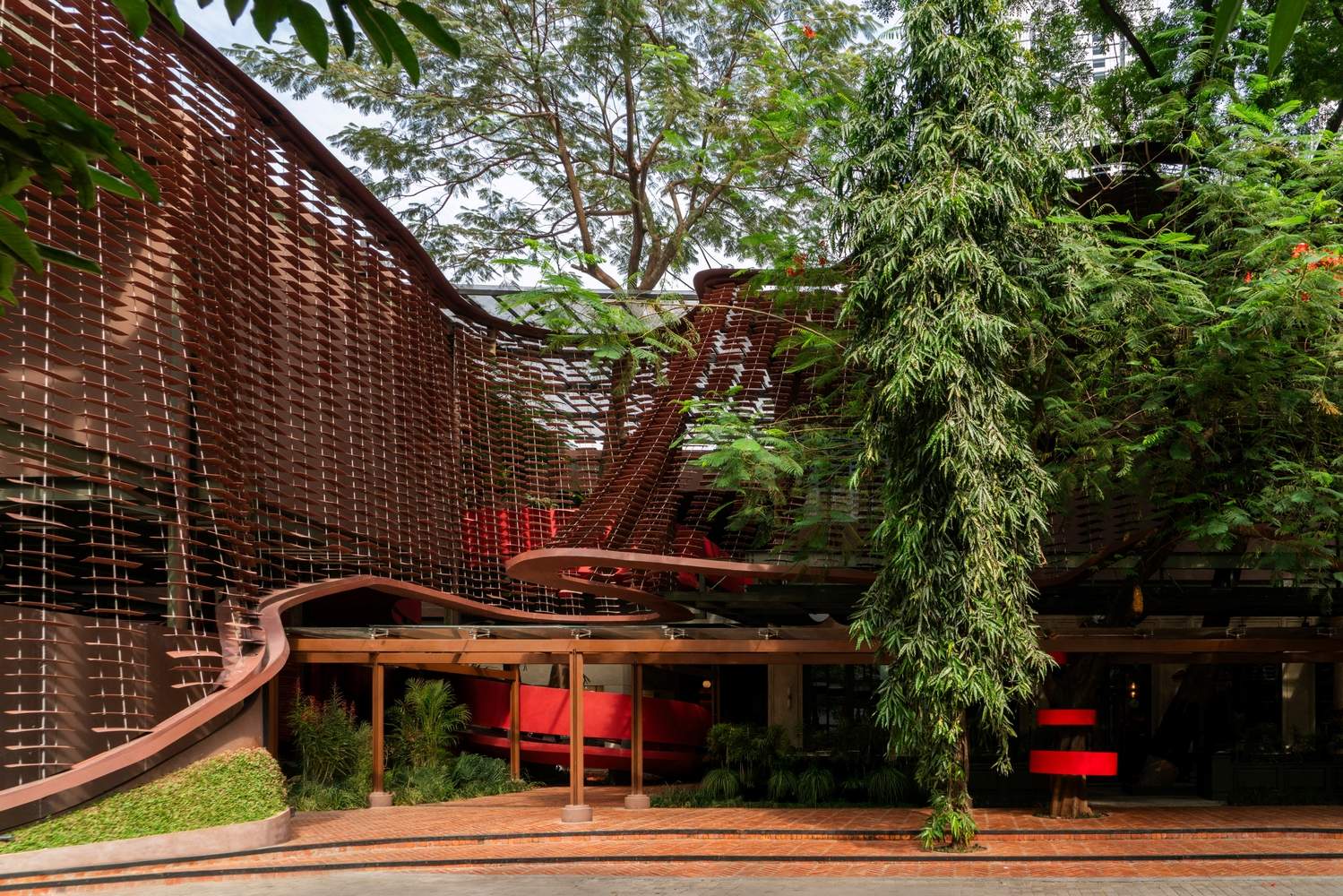
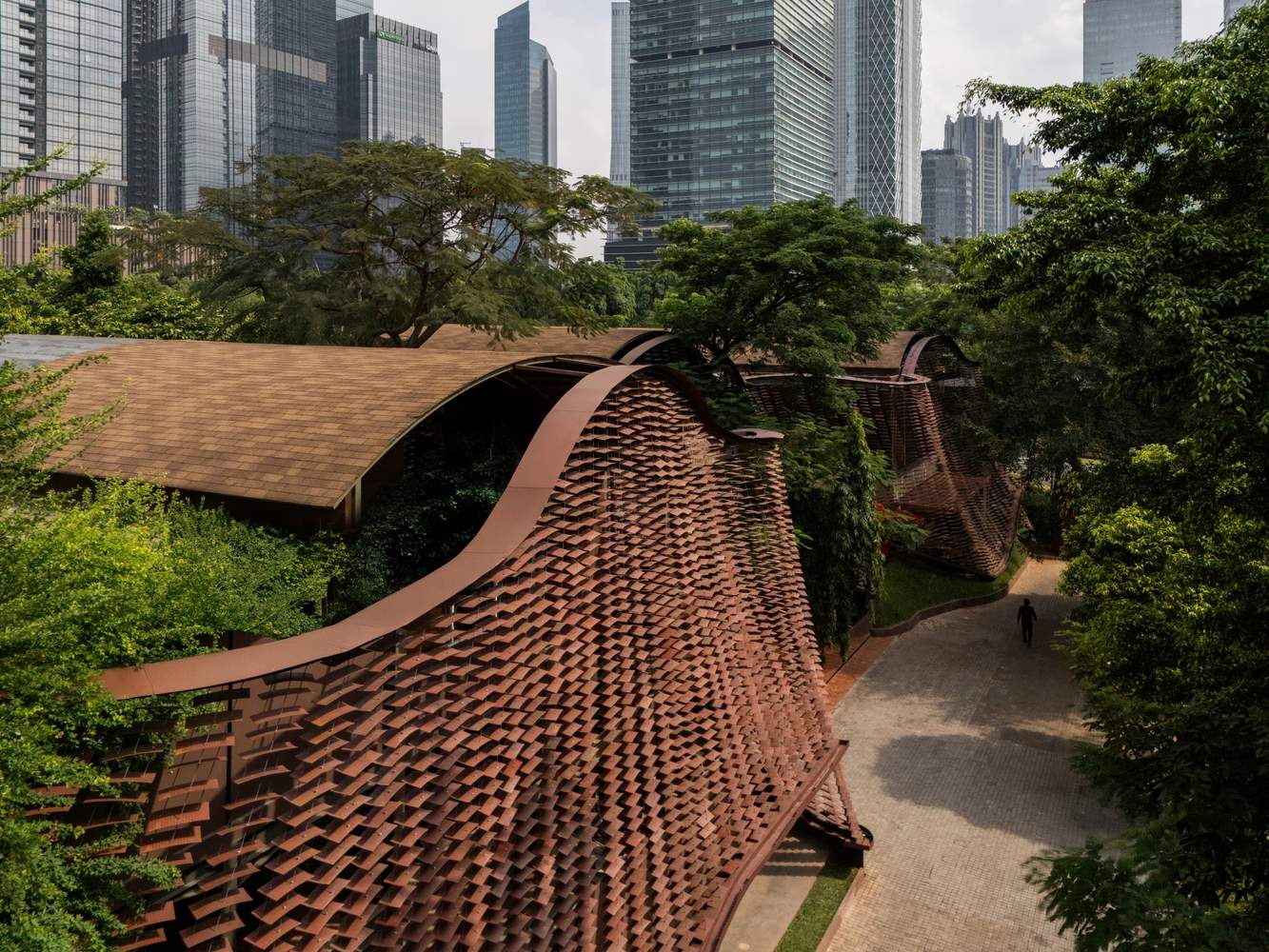
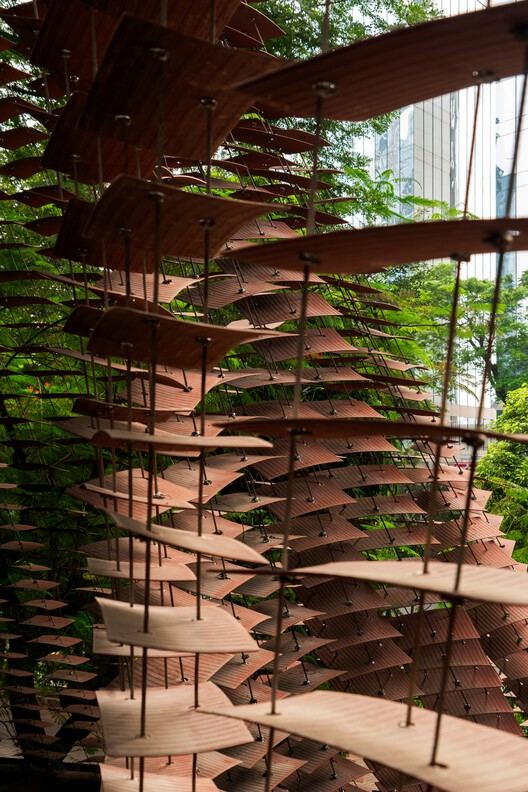
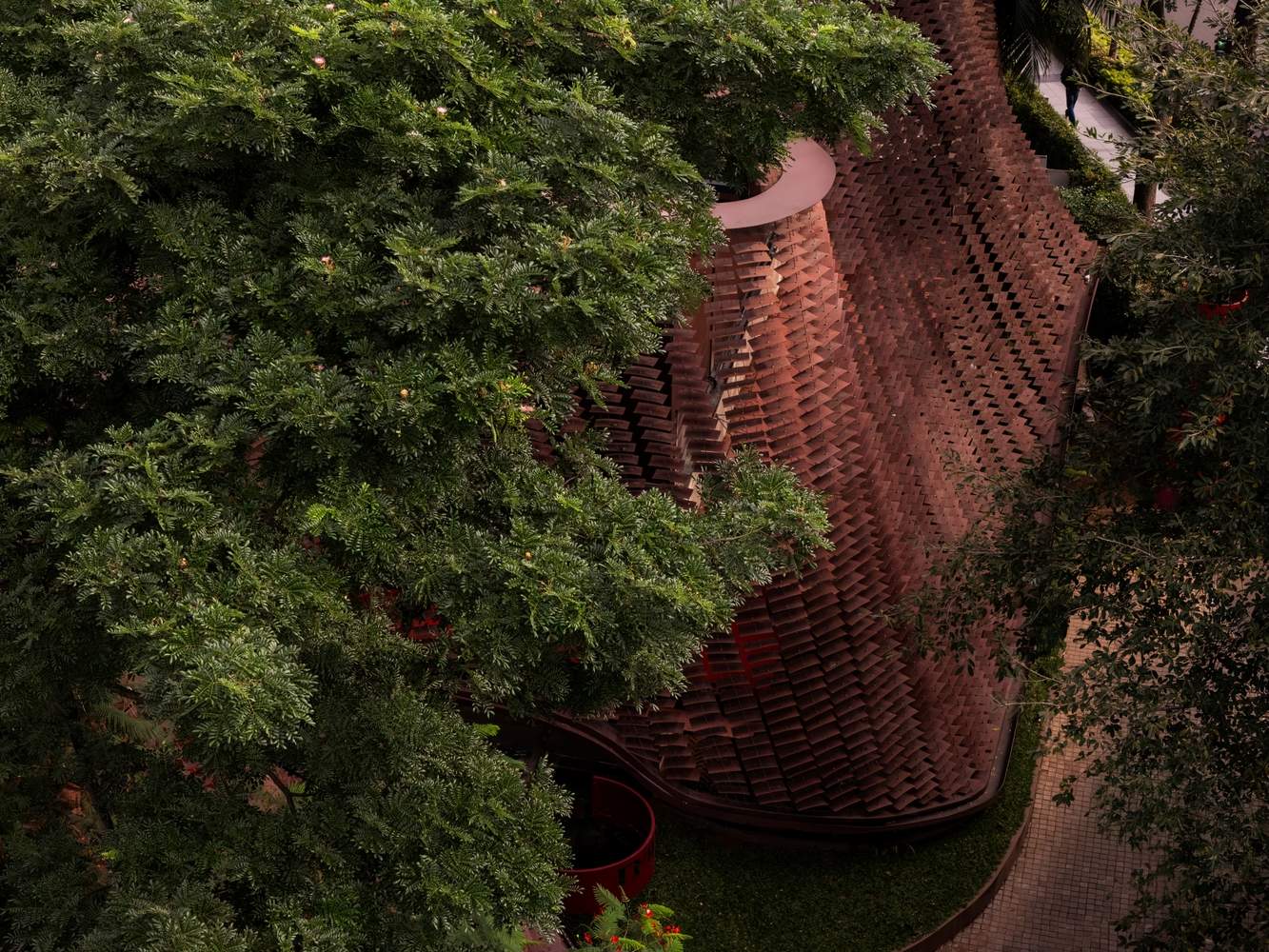
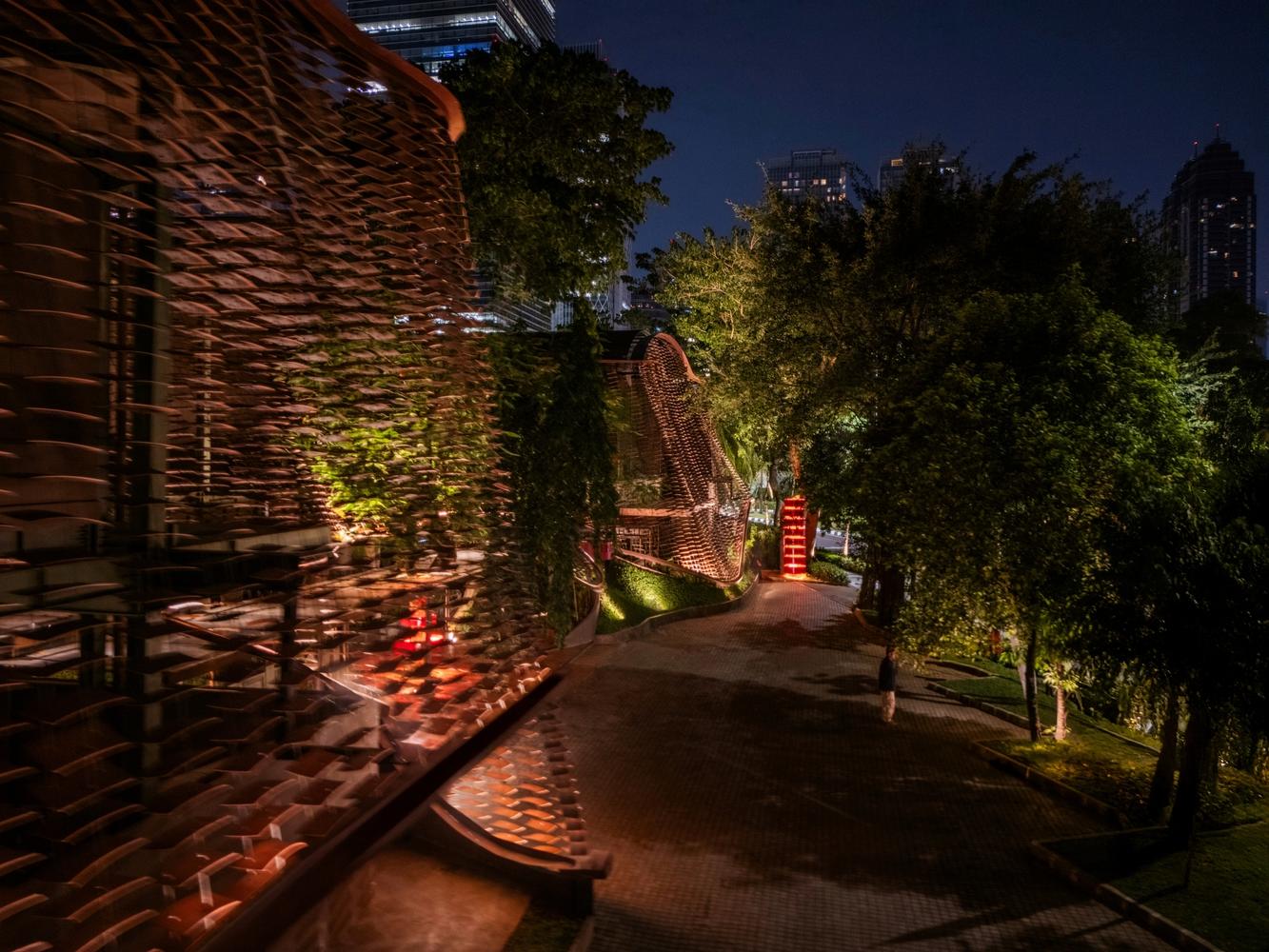
The undulating form, dancing between the trees, is shaped by optimized geometric tensile cables using recycled plastic components. This wrapping gable skin, designed parametrically, provides precise solar protection, functioning both as a climate regulation mechanism and a symbol of responsive bioclimatic architecture.
回收塑料元件经张力缆索几何结构优化,形成在树间舞动的起伏形态。这种包裹式的格构表皮通过参数化设计,提供精准的遮阳保护,既作为气候调控机制,又成为响应式生物气候建筑的象征。
© Ernest Theofilus
The materials used in the project are sourced from 4,800 kg of plastic waste generated weekly in the Central Business District (SCBD), enough to produce 16,800 functional building gable panels. By integrating this recycled material system into a prominent Jakarta site, the building serves as a powerful testament to waste management issues, reminding the public and policymakers of Indonesia's 7 million tons of untreated plastic waste annually.
该项目所用材料源自商业区(SCBD)每周产生的 4800 公斤塑料垃圾,可制成 16800 个功能性建筑格构板。通过将这一回收材料系统融入雅加达一处显眼场地,该建筑成为应对废弃物管理问题的有力见证,提醒公众和政策制定者关注印度尼西亚每年 700 万吨未经处理的塑料垃圾问题。
© Ernest Theofilus
© Ernest Theofilus
© Ernest Theofilus
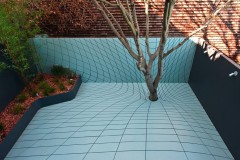
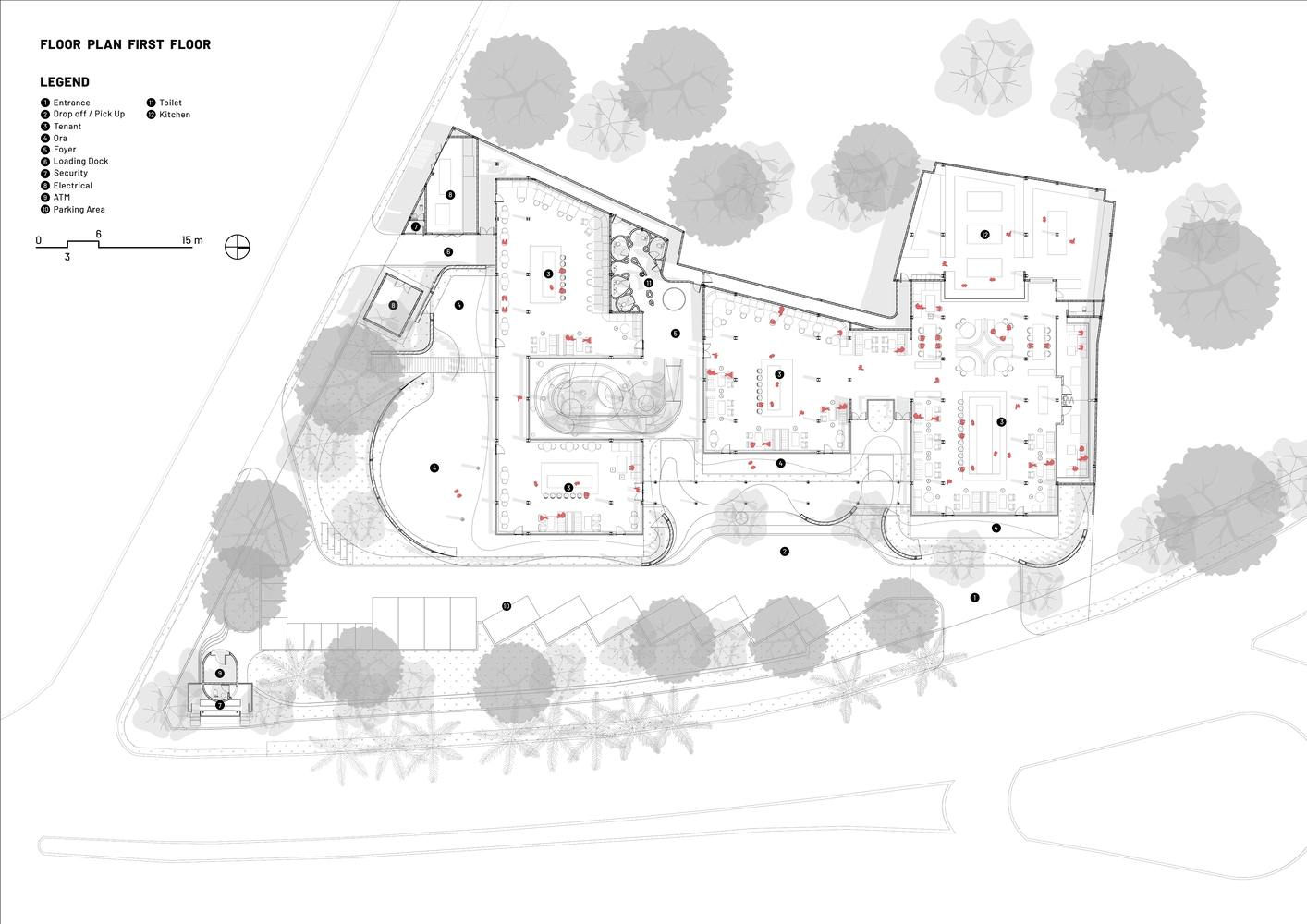
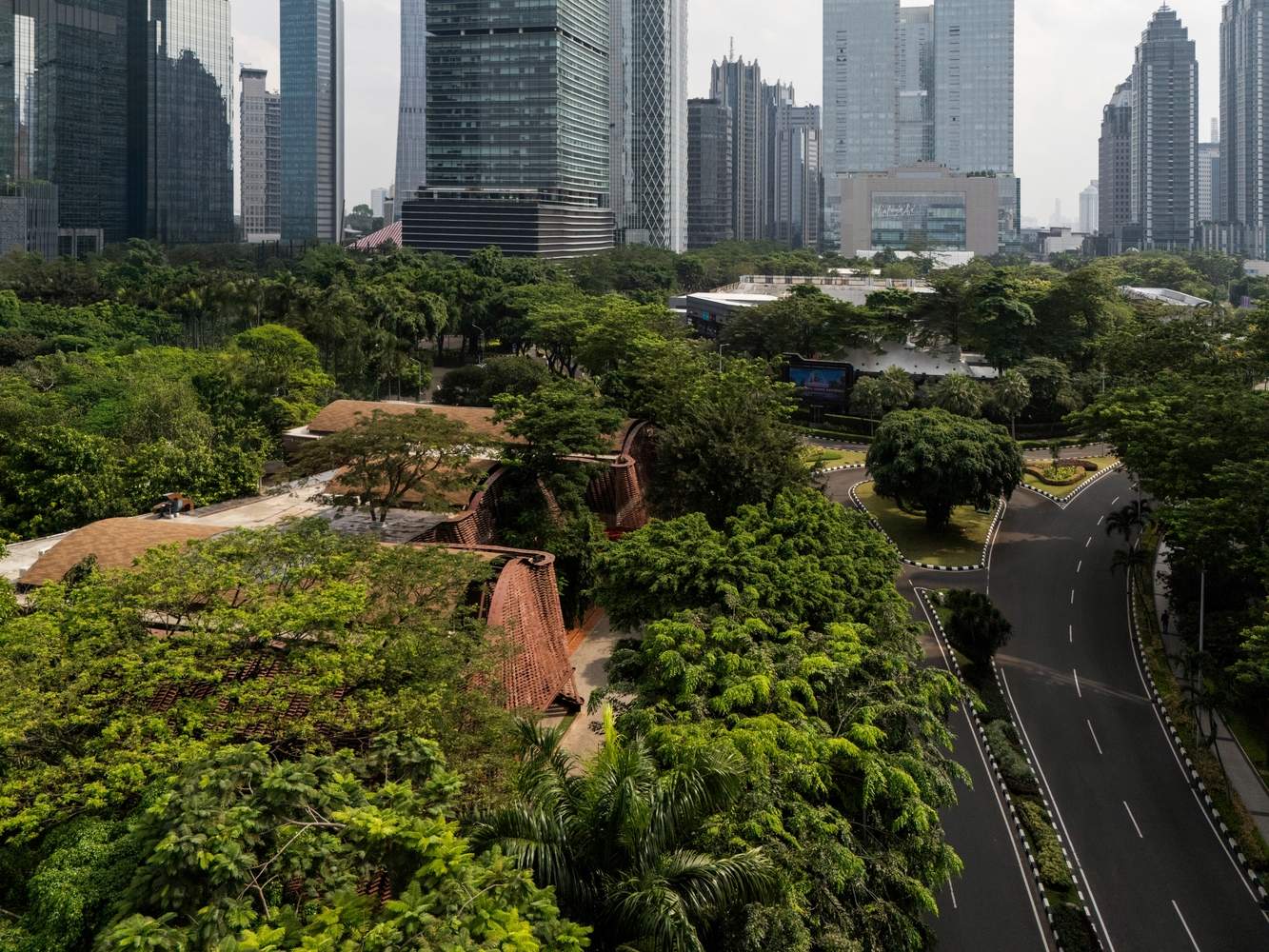
To coexist with the site's ecology, the design maintains a minimum of 40% ground coverage, cleverly planning leasable areas and activity spaces to interweave with the existing 20-meter-tall trees. The design derives the building volume by first defining the retained tree areas, rather than treating the landscape as an addition to the architecture.
为与场地生态共存,设计保持最低 40% 的地面覆盖率,巧妙规划可售区域和活动空间,使其与场地内现有的 20 米高树木相互交织。该设计并非将景观视为建筑的补充,而是逆向推导:建筑体量围绕保留的树木区域生成。
一层平面图
剖面图
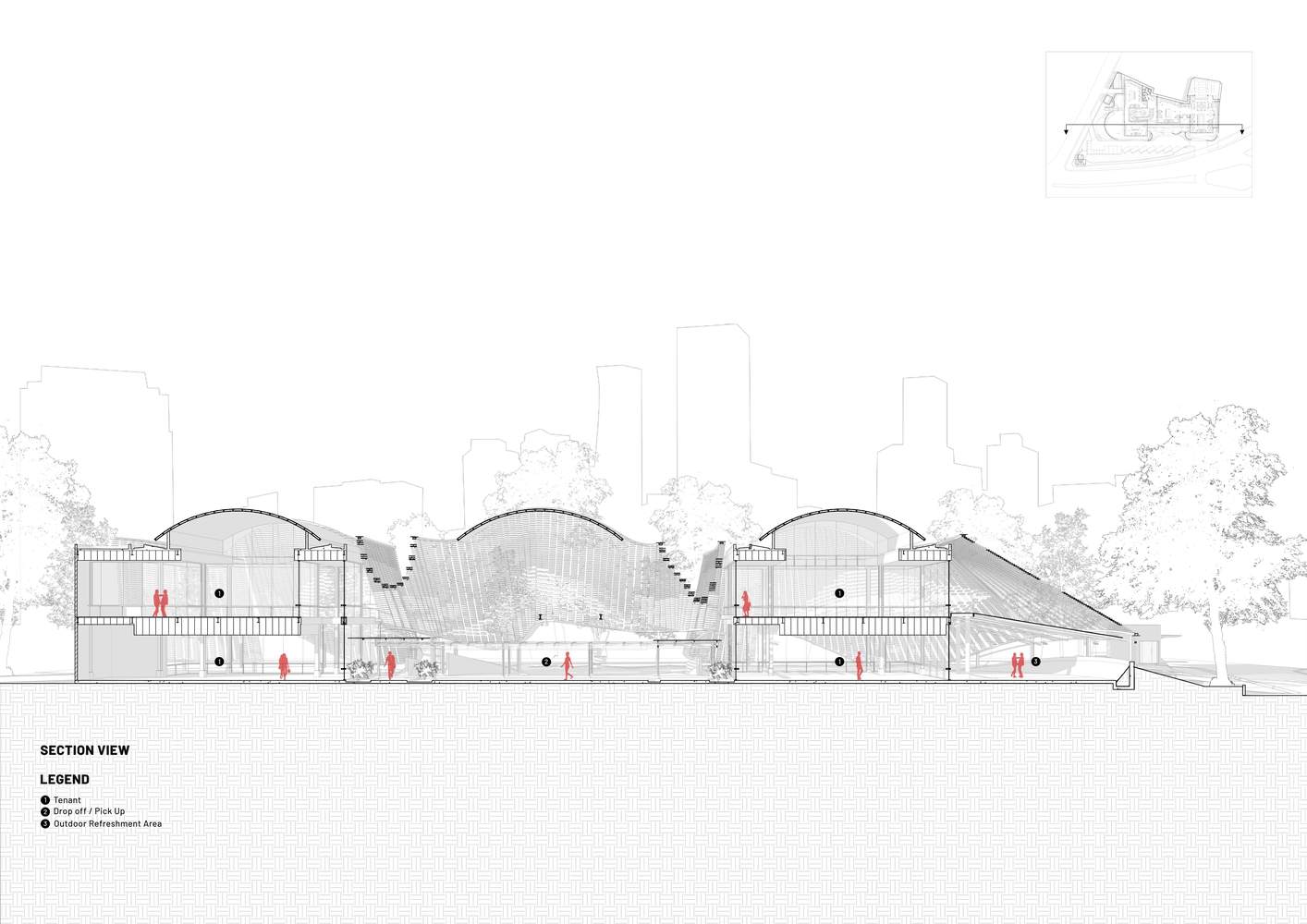
This allows the parametric skin to engage in a fluid dialogue with nature, connected by porous terraces that both allow the trees to thrive and optimize functional areas. The resulting building volume links the parametric facade with the trees through a series of transitional outdoor terraces, balancing commercial viability with space for tree growth, thereby maximizing leasable efficiency.
这使参数化表皮与自然形成流畅对话,二者通过多孔露台相连,既让树木茁壮成长,又优化了功能区域。最终形成的建筑体量通过一系列过渡性户外露台,将参数化立面与树木连接起来,在兼顾商业价值的同时,为树木生长留出空间,从而实现了租赁效率的最大化。
© Ernest Theofilus
© Ernest Theofilus
© Ernest Theofilus
The "Gable Garden" is one of the prototypes developed by the architects to influence tenant behavior and energy management. Against the backdrop of high property values, it re-advocates passive design principles. The building engages in a dialogue with its lush trees, constructing an ultimate shading system.
“格构花园”是建筑师针对租户行为和能源管理打造的原型项目之一。在房地产价值高企的背景下,它重新倡导被动式设计理念。该建筑与繁茂的树木展开对话,构建起一套极致遮阳系统。
© Ernest Theofilus
© Ernest Theofilus
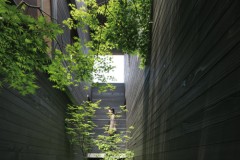
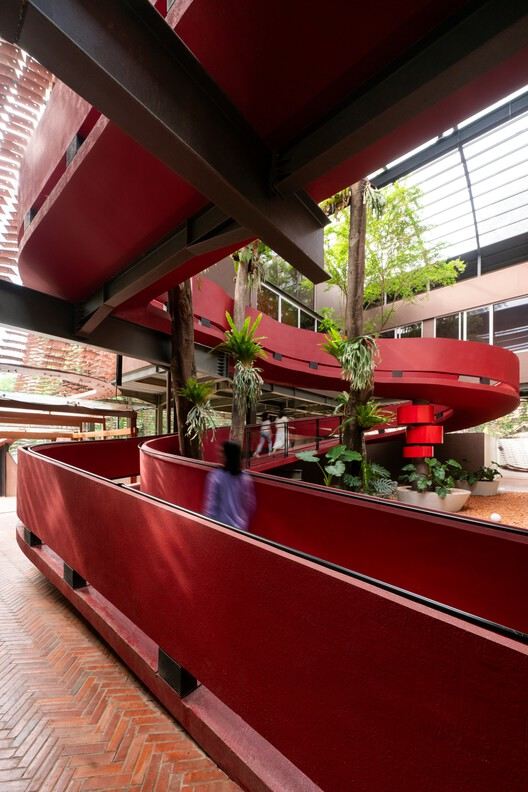
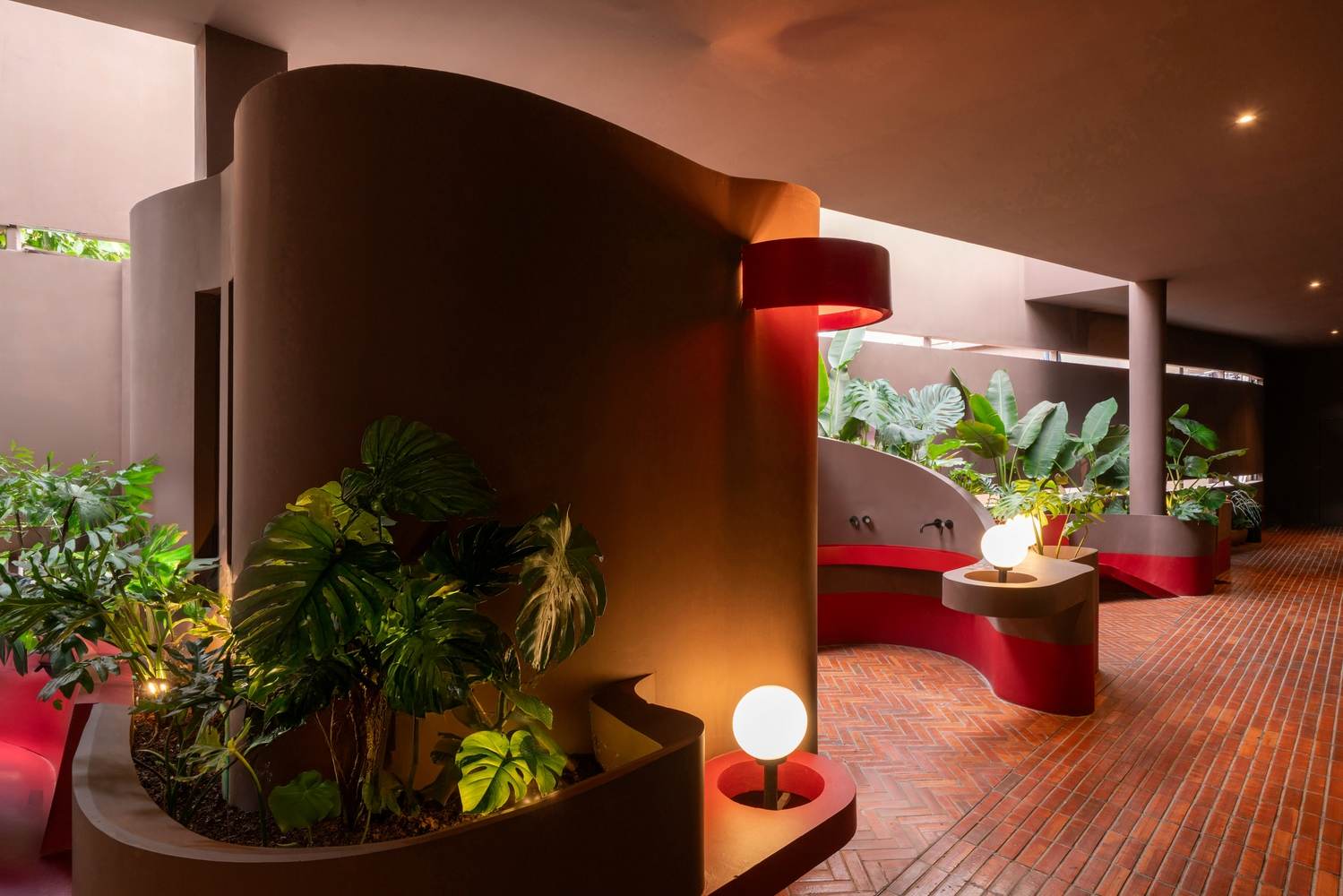
By separating the facade to create ventilated corridors and thermal pressure channels, and replacing mechanical lifts with winding garden ramps, the design challenges conventional vertical circulation patterns. The result is a significant reduction in reliance on air conditioning and elevators. It stands as a beacon of hope, demonstrating that economic gains in developing economies do not necessitate sacrificing environmental adaptability.
通过分离立面以形成通风走廊和热压通风通道,并用蜿蜒的花园坡道取代机械升降设备,该设计挑战了垂直交通的标准模式。其结果是大幅减少了对空调和电梯的依赖。它宛如一座希望的灯塔,表明在发展中经济体中,无需以牺牲环境适应性为代价来换取经济收益。
© Ernest Theofilus
© Ernest Theofilus