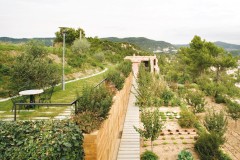
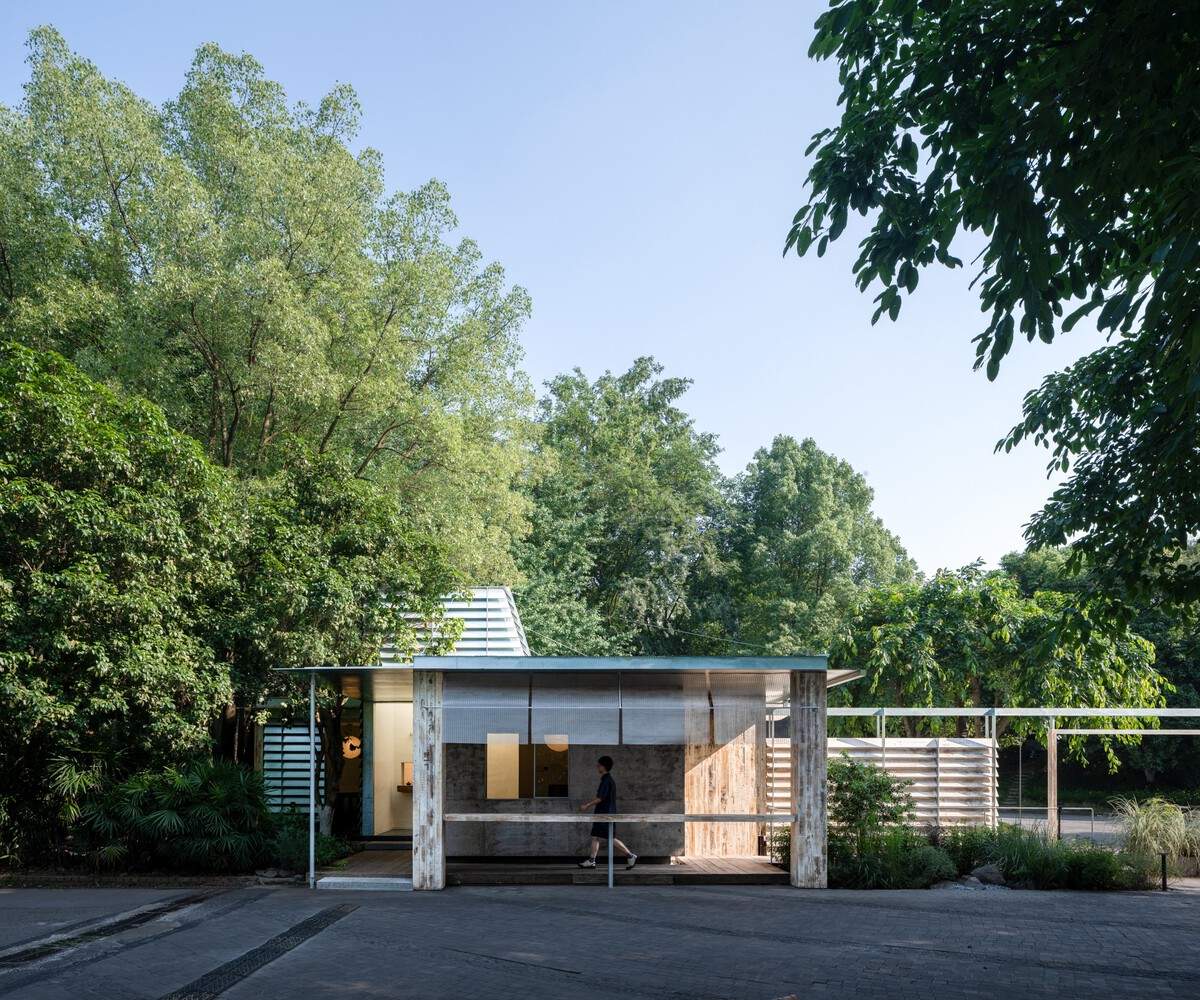
山地语境中的自然肌理与理性植入:该项目成功地将“自然构造法”(Natural Tectonic)应用于城市密集的山地肌理中,创造了一个会呼吸的茶室空间。其精髓在于将斯堪的纳维亚式的理性与温暖融入城市结构,以此重新编织人、自然与现代都市之间的关系。建筑师巧妙地利用场地条件,使建筑体量在茂密的坡地上得以嵌入和栖息,体现出对场地文脉的深刻尊重与适应性设计。
现代材料的东方意境转译:项目在空间和材料处理上探索了如何用现代工业元素(如金属、玻璃)表达东方的审美情趣。建筑通过序列化的微妙光影变化,而非直白的叙事,来体现东方含蓄内敛的特质。同时,暴露的结构体系维持了清晰的理性秩序,却又在内在精神上与人产生亲密感,实现了结构逻辑与东方感性的有机统一,创造了一种“敞开空间内的亲密感”。
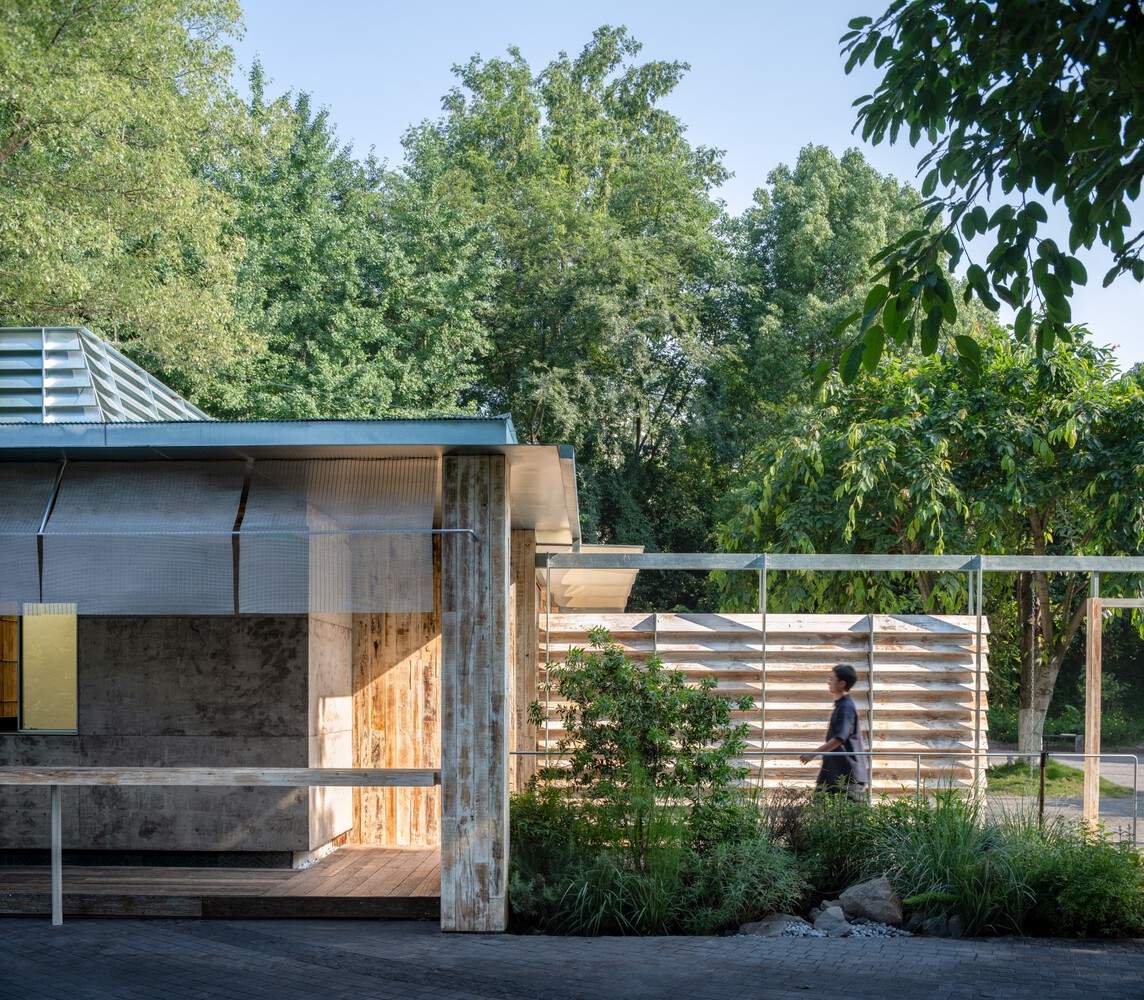
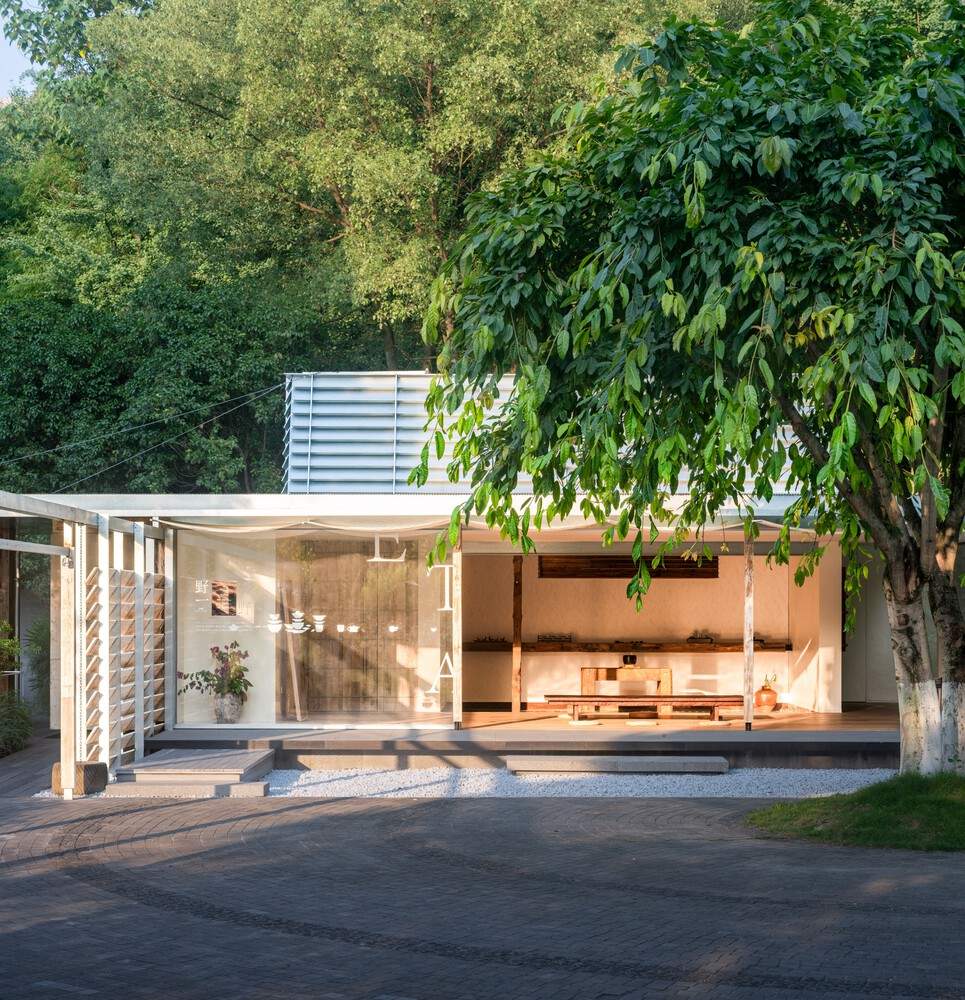
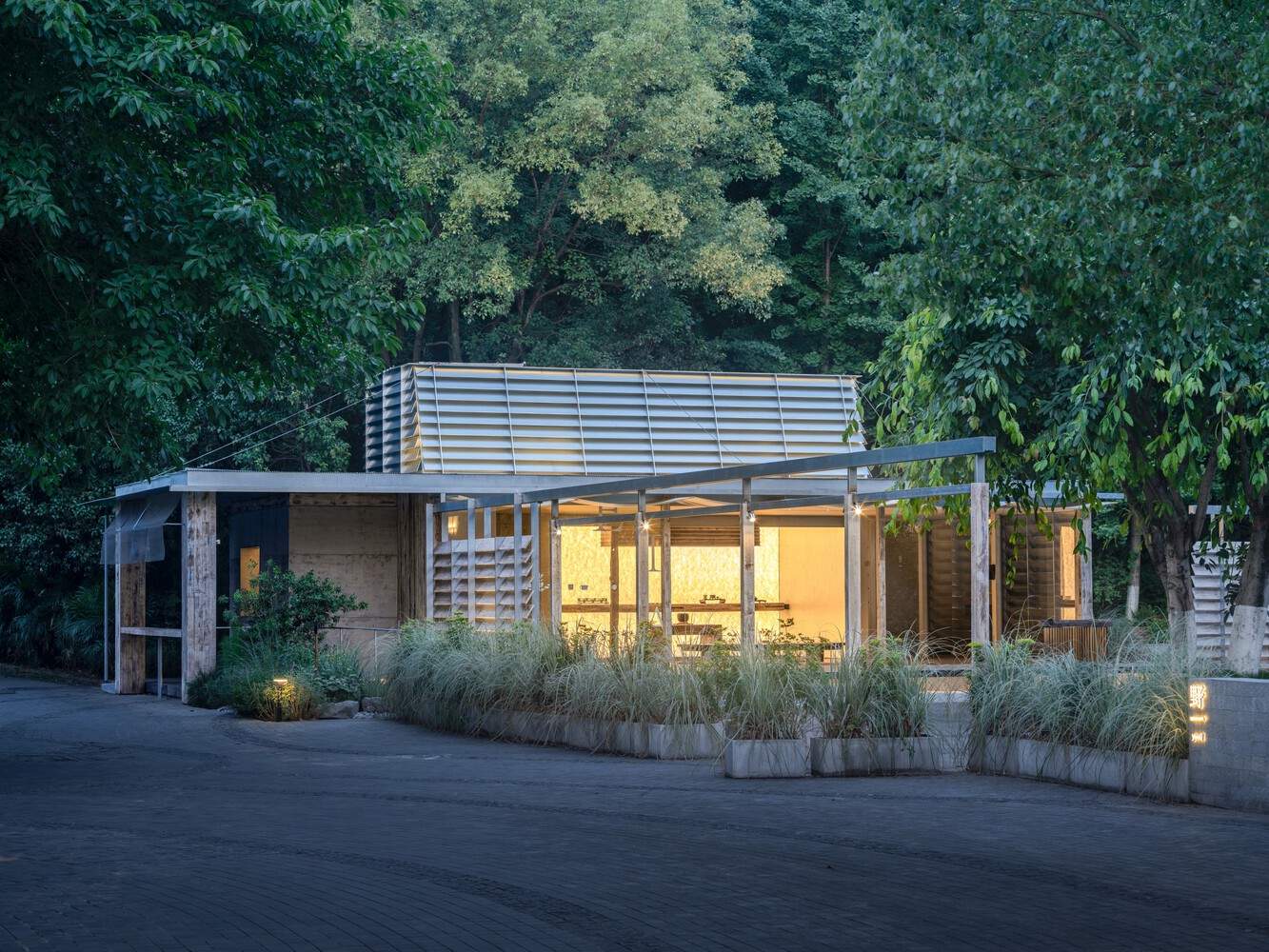
虚实相生的空间对话与渗透:茶室设计通过三面格栅围合与一面开放玻璃墙体,构建了动态的空间层次。格栅(阳极氧化铝和木条)不仅界定空间,更成为过滤光影、呼应自然呼吸的媒介。向庭院一侧的完全开放,结合悬挂的柔性织物顶棚,模糊了内外边界,使庭院中的树木、植物乃至远处的湖景都被“框入”室内,实现了对“坐拥泉谷”这一中国古典意境的现代诗意诠释。
From the architect.In the dense crevices of this mountain city, there exists a natural oasis that holds the city's peace and stillness. This time, continuing theNatural Tectonicapproach, we shaped a breathing teahouse among the wooded slopes—embedding a Scandinavian rationality and warmth into the urban fabric, and through it, attempting to reweave the relationship between humans, nature, and the modern metropolis.
来自建筑师。在这个山城密集的缝隙中,存在着一个蕴含着城市宁静与安然的自然绿洲。这一次,我们延续了“自然构造法”的理念,在林木坡地间塑造了一个会呼吸的茶室——将斯堪的纳维亚的理性和温暖嵌入城市肌理,并试图通过它重新编织人、自然与现代都市之间的关系。
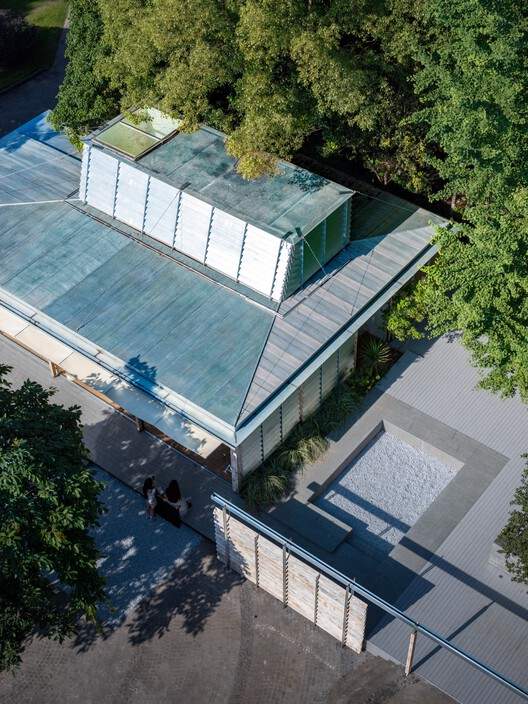
© Qingbo Wu
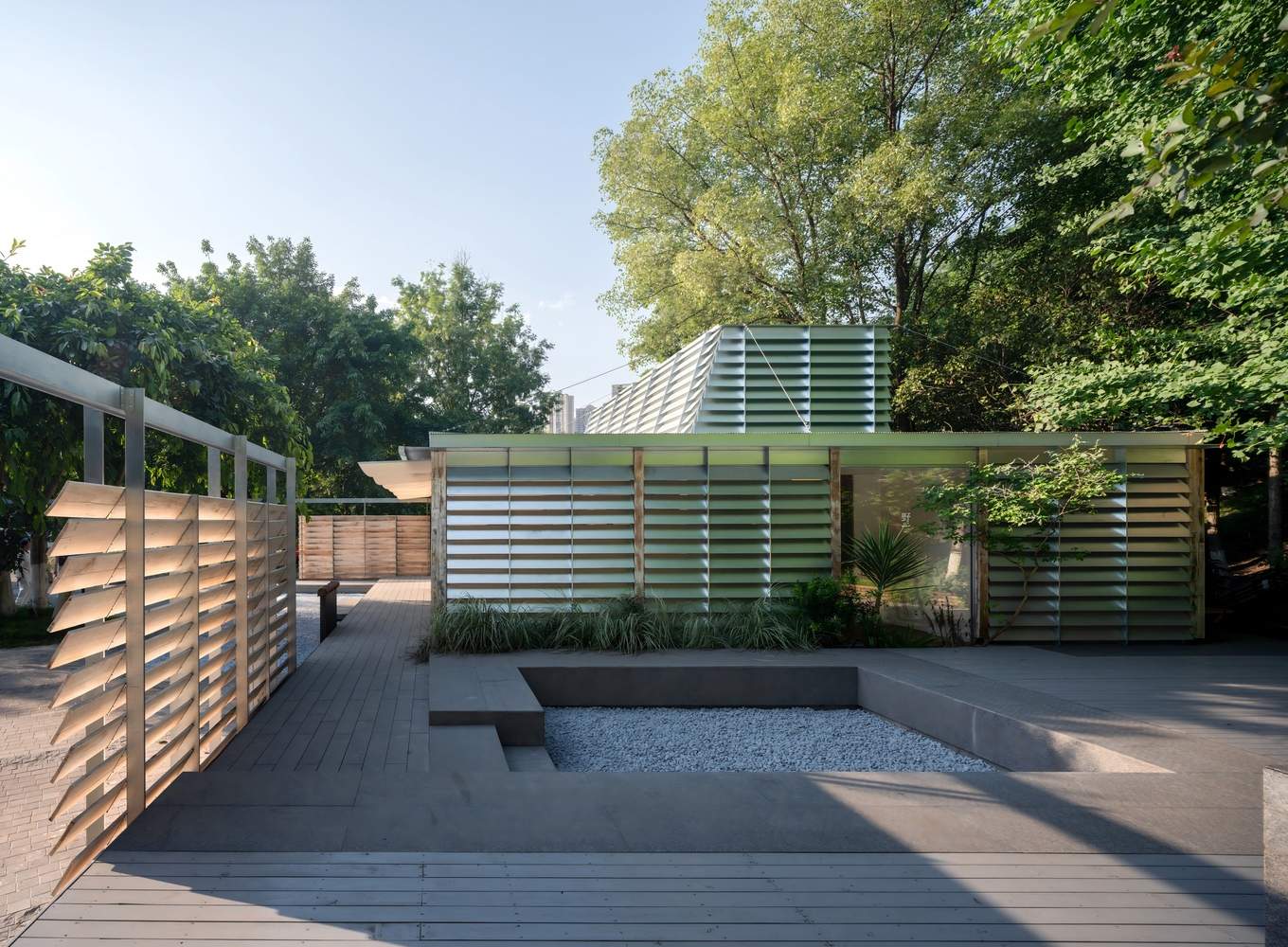
© Qingbo Wu
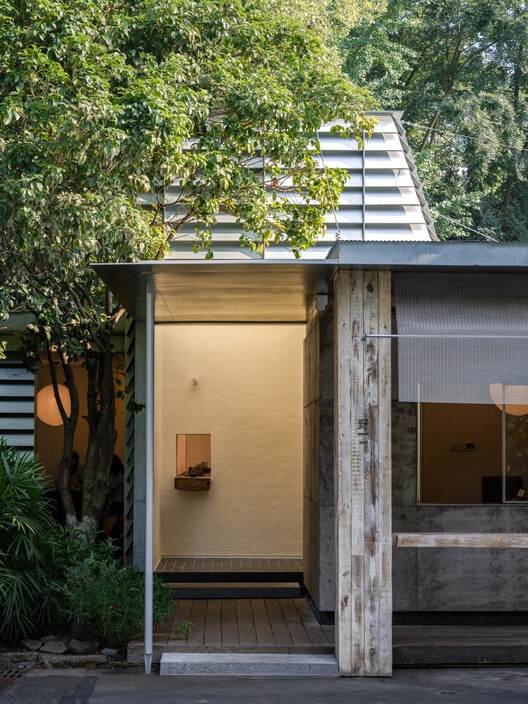
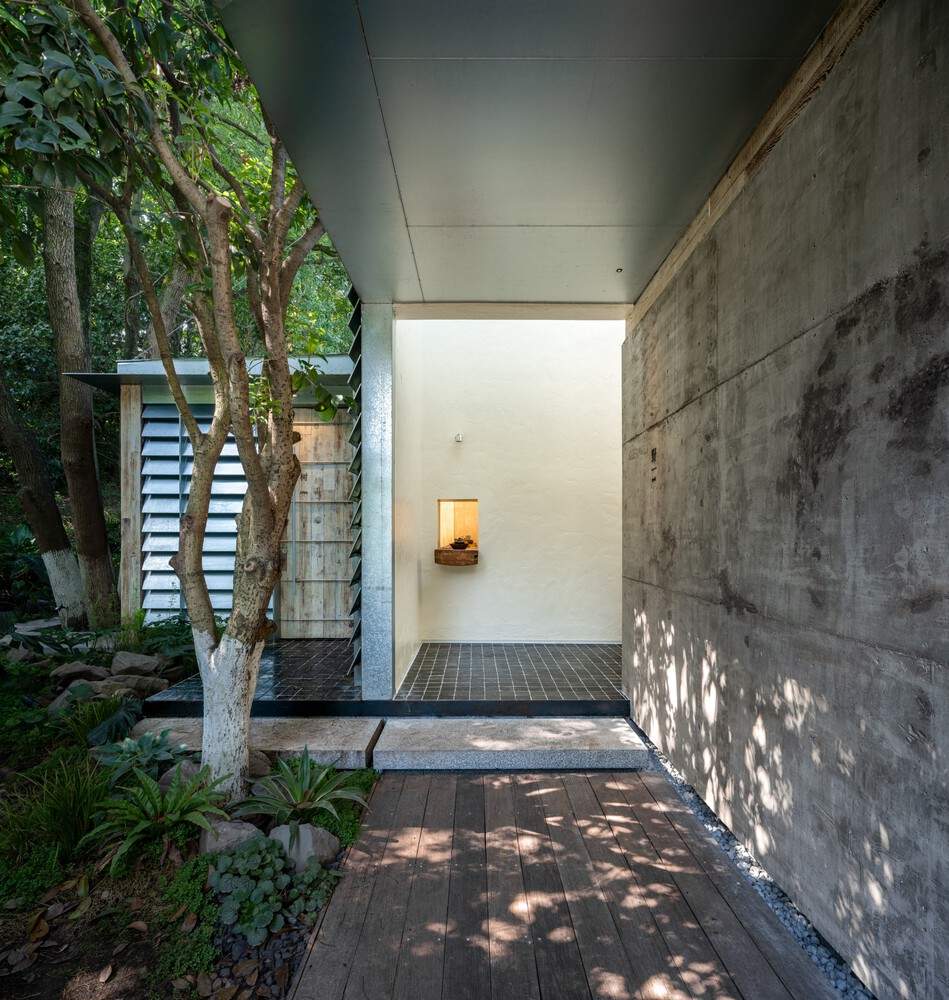
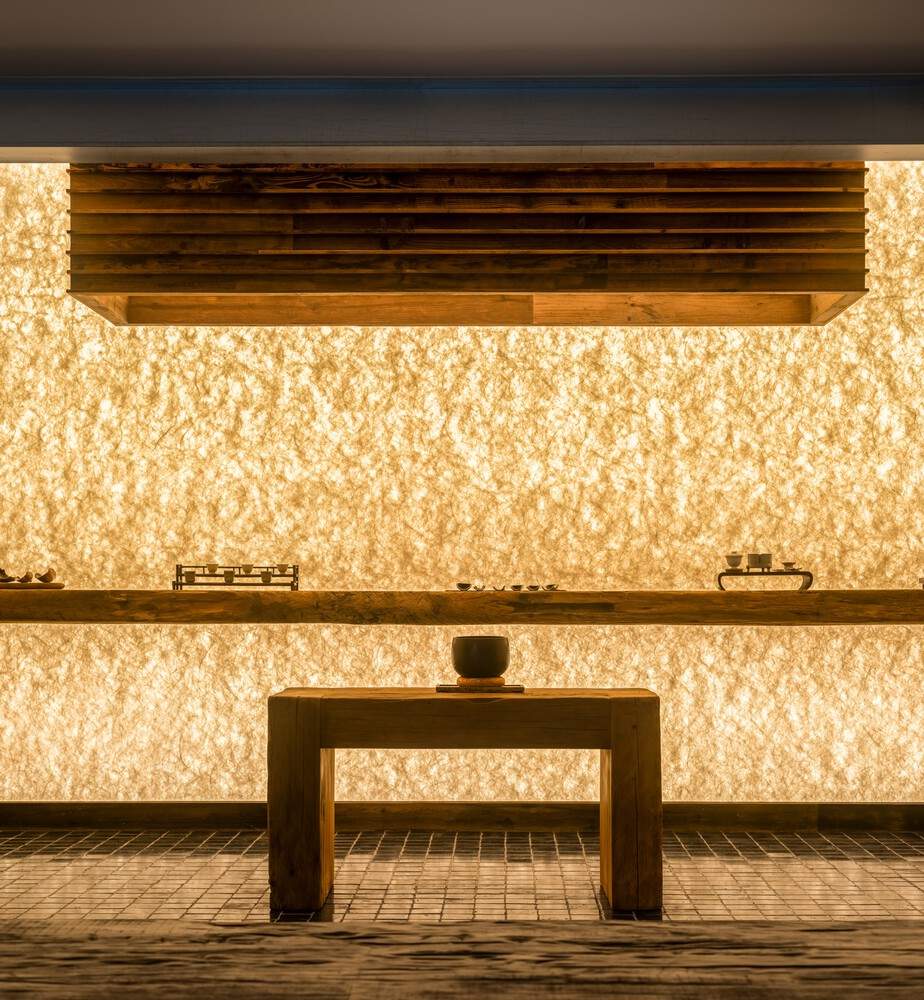
How to express an Eastern posture through space and materials is a question we constantly contemplate. We attempt to operate modern materials—metal, glass, and other industrial elements—through the lens of Eastern esthetic principles. Nestled among layered trees, the cabin gleams with a sequenced subtlety, where shadow and light intertwine. It is not presented explicitly, but rather reflects the indirect, nuanced approach characteristic of the East.At the same time, its exposed, open structure maintains a rational order while preserving an inwardspiritual affinity—an Eastern sensibility that allows people to feel intimacy and kinship within an unveiled space.
如何通过空间和材料来表达一种东方的姿态,是我们持续思考的问题。我们试图通过东方的审美原则的镜头来操作现代材料——金属、玻璃和其他工业元素。小屋栖息在层叠的树木之中,闪耀着序列化的微妙光芒,光影在此交织。它并非直白地呈现,而是反映了东方特有的间接、细致入微的处理方式。同时,其暴露的开放结构保持了理性的秩序,同时保留了一种向内探寻的精神亲和力——一种东方的感知力,使人们在一个未被遮蔽的空间内感受到亲密与共鸣。
© Qingbo Wu
© Qingbo Wu
Diagram
© Qingbo Wu
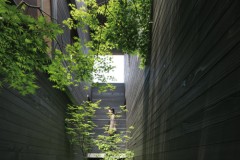
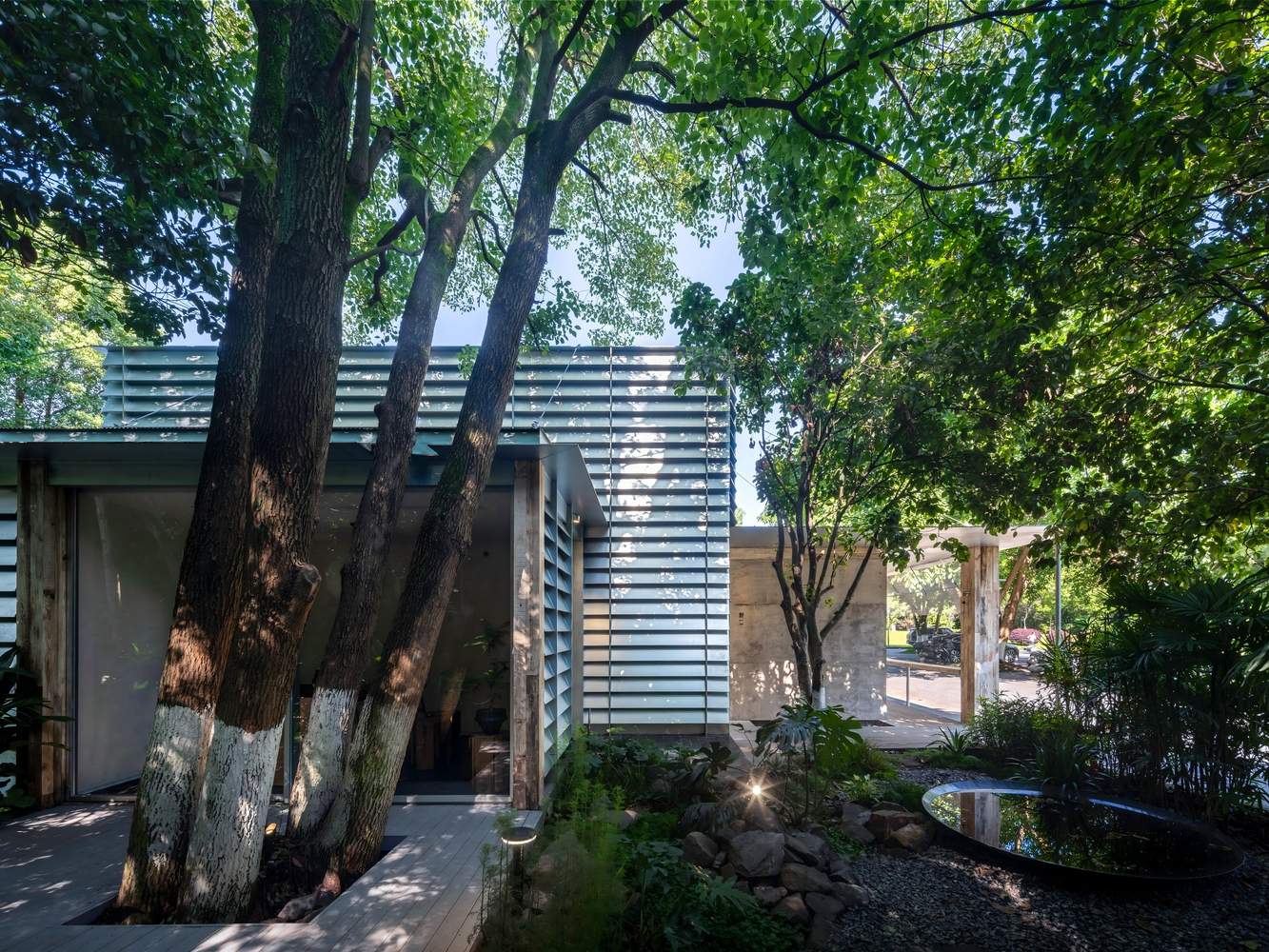
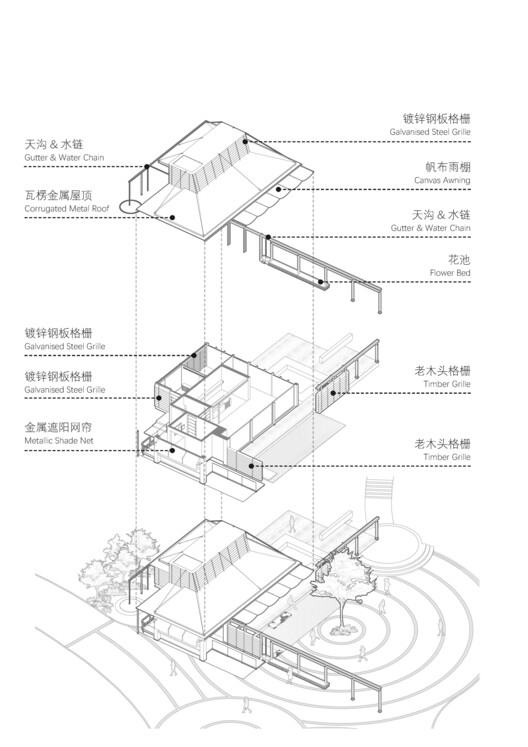
The tearoom is enclosed on three sides by lattice screens. Dense anodized aluminum and wooden slats reinterpret its texture, continuously mirroring the breath and pulse of the outside world. The extended eaves establish a more dynamic dialog with nature—as wind and light enter, they dissolve the boundary between the built and the natural, sketching a serene, summer-infused atmosphere.
茶室的三面由格栅围合。密集的阳极氧化铝和木条重新诠释了其质感,持续映照着外界世界的呼吸与脉动。伸展的屋檐与自然建立起更具活力的对话——当风和光进入时,它们消解了人造物与自然之间的界限,勾勒出一种宁静、充满夏日气息的氛围。
© Qingbo Wu
© Qingbo Wu
© Qingbo Wu
© Qingbo Wu
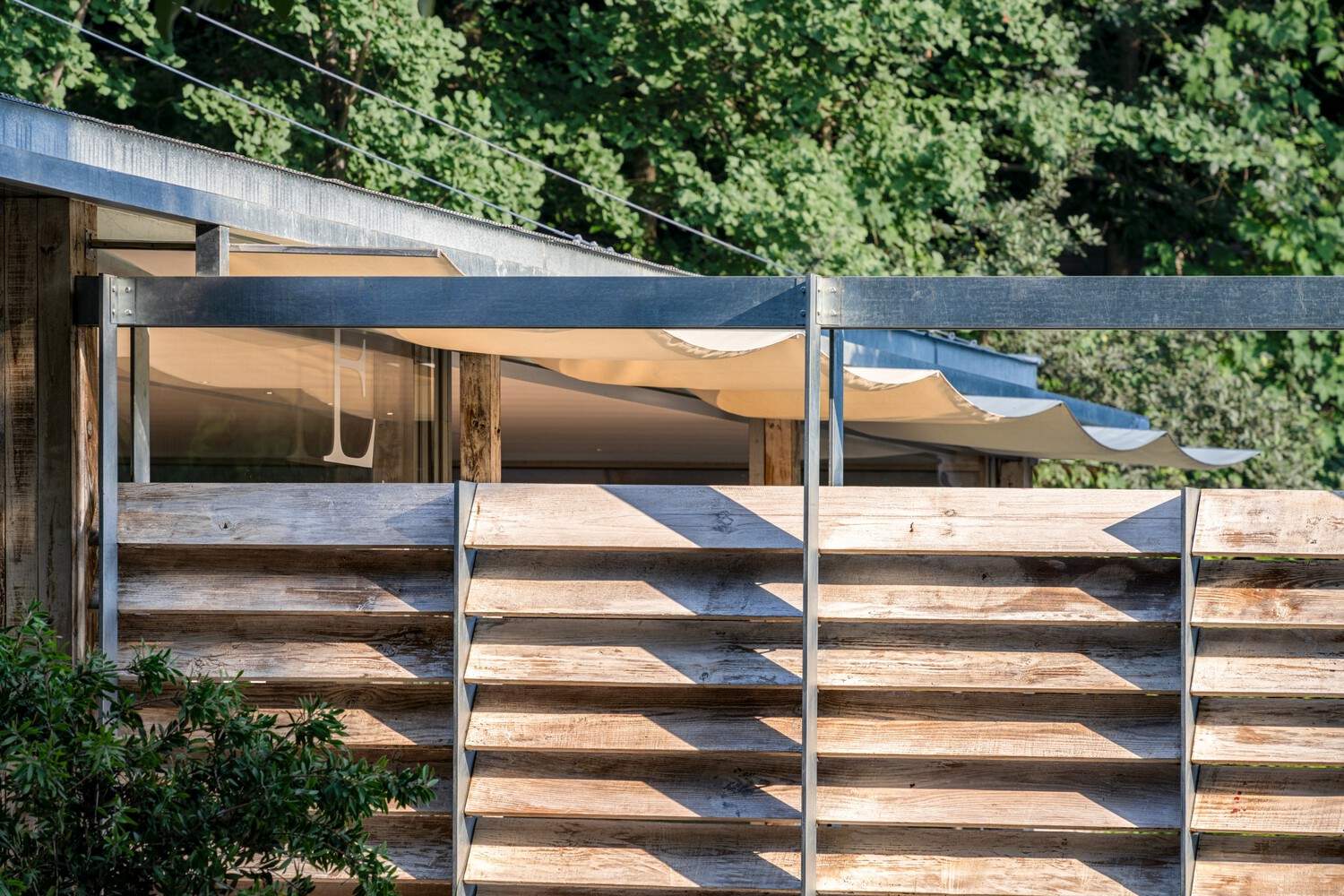
On the side facing the courtyard, transparent glass and exposed structure nest within each other, opening frankly to the external scenery and interacting with the landscape. Suspended canvas, with its soft materiality and gentle curve, lends elasticity to the space while powerfully mediating the transition outward. The courtyard's large tree, undulating plants, and the shimmer of the distant lake are all framed into the interior, forming a tangible connection with the poetic Chinese notion of"sitting amid inexhaustible springs and valleys."
朝向庭院的一侧,透明玻璃与暴露的结构彼此嵌套,坦诚地向外部景观敞开并与之互动。悬挂的画布,以其柔和的材质和轻柔的弧度,赋予空间弹性,同时有力地调和了向外的过渡。庭院中的大树、起伏的植物,以及远处湖面的闪烁都被框入室内,形成了与中国诗意概念“坐拥泉谷”的切实连接。
© Qingbo Wu
© Qingbo Wu