历史文脉的当代转译:该项目最精髓之处在于其对佛统大塔(Phra Pathom Chedi)这一城市核心地标的深刻致敬与当代建筑语言的成功转译。设计不仅提取了塔的几何形态(如凹陷轮廓、双坡屋顶抽象),更在材料上实现了历史的延续——采用与大塔同源的黄色陶土瓦,并运用精湛的传统工艺进行手工铺设。这种“新旧融合”不仅停留在视觉表层,而是通过立面材料的对比(陶土对铝复合板),象征性地表达了城市身份的连续性与演变,为现代商业开发注入了深厚的文化根基和场所精神。
以人为本的公共空间营造:项目的设计策略颠覆了传统的“体量先行”,而是将焦点首先置于开放空间序列的构建。通过一个中央绿色公园作为核心锚点,并串联起两个辅助广场,设计师成功构建了一个清晰、连续的步行网络,直接回应了社区对高质量公共聚集空间的需求。零售流线与公共路径的无缝衔接,以及室内外空间(如半户外绿洲、本地市场)的灵活转换,共同塑造了一个鼓励探索、促进社交互动并适应当地气候的动态城市客厅,有效重振了历史广场的社区功能。
精细化的气候适应性与工艺叙事:在实现宏大城市愿景的同时,项目在细节处理上体现了专业性和匠人精神。半户外空间的引入、垂直花园的设置,以及受棋盘格启发的天花板设计,都是对热带气候的积极回应,通过自然通风和遮阳策略实现了热舒适性。尤其值得称赞的是对陶土瓦工艺的细致记录——从三种色调的选择到预制混凝土模块的定制浇筑,展现了对材料本源和地方工艺的尊重。这种对“工艺故事”的强调,使建筑不仅是功能载体,更成为了承载地方文化记忆和精湛手工艺的活态纪念碑。
© Art4d x Jinnawat Borihankijanan
© Art4d x Jinnawat Borihankijanan
The design of the Central Nakhon Pathom project revolves around the harmonious integration of new and old, with its core concept drawn from the architectural elements and design language of Phra Pathom Chedi. As an iconic historical landmark, the Phra Pathom Chedi has long shaped the unique character of the city. This deep fusion of tradition and modernity creates a dynamic architectural dialogue where heritage and contemporary innovation illuminate each other.
泰国佛统府中心项目的设计以新旧和谐交融为核心,其核心概念源自佛统大塔(Phra Pathom Chedi)的建筑元素与设计语言。佛统大塔作为标志性的历史地标,长久以来塑造了这座城市的独特风貌。这一传统与现代的深度融合,营造出一种动态的建筑对话氛围,让历史遗产与现代创新在此交相辉映。
© Art4d x Jinnawat Borihankijanan
© Art4d x Jinnawat Borihankijanan
The project sits on a 45-rai (approximately 7.2 hectares) site with a total construction area of 140,000 square meters. As part of a large mixed-use development, its retail area is located at the front of the site, with residential development situated at the rear. The design process began not with the building mass, but with open space. The central green park acts as the main anchor, directly responding to the community's need for accessible public spaces. This open concept is extended by the introduction of two additional plazas, each supporting different types of activities. These public spaces are linked by a primary circulation spine, creating a clear, continuous pedestrian path from the main entrance to the park. Retail units are lined along this spine, fostering a seamless connection between commercial activity and the public realm. The circulation system itself is designed as a closed loop, offering an uninterrupted experience of exploration. The project merges fully air-conditioned indoor environments with naturally ventilated semi-outdoor spaces, providing users with flexible settings adapted to varying climatic conditions.
项目坐落于一块占地 45 莱(约 7.2 公顷)的土地上,总建筑面积达 14 万平方米。作为一处大型综合用途建筑群的一部分,其零售区域位于场地前部,住宅开发则坐落于后部。设计过程并非始于建筑体量,而是从开放空间入手。场地中央的绿色公园作为主要锚点,直接回应了社区对便捷公共空间的需求。这一开放理念通过引入两个额外广场得以延伸,每个广场均支持不同类型的活动。这些公共空间通过一条主要流通干线串联起来,形成一条从主入口直达公园的清晰、连续的步行路径。零售单元沿此干线排列,促进了商业活动与公共领域的无缝衔接。流通系统本身设计为一个闭合环路,提供了一种不间断的探索体验。项目融合了全空调室内环境与自然通风的半户外空间,为用户提供了适应不同气候条件的灵活设置。
© W Workspace
Design Approach
应对地方挑战 —— 历史上,泰国佛统府的城市空间与社会结构深受神圣建筑影响;寺庙与宫殿作为城市中心锚点,构建了城市运动与社区生活。特别是佛统大塔,不仅作为精神纪念碑,还作为市民中心,宗教仪式、市场、节日与日常活动在此共存,营造了一个独具活力的公共领域。随着城市现代化进程的推进,这种社区活动的强度逐渐减弱。城市发展、土地利用及生活方式的转变削弱了居民与历史公共空间之间的联系,而这些空间曾定义了城市的核心。为此,新商业开发的设计旨在在当代语境下重新诠释这一市民角色。目标不仅在于创造一个零售目的地,更在于建立一个建筑框架,重新连接泰国佛统府人民,重振共享聚集空间的精髓,并将城市的文化延续性延伸至未来。
Design Approach
应对地方挑战 —— 历史上,泰国佛统府的城市空间与社会结构深受神圣建筑影响;寺庙与宫殿作为城市中心锚点,构建了城市运动与社区生活。特别是佛统大塔,不仅作为精神纪念碑,还作为市民中心,宗教仪式、市场、节日与日常活动在此共存,营造了一个独具活力的公共领域。随着城市现代化进程的推进,这种社区活动的强度逐渐减弱。城市发展、土地利用及生活方式的转变削弱了居民与历史公共空间之间的联系,而这些空间曾定义了城市的核心。为此,新商业开发的设计旨在在当代语境下重新诠释这一市民角色。目标不仅在于创造一个零售目的地,更在于建立一个建筑框架,重新连接泰国佛统府人民,重振共享聚集空间的精髓,并将城市的文化延续性延伸至未来。
© Art4d x Jinnawat Borihankijanan
© W Workspace
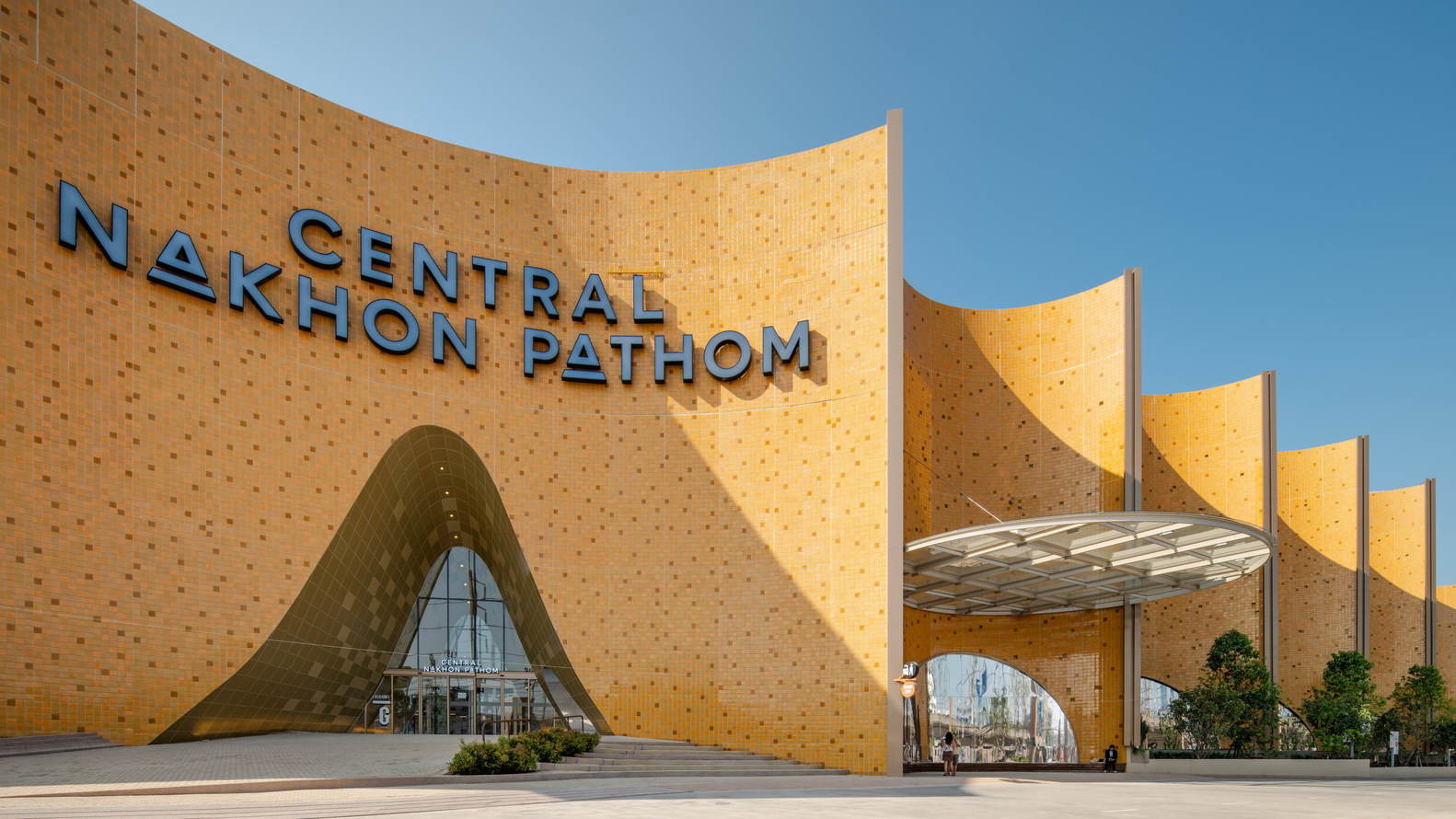
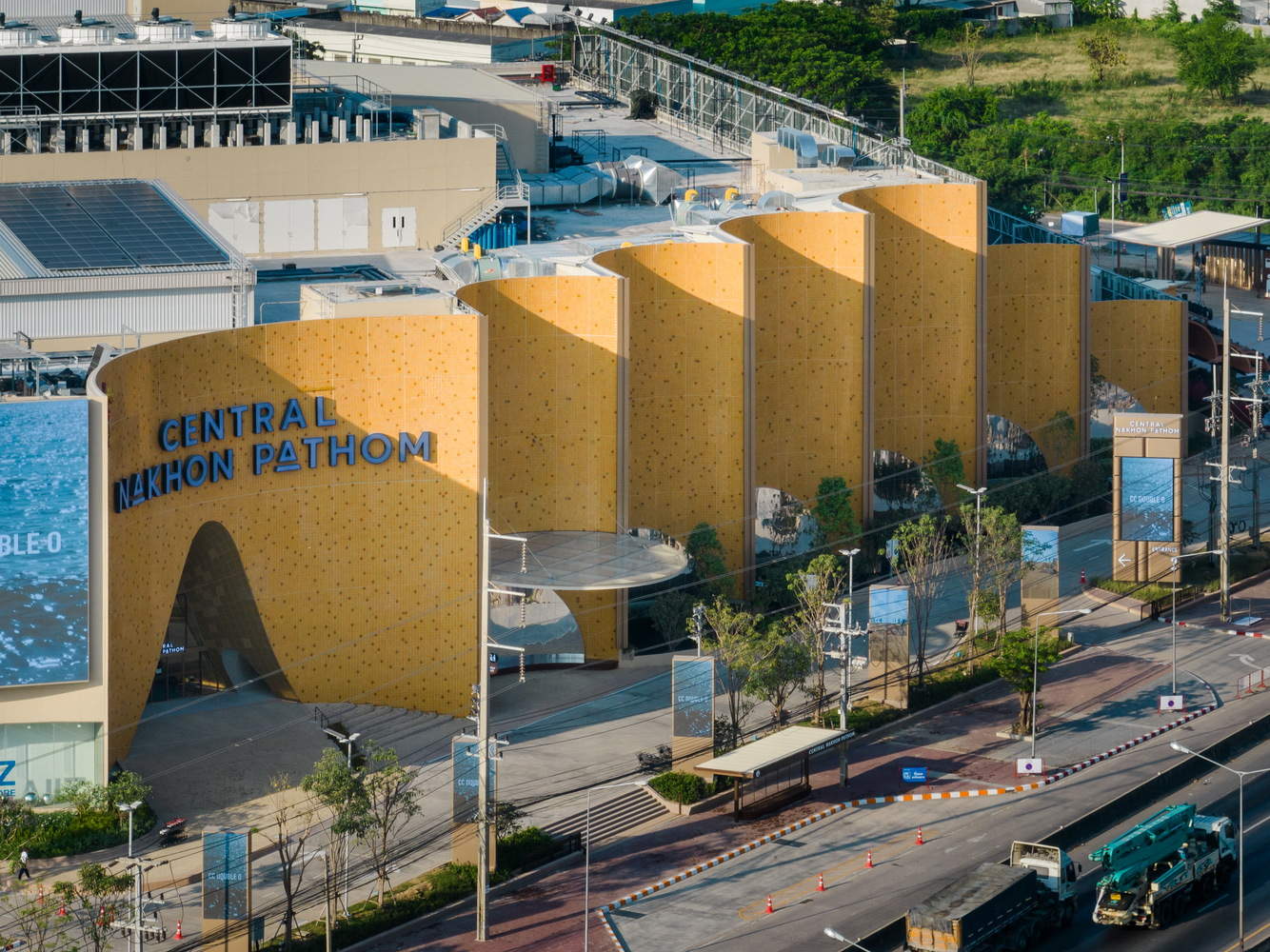
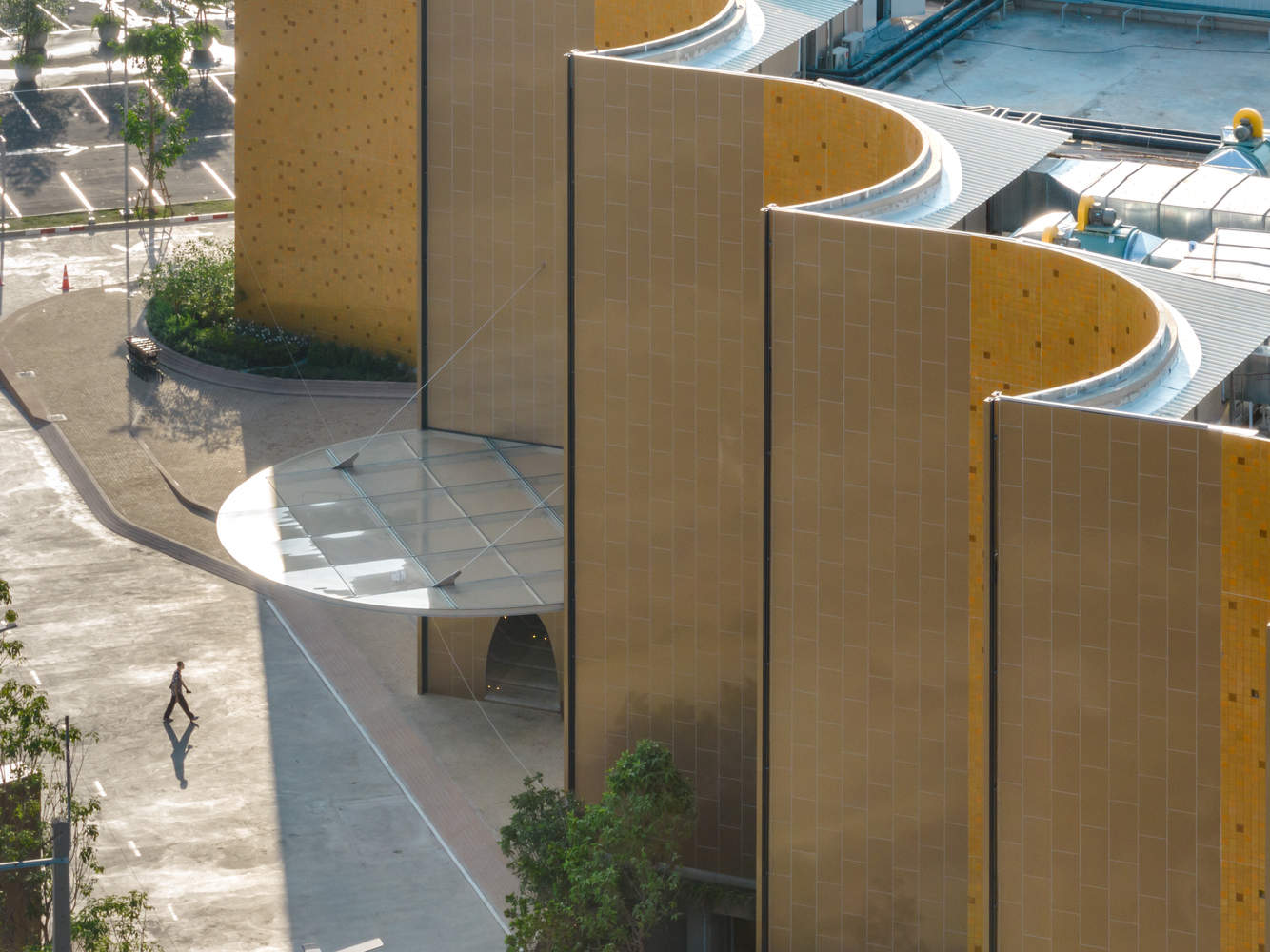
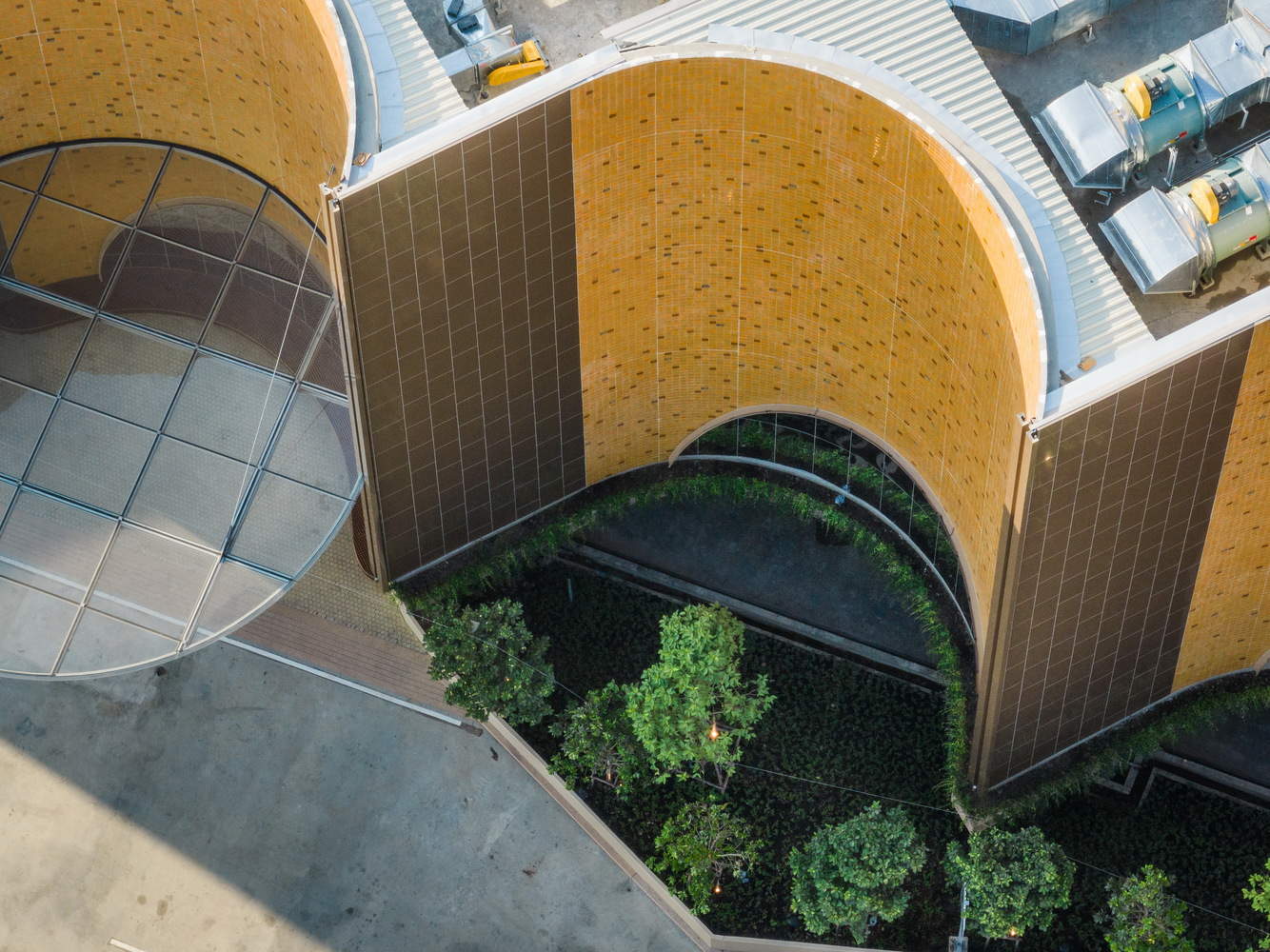
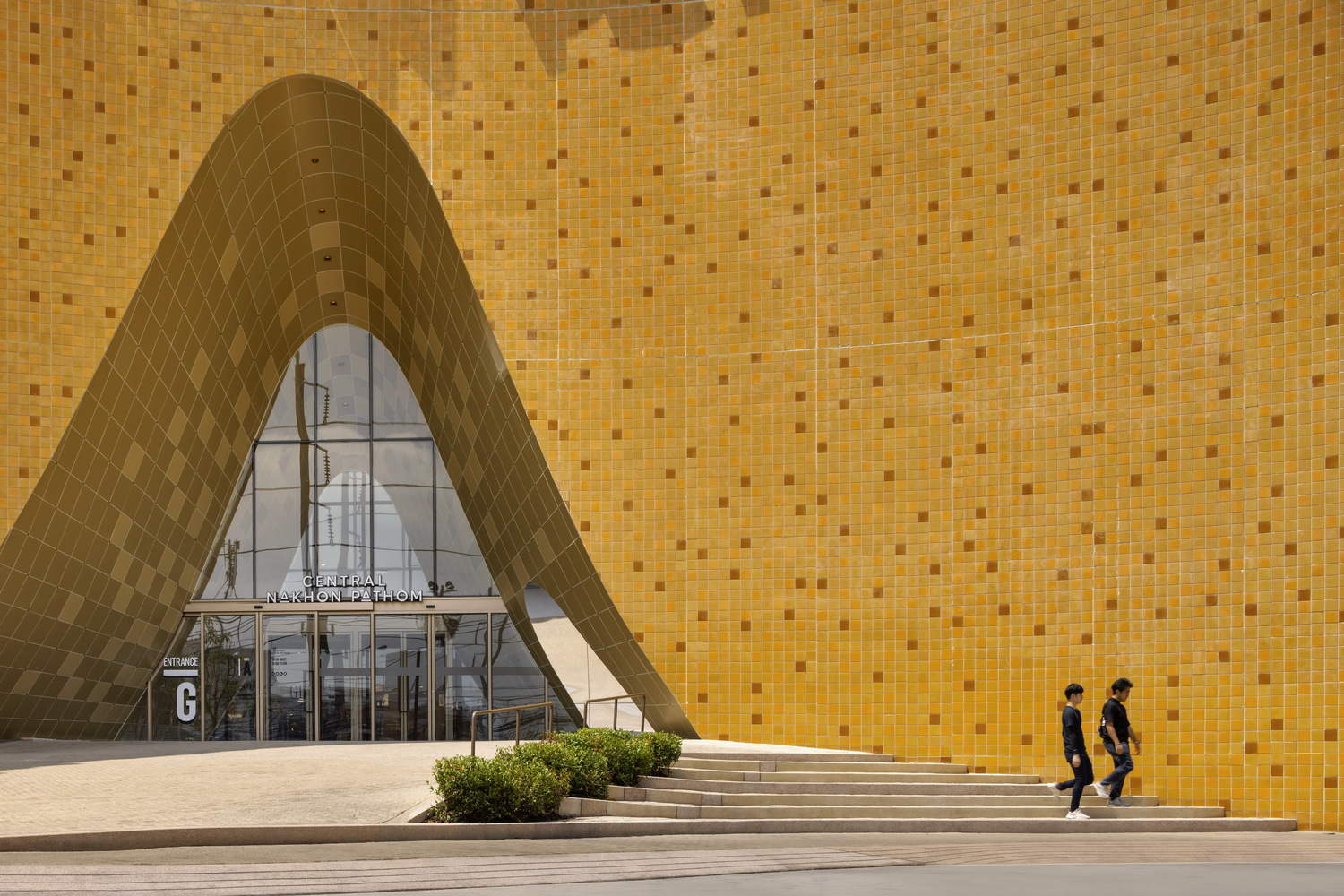
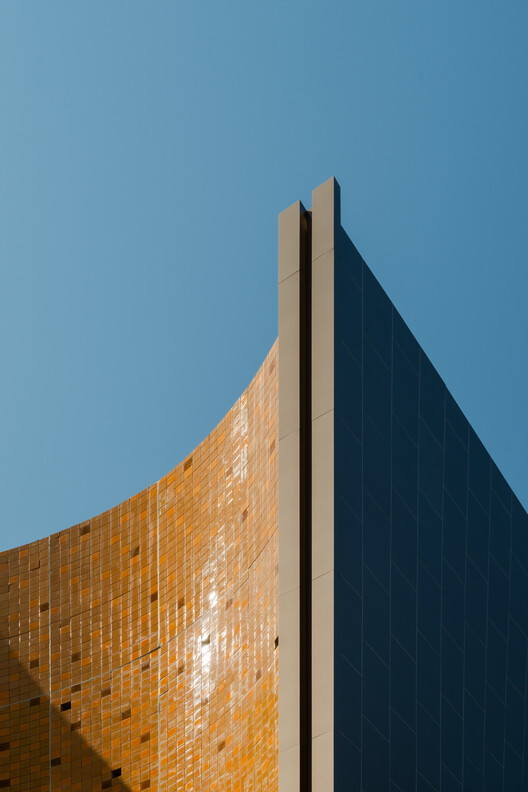
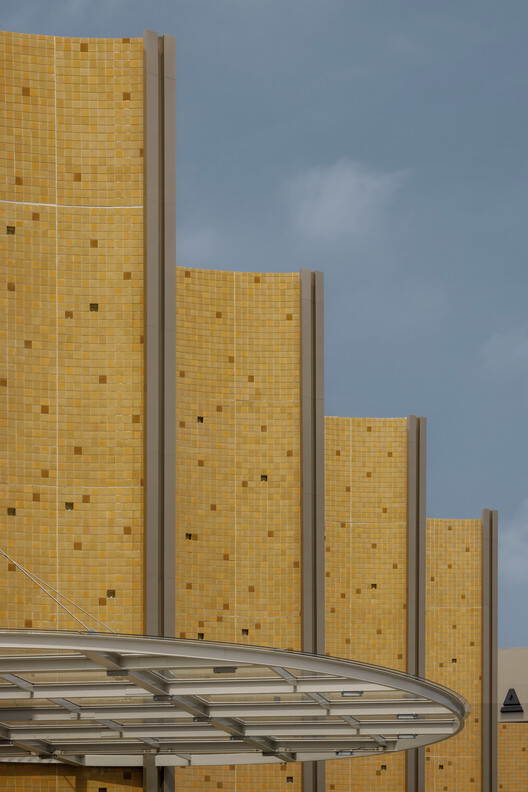
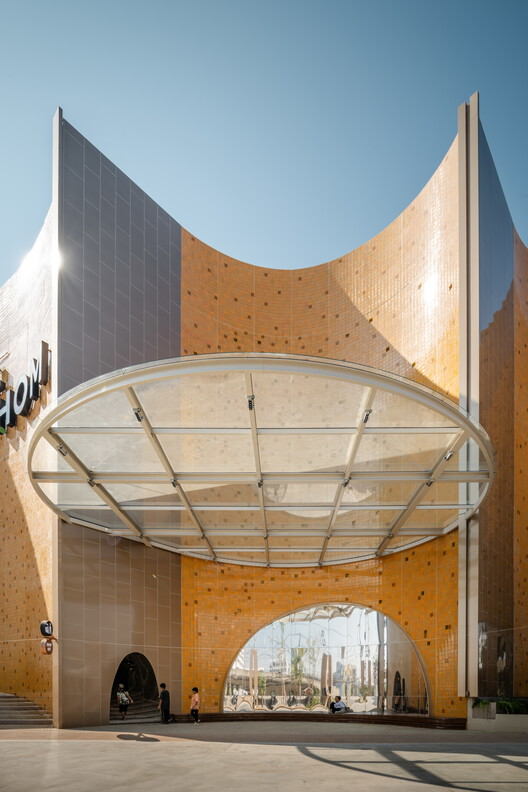
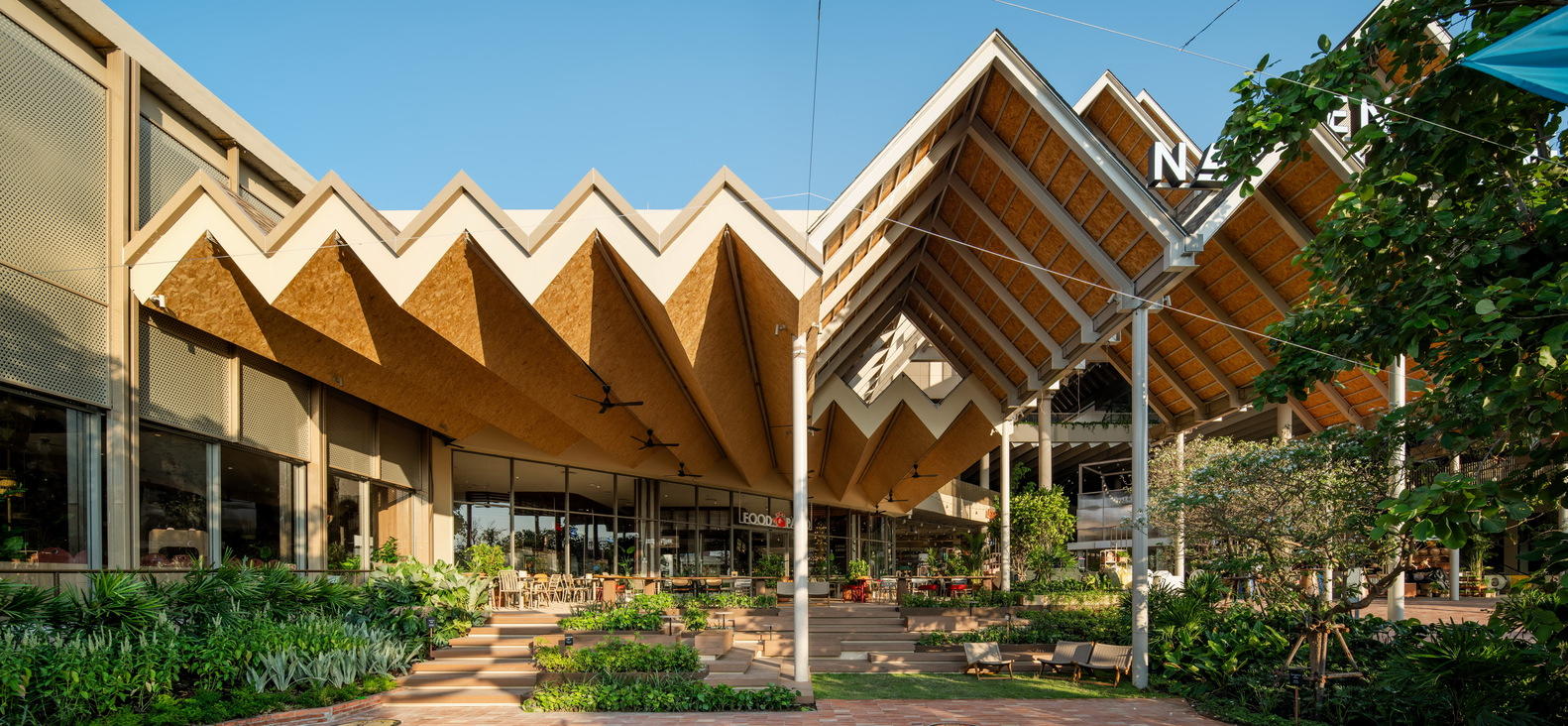
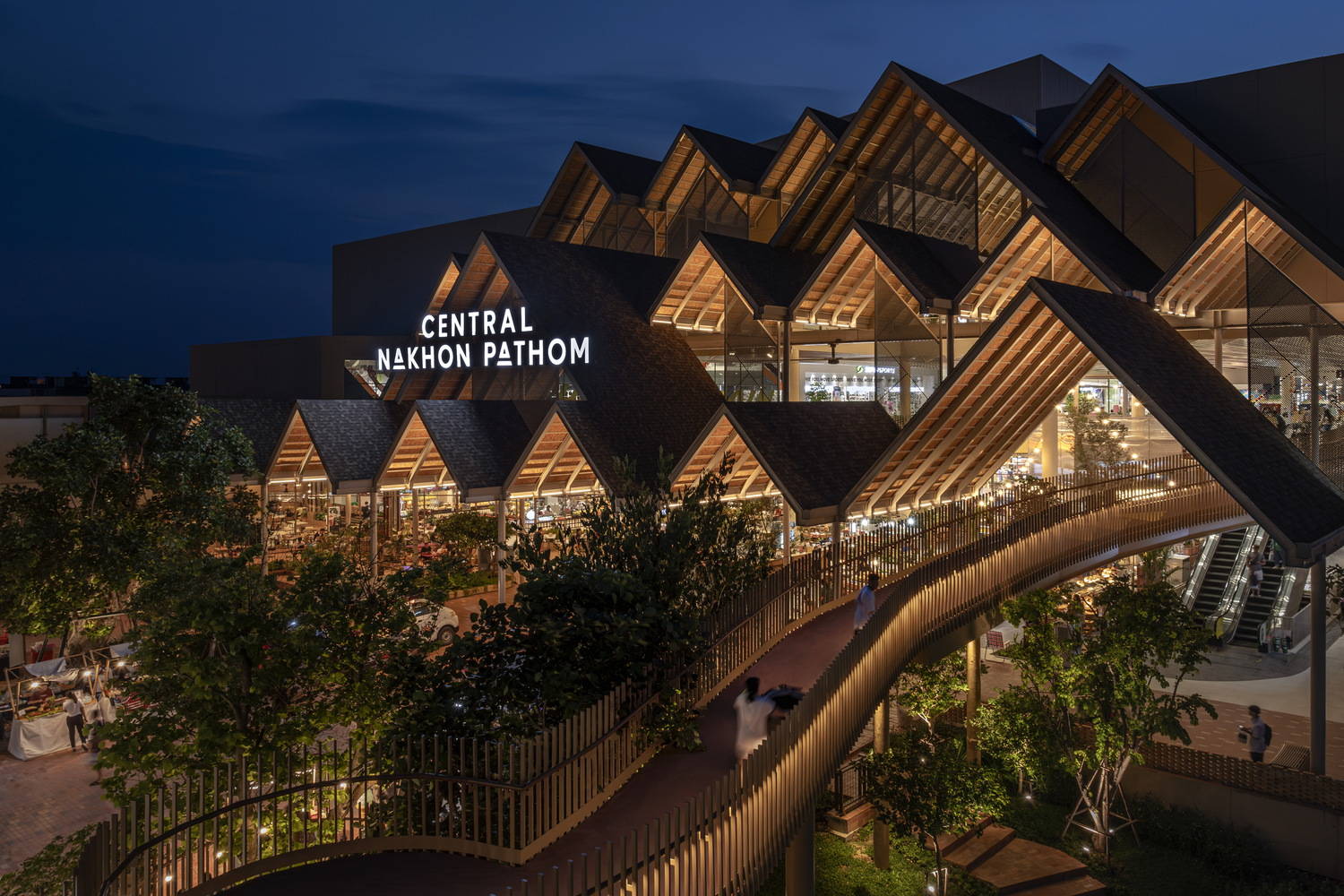
New and Old Integration — A major ambition of the project is to reinterpret the local character of Nakhon Pathom through a contemporary architectural language. Elements inspired by Phra Pathom Chedi are incorporated into the design. Simultaneously, the integration of gable roof forms and checkered patterns imbues the project with warmth and approachability, deeply rooting it in the daily cultural context. The front facade, serving as the main backdrop for public gatherings, is designed to be iconic and inviting, immediately evoking associations with the form and material characteristics of Phra Pathom Chedi. To strengthen this connection, the design utilizes yellow terracotta tiles supplied by the same artisans who worked on the Phra Pathom Chedi. The recessed profile at the main entrance further abstracts the silhouette of the stupa, creating a simple yet recognizable gesture. Here, the textured terracotta surface contrasts with the smooth aluminum composite panels, symbolizing the convergence of tradition and modernity. This contrast runs throughout the front facade, whose composition is inspired by the recessed corners of the Phra Pathom Chedi. The two primary materials are strategically placed: the curved terracotta-clad walls face the Phra Pathom Chedi, welcoming visitors from Bangkok and establishing the development as the new gateway to the province. In contrast, the rectilinear aluminum-clad walls face the city, guiding departing pedestrians back towards Bangkok. Through these contrasting elements, the facade becomes an architectural dialogue between new and old—an expression of continuity, transition, and the evolving identity of Nakhon Pathom city.
新旧融合 —— 项目的一大雄心是通过当代建筑语言重新诠释泰国佛统府的地方特色。设计融入了受佛统大塔启发的元素。同时,融入双坡屋顶造型与棋盘格图案,为项目注入了温暖与亲切感,使其深深植根于日常文化背景之中。前立面作为公共聚会的主要背景,设计得极具标志性与亲和力,立即唤起人们对佛统大塔形式与材质特征的联想。为强化这一联系,设计采用了与佛统大塔同一工匠提供的黄色陶土瓦。主入口的凹陷轮廓进一步抽象了宝塔的轮廓,创造出一种简洁而易于识别的姿态。在这里,有纹理的陶土表面与光滑的铝复合板形成鲜明对比,象征着传统与现代的交汇。这种对比贯穿整个前立面,其构图灵感源自佛统大塔的凹陷角落。两种主要材料策略性地布置:弧形陶土覆层墙面朝向佛统大塔,迎接来自曼谷的访客,确立该开发项目作为该省新门户的地位。相比之下,直线型铝覆层墙面则面向城市,引导离开泰国佛统府的行人返回曼谷。通过这些对比元素,立面成为新旧之间的建筑对话 —— 一种连续性、过渡性以及佛统城区不断演变身份的表达。
© Art4d x Jinnawat Borihankijanan
Craftsmanship Story — The front facade employs yellow terracotta tiles sourced from the same origin as the cladding of Phra Pathom Chedi. Each 6x6 inch tile is meticulously hand-laid by skilled artisans onto precast concrete modules, following precise alignment patterns customized for each panel. Once positioned, concrete is cast behind the tiles, unifying the ceramic surface with the structural panel into a durable component that prevents detachment during transport or site installation. To achieve depth and richness in the facade’s color, three main yellow terracotta tones were used. These hues were selected through a series of models and full-scale installation tests to determine the optimal balance, rhythm, and visual consistency for the building’s exterior expression.
工艺故事 —— 前立面采用了与佛统大塔覆层同出一源的黄色陶土瓦。每块 6 英寸 × 6 英寸的瓦片均由技艺精湛的工匠精心手工铺设于预制混凝土模块上,遵循针对每个面板定制的精确对齐图案。定位后,混凝土浇筑于瓦片背面,使陶瓷表面与结构面板形成统一、耐用的组件,防止运输或现场安装过程中脱落。为实现立面色彩的深度与丰富度,采用了三种主要黄色陶土色调。这些色调通过一系列模型与全尺寸安装测试选定,有助于确定建筑外观表达的最佳平衡、节奏与视觉一致性。
© Art4d x Jinnawat Borihankijanan
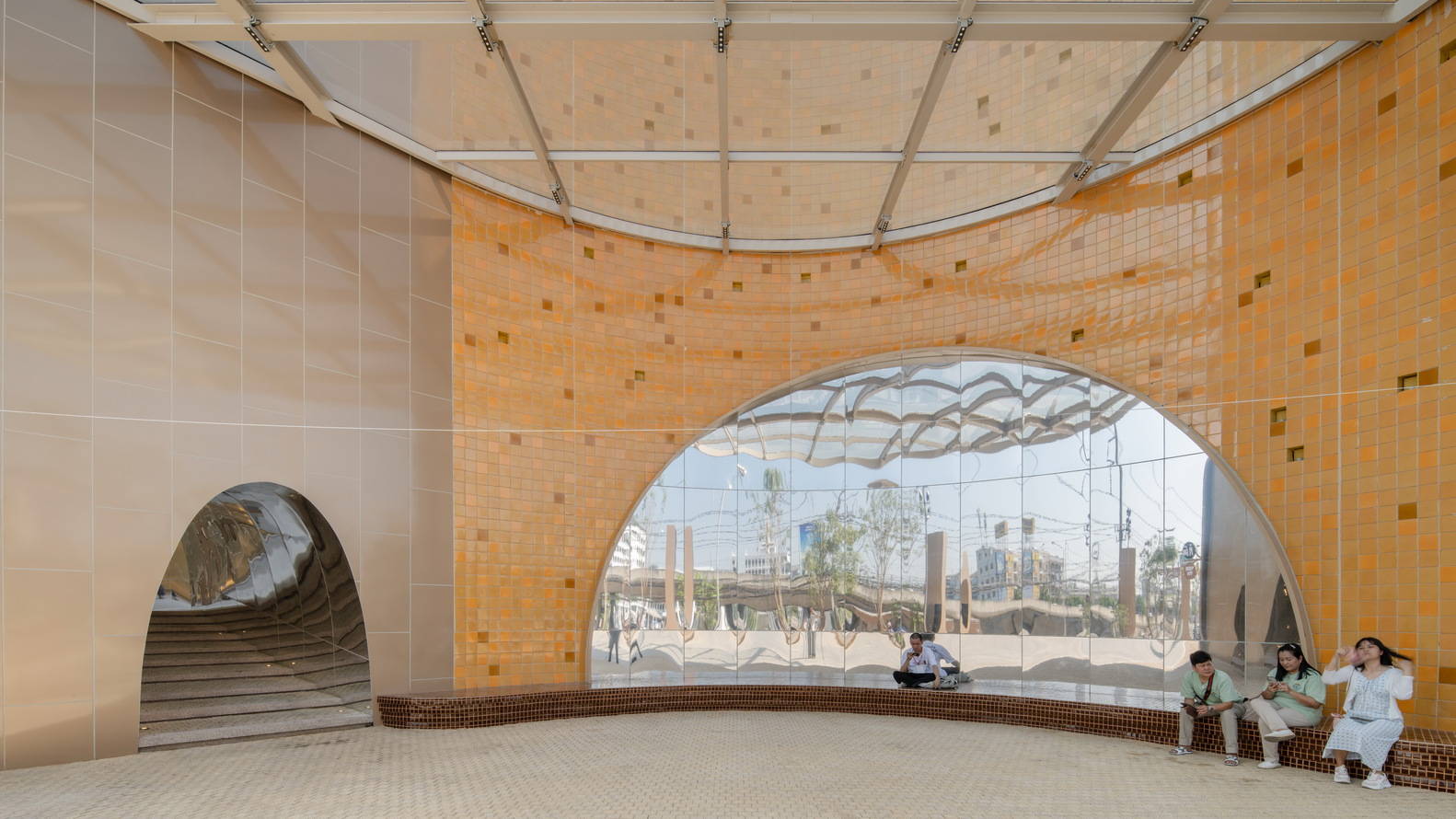
Rooted in Tradition, Creating New Forms — At the second entrance, the corridor unfolds through a series of alternating curves, inspired by the interstitial spaces within Phra Pathom Chedi—spaces formed by the successive layering of additions to the original structure across different eras. Clad in red-toned terracotta tiles derived from the Chedi’s primary color and complemented by a reflective ceiling, this corridor enhances the sensory transition from exterior to interior. In contrast to the main entrance's grandeur and openness, this passage evokes a sense of exploration and invitation, drawing visitors inward. By reinterpreting this hidden architectural condition in a contemporary form, the design achieves a balance that is both forward-looking and deeply rooted in local heritage.
根植传统,创造新形式 —— 在第二入口处,走廊通过一系列交替曲线展开,灵感源自佛统大塔内的间隙空间——这些空间随着不同时代对原始结构的层层叠加而形成。走廊覆以源自佛统大塔本色的红色调陶土瓦,并配以反光天花板,增强了从外部到内部的感官过渡。与主入口的宏伟与开阔不同,这条通道唤起了一种探索与邀请的感觉,吸引访客深入其中。通过以当代形式重新诠释这一隐藏的建筑条件,设计实现了既前瞻又深深植根于地方遗产的平衡。
© Art4d x Jinnawat Borihankijanan
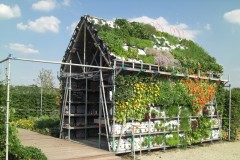
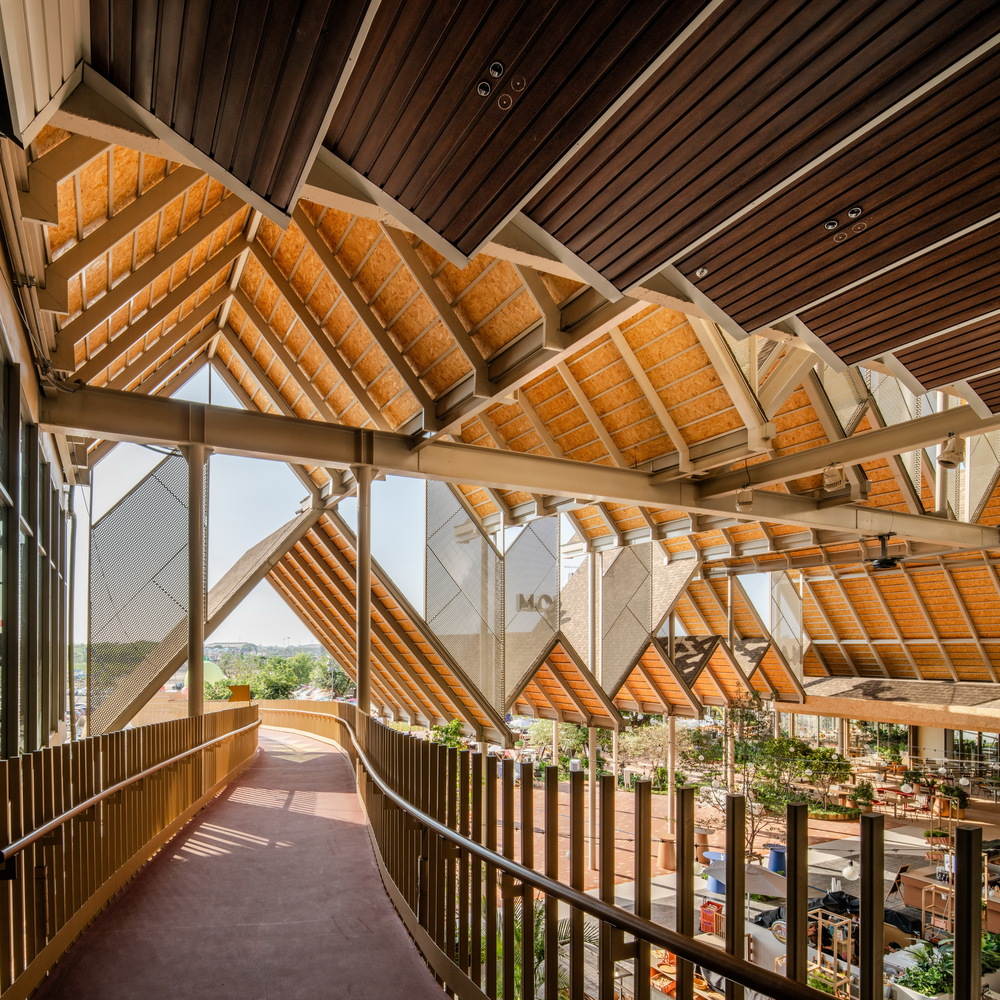
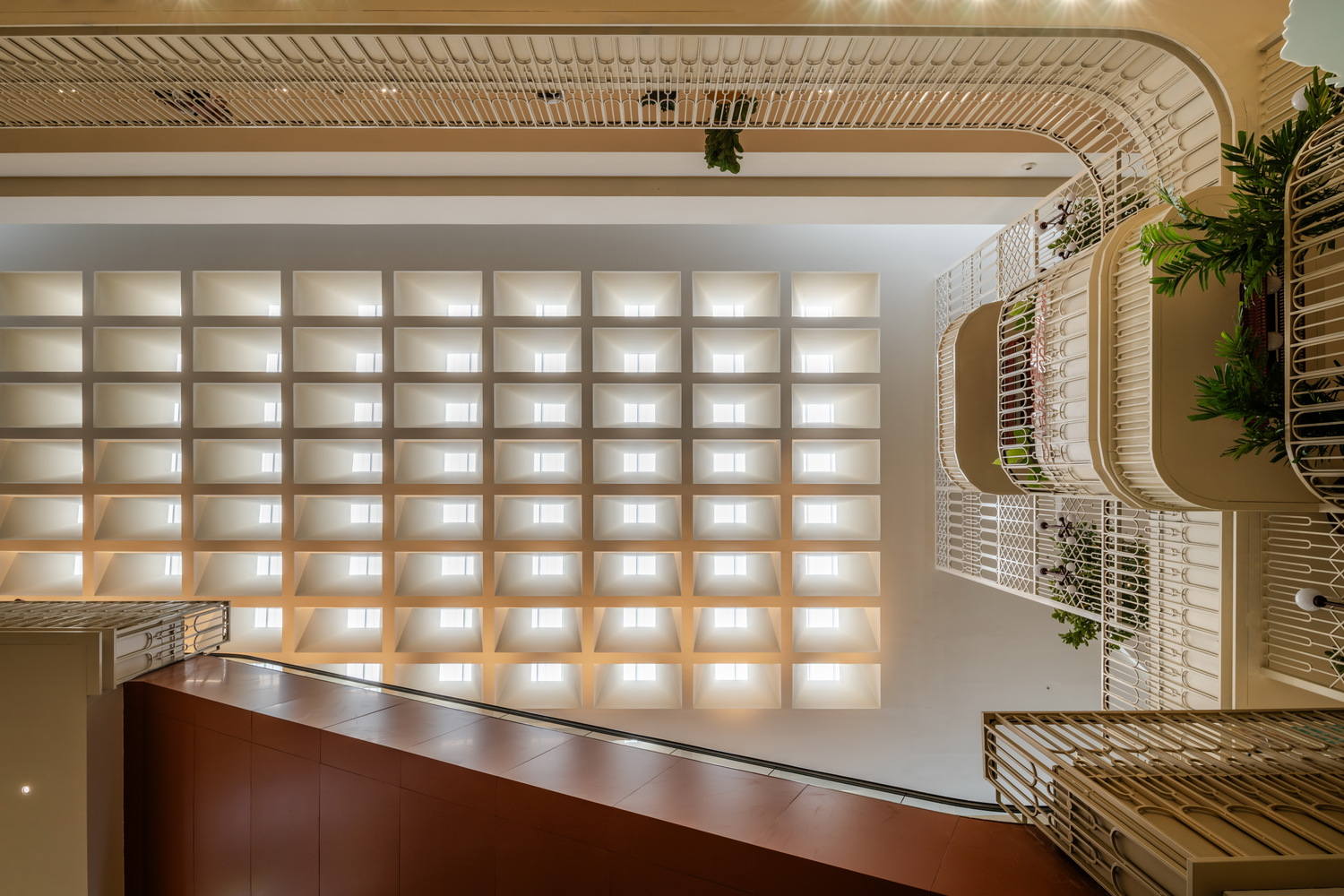
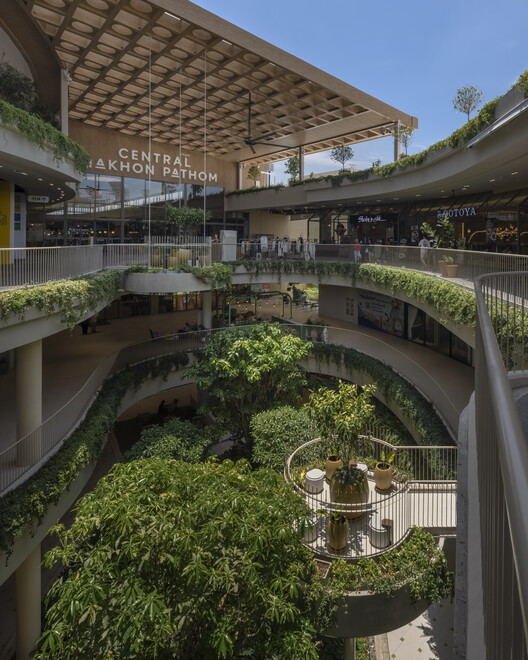
Green Journey — Stepping out from the air-conditioned atrium, visitors enter a hidden semi-outdoor green oasis within the building, offering a tranquil and refreshing experience. This space is designed as a three-story vertical garden, providing shade, fresh air, and a sense of retreat, with retail units arranged along the surrounding walkways, creating a lively yet relaxed ambiance. Suspended sky pods serve as pocket seating, inviting visitors to pause and appreciate the natural beauty. A large shading roof protects the area from rain, while the ceiling pattern, inspired by the checkerboard motif, reflects local activity patterns, adding visual interest and helping to diffuse direct sunlight and prevent overheating.
绿色之旅 —— 从空调中庭走出,访客进入建筑内隐藏的半户外绿色绿洲,享受宁静与清新的体验。该空间设计为三层垂直花园,提供遮荫、新鲜空气与隐退之感,零售单元沿周边走道排列,营造出活泼而轻松的环境。悬浮的天空舱作为口袋座椅,邀请访客驻足欣赏自然美景。大型遮阳屋顶保护该区域免受雨水侵袭,而受棋盘格启发的天花板图案则反映了当地活动模式,增添了视觉趣味,并有助于分散直射阳光,防止过热。
© W Workspace
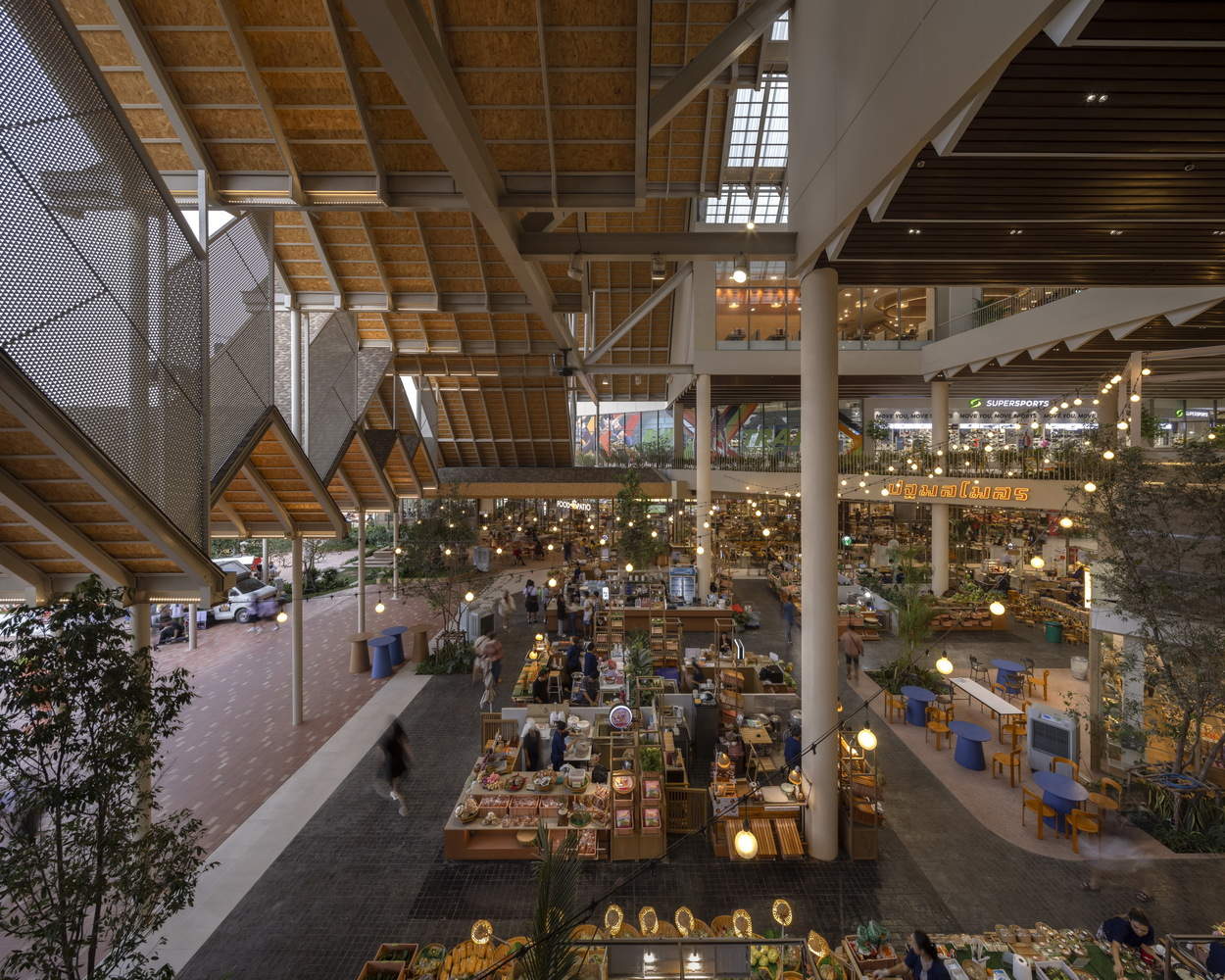
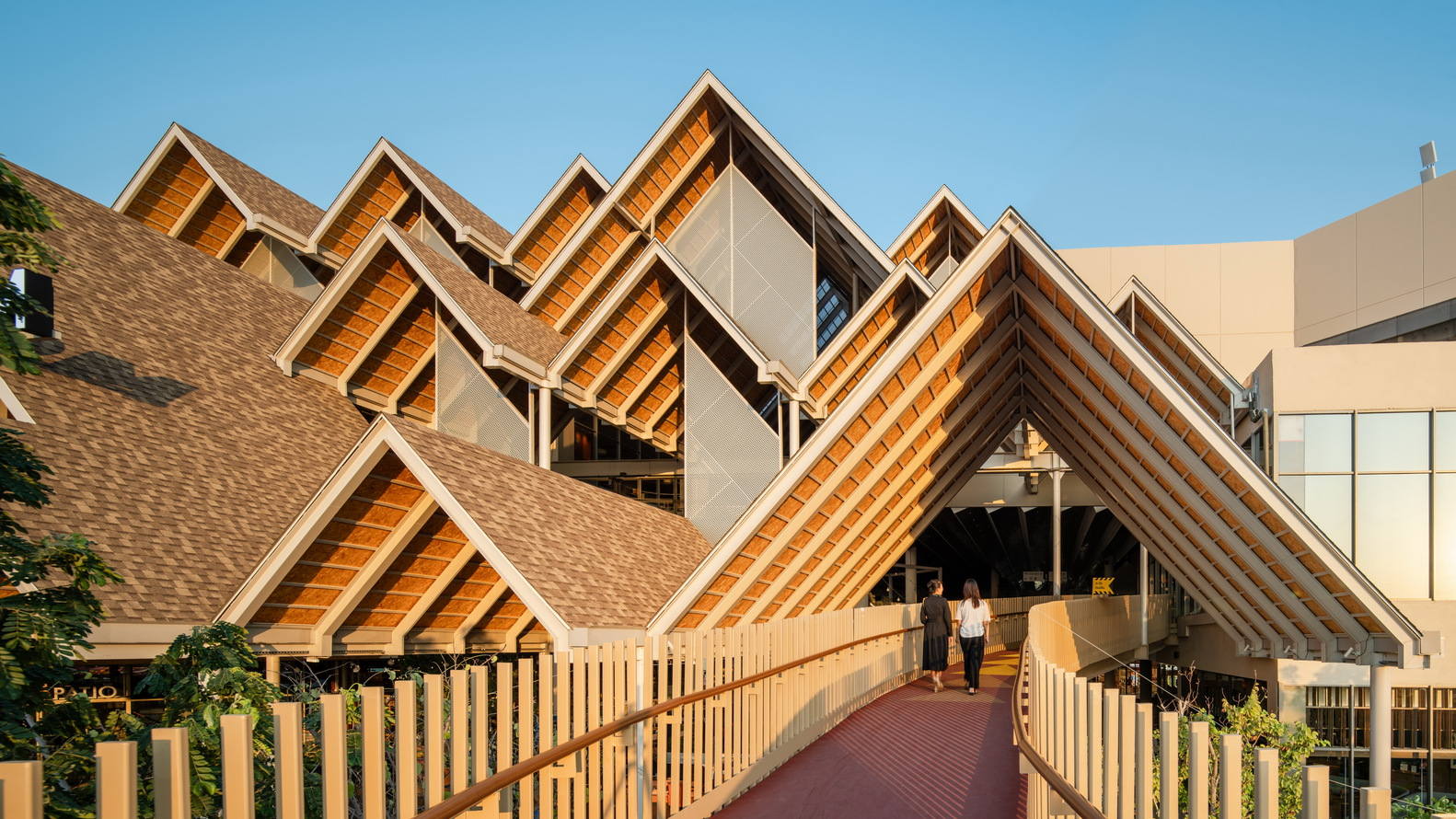
Local Market — As visitors move along the path, the space gradually opens up into a triple-height area beneath stacked gable roofs, revealing a vibrant local food market: Pathom Samosorn. Designed to evoke the character of a traditional market, this area feels warm and intimate, encouraging visitors to linger, relax, and enjoy views of the surrounding gardens. The market offers familiar local cuisine and connects seamlessly with an adjacent food terrace, forming a central dining hub reminiscent of the atmosphere of the market in front of Phra Pathom Chedi. Beyond being a culinary destination, this space serves as a subtle transition, connecting the building's interior with the expansive outdoor activity fields. A dedicated sports zone is situated above the second-floor terrace, featuring a 200-meter running track that winds from the park through the upper level, visually and physically connecting the building with the exterior garden. This design encourages continuous use across levels, promoting active engagement and seamless integration between indoor and outdoor spaces.
本地市场 —— 随着访客沿路径前行,空间逐渐开阔,形成一个三层高的空间,其下是层叠的双坡屋顶,展现出一个充满活力的本地食品市场 —— Pathom Samosorn。设计旨在唤起传统市场的特色,该区域温馨而亲密,鼓励访客流连忘返,放松身心,欣赏周边花园美景。市场提供熟悉的本地美食,并与相邻的食品露台无缝连接,形成一个中央餐饮枢纽,让人回想起佛统大塔前市场的氛围。除了作为美食目的地外,该空间还作为一个微妙的过渡区域,连接建筑内部与广阔的户外活动场地。二楼露台上方设有一个专用运动区,配备一条 200 米跑道,从公园蜿蜒穿过上层,视觉上与物理上均将建筑与外部花园相连。这一设计鼓励跨楼层连续使用,促进积极互动与室内外空间的无缝连接。
© Art4d x Jinnawat Borihankijanan
© Art4d x Jinnawat Borihankijanan
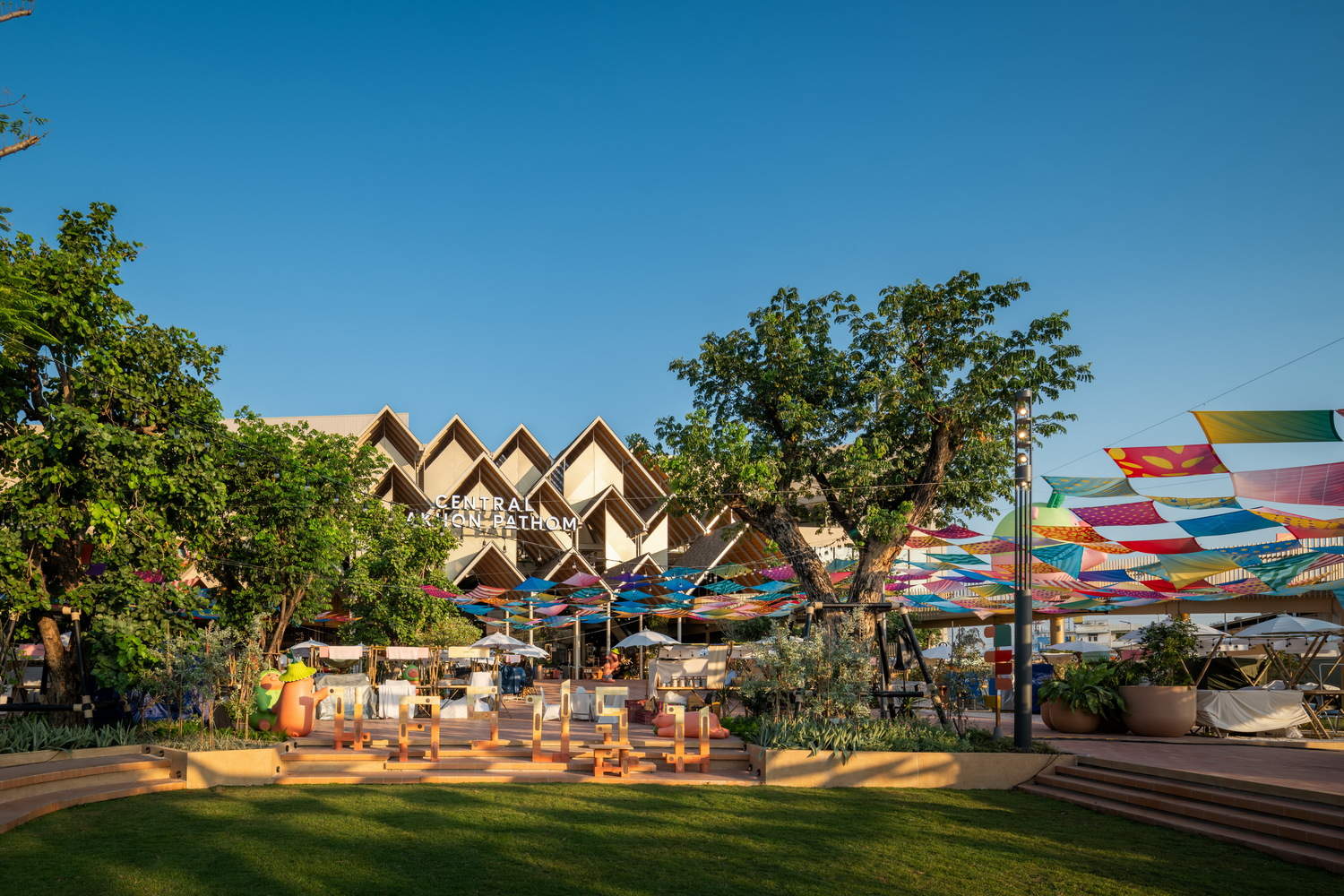
Main Park — To enhance local familiarity, the rear facade is composed of overlapping gable roof forms—an architectural language derived from traditional Thai residences, instinctively recognized by residents. These gables open up towards the park (the Pomelo Garden), a pet-friendly, verdant area designed to accommodate a wide range of activities. A large retention pond sits at the landscape's center, anchoring the public space, surrounded by a running track, activity lawns, art installations, play areas, and various nooks for resting and gathering. An 800-square-meter event space further supports the province's cultural calendar, hosting major festivals such as Songkran, Loy Krathong, New Year celebrations, and weekly community activities. Recalling the vibrant life historically surrounding Phra Pathom Chedi, this area serves as the city’s new activity hub—creating a lively, engaging, and inclusive environment for residents and visitors alike. Sustainable design application.
主公园 —— 为增强地方熟悉感,后立面由重叠的双坡屋顶形式组成 —— 这一建筑语言源自泰国传统民居,居民本能地识别。这些双坡屋顶向公园(柚子园)敞开,这是一个宠物友好、绿意盎然的公园,设计用于容纳广泛的活动。景观中心坐落着一个大型蓄水池,锚定公共空间,周围环绕着跑道、活动草坪、艺术装置、游乐区以及各种休息与聚集的小角落。一个 800 平方米的活动空间进一步支持该省的文化日程,举办如宋干节、水灯节、新年庆祝等重大节日,以及每周的社区活动。回想起佛统大塔周围历史上充满活力的生活,该区域作为城市新的活动中心 —— 为居民与访客营造一个生动、引人入胜且包容的环境。可持续设计应用。
© Art4d x Jinnawat Borihankijanan
Sustainable Design Application
Site Layout and Landscape Design — The master plan incorporates a 31% Open Space Ratio (OSR), ensuring spacious and breathable areas throughout the development. The central green park serves as the site's core, planted with native and low-maintenance species to support ecological resilience and reduce long-term maintenance costs. A dedicated retention pond (1200 m³ capacity, 1.50m depth, approx. 800 m²) is integrated into the main public park to aid sustainable rainwater management and enhance the overall landscape feature.
可持续设计应用
场地布局与景观设计 —— 总规划融入了 31% 的开放空间比例(OSR),确保整个开发区域拥有宽敞、透气的空间。中央绿色公园作为场地核心,种植本地与低维护物种,以支持生态韧性并减少长期维护成本。一个约 800 平方米的专用蓄水池(容量 1200 立方米,深度 1.50 米)融入主要公共公园,有助于可持续雨水管理并增强整体景观特色。
© Art4d x Jinnawat Borihankijanan
© Art4d x Jinnawat Borihankijanan
Building Materials and Envelope Performance — Low VOC indoor materials are specified to support healthy indoor air quality. The exterior facade utilizes glass and composite cladding with a surface reflectance value below 15% to reduce glare and heat gain. Hardscape materials have a Solar Reflectance Index (SRI) value above 30 to mitigate the urban heat island effect. Thermal protection is enhanced through over 50mm of roof insulation, while locally sourced materials like terracotta tiles are used as primary facade materials to express regional craft and reduce transportation impact.
建筑材料与围护结构性能 —— 指定使用低挥发性有机化合物(VOC)室内材料以支持健康室内空气质量。外立面采用玻璃与复合覆层,表面反射值低于 15%,以减少眩光与热量获取。硬质景观材料太阳能反射指数(SRI)值高于 30,以减少城市热岛效应。通过超过 50 毫米的屋顶保温层加强热保护,同时使用如陶土瓦等本地材料作为主要立面材料,以表达区域工艺并减少运输影响。
© Art4d x Jinnawat Borihankijanan
Plumbing and Water Conservation Features — Water-efficient fixtures are integrated throughout the project. Single-flush toilets use no more than 6.0 liters per flush, and automatic faucets have a flow rate below 5.0 liters per minute, supporting responsible water use in daily operations.
卫生与节水特性 —— 整个项目集成节水器具。单冲式厕所每次冲水不超过 6.0 升,自动水龙头流速低于 5.0 升/分钟,支持日常运营中的负责任用水。
© W Workspace
Thermal Comfort and Solar Analysis — Semi-outdoor areas are carefully designed to ensure comfort through optimization of natural ventilation and daylighting via building massing, allowing for air circulation. Microclimate analysis, combined with strategically placed large and ceiling fans, helps enhance airflow and lower temperatures without relying on mechanical cooling. Studies indicate that the use of mechanical fans can help reduce the perceived temperature by approximately 1°C. Solar analysis was also applied to the main atrium and floor corridors to harness direct and indirect natural light, minimizing electricity use while maintaining a bright and pleasant environment.
热舒适与日照分析 —— 半户外区域经过精心设计以确保舒适,通过建筑体量优化自然通风与日照,允许空气流通。微气候分析与战略性地布置的大型风扇与吊扇有助于增强空气流动并降低温度,无需依赖机械冷却。研究表明,使用机械风扇可帮助降低感知温度约 1°C。日照分析也应用于主中庭与各层走廊,以利用直接与间接自然光,最小化电力使用,同时保持明亮、宜人的环境。
© W Workspace