景观叙事与视线控制的精妙结合:该项目最核心的亮点在于其对场地景观资源(公园、湖景、远眺城市)的极致利用和高度控制。通过在不同楼层精心设计的窗户形态——从二层嵌入画框的水景到三层刻意隐藏水面的L型窗,再到四层“水天一色”的双面落地窗,直至屋顶观景台对水平线的纯净捕捉——建筑成功地将每一次攀升转化为一场层次分明的、叙事性的观景体验。这种“渐进式”的景观呈现策略,超越了单纯的观景台功能,使建筑成为引导和诠释特定自然画面的媒介。
功能复合化与路径探索的趣味性:项目巧妙地整合了基础公共服务(底层卫生间)与体验型商业空间(展厅、咖啡店、茶室),实现了公共建筑功能的复合化。更值得称道的是对垂直交通路径的设计。除了常规步梯,东侧的观光电梯被设计成一段探索旅程,通过在不同楼层连接空间的形态变化(如二层的“小院子”和四层的全室内处理),将乘梯行为转化为富有惊喜和变化的空间体验,极大地丰富了访客在塔内的游览节奏。
结构与空间的对话与场所精神的延续:建筑以钢结构为骨架,并策略性地暴露部分结构体作为空间构成元素,这不仅确保了结构的美感和力量感,也暗示了其在原址上对既有构筑物的“改建”与延续。结构形态与空间功能设定形成内在呼应,创造出具有延展性和氛围感的新空间。最终,瞭望塔以其多样化的日常使用功能,在黄昏的光影中,完成了对场地场所精神的现代诠释,实现了人、建筑与自然环境的和谐回环。
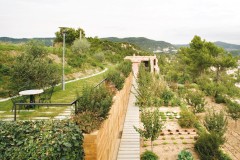
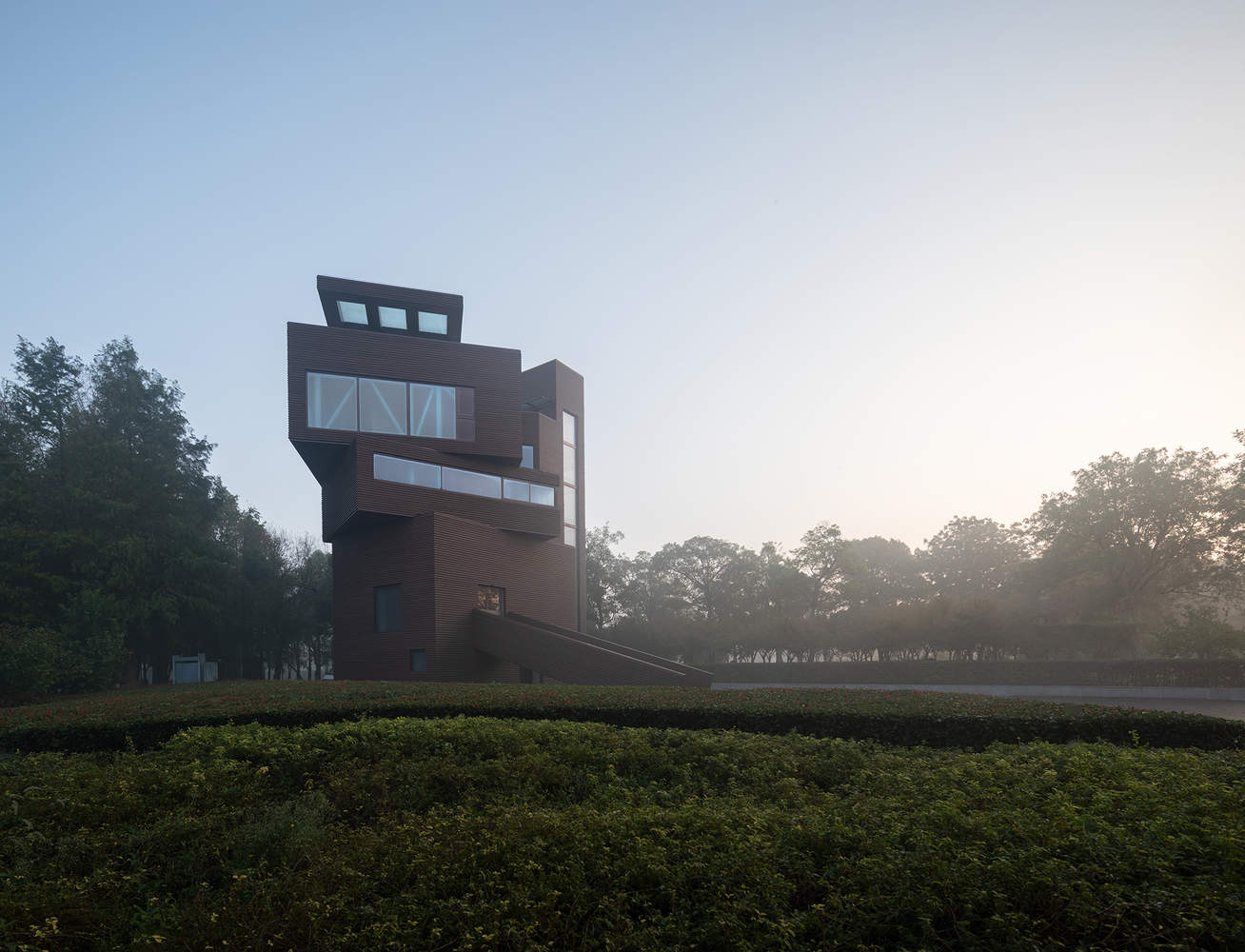
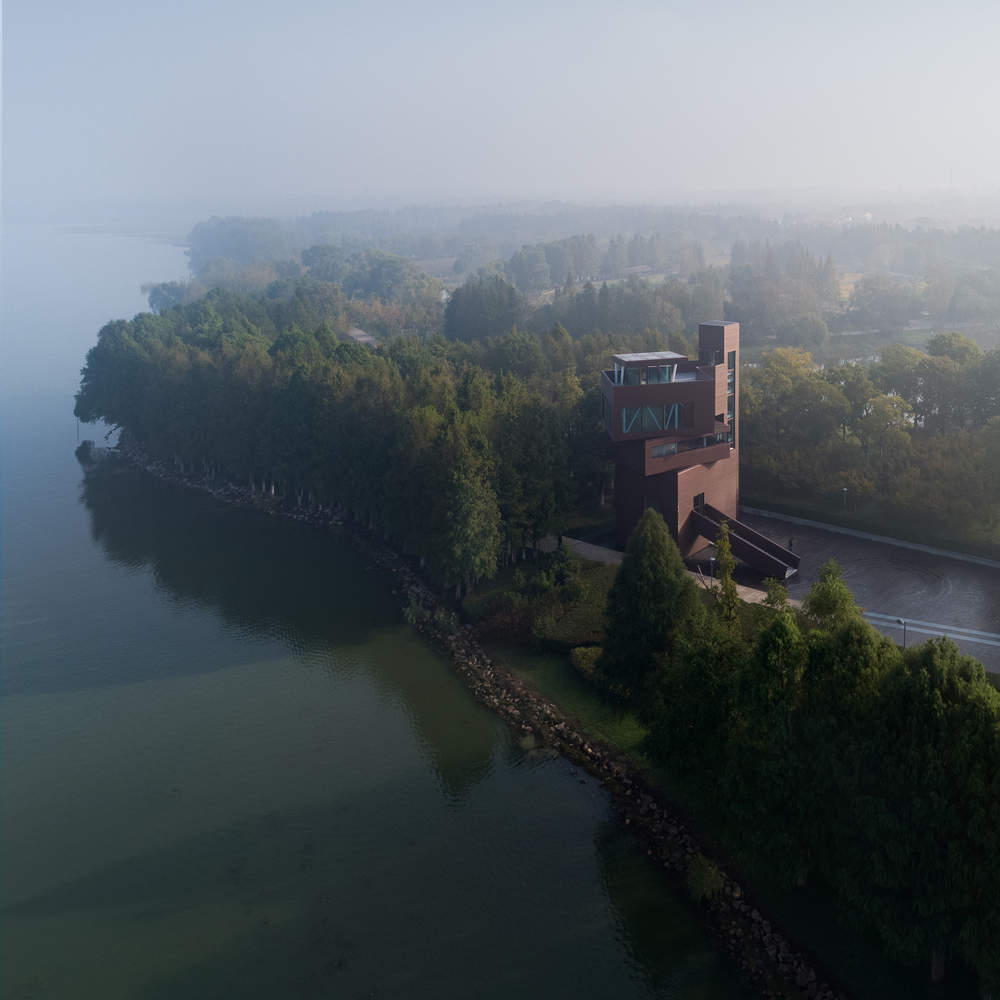
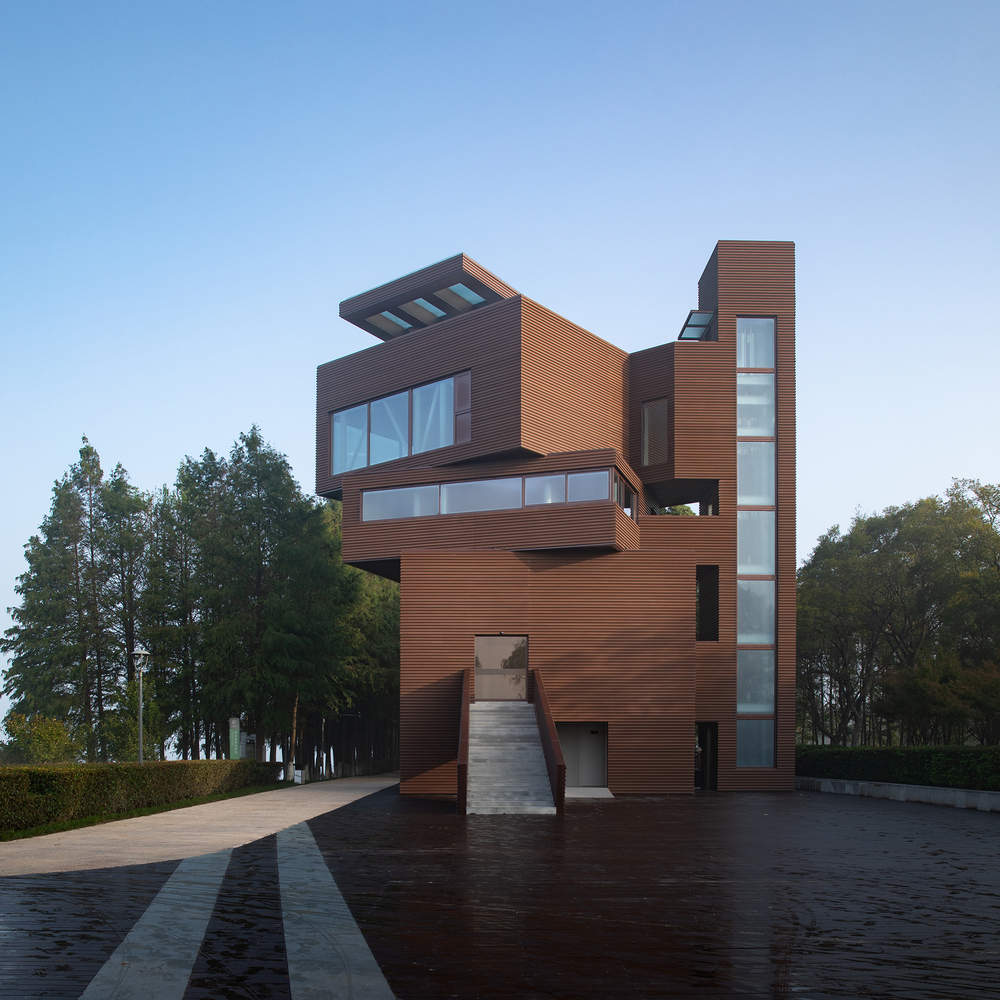
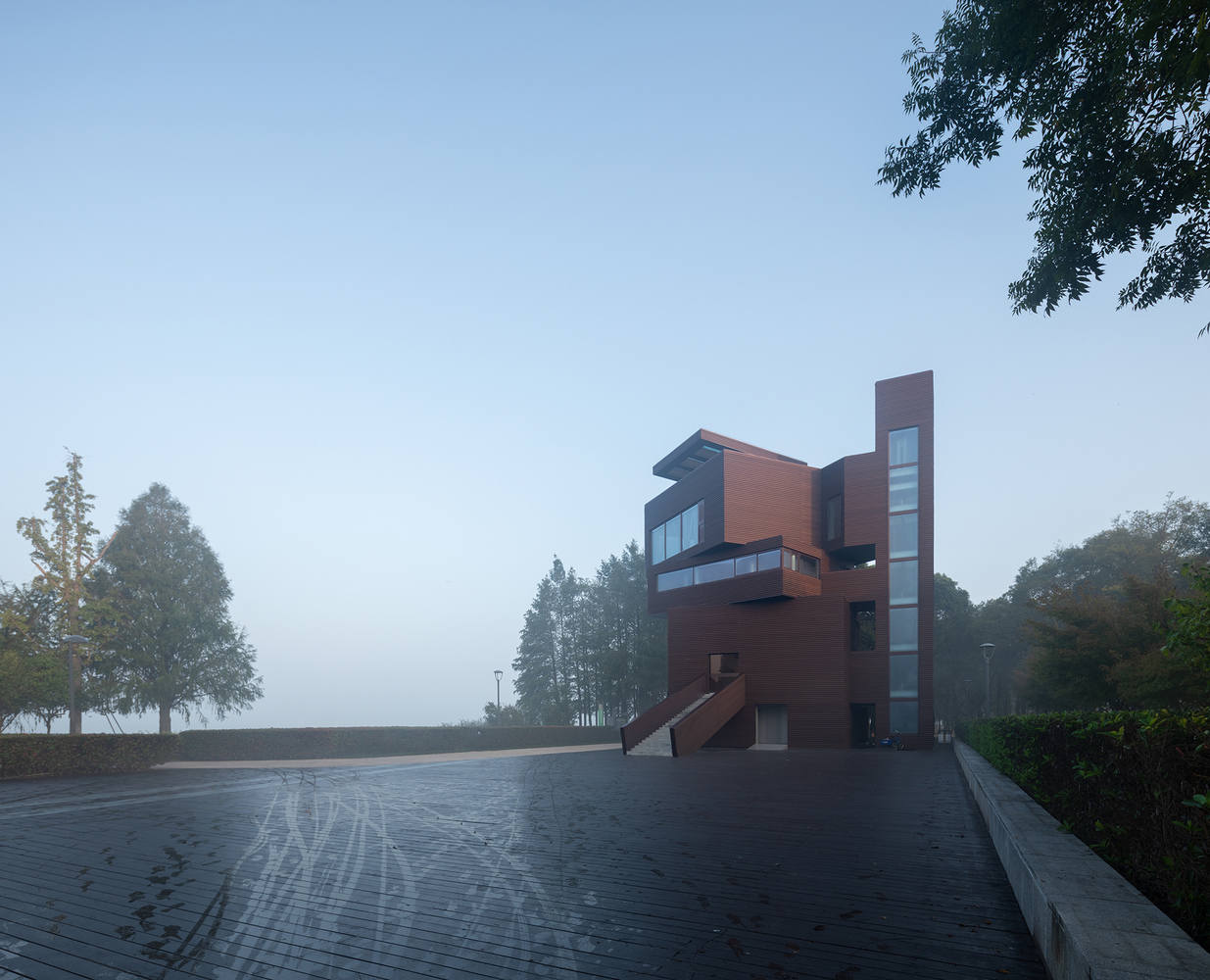
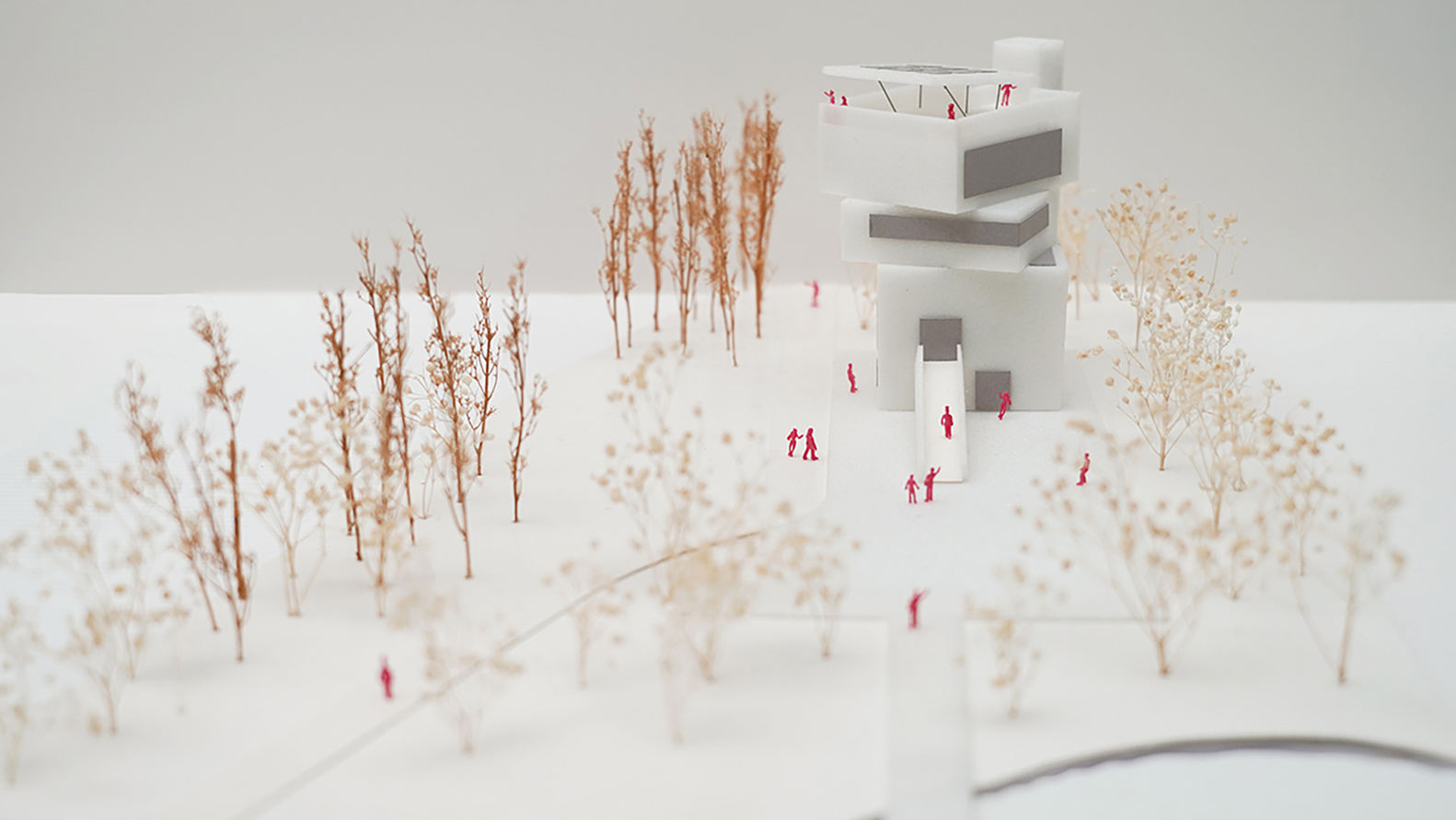
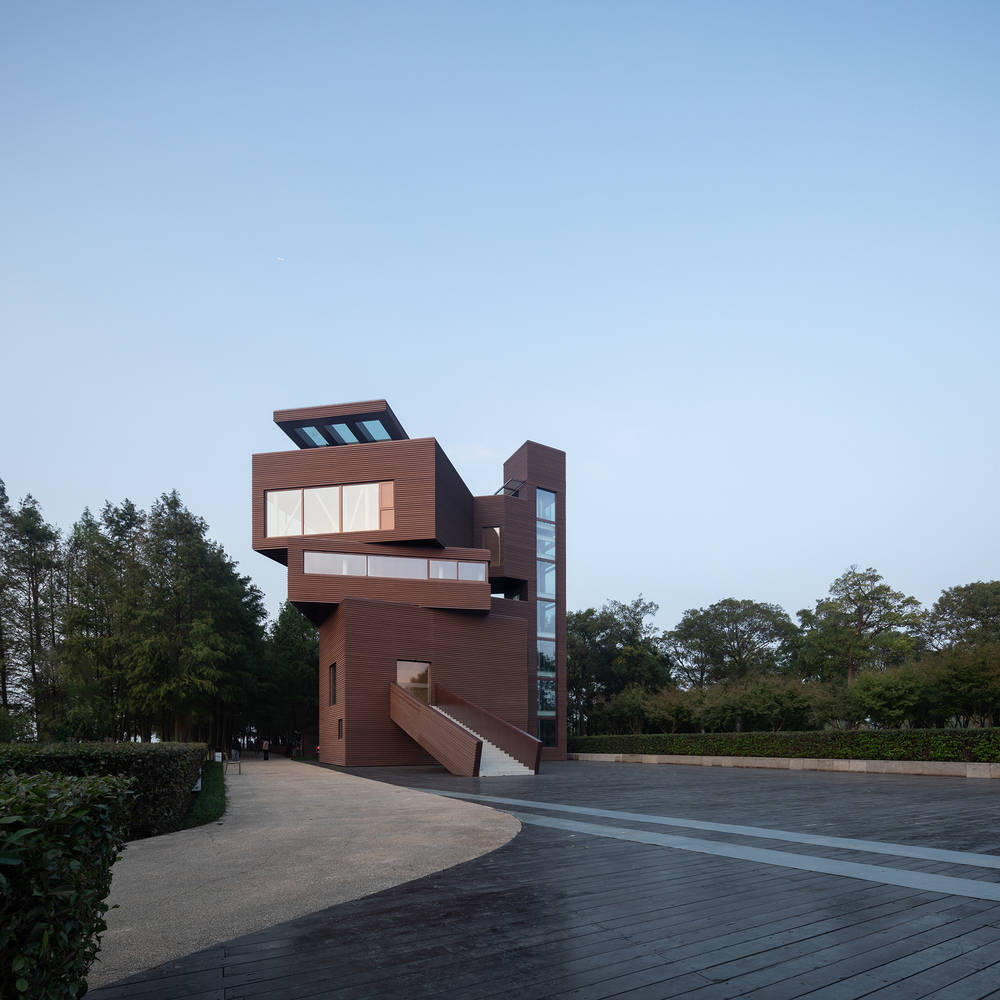
The project is located in Xilu Garden in Kunshan, on the east side of Yangcheng Lake. From here, one can view the park landscape, the scenery of Yangcheng Lake, and the distant city skyline. It also functions as a public building, integrated into the park's touring route.
项目位于阳澄湖东侧昆山的夕露园里,从这里既看到公园景观、阳澄湖风光,又能远眺城市风景,同时作为公园游览线路的一部分承担公共建筑功能。
© 梁山
© 梁山
© 梁山
© 梁山
The ground floor of the observation tower is equipped with publicly accessible restrooms open all day. Starting from the second floor, the spaces—whether exhibition halls, the third-floor café, or the fourth-floor tea room—are connected by variations in window form, which are integral parts of the building’s design, corresponding to the links between different functions and scenic views.
瞭望塔的底层设置全天开放的公共卫生间。从二层开始,无论展厅还是三层咖啡店、四层茶室空间,都由作为建筑局部的窗通过形态变化贯穿起来,对应不同功能与风景之间的联系。
© 梁山
Model Photo
© 梁山
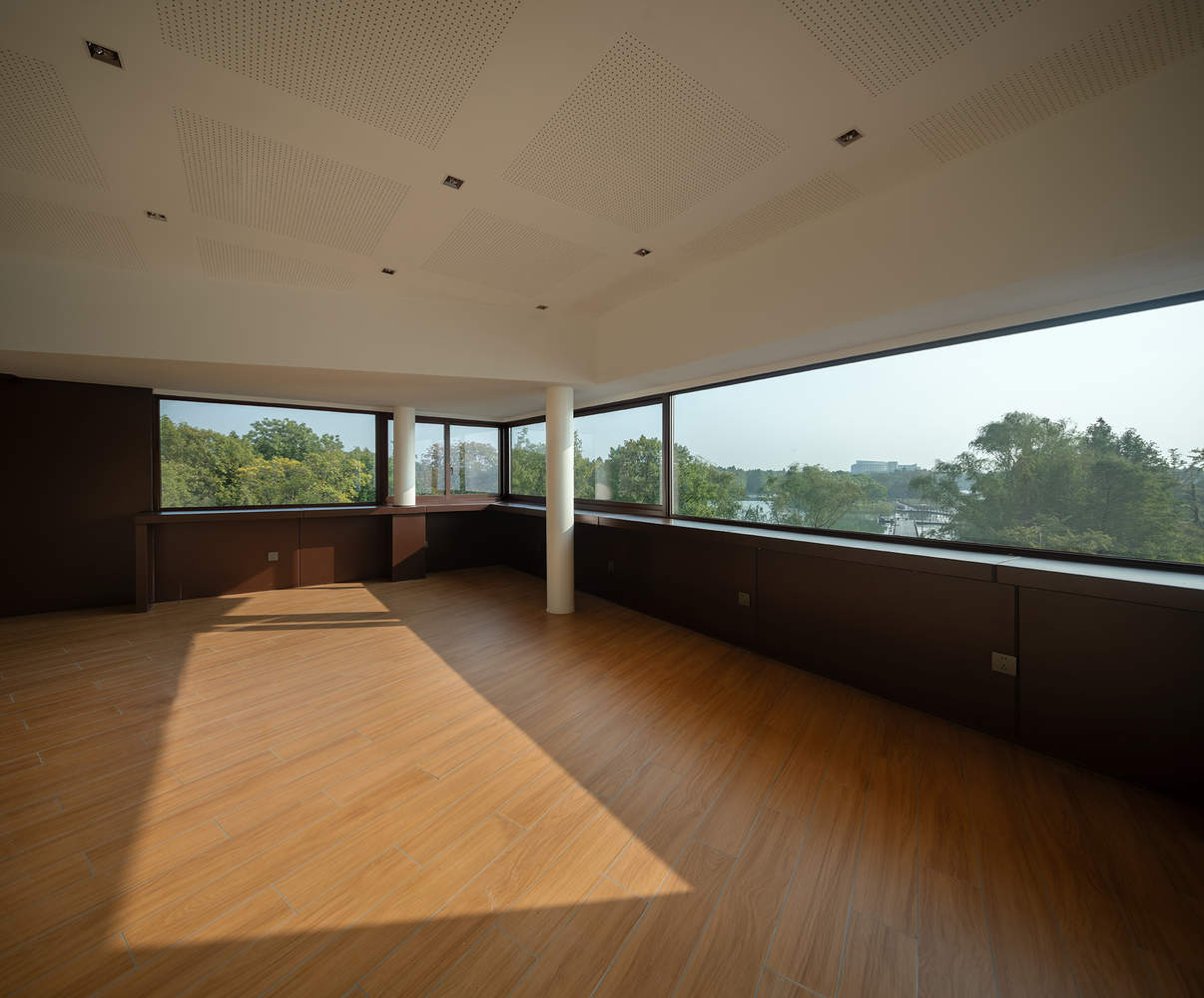
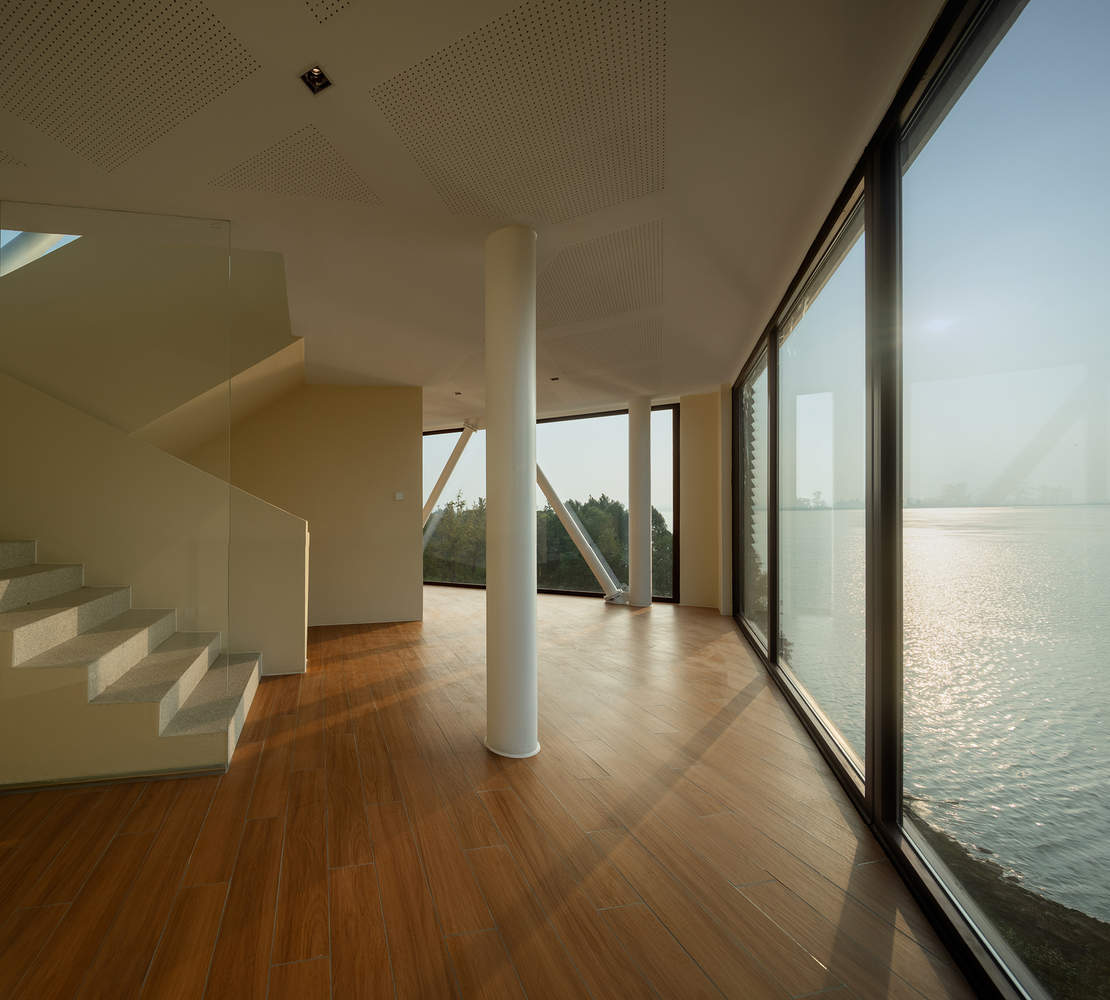
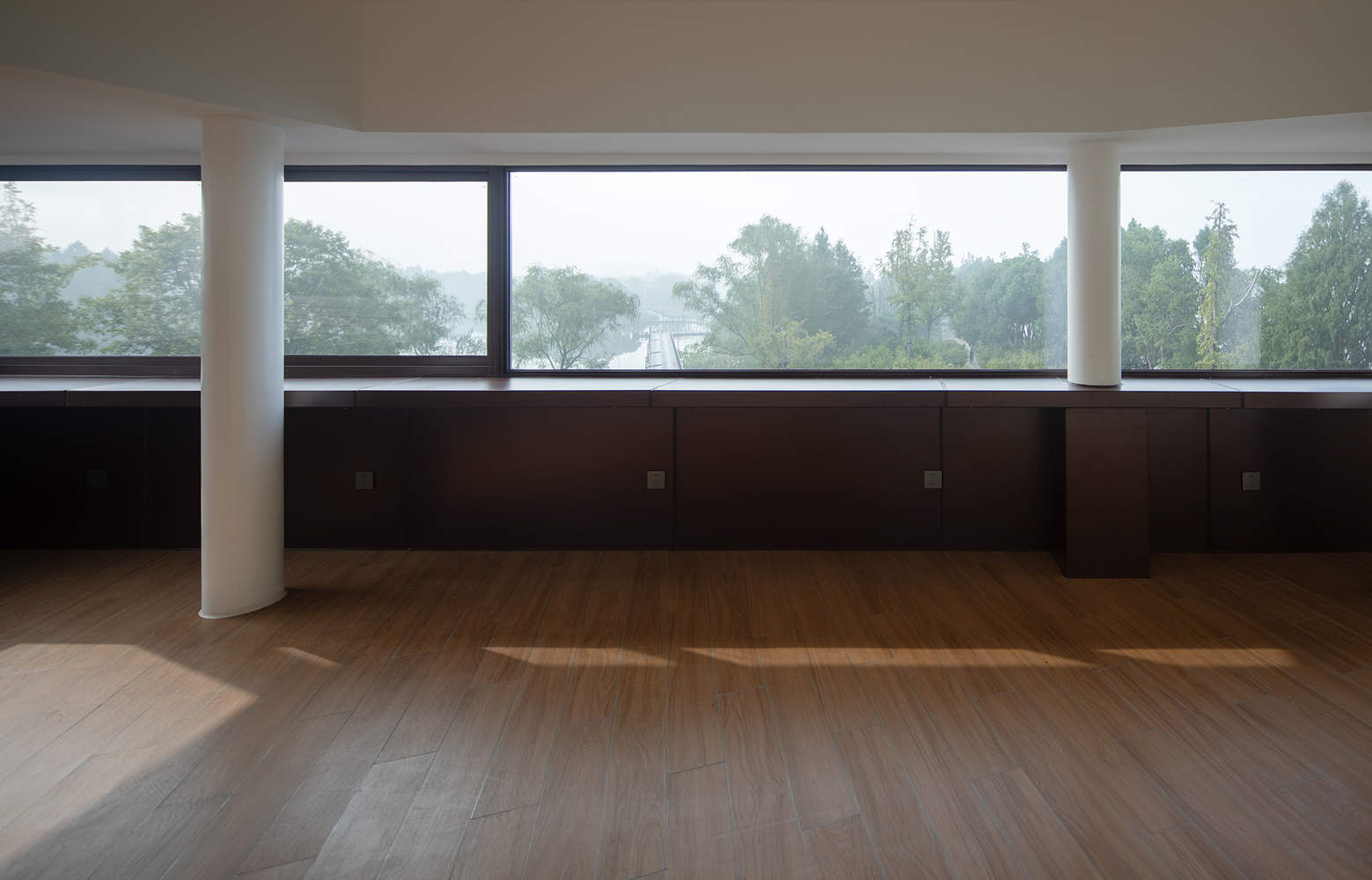
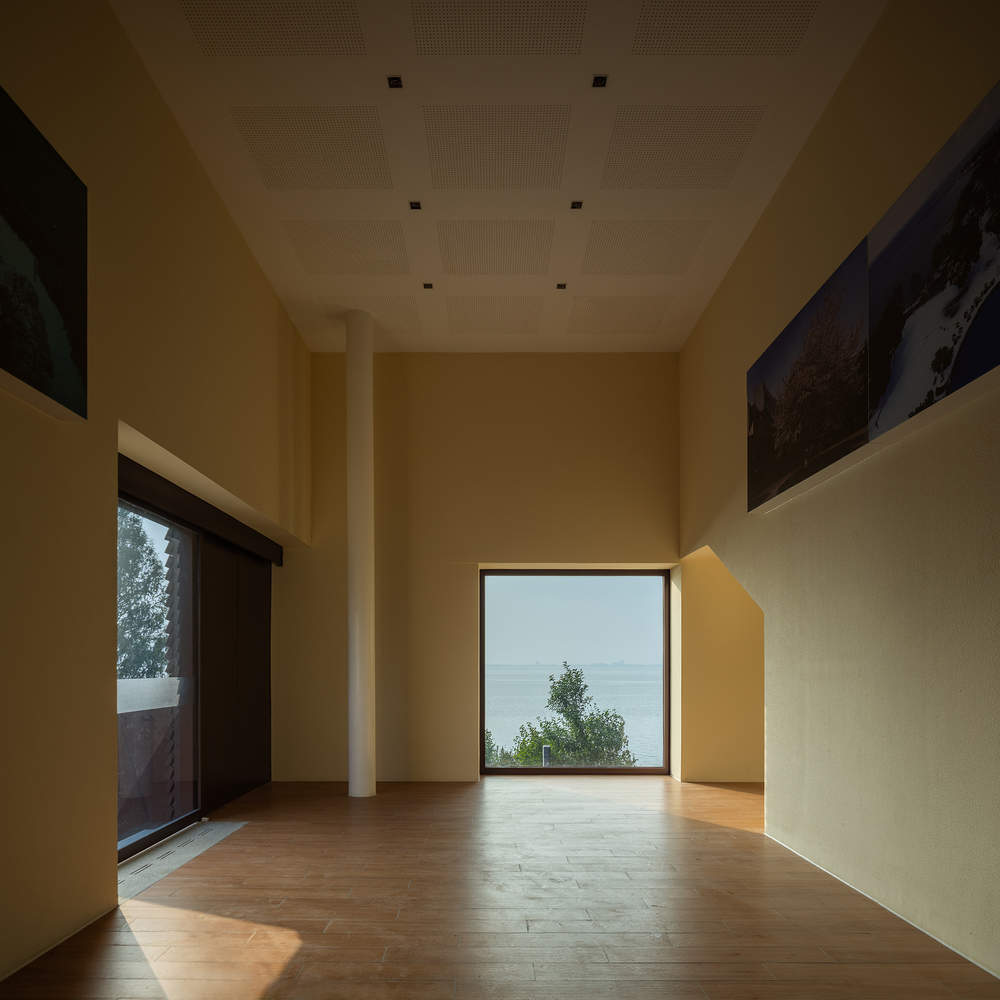
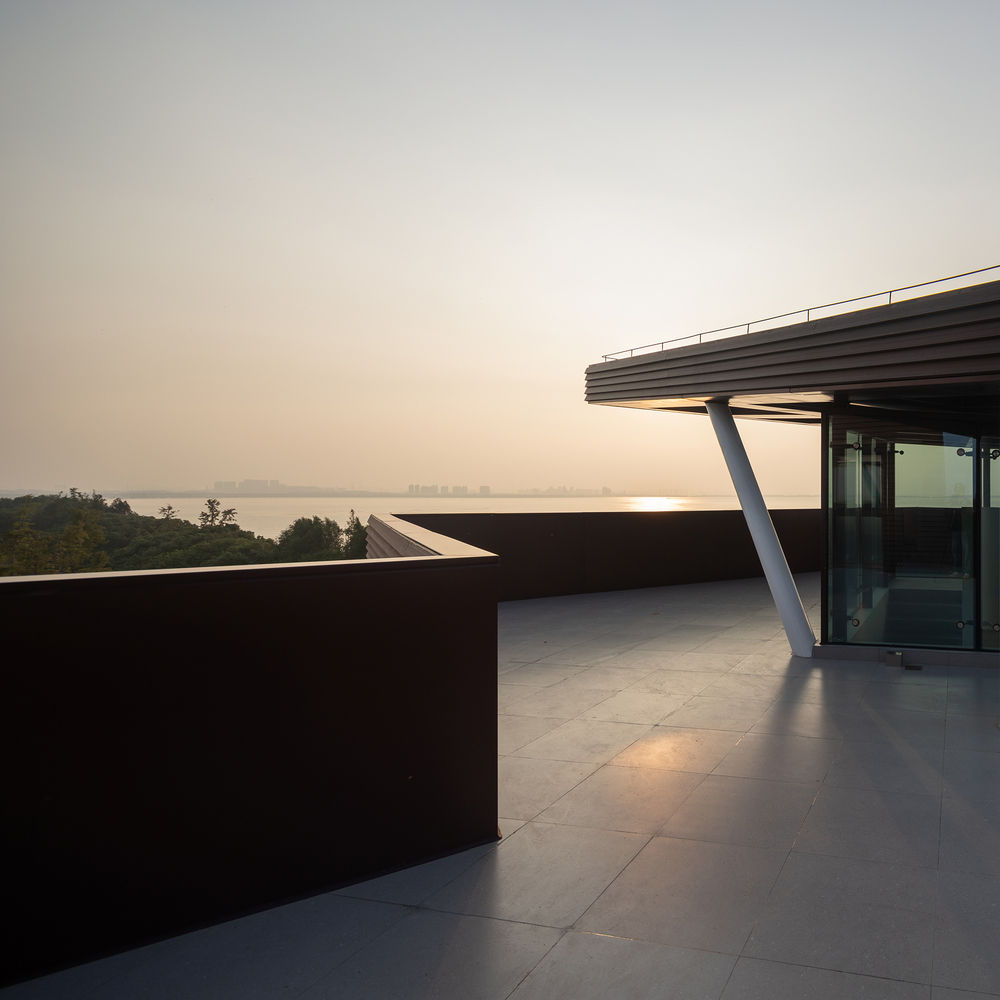
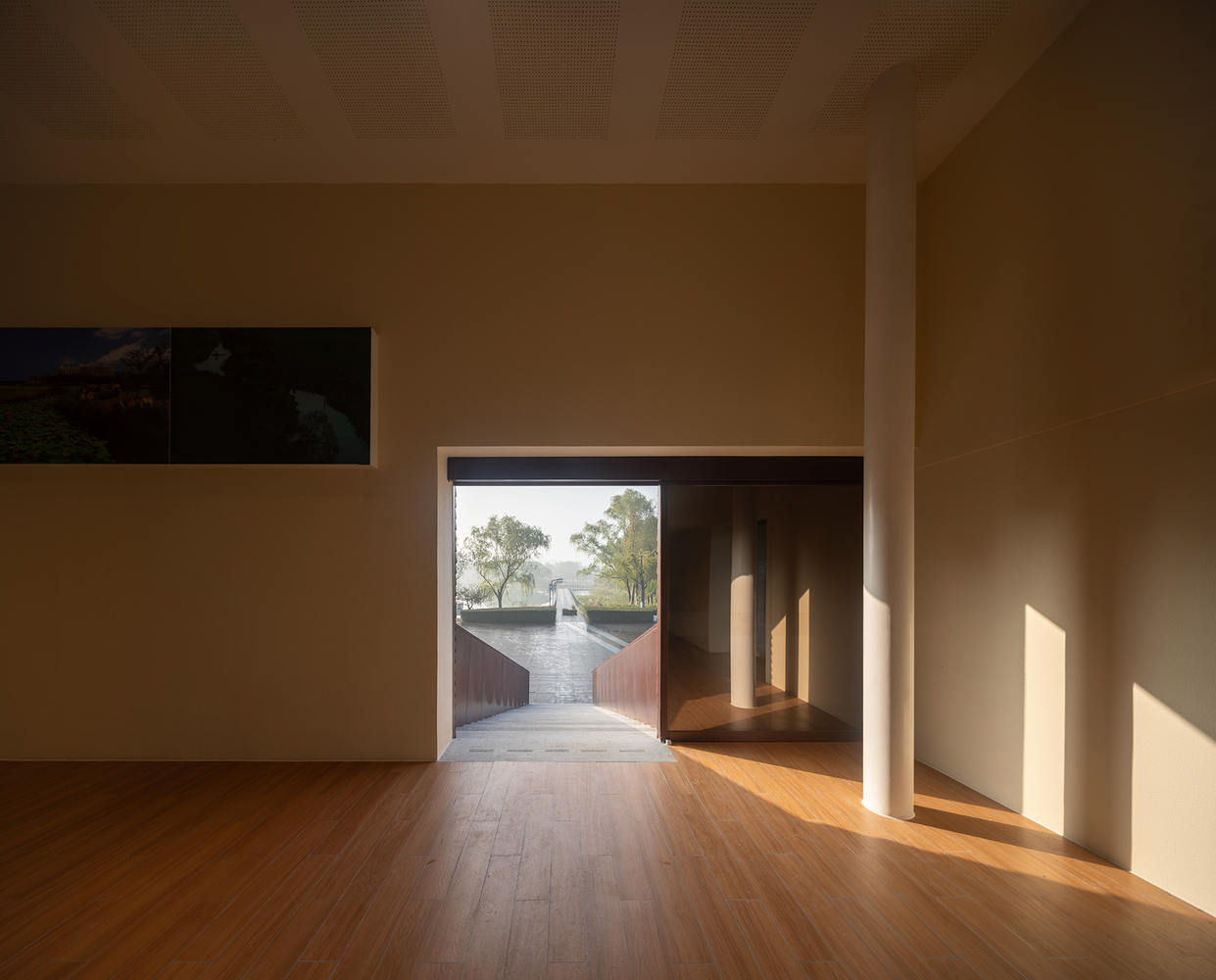
Entering the exhibition hall through a square doorway, visitors are greeted by square windows that unfold a surface view of the water, framed as if set within a picture frame. In the third-floor café, an L-shaped window reveals the entire park landscape while deliberately concealing the water surface. On the fourth floor, one experiences "the unity of water and sky," as double-sided floor-to-ceiling windows reveal the vast scenery of Yangcheng Lake. The roof space at the top of the building is also designed for viewing, with specially erected railings blocking everything below the waterline from the field of vision, leaving only the pure expanse of water and the shoreline.
由方形门洞步入展厅,眼前同样为方形的窗户展开一幅像嵌印在画框中的水面图景。在三层的咖啡店透过L型窗户则见到整个公园景观,水面被刻意隐藏。来到四层感受到的是“水天一色”,双面落地窗户设计让整片阳澄湖风光显现出来。建筑顶部的屋面空间同样进行了观景设置,专门搭建的栏板将视野中水面以下内容全部屏蔽,留下纯粹的水面和岸线。
© 梁山
© 梁山
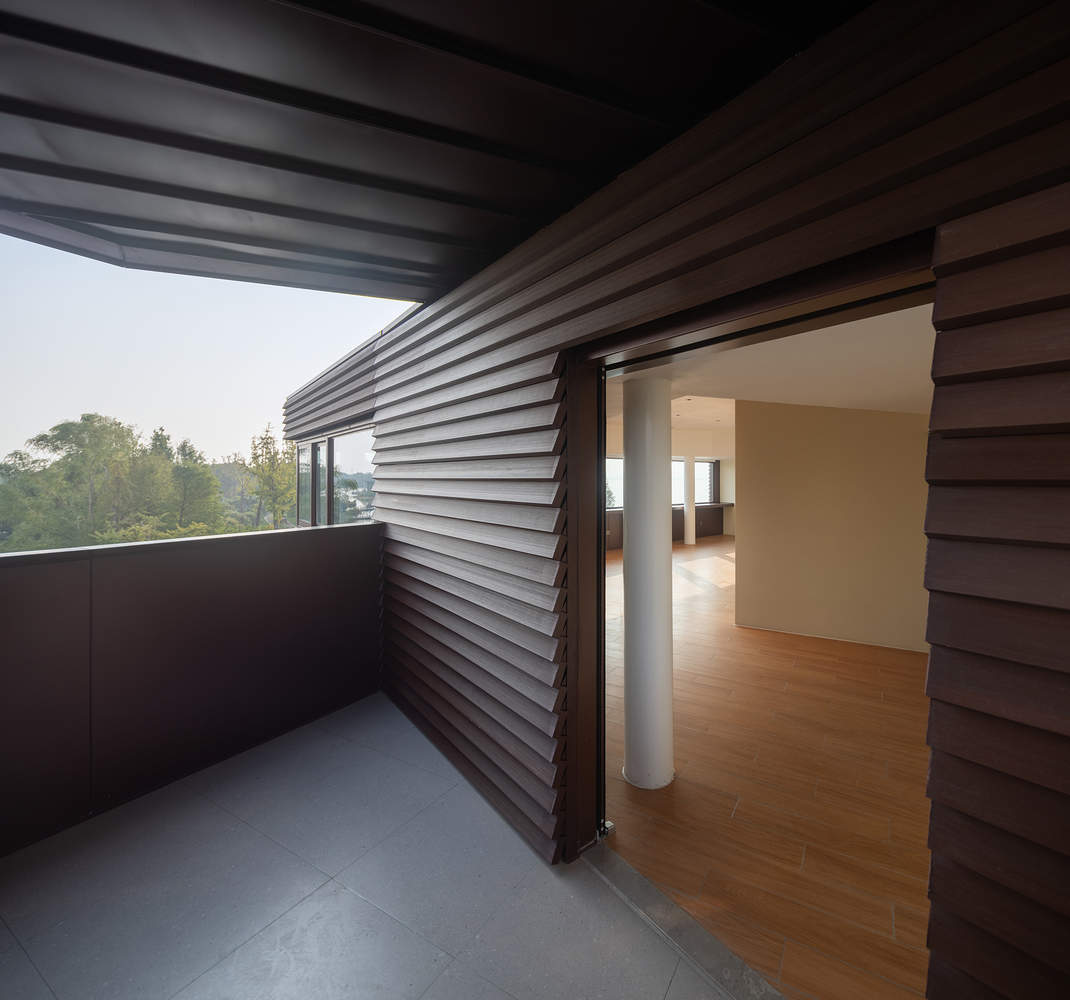
In addition to using the stairs to move around the tower, an alternative path is taking the sightseeing elevator located on the east side of the building. By altering the space connecting the elevator and the main building—the second floor becomes a "small courtyard"; the fourth floor adopts a fully interior treatment, unlike the conventional connecting bridge design on the third floor—the act of taking the elevator is imbued with the small pleasure of exploration.
由步梯通行于塔中之外,另一种路径选择是搭乘设置在建筑东侧的观光电梯。通过将连接电梯与建筑之间的空间进行变化——二层的空间变成“小院子”;四层采用全室内处理方式,亦不同于三层常规的连接桥设计——乘坐电梯的动作被赋予探索的小乐趣。
© 梁山
The entire building is supported by a steel structure, with a portion of the structure selectively exposed on each floor, allowing it to become one of the compositional elements of the space. This structural form assists and echoes the functional setting of the space, constructing a new spatial atmosphere that includes a sense of power and extensibility.
整个建筑以钢结构作为支撑主体,同时在每一层选择性地暴露一部分结构体,让它成为空间的组成元素之一。这部分结构形态辅助并呼应空间的功能设定,构造包含力量感、延展性等在内的新空间氛围。
© 梁山
© 梁山
Converted from existing structures on the original site into a public building, the Xilu Garden Observation Tower possesses diverse daily functional uses. At dusk, through the windows, people witness the flowing picture formed by the sunset overlapping with the lake surface, completing their own touring loop within the crevices of light, shadow, and scenery.
从原址上留存的构筑物改建为一座公共建筑,夕露园瞭望塔具备了多样的日常使用功能。黄昏时分,透过窗户看见晚霞与湖面交叠而成的流动画面,人们在光影与风景的缝隙中完成了属于自己的游览回环。
© 梁山