文化意象与空间哲学的深度融合:该项目最精髓之处在于其对麦积山文化及佛教思想的深刻理解与建筑语言的完美转化。设计以“环形结构”作为核心母题,巧妙对应了佛家的轮回观念,创造出一种具有仪式感和纪念性的空间形态。这种形式不仅是对历史文化的致敬,更在当代语境下被赋予了可持续发展的现实主义解读,使得建筑超越了单纯的功能载体,成为承载深厚文化哲思的物质载体。
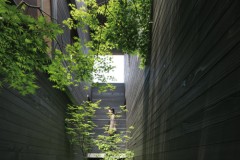
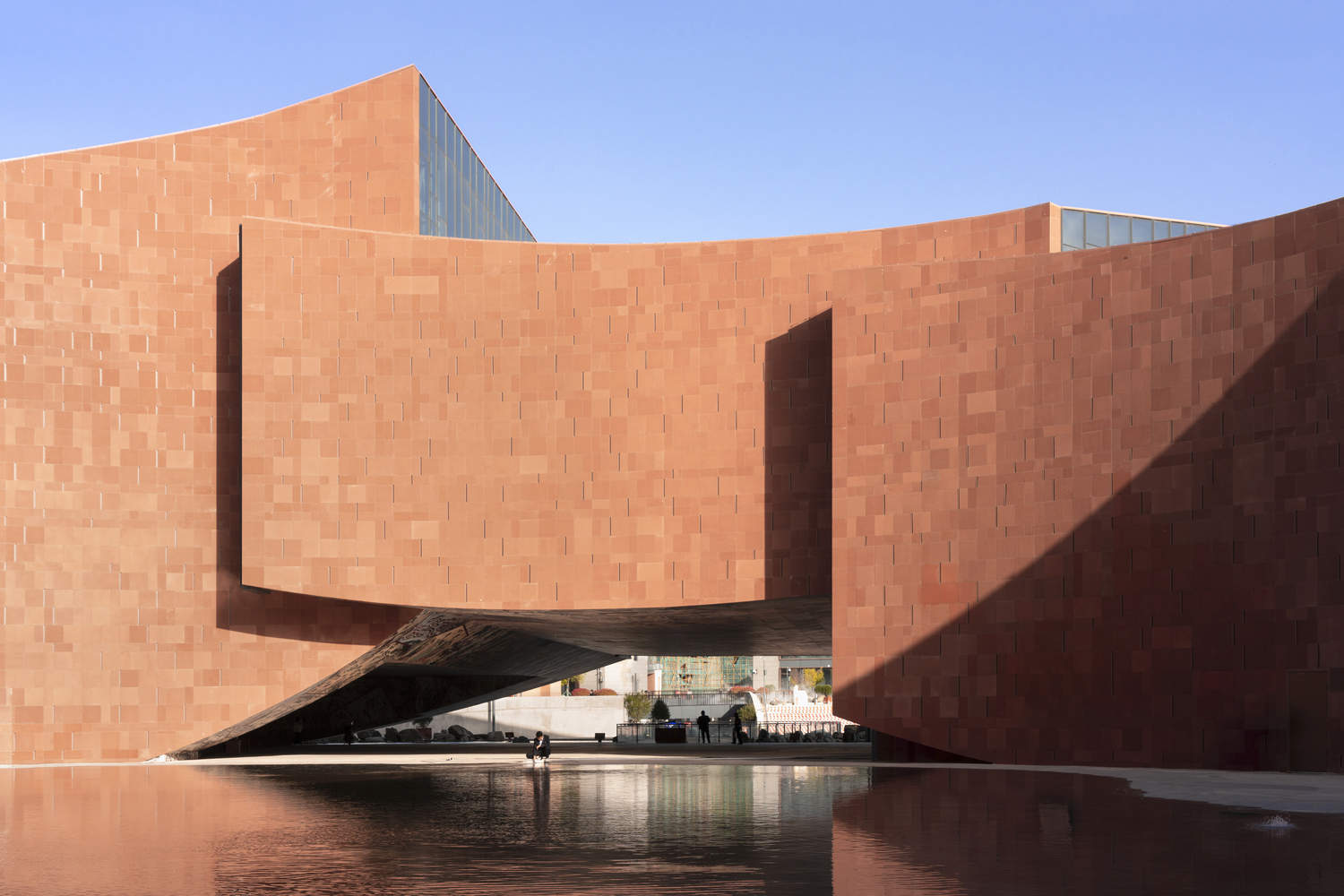
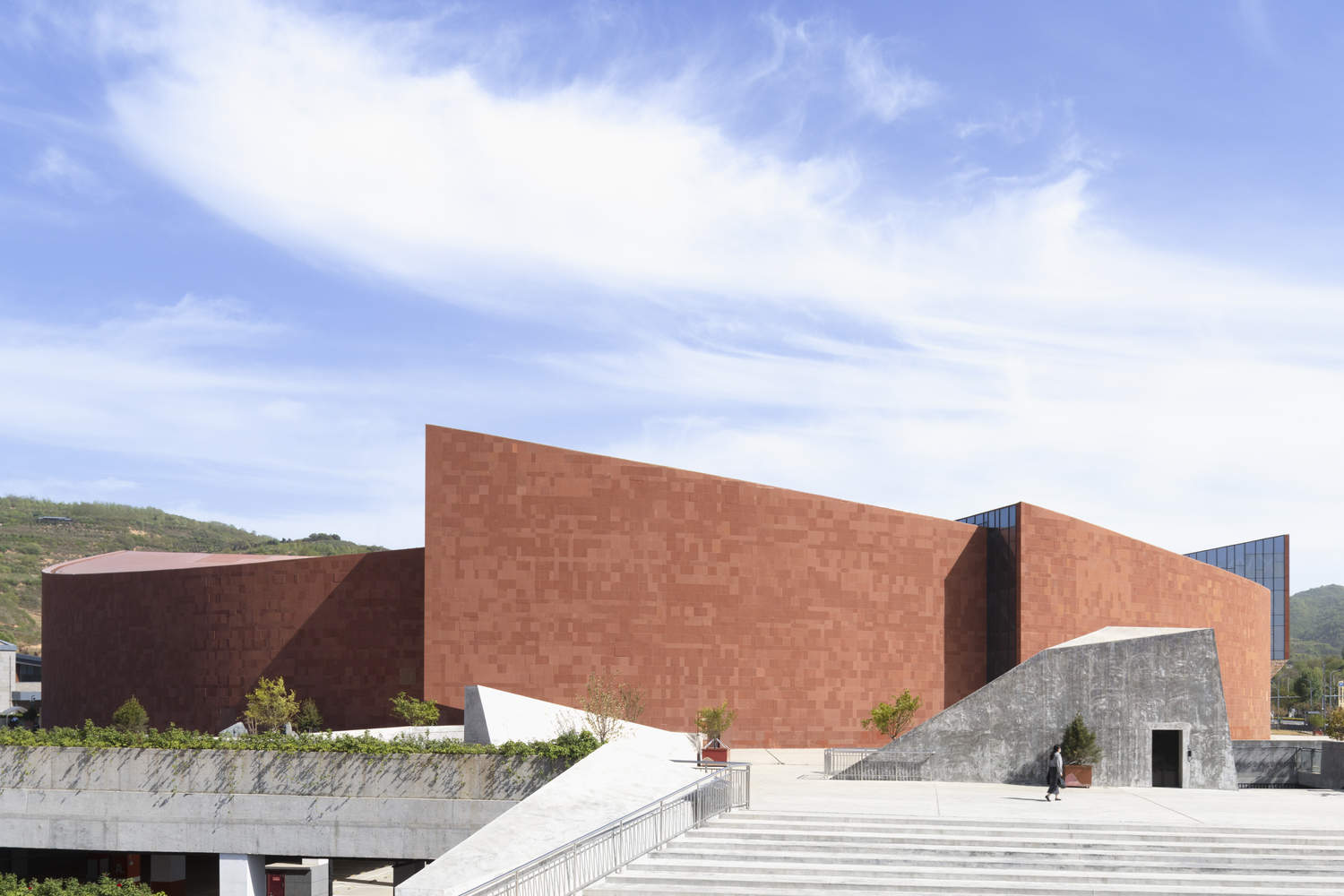
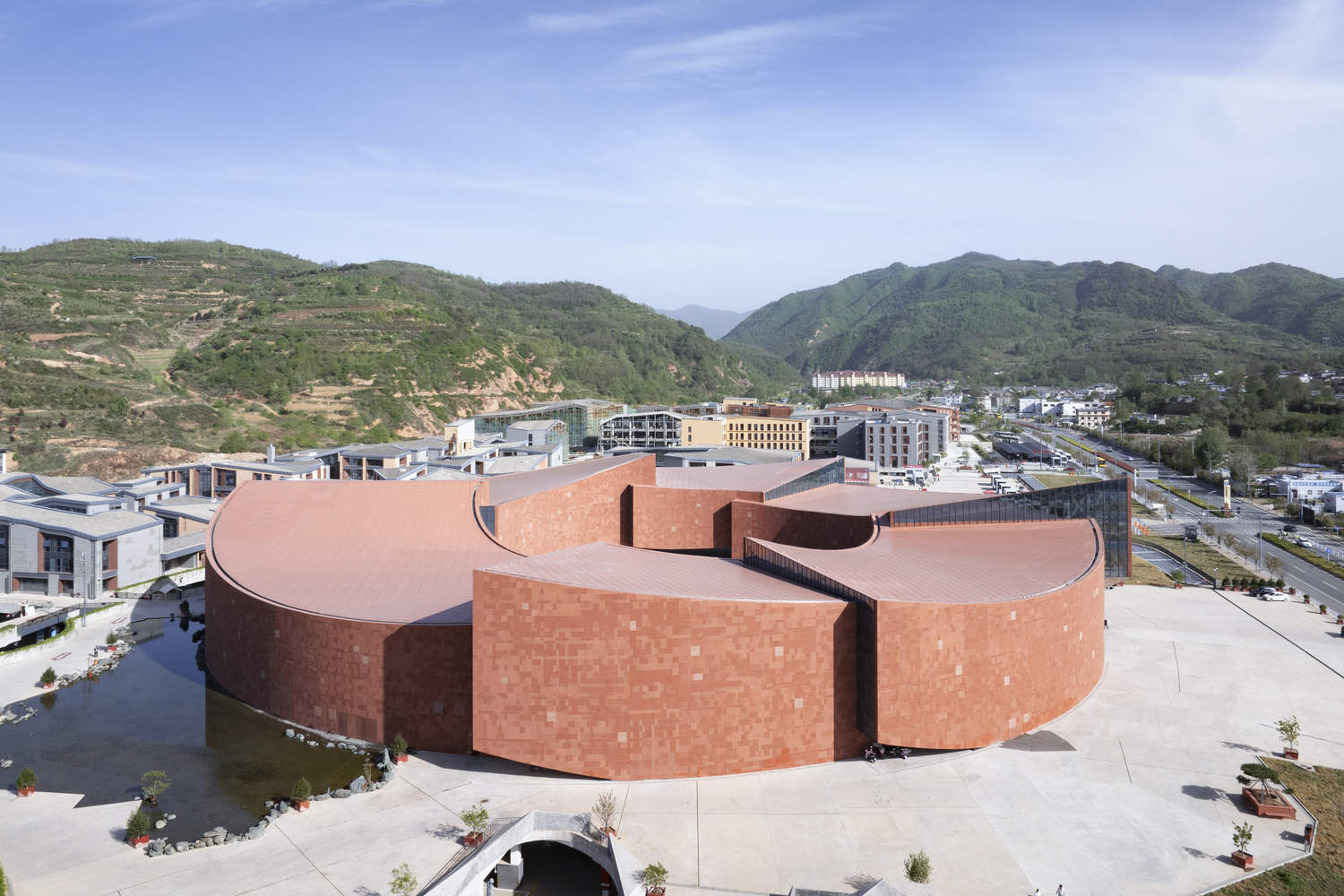
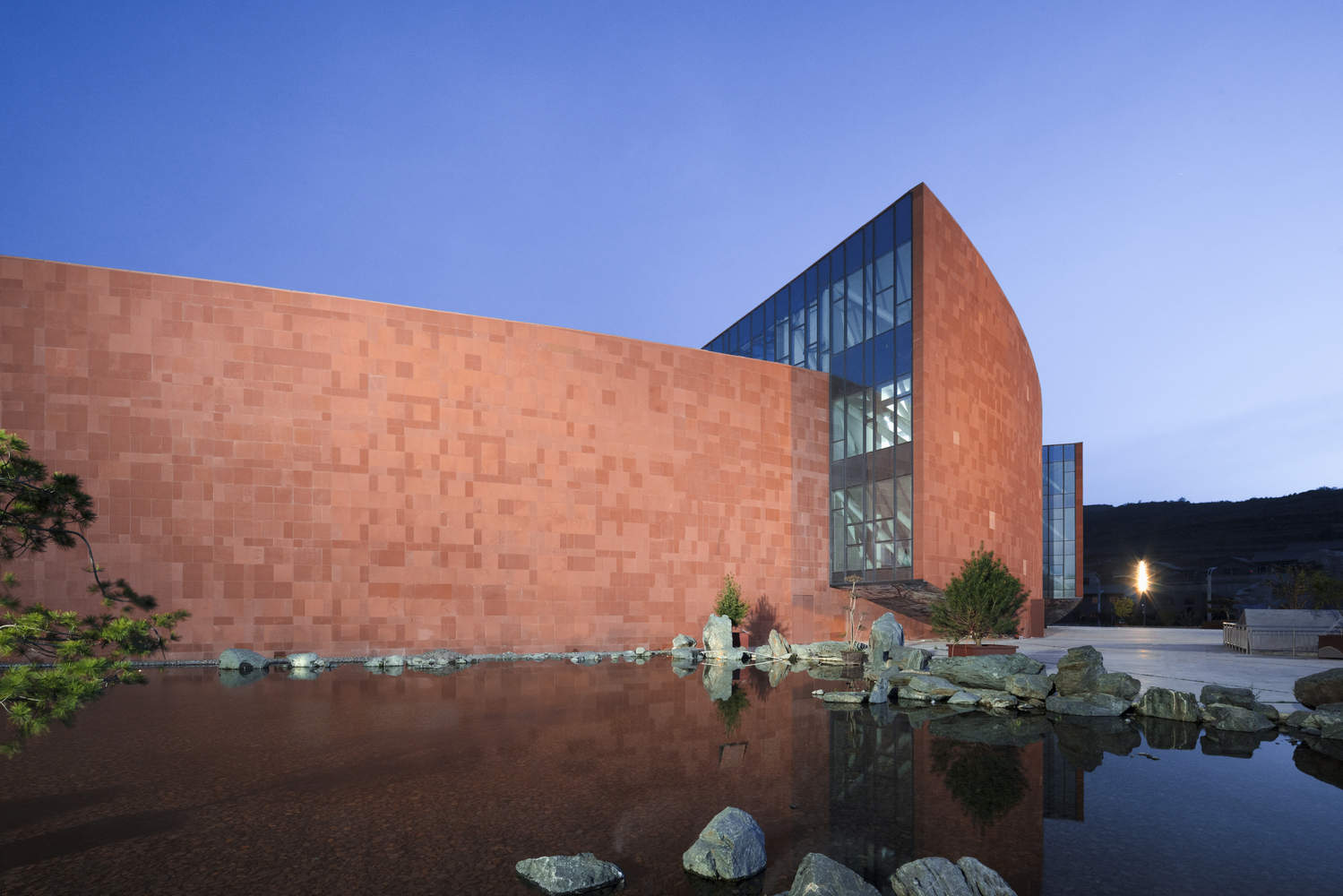
形体解构与光影的叙事性引导:建筑通过将环形结构分解为六个相互穿插的梯形体量,创造出既统一又富于变化的体型。体量交界处的“缝隙”设计是关键的叙事手法,它们在外部构成了造型的节点,在内部则成为引入外部自然光线的神秘开口。这种光线的导入,如同无声的召唤,自然而然地引导着游客的动线,串联起接待、展示、休闲等不同功能空间,将空间体验的流动性提升到了一个极高的层次。
空间布局的结构支撑与精神意境的营造:室内设计体现了高超的结构智慧和美学追求。六个相对封闭且巨大的无柱空间,由六个筒体(其中四个兼具结构支撑与抗震功能)进行分隔和界定,保证了空间的开敞与自由布局。同时,室内通过缓坡动线组织了清晰的功能流线,并在入口处以彩绘金属板吊顶复现壁画,强烈的文化气息与空间中追求的宁静氛围相融合,最终在环形包容性的语境下,实现了功能、文化与体验的和谐统一。
To discuss the significance of Maiji Mountain culture and art, one must first contemplate the influence of Buddhism, and the design originates from this contemplation. The circular structure is one of the most common and primal spatial forms used for ritualistic and monumental spaces after the awakening of human consciousness, corresponding to the Buddhist concept of reincarnation. If all living things do not seek "liberation," they will forever continue to cycle through life and death in the "six realms" without end. Of course, these concepts and interpretations have evolved through cultural exchange over the long course of history, especially through interaction and fusion with the indigenous culture of the Han nationality, and even in the process of modernization, they have transcended the original meaning of Buddhism, acquiring more contemporary interpretations, which will foreshadow the realistic power of sustainable development and act upon our living experience.
探讨麦积山文化及艺术的意义首先要思考佛教的影响,设计便由此开始。环形结构是人类意识觉醒后被用于仪式性空间和纪念性场所最常见、最原始的一类空间形态,它与佛家的轮回观念相对应。一切有生命的东西如不寻求“解脱”,就永远在“六道”中生死相续,无有止息。当然,这些观念及注解在历史长河中经过文化交融发生变化,尤其是在与汉民族原生文化产生交流及融合的过程中,甚至在现代化的过程中,它已经超越佛教本来的意义,有了更加当代性的解读,这将预示着可持续发展的现实主义力量并作用于我们的生活体验。
© 存在建筑Arch-Exist
© 存在建筑Arch-Exist
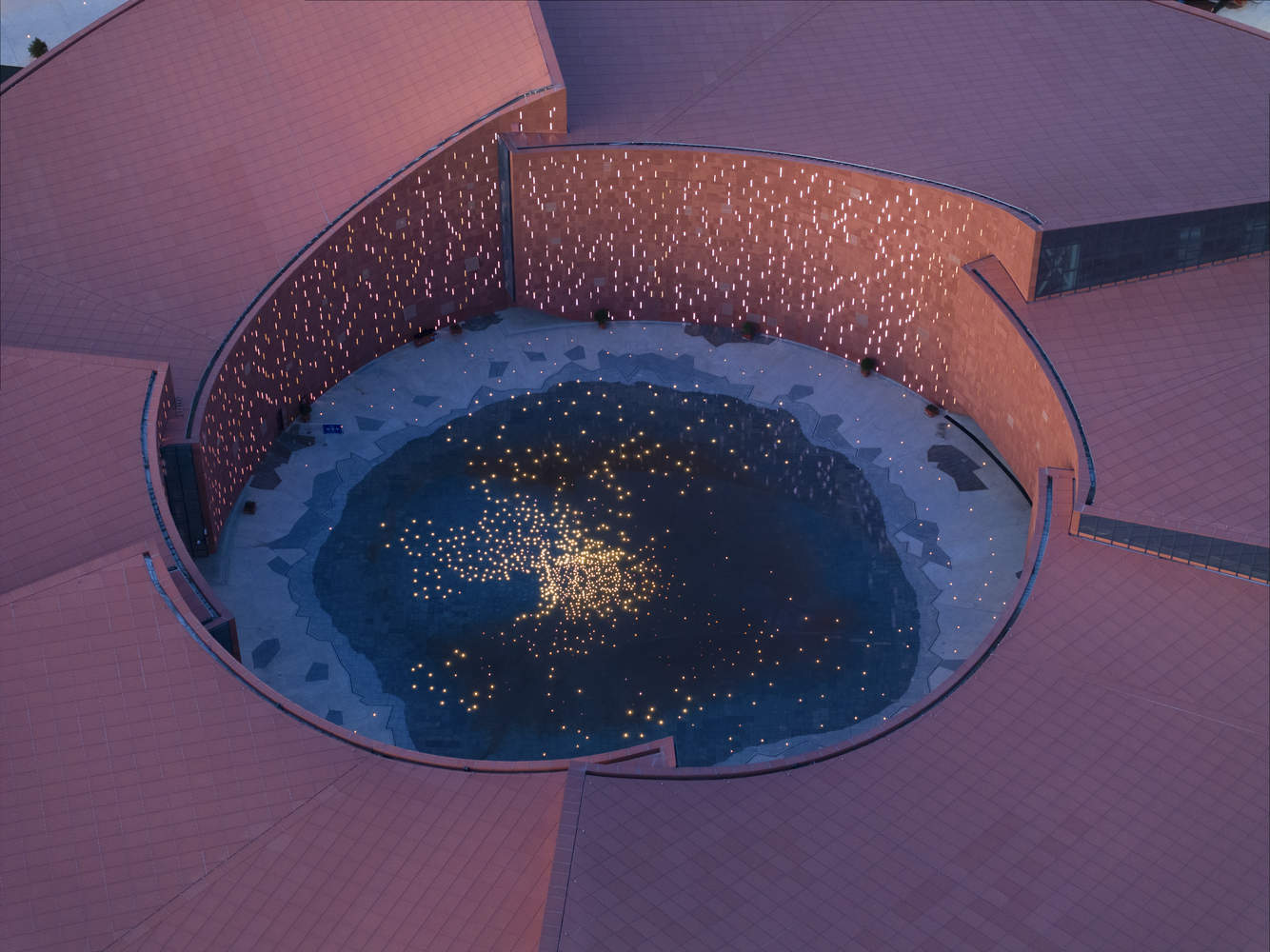
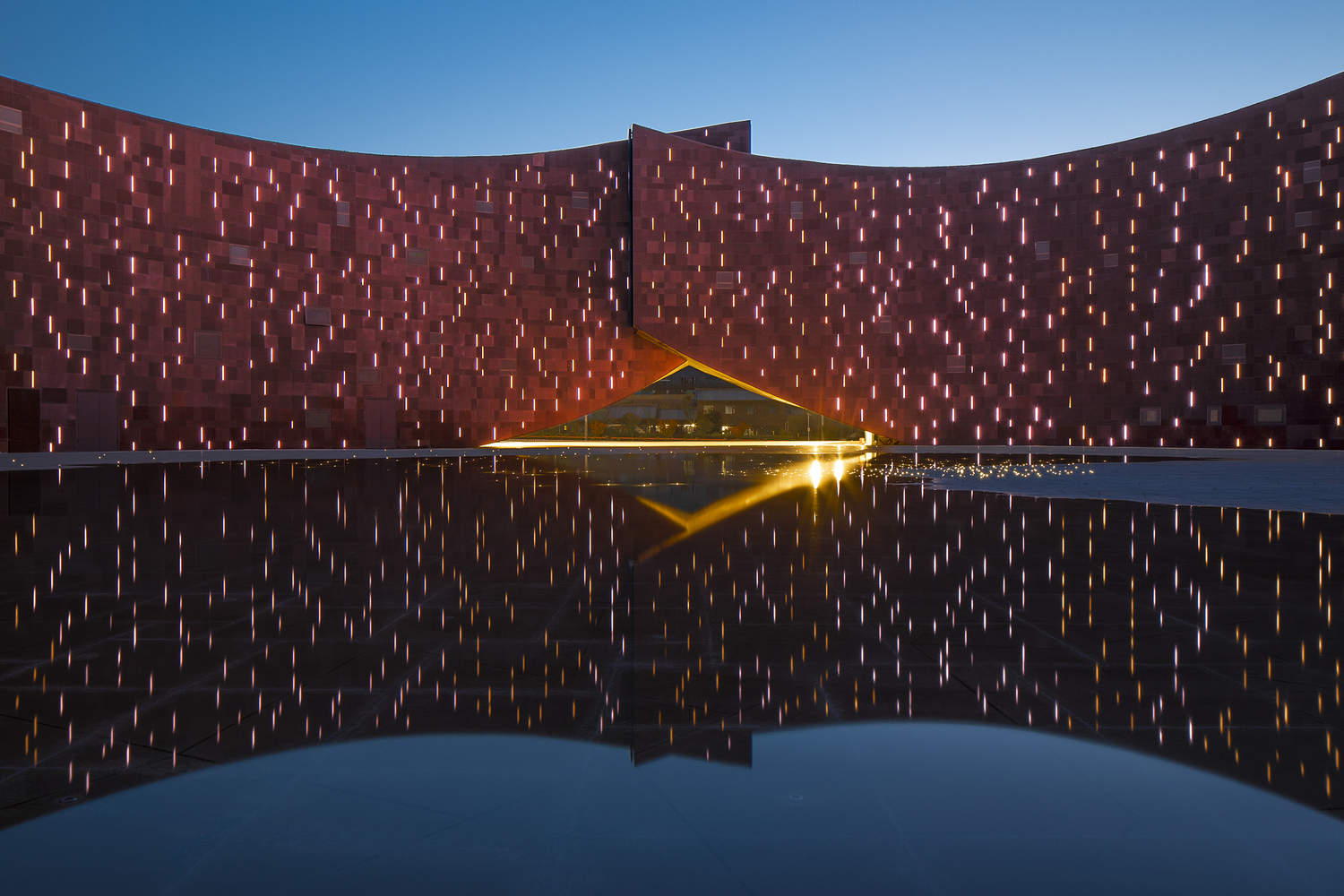
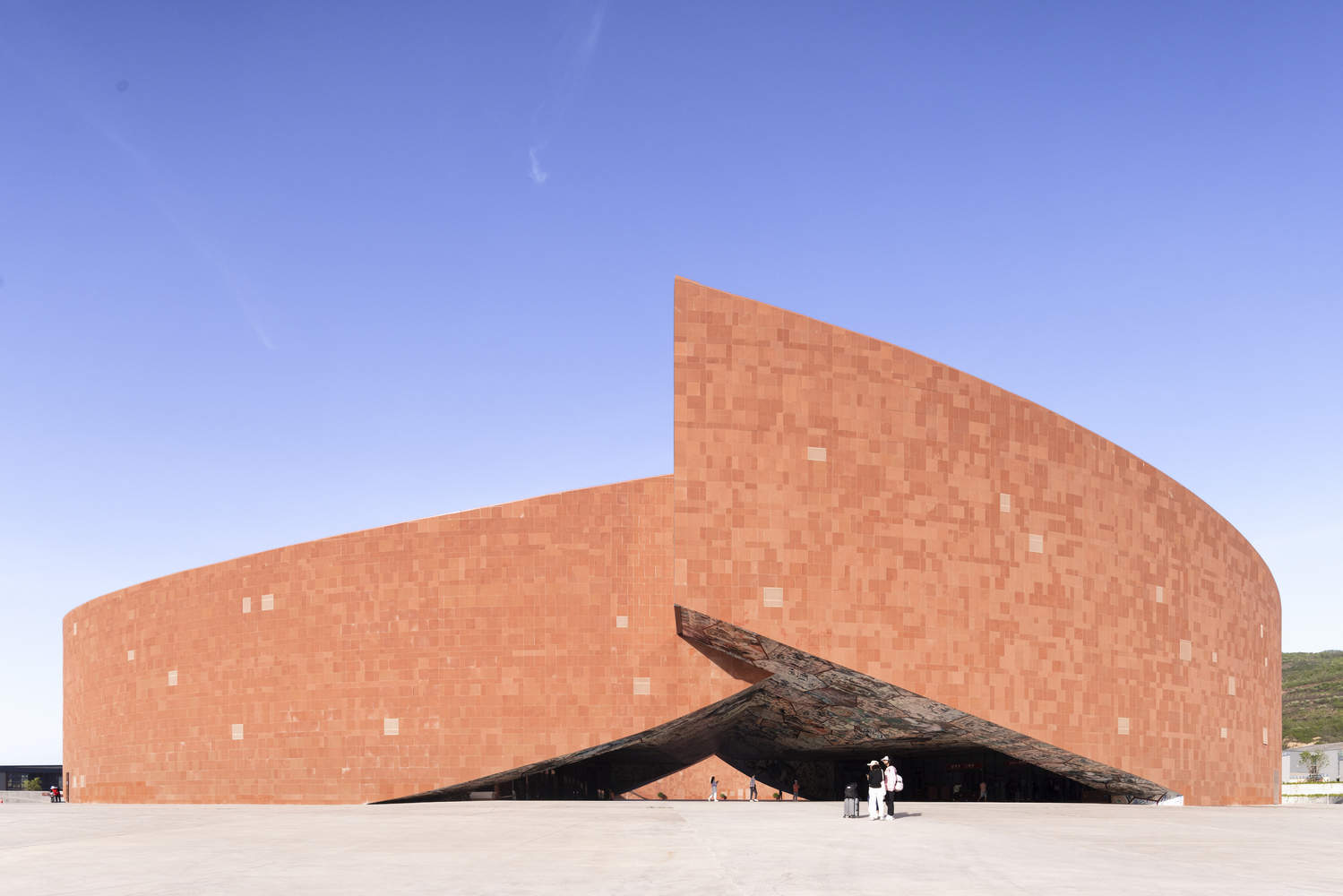
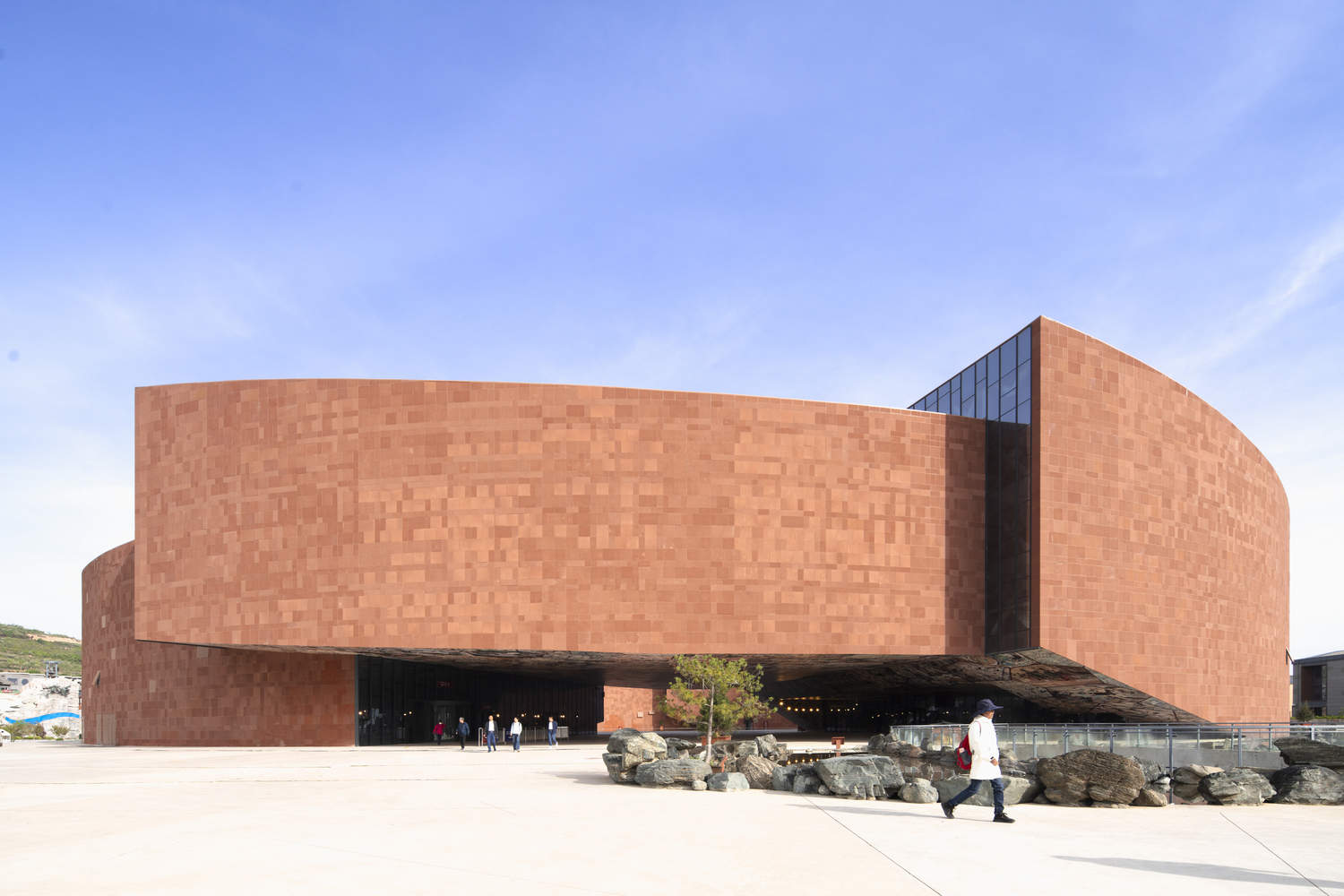
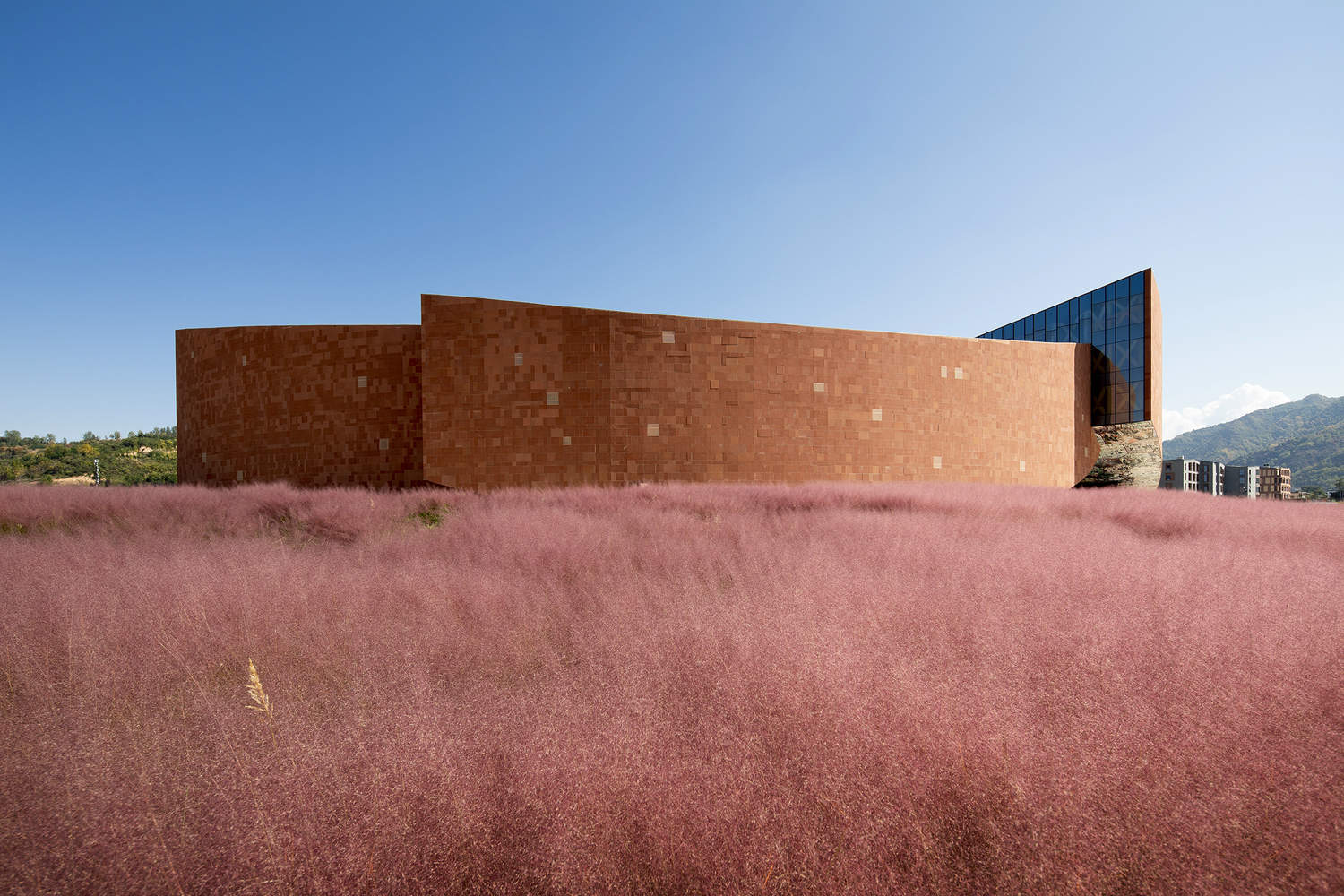
The circular space is a fundamental architectural experience, which simultaneously integrates the undulations of the surrounding natural topography into the overall form, prompting a superposition of humanistic sentiment and environmental power to create an energy field imbued with contemporary spirit. It acts as a public space participant possessing environmental force, and this dynamism extends throughout the entire site design. The circular structure is decomposed into 6 volumes, all of which are trapezoidal in shape and interpenetrate each other. "Gaps" appear at the intersections of these forms, which can be seen as nodes in the exterior modeling, but internally form openings for outdoor light. Light mysteriously illuminates the building, becoming a summons guiding the visitor from one space to the next. The various exhibition functions of the Visitor Center unfold precisely under this spatial arrangement.
环形空间是建筑体验的基本感受,同时将周边自然环境的山势起伏融于整个造型之中,促使人文情怀和环境力量叠加形成具有当代精神的能量场,是具有环境力量的公共空间参与者,并将这种态势漫延到整个场地设计中。环形结构有分解为 6 个体量,且均是梯形造型,相互穿插在一起。在体型交界处出现了“缝隙”,在外面可视为造型的节点,而在内部则形成了室外光线的开口,光线以一种神秘的力量照进建筑中,并成为引导观众从一个空间走向下一个空间的召唤。游客中心的各项展示功能,正是在这样的空间编排下,不断展开的。
© 存在建筑Arch-Exist
© 存在建筑Arch-Exist
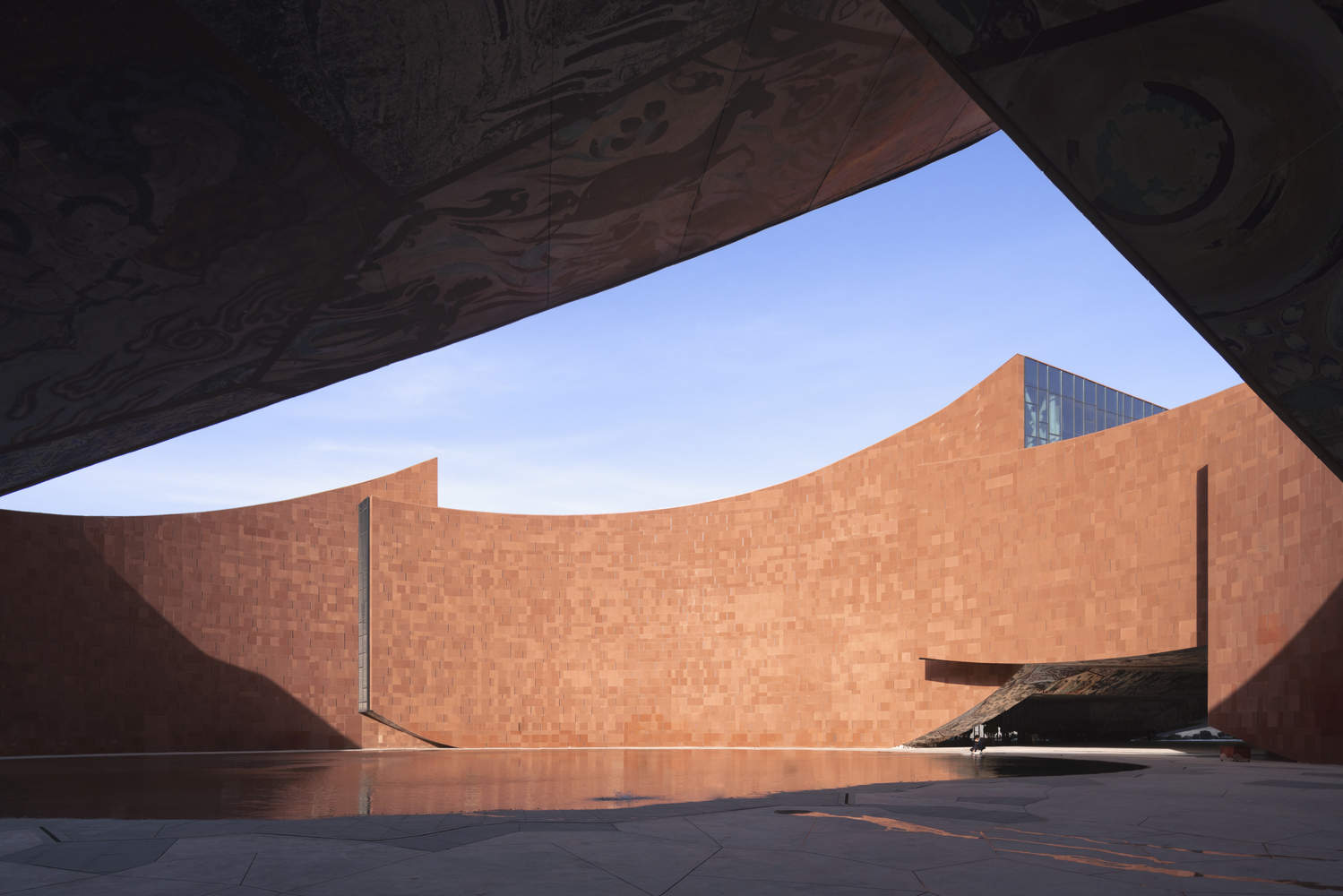
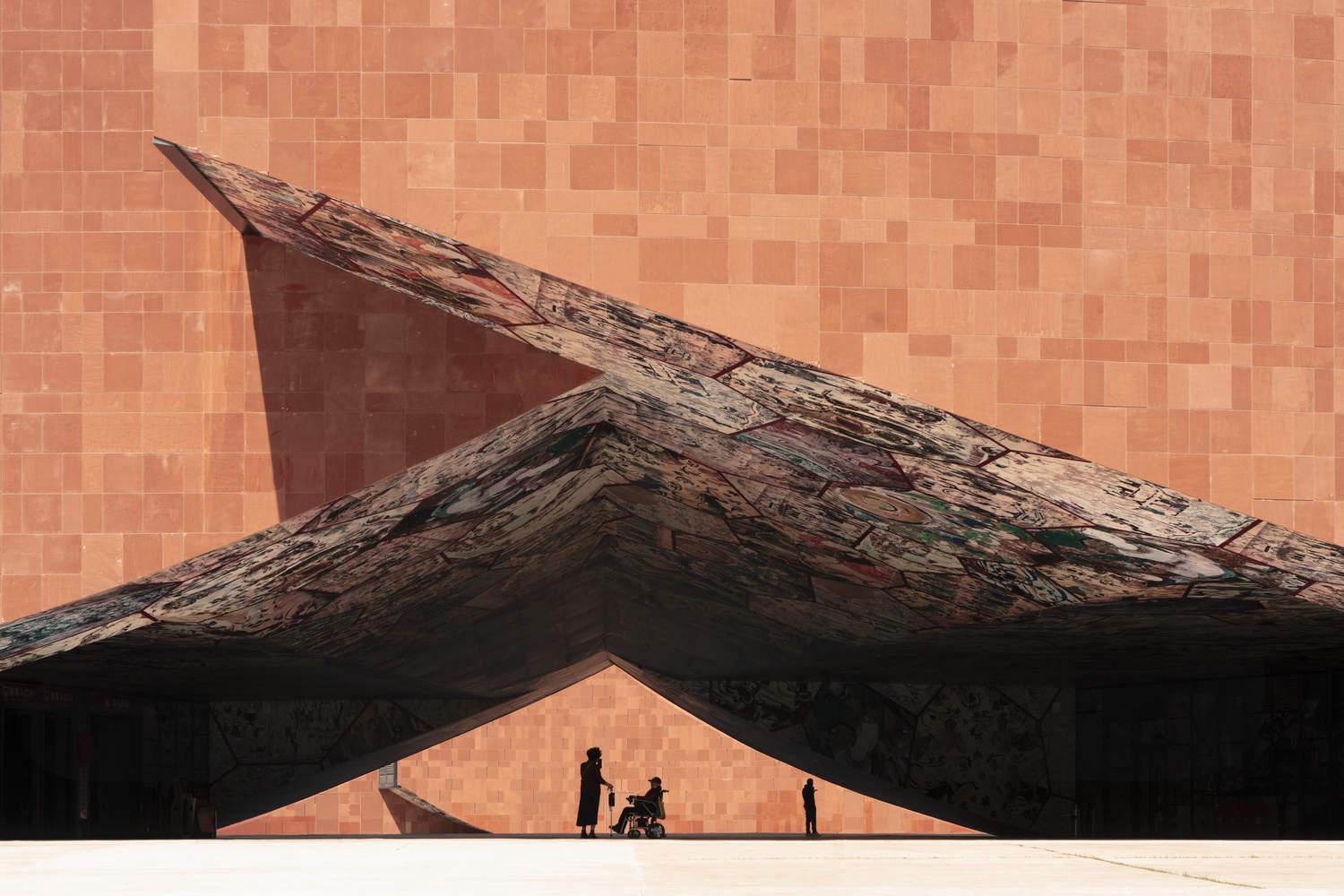
The interior space of the building unfolds under the guidance of such special lighting. The main entrance faces the west road, and the collision of two volumes creates an arched grey space. From here, one can directly view the courtyard within the circular structure. The ceiling is adorned with a painted metal panel depicting the mural content of the Maiji Mountain Grottoes; the colors are both vibrant and ancient, instantly conveying a strong sense of culture.
建筑的室内空间正是在这样的特殊的光线引导下展开的,建筑的主入口面向西侧道路,在两个体量相撞下,形成拱起的灰空间。这里可以直接看到环形结构中的庭院,顶部是由金属板彩绘吊顶呈现的麦积山石窟中的壁画内容,色彩既鲜艳又古朴,让人感到扑面而来的文化气息。
© 存在建筑Arch-Exist
© 王祥东
Entering the interior of the Visitor Center from here, one proceeds clockwise along a gentle slope. First is the reception area, followed sequentially by the "Digital Maiji Mountain" anteroom, the 5D Digital Cinema, the Performance Center anteroom, the exhibition and leisure area, finally reaching the Cultural and Creative Center, totaling six themed spaces. This area is also located above the departure anteroom, thus completing the closed loop of the circulation path.
从此进入游客中心的室内,顺时针方向沿缓坡前行,首先是接待空间,然后依次是数字麦积山前厅、5D 数字影厅、演绎中心前厅、展览休闲区、最终到达文创中心,共计六个主题空间,同时该空间也是出发前厅的上空,至此完成动线的闭环。
© 存在建筑Arch-Exist
© 存在建筑Arch-Exist
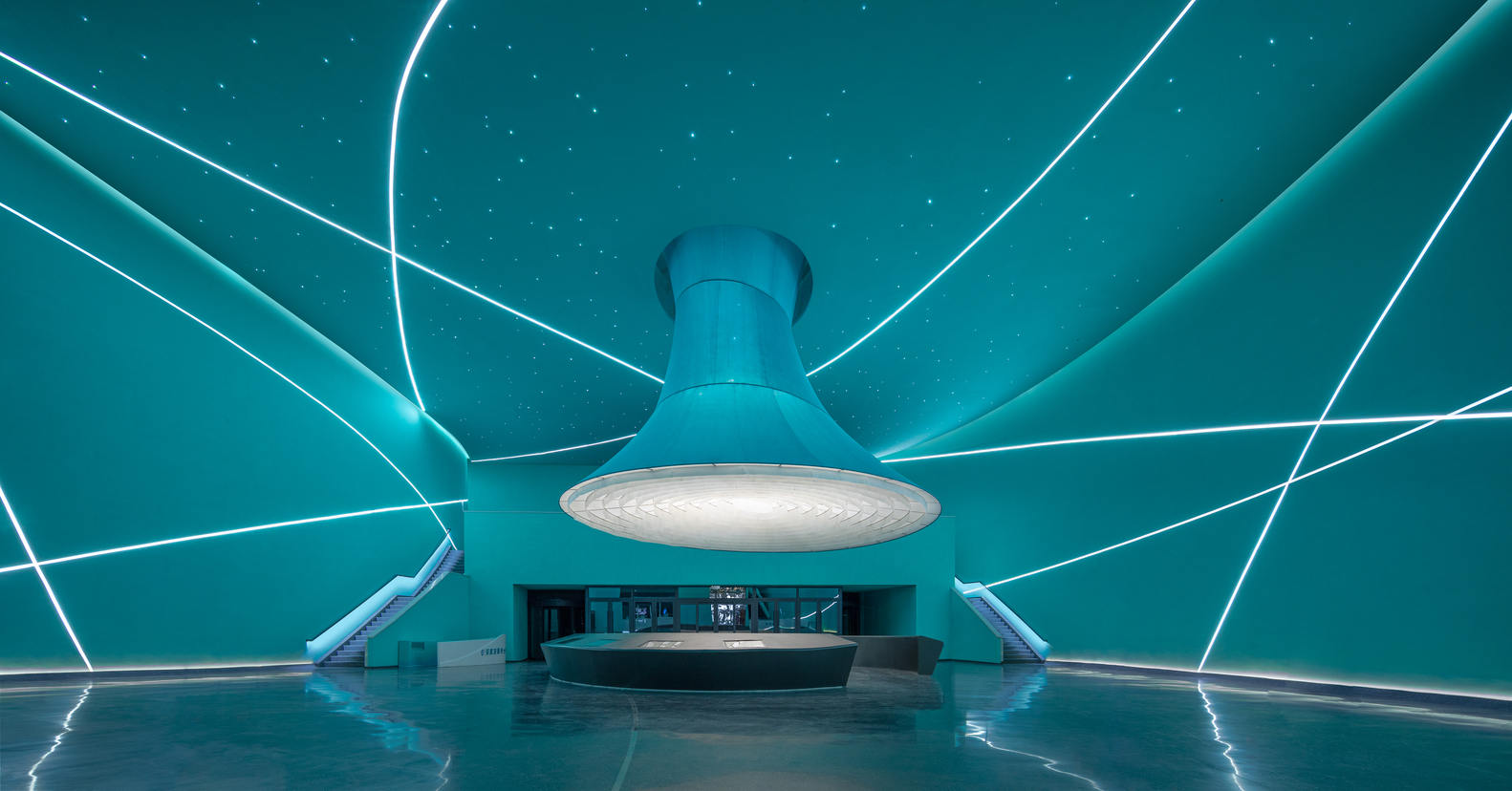
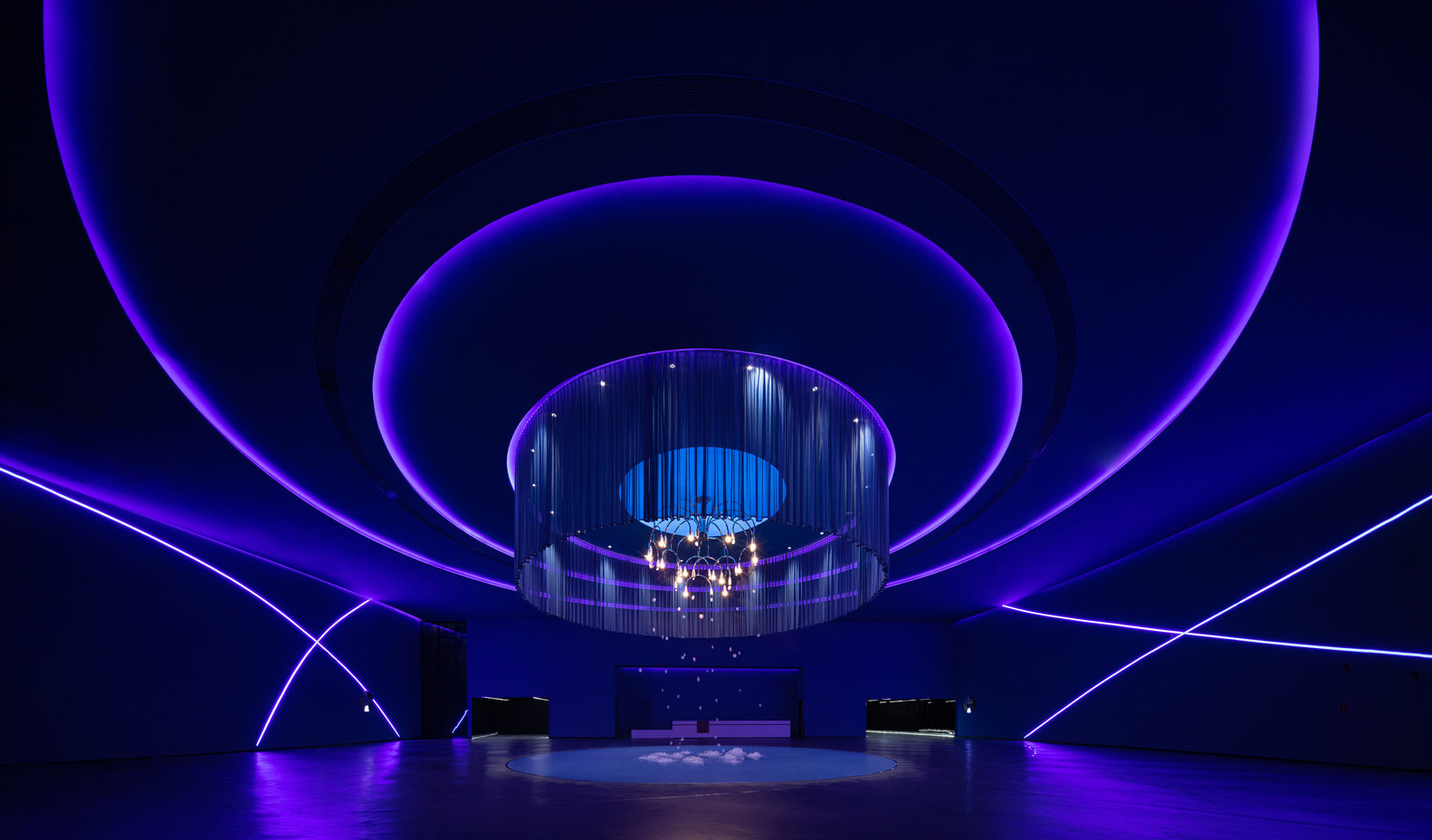
The greatest feature of the interior space is that the six relatively enclosed and vast column-free spaces are separated by 6 trapezoidal tubes, of which four function as structural support and seismic resistance, with various service spaces arranged within each tube. The six freely layout-able spaces and their colors draw inspiration from the assimilation of Buddhist culture by the Central Plains culture in the eastern section of the Hexi Corridor.
室内空间最大的特色就是六个相对封闭且巨大的无柱空间由6个梯形筒体分隔而成、其中四个筒体是起结构支撑和抗震作用,每个筒体中布置了各种的服务空间。六个可以自由布局的空间和色彩灵感源于河西走廊东段中原文化对佛教文化的兼容并蓄。
© 瀚墨视觉
© 瀚墨视觉
The circle has no distinct corners or gaps; it is a perfect shape with strong inclusivity, lacking clear directionality or boundary restrictions, capable of accommodating and embracing all things. Just as Buddhism accepts all beings with a broad mind, the circular shape of the building symbolizes inclusion towards visitors of different cultures and backgrounds, providing a space for harmonious coexistence. The flowing lines of the circle give a soft, soothing feeling, capable of calming the mind, as if one is momentarily outside the hustle and bustle of the secular world, creating an environment consistent with the tranquility sought in Buddhist practice. This allows visitors to feel inner peace upon entering the service center, creating favorable conditions for communication and interaction among them, greatly enhancing the visitor experience, and establishing the building as an icon that balances cultural heritage with modern functionality.
环形没有明显的棱角和缺口,是一种完美形状,具有很强的包容性,没有明确的方向性和边界限制,能容纳和接纳各种事物。就像佛教以宽广的胸怀接纳众生,建筑的环形也象征着对不同文化、不同背景游客的包容,提供一个和谐共处的空间。环形的流畅线条给人一种柔和、舒缓的感觉,能让人内心平静,仿佛置身于喧嚣尘世之外,营造出与佛教修行所追求的宁静氛围相契合的环境,让游客在进入服务中心时,能感受到内心的安宁。为游客之间的交流互动创造了良好条件,极大提升了游客的游览体验,成为兼具文化底蕴与现代功能的标志性建筑。
© 存在建筑Arch-Exist
© 王祥东
© 存在建筑Arch-Exist