结构逻辑的纯粹与材料的对话:该项目最核心的亮点在于其清晰、简洁的结构逻辑表达。它成功地将夯土墙(受压构件)和木制面板(屋顶/楼板)的受力关系直接转化为空间组织和立面语汇。夯土墙作为主要的承重实体,不仅限定了空间布局,更展现了地球材料的厚重感和稳定性。在此基础上,引入钢拉杆处理屋顶的拉力,形成“拉压结合”的结构体系,这种对结构本能的尊重和清晰的力流路径,是优秀建筑设计的精髓体现。
模块化与材料的循环再生:项目提出了一个具有高度可复制性的模块化住宅体系,提供了不同面积规格以适应多样化的需求。更具创新性的是其对模具材料的循环利用理念。用于夯土墙的伊塔乌巴硬木模具,在墙体完成后被精确计算并转化为室内的固定家具(台面和桌子)。这种设计思维体现了对资源浪费的深刻反思,实现了从结构建造到室内构件的无缝衔接,是可持续设计实践中的一个典范。
传统工艺与现代建造的平衡:该设计巧妙地平衡了手工匠造(夯土)的在地性和情感价值,与工业化建造(模块化系统、标准化木构件)的效率和可复制性。通过将夯土墙抬高15厘米以隔绝湿气,并利用木制屋檐提供庇护,体现了对在地环境因素的细致考量。整体而言,它不仅仅是一个居住空间,更是一次关于建筑“建造之诗”的深刻探索,展示了如何在传统技术限制内,实现高品质、可量产的建筑解决方案。
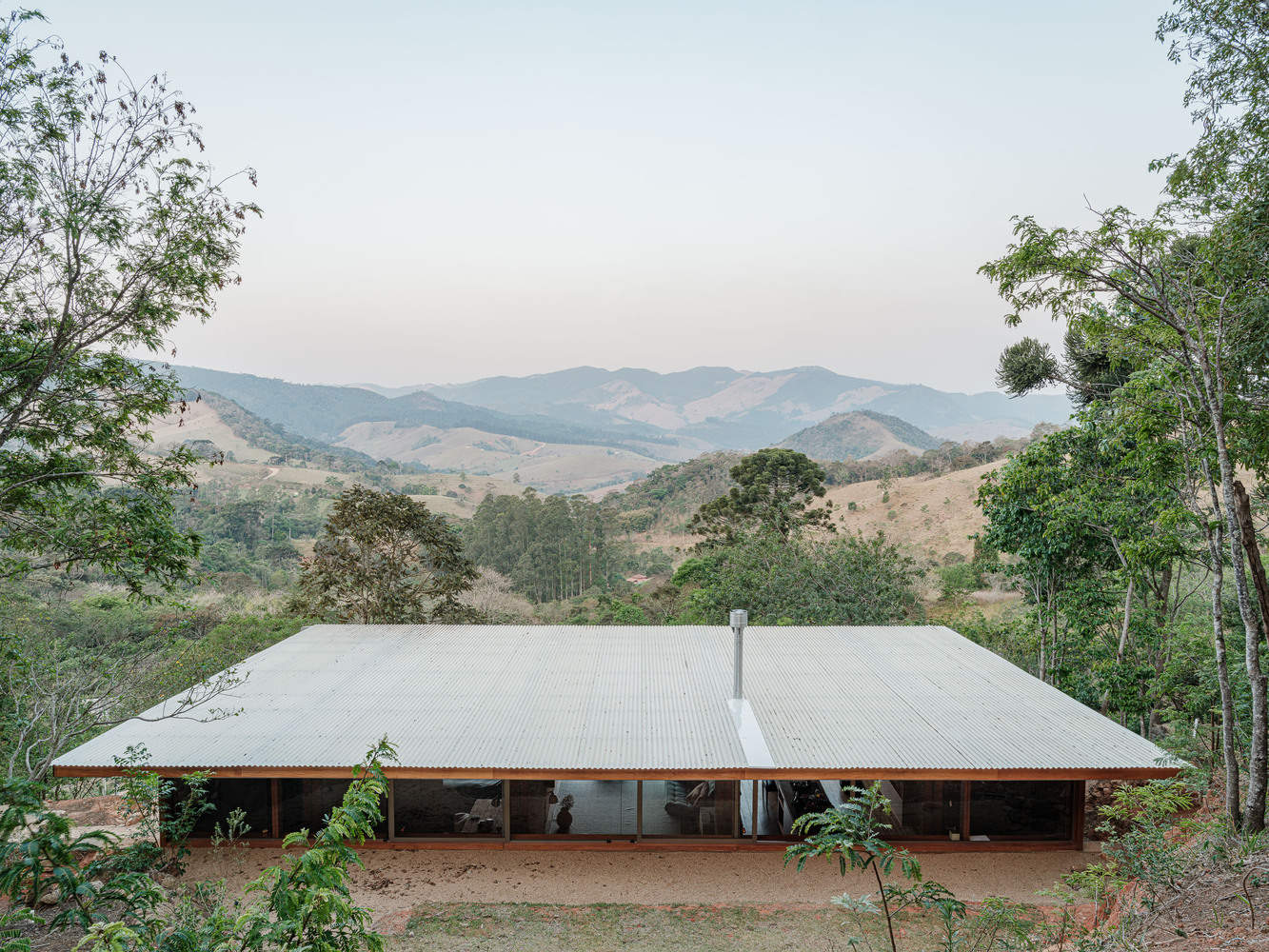
A modular construction system proposal using rammed earth and wood, featuring replicability and offering three different size specifications: 50 sqm, 100 sqm, and 125 sqm.
夯土与木材模块化住宅建造体系提案,该体系具备可复制性,且提供三种不同面积规格:50 平方米、100 平方米和 125 平方米。
© Pedro Kok
© Pedro Kok
© Pedro Kok
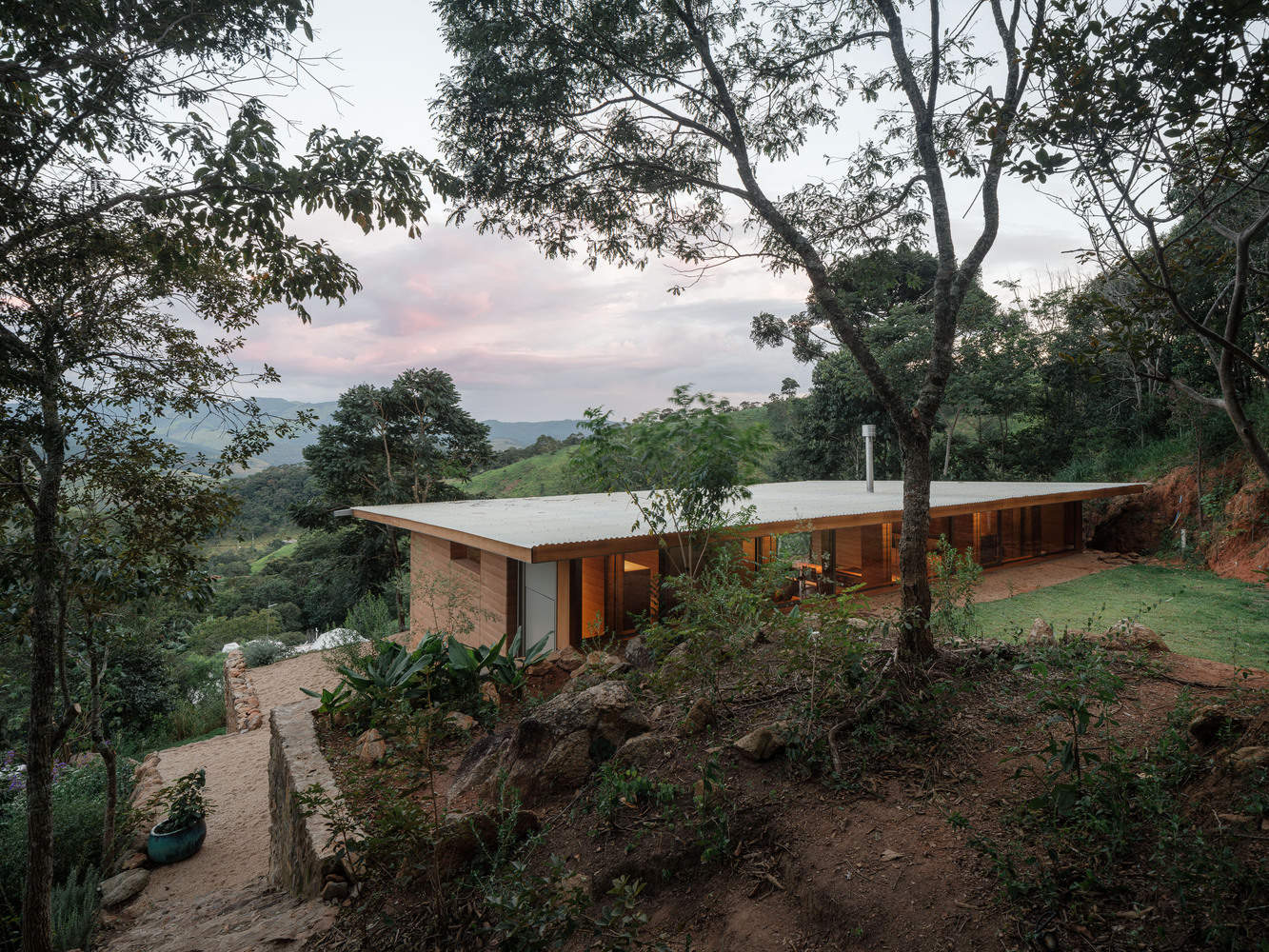
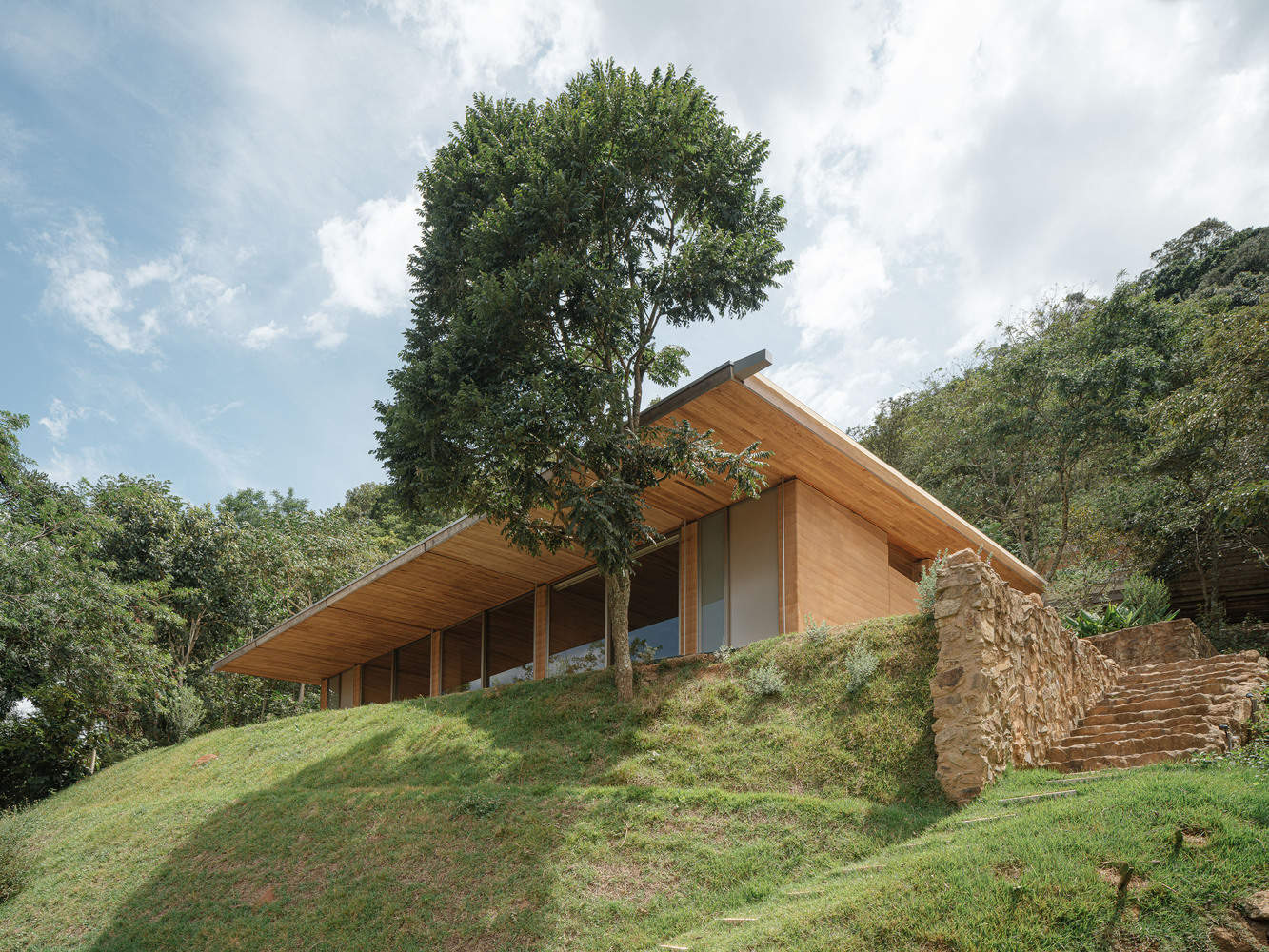
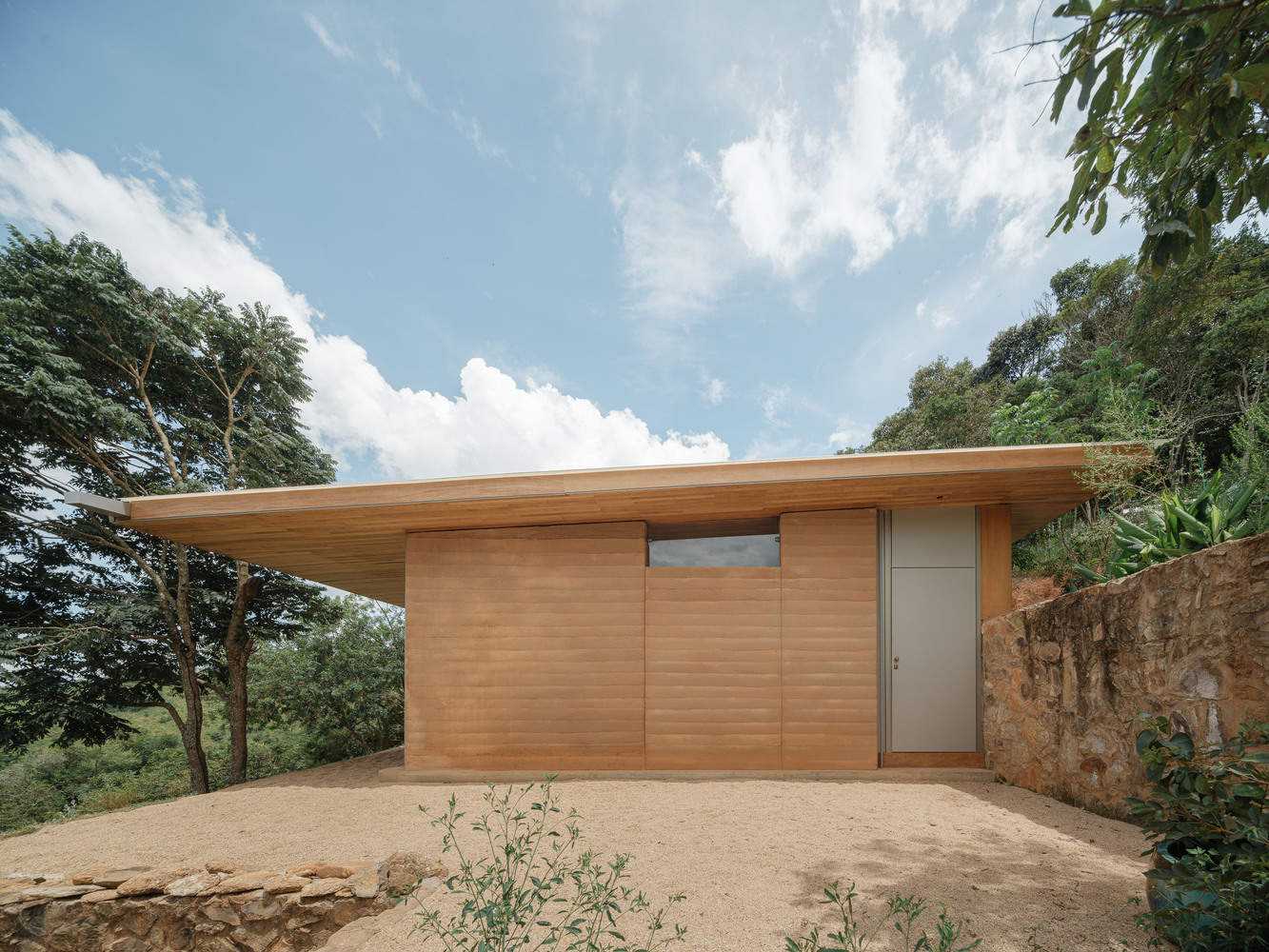
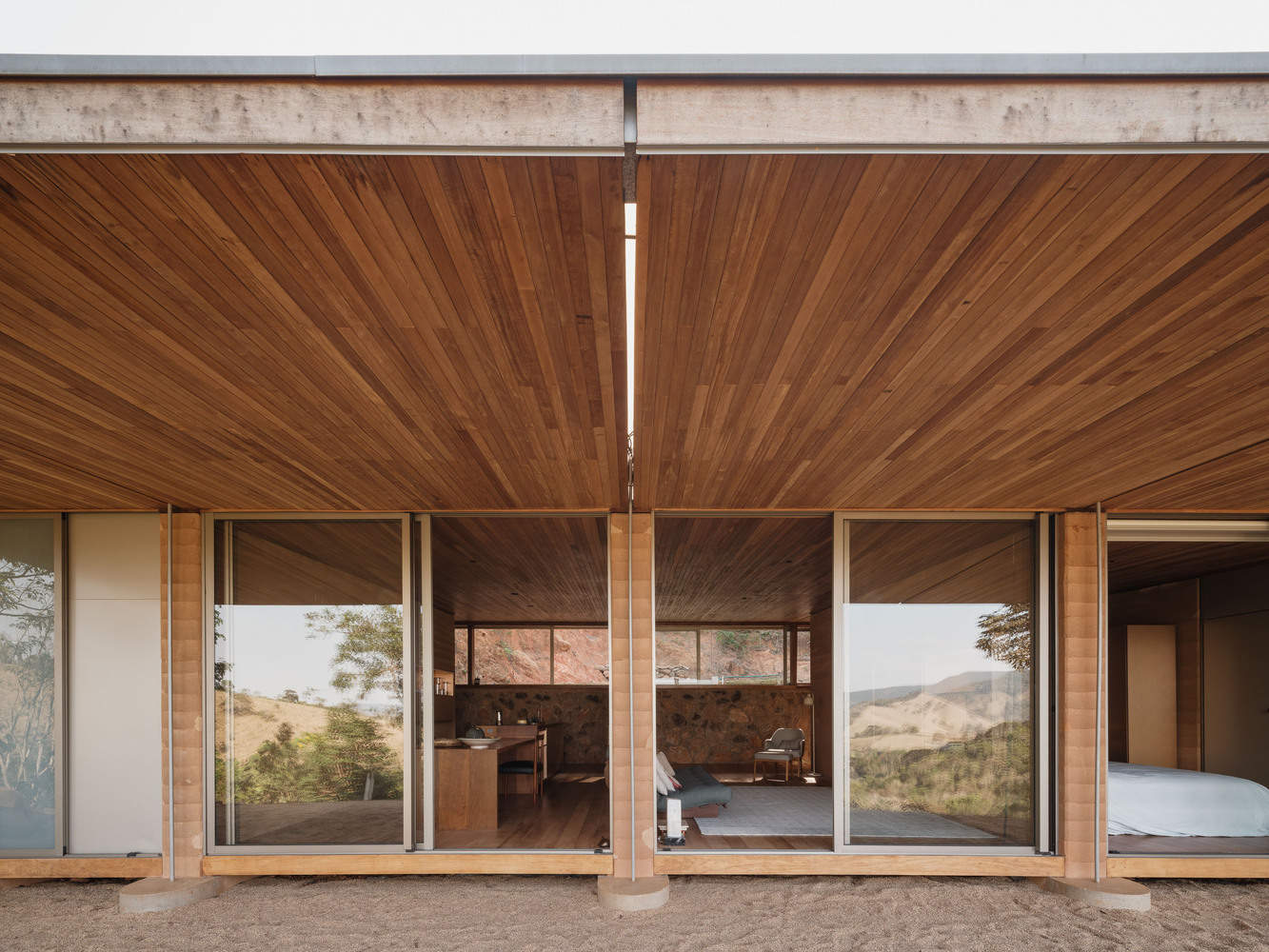
The rammed earth walls act as the structure, supporting the wooden roof panels through compression. The beams, in turn, support the floor slabs. In this way, the rammed earth walls dictate the layout of the house, with spaces always being defined by the rammed earth masses.
夯土墙作为结构体,通过受压来支撑屋顶的木制面板。其横梁则支撑楼板。如此一来,夯土墙便规划了住宅的布局,空间始终由夯土墙界定而成。
© Pedro Kok
© Pedro Kok
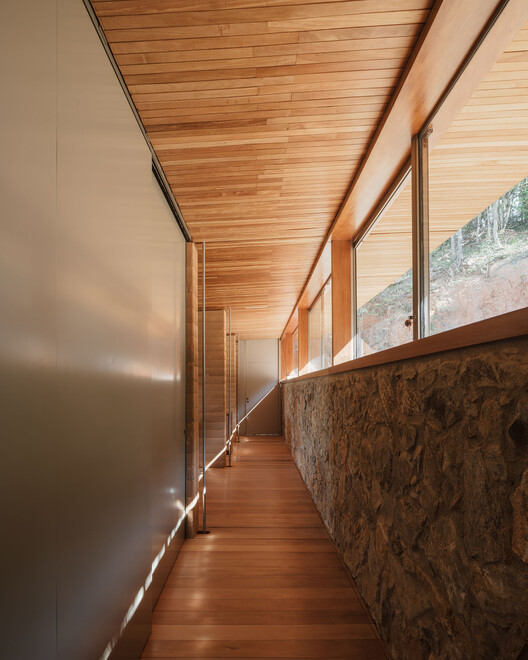
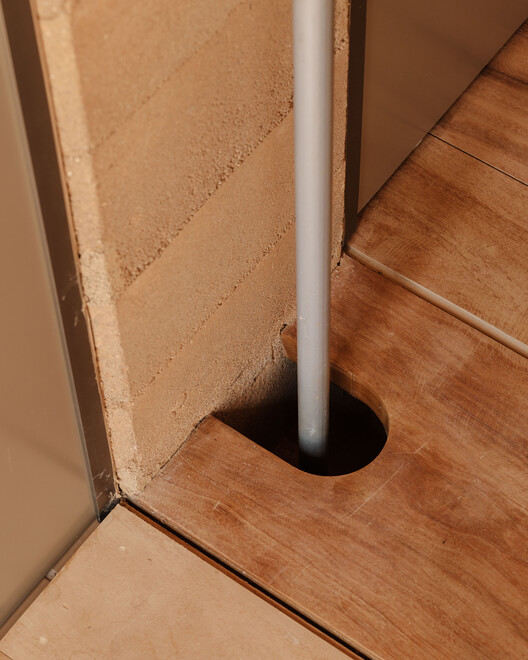
At each end of the compression walls, a tie rod connects the roof directly to the beams: this is a steel rod that handles tensile forces, forming a combined tension-compression structure.
在受压墙体的每一端,一根拉杆将屋顶直接与横梁相连:这是一根处理拉力的钢杆,形成了拉压结构组合。
© Pedro Kok
© Pedro Kok
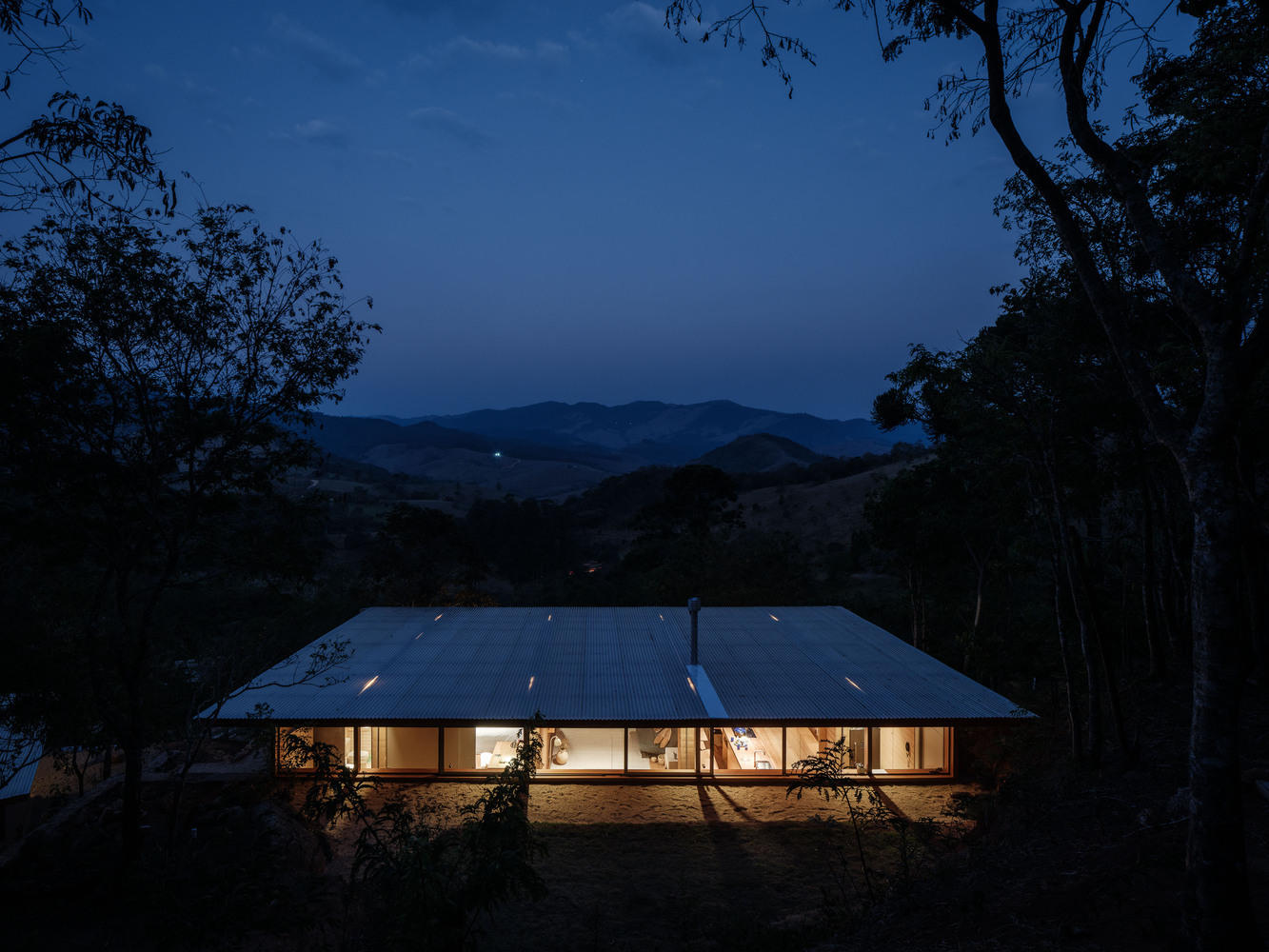
Thus, the scale of the house is determined by the number of these rammed earth walls and the rhythm of the metal tie rods. The beams lift the rammed earth walls 15 cm off the ground to prevent moisture capillary action. The eaves of the wooden roof provide overhead rain protection.
因此,房屋的规模根据这些夯土墙和金属拉杆节奏的多少而定。横梁将夯土墙抬离地面 15 厘米,防止其受潮气侵蚀。木制屋顶的屋檐则提供上方的防雨保护。
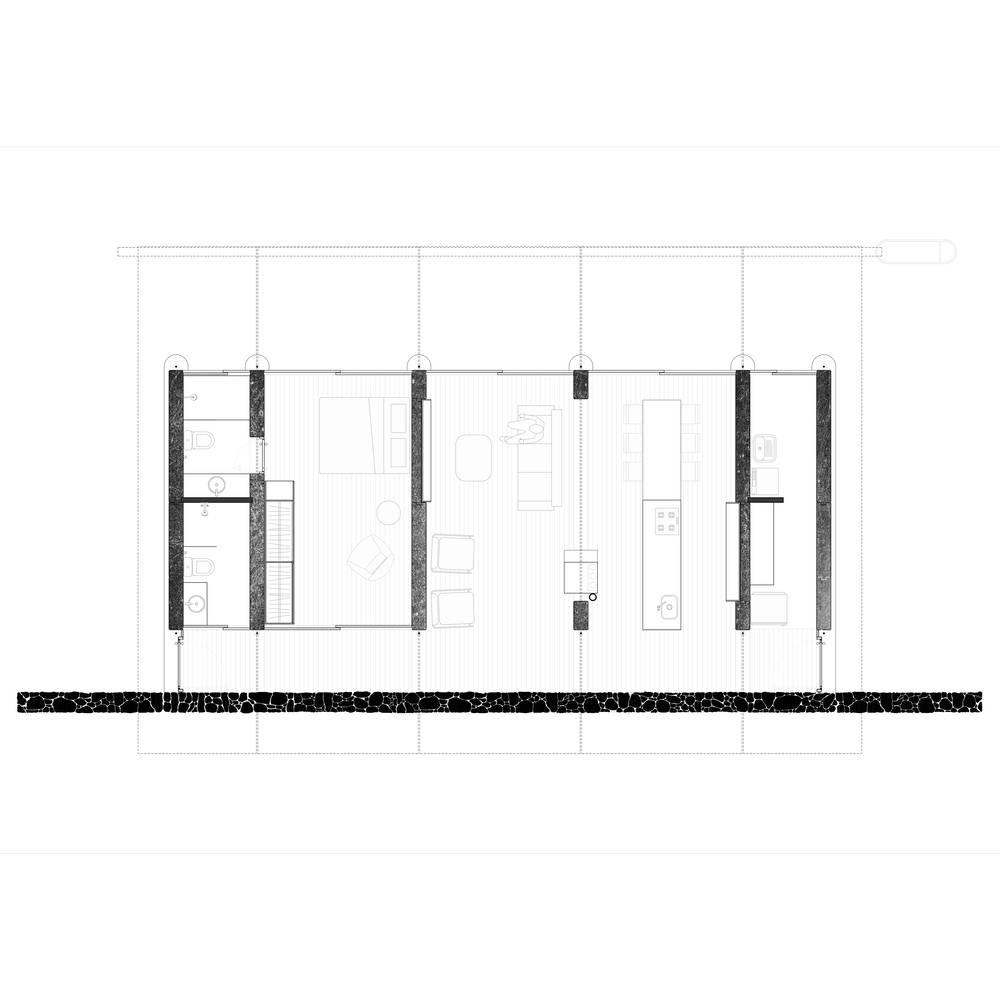
First Floor Plan
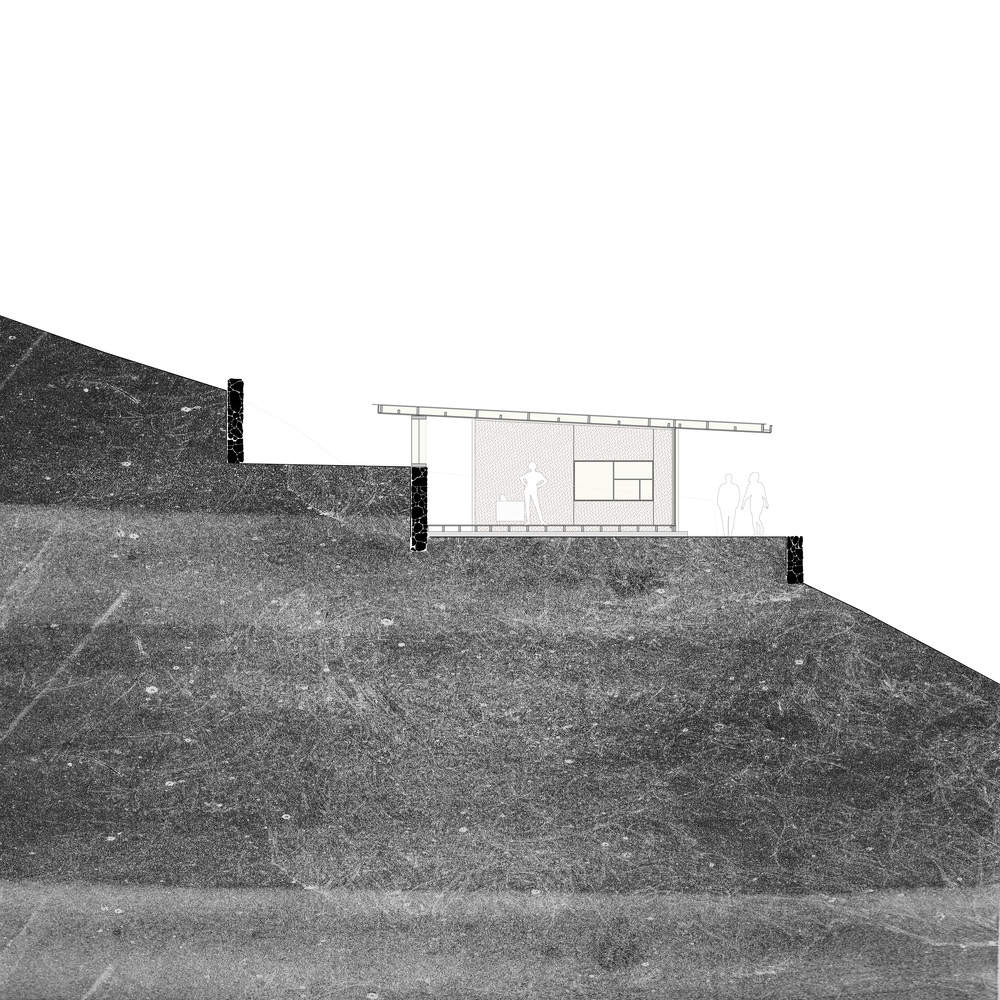
Section
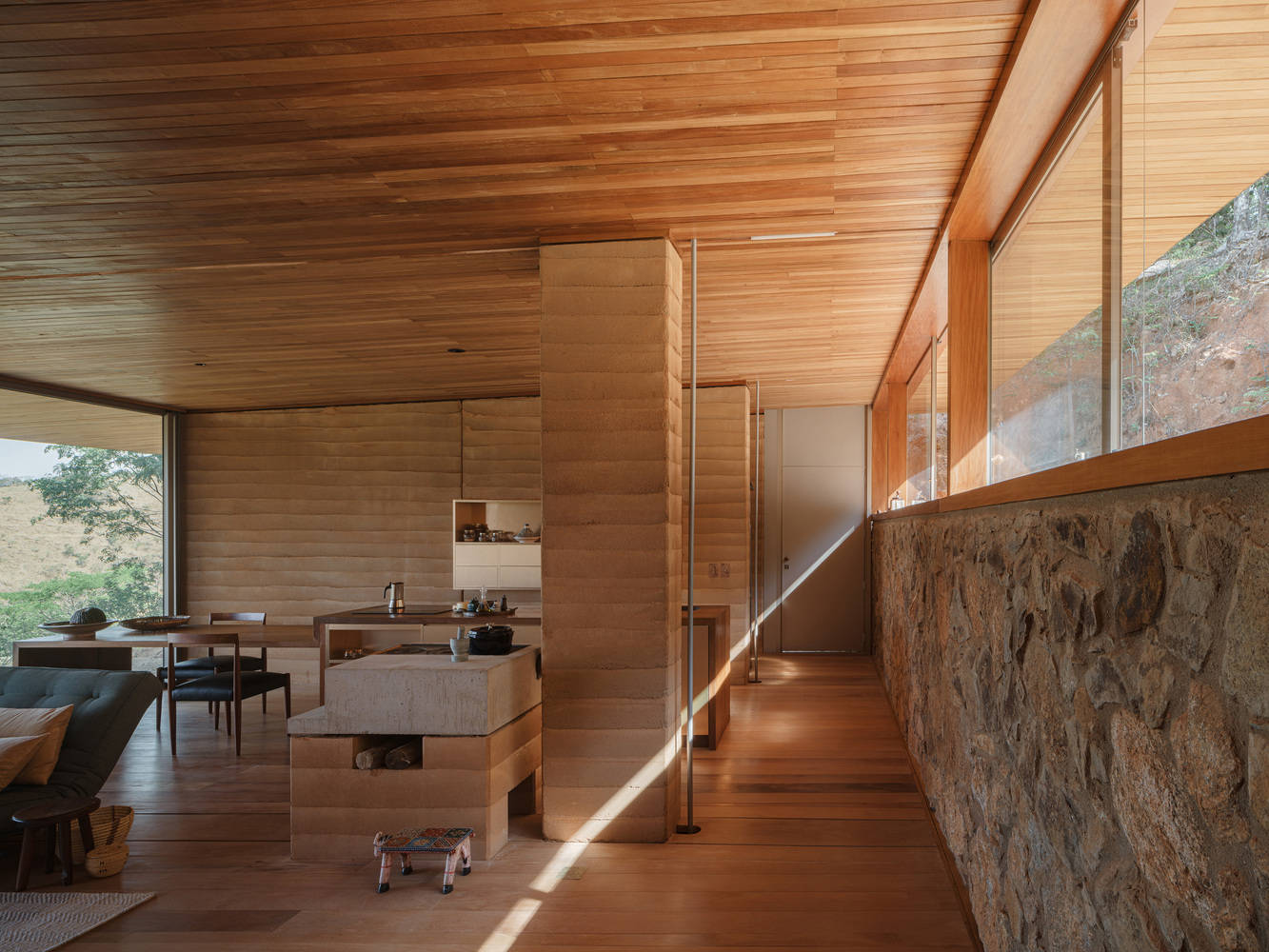
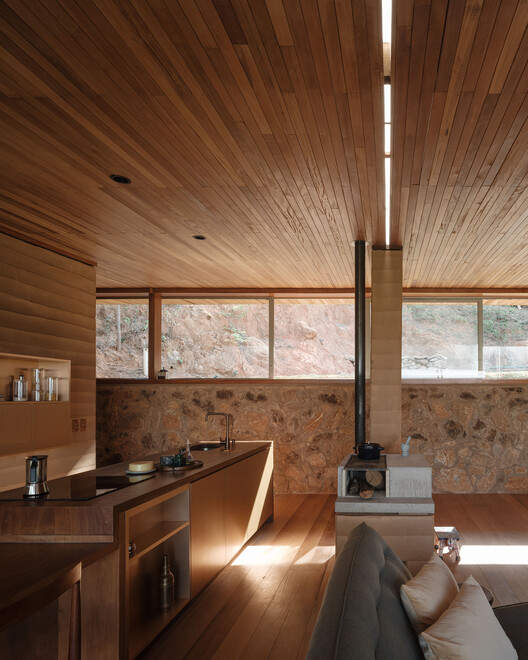
A fixed carpentry set defines the countertop for food preparation and a living table. Upon completion of the rammed earth construction, all the wood from the molds used to build the walls—Itaúba (a high-quality hardwood)—will be used to build this piece of furniture.
一套固定木工构件界定了用于食物准备的台面和一张起居桌。在夯土建筑完工时,建造墙体所用伊塔乌巴(itaúba,一种优质硬木)模具上的所有木材,经计算都将用于打造这件家具。
© Pedro Kok
© Pedro Kok
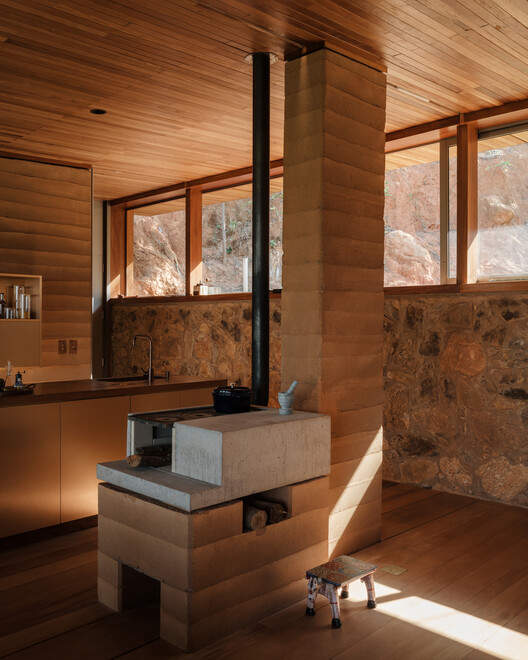
A wood-burning stove is placed between the countertop and the living area. Like in traditional houses, it is used both for cooking food and heating the environment. Other elements are made of aluminum and are distributed according to the three typical spans across all house models.
木柴炉设置在台面与起居区之间。和传统房屋一样,它既用于烹饪食物,也用于加热环境。其他元素则采用铝制材料,在所有房屋模型中按三种典型跨度分布。
© Pedro Kok
© Pedro Kok
The project seeks to explore the limitations and advantages of artisanal construction techniques alongside the field of replicable industrial production.
该项目旨在探讨手工匠造施工技术的局限性与优势,以及可复制的工业生产领域。
© Pedro Kok