历史与现代的精妙对话:该项目成功地将具有重要历史意义的格罗宁根修道院建筑群转变为一个面向公众、功能多元的现代艺术空间(Abby Kortrijk)。设计的精髓在于对“身份认同”的深刻诠释,通过审慎的修复、坚韧的保留与大胆的转变,赋予古老建筑群植根于历史之上的全新生命力。建筑师通过精确的干预,恢复了小教堂的宏伟空间感,修复了庭院,并巧妙地增设了先进的地下展览空间,实现了新旧元素间的和谐共存与平衡。
空间叙事与功能融合:设计通过创造一系列“各具氛围”的“房间”来丰富访客体验,从恢复原始尺度的16世纪小教堂,到引入可供公共活动的宿舍楼,再到极具辨识度的新建公园亭阁。亭阁的形式语言巧妙地呼应了历史屋顶的垂直感,并以深色砖块确立了其在场地中的独立地位,同时通过正交布局与原有结构展开对话。这种叙事性的空间序列,从地上的历史载体到地下的中性“白盒”展示区,构建了一个既多样又统一、功能完备的艺术体验路径。
审慎的干预与城市激活:在城市设计层面,项目采取了克制而富于策略性的干预。通过引入新亭阁并重新界定回廊区域,不仅激活了被低效占用的空间,更开辟了从城市街道通往公园的全新公共通道,实现了城市文脉的再激活。新建的亭阁不仅在形态上与历史对话,其倾斜立面营造的温馨氛围和内部功能(酒吧/餐厅)也使其成为城市生活的延伸。同时,地下展览空间的设置,有效避免了对公园和现有建筑的过度压力,确保了历史遗存的周边环境得到充分尊重。
In this project, the design team undertook the expansion and renovation of the historically significant Groningen convent complex, transforming it into an art space dedicated to hosting site-specific temporary exhibitions and public events. Abby Kortrijk is a new type of museum: open to everyone, multi-functional and flexible, situated within the beautiful Begijnhof Park in the heart of Kortrijk, serving as a space for urban life.
在该项目中,设计团队对具有重要历史意义的格罗宁根修道院建筑群进行了扩建与改造,将其打造成一个用于举办特定场地临时展览和公共活动的艺术空间。Abby Kortrijk 是一个新型博物馆:它面向所有人开放,功能多元且灵活,坐落于科特赖克市中心美丽的贝居安会院公园(Begijnhof Park)内,是一处城市生活空间。
© Simone Marcolin
The design revolves around a broad interpretation of the theme of "identity," where concepts such as resilience, restoration, and transformation are carefully weighed to seek a new identity for this complex, one that is deeply rooted in its existing foundations.
该设计围绕对“身份认同”这一主题的宽泛诠释展开,其中,坚韧、修复与转变等概念经过精心权衡,旨在为这一建筑群重新探寻一种深深植根于既有基础之上的全新身份认同。
Section
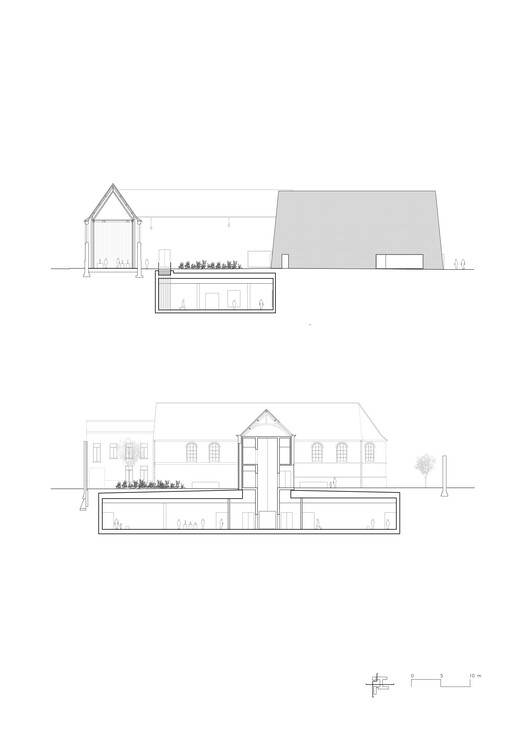
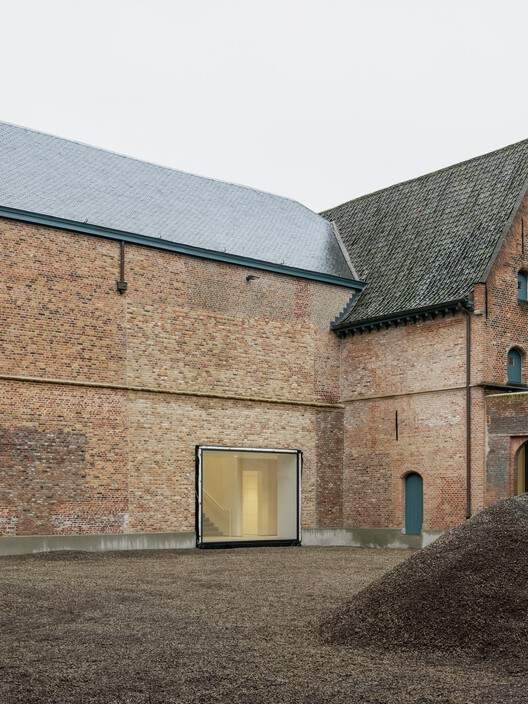
The proposal showcases the beautiful spatial qualities of the former convent chapel and dormitory, restores the former cloister, and adds an advanced underground exhibition space. These "rooms" each have their own atmosphere, offering space for artistic creation and public activities in their unique ways.
该方案展现了修道院小教堂和宿舍原有结构的优美空间感,修复了昔日的庭院,并增设了一处先进的地下展览空间。这些“房间”各具氛围,以各自独特的方式为艺术创作和公共活动提供了空间。
© Simone Marcolin
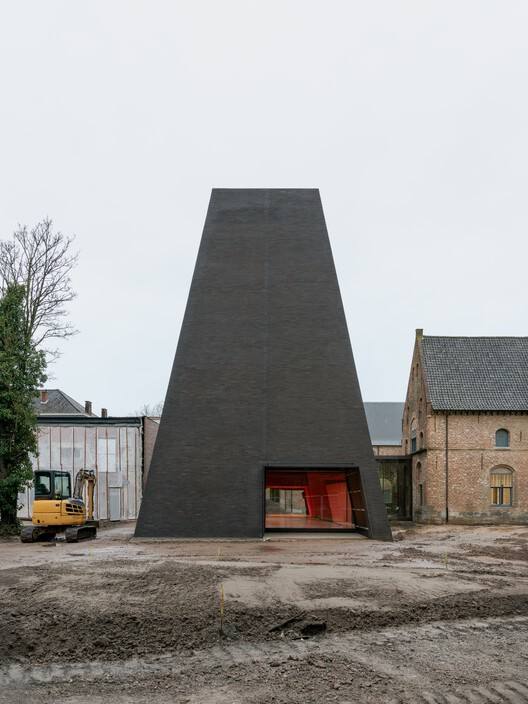
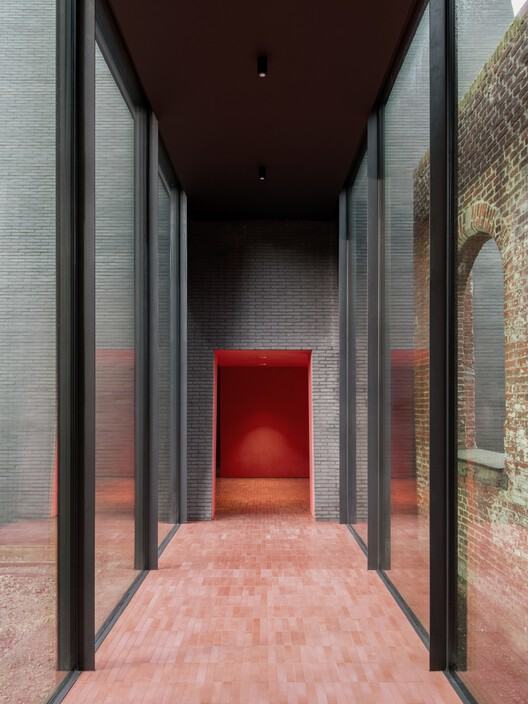
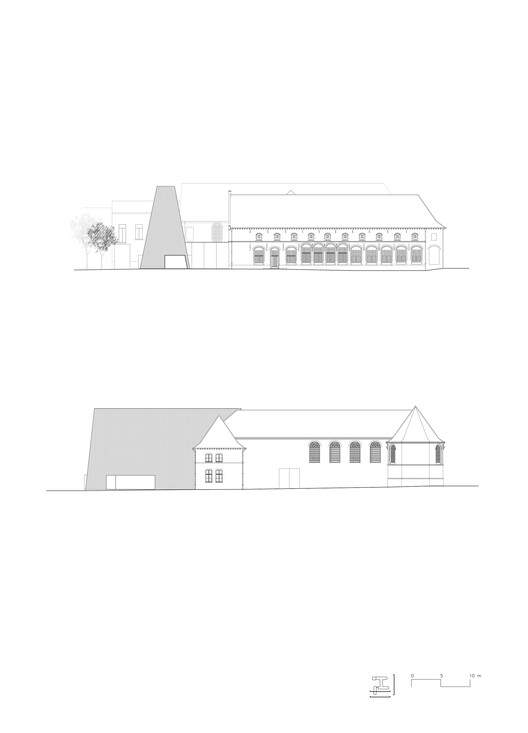
The exhibition area is located beneath the complex, while the distinctive new park pavilion enters into a dialogue with the historic buildings through its form—evoking the verticality of the pitched roofs of historic architecture—and the logic of its orthogonal layout. This new building exists as a highly recognizable element in dialogue with the existing style; it functions like another pavilion, continuing the historical layout of the city. Its façade is clad in dark brick, setting it apart as an independent element within the historic complex.
展览区域位于建筑群下方,而独具特色的新公园亭阁则通过其形式 —— 唤起人们对历史建筑倾斜屋顶垂直感的联想 —— 以及正交布局的逻辑,与这些历史建筑展开对话。这座新建筑作为与既有建筑风格对话的、辨识度极高的元素而存在;它宛如又一座亭阁,延续着这座城市布局的历史脉络。其外墙覆以深色砖块,使其在历史建筑群中呈现出独立元素的特质。
© Simone Marcolin
The new building is restrained and rational, characterized by a series of subtle and well-considered interventions that achieve a balance between the old and the new, highlighting the site's historical depth while opening up new spaces for the future.
这座新建建筑风格内敛且富有理性,其特点在于采用了一系列精妙且经过深思熟虑的干预手段,在新旧元素之间达成平衡,既彰显了场地的历史底蕴,又为未来开辟了崭新的空间。
© Simone Marcolin
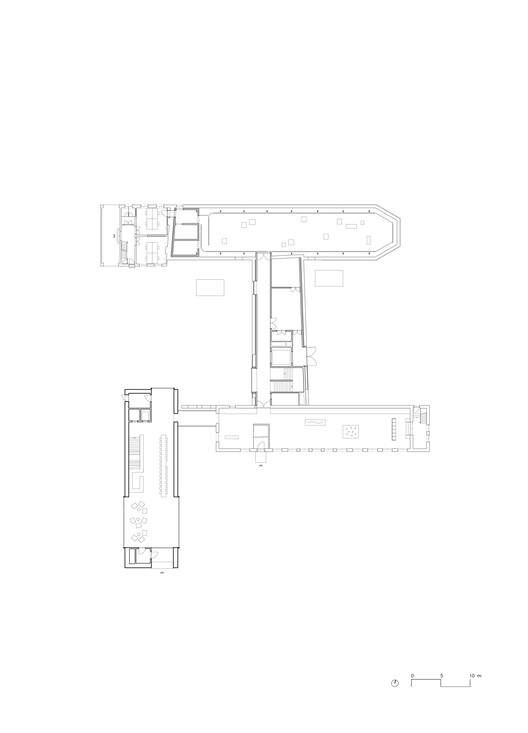
From an urban design perspective, the project removed elements not present in the original convent layout and introduced a new pavilion. This pavilion is orthogonal to the existing building arrangement, partly projecting towards the Begijnhof Park. This intervention redefines the original cloister area and opens a passage from Groeningestraat to the public garden.
从城市设计角度来看,该项目移除了原修道院布局中并不存在的元素,并引入了一座新亭阁。该亭阁与现有建筑布局呈正交关系,部分探出面向贝居安会院公园(Begijnhof Park)。这一干预举措重新界定了原有回廊区域,并开辟了一条从格罗宁根街(Groeningestraat)通往公共花园的通道。
© Simone Marcolin
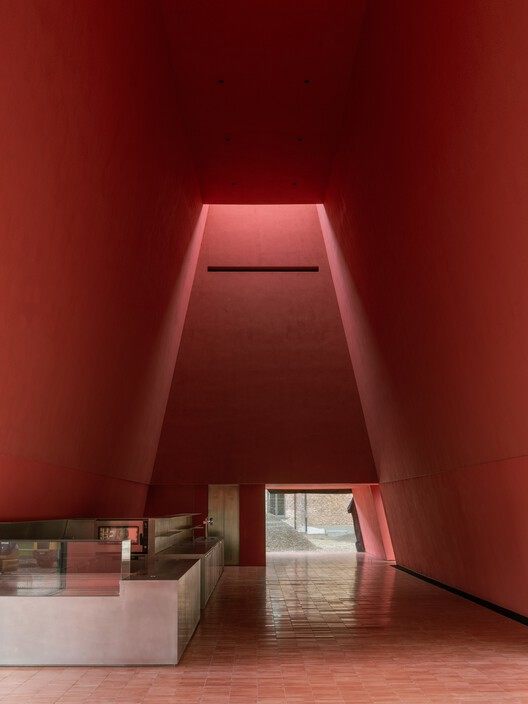
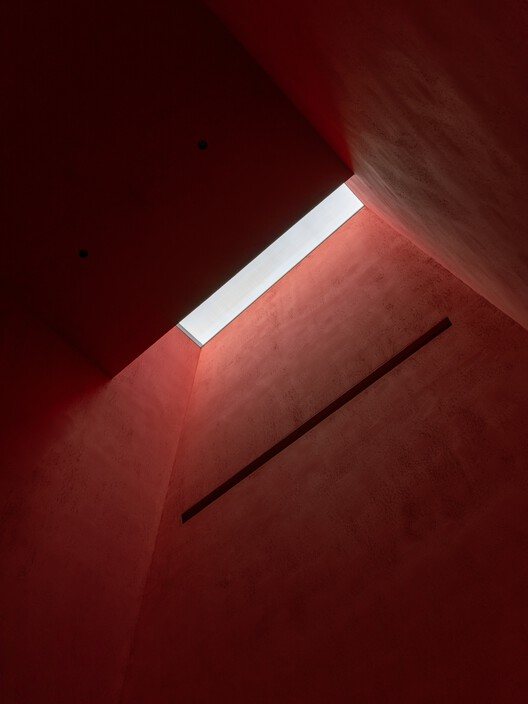
This pavilion connects to the complex via the original dormitory building and houses a bar and restaurant. Its inclined façade creates a warm, sheltered atmosphere while maximizing the interior space. A long table can be placed here, reminiscent of the refectories shared by the monks in the convent.
这座亭阁通过原宿舍楼与建筑群相连,内部设有酒吧和餐厅。其倾斜的外立面营造出温馨且遮风挡雨的氛围,同时最大限度地拓展了内部空间。这里可摆放一张长桌,让人联想到修道院中供修士们共用的食堂。
© Simone Marcolin
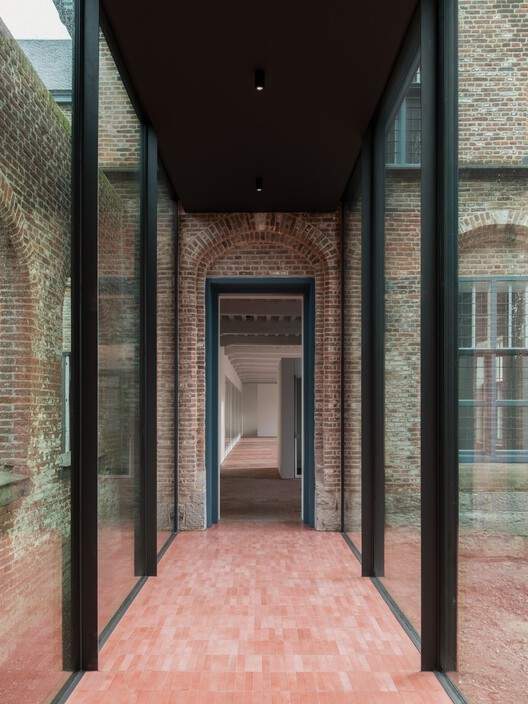
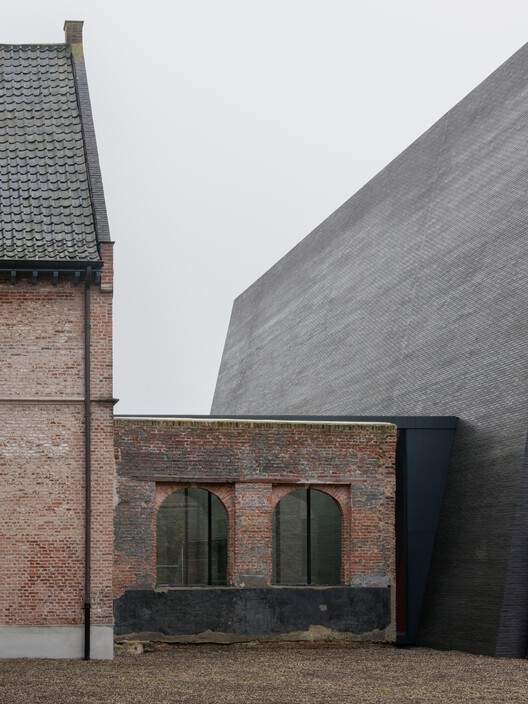
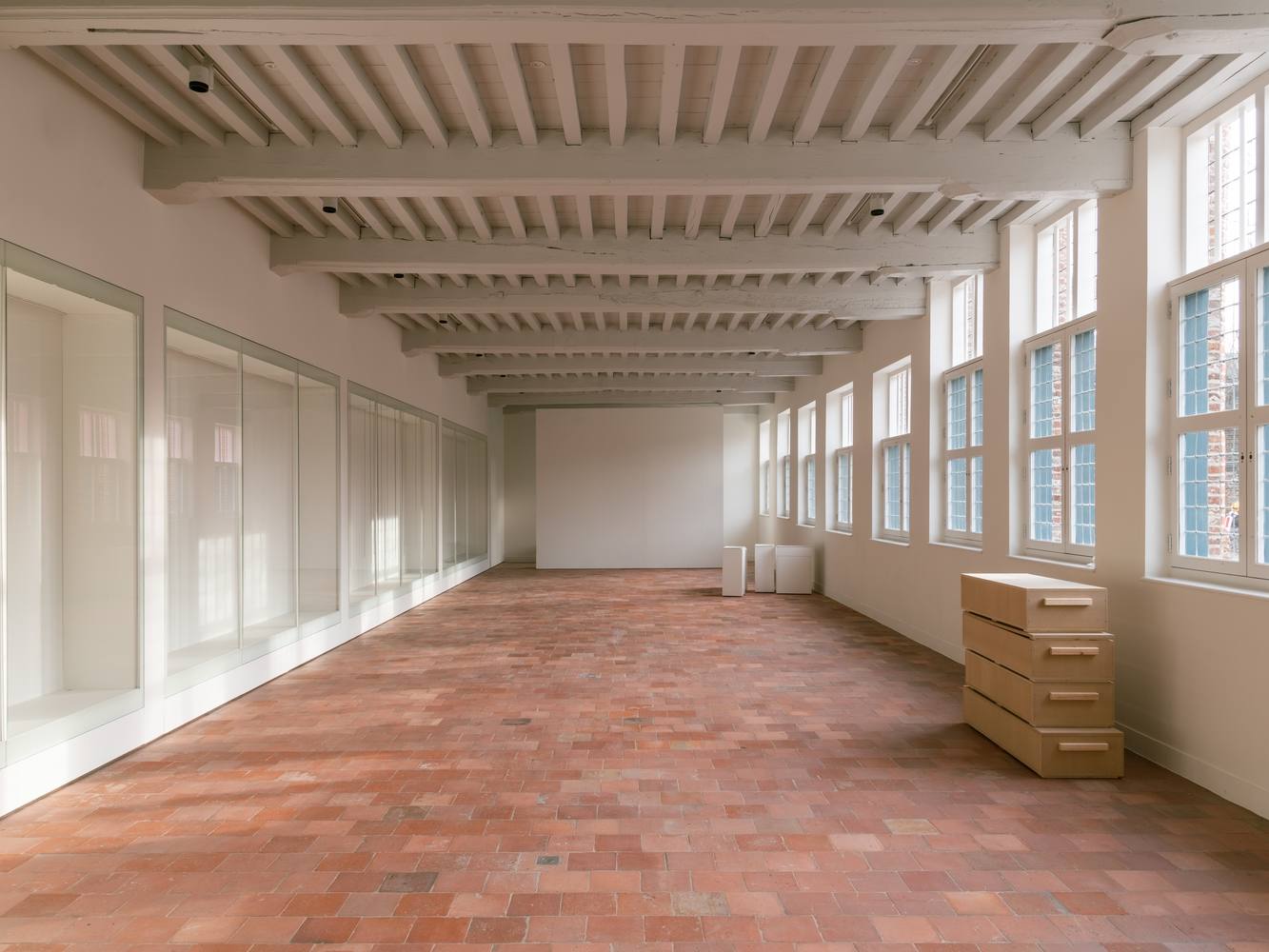
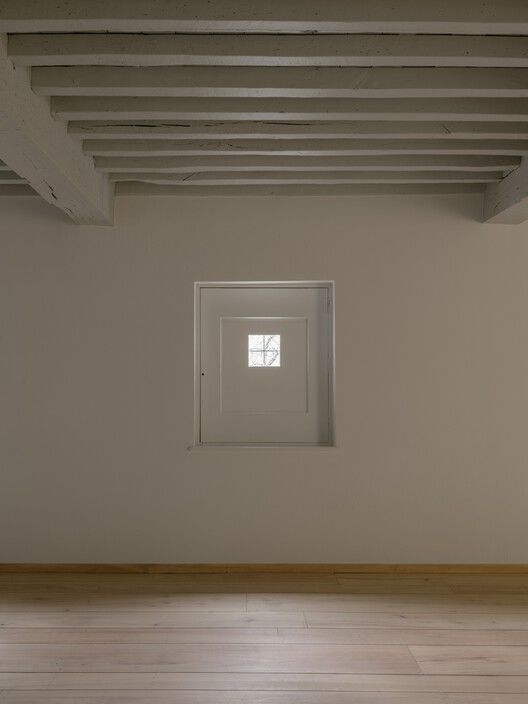
The interventions in the original dormitory building were minimal, involving only the restoration of the original windows, ceilings, and the red terracotta floor. Additionally, a long display case was added to exhibit artworks from Kortrijk, inviting interaction between artists and the collection.
对原宿舍楼的干预措施极为有限,仅修复了原有窗户、天花板和红色陶土地板。此外,增设了一座长形展示柜,用于展出来自科特赖克市(Kortrijk)的艺术作品,并邀请艺术家与藏品展开互动。
© Simone Marcolin
Third-floor plan
© Simone Marcolin
The convent is now an art venue where visitors can fully experience the beauty of art in its various rooms. From the dormitory to the pavilion, exhibits can be enjoyed without purchasing a ticket. Above the dormitory is the reception room, adjacent to the former chapel.
这座修道院如今成为了一座艺术殿堂,访客可在其各个房间中尽情体验艺术之美。从宿舍到亭阁,人们无需购票即可欣赏展品。宿舍楼上方是会客室,与昔日的小教堂相邻。
© Simone Marcolin
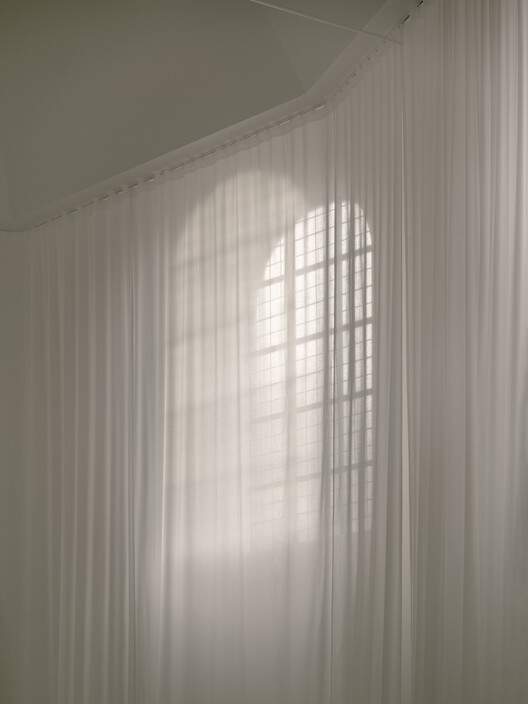
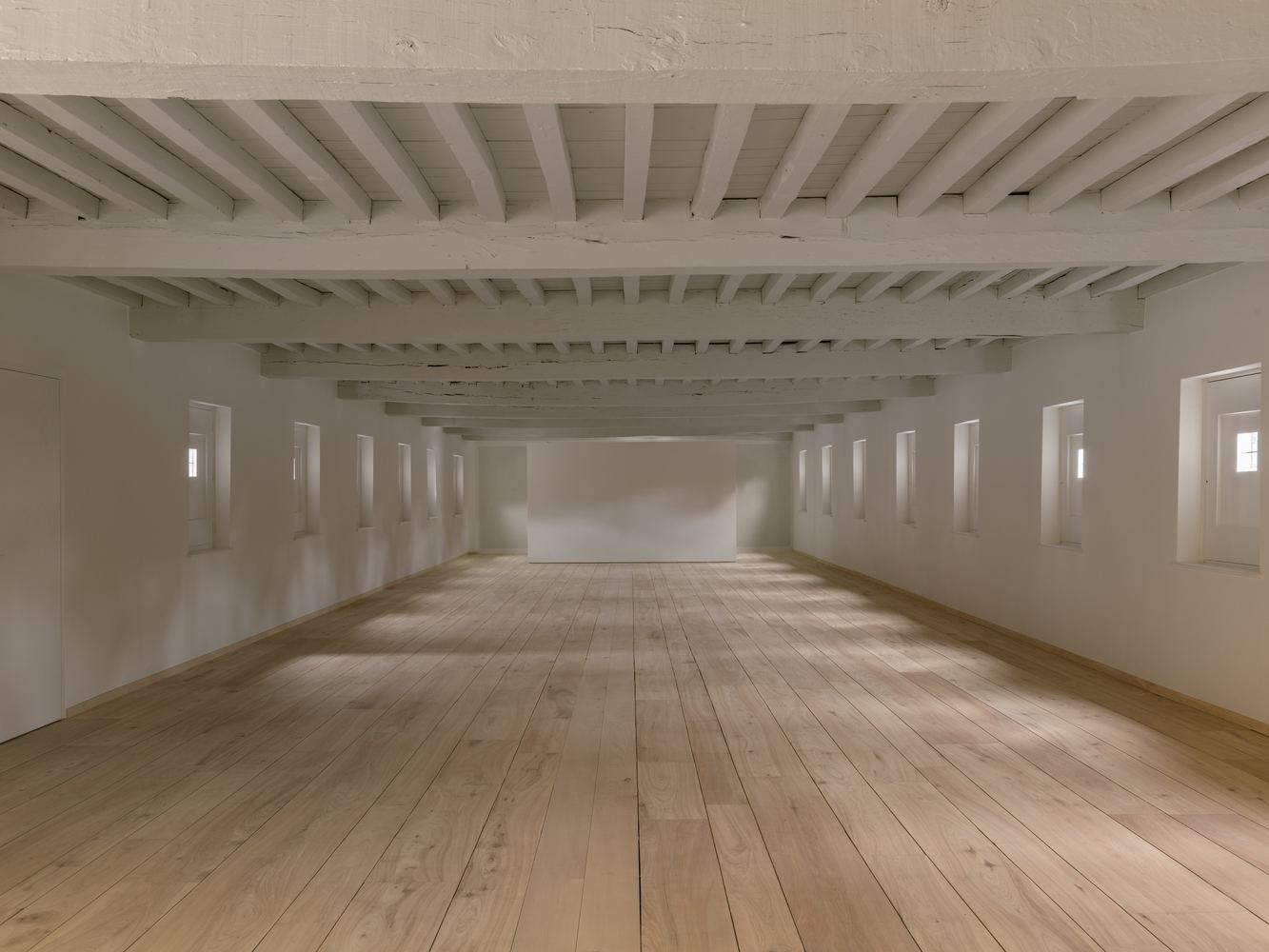
The former chapel is one of the oldest elements of the entire complex. The project restored the original grandeur of the convent by removing the existing gallery and mezzanine. Without the intermediate floor, the 16th-century structure regains its original atmosphere and provides new vertical space for exhibitions.
昔日的小教堂是整个建筑群中最古老的元素之一。该项目通过拆除现有附属走廊和夹层,恢复了修道院原有的宏伟气派;没有了中间楼层,这座16世纪的建筑重现了其原始氛围,并为展览提供了全新的垂直空间。
© Simone Marcolin
Elevations
© Simone Marcolin
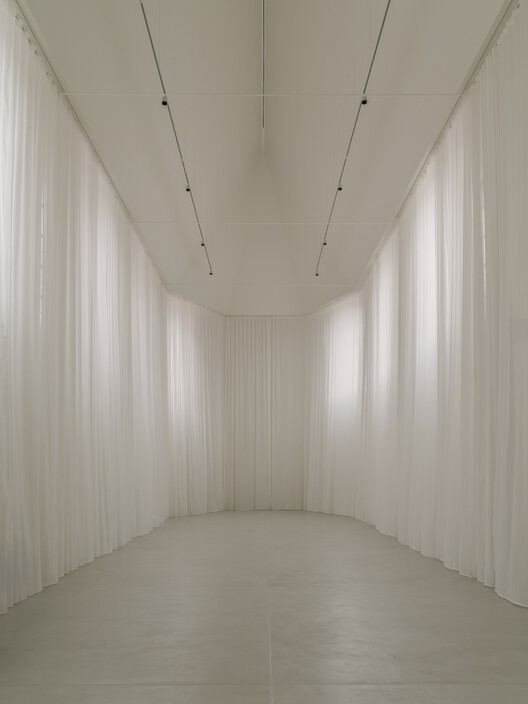
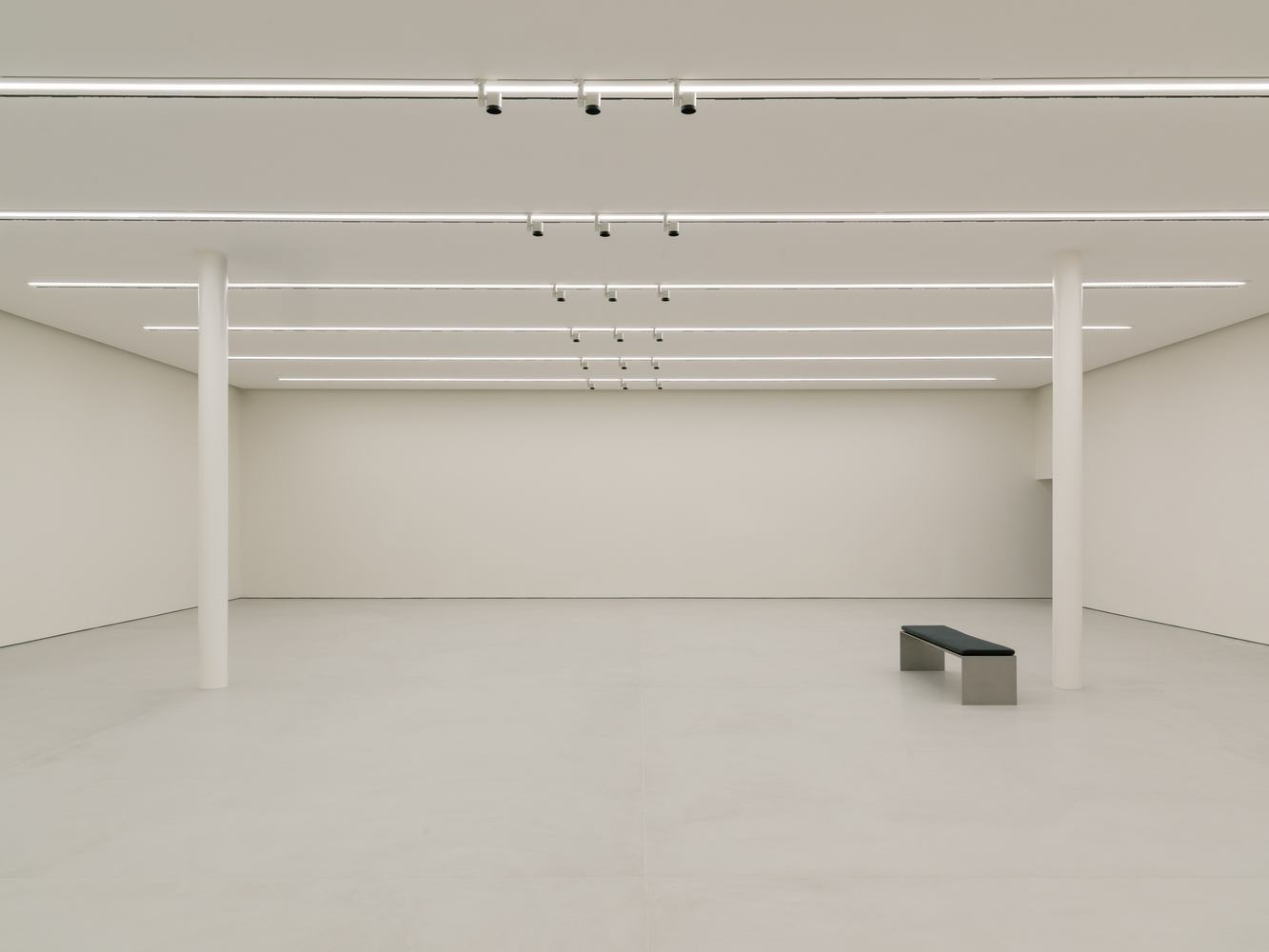
To avoid overburdening the park and to leave surrounding breathing space for the existing buildings, the project includes an expansion area for underground exhibitions. These neutral spaces, built to advanced museum standards, provide a flexible platform for exhibitions. The buildings—the chapel, dormitory, and pavilion—inject rich historical depth into the project, while the underground "white box" spaces offer a neutral backdrop that complements this historical environment. These spatial sequences are diverse yet unified, fully functional, and logically coherent internally.
为避免给公园造成过度负担,并为既有建筑留出周边的透气空间,该项目增设了地下展览区域进行扩建。这些采用先进博物馆标准打造的中性空间,为展览提供了灵活多变的展示平台。小教堂、宿舍楼和亭阁等建筑为项目注入了丰富的历史底蕴,而地下的“白色方盒”空间则提供了一处中性背景,与这一历史环境相得益彰。这些空间序列既多样又统一,功能完备且内部逻辑清晰。
© Simone Marcolin
The façades of the original buildings were strictly restored following the original design drawings. As for the new construction, the pavilion façade uses custom-made bricks—fabricated from recycled building components—to construct an imposing and highly expressive architectural structure, further reinforcing its presence in the urban fabric.
原有建筑立面在修复过程中严格遵循了原始设计图纸。至于新建部分,亭阁的立面采用了定制砖块 —— 这些砖块由回收的建筑构件制成 —— 构筑起一座气势恢宏且极具表现力的建筑结构,进一步强化了其在城市肌理中的存在感。
© Simone Marcolin