对传统庇护所的哲学性反思与城市“间隙”的构建:该项目深刻反思了传统棚屋(Mak)的开放性与当代城市建筑的封闭性之间的矛盾。它并非追求传统意义上的保护或围合,而是致力于在人工环境与自然之间创造一个“间隙”(Teum),这一概念的融合体现了建筑师对城市生活质量的哲学思考。Teummak的本质是提供一个与自然元素——土壤、风、光线、树木——直接对话的空间,这在密集的城市肌理中显得尤为珍贵,体现了建筑对“在场”和“片刻宁静”的价值重塑。
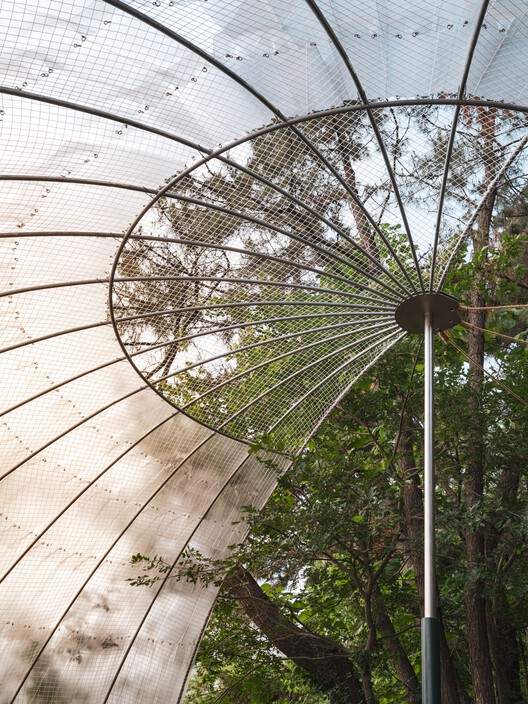
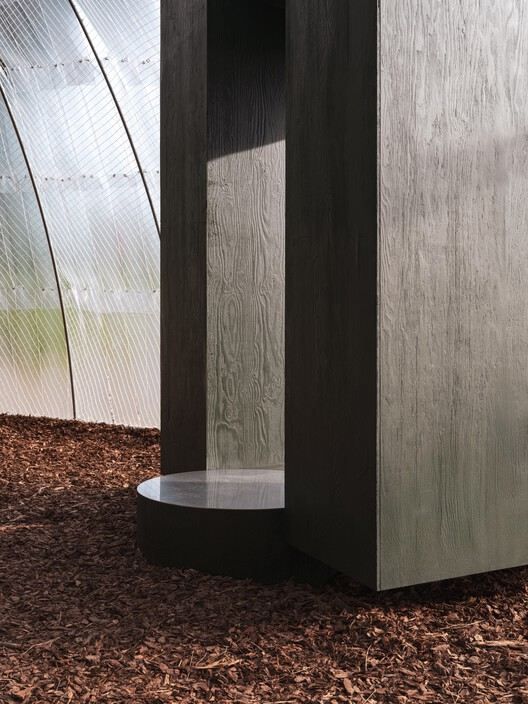
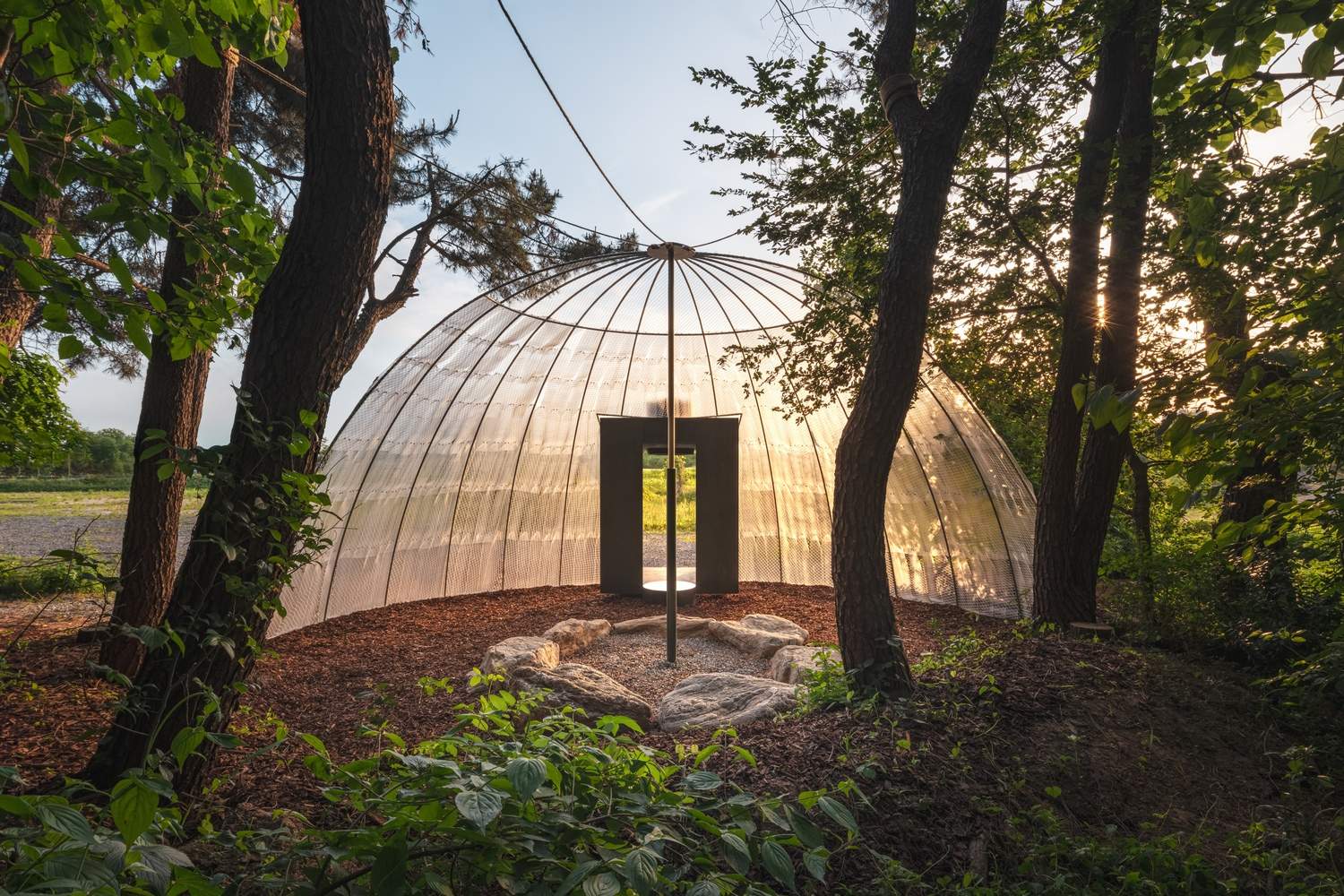
结构与材料的轻盈渗透性设计:在结构处理上,Teummak采用了悬浮屋顶连接现有树木的设计手法,这使得建筑本体成为一种“介入”而非“覆盖”。材料的选择(木材、金属、网状材料、亚克力板)是实现空间渗透性的关键。这些材料的组合,成功地柔化了硬朗的城市边界,并与树木共同编织出一个半透明的穹顶,既提供了必要的遮蔽感,又最大化了视觉的通透性,实现了对周边环境的尊重与融合。
场所精神的重新激活与体验导向:项目选址于被公寓楼环绕的空地,这一区位选择本身就是一种挑战现有城市形态的姿态。Teummak的精髓在于其“体验导向”的特质,它鼓励使用者关注并留意那些在日常生活中被忽略的自然之美。通过这种近乎冥想式的空间体验,建筑成功地在冰冷的城市结构中植入了一块柔软、开放、具有社区共鸣感的“庇护所”,激活了场所原有的精神潜力。
The hut (Korean "mak," 막) is one of the earliest forms of human shelter. This simple structure, composed only of a roof and a ground plane, usually lacks walls, its form shaped by site conditions and flexibly adapted to environmental changes. In contrast, contemporary architecture often disregards its surroundings, resulting in dense yet fragmented urban spaces. Today, there is an urgent need to carve out "gaps" (Korean "teum," 틈) within the city to allow natural elements to reintegrate into life. Teummak (a combination of "teum" gap and "mak" hut) advocates for injecting a new open form into urban living.
棚屋(韩语“mak”,막)是人类最早的庇护所形式之一,这种简易建筑仅由屋顶和地面构成,通常没有墙壁,其形态依场地条件而塑,并随环境变化灵活调整。反观当代建筑,往往漠视周边环境,导致城市中充斥着密集却彼此割裂的空间。如今,我们迫切需要在城市中留出“间隙”(韩语“teum”,틈),让自然元素得以重新融入生活。Teummak(由“teum”间隙与“mak”小屋组合而成)倡导为城市生活注入一种全新的开放形态。
© Mihyun Son
Plan
© Jang Mi
© Jang Mi
© Jang Mi
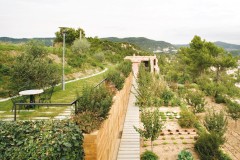
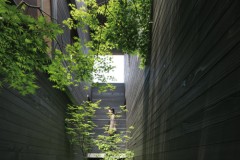
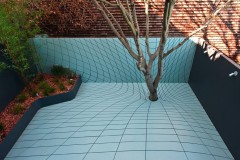
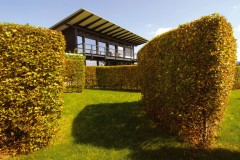
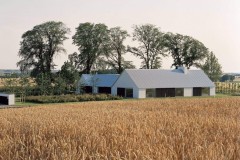
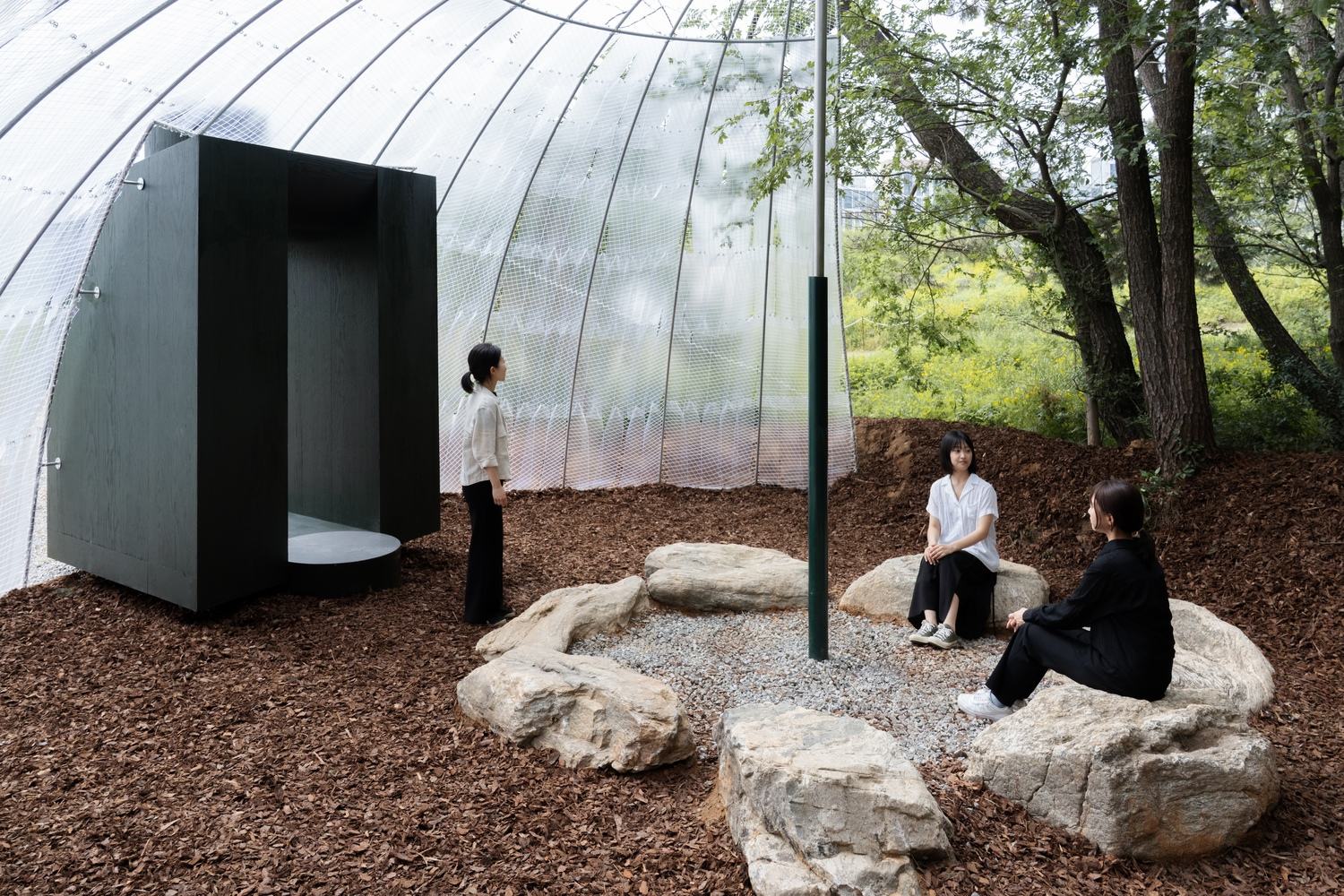
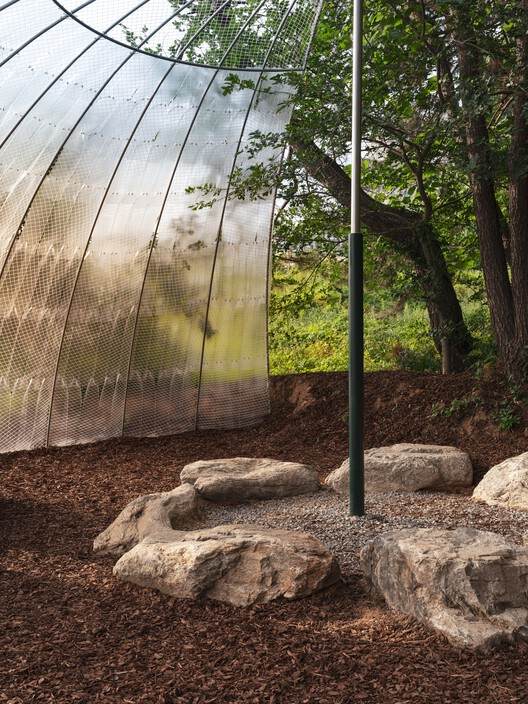
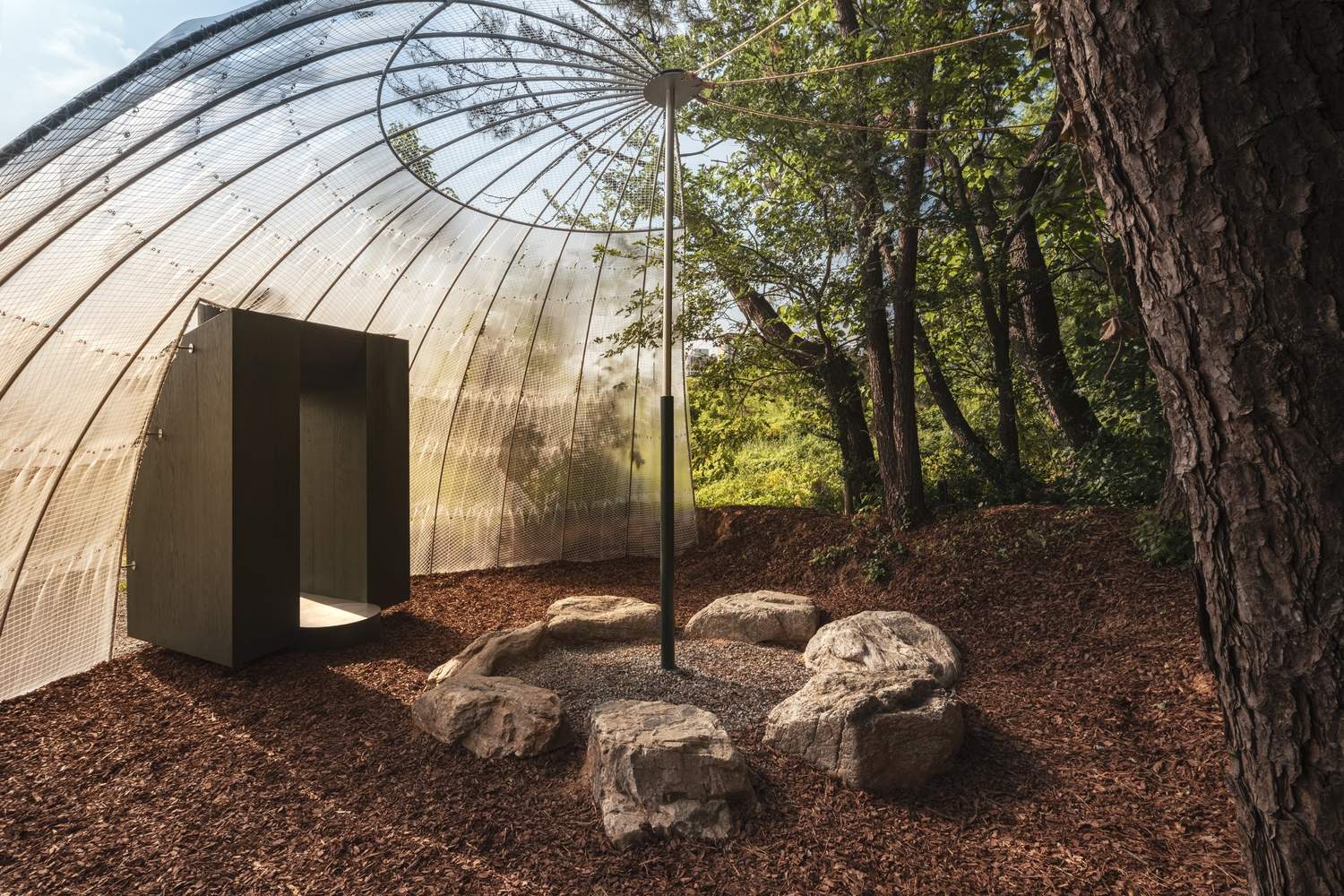
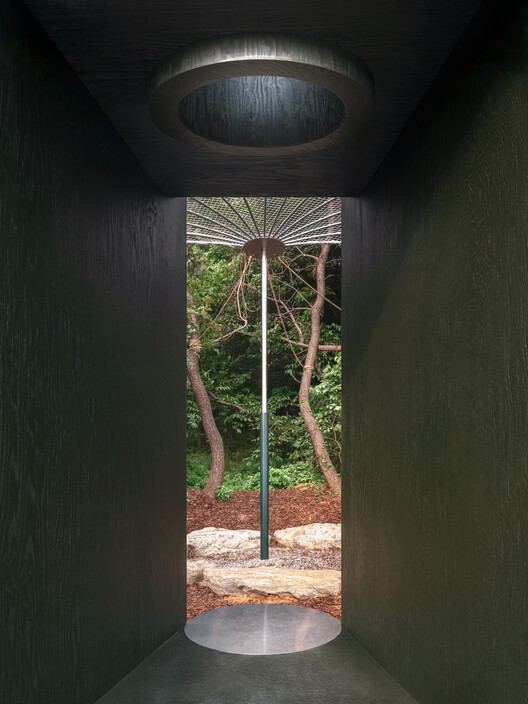
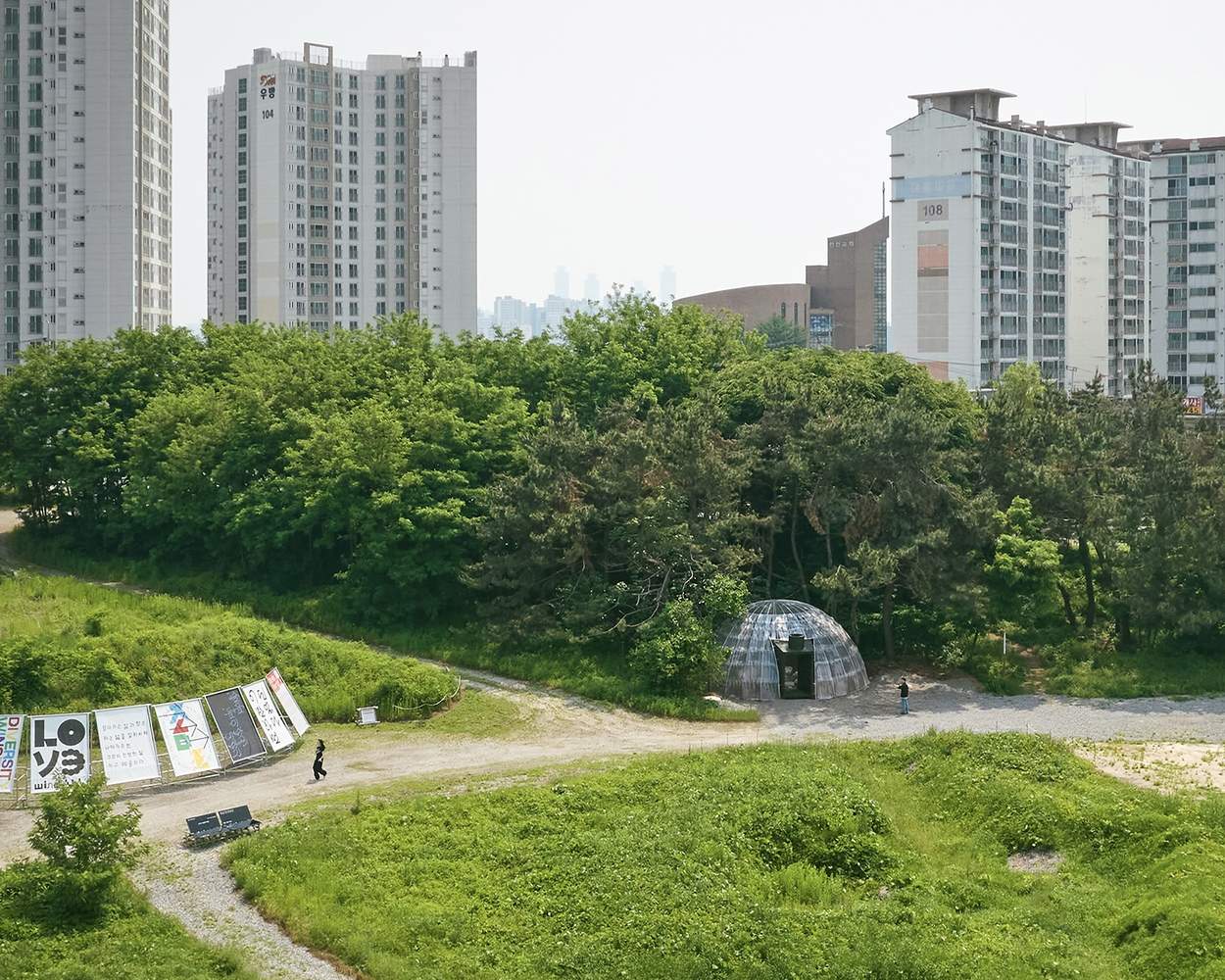
Teummak is not a shelter in the traditional sense. It does not seek enclosure or protection, but aims to carve out a space suspended between artificial architecture and the natural environment. Situated on an open site in Hwaseong, South Korea, surrounded by apartment buildings, the structure invites direct intimacy with natural elements such as soil, wind, light, and trees. It fosters moments of quiet resonance, encouraging visitors to notice the inherent beauty around them rather than constantly pursuing novelty.
Teummak 并非传统意义上的庇护所。它不追求封闭或保护,而是旨在开辟一方悬浮于人工建筑与自然环境之间的空间。这座建筑坐落于韩国华城市一片被公寓楼环绕的空地上,邀请人们直接与土壤、风、光线和树木等自然元素亲密接触。它营造出片刻静谧的共鸣时光,鼓励访客去留意身边本就存在的美好,而非一味追寻新奇事物。
© Jang Mi
© Jang Mi
Section
© Jang Mi
© Jang Mi
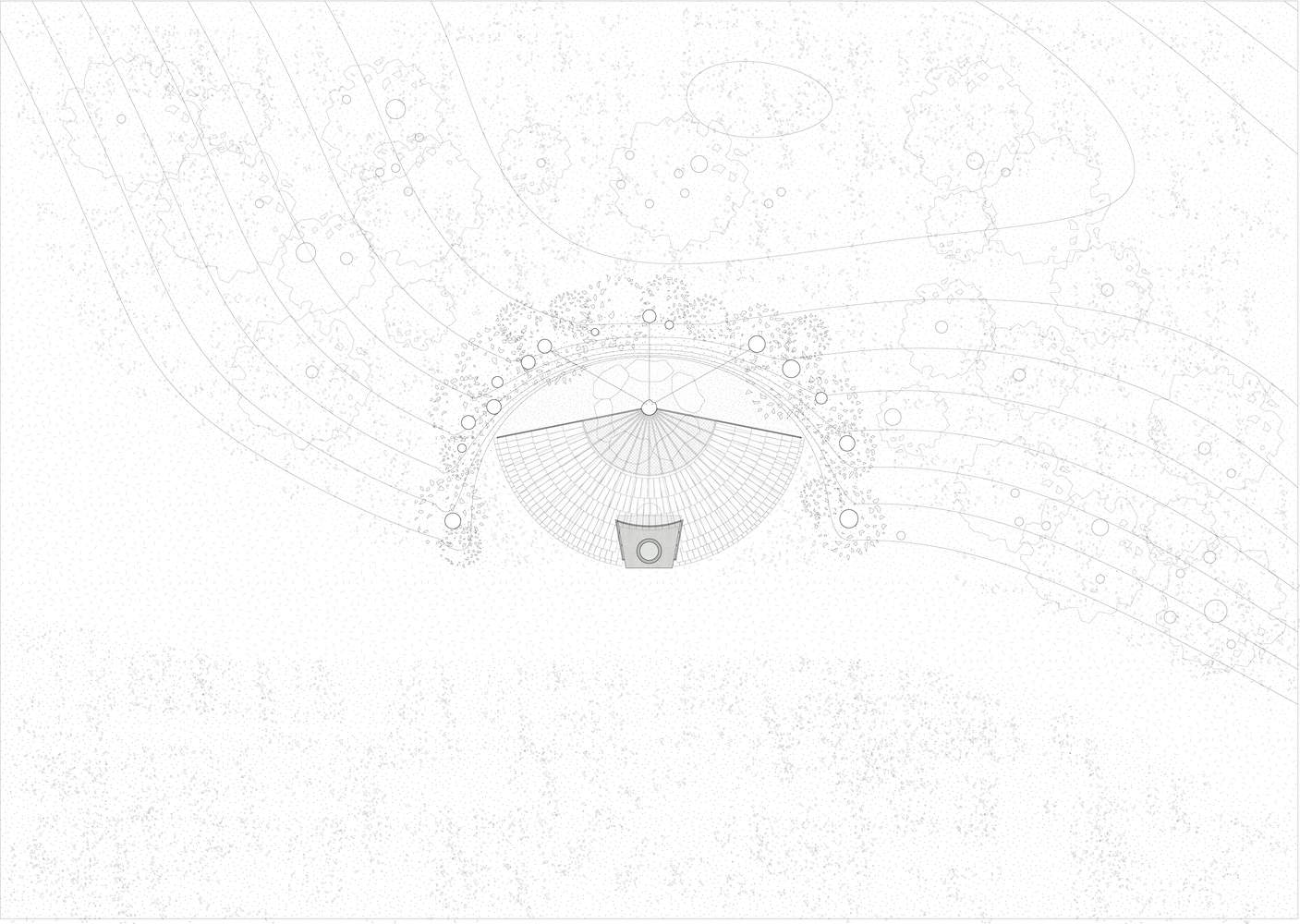
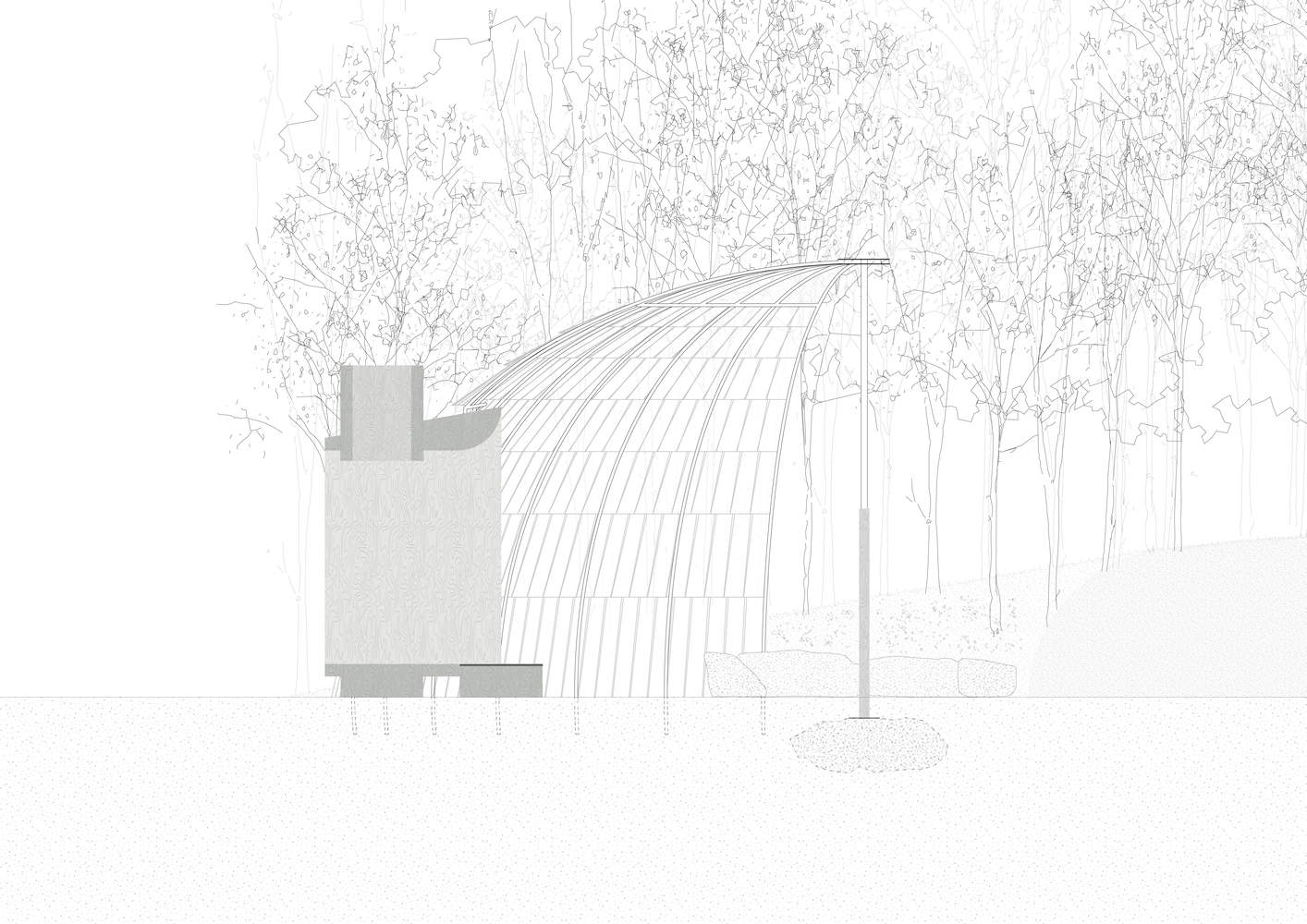
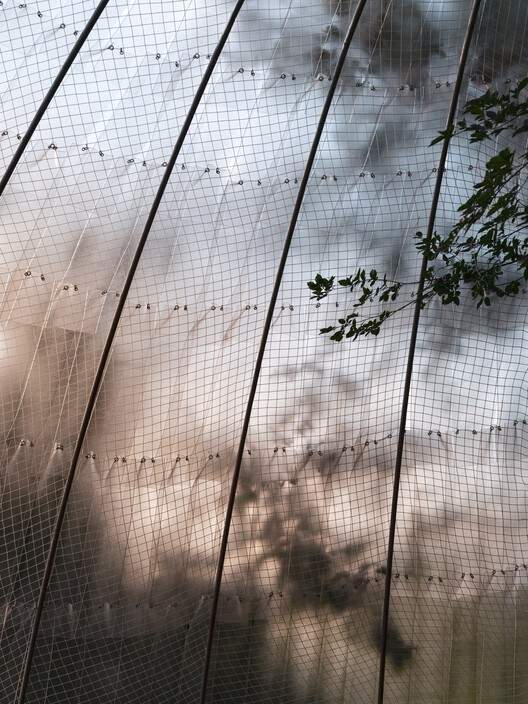
The structure connects the existing trees on the site via a hovering roof. The carefully coordinated materials—wood, metal, mesh, and acrylic panels—soften the surrounding urban view while collectively forming a dome-like canopy with the trees. Teummak blurs the boundary between artificial construction and the natural environment, creating a gentle, permeable, and habitable sanctuary within the urban landscape.
该建筑结构通过悬浮的屋顶将场地内现有的树木连接在一起。其选用的木材、金属、网状材料以及亚克力板等材质经过精心搭配,既柔化了周边城市的景观视野,又与树木共同构建出一个穹顶般的遮蔽空间。Teummak 模糊了人工建筑与自然环境的界限,在都市景观中营造出一处柔和通透、可供栖居的庇护所。
© Mihyun Son