历史文脉的尊重与再生:该项目最核心的精髓在于其对历史文脉的深刻理解与尊重。修复团队采用了跨学科的系统性方法,历经25年持续工作,成功地将受损严重的塞迪尔巴希尔要塞从海岸侵蚀和地震威胁中挽救出来。设计师没有试图进行不切实际的完全重建,而是巧妙地在遗址上引入了清晰可辨的当代干预措施,如轻盈木构轮廓和克制的现代博物馆建筑,实现了历史与现代的对话,确保了修复的“可逆性原则”,使遗址成为一个有生命的、可被感知和理解的历史空间。
“记忆之场”的构建与叙事:项目在空间上成功地构建了一个“记忆之场”,通过对战争创伤的保留和对和平的反思进行叙事。通过将部分塔楼完整保留为废墟,明确标识了战争留下的印记,强化了对历史毁灭性的警示作用。新插入的元素,如透光的木结构入口和融入考古发现的博物馆,既满足了现代功能需求,又以一种谦逊的方式将访客引导至历史核心,使得空间不仅是纪念地,更是激发对和平思考的场所。
可持续的社区与文化共生:此项修复不仅仅是建筑的保护,更是对区域文化生态的重塑。通过整合艺术家工坊、重新规划的村落广场以及现代化的博物馆,项目将要塞从一个纯粹的历史遗迹转变为一个服务于本地社区和游客的活力中心。这种处理方式确保了历史建筑的可持续性——通过赋予其新的社会和经济功能,使其能够融入当代生活,确保了未来长期运营的生命力,实现了文化遗产保护与社区发展的和谐统一。
Seddülbahir Fortress is located at the southern entrance of the Dardanelles Strait, on the European coastline of the Gallipoli Peninsula. Originally commissioned in the mid-17th century by Hatice Turhan Sultan, mother of Ottoman Sultan Mehmed IV, "Seddülbahir" means "Sea Barrier," intended to guard this strategic waterway connecting the Aegean Sea to the Ottoman capital, Istanbul. Despite suffering severe coastal erosion and multiple earthquakes over time, the fortress and the adjacent village remained relatively intact until the early 20th century.
塞迪尔巴希尔要塞坐落于达达尼尔海峡南端入口处,位于加利波利半岛的欧洲海岸线上。该要塞最初由奥斯曼苏丹穆罕默德四世之母哈蒂杰·图尔汗苏丹于 17 世纪中叶主持修建,“塞迪尔巴希尔”意为“海之壁垒”,旨在守护这条连接爱琴海与奥斯曼帝国首都伊斯坦布尔的战略水道。尽管长期遭受严重海岸侵蚀与多次地震侵袭,要塞及其毗邻村落仍相对完整地保存至 20 世纪初。
© Egemen Karakaya
© Egemen Karakaya
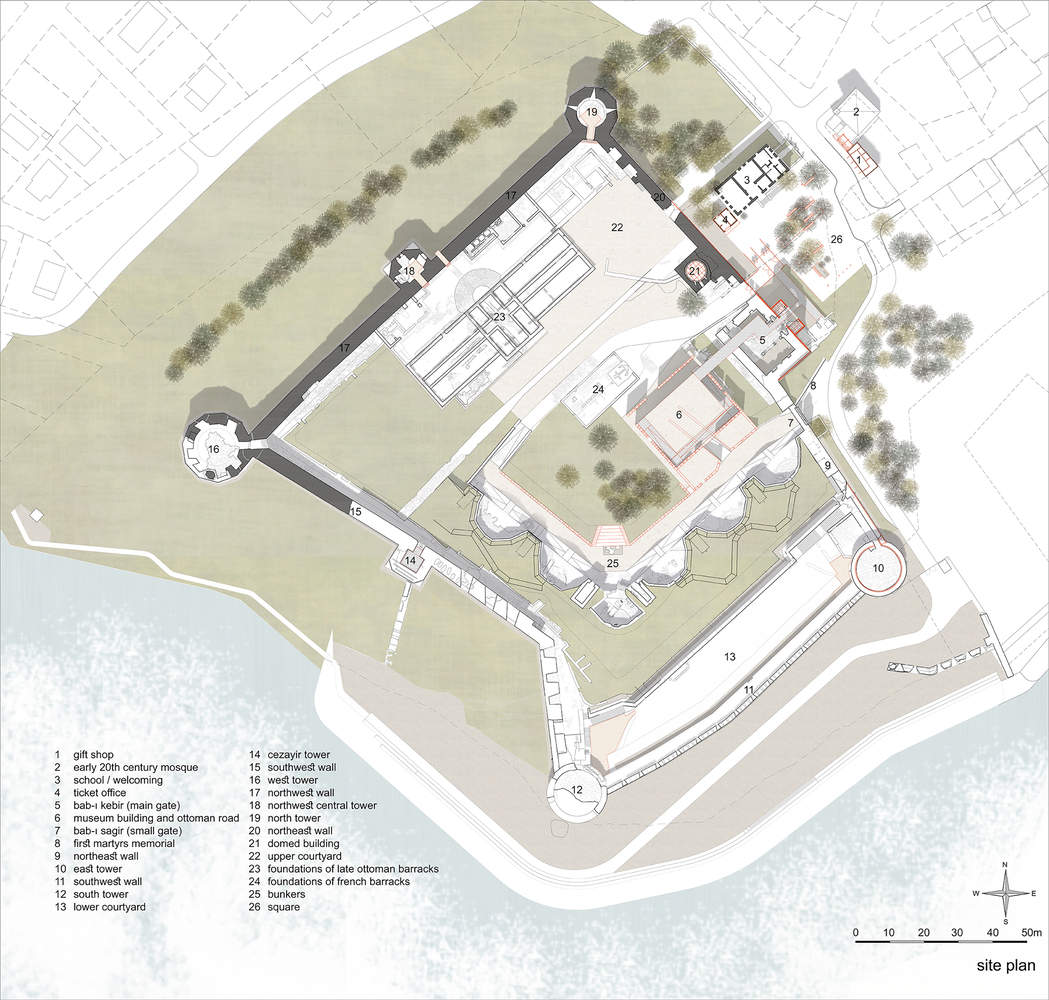
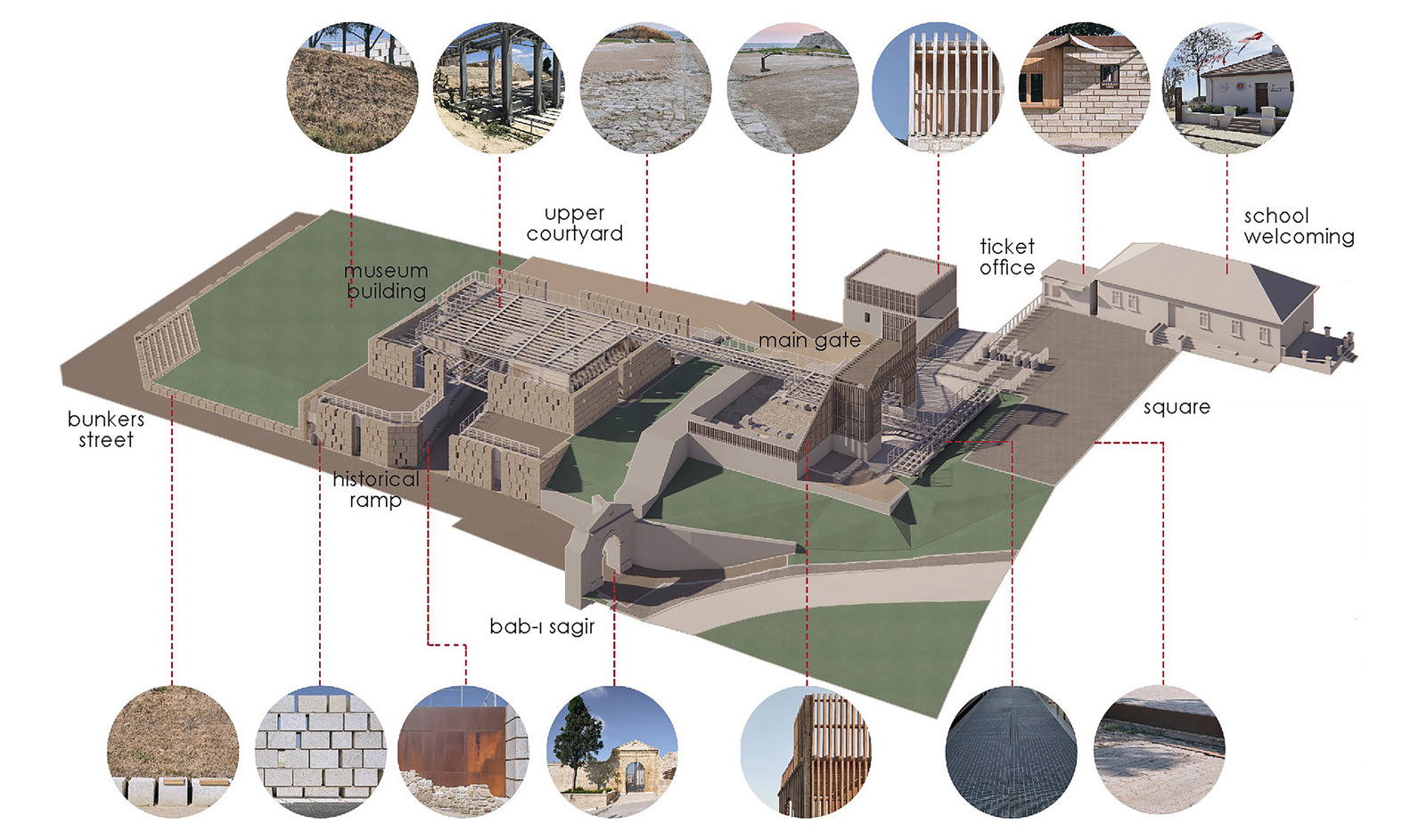
General Plan
© KOOP Architects + AOMTD
© KOOP Architects + AOMTD
© Egemen Karakaya
A multidisciplinary team composed of architects, engineers, architectural historians, archivists, oral historians, restoration specialists, museologists, and landscape architects collaborated with several universities and government ministries to carry out systematic work covering archival research, archaeological excavation, heritage conservation, architectural restoration, and geodesy. After 25 years of continuous effort, Seddülbahir Fortress was officially opened to the public on March 18, 2023.
由建筑师、工程师、建筑史学家、档案学者、口述历史学家、修复专家、博物馆学家及景观设计师组成的多学科团队,与多所高校及政府部委展开协作,开展了涵盖档案研究、考古发掘、文物保护、建筑修复及大地测量等领域的系统性工作。历经 25 年持续努力,塞迪尔巴希尔要塞于 2023 年 3 月 18 日正式向公众开放。
© Egemen Karakaya
© Egemen Karakaya
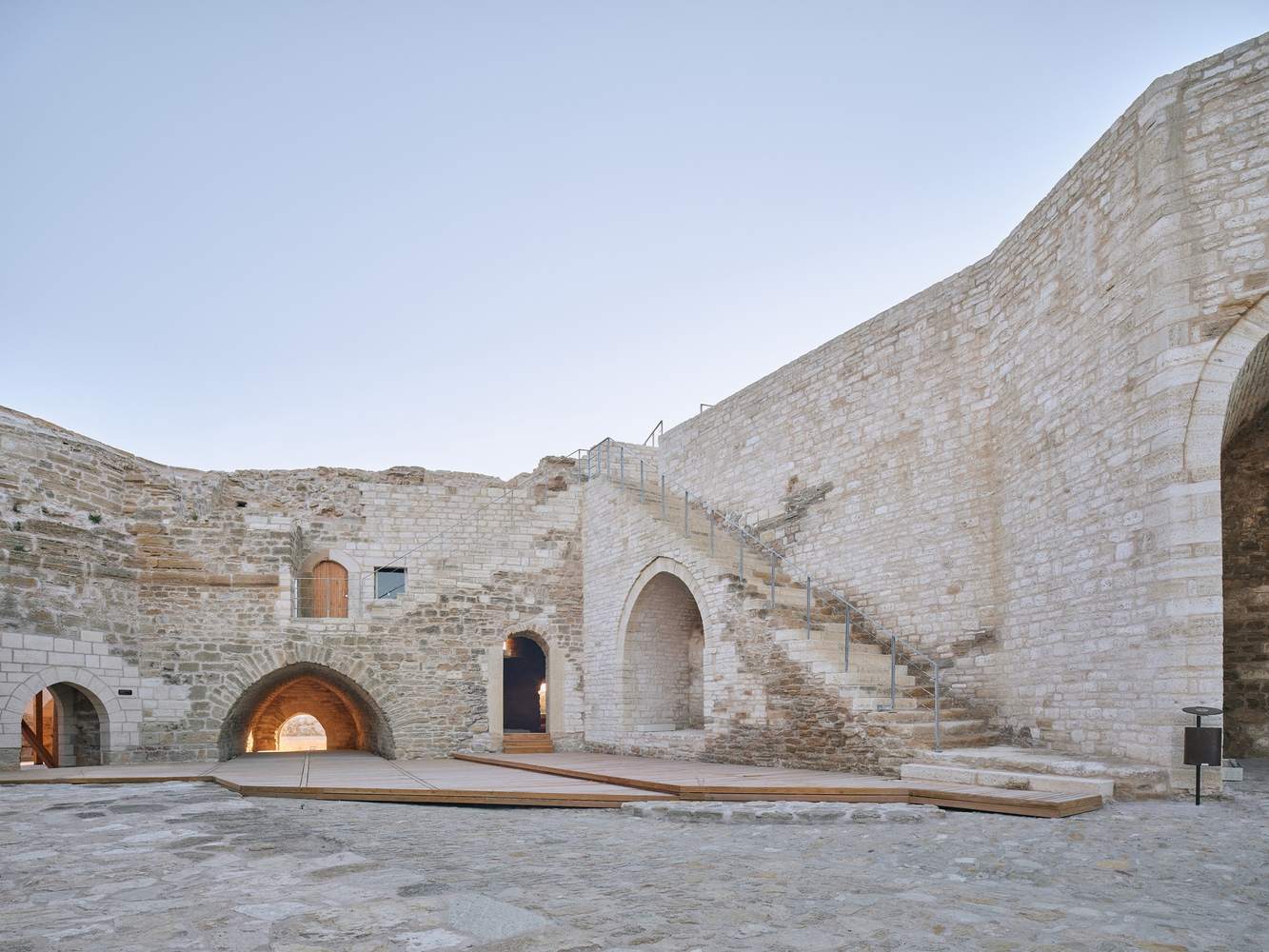
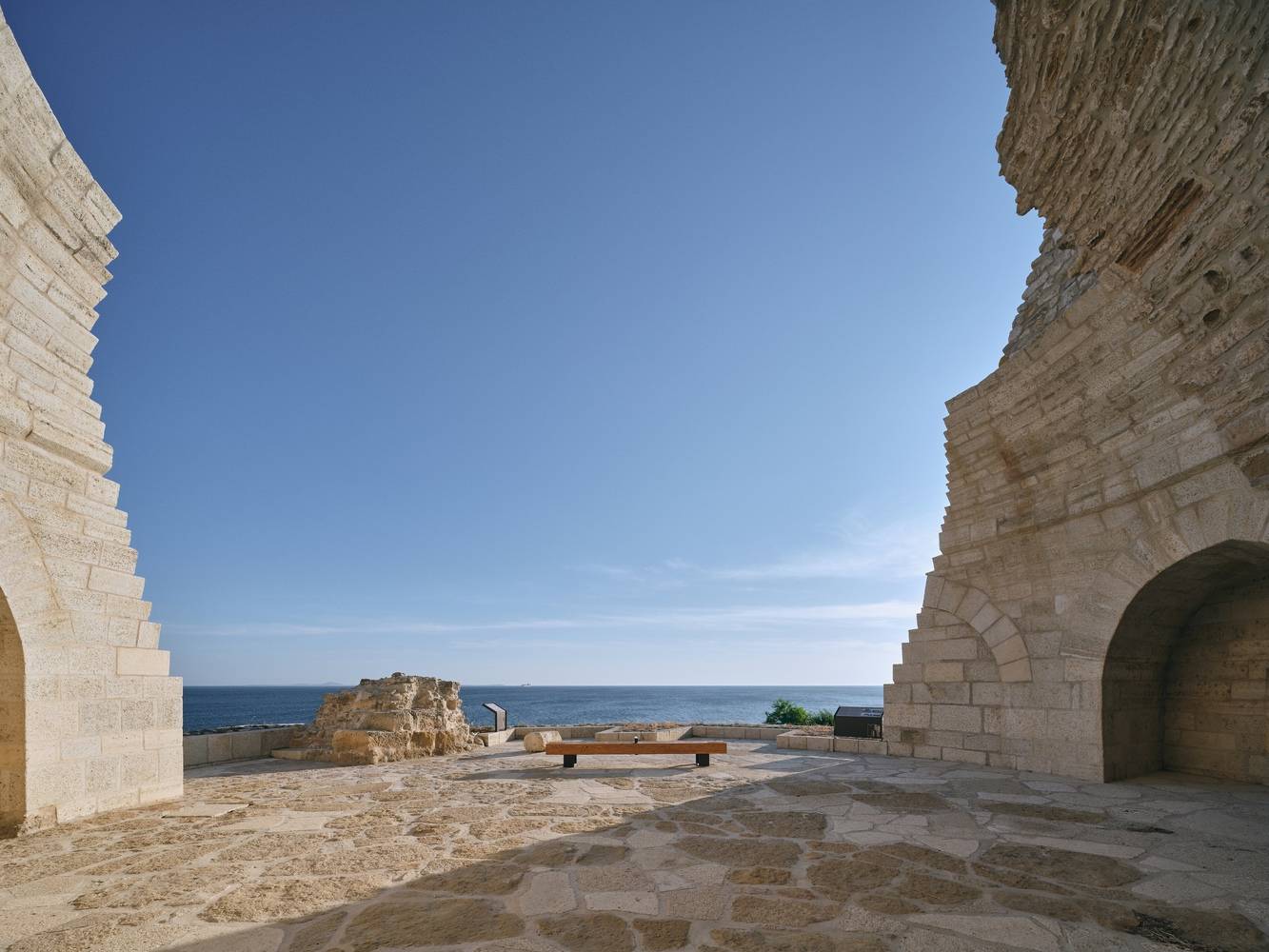
Today, the Gallipoli Peninsula has become a National Park, dotted with well-maintained cemeteries and pristine, solemn monuments commemorating the soldiers of various nations who perished in World War I. Few traces of the fierce battles of that era remain on the peninsula, only tranquil scenery. The core concept of the Seddülbahir Fortress restoration project is to preserve the destructive memory of WWI and create a space for contemplation of peace. Parts of the fortress, such as the west and south towers, have been preserved in their ruined state, serving as "fields of memory" for the trauma inflicted by war on the architecture and the surrounding landscape.
如今,加利波利半岛已成为国家公园,园内遍布精心维护的墓园与纯净肃穆的纪念碑,用以缅怀在一战中牺牲的多国将士。半岛上已难觅当年激战的惨烈痕迹,唯余宁静景致。塞迪尔巴希尔要塞修复工程的核心理念,在于留存一战毁灭记忆,并打造一处供人沉思和平的空间。要塞的西塔楼与南塔楼等部分被原状保留为废墟,成为战争对建筑及其周边景观造成创伤的“记忆之场”。
© Egemen Karakaya
© Egemen Karakaya
© Egemen Karakaya
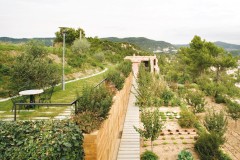
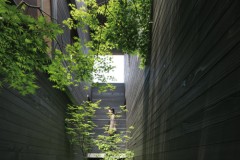
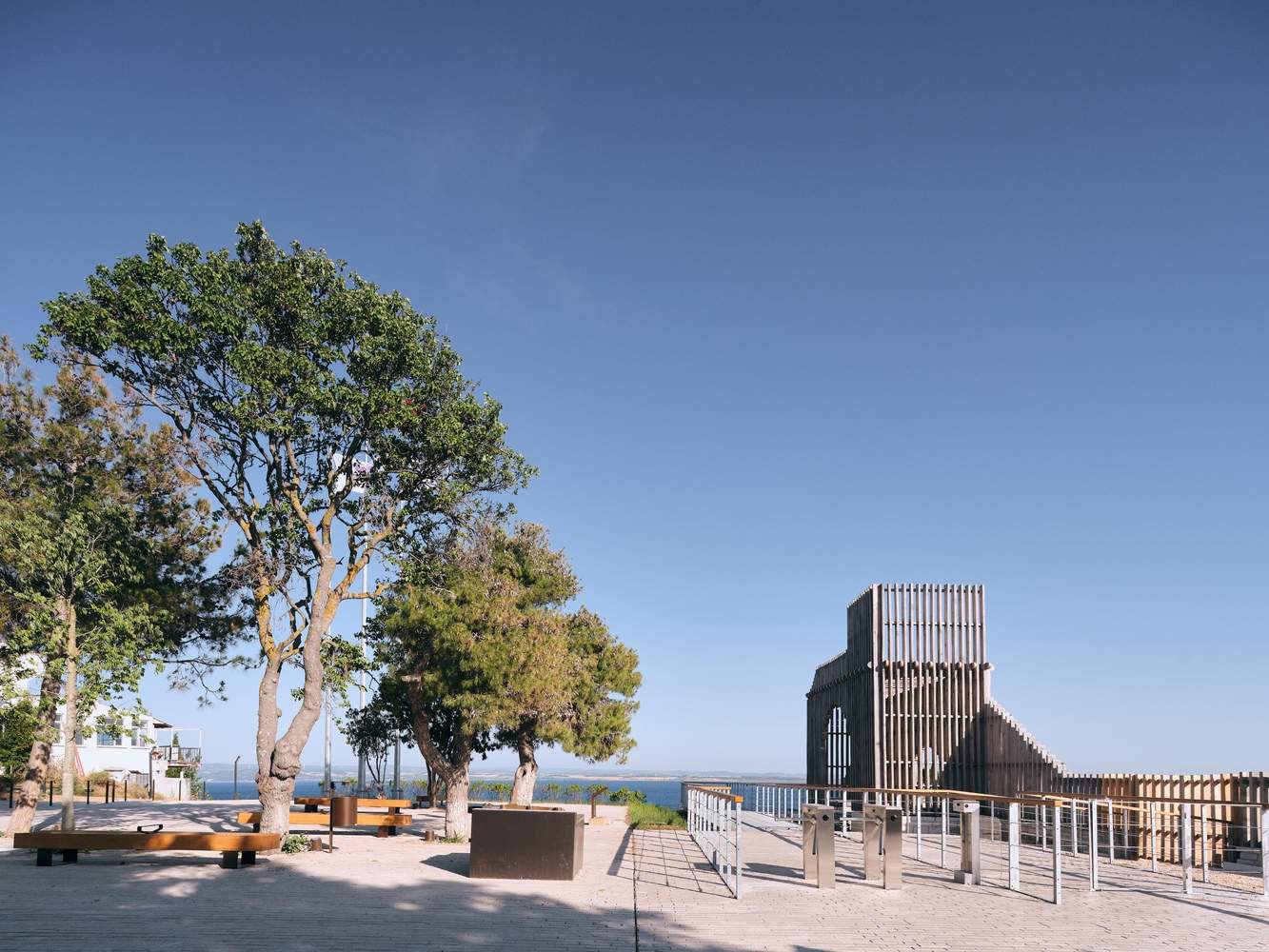
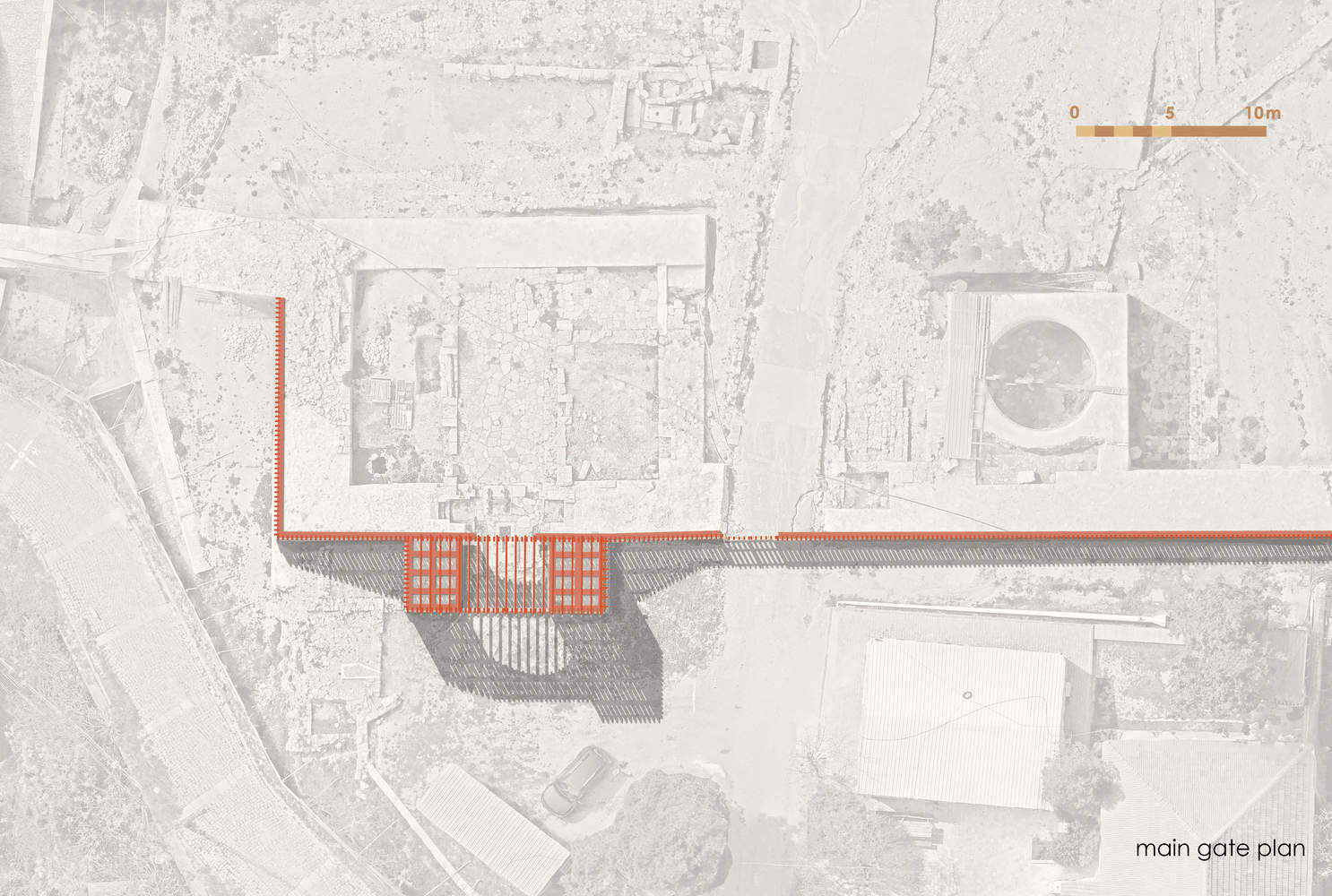
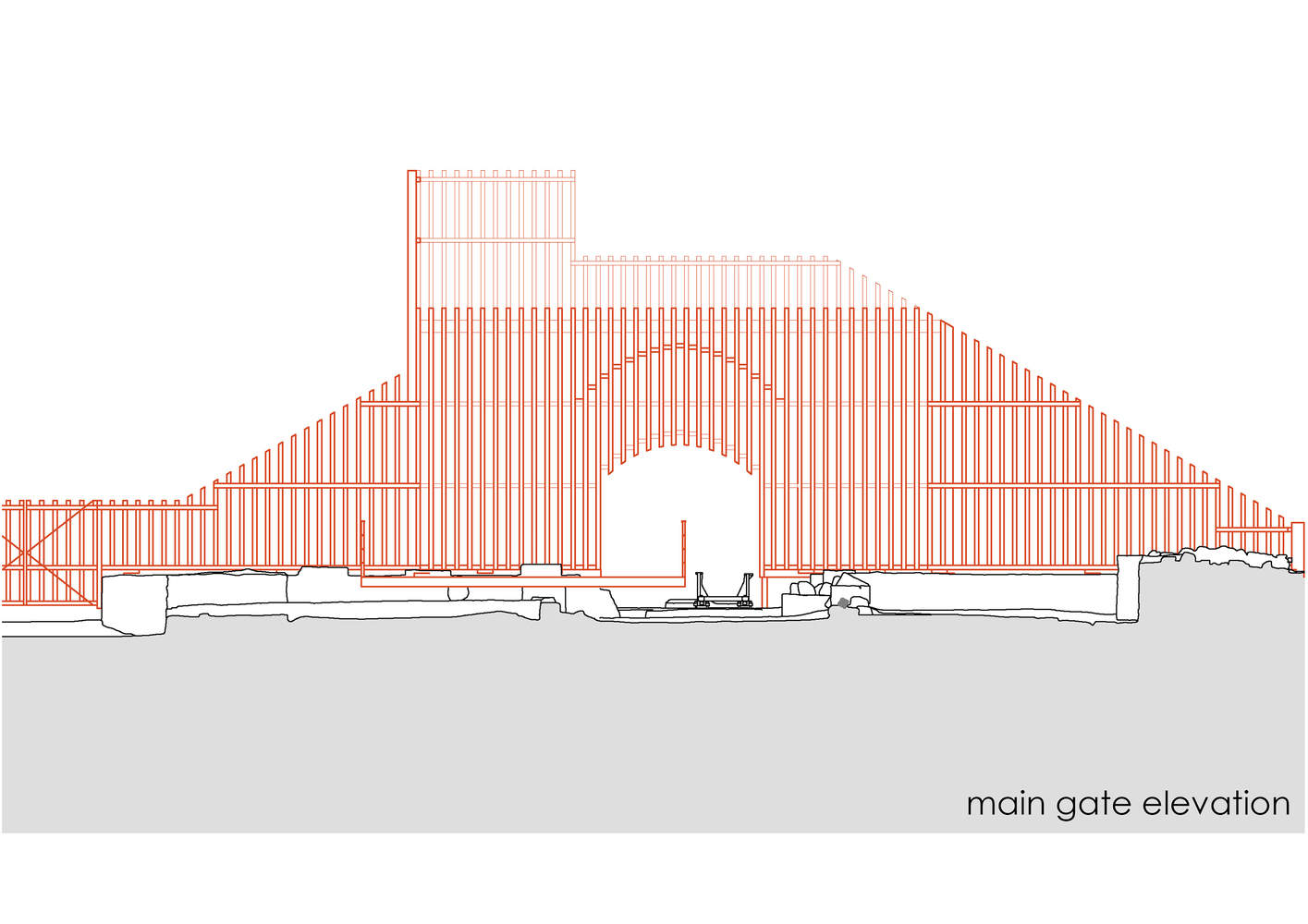
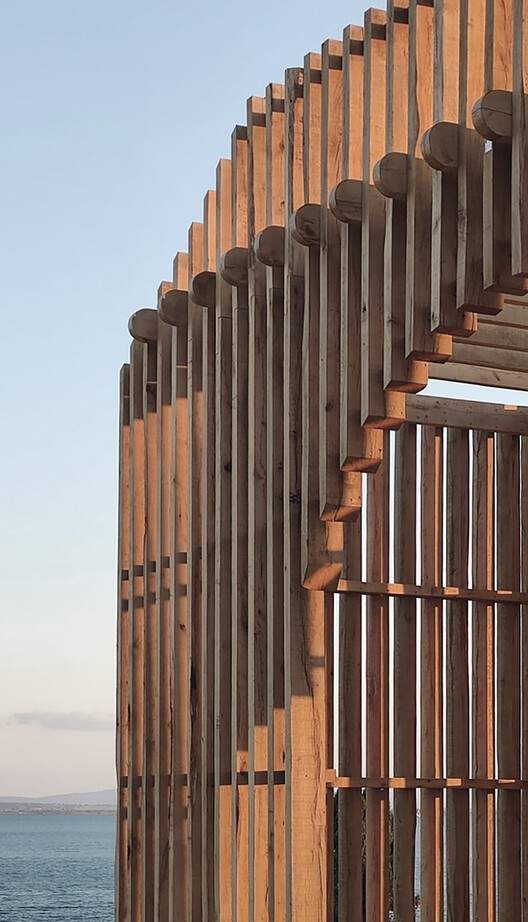
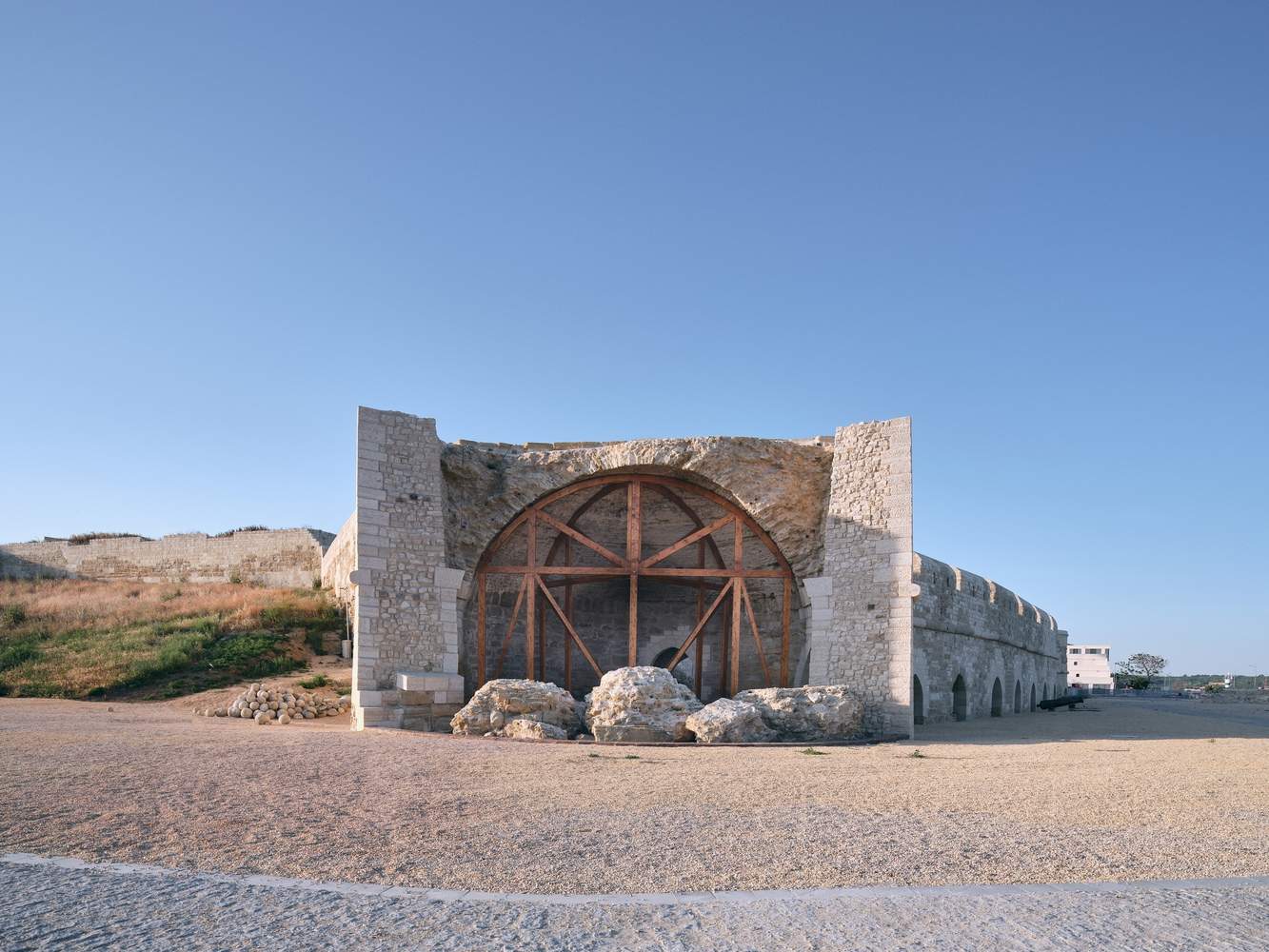
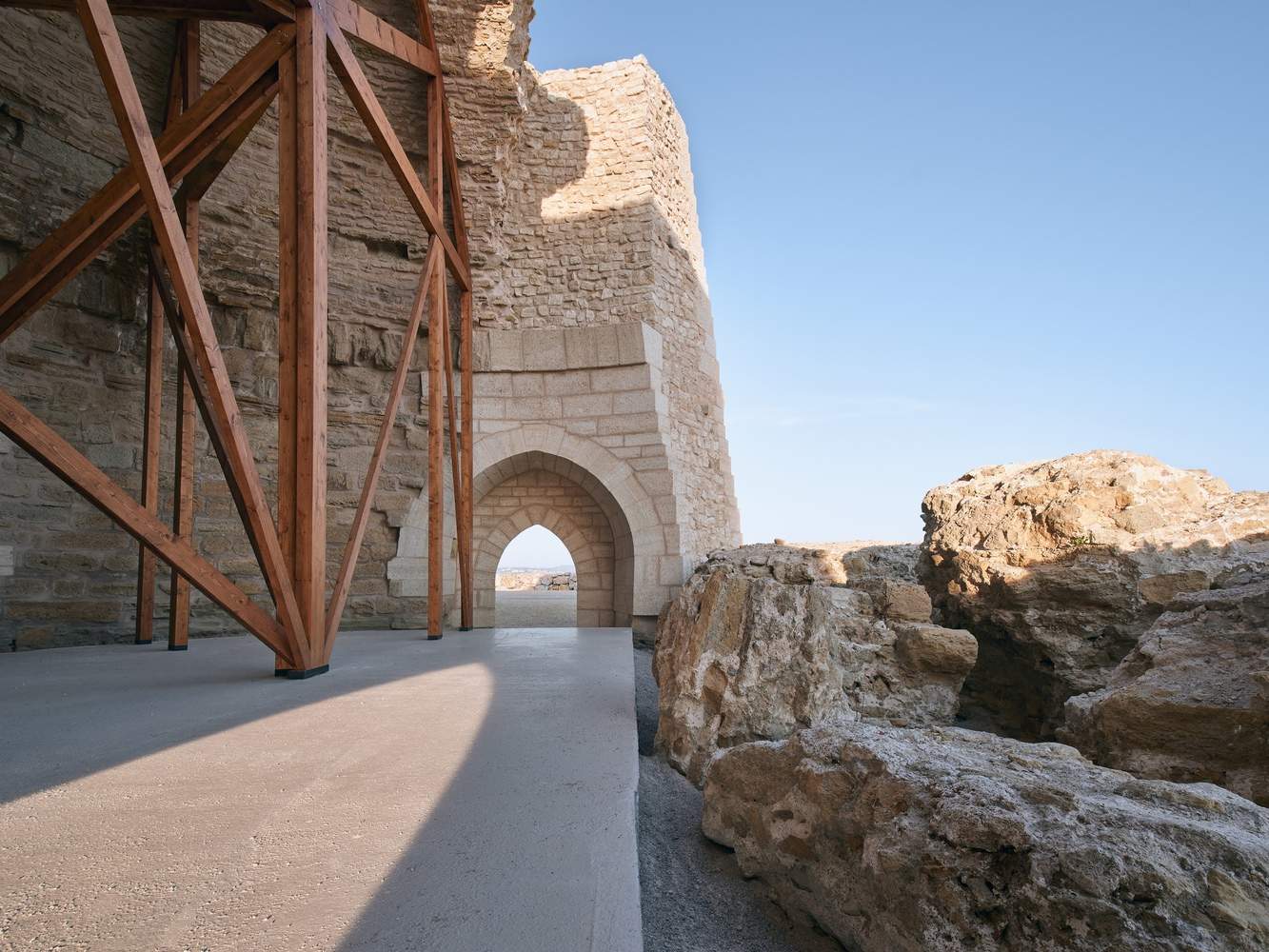
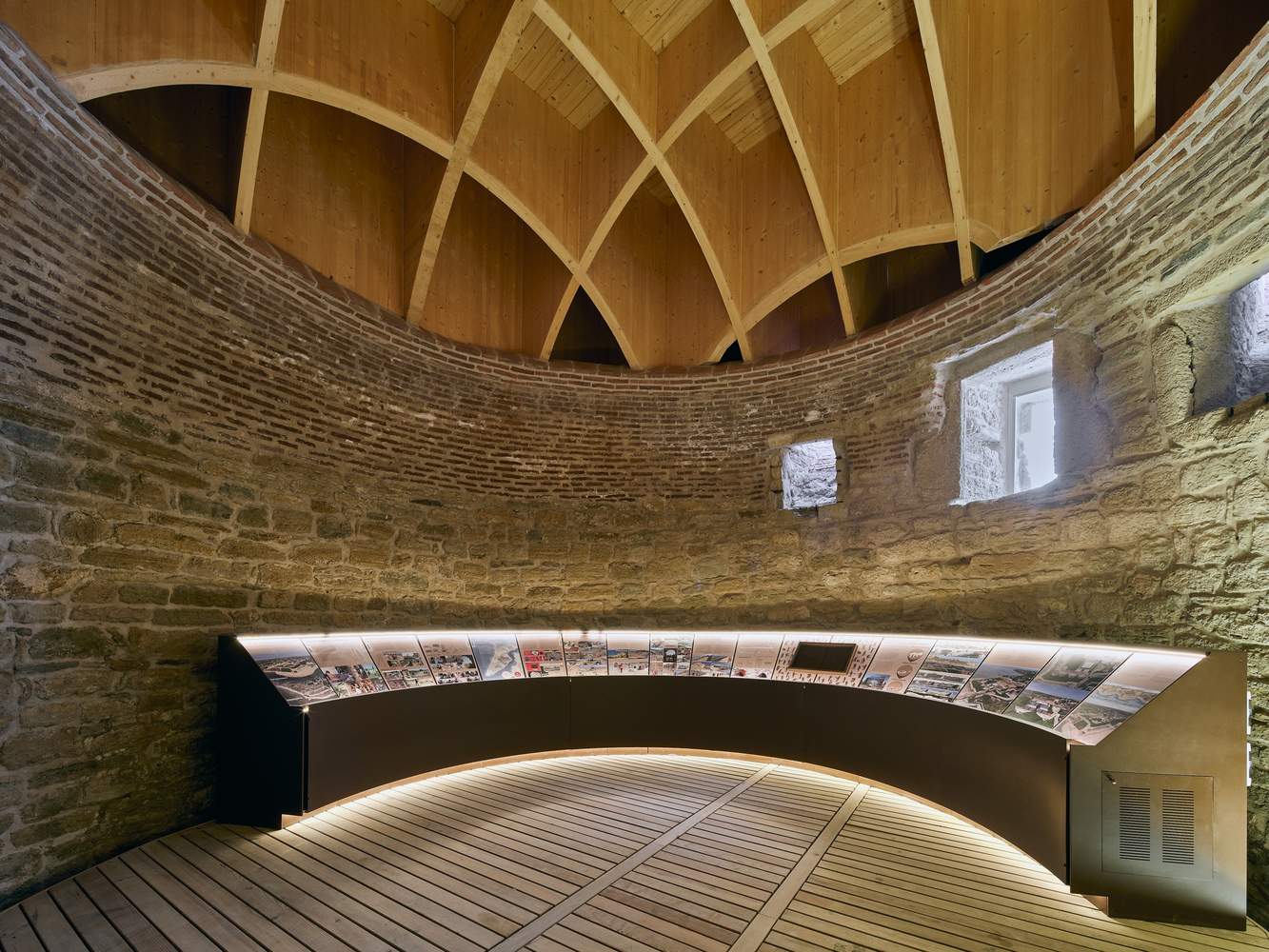
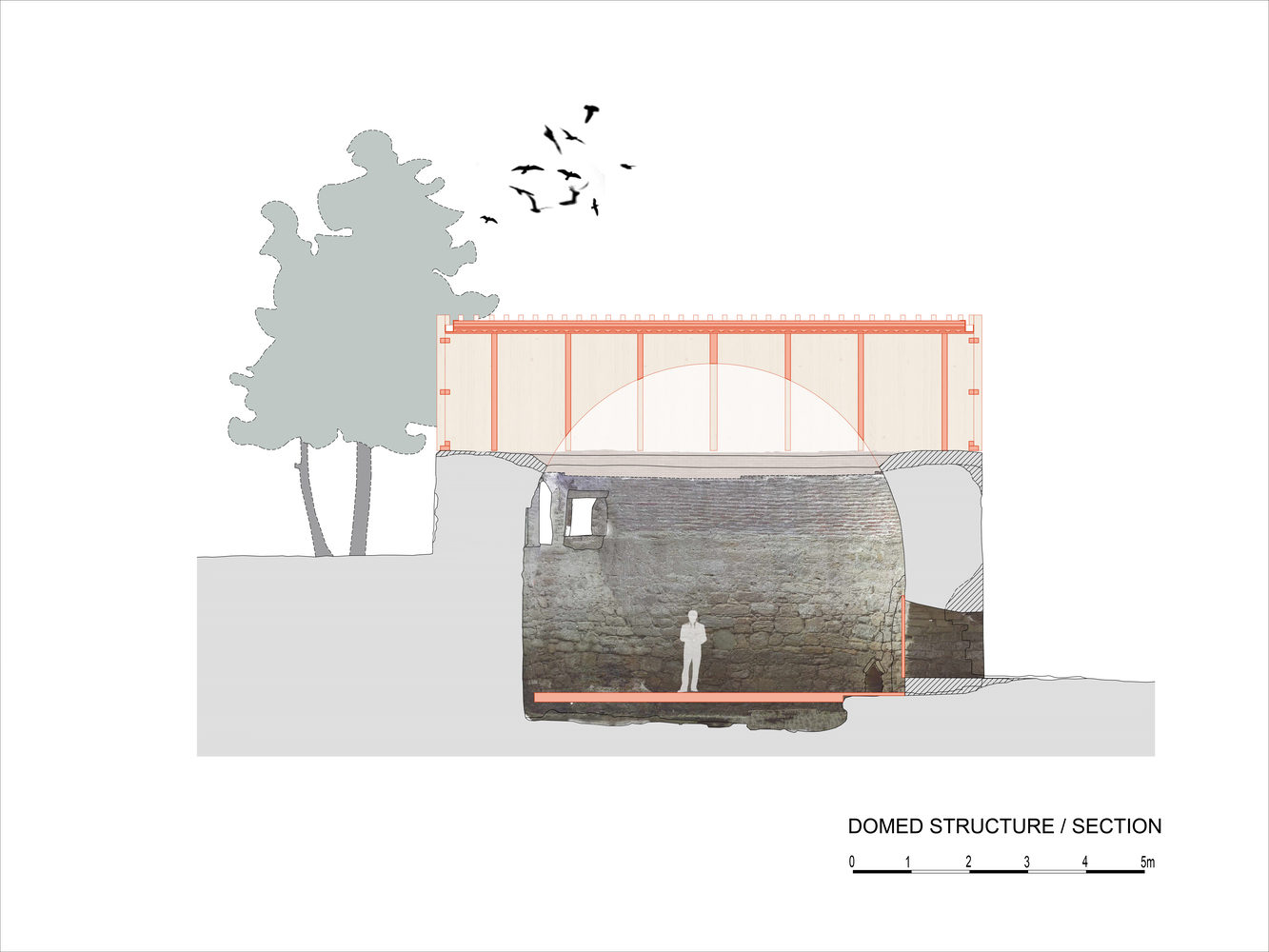
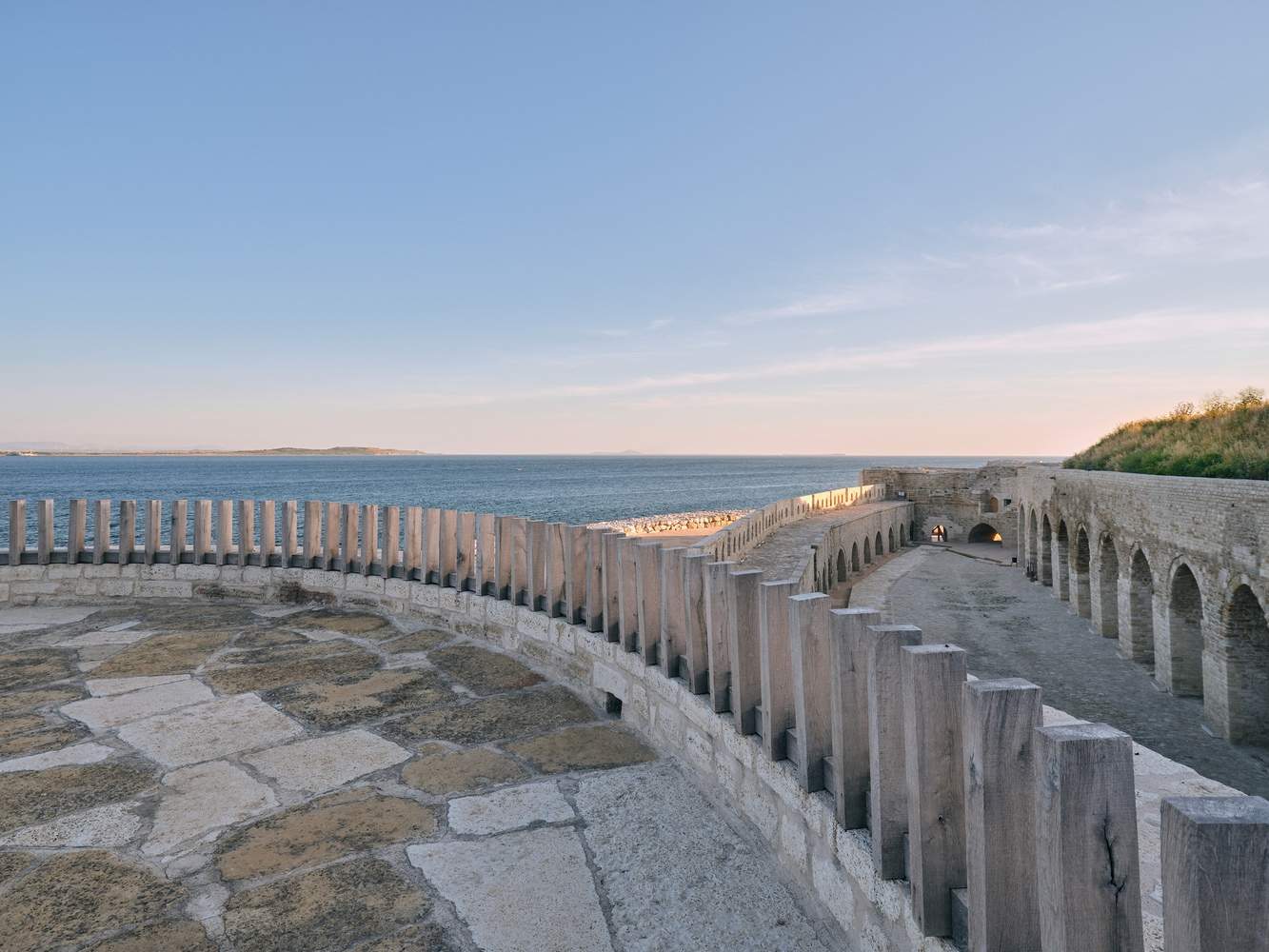
The destroyed parts of Seddülbahir Fortress, such as the main gate and the domed structures, are vaguely outlined with lightweight wooden frameworks—without intentionally recreating—their original appearance. The wooden lattice structure used for the main gate allows sunlight and air, the two essential elements of life, to freely penetrate the fortress entrance. This gate and the domed structure collectively highlight the core value of the "reversibility principle" in the restoration project. The use of contemporary wooden structures within the fortress is extremely restrained, subtly echoing the Ottoman construction techniques across time.
塞迪尔巴希尔要塞主门及穹顶建筑等已毁损的部分,以轻盈木构的轮廓隐约勾勒 —— 却未刻意复现 —— 这些建筑原始的风貌。主门采用的木条格栅结构,让阳光与空气这两大生命要素得以自由穿透要塞入口。这座门与穹顶建筑共同凸显了修复工程中「可逆性原则」的核心价值。要塞内现当代木构元素的使用极为克制,恰与奥斯曼时期的营造技艺形成跨越时空的呼应。
© Egemen Karakaya
© KOOP Architects + AOMTD
© Egemen Karakaya
© Egemen Karakaya
© Egemen Karakaya
© Egemen Karakaya
© KOOP Architects + AOMTD
© Egemen Karakaya
© Egemen Karakaya
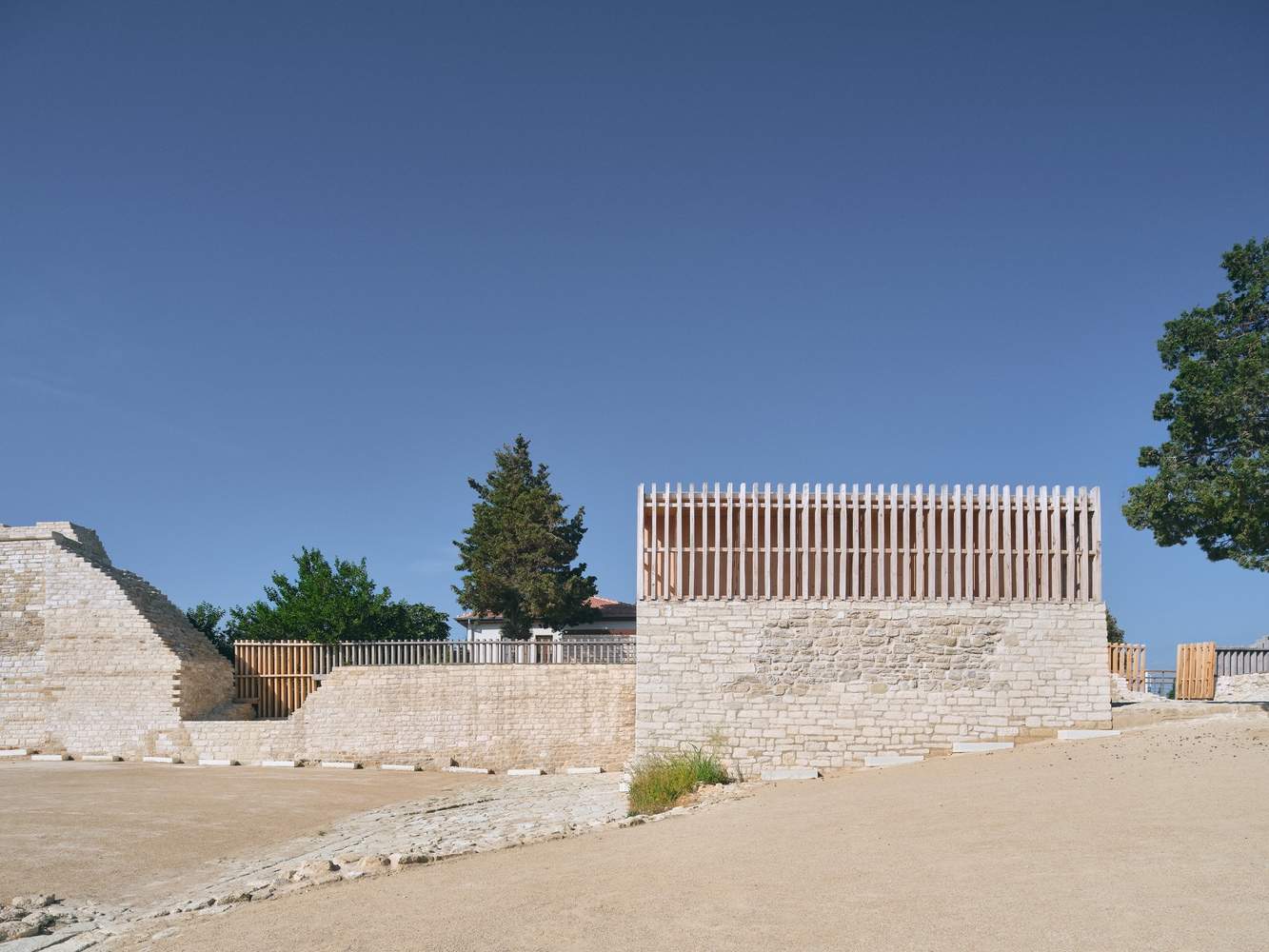
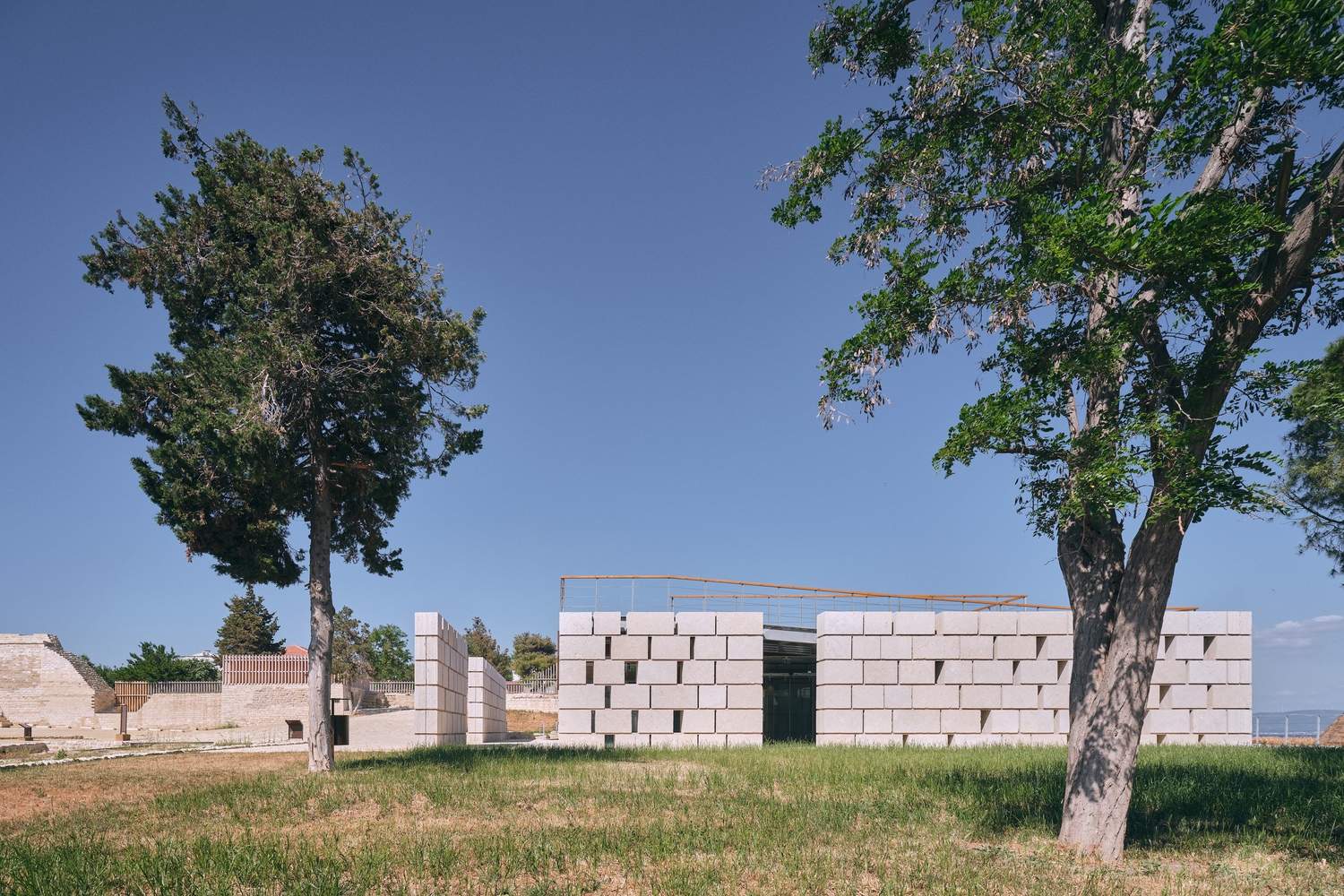
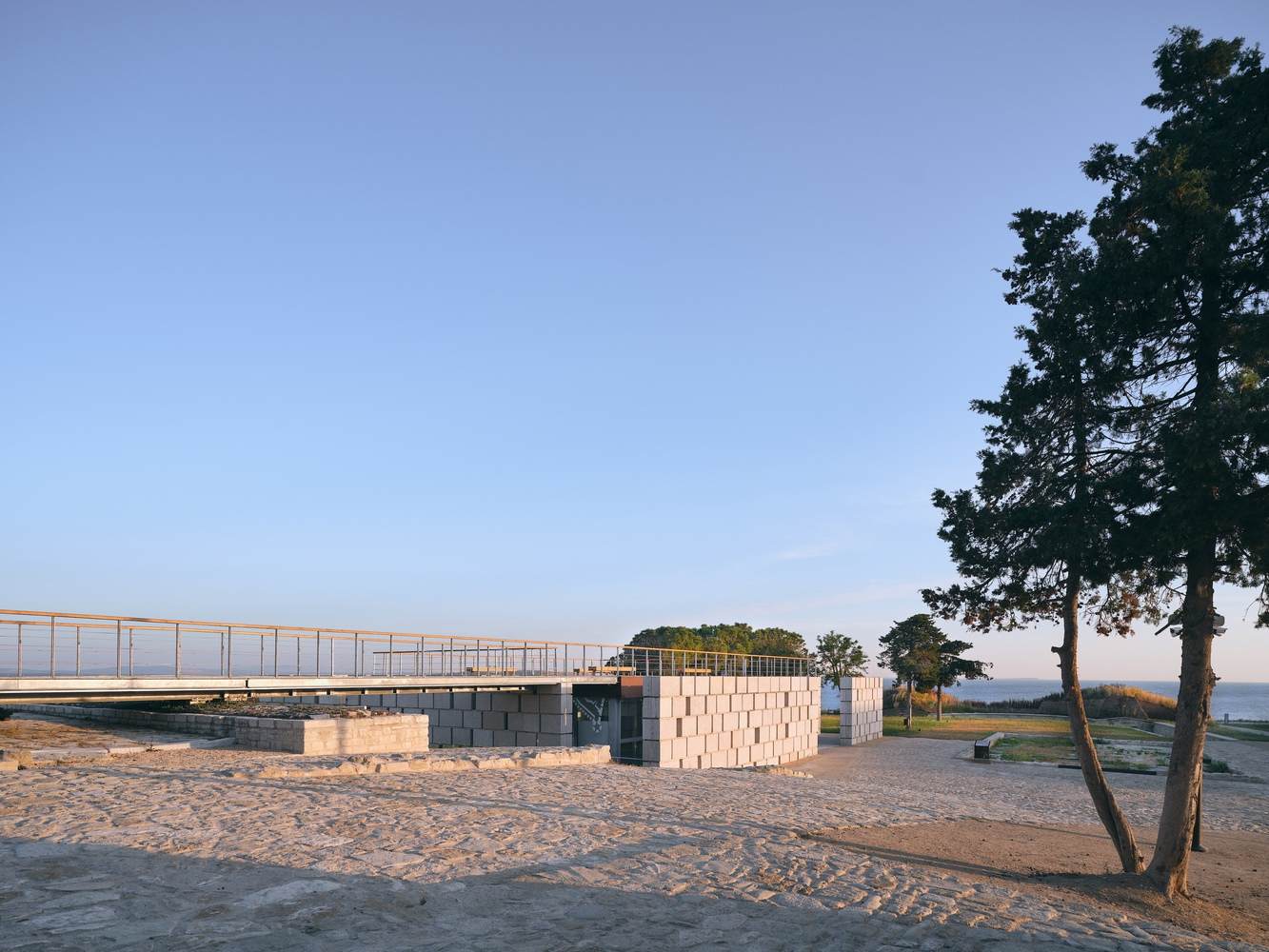
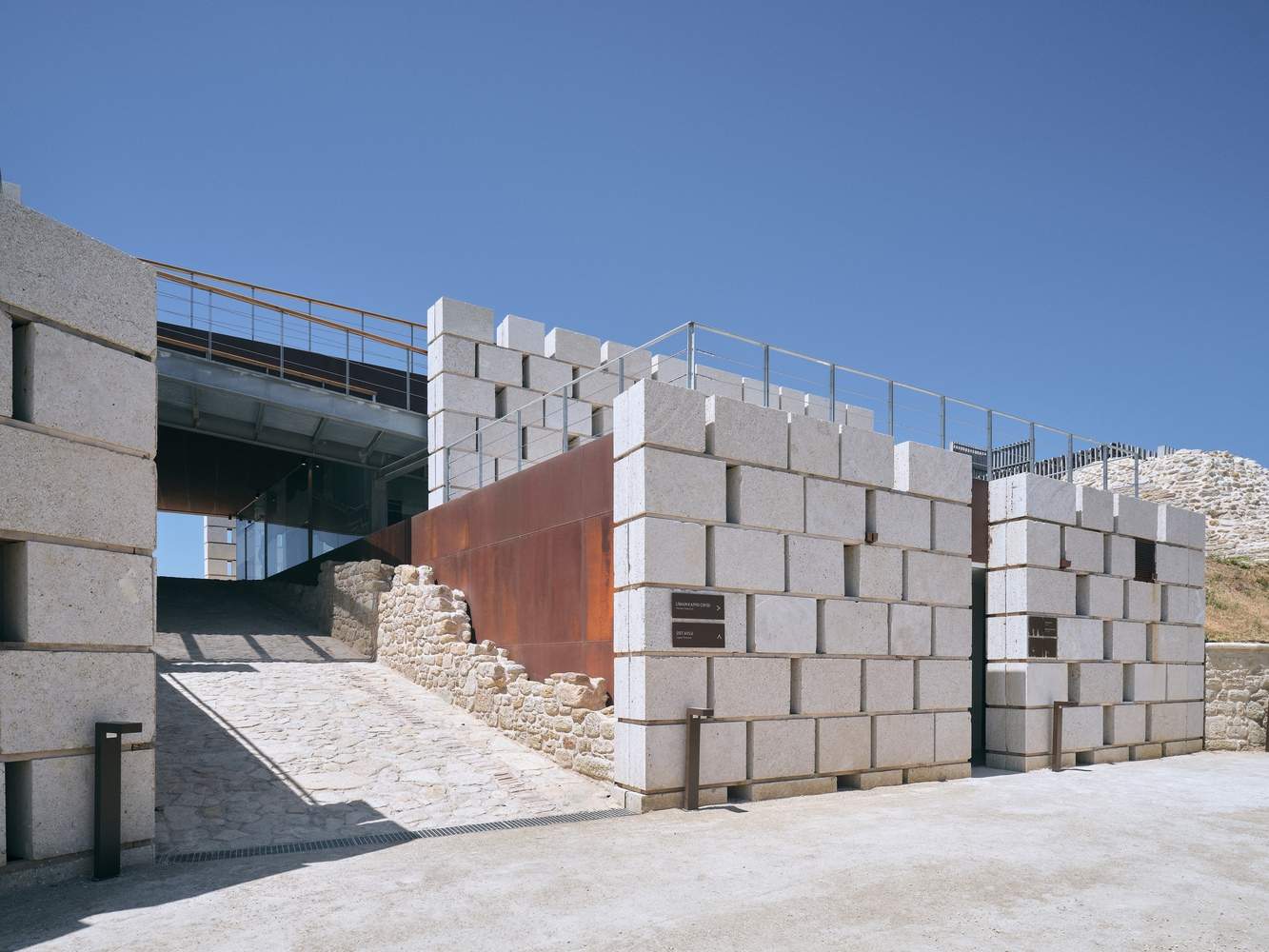
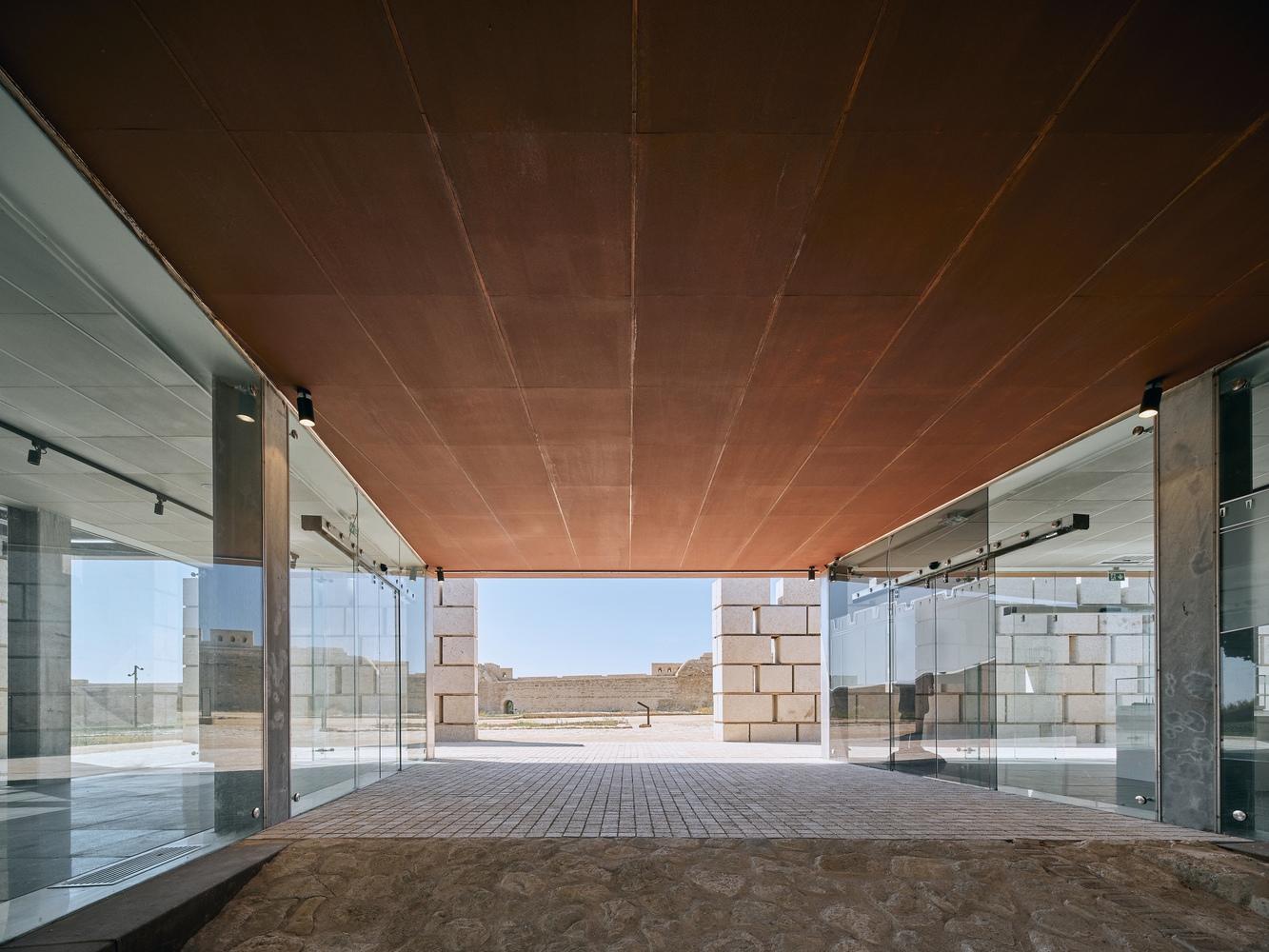
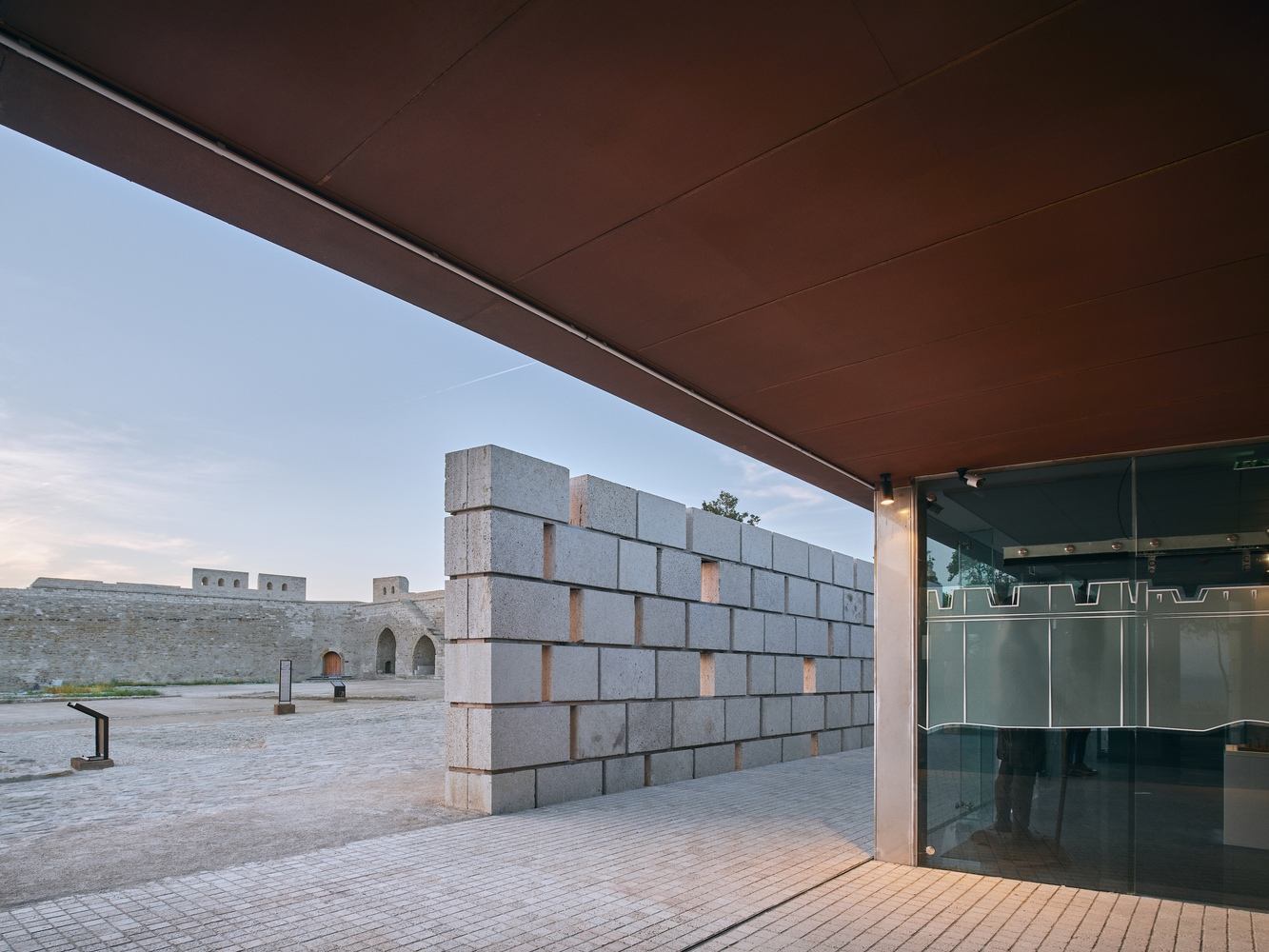
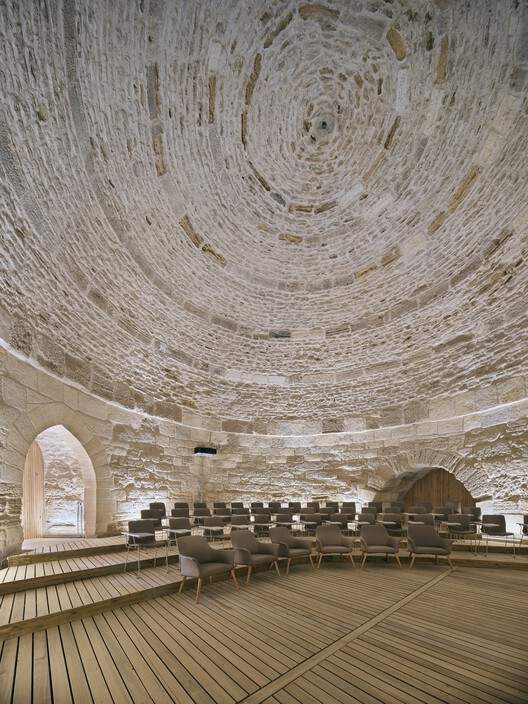
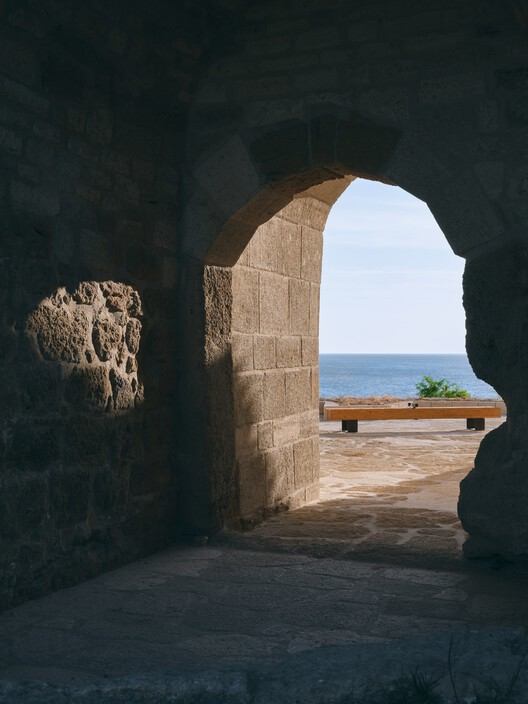
A new museum building has replaced the concrete barracks abandoned in the 1960s, exhibiting archaeological finds from the site, including an Ottoman-era road that runs through the museum building itself. Here, the newly constructed masonry walls echo the original masonry techniques of the Ottoman city walls, effectively reducing the visual impact of the new building on the historical landscape.
一座全新博物馆建筑取代了 20 世纪 60 年代废弃的混凝土营房,展出来自遗址的考古发现,其中包括一条横贯博物馆建筑本身的奥斯曼时代道路。在此,新建砖石墙体与奥斯曼城墙的原始砌筑工艺形成呼应,有效降低了新建筑对历史景观的视觉冲击。
© Egemen Karakaya
© Egemen Karakaya
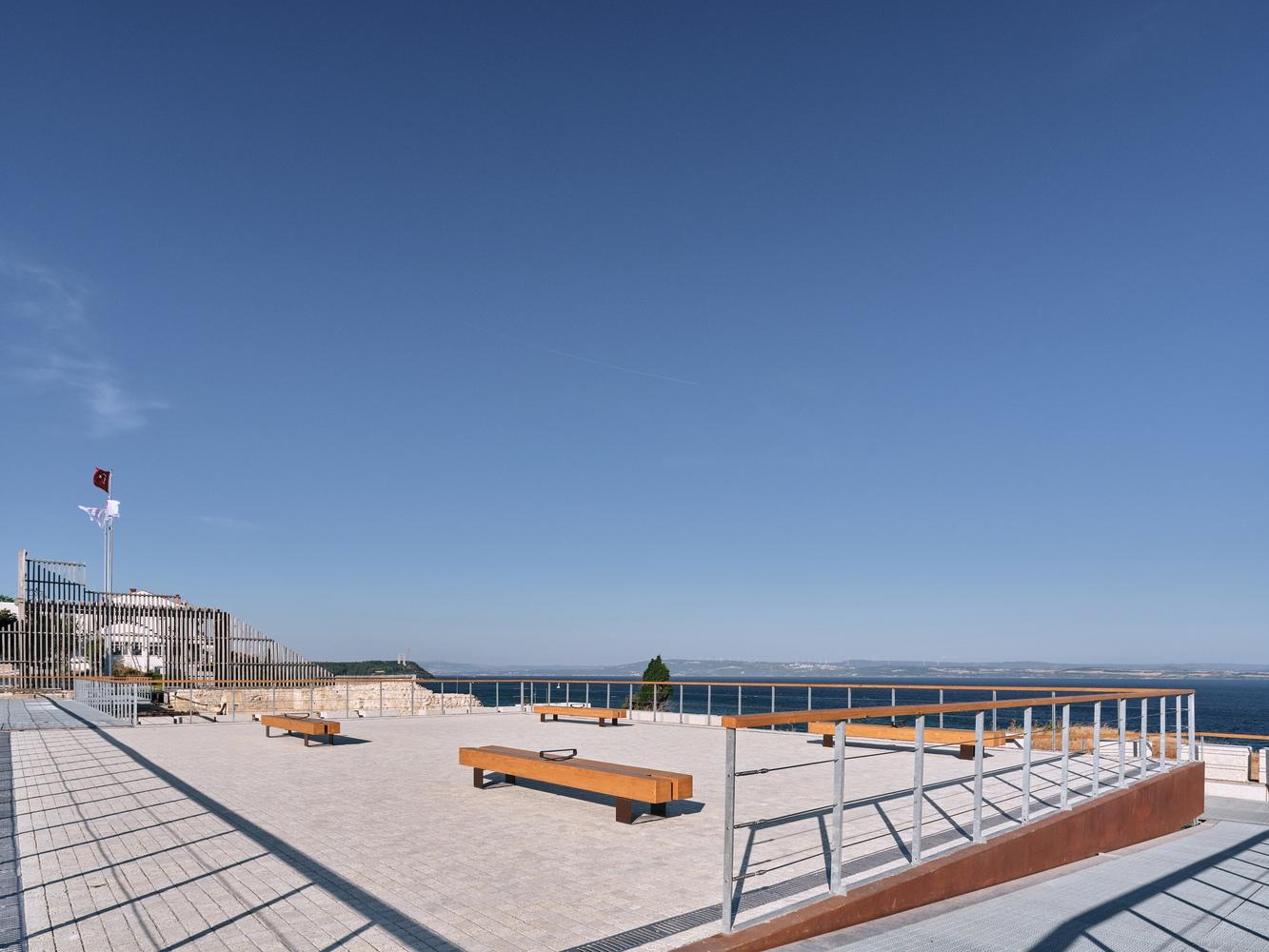
Seddülbahir Fortress is a place full of vitality. Its architectural spaces invite people to trace back the history of past wars and destruction, and inspire them to cherish peace. Through its distinctive entrance complex, museum, artist workshops, and newly planned village square, the fortress is moving towards a future where war is a distant yet crucial memory, while serving visitors and the local community.
塞迪尔巴希尔要塞是一座充满生命力的场所。其建筑空间邀约人们回溯往昔战火与毁灭的历史,更启迪世人珍视和平。要塞通过独具特色的入口建筑群、博物馆、艺术家工坊及重新规划的村落广场,在服务访客与本地社区的同时,正迈向一个战争已成遥远却至关重要的记忆的未来。