结构革新与空间魔术:机械化展览的极致演绎:让·努维尔对卡地亚当代艺术基金会新馆的改造,最精髓之处在于将一座19世纪的奥斯曼建筑,彻底转化为一台高度动态和可塑的“展览机器”。核心在于引入的五个巨型移动平台系统,它们如同精密的机械装置,能够升降、重组,甚至“消失”,实现了空间形态的无限可能。这种设计不仅是对历史建筑的尊重性介入,更是对当代艺术展示范式的颠覆,它使建筑本身成为一个可编程的剧场,为艺术品提供了一个既有历史厚度又极具未来感的展示载体,极大地增强了观众的空间体验和参与感。
光影、透明度与城市脉络的融合:努维尔大师级地运用了“透明性”和“流动性”来消解建筑的边界感。通过剥离历史结构至核心,并引入精密的缆索系统和巨大的玻璃天篷,建筑如同一个巨大的、半透明的有机体嵌入城市肌理。天窗的百叶窗调节着自然光线的戏剧性,而长达150米的玻璃走廊则巧妙地连接了里沃利街与皇家宫殿,将外部的城市活动编织进内部的艺术体验中。这种手法将建筑从一个封闭的容器,转变为一个开放的城市舞台,实现了艺术、历史与当代城市生活的无缝对话。
策展与建筑理念的共生——回到世博会的精神:项目成功地将建筑的机械美学与首展“巴黎博览会”的策展理念深度耦合。Formafantasma的设计借鉴了19世纪工业博览会的展示系统,呼应了原卢浮宫百货公司(为首届世博会而建)的历史文脉。通过围绕“建筑机器”、“自然”等主题,利用可移动平台展示跨越时代和媒介的作品,建筑的动态性不再是空洞的技术展示,而是策展叙事不可或缺的一部分。这种结构与内容的相互强化,使得新基金会成为了一个持续演变、探索当代创作边界的社会实验场。
The new home for the Fondation Cartier for Contemporary Art, designed by Jean Nouvel, is set to open on October 25, 2025, at 2 Place du Palais Royal in Paris. The architectural project transforms the 19th-century Grands Magasins du Louvre into a mobile, organic entity. The inaugural exhibition, "Exposition Générale" curated by Formafantasma, brings together over 600 works by more than 100 artists, mapping forty years of contemporary creation through scenography that reactivates the museum concept.
卡地亚当代艺术基金会的新馆由让·努维尔设计,将于 2025 年 10 月 25 日在巴黎皇家宫殿广场 2 号开幕。该机构的建筑项目将 19 世纪的卢浮宫百货公司(Grands Magasins du Louvre)重新改造成一个移动的有机体。首届展览“巴黎博览会(Exposition Générale)”由 Formafantasma 设计,汇集了超过 100 位艺术家的 600 多件作品,通过重新激活博物馆概念的场景设计,映射了四十年来的当代创作。
© Martin Argyroglo
© Martin Argyroglo
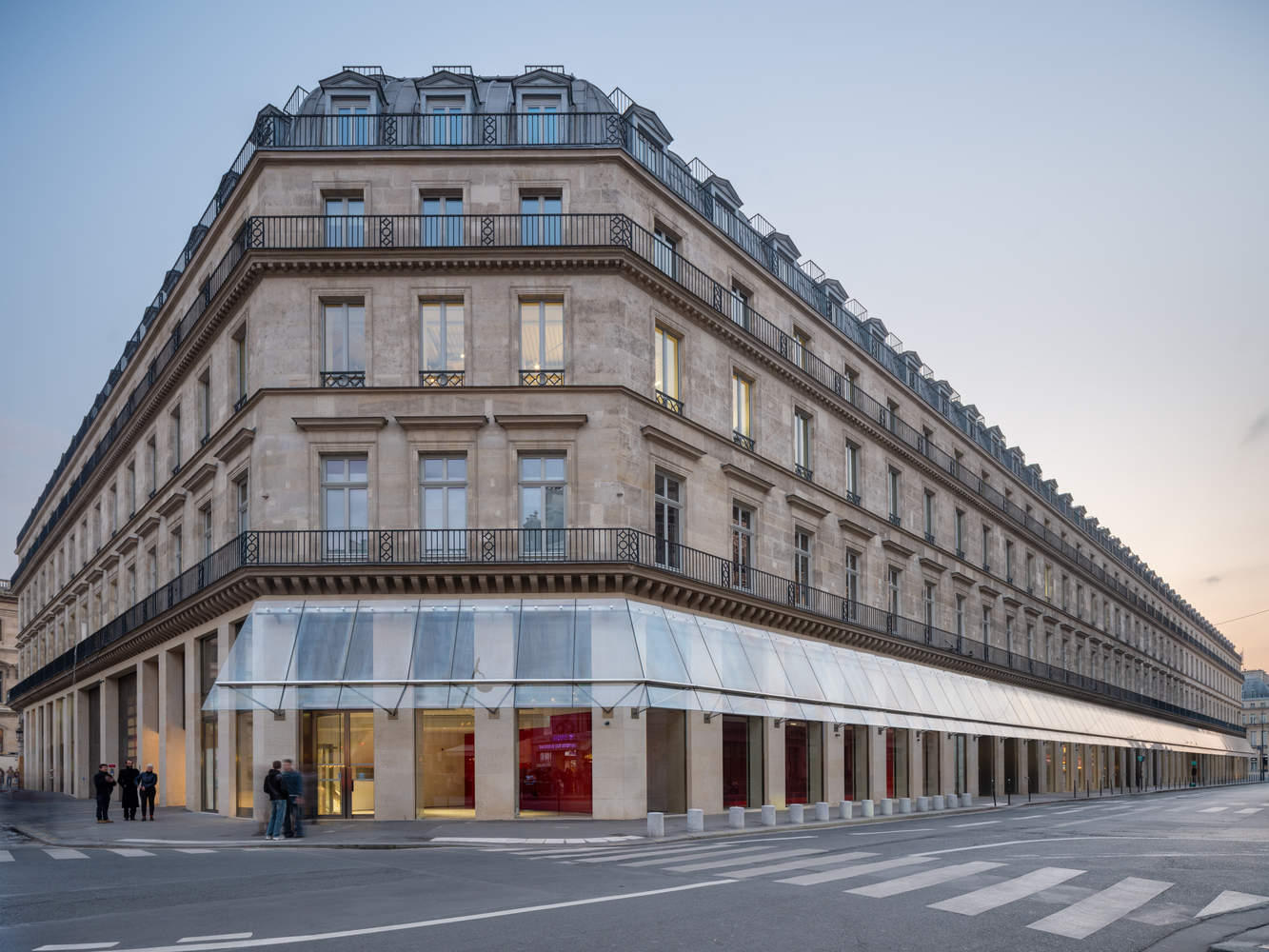
Jean Nouvel’s architectural transformation of the new site for the Fondation Cartier reimagines the 19th-century Haussmann landmark as a kinetic engine for art. Within the restored premises of the former Grands Magasins du Louvre, Nouvel has introduced a system of five massive mobile platforms that can ascend and descend, constantly reshaping the exhibition space.
让·努维尔对卡地亚当代艺术基金会新址的建筑改造,将这座 19 世纪奥斯曼风格的地标建筑重新构想为一台艺术的动力机器。在修复后的卢浮宫百货公司旧址内,努维尔引入了一套由五个巨大的移动平台组成的系统,这些平台可以升降,不断重塑展览空间。
© Martin Argyroglo
© Martin Argyroglo
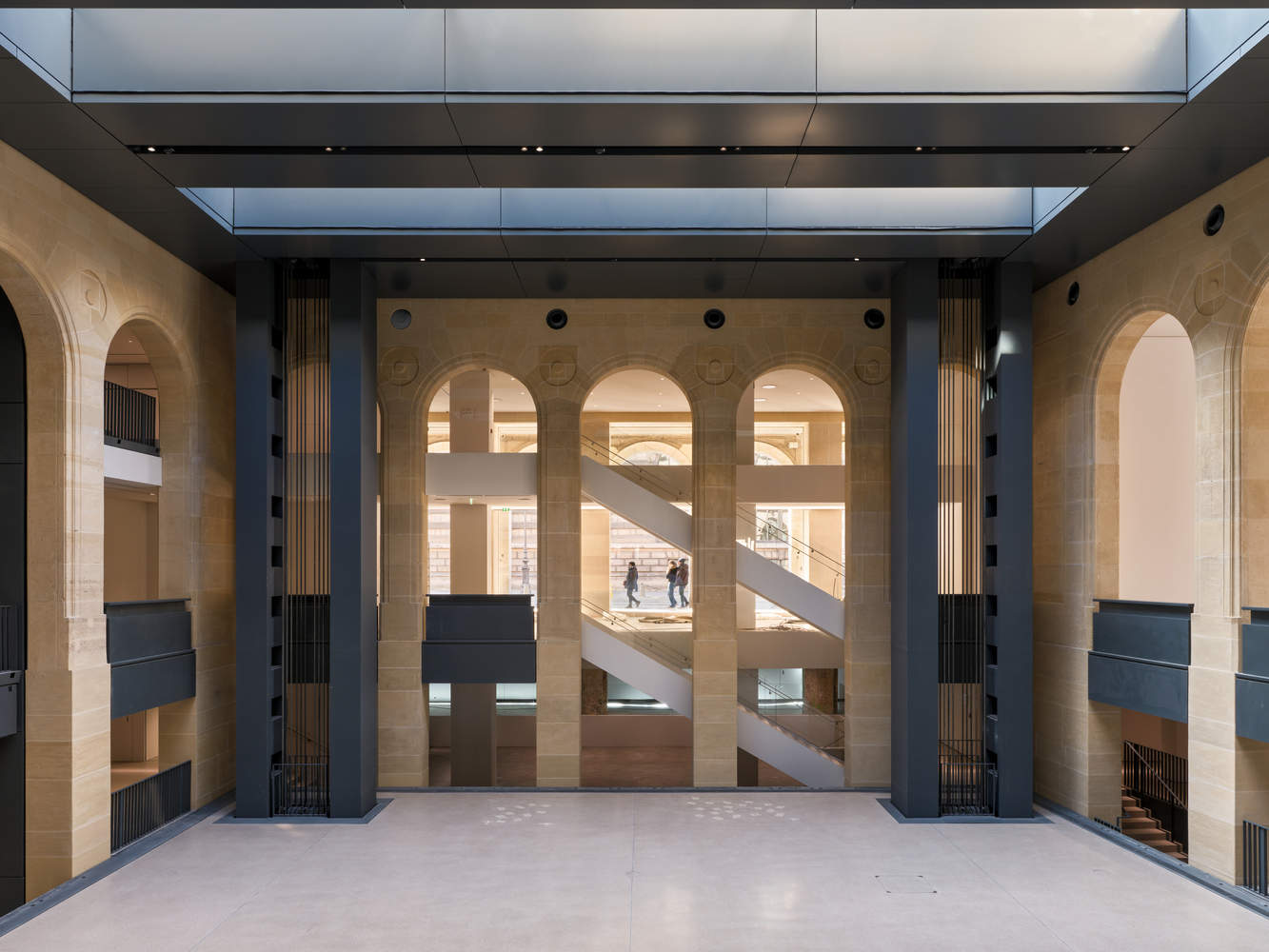
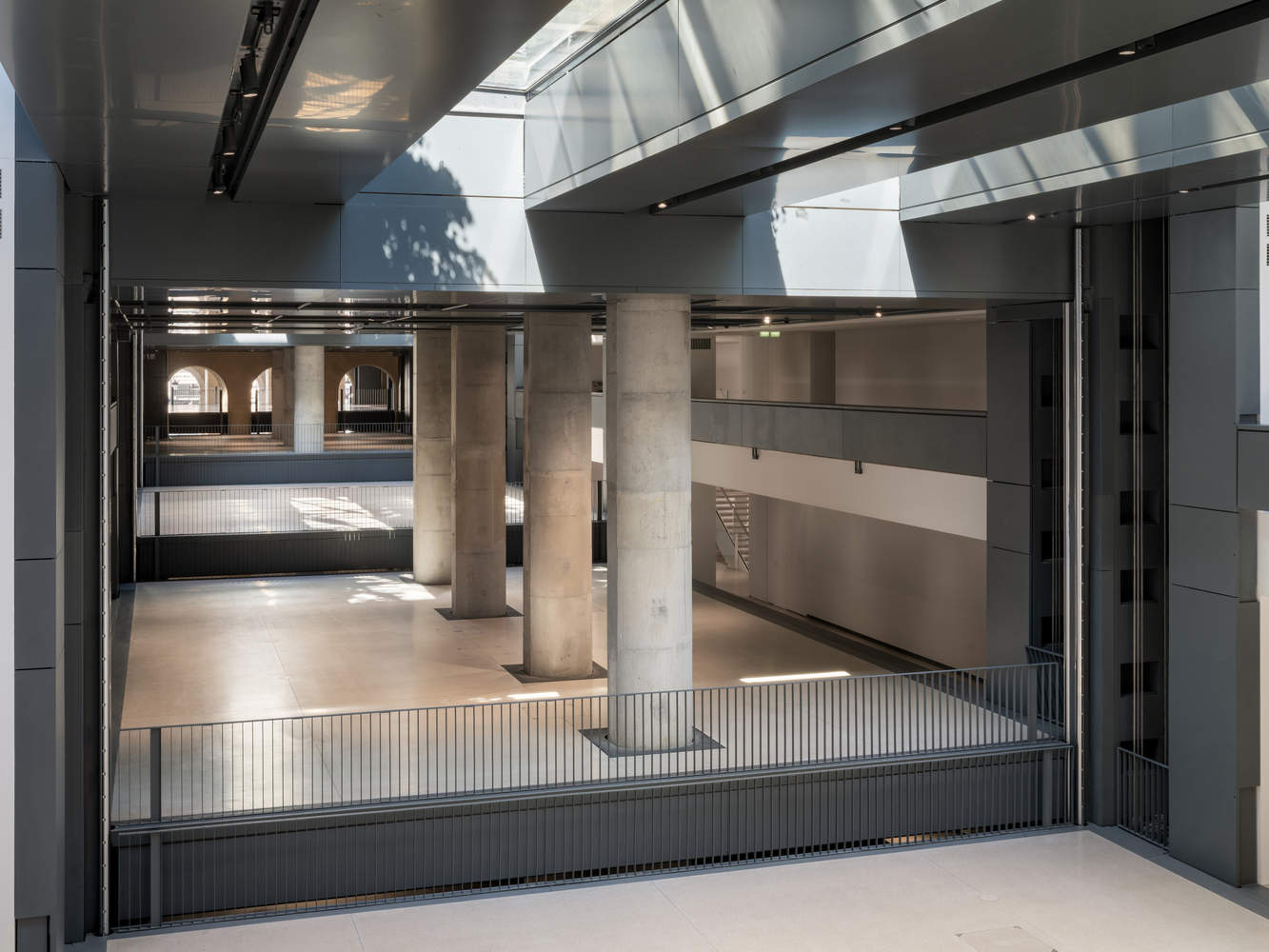
Inside this historic Haussmannian structure, the French architect Jean Nouvel has stripped it down to its core, sculpting vast, transparent volumes where light and movement intertwine to create an immersive experience. Five enormous steel platforms, each spanning 250 square meters and weighing 250 tons, can be raised or lowered as needed, suspended by a cable and pulley system developed in collaboration with specialists in bridge and theatre design. These movable floors can be reconfigured endlessly, generating constantly changing spatial configurations that can expand, contract, or even completely disappear.
在这座历史悠久的奥斯曼式建筑内部,法国建筑师让·努维尔将其剥离至核心,雕琢出巨大透明的空间,让光线和动感交织,营造出令人沉醉的体验。五个巨大的钢制平台,每个平台面积达 250 平方米,重达 250 吨,可根据需要升降,由与桥梁和剧院设计专家合作设计的缆索滑轮系统悬挂。这些可移动的平台可进行无限次的重新配置,形成不断变化的空间形态,可以扩张、收缩,甚至完全消失。
© Martin Argyroglo
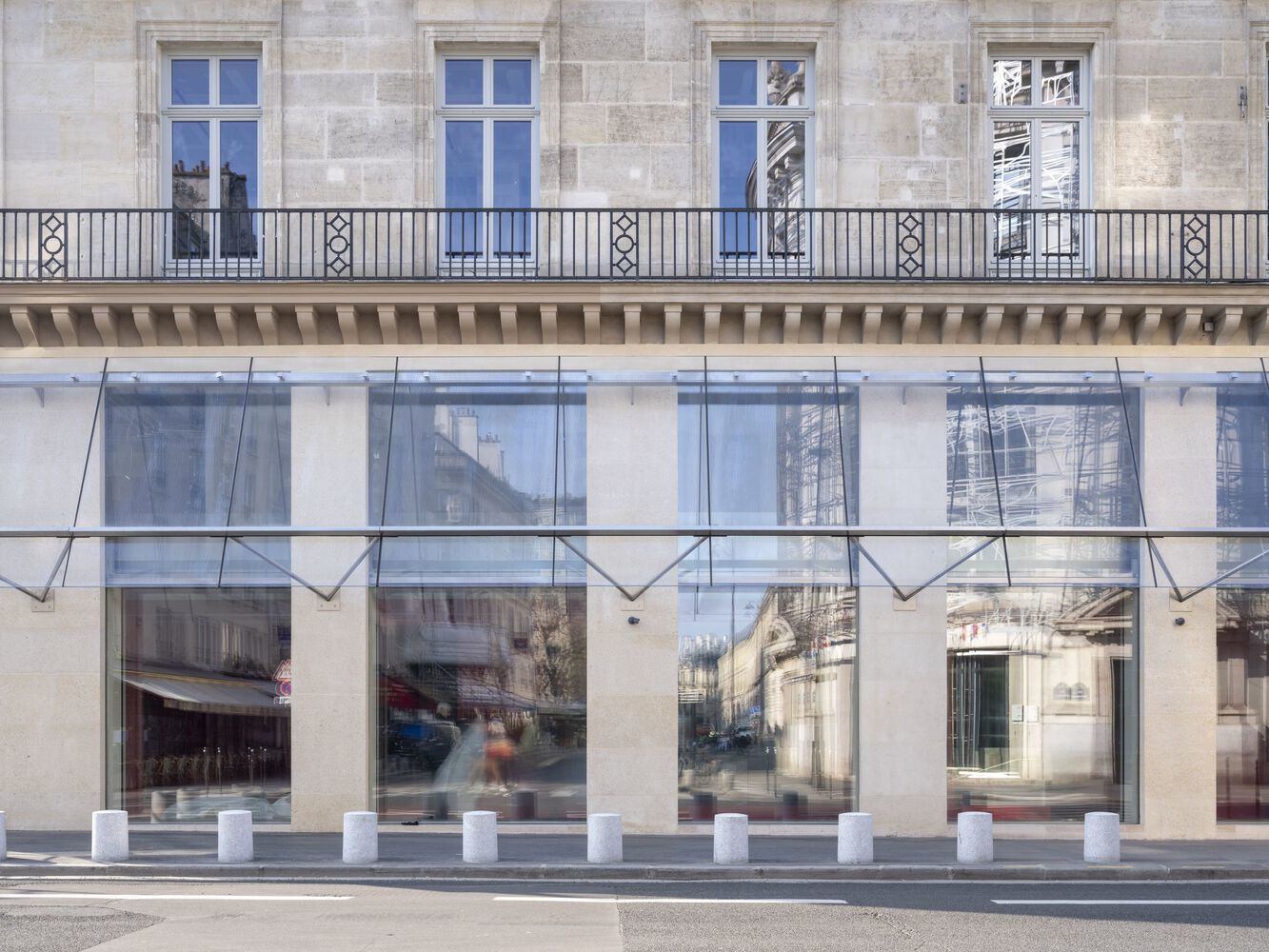
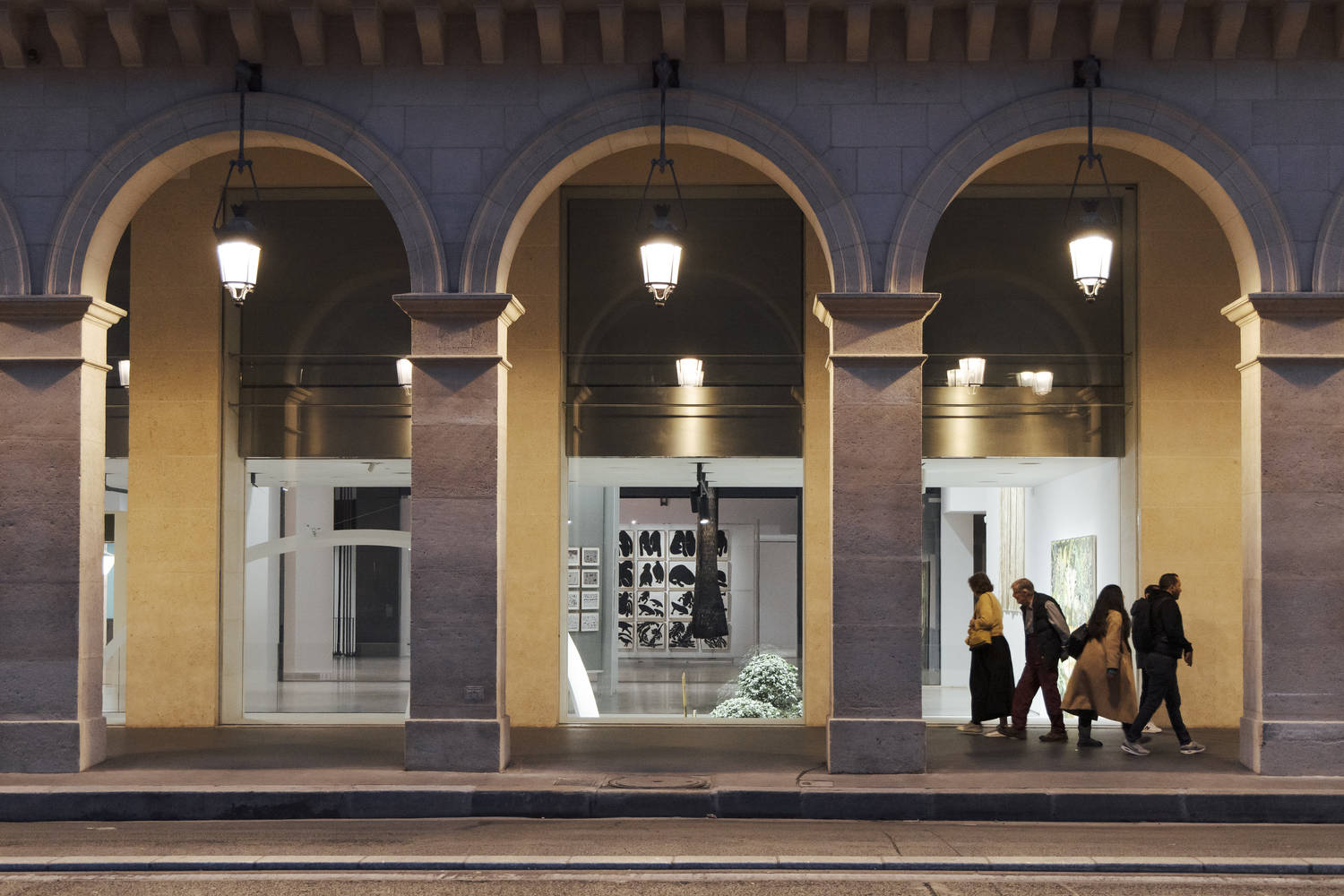
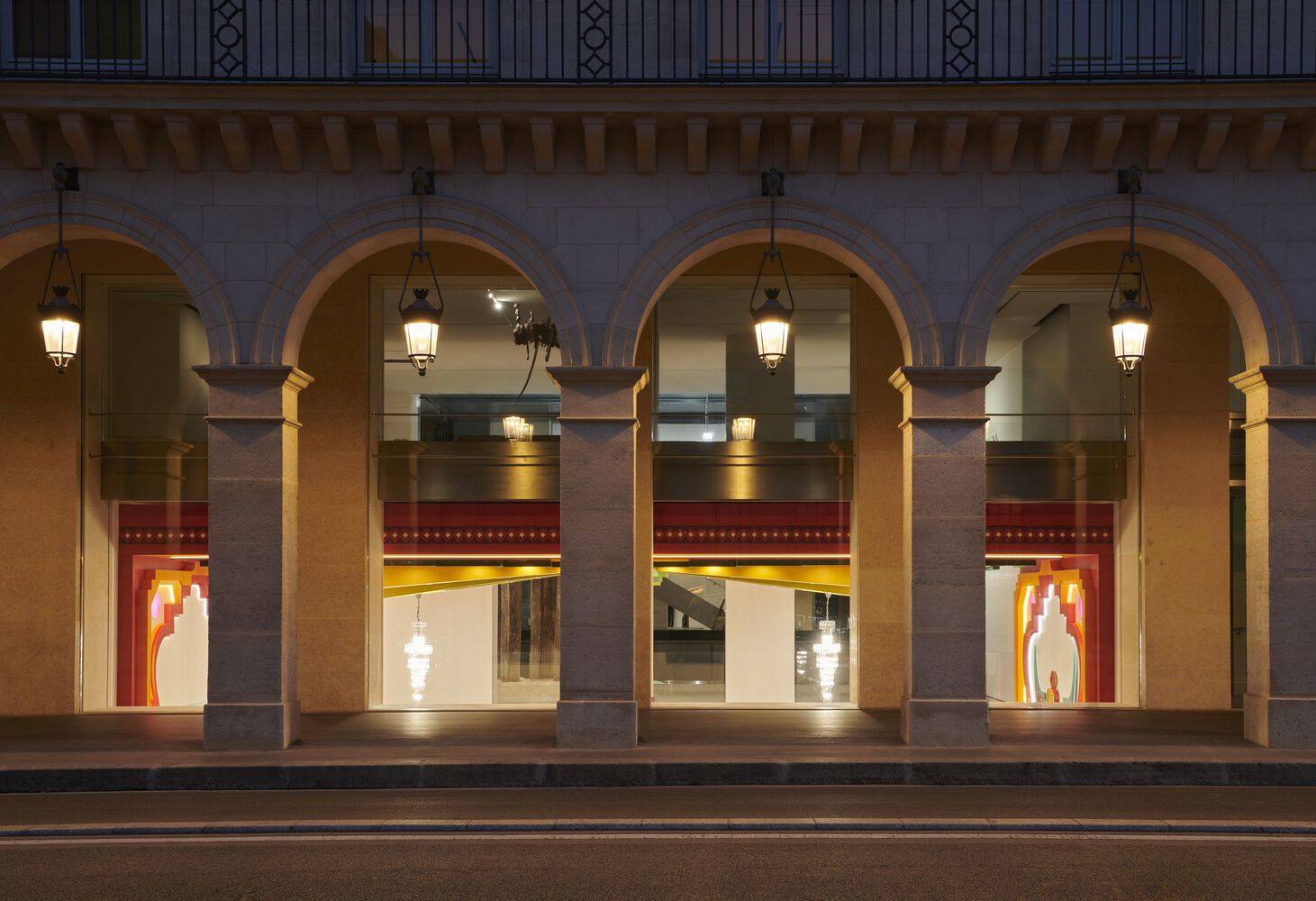
The building acts as a massive mechanical organism. Skylight louvers slide like dramatic curtains to modulate daylight, blurring the boundary between inside and out. Along the Rue Saint-Honoré façade, a 150-meter-long glass canopy connects Rue de Rivoli and the Palais Royal, creating a covered pedestrian passage. With its seven-meter-high windows and fluid circulation, the building transforms the site into a transparent urban stage—an "exhibition machine"—where Paris itself becomes part of the display.
这座建筑如同一个巨大的机械有机体。天窗百叶窗如同戏剧性的幕布般滑动调节日光,内外之间的界限逐渐消融。沿着圣奥诺雷立面,一个 150 米长的玻璃天篷连接里沃利街和皇家宫殿,创造出一条有遮蔽的步行通道。凭借其七米高的窗户和流畅的循环,这座建筑将场地变成了一个透明的城市舞台,一台“展览机器”,巴黎本身也成为了展览的一部分。
© Axel Dahl
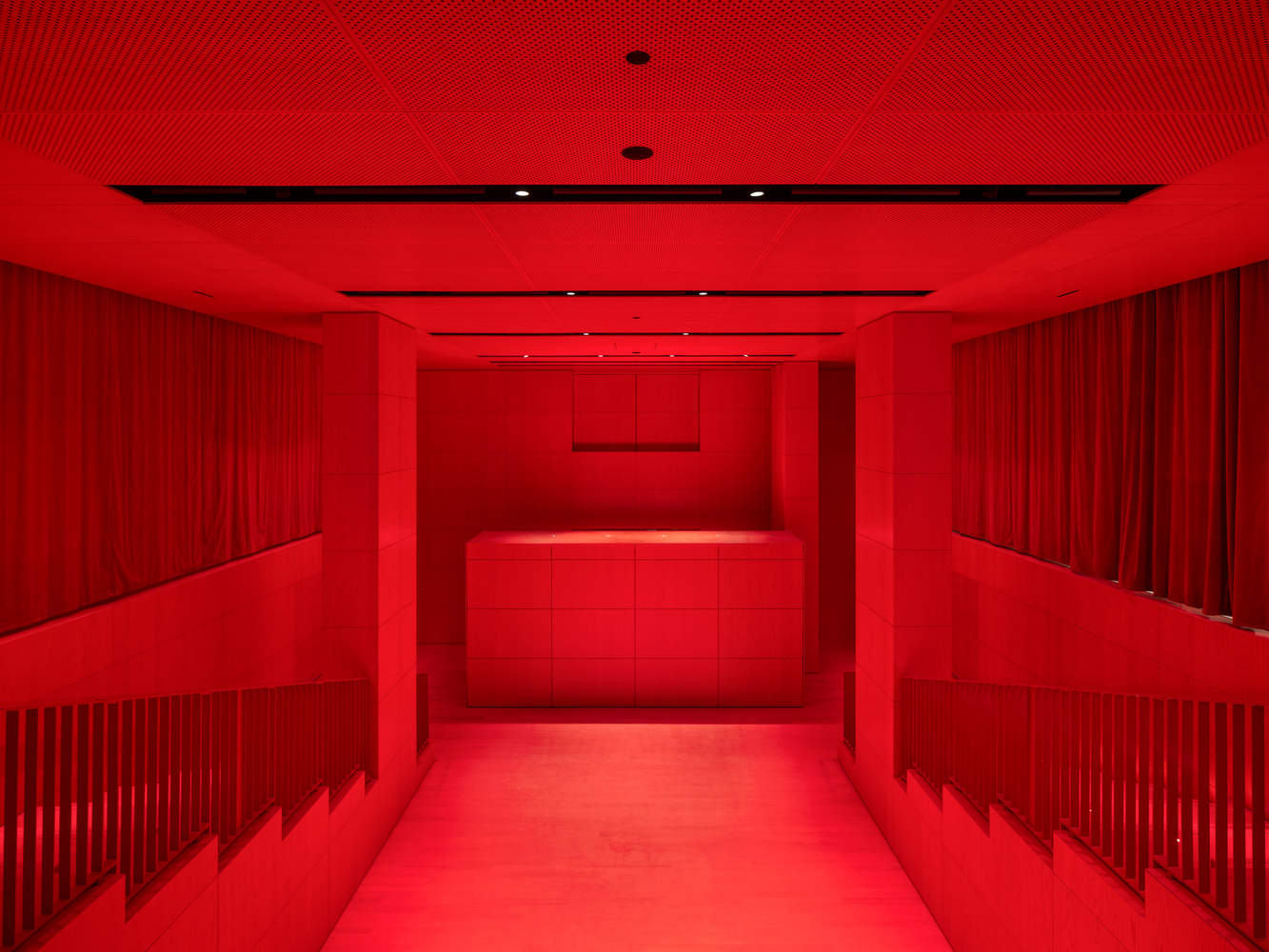
© Martin Argyroglo
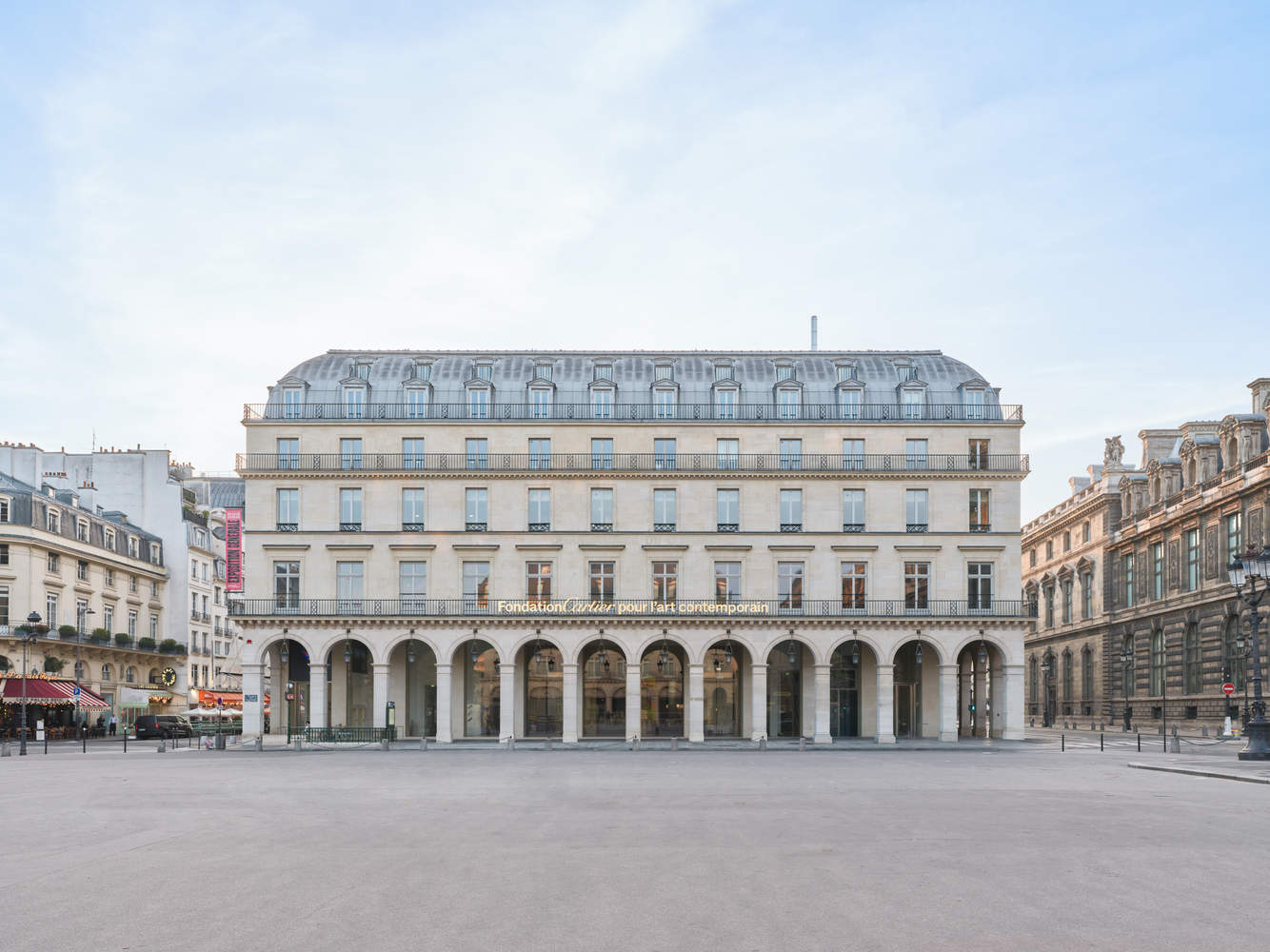
Nouvel’s design engages in a dialogue with the layered history of the architecture. Built in 1855 for the first Universal Exposition, the Grands Magasins du Louvre hosted the Paris Fairs, acting as a grand showcase for industrial modernization. The opening exhibition of the Fondation Cartier echoes this spirit of exploration.
努维尔的设计与建筑的层层历史进行对话。卢浮宫百货公司建于 1855 年,为首届巴黎世博会而建,曾举办过巴黎博览会,是工业现代化的盛大展示。卡地亚当代艺术基金会的开幕展览重现了这种探索精神。
© Marc Domage
© Cyril Marcilhacy
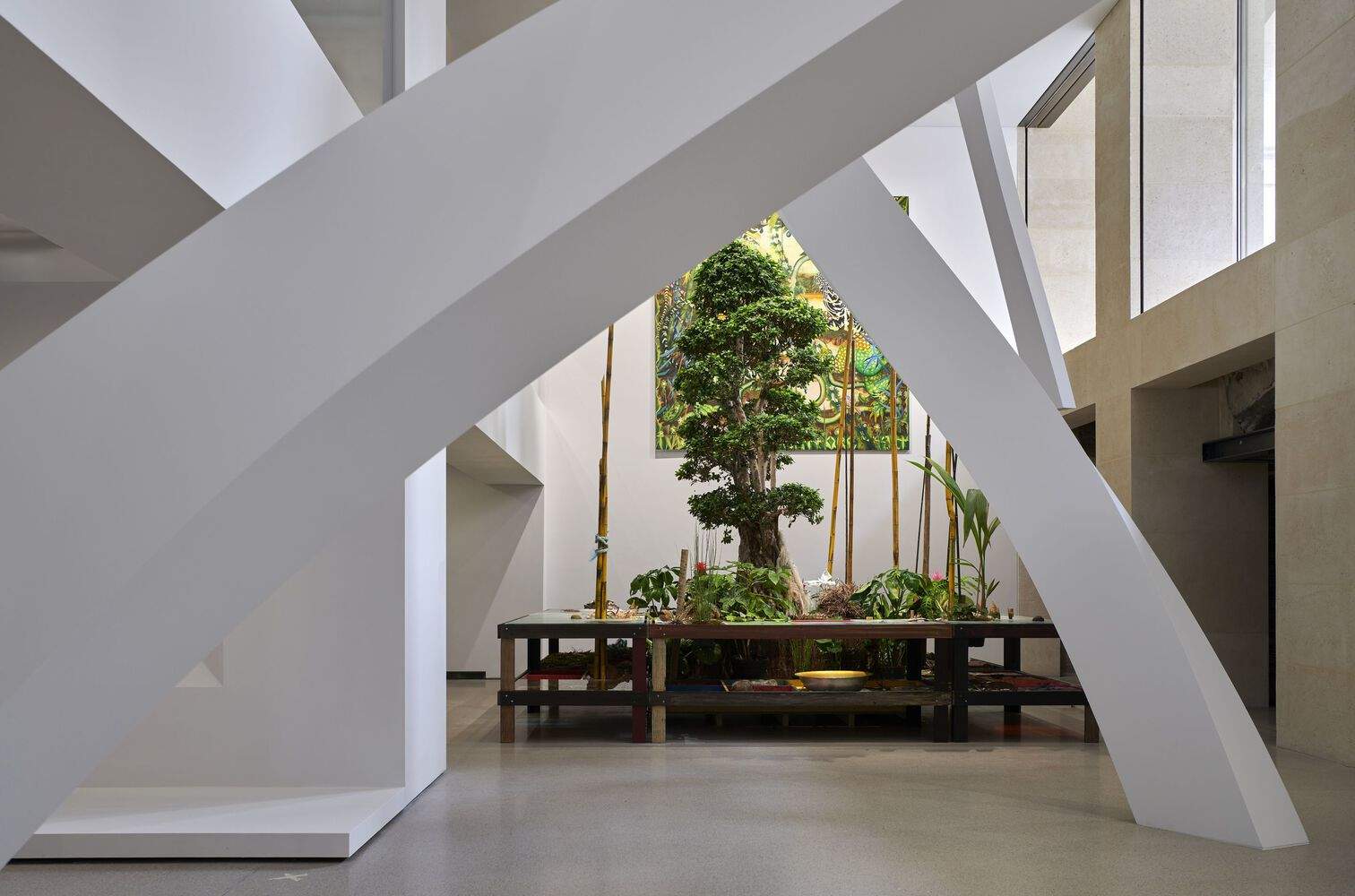
The exhibition is organized around four themes—"Architecture Machine," "Nature," "Making Things," and "Un monde réel" (A Real World)—bringing together nearly 600 works by over 100 artists from the foundation’s collection. For this ambitious reopening, Formafantasma’s scenography extends Nouvel’s architectural concept into a curatorial experiment, drawing on the display systems of 19th-century trade fairs. The design studio has reimagined the exhibition as a site for social engagement and experimentation. Materials, light, and spatial rhythms evoke the site's cultural heritage while emphasizing the performative dimensions of display and viewing. Formafantasma places artworks within a network of interdisciplinary, cross-era, and cross-worldview exchange.
展览围绕“建筑机器”、“自然”、“制造”和“现实”四个主题展开,汇集了基金会馆藏中超过 100 位艺术家的近 600 件作品。为实现此次雄心勃勃的重新开放,Formafantasma 的展陈设计将让·努维尔的建筑理念延伸为一项策展实验,借鉴了 19 世纪贸易博览会的展示系统,该设计团队将展览重新构想为一个社交和实验的场所。材料、灯光和空间韵律唤起了场地的文化遗产,同时突出了展示和观看的表演维度。Formafantasma 将艺术作品置于跨学科、跨时代、跨世界观的交流网络中。
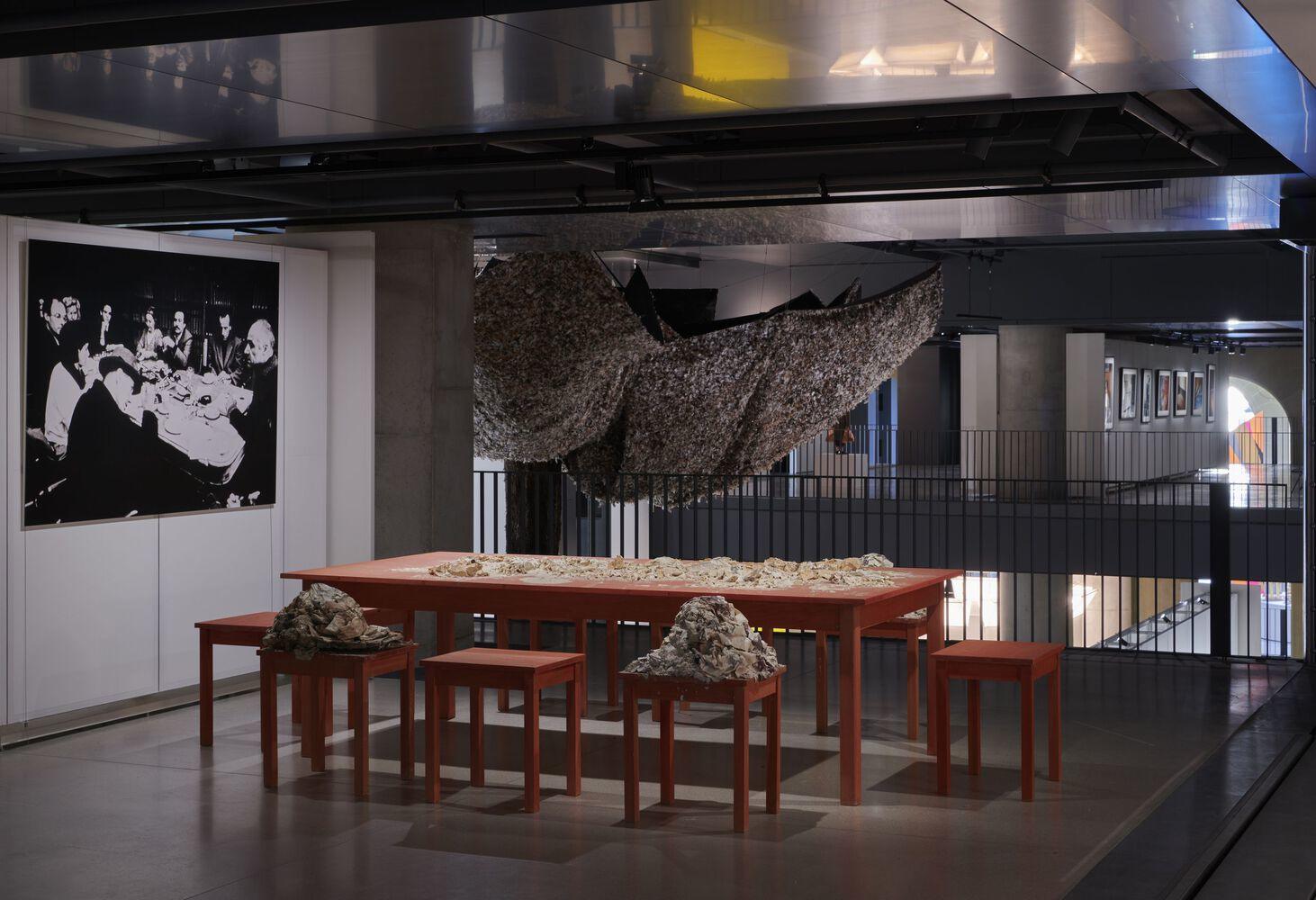
The segments of *Exposition Générale* unfold within the mechanical flexibility of Jean Nouvel’s building. "Architecture Machine" transforms the first platform into an "urban laboratory," showcasing visionary designs and utopian models that reimagine the city as a site of transformation, from Alessandro Mendini's *Micro-Cathedral* to Freddy Mamani's vibrant *Salón de eventos*. The "Nature" section shifts the focus to the material world, turning the interior into a sensory ecosystem where Solange Pessoa’s feather installation hovers above works by Claudia Andujar, Giuseppe Penone, and Bernie Krause. "Making Things" traces the fluid boundaries between craft, design, and fine art, while "Un monde réel" explores the intersection of science, technology, and fiction through immersive works like Sarah Sze’s *Tracing Falling Sky* and Diller Scofidio + Renfro’s data-driven *EXIT*.
*Exposition Générale*的各个部分在让·努维尔建筑的机械灵活性中展开。“建筑机器”将第一个平台变成了一个“城市实验室”,从Alessandro Mendini的《微型大教堂》到Freddy Mamani生动的《活动沙龙(Salón de eventos)》,富有远见的设计和乌托邦式的模型将城市重新想象为一个变革的场所。“自然”单元将焦点转移到现实世界,将室内空间转变为一个感官生态系统,Solange Pessoa的羽毛装置悬停在Claudia Andujar, Giuseppe Penone和Bernie Krause的作品上方。“制造事物”(Making Things)单元追溯工艺、设计和美术之间流动的界限,而“现实世界”(Un monde réel)单元则通过沉浸式作品探索科学、技术和虚构的交汇,例如Sarah Sze的《追踪坠落的天空(Tracing Falling Sky)》和Diller Scofidio + Renfro的数据驱动型《出口(EXIT)》。
© Marc Domage