微介入激活城市潜力:本项目是“边角空间新生计划”的一部分,精准聚焦于城市中被忽视的“剩余空间”。设计师以微介入的策略,成功将一个原本尺度过大、功能模糊的“过路亭”转化为富有亲和力与参与性的邻里焦点。这种对城市微观尺度的敏感与激活,是当代城市更新中实现高效率、高价值改造的精髓体现,有效提升了社区生活圈的便利性与温度。
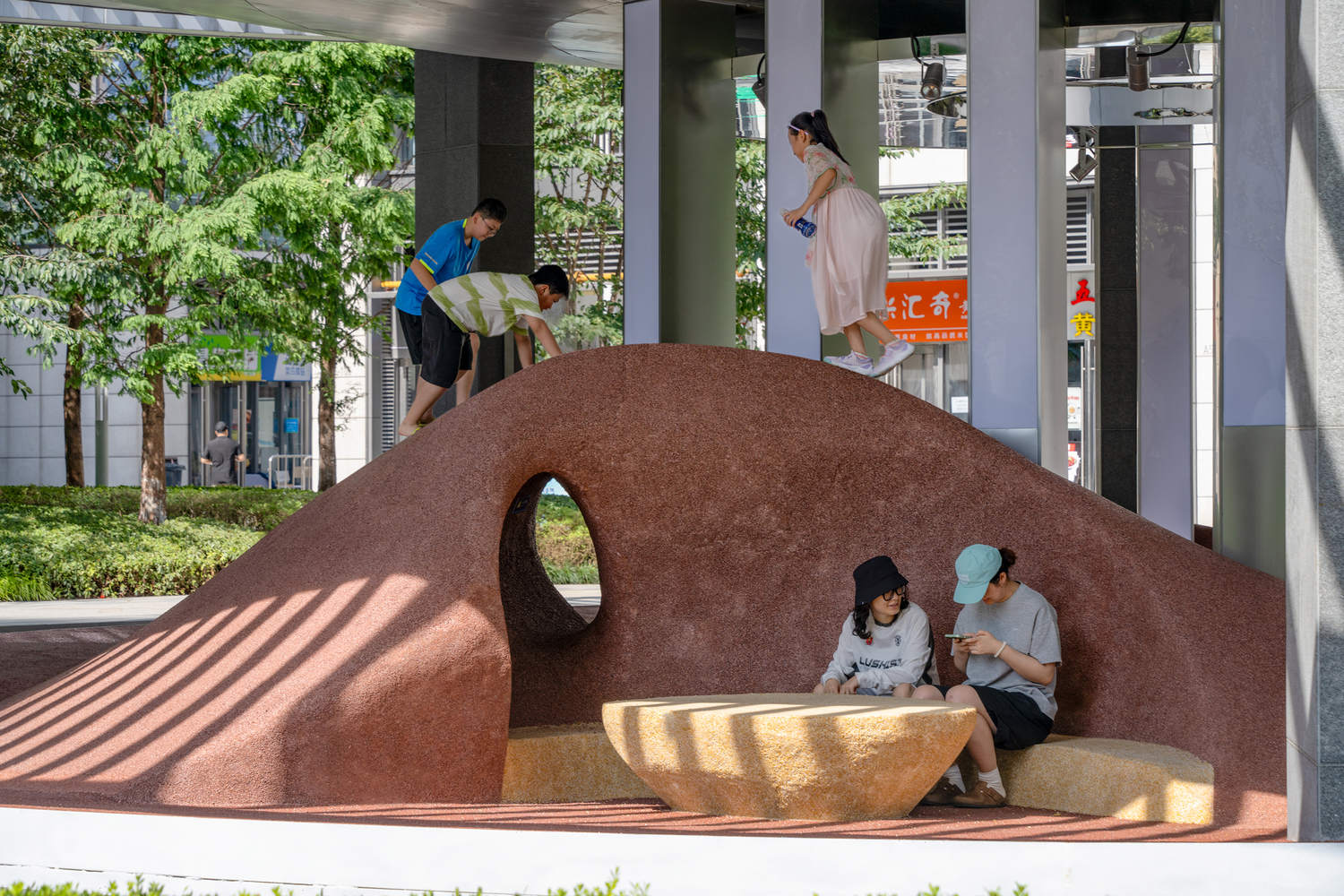
地景化叙事与身体互动:设计的核心亮点在于将亭外自然地景的“柔软起伏”语言巧妙地引入亭内地面处理。通过创造富有褶皱感的抬升地形,设计将地面从单纯的载体转化为可坐、可躺、可攀爬的互动界面。这不仅解决了大尺度空间的亲密感缺失问题,更通过鼓励身体的自由探索(“Jump”主题),实现了空间与使用者的深度、多维度互动,超越了传统亭子仅供遮蔽的功能。
光影与空间诗意的营造:在有限的预算内,团队利用原有结构加设镜面吊顶,这一手法堪称点睛之笔。它巧妙地捕捉并折射天光与人影,将原本严肃的亭子内部转化为一个具有“地—人—天”交感体验的诗意场域。夜间灯光的介入,进一步强化了这种光影的流动性,使“褶褶亭”在日夜转换中呈现出丰富的情感层次和温暖的城市景观,实现了形式美感与场所精神的双重提升。
From the architect. In 2024, taking advantage of the Hangzhou Asian Games, the China Academy of Art's School of Innovation Design, in collaboration with Hangzhou Grand Canal Vanke Center, launched the "Corner Space Regeneration Plan." This initiative focuses on the neglected "residual spaces" in the city—from community lakes and under-bridge clearings to vacant areas around office buildings—aiming to stimulate urban potential through micro-intervention design renovations, injecting convenience and warmth into the 500-meter living circle.
来自建筑师。2024 年,借杭州亚运契机,中国美术学院·创新设计学院联合杭州运河万科中心发起“边角空间新生计划”,关注城市中被忽视的“剩余空间”——从社区湖面、桥下空地到写字楼闲置区域,以微介入的设计改造激发城市潜力,为 500 米生活圈注入便利与温度。
© 吴清山
© 吴清山
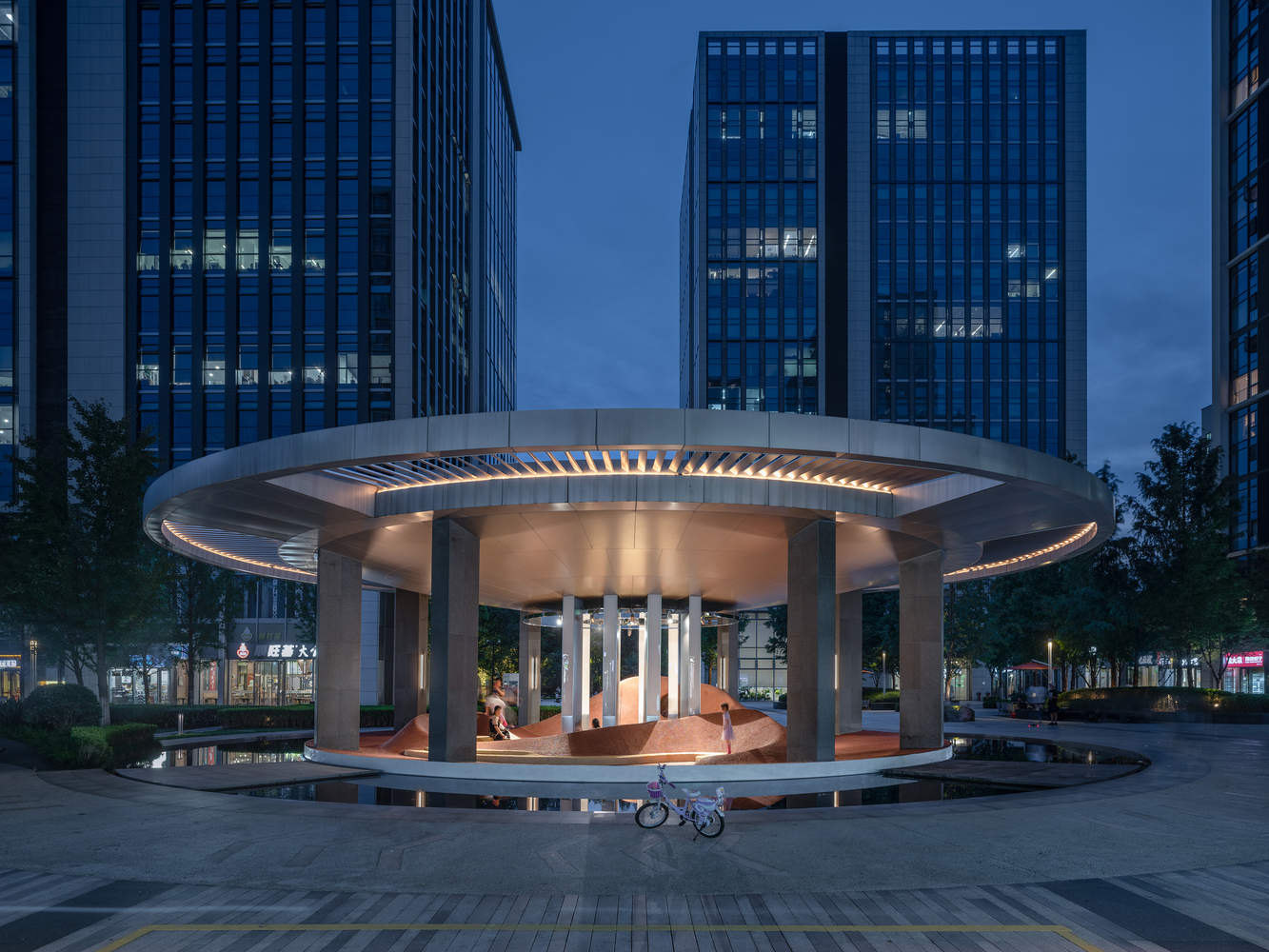
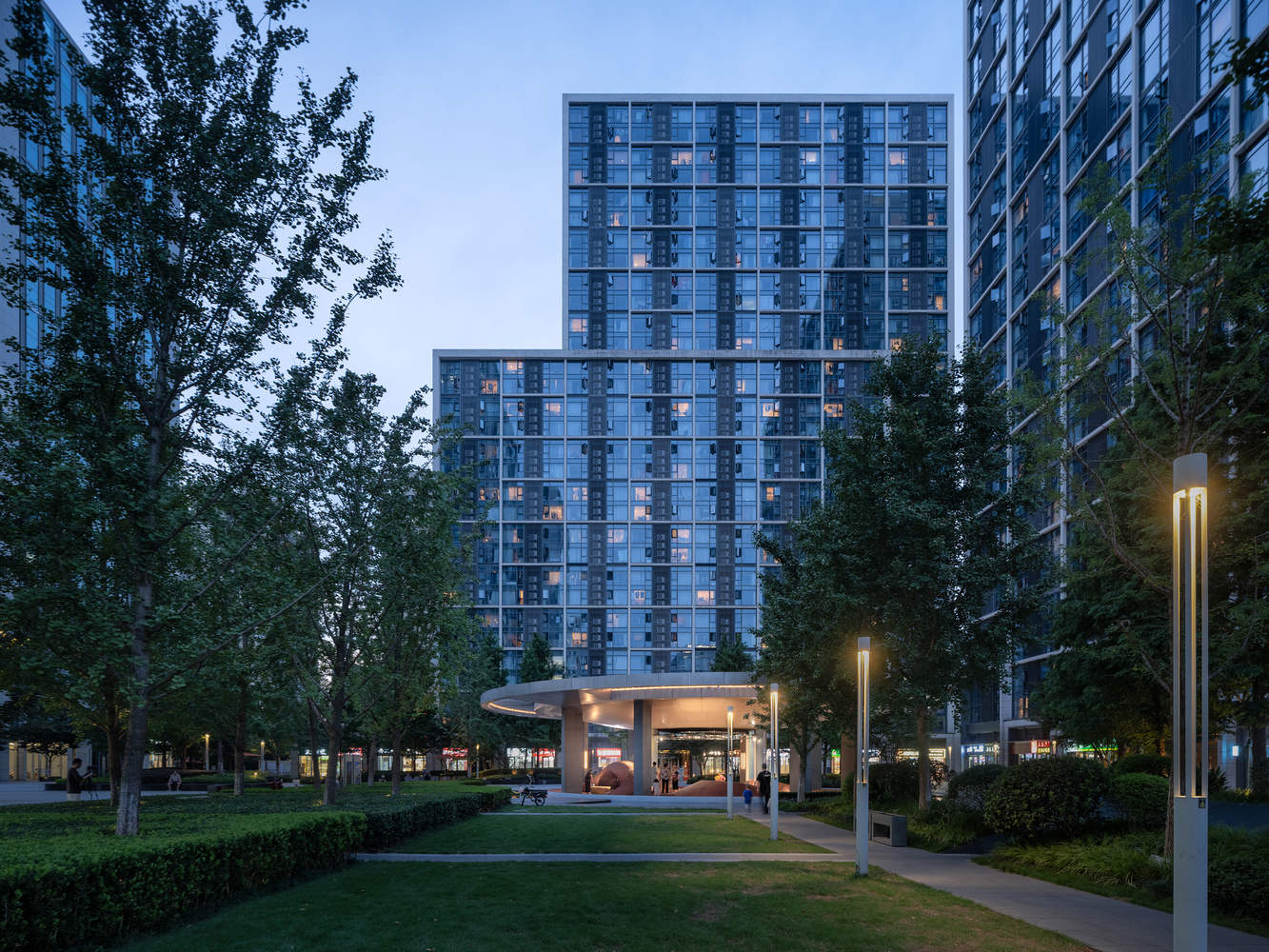
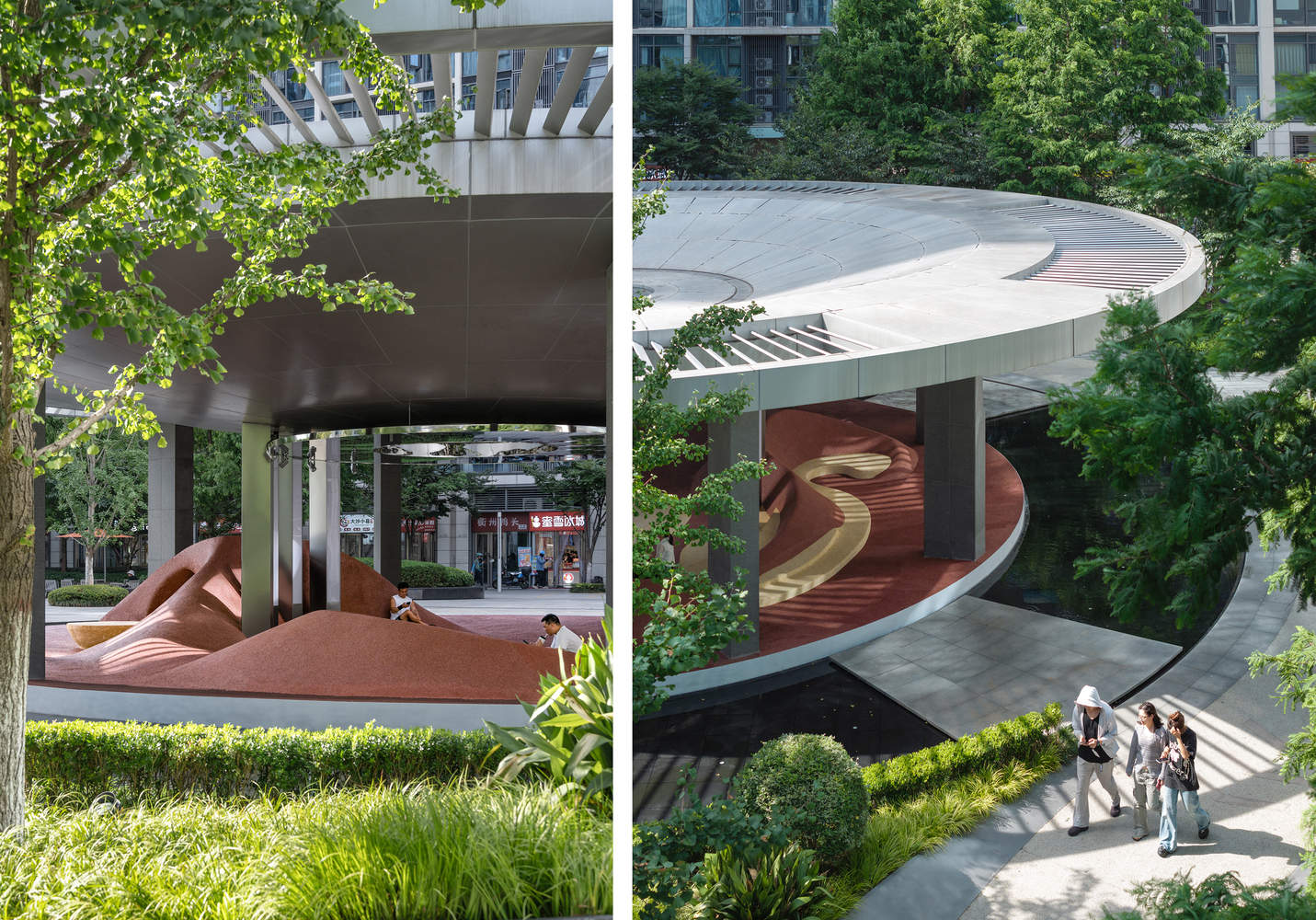
Moguang Architects was invited by the chief curator, Professor Jiang Jun, to participate in the second phase of this plan—the renovation of the central plaza pavilion at Zone A of Hangzhou Grand Canal Vanke Center. The park had been completed for three years but persistently lacked spaces to host outdoor activities and facilitate neighborly interaction. Although the pavilion was centrally located, its excessive diameter of 18 meters, coupled with a lack of intimate, smaller-scale layers and resting facilities, caused it to gradually become a mere "pass-through shelter." Conversely, the adjacent grassy slope surrounded by trees, with its pleasant scale and natural atmosphere, became a subtle focal point for residents to gather.
末广建筑受总策划人姜珺老师邀请,参与该计划第二站 —— 杭州运河万科中心 A 区中央广场凉亭改造。园区建成三年,却始终缺乏承载户外活动与邻里交流的空间。凉亭虽处核心,却因 18 米直径的尺度过大、缺乏亲密的中小尺度层次与停留设施,渐成“过路亭”。反而一旁被树木环绕的斜坡草地因尺度宜人、氛围自然,成为居民聚集的微妙重心。
© 吴清山
© 吴清山
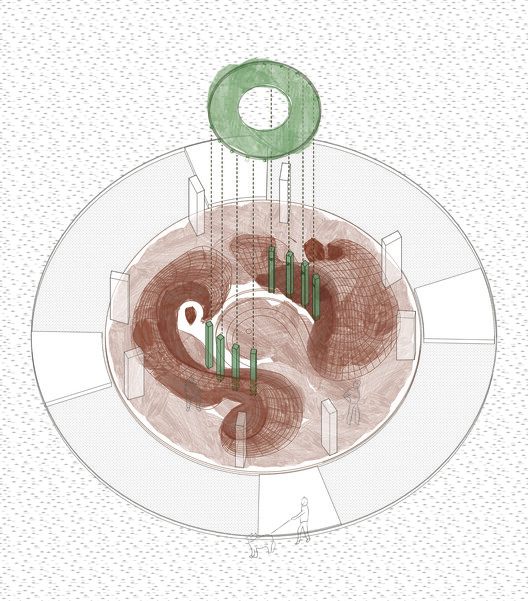
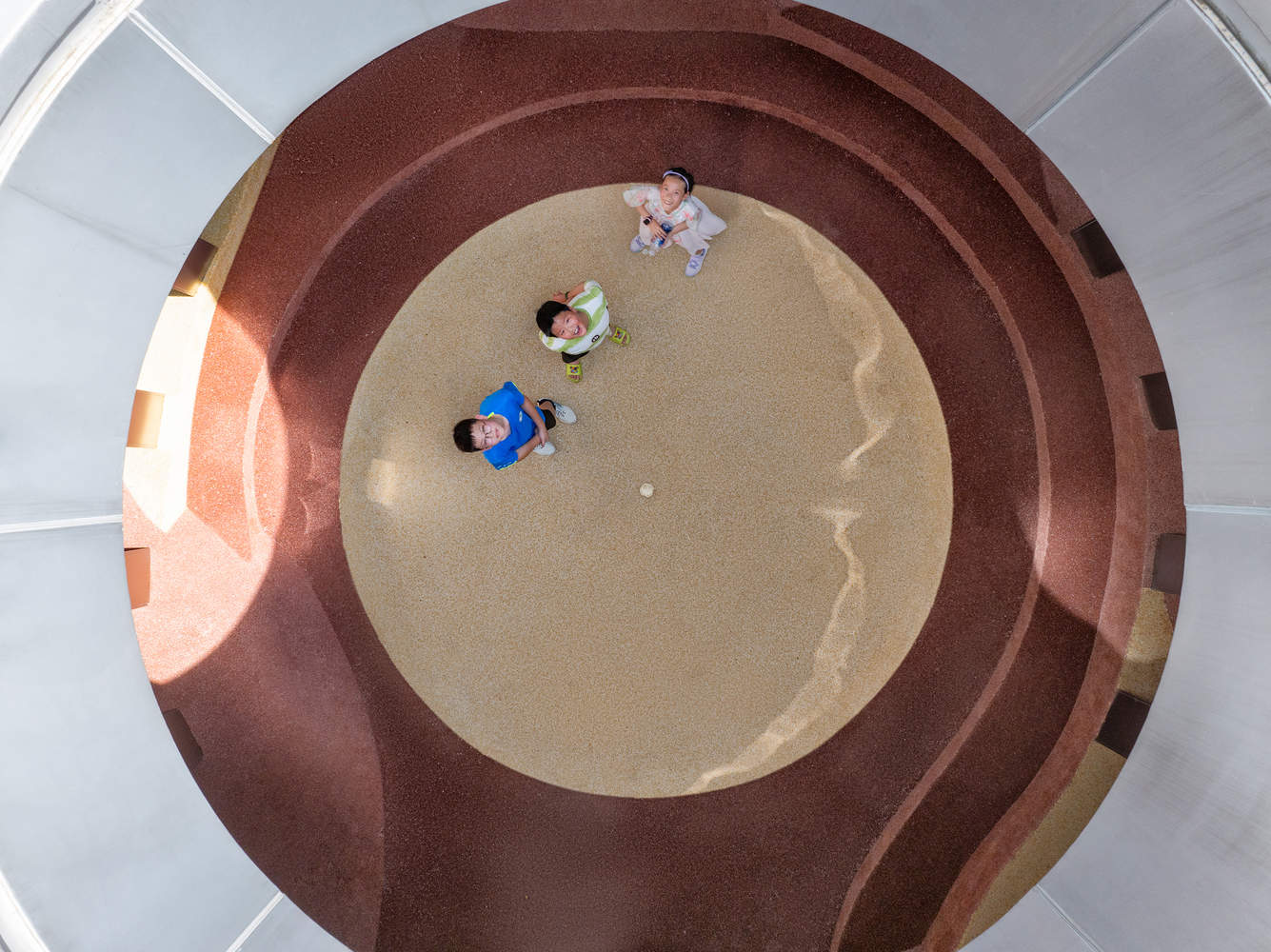
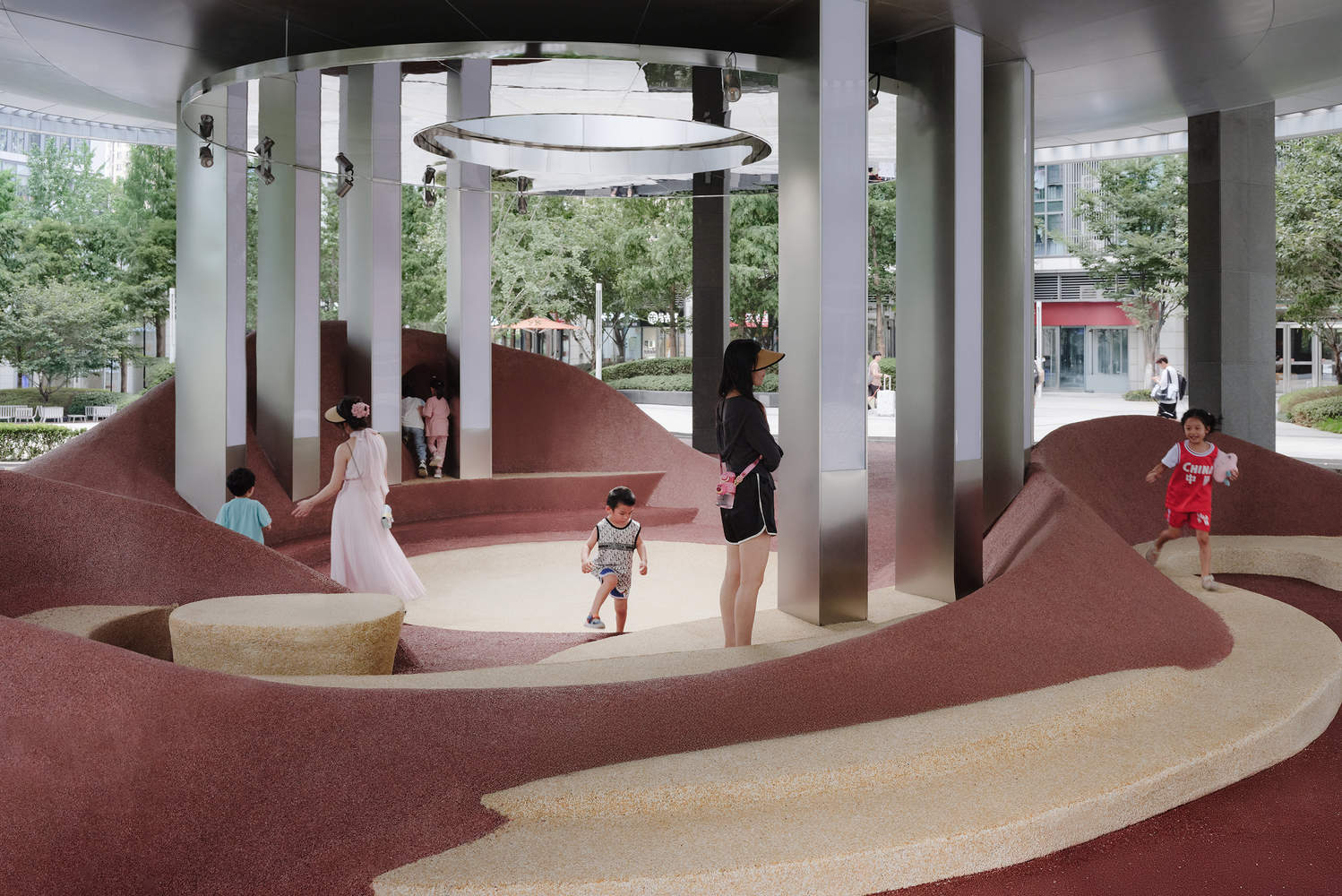
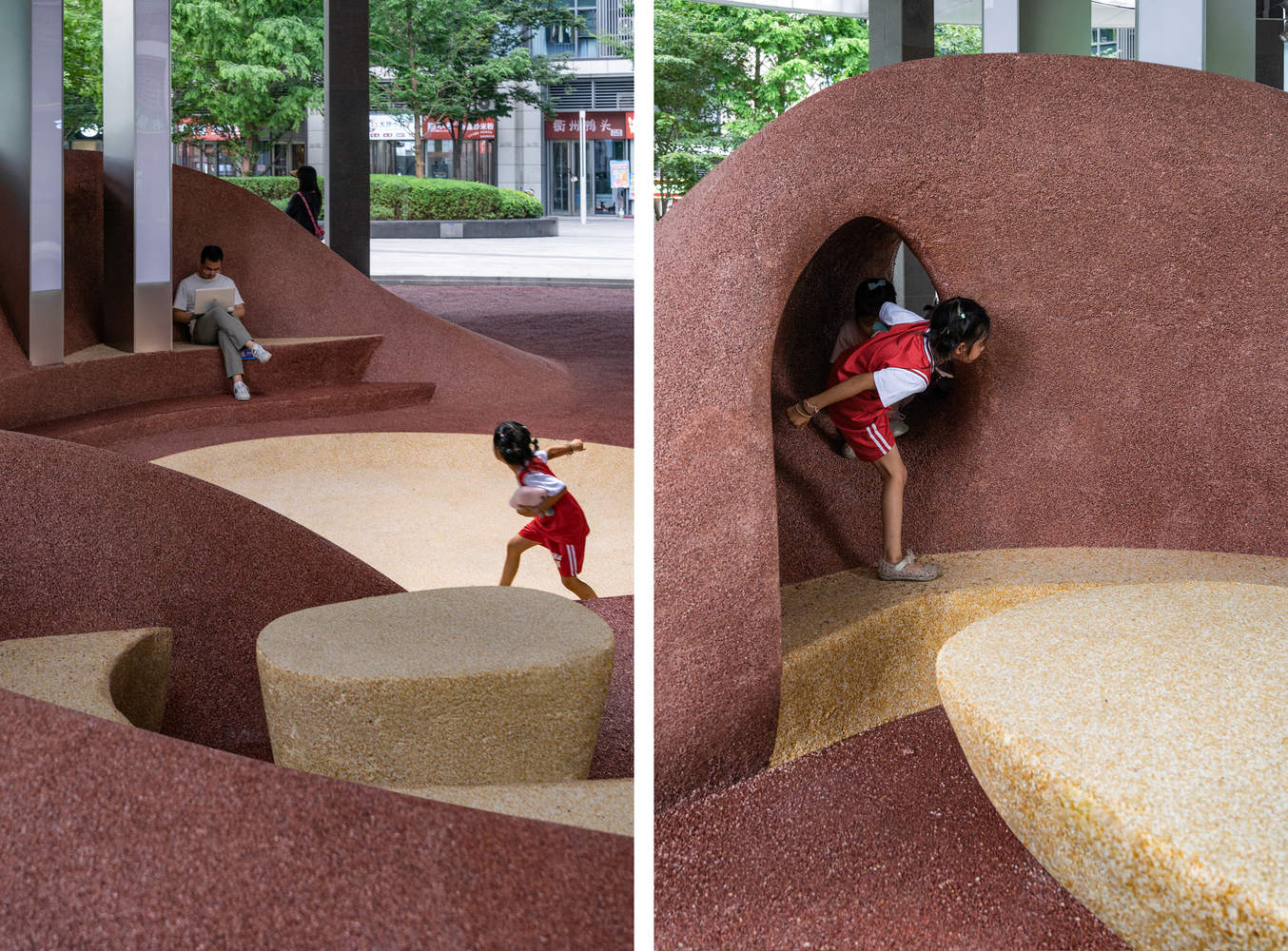
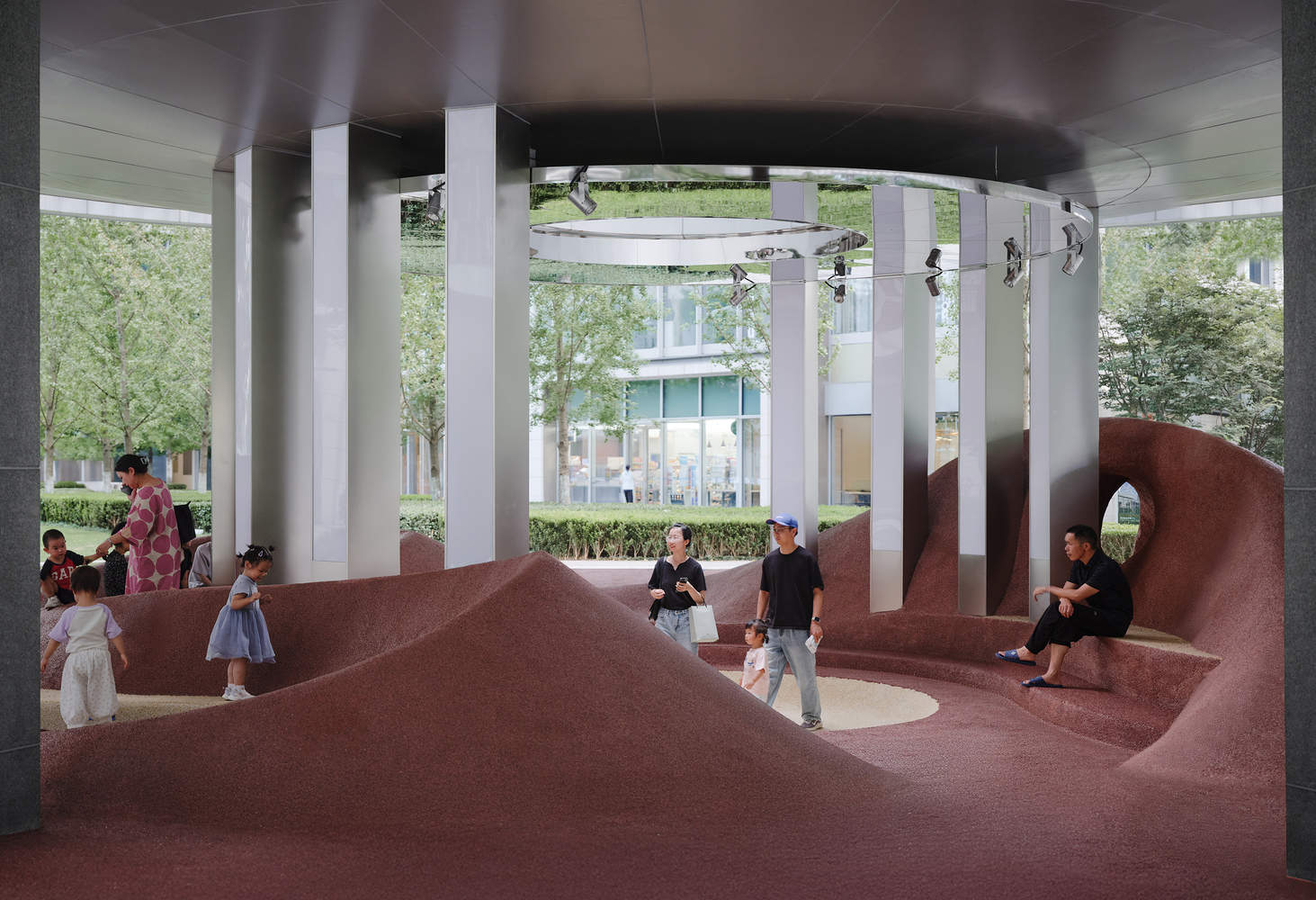
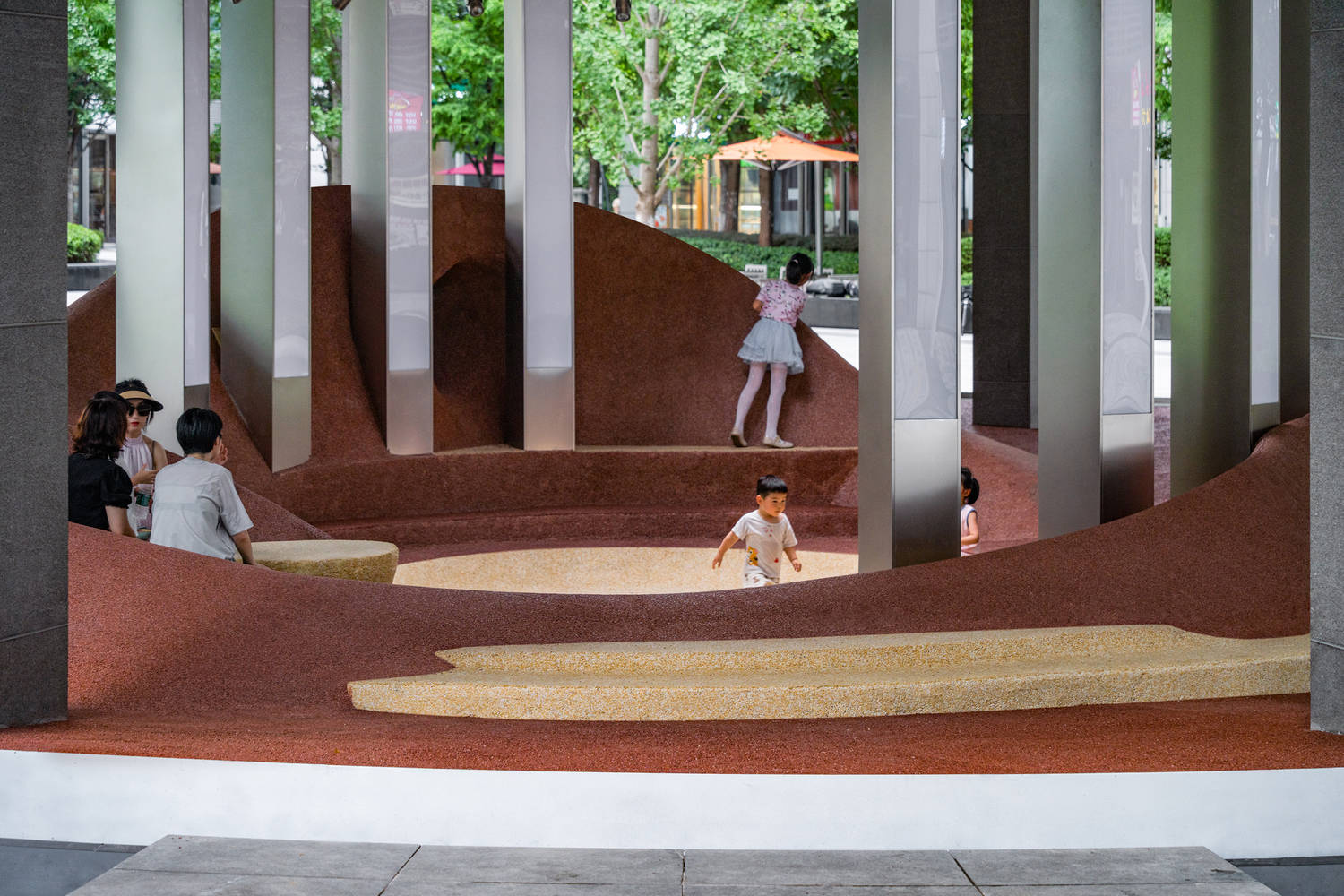
The core of the design was to revitalize this overly large and solemn pavilion with affinity and playfulness under an extreme budget. The design team drew inspiration from the soft, undulating landscape language outside the pavilion, extending it inward—the pleated topography creates a genuine physical interaction with the space, rather than simply implanting "play installations." The pleats serve as folds between the interior and exterior, symbolizing freedom and intimacy. The undulating landscape divides the pavilion into two layers: a central area for concentrated activities, and an outer ring forming resting nooks scaled close to the human body, inviting people to pause and linger, fostering a subtle sense of closeness amidst flow and enclosure.
设计的核心在于,在极限预算下让这座尺度偏大、气质严肃的凉亭重新焕发亲和与趣味。设计团队将灵感放在亭外柔软起伏的地景语言上,将其延伸至亭内 —— 褶皱的地形营造出身体与空间的真实互动,而非简单植入“游戏装置”。褶皱既是内外之间的褶,也象征自由与亲密。起伏的地景将亭体划分为内外两层:中心是集中活动区,外圈则形成贴近身体尺度的休憩角落,吸引人们停留游憩,在流动与围合中生发微妙的亲密感。
© 吴清山
© 梅可嘉
© 吴清山
The ground is no longer merely a surface for walking but becomes an extension and response to the body—it can be sat upon, lain on, or climbed, suitable for quiet contemplation as well as encouraging social interaction. The design adopts the theme of "Jump," creating an experience scenario that balances artistic quality with playfulness, allowing people to perceive the city and space through their bodies. Consequently, the pavilion acquired a new name—the "Wavy Pavilion" (Zhezhe Ting).
地面不再只是行走的载体,而成为身体的延伸与回应 —— 可坐、可躺、可攀爬,既适合静坐冥想,也鼓励社交互动。设计以 “Jump” 为主题,营造兼具艺术感与游乐性的体验场景,让人以身体去感知城市与空间。亭子因此获得了新名字 —— “褶褶亭”。
© 梅可嘉
© 梅可嘉
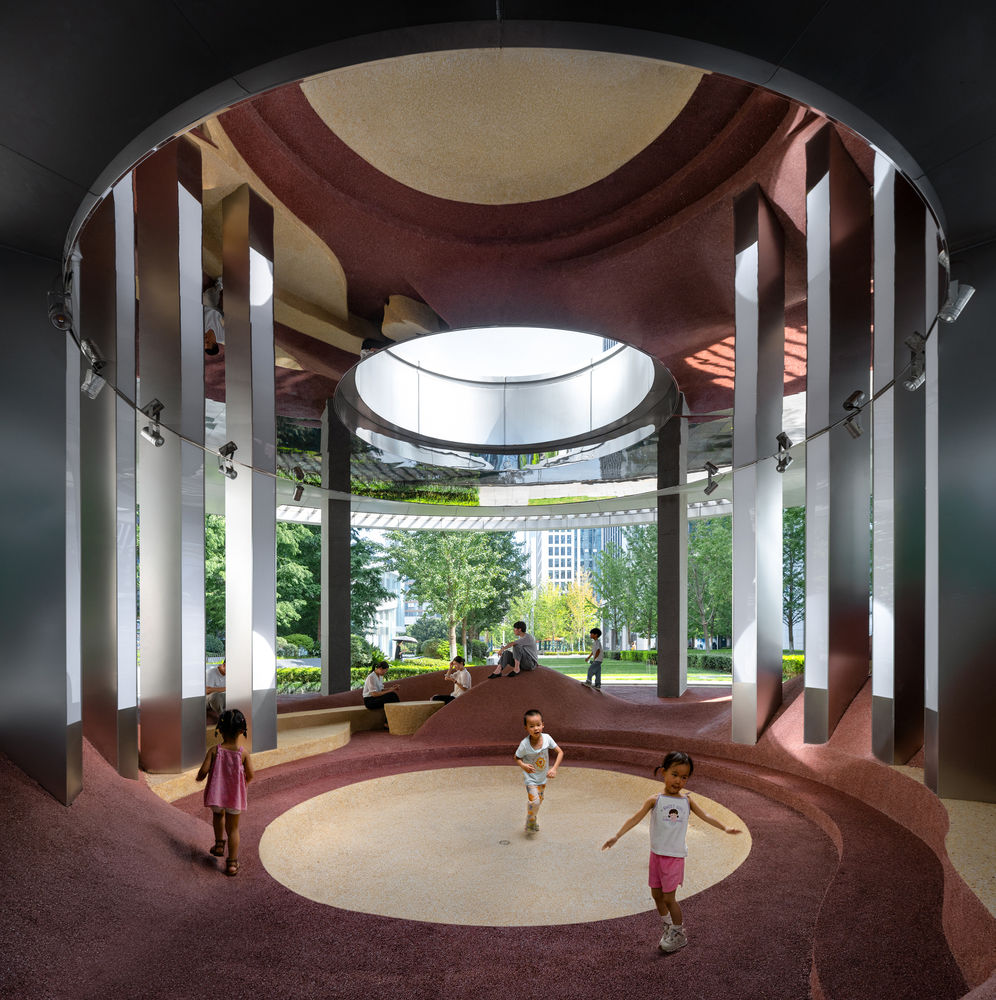
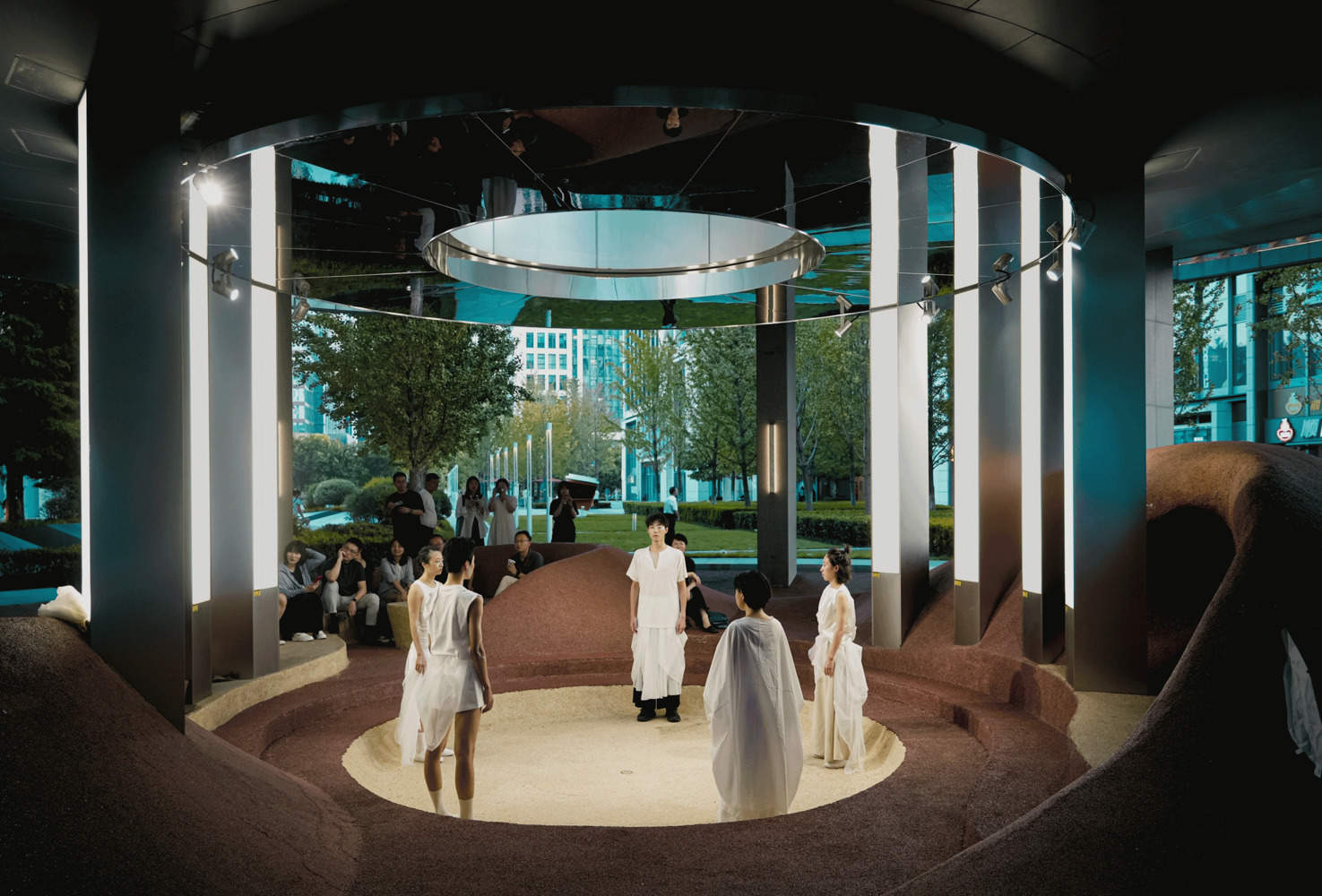
Furthermore, the team utilized the original structure to add a mirrored ceiling, echoing the topography and reflecting the flow of daylight, thus creating a poetic space within the pavilion where "Earth—Human—Sky" interact. Between day and night, the ground gently reflects light and shadow, where artificial light, human figures, and nature intertwine, painting a warm picture of the urban nightscape.
此外,团队利用原有结构加设镜面吊顶,与地景呼应,折射天光流转,使亭内形成 “地—人—天” 交感的诗意空间。日夜交替间,地景柔和反射着光影,灯光、人影与自然交织,描绘出一幅富有温度的城市夜景画卷。
© 吴清山
© 吴清山