哲学思辨与空间纯粹性:该项目最核心的亮点在于其对“无用之用”的深刻探索,旨在提供一个纯粹的、无功能限制的沉思与冥想空间。建筑师从象限仪台、阶梯井等古代奇观中汲取灵感,成功超越了当代建筑对功能性的过度强调,使“愚屋”(The Folly)成为一个激发精神共鸣的现代“遗迹”。这种对空间本质的回归,颂扬光与四大元素(土、火、风、水)的哲学深度,是其建筑价值的精髓所在,体现了深厚的文化底蕴和建筑的叙事力量。
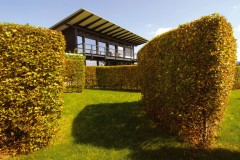
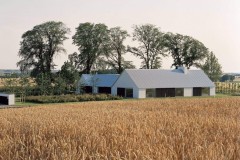
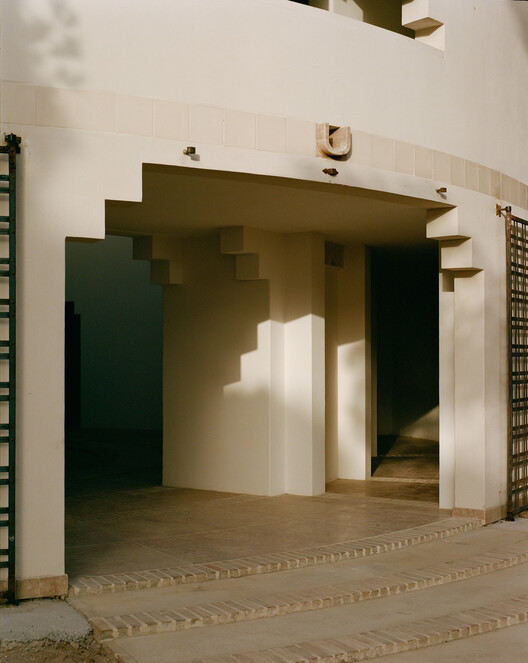
场所精神与材料的在地性融合:在严格的规划限制下,项目通过对材料的精心选择和应用,实现了与周边景观的有机一体化。混凝土作为结构主体提供了坚固的基底,而创新性地在抹灰和外墙涂料中掺入当地沙子,则巧妙地将建筑的色调与纹理融入自然环境。这种对“在地性”(Genuineness)的极致追求,使得建筑不仅是建造于此,更是“生长于此”,极大地增强了其场所精神,模糊了人工构造与自然背景的界限。
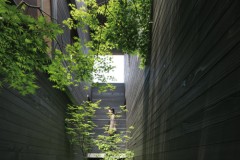
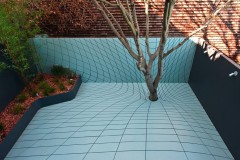
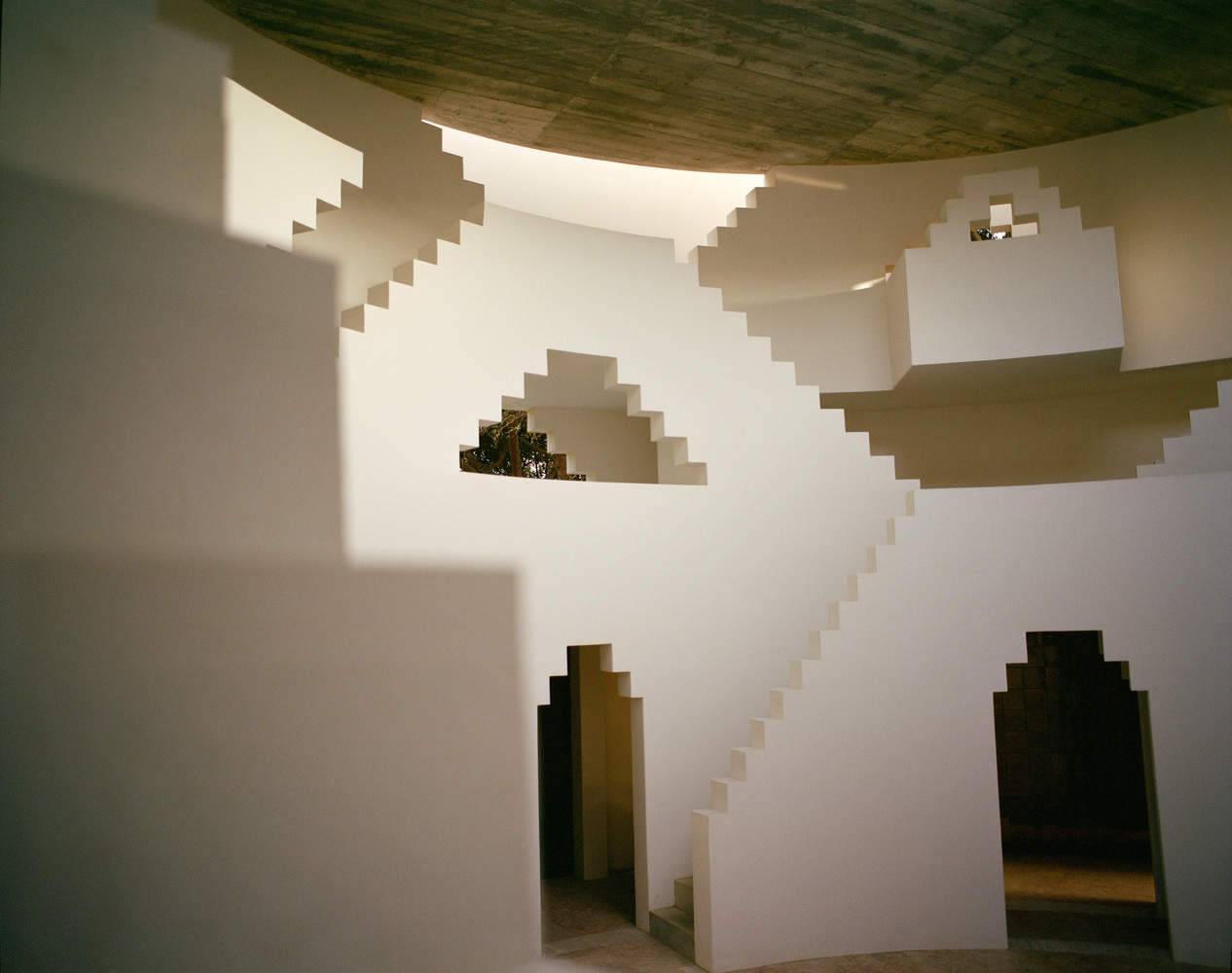
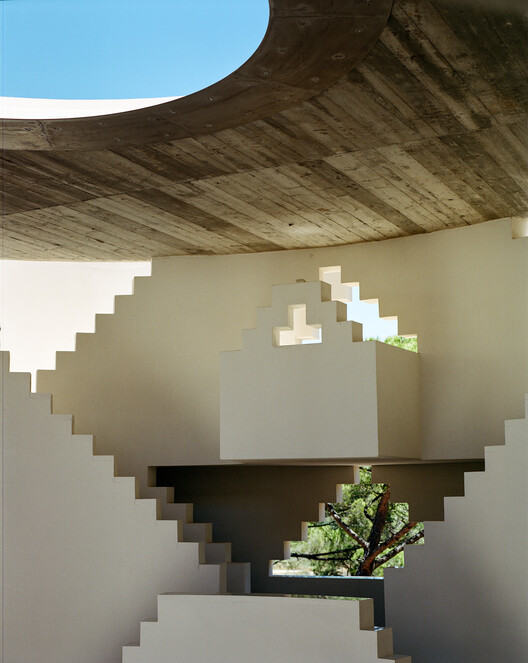
光影、开口与沉浸式体验的引导:设计策略上,建筑师通过精确控制的开口(Openings)实现了对景观的“取景”和对自然光的“引导”。这些开口不仅是视觉的窗户,更是将自然元素(光、风、水)引入冥想核心区域的媒介。由于缺乏预设功能,访客被引导进行一种高度个性化和沉浸式的互动,空间成为一个被动的、却极具启发性的容器。这种对光影氛围的精确调控,将建筑的物质性转化为一种精神体验的载体,达到了建筑创新与自然敬畏之间的完美平衡。
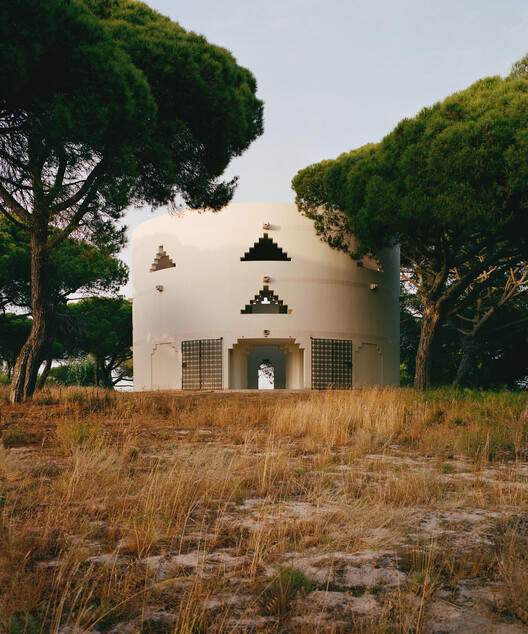
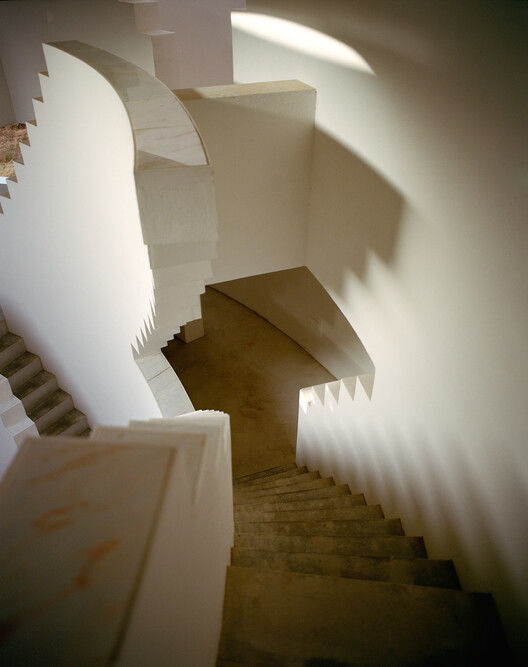
From the architect. The Folly is an extraordinary architectural project born from a client's desire for a space dedicated solely to contemplation and meditation, free from any predetermined function. Inspired by discussions around monumental architecture such as the Jantar Mantar, Indian stepwells, and the Parthenon, the design of "The Folly" aims to evoke a sense of resonance with ancient architectural wonders while celebrating light and the four fundamental elements: earth, fire, wind, and water.
来自建筑师。The Folly 是一项非凡的建筑项目,源自一位客户渴望拥有一处专用于沉思与冥想、无任何预设功能限制的空间。受关于象限仪台(Jantar Mantar)、印度阶梯井以及帕特农神庙等标志性建筑的讨论启发,“愚屋”的设计旨在唤起人们与古代建筑奇观产生共鸣之感,同时颂扬光与四大元素:土、火、风、水。
© Clement Vayssieres
© Clement Vayssieres
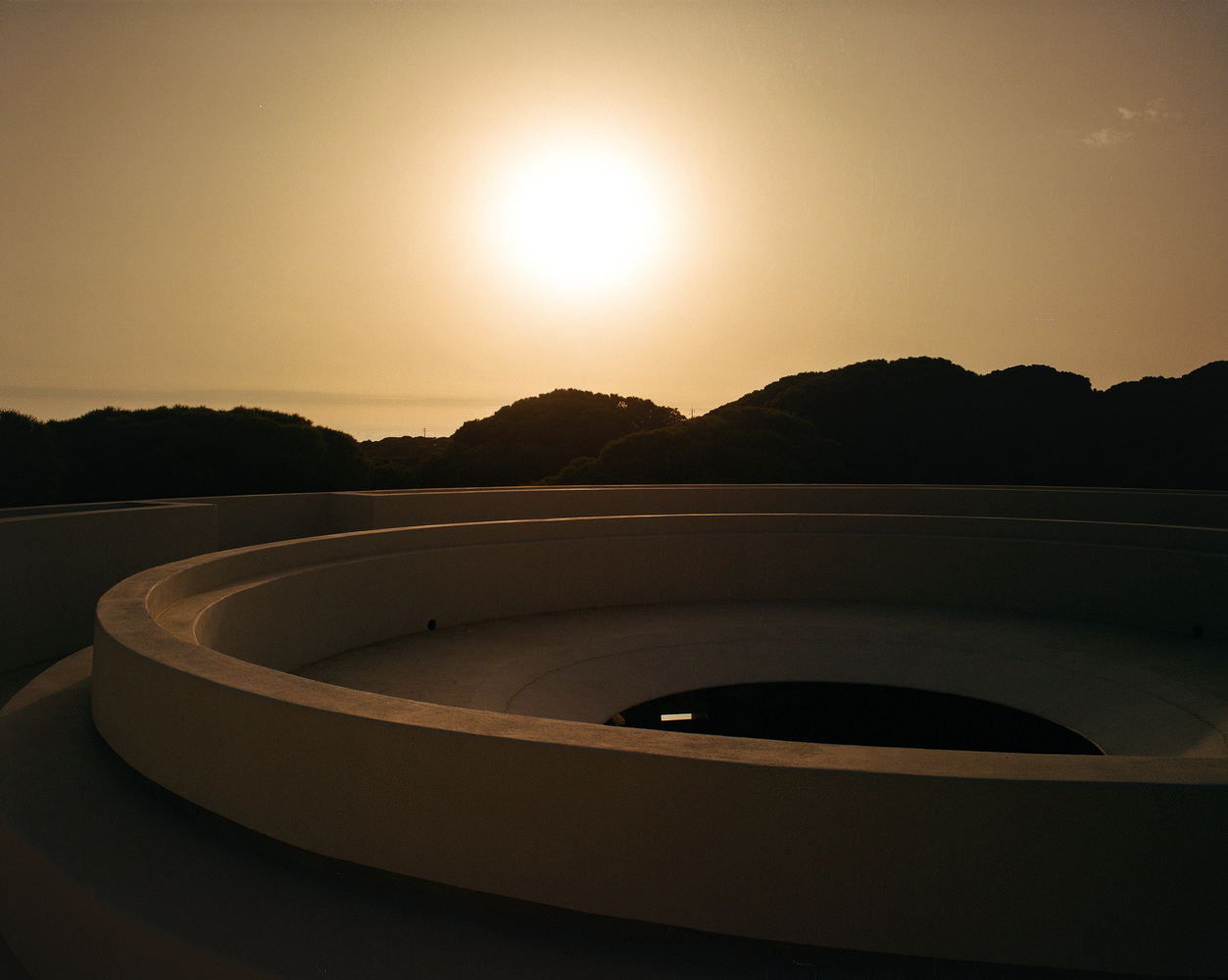
Despite planning constraints, including limitations on footprint and building height, the creative team cleverly navigated these challenges to see The Folly realized. The choice of building materials and construction methods was deliberate and thoughtful. Concrete was selected as the primary material, ensuring structural solidity while lending visual appeal. Furthermore, local sand was incorporated into the plaster during construction, helping the building seamlessly integrate with the surrounding landscape. This same sand was even used to formulate the coating on the building's façade, ensuring a natural color palette that harmonizes with the environment, making the structure appear as if it had organically grown from the site itself.
尽管面临规划限制,包括占地面积和建筑高度的约束,创意团队仍巧妙地应对了这些挑战,成功让 The Folly 得以建成。建筑材料和施工方法均经过深思熟虑与精心挑选。混凝土被选为主要建材,既保证了建筑结构的稳固,又赋予其视觉美感。此外,施工时在抹灰中掺入了当地沙子,使建筑与周边景观浑然一体。这些沙子甚至还被用于调制建筑正面的涂料,确保了建筑采用自然色调,与周围环境和谐相融,仿佛这座建筑本身就是自然有机生长的产物。
© Clement Vayssieres
© Clement Vayssieres
© Clement Vayssieres
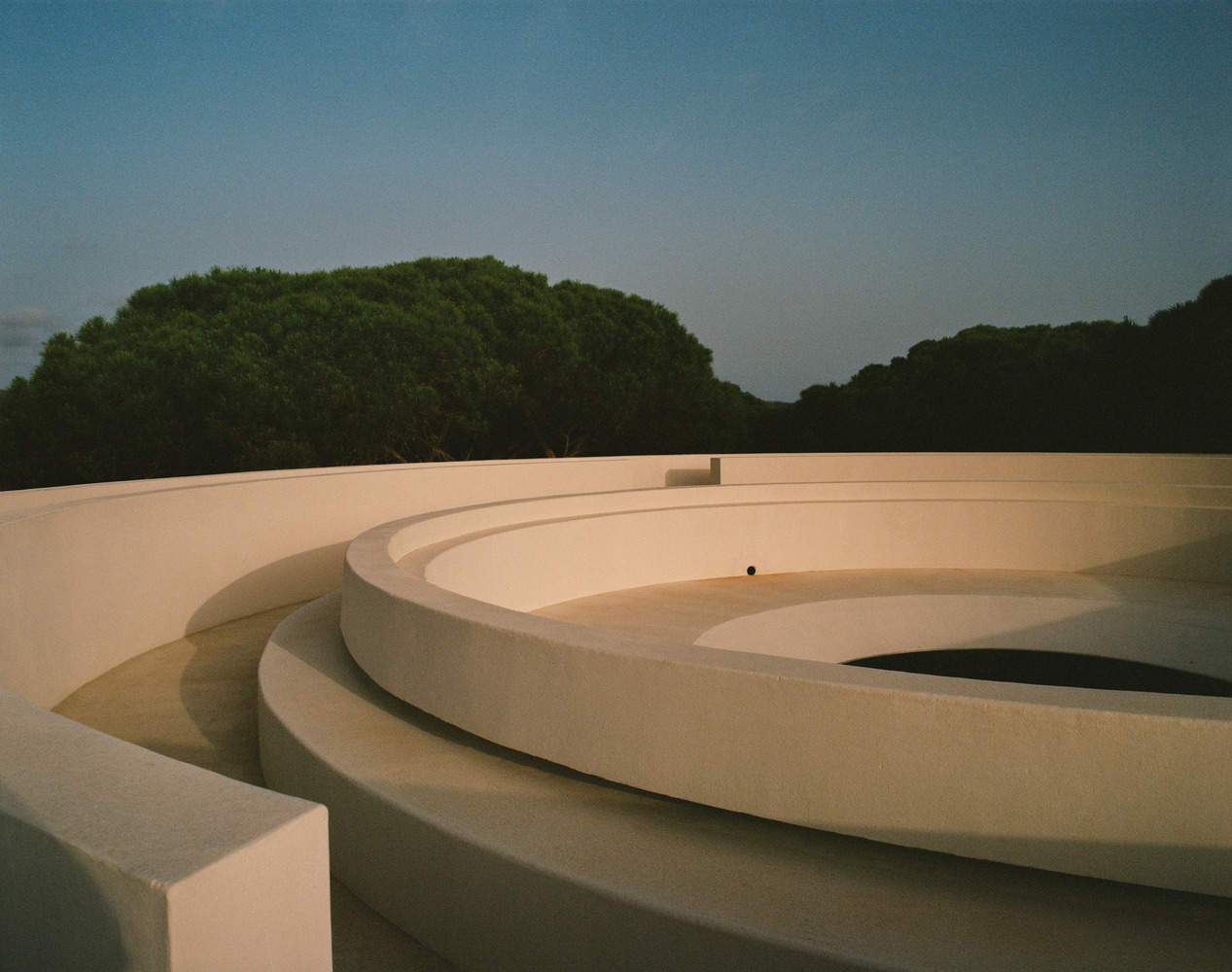
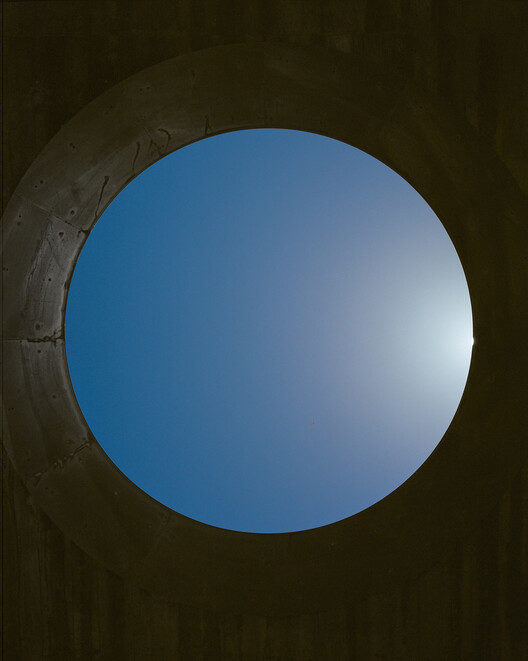
The core ambition of The Folly is to create a space that harmonizes with its surroundings, offering visitors an immersive experience. Lacking a specific function, individuals are free to engage with the space on a personal level, allowing for spontaneous reflection and contemplation. The design thoughtfully incorporates precise openings that both frame breathtaking views and channel natural light into the interior, fostering a serene and meditative atmosphere.
The Folly 的核心目标在于打造一处与周边环境和谐相融的空间,为访客提供沉浸式体验。由于没有特定的功能设定,人们得以从个人层面与这个空间互动,自由地进行沉思与反思。设计融入了巧妙的开口设计,既框取了令人叹为观止的景观,又引导自然光倾泻入室内,营造出宁静而适合冥想的氛围。
© Clement Vayssieres
© Clement Vayssieres
The Folly is meticulously detailed, achieving a delicate balance between architectural innovation and a profound reverence for nature. It stands as a testament to the intrinsic connection between human creativity and the natural environment, offering a sanctuary where one can intimately encounter the elements and find solace in the world's beauty.
The Folly 对细节精雕细琢,在建筑创新与对自然的深切敬意之间达成了微妙的平衡。它见证了人类创造力与自然环境之间固有的紧密联系,为人们提供了一处避世之所,让人得以与自然元素亲密接触,并在世间美景中寻得慰藉。
© Clement Vayssieres