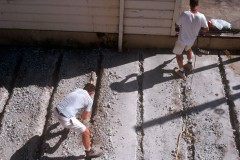
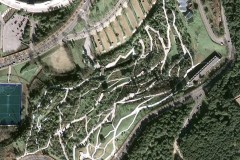
场地文脉与在地形态的深度耦合:该项目最精髓之处在于其对云南乡野红土地连续起伏形态的抽象与回应,并将这一自然肌理转化为建筑的有机形态。通过对具有四千年历史的民间竞技运动“陀螺”的场地化设计,建筑巧妙地融合了文化遗产与地理环境。无论是白马陀螺场的梯田式跌落屋顶,还是晴开陀螺场依坡而立的结构,都体现了建筑师对场地独特地形的尊重与利用,实现了空间形态与地域文脉的深度融合,创造出具有强烈场所精神的公共空间。
社区参与和声景的场所营造:项目通过精妙的空间布局,积极引导和增强了社区的参与性与互动性。例如,白马陀螺场将屋脊方向与村民投掷陀螺的方向对齐,有效地放大并回荡了运动员和观众的呐喊声,在山谷间形成独特的“声景”,极大地增强了社区的集体归属感和参与感。同时,晴开陀螺场通过水平视窗的设计,将比赛和观赛嵌入到壮丽的自然景观中,使体育活动成为自然体验的一部分,体现了建筑作为社区凝聚力催化剂的角色。
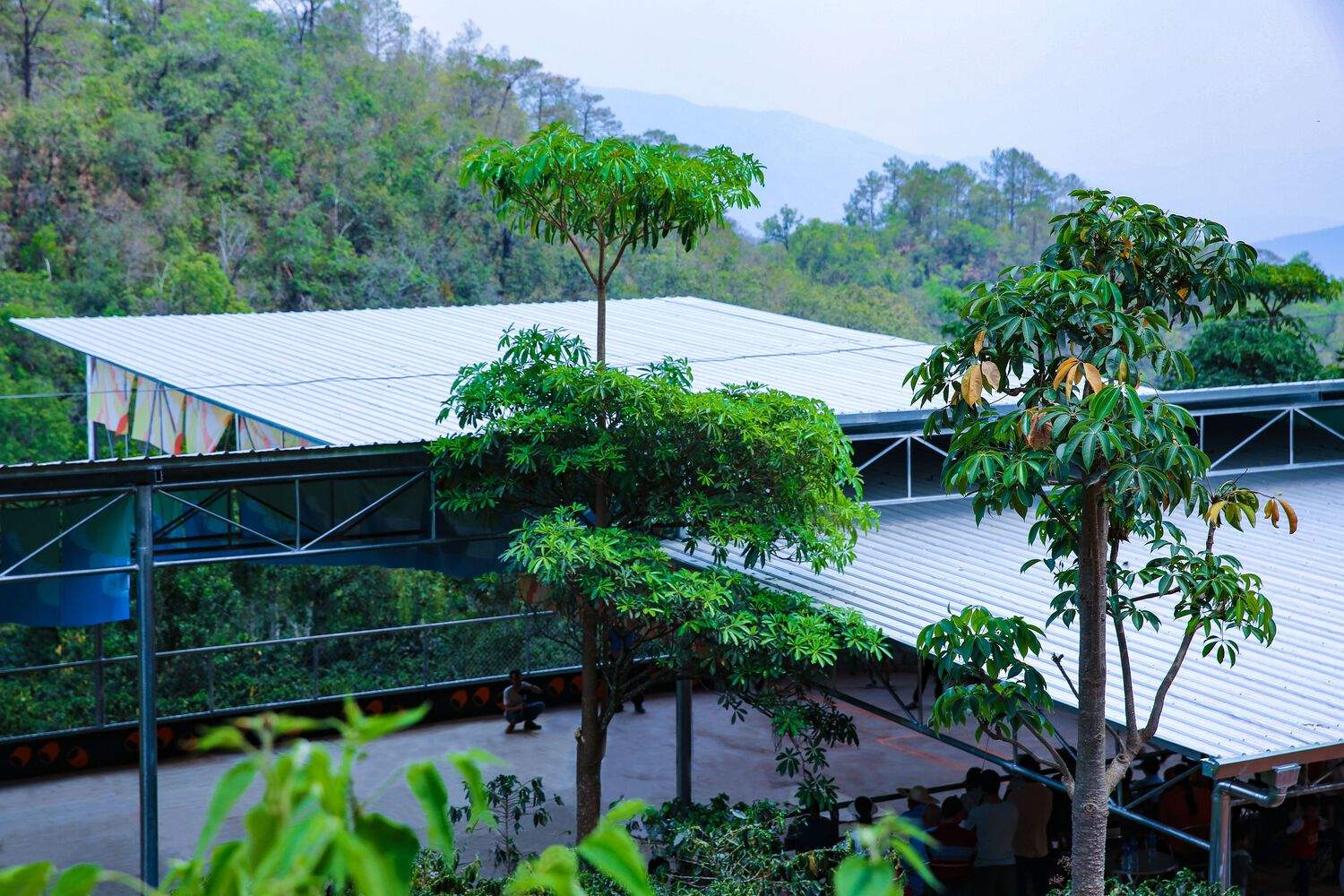
在地材料与设计介入的平衡:项目在材料和建造策略上采取了务实的“在地化”原则,大量使用当地常见的镀锌彩钢瓦和圆钢柱,并采用常见的钢桁架结构。这种选择极大地控制了建造成本,体现了对有限资源的尊重。建筑师的价值在于“组织与调整”这些普通材料的特殊性,将它们转化为具有独特空间品质和场地适应性的结构。这种低干预、高策略的设计思维,使得项目在传承传统文化、促进健康交流的同时,实现了经济、高效的社区基础设施建设。
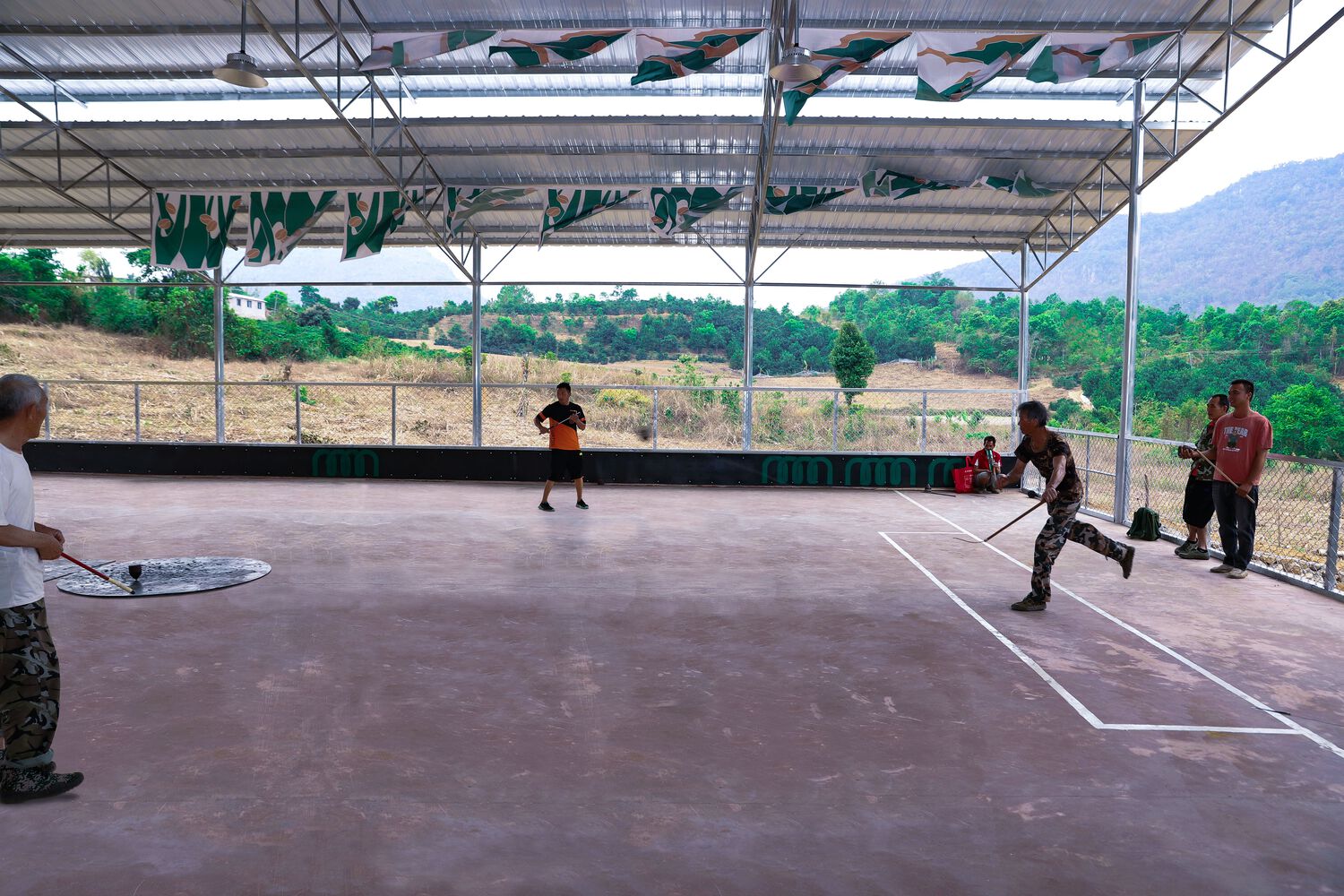
The Flying Tops Arenas are public fitness spaces for the traditional game of spinning tops. The form of the spinning top in flight, along with the continuous undulating red earth of the Yunnan countryside, inspired the design of these two public spaces. The spinning top is a folk competitive sport with a nearly 4,000-year history in regions like Guangxi and Yunnan, and it is already a competition event in the National Ethnic Games.
飞翔陀螺场是进行陀螺运动的公共健身活动场所。陀螺飞旋的形态与云南乡野间连续起伏的红土地,共同启发了这两个公共空间的设计。陀螺是在广西云南等地,有近4千年历史传统的民间竞技运动,已是民族运动会中的比赛项目。
© 众建筑
© 众建筑
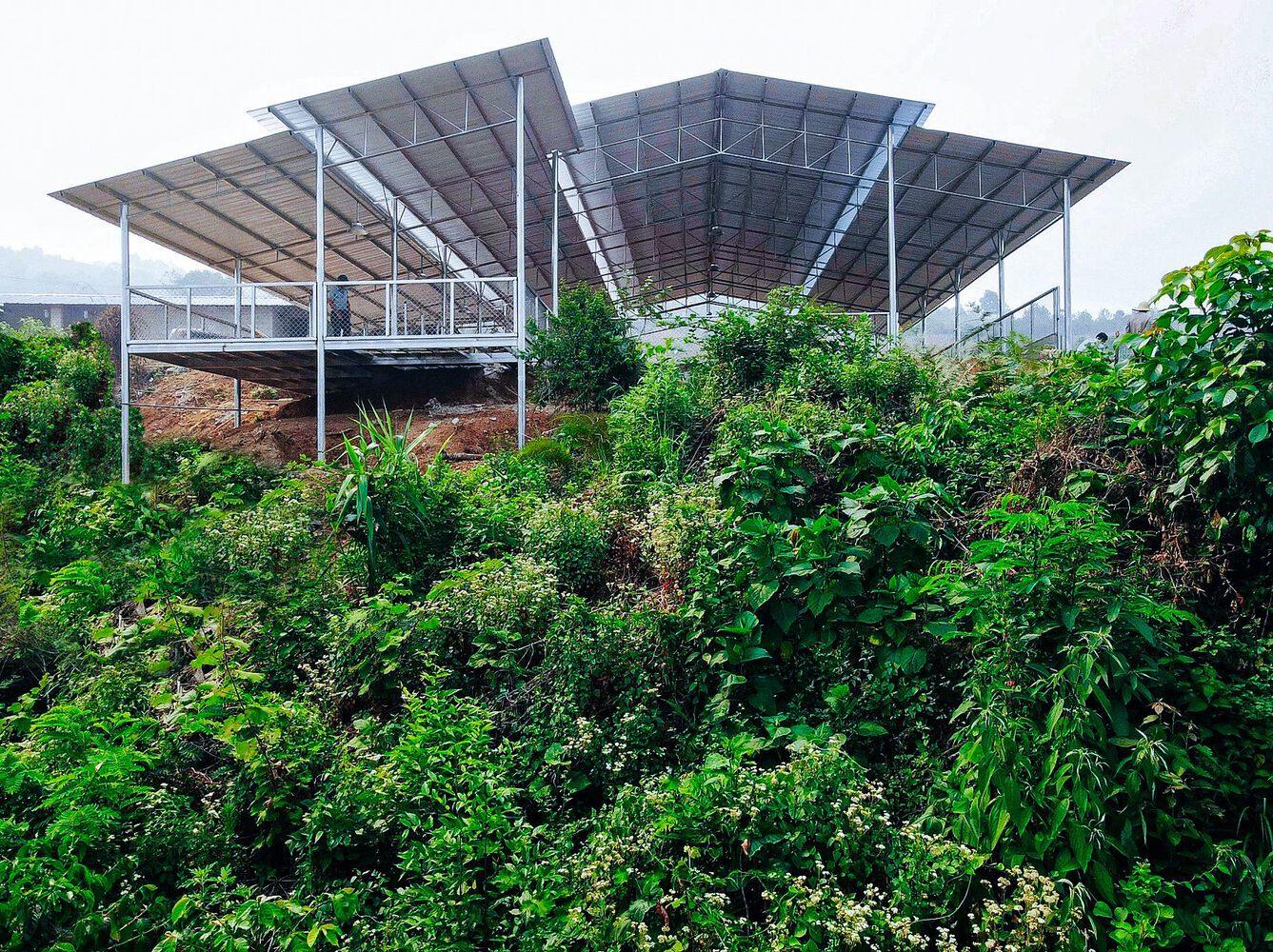
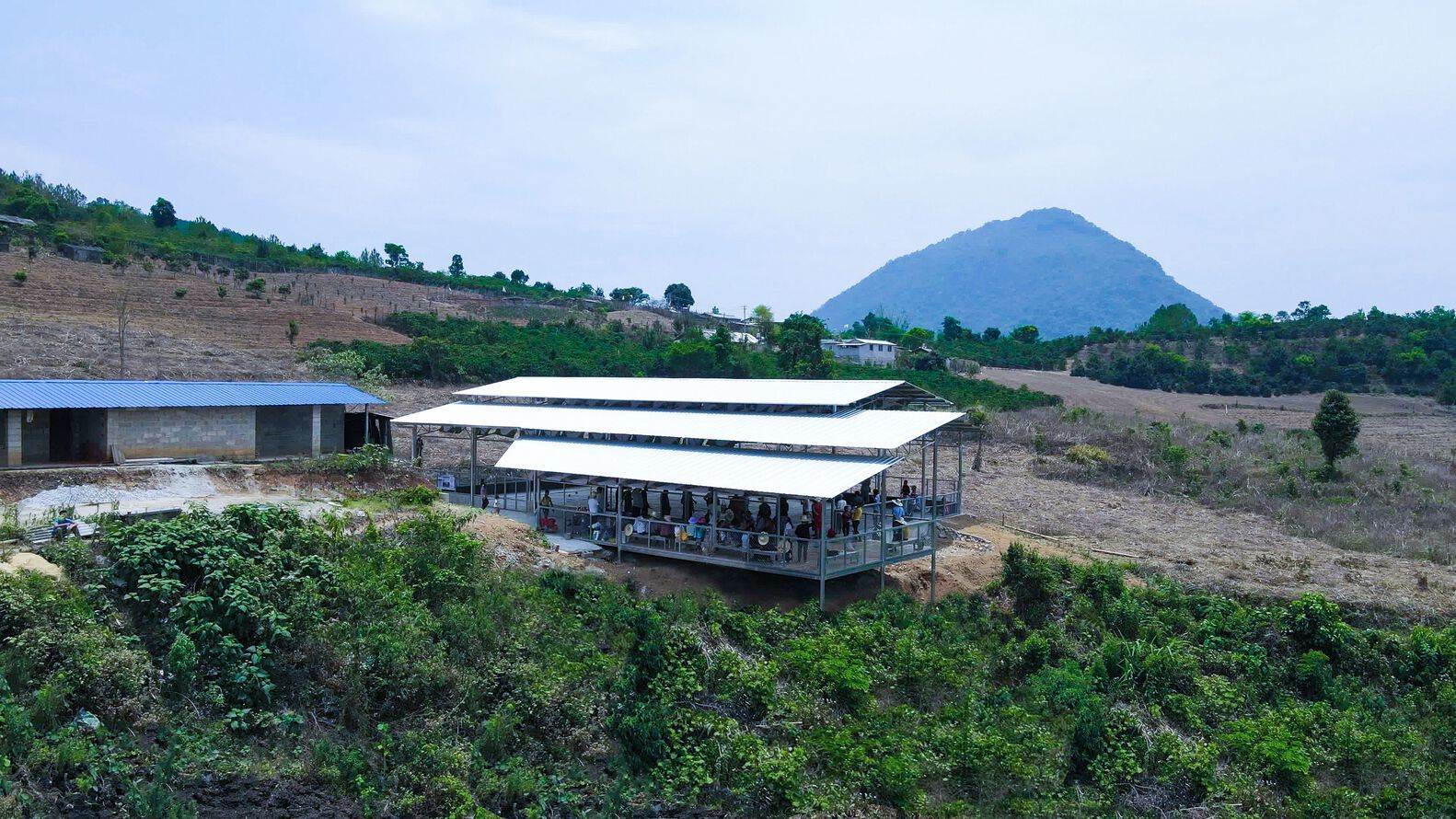
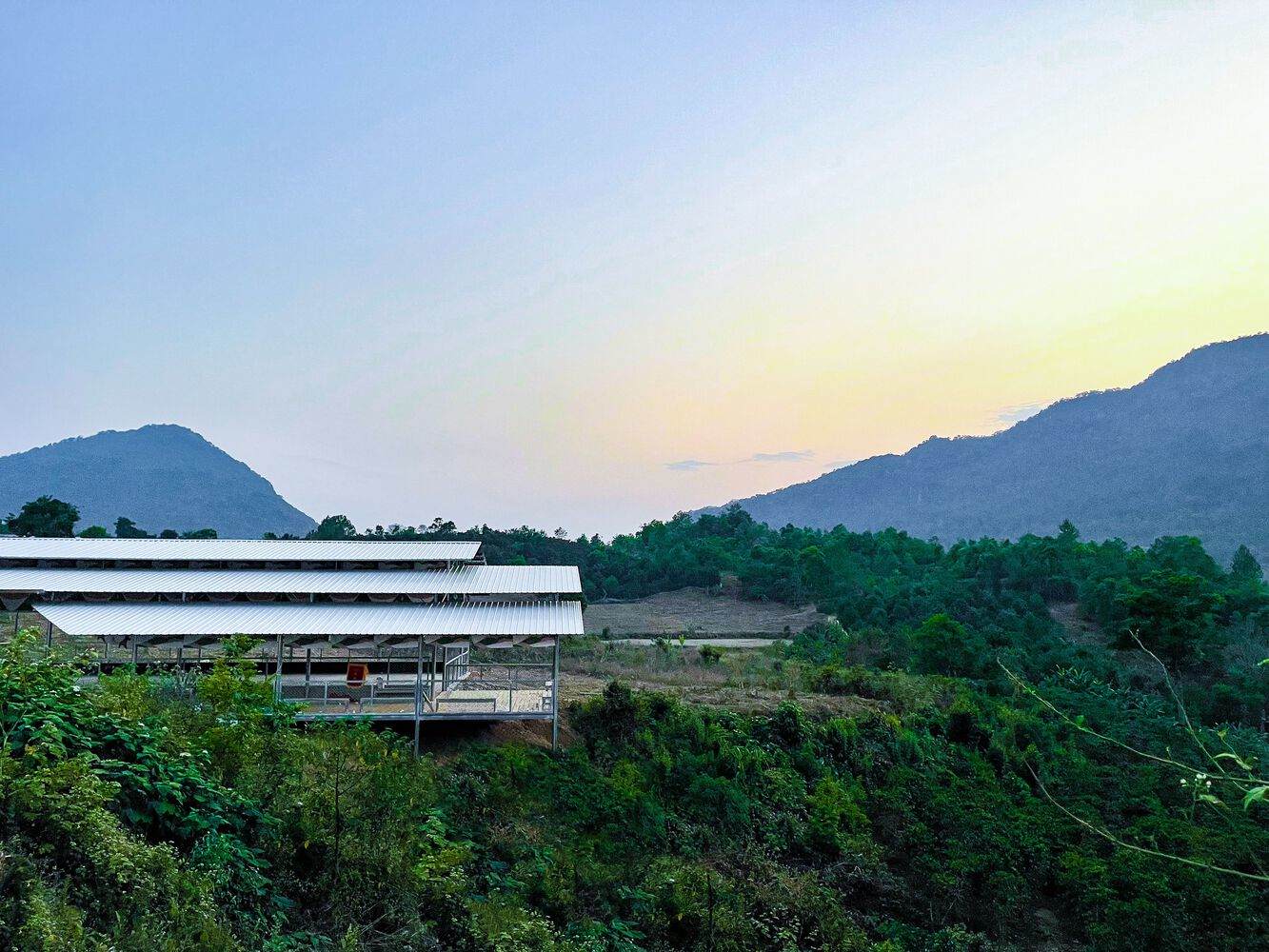
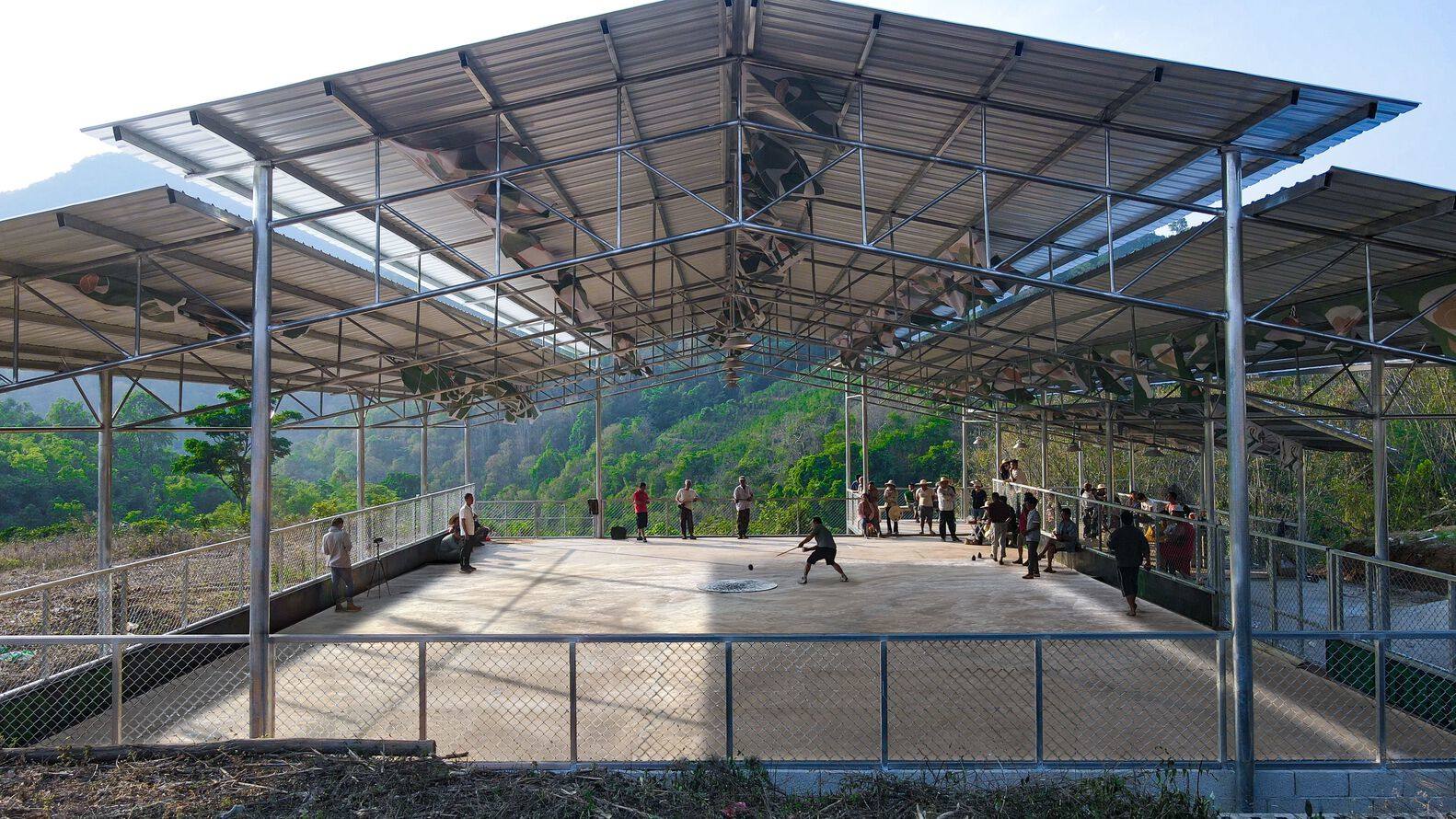
Each spinning top arena responds to its specific site. The Baima Spinning Top Arena is located at the bottom of the valley, the lowest point of the village, visible to every household. The separated roofs unfold and cascade like terraced fields, descending towards the lower coffee fields, establishing a visual similarity between the arena and the surrounding terrain. Inside the arena, the direction in which villagers throw their tops aligns with the direction of the building ridges, amplifying the shouts of athletes and spectators, making them echo through the valley and fostering a sense of community participation.
每个陀螺场都在回应着各自的场地。白马陀螺场选址在山谷底,村庄的最低处,家家户户都能看到,分开的屋顶如梯田般展开跌落,伸向低处的咖啡田,使陀螺场与周围场地建立起视觉的相似性。在陀螺场内部,村民投掷陀螺的方向是建筑屋脊的方向,这放大了运动员与观众们的呐喊声,在山谷间回荡,培育社区的参与感。
© 众建筑
© 众建筑
© 众建筑
© 众建筑
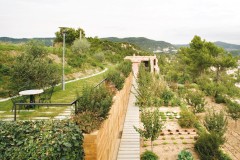
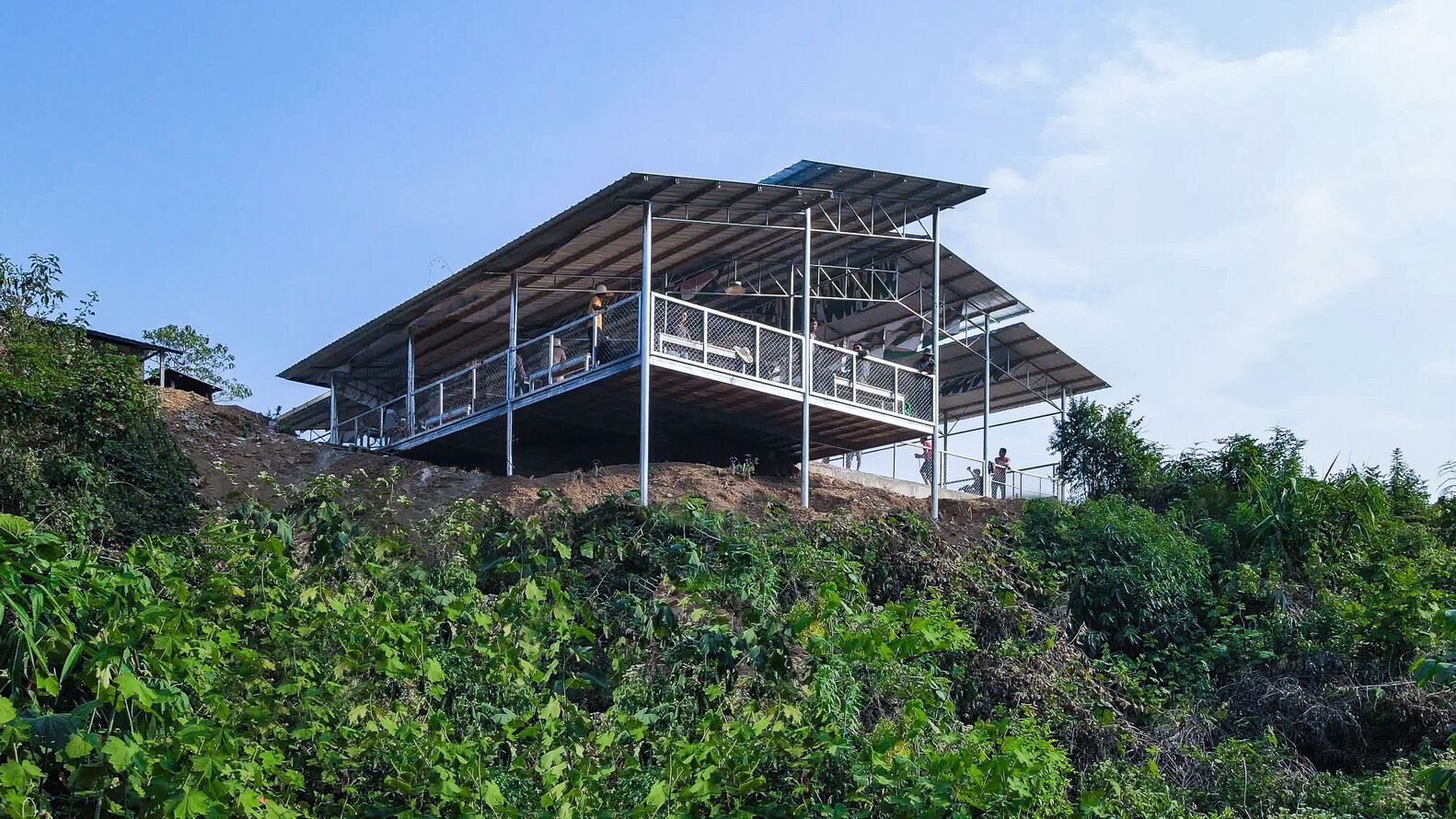
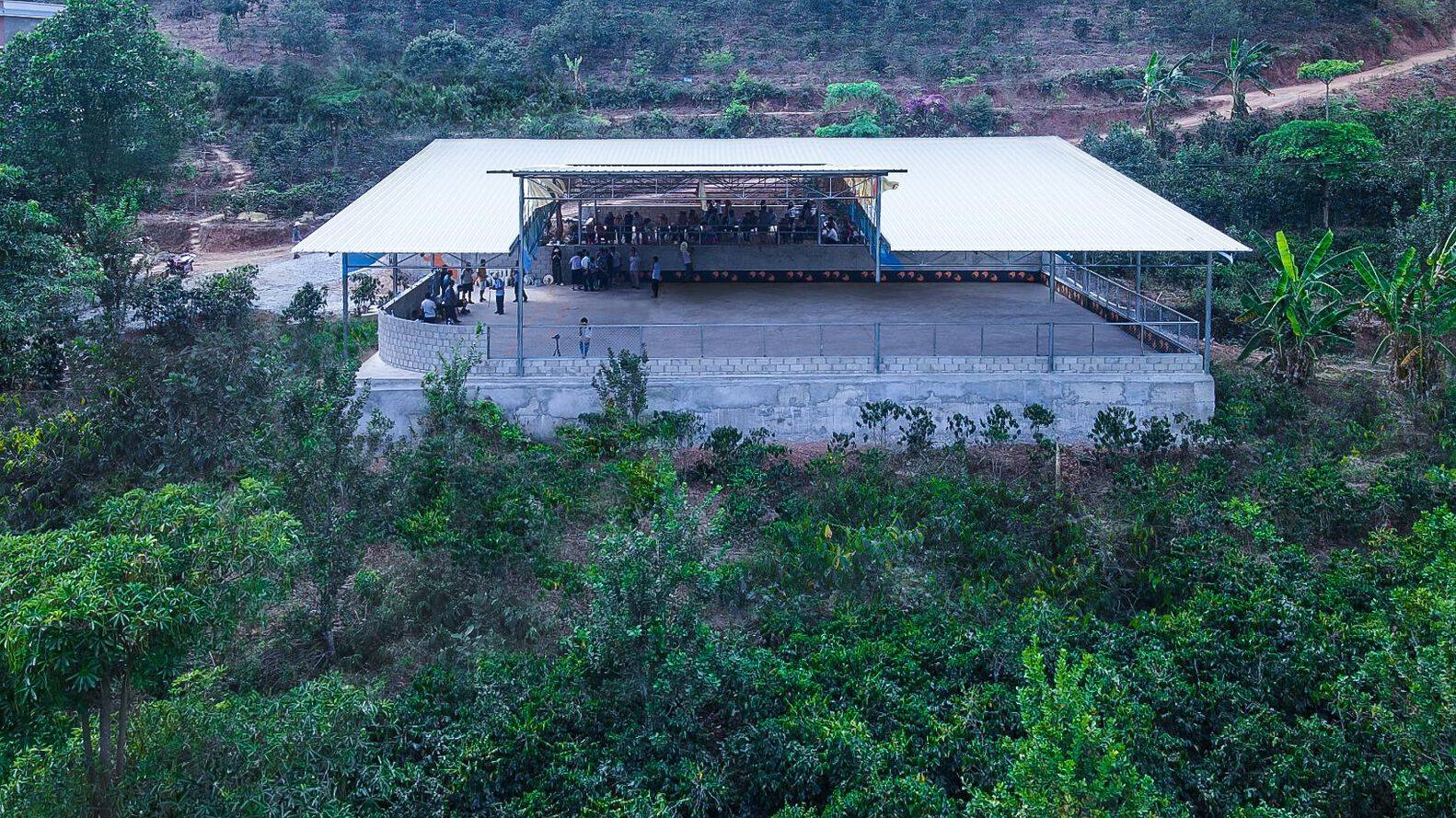
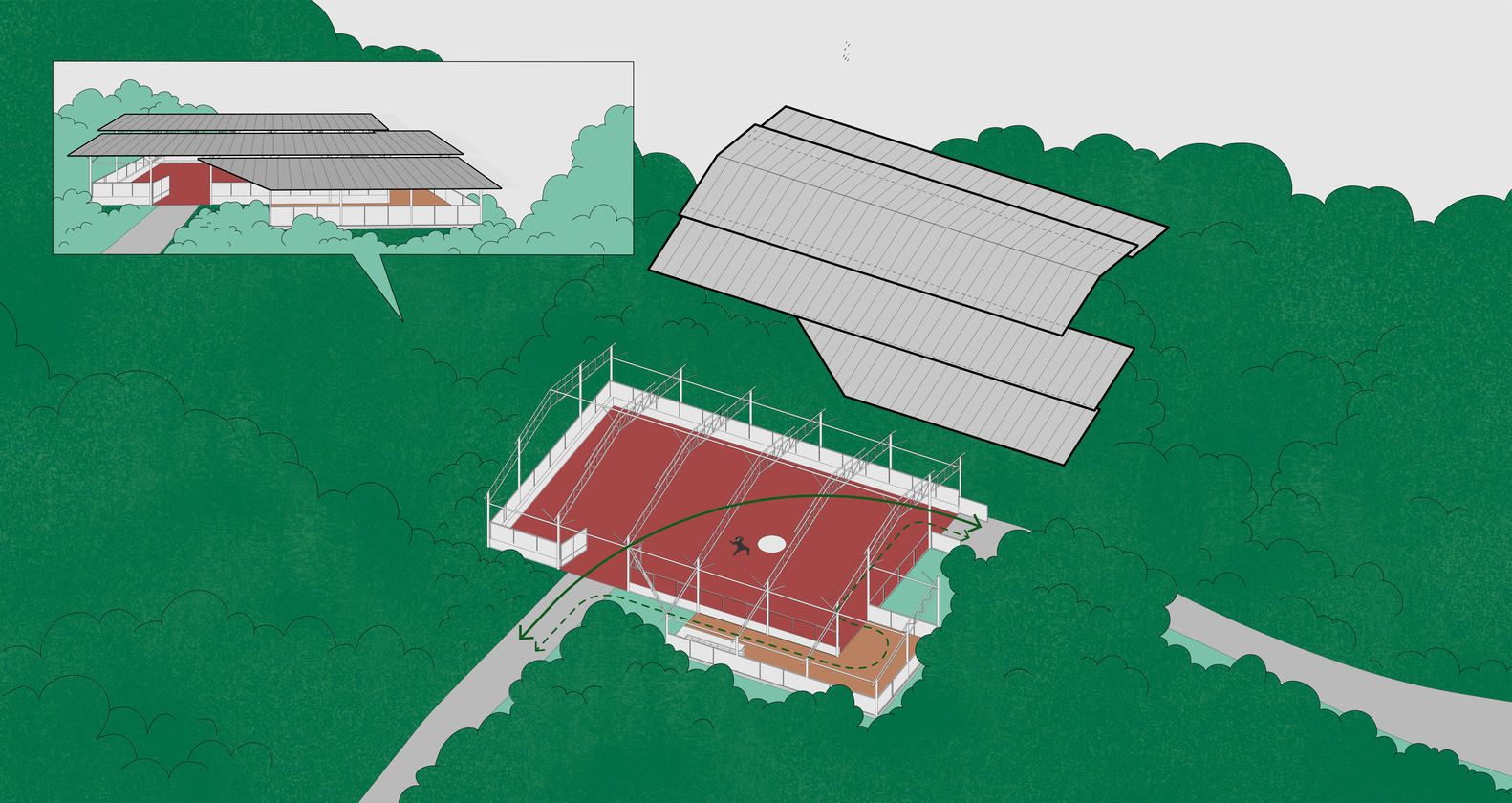
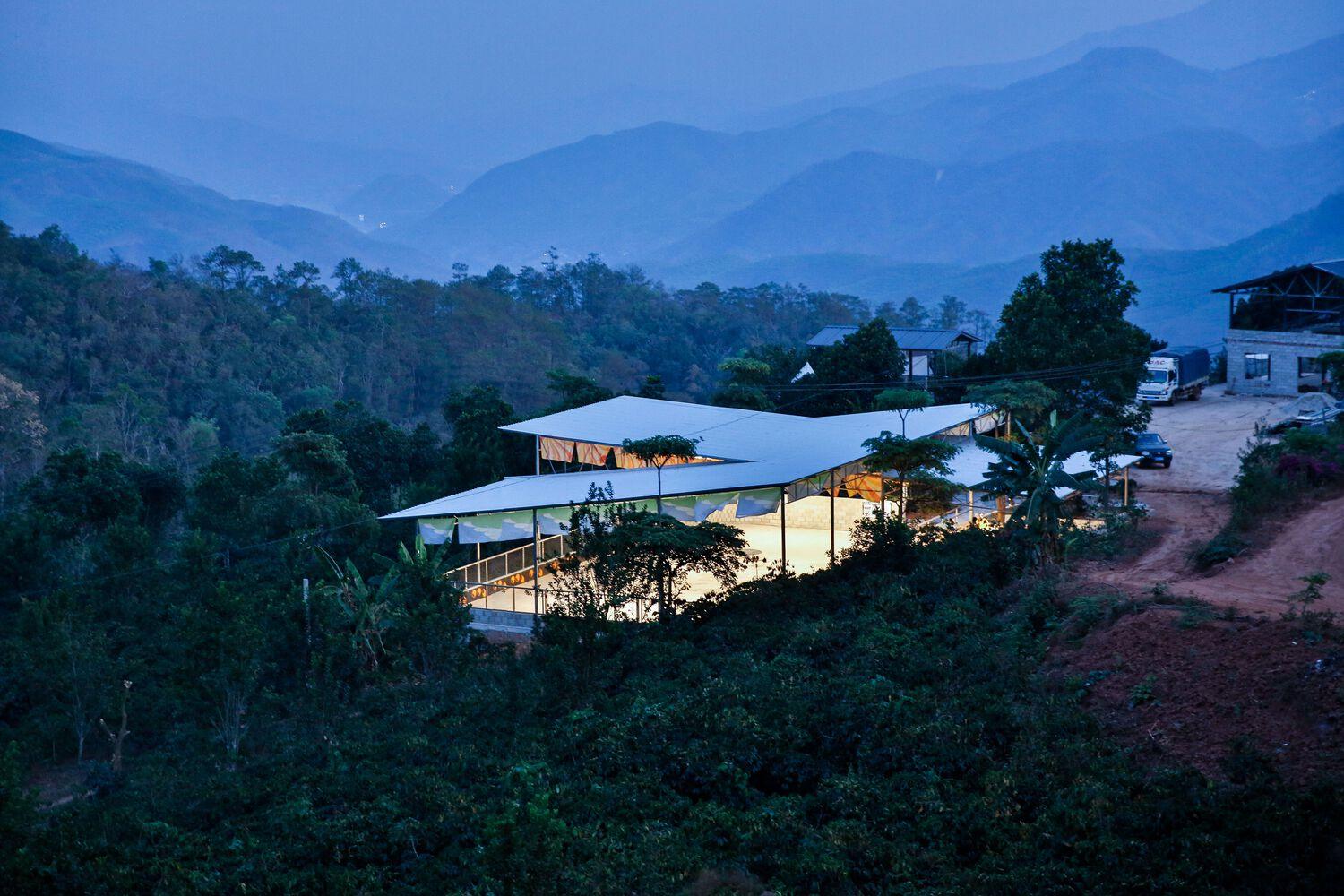
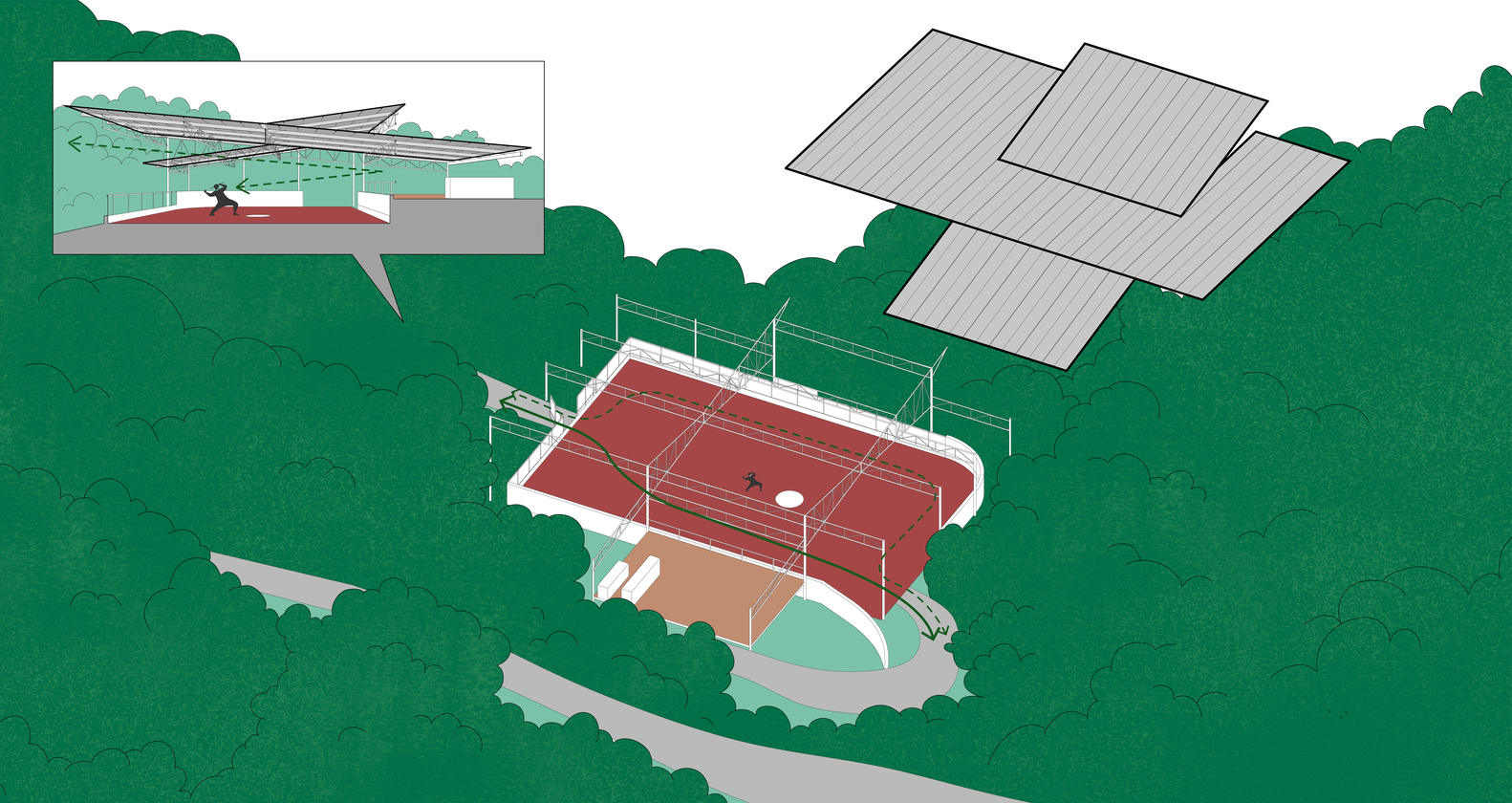
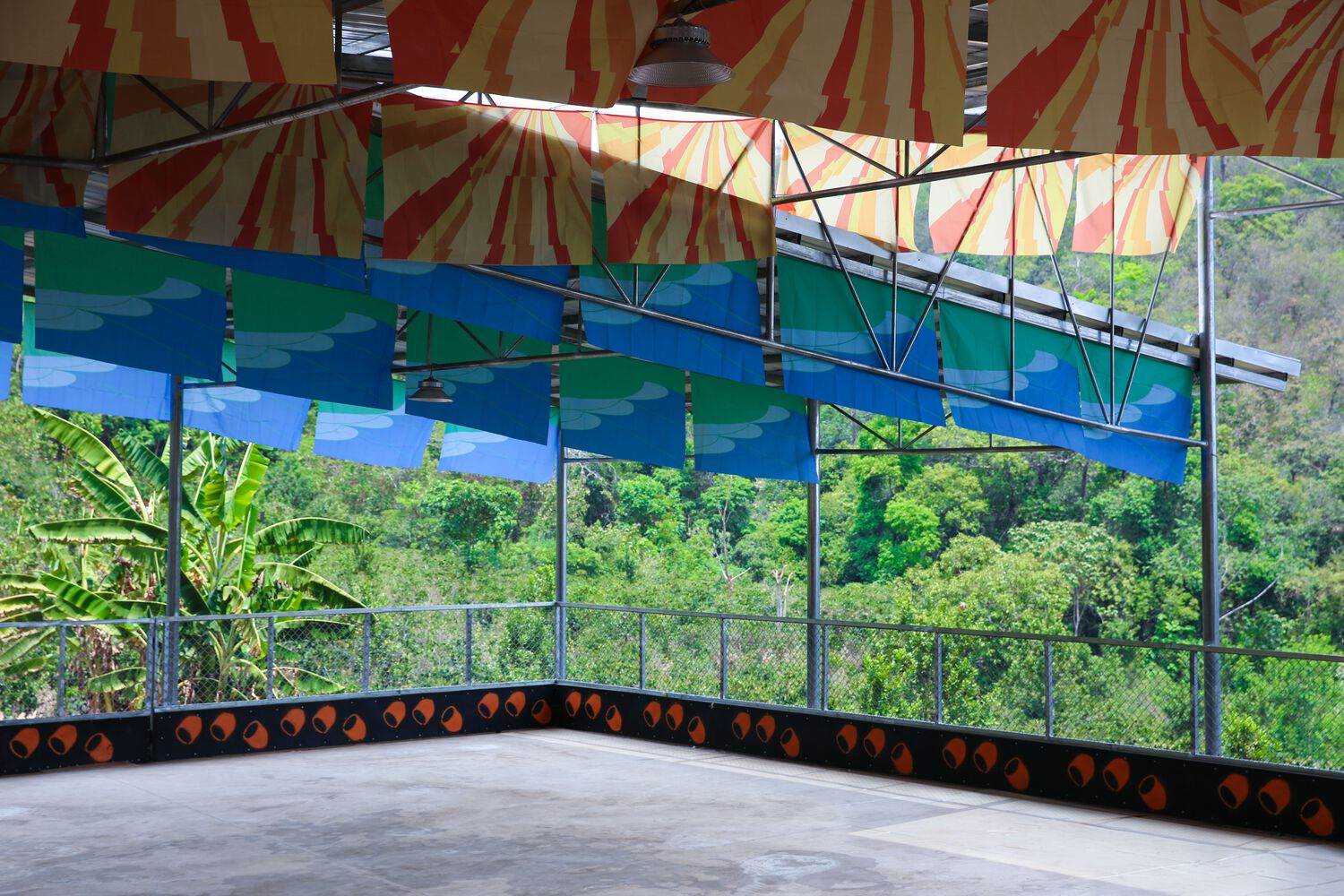
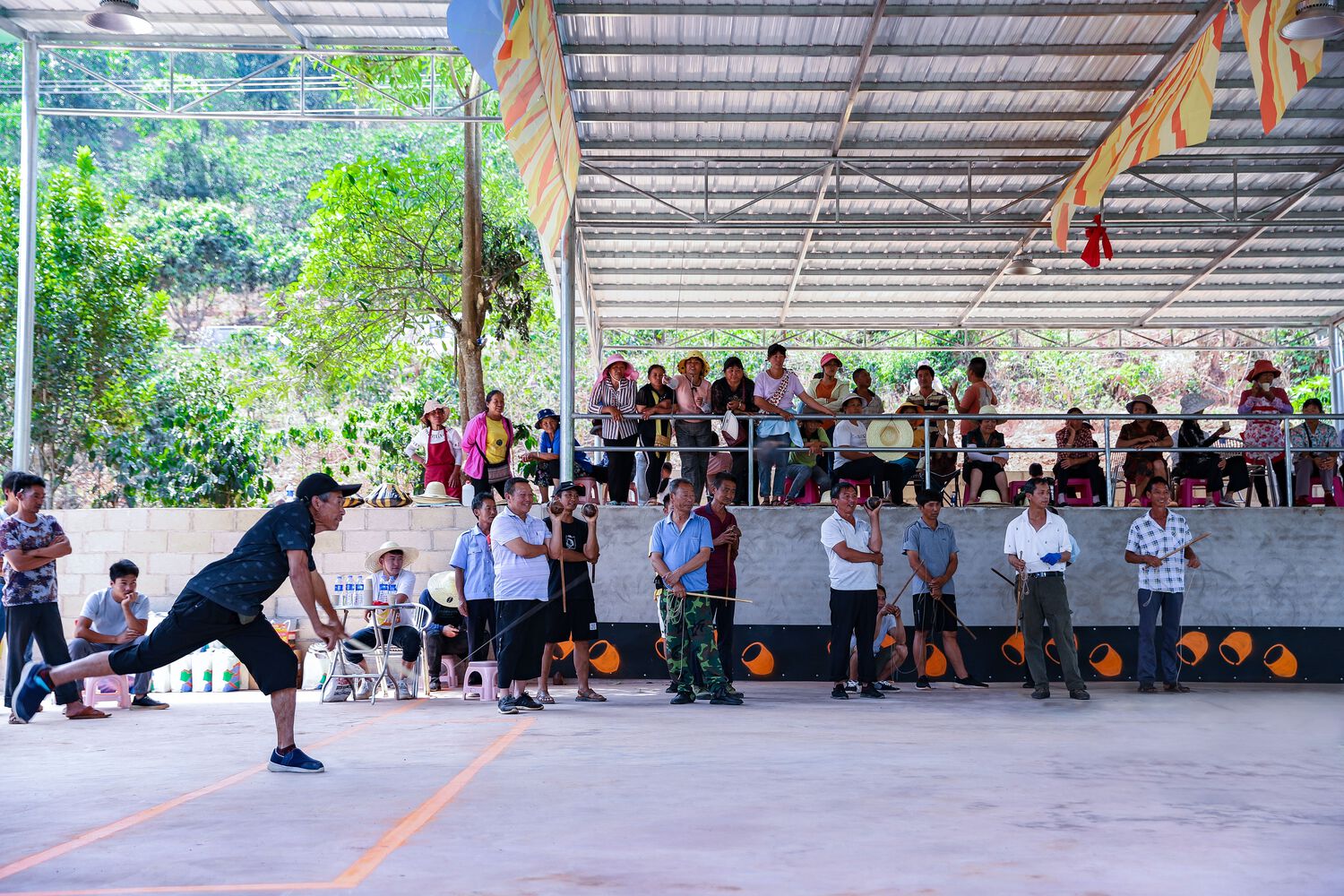
The Qingkai Spinning Top Arena is located along the essential route into the village, built against the slope, allowing villagers to conveniently gather, socialize, exercise, and compete as they pass by. The arena mainly consists of two roof planes: the larger competition area roof slopes downwards, while the smaller spectator area roof rises against the slope, emerging from the larger roof. This configuration creates a horizontal window showcasing the stunning mountains and forests opposite, integrating sports with nature.
而晴开陀螺场位于进村必经道路的一侧,依坡而立,村民们路过之时,可方便地聚会、交流感情,锻炼健身,进行比赛。陀螺场主要为两个屋面,比赛区屋面较大,顺坡而下,观赛区屋顶较小,逆坡向上从大屋面中升起,构造出一个水平的视窗,展现出对面令人惊叹的山脉森林,让体育融入自然之中。
© 众建筑
© 众建筑
The Flying Tops Arenas act as a catalyst for community building. Daily top-spinning activities have curbed excessive drinking and promoted healthier social interaction through exercise. Furthermore, they have increased the possibility for villagers to participate in regional and provincial spinning top events, promoting communication that transcends village boundaries.
飞翔陀螺场是社区建设的催化剂。日常的陀螺活动抑制了过度饮酒,促进了更健康的交流运动。此外,还增加了村民参加地区和省际陀螺活动的可能,促进了跨越村庄界限的交流。
The most common local materials and construction techniques were chosen. Galvanized corrugated metal sheets and round steel columns were directly selected from building material shops at the foot of the mountain, employing the most common local steel truss structural practice. The design work focused on organizing and adjusting for the particularities presented by the site.
选择当地最为常见的材料与工艺。在山下建材店直接选择镀锌彩钢瓦与圆钢柱,采用当地最为常见的钢桁架结构做法,设计的工作在于组织与调整场地所带来的特殊性。
© 众建筑
© 众建筑
The Flying Tops Arenas are a symbol of cultural heritage, community cohesion, and construction with limited resources, providing a space for the inheritance of Yunnan's rural traditions and the protection of health. The project was designed and built by People's Architecture Office with the support of the Leping Foundation.
飞翔陀螺场是文化遗产、社区凝聚力和有限资源建设的象征,为传承云南乡村的传统和保护健康提供了空间。该项目由众建筑设计并建造,并得到了乐平公益基金会的支持。
© 众建筑