Yangpi Village Party and Mass Elderly Care Center/Studio 10
阳陂村党群养老中心 / Studio 10
项目亮点:该项目最令人印象深刻的在于其对场地文脉和当地居民生活方式的深刻理解与尊重。建筑师敏锐地捕捉到了瑶族和客家文化交融的特征,并将其融入设计之中。例如,对传统民居中常见的骑楼和门廊的借鉴,转化为建筑中的半室外灰空间,为村民提供了遮风挡雨、进行社交活动的场所。同时,项目保留了原有的建筑尺度、围合组织和场地内的树木,这体现了设计者对既有环境的尊重和对在地记忆的延续。通过对现有资源的合理利用,以及对当地气候和生活习惯的深入研究,该项目在功能性和文化性之间取得了巧妙的平衡,体现出极高的设计水准。
设计精髓:该项目的设计精髓在于其对“开放性”和“可达性”的追求。建筑师通过设置多个人行出入口和视觉通廊,打破了原有的封闭感,使建筑更好地融入到村庄的整体环境之中。半室外门廊的设置,以及二层屋面的“山坡”设计,都旨在创造更多公共空间,方便村民的活动和交流。此外,项目对建筑材料的运用也颇具匠心。土色质感涂料、复古压花玻璃小窗、空心砖的运用,既呼应了当地民居的特色,又赋予了建筑独特的韵味。这种对细节的关注,使得整个项目在整体风格上与周边环境和谐统一,同时也展现出设计师对地域文化的深刻理解。
总体评价:阳陂村党群养老中心是一个兼具实用性、文化性和社会责任感的优秀建筑作品。它不仅为当地老人提供了日间活动、照料和休息的场所,也为村民创造了一个重要的公共活动中心。项目的成功,很大程度上得益于建筑师对当地环境和居民需求的深入调研。通过巧妙的空间布局、对材料的精准运用,以及对当地文化元素的巧妙提炼,建筑师将这座建筑打造成为一个充满活力、贴近生活,并具有独特文化魅力的场所。该项目为乡村振兴背景下的建筑设计提供了有益的经验,它证明了在尊重传统文化和适应现代生活需求的背景下,建筑可以发挥更积极的社会作用。
© Arch Nango
© Arch Nango
Yangpi Village Party and Mass Elderly Care Center is located in Ruyuan Yao Autonomous County, Shaoguan City, northern Guangdong Province. It is a traditional residential area for Yao and Hakka people, surrounded by mountains and developed water systems. As one of the important settlements of the Yao ethnic group, Ruyuan Yao Autonomous County has rich ethnic cultural characteristics and historical traditions. With the promotion of rural revitalization, some Yao residents have migrated to newly built affordable housing in the county, but there are still elderly people who choose to stay in traditional mountainous Yao villages. In addition, the Hakka people in Ruyuan County mainly live in plain villages and make a living through agriculture. The local culture is influenced by both Yao and Hakka cultures, presenting rich and diverse characteristics.
阳陂村党群养老中心位于粤北韶关市乳源瑶族自治县,这里是瑶族和客家人的传统居住区,群山环绕,水系发达。乳源瑶族自治县作为瑶族的重要聚居地之一,拥有丰富的民族文化特色和历史传统。随着乡村振兴的推进,部分瑶族居民迁移到县里的新建安居房,但仍有老人选择留在传统的山区瑶寨中。此外,乳源县的客家人主要居住于平原村落,以农业为生,当地文化由瑶族和客家文化共同影响,呈现出丰富、多元的特征。
© 张超
© 张超
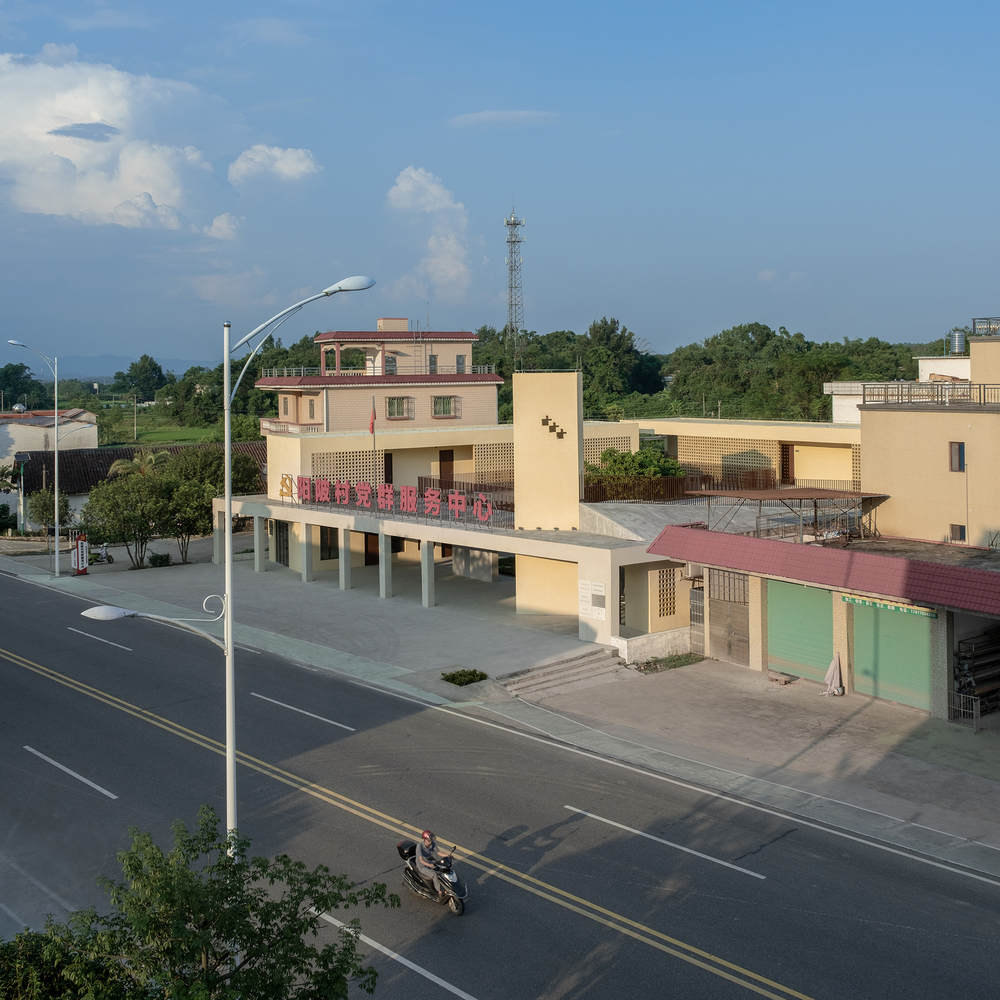
Due to comprehensive reasons such as geography and history, the mountainous areas in northern Guangdong are one of the key areas for rural revitalization and targeted poverty alleviation in the province. This project is also one of the nodes of the "demonstration belt for rural revitalization in multiple towns of Ruyuan Yao Autonomous County". The Hakka village where the project is located, Luoyangpi Village, is divided into two by the north-south S250 Provincial Road. The project site is adjacent to the east side of the provincial road, and there is a tributary of the Wujiang River, Xinjie Shuichuan, flowing through it not far from the south.
由于地理、历史等综合原因,粤北山区是省内乡村振兴与精准扶贫的重点区域之一,本项目也是 “乳源瑶族自治县多镇连片乡村振兴示范带“的节点之一。项目所在的客家村落阳陂村被南北向的S250省道一分为二,项目基地紧邻省道东侧,南侧不远处有武江支流新街水川流而过。
© 张超
© 张超
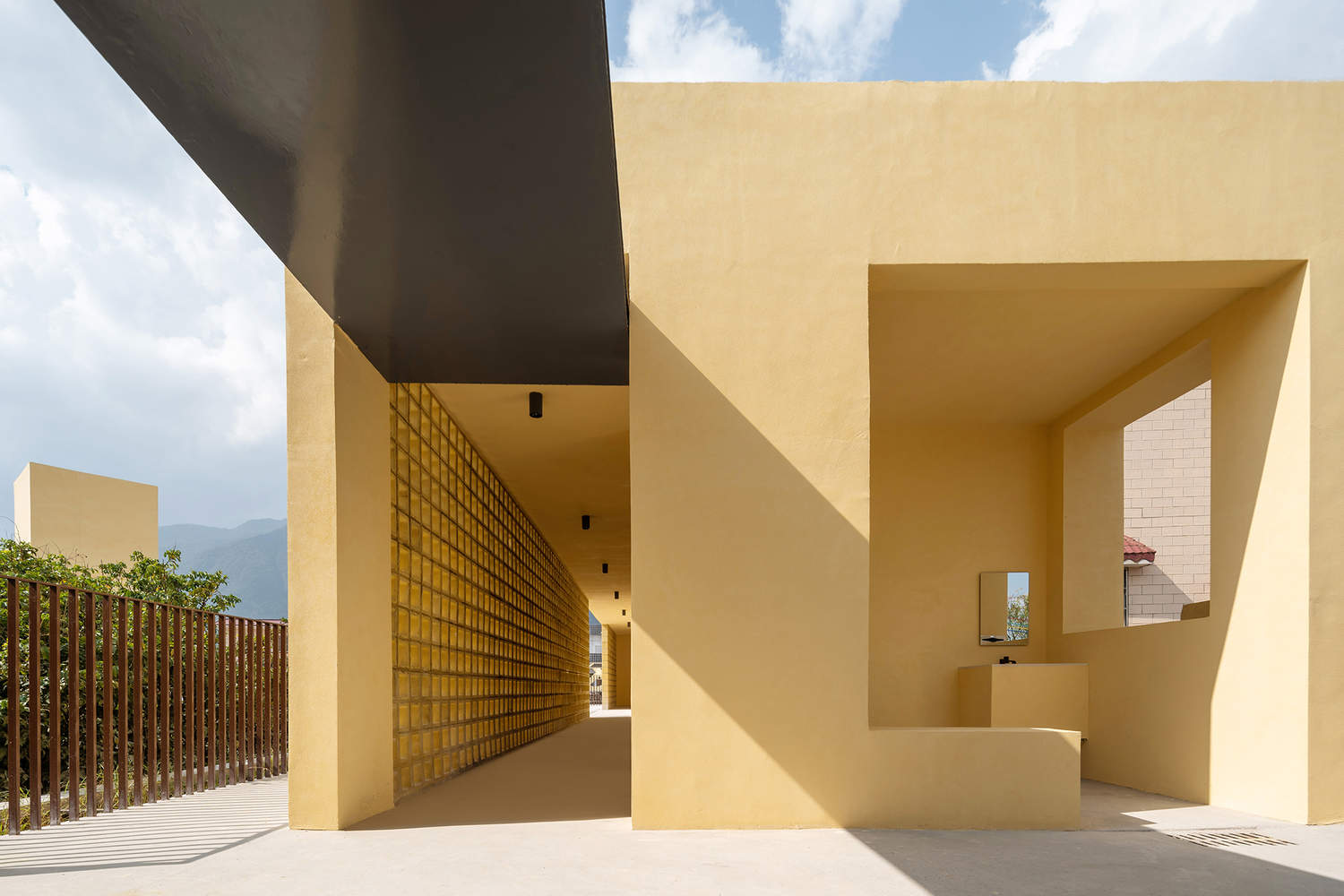
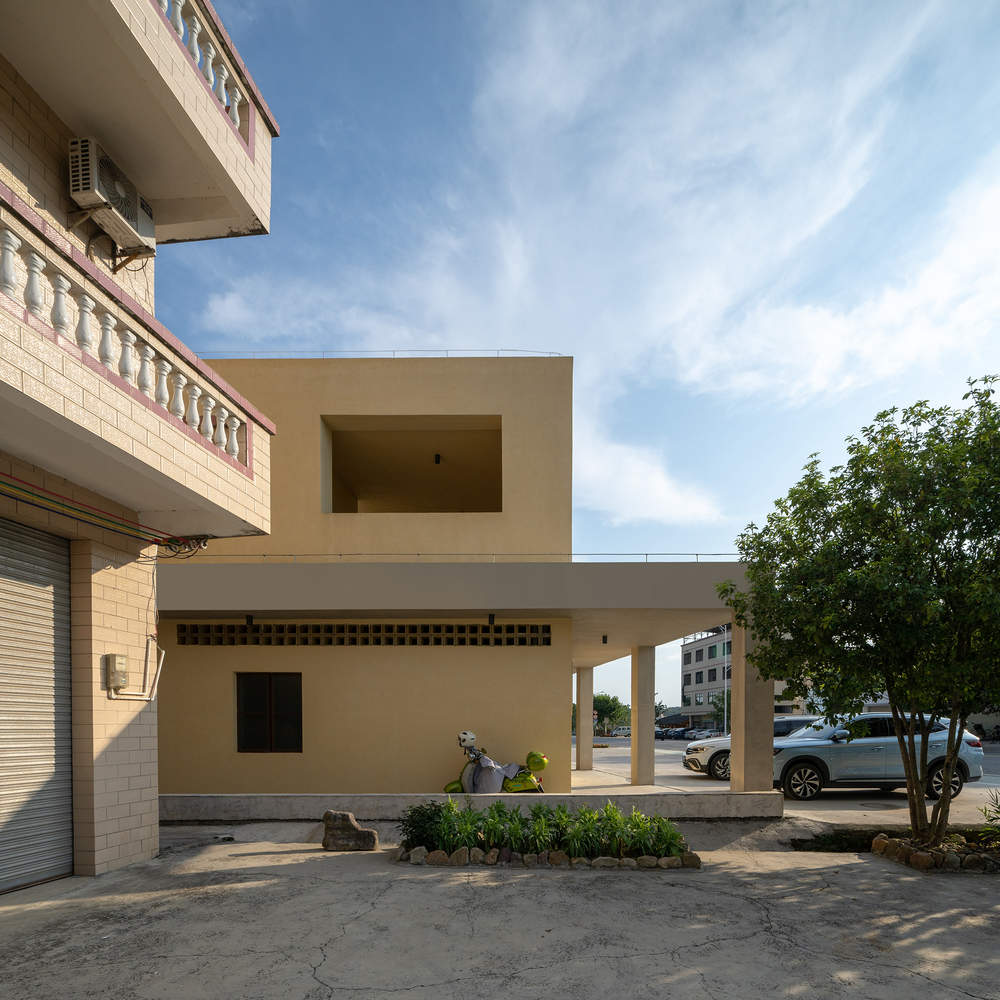
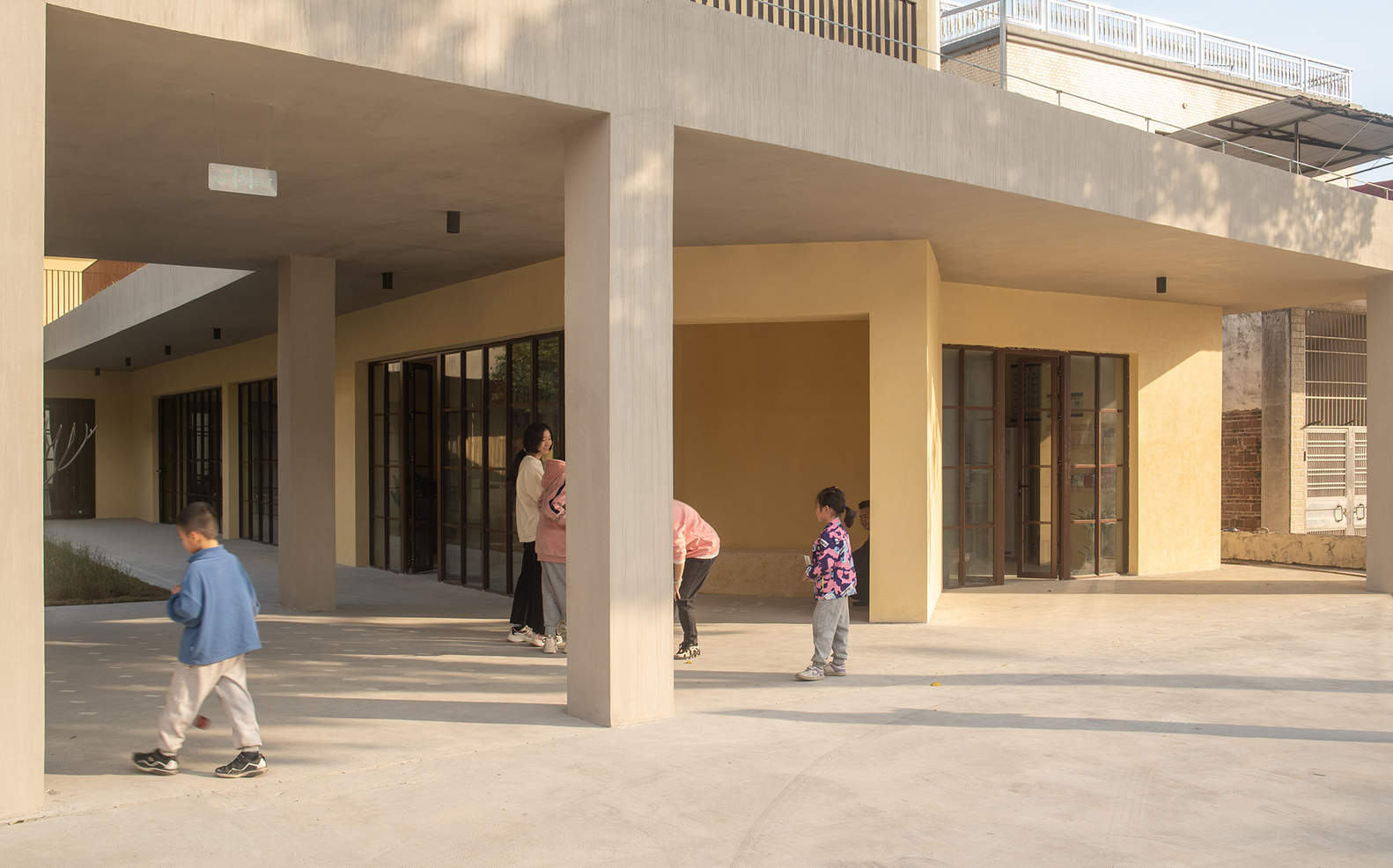
In our preliminary research, we found that the architectural style in the area is influenced by the local multiculturalism and the hot, humid, and rainy climate of the mountainous areas. Most of the Yao villages, Hakka traditional residences, and newly built buildings in the town have arcade or porch along the street. This semi outdoor gray space is convenient for outdoor activities in rainy days and is an important public living place popular among villagers. However, Yangpi Village, where the base is located, lacks such semi outdoor public spaces. We also understand that the aging characteristics of the permanent population in the village are obvious, mostly consisting of left behind elderly and children. Young adults mostly work in big cities within the province and can only visit their hometowns during holidays; Therefore, the Party and Mass Center has an elderly day care center, which includes elderly living rooms, bathrooms/shower rooms, health rooms, activity rooms, and canteens. It provides a place for nearby elderly people to engage in daytime activities, eat, and rest, as well as long-term care facilities for disabled elderly people.
我们在前期调研中发现,区域内的建筑风貌受到当地多元文化和山区炎热、湿润多雨的气候影响,瑶寨、客家传统民居及镇里新建楼房大都沿街设有骑楼或门廊,这种半室外灰空间方便雨天户外活动,是很受村民欢迎的重要公共生活场所,然而基地所在的杨陂村缺少这类半室外公共空间。我们也了解到村里的常住人口老龄化特征明显,多为留守老人和儿童,青壮年多在省内大城市务工,节假日才得以返乡探望;因此,党群中心设有老人日托中心,包含老人居室、卫生间/淋浴室,健康室、活动室和食堂,为附近的老人提供日间活动、吃饭、休息的场所,也可以为失能老人提供长期照料的设施。
© 张超
© Arch Nango
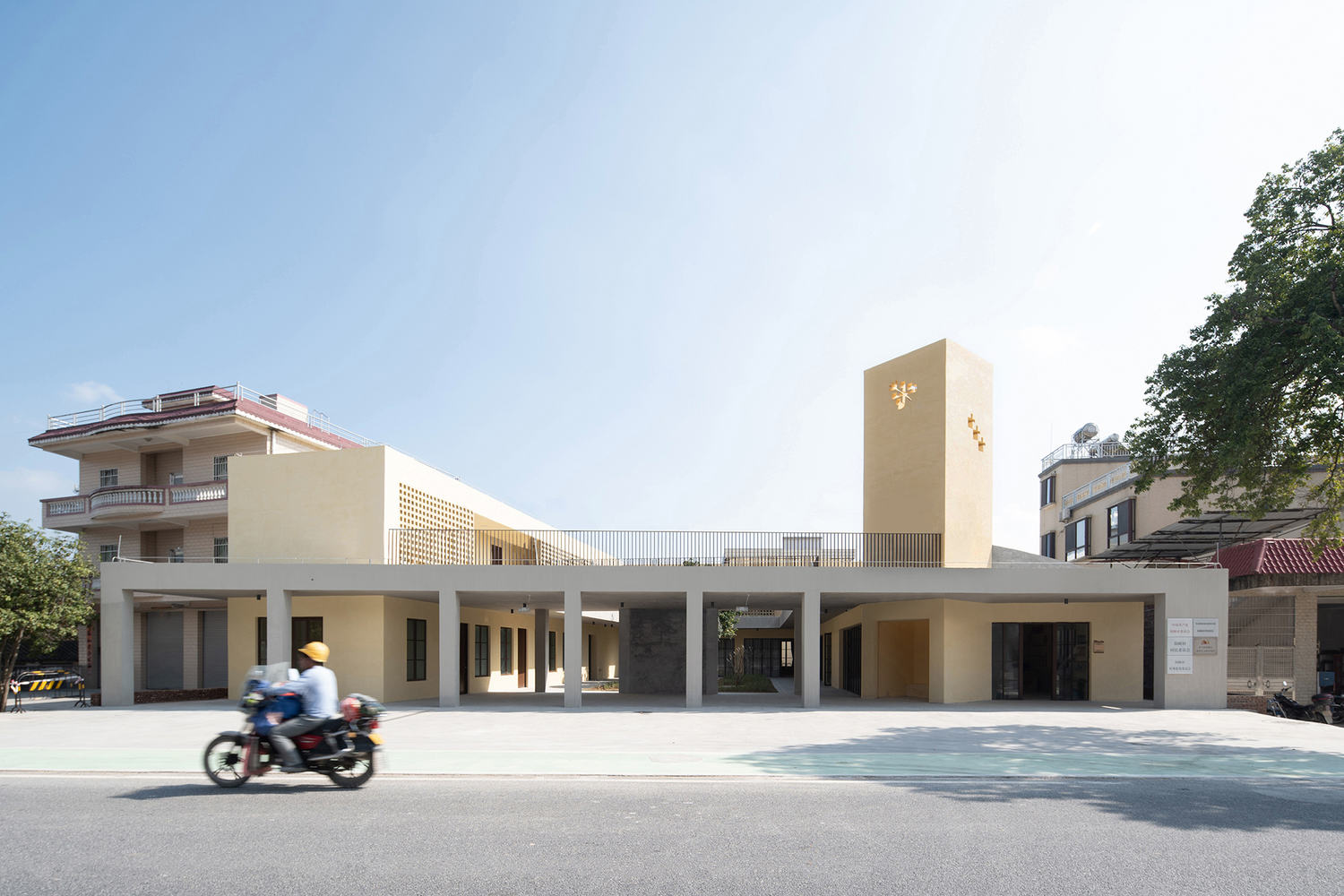
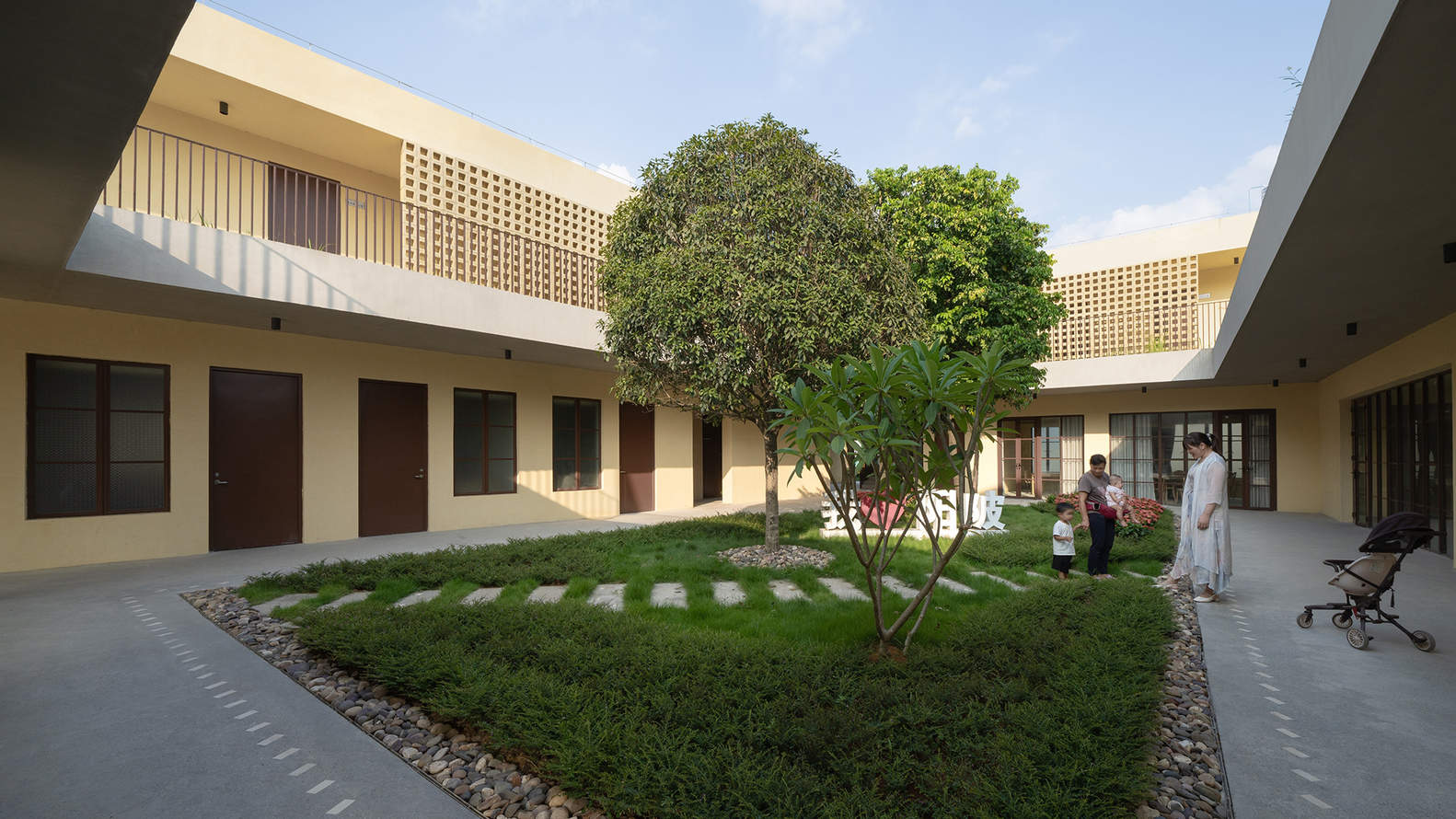
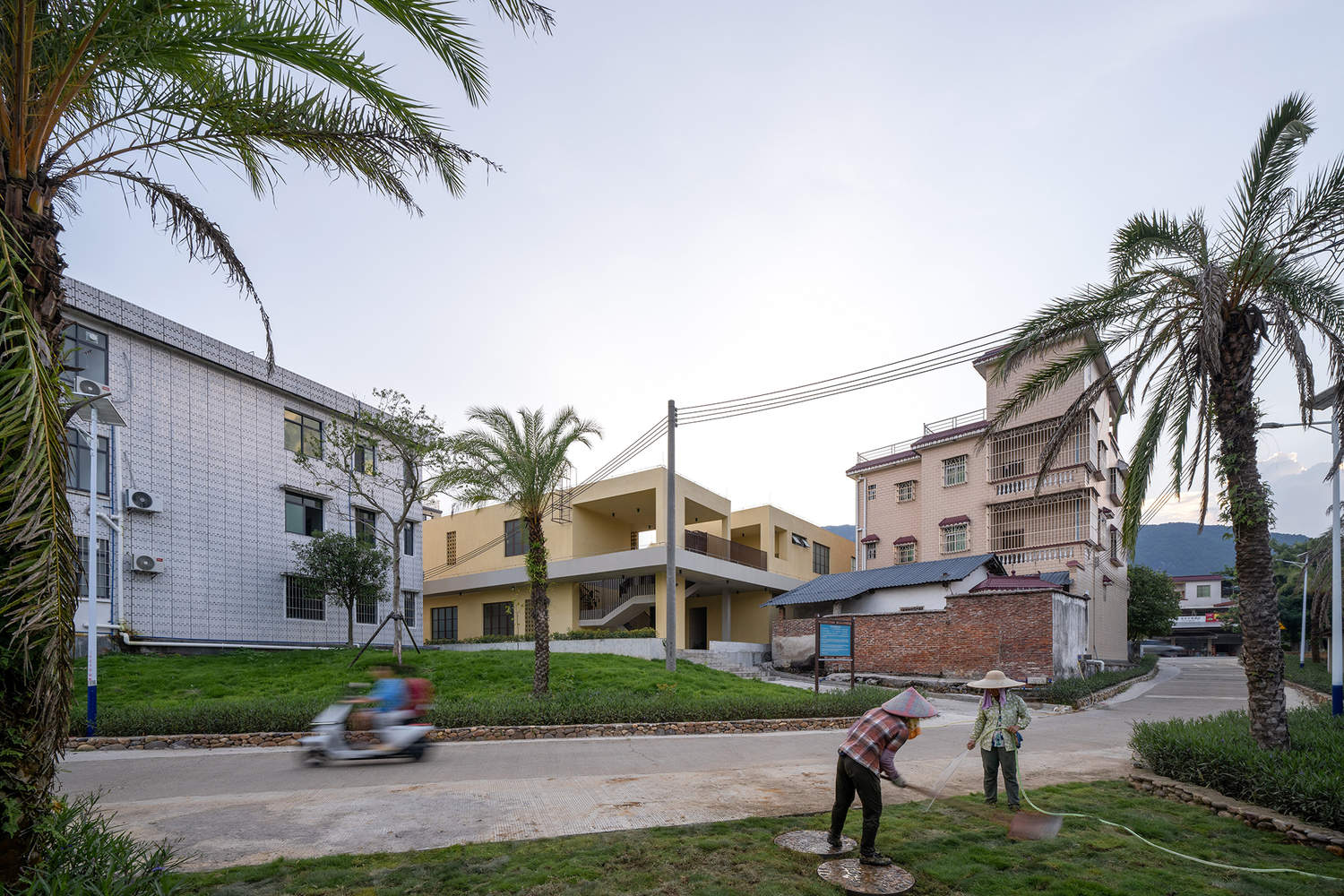
There are several temporary buildings surrounding a closed inner courtyard on the original site, with eaves and corridors along the inner courtyard; There are three small trees in the courtyard, and a towering tree by the roadside at the entrance. We have retained the architectural scale, enclosure organization, and trees within the original courtyard space, and added entrances and exits on this basis to open up the inner courtyard, hoping that the project will be more open, accessible, and public.
原基地有几栋临时建筑围绕出一个封闭的内院,沿内院有挑檐外廊;院内有三棵小树,门口路边则有一棵参天大树。我们保留了原庭院空间的建筑尺度、围合组织方式和场地内的树木,并在此基础上增加出入口,打开内庭院,希望项目更开放、可达、公共。
© 张超
© Arch Nango
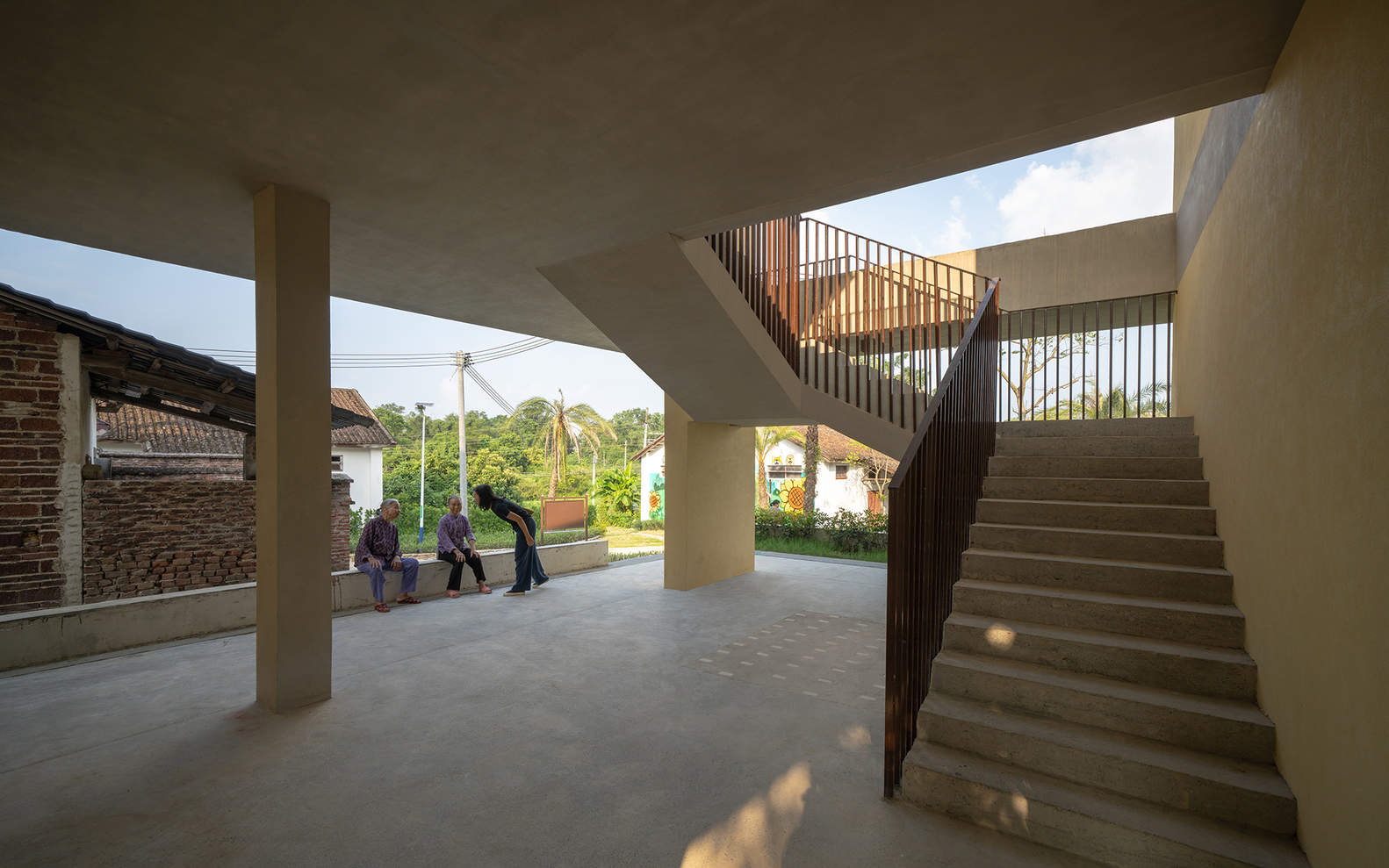
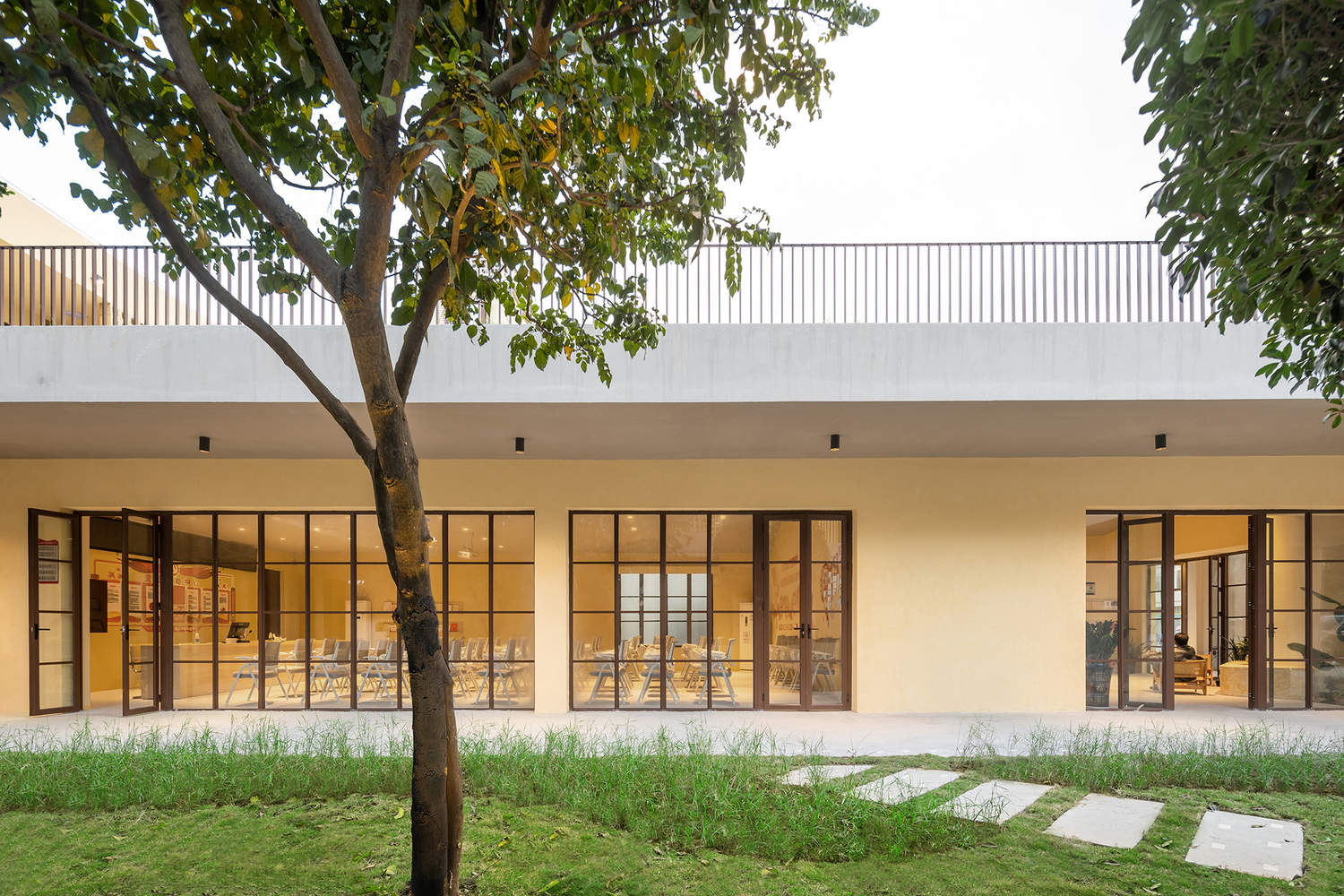
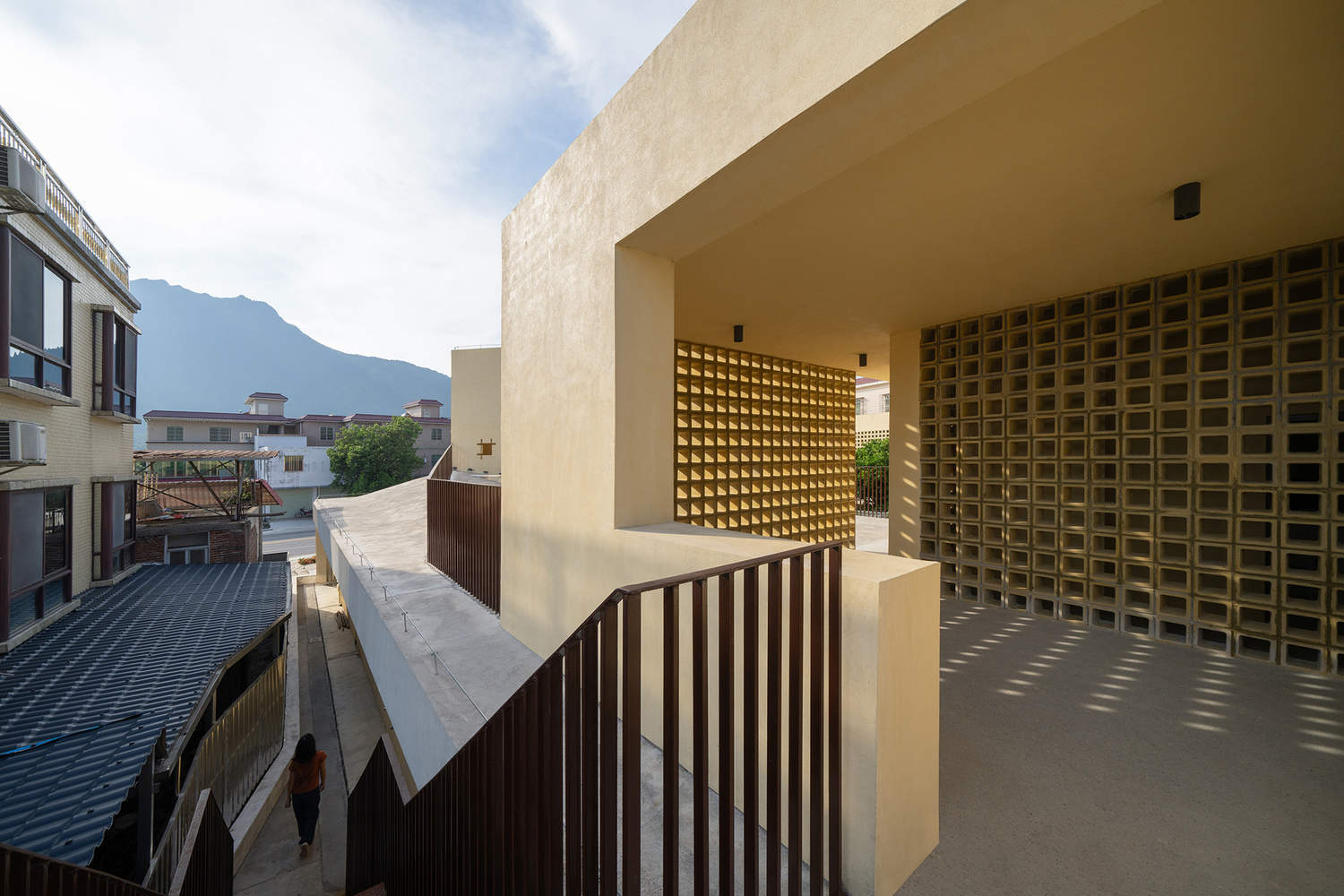
The first floor of the project is equipped with multiple pedestrian entrances and visual corridors. There is a semi outdoor porch area along one side of the provincial road, which opens up the originally inward courtyard and makes it more visible and accessible to the villagers on both sides of the provincial road. A new secondary entrance has been added near the staircase in the northeast corner of the project, connecting to the main road leading to the village. Villagers on the east side can see the green plants and activities inside the courtyard through the opening, and it is also convenient to walk there. The porch and inner courtyard corridor form a closed-loop public corridor system, connecting the front and rear entrances and exits, and also facilitating personnel stay and activities.
项目首层设置了多个人行出入口和多条视觉通廊。沿省道一侧设有一处半室外门廊区,打开原本内向的庭院,使其对省道两侧的村民更可见、可达。项目东北角靠近楼梯间位置也新增一个次入口,连至进村主路,东侧村民可透过开口看见庭院内部的绿植和活动,也可方便地步行到达。门廊和内院走廊形成闭环的公共回廊系统,连通前后出入口,也方便人员停留、活动。
© Arch Nango
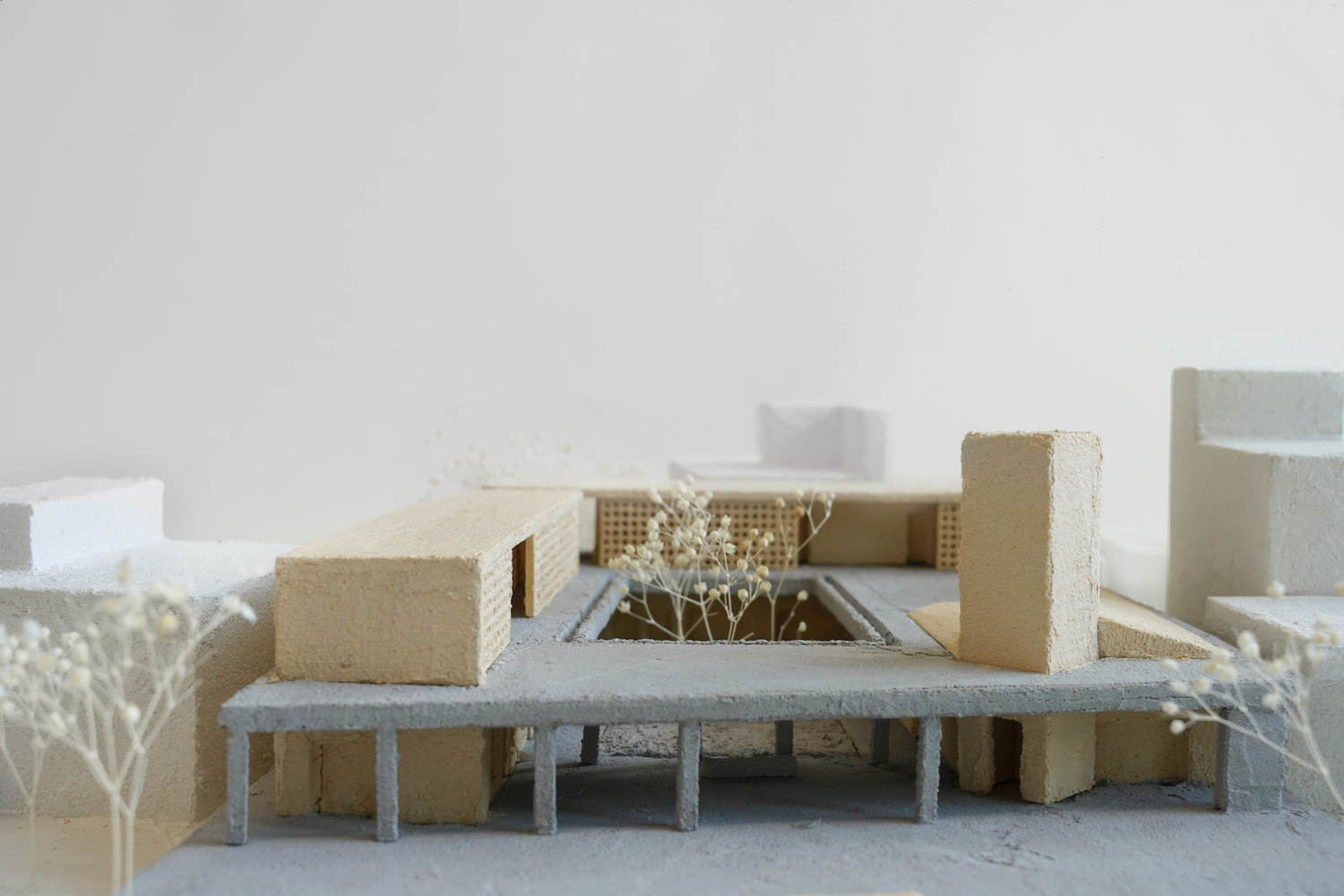
The building functions consist of three parts: public services, elderly care and day care, and office. They roughly follow the distribution of the original site building blocks around the courtyard. These scattered single story, double story, or high-rise independent blocks are connected by the eaves of the overall building slab added on the second floor. The gray space is naturally formed below the floor slab, while the open area above the floor slab serves as the planting area and public activity platform on the second floor roof. We will reserve the northern block with the best lighting conditions and the most convenient access to the first floor courtyard for the elderly's living room. These rooms can face the courtyard and open windows to ensure natural lighting and north-south ventilation. The southern wing is equipped with a comprehensive service hall and a multifunctional hall with strong public nature and high personnel flow. The former is the main space for external services. In addition to the entrance to the courtyard, there is also a separate main entrance facing the provincial road, which is convenient for serving the people who come to work on the side of the road. On the east side, daycare related or shared functions with public services will be arranged, connecting the transitional north and south wings.
建筑功能由公共服务、养老日托和办公三部分组成,他们大致遵循原场地建筑体块围绕庭院分布,这些散布的单层、双层或通高独立体块由二层新增的整体大楼板挑檐连结,楼板以下自然形成灰空间,而楼板以上的开放区域则作为二层屋面种植区和公共活动平台。我们将首层庭院光照条件最好、到达最便利的北侧体块留给老人居室,这些房间可面对庭院开窗开门,保证南向自然采光和南北向通风。南翼设置公共性较强、人员流动较多的综合服务大厅和多功能厅,前者是对外服务的主要空间,除面庭院的入口外,还单独设有正对省道的主入口,便于服务经道路一侧前来办事的群众。东侧则布置日托相关或其与公共服务共用的功能,连接过渡南北两翼。
© Arch Nango
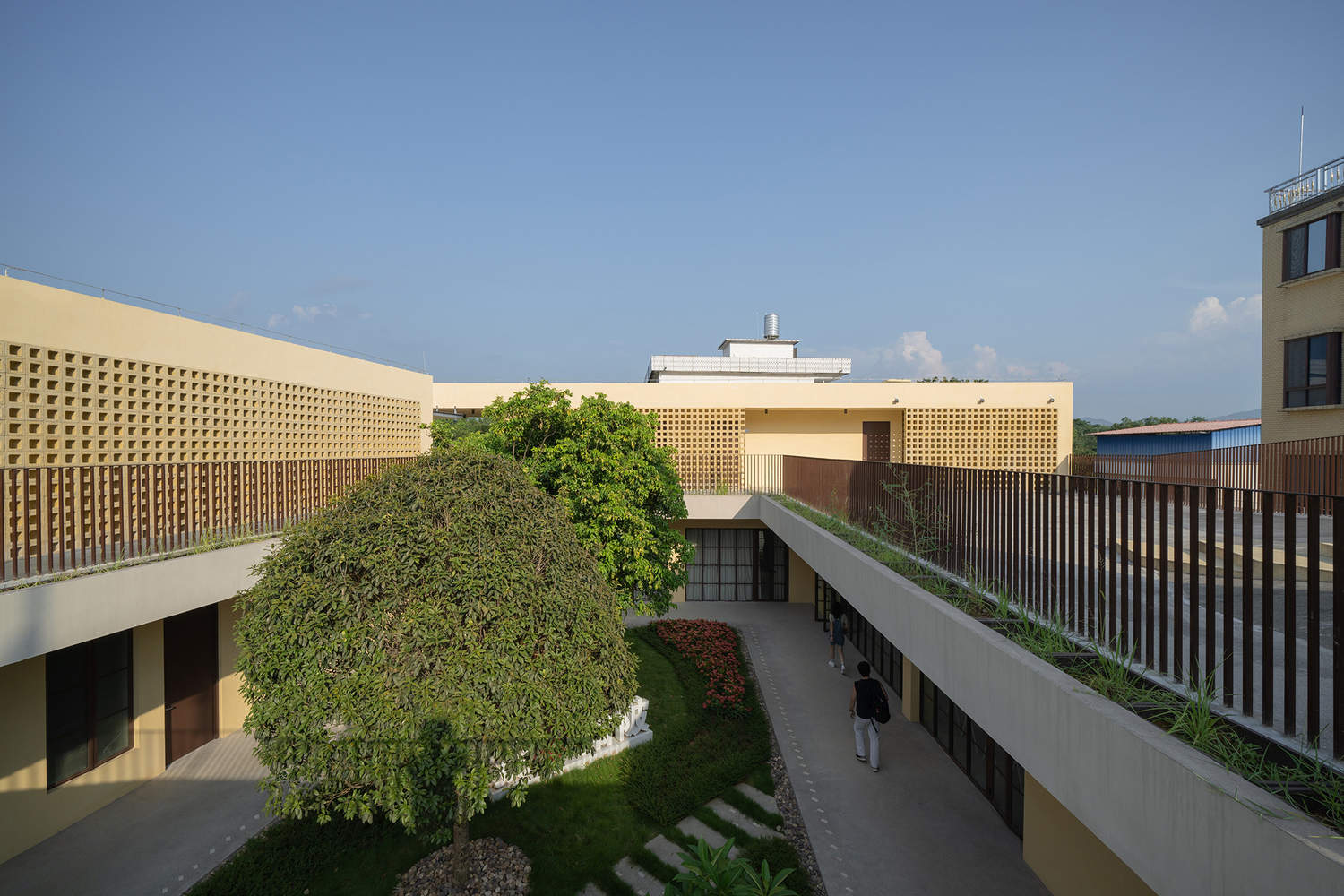
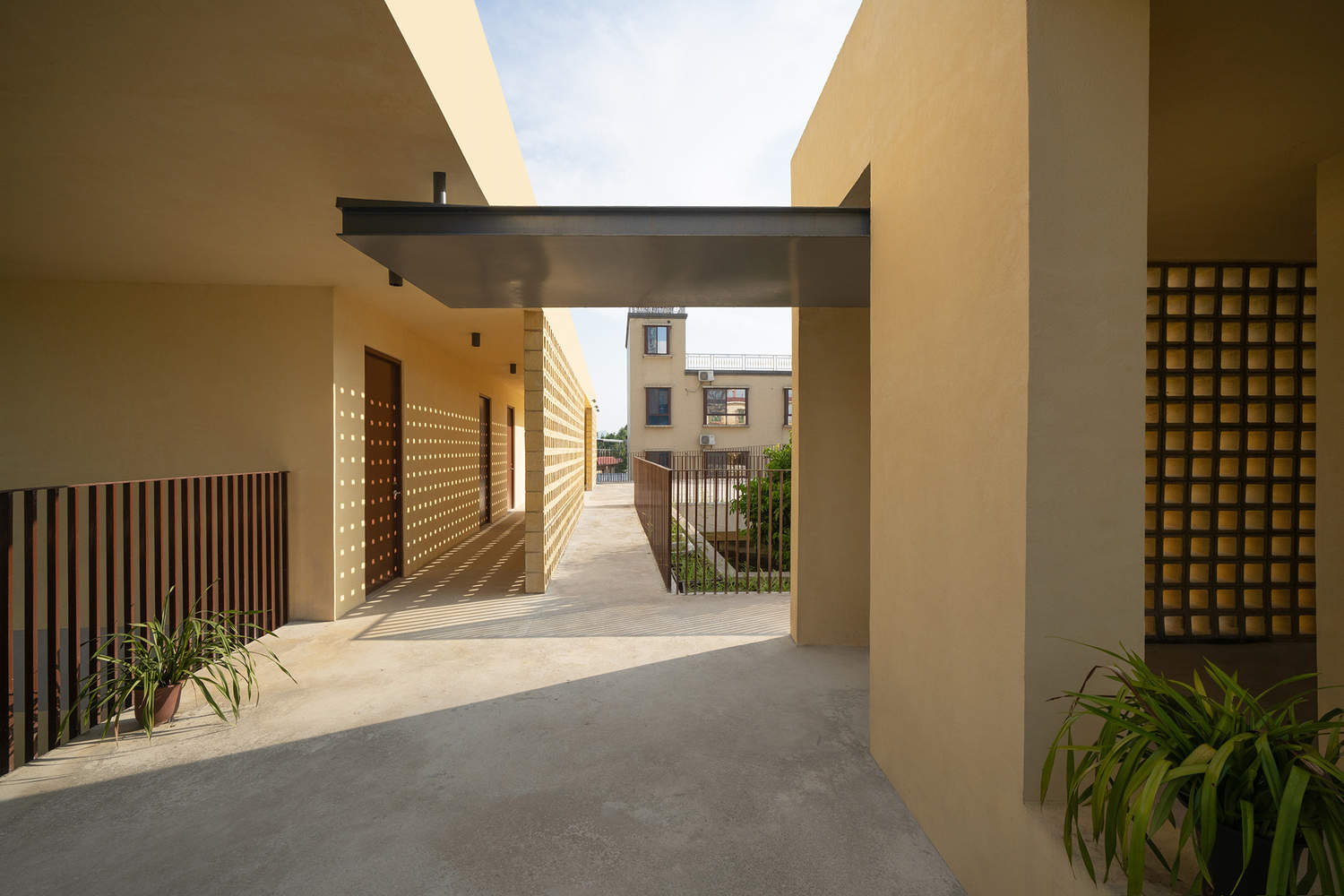
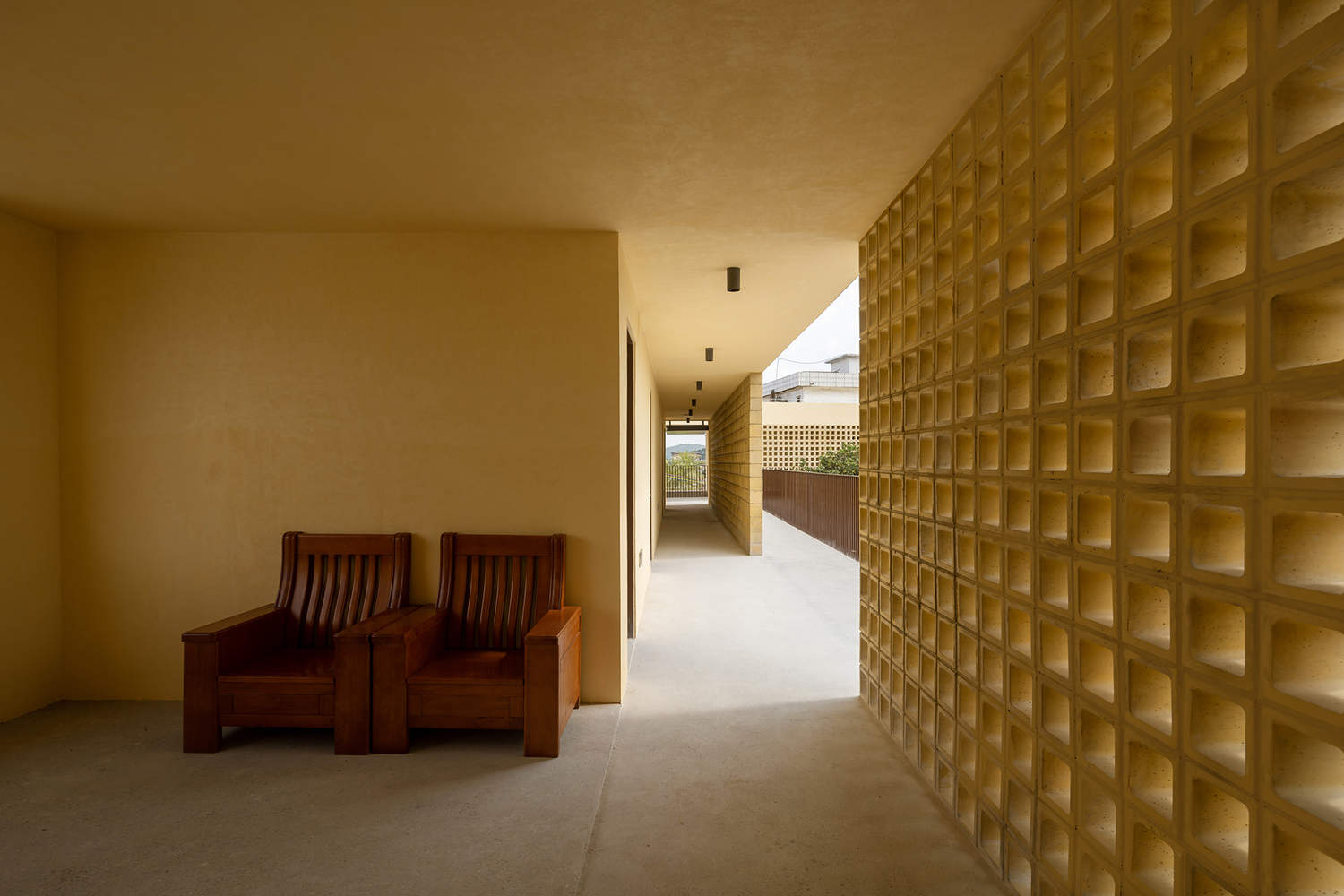
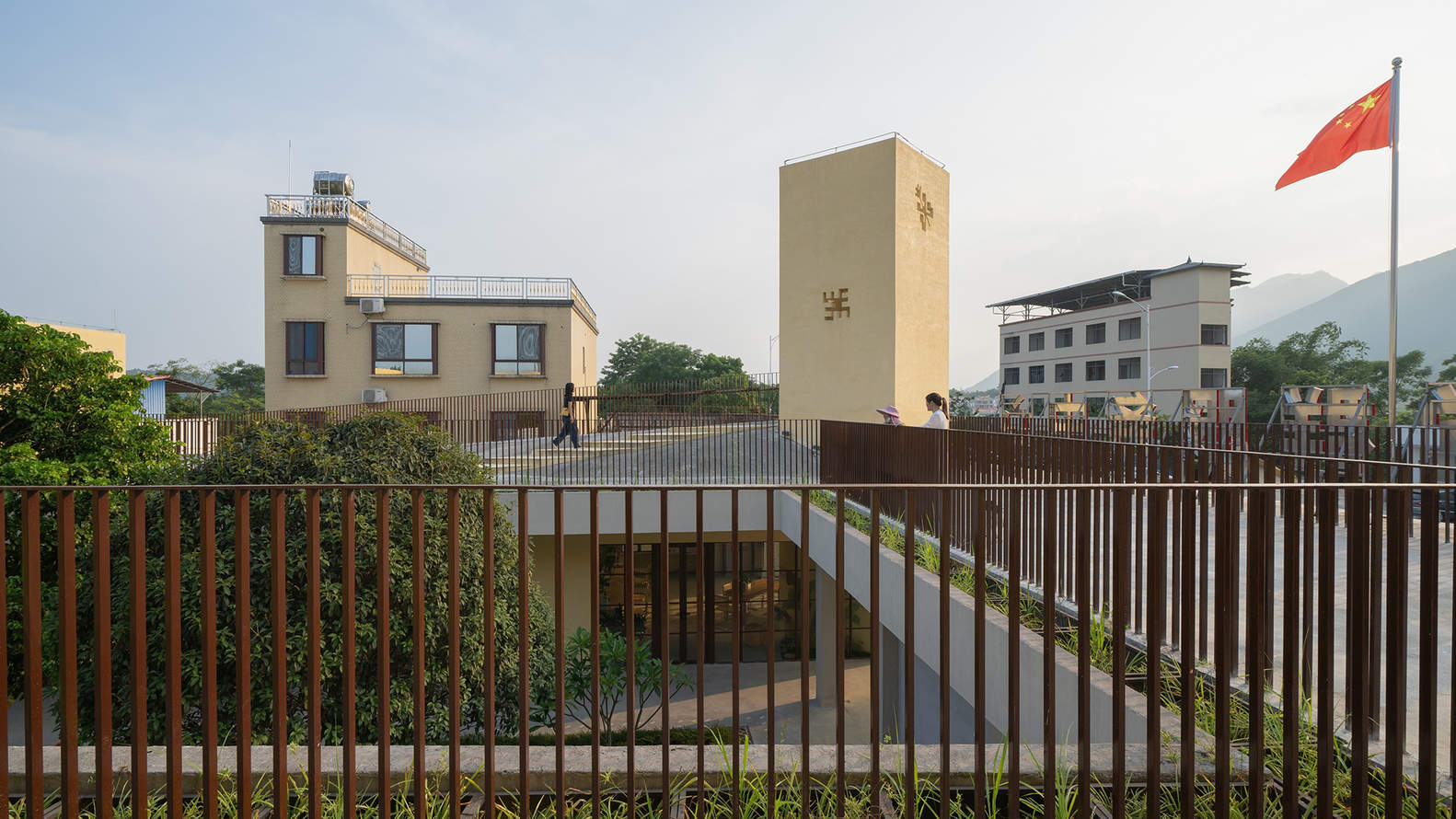
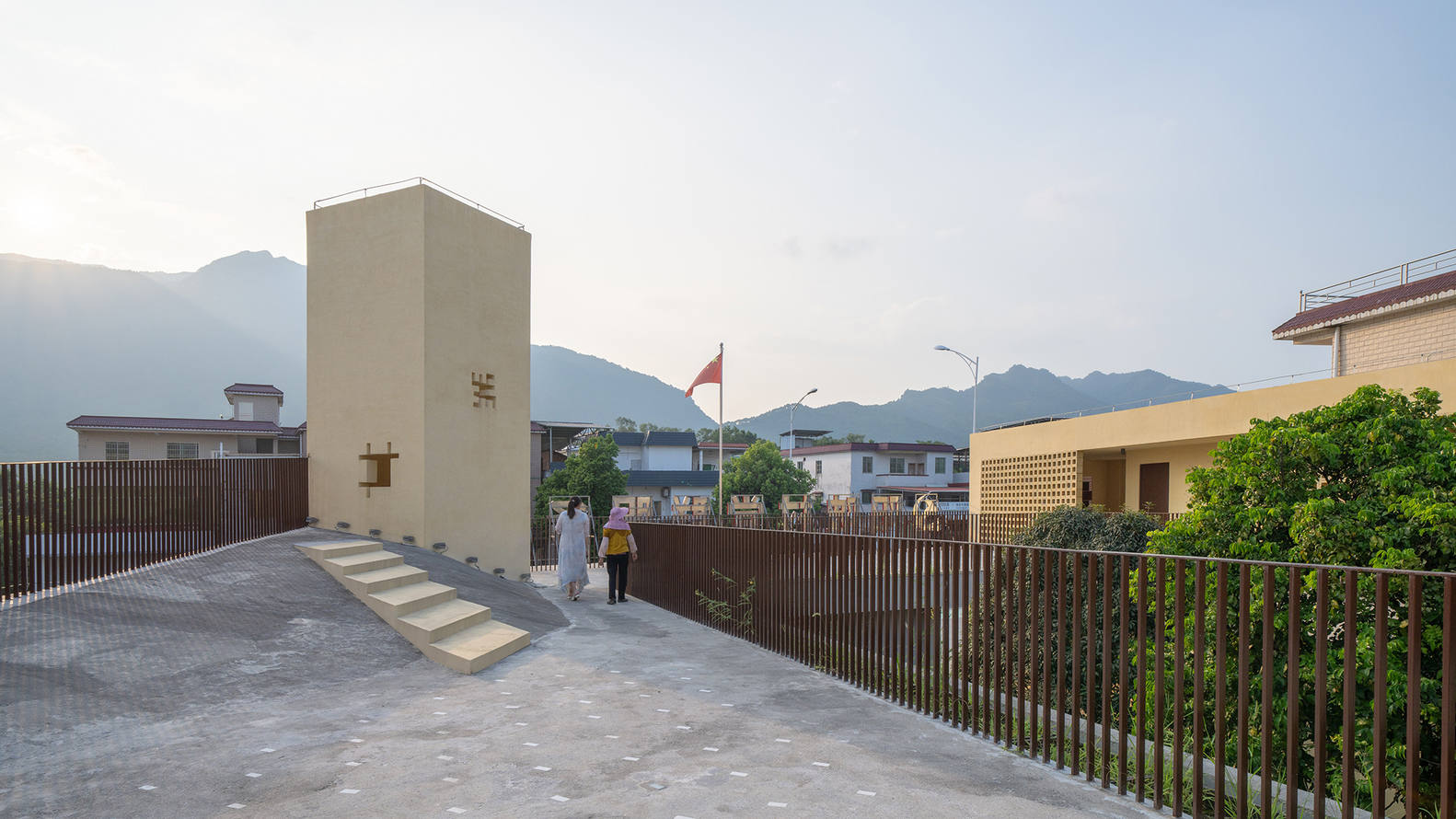
The second floor mainly consists of office and functional rooms. In order to improve the utilization and public nature of the second floor, and as a response to the local mountainous terrain, we combined the irregular slope of the skylight tower and the comprehensive service hall to create a raised "hillside" on the south roof platform, naturally forming a "theater" where villagers can sit. The stage background is a hollow brick wall outside the corridor. In the northeast corner near the "theater", we have also set up a separate steel staircase for the platform, making it convenient for villagers to reach directly from the outer path without going through the inner courtyard corridor. We have also separated the public flow line on the upper two floors from the inner courtyard, which mainly serves the elderly, to avoid interference.
二层主要设置办公和功能房间。为提高二层的利用率和公共性,也作为对当地多山地貌的回应,我们结合采光塔和综合服务大厅顶部不规则坡面,将南侧屋面平台做成一处隆起的“山坡”,自然形成一个村民可以落座的“剧场”,舞台背景则是走廊外侧的空心砖墙。在临近“剧场”的东北角,我们也单独为平台设置了钢楼梯,方便村民可不经内院走廊从外侧小路直接到达,也将上二层的公共流线和主要服务老人的内院分开,避免干扰。
© Arch Nango
© 张超
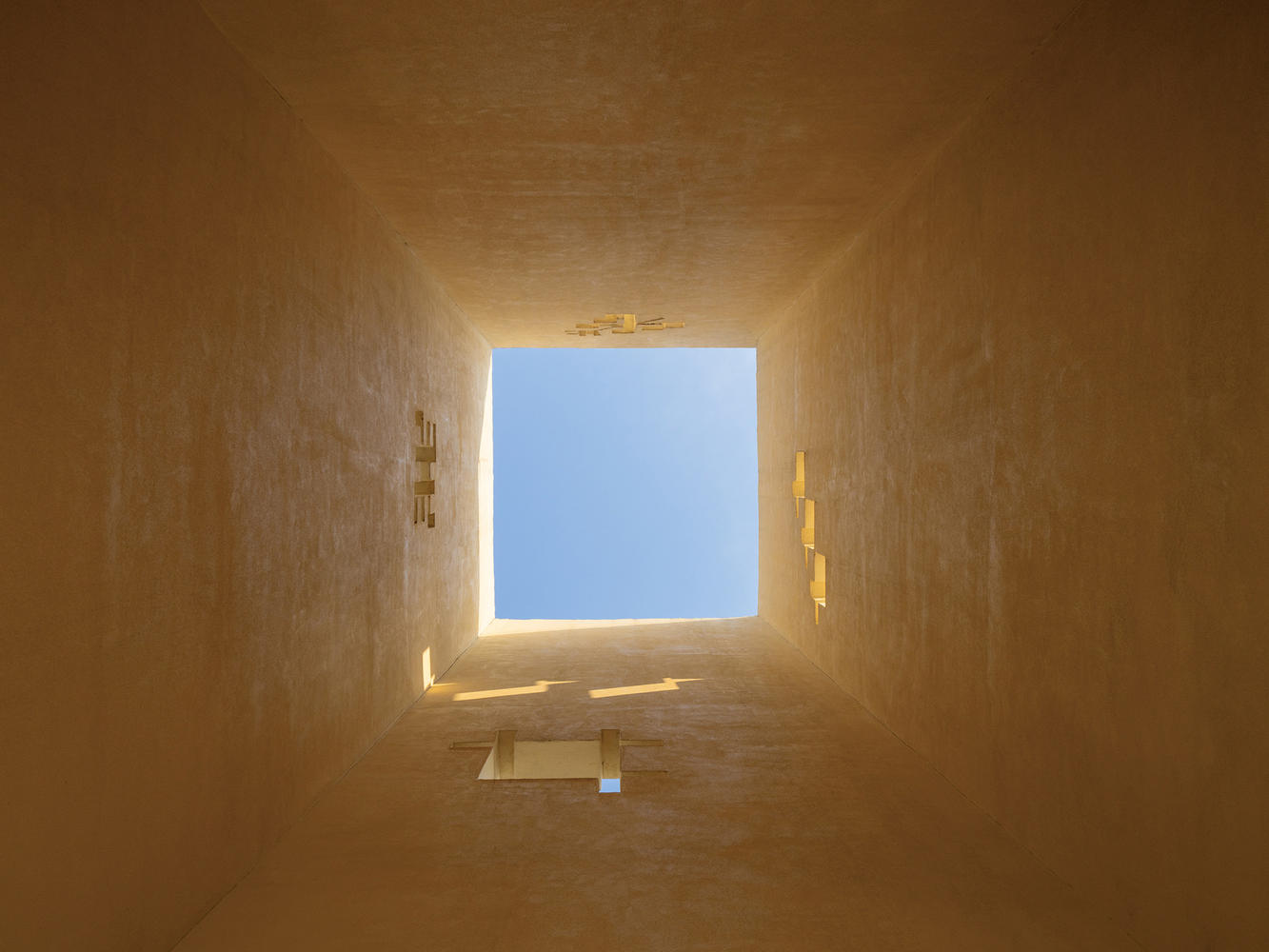
The porch, roof, and terrace of local residential buildings are often planted with flowers and plants. We have also set up three semi outdoor planting leisure platforms at both ends and the middle staircase of the second floor functional block. The second floor building has a circle of planting troughs along the edge of the courtyard, which can organize drainage and add greenery to the courtyard. The lighting well set up in a corner of the public service hall in the southwest corner is the high point of the project; The top of the tower is open to the sky, and the walls are decorated with windows abstracted from Yao totems, creating subtle light and shadow projections inside the tower; Due to the fast speed along the S250 provincial road, the height of the tower and the unique lighting windows help highlight the public and iconic nature of the project.
当地民居的门廊、屋顶、露台多种植有花草,我们也在二层功能体块的两端和中部楼梯间位置分别设置了三处半室外种植休闲平台。二层大楼板沿庭院边缘设有一圈种植槽,既可组织排水,也可为庭院增加绿意。在西南角公共服务大厅一隅设置的采光井是项目的高点;塔顶朝天开敞,墙面设有由瑶族图腾抽象演化而成的窗洞,在塔内形成微妙的光影投射;由于沿S250省道的车速较快,塔楼的高度和特色采光窗有助于突出项目的公共性和标识性。
© 张超
© 张超
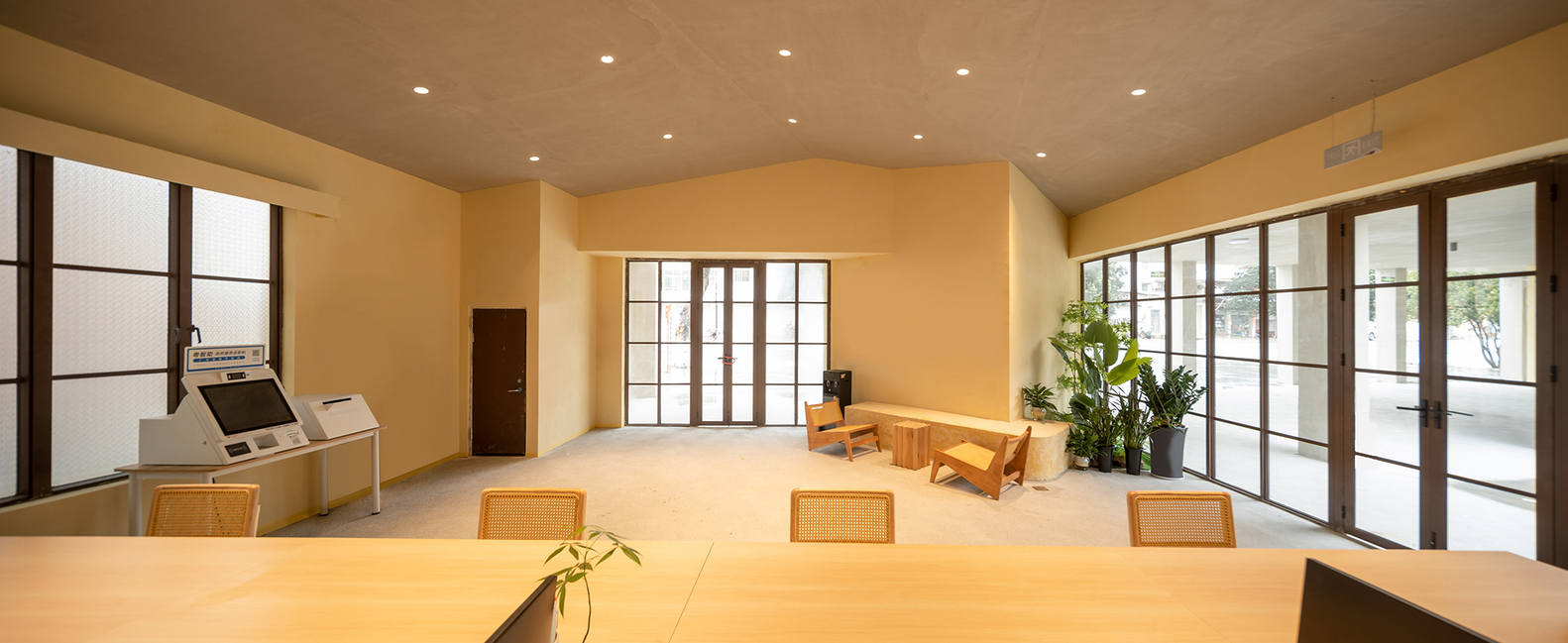
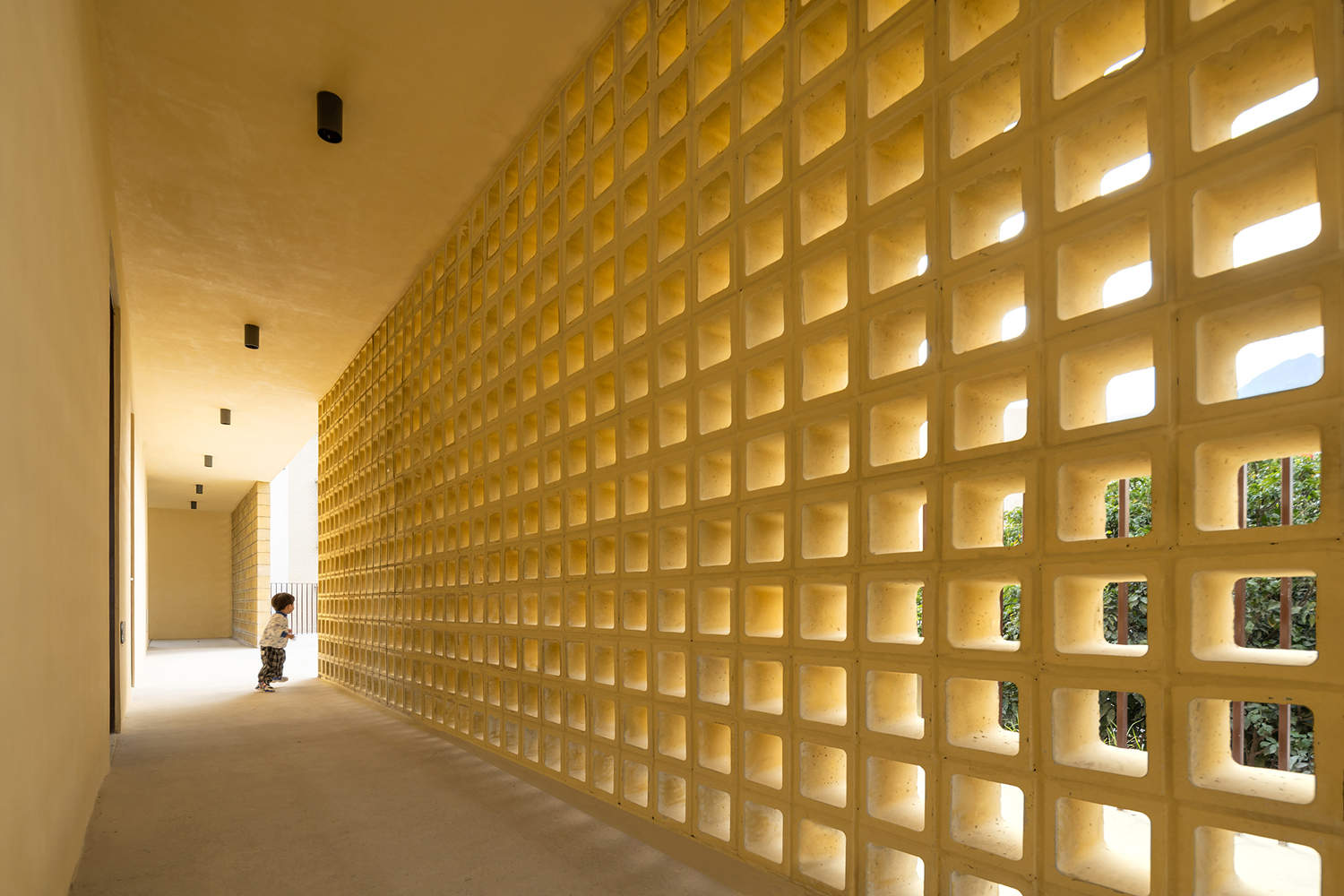
Due to the close proximity of the building to surrounding residential areas, in order to ensure privacy, large areas of windows and doors are opened facing the inner courtyard. The outer facade is often equipped with retro embossed glass small windows, and their materials and partitions are influenced by the wooden windows of traditional local residential buildings. The earth colored texture coating distinguishes the dispersed functional blocks from the newly added concrete building slabs, and also echoes the rammed earth walls of the Yaozhai residential buildings. Hollow bricks are used to enclose and cover the areas where louvers need to be installed and the opening of the office on the outside of the second floor corridor, continuing the common practice of hollow flower bricks in local residential areas.
由于建筑距离周边民居较近,为保证隐私,大面积开窗开门均朝向内院,外圈立面则多设复古压花玻璃小窗,其材质、分隔受到当地传统民居的木窗影响。土色质感涂料将各分散的功能体块与新增的混凝土大楼板区分开,也呼应瑶寨民居的夯土墙面。在需要设置百叶的位置以及二层走廊外侧办公室开门处采用空心砖围合遮挡,延续当地民居常见镂空花砖做法。
© 张超
© 张超