Beijing Massage Hospital Expansion Project of China Disabled Persons' Federation/Wang Zhenjun Studio of China Electronics Engineering Design Institute+"Man · Design" Research Center
中国残联北京按摩医院扩建项目 / 中国电子工程设计院王振军工作室+“蔓·设计”研究中心
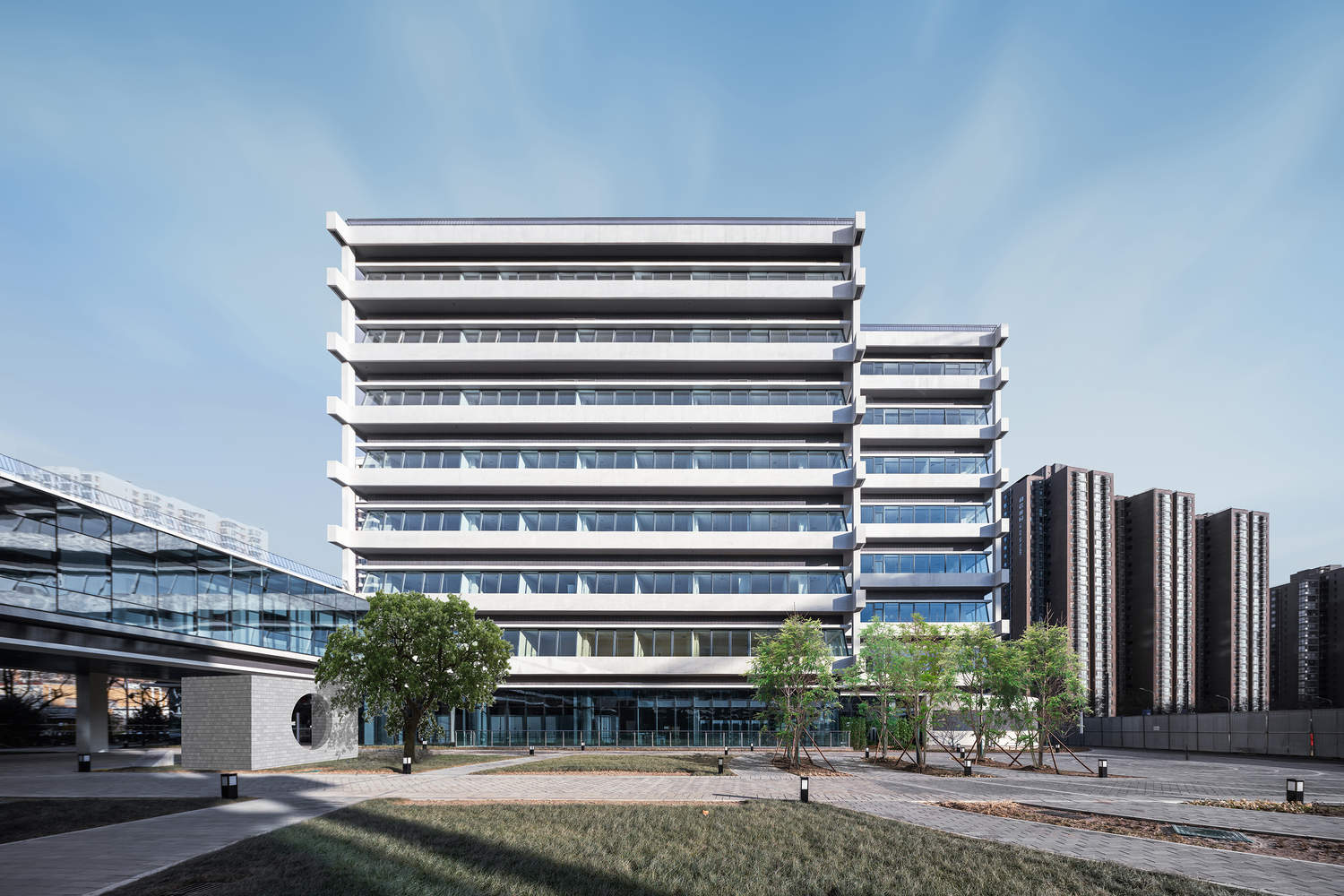
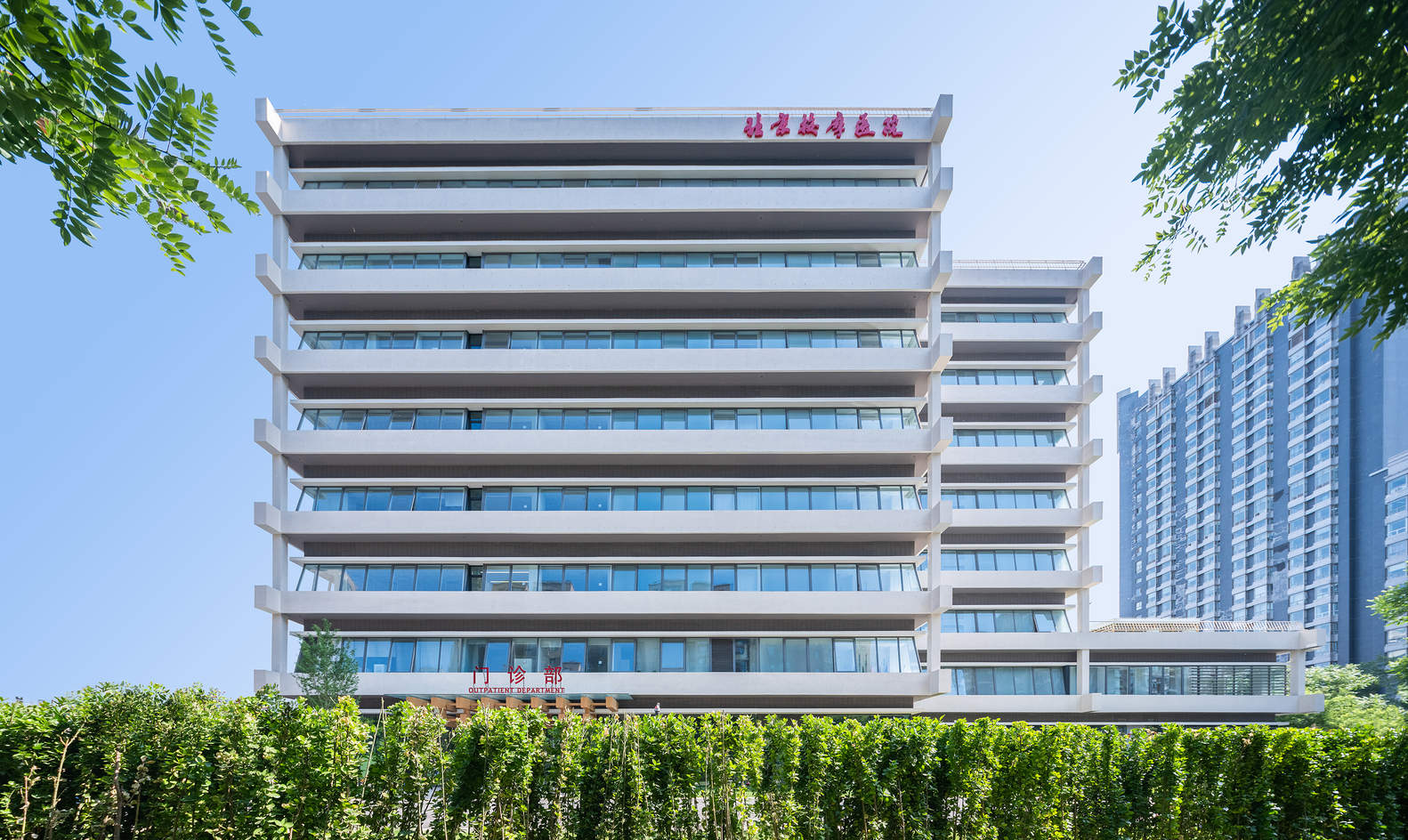
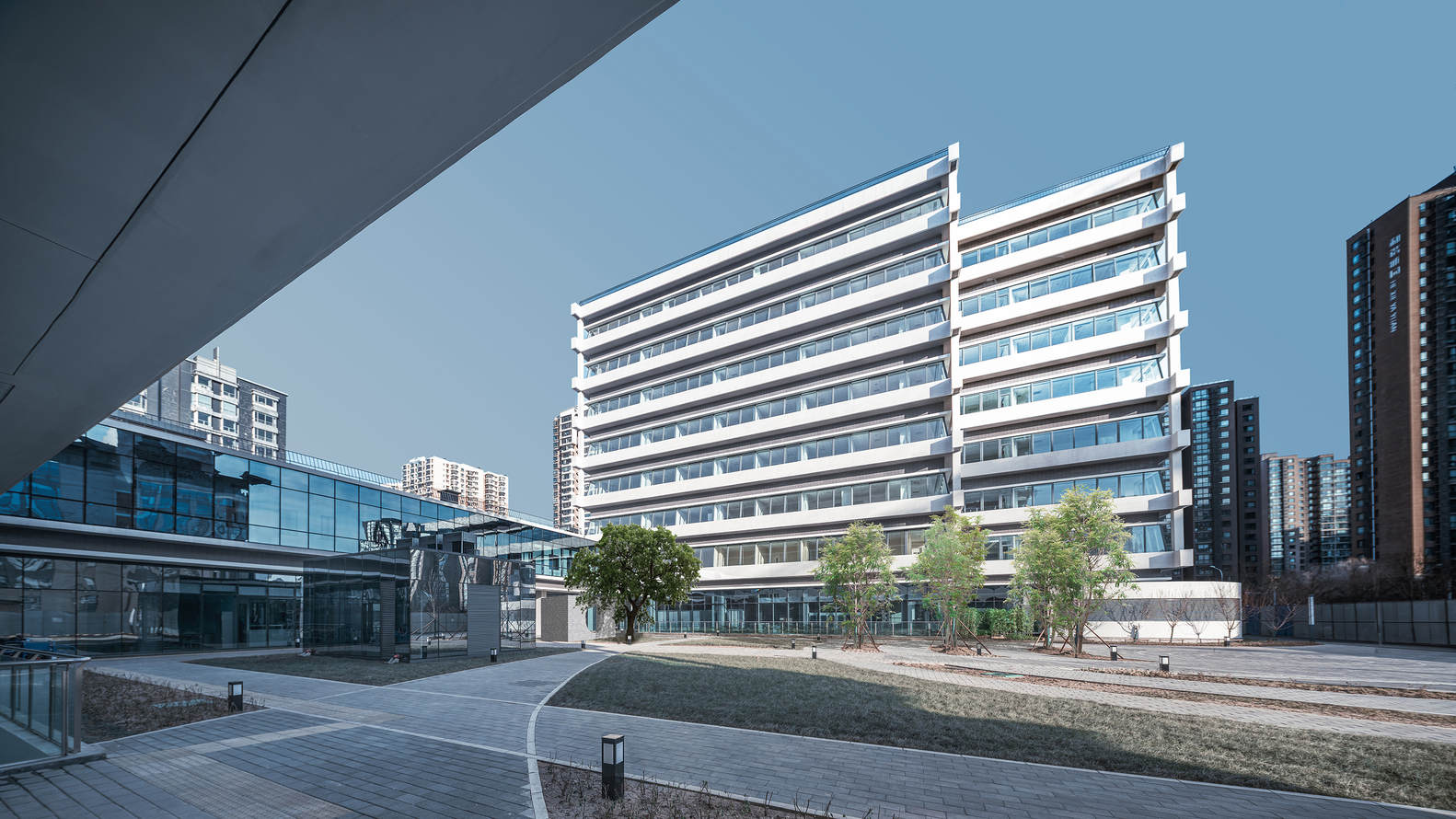
设计理念的传承与创新:该项目最引人注目的亮点在于其对传统中国建筑元素的巧妙运用与现代演绎。设计师并未简单复制传统形式,而是深入挖掘“檐”、“梁”、“柱”等经典元素,将其抽象化、转译为新的建筑语言。这种“传承与提升”的设计理念,不仅体现了对中国传统文化的尊重,也展现了对现代建筑语言的创新探索。通过对材料、色彩的精准把控,例如灰瓦、灰墙、木质构件的运用,营造出一种与北京城市文脉相契合的宁静氛围,体现了建筑与环境的和谐统一。这种设计手法在传承文化的同时,也赋予了建筑独特的场所精神。
空间设计的巧妙与实用:在有限的建设用地内,设计师展现了出色的空间组织能力。特别值得关注的是对地下空间的激活。通过引入地下边庭,打破了传统地下空间的封闭感,巧妙地解决了采光和通风问题。垂直挡墙的设计,使光线通过多重折射进入地下空间,创造出明亮舒适的内部环境。这种设计不仅提升了地下空间的实用性,也赋予其独特的空间魅力。这种对地下空间的创新运用,体现了设计师对可持续发展和资源高效利用的思考,也为类似项目的设计提供了宝贵的经验。通过对空间功能的合理规划,实现了建筑整体的有机统一。
无障碍设计的典范与社会意义:作为中国残联北京按摩医院的扩建项目,无障碍设计是其核心目标之一。该项目致力于打造中国第一个按三甲标准设计的中医按摩康复医院,并将其打造为中国残疾人事业的展示窗口。从建筑的整体布局到细节处理,无障碍设计理念贯穿始终。项目不仅关注物理环境的无障碍,更注重营造一种尊重、关爱残疾人群体的社会氛围。这种设计理念具有重要的社会意义,它不仅提升了医院的服务功能,也传递了对社会弱势群体的关怀,树立了无障碍设计的典范,同时也为其他类似项目的建设提供了宝贵的参考,展现了建筑师的社会责任感。
© 周涵滔
© 周涵滔
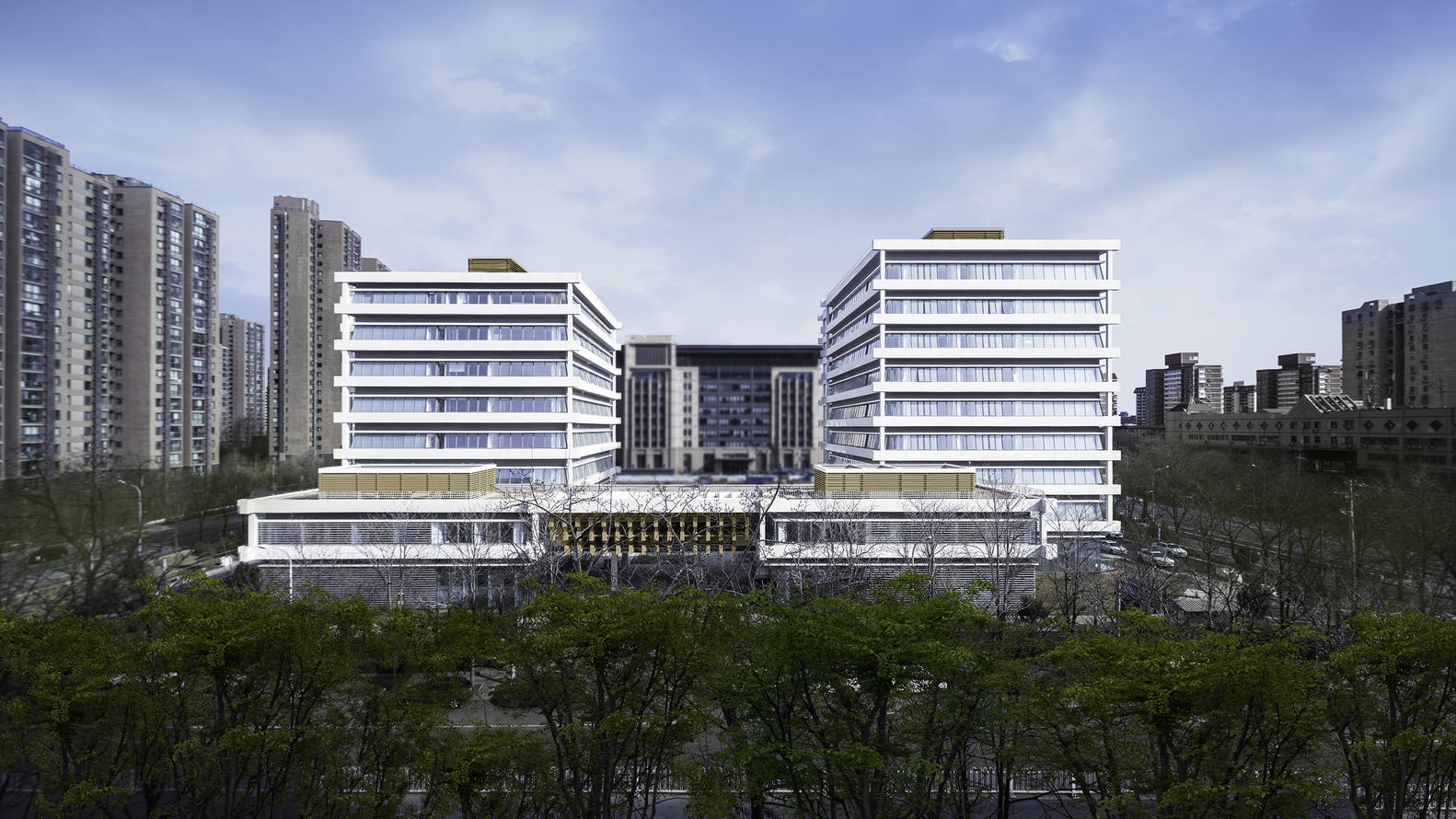
The expansion project of Beijing Massage Hospital is located on Wusheng North Road in Chaoyang District, Beijing, with a construction land area of 10289.0 square meters and a total construction area of 39899.0 square meters. To the east is Chaoyang District Comprehensive Medical Service Center, to the south is Nanmofang Road, to the west is Wusheng North Road, and to the north is Barkeyang South Street. Adjacent to Metro Line 10 on the west side, the transportation is very convenient.
北京按摩医院扩建项目位于北京市朝阳区武圣北路,建设用地面积为 10289.0 平方米,总建筑面积39899.0平方米。东临朝阳区综合医疗服务中心,南至南磨房路,西至武圣北路,北至八棵杨南街。西侧邻近地铁10号线,交通十分便利。
© 周涵滔
© 周涵滔
The project aims to create China's first traditional Chinese medicine massage and rehabilitation hospital designed according to Class III standards, a window unit showcasing China's disability cause to the world (cultural exchange and human rights exhibition), and a demonstration project of China Disabled Persons' Federation accessibility standards.
该项目旨在打造中国第一个按三甲标准设计的中医按摩康复医院,一个向世界展示中国残疾人事业的窗口单位(文化交流和人权事业展示),以及中国残联无障碍标准示范工程。
© 周涵滔
© 周涵滔
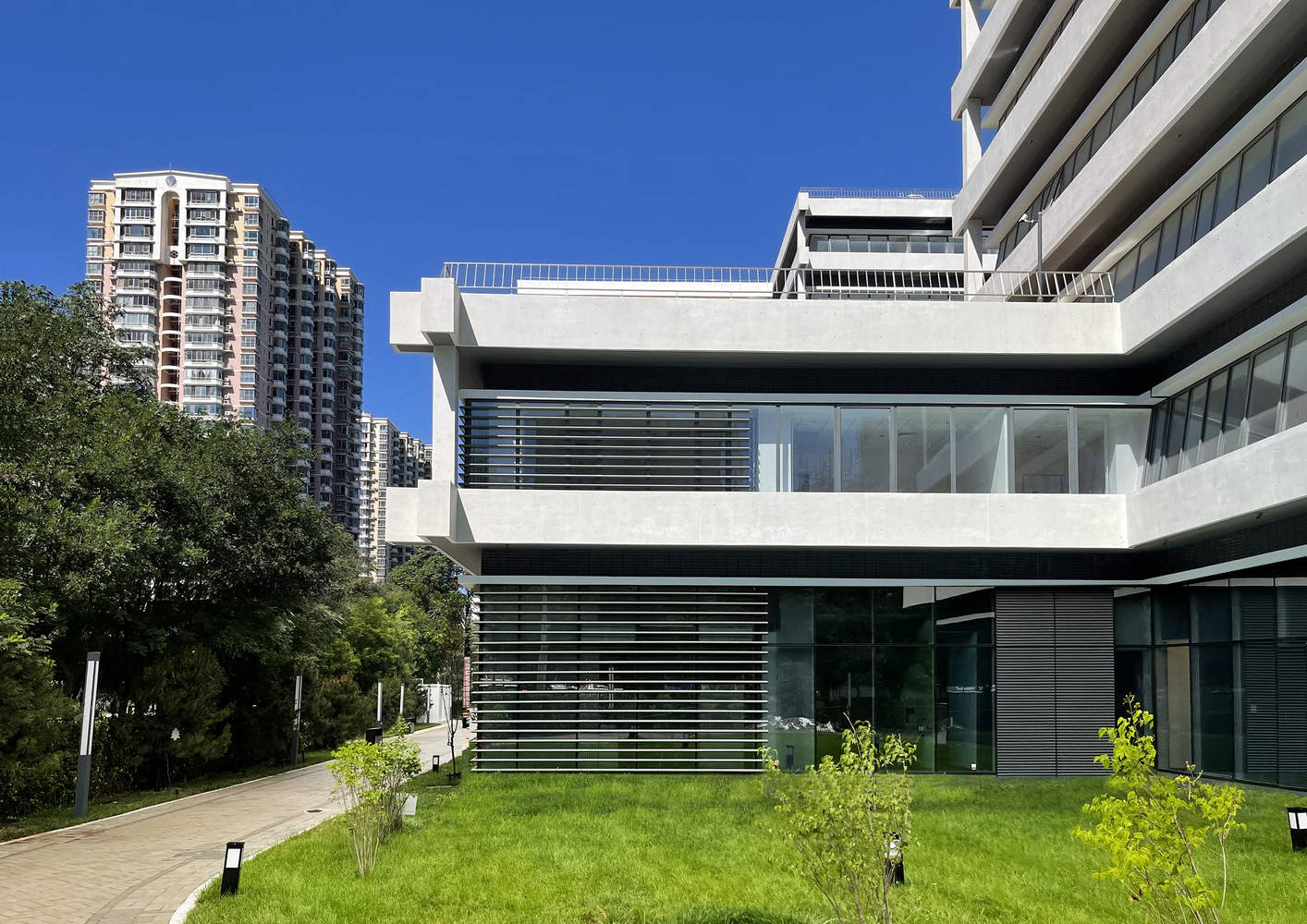
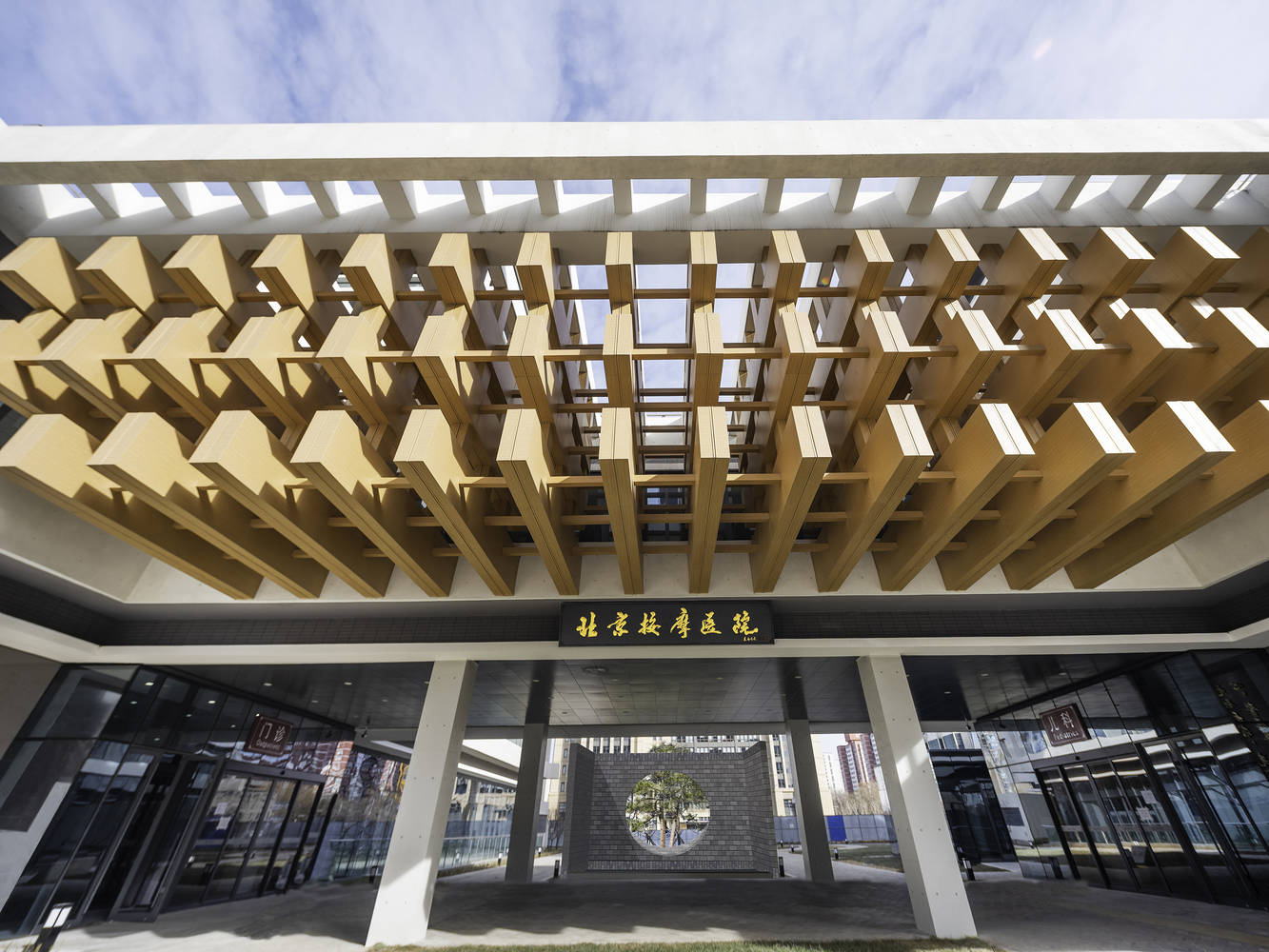
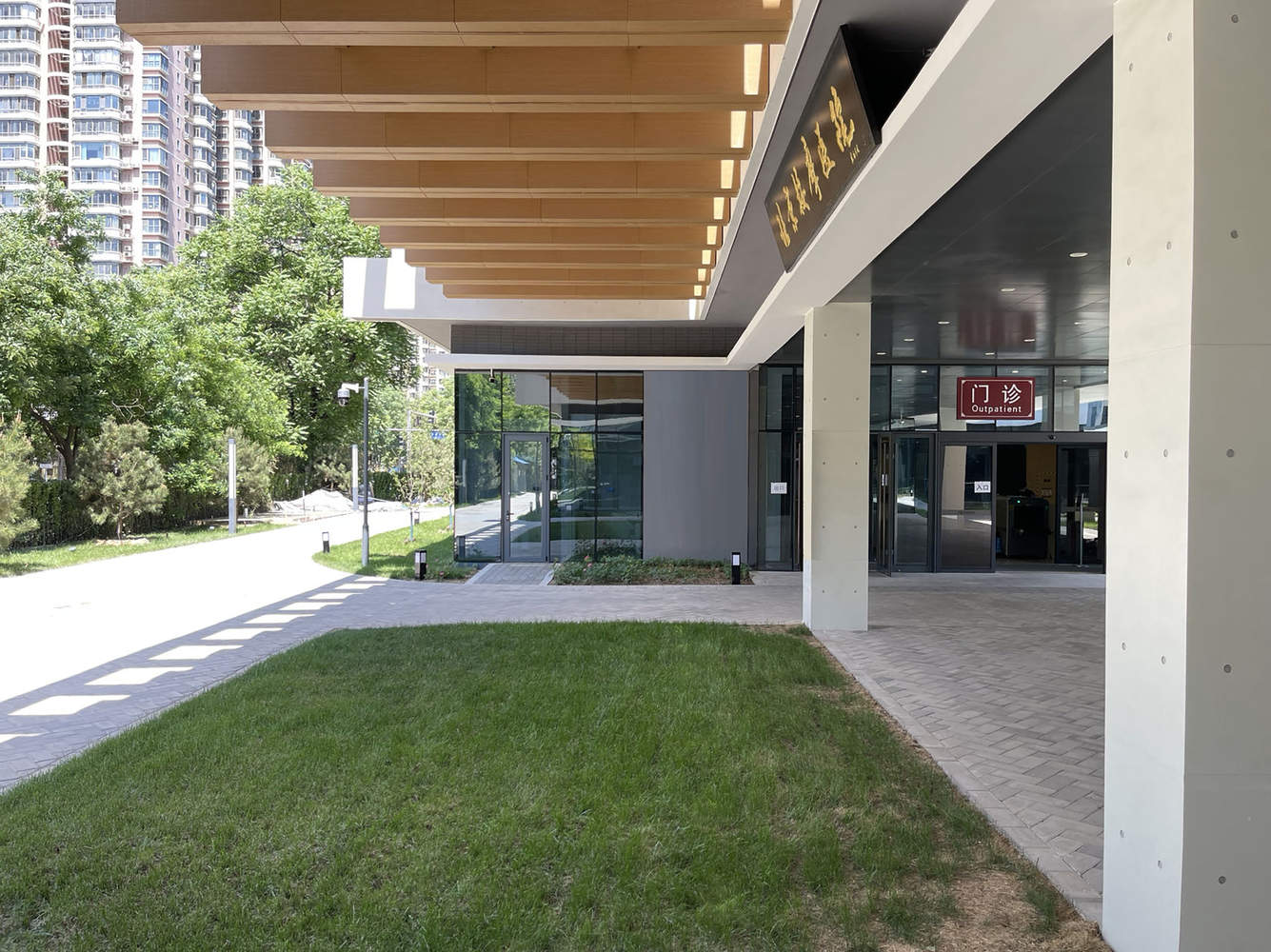
Faced with the long-standing cultural and historical background and special functional requirements of Beijing Massage Hospital, we attempt to extract the classic elements of "eaves", "beams", and "columns" from traditional Chinese architecture, translate and abstract them into new architectural vocabulary, and organically integrate them with architectural functions, ultimately achieving innovative, forward-looking, and sustainable modern traditional Chinese medicine hospital architecture. We hope to evoke the unique regional and local spirit of massage hospitals to the greatest extent possible through the design concept of "inheritance and improvement". On the basis of inheriting traditional Chinese culture, it can also reflect the development and improvement of traditional Chinese medicine in contemporary times. Reshaping and integrating abstract elements of traditional Chinese architecture, with form following function, from overall shaping to local construction (such as entrance grey space) and detail processing, ultimately achieving the organic construction of the entire architectural complex.
面对北京按摩医院悠久的人文历史背景及特殊的功能需求,我们尝试提炼中国传统建筑的“檐”、“梁”、“柱”经典元素,转译并抽象成新的建筑语汇,同时与建筑功能有机的融合在一起,最终实现具有创新性、前瞻性及可持续性的现代中医医院建筑。我们希望通过“传承与提升” 的设计概念最大限度的唤起按摩医院特有的地域与场所精神,在继承中国传统文化的基础上,又能体现传统中医在当代的发展与提升。将抽象后的中国传统建筑要素重塑与整合,形式追随功能,从整体塑造到局部建构(如入口灰空间)以及细部处理,最终实现整个建筑组群的有机建构。
© 周涵滔
© 周涵滔
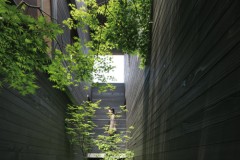
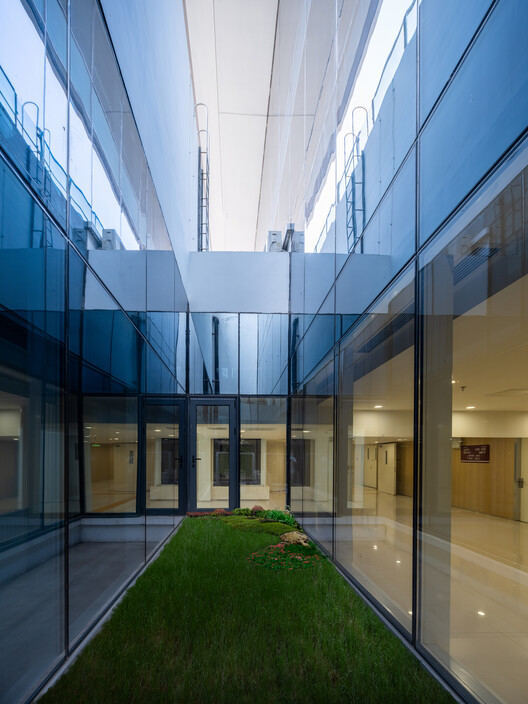
Another highlight of this project is the introduction of an underground courtyard to activate underground space - the "overground" of underground space under strict planning conditions. The side courtyard implanted under the outdoor eaves connects the upper and lower spaces, and its forward vertical barrier wall forces light to spread into the underground functional space through multiple refractions, achieving good natural lighting and ventilation.
该项目的另一大亮点是引入地下边庭激活地下空间——严苛规划条件下地下空间的“地上化”。室外挑檐下植入的边庭将上下两层空间贯通,其正向的垂直挡墙强制光线通过多重折射蔓延进地下功能空间,实现良好的自然采光和通风。
© 周涵滔
© 周涵滔
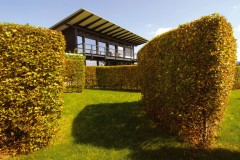
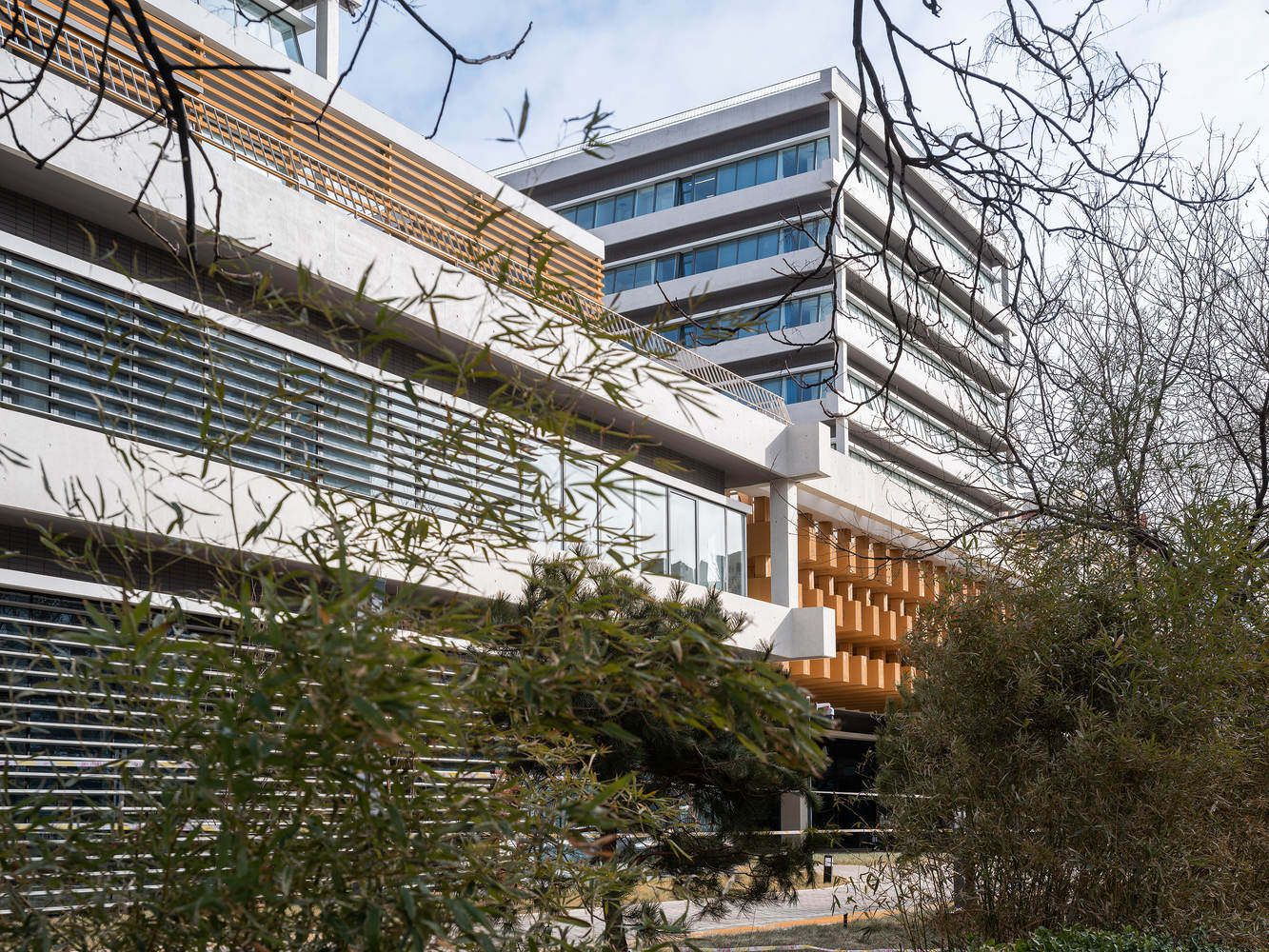
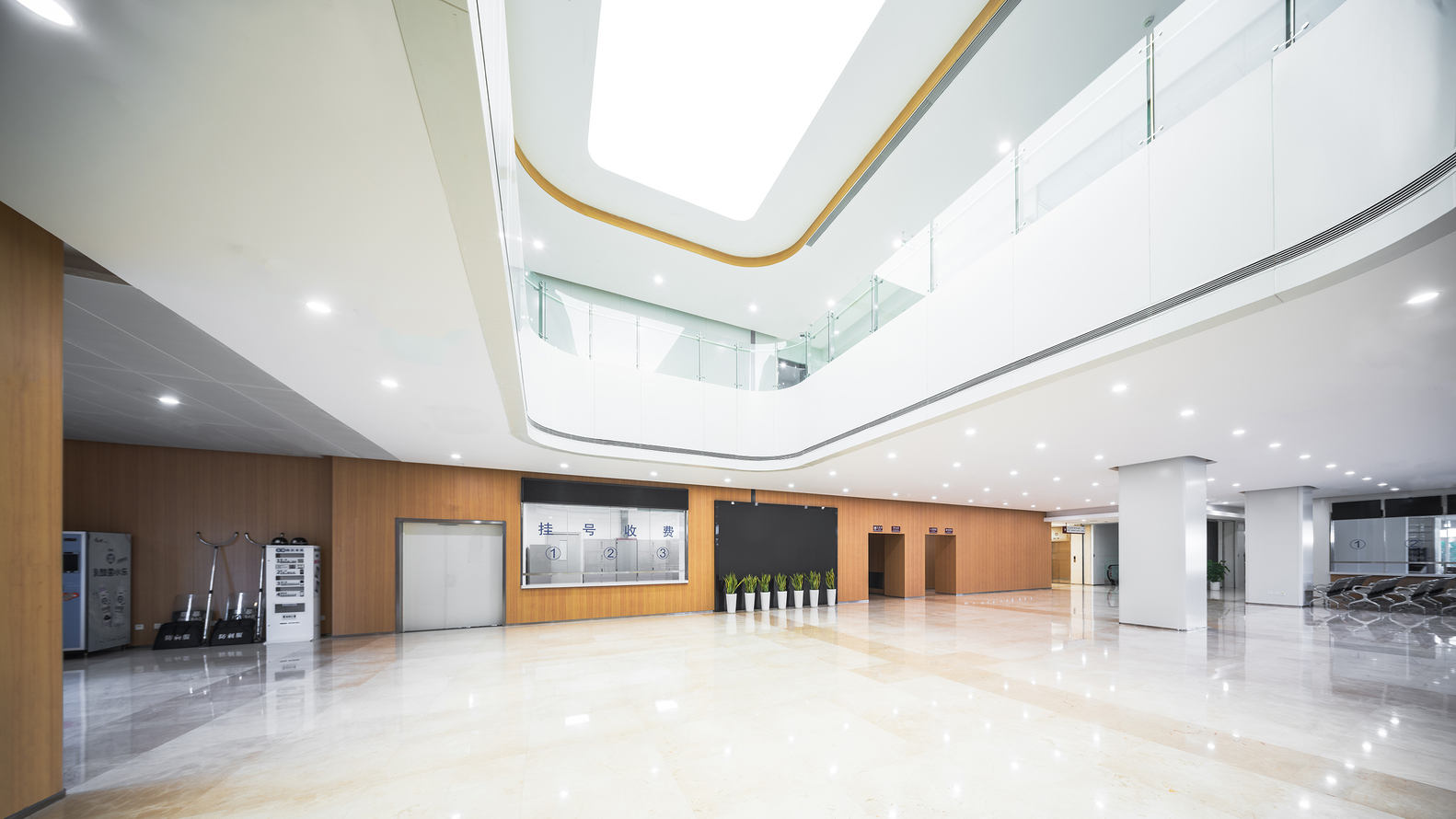
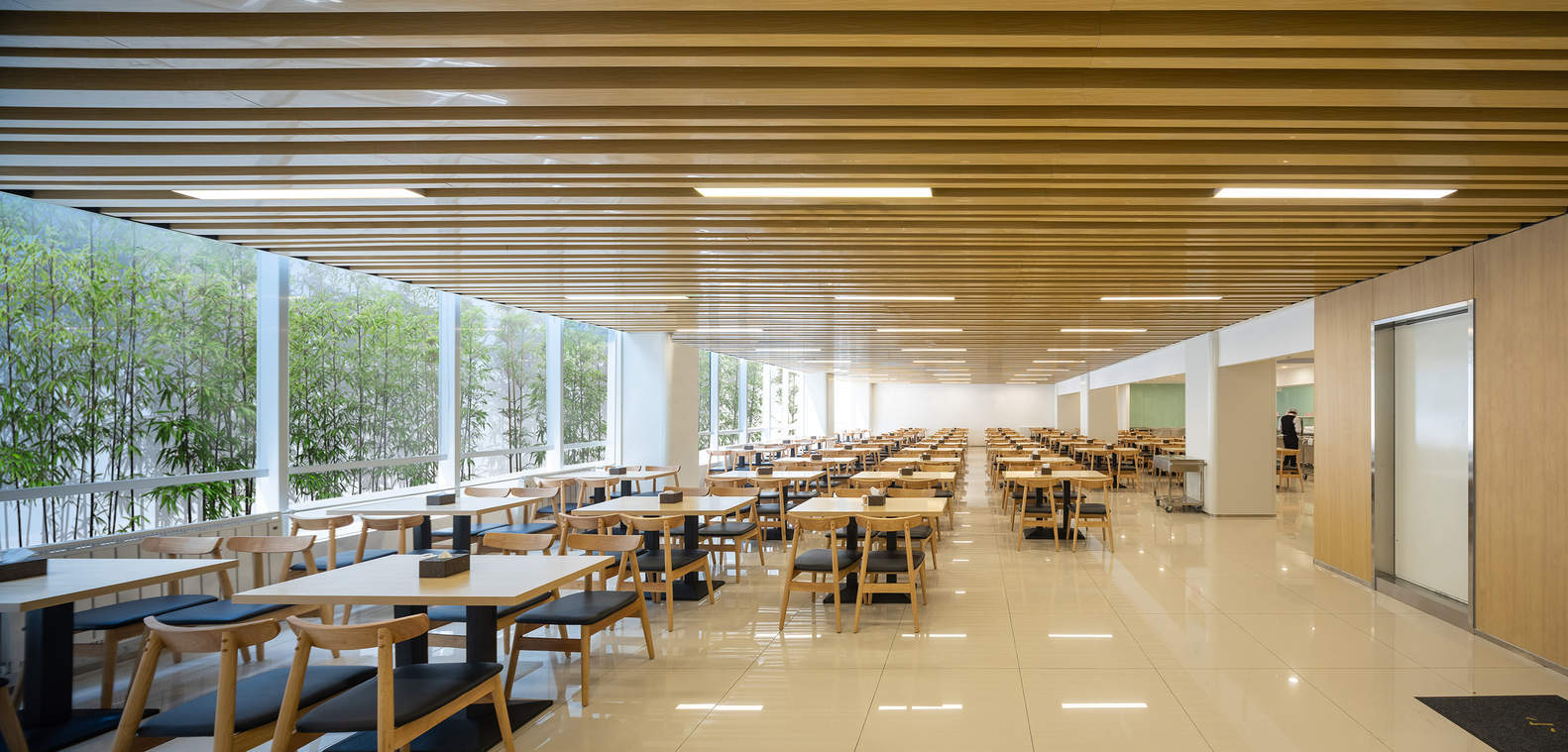
The gray tiles, gray walls, and wooden components reflected in Beijing's hutongs, old streets, and quadrangle courtyards establish the main tone of Beijing's urban color. Gray and wooden colors return to simplicity and are the most common and Chinese architectural colors in Beijing. Revealing the rich, simple, and peaceful cultural heritage of the ancient capital. The building is mainly composed of plain concrete, wooden boards (Pares board), wood veneered louvers, and gray clay bricks. The extensive use of wooden veneers indoors is intended to create a peaceful and healing environment.
北京胡同、老街和四合院中所体现的灰瓦、灰墙与原木构件奠定了北京城市色彩的主基调,灰色与原木色返璞归真,是北京最平常、也是最有中国建筑神韵的色彩。透出古都浑厚、朴实、宁静的文化底蕴。该建筑运用清水混凝土、木板(帕莱斯板)、木饰面百叶、灰色陶土面砖为主要材料进行组合。室内大量的木饰面的使用,拟在打造宁静、疗愈的环境。
© 周涵滔