Tokyo Ginza 6-chome Royal Park Hotel/Mitsubishi Jisho Design
东京银座六丁目皇家公园酒店 / Mitsubishi Jisho Design
项目亮点:该项目最引人注目的亮点在于其对“同质化”酒店设计的颠覆。在银座这个商业氛围浓厚的地区,许多商务酒店为了简化流程而采用标准化的设计方案。然而,该项目在疫情期间启动,挑战了这一传统,试图打破千篇一律的局面。设计师巧妙地通过窗户比例的变化,在有限的客房空间内创造出独特的个性化体验。这种创新不仅体现在外观上精致的立面设计,更在于对酒店内在价值的重新思考,即如何在满足功能需求的同时,为客人提供更具个性、更贴近环境、更难忘的入住体验,这无疑是该项目最大的亮点所在。
设计精髓:项目的精髓在于其对城市文脉的深刻理解和对人本主义的极致追求。在寸土寸金的银座,设计团队没有简单地堆砌房间,而是充分利用建筑的外部元素与内部空间互动,实现了与周围环境的和谐共生。通过立面设计上微妙的渐变,以及对采光和景观的精心规划,设计师成功地将建筑融入到银座的街景之中,并为客人提供了独特的视觉享受。此外,项目对细节的关注也令人印象深刻,每一间客房都力求做到与众不同,从而满足了人们对个性化、差异化住宿体验的需求,这体现了设计对人本主义的深刻理解。
创新与启示:此项目最大的创新在于它对后疫情时代酒店设计的积极探索。它不再仅仅关注运营效率,而是将重点放在为客人创造难忘的体验上。设计者通过对传统商务酒店的重新思考,探索了建筑在个性化、情境敏感性以及对城市环境的积极回应。这一设计理念为未来的城市酒店业提供了重要的启示。它表明,在追求商业价值的同时,建筑师可以并且应该更加关注对人的关怀和对环境的尊重,从而创造出更具活力和人文关怀的建筑作品。这种设计理念预示着未来酒店业发展的新方向,即更加多元化、个性化和以人为本。
© GRAFILM / Seiya Aoki
© SS / Sode Naomichi
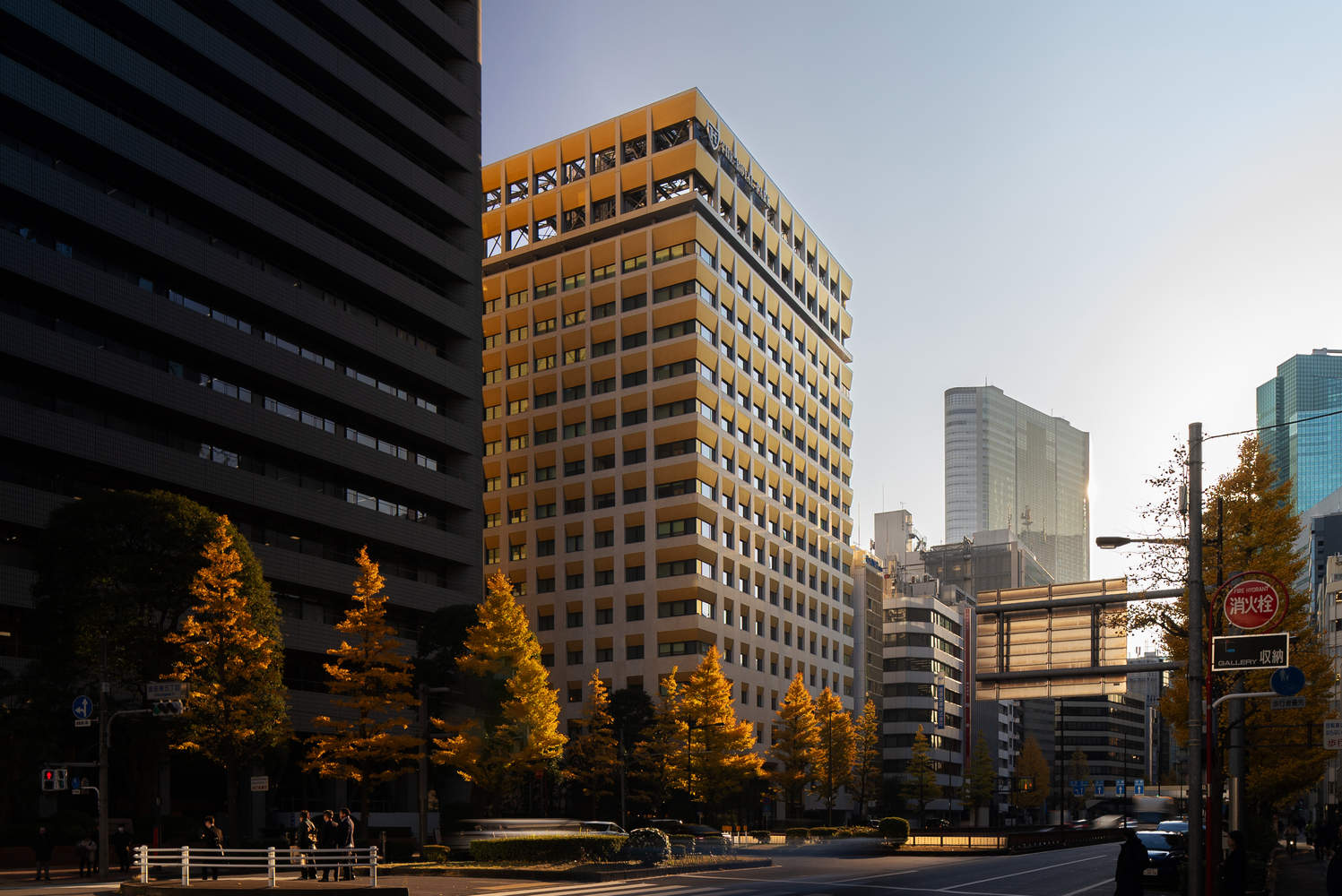
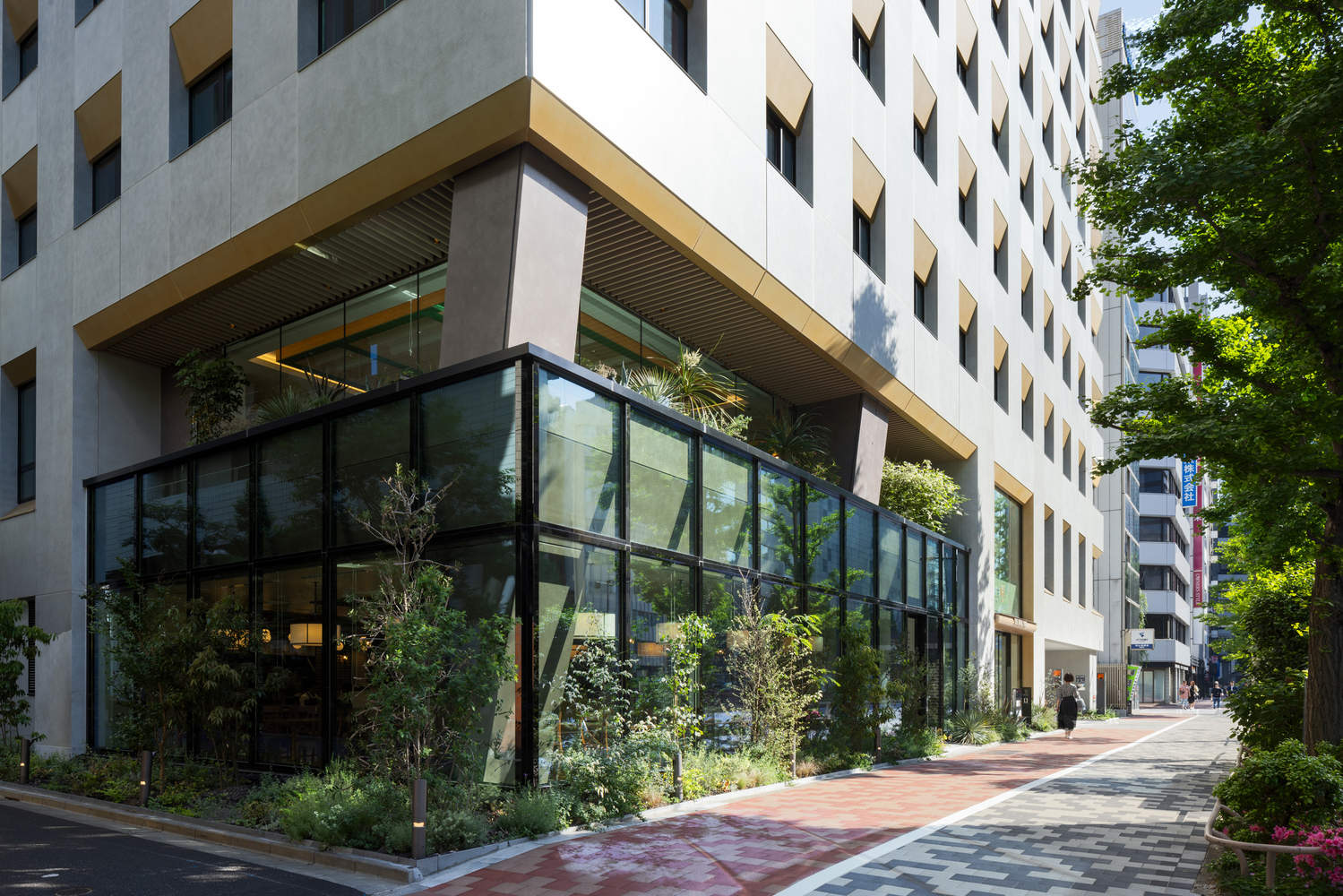
A new hotel with 273 rooms and accommodation as its core is planned to be built along the Showa dori in Ginza 6-chome, Chuo ku, Tokyo. The project has 15 floors above ground and 1 floor underground, located in one of Japan's most prestigious commercial districts.
在东京都中央区银座六丁目昭和通沿线,一座拥有 273 间客房、以住宿为核心的新酒店正计划拔地而起。该项目地上 15 层,地下 1 层,选址于日本最负盛名的商业区之一。
© SS / Sode Naomichi
© SS / Sode Naomichi
Before the outbreak of the COVID-19, the inbound tourism boom triggered an unprecedented demand for accommodation. Ginza is renowned for its luxurious retail and nightlife, and in response to this growth trend, numerous new hotels have sprung up like mushrooms after rain. Despite retaining the iconic appearance and exquisite style that define the area, many small alleys are lined with business hotels with very similar appearances, such as the Central Passage and the Parallel Wooden Passage. Traditionally, such hotels tend to adopt standardized floor plans and repetitive facade designs to simplify sales, service, and operational processes, creating an efficient urban texture but lacking individuality.
在新冠疫情暴发前,入境旅游热潮激起了前所未有的住宿需求。银座以其奢华的零售业和夜生活闻名,为应对这一增长态势,众多新酒店如雨后春笋般涌现。尽管中央通和并木通仍保留着定义该区域的标志性外观与精致格调,但许多小巷里却林立着外观极为相似的商务酒店。传统上,此类酒店倾向于采用标准化平面布局和重复的立面设计,以简化销售、服务和运营流程,虽造就了高效的城市肌理,却缺乏个性。
© SS / Sode Naomichi
This project was launched during the global pandemic in 2020, challenging this traditional practice. In a period of significant changes in social norms and travel patterns, the design team attempts to question the concept of "homogenization" in accommodation hotels and propose new value propositions for the post pandemic era.
该项目于 2020 年全球疫情肆虐之际启动,挑战了这一传统惯例。在社会规范和出行模式发生巨变的时期,设计团队试图对住宿型酒店“同质化”这一概念提出质疑,并为后疫情时代提出新的价值主张。
© SS / Sode Naomichi
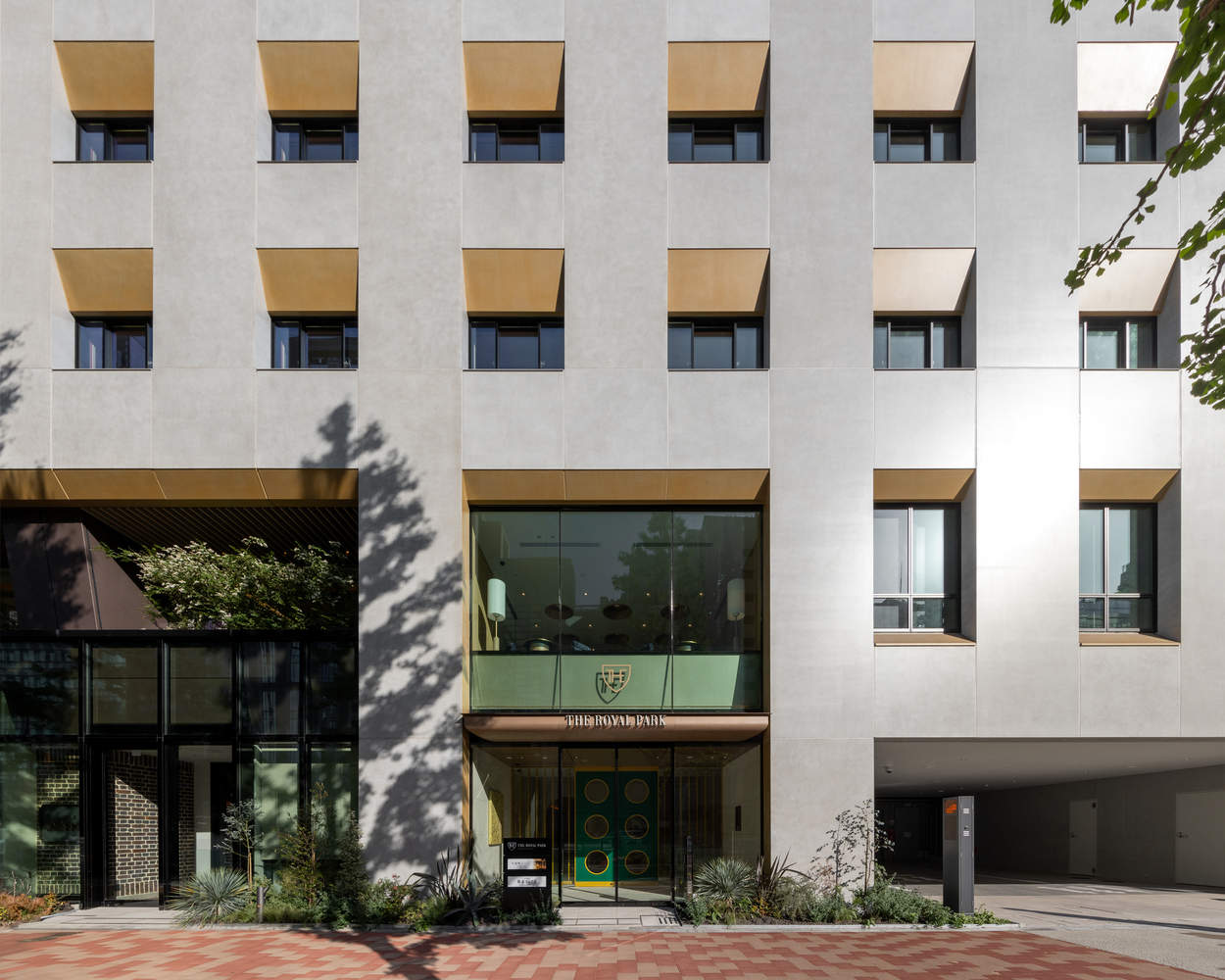
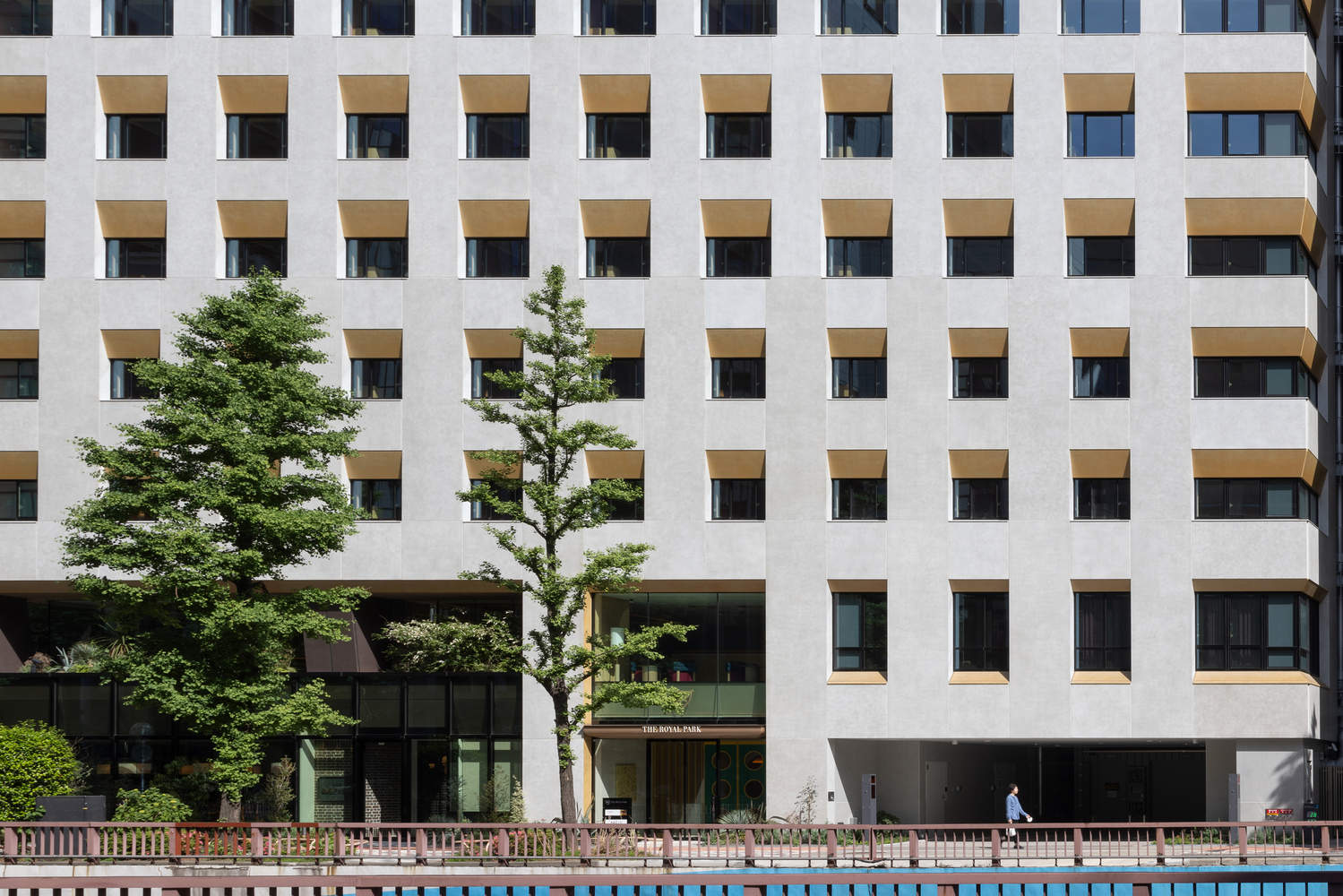
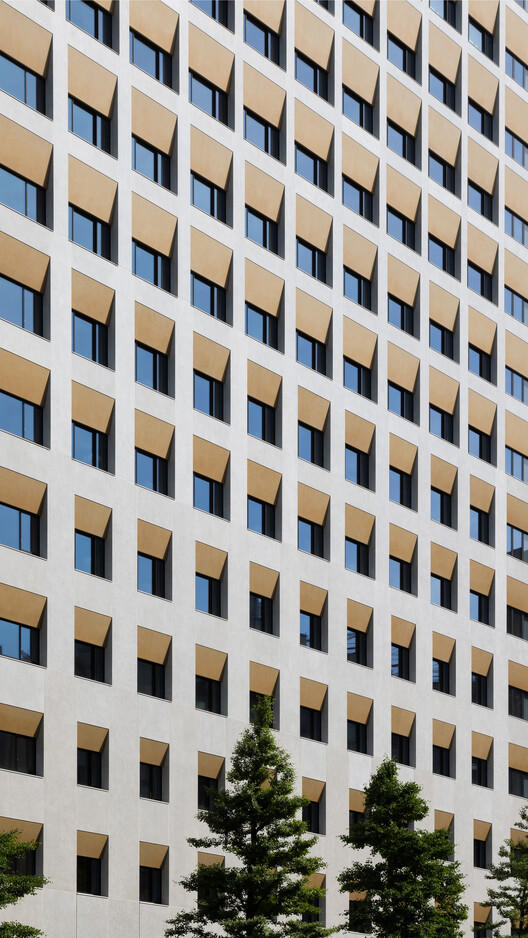
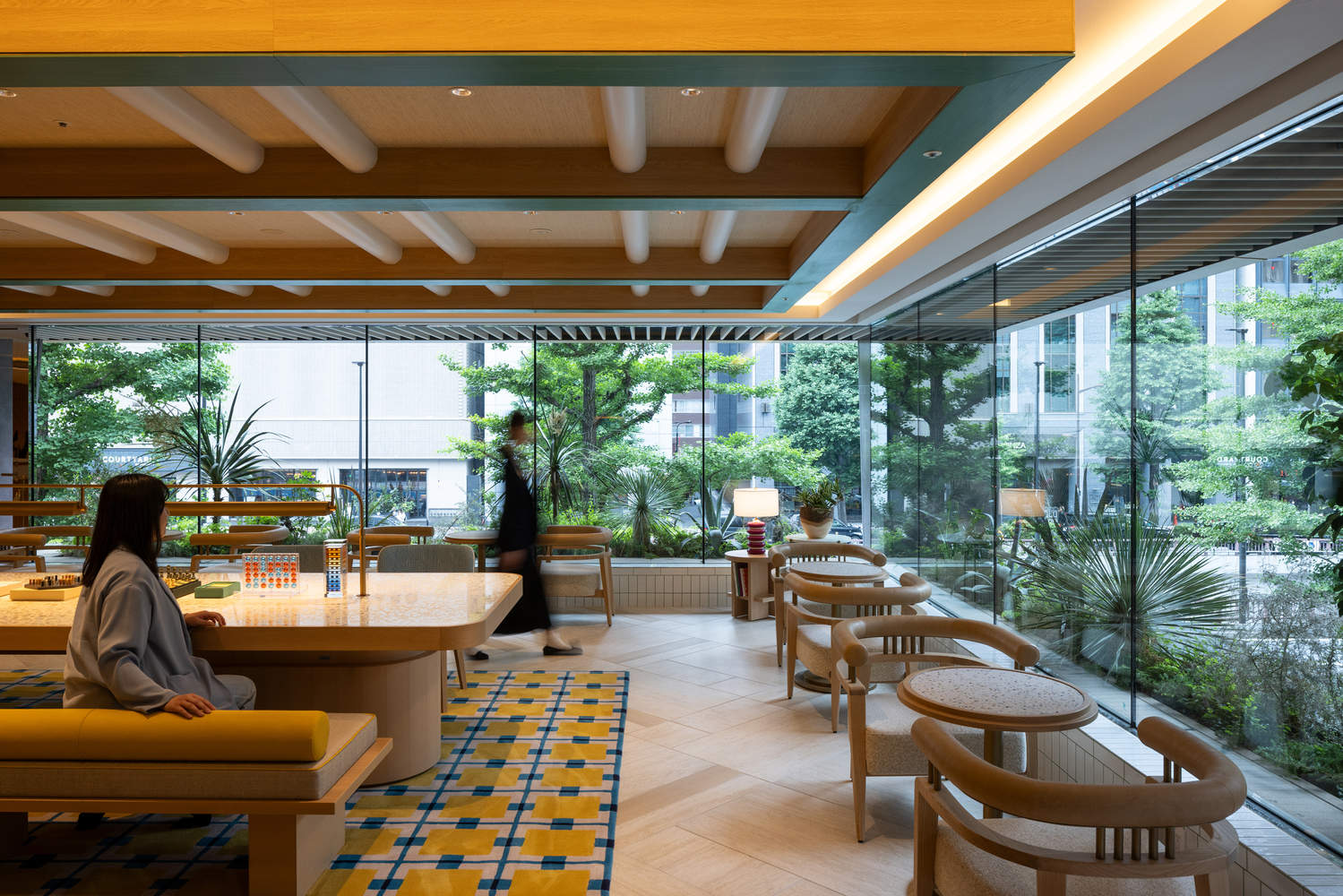
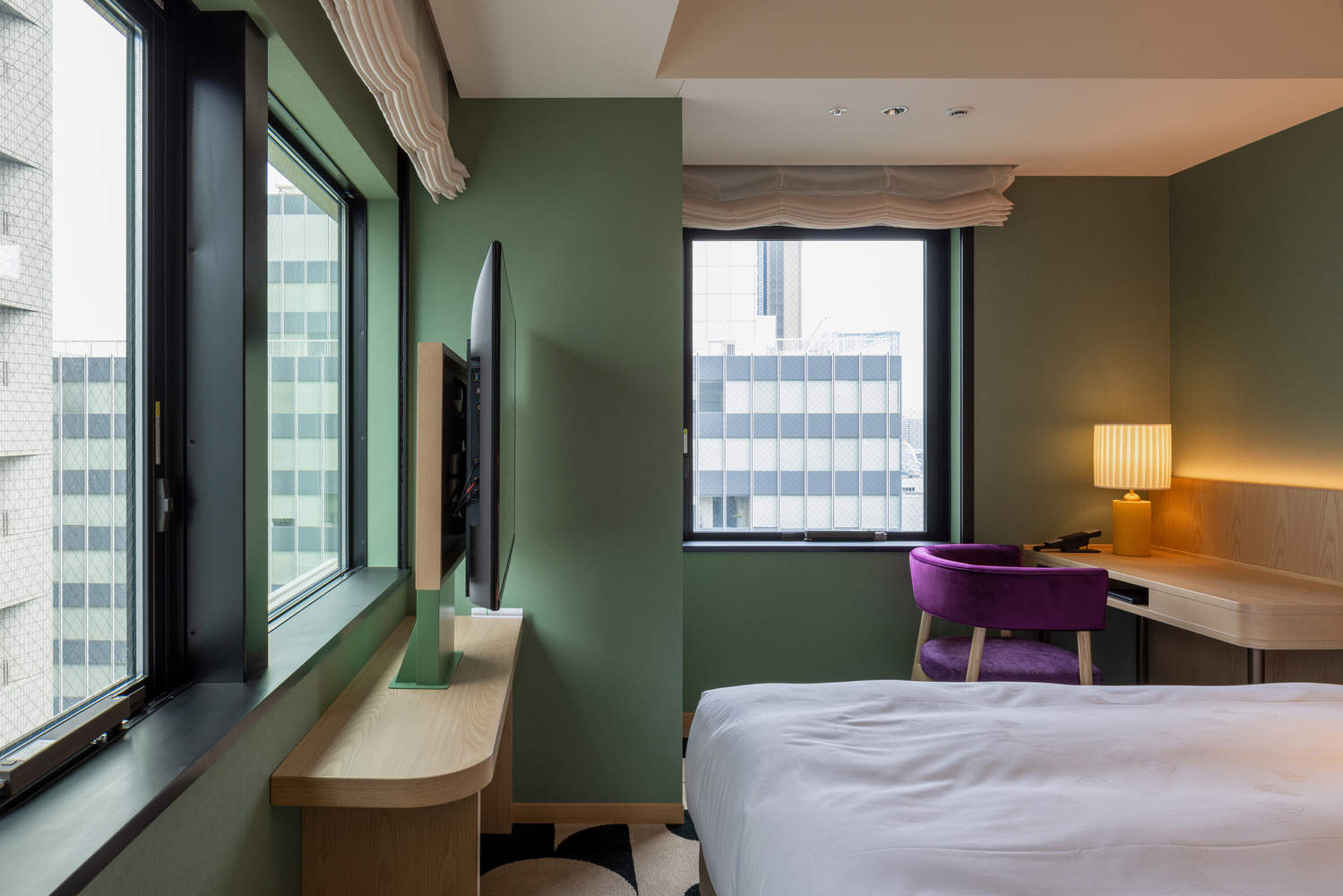
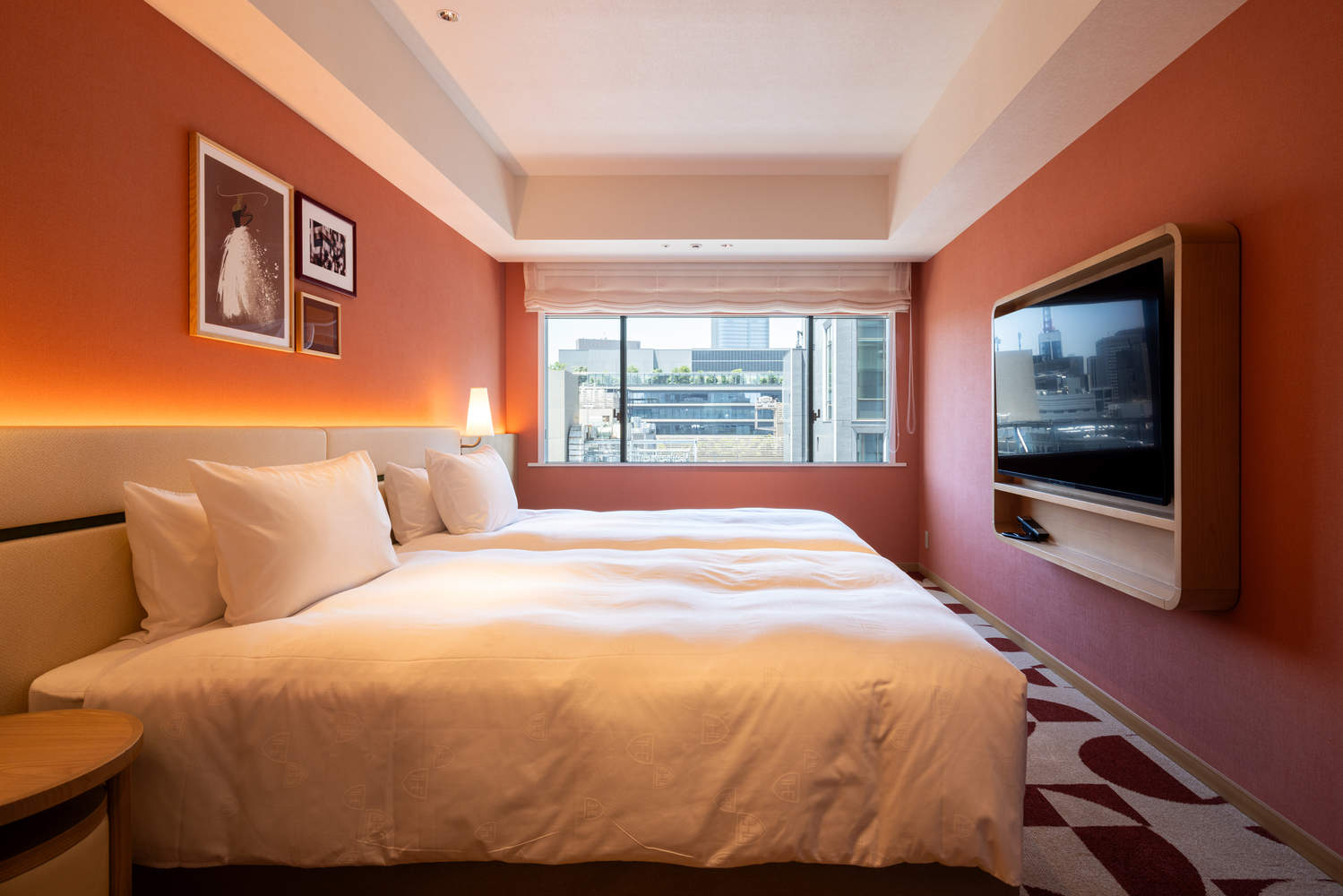
Given the compact size of each room, the design fully utilizes the role of windows in shaping the spatial experience. The large windows bring sunlight into the depths of the room and frame the dynamic street view of Ginza, providing guests with a strong connection to the surrounding city landscape. Considering that street noise will decrease in high-rise buildings, the ratio of windows to walls gradually increases in the upper floors. This subtle gradient creates subtle differences between guest rooms, ensuring that every stay experience is unique.
鉴于每间客房的面积紧凑,设计充分发挥了窗户在塑造空间体验方面的作用。大面积的开窗将日光引入房间深处,并框定出银座动态的街景,为客人提供了与周边城市景观的强烈连接。考虑到街道噪音在高楼层会减弱,窗户与墙面的比例在上层逐渐增加。这种微妙的渐变在客房之间营造出细腻的差异,确保每次入住体验都不尽相同。
© SS / Sode Naomichi
© SS / Sode Naomichi
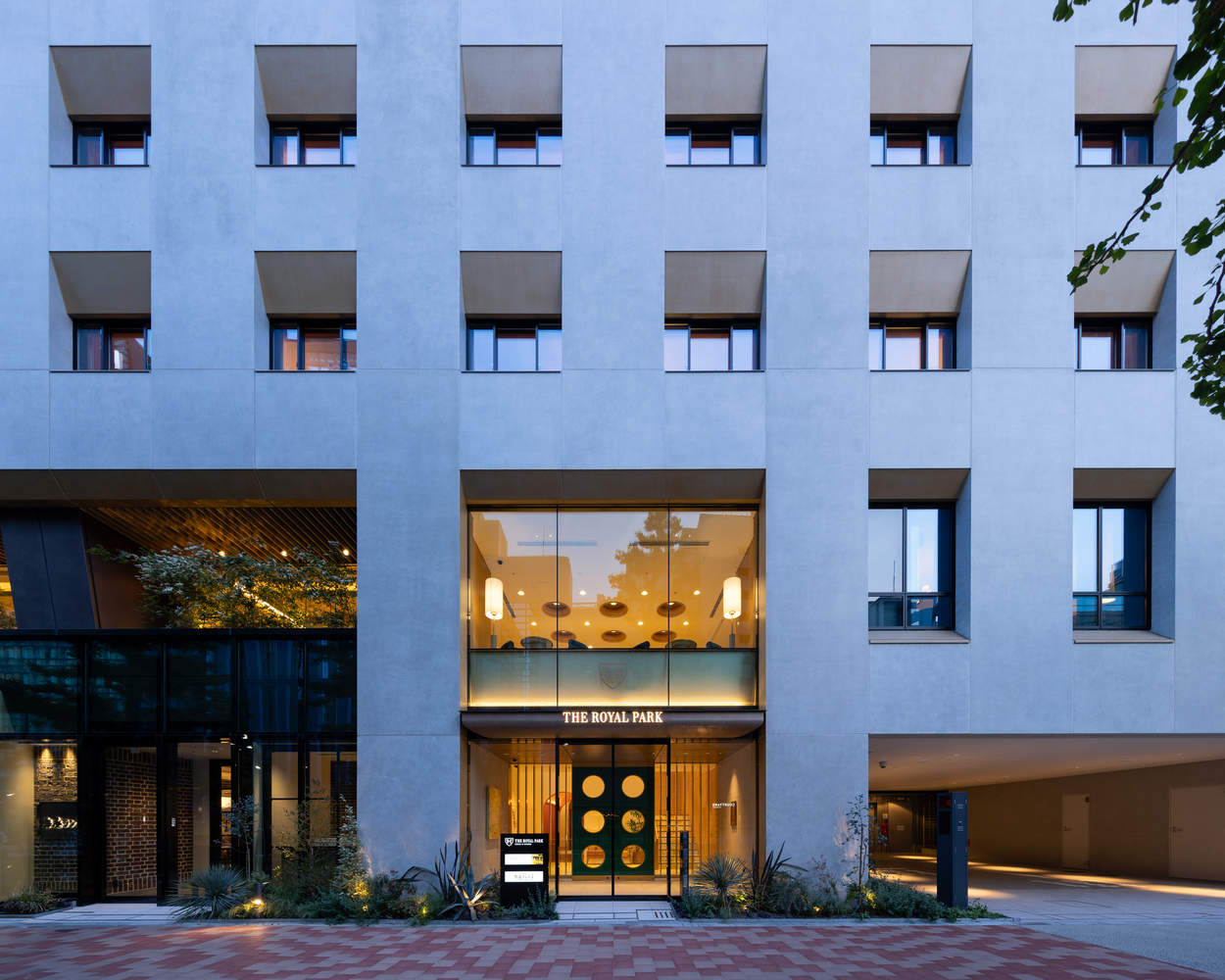
From the outside, these changes form a delicate and finely textured facade that is both eye-catching and in harmony with the streetscape of Ginza. The building does not present a single, unified appearance, but rather exhibits a diverse rhythm - a response to the evolving identity of the surrounding area.
从外部看,这些变化形成了一个精致且纹理细腻的立面,既引人注目,又与银座的街景相协调。该建筑并未呈现单一、统一的外观,而是展现出多样性的节奏 —— 这是对周边区域不断演变身份的一种建筑回应。
© SS / Sode Naomichi
© SS / Sode Naomichi
Despite initial concerns that the pandemic could permanently suppress the tourism industry, accommodation demand has rebounded. This hotel showcases how architecture surpasses operational efficiency, providing individuality, situational sensitivity, and unforgettable experiences. By rethinking the fundamental assumptions of business hotel types, this project points to a more diversified and people-oriented future direction for the urban hotel industry.
尽管最初有人担心疫情可能会永久抑制旅游业,但住宿需求已出现反弹。这座酒店展示了建筑如何超越运营效率,提供个性、情境敏感性和难忘的体验。通过重新思考商务酒店类型的根本假设,该项目为城市酒店业指明了一个更加多元化和以人为本的未来方向。
© SS / Sode Naomichi