Qingshan Academy/MOMENTUM Architectural Design Firm
青山学堂 / MOMENTUM 建筑设计事务所
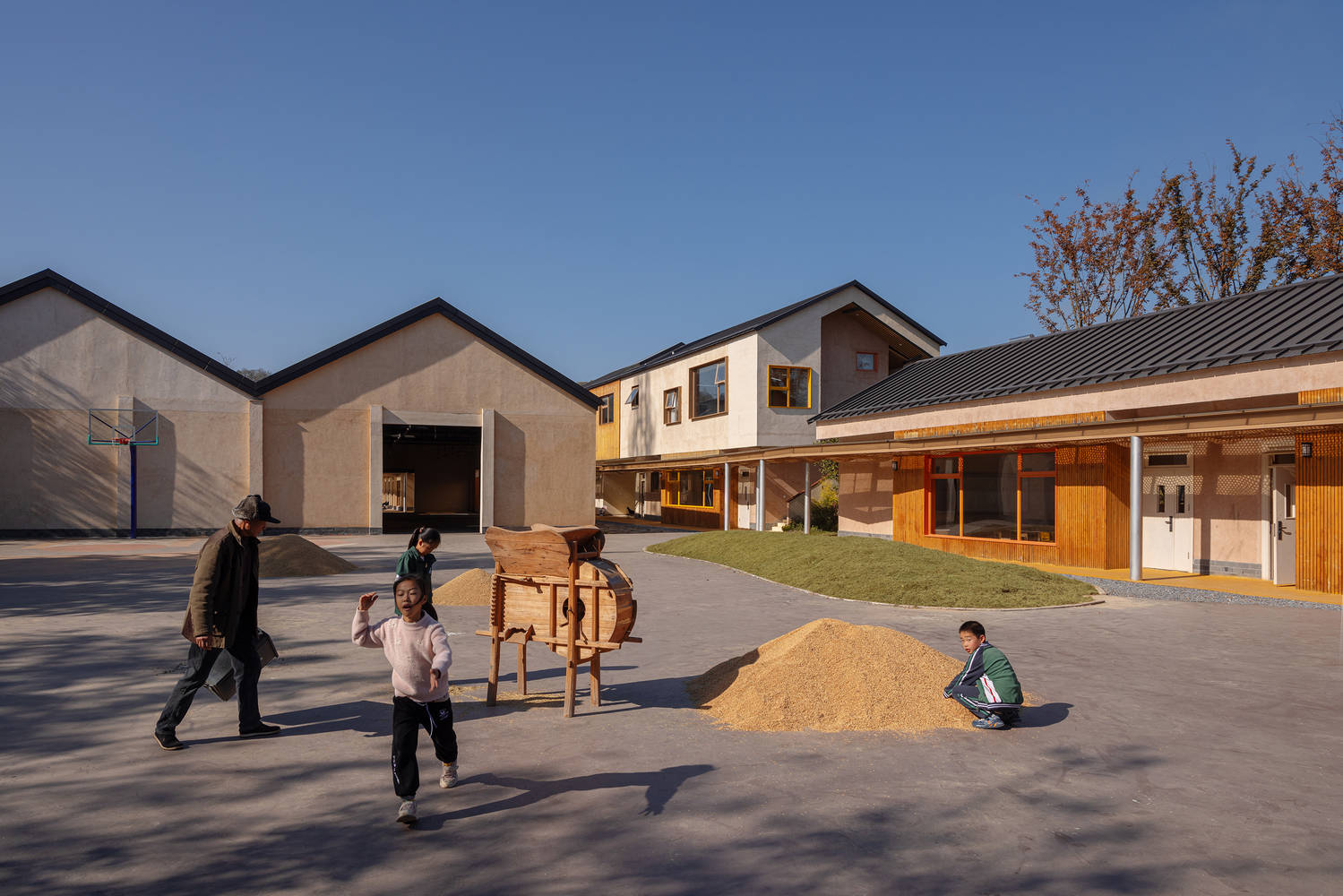
设计理念的创新性:青山学堂最令人赞叹之处在于其对“学习村落”理念的实践。 建筑师没有将校园局限于封闭的教室,而是巧妙地将学习空间延伸到庭院、田野、树下和溪边,打破了传统学校与自然的界限。这种设计理念鼓励孩子们在自由开放的环境中探索、合作,培养他们的好奇心和自主学习能力。模块化的教室和灵活的布局则为多样化的教学方法提供了支持,既能满足小组讨论的需求,也为个体思考和动手实验提供了空间。这种设计不仅赋予了建筑更强的实用性,更重要的是,它创造了一种全新的教育模式,将学习与乡村生活紧密结合,充分体现了建筑对教育的深刻理解和创新。
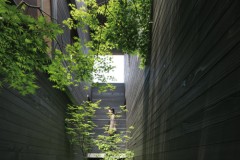
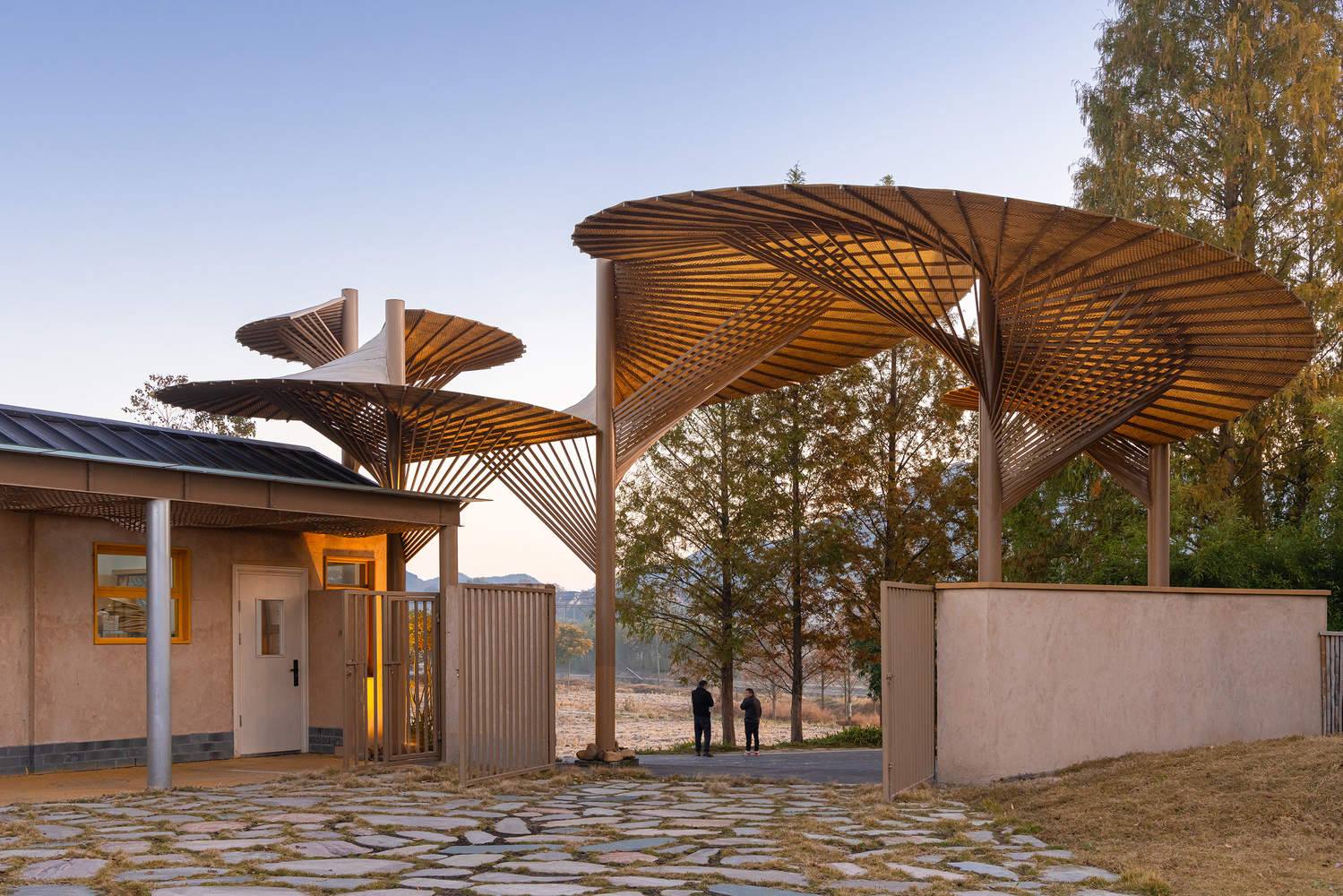
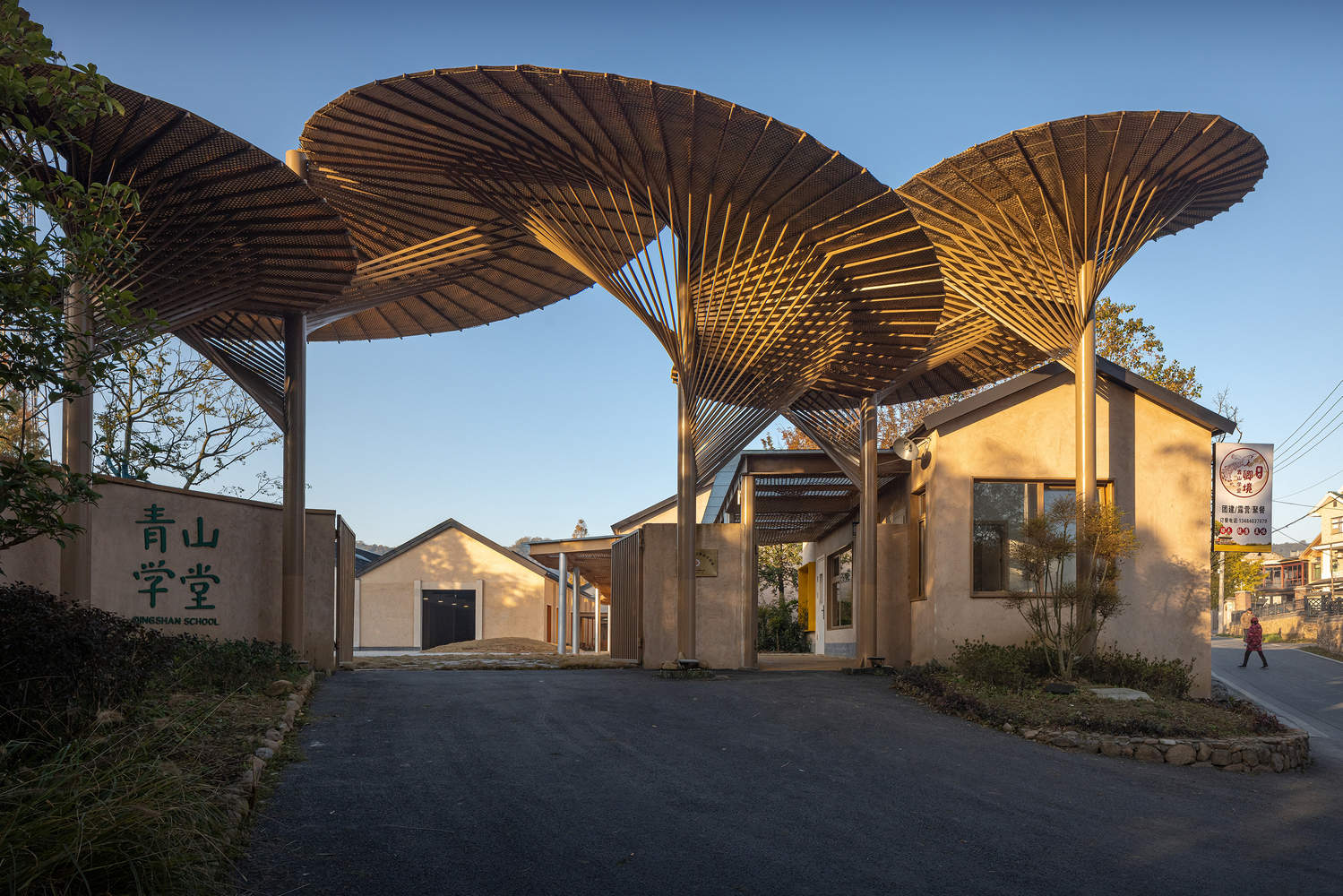
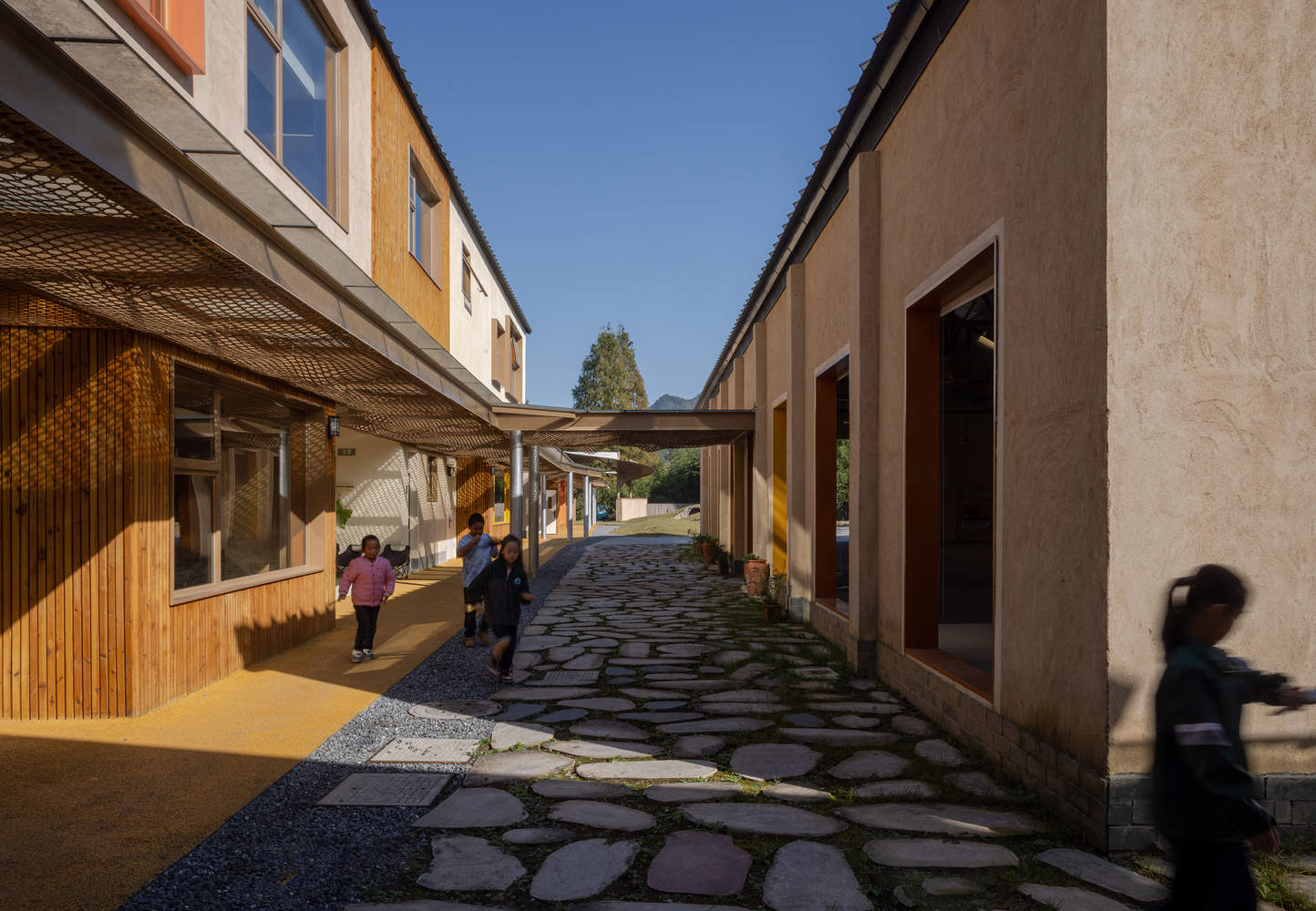
空间设计的独特性: 项目的空间设计充分体现了对场地和文脉的尊重。在尊重原有场地格局和尺度的前提下,建筑师通过竹编廊道将不同的功能单元连接起来,形成一个有机整体。这种设计既保留了场所的记忆,又赋予了校园新的活力。半开放的廊道、楼梯和平台被巧妙地设计成教室的延伸,使得教学活动可以自由地在整个校园中展开。这种设计不仅增加了空间的互动性,也促进了学生与环境的交流。此外,建筑材料的选择也与周边环境融为一体,墙体采用村庄土壤,竹构与木作则由本地工匠和志愿者共同完成,这种在地化的设计手法,使得建筑与环境、社区之间建立起深厚的联系,营造出独特的空间氛围。
社会价值与社区参与:青山学堂不仅是一座建筑,更是一个社会实验和文化平台。项目积极倡导社区参与,家长、村民、教育者共同参与学校的建设和运营,使得学堂成为一个促进代际交流和文化共享的公共空间。这种“非正式”的运营模式反而激发了社区的活力,增强了学校与社区之间的联系。同时,项目强调在地性与参与感,墙体采用村庄土壤抹制而成,竹构与木作由本地工匠和青年志愿者共同完成,建造过程不仅是物理营造,也是文化传承与社区协作的过程。这种设计理念和实践,使得青山学堂不仅仅是一所学校,更是一个充满活力、富有生命力的社区中心,体现了建筑的社会责任和人文关怀,并为乡村教育的未来发展提供了新的思路和可能性。
© 苏圣亮
© 苏圣亮
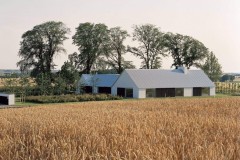
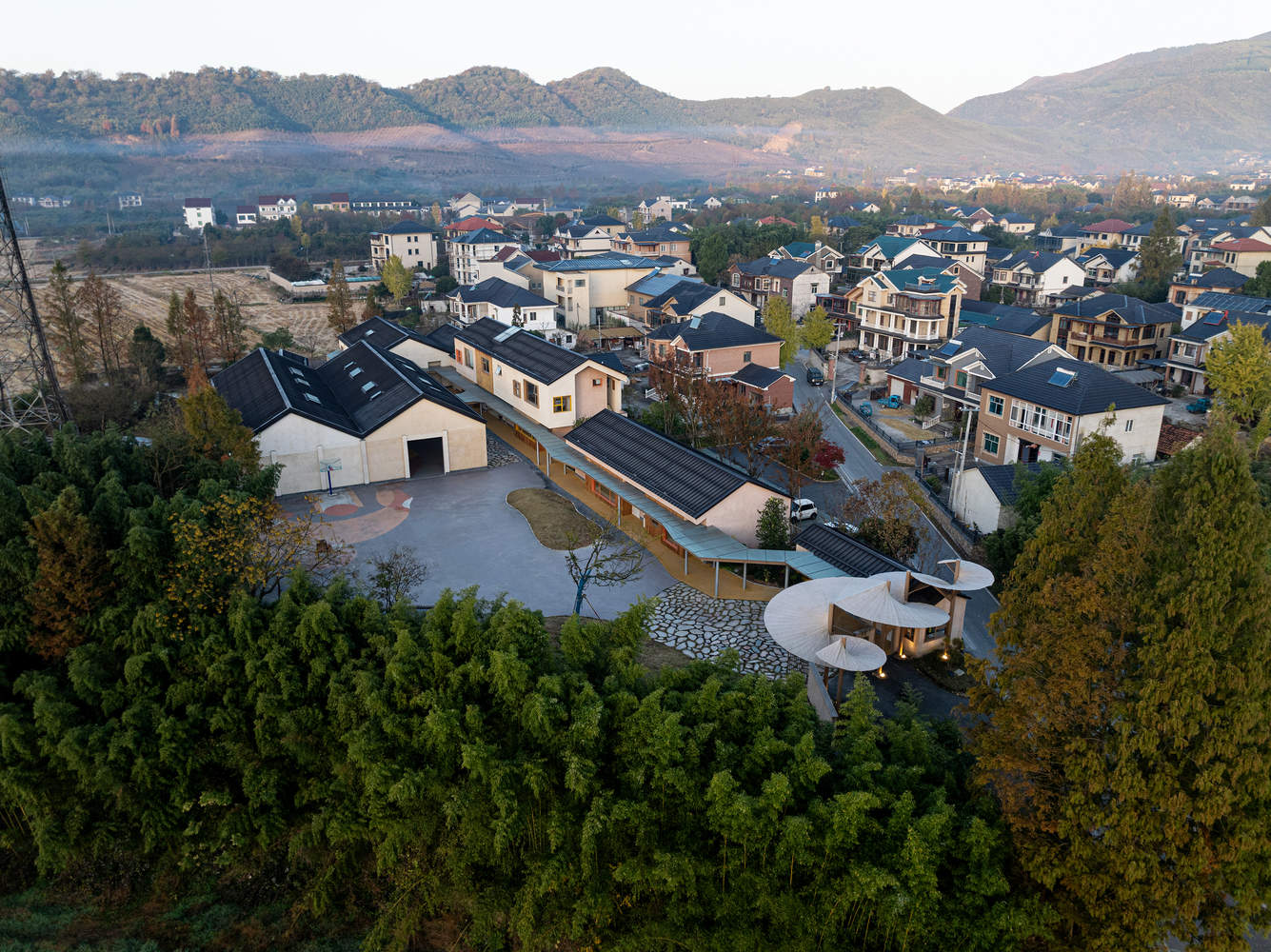
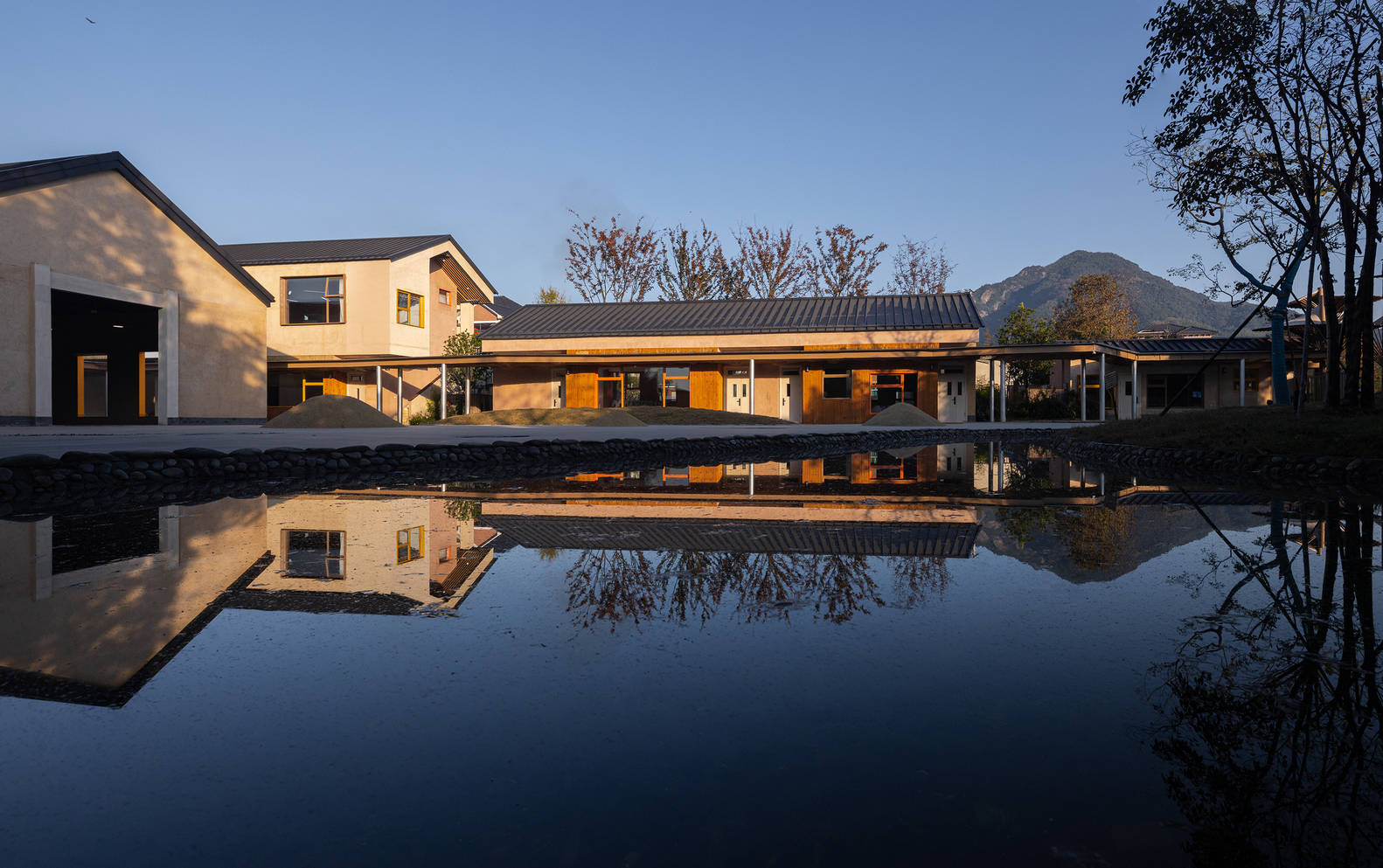
Qingshan Academy is located in Qingshan Village, Yuhang District, Hangzhou, on an abandoned elementary school campus. The original building was demolished and rebuilt due to structural aging and limited space, making it unusable. MOMENTUM Architecture Firm has rebuilt a school for the community while respecting the original site layout and scale. The goal is to create a student-centered environment that connects learning to rural life while continuing the cultural memory carried by the land.
青山学堂位于杭州余杭区青山村,选址在一所废弃的小学校园。原有建筑因结构老化、空间局限而无法再利用,因此被拆除重建。MOMENTUM建筑事务所在尊重原有场地格局和尺度的基础上,为社区重建了一所学堂,目标是创造一个以学生为中心的环境,使学习重新连接乡村生活,同时延续土地所承载的文化记忆。
© 苏圣亮
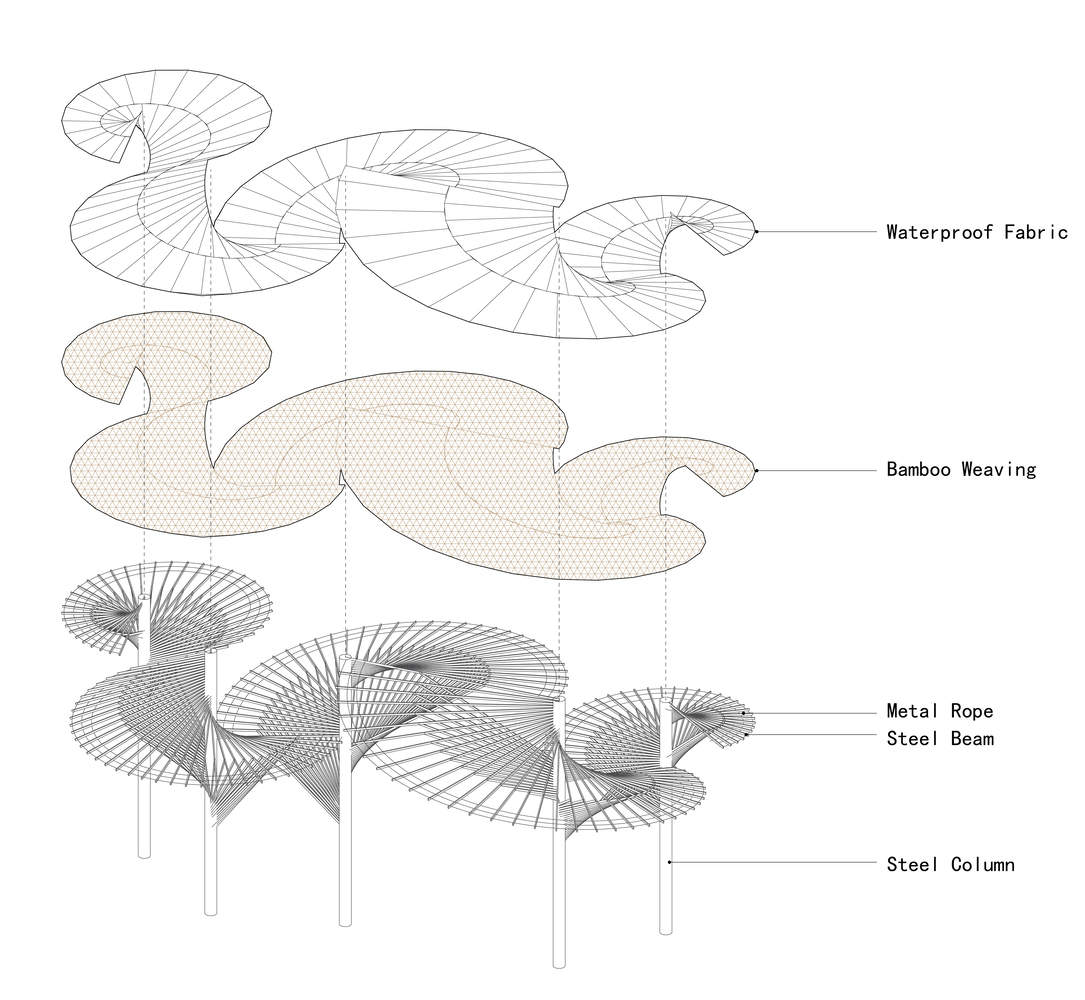
轴测分析图
© 苏圣亮
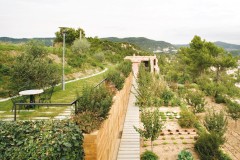
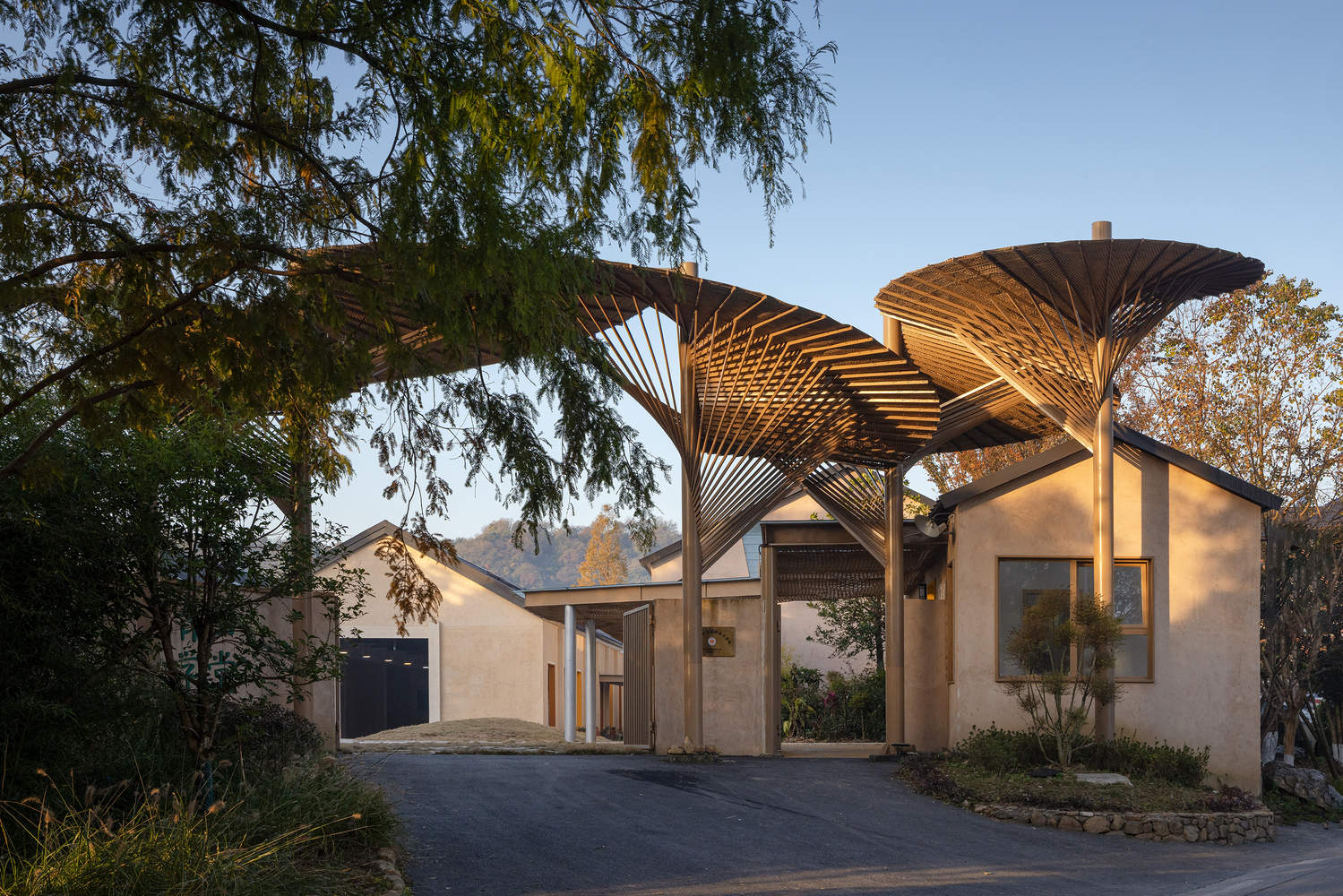
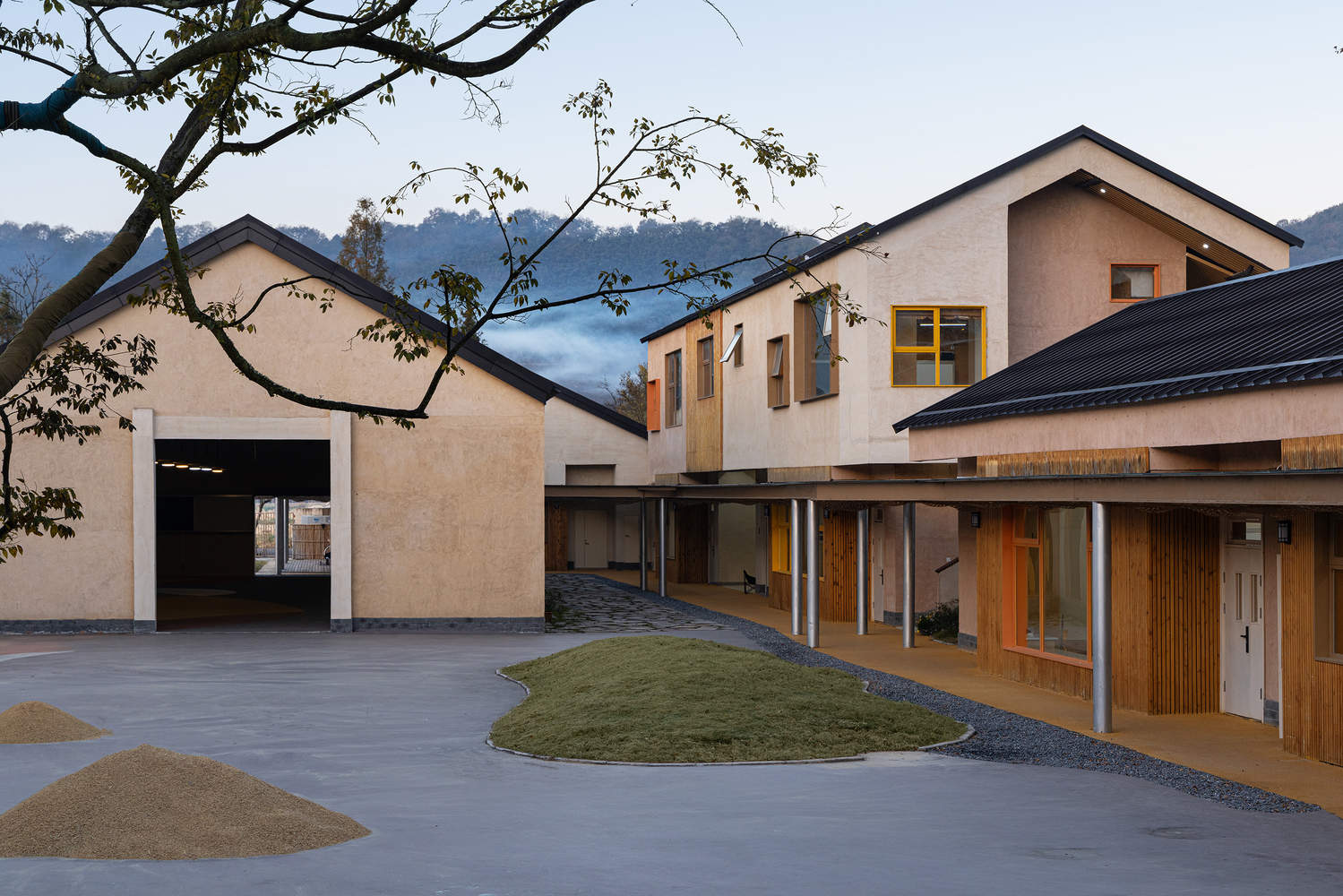
The new campus is envisioned as a 'learning village'. Education is no longer limited to closed classrooms, but is carried out through multiple functional units surrounding the courtyard, connected by bamboo weaving corridors. Learning occurs indoors, as well as in fields, under trees, and by streams. This spatial strategy breaks the boundaries between school and nature, encouraging children to maintain curiosity, cooperation, and independent exploration.
新的校园被构想为一个“学习的村落”。教育不再局限于封闭教室,而是通过多个功能单元围绕庭院展开,由竹编廊道串联。学习发生在室内,也发生在田野、树下和溪边。这样的空间策略打破了学校与自然之间的边界,鼓励孩子们保持好奇、合作和自主探索。
© 苏圣亮
© 苏圣亮
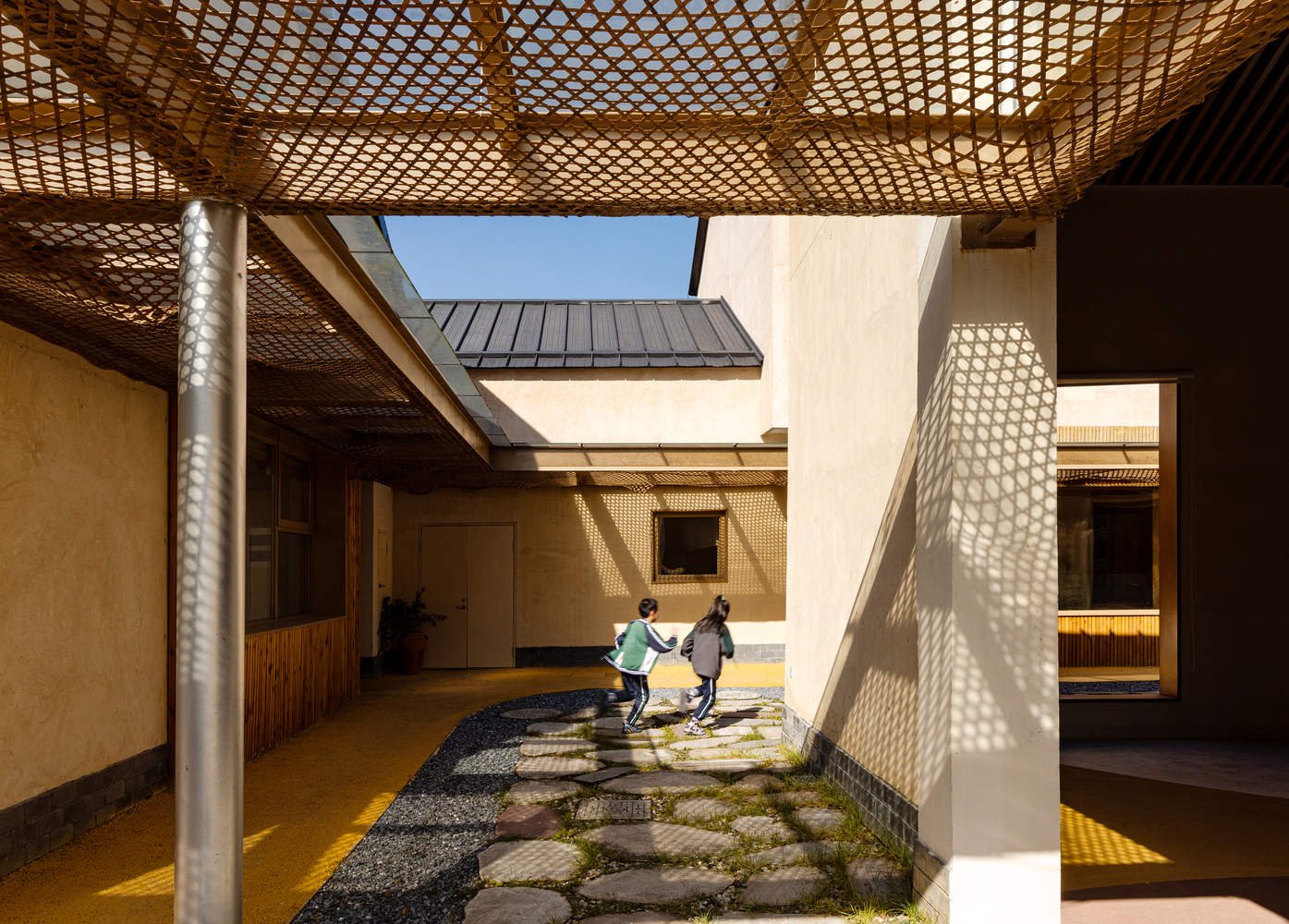
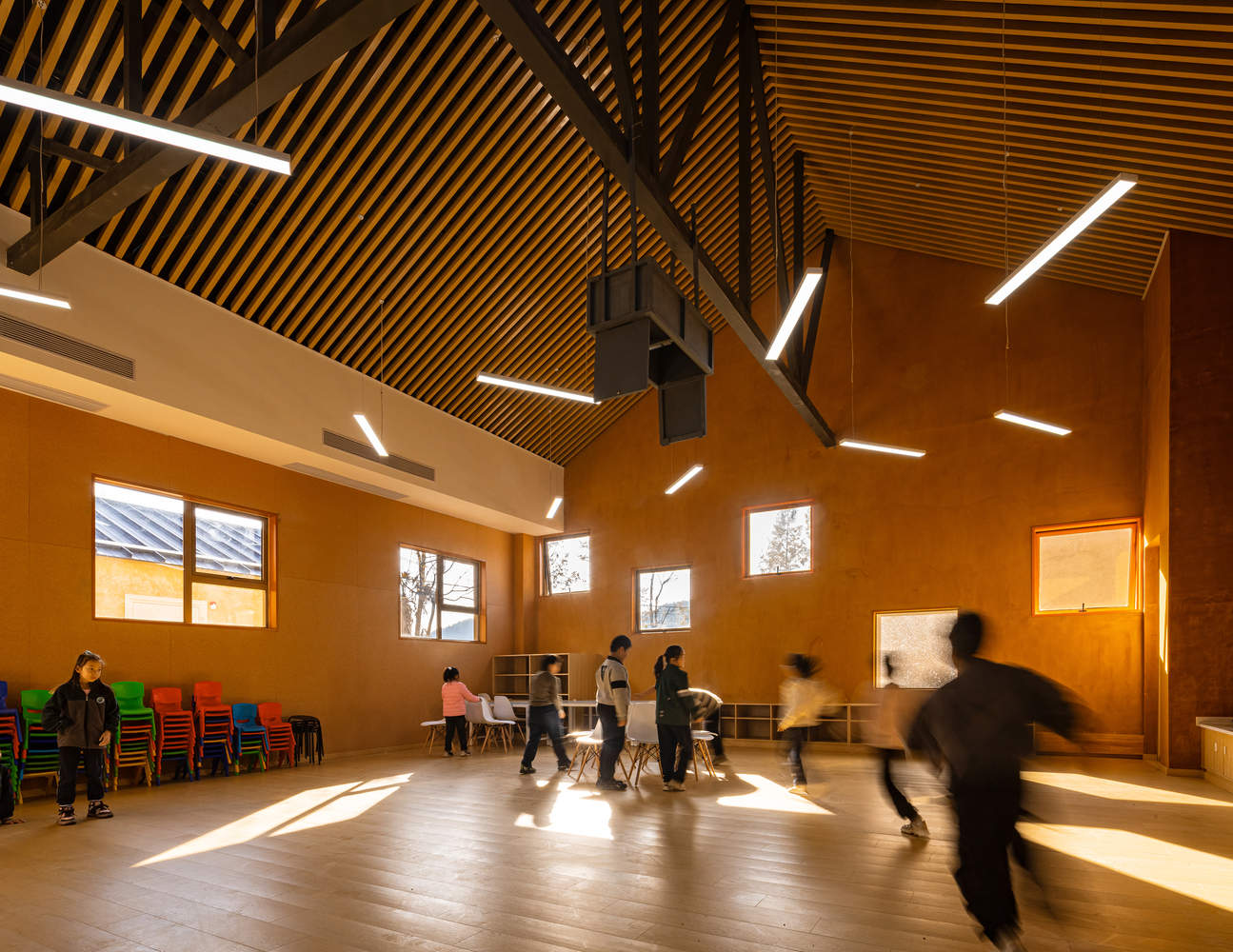
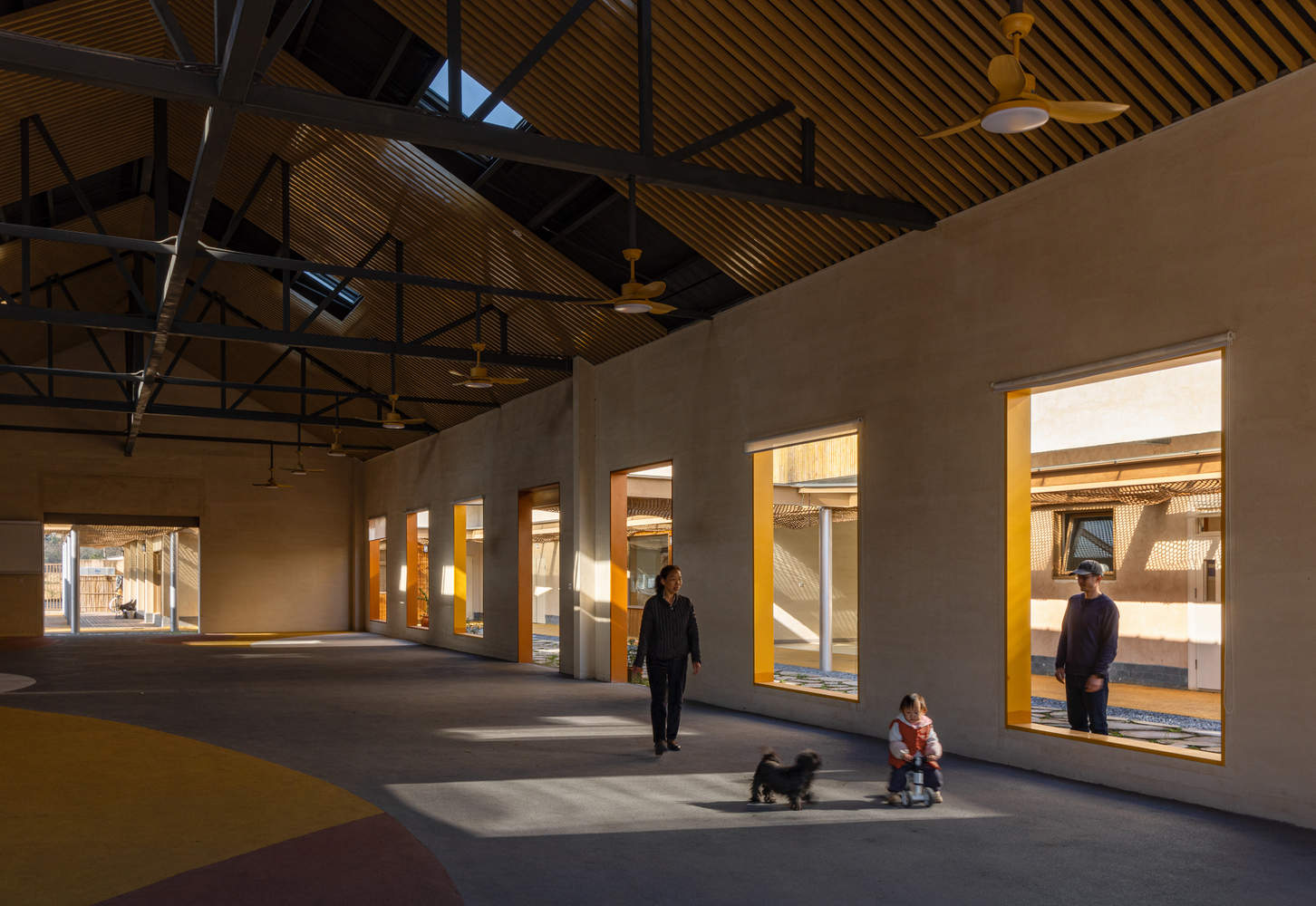
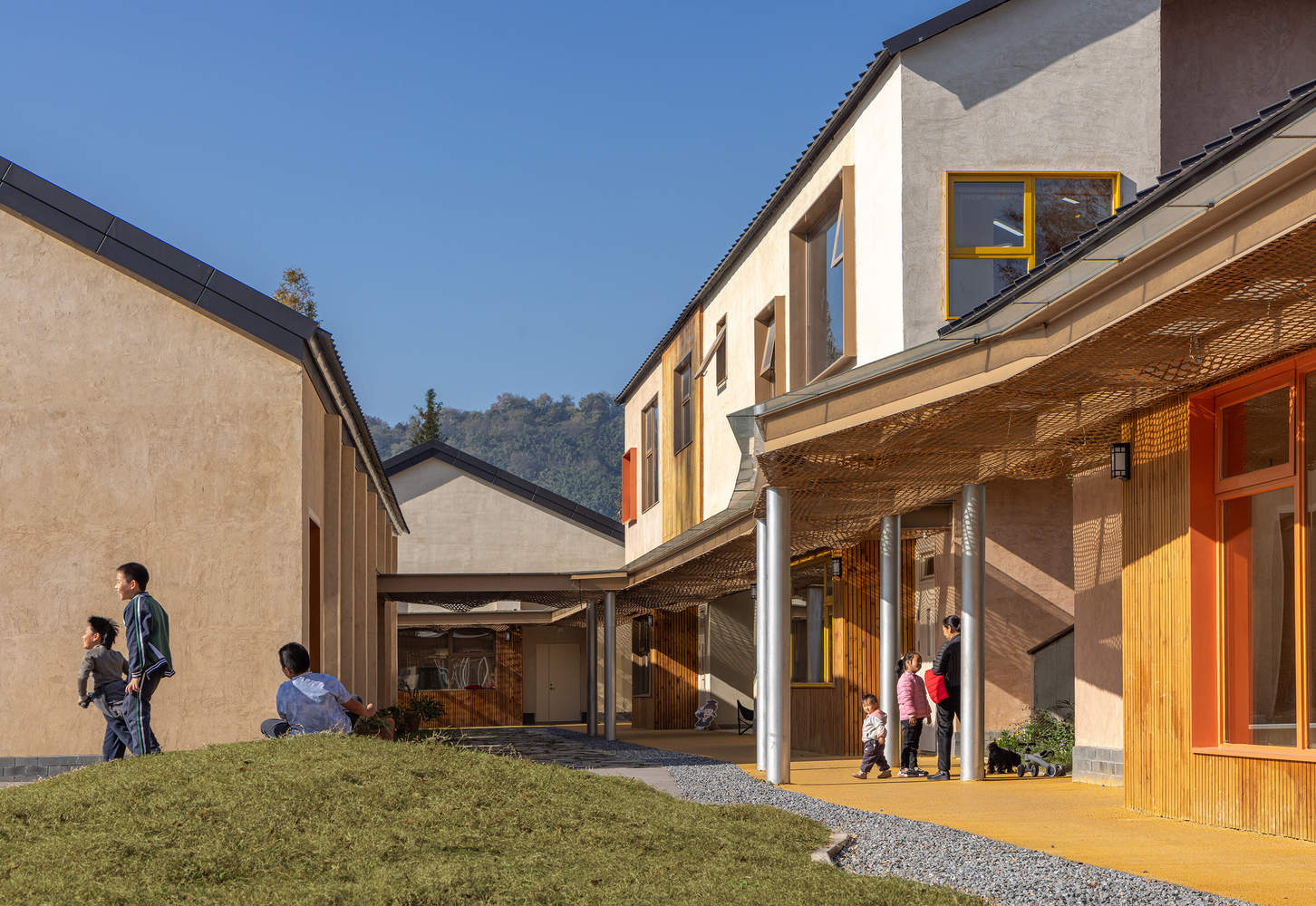
Internally, modular classrooms and flexible layouts support diverse teaching methods - suitable for group discussions as well as accommodating individual thinking and hands-on experimentation. The semi open corridors, stairs, and platforms are seen as extensions of the classroom, allowing educational activities to freely unfold throughout the entire campus. The project has been closely collaborating with the education team from the beginning to ensure that the spatial design is in line with children's cognitive development.
在内部,模块化的教室与灵活布局支持多样化的教学方式——既适合小组讨论,也容纳个体思考与动手实验。半开放的廊道、楼梯与平台被视为课堂的延伸,使教育活动能够在整个校园自由展开。项目从一开始就与教育团队深度合作,确保空间设计契合儿童的认知发展。
© 苏圣亮
© 苏圣亮
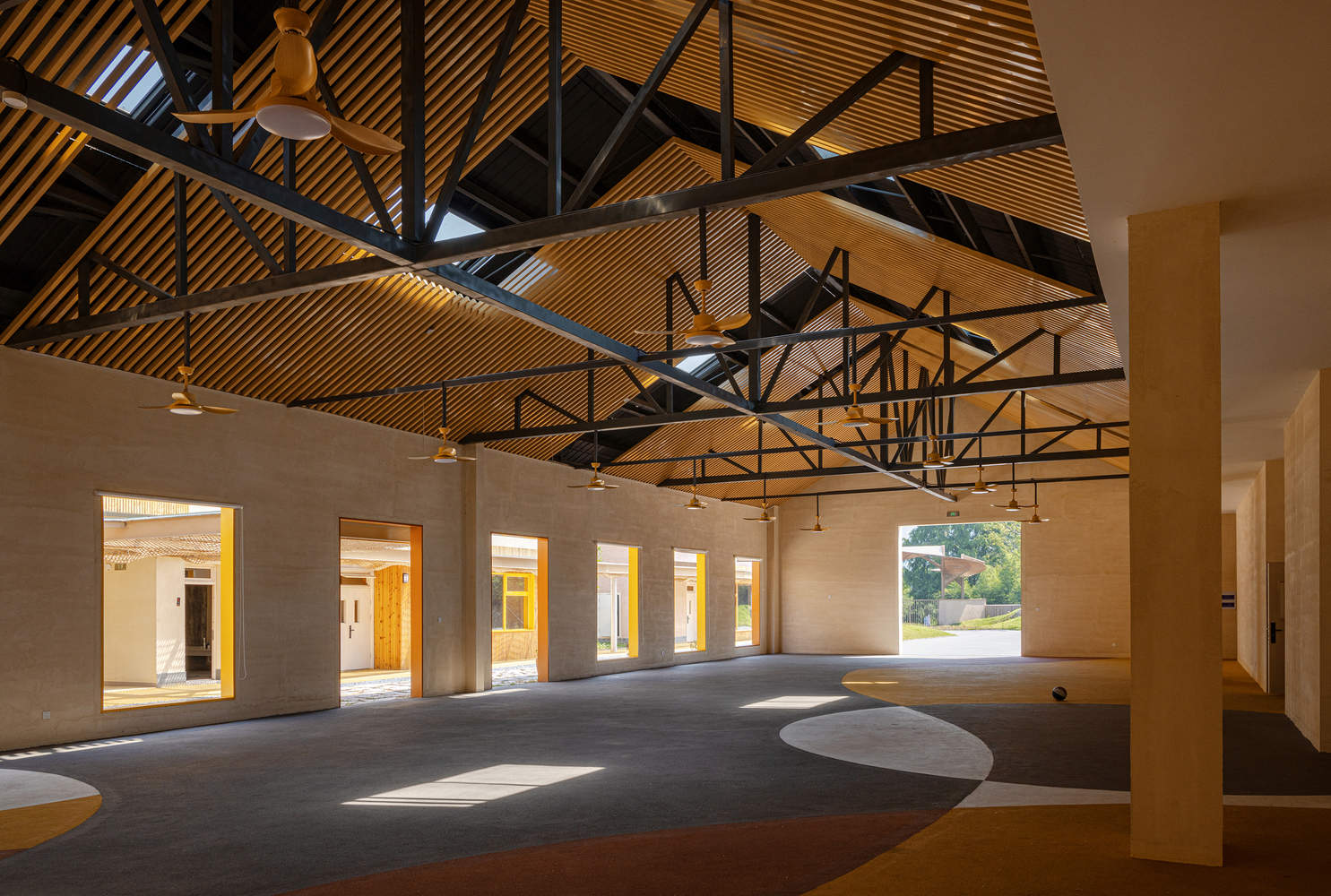
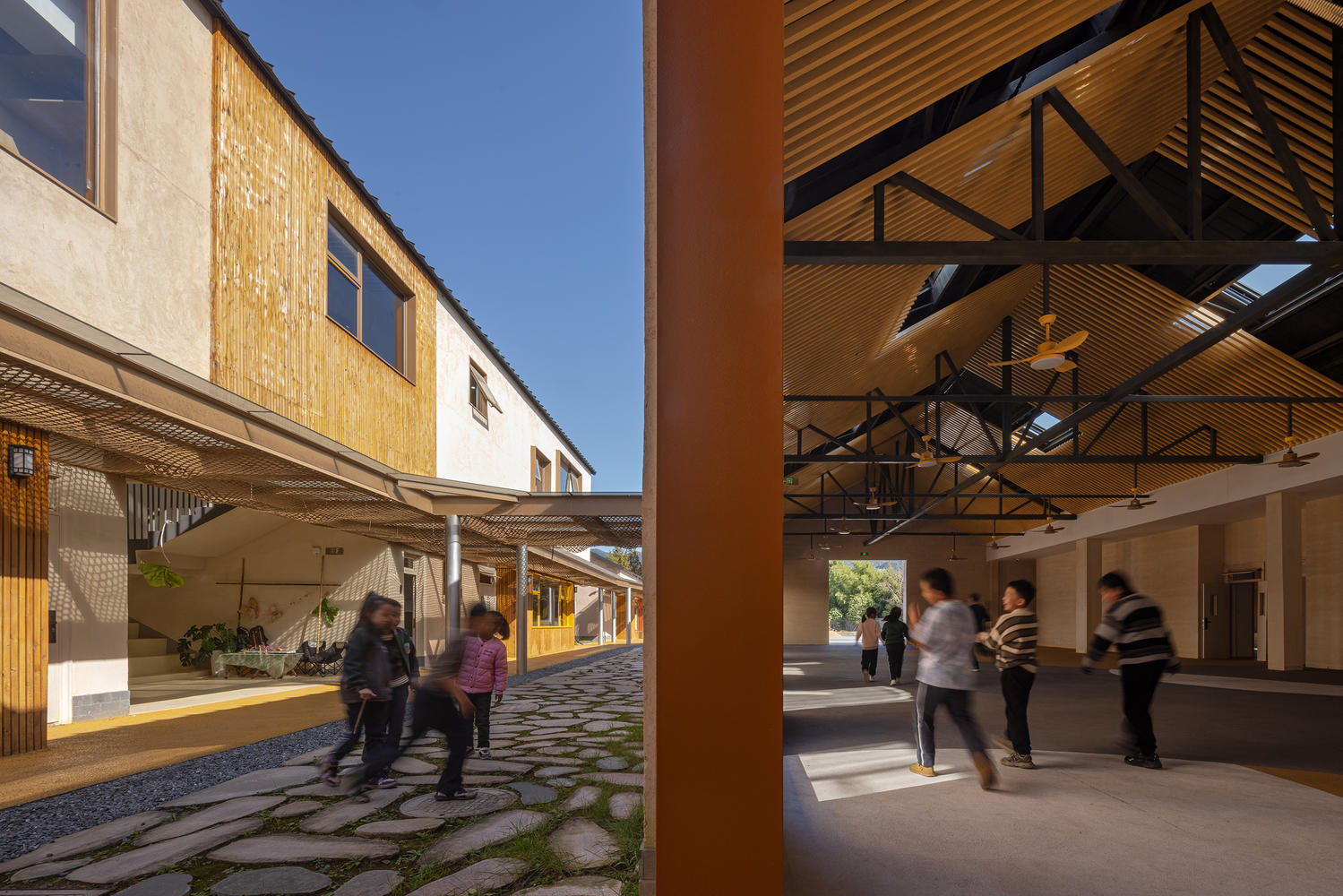
At present, Qingshan School has not been included in the national school system, but operates in the form of study tours, summer camps, and community workshops. This' informal 'state has instead become an advantage: parents, villagers, and educators participate together, making schools a public platform for promoting intergenerational communication and cultural sharing.
目前,青山学堂尚未纳入国家学校体系,而是以研学课程、夏令营和社区工作坊等形式运行。这种“非正式”的状态反而成为优势:家长、村民与教育者共同参与,让学堂成为促进代际交流与文化共享的公共平台。
© 苏圣亮
© 苏圣亮
© 苏圣亮
In terms of construction, the project emphasizes locality and a sense of participation. The walls are made of village soil, and the bamboo and wooden structures are jointly completed by local craftsmen and young volunteers. The construction process is not only a physical creation, but also a process of cultural inheritance and community collaboration.
在建造上,项目强调在地性与参与感。墙体采用村庄土壤抹制而成,竹构与木作由本地工匠和青年志愿者共同完成。建造过程不仅是物理营造,也是文化传承与社区协作的过程。
© 苏圣亮
© 苏圣亮
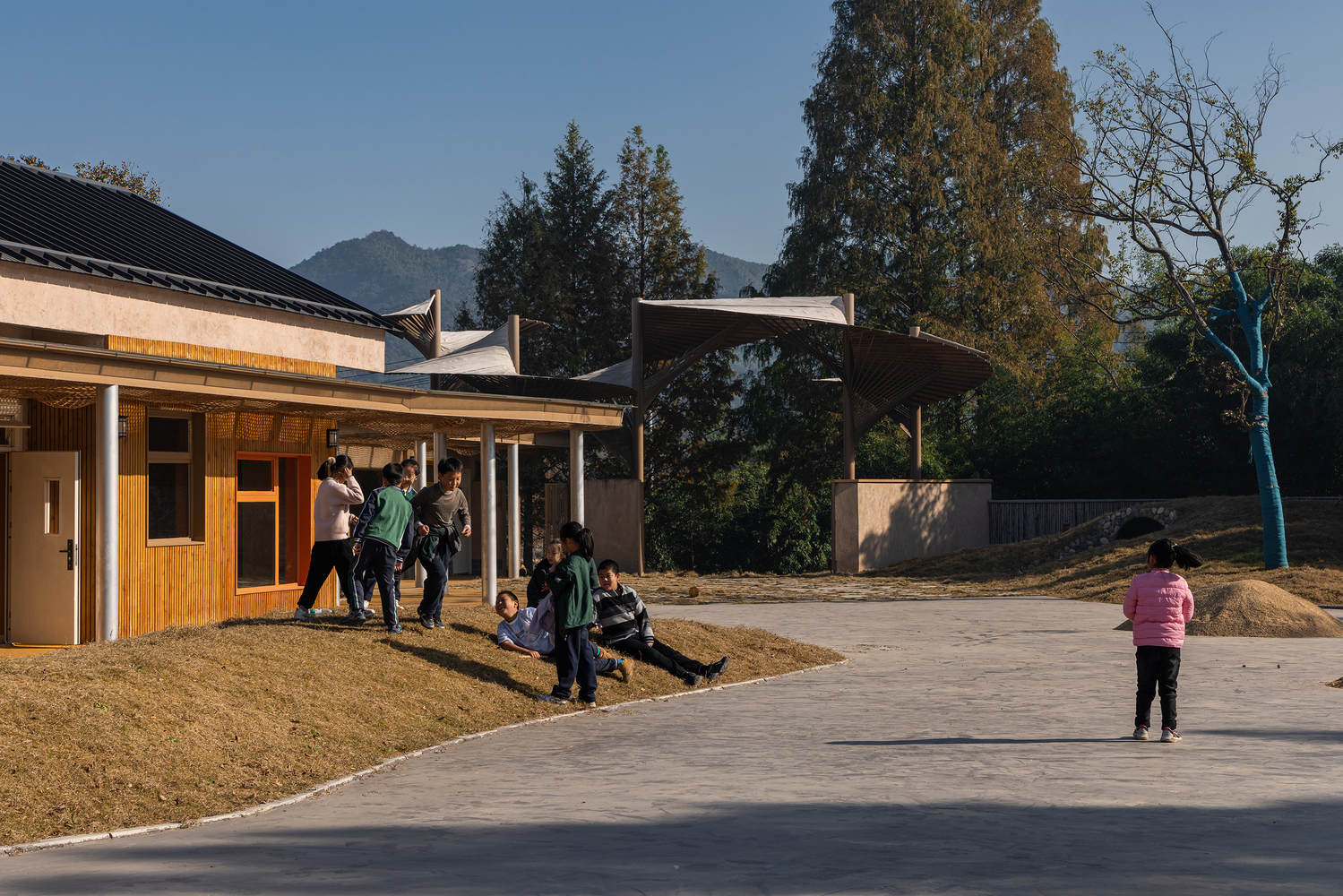
Qingshan School has not yet become an "official" school, but it has demonstrated the future prototype of rural education. By rooting learning spaces in land, communities, and local crafts, the project redefines the meaning of architecture - it is not just a physical container, but also a social experiment and cultural platform. We look forward to the future integration of Qingshan School into the education system, and it has proven that architecture can inspire learning, connect communities, and reimagine the possibilities of rural education.
青山学堂尚未成为一所“正式”的学校,但它已展现出乡村教育的未来原型。通过将学习空间扎根于土地、社区与地方工艺,项目重新定义了建筑的意义——它不仅是物理容器,更是一种社会实验与文化平台。我们期待青山学堂未来能被纳入教育体系,而它当下已证明:建筑可以启发学习,连接社区,并重新想象乡村教育的可能。
© 苏圣亮
© 苏圣亮