Chiwete Chiwa Nature House/Teerachai Leesuraplanon, Thitiphong Phoonthong
奇维特·奇瓦自然之家 / Teerachai Leesuraplanon, Thitiphong Phoonthong
项目亮点:与环境的深度融合:奇维特·奇瓦自然之家最突出的亮点在于其与环境的深度融合。项目选址在稻田之上,毗邻重要的运河,这不仅赋予了建筑独特的场所精神,也为可持续发展理念奠定了基础。建筑设计充分考虑了当地的热带湿润气候,通过被动式降温策略和对自然通风的巧妙利用,降低了能源消耗,体现了对环境的尊重。设计团队精心挑选了当地常见的材料,如砖块、穿孔砌块和回收木材,使建筑的色调和质感与周围景观和谐统一,实现了建筑与环境的无缝连接,展现了对自然环境的敬畏和对可持续发展的承诺。
精髓所在:教育与建筑的完美结合:该项目的精髓在于将建筑设计与教育理念完美结合。奇维特·奇瓦自然之家不仅仅是提供学习场所的建筑,更是一个传递可持续发展和自力更生理念的教育工具。从“从种子到餐桌”的核心课程到开放的户外课堂设计,无不体现了对自然和实践的重视。建筑的各个方面,包括形式、空间和材料的选择,都在为教育服务。例如,半开放空间模糊了室内外边界,让自然元素融入学习体验;回收木材的应用,则直接传达了资源节约和环保的理念,展现了建筑如何成为一个生动的教学载体,赋予了建筑更深层次的意义。
设计特色:本土传统与现代需求的平衡:设计师巧妙地平衡了本土传统与现代需求。建筑形式上,采用低坡度的双坡屋顶,致敬了当地建筑风格。空间设计上,通过半开放区域的设置,创造了与自然的互动空间。材料选择上,采用当地常见的砖块、穿孔砌块和回收木材,既满足了建筑的实用功能,又体现了对生态价值的尊重。这种对地方特色和现代需求的平衡,使得建筑既具有文化底蕴,又适应了现代生活和教育的需求。整个设计在形式、空间和材料上都体现了对当地文化和环境的尊重,创造了一个独具特色的自然学习中心。
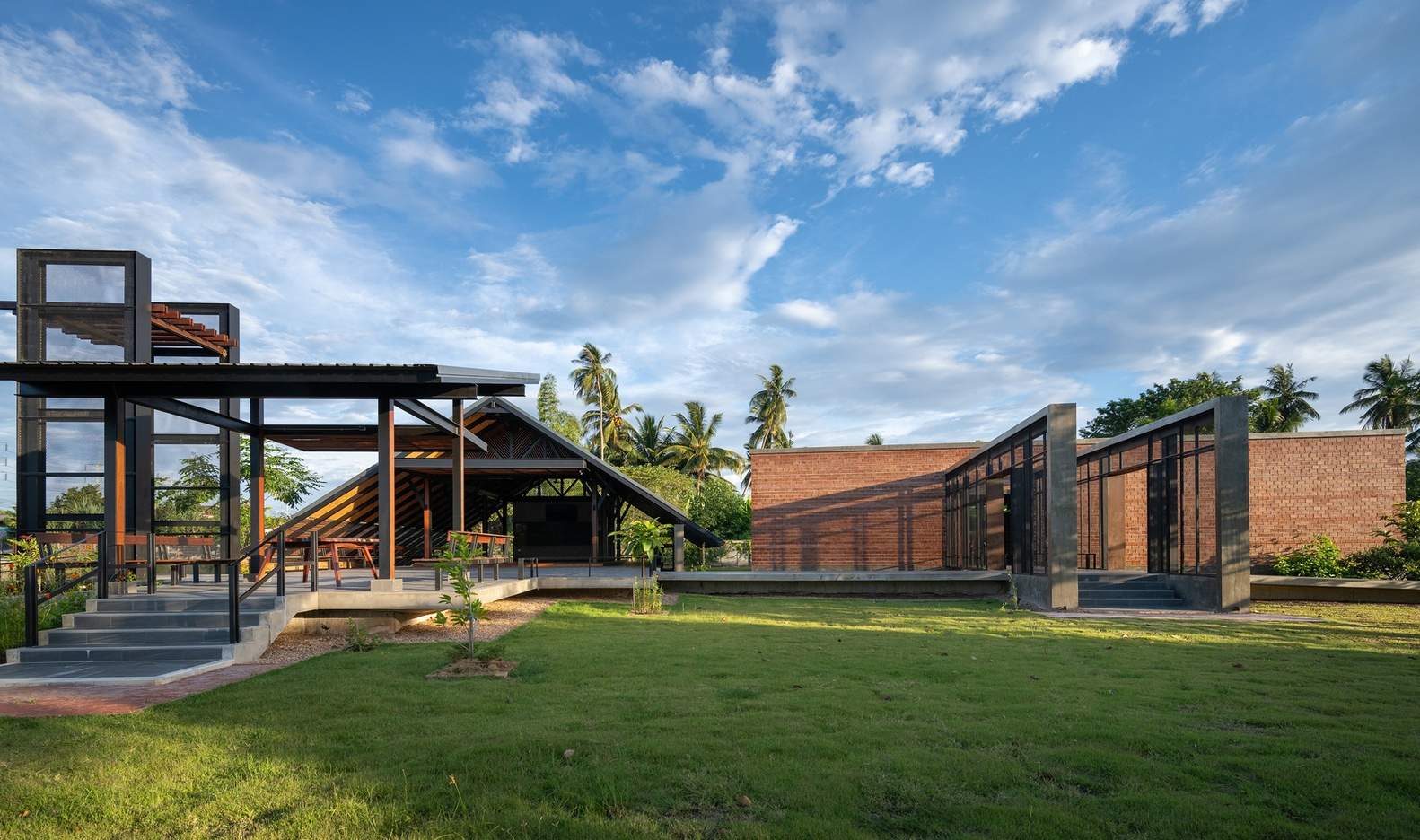
© Rungkit Charoenwat
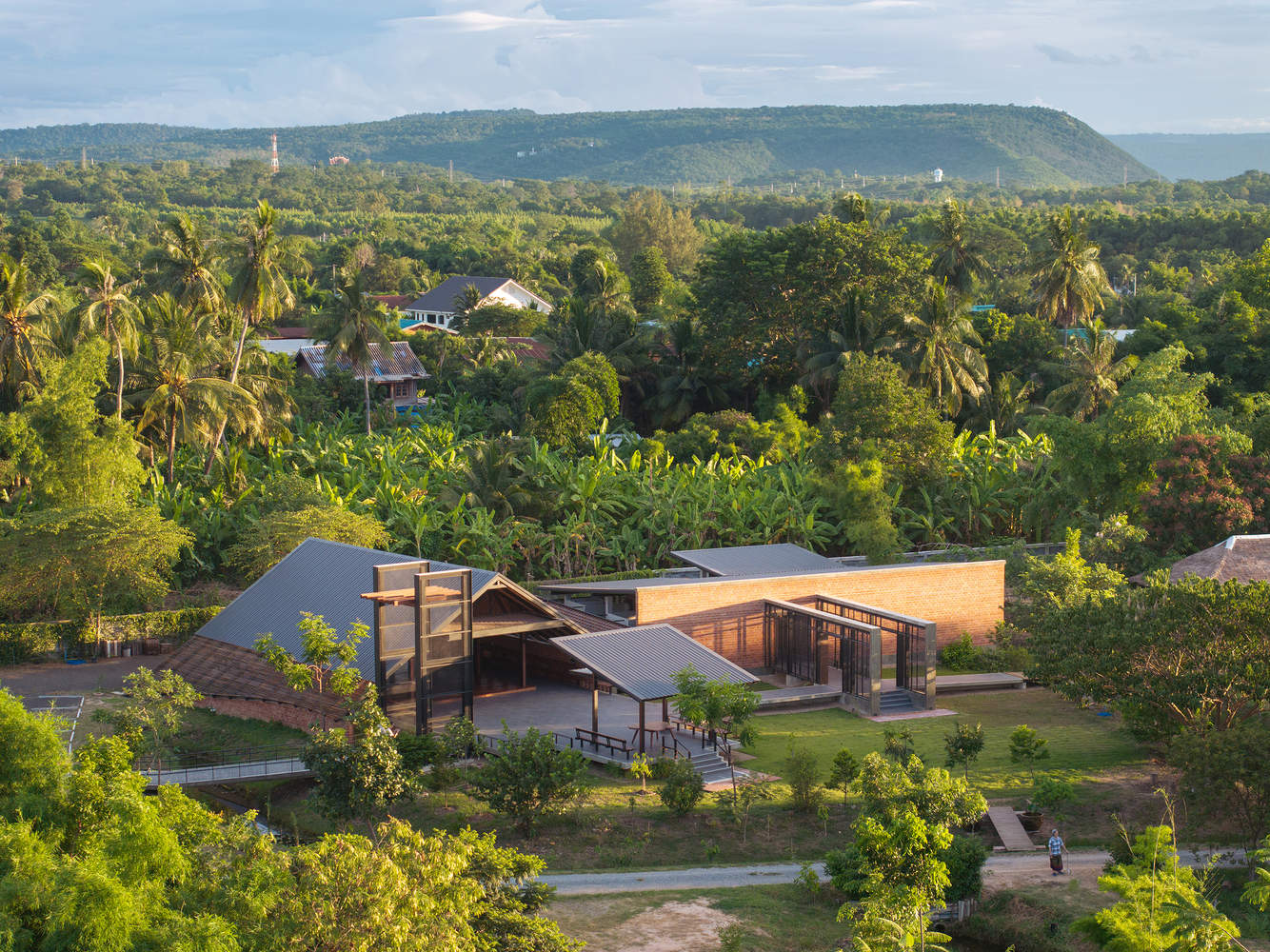
© Rungkit Charoenwat
From yearning for boundaryless classrooms to architecture that blends with nature - the Chivit Chiva Nature House (also known as the Xiqiu Nature Agriculture Learning Center) was conceived by Dr. Marvin Dankul, who envisioned expanding the teaching model of Prasarnwittaya School through project-based learning in outdoor classrooms. The main mission of this center is to cultivate the life skills of children and adolescents and enhance their environmental awareness. The core curriculum adheres to the comprehensive learning concept of "from seed to table", covering topics such as soil remediation, water resource management, renewable energy utilization, and zero waste systems. The ultimate goal of this project is to encourage people to achieve sustainable self-reliance guided by the principle of self-sufficient economy.
从对无边界课堂的向往到与自然交融的建筑——奇维特·奇瓦自然之家(又称西邱自然农业学习中心)由马文·丹库尔博士(Dr. Mavin Dankul)构想,他设想将普拉萨恩威塔亚学校(Prasarnwittaya School)通过户外课堂开展项目式学习的教学模式进行拓展。该中心的主要使命是培养儿童和青少年的生活技能,提升他们的环保意识。其核心课程秉持“从种子到餐桌”的综合学习理念,涵盖土壤修复、水资源管理、可再生能源利用以及零废弃系统等内容。该项目的最终目标是,在自给自足经济原则的指引下,鼓励人们实现可持续的自力更生。
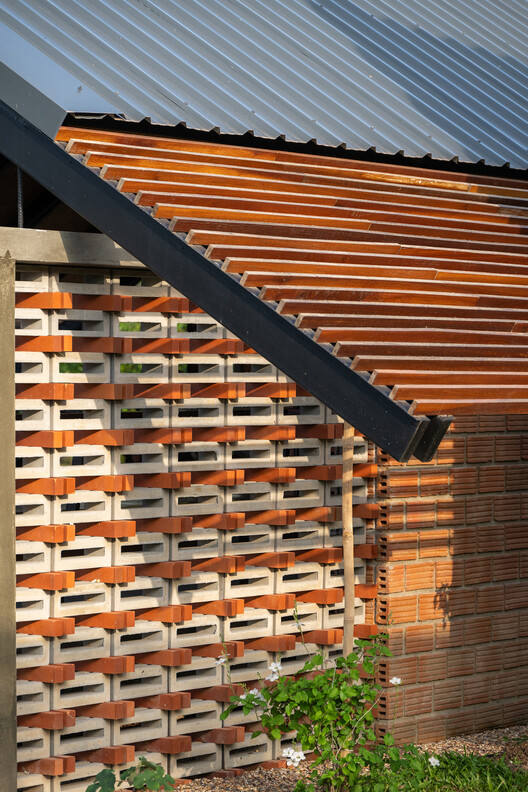
© Rungkit Charoenwat
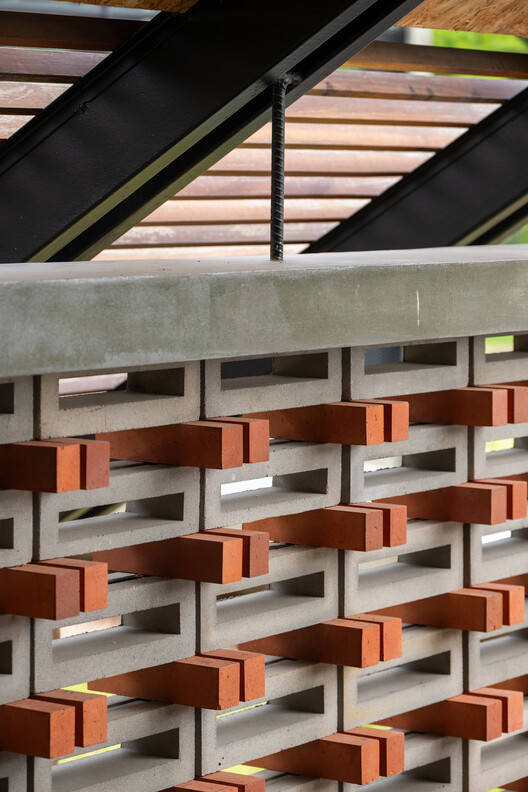
© Rungkit Charoenwat
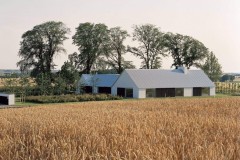
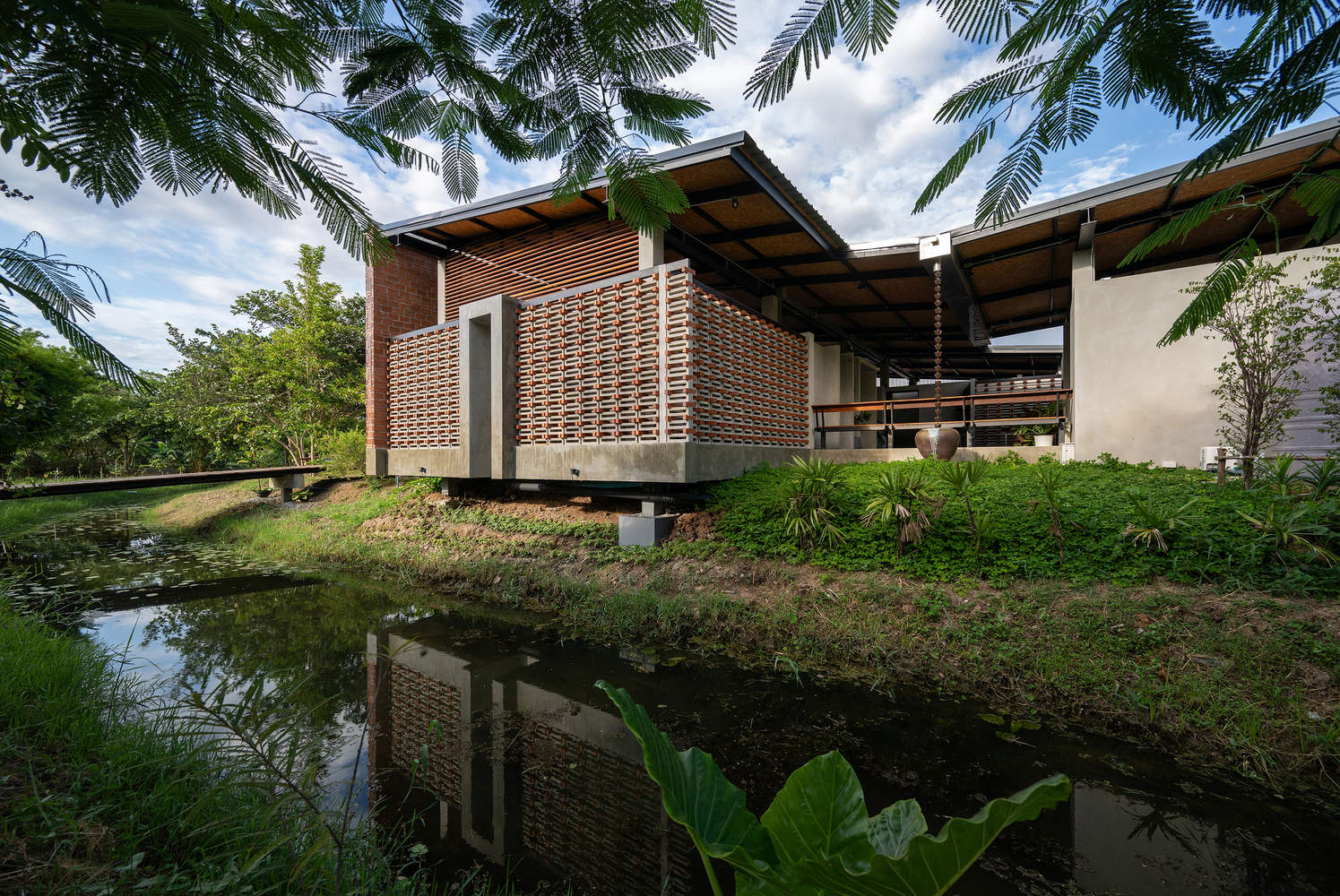
The project is located on a former rice field, adjacent to the upper reaches of the Lam Takhong Canal - an important lifeline that nourishes Nakhon Ratchasima city. There is still a traditional rahad vid nam (water wheel) preserved on the site, which is a local irrigation device driven by natural energy and still operates today, witnessing the self-sufficiency tradition of the local people. This land, which is almost full of vitality and fertile all year round, has inspired people to create a large open-air learning center. Here, nature becomes the core of the experience, and architecture becomes the driving force for education.
该项目选址于曾经的稻田之上,毗邻南塔空运河(Lam Takhong Canal)上游 —— 这条运河是滋养呵叻府(Nakhon Ratchasima,又译那空叻差是玛府)市的重要命脉。场地内还保留着一座传统的拉哈德·维德·纳姆(rahad vid nam,即水车),这是一种利用自然能源驱动的本地灌溉装置,至今仍能运转,见证着当地人民的自给自足传统。这片几乎全年都生机盎然、肥沃富饶的土地,激发了人们创建一座大型露天学习中心的灵感,在这里,自然成为体验的核心,而建筑则成为教育的助力。
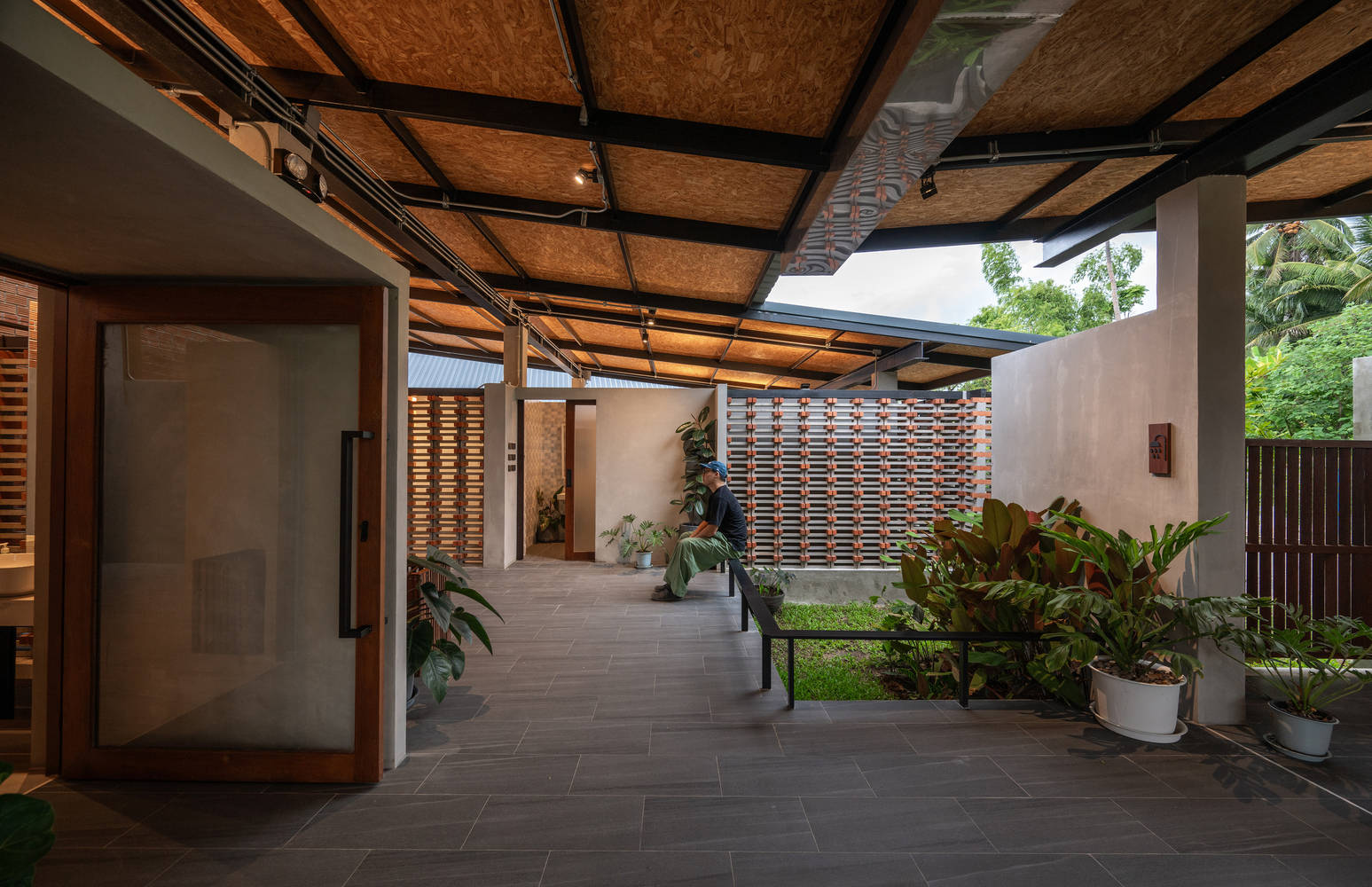
© Rungkit Charoenwat
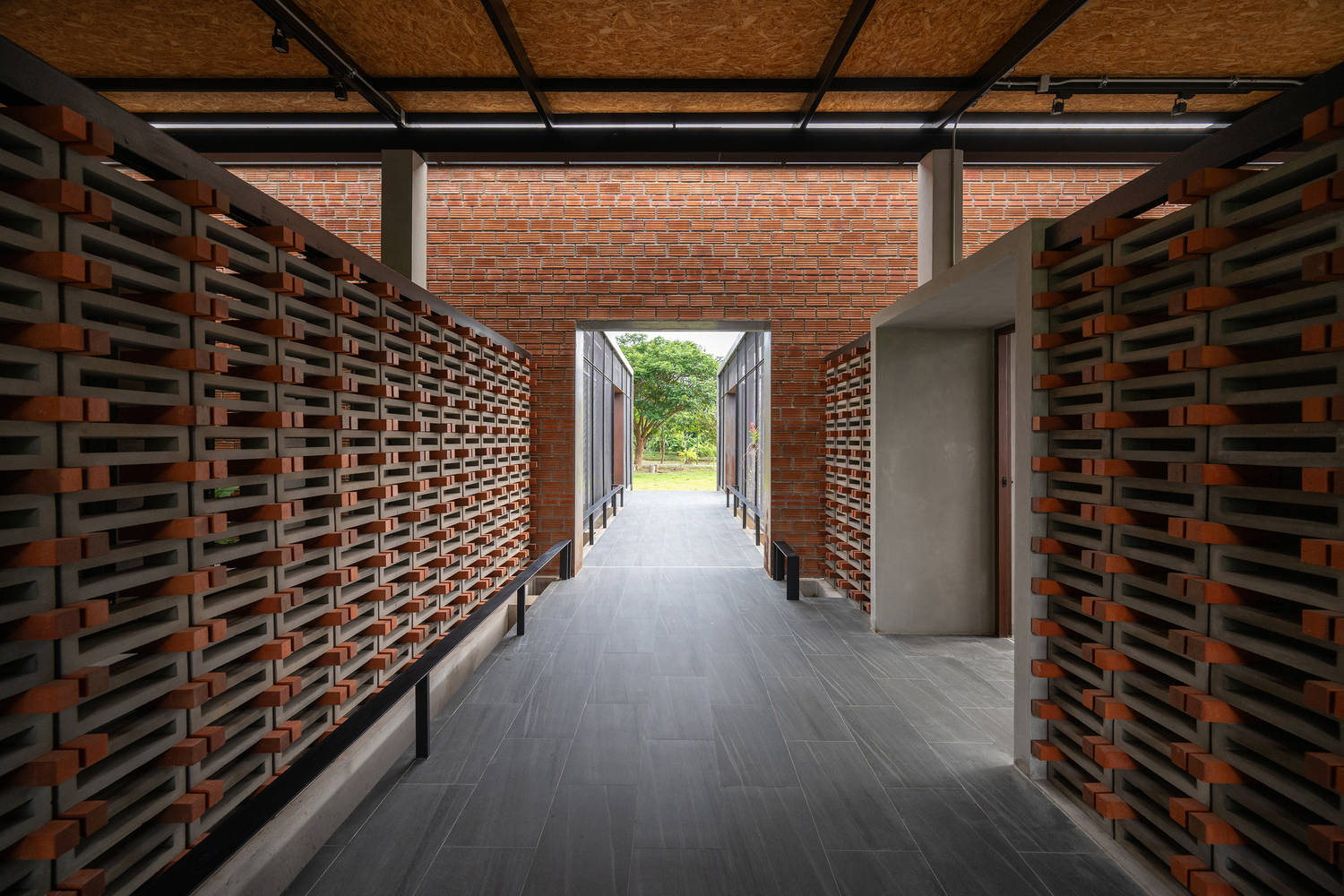
© Rungkit Charoenwat
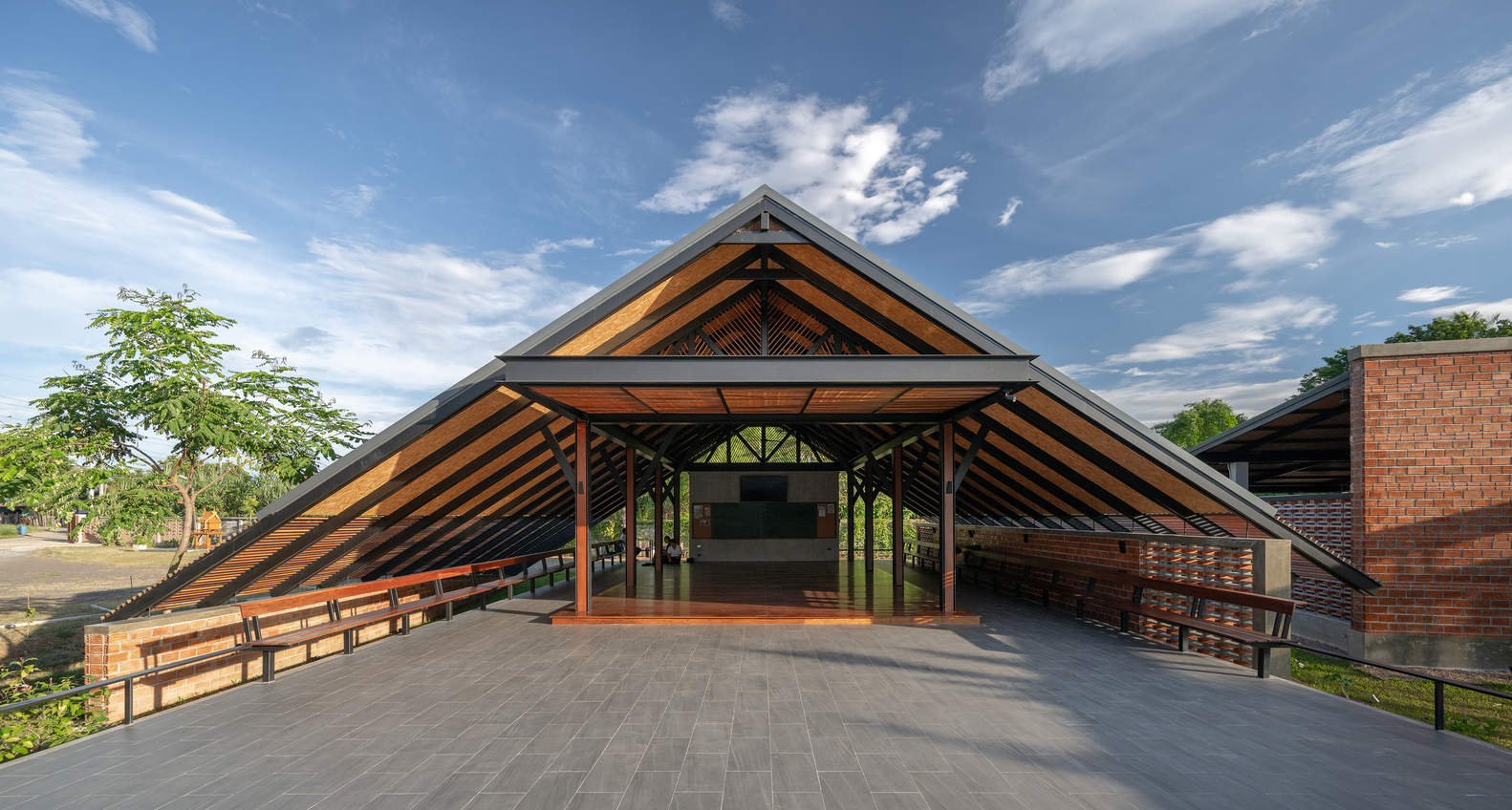
Adopting breathable buildings to minimize energy consumption - The building design is designed for Thailand's tropical humid climate and adopts a passive cooling strategy, reducing reliance on mechanical systems while improving indoor comfort. This low-energy method not only reduces resource consumption, but also strengthens the sustainable development concept of the project.
采用透气建筑以最小化能源消耗 —— 建筑设计针对泰国热带湿润气候,采用了被动式降温策略,减少了对机械系统的依赖,同时提升了室内舒适度。这种低能耗方法不仅降低了资源消耗,还强化了项目的可持续发展理念。
© Rungkit Charoenwat
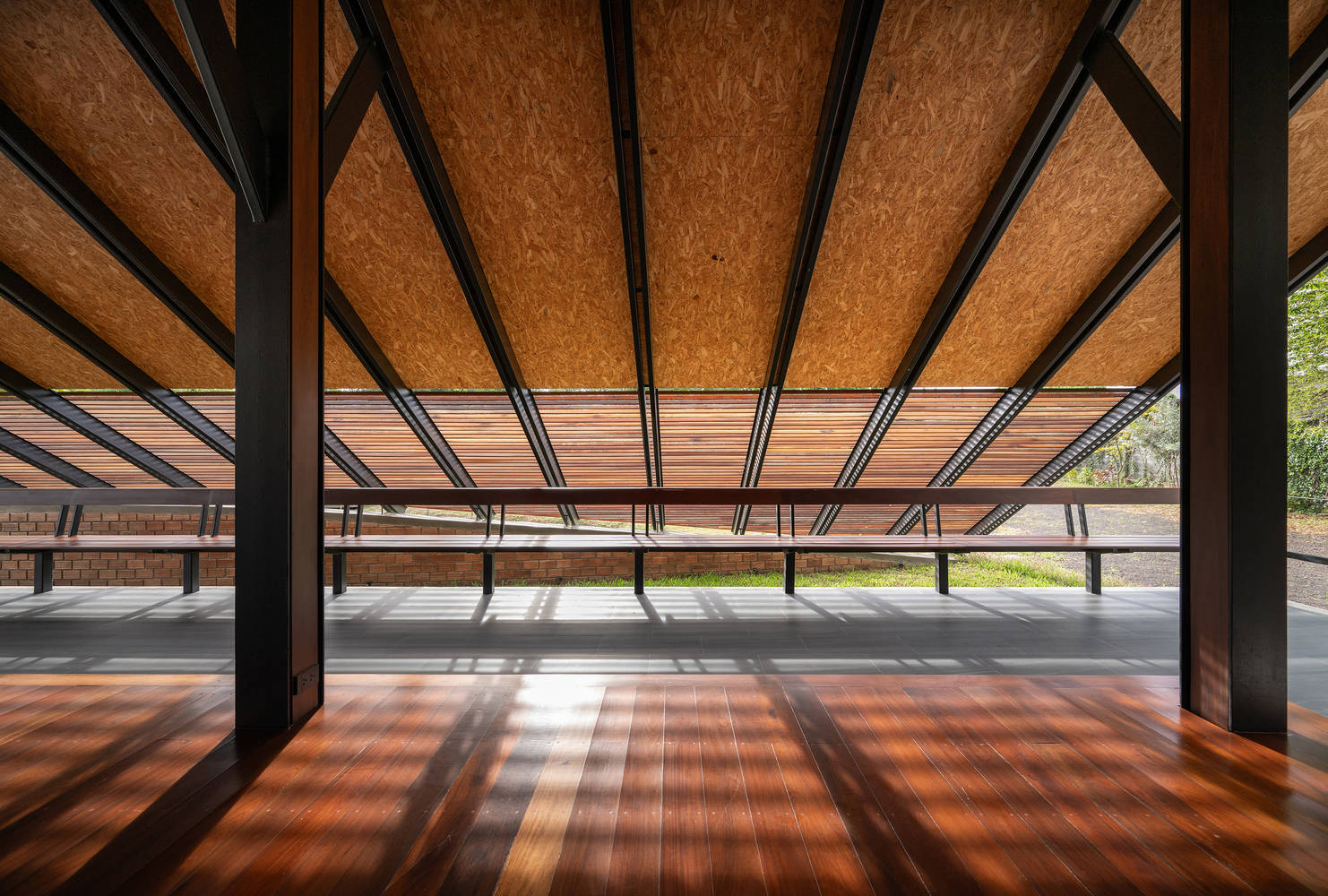
The project is also committed to the widespread use of recycled wood. As a negative carbon material, wood naturally absorbs carbon dioxide during its growth process. The reuse of old wood not only reduces the carbon footprint in the production process of new materials, but also reflects a thoughtful and resource efficient practice that aligns with the center's sustainable development vision.
项目还致力于广泛使用回收木材。作为一种负碳材料,木材在生长过程中会自然吸收二氧化碳。重复利用旧木材不仅减少了新材料生产过程中的碳足迹,还体现了与该中心可持续发展愿景相契合的深思熟虑、资源高效的实践做法。
© Rungkit Charoenwat
© Rungkit Charoenwat
Integrating form, space, and materials to evoke local characteristics - this design aims to reinterpret local traditions to meet contemporary needs and achieve harmonious coexistence with nature and community. This is mainly achieved through three basic aspects: form, space, and materials.
融合形式、空间与材料,唤起地方特色 —— 该设计旨在通过重新诠释本土传统以满足当代需求,实现与自然和社区的和谐共存。这主要通过形式、空间和材料这三个基本方面来实现。
© Rungkit Charoenwat
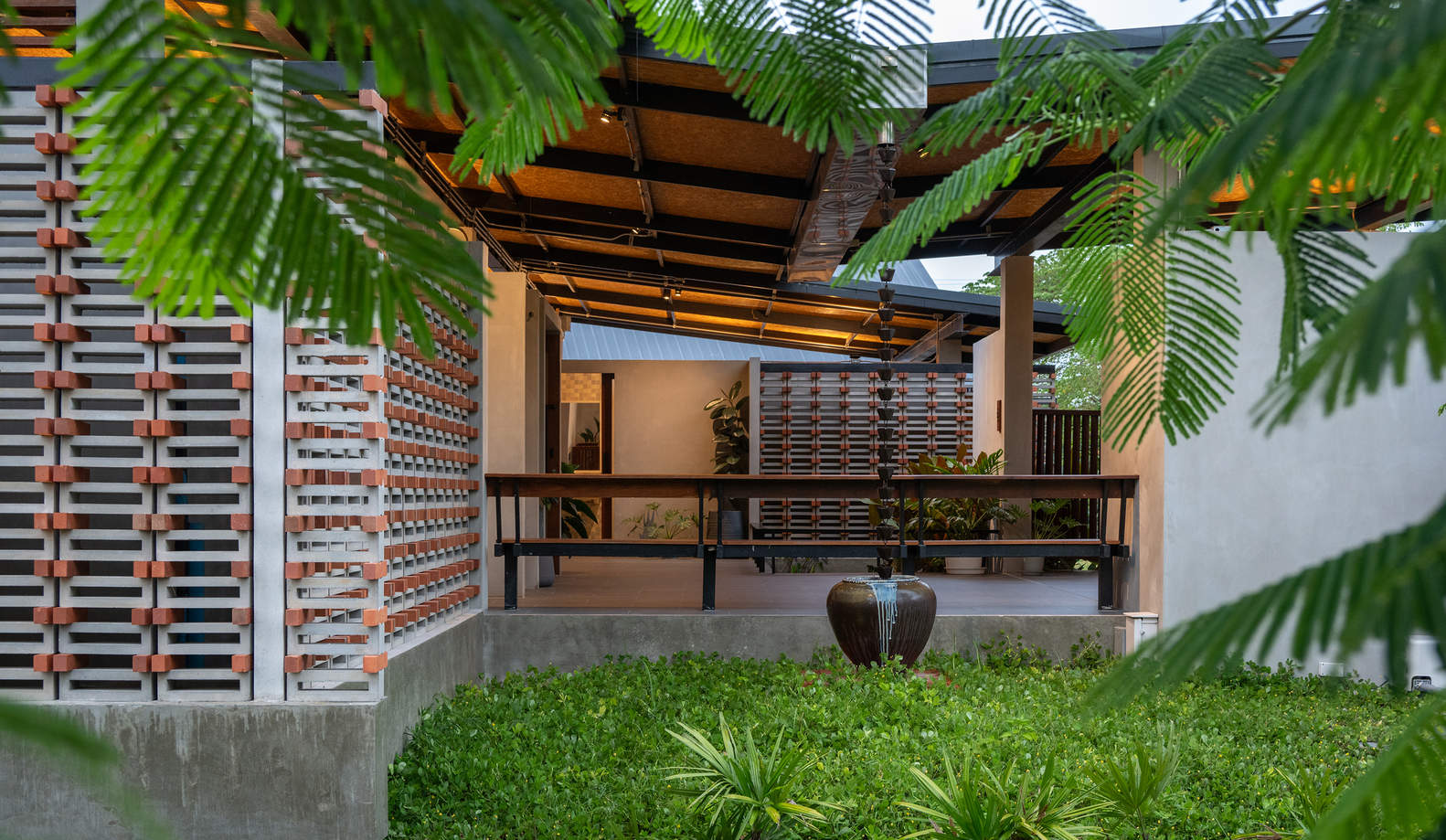
Materials: Using locally common and easily accessible materials such as bricks (to demonstrate stability), perforated blocks (to achieve ventilation), and recycled wood (to demonstrate ecological value). These materials together form an overall color tone and texture that seamlessly blends with the surrounding landscape.
形式:设计通过低坡度的双坡屋顶展现出对周边环境的敬意。形式上的重复 —— 即交替使用重复出现的形态 —— 在建筑构成中营造出统一感与韵律感。
空间:半开放区域模糊了室内与室外的界限,让自然元素融入学习体验之中。
材料:采用当地常见且易于获取的材料,如砖块(彰显稳固性)、穿孔砌块(实现通风效果)以及回收木材(体现生态价值)。这些材料共同构成了一个与周边景观完美融合的整体色调与质感。
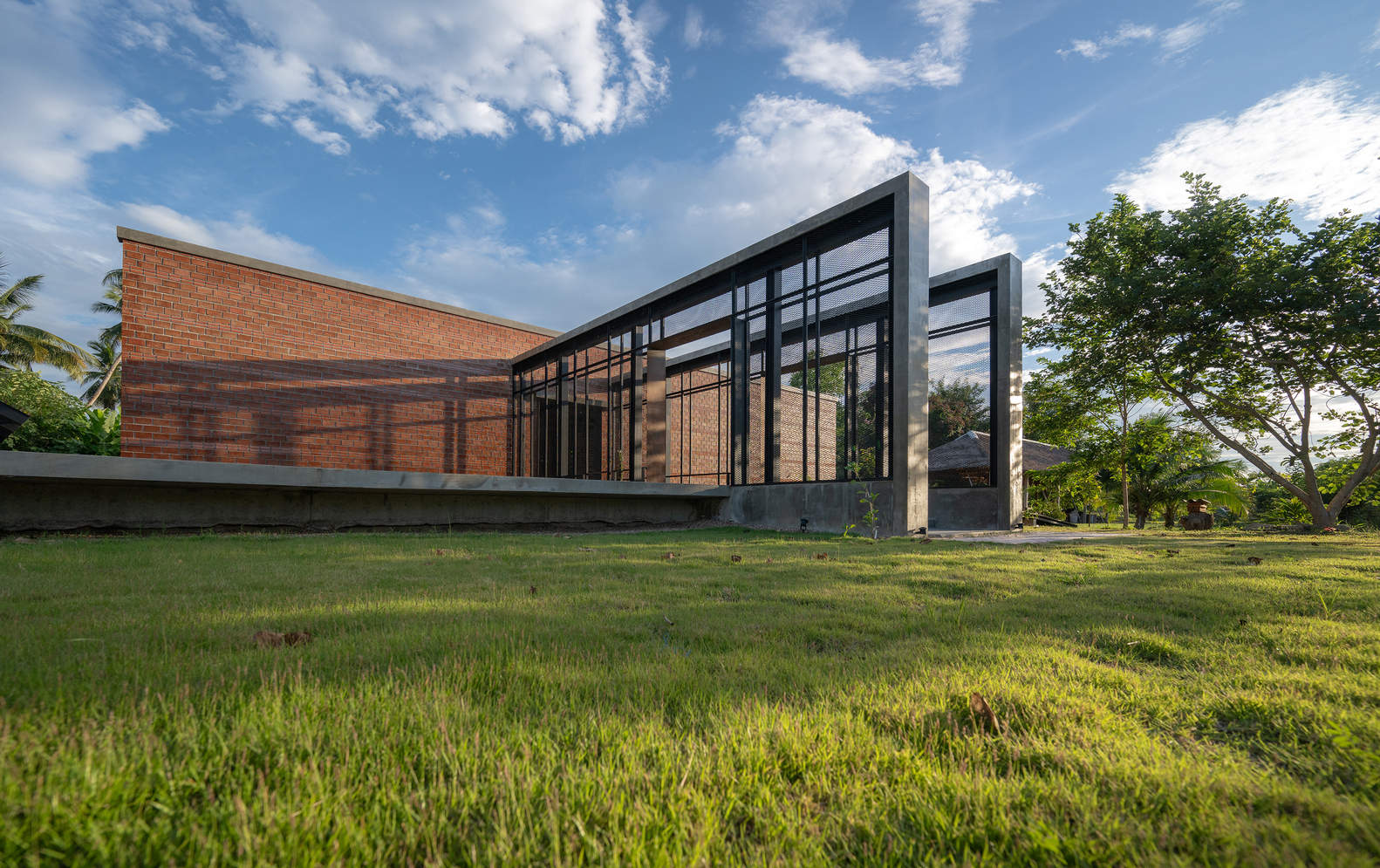
© Rungkit Charoenwat
Architecture as a learning tool - the design of the Chiwete Chiwa Nature House demonstrates the deep integration of educational philosophy and architectural practice. Here, architecture goes beyond its simple function of enclosing space and becomes an educational tool for conveying the concepts of sustainable development and self-reliance. This project adopts a passive cooling strategy and draws inspiration from local architecture, achieving both climate adaptability and cultural resonance.
建筑作为学习工具 —— 奇维特·奇瓦自然之家的设计彰显了教育理念与建筑实践的深度融合。在这里,建筑超越了单纯的围合空间功能,成为一种传达可持续发展与自力更生理念的教育工具。该项目通过采用被动式降温策略,并汲取本土建筑灵感,既实现了对气候的适应性,又产生了文化共鸣。
© Rungkit Charoenwat