Surreally so Real / FHHH friends
Surreally so Real / FHHH friends
城市肌理的诗意回应: 项目最令人印象深刻的亮点在于其对城市文脉的深刻理解和巧妙回应。在弘大地区商业建筑高度同质化的背景下,设计没有盲目追逐商业利益最大化,而是主动在建筑与城市之间建立起缓冲地带。这种策略打破了室内外空间的二元对立,将建筑与城市肌理融为一体,创造了一种开放、包容的氛围。这种设计理念是对传统建筑智慧的致敬,强调空间的多样性和互动性,而非仅仅追求经济效益。通过这种方式,项目赋予了建筑更强的生命力和文化内涵,使其成为城市环境中的一个积极因素。
颠覆传统的空间策略: 项目的核心精髓在于其对传统办公建筑原型的颠覆。设计团队大胆地将楼梯置于建筑前方,与阳台共同构成建筑立面,这不仅改变了建筑的视觉形象,更重要的是,它将交通流线转化为建筑元素,促进了建筑与街道之间的互动。这种看似简单的举措,却极大地丰富了建筑的空间层次,打破了封闭的盒子式设计,营造出一种开放、流动的空间体验。通过这种方式,项目挑战了传统的办公建筑模式,探索了建筑与城市之间的更多可能性,实现了建筑与环境的和谐共生。
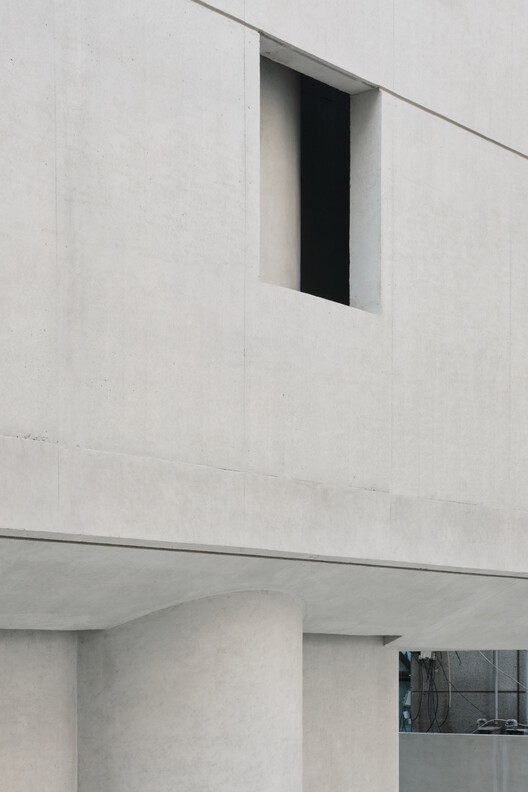
熟悉感中的创新: 项目的另一个显著特点是在熟悉与创新之间找到了巧妙的平衡点。建筑立面借鉴了韩国普通办公楼的常见元素,保持了公众对建筑的亲切感。然而,在熟悉的外观之下,项目大胆地引入了非传统的交通流线和空间分层系统。通过巧妙地运用阳台、外露楼梯、分层空腔等体量元素,设计团队在看似局促的空间中创造出了丰富的空间深度和视觉层次。这种设计手法在有限的场地条件下,实现了对空间最大化的利用和拓展,展现了设计师对材料、光线和空间关系的深刻理解和精湛运用,最终实现了建筑的“超现实”效果。
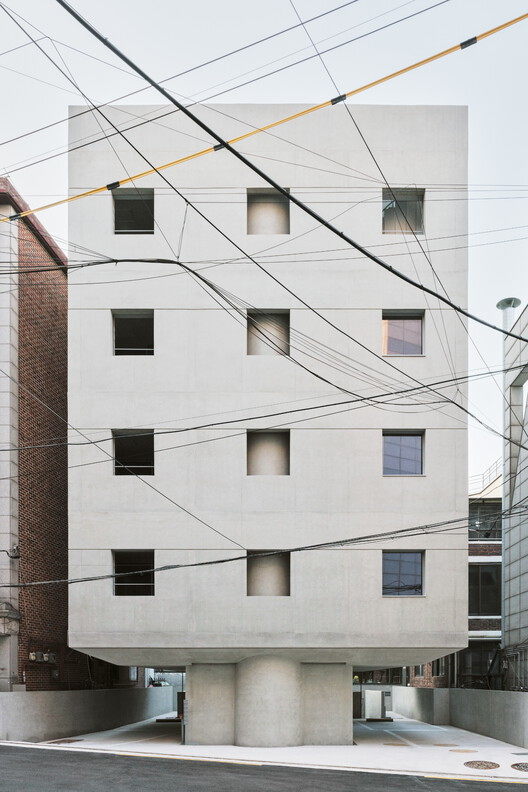
© Kim Kyungtae
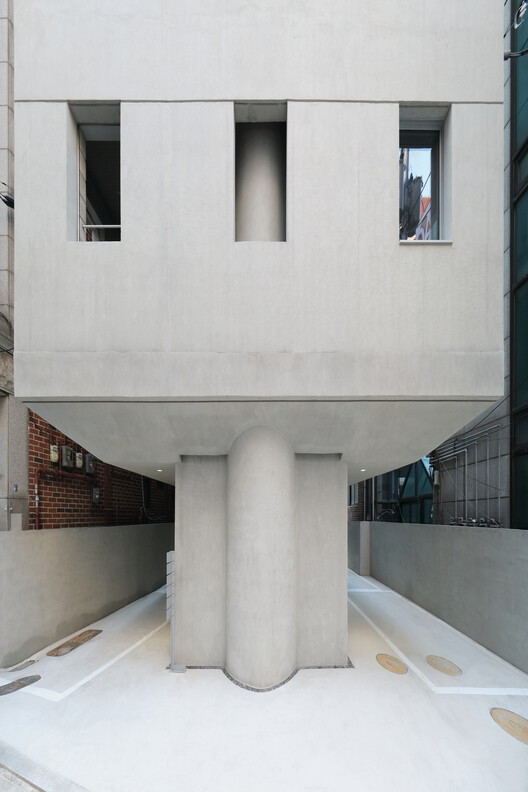
© Kim Kyungtae
The project faced the limitations of commercial buildings in the Hongdae area of South Korea while proposing another possibility. In this densely populated urban area, most commercial buildings prioritize the pursuit of maximum exposure in order to obtain higher rents. Indoor spaces and streets are often separated only by thin walls or display windows, but this situation actually exacerbates the binary opposition between indoors and outdoors. This project draws a clear boundary from this logic by introducing a buffer zone between the two, allowing the city itself to integrate into the architecture. In this way, it reminds people of traditional architectural strategies - spaces coordinate various relationships within them, rather than being simplified as pure market efficiency.
项目直面了韩国弘大地区商业建筑的局限,同时提出了另一种可能性。在这个人口稠密的城区,大多数商业建筑都以追求最大曝光度为首要目标,以期获得更高租金。室内空间与街道往往仅由薄墙或展示橱窗隔开,然而这种状况反而加剧了室内与室外的二元对立。该项目通过在两者之间引入缓冲地带,与这种逻辑划清界限,让城市本身得以融入建筑之中。如此一来,它让人回想起传统建筑策略 —— 空间在其中协调各种关系,而非被简化为纯粹的市场效率。
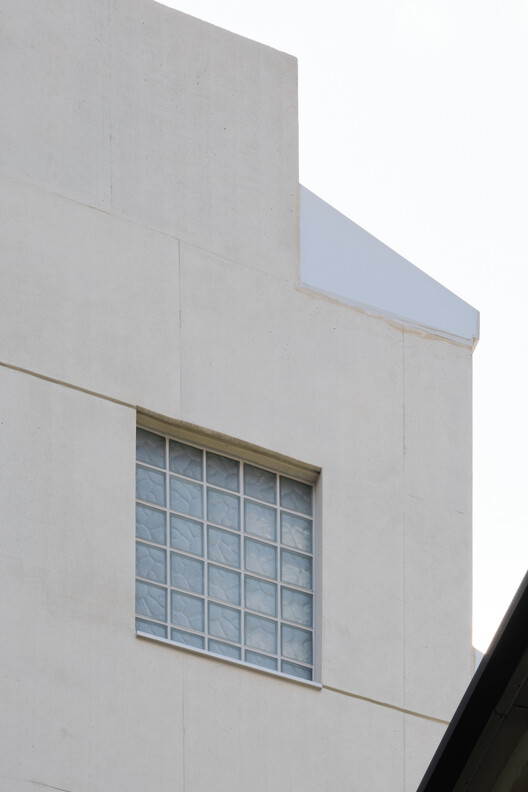
© Kim Kyungtae
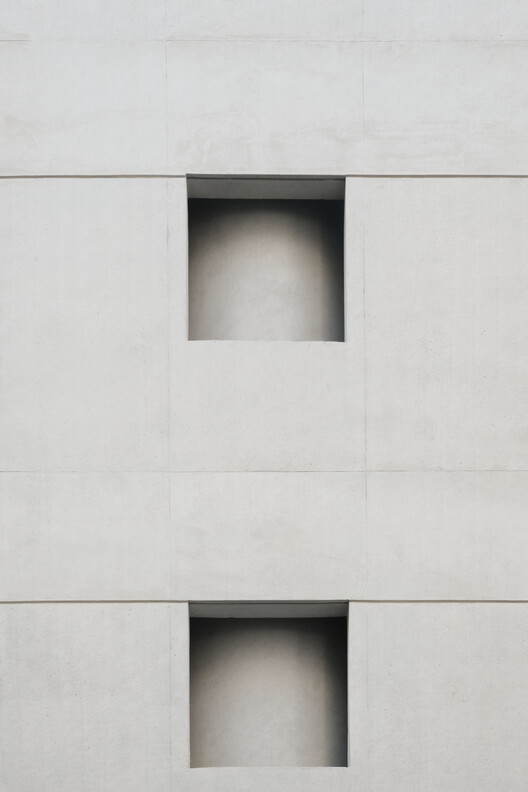
© Kim Kyungtae
The iconic measure of this project is to place the staircase in front of the building. The staircase and balcony together form the building facade, directly interacting with the street and transforming traffic flow into architectural elements that promote urban dialogue. This measure may seem simple, but it actually challenges the typical office building prototype, breaking the straight facade and creating new spatial depth.
该项目的标志性举措是将楼梯置于建筑前方。楼梯和阳台共同构成了建筑立面,直接与街道互动,将交通流线转化为促进城市对话的建筑元素。这一举措看似简单,实则挑战了典型的办公建筑原型,打破了平直的立面,营造出新的空间深度。
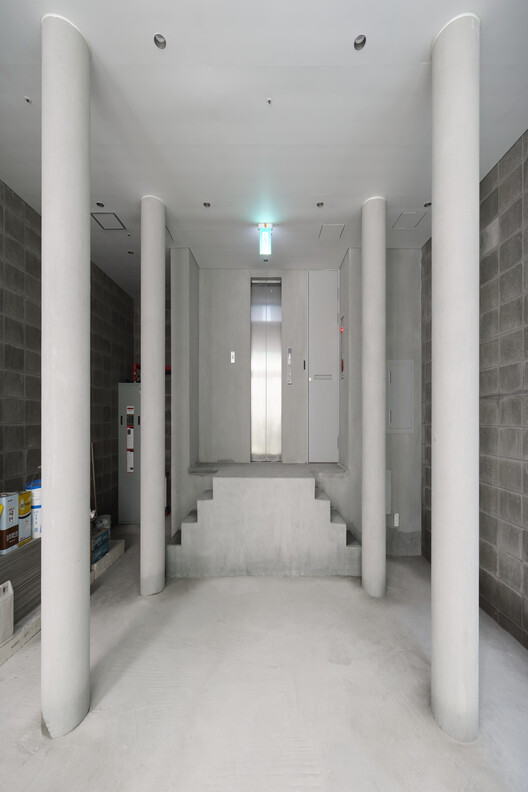
© Kim Kyungtae
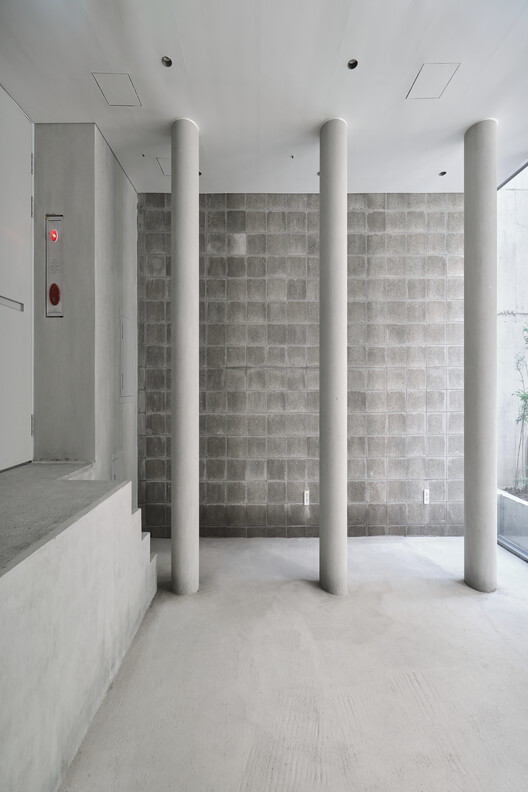
© Kim Kyungtae
通过展现动态流线并打造分层露台,该建筑避免了封闭窗户所带来的封闭感,反而在严格的场地限制下营造出一种开放感。
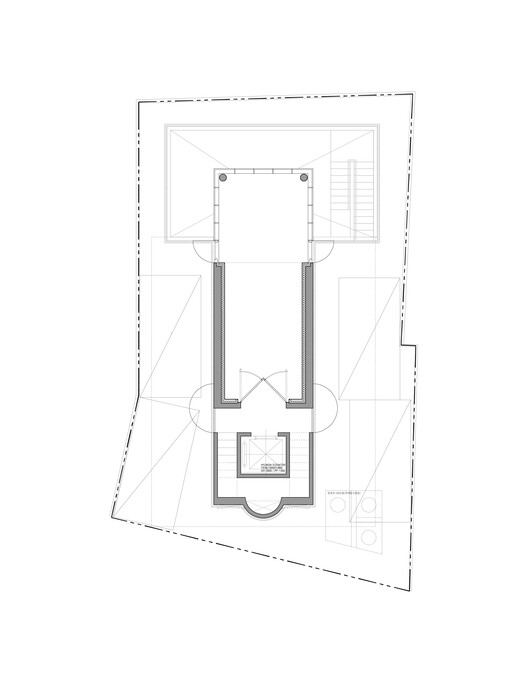
一层平面图
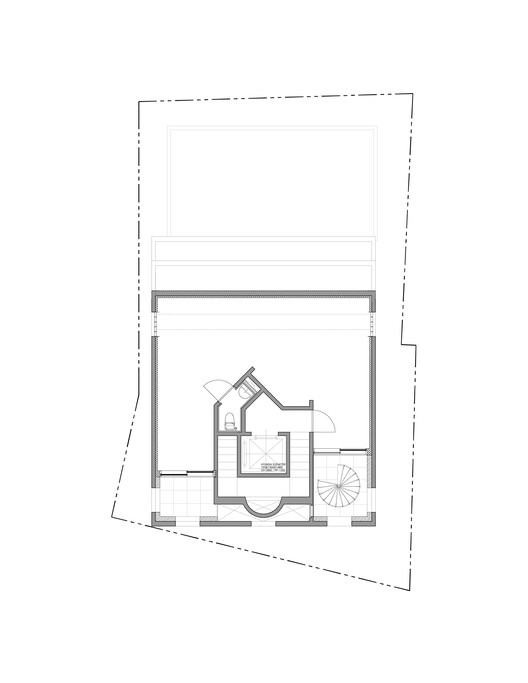
五层平面图
The facade draws inspiration from common elements of ordinary office buildings in Korea, maintaining a sense of familiarity. However, within this framework, it introduces non-traditional traffic flow lines and spatial stratification systems. The design team created spatial depth in seemingly impossible places by inserting volume elements such as balconies, exposed stairs, and layered cavities.
立面借鉴了韩国普通办公楼的常见元素,保持了一种熟悉感。然而,在这一框架内,它引入了非传统的交通流线和空间分层系统。设计团队通过插入体量元素 —— 阳台、外露楼梯和分层空腔,在看似不可能的地方创造出了空间深度。
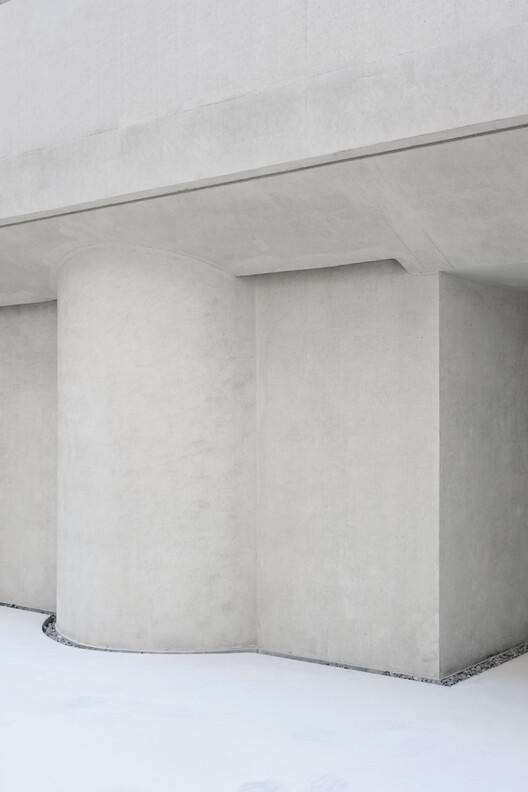
© Kim Kyungtae
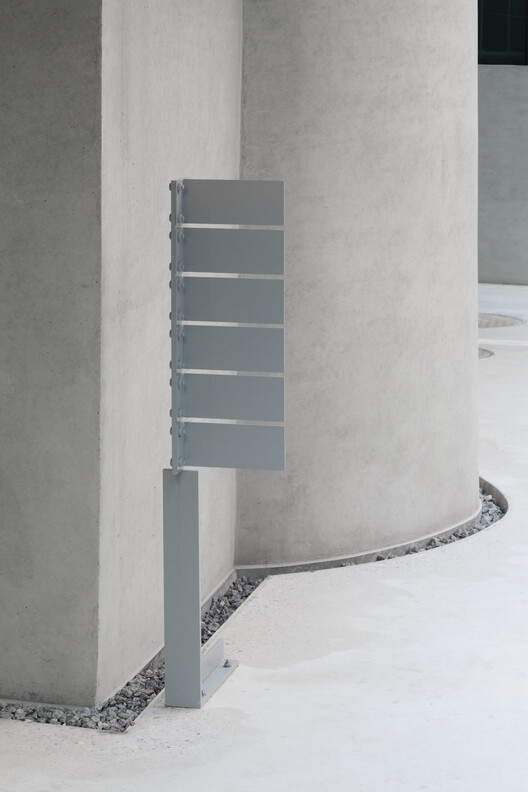
© Kim Kyungtae
该项目通过接受并挑战这些边界,创造出了仿佛超越现实的空间。它表明,建筑中看似不真实之处,往往源自对严苛的现实条件的探索。
© Kim Kyungtae