Buenos Aires Delta Lodge/Mat í as Cosenza Arquitecto
布宜诺斯艾利斯三角洲小屋 / Matías Cosenza Arquitecto
场地与建筑的对话: 建筑师巧妙地将项目置于巴拉那河与乌拉圭河交汇处的独特湿地环境中,这本身就是一大亮点。项目选址并非为了逃避,而是为了拥抱环境的挑战。建筑师精准地捕捉到了场地“原始力量”的本质,并以此为基础构建设计策略。建筑不仅没有试图隐藏,反而以一种大胆的姿态宣告其存在。这种对环境的尊重,以及对建筑与自然对话的重视,体现在建筑的每一个细节中,从材料的选择到整体的布局,都与周围环境产生了深刻的联系,彰显了建筑与自然和谐共生的理念。
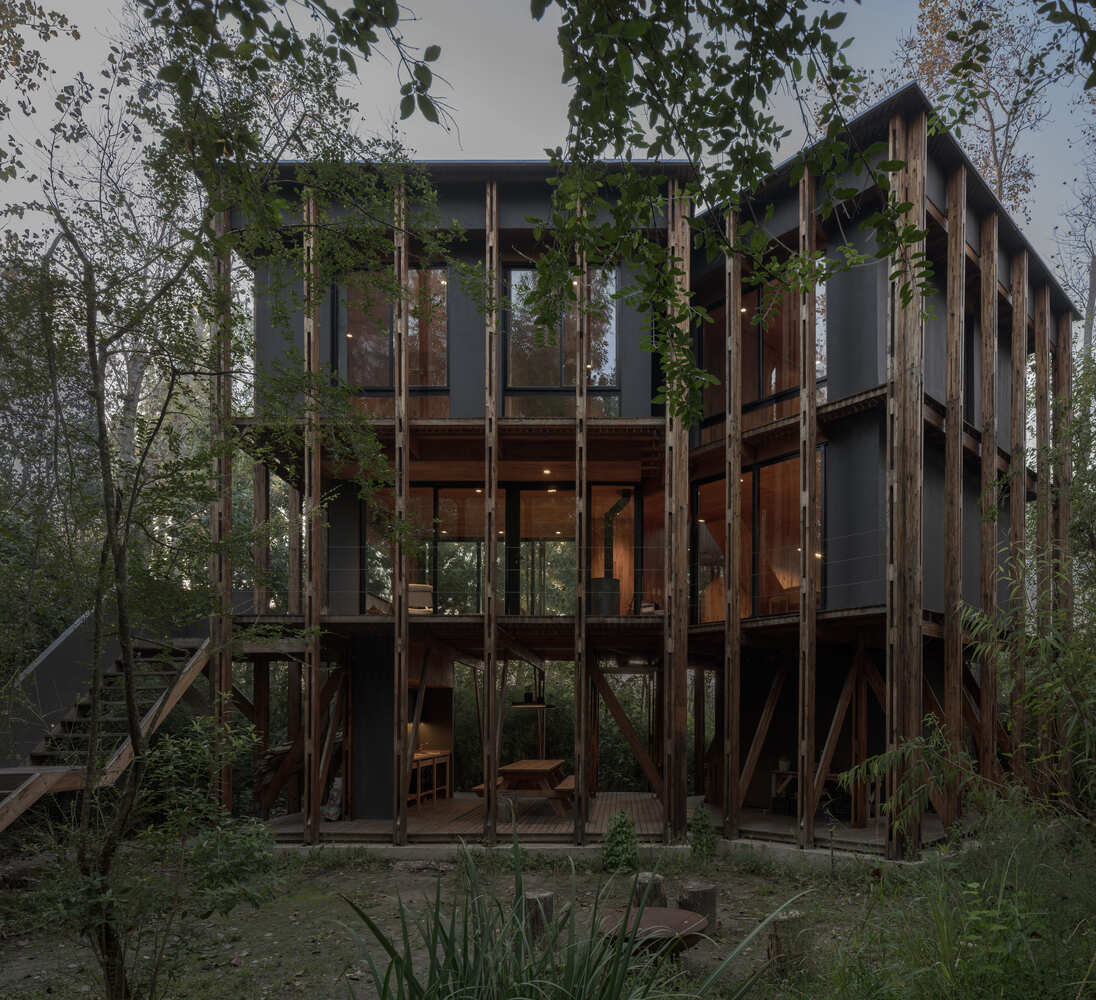
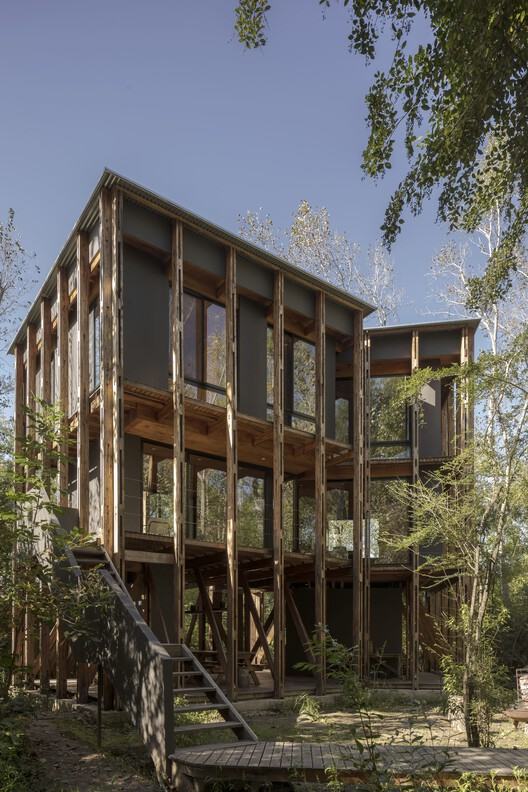
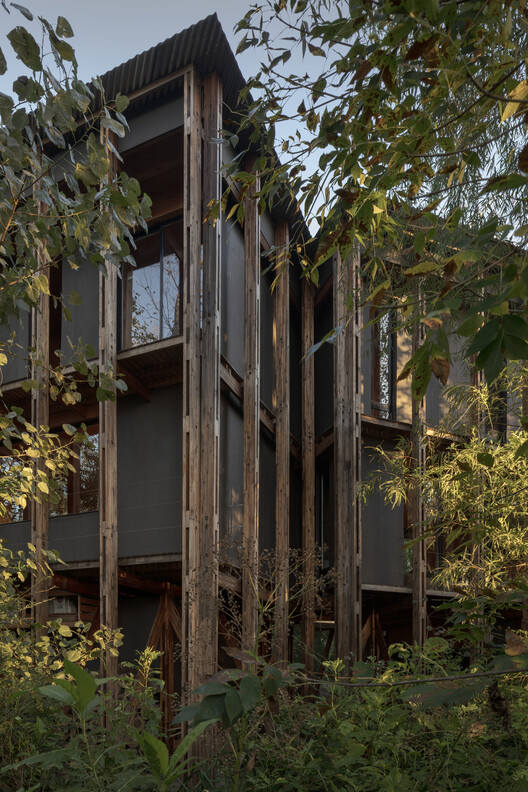
高脚桩体系的创新运用: 项目对高脚桩体系的运用堪称经典,这是一种适应湿地环境的古老智慧。建筑师并未简单地复制,而是将其重新诠释为一种“构造宣言”。工业化桩柱的矩阵不仅满足了建筑功能需求,更成为了独特的建筑语言。这种结构设计巧妙地避免了传统基座的束缚,使建筑仿佛从大地内部生长出来,轻盈而充满生命力。材料的选择也颇具匠心,采用了本地的赤桉木材,强化了建筑与环境的联系,并突出了可持续的设计理念。这种对传统技术的创新运用,以及对材料的尊重,是项目的一大精髓。
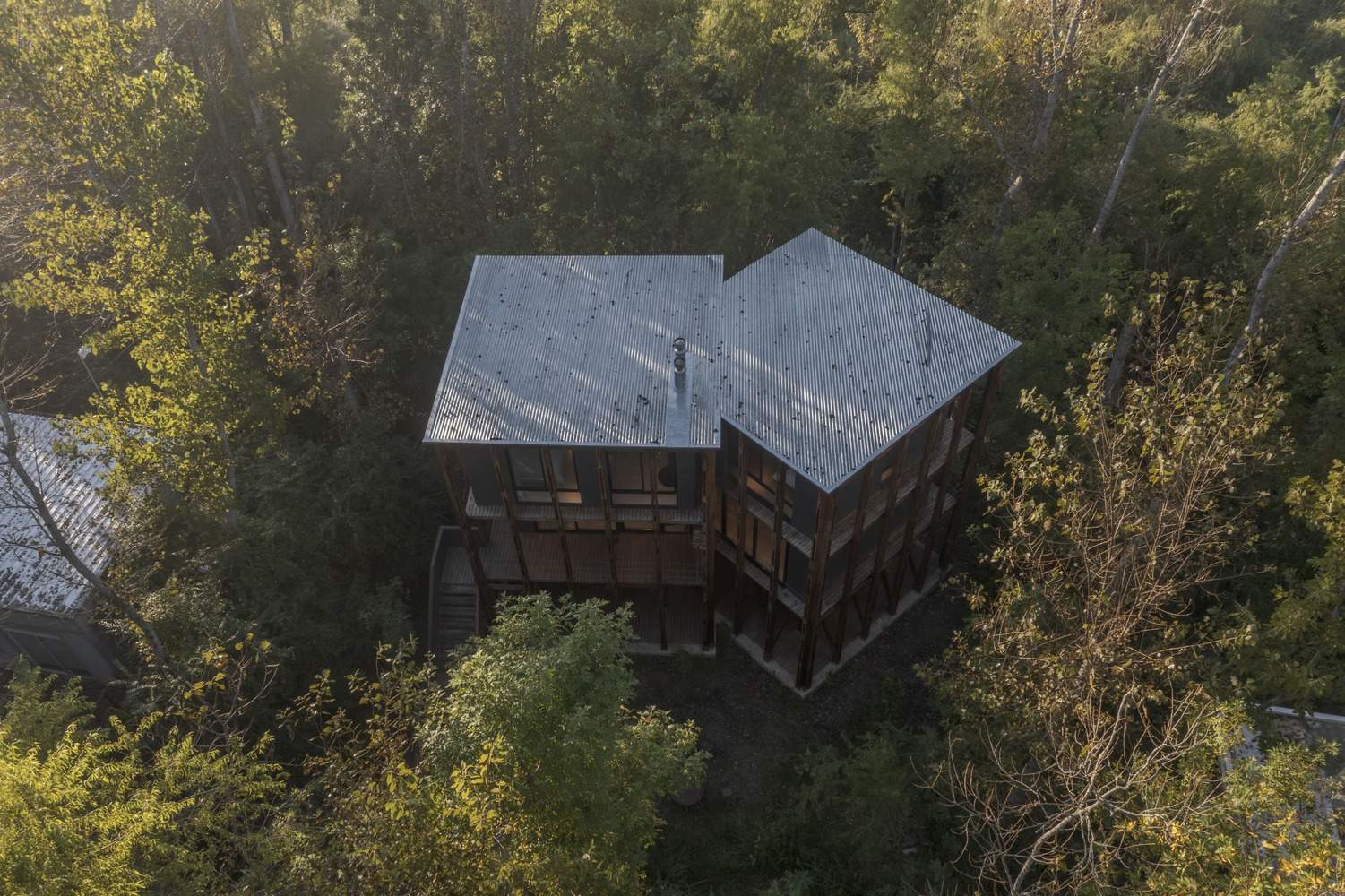
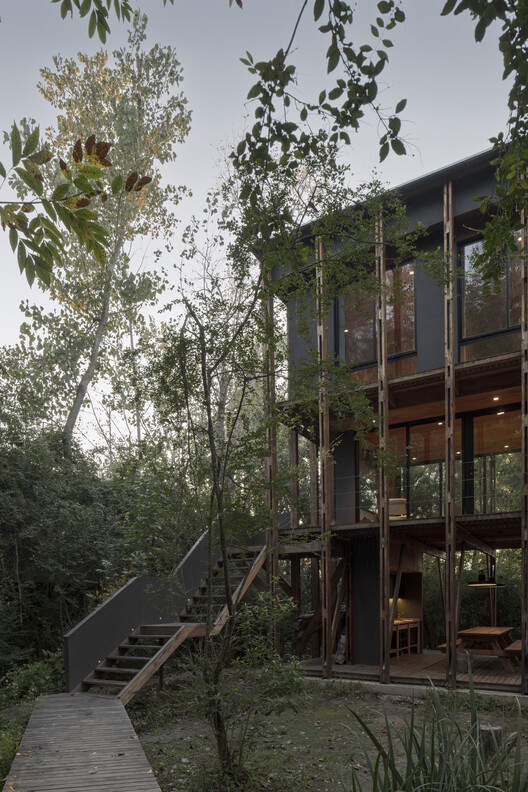
形式与功能的完美融合: 项目在形式上极具创造性,通过连接两个基本立方体,创造出了一种“人工森林”的视觉效果。这种设计语言既是对环境的回应,也是对建筑自身的表达。建筑师在功能与形式之间找到了完美的平衡,既满足了居住需求,又创造了独特的视觉体验。建筑整体呈现出一种轻盈、通透的姿态,与周围的自然环境融为一体。这种对形式语言的探索,以及对功能和美学的统一追求,赋予了项目独特的艺术魅力。项目不仅是一栋建筑,更是一件艺术品,体现了建筑师对设计理念的深刻理解和卓越的实践能力。
© Bruto Studio
© Bruto Studio
At the unruly confluence of the Paran á River and the Uruguay River, the waters of both rivers surge into the vast mouth of the La Plata River, giving birth to a unique architectural commission. This landscape, interwoven with wetlands and scattered jungle greenery, evokes people's imagination of the unknown: a primitive natural place that can only be reached by waterway and is constantly threatened by floods. Here, architecture does not seek concealment, but declares its own existence; Not pursuing neglect, but engaging in dialogue with the primal power of the venue.
在巴拉那河与乌拉圭河桀骜不驯的交汇处,两河之水奔涌汇入广袤的拉普拉塔河口,一项独特的建筑委托在此诞生。这片由湿地与零星丛林绿意交织的景观,唤起人们对未知的遐想:一处仅能通过水路抵达、时刻遭受洪水威胁的原始自然之地。在这里,建筑不寻求隐匿,而是宣告自身的存在;不追求被忽视,而是与场地的原始力量展开对话。
© Bruto Studio
© Bruto Studio
© Bruto Studio
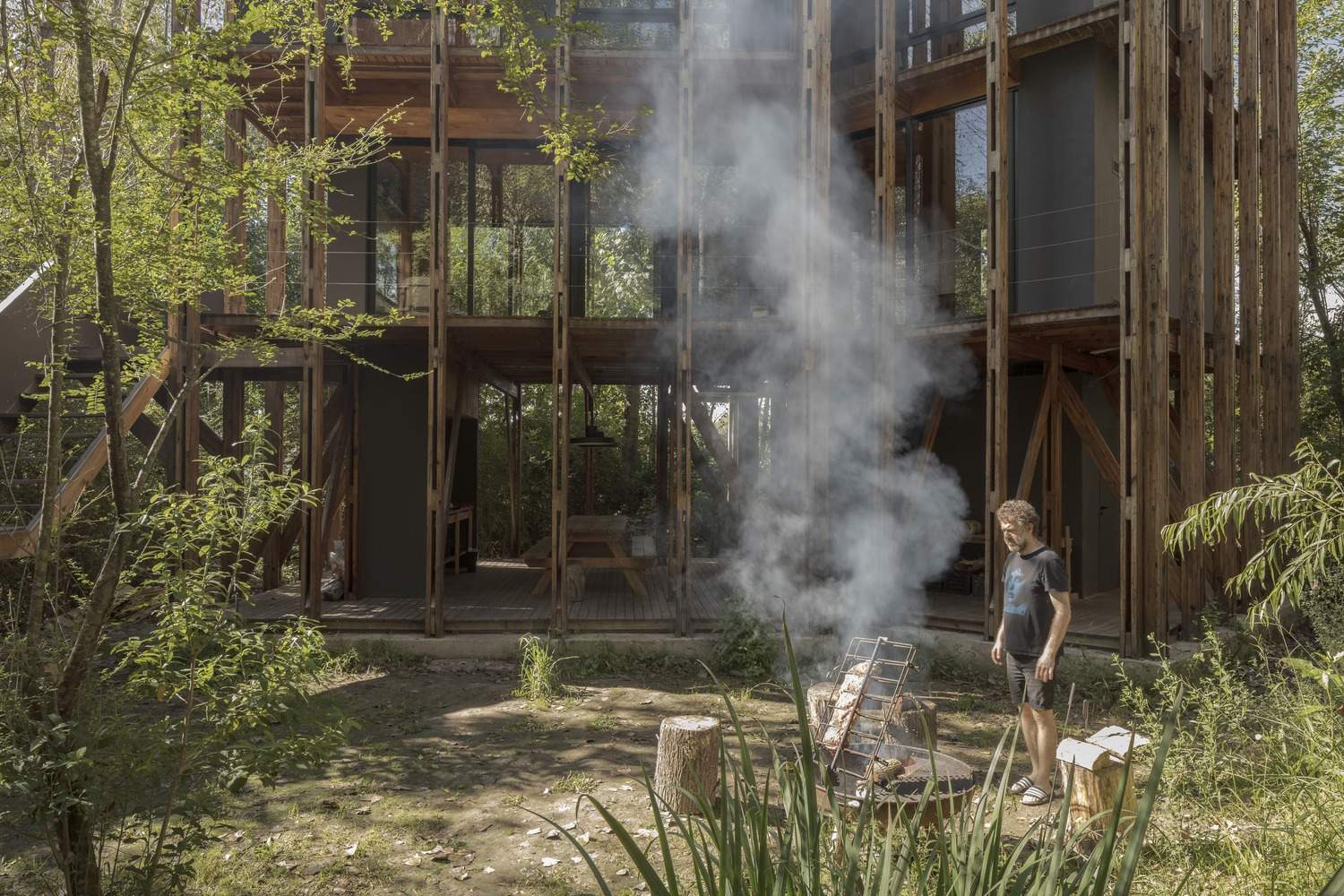
The project chose the high foot pile system - an ancient solution that has been validated by humans in similar environments, which is reinterpreted as a construction manifesto. This matrix composed of industrialized piles is regarded as a unified whole, carrying residential functions and creating a unique architectural system. It is a human expression that integrates artificial elements and transformed natural resources into the vastness of the environment, establishing a profound material connection between architecture and wilderness. The traditional rigid pattern of supporting the upper box with a bottom base has been abandoned, replaced by a structure that rises from the inside of the base, both lightweight and rooted in the earth.
项目选择了高脚桩体系——这一人类在类似环境中验证过的古老解决方案,在此被重新诠释为一种构造宣言。这一由工业化桩柱构成的矩阵,被视为一个统一整体,承载着居住功能,铸就了独一无二的建筑体系。它是一种人类表达,将人工元素与转化后的自然资源,融入环境的浩瀚之中,在建筑与荒野之间建立起深刻的物质关联。传统上由底部基座支撑上方箱体的刻板模式被摒弃,取而代之的是一种从基底内部升起的结构,既轻盈又扎根于大地。
© Bruto Studio
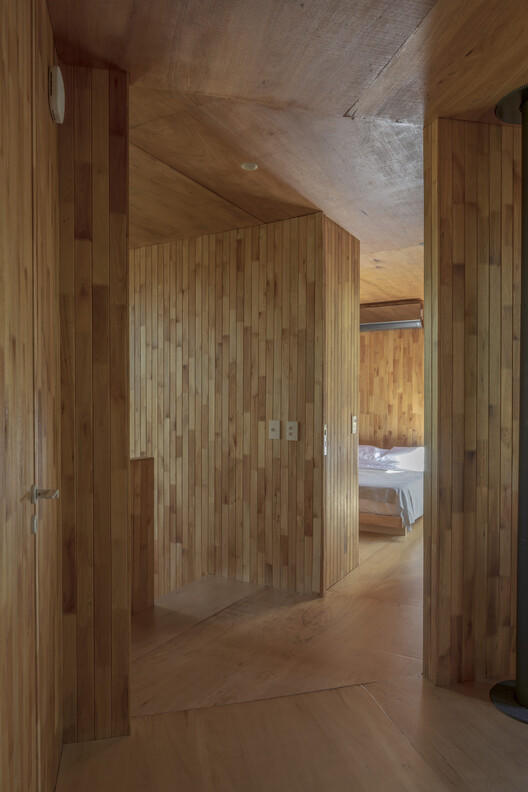
© Bruto Studio
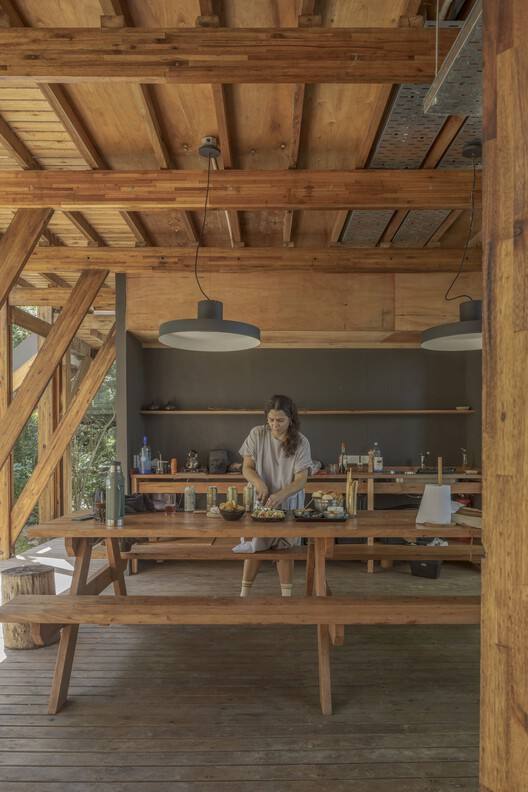
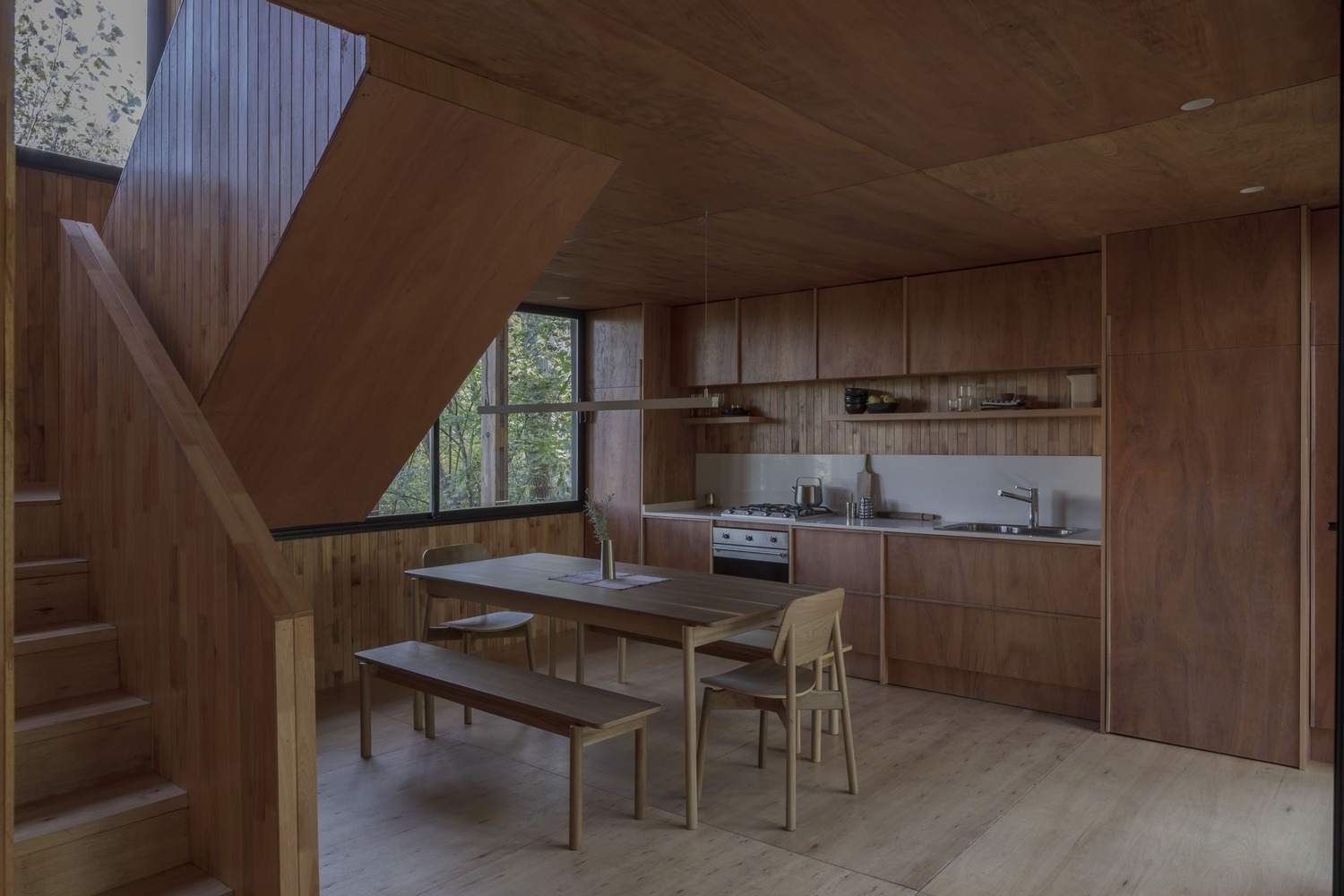
This system follows a strict 1.22 meter (4-foot) modulus and is made from the wood of Eucalyptus rostrata, a native non-native tree species. Its design optimizes the strength of the connectors for easy transportation and on-site assembly.
该体系遵循严格的 1.22 米(4 英尺)模数,采用适应本地的外来树种 —— 赤桉(Eucalyptus rostrata)木材制成。其设计通过优化强度的连接件,便于运输与现场组装。
© Bruto Studio
© Bruto Studio
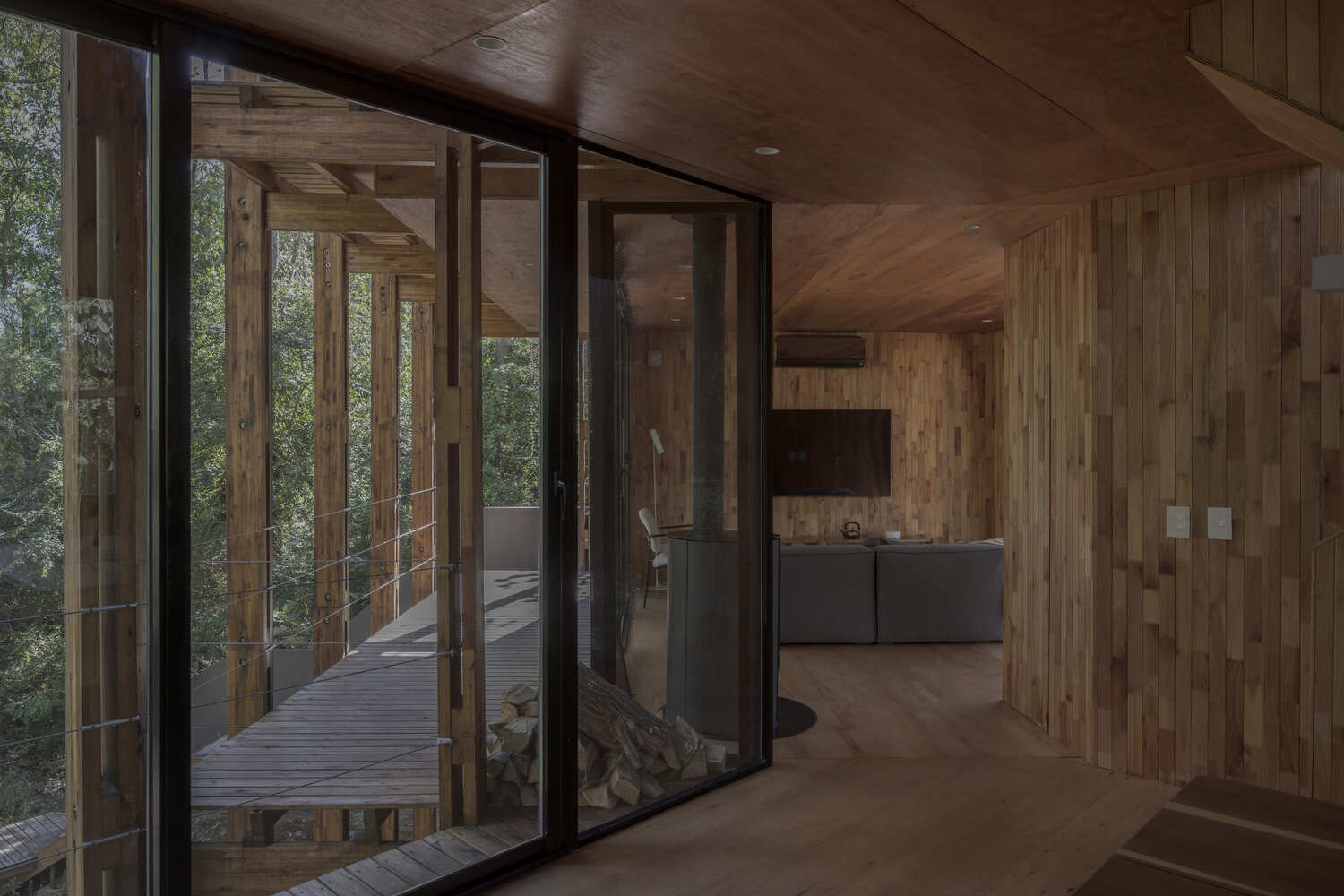
At the same time, the project also conducted a humanized experiment: connecting two basic cubes through an edge. This "artificial forest" that rises from a high pedestal stands as a formal expression, standing in front of the wildness and vastness of nature.
与此同时,项目还进行了一项人性化形式的实验:由两个基本立方体通过一条边相连。这一从高脚桩上拔地而起的“人工森林”,作为形式表达,矗立于自然的狂野与辽阔之前。
© Bruto Studio