Da Le Zhi Ye Huanglong Island Lighthouse Hotel/WJ STUDIO Wanjing Design
大乐之野·黄龙岛灯塔酒店 / WJ STUDIO 万境设计
设计理念的精髓:该项目最显著的亮点在于其对“时间”这一核心概念的深刻解读与运用。设计师没有简单地将建筑置于岛屿之上,而是深入挖掘了自然时间、历史时间和人的时间这三个维度。这种对时间的尊重体现在对岛屿自然地貌的保护,对当地渔村文化的尊重,以及对居住者体验的极致关注。项目不仅考虑了建筑的实用功能,更注重通过空间的设计,引导人们去感受、体验和思考时间带来的变化,从而在现代社会中重塑对海岛渔村的认知。这种以人为本、尊重历史、敬畏自然的理念,是项目成功的关键,也是其建筑设计精髓的体现。
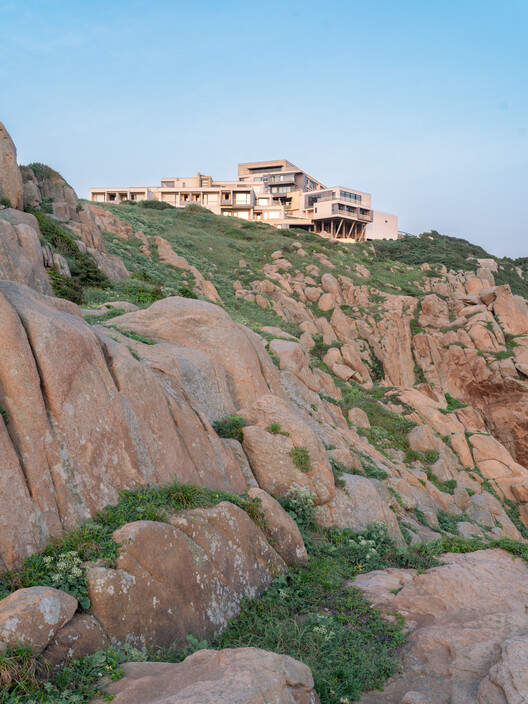
空间设计的巧妙之处:建筑的空间设计充分体现了“轻介入”的理念,力求与自然环境和谐共生。设计师巧妙地利用地形高差,将建筑与原始的礁石融为一体,创造出独特的灰空间。建筑群落的布局顺应陡峭的山势,自然地分为A、B两个组团,并通过步道串联,重构了登岛穿行的原始体验。通过对室内外空间的巧妙转化,以及对光线、视线的精准控制,营造出“隐现-窥探-豁达”的感官节奏,使人在建筑中感受到与自然的深度互动。这种对空间和体验的精妙把控,使得建筑本身成为引导观看的媒介,让人们在建筑中重新发现和理解黄龙岛的魅力。
项目对乡村振兴的启示:大乐之野·黄龙岛灯塔酒店的设计,不仅仅是一个建筑项目,更是一次对乡村更新的深度思考。它没有简单地复制城市化的模式,而是试图在尊重当地文化和自然环境的前提下,将建筑融入到原有的生活生产场景中。项目将海岛的危机转化为发展机遇,通过独特的空间体验,吸引“新”岛民,重塑海岛的活力。这种以深度体验为核心的生态旅游模式,为乡村振兴提供了新的思路。设计师在设计中展现的对时间记忆的尊重,对地方文化的传承,以及对可持续发展的思考,为其他类似项目的开发,提供了宝贵的经验,也为未来的乡村建设,提供了可借鉴的案例。
© Fangfang Tian
© Fangfang Tian
About five years ago, Wanjing Design began to explore tourism development projects in Shengsi. Shengsi is located in the northeast of the Zhoushan Archipelago, hanging in the sea. It is about 2.5 hours' boat ride from Zhoushan Island and 3-5 hours' boat ride from surrounding cities such as Shanghai, Hangzhou, and Ningbo. Although helicopter and seaplane routes have been developed in recent years, the transportation conditions in Shengsi have limited appeal to potential tourism consumption compared to modern people's pursuit of efficient vacation methods.
大约五年前,万境设计开始接触嵊泗的旅游开发项目。嵊泗位于舟山群岛东北部的悬海之地,距离舟山本岛约 2.5 小时船程,距离上海、杭州、宁波等周边城市均需 3~5 小时车船程。尽管近年来已经开发了直升机和水上飞机航线,但相较于现代人普遍追求效率的度假方式,嵊泗的交通条件对潜在旅游消费的吸引力相当有限。
© Fangfang Tian
© Fangfang Tian
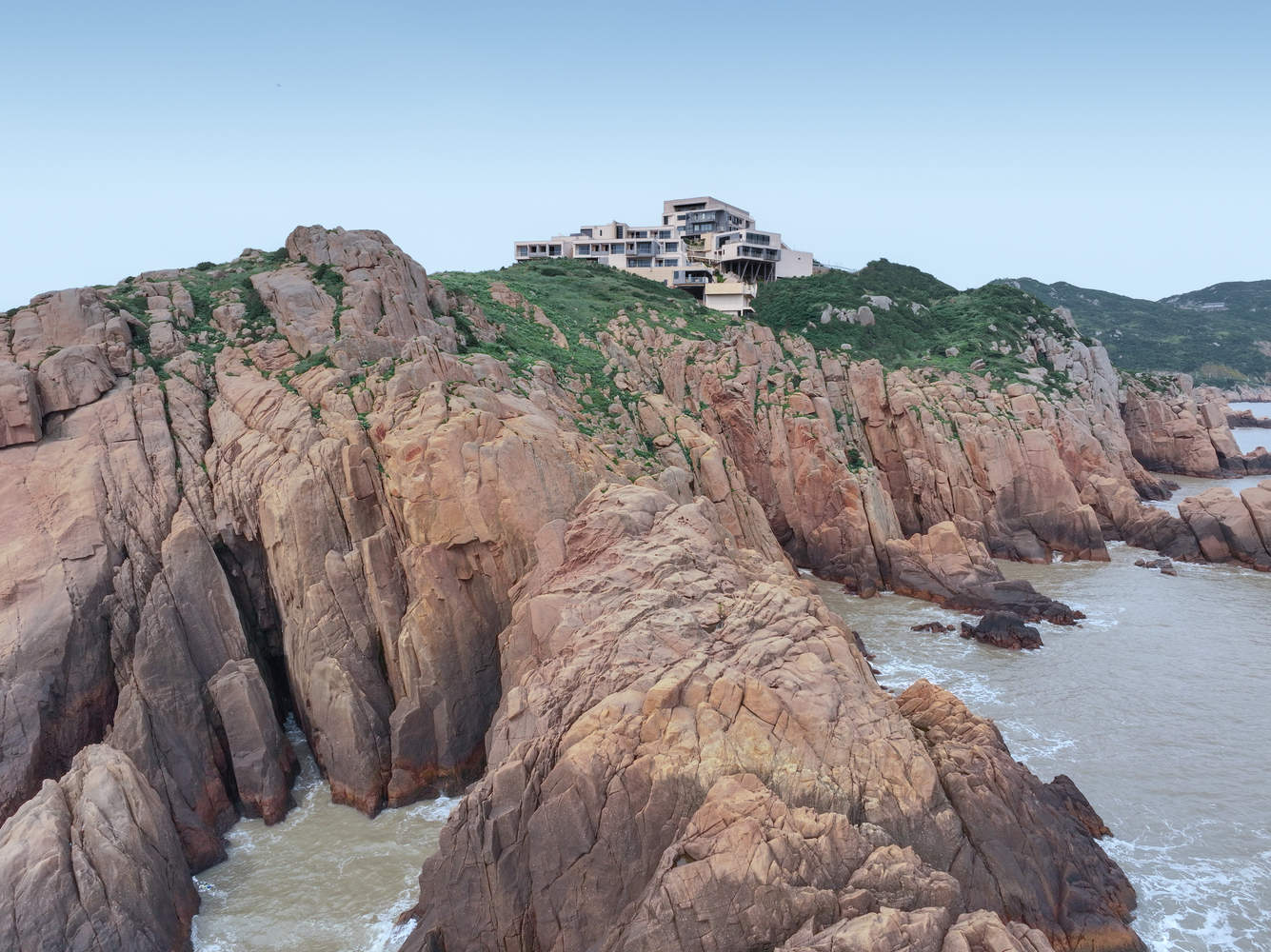
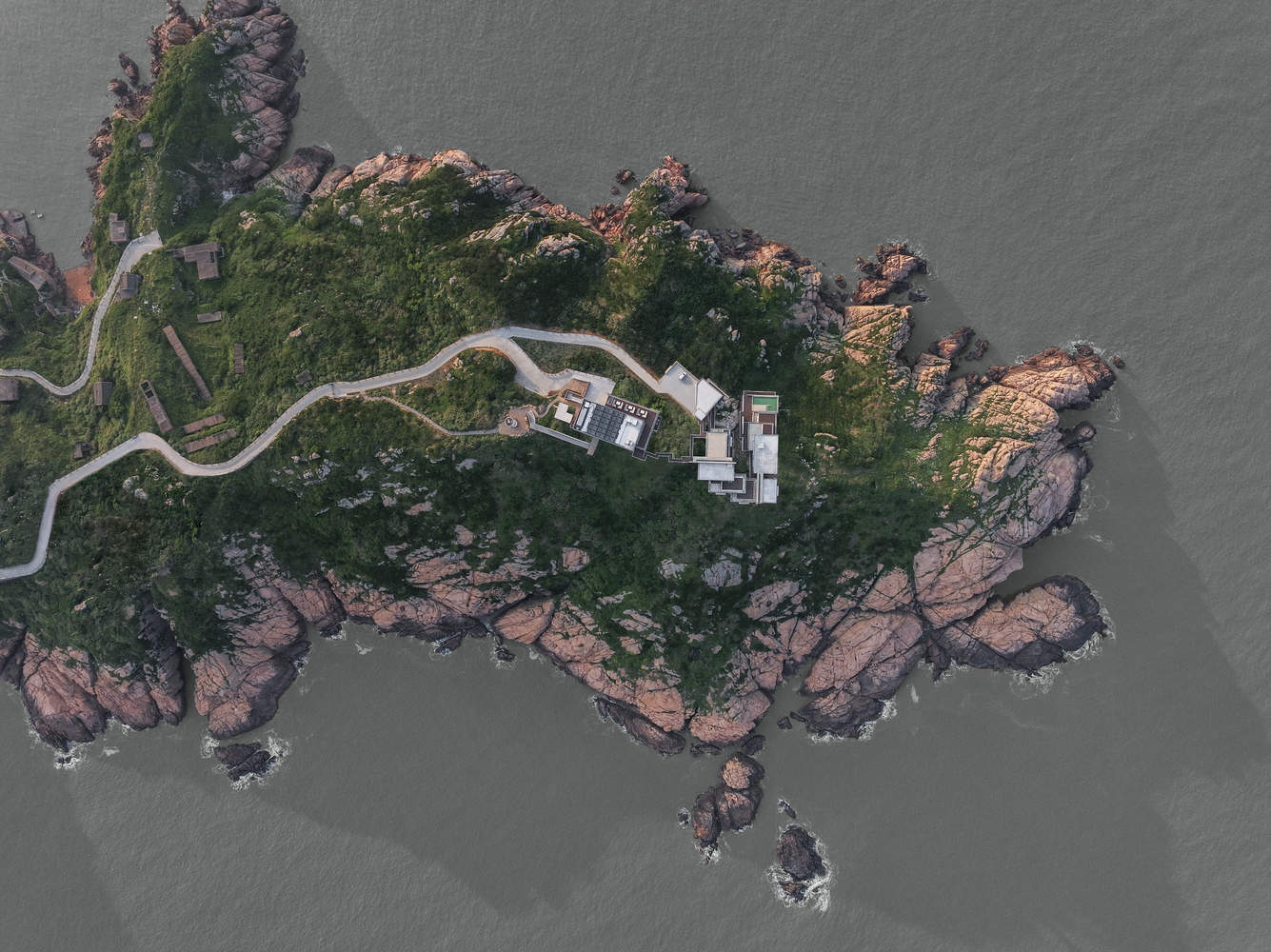
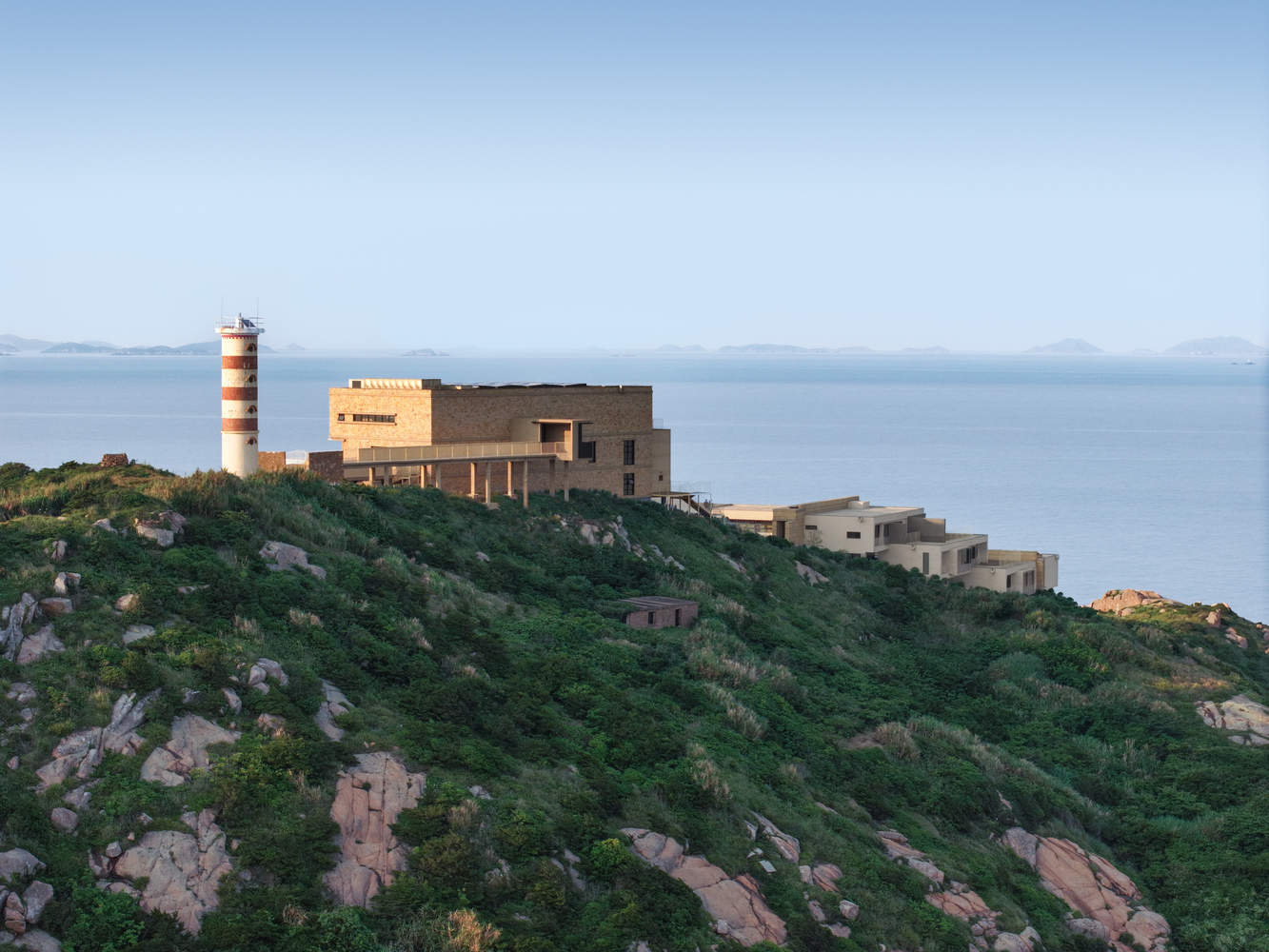
The functional development positioning of Shengsi Islands is to integrate marine culture and island folk customs, with sightseeing, leisure vacation, and scientific and educational activities as the main functions of the island type national scenic spot. Huanglong Island is the core area of Shengsi's overall planning. The design team was deeply moved by the unique scenery of Huanglong Island when they first landed there.
嵊泗列岛的功能发展定位是融海洋文化与海岛民俗风情为一体,以观光游览、休闲度假和科教活动为主要功能的列岛型国家级风景名胜区,而黄龙岛属于嵊泗整体规划的核心区域。设计团队初次登上黄龙岛,便被海岛独有的风貌深深打动。
© Fangfang Tian
立面分析图
© Fangfang Tian
After several visits and in-depth research, the dilemma of Huanglong Island has also been revealed to the design team - it is facing a serious problem of rural hollowing out - many young people on the island have left the island, kindergartens and primary schools have also been closed, and most of the fishermen who stay on the island are elderly. Huanglong Island is not an exception. China's rapid urbanization process in the past 30 years has accelerated the changes in rural population structure to a certain extent. Without new industrial investment, the consequences of rural aging and declining vitality have begun to emerge in recent years.
几经走访与深入调研,黄龙岛的困境也在设计团队面前展开 —— 这里面临着严重的乡村空心化问题 —— 岛内年轻人多已离岛,幼儿园与小学也已关闭,留守岛内的渔民大多是老人。黄龙岛不是个例,中国近三十年快速城市化进程在一定程度上加速了乡村人口结构的变化,没有新的产业投入,乡村老龄化与活力衰退的后果在近几年已初见端倪。
© Fangfang Tian
© Fangfang Tian
The Triple Dimension of Time
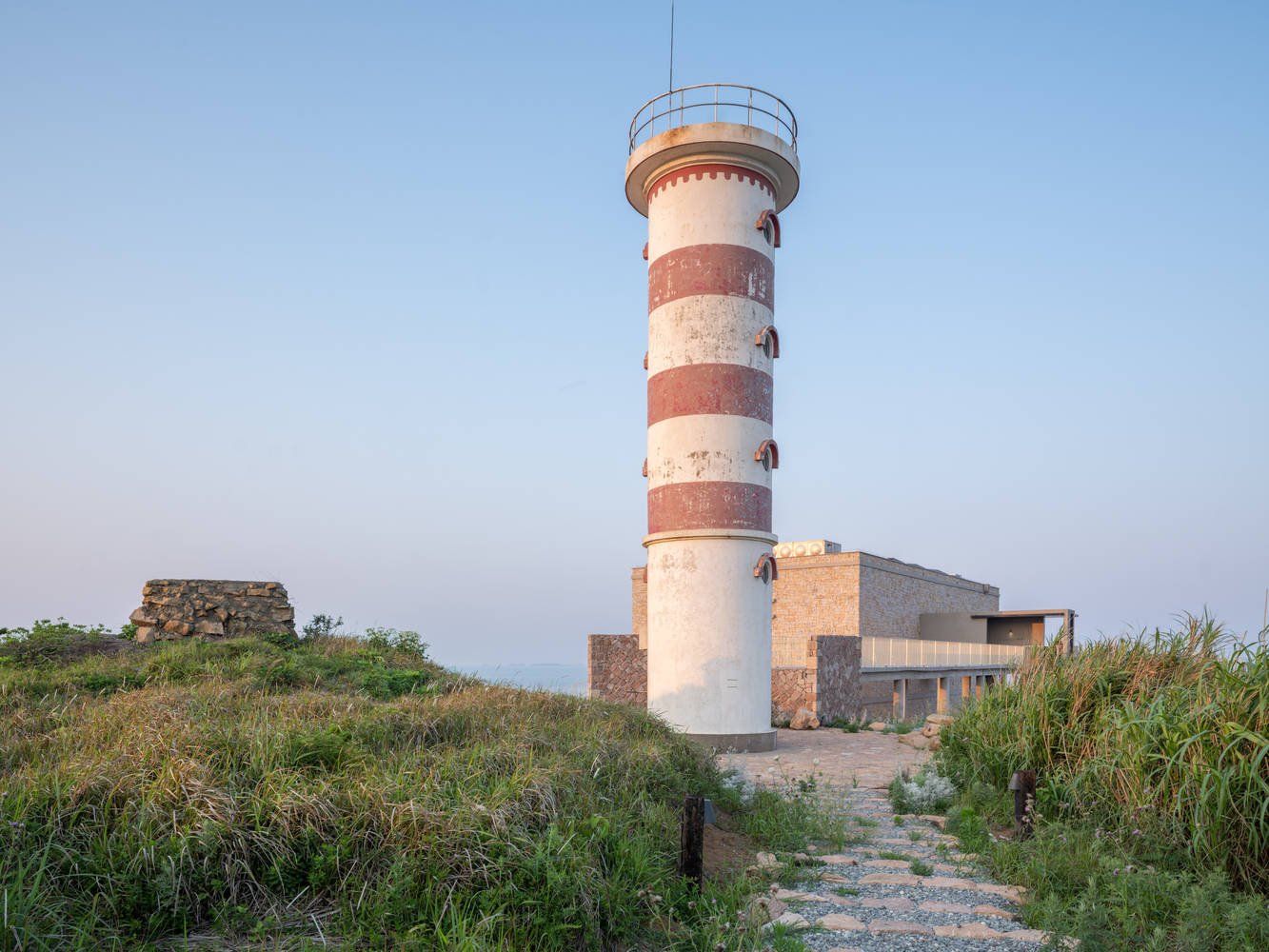
With the deepening of the detailed planning work in the early stage, the starting point of the design project has become increasingly clear: how to protect and utilize the natural elements of the ocean, how to integrate buildings into the original island fishing village residential settlements, and how to truly "walk" into Huanglong Island.?
时间的三重维度
随着前期详规工作的深入,设计项目的切入点变得越发清晰:如何保护和利用海洋的自然元素,如何将建筑融入原有海岛渔村民居聚落,如何让人真正地“走进”黄龙岛?
© Fangfang Tian
© Fangfang Tian
The most profound feeling of the design team on Huanglong Island is also the core of the entire design project: time. The design is based on the three dimensions of time as the core concept:
- Natural Time: The island landscape has formed a unique landform form under the natural evolution law, which is the most important basic condition in the design and the most core place spirit of the entire design.
.
-The time of history: The way of life and social activities of the islanders form cultural sedimentation, such as the unique primitive residential settlement form and fishing and farming culture of Huanglong Island. The historical transformation of the island space caused by these human habitation behaviors, as well as the resulting cultural landscape layering process, are the starting points for design.
-Human Time: As the first perspective, humans construct unique spatial experiences for each visitor, providing the island with an opportunity to once again gather "new" islanders and reconstruct the understanding of island fishing villages in the context of contemporary population mobility.
设计团队在黄龙岛最深刻的感受,也是整个设计项目生发的核心:时间。设计以时间的三重维度作为核心概念展开:
- 自然的时间:海岛风貌在自然演变规律下形成了独有的地貌形态,是设计中最重要的基础条件,也是整个设计最核心的场所精神。
- 历史的时间:岛民的生活方式和社会活动形成文化沉淀,如黄龙岛独特的原始民居聚落形态与渔耕文化,这些人类居住行为对海岛空间产生的历史性改造,以及由此产生的文化景观层积过程,是设计的切入点。
- 人的时间:人作为第一视角,通过为每一位来访者构建独特的空间体验,使海岛再次拥有汇聚“新”岛民的契机,从而在当代人口流动背景下重构对海岛渔村的认知。
© Fangfang Tian
© Fangfang Tian
Form: Spatial Translation
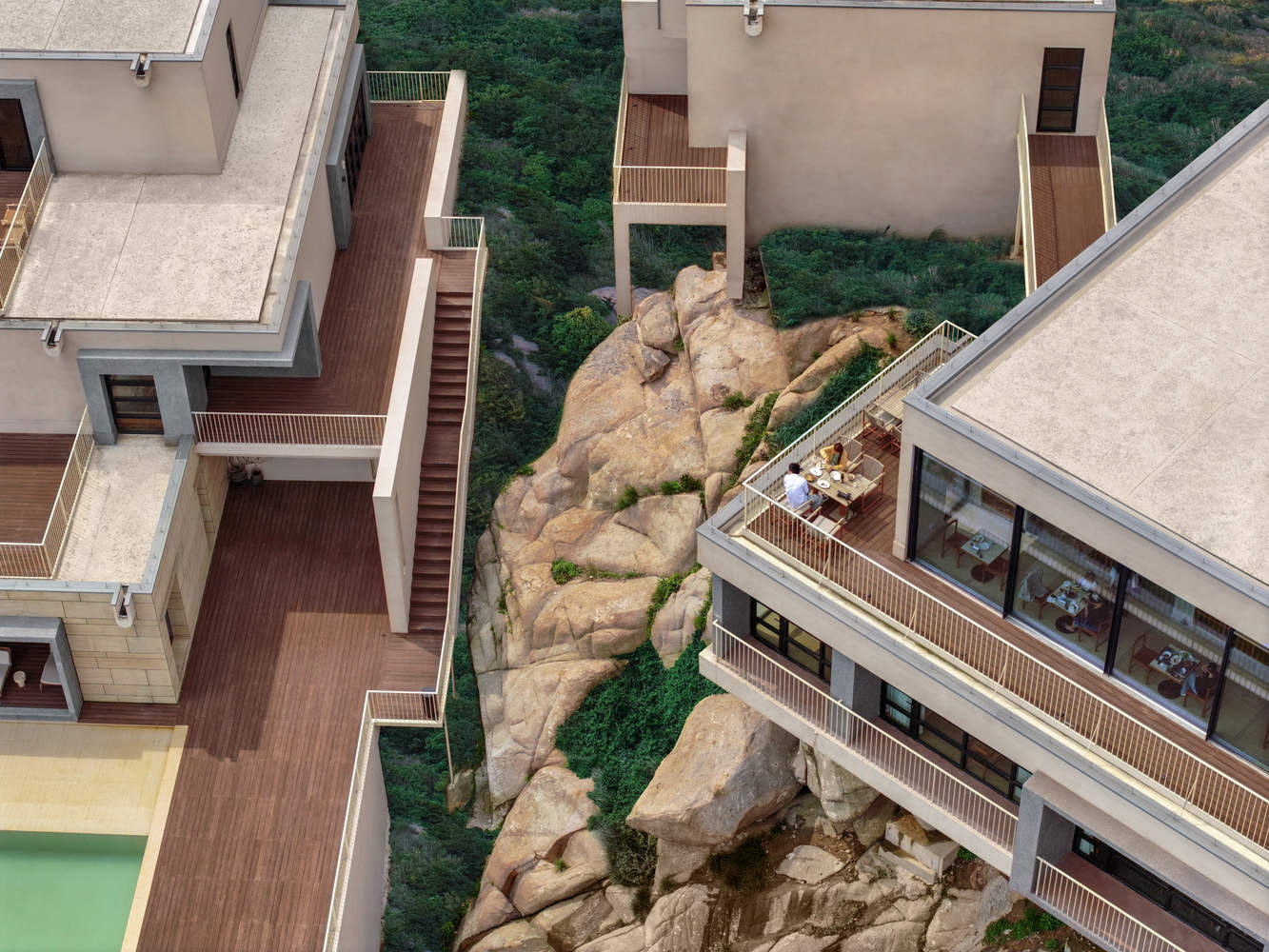
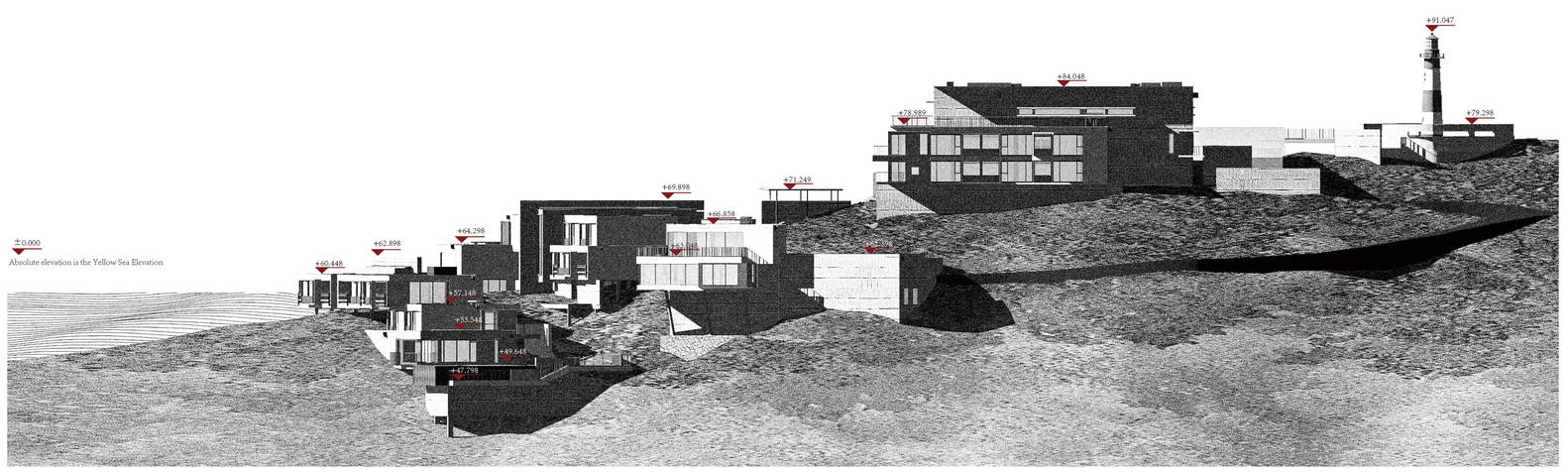
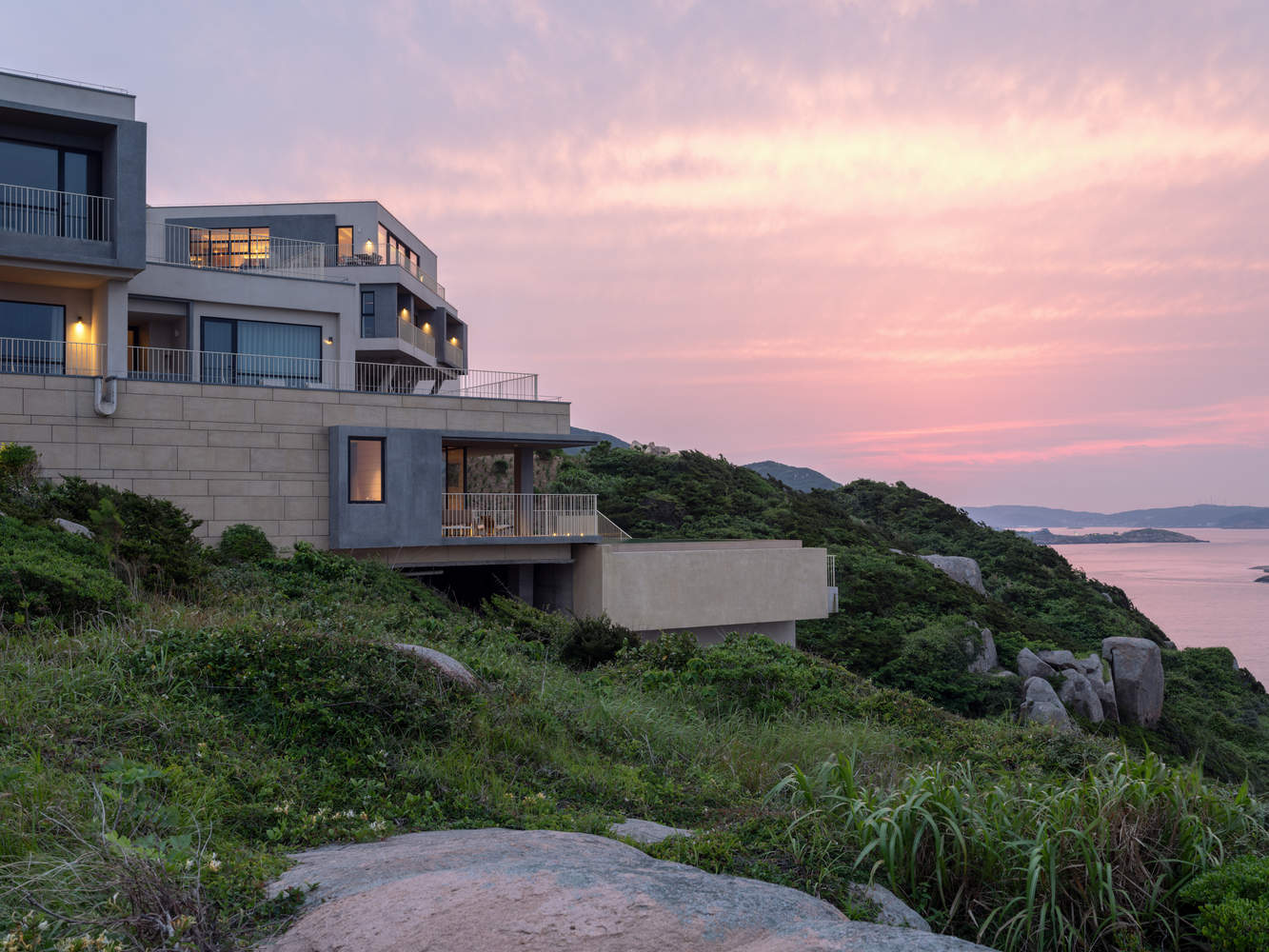
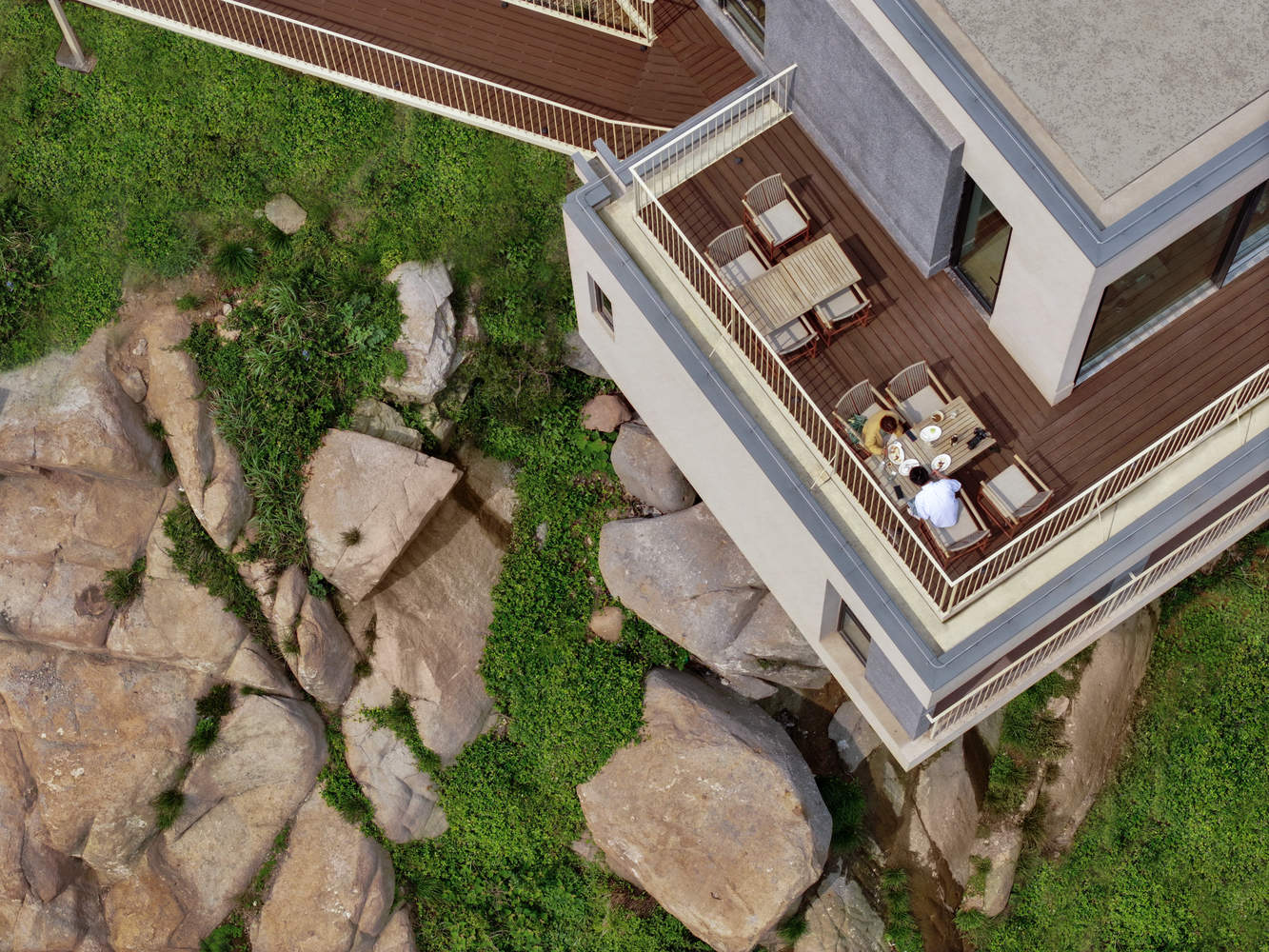
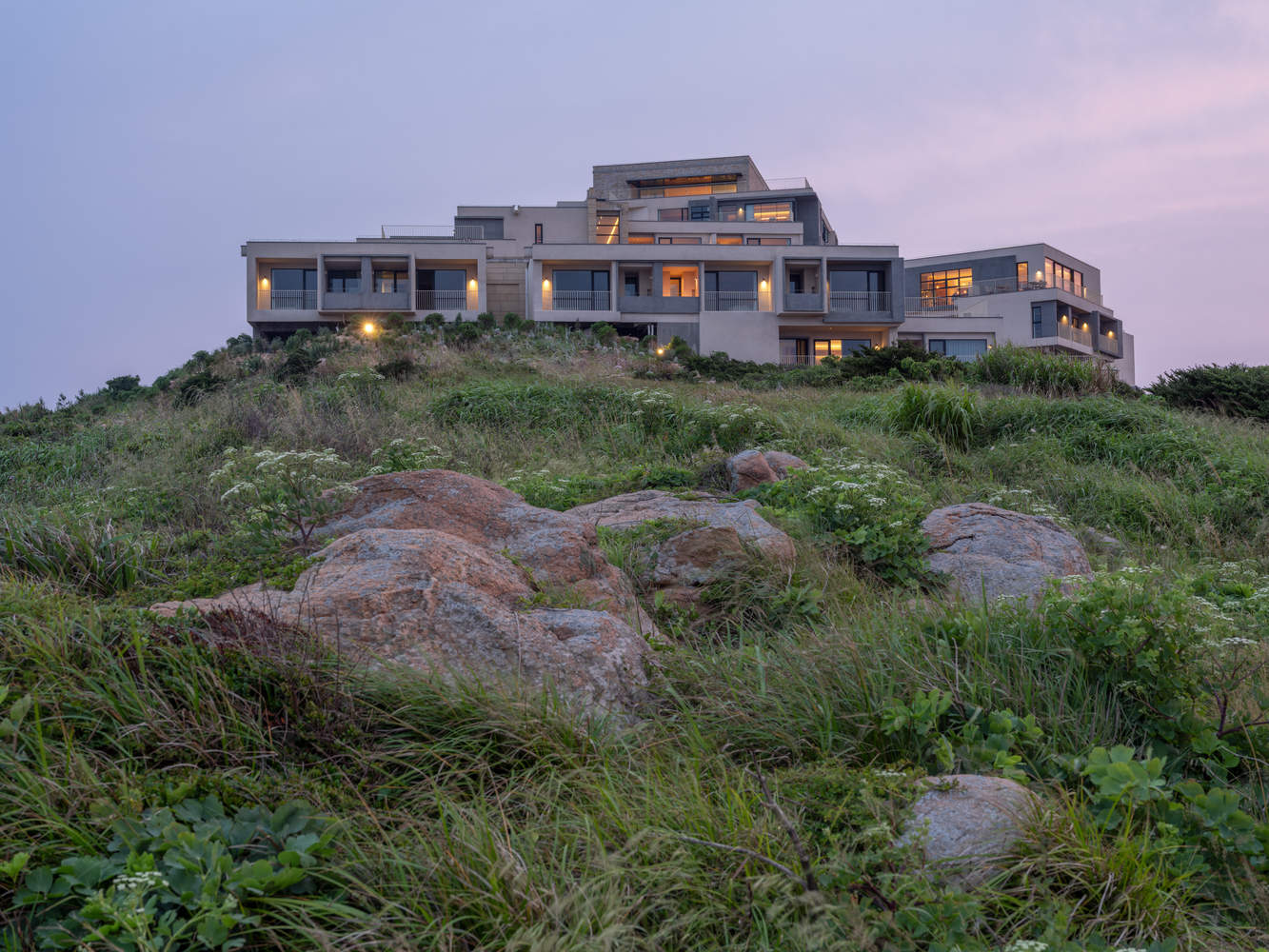
The overall spatial generation strategy of the hotel follows the spatial scale of the original village and organizes spatial order based on terrain elevation differences.. The primitive dwellings on the island are mostly 60-180 square meters in size, mainly made of yellow bricks and stones, with good structural strength. The design team positioned the Lighthouse Hotel as a "light intervention" project, making the building a continuation of the natural landscape and existing village texture. The main body of the building is anchored between three native protected reefs, and a series of staggered modular units are stacked in a stepped manner to adapt to the slope of the mountain.
形态:空间转译
酒店整体空间生成策略依循原始村落的空间尺度,并基于地形高差来组织空间秩序。岛上原始民居的多为 60 ~ 180 平方米,材料以黄色砖石为主,结构强度较好。设计团队将灯塔酒店定位为“轻介入”项目,让建筑成为自然地貌与既有村落肌理的延续部分。建筑主体被锚固于三处原生保护礁石之间,以一系列阶梯状错位堆叠的模块单元来适应了山体坡度。
© Fangfang Tian
© Fangfang Tian
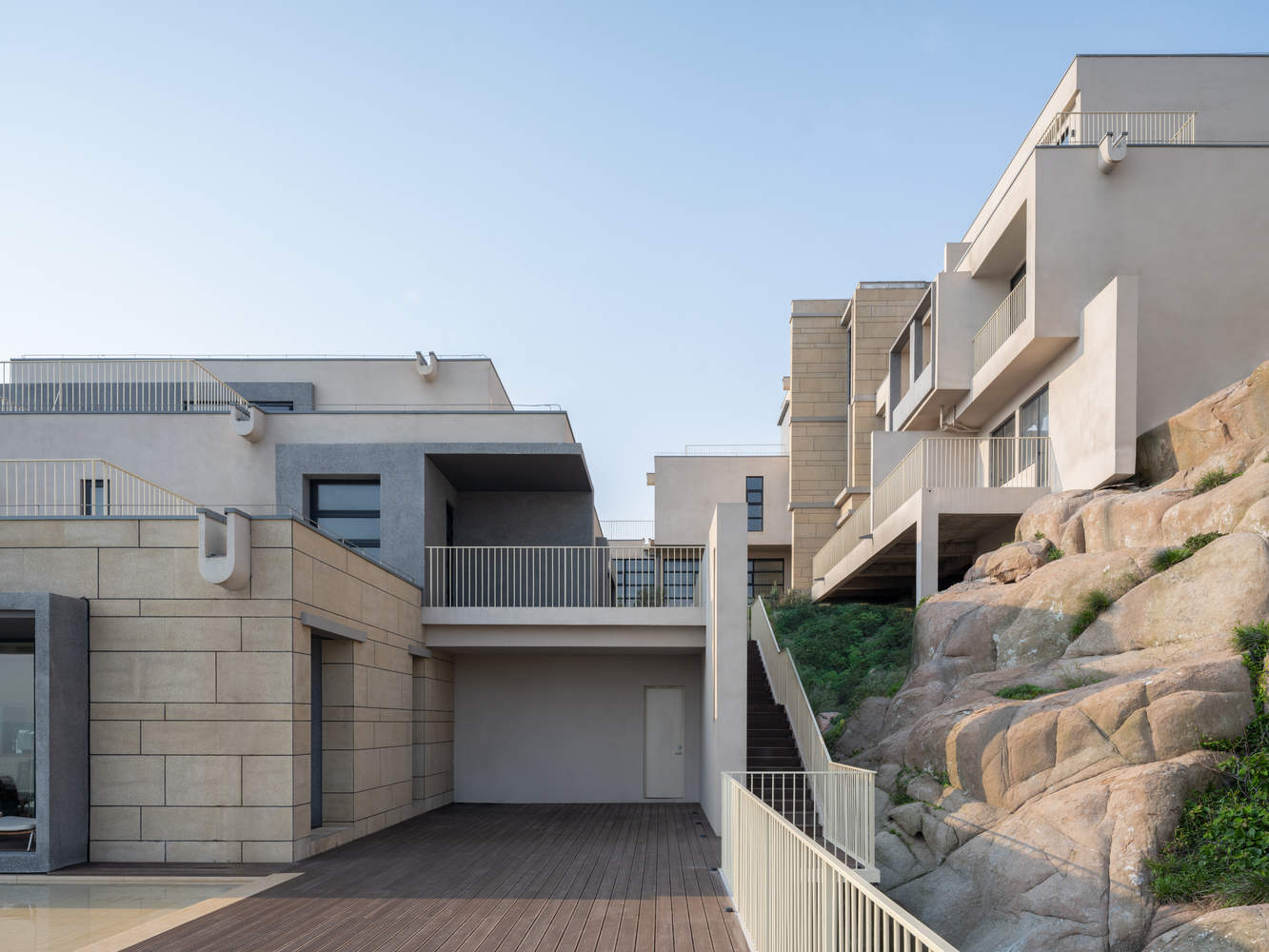
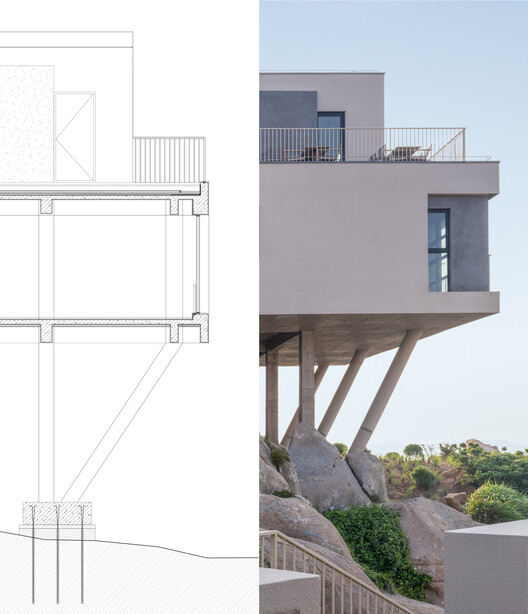
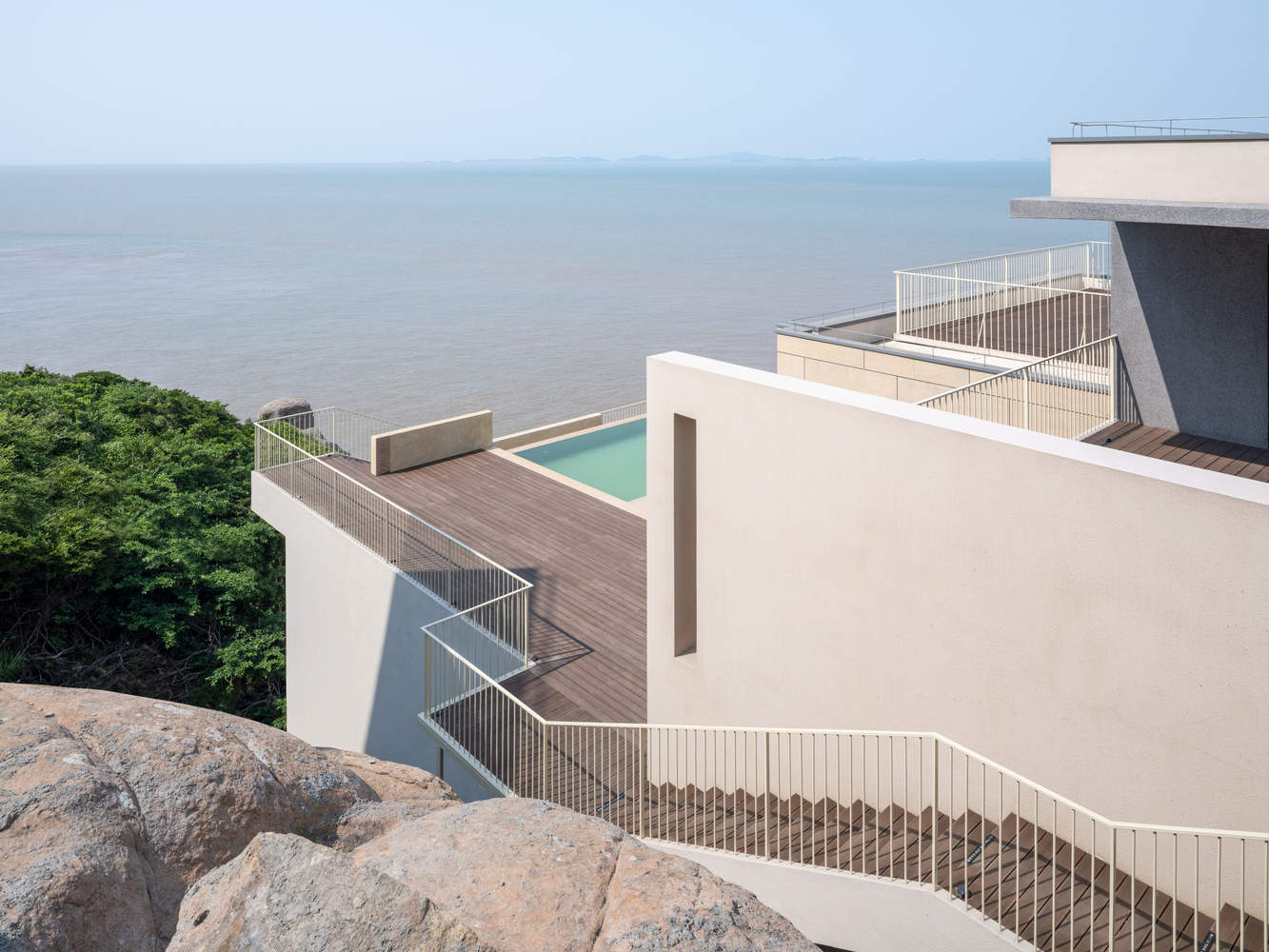
The volume and form of the architectural complex respond to the texture of the adjacent existing primitive residential settlements, while the relationship between individual buildings and the original reefs is another kind of echo. The design adopts an independent foundation, suspending the physical space above the reef. The smooth bottom and rough turning surface of the reef form a distinctive grey space, adding fun to the landscape.
建筑群的体量形态与邻近现存原始民居聚落的肌理形成回应的同时,单个建筑与原始的礁石之间是另一种呼应关系。设计采用独立基础,将实体空间悬挑在礁石之上,平滑的底面和礁石粗粝转折的表面形成充满特色的灰空间,给景观增加了趣味性。
© Fangfang Tian
© Fangfang Tian
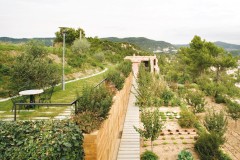
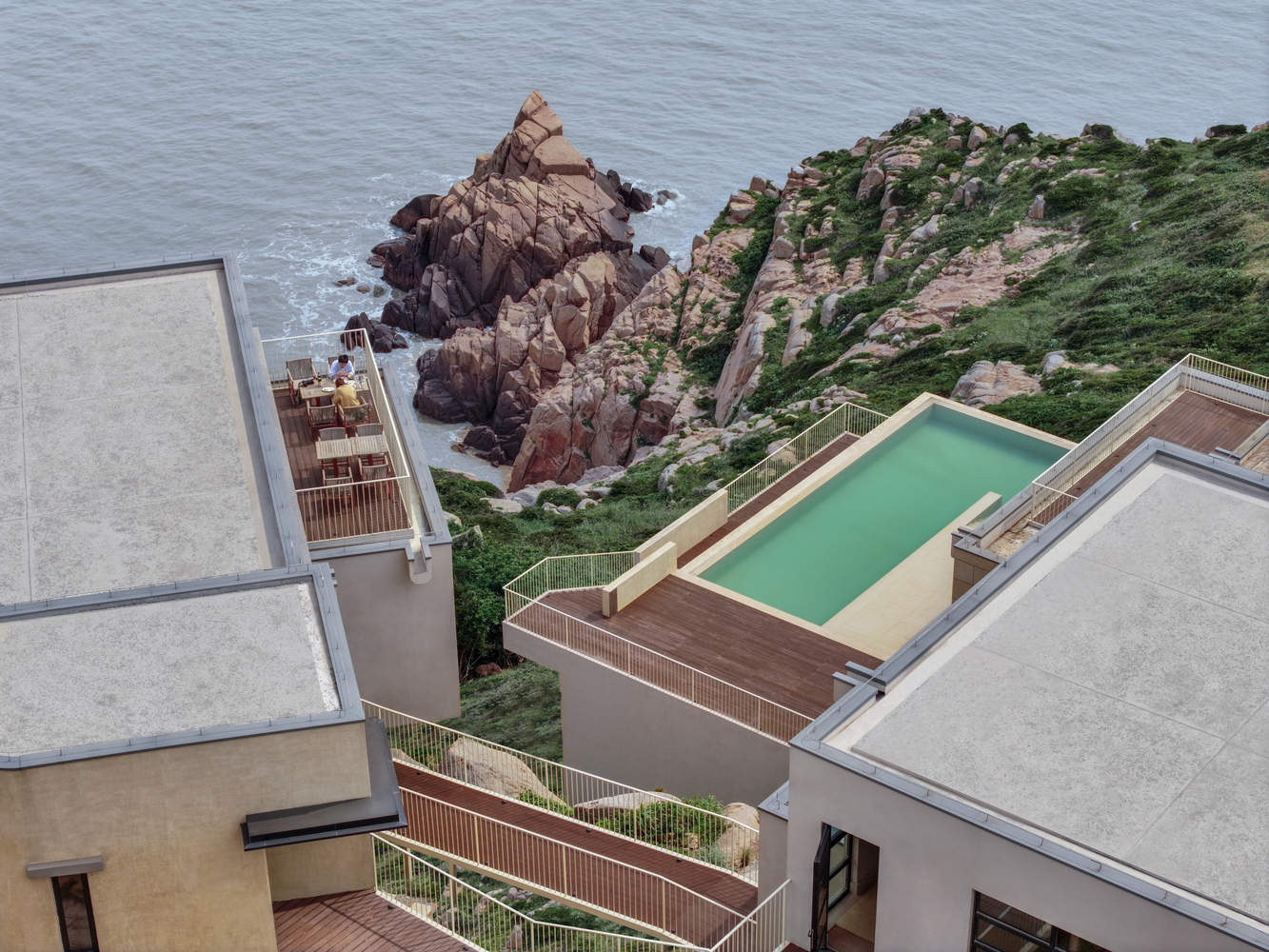
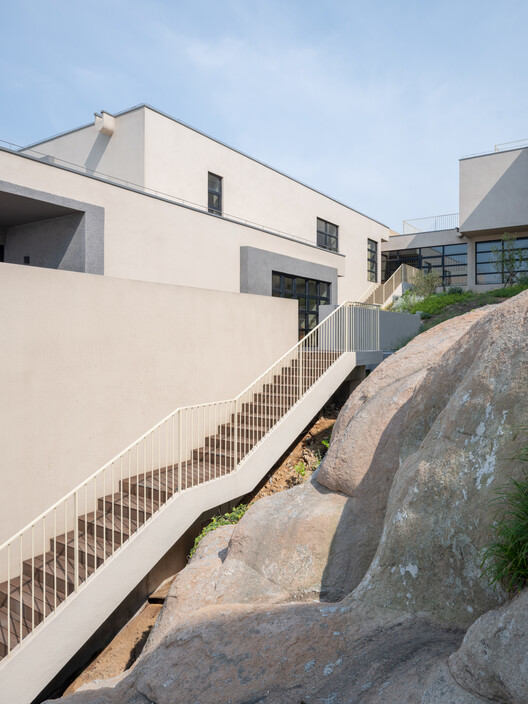
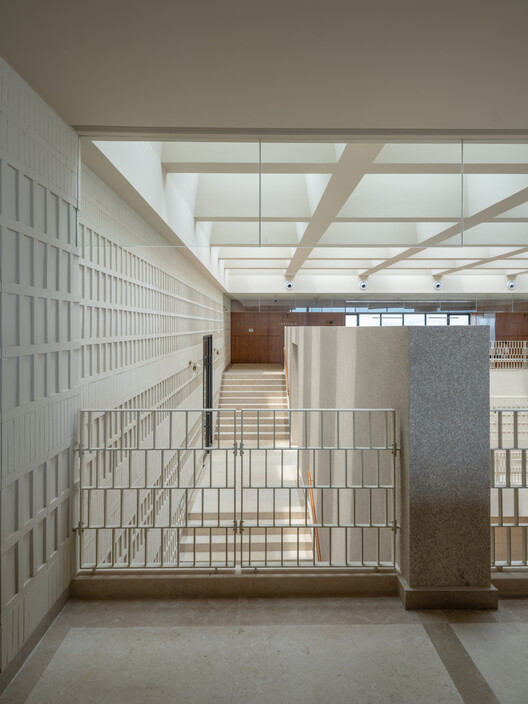
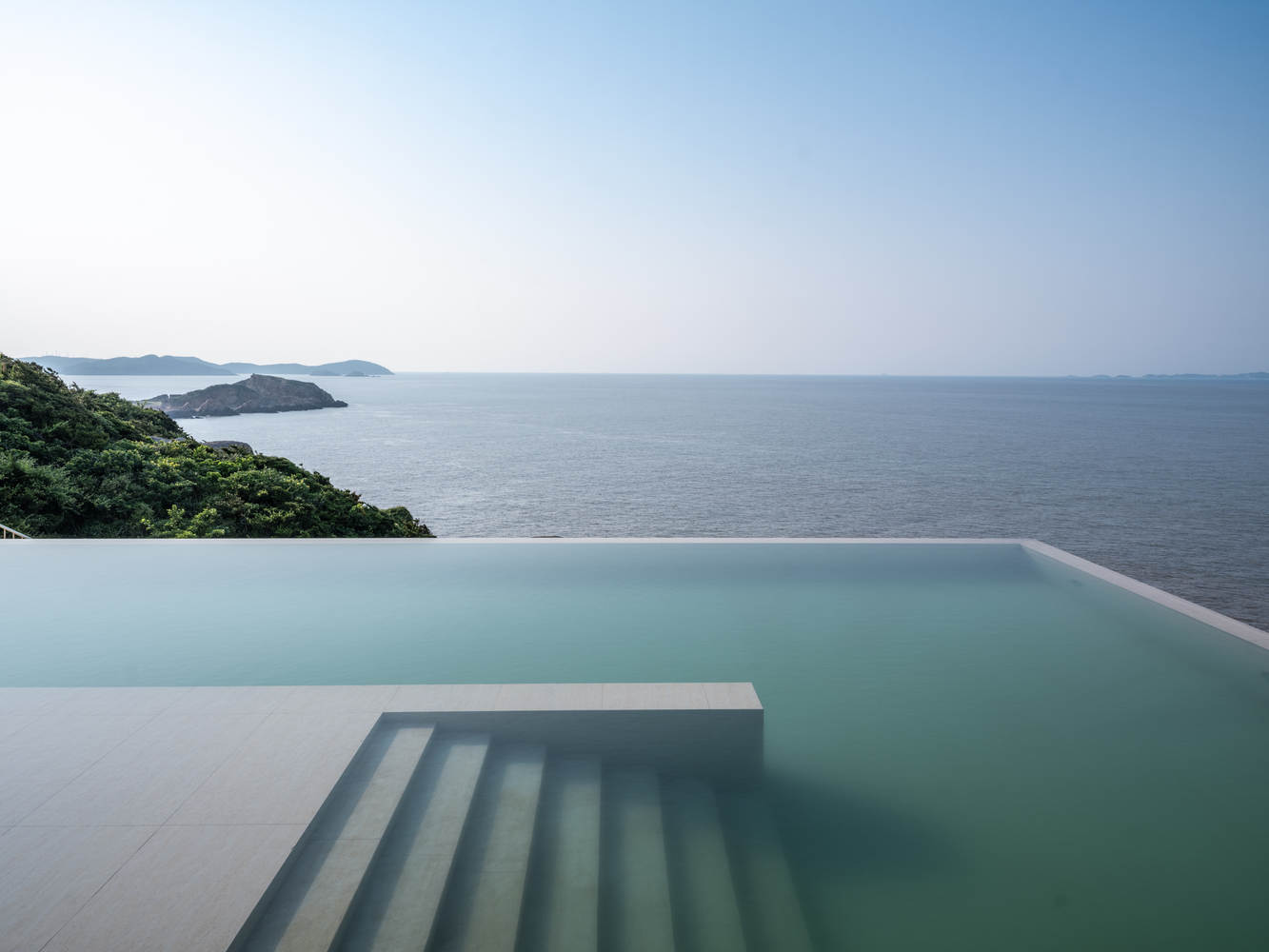
The architectural complex follows the steep mountain terrain, with only two relatively flat rocky outcrops. The core area of the hotel is naturally divided into two groups, A and B, connected by an outdoor walkway that naturally descends along the ridge. The design reconstructs the original experience of island trekking through the sensory rhythm of "hidden exploration open-minded" and the multiple transformations of "outdoor indoor" and "indoor outdoor".
建筑群落顺应陡峭的山势,只有两块相对平坦的风貌礁石,酒店的核心区域便自然分成了 A 和 B 两个组团,被一条沿山脊自然下跌的户外步道串联起来。设计通过“隐现-窥探-豁达”的感官节奏和“室外-室内”“室内-室外”的多重转化,重构登岛穿行的原始体验。
© Fangfang Tian
大样图
© Fangfang Tian
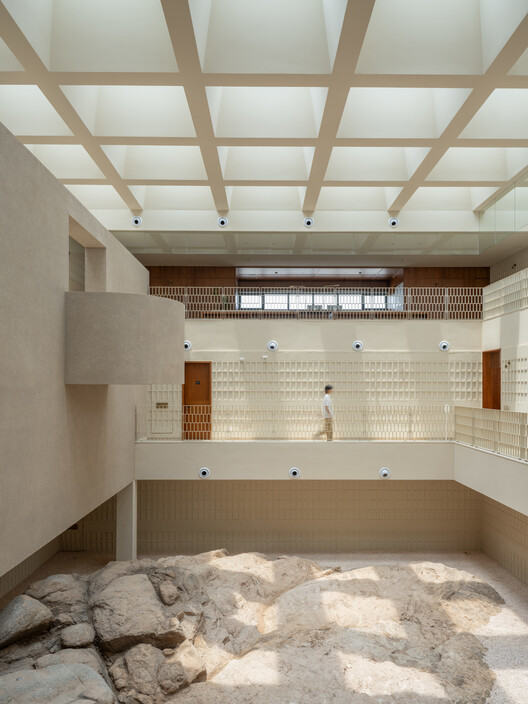
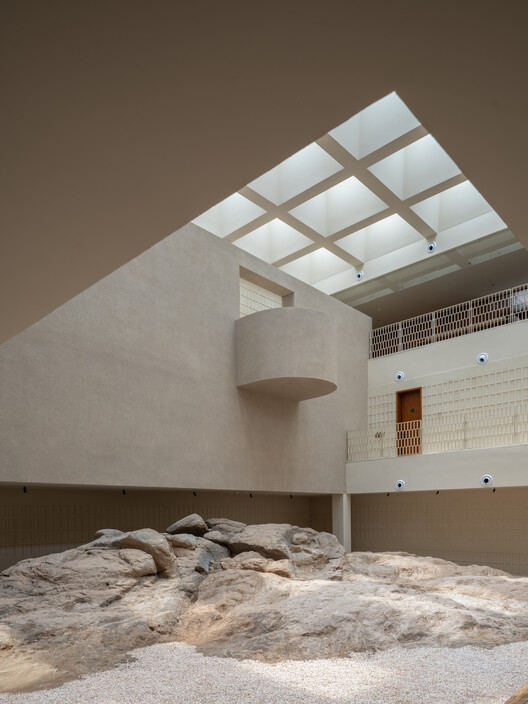
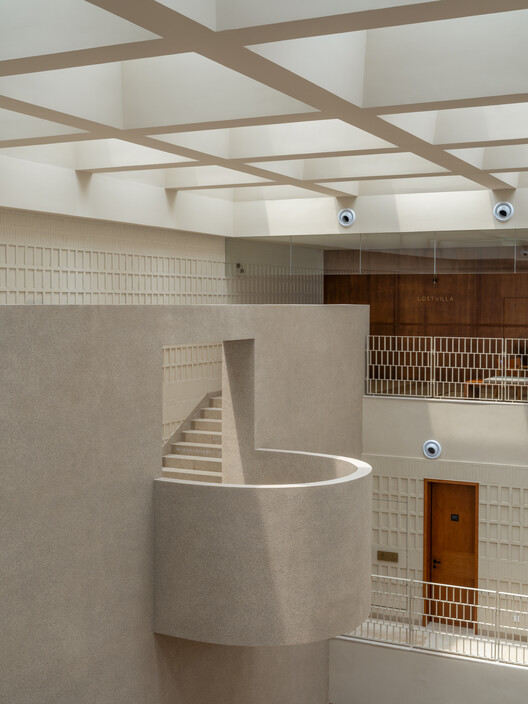
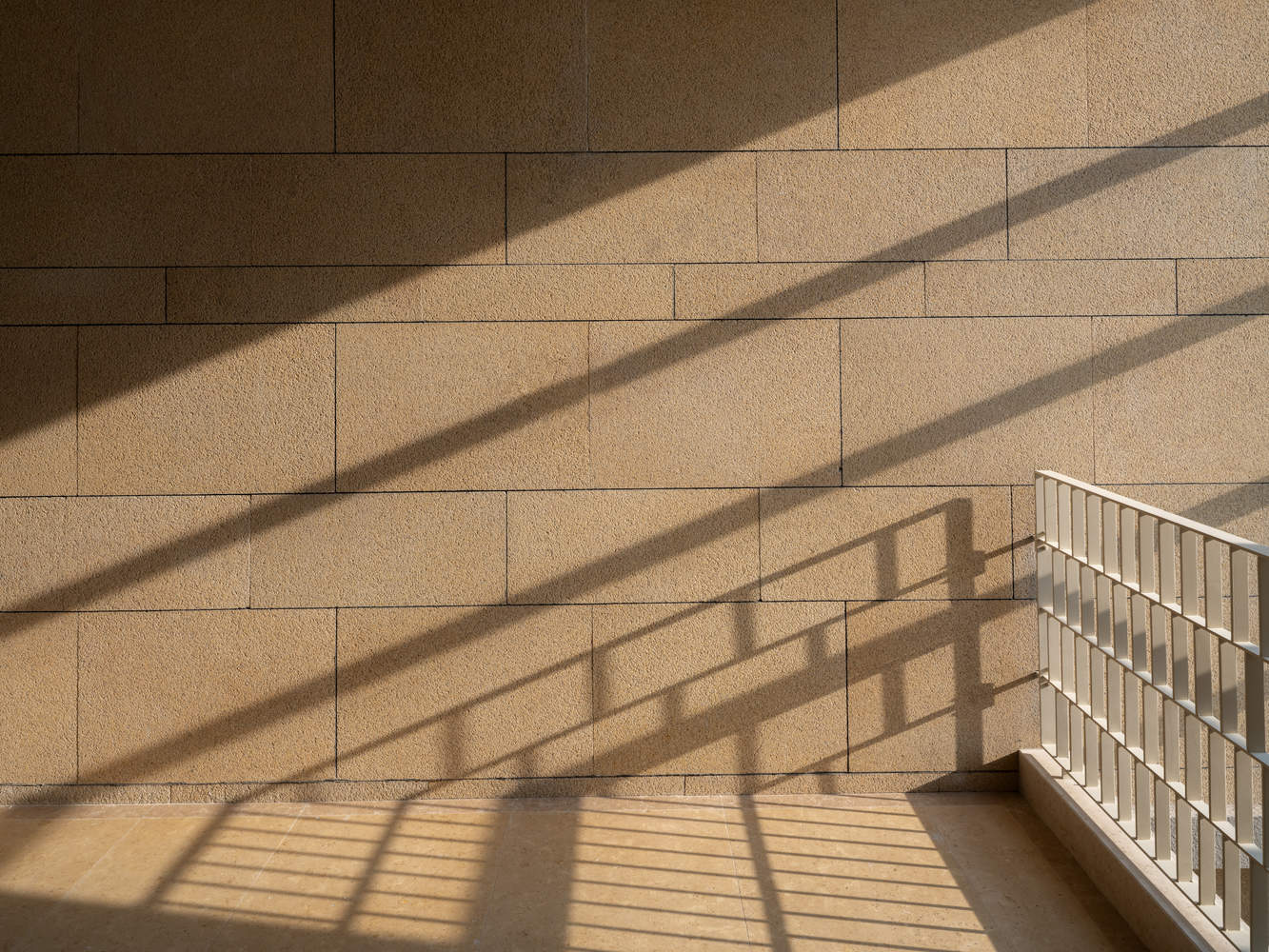
Group A is centered around a huge and spacious rock hall. Architecture is like a "cover" to protect the weathered primitive reefs, giving people the opportunity to approach the texture of the reefs. The design attempts to blur the absolute boundary between "inside" and "outside", making space itself a medium for guiding viewing. When sunlight shines through the skylight and falls on the rough rocks, people can get up close to the texture of the rocks here and feel the eternal and unchanging natural creation under the passage of time.
A 组团以巨大而空旷的岩石大厅为核心。建筑像个“罩子”来保护历经风化的原始礁石,让人有机会去靠近礁石的肌理。设计试图模糊了“内”与“外”的绝对界限,让空间本身成为一种引导观看的媒介。当阳光透过天窗洒落在粗粝的岩石上,人们可以在这里近距离接触岩石的质感,感受到时间流逝下永恒不变的自然创造。
© Fangfang Tian
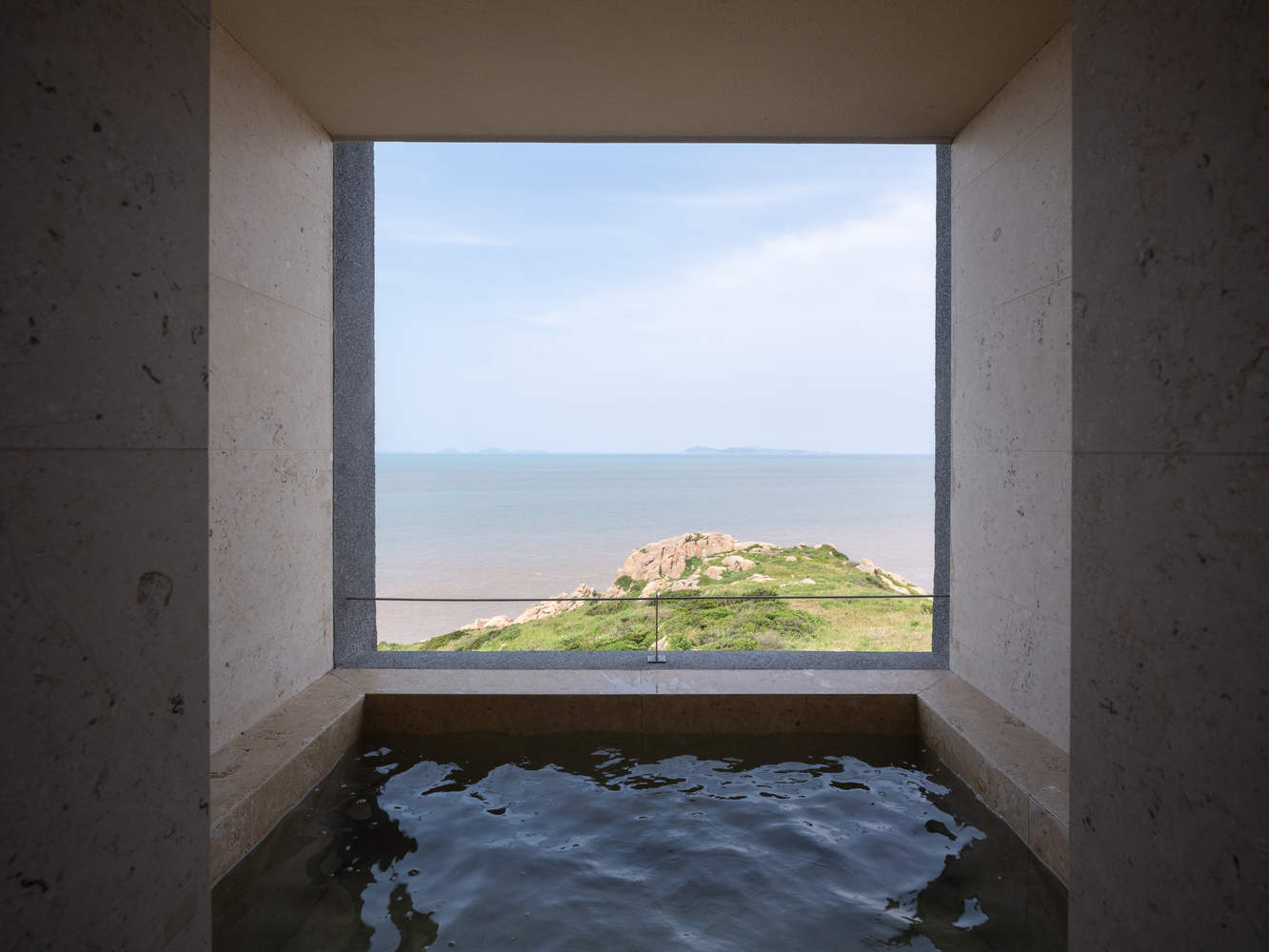
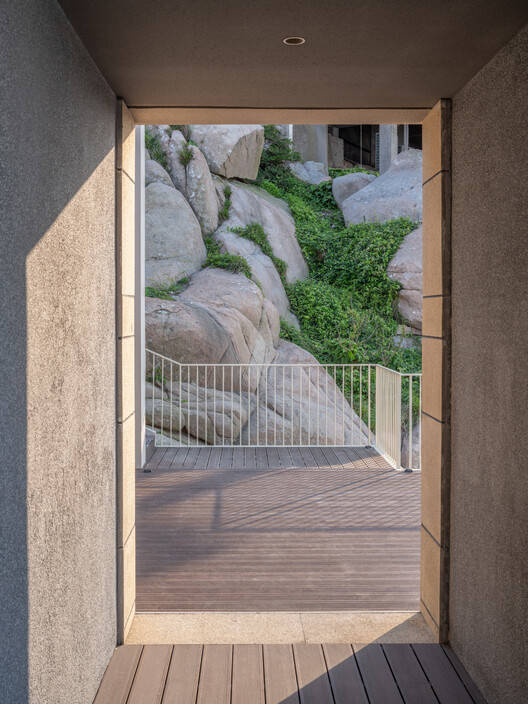
The layout of the guest room units in Group B consists of three relatively complete volumes, with spatial orientation and window design strategically responding to the differences in sunrise orientation between winter and summer, to frame specific external landscape views. The design establishes a visual corridor from indoors to outdoors through strategically designed complete window openings. In the design of guest room scale, human scale and experience have once again become the key to interpreting time. When a person's gaze passes through a clean and intact window, sunlight pours into the room, sea breeze hits the face, and the sound of waves instantly rushes into the eardrums, completing the transformation of "indoor outdoor" once again. When a person stays in front of any frame, time also stops.
B 组团客房单元的布局由三个相对完整的体量组成,空间朝向与开窗设计策略性地响应冬夏两季的日出方位差异,以框定特定的外部景观视野。设计通过策略性设置的完整窗洞,建立了由室内向外的视觉通廊。在客房尺度的设计上,人的尺度和体验再次成为时间诠释的关键。当人的目光穿过一个干净完整的窗洞,阳光漫进室内,海风扑面而来,涛声瞬间涌入耳膜,完成了“室内——室外”的再次转化。当人停留在任何一个框景之前,时间也停了下来。
© Fangfang Tian
© Fangfang Tian
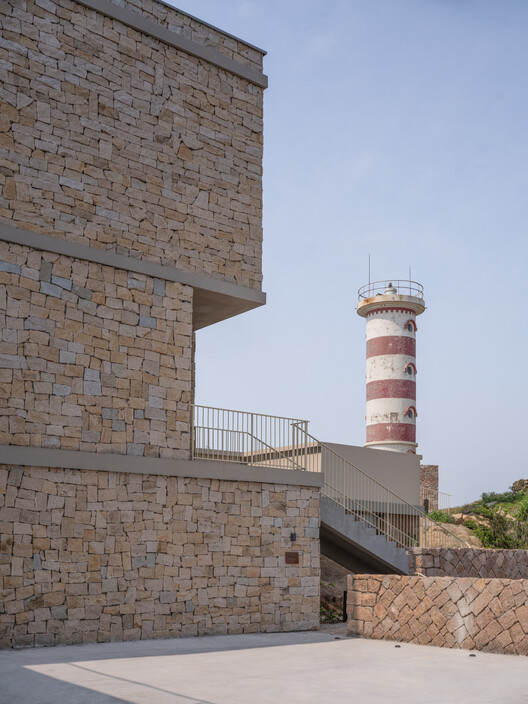
The design of Da Le Zhi Ye Huanglong Island Lighthouse Hotel is an opportunity to reflect on rural renewal. The essence of renewal is the re weaving and activation of time memory. Therefore, the intervention of design is not to cover the past with steel and cement, but to transform the original local life and production scenes into tangible, empathetic, and sustainable contemporary narratives based on conforming to the tide, reading about the world of fishing fires, and thinking about the eternity of the sea and sky. It reverses the crisis of hollowing out islands into an opportunity for the development of new island characteristic ecotourism with deep experience as the core.
大乐之野·黄龙岛灯塔酒店的设计是一次对乡村更新的思考的契机。更新的本质是对时间记忆的重新编织与活化,因此,设计的介入不是用钢筋水泥覆盖过往,而是在顺应潮汐吐纳,阅读渔火人间,思考海天永恒的基础上,将当地原有的生活生产场景转化为可体验、可共情、可持续的当代叙事,将海岛空心化的危机逆转为以深度体验为核心的新型海岛特色生态旅游发展的契机。
© Fangfang Tian