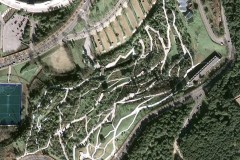
以生态为核心的城市人居范式创新:该项目最显著的亮点在于其对城市人居环境的深刻反思与创新实践,以一个占地48,000平方米的中心城市森林为核心,旨在重塑现代城市生活与自然的关系。森林馆作为生态教育和社区互动的枢纽,巧妙地将开发项目有机地串联起来,不仅是物理的连接点,更是社区理念的传播中心。这种将“健康、快乐生活”嵌入宏大开发蓝图的做法,体现了建筑设计对人类福祉的终极关怀,并为未来城市开发提供了以生态系统为基础的健康生活范式。
研究驱动的沉浸式自然体验设计:建筑师的设计策略高度依赖于对用户健康和自然互动体验的研究,将设计决策转化为支持福祉的工具。通过将绝大部分场地让位于绿色空间,并确保从建筑的每个角落都能欣赏到广阔的森林景观,设计主动鼓励和诱导使用者进入并参与自然。景观概念“与自然共生”指导了从整体布局到细节处理的每一个环节,尤其体现在将僵硬的亭子形态转化为自由形态的中央森林,这种对私密性和自然沉浸感的极致追求,提供了一种在城市肌理中获得真实“森林生活”的独特体验。
以生物多样性为目标的未来栖息地营造:项目的精髓在于超越传统的景观美化,致力于构建一个具有生命力的、可持续发展的生态系统。通过引入Miyawaki生态森林的理念,项目不仅创造了一个充满活力的景观,更确立了一个能够持续创造生物多样性的“人间天堂”,并承诺与居住者共同成长。结合SITES, WELL, LEED等国际可持续标准,该项目成功地将高品质的现代生活与自然共存的需求相结合,树立了泰国乃至区域内住宅开发的里程碑,倡导一种互利共生的、面向未来的居住哲学。
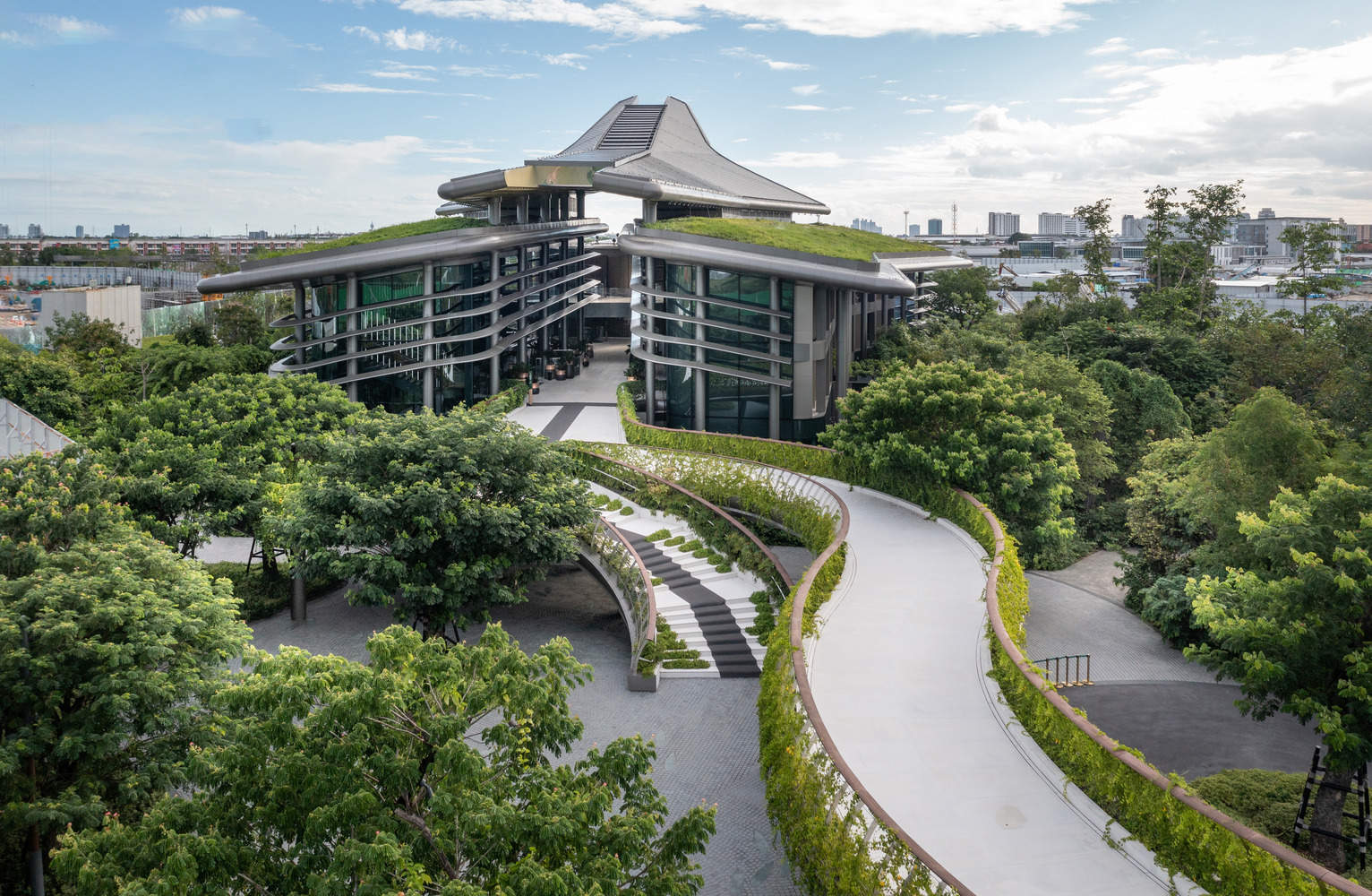
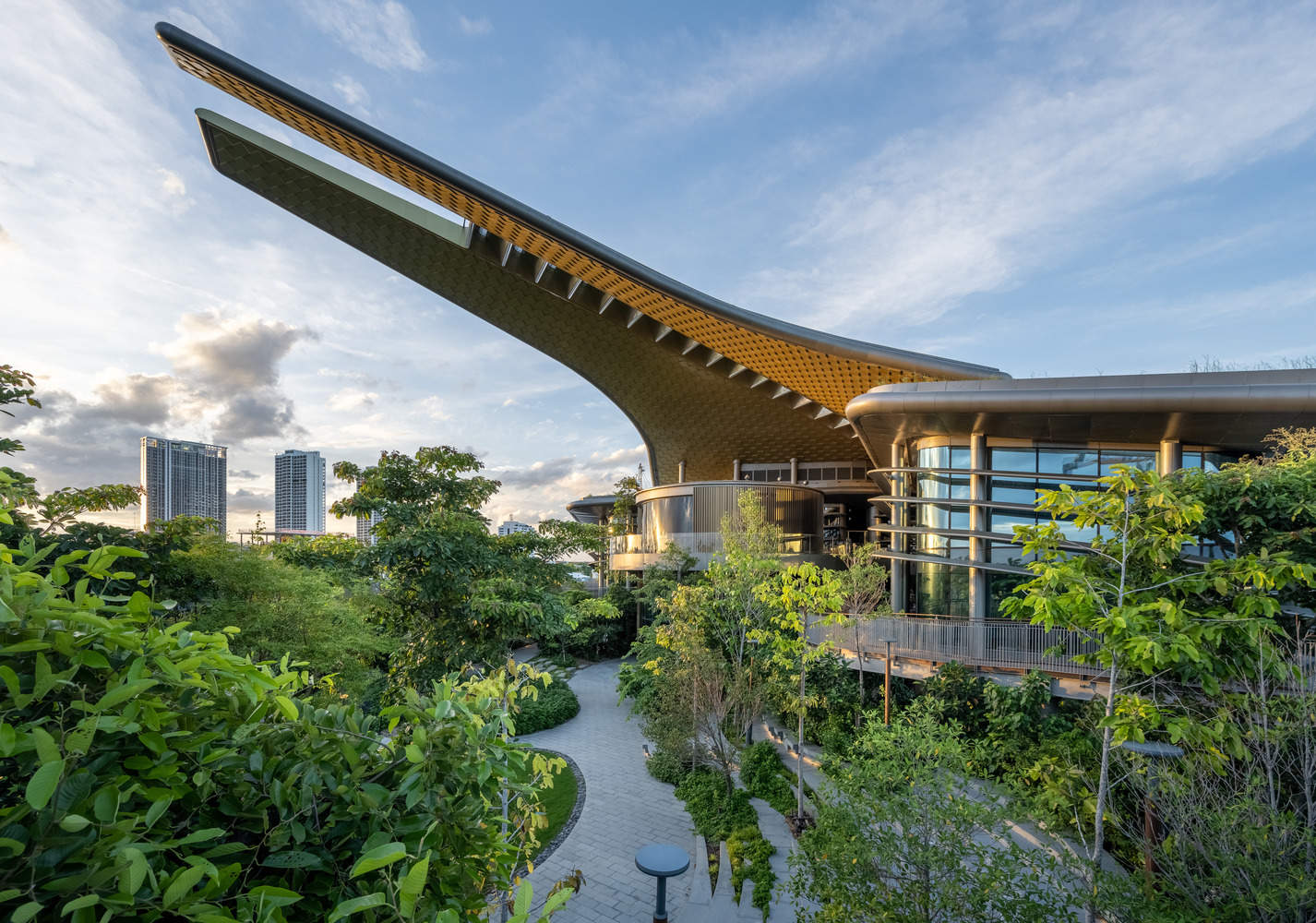
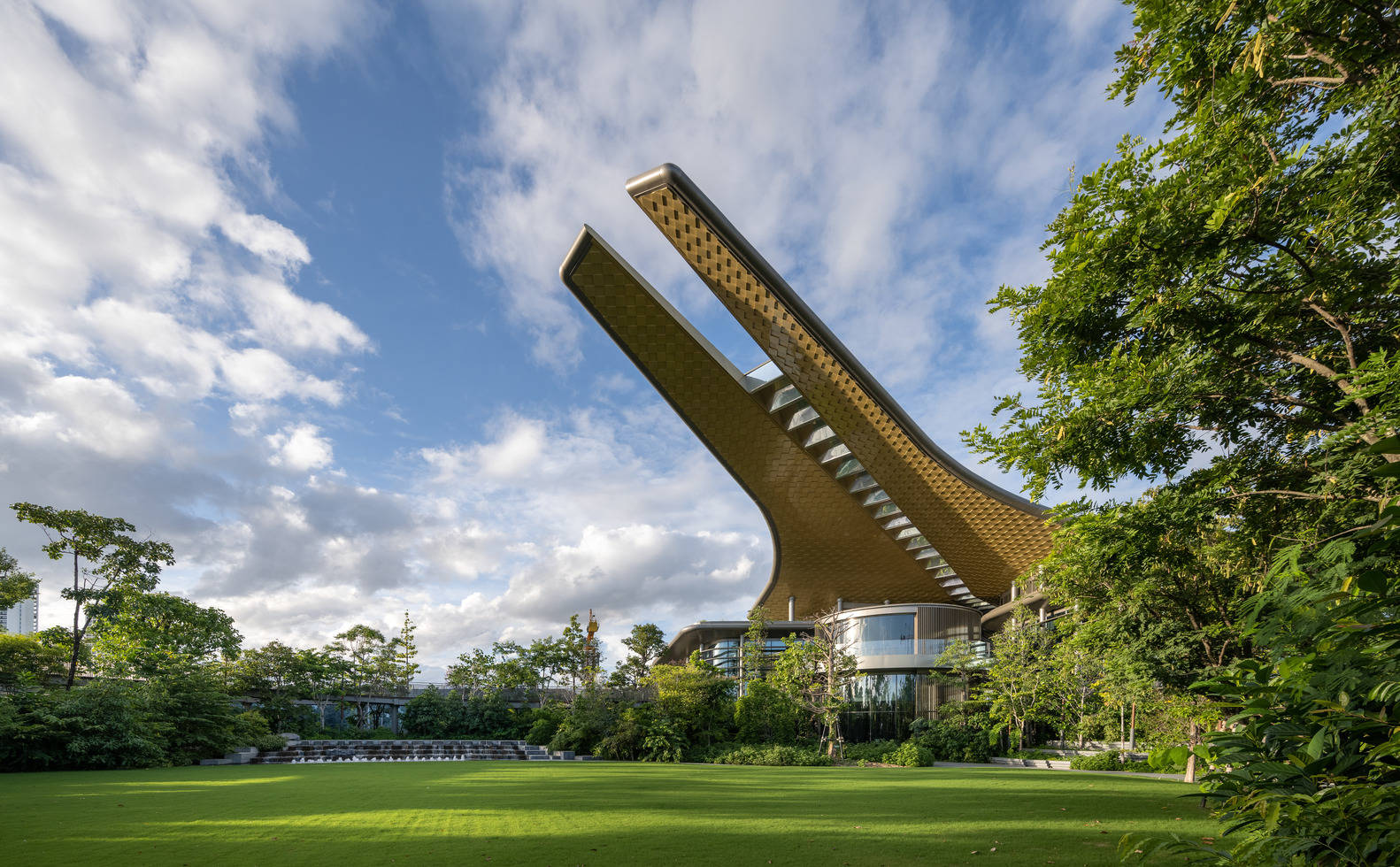
From the architect. The Forestias is one of Thailand’s largest property developments. The highlight of the project is a 48,000-square-meter urban forest at the heart of The Forestias, connecting all developments within the site, dedicated to creating a healthier and happier life for all residents. The Forest Pavilion, located in The Forestias, currently serves as a sales gallery and will later be converted into The Forestias Ecosystem Learning Center to share knowledge of forest ecosystems and act as a social hub for joyful activities for the residential area. It also serves as the entrance to The Forestias’ vast forest area, providing a prototype for interacting with nature.
来自建筑师。The Forestias 是泰国最大的房地产开发项目之一。该项目的亮点是位于 The Forestias 中心的 48,000 平方米的城市森林,连接了场地内的所有开发项目,致力于为所有居民创造一个更健康、更快乐的生活。森林馆位于 The Forestias,目前作为销售画廊,后续将被改造成 The Forestias 生态系统学习中心,用于分享森林生态系统的知识,并为居住区提供可欢乐活动的社交中心。它也是通往 The Forestias 广阔森林区的入口,提供了一个与自然相处的原型。
© Rungkit Charoenwat
© Rungkit Charoenwat
Forest Pavilion Site Plan
森林展亭总平面图
© Rungkit Charoenwat
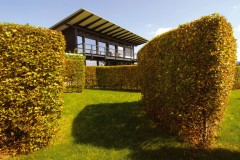
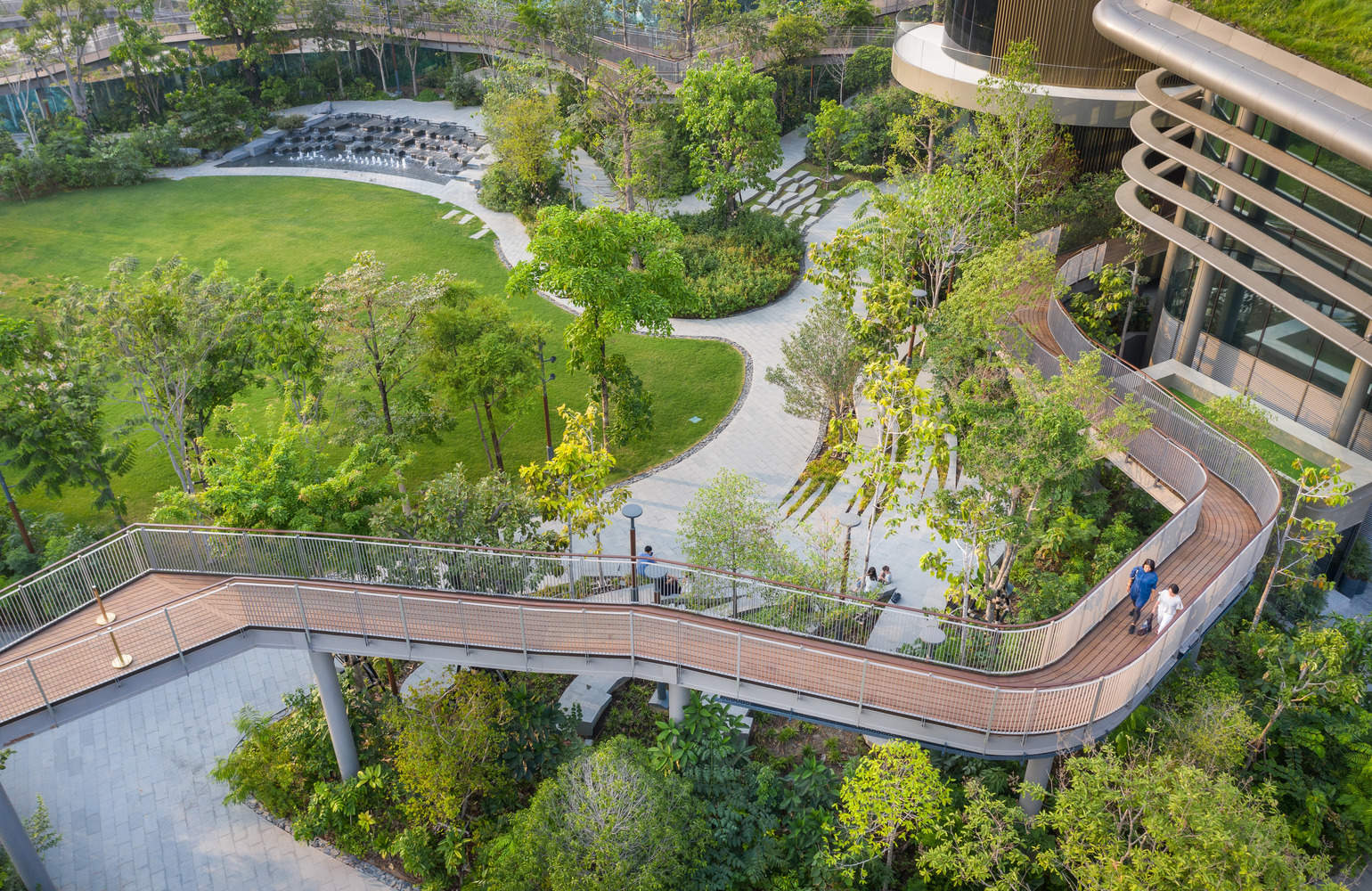
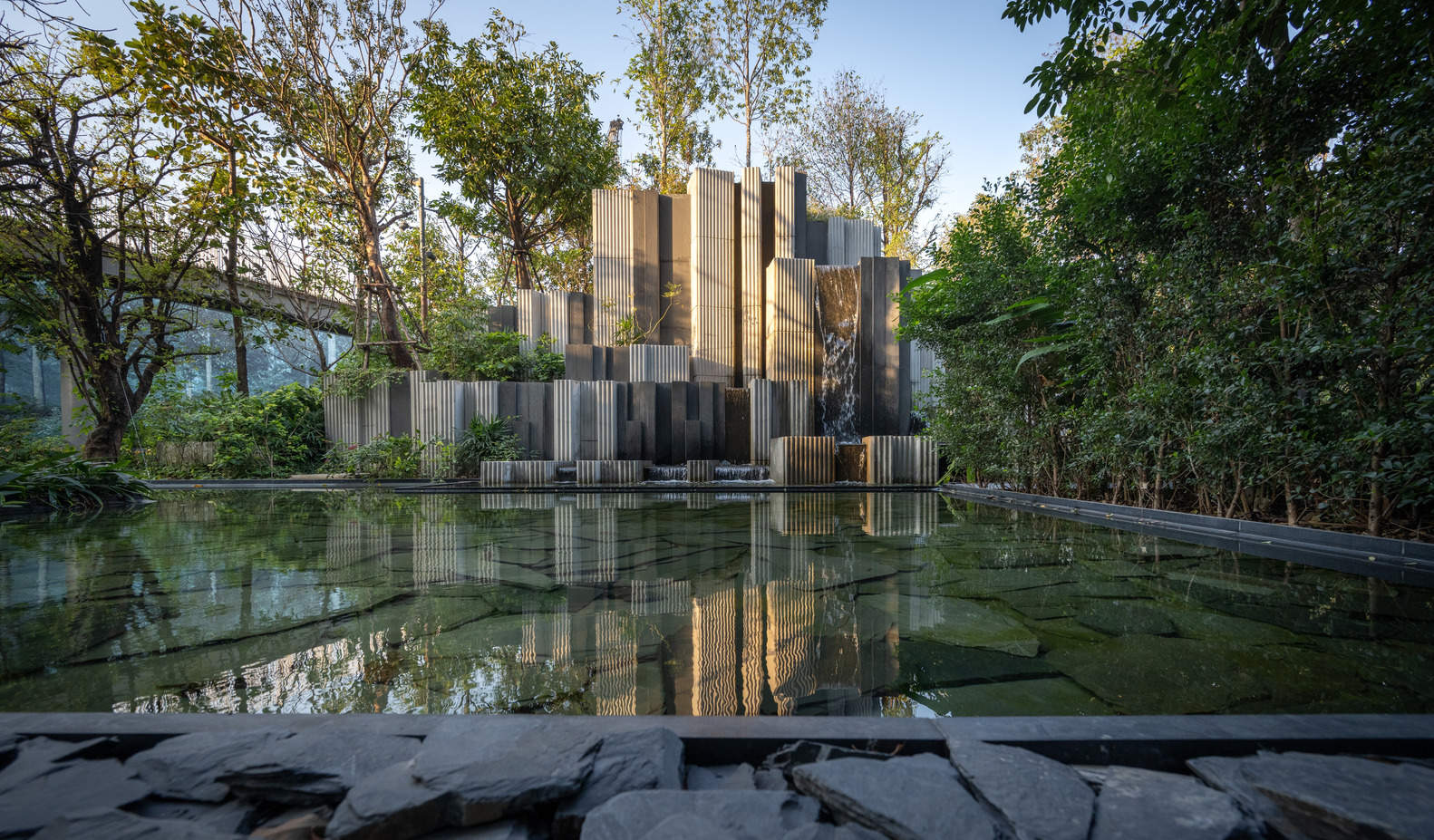
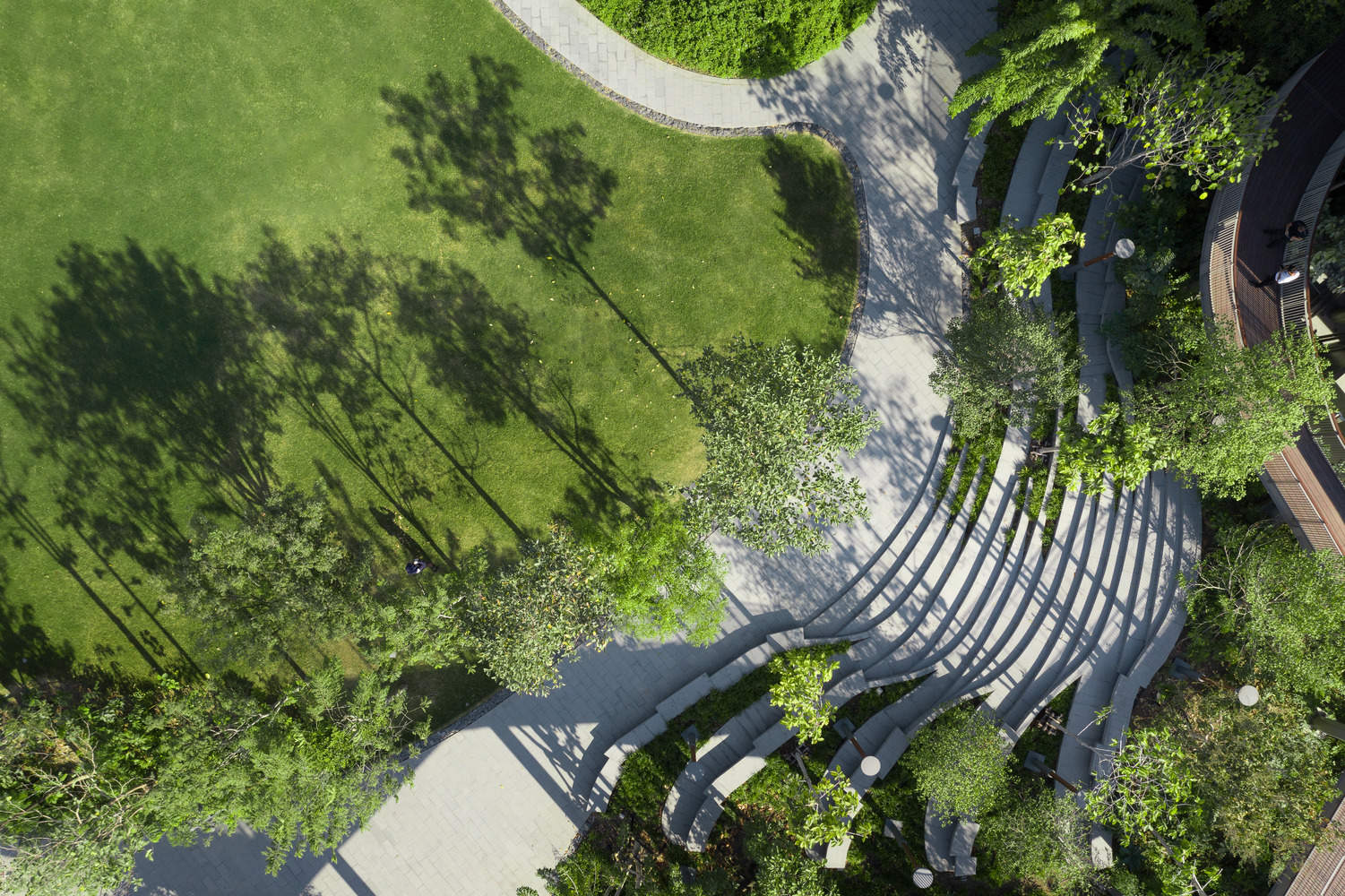
The architects’ design emphasizes supporting the users’ happiness and well-being and creating an immersive experience environment for interacting with nature. To achieve this, the architects utilized research as a design strategy. Based on the research findings, the architects decided to allocate most areas as green spaces, enabling people to see these landscapes from every angle of the Forest Pavilion, while also showcasing the potential benefits of nature and encouraging users to enter and interact with it.
建筑师的设计重在支持用户的幸福和健康,并为其创造一个与自然相处的沉浸式体验环境,为实现这一目的,建筑师通过利用研究作为设计策略来实现。根据研究结果,建筑师决定将大部分区域作为绿色空间,使得人们从森林馆的每个角度都可以看到这些景观,同时这也展示了自然的潜在益处,鼓励使用者进入自然,与自然互动。
© Rungkit Charoenwat
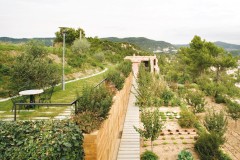
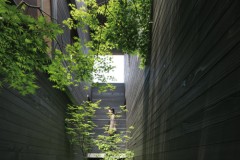
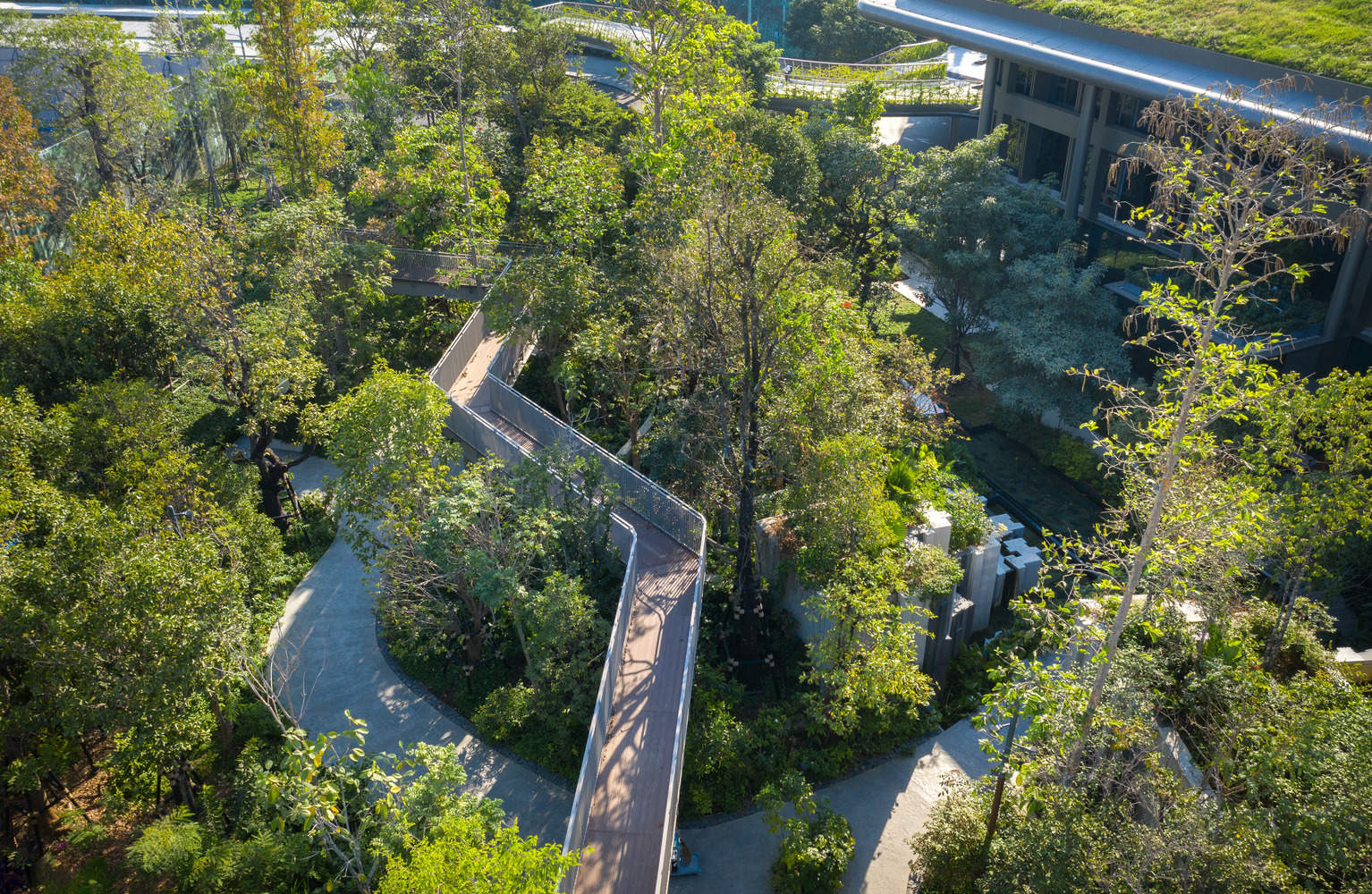
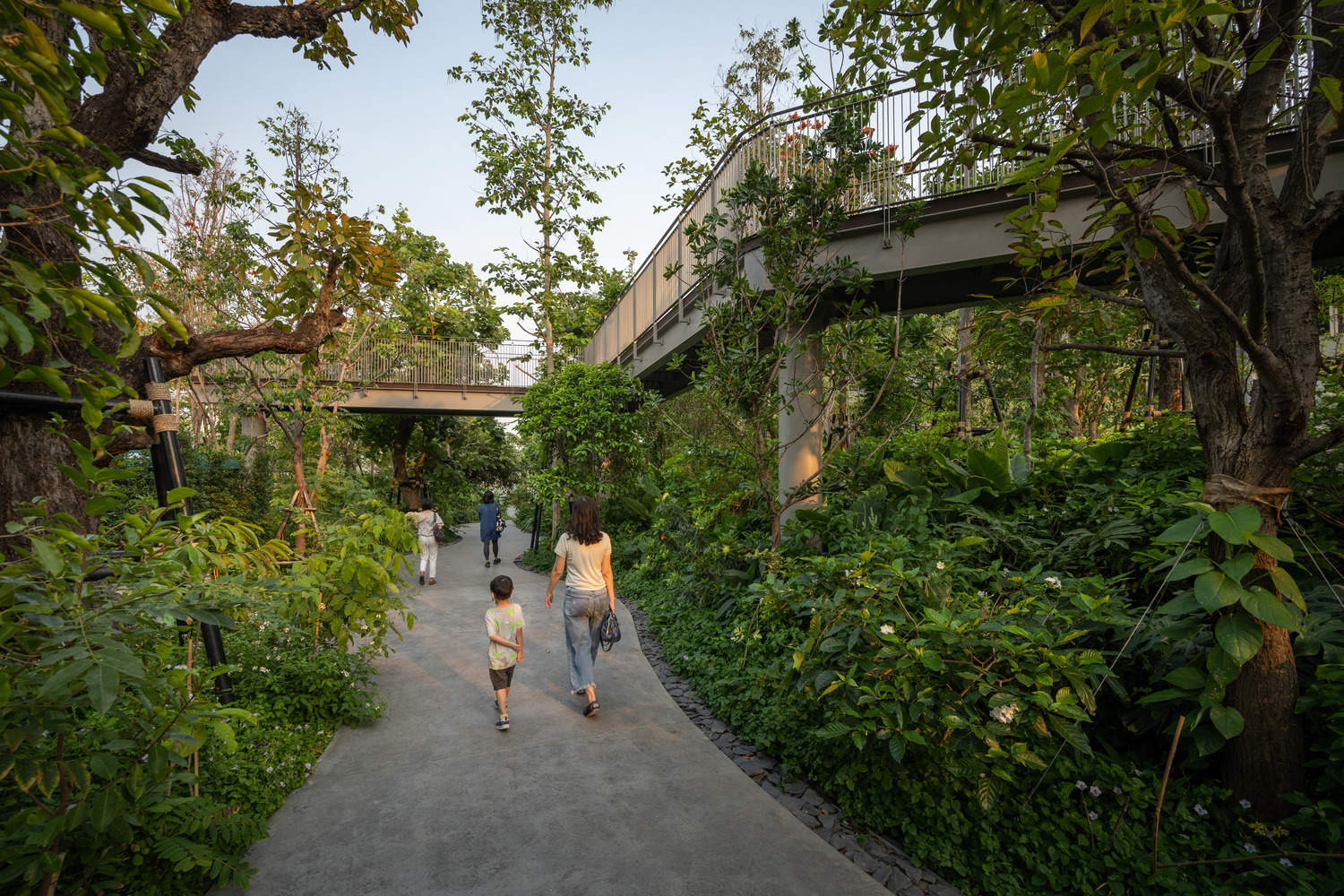
The landscape concept is “Symbiosis with Nature,” incorporating three goals: Planting a future that is symbiotic with nature, immersing in the wilderness, and balancing human activities with the growth of the urban forest. To achieve these goals, the architects transformed the rigid, fixed pavilion form into a free-form central forest that maximizes privacy for all users and residents, providing a true experience of living in the forest and the joy of interacting with nature. The Forest Pavilion is intended to be a laboratory for symbiosis with nature, thus integrating the essence of nature with landscape design so that users can gain a unique natural experience within an urbanized form. Furthermore, the design of pleasant walkways and elevated corridors attracts people outdoors, allowing them to enjoy the quality of the natural environment in a picturesque landscape.
景观概念是“与自然共生”,包含三个目标:种植与自然共生的未来,沉浸在荒野中,平衡人类活动和城市森林的增长。为实现这些目标,建筑师将僵硬死板的亭子形式转化为中央森林般的自由形态,最大限度地为所有用户和居民提供隐私,提供在森林中生活的真实体验,并提供与自然相处的快乐。森林展亭旨在成为一个与自然共生的试验室,所以将自然的精华与景观设计融为一体,使用者可以在城市化的形式中获得独特的自然体验。此外,令人愉悦的人行道和空中走廊的设计,吸引人们到户外去,让人们在宁静如画的景观中享受自然环境的质量。
© Rungkit Charoenwat
© Rungkit Charoenwat
At the Forest Pavilion, the scale of the natural environment is further expanded beyond any typical urban setting. By creating a Miyawaki ecological forest, this vibrant forest-like landscape is designed as a paradise that can create biodiversity, which will grow and evolve alongside contemporary and future people.
在森林展亭,自然环境的规模被进一步扩大,超过了任何典型的城市环境。通过创建 Miyawaki 生态森林,这个充满活力的森林般的景观被设计为一个可以创造生物多样性的人间天堂,它将随着当代和未来的人一起成长和发展。
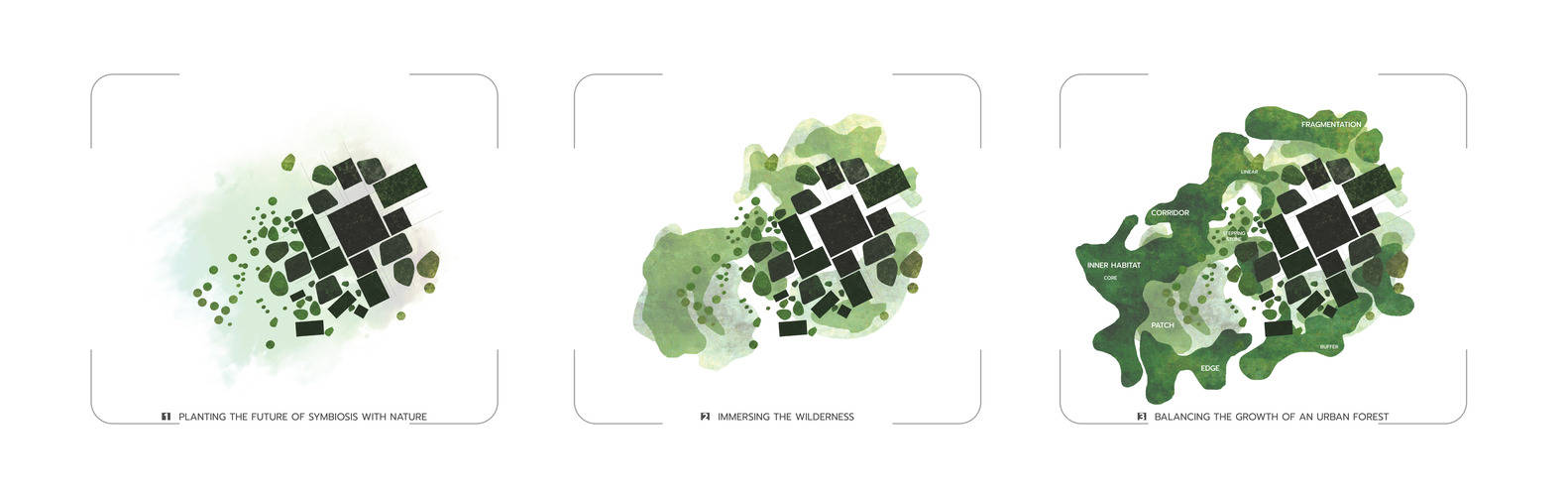
Concept Analysis Diagram
概念分析图
The project implements international standards such as SITES, WELL, and LEED, combining sustainable design with a high quality of modern living, allowing residents to coexist with nature in the city and gain a unique living experience.
项目实行 SITES,WELL 和 LEED 等国际标准,结合了可持续设计和高品质的现代生活,让居民在城市中与自然共存,获得独特的生活体验。
© Rungkit Charoenwat
Happiness, a simple yet powerful declaration advocated by The Forestias. This is the ideal sanctuary that demonstrates the happiness of living in an urban forest. Good environmental quality will bring residents health and longevity, and it also creates a kind and warm community for generations of families. Residents will coexist harmoniously and benefit mutually with nature, learning to become part of nature and strive to create a better and more sustainable world. It is hoped that this will become a turning point for housing development in Thailand and inspire a series of high-quality housing projects.
幸福,The Forestia 倡导的一个简单而有力的宣言。这里是理想的生活圣地,展示了居住在城市森林中的幸福。良好的环境质量将带来居民的健康和长寿,它也为几代人的家庭创造一个善良和温暖的社区。居民将与大自然和谐共存互利互惠,学会成为大自然的一部分,为创造一个更好、更可持续的世界而努力。希望这能成为泰国国内住房开发的一个转折点,并催生出一系列高质量的住房项目。
Text provided by the architect, translated and edited by ArchDaily. For republication, please email ArchDaily. Unauthorized reproduction on other platforms will result in ArchDaily taking measures to protect its legal rights.
文字说明由建筑师提供,由ArchDaily翻译及整理,如需转载请邮件联系 ArchDaily ,未经允许擅自转载至其他平台,ArchDaily 将采取措施以维护本平台合法权益。
© Rungkit Charoenwat