沙漠气候下的被动式降温策略:氧气公园的精髓在于其对卡塔尔炎热干燥气候的深刻理解和积极回应。项目巧妙地从自然地貌中汲取灵感,通过精细的地形设计,最大化地利用盛行风进行被动冷却。地下人行道、冷却隧道以及模拟风塔的通风设计,构建了一个富有层次感的微气候系统,显著提升了户外活动空间的使用舒适度,完美诠释了如何在极端气候下实现建筑环境的宜居性。
景观与功能的高度融合:该公园成功地将多元化的体育活动需求与富有雕塑感的景观形态融为一体。起伏的地形不仅呼应了风蚀地貌的美学,更直接服务于动态循环跑道和嵌入式活动空间的需求。从1600米长的遮阳跑道到马术跑道,再到提供休息的冷却构筑物,每一个元素都服务于“绿肺”的核心功能,实现了形式服务于功能,并赋予场地叙事性的高品质公共空间设计。
本土化材料与可持续实践:项目在材料选择和水资源管理上体现了强烈的本土化和可持续性考量。采用浅黄褐色的硬景观材料以降低热岛效应和眩光,并使用透水混凝土确保活动表面的性能。更重要的是,通过采用本土耐旱植物、雨水就地储存系统,以及利用传感器技术的智能灌溉,公园在提供优越环境的同时,也展现了对沙漠生态敏感的、负责任的设计态度,使其成为一个真正的沙漠解药。
Dramatic sculptural forms, evocative of the wind-sculpted geology of the site, correspond with the hot, dry climate of the location, channeling cool breezes throughout the park.
项目中富有戏剧化有如被风力塑造的雕塑与所在地炎热干燥的气候相呼应,公园内伴有阵阵凉风。
© Markus Elblaus
The designers paid homage to the local landscape, which is intuitively expressed in every aspect of the park’s design.
设计师对本土景观表以敬意,并在公园设计的每个方面都有直观地展现。
© Markus Elblaus
For instance, the park's topography was computationally modeled to maximize passive cooling from prevailing winds, creating shaded walkways with sections of cooling tunnels. As in traditional Gulf wind catchers, breezes are channeled through air gaps between gardens to allow for natural ventilation. The undulating topography, combined with valleys and dynamic looping tracks, provides a robust spatial framework for various embedded, pre-programmed activities.
例如,公园地形经过计算机建模计算,以最大限度地利用盛行风实现被动冷却,继而打造一条带有冷却隧道段的阴凉人行道。诚如传统的阿拉伯湾风塔,微风可从花园之间预留的风道进入,以实现自然通风。起伏的地形,配合丘陵洼地以及动态循环的跑道,为各种嵌入式的预设活动提供了坚实的空间框架。
© Markus Elblaus
Project Section
项目剖面图
© Markus Elblaus
Light buff-colored hardscape materials were selected to echo Qatar’s native landscape while minimizing glare and the heat island effect. The curved walkways are constructed of pervious concrete, intended to provide an even, firm, and continuous surface for sporting activities.
设计师选用了浅黄褐色的硬景观材料,以呼应卡塔尔的本土景观,并同时尽可能地减少眩光与热岛效应。弯曲人行道采用了透水混凝土的建造方式,意在给体育活动提供均匀、坚固且连续的表面。
© Markus Elblaus
The shaded walkways are formed by super-sized C-shaped reinforced concrete ribs placed on the side of the track, resting on a continuous raft foundation supported by the limestone bedrock beneath the park. Inspired by the wind-eroded rock formations of the desert, the designers constructed a monolithic structure by cladding the intrados and walls with natural stone.
带有顶棚的人行道则由置于轨道一侧的超大C形钢筋混凝土肋构成,其立于一个以公园下方石灰岩基层为支撑的连续木筏基础上。设计师还以沙漠的风蚀岩层为灵感,以天然石材覆盖拱腹与墙壁的方式,构建了一个整体式结构。
© Markus Elblaus
Four additional structures provide cool respite for citizens after strenuous exercise and for outdoor classrooms for teaching activities. The designers embedded the reinforced concrete structures into the hillside and covered them with a cantilevered green roof to maximize the thermal mass of the structures while minimizing solar heat absorption.
额外的四栋构筑物则是为了给剧烈运动之后的市民以及教学活动所需的室外课堂提供凉爽的修整场地。设计师采用了嵌入山坡的钢筋混凝土结构,并以悬臂式的绿色屋顶将其覆盖,在最大限度地提高构筑物热质量的同时,以减少太阳热量的吸收。
Project Section
项目剖面图
The project also employs native, desert-adapted planting. Rainwater from seasonal rainfall is stored on-site through infiltration trenches embedded in the soft landscape areas to enhance the natural capacity for soil drainage. The turf surfaces required for sports are equipped with smart irrigation systems that use sensor technology to control and reduce water consumption.
项目还采用了本土且适应沙漠气候的种植方式。季节性降雨所产生的雨水也可通过嵌入软景观区域的渗水槽就地储存,以增强土壤排水的自然能力。运动所需的草皮表面则配有智能灌溉系统,借助传感器技术以控制和减少用水量。
© Markus Elblaus
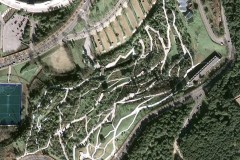
The Oxygen Park is intended to be a 'green lung' for Education City in Doha, Qatar. Inspired by the flowing strata and wind-eroded rock formations of the natural desert environment, the designers used unique topographical interventions to maximize passive cooling from prevailing winds and to accommodate diverse sporting activities.
氧气公园意在为卡塔尔多哈教育城提供一个“绿肺”。项目以自然沙漠环境中流动的地层和风蚀岩石为灵感,设计师通过独特的地形设计以最大程度地利用盛行风实现被动冷却,并容纳多元化的体育活动。
© Markus Elblaus
The dramatic landscape features an underground pedestrian network with cooling tunnels and a series of dynamic looping running tracks.
戏剧性的景观设计以地下人行道为特色,配有冷却隧道与一系列的动态循环跑道。
Project Plan
项目平面图
© Markus Elblaus
The Oxygen Park has become a vibrant destination for the local community and a perfect antidote to the hot desert. The park offers 130,000 square meters of green space, 7,000 meters of walkways, a 1,600-meter shaded running track, an equestrian track, multiple sports fields, four buildings, and a garden with over 100 plant species—most of which are native or adapted to the desert environment.
氧气公园目前已成为当地社区的活力目的地,也是炎热沙漠的完美解药。公园可提供130000平方米的绿色空间、7000米的步行道、一条1600米且配有遮阳的跑道、一条马术跑道、多个运动场、四座建筑、以及含有100多种植物的花园——花园植物大多是本土或适应沙漠环境的物种。
© Markus Elblaus
© Markus Elblaus
© Markus Elblaus
The park is connected to the tram system or accessible via the site’s circular pedestrian path.
公园与电车系统相通,或可从园区的环形步行道抵达。
© Markus Elblaus
Project Section
项目剖面图
© Markus Elblaus
The designers used light buff-colored hardscape materials to echo Qatar’s native landscape while minimizing glare and the heat island effect. The curved walkways are constructed of pervious concrete, intended to provide an even, firm, and continuous surface for sporting activities.
设计师选用了浅黄褐色的硬景观材料,以呼应卡塔尔的本土景观,并同时尽可能地减少眩光与热岛效应。弯曲人行道采用了透水混凝土的建造方式,意在给体育活动提供均匀、坚固且连续的表面。
© Markus Elblaus
The shaded walkways are formed by super-sized C-shaped reinforced concrete ribs placed on the side of the track, resting on a continuous raft foundation supported by the limestone bedrock beneath the park. Inspired by the wind-eroded rock formations of the desert, the designers constructed a monolithic structure by cladding the intrados and walls with natural stone.
带有顶棚的人行道则由置于轨道一侧的超大C形钢筋混凝土肋构成,其立于一个以公园下方石灰岩基层为支撑的连续木筏基础上。设计师还以沙漠的风蚀岩层为灵感,以天然石材覆盖拱腹与墙壁的方式,构建了一个整体式结构。
© Markus Elblaus
Four additional structures provide cool respite for citizens after strenuous exercise and for outdoor classrooms for teaching activities. The designers embedded the reinforced concrete structures into the hillside and covered them with a cantilevered green roof to maximize the thermal mass of the structures while minimizing solar heat absorption.
额外的四栋构筑物则是为了给剧烈运动之后的市民以及教学活动所需的室外课堂提供凉爽的修整场地。设计师采用了嵌入山坡的钢筋混凝土结构,并以悬臂式的绿色屋顶将其覆盖,在最大限度地提高构筑物热质量的同时,以减少太阳热量的吸收。
Project Section
项目剖面图
The project also employs native, desert-adapted planting. Rainwater from seasonal rainfall is stored on-site through infiltration trenches embedded in the soft landscape areas to enhance the natural capacity for soil drainage. The turf surfaces required for sports are equipped with smart irrigation systems that use sensor technology to control and reduce water consumption.
项目还采用了本土且适应沙漠气候的种植方式。季节性降雨所产生的雨水也可通过嵌入软景观区域的渗水槽就地储存,以增强土壤排水的自然能力。运动所需的草皮表面则配有智能灌溉系统,借助传感器技术以控制和减少用水量。
© Markus Elblaus