生态修复与可持续场地转型:本项目最核心的亮点在于其成功的棕地修复和生态系统重建。将一个曾被重工业(莱克兰铁路厂)污染和遗弃的场地,通过跨学科的策略,转化为生态价值极高的城市绿肺。设计巧妙地利用了湿地和生物滤池处理雨水径流,并利用被污染的土壤堆砌成新的地形高点(俯瞰点),实现了“变废为宝”的环境效益。这不仅是简单的景观美化,而是对场地历史创伤的深度疗愈,确立了公园作为“生态宝石”的使命基础。
多重文化与教育功能的复合植入:项目成功地将自然生态、城市历史与当代文化教育功能进行了高度集成。通过在核心区域设置自然中心(聚焦本土生态)、欢迎中心(阐述区域历史)以及引入佛罗里达儿童博物馆,公园超越了传统休憩场所的范畴,成为了一个活跃的文化磁铁。这种复合功能的设计策略,确保了公园在不同时间段都能吸引多元化的人群,极大地提升了其社区资产的价值和吸引力。
社区连接性与包容性空间营造:设计精妙地解决了场地被现有交通基础设施割裂的问题,通过优化步行道、自行车道和交通整合,极大地提高了公园在城市肌理中的可达性和连接性。此外,从大型宴会厅到树屋、茶馆等多样化的聚会空间设置,体现了对不同规模和性质社交需求的尊重与支持。这种对物理连接和社交平等的关注,使公园真正成为了一个能促进共享经验、建立新社区联系的紧密社区资产。
From 1880 to the early 1950s, the site of Bonnet Springs Park was home to the Lakeland Railway Shops, a major hub for freight transport on the East Coast. The railway shops closed in 1952, leaving the land derelict and the Bonnet Lake almost forgotten. In 2017, the Bonnet Springs Park Commission hired Sasaki to develop a master plan for the park. Sasaki incorporated public input gathered during a six-month outreach period into the approved design and the park’s mission: to be an ecological gem, a cultural magnet, and a tightly connected community asset.
从 1880 年到 20 世纪 50 年代初期,邦内特普林斯公园的场地原是莱克兰铁路厂的所在地,它是东海岸货物运输的主要枢纽。1952 年,该铁路厂关闭,这片土地陷入废弃状态,Bonnet 湖也几乎被遗忘。2017 年,邦内特普林斯公园委员会聘请了 Sasaki 公司为公园制定总体规划。Sasaki公司在为期六个月的外展期间征求了公众意见,并将想法和愿望纳入了经批准的设计和公园使命中:成为一个生态宝石、文化磁铁和联系紧密的社区资产。
© Jeremy Bittermann
Master Plan
总平面图
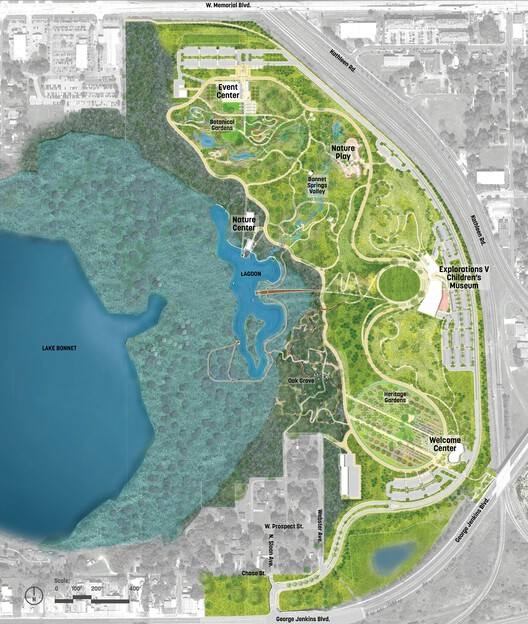
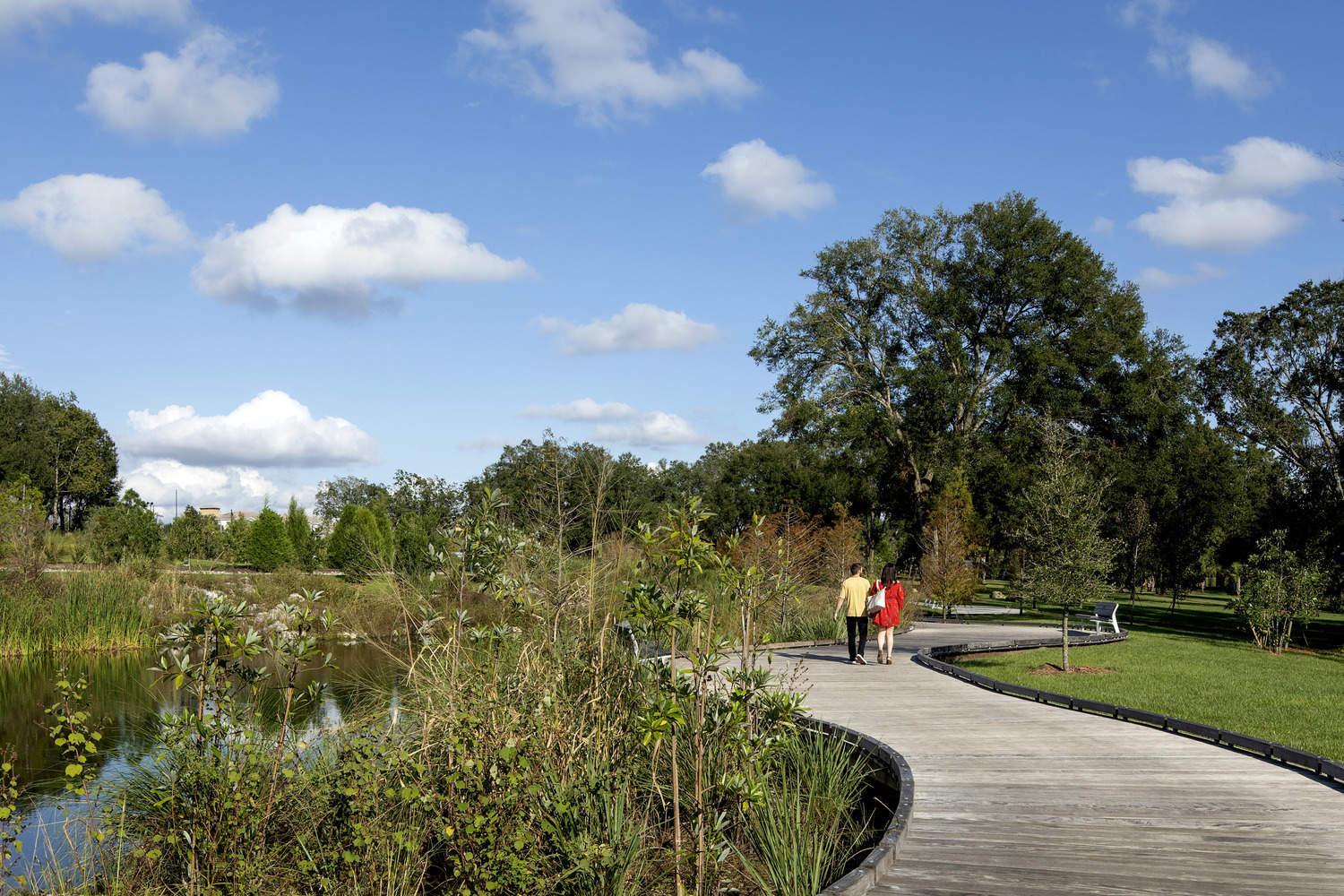
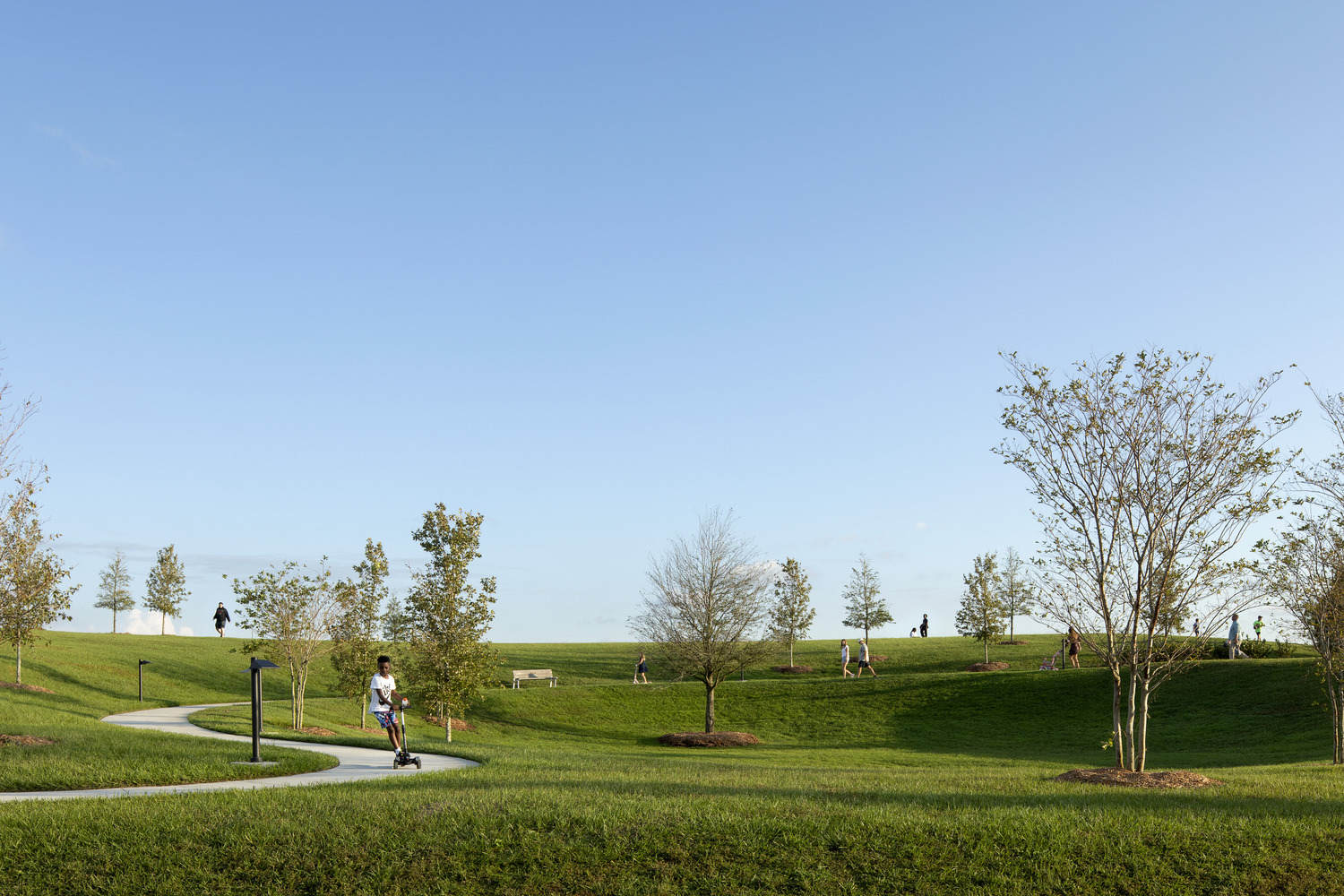
Decades of industrial use and outdated stormwater management practices left portions of the area degraded, and brownfield conditions were a major factor influencing the design process. Sasaki’s interdisciplinary team, alongside a group of local consultants, developed strategies to restore natural systems and remediate harmful pollutants on the site. Remediation strategies included removing invasive exotic plants, building wetlands and bioretention cells to treat runoff, and capping contaminated soil into a large hill that serves as an overlook for the park.
数十年的工业使用和过时的雨水管理方法使该地区的部分地区处于退化状态,而棕地状态是影响设计过程的主要因素。Sasaki 公司的跨学科团队与一群当地顾问共同制定了恢复自然系统和修复该地区有害污染物的策略。修复策略包括清除外来入侵植物、建造湿地和生物滤池来处理径流,并将被污染的土壤覆盖在大山上,作为公园的俯瞰点。
© Jeremy Bittermann
© Jeremy Bittermann
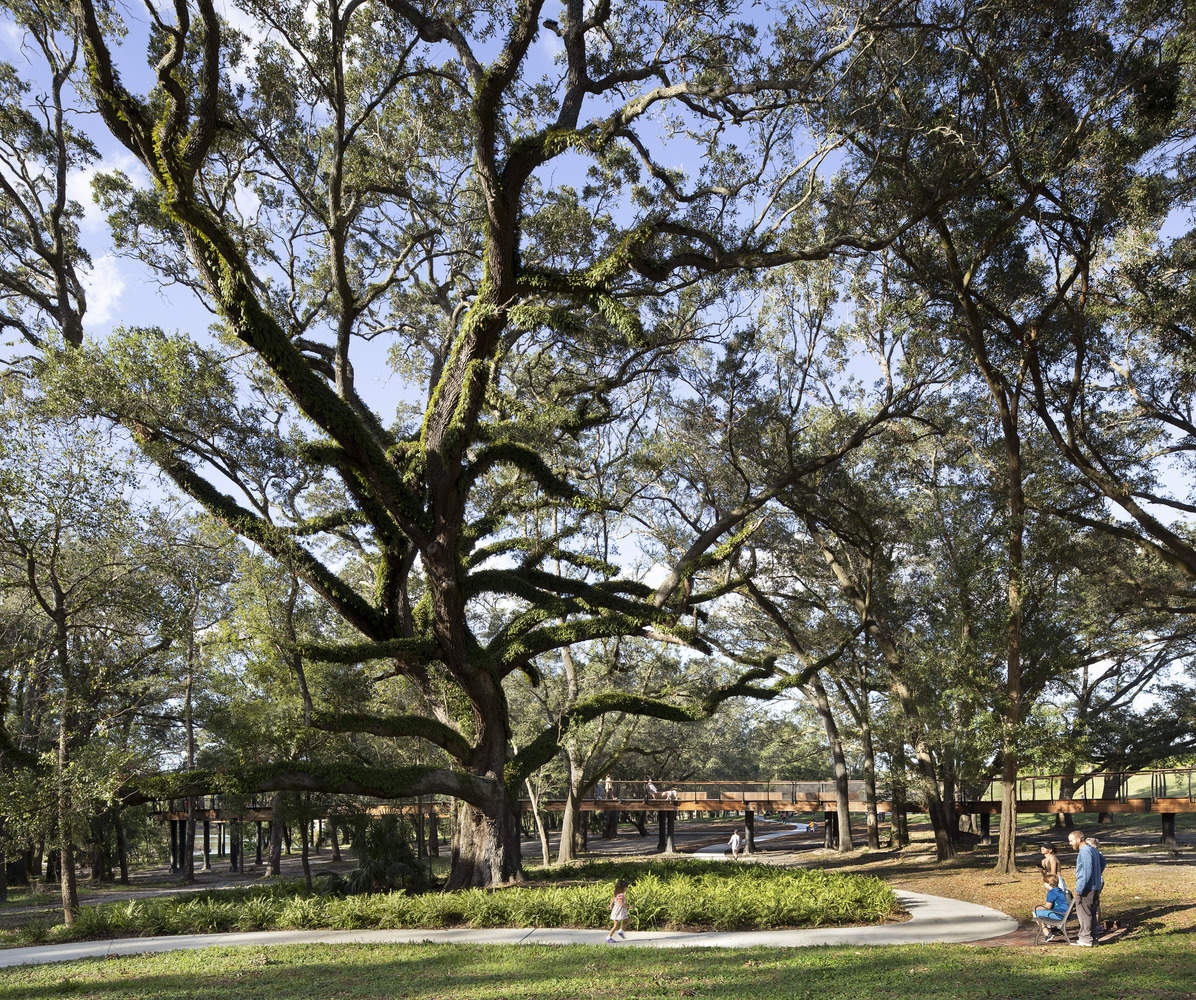
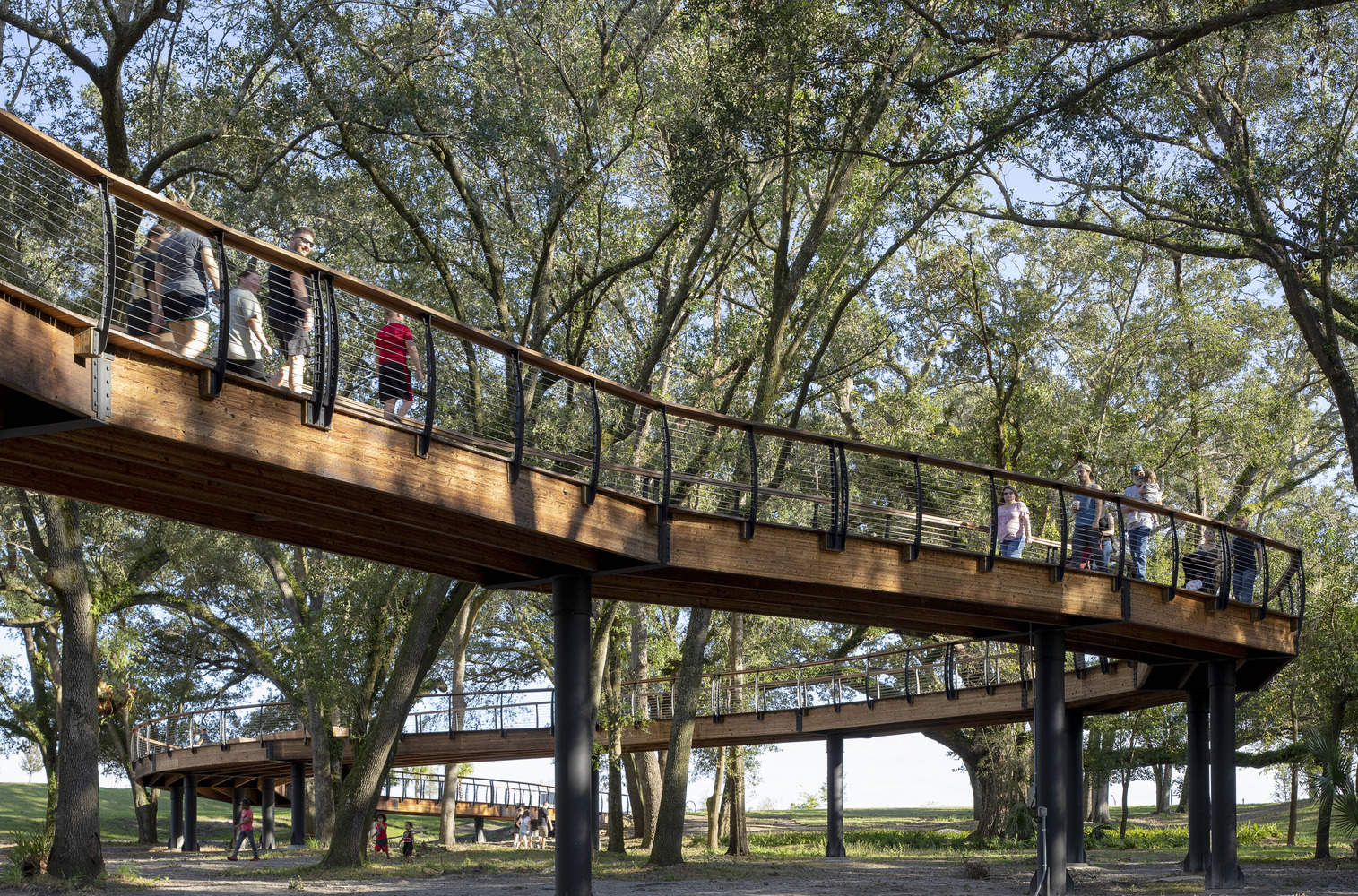
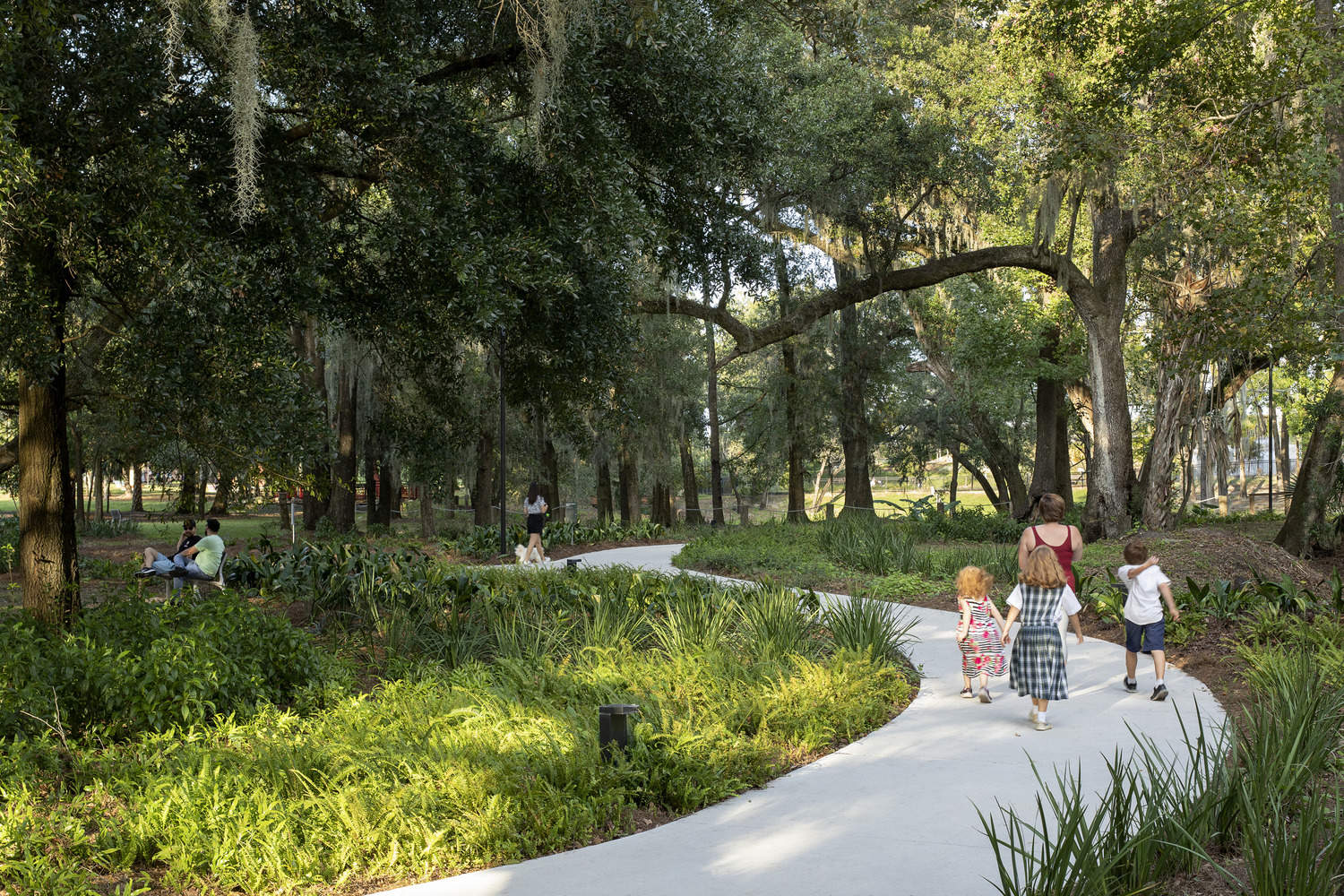
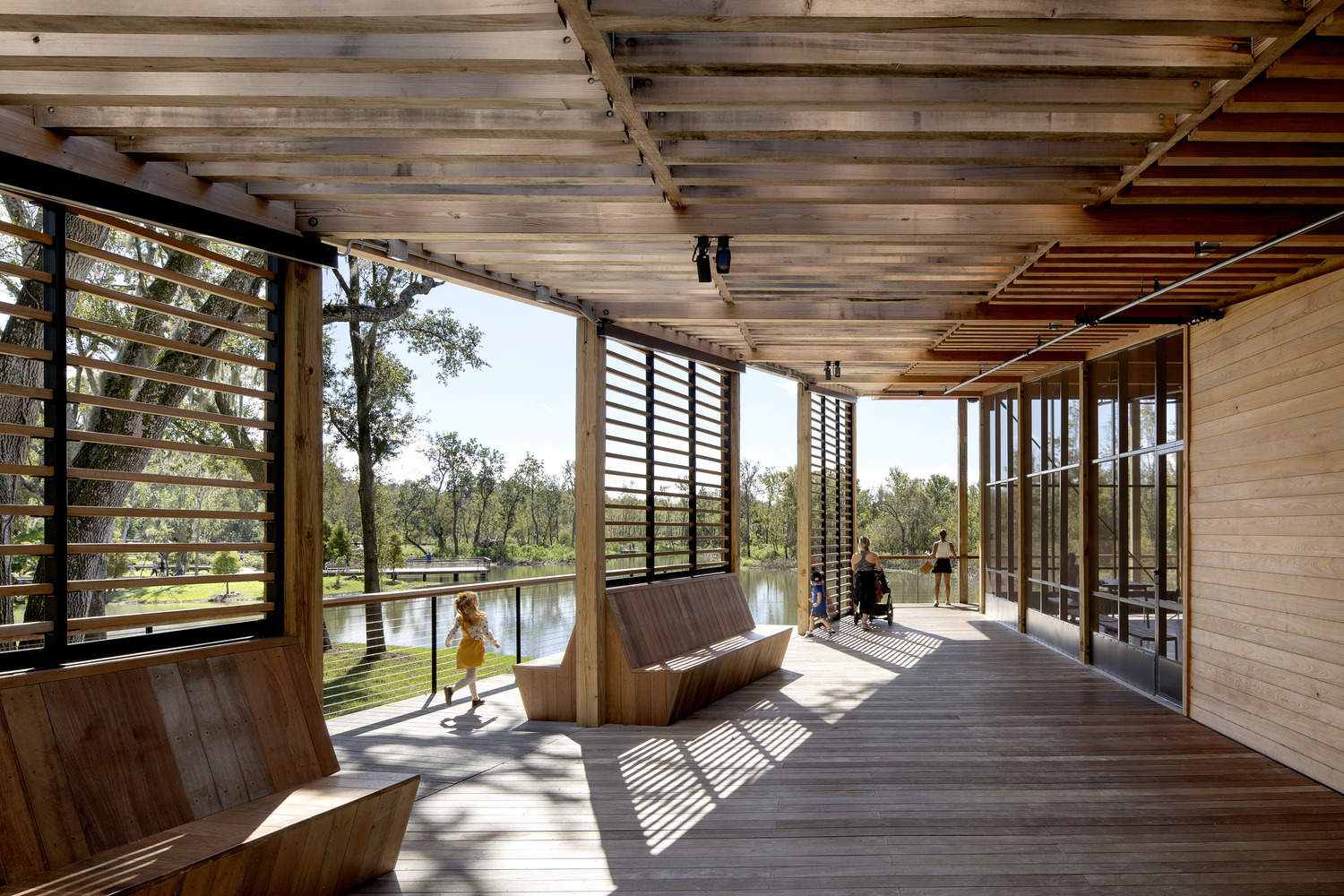
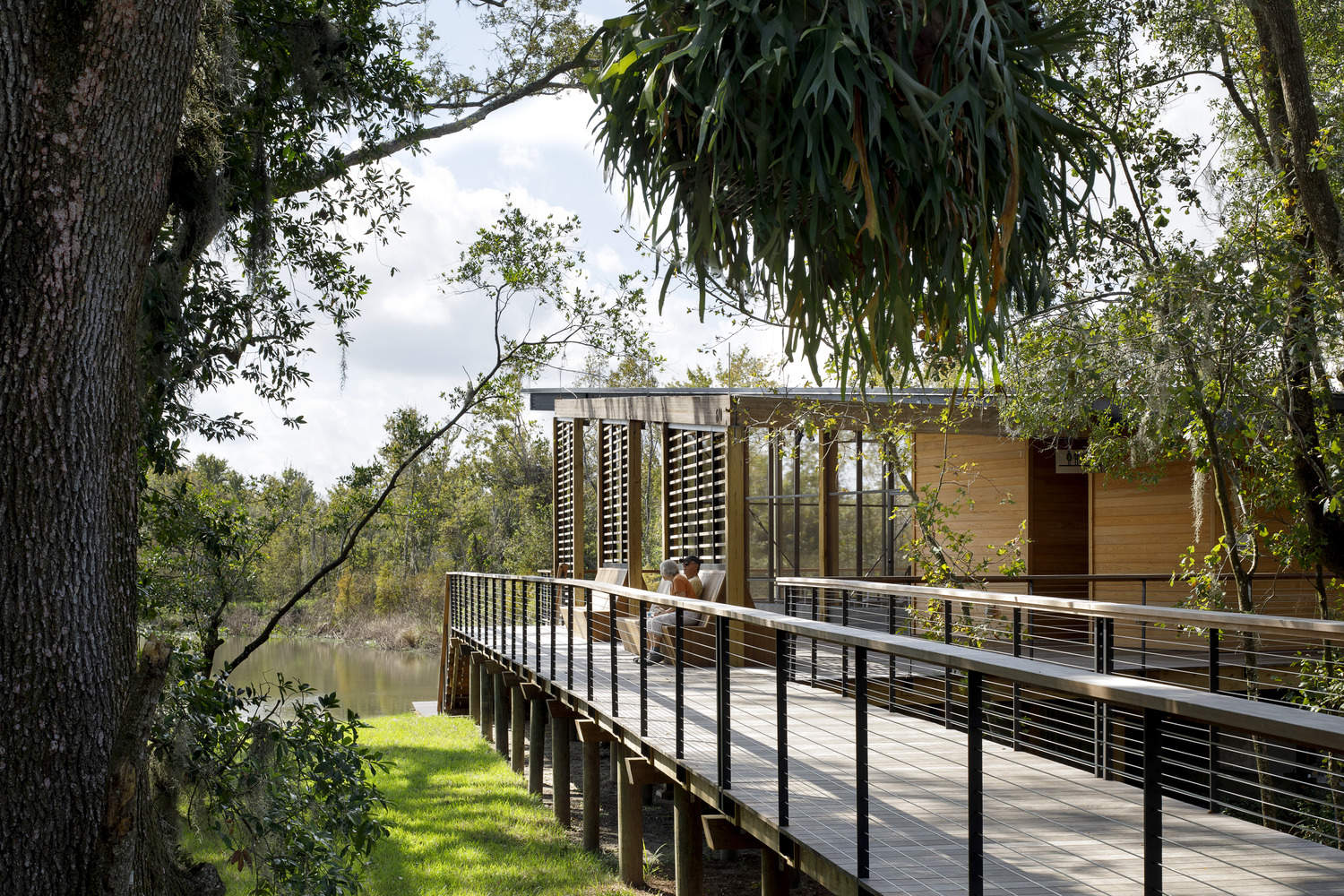
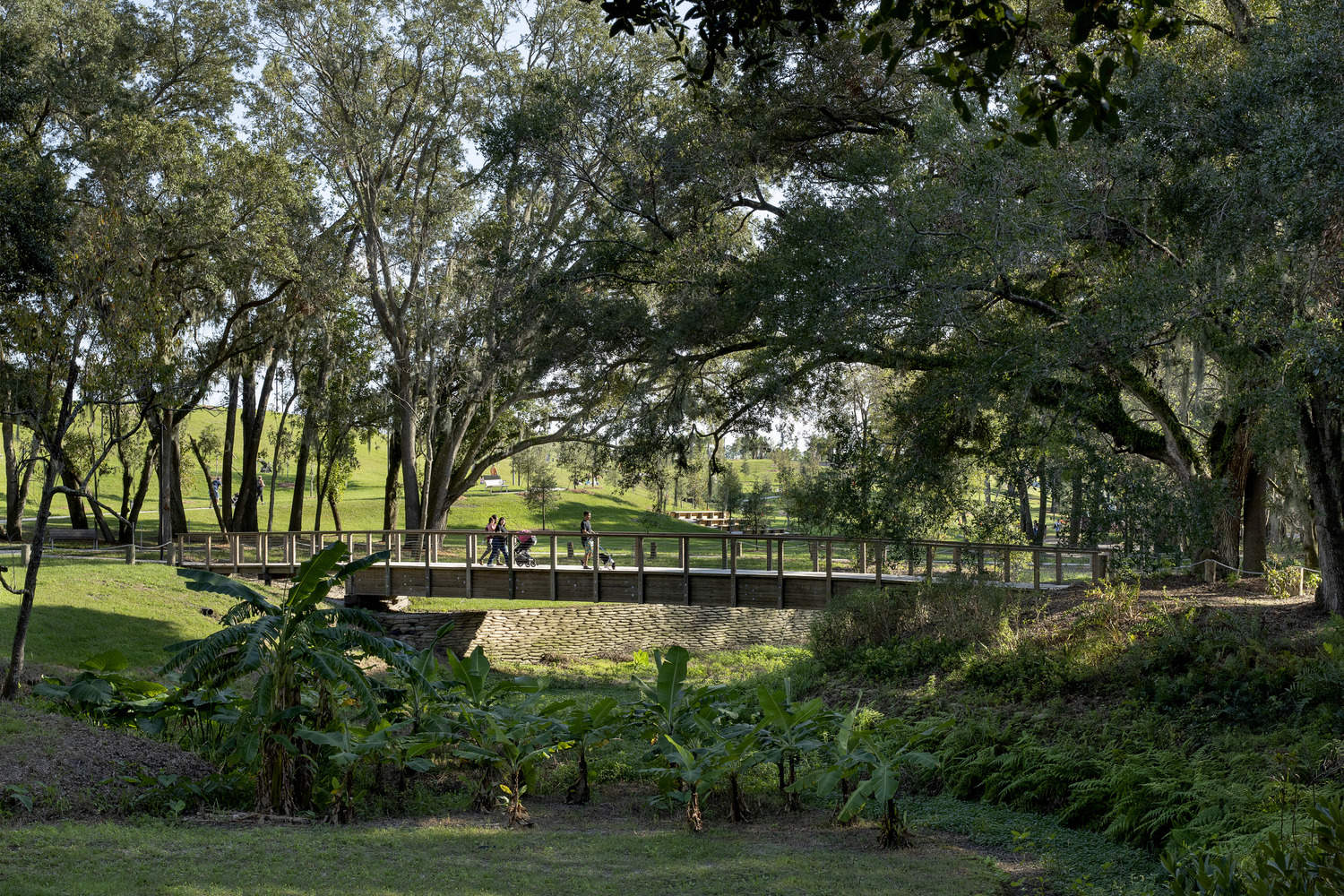
Mature live oaks and meandering waterways were protected and enhanced. The Nature Center is situated at the intersection of these environments, overlooking Bonnet Lake, where park visitors can learn about the ecosystems of Central Florida. The Nature Center includes classroom and exhibition spaces, as well as a café and boat rental facilities.
成熟的活橡树和蜿蜒的水道得到保护和增强。自然中心位于这些环境的交汇处,俯瞰着邦内特湖,公园游客可以在这里了解佛罗里达中部的生态系统。自然中心设有教室和展览空间,以及一个咖啡馆和船只租赁设施。
© Jeremy Bittermann
© Jeremy Bittermann
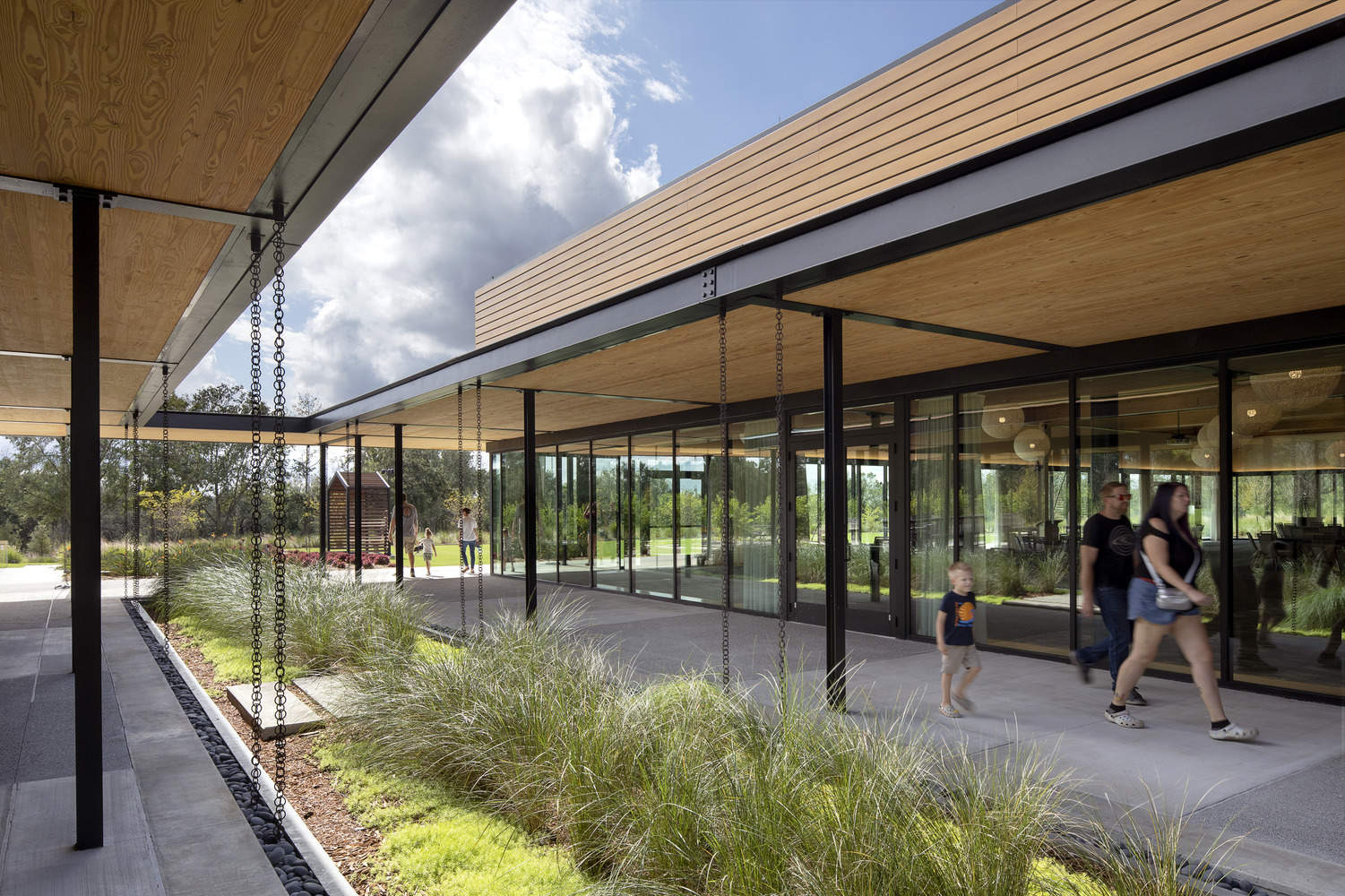
Located downtown, the park provided an excellent opportunity to build celebrated cultural and educational institutions that further the city’s commitment to supporting the arts. The Welcome Center’s interpretive exhibits highlight the region’s agricultural, industrial, and cultural history, while the outdoor spaces feature an extensive botanical garden incorporating both permanent and temporary art installations. Most significantly, the Orlando Science Center has moved into an expanded facility at Bonnet Springs Park and is involved in developing educational and cultural programming for the entire park.
该公园位于市中心,为建设著名的文化和教育机构提供了绝佳的机会,以进一步推动城市支持艺术的承诺。欢迎中心的解释性展览突出了该地区的农业、工业和文化历史,室外空间设有广阔的植物园,并结合了永久艺术品以及暂时性艺术品。最重要的是,佛罗里达儿童博物馆已经迁入了邦内特普林斯公园的扩建设施,并参与为整个公园开发教育和文化项目。
© Jeremy Bittermann
Bonnet Springs Park welcomes visitors of all ages and backgrounds from across the city and connects communities currently segmented by gaps in transportation infrastructure and the urban fabric. New pedestrian and bicycle paths, a welcoming entry, and integration of modes of transit make the park accessible both near and far.
邦内特普林斯公园欢迎来自全市各个年龄和背景的游客,并连接了目前被交通基础设施和城市结构中的缺口分割的社区。新的步行和自行车道、欢迎入口以及交通方式的整合使得公园无论从近处还是远处都很易达。
© Jeremy Bittermann
© Jeremy Bittermann
© Jeremy Bittermann
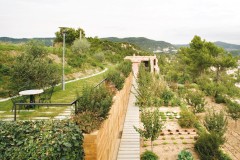
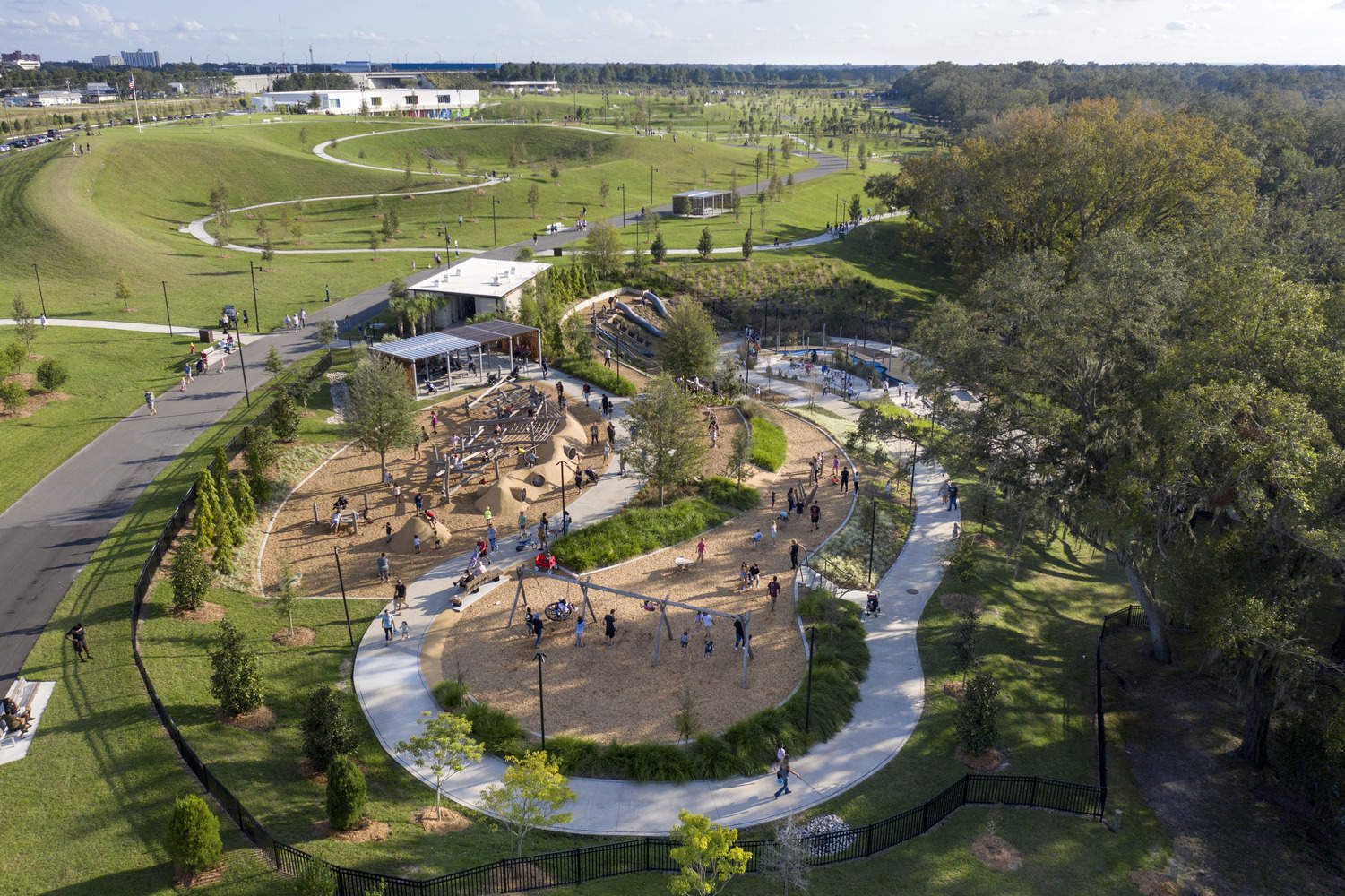
The park is also a place to gather socially, with amenities that include a large banquet hall in the Event Center, a full-service restaurant in the Welcome Center, and a large central event lawn for concerts and festivals. Smaller gathering spaces—such as the treehouses, tea house, and natural playground—help make the park’s everyday charm more accessible. The range of activities throughout the park supports physical and social equity for all visitors to enhance shared experiences and build new connections within this growing and changing community.
公园也是一个连接人们社交的地方,其聚会设施包括活动中心的大型宴会厅,欢迎中心的全方位服务餐厅,以及用于音乐会和节日的大型中央活动草坪。较小的聚会空间,如树屋、茶馆和自然游乐场,有助于使人们更容易感受到公园的日常魅力。公园里的一系列活动支持所有游客的物理和社会平等,以增强共享经验,并在这个不断增长和变化的社区内建立新的联系。
© Jeremy Bittermann