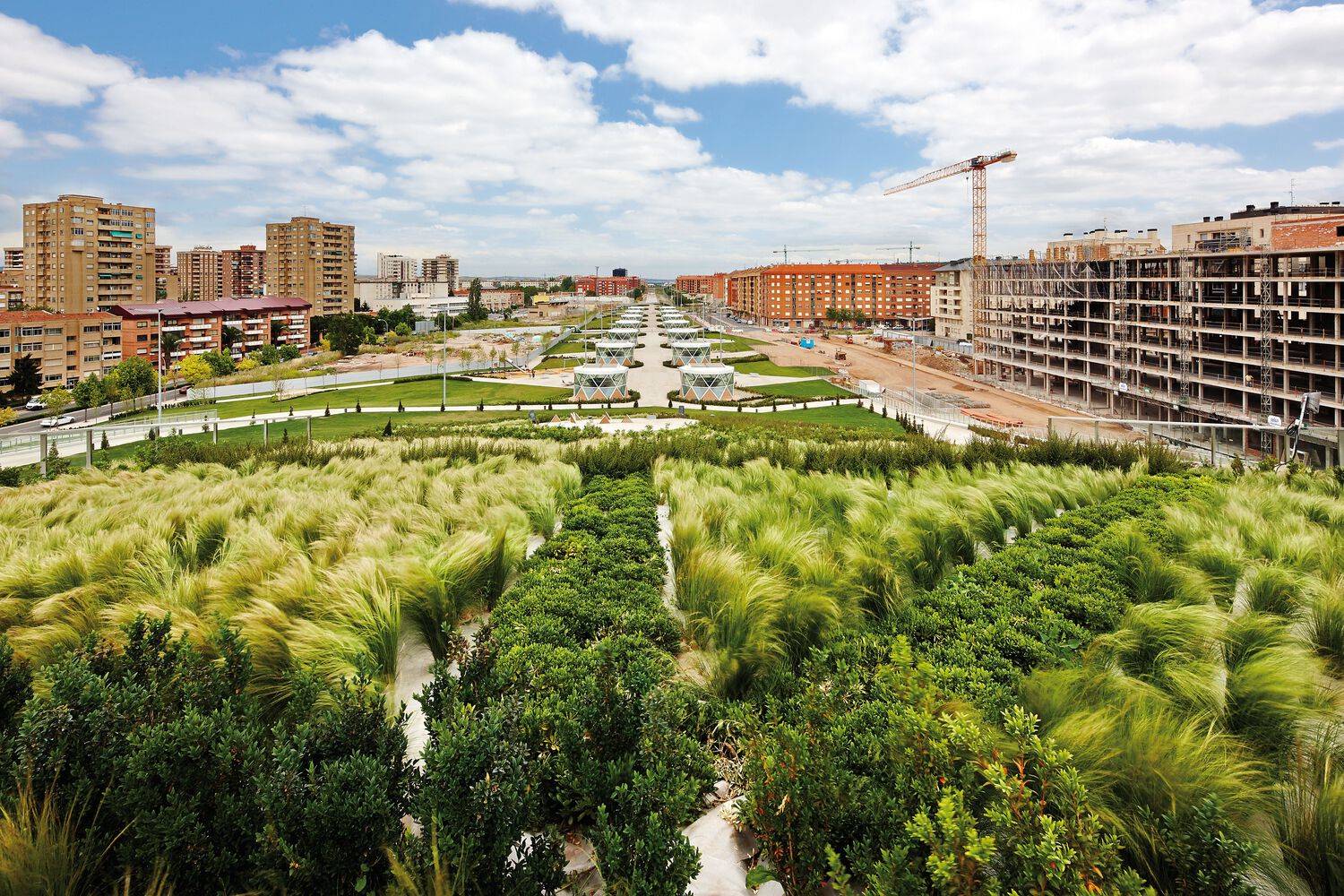
城市肌理的缝合与公共空间的重塑:该项目从根本上超越了传统交通枢纽的功能界限,利用火车地下化这一城市契机,巧妙地“缝合”了原本被铁路线割裂的城市结构。其核心精髓在于将基础设施建设转变为城市有机更新的催化剂,通过创造一个大型、连续的城市公园,成功平衡了历史中心性,并在城市南部设立了一个新的吸引力极。这种设计策略不仅消除了物理和社会的隔阂,更重要的是,它将交通设施转化为城市公共生活的载体,促进了城市南北向的社会平衡和区域活力,体现了高水平的城市设计前瞻性。
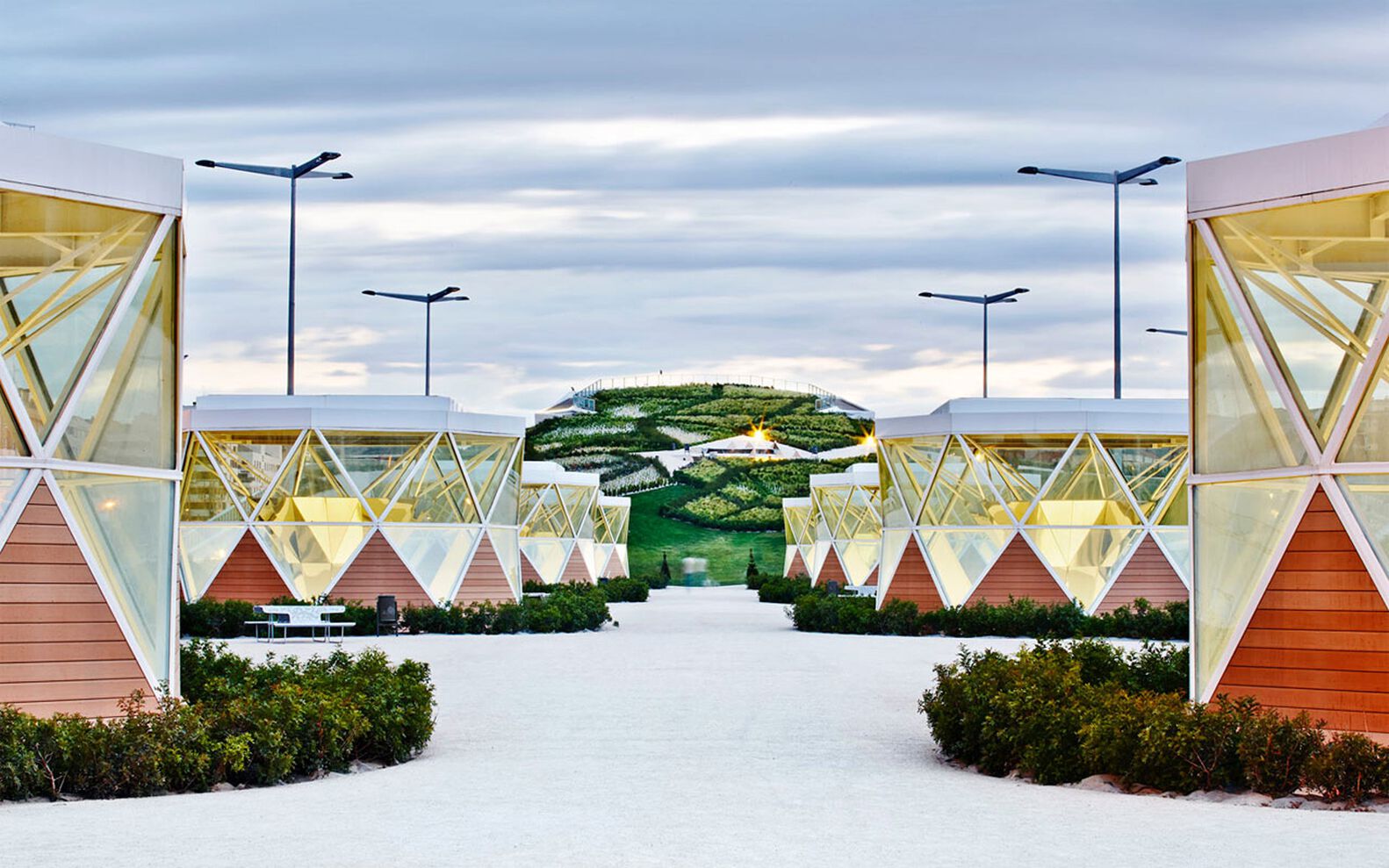
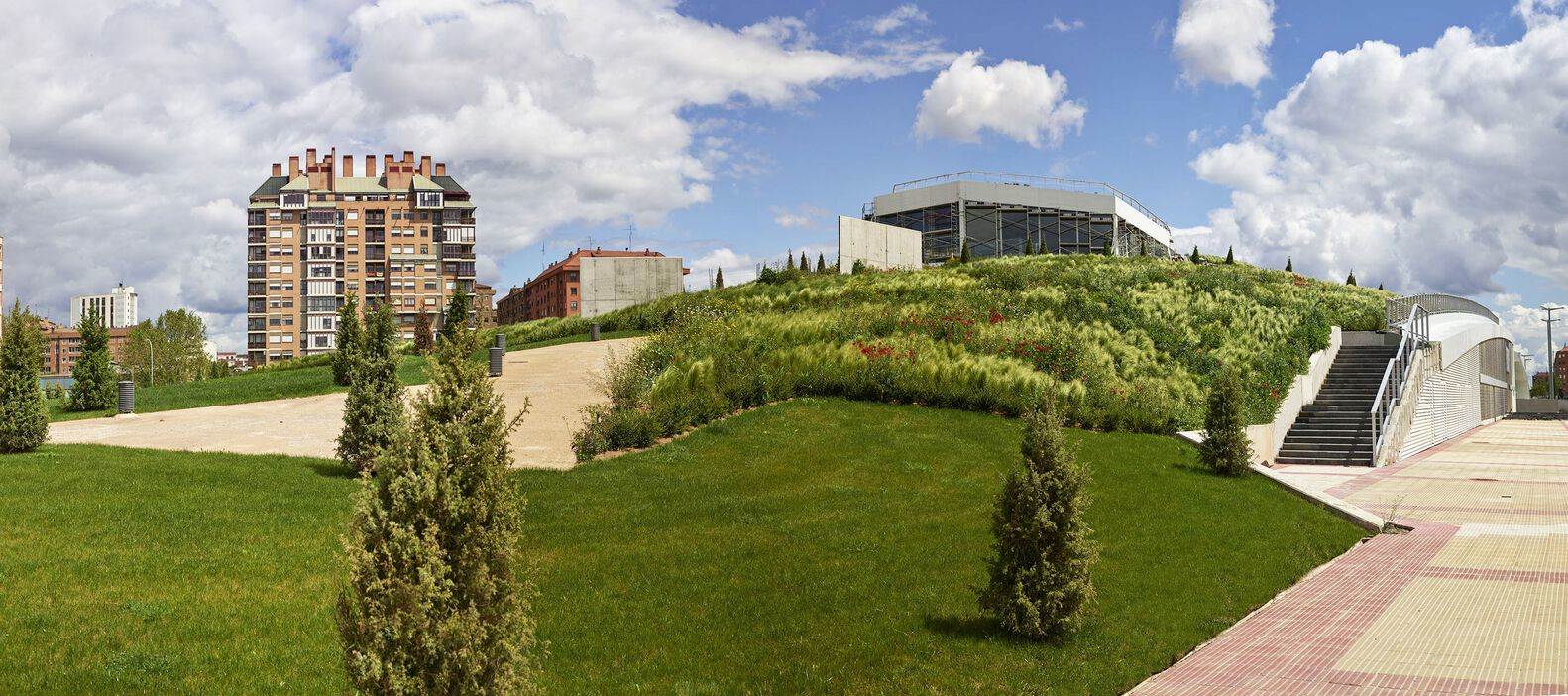
循环经济与生态韧性的深度融合:建筑师将洛格罗尼奥的地下灌溉系统视为宝贵的资源,将其融入到屋顶公园的设计中,形成了一个创新的可持续城市化模型。绿色屋顶不仅充当了车站的有效隔热层,节约了维护成本,更重要的是,它与集成的雨水和灌溉排水系统协同工作,实现了水资源的100%再利用。这种对本地生态资源的激活,极大地增加了地表面积的空气净化能力和生物多样性,是应对气候变化背景下,将基础设施、能源效率与城市生态恢复紧密结合的典范之作。
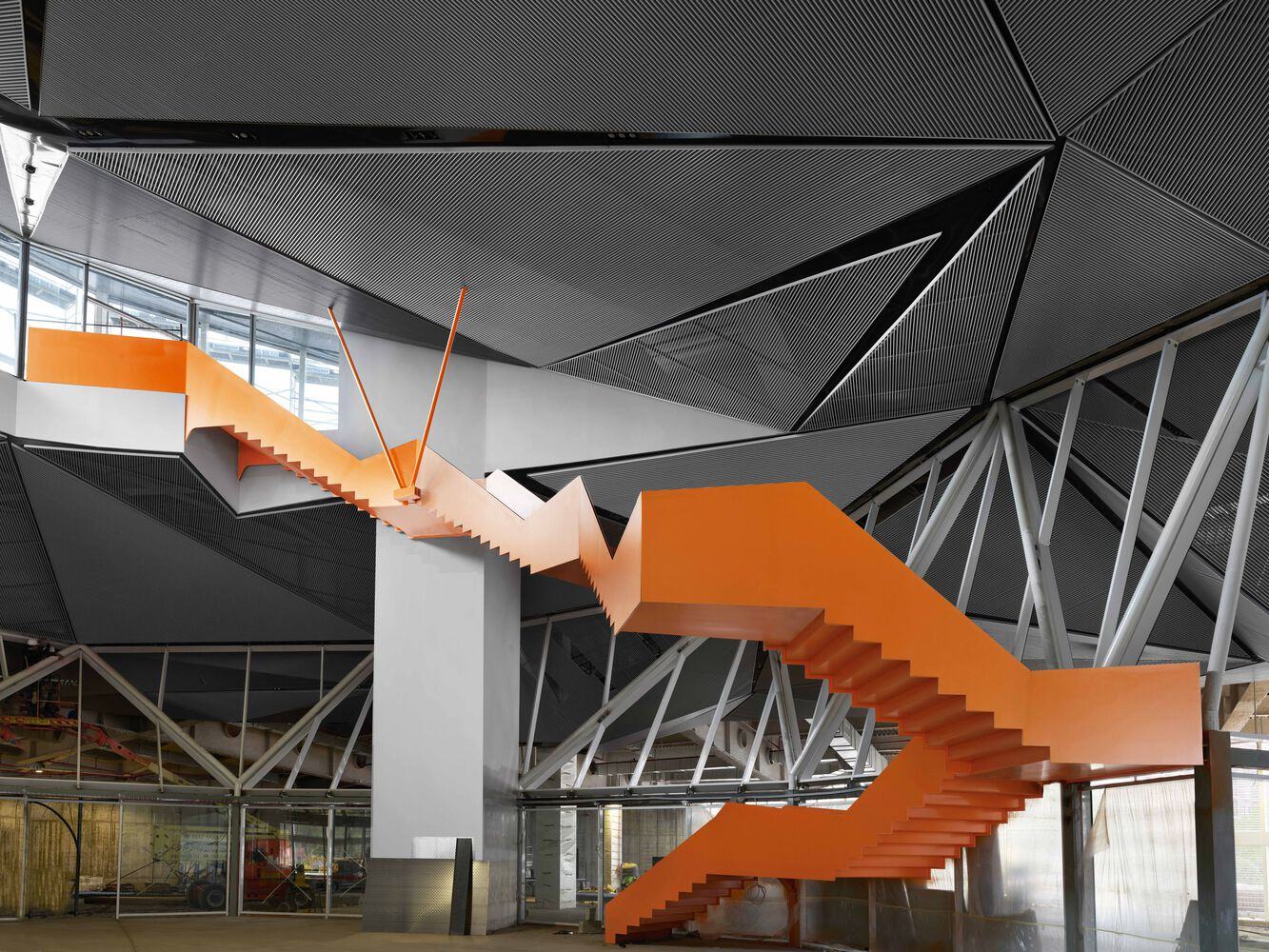
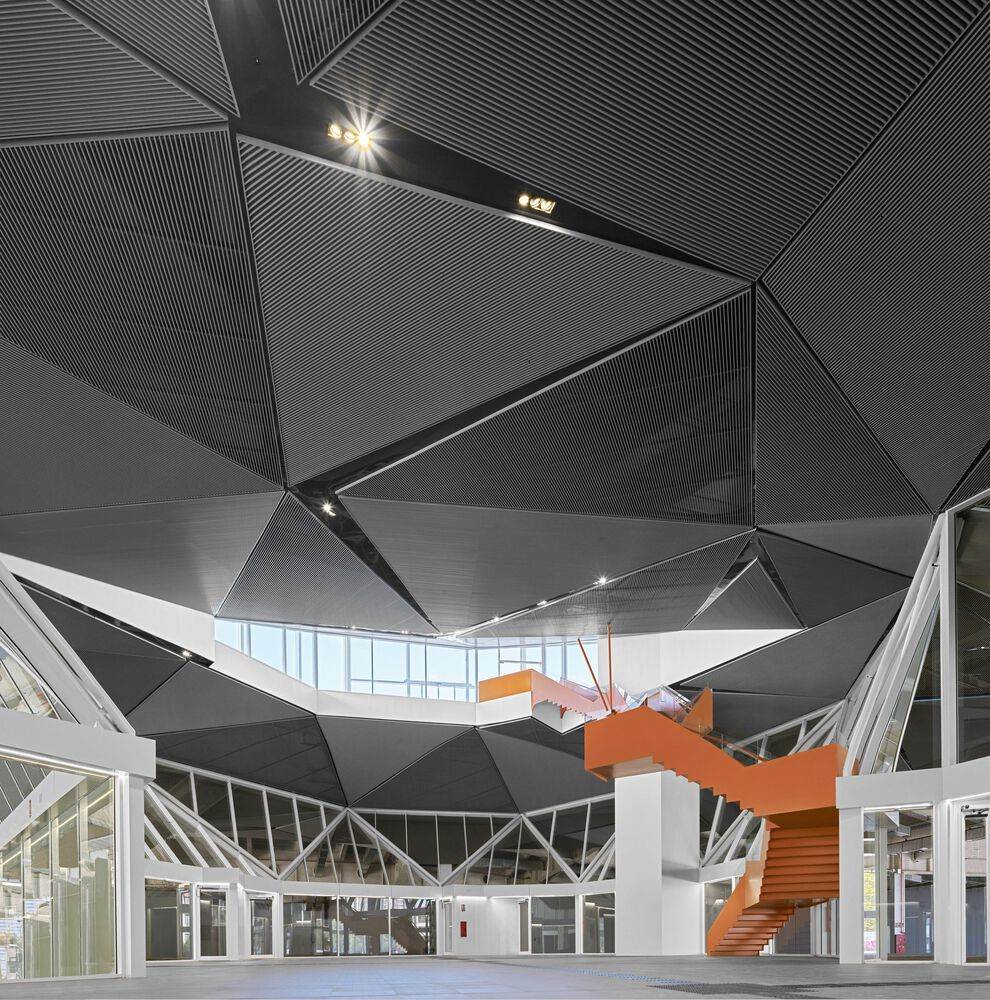
标志性穹顶结构下的交通流线整合:通过跨度达60米的巨型城市穹顶,项目实现了火车站与公交车站的无缝连接,确保了交通流线的顺畅。这个巨大的结构设计极具策略性,它不仅为下方的交通枢纽提供了清晰的界定和保护,更关键的是,它在不中断地面交通连接的前提下,为上方的公园提供了连续的支撑和边界,使公园成为连接城市中心和外部高路的重要“桥梁”。穹顶下清晰的流线设计,特别是公交候车室中强调采光和空间的楼梯,共同塑造了一个庆祝城市连通性、具有强烈身份标识性的宏大公共空间。
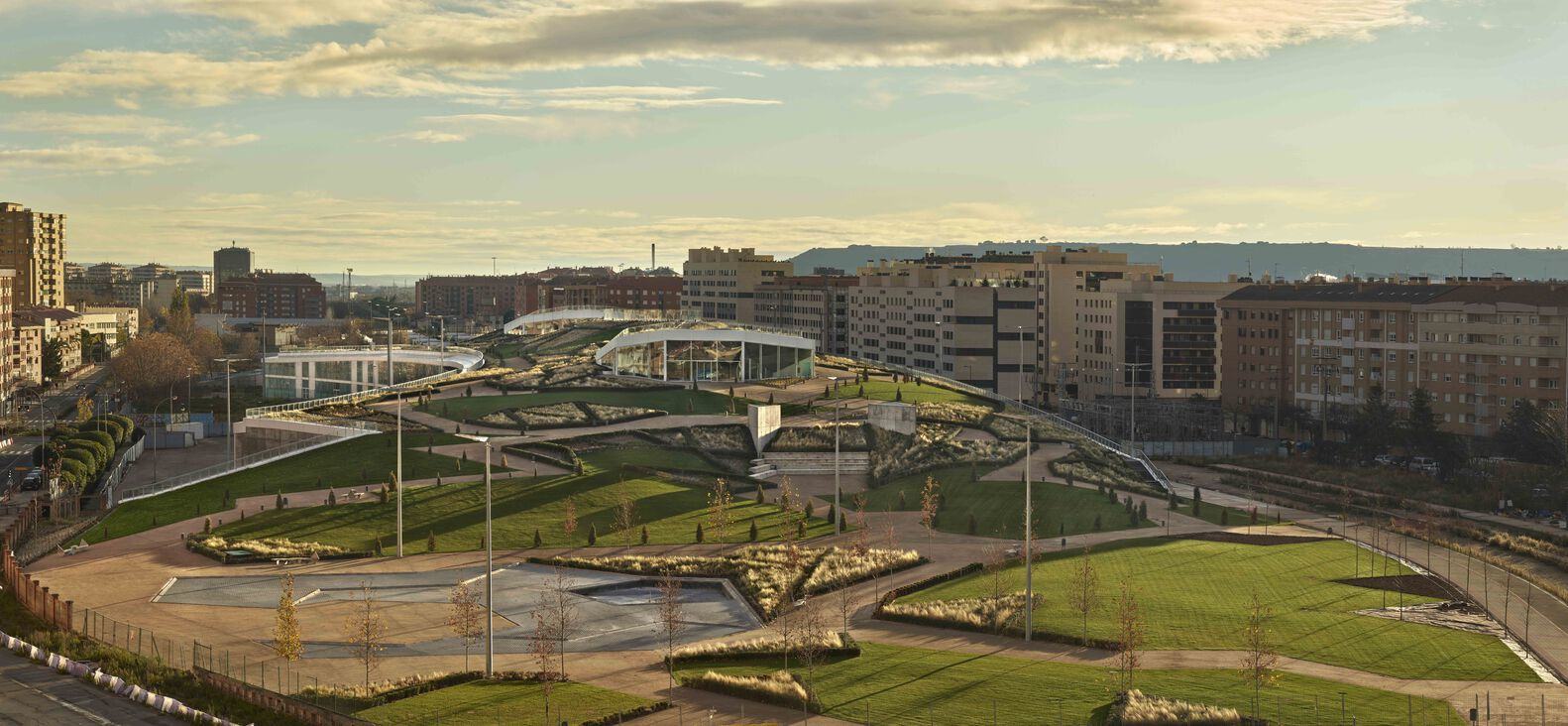
The Logroño Intermodal Station project is the result of an international competition. The AS+ proposal seeks to take advantage of the fact that the train passes through the city buried, sewing a spatially segregated urban structure, proposing a positive interpretation of the city and its natural support, going beyond the plan of a train station and a bus station.
洛格罗尼奥多式联运站项目是国际竞赛的成果。AS+ 的方案试图利用火车在穿过城市时被掩埋的优势,缝制一个空间隔离的城市结构,提出对城市及其自然支持的积极解读,超越火车站和汽车站的计划。
© Juan Carlos Esteban
© Jesús Rocandio
© Jesús Rocandio
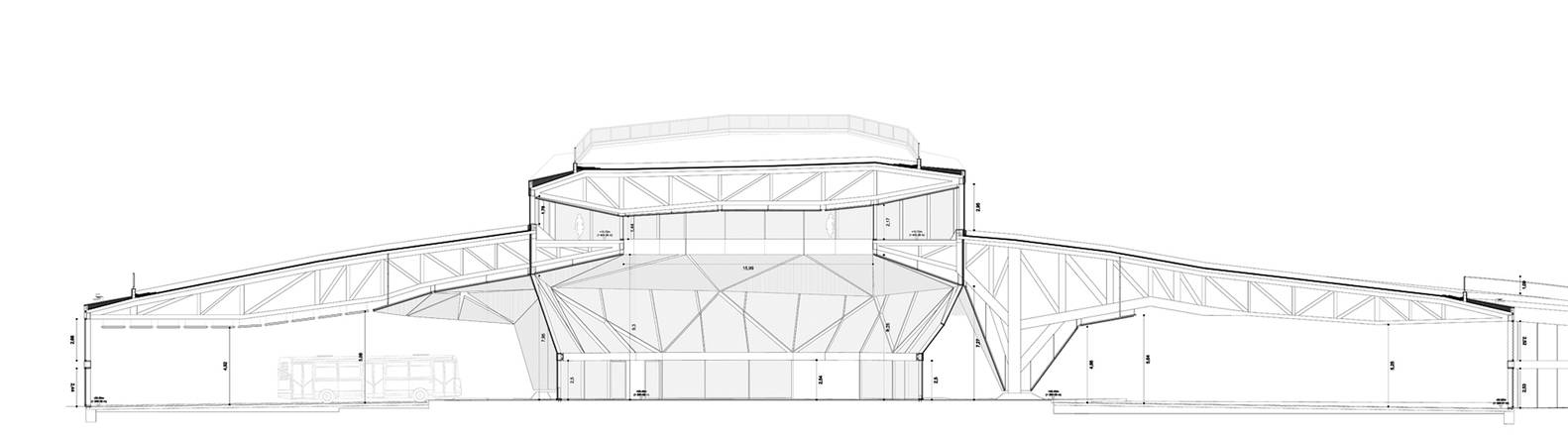
Section
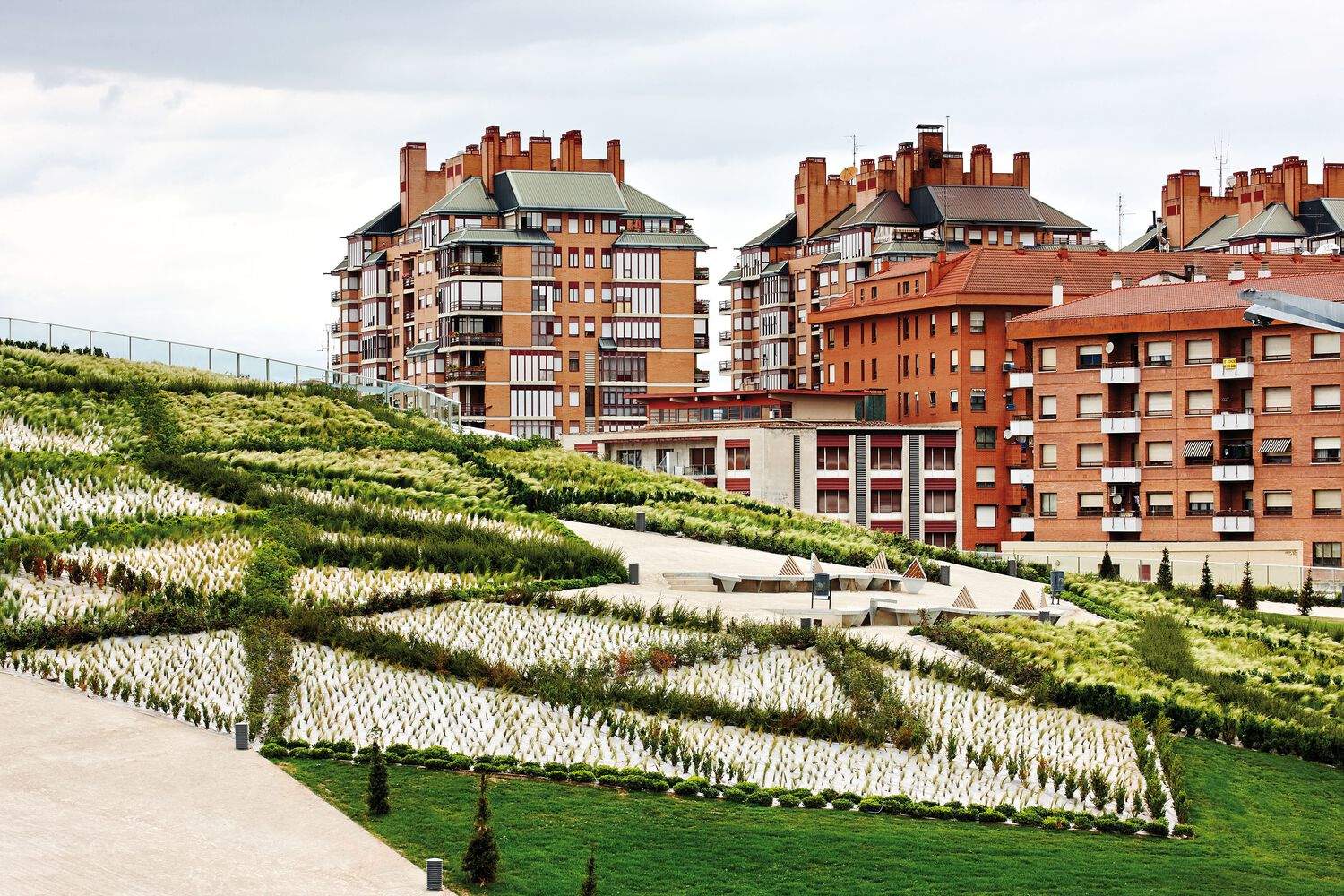
This urban project is an example of sustainable urbanization and circularity. Our proposal first requires taking advantage of this urban operation to generate a large public space, balancing centrality as much as possible, generating a new pole of attraction in the south of the city. The idea is not to limit ourselves to building an architectural object that meets infrastructure needs, but to concentrate efforts on eliminating barriers, creating a natural public space that allows the projection of urban centrality. A park that unites the two sides that were previously separated replaces the physical and social barrier, generating enormous attraction and novelty for the life of the area and promoting social balance between north and south, as well as the important real estate development around it.
这个城市项目是可持续城市化和循环的一个例子。我们的建议首先要求是利用这种城市运作来产生一个大型公共空间,尽可能平衡历史中心性,在城市南部产生一个新的吸引力极。这个想法是,不仅限于建造一个可以满足基础设施需求的建筑对象,而是将集中精力消除障碍,创造一个自然的公共空间,允许投射城市中心性。用一个将以前分开的两边联合起来的公园取代了物理的和社会障碍,为该地区的生活产生了巨大的吸引力和新颖性,并促进了南北之间的社会平衡以及围绕它的重要房地产开发。
© Jesús Rocandio
© Jesús Rocandio
© José Hevia
© José Hevia
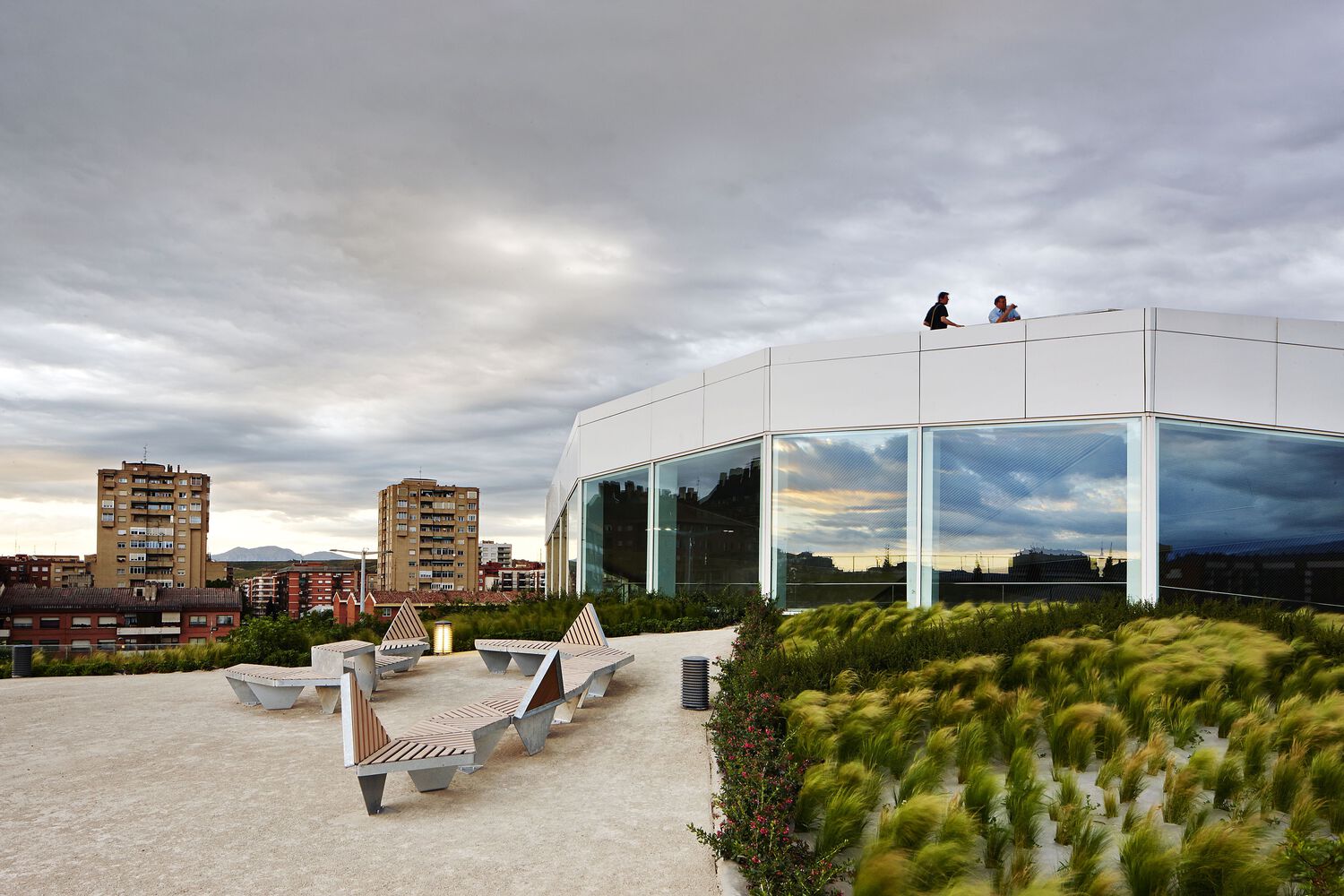
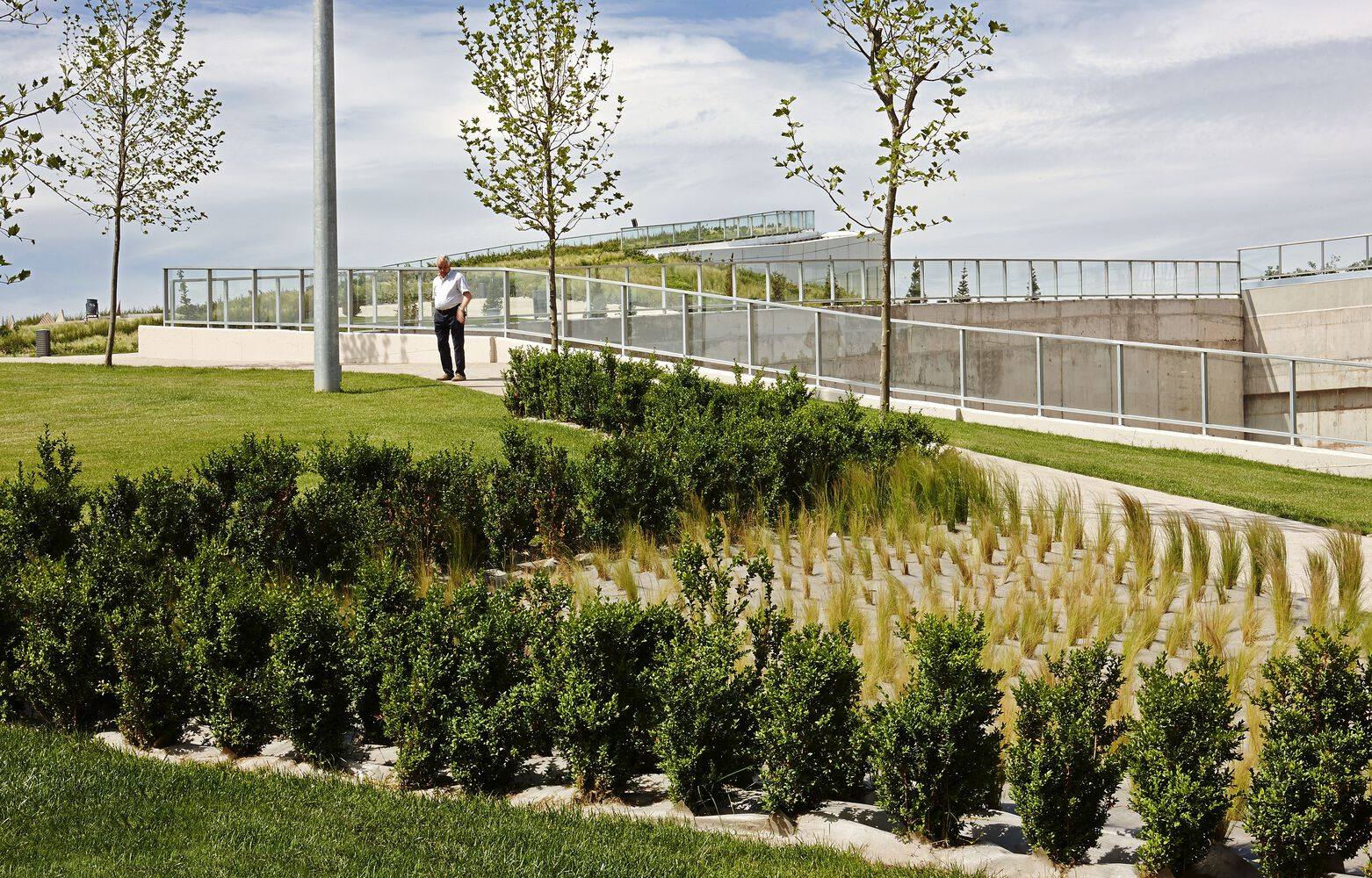
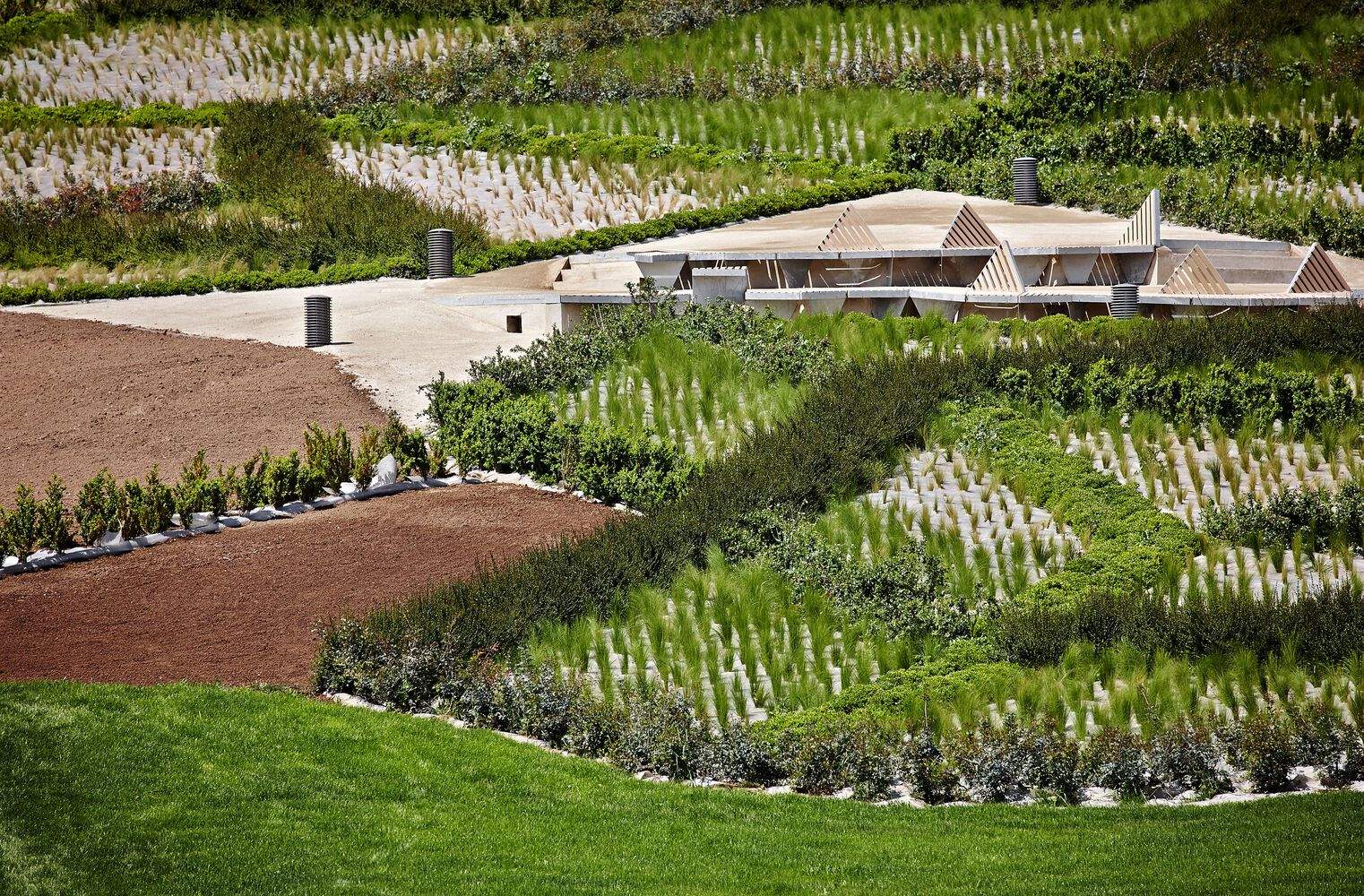
The project starts when it is learned that Logroño has a large underground irrigation system from the Ebro. This architectural feature creates a large green space for citizens. The green roof, created on the infrastructure, acts as insulation for the station, not only saving maintenance costs for these spaces but also achieving thermohygrometric balance in the face of climate change. For its part, the park integrates the drainage system, collecting rainwater and excess irrigation for 100% reuse. This, together with the irrigation carried out through the different underground channels present in the city, translates into a large surface area for air purification and a great increase in biodiversity, thus restoring the natural conditions of the urban environment.
当得知洛格罗尼奥拥有来自埃布罗的大型地下灌溉系统时,该项目就开始了。这种建筑特质为市民创造了一个大型绿色空间。在基础设施上创建的绿色屋顶作为车站的隔热层,不仅可以节省这些空间的维护成本,还可以在应对气候变化的情况下实现湿热平衡。就其本身而言,该公园集成了排水系统,收集雨水和多余的灌溉,以实现 100%的再利用。这与通过城市中存在的不同地下渠道进行的灌溉一起,转化为空气净化的大表面积和生物多样性的极大增加,从而恢复了城市环境的自然条件。
© José Hevia
© José Hevia
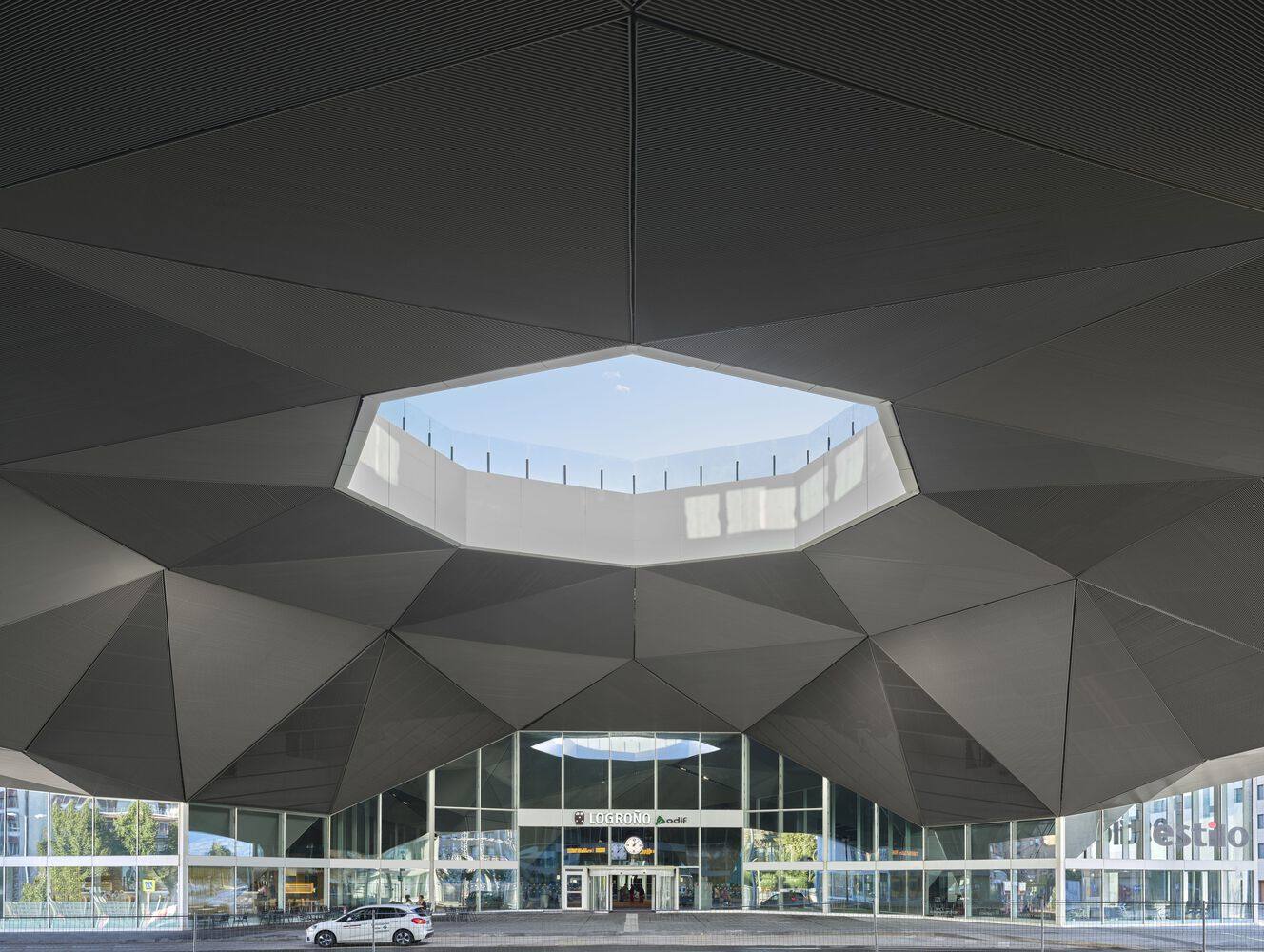
The design of the train station focuses on the transition from the access to the platforms, while the bus station has the typical horseshoe shape, emphasizing in the waiting room the contact with the park on the roof through a staircase that seeks light and polarizes all spaces. The train station and the bus station are connected under this huge urban dome with a span of 60 meters. The appearance of this dome is a resource that allows the continuity of the park on the upper floor without interrupting the connection of the station with the center of Logroño and the exits to the peripheral highway. The result is a public space of enormous scale that celebrates the connectivity of the city and the territory and gives identity to the new urban growth.
火车站的设计侧重于从通道到站台的过渡,而公交车站则具有典型的马蹄形,在候车室强调通过楼梯与屋顶上的公园接触,该楼梯寻求光线并使所有空间偏振。火车站和汽车站在这个跨度为 60 米的巨大城市穹顶下相连。这个圆顶的出现是一种资源,可以在不中断连接车站与洛格罗尼奥中心以及外围高速公路出口的道路的情况下,为上层公园提供连续性。其结果是一个规模巨大的公共空间,庆祝城市和领土的连通性,并为新的城市增长赋予身份。
© José Hevia
© Jesús Rocandio
The complex obtained the BREEAM Spain - Urbanization certification according to international sustainability standards in 2022, being the second project in Spain recognized with this environmental quality seal. The park is also systematically used for artistic installations by different international artists.
该综合体于 2022 年获得国际可持续发展标准 BREEAM 西班牙 - 城市化认证,成为西班牙第二个获得该环境质量印章认可的项目。该公园还被不同的国际艺术家系统地用于艺术装置。
Text content from the architect
Translator: Zhaoyu Chao
© José Hevia