气候韧性与城市生态的巧妙融合:该项目成功地将气候适应性策略深度融入到城市公共空间的设计中。通过在白鹳草地建立一个集雨水管理、自然净化和休闲娱乐于一体的生态系统,它不仅有效应对了兰德斯地区日益增加的暴雨径流挑战,更重要的是,它将原本可能被视为基础设施的废水处理技术(净化池)转化为具有高审美和教育价值的景观元素——天然湿地草甸。这种“隐形”的基础设施设计,实现了功能性与公共吸引力的完美统一,是当代气候城市主义的典范。
滨水区公共价值的重塑与联通:项目精妙地利用新设的防洪堤坝,一举两得:一是强化了对低洼城区的洪水保护,二是打破了城市中心与西部自然三角洲之间的物理和心理隔阂。这条堤坝被设计为新的城市通道,极大地提高了古登河沿岸独特自然三角洲的可达性。通过引入步道和活动平台,将自然体验引入城市核心,使得城市居民能够“近距离接触”生态过程和自然美景,实现了城市肌理与自然湿地的深度对接和价值共享。
生态教育与场所精神的营造:该设计理念超越了单纯的防洪工程,着重于场所精神的营造和生态教育的实现。将废水净化过程转化为可观赏的湿地景观,鼓励人们观察和理解水循环的自然机制。通过精心设计的步道和平台,游客可以近距离观察动植物群落、体验生态变化,甚至与当地的放牧活动产生互动。这不仅为市民提供了丰富的休闲活动(如观赏日落、皮划艇),更是在潜移默化中提升了公众对气候变化和自然环境的认知与尊重。
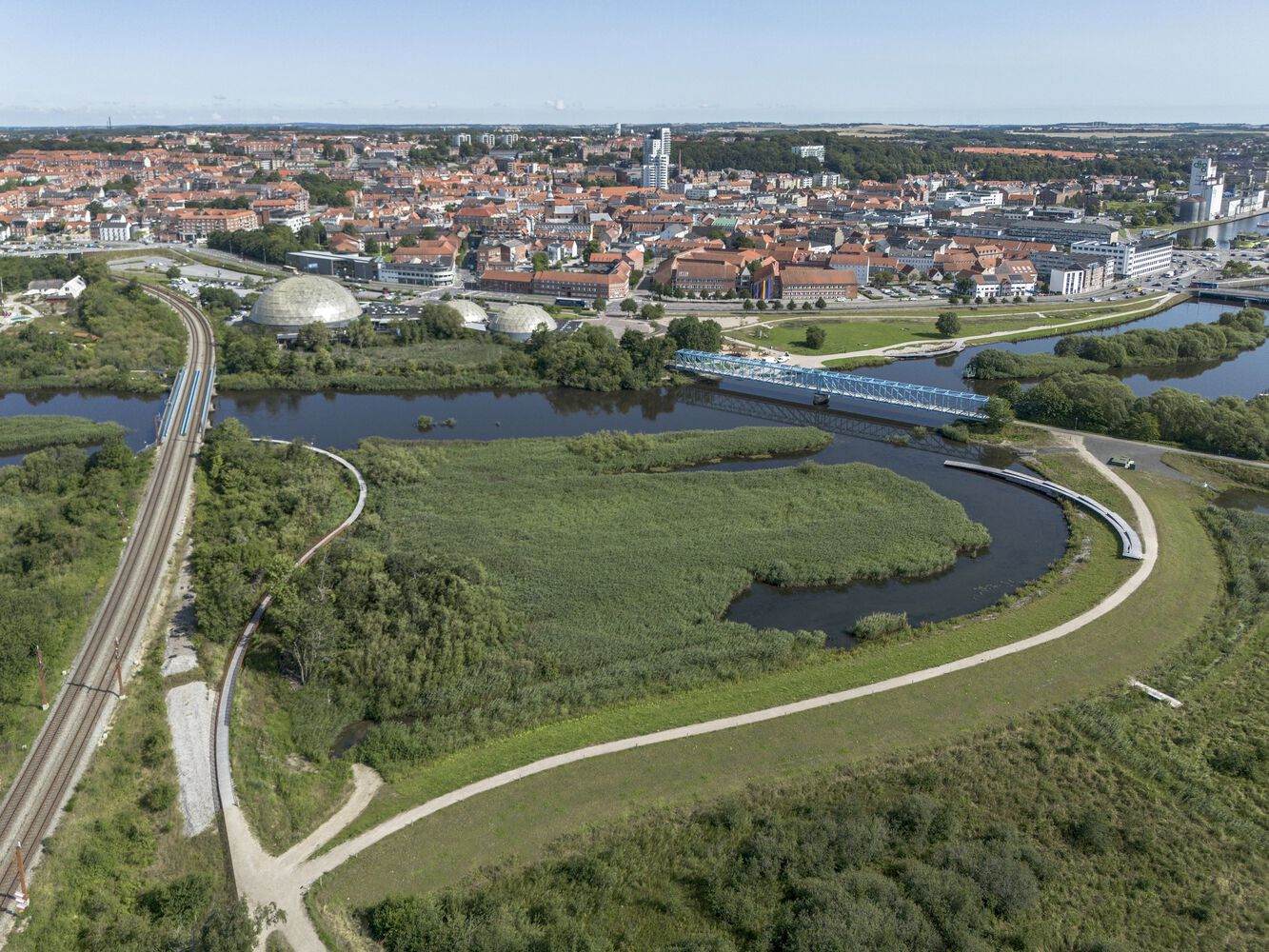
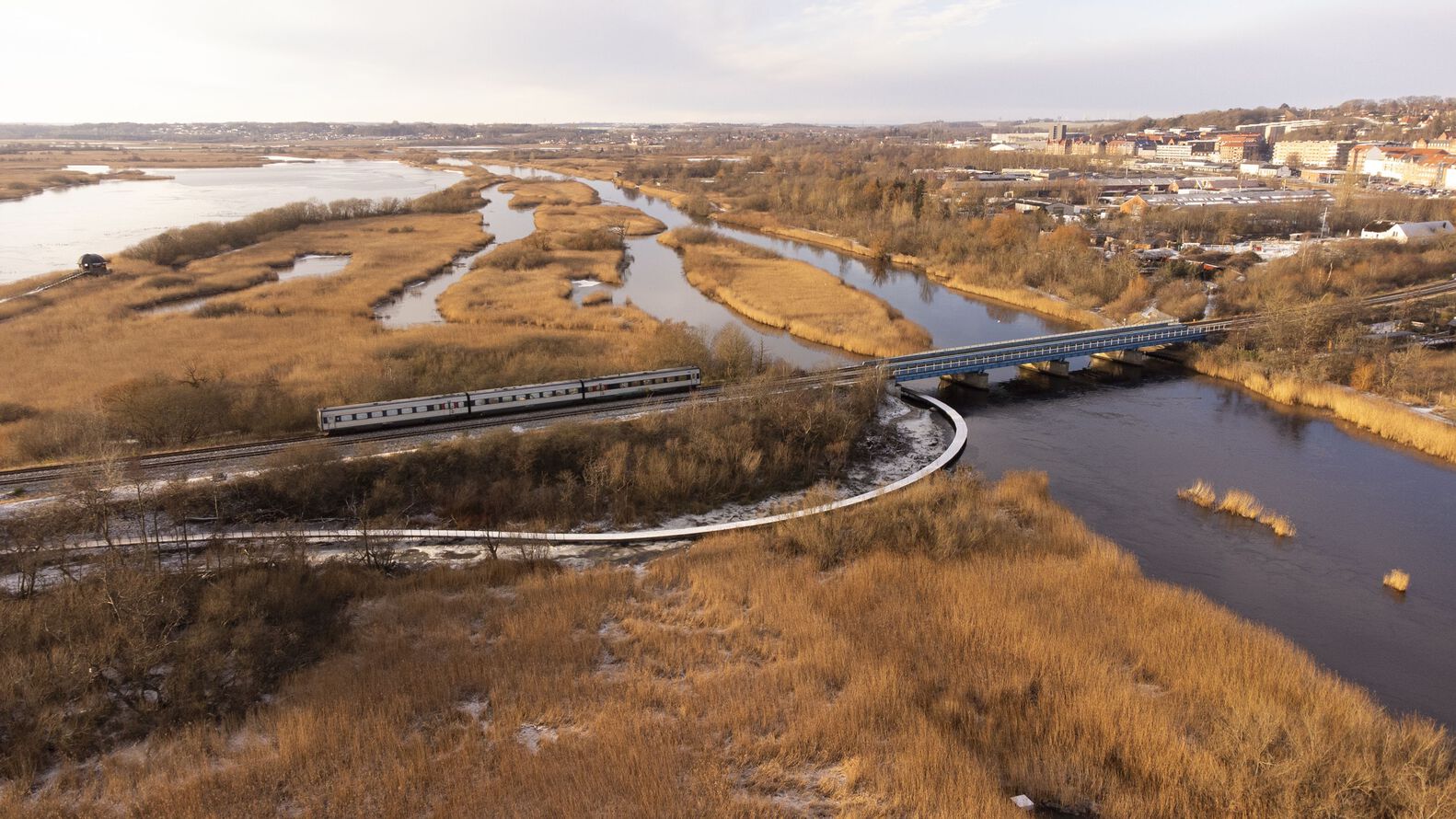
The climate adaptation project located in Vorup near Randers transforms the adjacent natural area, Stork Meadow, into a public nature park, addressing current and future climatic challenges for the city. By integrating climate resilience strategies, the nature park also brings the unique natural delta along the Gudenå, Denmark's longest river, closer to Randers' city center and residential areas.
位于兰德斯附近的沃鲁普气候适应项目通过将邻近的自然区域——白鹳草地(Stork Meadow)转变为一个公共自然公园,解决了城市当前和未来的气候挑战。通过整合气候韧性策略,自然公园还将丹麦最长的河流古登河(Gudenå)沿岸的独特自然三角洲与兰德斯的城镇中心和居民区拉近了。
© Peter Sikker Rasmussen
© Silas Andersen
© Peter Sikker Rasmussen
分析图
© Silas Andersen
At Stork Meadow, the climate adaptation measures not only help manage increased rainwater runoff but also add value to the area. This is achieved by combining visible wastewater treatment technology with facilities for recreation and nature interpretation, enhancing accessibility to the area and bringing new nature experiences to the heart of Randers.
在白鹳草地,气候适应措施不仅有助于应对增加的雨水径流,还为该地区增添了价值。这是通过将可见的废水处理技术与休闲娱乐和自然传播场所相结合来实现的,提高了该地区的可达性,并将新的自然体验带到了兰德斯的中心。
© Peter Sikker Rasmussen
© Peter Sikker Rasmussen
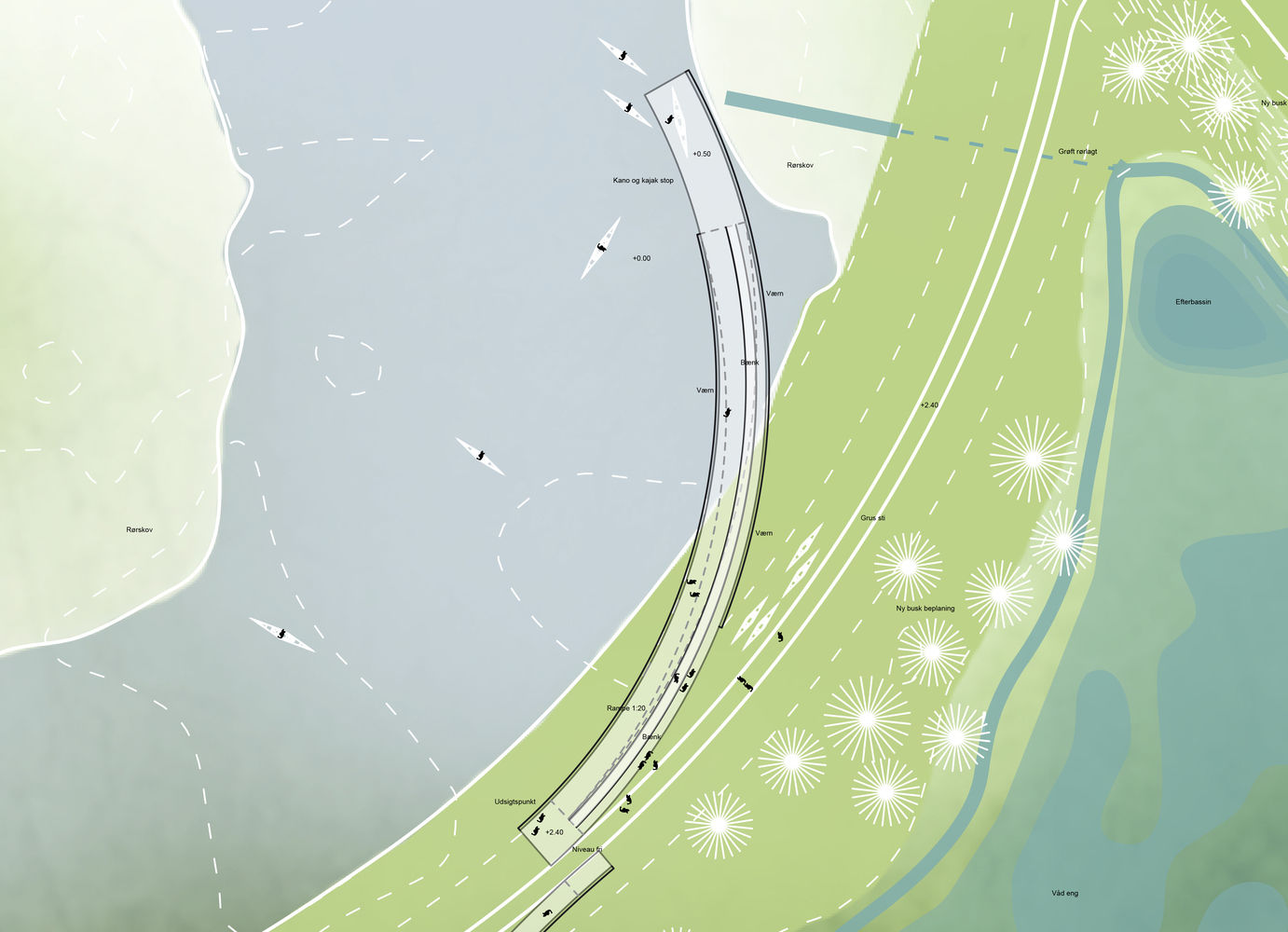
In Vorup, new storm drains collect water from roofs, parking lots, and roads, channeling it to Storkeengen (Stork Meadow). Here, the water is collected in purification basins designed as natural wetland meadows before being discharged into the Gudenå stream. A newly constructed dike between the meadow and the Gudenå ensures thorough purification of the rainwater and protects the lower-lying areas of Vorup from floods caused by heavy rainfall. Simultaneously, this dike opens up new passages between the city center of Randers and the natural areas to the west.
在沃鲁普(Vorup),通过新的暴雨排水渠,将水从屋顶、停车场和道路上收集起来,然后引导至白鹳草地(Storkeengen)。在这里,水被收集到净化池中,这些净化池被设计成天然湿地草甸区域,然后再将水排出到古德纳河(Gudenå stream)。草地与古德纳河之间新建的堤坝确保了雨水得到良好的净化,并保护了沃鲁普地势较低的区域免受暴雨引发的洪水侵袭。同时,这条堤坝还在兰德斯市中心与西部的自然区域之间开辟了新的通道。
© Peter Sikker Rasmussen
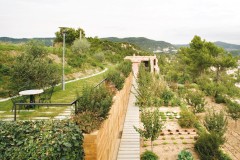
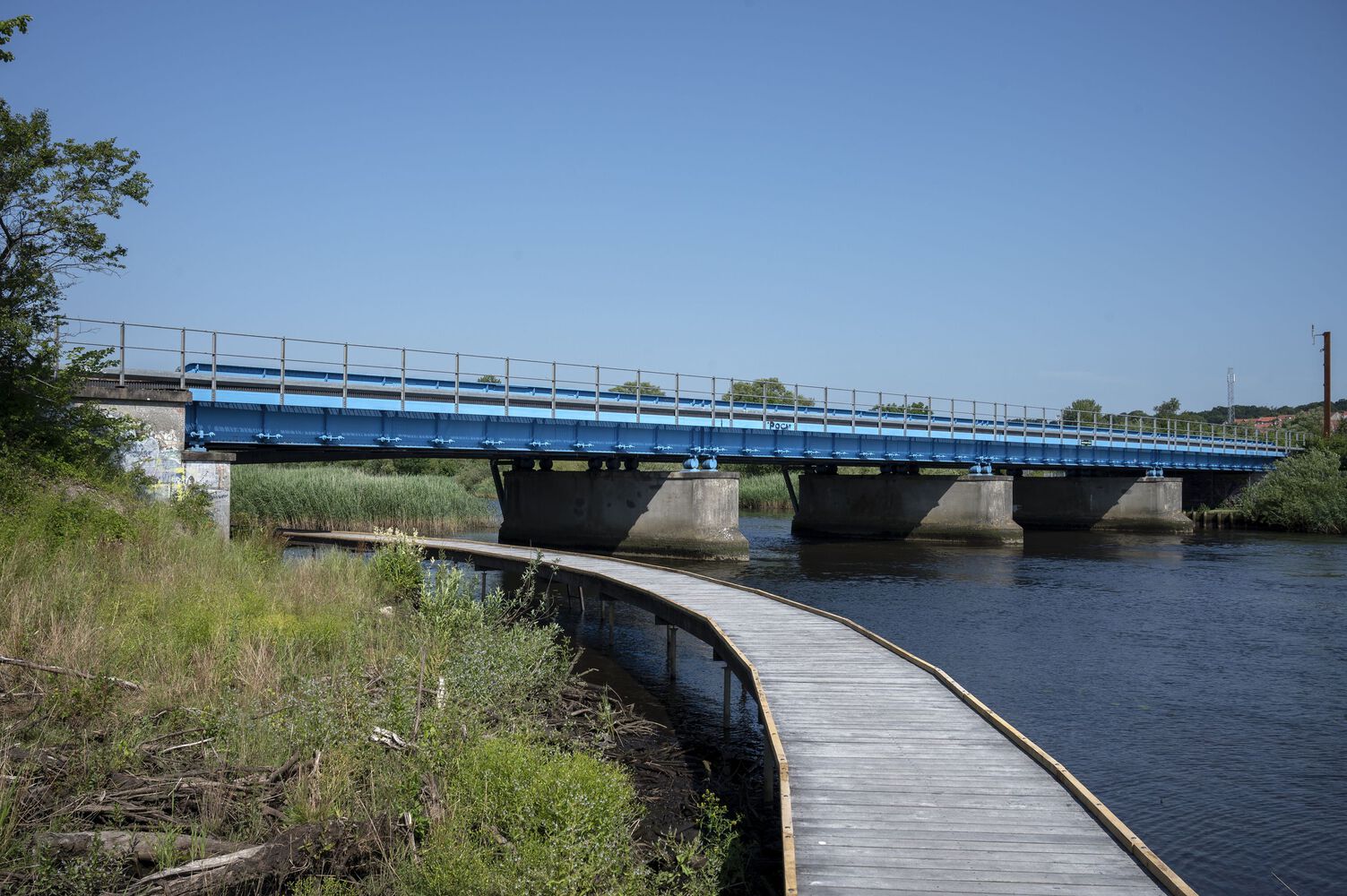
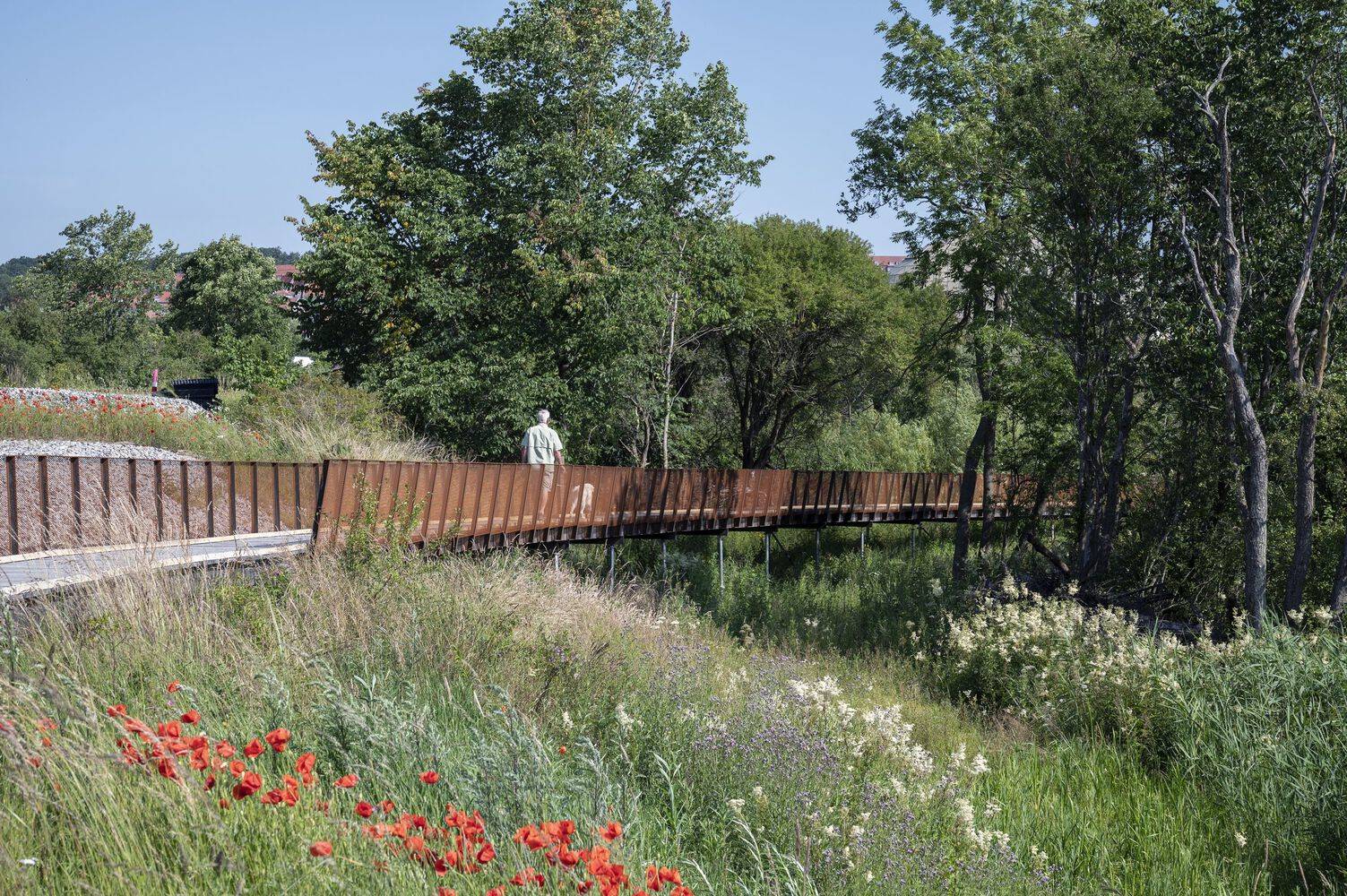
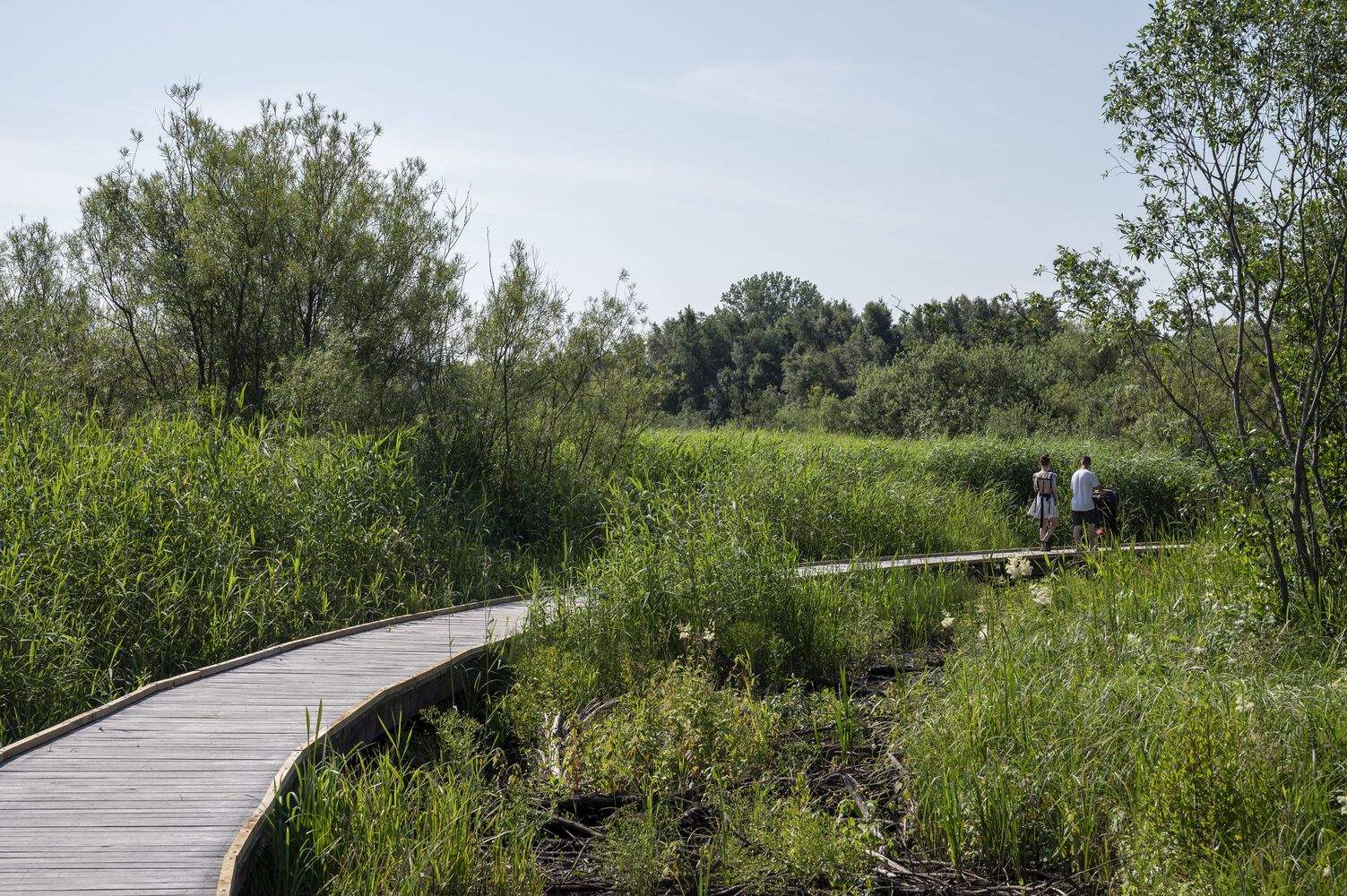
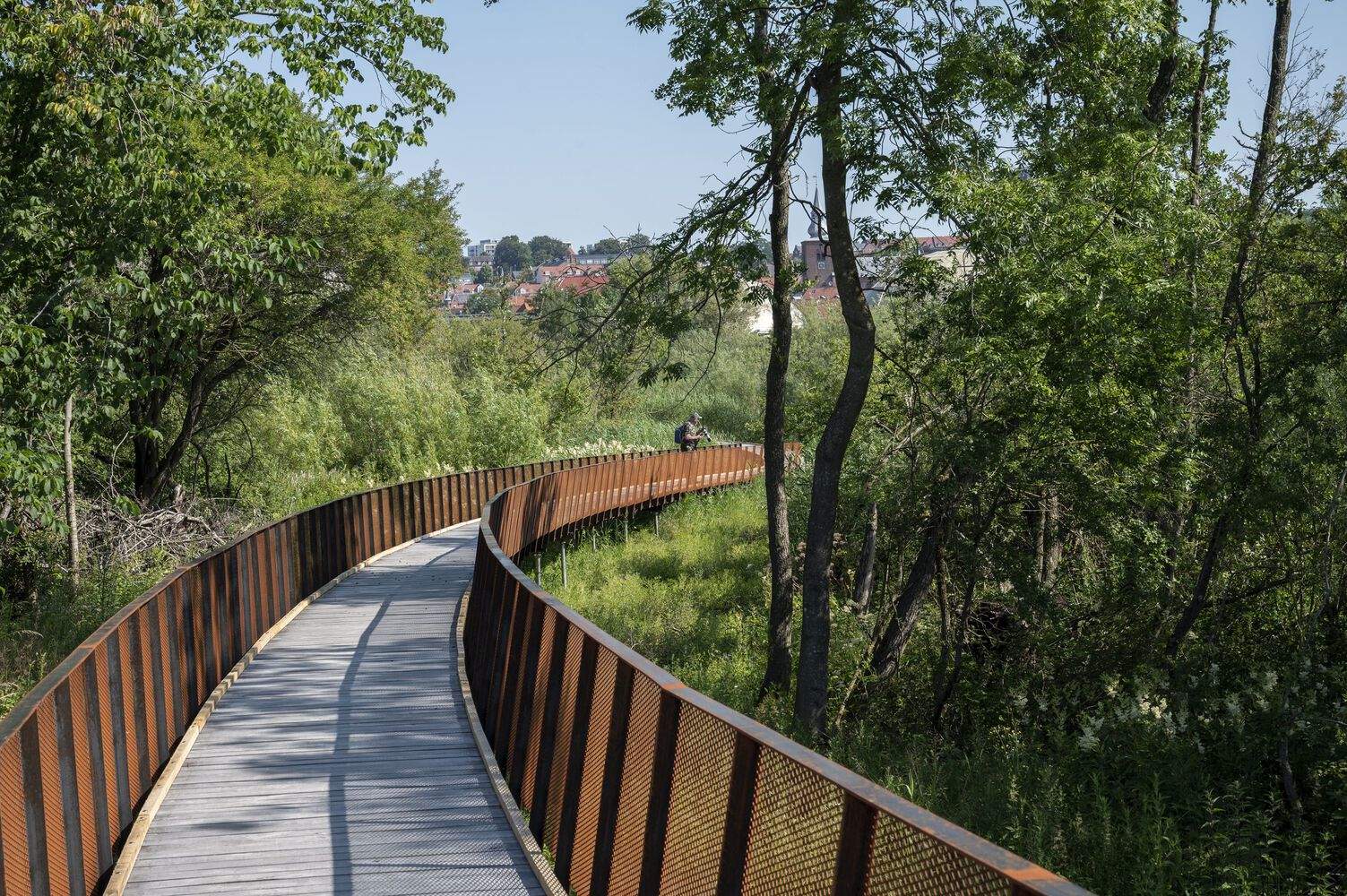
Storkeengen is a climate adaptation project that follows the laws of nature—even in terms of the project's wastewater treatment technology, which is designed to enhance the natural qualities of the wetland meadows. To improve accessibility and enhance the nature experience, new trails and activity platforms have been constructed, allowing people to get close to Storkeengen's unique flora and fauna and the ever-changing ecological environment of the wetland meadows. These platforms also offer proximity to local grazing livestock, views of the sunset, or the opportunity to explore the Gudenå by canoe.
白鹳草地(Storkeengen)是一个按照自然规律进行的气候适应项目——即使是在项目的废水处理技术方面,也是如此,这些技术旨在增强湿地草甸的自然品质。为了提高可达性和增强自然体验,这里建造了新的步道和活动平台,使人们能够近距离体验斯托克根独特的动植物群落以及湿地草甸不断变化的生态环境。这些平台还使人们能够近距离接触当地的放牧牲畜,欣赏日落美景,或者划着独木舟探索古德纳河。
© Silas Andersen