城市基础设施的巧妙整合与场所精神的复兴:该项目最核心的精髓在于其对复杂城市基础设施(伦敦利物浦街车站的轨道)之上进行空间重构的非凡能力。它不仅仅是一个简单的公园改造,而是对一个高密度交通枢纽上方的“剩余空间”的精妙激活。设计通过七年的持续合作,成功地将一个原本被交通和建筑体量分割的区域,转化为一个具有高度可达性和包容性的“悬浮绿洲”。这体现了对城市立体空间潜力的深度挖掘,实现了功能(休闲、工作、零售)与环境(田园景观、噪音隔离)的完美融合,标志着对城市核心区公共空间品质的显著提升。
以人为本的极端包容性与福祉设计:项目将福祉(Wellbeing)和包容性(Inclusivity)置于设计的首位,是对传统城市广场设计理念的有力修正。通过系统性地消除原场地的通行障碍(台阶、高差、视线阻碍),并引入平缓的斜坡,确保了轮椅和婴儿车的完全通行。更进一步,通过材料和视线对比来关照神经多样性用户,创造了全天候的安全感。这种对使用者体验(尤其是弱势群体)的细致入微的关怀,使该公园成为一个真正意义上的“多功能设施”,延长了使用时间,并显著提升了社区的归属感。
生态复兴与场所活力的激增:设计在提升景观品质和生物多样性方面取得了令人瞩目的成就。通过增加四倍的植物数量(14,000株,140余种),生物多样性提升了600%,这是在有限的屋顶空间中实现生态目标的高标准范例。此外,通过引入园艺咨询和社区参与活动,将公园从静态景观转变为动态的学习和互动场所。这种生态的复兴不仅美化了环境,更重要的是,它通过鼓励多元化的社区活动(如开斋活动),激活了原先被企业化、单调化的空间,成功地将服务半径扩展到了更广泛的本地居民群体。
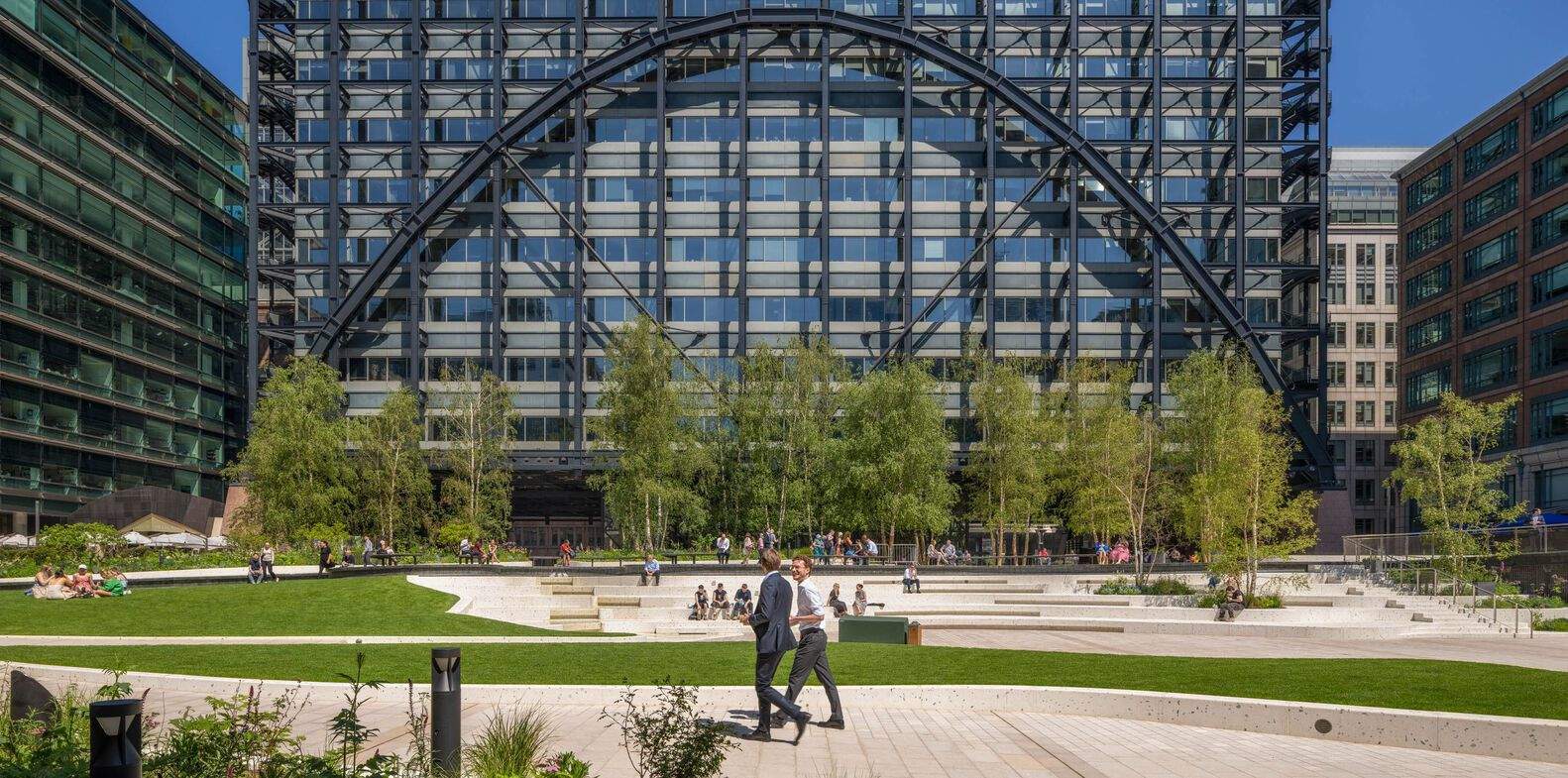
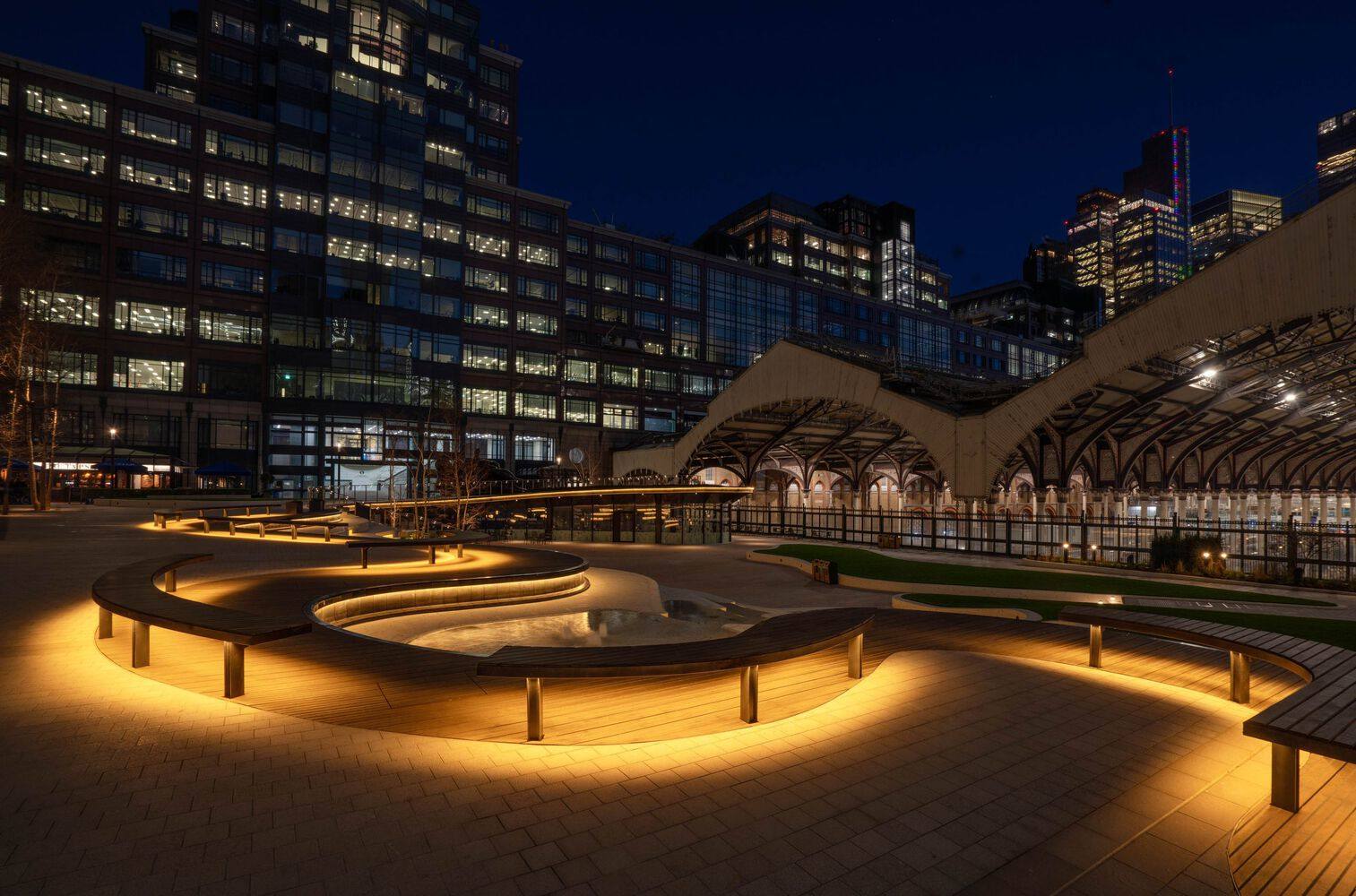
Exchange Square Park is a public park suspended over the tracks of Liverpool Street Station, situated within the Broadgate campus, London's largest pedestrianized public realm in the city center.
交易广场公园是一个悬浮在利物浦街车站轨道上方的公共公园,位于伦敦市中心最大的公共步行区域 Broadgate 园区内。
The completion of Exchange Square marks a significant milestone in the studio’s seven-year collaboration with the client, successfully transforming the public realm surrounding one of the UK's busiest transport hubs.
交易广场的建成标志着该工作室与客户七年合作的一个重要里程碑,成功改造了英国最繁忙车站之一的周边公共空间。
© Daniel Fisher
Axonometric View
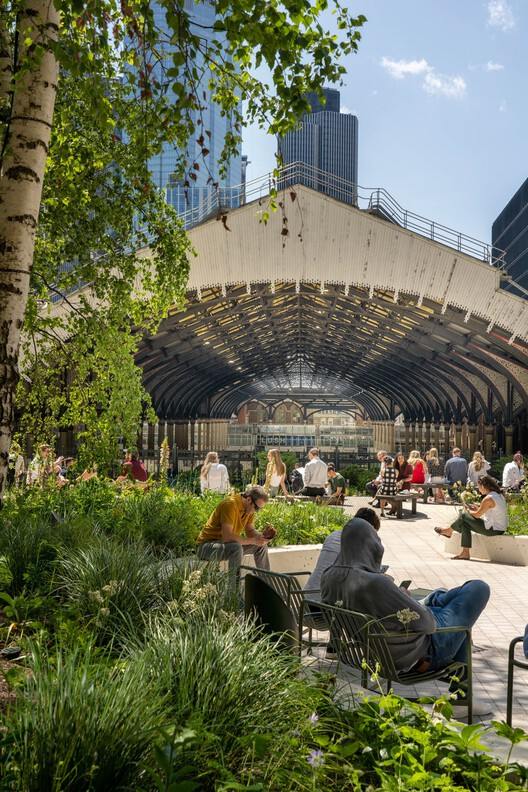
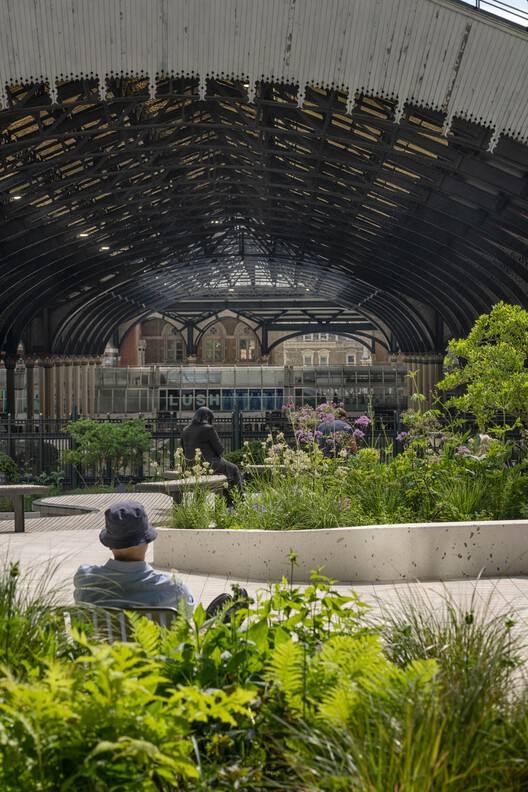
As an idyllic landscape and an outdoor space rich in greenery, Exchange Square is centered around inclusive and accessible design, providing the city with a brand new multifunctional facility.
交易广场作为田园景观以及拥有大量绿植的户外空间,以包容性和无障碍设计为核心,为城市提供了一个全新的多功能设施。
The park integrates leisure zones, open-air working facilities, and retail functions, encouraging a variety of potential uses and activities at different times of the day, extending dwell time beyond traditional work hours and helping Broadgate better serve a wider range of users, from local office and shop workers to neighboring residents.
公园融合了休闲区、开放式户外工作设施和零售功能,鼓励不同时间段进行的多种潜在用途和活动,延长了工作时间以外的停留时间,帮助 Broadgate 更好地满足更广泛人群的需求,从当地办公室、商店的工作人员到邻近的居民。
© Daniel Fisher
Before the design intervention, the site, developed in the 1990s, featured a central lawn area which was popular with users. However, a large curve on the western perimeter wall created a major obstruction to the square, limiting visual permeability. To the north, steps leading to Exchange House provided ample seating, but the widely used pink granite appeared monotonous and dull. In addition to material challenges, various ramps and steps, while addressing the level changes across the square, simultaneously created circulation barriers. Furthermore, the overall lack of clear wayfinding made the entrances to the square difficult to recognize.
在设计介入之前,该场地于1990年代开发,包括一个中央草坪区,广受使用者的欢迎,但草坪西边外墙上的大型弧形对广场造成了一个很大的障碍,限制了视觉通透性。在北边,通向交易大厦的台阶提供了大量座位,但广泛使用的粉色花岗岩显得单调乏味。除了材料挑战外,各种坡道和台阶虽然解决了广场的高差问题,但同时造成了通行障碍。此外,整个空间的标识不清晰,使广场的入口缺乏可识别性。
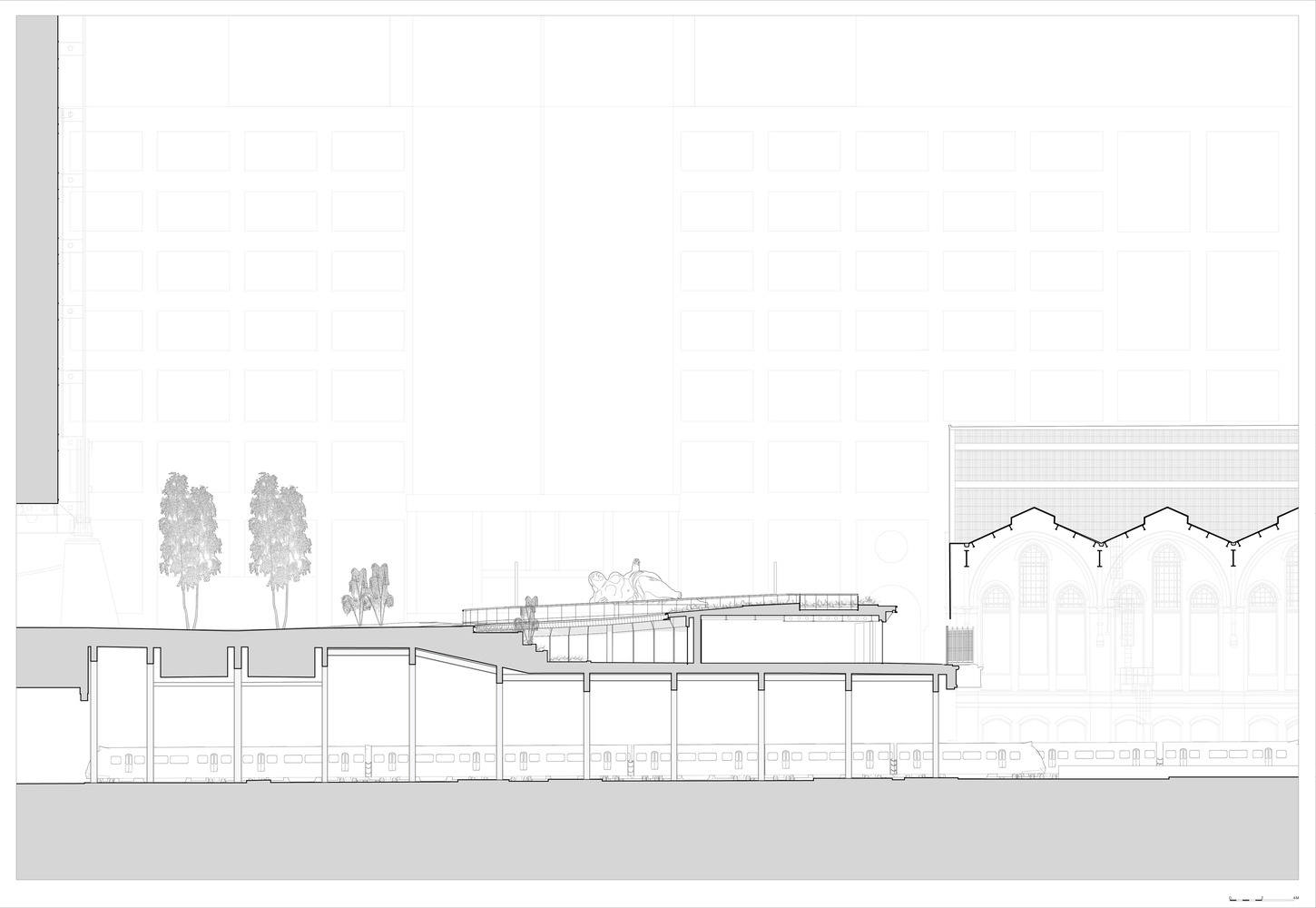
Cross Section
© Daniel Fisher
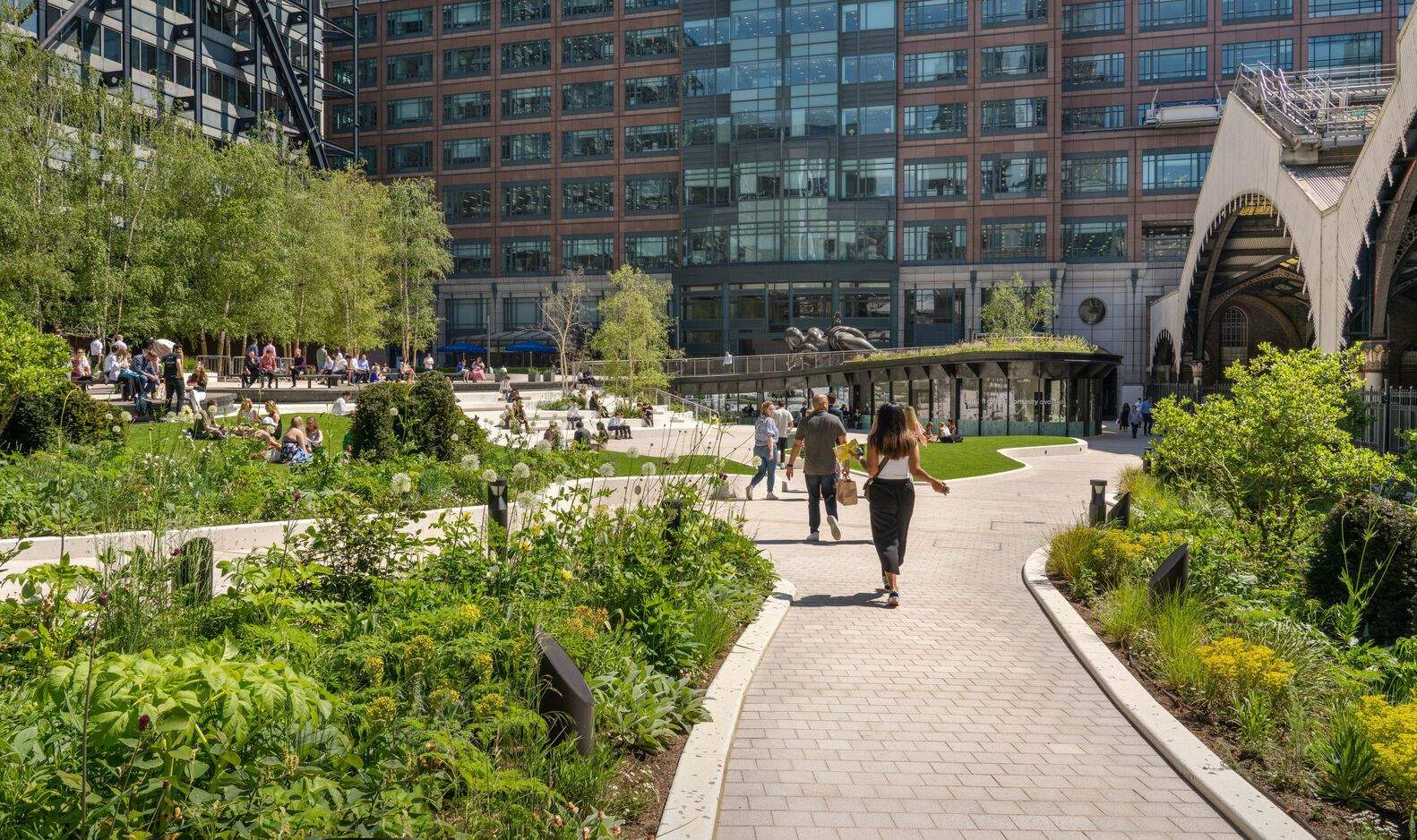
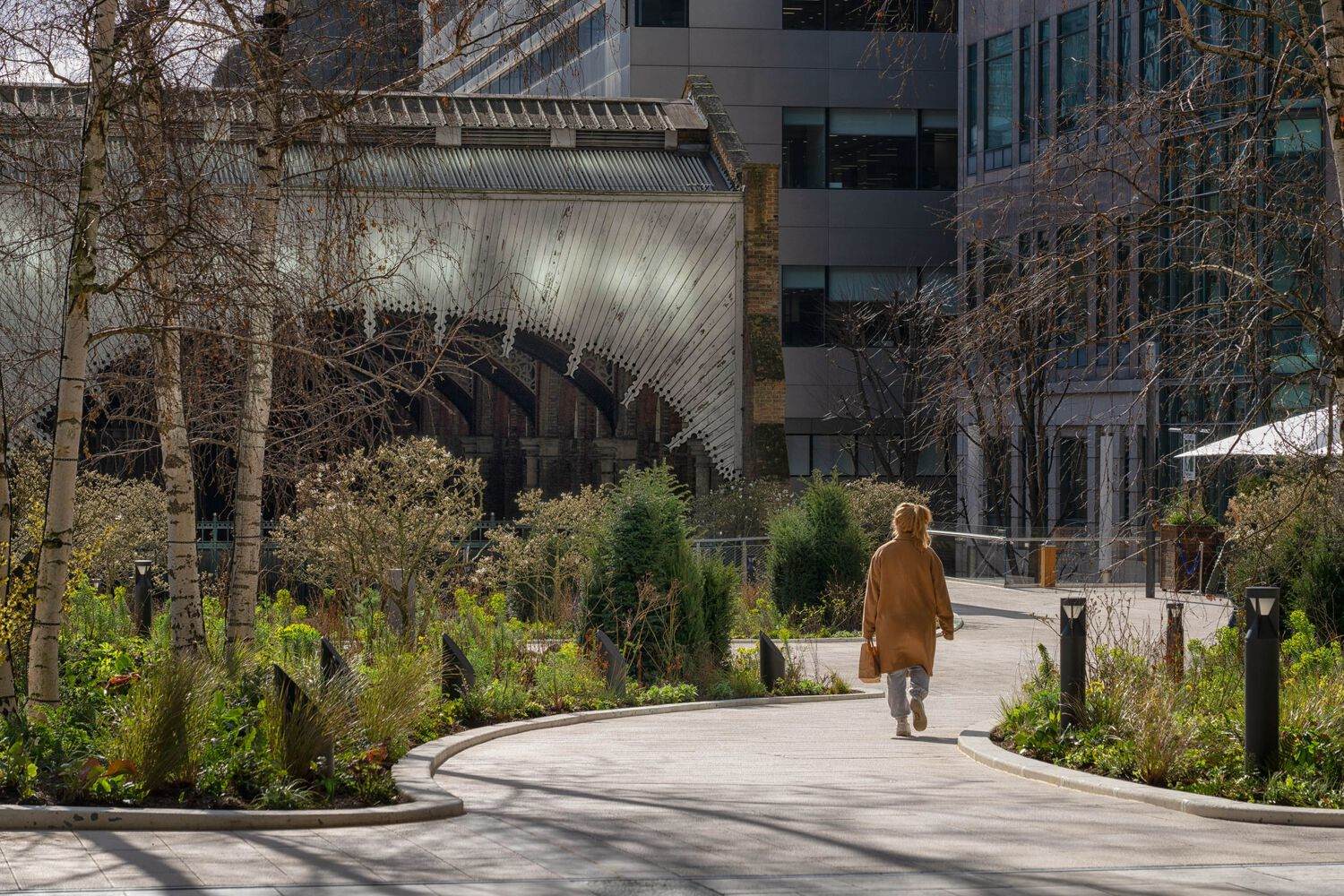
Wellbeing, inclusivity, and permeability were key drivers throughout the design process, aiming to create a vibrant space that encourages public interaction and conversation while insulating against noise generated by commuters and Bishopsgate. Compared to its previous state, this 1.5-acre park has quadrupled its planting, increasing biodiversity by 600% with 14,000 plants and over 140 different species, with 25% of the area dedicated to accessible green space. Gardeners on-site offer consultations and engagement opportunities to the public, encouraging continuous learning while maintaining the square. Furthermore, engagement with tenants highlighted the project’s need for a less corporatized environment and more temporary uses and flexibility, encouraging diverse groups to use the space, such as hosting community Iftars during Ramadan.
福祉、包容性和通透性是整个设计过程中的关键因素,旨在创造一个充满活力的空间,鼓励公众互动交流,并隔离通勤者和 Bishopsgate 产生的噪音。这个1.5英亩的公园与之前的状态相比,植物数量增加了四倍,14,000株植物和超过140个不同物种,生物多样性增加了600%,其中25%的区域为无障碍绿地。园丁会在现场为公众提供咨询和参与的机会,鼓励公众不断学习,同时维护广场。除此之外,与租户的互动体现了该项目对更少企业化环境以及更多临时用途和灵活性的需求,鼓励更多元化的群体使用该空间,例如庆祝斋月的社区对外开放开斋活动。
© Daniel Fisher
© Daniel Fisher
The design team addressed accessibility and permeability issues through the various entrances to the park. A comprehensive analysis of pedestrian flows helped identify circulation barriers—steps, level changes, lack of visual contrast, tactile variation, and unclear wayfinding—which guided the team in developing the space across multiple tiers to create a more naturally permeable topography. Gentle slopes ensure wheelchair and pram accessibility across the entire site. At changes in ground level, clear material differentiation assists neurodiverse users, and unobstructed sightlines at boundaries provide a greater sense of security for visitors moving alone or at night.
设计团队通过进入公园的各种入口,解决了无障碍和渗透性问题。对行人流线的全面分析帮助识别了通行障碍——台阶、高差变化、缺乏视觉对比、触觉变化和标识不清——从而指导设计团队在多个层次展开空间,创造更自然的可渗透地形。平缓的斜坡确保了轮椅和婴儿车能够在整个场地通行。在地面高低变化处,清晰的材料差异帮助了神经多样性用户,并且边界处清晰的视线使访客单独或在夜间穿行时可以感到更安全。
© Daniel Fisher