生态修复与韧性设计的典范:本项目最精髓之处在于其作为拉丁美洲最大植物修复工程的核心组成部分,成功地将大规模的生态治理需求与高品质的公共建筑设计相结合。KAAN 建筑师事务所通过整合水质管理系统、过滤花园和社会共享空间,实现了对72万平方米泻湖区域的彻底复兴。这种“基于自然的解决方案”(NBS)的实践,不仅恢复了区域的环境功能和生物多样性,更通过其获奖的成果为区域可持续发展树立了新的标杆,体现了建筑设计在应对气候变化和环境退化中的关键作用。
人与自然深度互动的公共空间策略:项目成功地通过精心的场所营造,促进了社会包容性与公众对自然环境的再连接。生态博物馆被设计为一个“遮蔽的论坛”,通过开放的结构和与环境的无缝融合,鼓励居民、渔业社区和环保组织共同参与到泻湖的长期保护中。徒步小径、自行车道和观景台等设施,结合滨水位置,使用户得以沉浸于恢复后的栖息地中。这种设计策略超越了传统公园的功能,使其成为一个活跃的环境教育和社区协作的中心。
本土材料与灵活空间营造的建筑叙事:生态博物馆的建筑本体设计体现了对地域性和可持续性的深刻理解。采用耐用的本土硬木——累阿那木(cumaru wood)作为主要材料,不仅赋予建筑温暖的南美色调,也确保了其在湿热环境中的耐久性。2800平方米的空间通过模块化的木材和玻璃面板,实现了从封闭会议到完全开放活动区的灵活转换。尤其是巨大的悬挑屋顶,在提供自然光调节和庇护的同时,将建筑形态与大西洋森林景观融为一体,使建筑本身成为展示生态关怀和设计智慧的载体。
KAAN Architecten have unveiled the design proposal for the Eco-museum and Orla Piratininga Park in Rio de Janeiro, Brazil.
KAAN 建筑师事务所公布了巴西里约热内卢的皮拉蒂宁加环礁湖生态博物馆和奥拉·皮拉蒂宁加公园的设计方案。
© Sebastian van Damme
© Sebastian van Damme
From the architects. KAAN Architecten have unveiled the design proposal for the Eco-museum and Orla Piratininga Park in Rio de Janeiro, Brazil.
来自建筑师。KAAN 建筑师事务所公布了巴西里约热内卢的皮拉蒂宁加环礁湖生态博物馆和奥拉·皮拉蒂宁加公园的设计方案。
© Sebastian van Damme
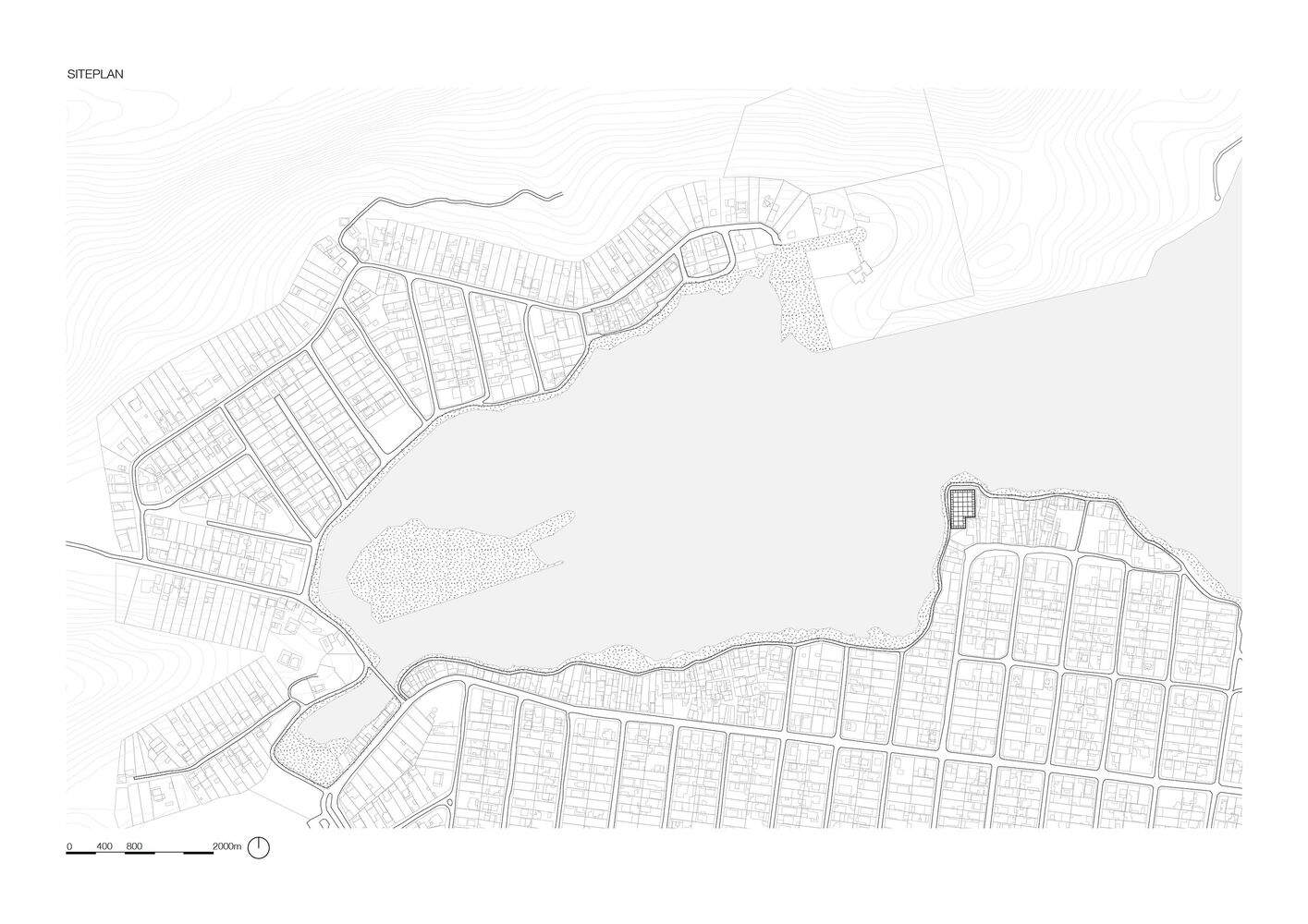
Site Plan
区位图
© Sebastian van Damme
Thanks to the ambition of the city of Niterói and its ‘Sustainable Ocean Region Program’, KAAN Architecten contributes to the revitalization of the 720,000 m² Piratininga Lagoon through a design for a park incorporating water management and pollution remediation systems, filtering gardens, social areas, and an eco-museum. This project, which has already won three awards, sets a new benchmark for conscious design and resilience in Brazil, as it is currently the largest phytoremediation project in Latin America.
得益于尼泰罗伊市的雄心壮志及其“可持续海洋区域计划”,KAAN 建筑师事务所助力 72 万平方米的皮拉蒂宁加环礁湖改造项目,这也是拉丁美洲目前最大的植物修复项目。该项目通过在生态公园内实施水质管理和污染治理系统(包括过滤花园、社交区域和生态博物馆)来复兴该地区。该项目曾三次获奖,为巴西的有意识设计和韧性树立了新的标杆。
© Sebastian van Damme
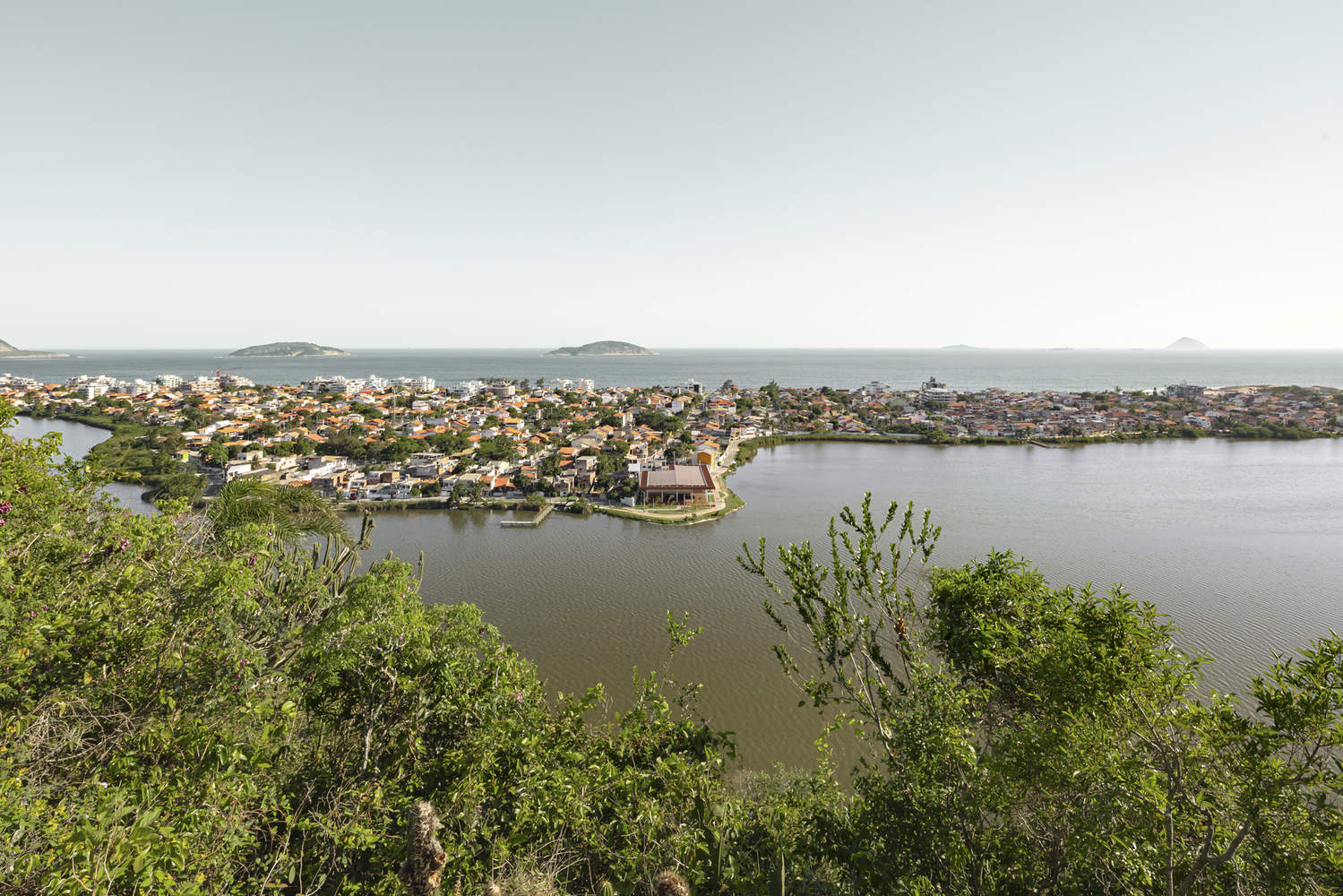
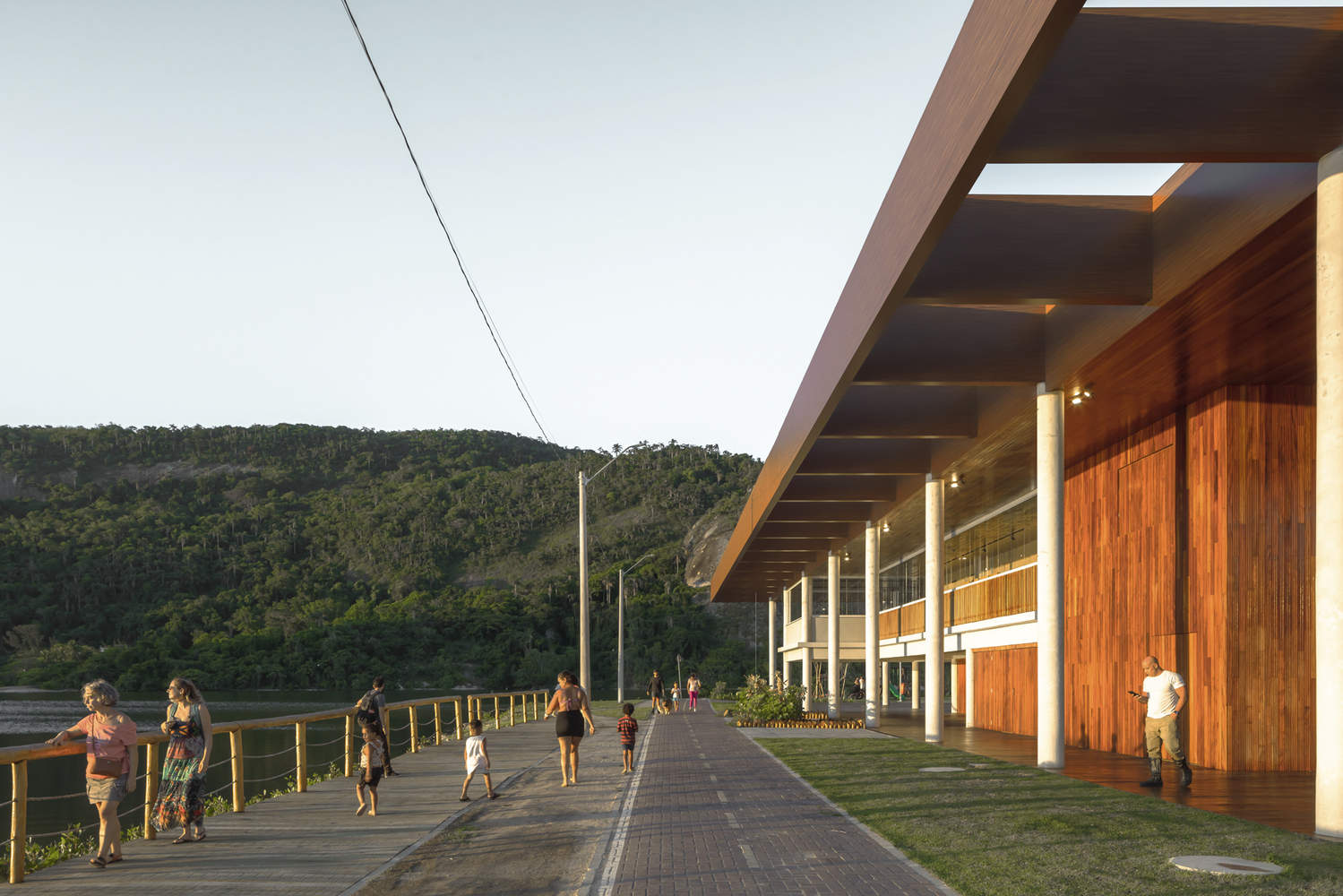
Designed by the POP consortium (Phytorestore, Embya, and KAAN Architecten), the intervention along the lagoon’s coastline and the design of the Eco-museum promote both biodiversity and social inclusion. Strategically located in the park, the Eco-museum acts as a nexus for collaboration between residents, fishing communities, and environmental organizations regarding the long-term preservation of the lagoon. Its waterfront location enhances public interaction with the restored natural habitat, while amenities such as walking paths, cycle routes, sports facilities, and wildlife viewing platforms immerse visitors in the local biodiversity.
该项目由 POP 联合体(Phytorestore、Embya和KAAN建筑师事务所)设计,在环礁湖海岸线沿线进行干预和生态博物馆设计时,促进了生物多样性和社会包容性。生态博物馆位于公园内的战略中心位置。奥拉·皮拉蒂宁加公园项目使居民、渔业社区和环境组织能够就环礁湖的长期保护展开合作。其滨水位置增强了公众与恢复后的自然栖息地的互动,而徒步小径、自行车道、体育设施和野生动物观景台等设施则让游客沉浸在当地的生物多样性中。
© Sebastian van Damme
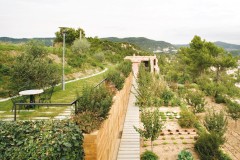
The 35,290 m² of filtering gardens intercept pollution upstream and restore the natural water cycle. These innovative wetlands utilize native plants to purify the water quality while cultivating thriving wildlife habitats. The selection of plants is strictly limited to native species of the ecosystem and the state of Rio de Janeiro, ensuring genuine ecological restoration. This approach restores the area's past environmental functions and strengthens its natural connection with local fauna, thereby enhancing both biodiversity and resilience. The filtering gardens are designed as accessible landscape spaces, offering an opportunity to explore a wetland environment that is usually difficult to access by showcasing its biodiversity. Their layout allows visitors to traverse this sensitive area along designated paths.
35290 平方米的过滤花园拦截上游污染并恢复自然水循环。这些创新的湿地利用本土植物净化水质,同时培育生机勃勃的野生动物栖息地。植物的选择严格限于该生态系统和里约热内卢州的本土物种,确保实现真正的生态恢复。这种方法恢复了该地区过去的环境功能,并加强了其与当地动物群落的自然联系,从而增强了生物多样性和适应性。过滤花园是一个可供参观的景观空间,通过展示其生物多样性,使人们有机会探索通常难以接触到的湿地环境。其布局允许人们沿着小径穿过这片敏感区域。
© Sebastian van Damme
Ground Floor Plan
一层平面图
© Sebastian van Damme
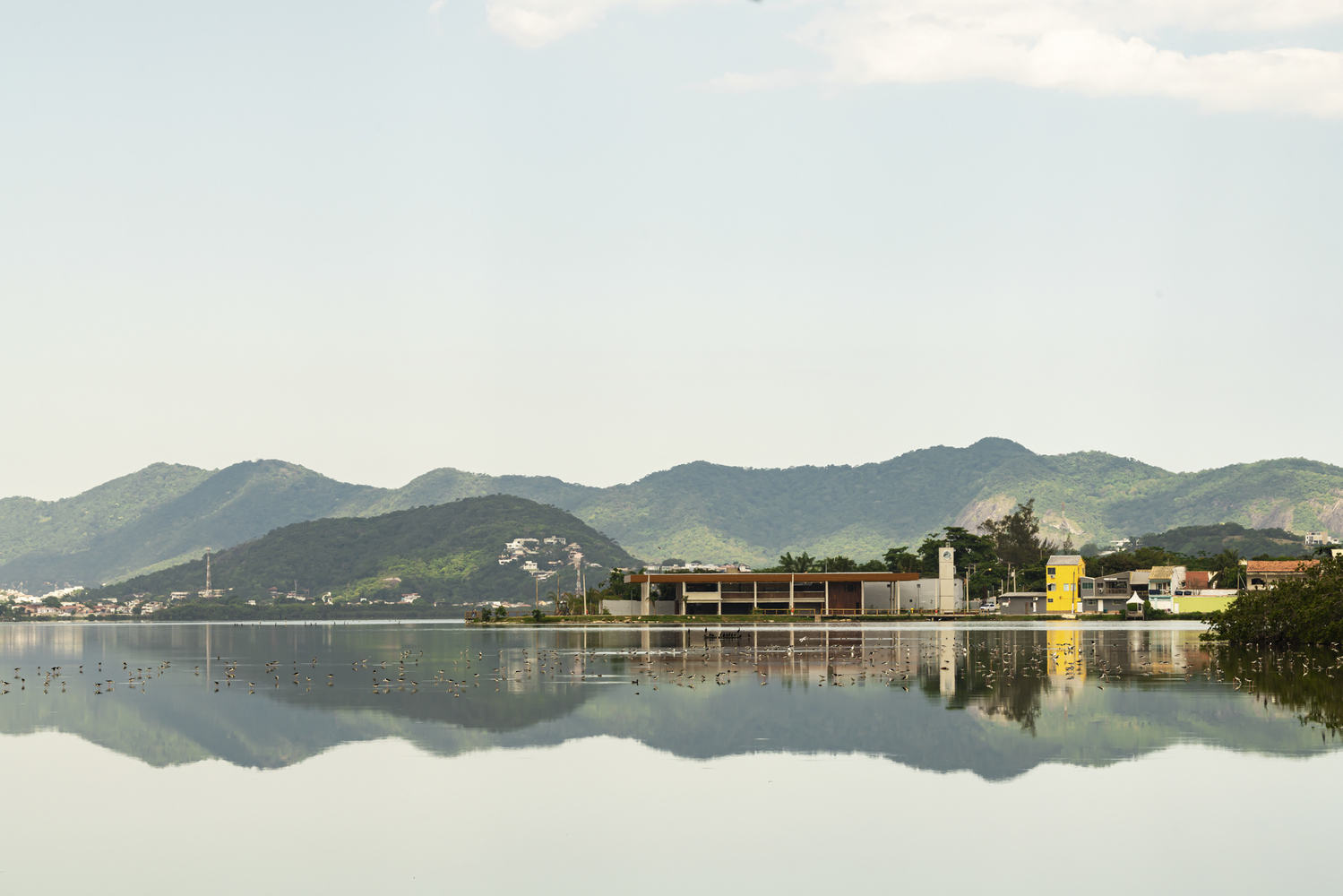
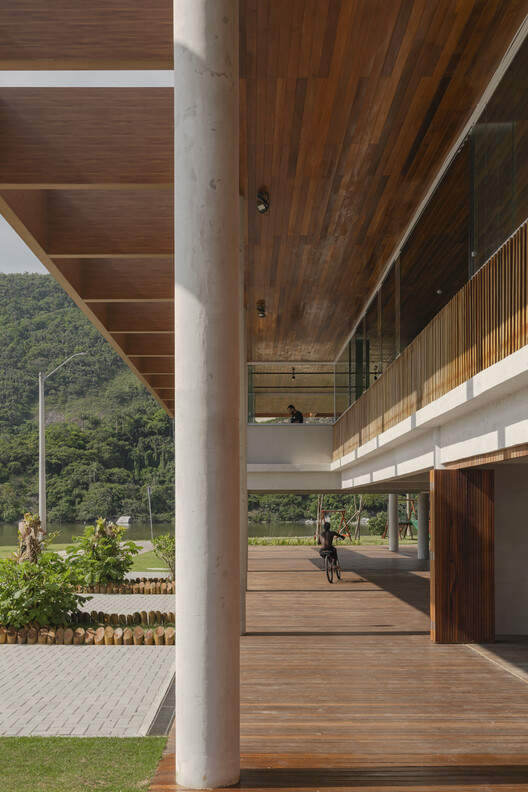
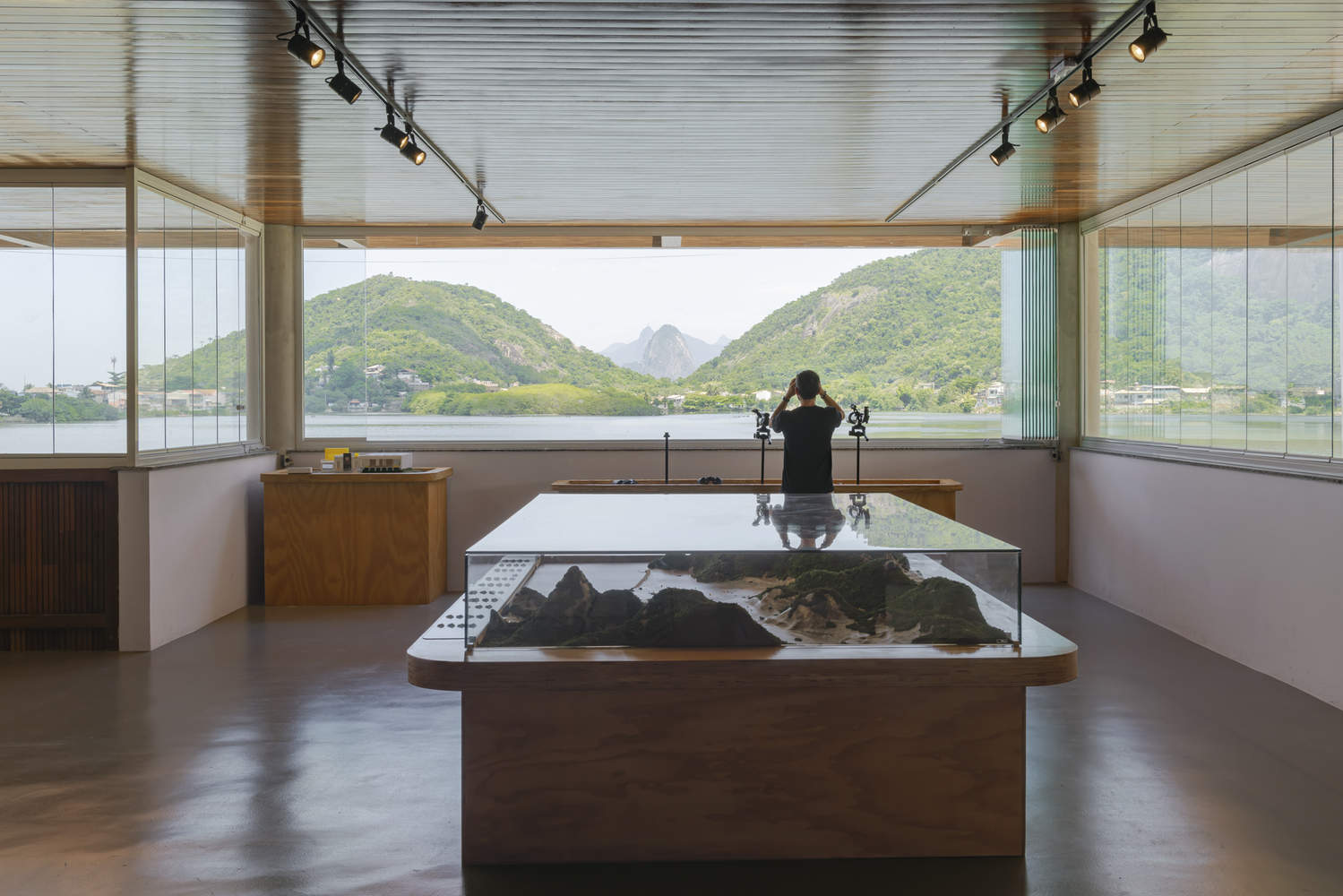
The Eco-museum, an initiative of the city of Niterói, was supervised in its design by KAAN Architecten in collaboration with a dedicated team of local architects. Conceived as a sheltered forum entirely open to the public, it integrates seamlessly into its lush surroundings, fostering an open and immersive experience. It is primarily constructed from Cumaru wood, a durable South American hardwood known for its rich golden hue and weather resistance.
生态博物馆是尼泰罗伊市的一项倡议,KAAN 建筑师事务所与当地建筑师组成的专职团队合作监督设计。博物馆被构想为一个遮蔽的论坛,完全向公众开放,并无缝融入其郁郁葱葱的周边环境,营造了一种开放而沉浸式的体验。它主要用累阿那木(cumaru wood)建造,这是一种耐用的南美硬木,以其丰富的金黄色调和耐候性而闻名。
© Sebastian van Damme
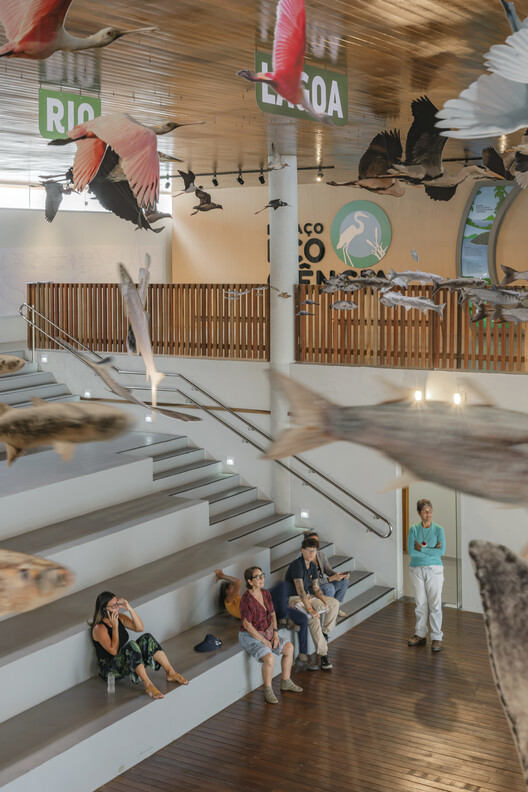
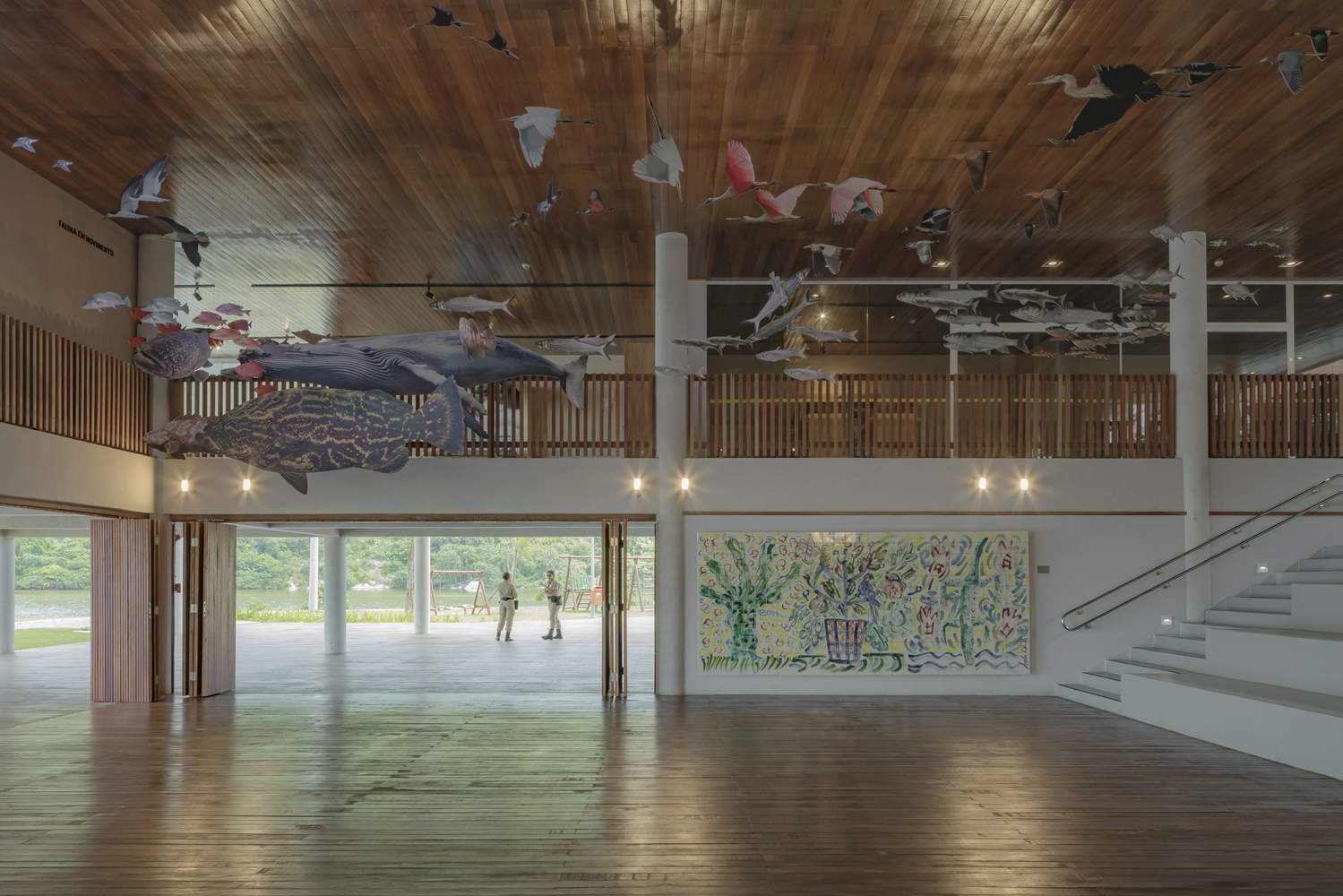
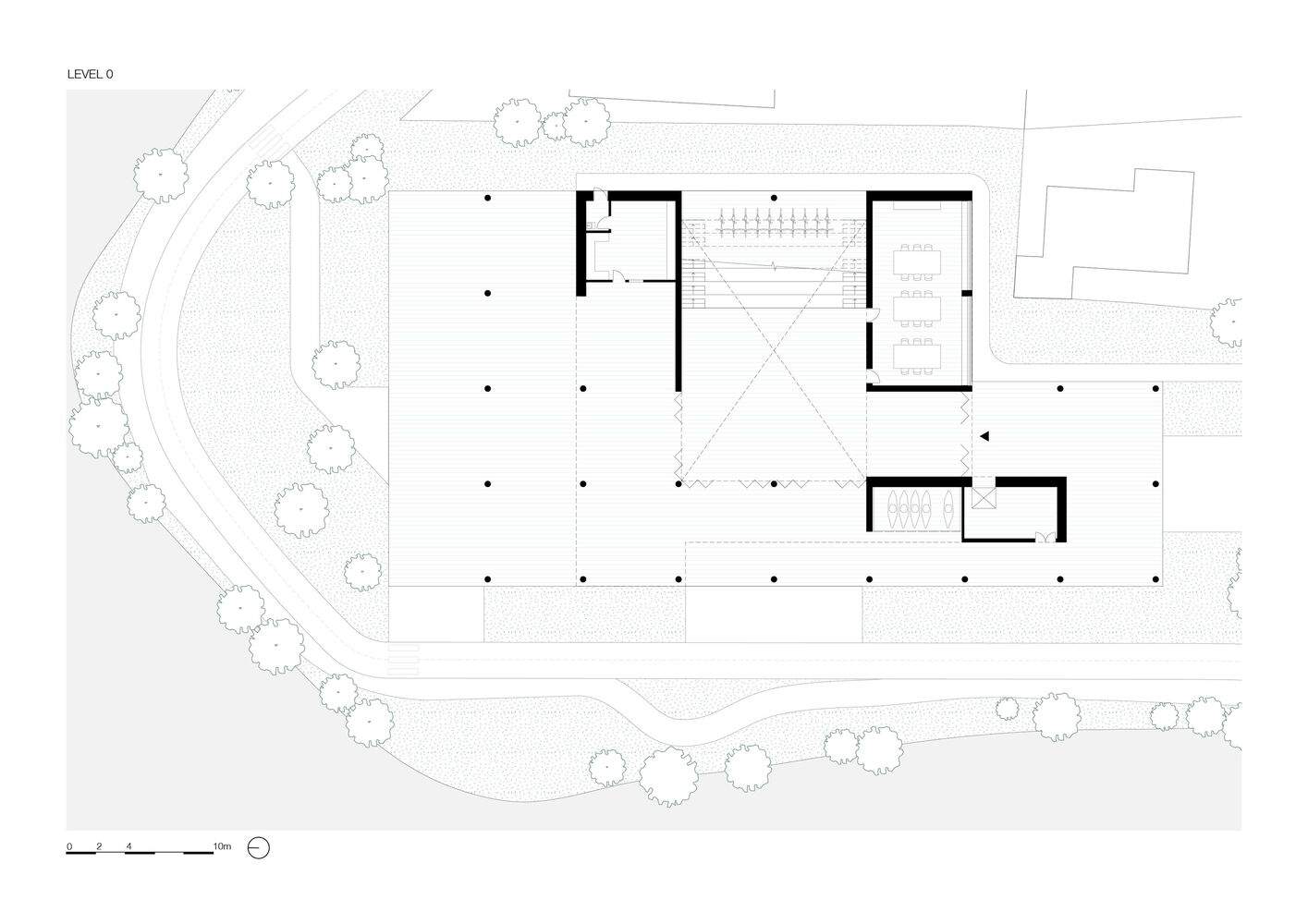
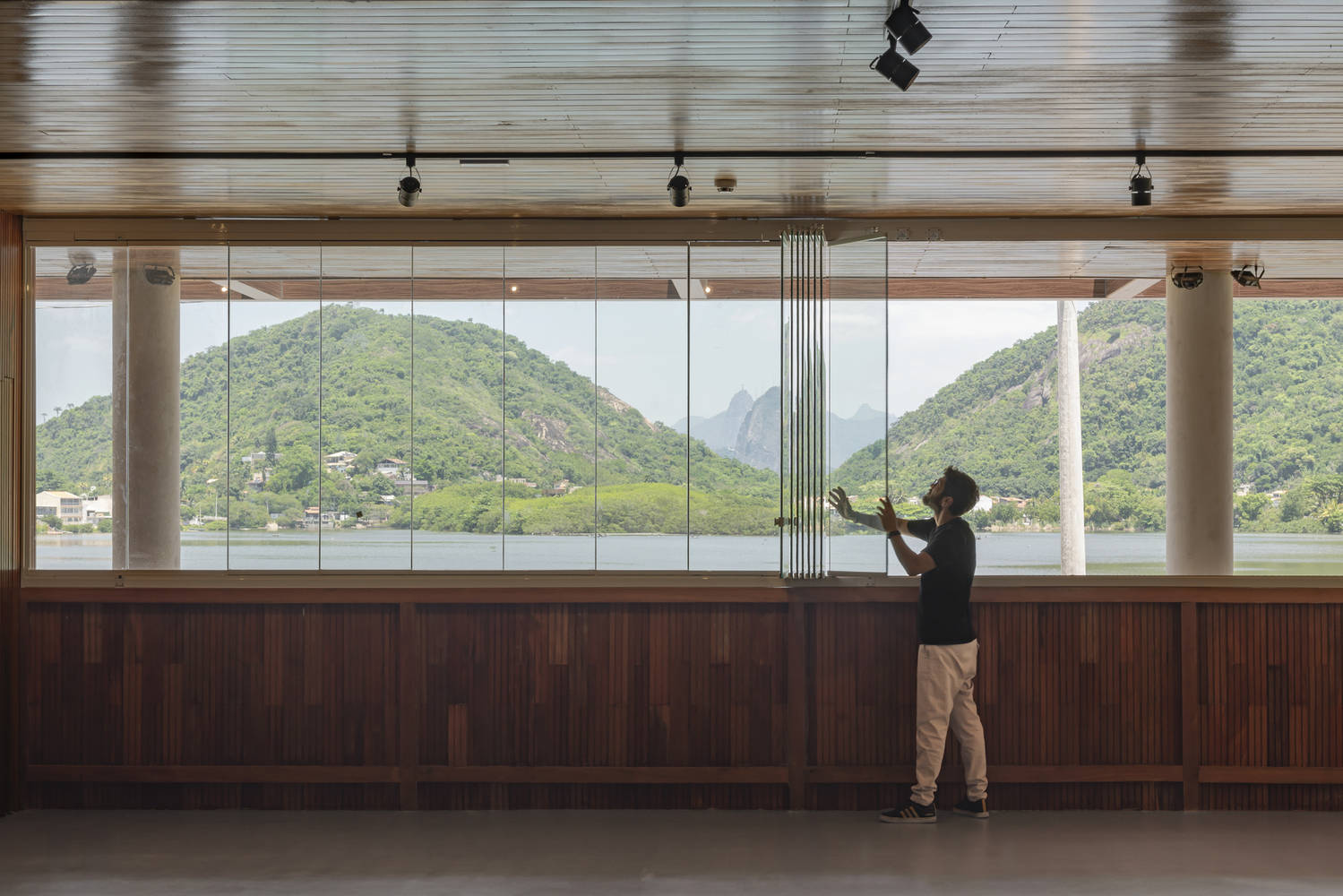
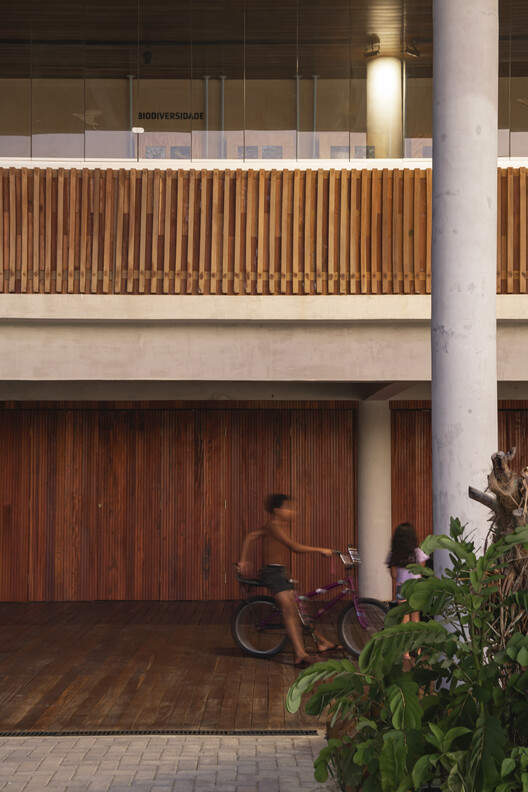
Spanning 2,800 m², the ground floor houses amenities such as a restaurant, multi-purpose spaces, kayak storage, and sanitary facilities. The attic floor serves as the main exhibition area, featuring interactive activities, lagoon viewpoints, a central office, and meeting rooms. These functions are organized around an open atrium with a podium for presentations and collective gatherings. Thanks to modular panels in the wood and glass façade, the museum offers flexibility for multiple configurations, ranging from a closed presentation setting to a fully open event space.
博物馆总面积 2800 平方米,一楼设有餐厅、多功能空间、皮划艇存放处和卫生设施。阁楼是主要的展览区,设有互动活动、环礁湖观景台、中央办公室和会议室。这些功能围绕着一个带讲台的开放式中庭布置,用于演示和集体聚会。得益于木材和玻璃立面的模块化面板,博物馆提供了多种配置的灵活性,从封闭的演示设置到完全开放的活动空间。
© Sebastian van Damme
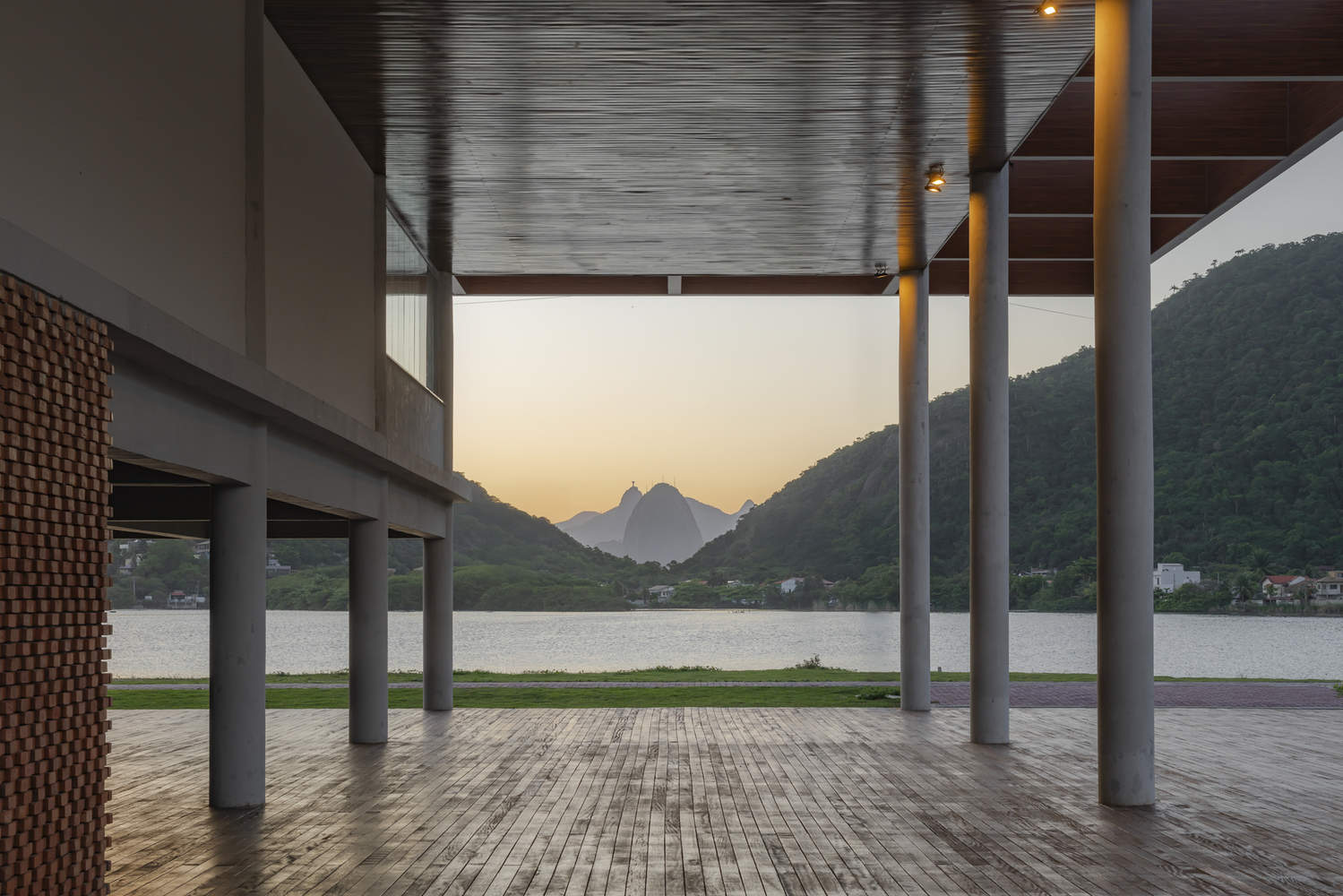
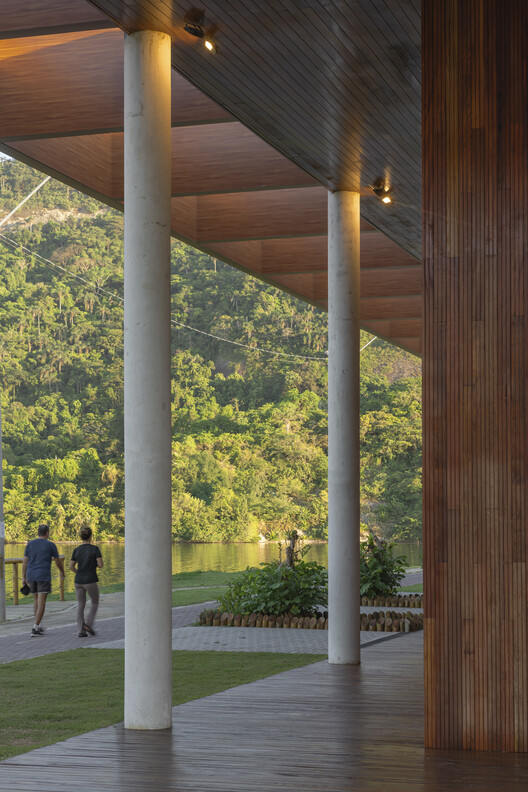
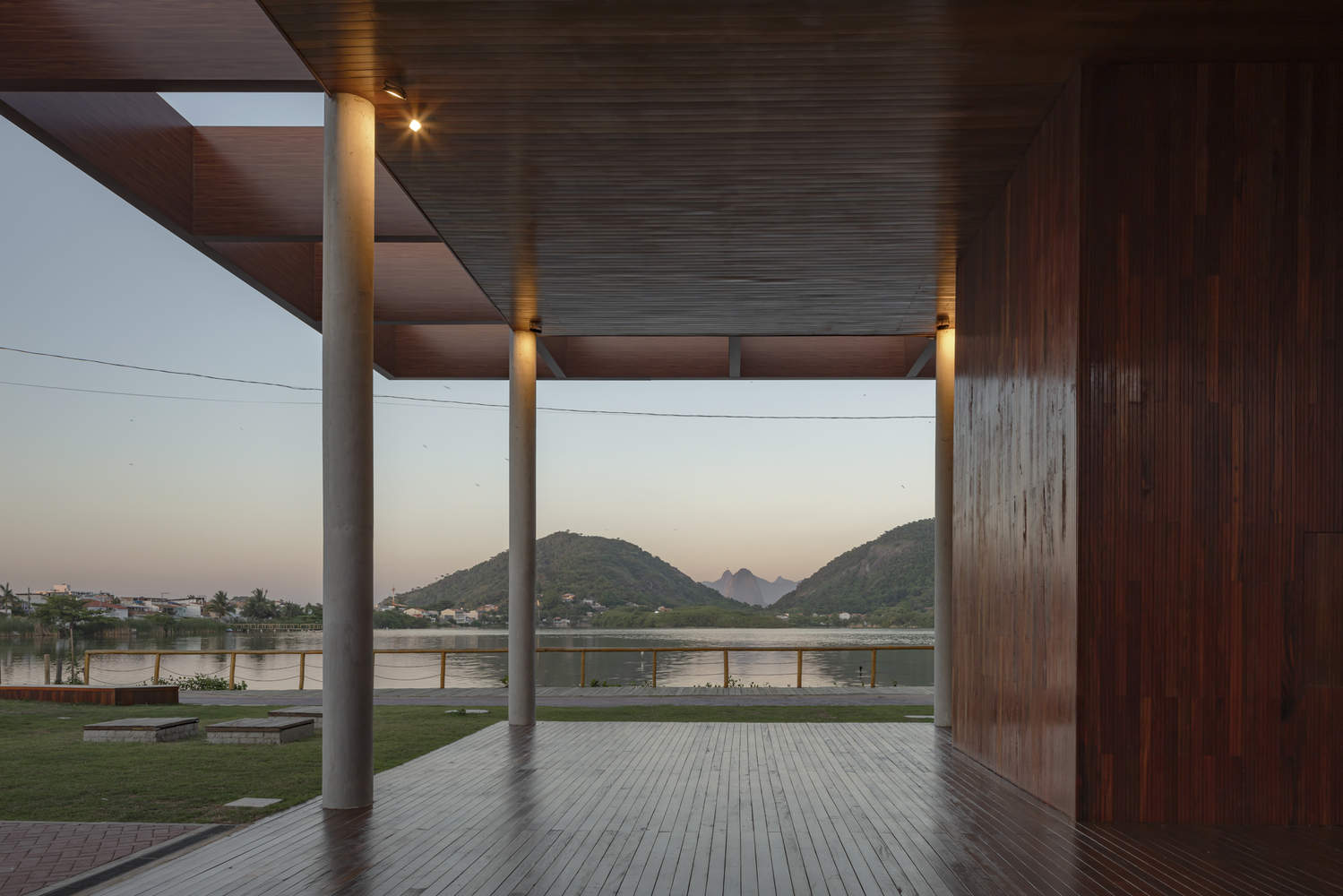
The roof defines the museum’s presence, extending as a cantilevered structure that regulates natural light while creating a warm atmosphere. It strengthens the connection with the surrounding nature, providing shelter and comfort. Its generous overhangs enhance the sense of openness, seamlessly merging indoor and outdoor spaces and reinforcing the museum’s integration with the Atlantic Forest landscape. The Eco-museum enhances public engagement with the restored ecosystem, acting as a vital link for environmental education, and embodies KAAN Architecten’s commitment to sustainability and inclusive design.
屋顶定义了博物馆的存在,作为悬挑结构延伸,调节自然光线的同时营造出温馨的氛围。它加强了与周围自然环境的联系,同时提供庇护和舒适。其宽大的悬挑增强了开放性,将室内和室外空间无缝融合,加强了博物馆与大西洋森林景观的融合。生态博物馆增强了公众对恢复生态系统的参与,是环境教育的纽带。它体现了 KAAN 建筑师事务所对可持续性和包容性设计的承诺。
© Sebastian van Damme
“KAAN Architecten’s involvement in the POP consortium marks our first major Nature-Based Solution (NBS) project. The expertise of a dedicated team of biologists and social workers was crucial for the success of the decontamination efforts and the development of the new park facilities. At the core of this transformation is the Eco-museum, which has become a powerful tool for social inclusion, going far beyond its role as an exhibition space. It has become the new heart of the community, ensuring the long-term sustainability of the eco-park by transmitting the importance of environmental awareness to local children while serving as a shared living space for the community,” concludes Renata Gilioli, architect and urban planner at KAAN Architecten.
“KAAN 建筑师事务所在 POP 联合体中的参与标志着我们的第一个重大基于自然的解决方案(NBS)项目。一支由生物学家和社会工作者组成的专职团队的专业知识对于去污染工作的成功和新公园设施的开发至关重要。这一转变的核心是生态博物馆,它已成为社会包容的有力工具,远远超出了其作为展览空间的作用。它成为社区的新心脏,通过向当地儿童传授环境意识的重要性,同时作为社区的共享生活空间,确保生态公园的长期可持续性,” KAAN 建筑师事务所的建筑师和城市规划师雷纳塔·吉利奥总结道。
© Sebastian van Damme