城市肌理的再激活与社会边界的重塑:该项目成功的核心在于其超越传统咖啡馆功能的定位,将一个位于季节性社区的废弃别墅转化为具有强大社会文化影响力的公共空间。设计师巧妙地将建筑与城市边界重新定义为“城市-社交边缘”,通过创造一个渗透性、具有生物性的过渡层次,极大地增强了空间的吸引力和社区的粘性。这种策略有效地将建筑从孤立的存量建筑转变为激活社区活力的催化剂,实现了对社区功能和建筑潜力的双重激活。
功能定义的升维与空间叙事的嵌入:设计通过引入“共创盒”和“社交盒”两个战略性元素,将原有的传统咖啡馆功能升维为一个集体互动与创意参与的平台。这不仅满足了客户对社交空间的需求,更深层次地响应了激活青年群体的诉求。空间组织上,从集中式转向流动的分布式循环模式,鼓励用户在不同层次(从开放到私密,室内到室外)间自由探索和互动,为静态的季节性环境注入了动态的、叙事性的体验层次。
经济性与在地性的巧妙平衡:在预算受限和现有结构约束下,设计展现了高超的成本效益和在地材料的再利用智慧。通过重新诠释现场储存的锈蚀脚手架、金属管和铝板作为新外壳的关键组成部分,项目不仅实现了快速、经济的施工,更创造了一种既尊重原有别墅结构又赋予其新鲜视觉身份的“新形式语言”。这种对在地资源的策略性运用,确保了建筑改造的社会责任感和可持续性,保持了社区的视觉连续性。
The Zest Cafe project is located within the seasonal villa complex of Karimabad in Shahsavar, Iran; this community consistently lacked vitality due to high resident turnover and detachment from daily urban life, and existing cafes failed to become sustainable social hubs. The client's request was to transform an abandoned rental villa into a public space aimed at young people.
活力咖啡馆项目坐落于伊朗沙赫萨瓦尔市卡里马巴德(Karimabad)的季节性别墅区内;该社区因居民流动性大、与日常城市生活脱节,始终缺乏活力,现有咖啡馆也未能成为可持续的社交中心。客户诉求是改造一座废弃的出租别墅,将其转变为面向年轻人的公共空间。
© Vahid Joudi
© Vahid Joudi
The core focus of this intervention goes beyond a mere change of use, centering instead on redefining the relationship between the private and the public, and integrating a socio-cultural project within a structure bearing the imprint of a residential history. This brings forth a fundamental question: How can a public space be created within a static, seasonal environment that simultaneously stimulates community social vitality and activates the potential of the existing building to sustain the new project?
此次干预的核心关注点超越了单纯的用途变更,转而聚焦于重新定义私密与公共的关系,并在具有住宅历史印记的结构中融入社会文化项目。由此,一个根本性问题浮现:如何在静态、季节性的环境中打造公共空间,既激发社区社交活力,又激活现有建筑潜力以支撑新项目?
© Vahid Joudi
© Vahid Joudi
© Vahid Joudi
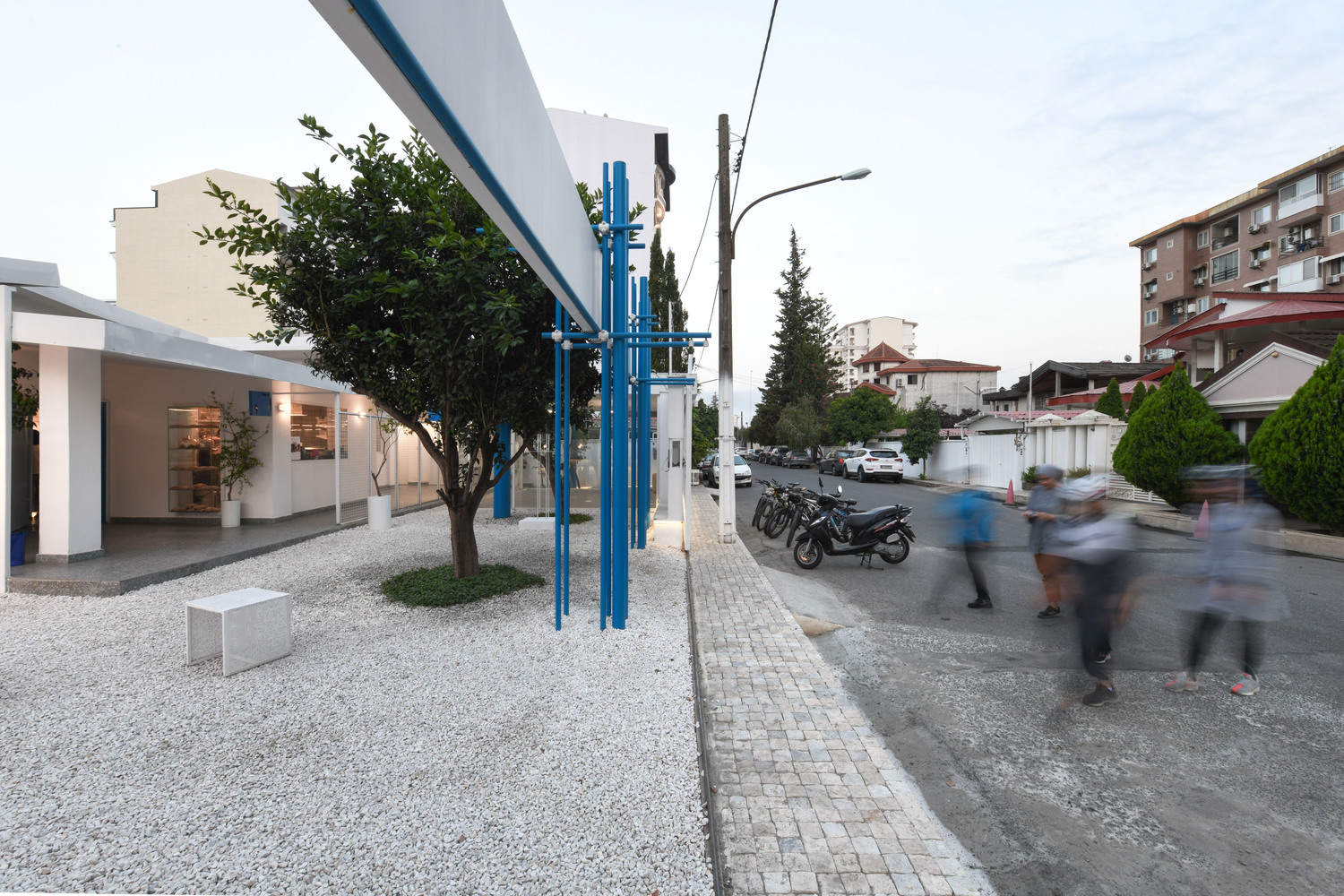
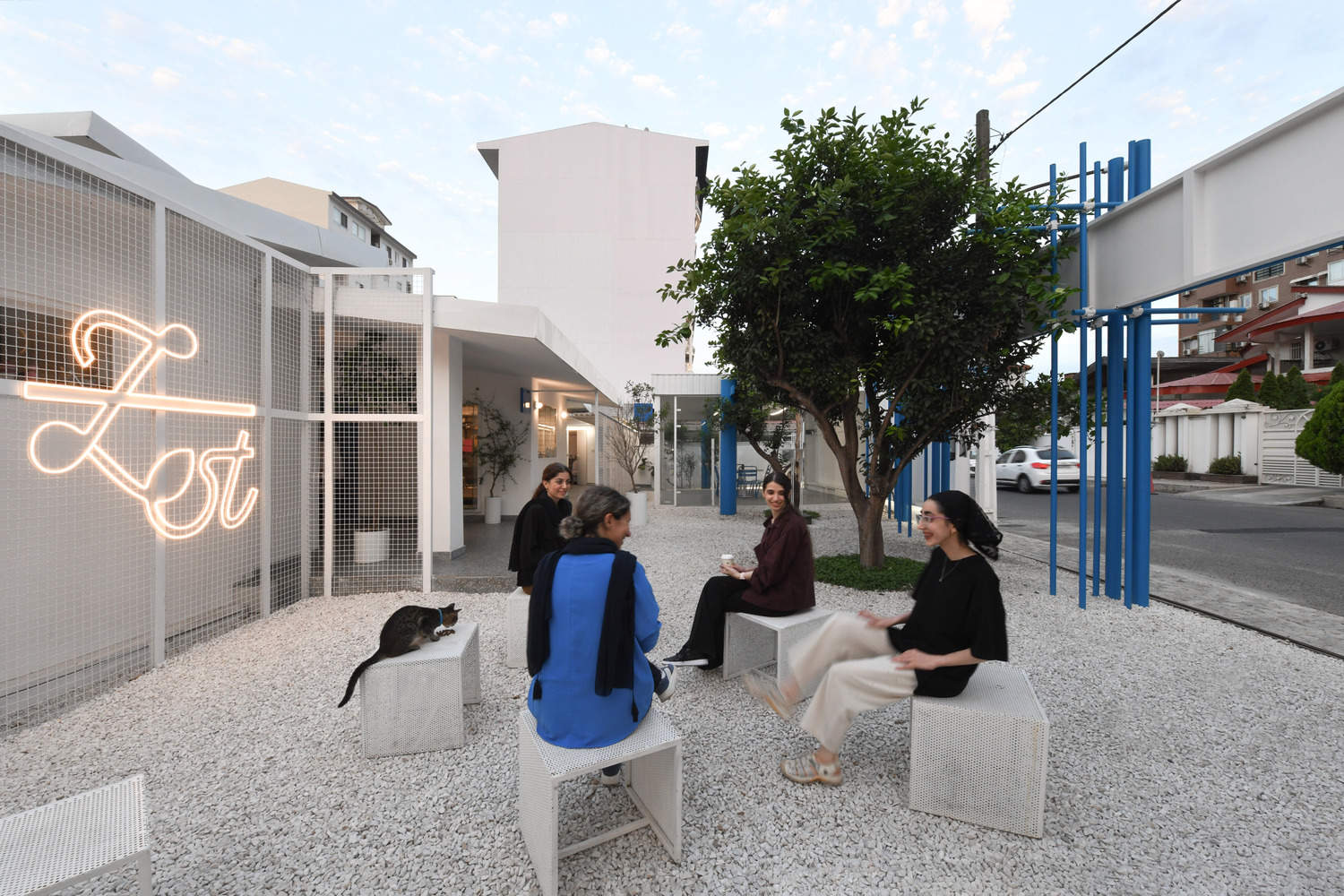
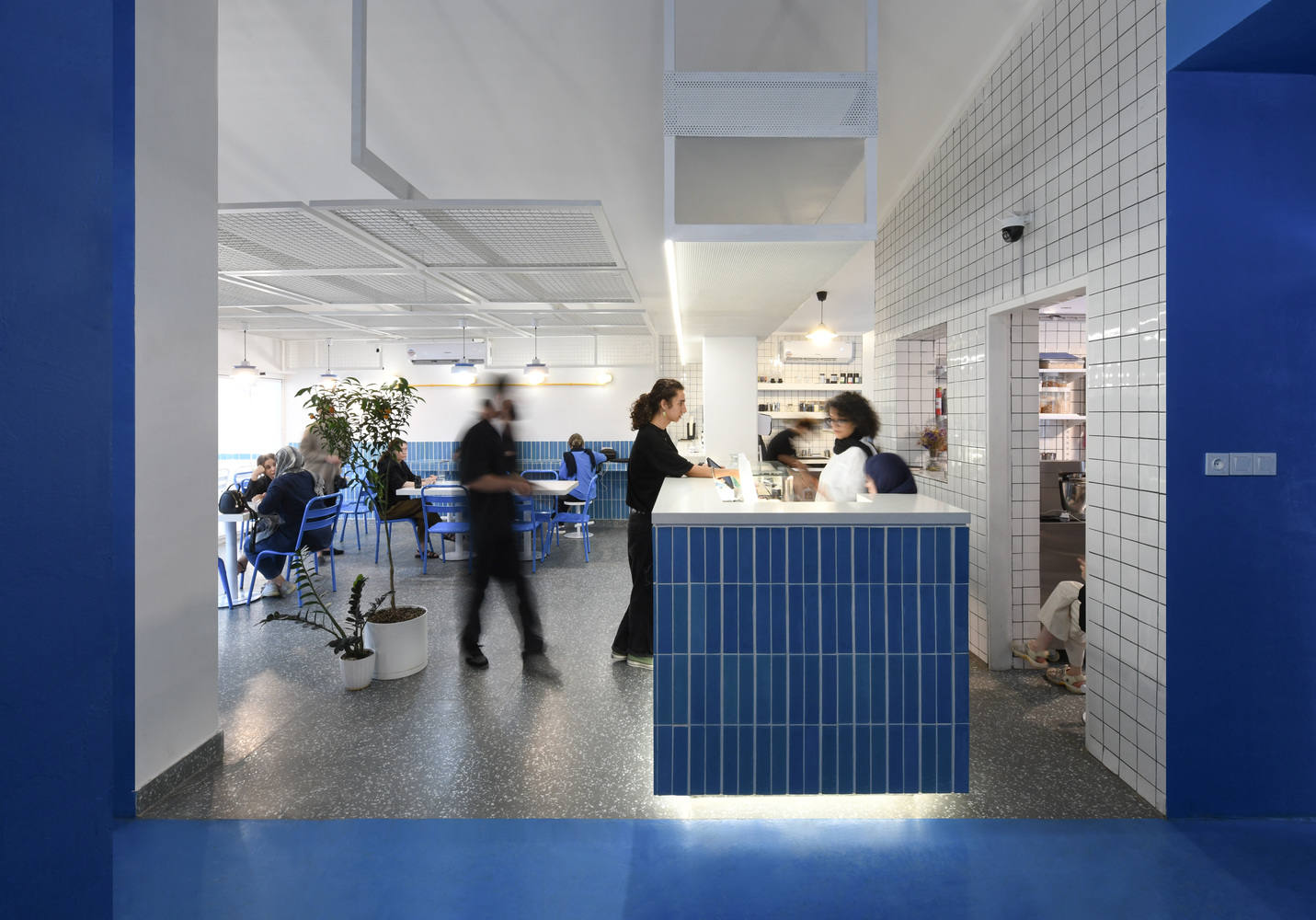
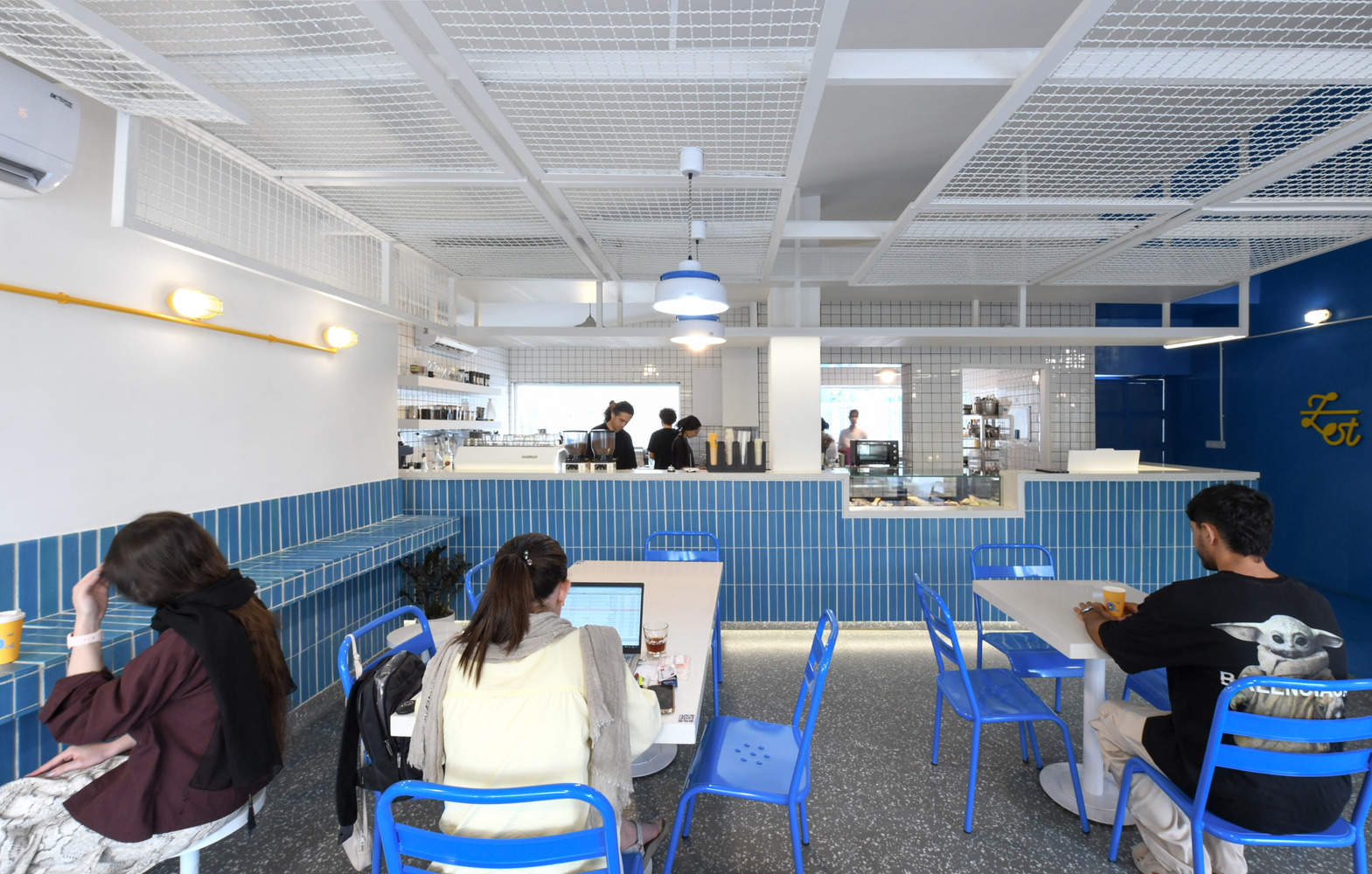
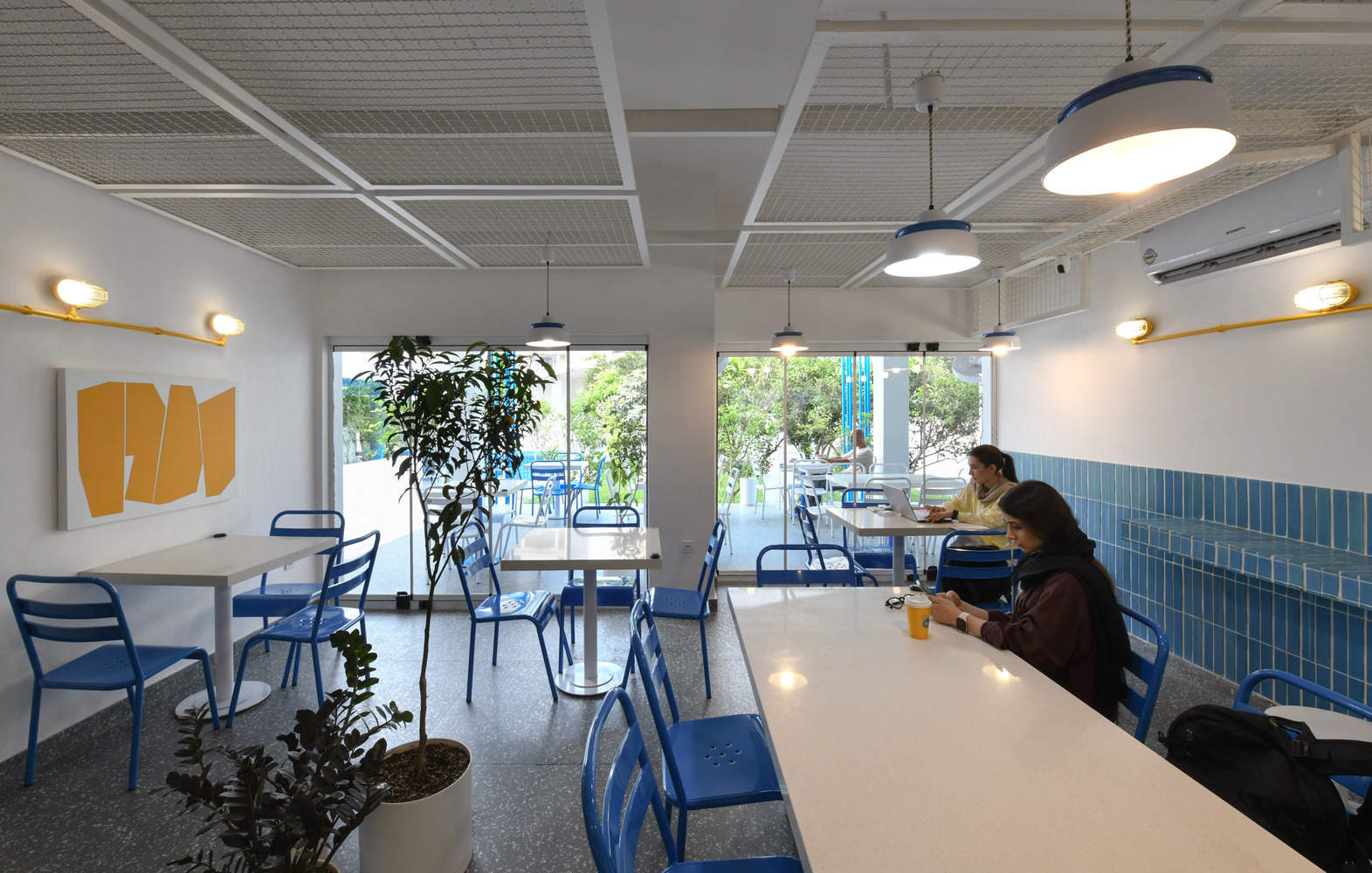
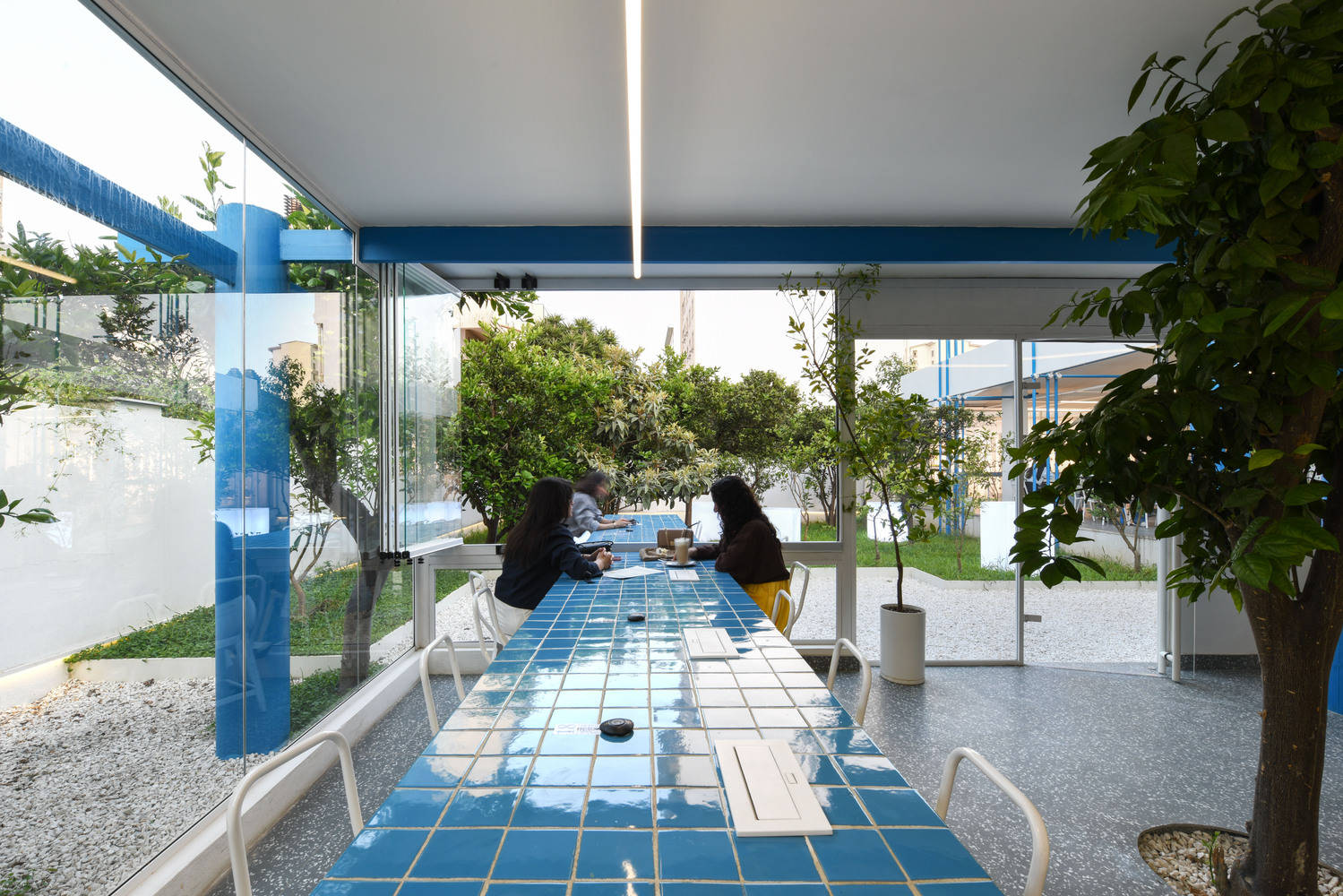
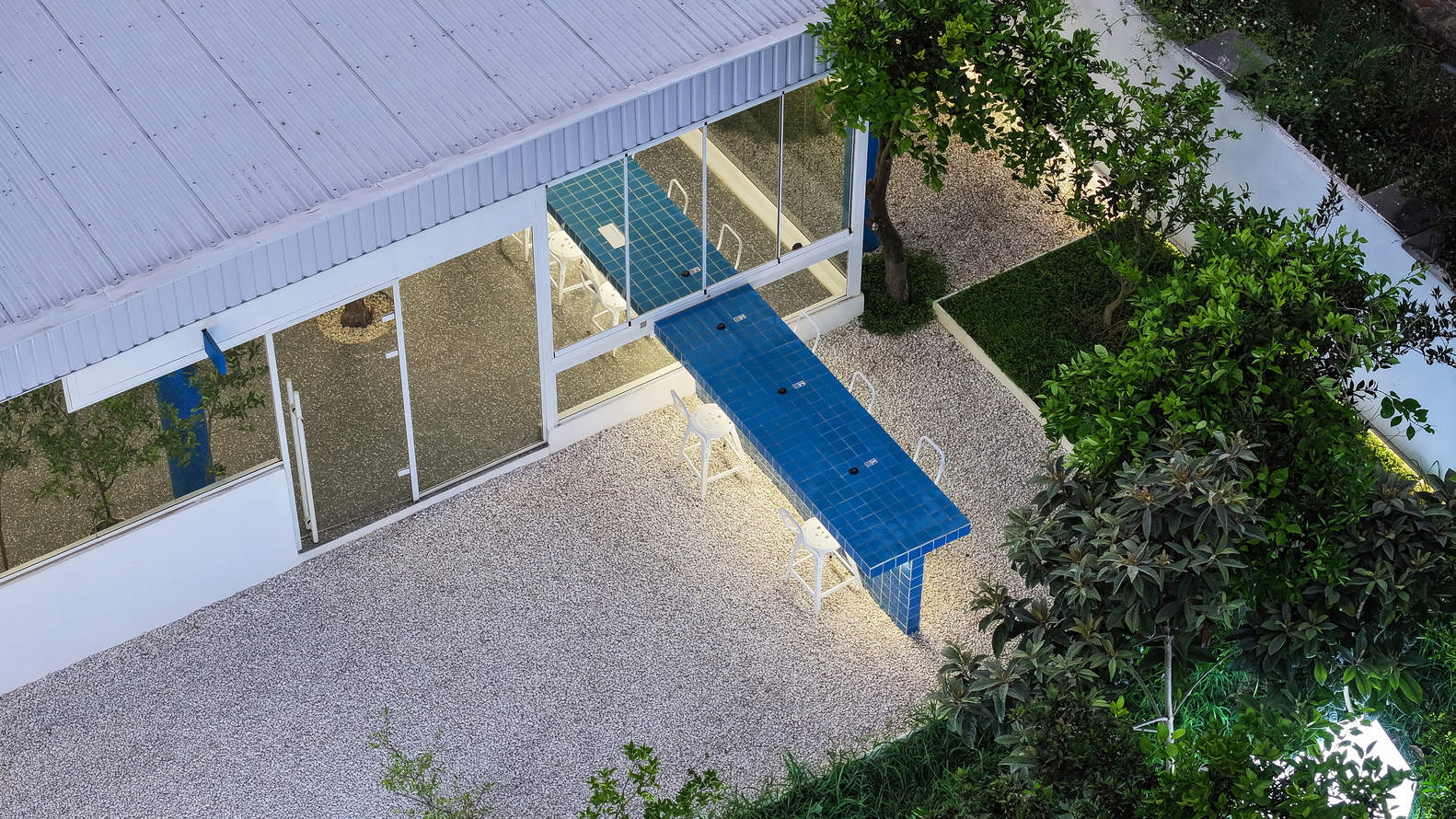
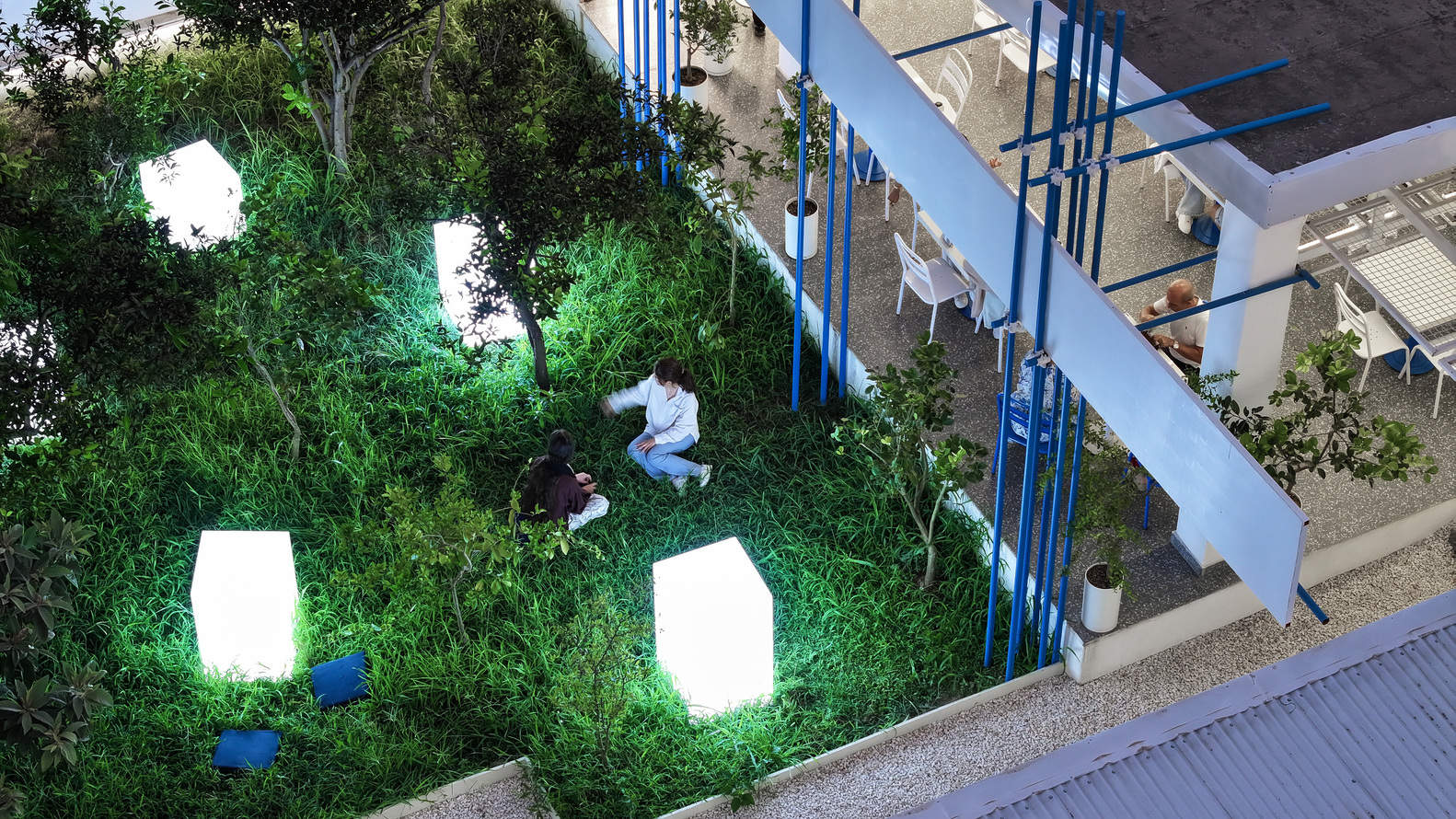
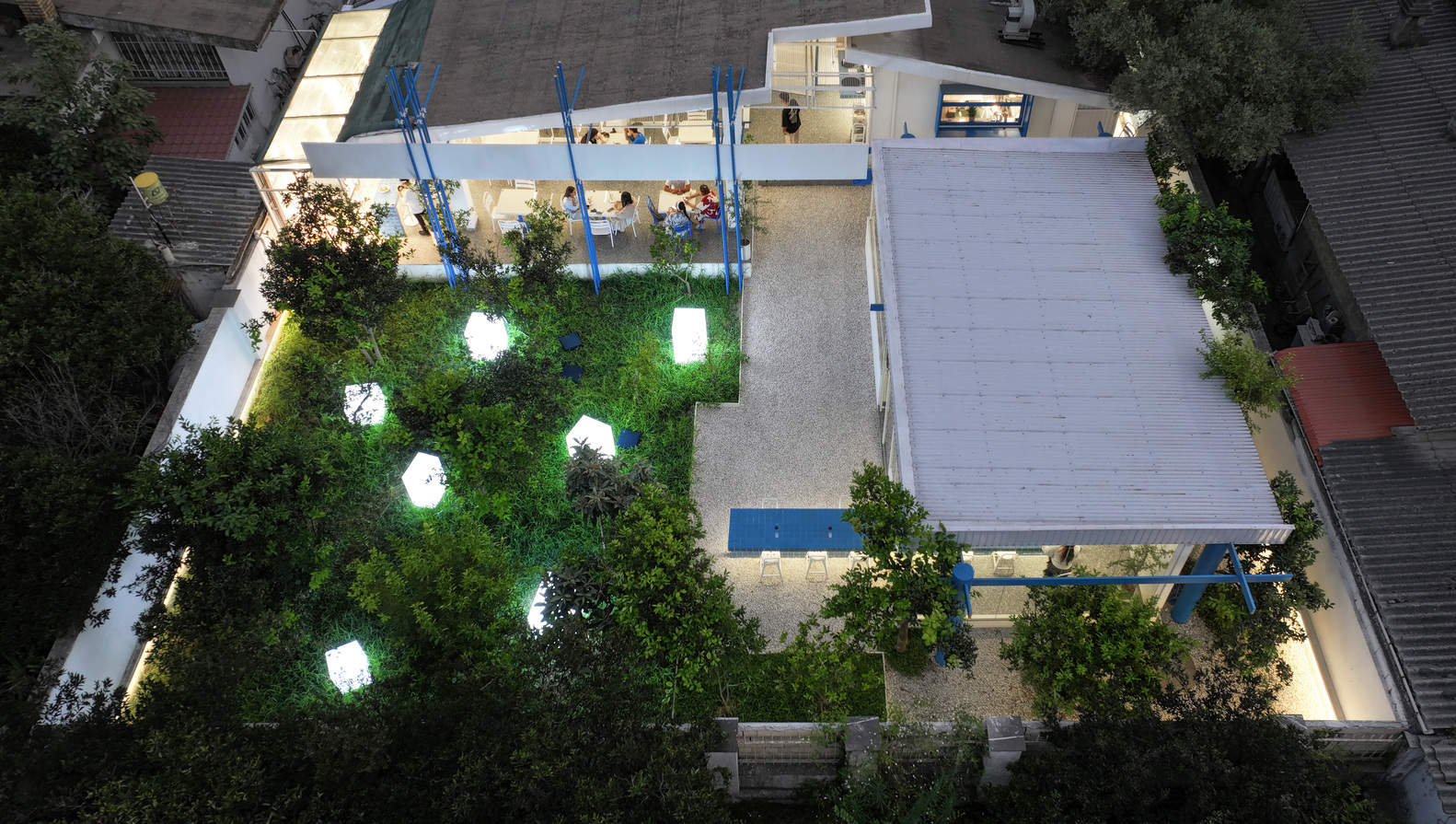
Although the client's requirement was limited to traditional café functions, the design approach moved beyond this framework, aiming to create the potential for a social hub within the community; the intervention intends to generate social value and redefine the building's connection to its environment. To this end, the boundary between the café and the city was not interpreted as a solid division, but rather as a reinterpreted urban-social edge. This edge enhances the space's attractiveness by creating a biological, permeable layering that facilitates lingering, socializing, and spontaneous gathering. This strategy, rather than eliminating the boundary, transforms it into an intermediary surface that actively strengthens the café's connection to the community's daily life.
尽管客户要求仅限于传统咖啡馆功能,但设计方法突破了这一框架,旨在在社区内创造社交中心潜力;该干预旨在创造社会价值,并重新定义建筑与环境的关联。为此,咖啡馆与城市之间的边界未被视为一道坚实的分隔线,而是被重新诠释为城市-社交边缘;这一边缘通过创造一个生物性、可渗透的层次,增强了空间的吸引力,便于人们停留、社交,并促进自发聚集。这一策略非但没有消除边界,反而将其转化为一个中介表面,积极强化咖啡馆与社区日常生活的联系。
© Vahid Joudi
© Vahid Joudi
Subsequently, the traditional café function was redefined to enhance its social and cultural capacity, aiming to offer a platform for collective interaction and participatory creativity that transcends mere daily functions. In this context, two complementary elements were introduced: the Co-Creation Box, a flexible space for collaborative idea generation and participatory activities; and the Social Box, a venue for dialogue, exchange, and the formation of local social interactions. These additions are not merely functional supplements but strategic design layers that reinforce the café's social identity and solidify its role as an active social center within a seasonally static community.
接下来,传统咖啡馆功能被重新定义,以增强社交与文化能力,旨在提供一个超越日常功能的集体互动与参与性创意平台。在此背景下,引入了两个互补元素:共创盒(Co-Creation Box),一个用于协作创意生成与参与性活动的灵活空间;以及社交盒(Social Box),一个用于对话、交流与本地社交互动形成的场所。这些新增元素不仅是功能补充,更是强化咖啡馆社交身份、巩固其作为季节性静态社区内活跃社交中心角色的战略性设计层次。
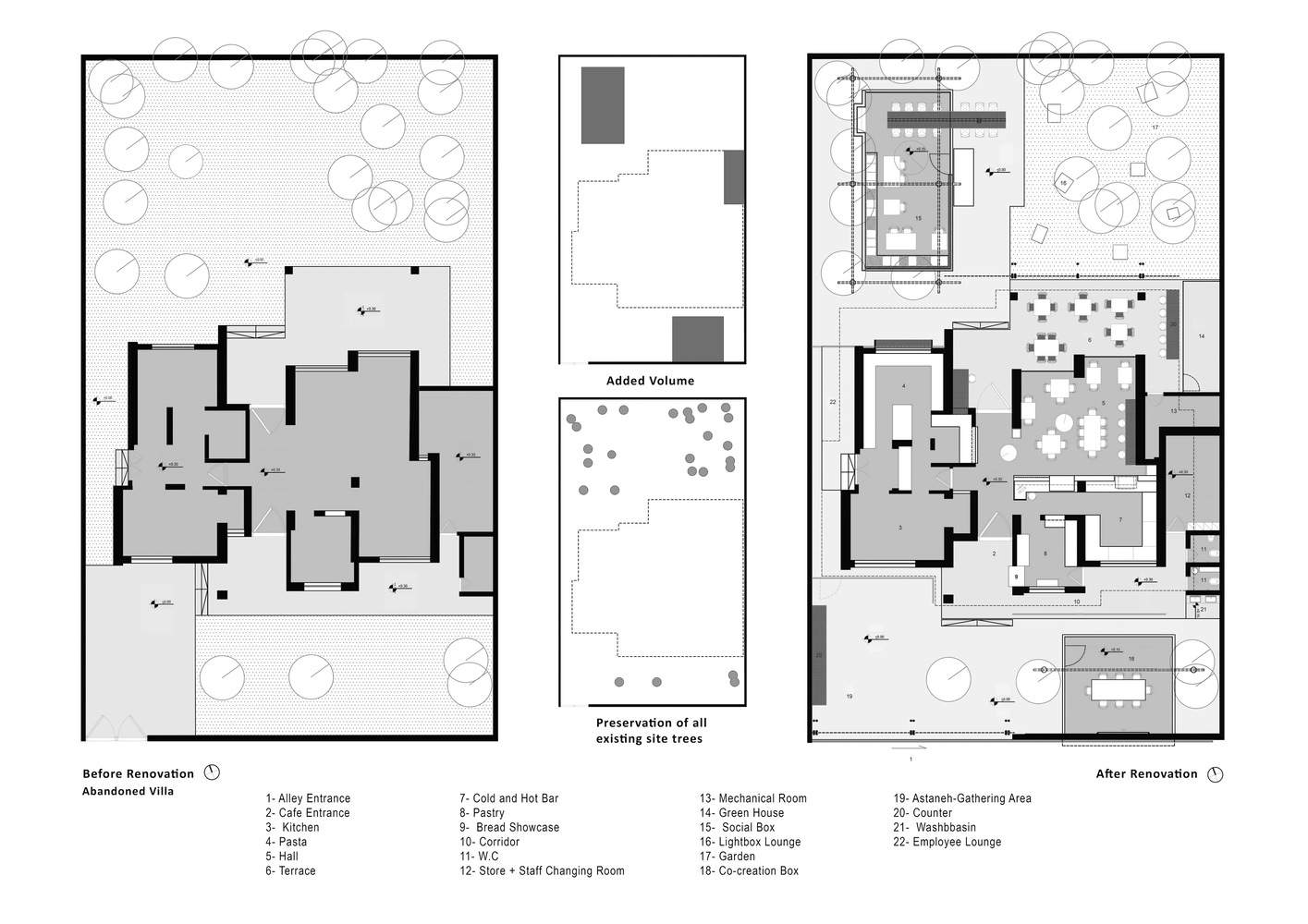
Floor Plans (Before and After Renovation)
平面图(改造前后对比)
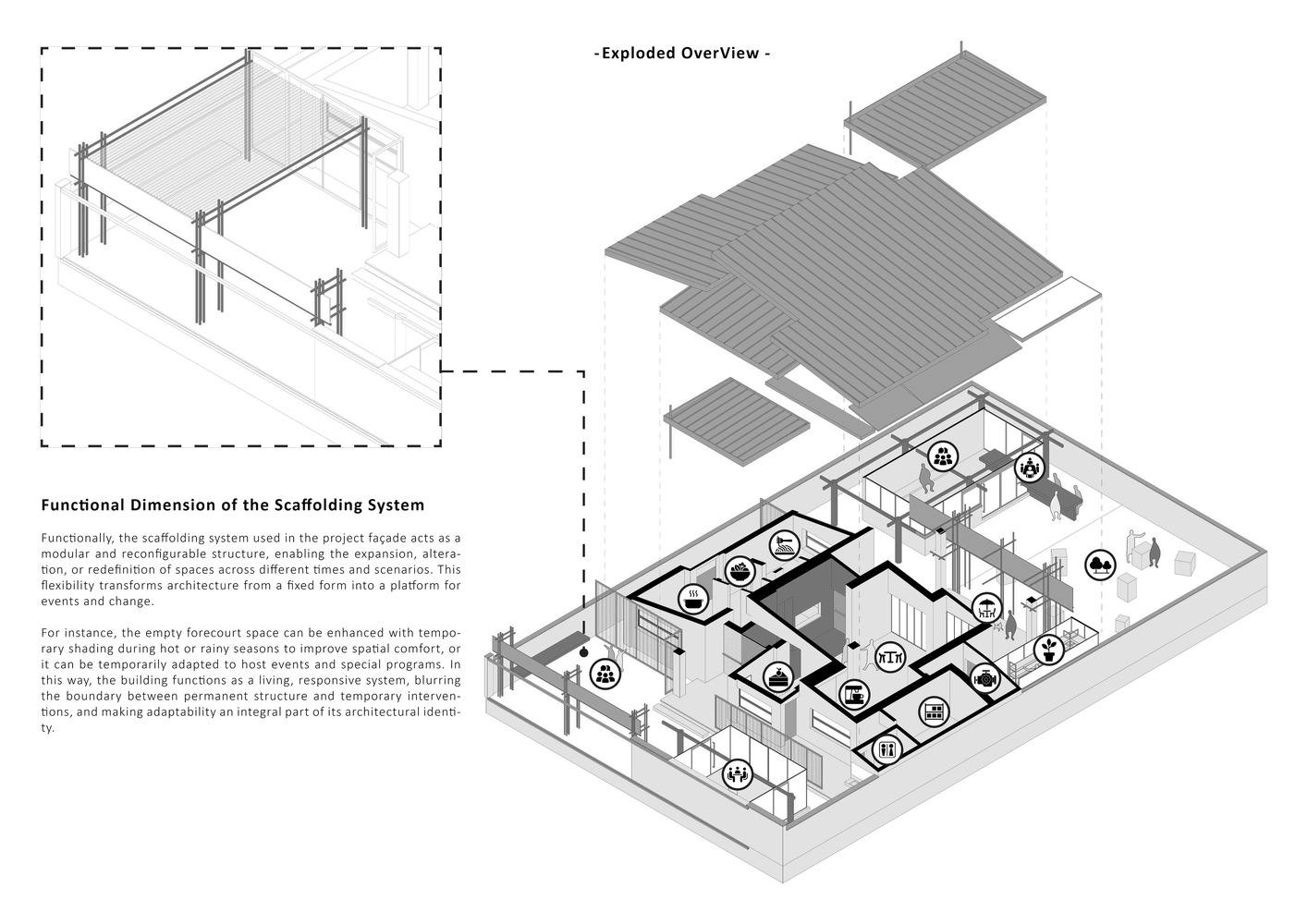
Exploded Axonometric Diagram
爆炸分析图
Simultaneously, the spatial organization of the project was reconfigured from a centralized model to a distributed, fluid circulation pattern; this approach aims to promote spatial flow, diversity, and the user's curiosity and desire for exploration. The relative distribution of functions across the site is intended to encourage interaction, movement, and exploration across diverse layers—from social spaces to private retreats, and indoor to outdoor, open to semi-open—creating a multi-layered, dynamic experience.
同时,项目空间组织从集中式重构为分布式、流动的循环模式;这一方法旨在促进空间流动性、多样性,以及用户间的好奇心与探索欲。场地内功能的相对分配旨在鼓励互动、移动与对从社交空间到个人静修所、室内与室外、开放与半开放等多样层次的探索,创造多层次、动态的体验。
© Vahid Joudi
© Vahid Joudi
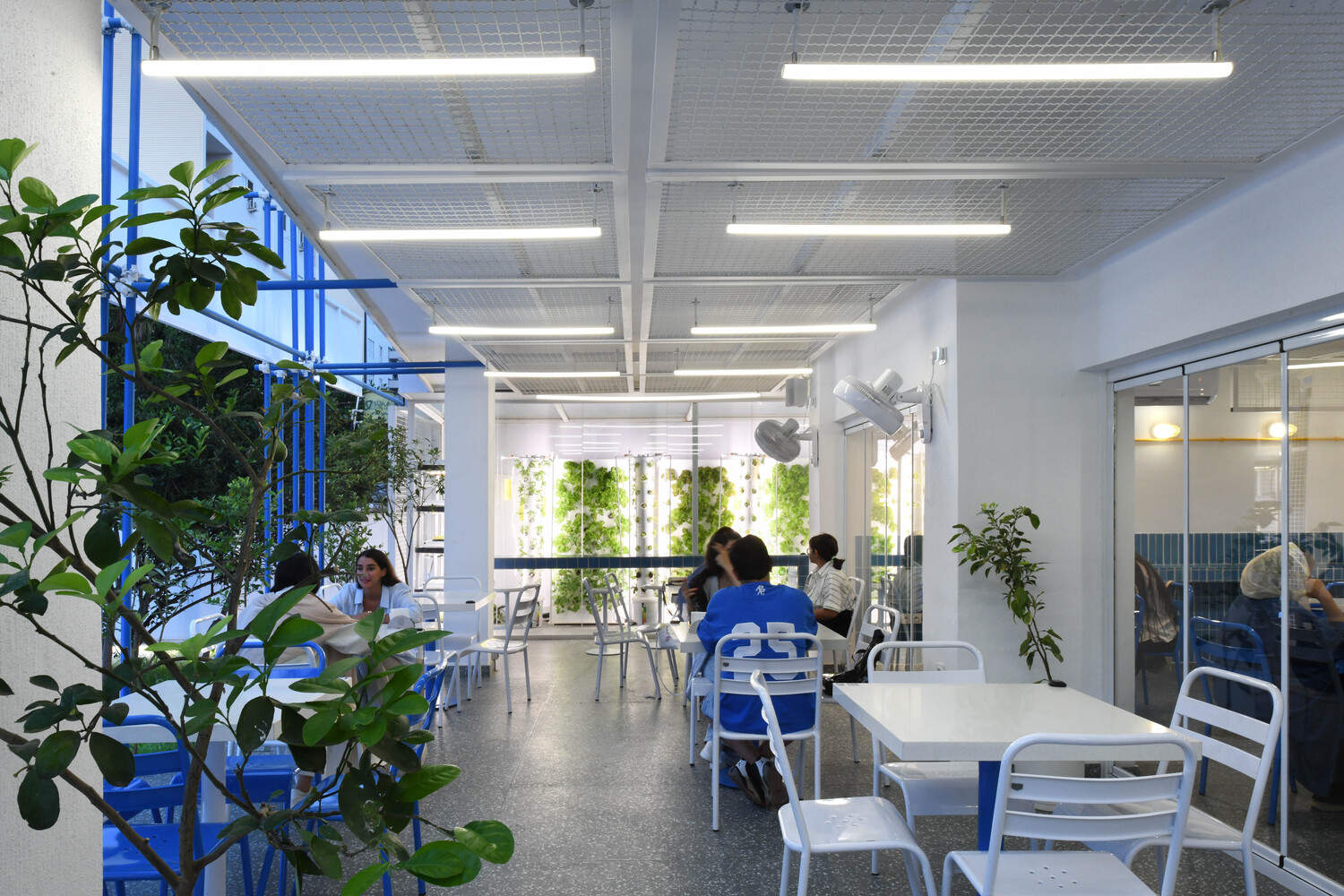
Given the villa's rental status and budget constraints, the design of the new exterior shell emphasizes cost-effectiveness and refined detailing to ensure performance, structural flexibility, and scalability. On-site materials, including stored rusted scaffolding, metal tubes, mesh, and aluminum sheets, are reinterpreted as key components of the shell. This approach not only facilitates rapid and economical construction by local contractors but also functions as a multi-purpose structural and visual layering element. These additions introduce a new formal language and a layer of fresh visual identity while respecting the existing villa structure, maintaining continuity and visual cohesion within the community and avoiding the creation of an alienated or disjointed element.
鉴于别墅的出租状态与预算限制,项目新外壳设计注重成本效益与简洁细节,确保性能、结构灵活性与可扩展性。现场材料,包括储存的锈蚀脚手架与金属管、金属网片及铝板,被重新诠释为外壳的关键组件,不仅便于本地承包商快速经济地施工,还作为多功能结构与视觉层次发挥作用。这些新增元素在引入新形式语言与新鲜视觉身份层次的同时,尊重了现有别墅结构,保持了社区内的连续性与视觉凝聚力,避免了创造一个异化、脱节的元素。
© Vahid Joudi