动态功能叠加与全天候激活:该项目最精髓之处在于其“重新规划”的设计哲学,成功地将行政功能与学生生活空间进行了动态叠加。通过将建筑的基座、露台和屋顶转化为学生可用的多功能平台,建筑实现了从静态办公场所到全天候活动舞台的转变。这种策略有效解决了学术建筑在非工作时间闲置的问题,确保建筑在学生生活活力最旺盛的时刻也能保持活跃,极大地提升了大学空间的使用效率和社会价值。
过渡空间的设计与社会凝聚力:设计巧妙地利用了露台和屋顶等“中间空间”,使其成为调节室内外、正式与非正式场景的关键媒介。这些过渡区域不仅促进了不同功能和人群之间的非正式互动,更是培育共享文化体验和集体静思的场所。这体现了对当代大学空间需求的深刻理解,即建筑应是促进流动性、创造力和社会凝聚力的框架,而非仅仅是功能容器。
回应大学生活核心价值的建筑策略:项目超越了传统行政楼的单一功能限制,明确提出了建筑应作为“集体生活、文化交流及社会经验形成场所”的愿景。通过灵活、功能多样的空间规划,设计主动激发了师生的集体活力,将建筑本身转化为大学体验中一个持续发生、动态的事件。这是一种前瞻性的设计方法,使建筑成为大学社区活力的积极贡献者。
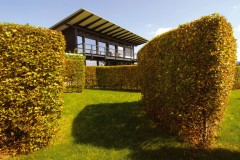
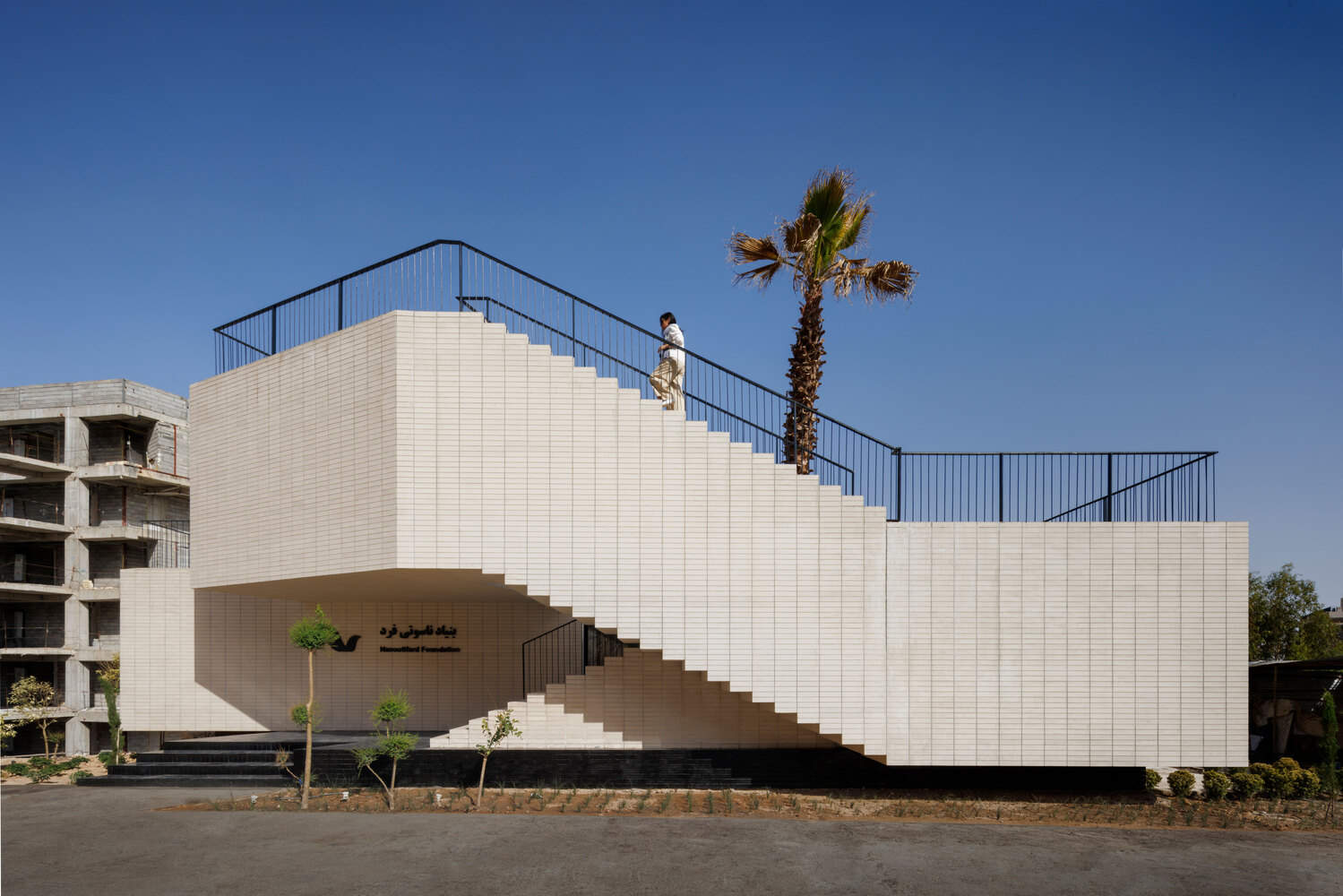
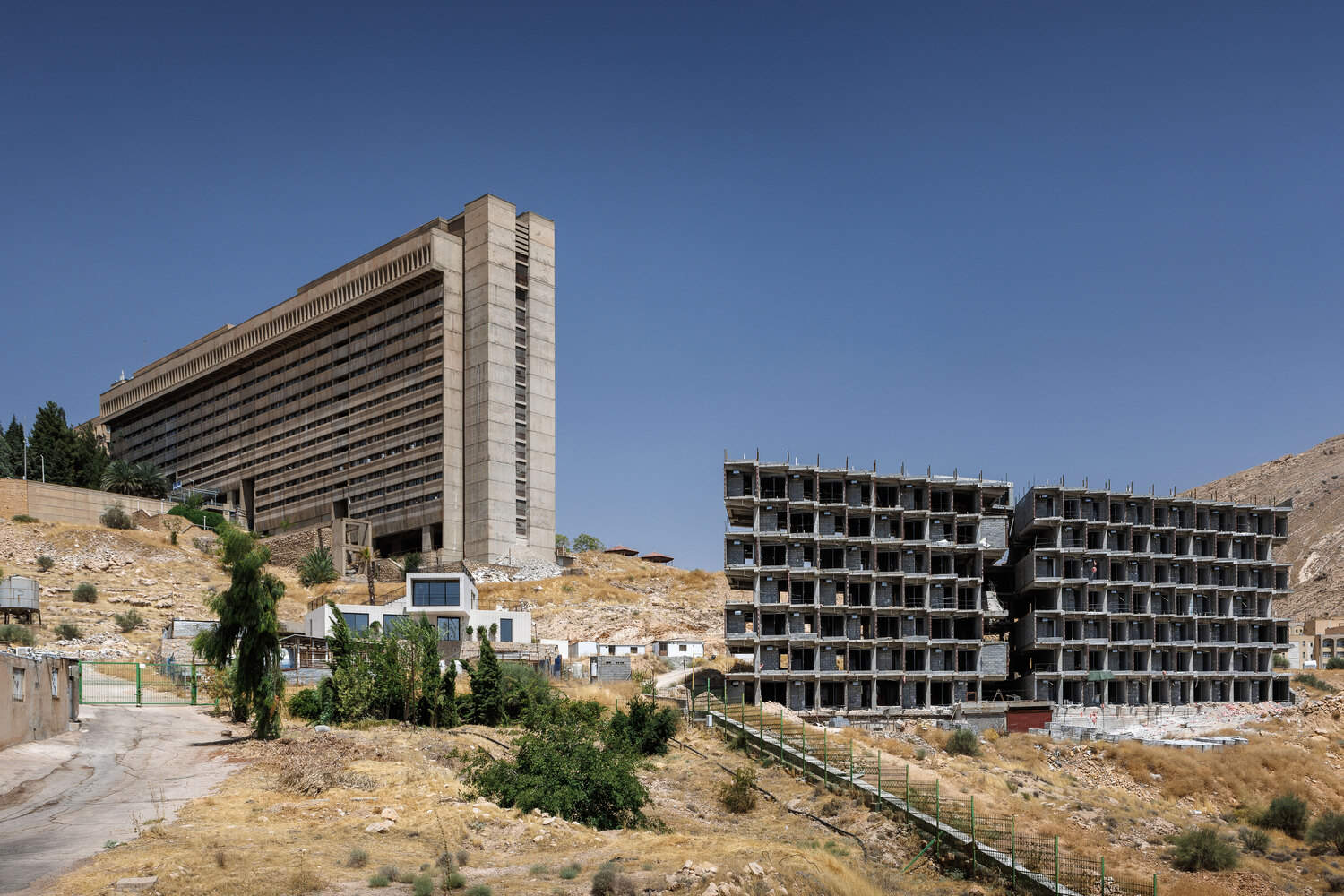
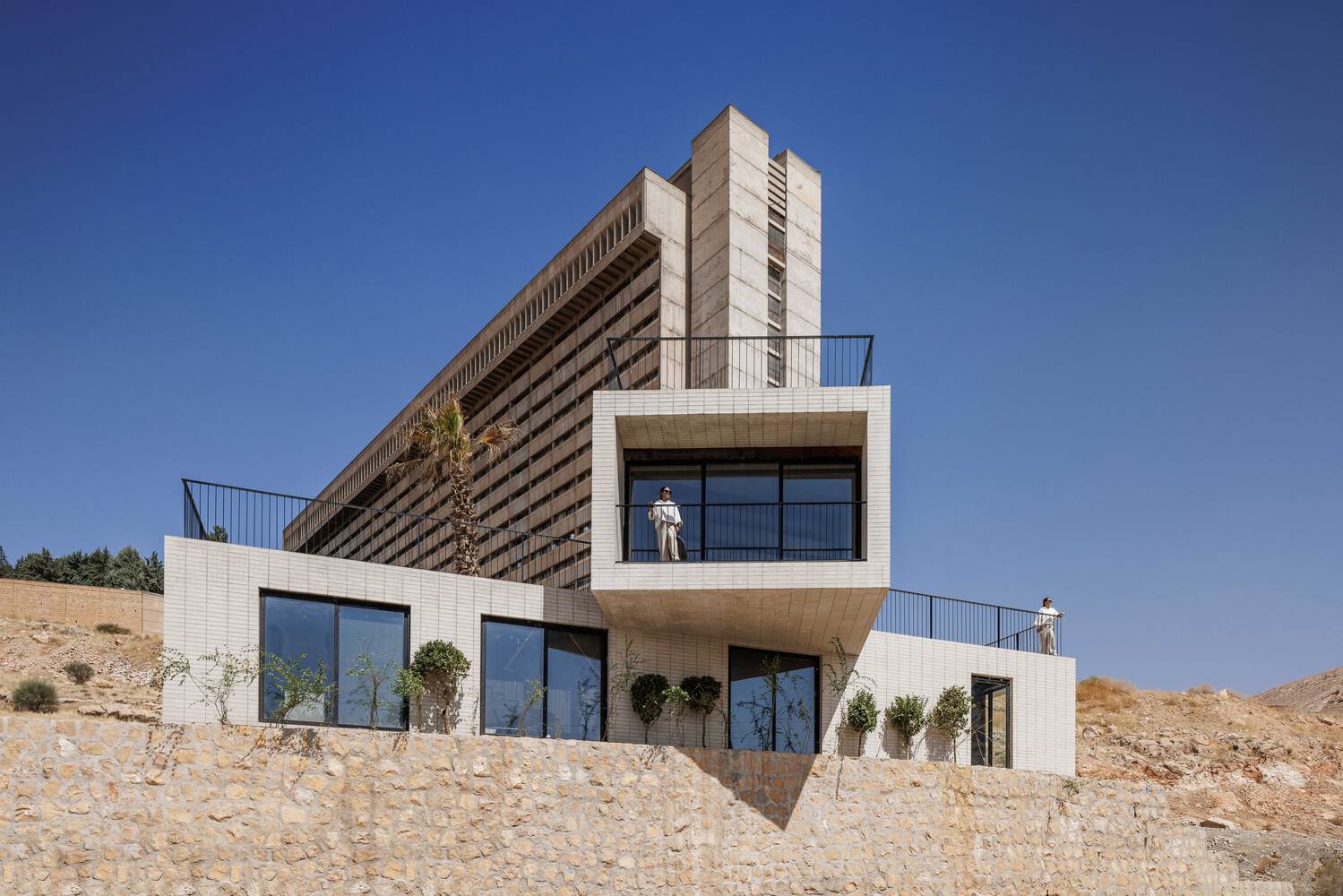
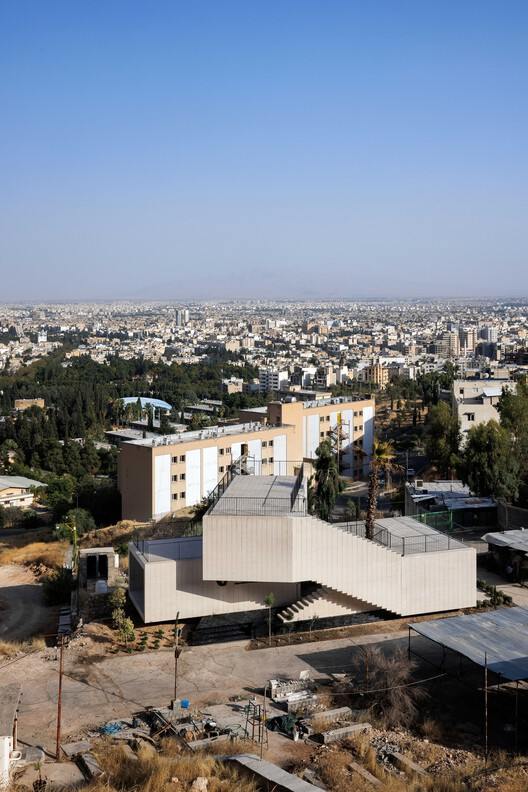
The Samian Dormitory Office Building is situated on a higher elevation area of Shiraz University, adjacent to student dormitories, overlooking the city and the surrounding mountains.
萨米安宿舍行政楼坐落于设拉子大学地势较高的区域,毗邻学生宿舍,可俯瞰城市及周边群山。
© Navid Atrvash
© Navid Atrvash
Administrative buildings typically become silent and lifeless after working hours. This situation is particularly acute in academic environments, as a significant portion of the building complex remains idle precisely when student life reaches its peak vitality. A university is not just a center for education; it is a place for collective living, cultural exchange, and the formation of social experiences. Therefore, the building cannot be confined to administrative functions; it must provide a framework that sustains this flow of life around the clock.
行政楼通常在下班后变得寂静无声、毫无活力。在学术环境中,这种状况问题尤为突出,因为恰恰在学生生活活力达到顶峰的时刻,建筑群中相当大一部分却处于闲置状态。大学不仅仅是教育中心,更是集体生活、文化交流以及社会经验形成的场所。因此,建筑不能仅局限于行政功能;它必须提供一个框架,以维持全天候的生活流动。
© Navid Atrvash
© Navid Atrvash
Contemporary universities require flexible and multifunctional spaces—spaces that transcend single use and allow for various scenarios to unfold. In this regard, dynamic programming becomes an urgent necessity.
当代大学需要灵活且功能多样的空间——这些空间超越单一用途,允许各种场景展开。在这方面,动态规划成为迫切需求。
© Navid Atrvash
© Navid Atrvash
© Navid Atrvash
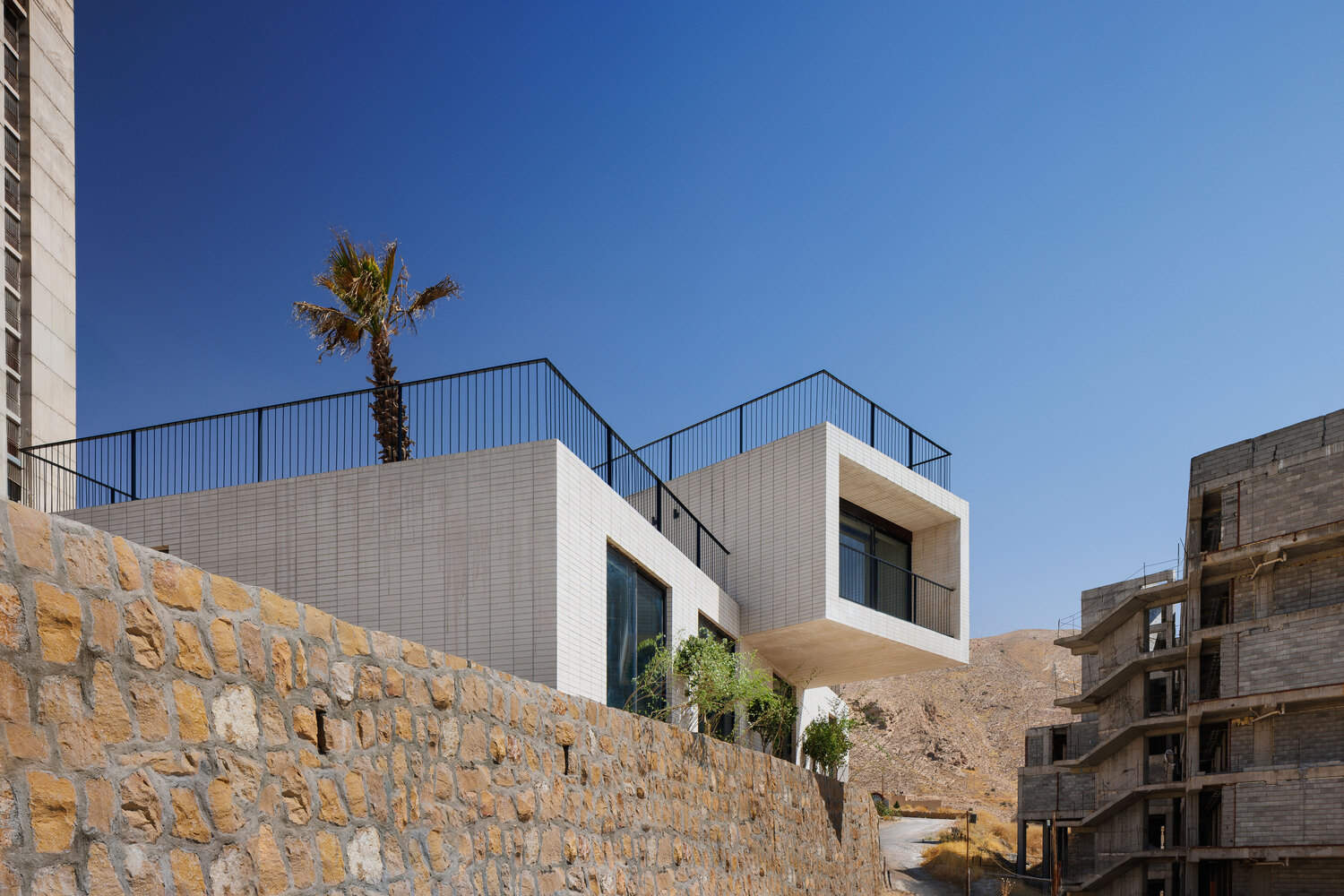
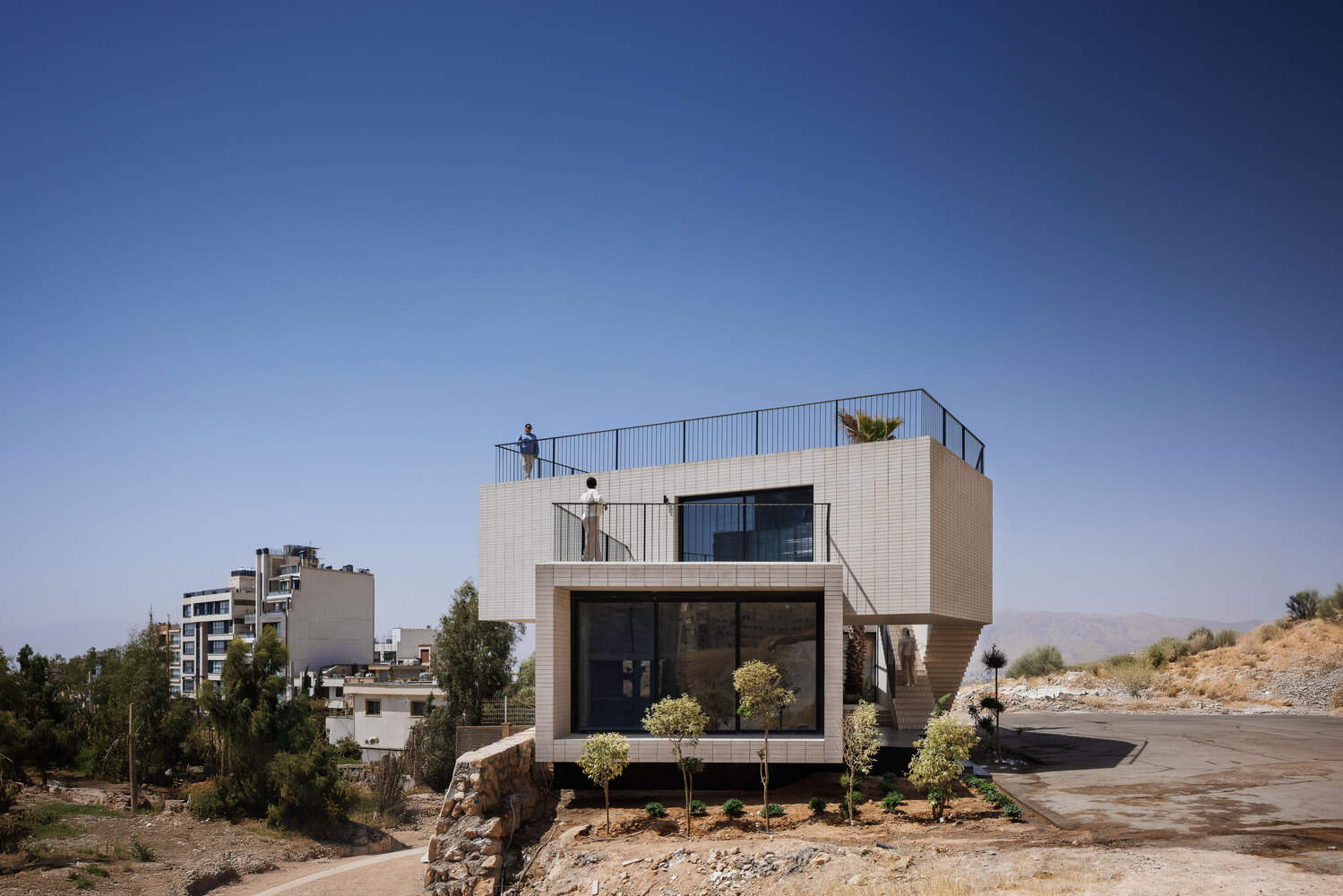
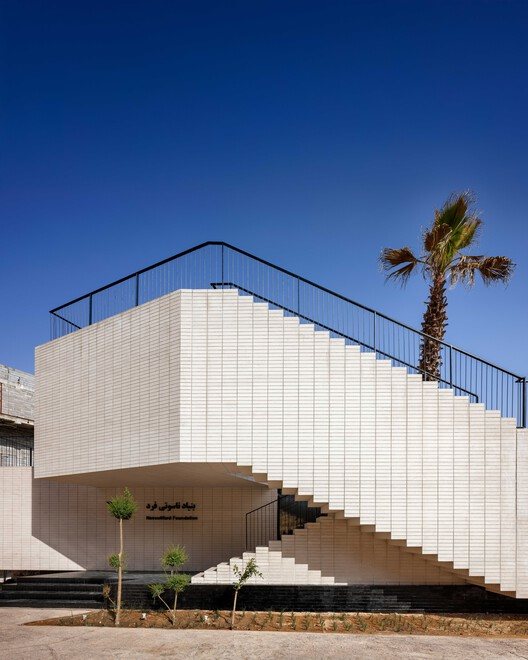
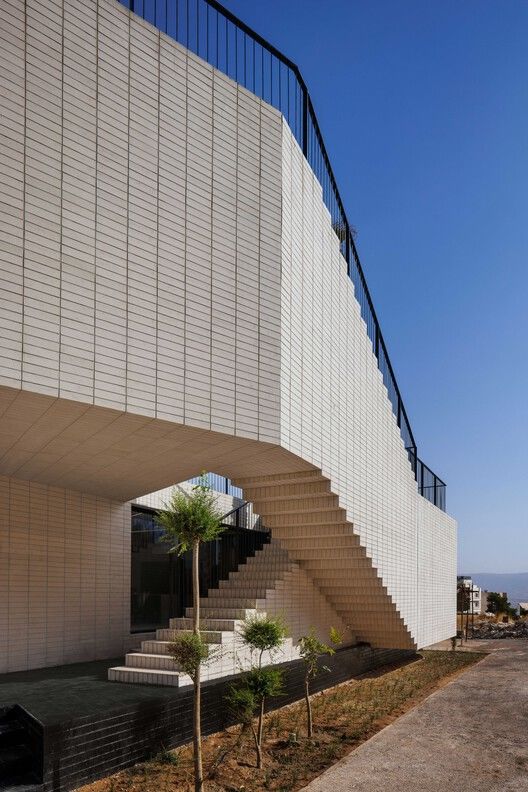
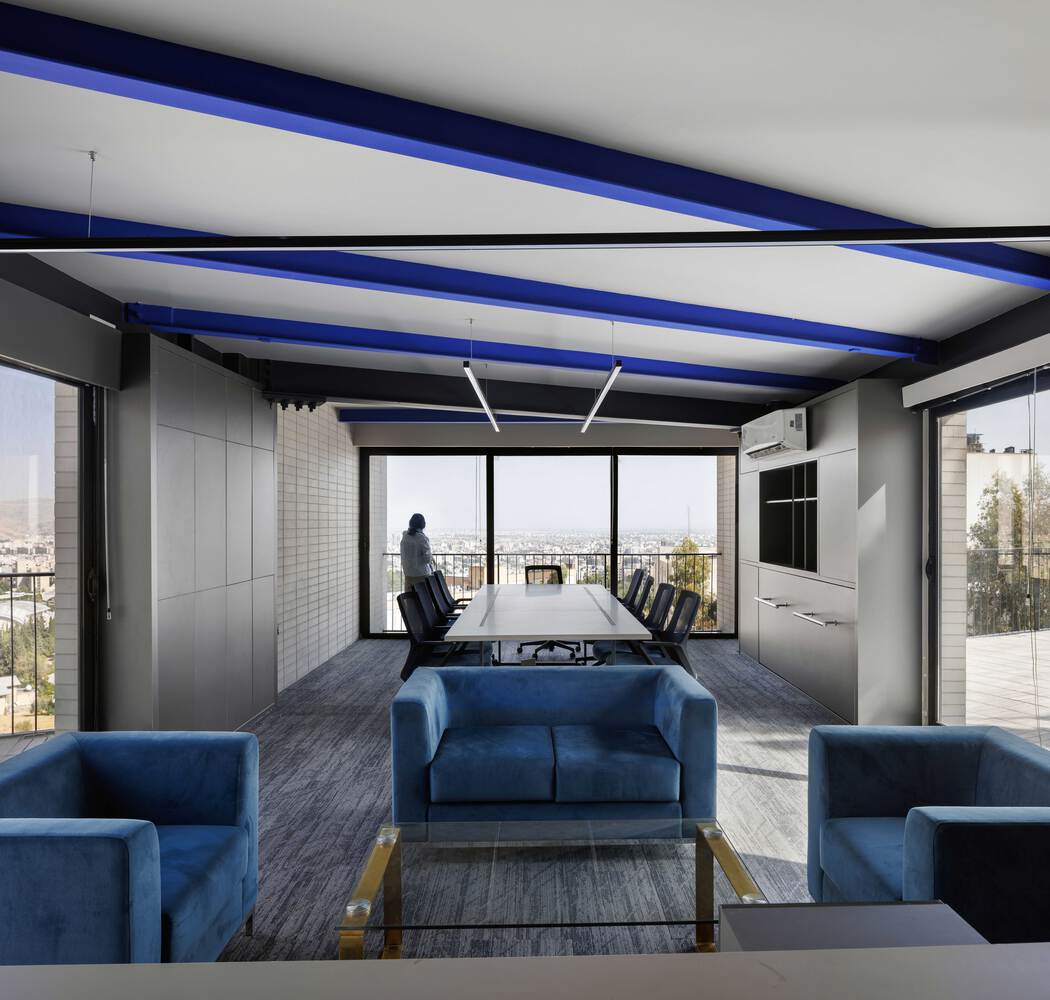
The proposal is based on reprogramming, a design approach that transforms the building from a static object into a platform for activity. During the day, the building fulfills administrative and managerial functions; however, after hours, its podium, terraces, and roof evolve into a student stage: a venue for studying, conversing, gathering, screening films, and even collective contemplation.
该方案立足于重新规划,这是一种将建筑从静态物体转变为活动平台的设计方法。白天,该建筑承担管理和行政职能;然而,下班后,其基座、露台和屋顶则演变为学生舞台:一个用于学习、交谈、聚会、放映电影,甚至集体静思的场所。
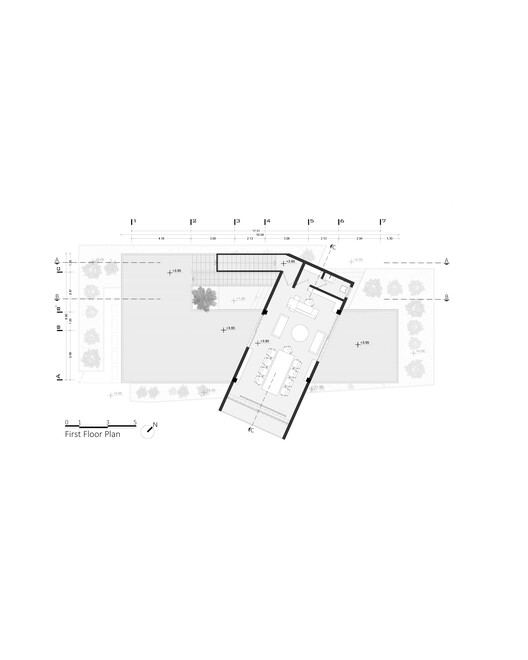
一层平面图
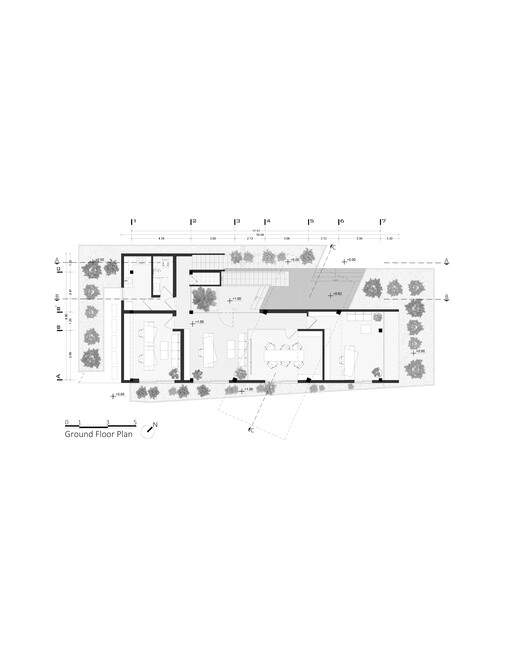
二层平面图
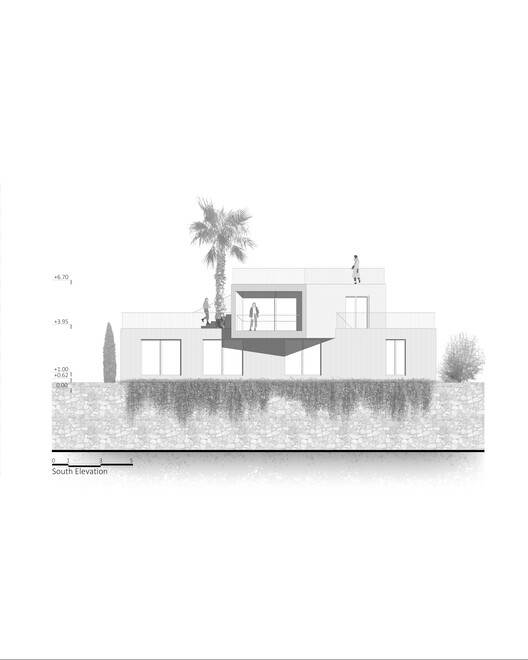
立面图
The roof is more than just a physical surface; it is a platform for collective performance. The terraces and roof act as intermediate spaces, mediating between the inside and outside, the formal and the informal, the individual and the collective. These transitional zones allow various scenarios to overlap, fostering informal interactions and nurturing shared experiences of student life, thereby supporting mobility, creativity, and social cohesion.
屋顶不仅仅是一个物理表面,更是集体表演的平台。露台和屋顶作为中间空间,在室内与室外、正式与非正式、个体与集体之间起到调节作用。这些过渡区域使得各种场景相互重叠,促进非正式互动,并培育学生生活的共享体验,从而支持流动性、创造力和社会凝聚力。
© Navid Atrvash
This architectural approach has the potential to transcend a static state and transform into a dynamic event within university life—an architecture that not only accommodates administrative functions but also inspires the collective vitality of students.
这种建筑方法有可能超越静态状态,转变为大学生活中的一个动态事件,一种不仅容纳管理职能,还能激发学生集体活力的建筑。
© Navid Atrvash