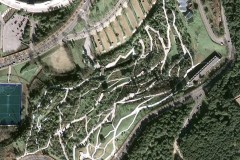
场地适应性与形态生成:该项目巧妙地将场地清理与整合过程转化为建筑形态生成的驱动力。通过对现有丘陵地貌的适应性调整,设计自然演化出带状布局,有效避免了复杂的异种基础结构,展现了对场地文脉和工程可行性的深刻理解。这种由场地条件直接导向的形态,使得建筑布局既有逻辑性又具地域适应性。
新日式风格与空间连续性:建筑通过低矮连续的单坡屋顶定义了其“新日式风格”,成功地将建筑体量融入周边山林田园景观。屋顶的深度、坡度变化与内部功能串联形成呼应,并借由水平屋檐和一致的天花板处理,极大地模糊了室内外的边界。玻璃幕墙的使用强化了这种连续性,营造出开敞、通透且富有禅意的日式空间体验。
BIM技术的深度集成应用:本项目是BIM技术在复杂结构实现上的成功范例。设计师不仅利用BIM进行复杂屋顶几何形态的精确建模和结构关系把控,更将其作为贯穿设计到施工全过程的信息共享平台。通过设计阶段与客户的深度沟通,以及施工阶段向施工方提供详尽数据,BIM确保了复杂构造的精确落地,体现了现代化建筑生产流程的优化。
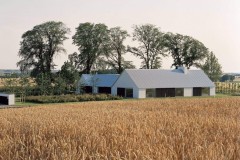
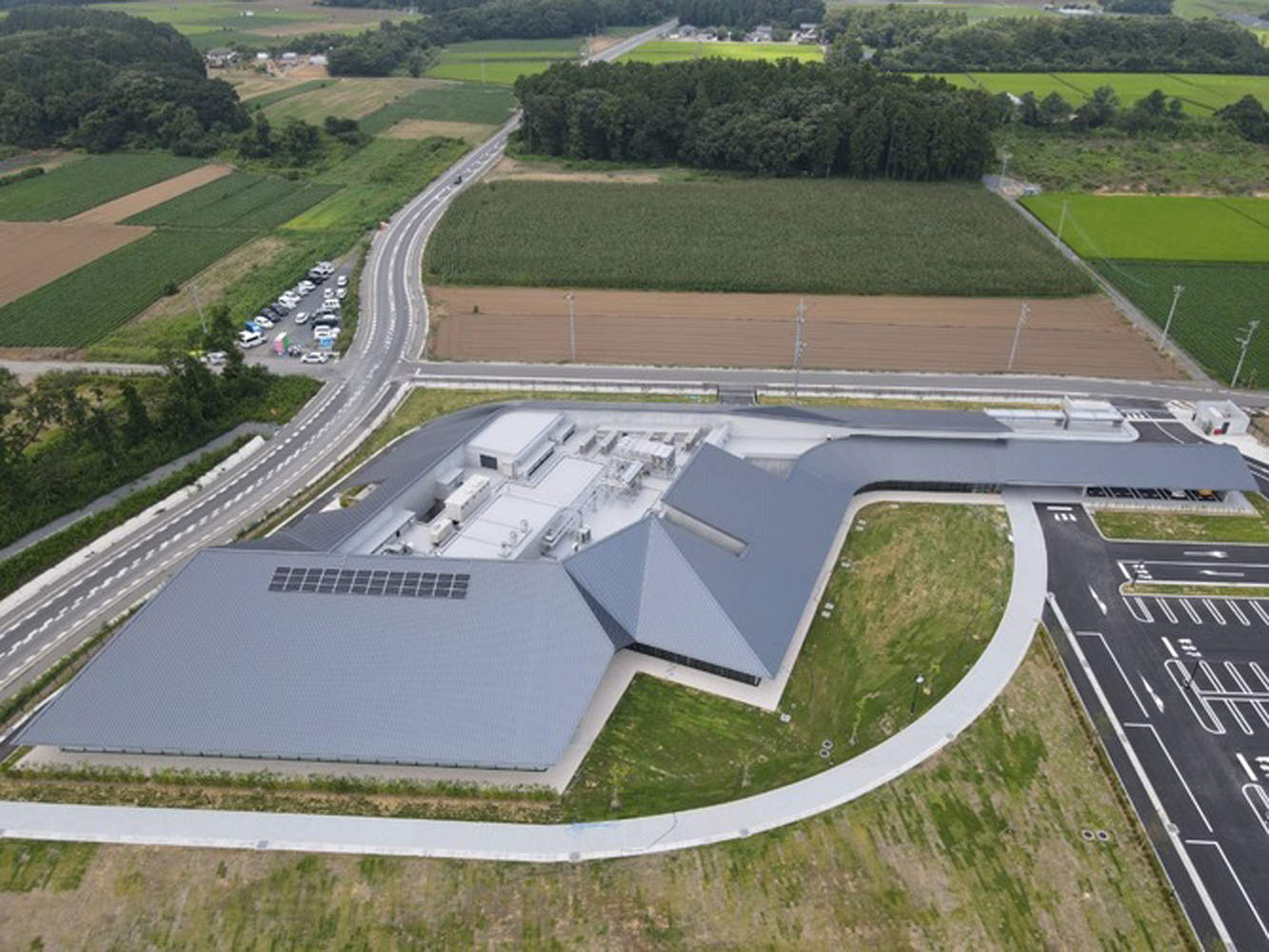
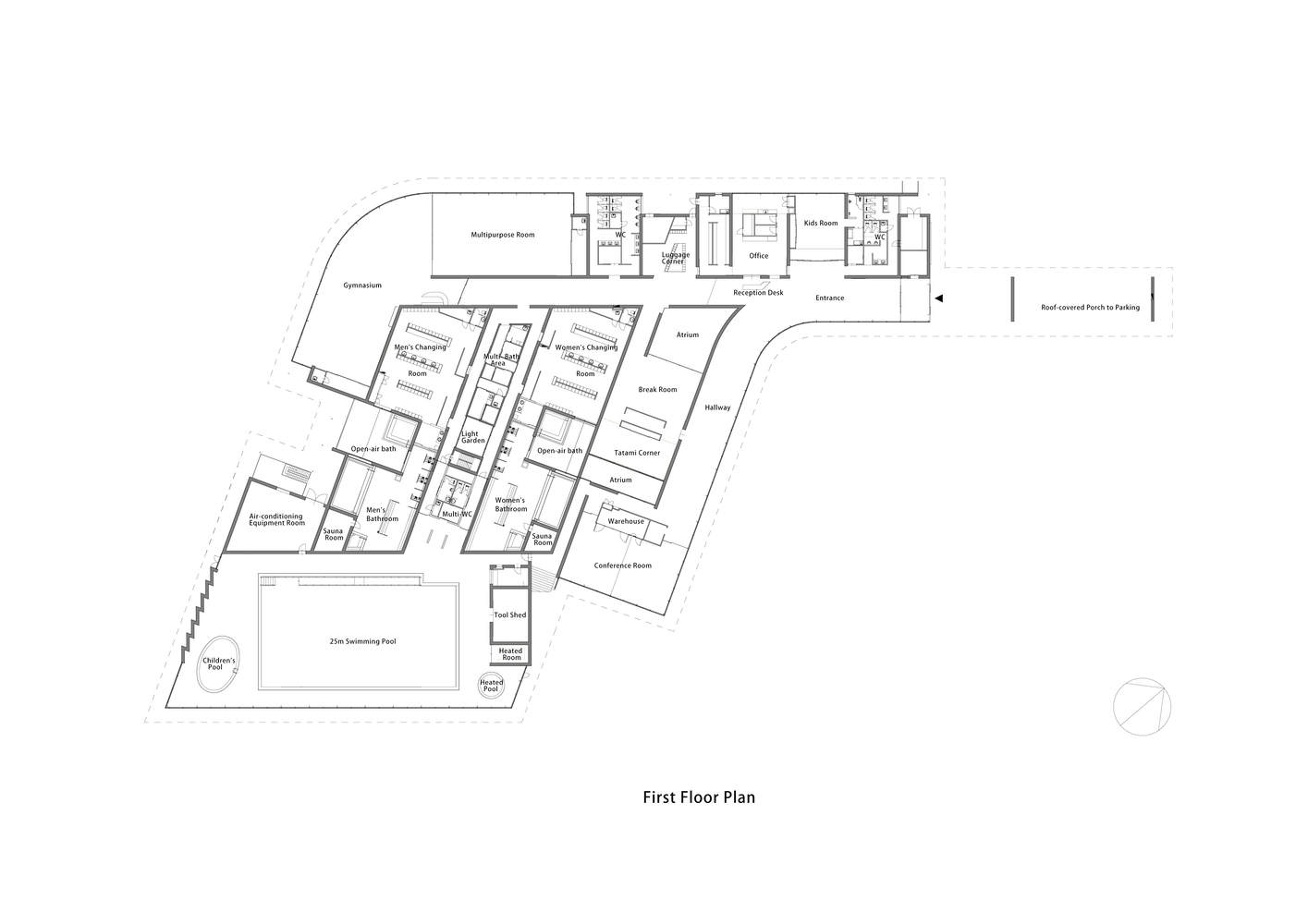
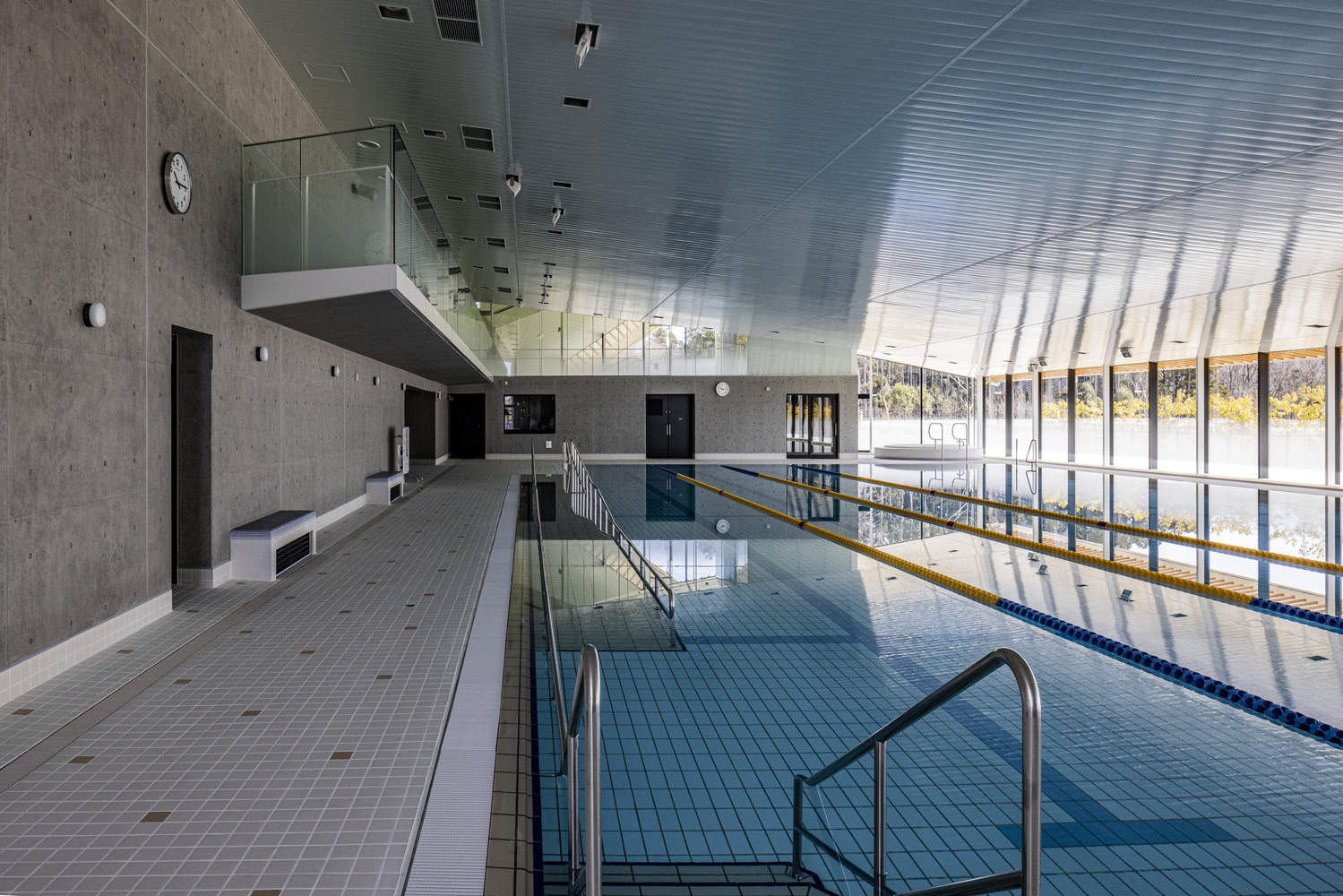
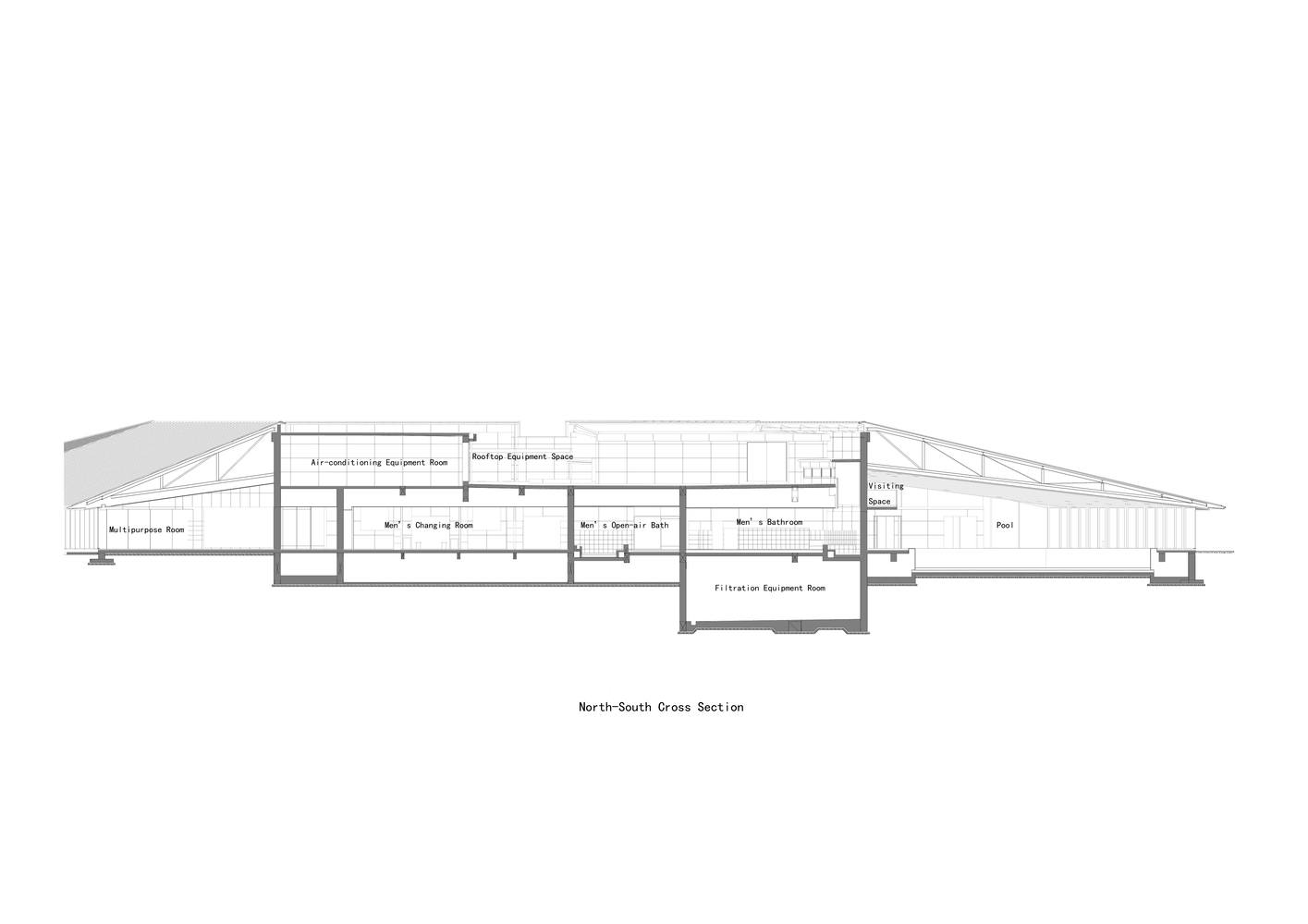
The site is located in the eastern hilly area, relatively far from the center of Mito City. This area was integrated after clearing miscellaneous trees and filling in valleys. In the process of seeking direct foundations to avoid building the structure on heterogeneous foundation structures, this ribbon-like form gradually emerged, determining the layout and shape of the building. The purpose of this project is to provide a place for community recreation and leisure, and to alleviate the psychological burden on residents due to the future construction of a waste incinerator and crematorium nearby. Its interior mainly includes functions such as a gymnasium, multi-purpose practice rooms, an indoor swimming pool, and sauna baths.
场地位于距水户市中心较远的东部丘陵地带。该地经过清理杂树林、填埋谷地后整合而成。为了避免将建筑建在异种基础结构之上,我们在寻求直接基础的过程中逐渐浮现出这个带状形态,从而决定了该建筑的布局与外形。本案的建设目的在于为社区提供娱乐休闲的场所,减轻未来要在附近建造垃圾焚烧厂与火葬场而给居民带来的心理负担。其内部主要有健身房、多功能练习室、室内泳池以及桑拿洗浴等功能。
© 堀内広治
© 堀内広治
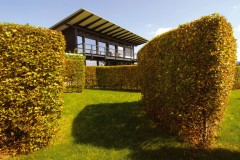
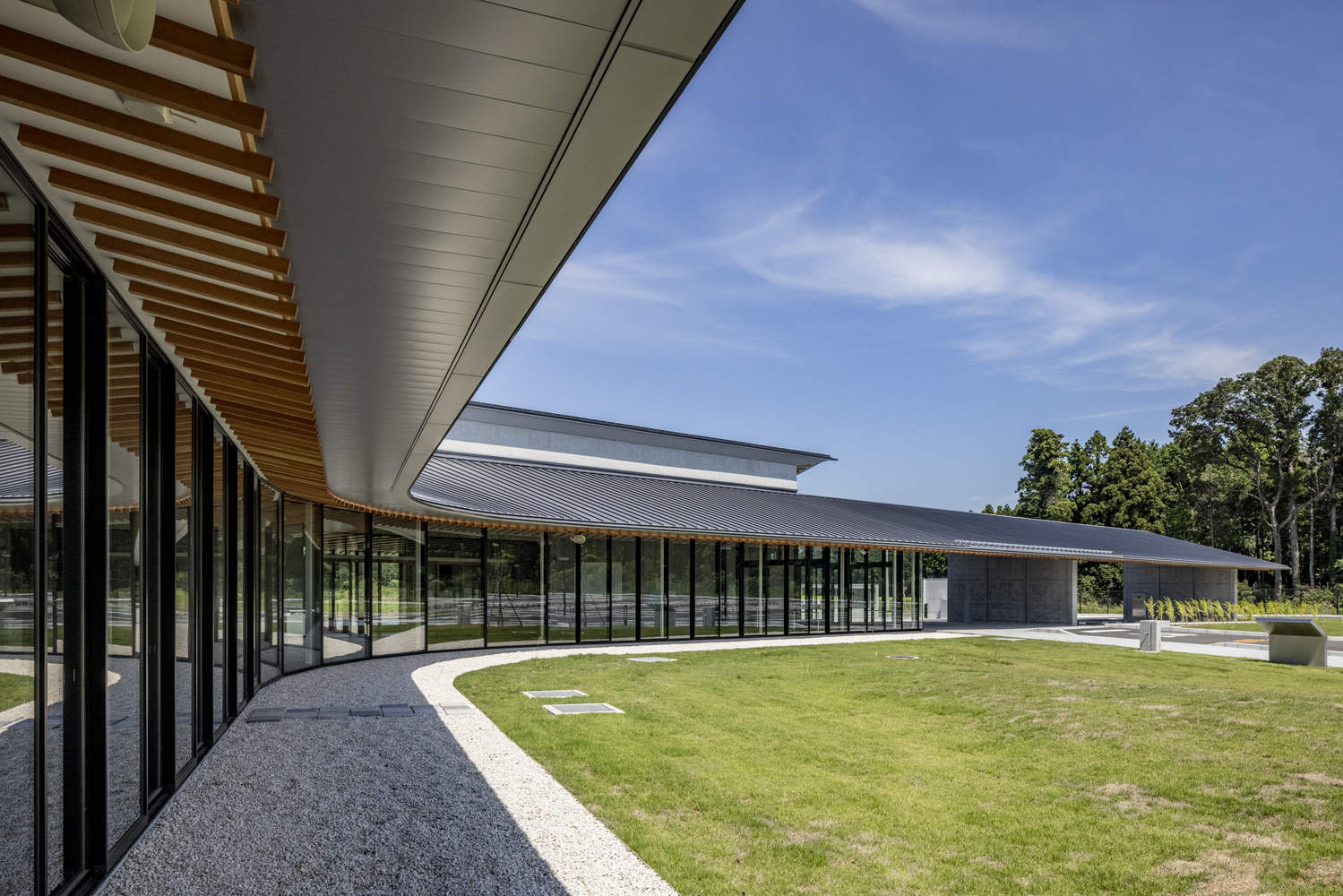
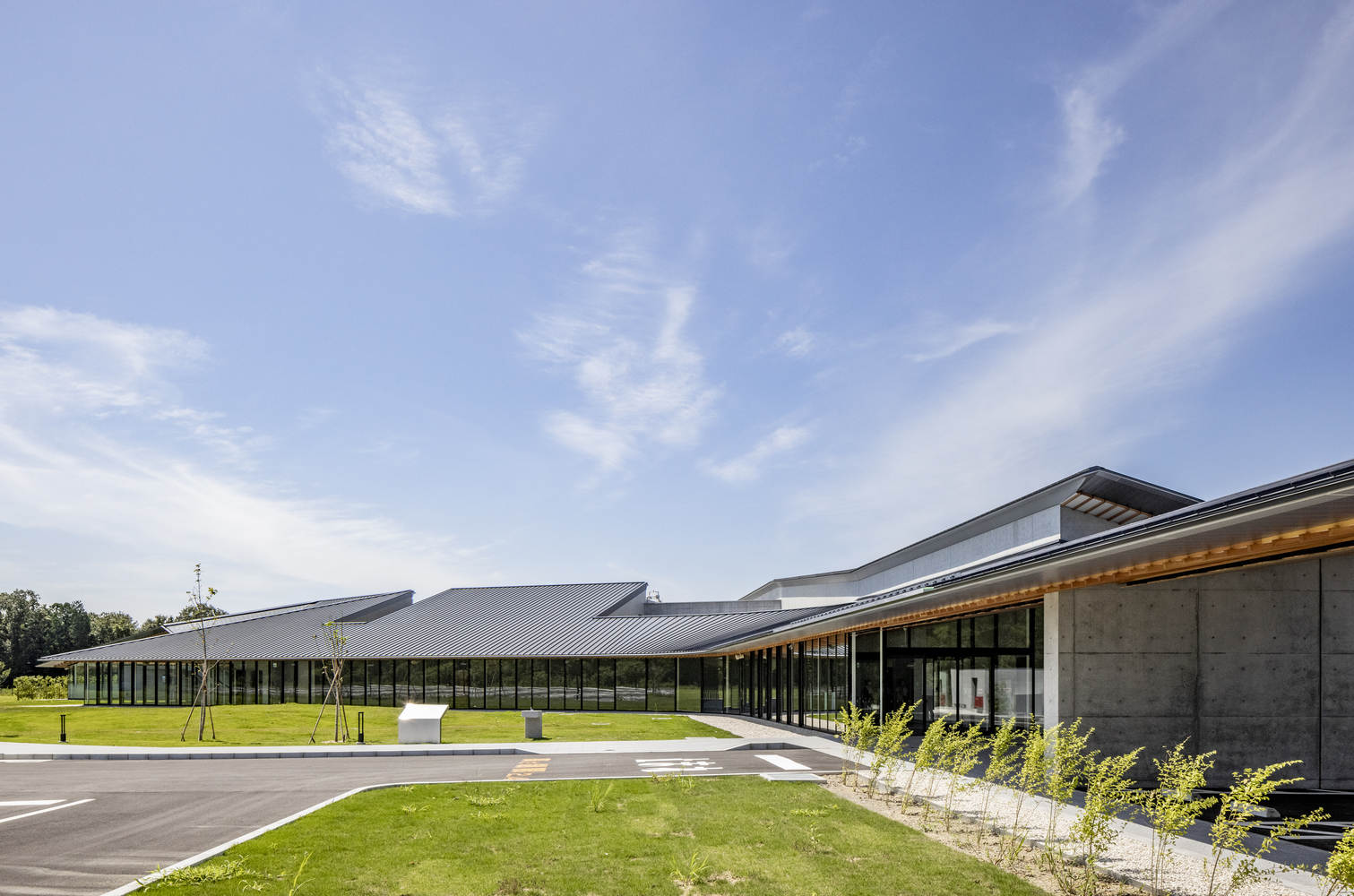
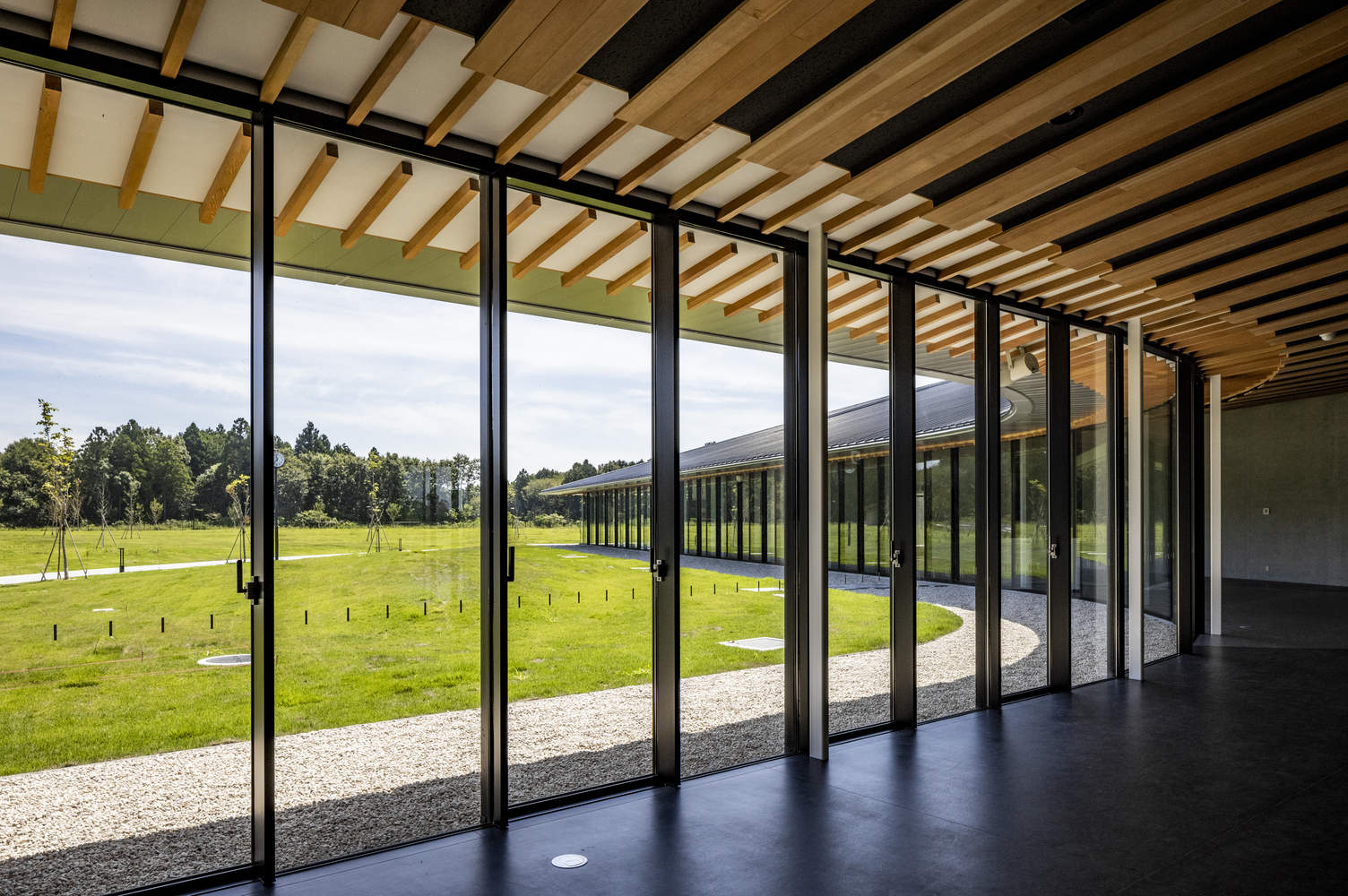
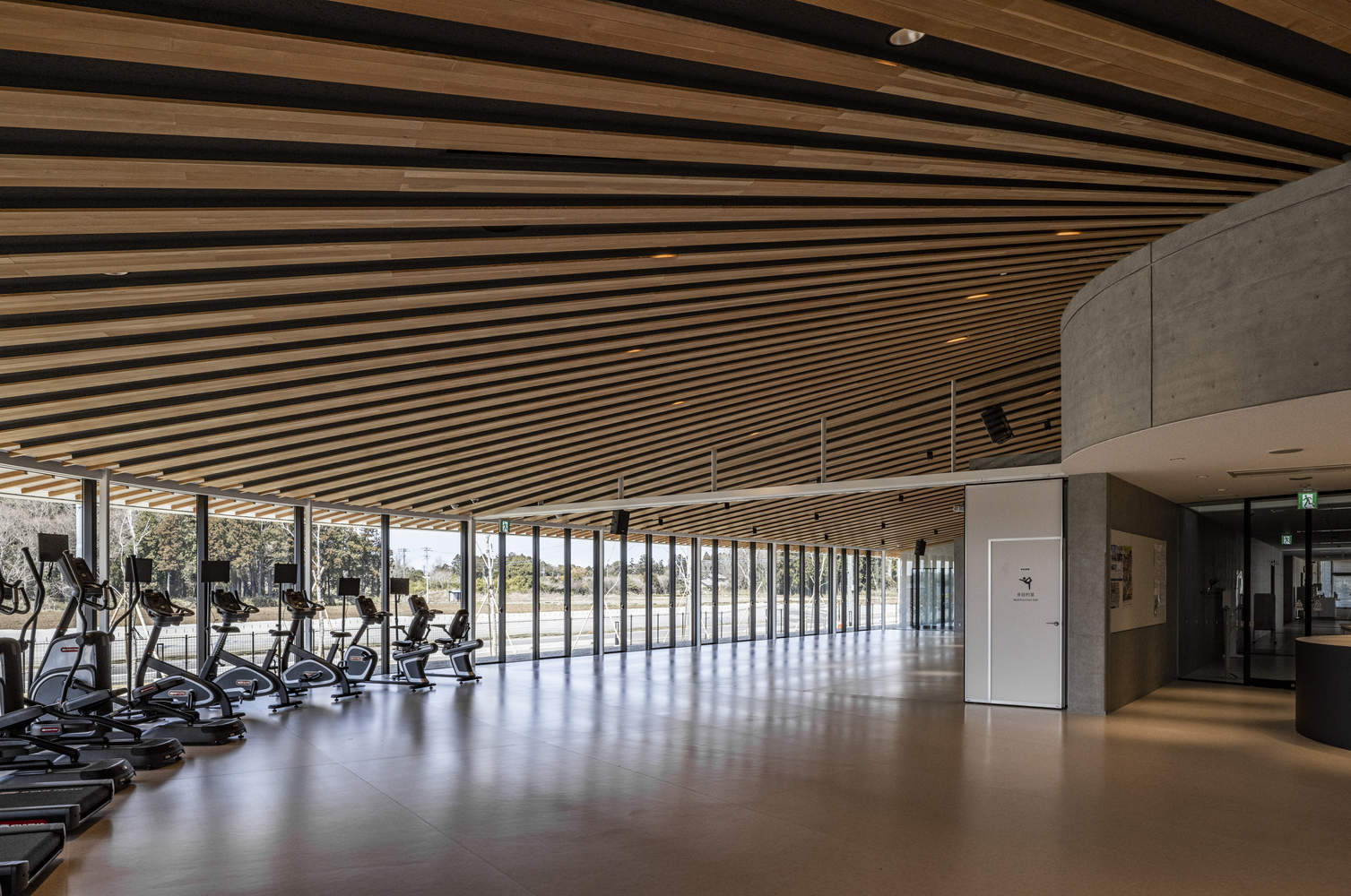
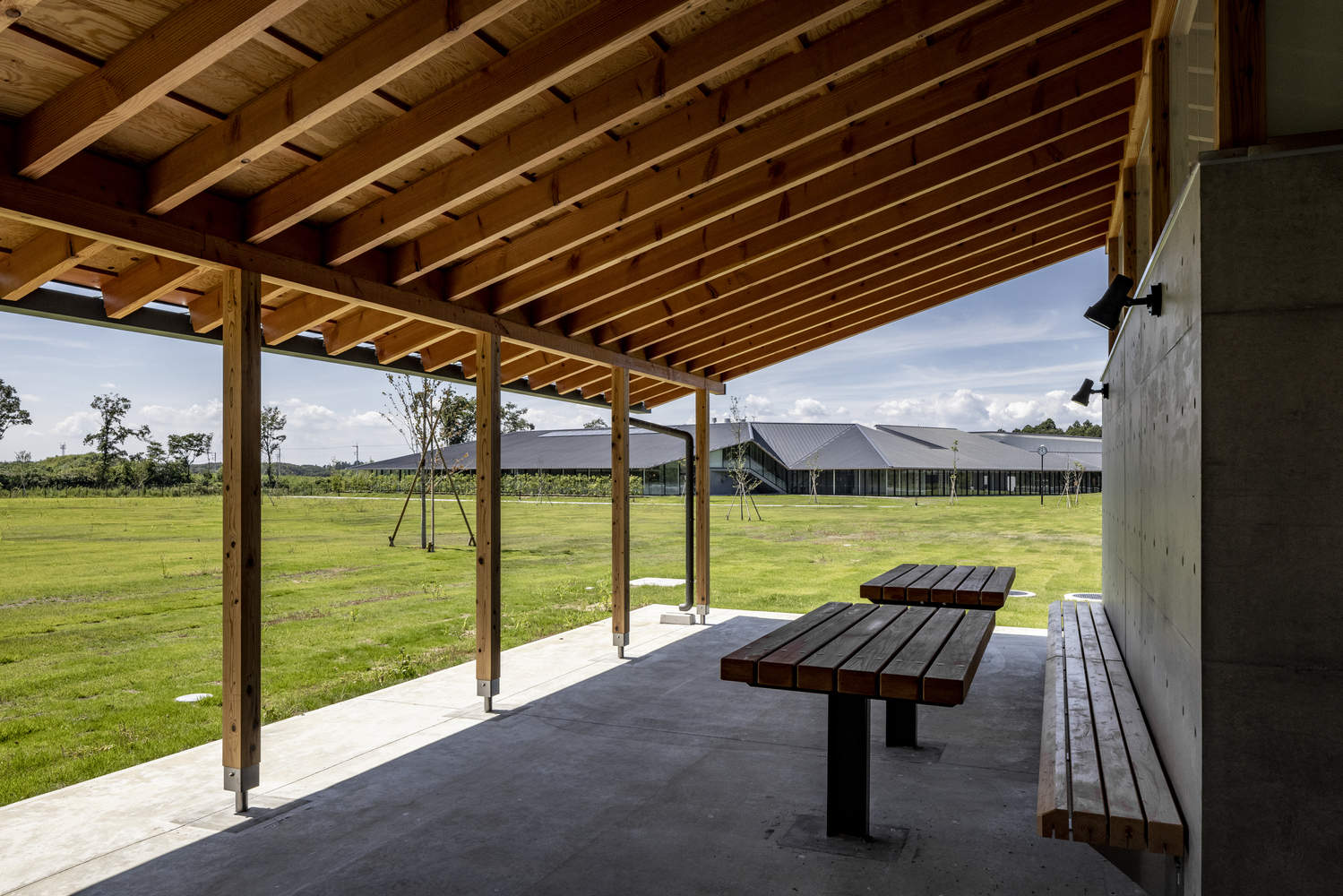
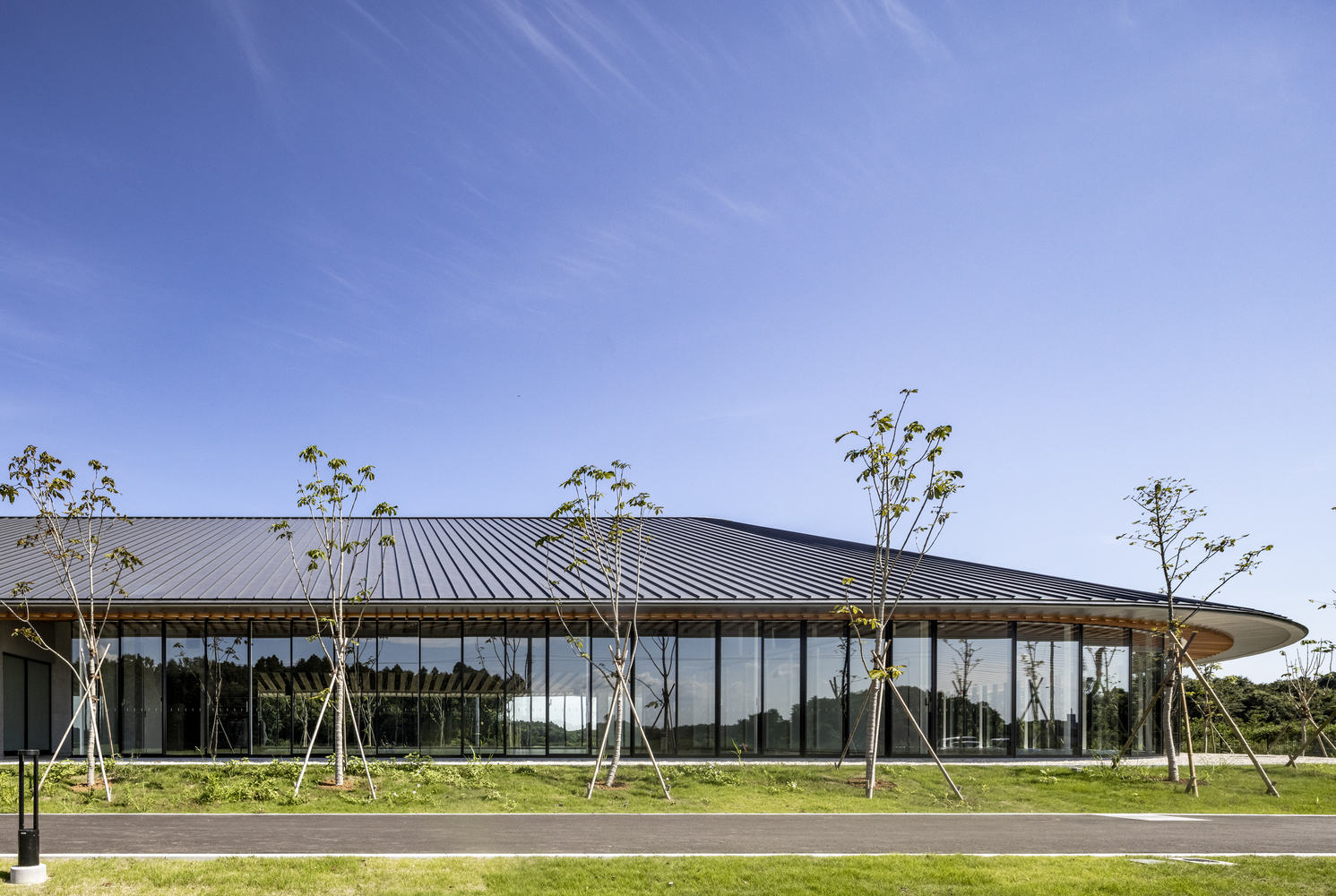
By linking these functions in sequence, a continuous space was created. We aim to promote communication among people who come to exercise, making this a place where everyone can happily gather. To allow this ribbon-like space to coexist and integrate with the surrounding mountain forest and rural landscape, we installed a low, continuous yet non-monotonous single-slope roof. This interconnected body, composed of straight lines extending in different directions from the building’s recessed parts and reflective triangular roof surfaces with varying depths and slopes, echoes the various interlocking combinations of interior functions. The eaves of the building remain horizontal, giving it a traditional Japanese appearance by lowering the height. The ceiling, which has the same style as the underside of the eaves, expresses the continuity from the eaves to the interior space. The exterior walls are mainly enclosed by glass curtain walls, creating a visual effect where the ceiling extends outwards, demonstrating a Japanese style that blurs the boundaries between the interior and exterior spaces.
通过将这些功能进行串联分配,构造出了这个一气呵成的空间。我们旨在促进前来健身的人们互相交流,让这里成为大家欣然聚首的场所。为了让此带状空间与周围的山林田园景观融合共生,我们为其架设了一面低矮连续却不单调的单坡屋顶。这个由经过建筑擂鉢状部分延伸至不同方向的直线条及折射式三角形屋面构成的深度、坡度各异的联结体,与各种交错组合的室内功能形成了呼应。建筑的屋檐各部保持水平,并通过压低高度给予其传统日式外观。与屋檐底面相同式样的天花板,体现了从屋檐至内部空间的连续性。而外壁主要由玻璃幕墙围起,打造了天花板一直向外延伸的视觉感受,展现出模糊了内与外空间边界的日式风格。
© 堀内広治
首层平面图
© 堀内広治
© 堀内広治
© 堀内広治
南北剖面图
© 堀内広治
Practical Application of BIM Technology
To realize the roof structure of this project, we used BIM technology to create a 3D model to accurately grasp the trend of the roof shape changes and the relationship between the structural body and the ceiling surface. Furthermore, BIM is not limited to a simple design tool. From the design stage, we always focused on the linkage between design drawings and model data, deepening the client's understanding of the space while sharing the spatial impression and interior effect. In the construction phase, we not only provided the BIM data to the construction company but also used this technology for steel frame drawing. The more complex the building structure, the better the information sharing can be achieved through the BIM 3D model, leading to a better-built building.
BIM技术的实际应用
为了实现本案的屋顶结构,我们应用BIM技术制作三维模型,以准确把握屋顶形状的变化趋势与结构体、天花板层面之间的关系。另外,BIM并不局限于一个单纯的设计工具。从设计阶段起,我们始终着重于设计图纸与模型数据的联动,在与客户分享空间印象及内装效果的同时,加深客户对空间的理解。在施工阶段,我们不仅把BIM数据提供给施工方,还将该技术用于钢架的制图上。越是复杂的建筑构造,越能够通过BIM三维模型做到良好地信息共享,继而建成更佳的建筑。
© 堀内広治