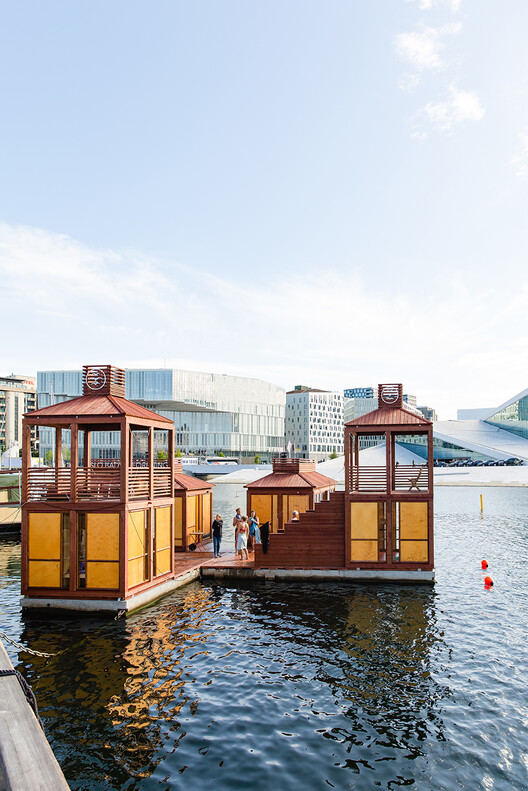
场地文脉与空间布局的精妙融合:该项目巧妙地将浮于水面的桑拿舱置于奥斯陆海港的黄金位置,通过风车式的平面布局,最大化地利用了与奥斯陆歌剧院、Barcode CBD以及阿克斯胡斯城堡的绝佳景观视野。这种设计不仅确保了访客在享受桑拿体验的同时,能获得“向往城市和峡湾的绝美精致”,更体现了对场地独特地理和视觉资源的深度尊重与整合,创造出一种动态且沉浸式的城市滨水休闲体验。
历史传承与现代活力的对话:“沐浴机器”(Bademaschinen)这一名称的采用,是对奥斯陆历史上第一个公共海水浴场的致敬,唤醒了城市对水体健康与公共福祉的集体记忆。建筑设计上,通过城堡般的布局和红黄配色向邻近的阿克斯胡斯城堡致敬,并融入后现代主义的元素,成功地在历史的厚重感与当代设计的轻盈感之间搭建了桥梁。它标志着城市对清洁化海湾环境的信心回归,使传统的水上休闲功能得以在现代语境中重生。
循环经济与快速建造的典范:项目在材料应用上展现了突出的可持续性和效率。“沐浴机器”的核心设计驱动力来自于对1960年代疗养院柚木窗框的再利用,这些现成材料的尺寸直接限定了最终的设计框架,体现了“减材”和“再构”的实践。同时,从构思到完工仅用八个月,且桑拿房部分由志愿者搭建完成,这不仅压缩了工期和成本,更彰显了一种社区参与和快速响应城市需求的设计与建造模式,是当代建筑实践中资源效率和社区协作的优秀案例。
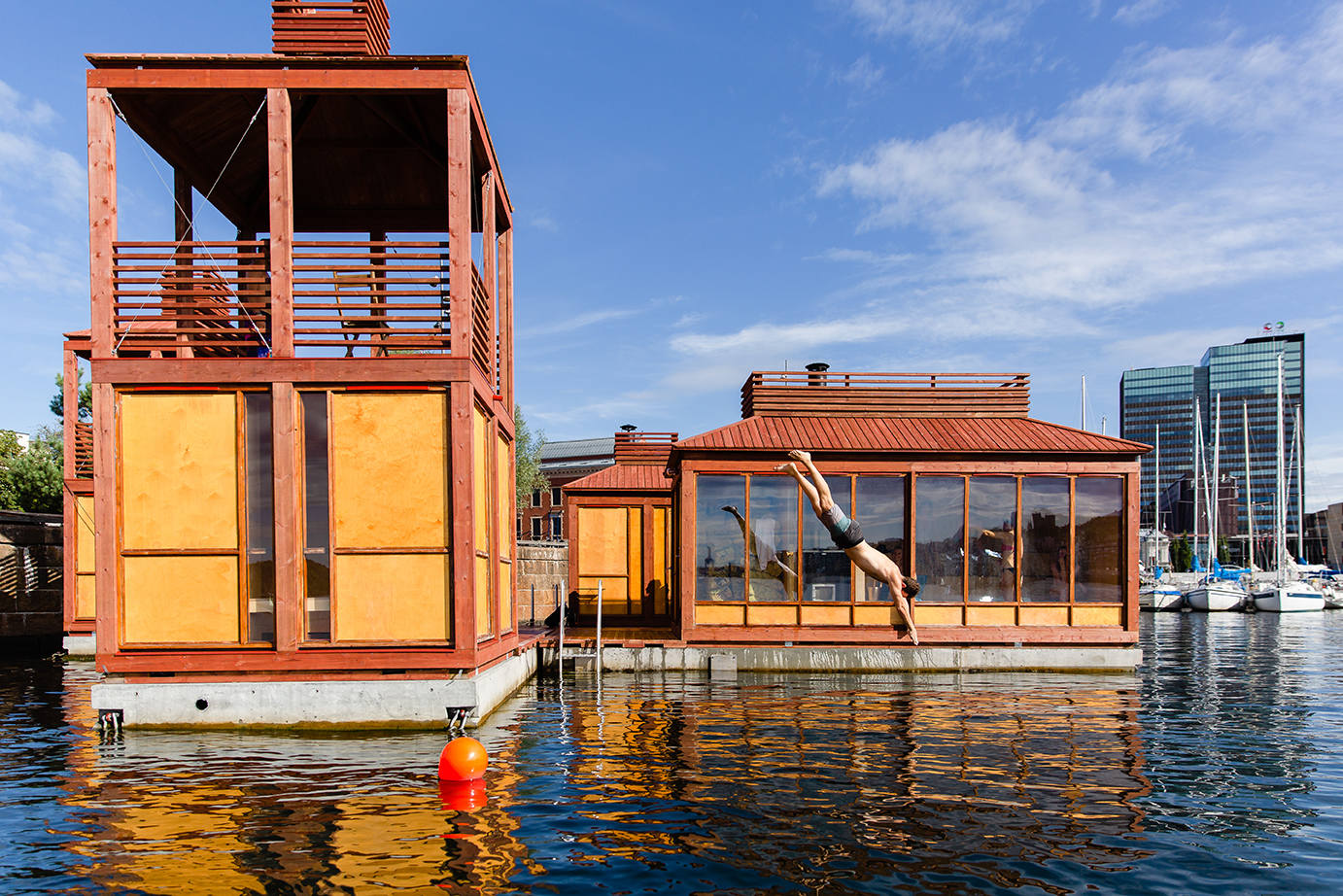
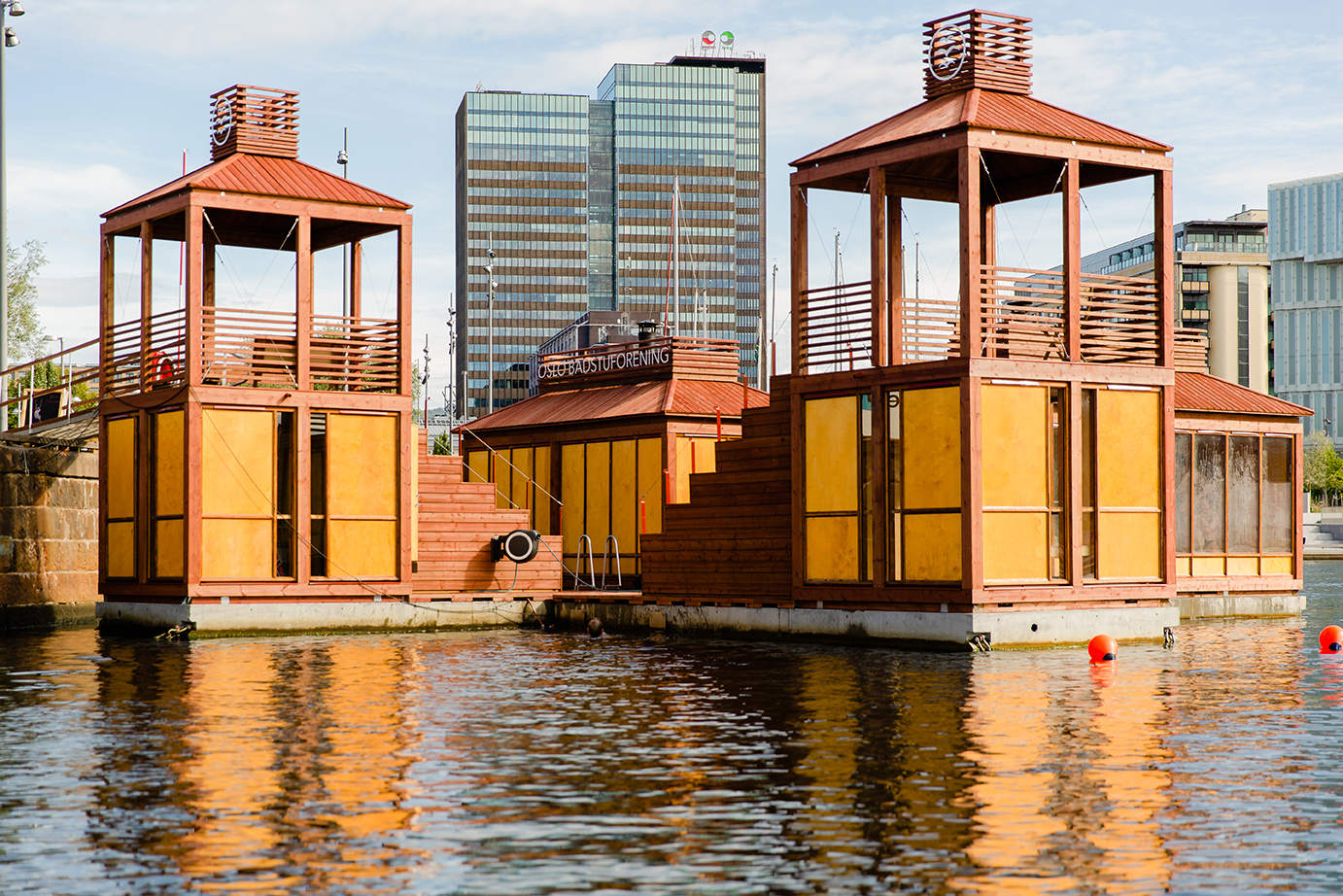
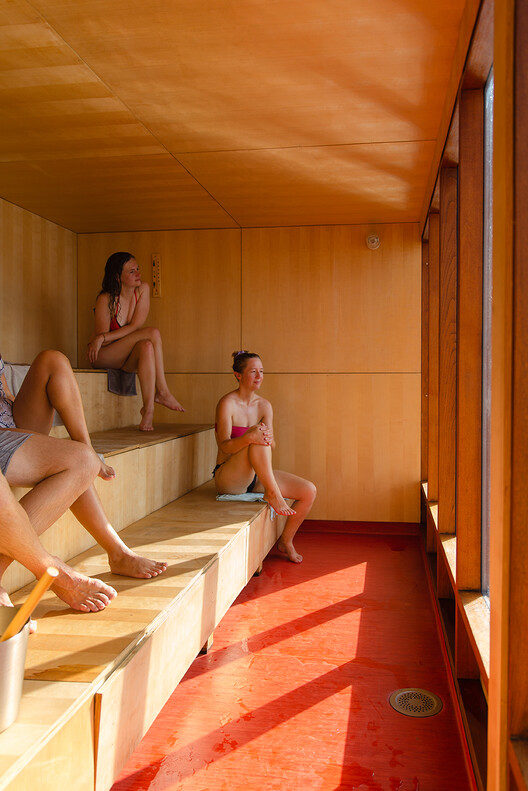
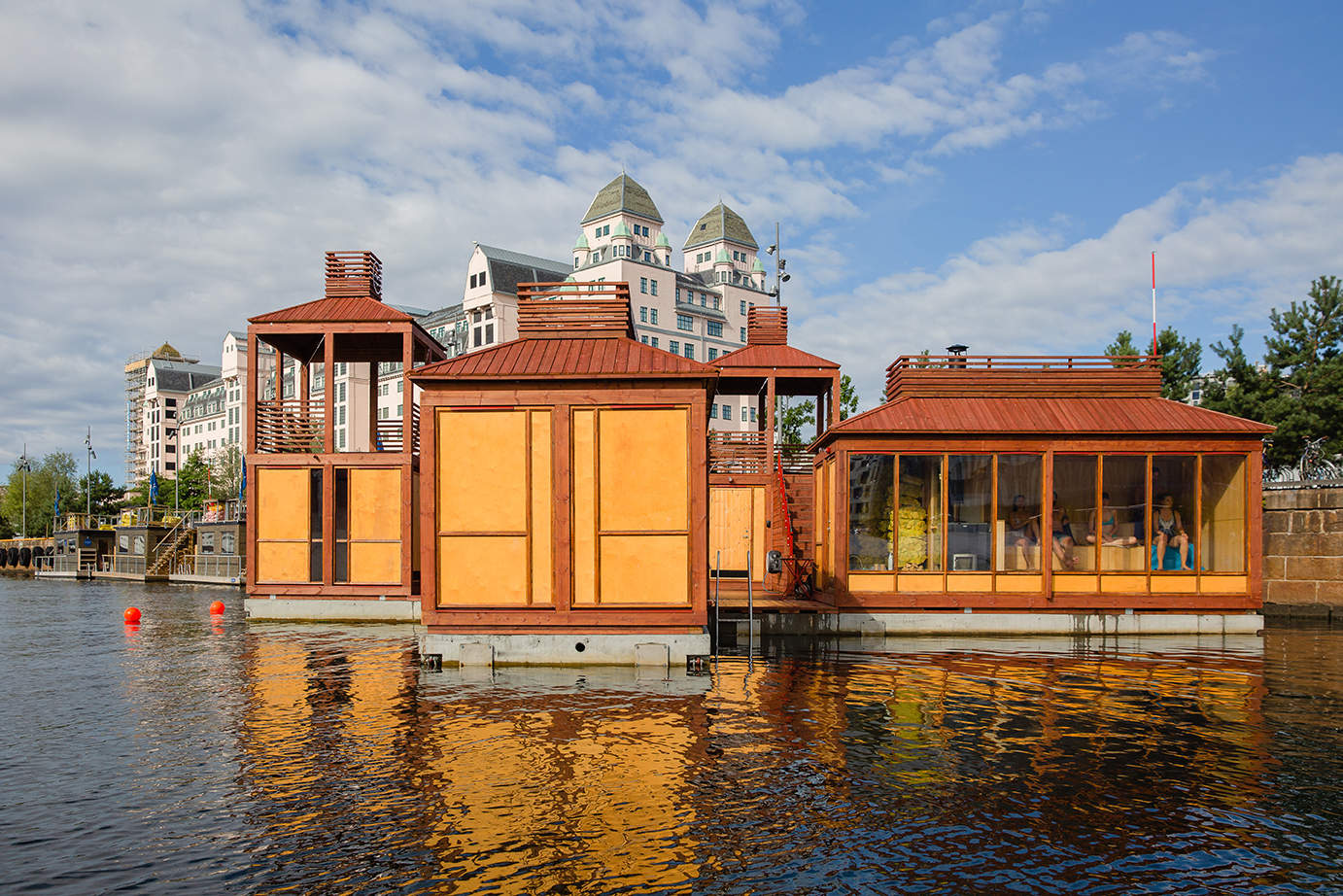
From the architects. ACT Studio, in collaboration with Borhaven Arkitekter, has created a floating sauna cabin in the heart of Oslo's harbor. Named the "Bademaschinen Sauna," the cabin faces the famous Oslo Opera House and the Barcode central business district on the opposite side of the basin. Visitors can access the sea-floating sauna by walking along the promenade from Akershus Fortress. The "Bademaschinen" consists of two saunas and two towers housing changing rooms, arranged in a pinwheel layout. This configuration optimally positions the sauna cabins and outdoor spaces, offering visitors exquisite views towards both the city and the fjord.
来自建筑师。ACT Studio 与 Borhaven Arkitekter 合作,在挪威奥斯陆的海港中心打造了一个浮于水面的桑拿小屋。这个名为“沐浴机器”的桑拿舱(Bademaschinen Sauna)面朝着名的奥斯陆歌剧院及盆地地形区域另一侧的 Barcode 中央商务区,人们可以沿着阿克斯胡斯城堡(Akershus Festning)来到码头,并到此享受漂浮于海上的桑拿。“沐浴机器”由两间桑拿房、两处配有更衣室的塔楼组成,其平面呈风车式布局,从而将项目的桑拿舱及户外空间布置在最佳的位置,并为来此休憩的人们提供向往城市和峡湾的绝美精致。
© Rebecca Zeller
© Rebecca Zeller
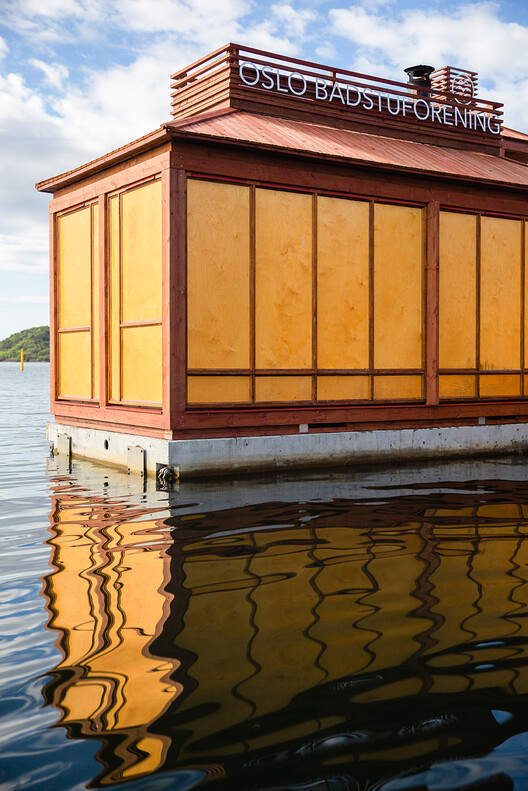
The sauna cabin "Bademaschinen" translates to "Bathing Machines" in Norwegian, a term and corresponding architectural space that references Oslo's first public seawater baths. This bath, originally named "Kristiana," was essentially a raft equipped with changing rooms and bathing facilities. The name "Bademaschinen" also hints at the advanced modernity of the project's concept at the time, as this space quickly became a popular facility serving public health, leading to the gradual appearance of more similar venues. This typology flourished in the 20th century, but during that period, growing pollution in the Oslo fjord led to skepticism about the health benefits of bathing in the sea. Today, the Oslo fjord has become significantly cleaner over the past 150 years, allowing functions like saunas and seawater baths to gradually return to public visibility.
桑拿舱“Bademaschinen”这个名字在挪威语中是“沐浴机器”的意思,这一词汇及其对应的建筑空间呼应着奥斯陆第一个公共的海水浴场。该浴场原名为“克里斯蒂安娜(Kristiana)”,其本质就是一个带有更衣室及沐浴设施的木筏。“沐浴机器 Bademaschinen”这一名称也暗示了其代表项目的概念在当时超前的现代性,随后这一空间很快地成为了一个为公众健康服务的流行设施,并且有越来越多类似的场所也渐渐出现。这一类建筑在 20 世纪蓬勃发展,但在那个时期,奥斯陆湾峡日益严重的污染让人们开始质疑在海中沐浴的健康性。如今,奥斯陆峡湾在过去 150 年间变得更为干净,也因此承载桑拿与海水浴场一类功能的建筑渐渐回归人们的视野。
© Rebecca Zeller
© Rebecca Zeller
The architects drew inspiration for the sauna cabin's design from numerous historical sources, the most prominent reference being the imaginative, historic 19th-century seawater bath architecture. Consequently, the building features a castle-like layout, complemented by red and yellow colors to pay homage to the nearby Akershus Fortress, while other elements echo classics of Postmodern architecture.
建筑师从许多历史资源中汲取了桑拿舱的设计灵感,其中最负盛名的参考则是充满想象力、历史性的 19 世纪海水浴场建筑。因此,建筑有着如城堡般的布局,并搭配有红色、黄色,从而向临近的阿克斯胡斯城堡致敬,并通过其他元素以呼应后现代主义建筑的经典。
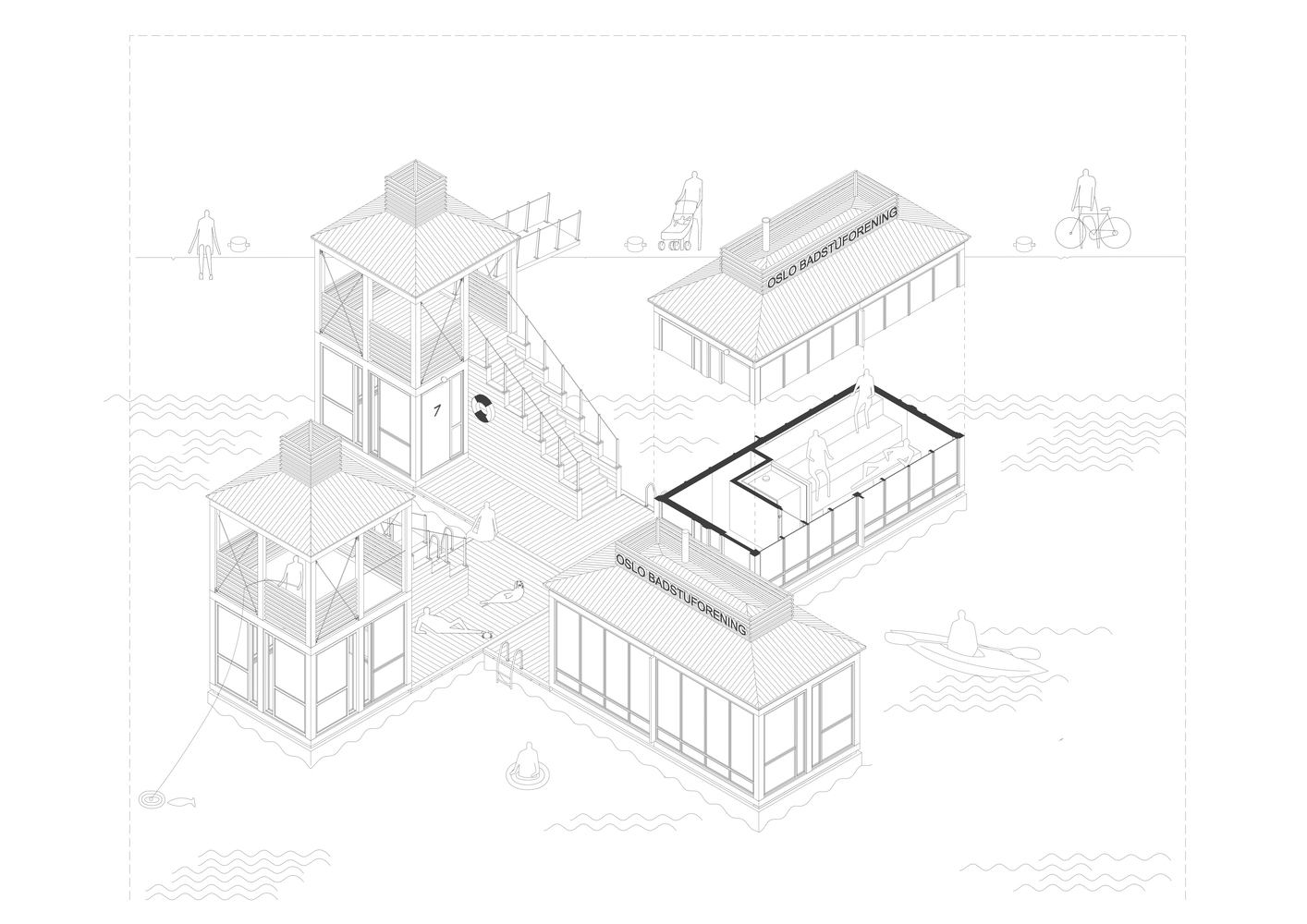
Axonometric Drawing
轴测图
© Rebecca Zeller
© Rebecca Zeller
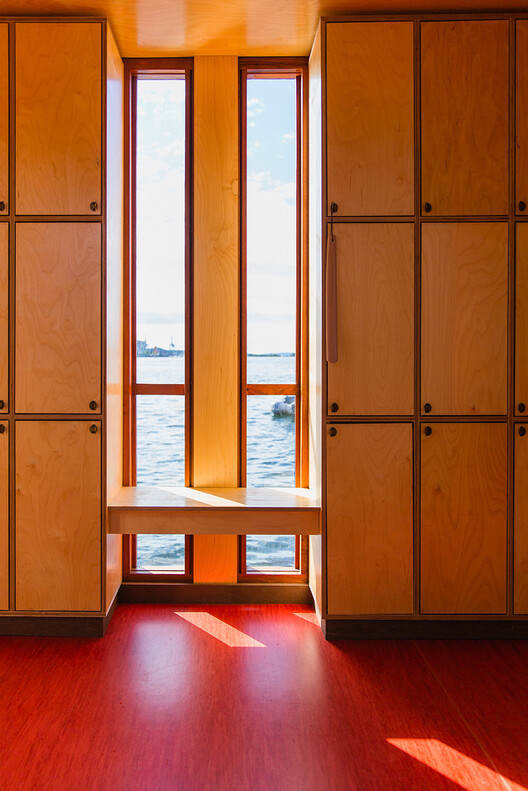
The primary design driver for the "Bademaschinen" sauna cabin was the reuse of teak window frames salvaged from a 1960s sanatorium. The sanatorium where these materials originated is currently undergoing extensive renovation to be converted into housing. The dimensions of all available windows were closely tied to the final design, and in reality, they served as more than just the structural framework for the window design. Various components within the building were pre-selected and procured. Furthermore, the sauna section was built by volunteers, taking only eight months from conception to completion.
“沐浴机器”桑拿舱的主要设计驱动元素为来自 1960 年代疗养院的柚木窗框再利用。这一材料原先所在的疗养院目前正在进行全面的修复,并将被改造为住房。所有可用窗户的尺寸都与最终的设计紧密联系,并且实际上它们也不仅仅只是窗户设计的结构框架。建筑内的各种组件被事先选择、采购。此外,桑拿房部分由志愿者搭建,从构思到完工仅花费了八个月。
© Rebecca Zeller