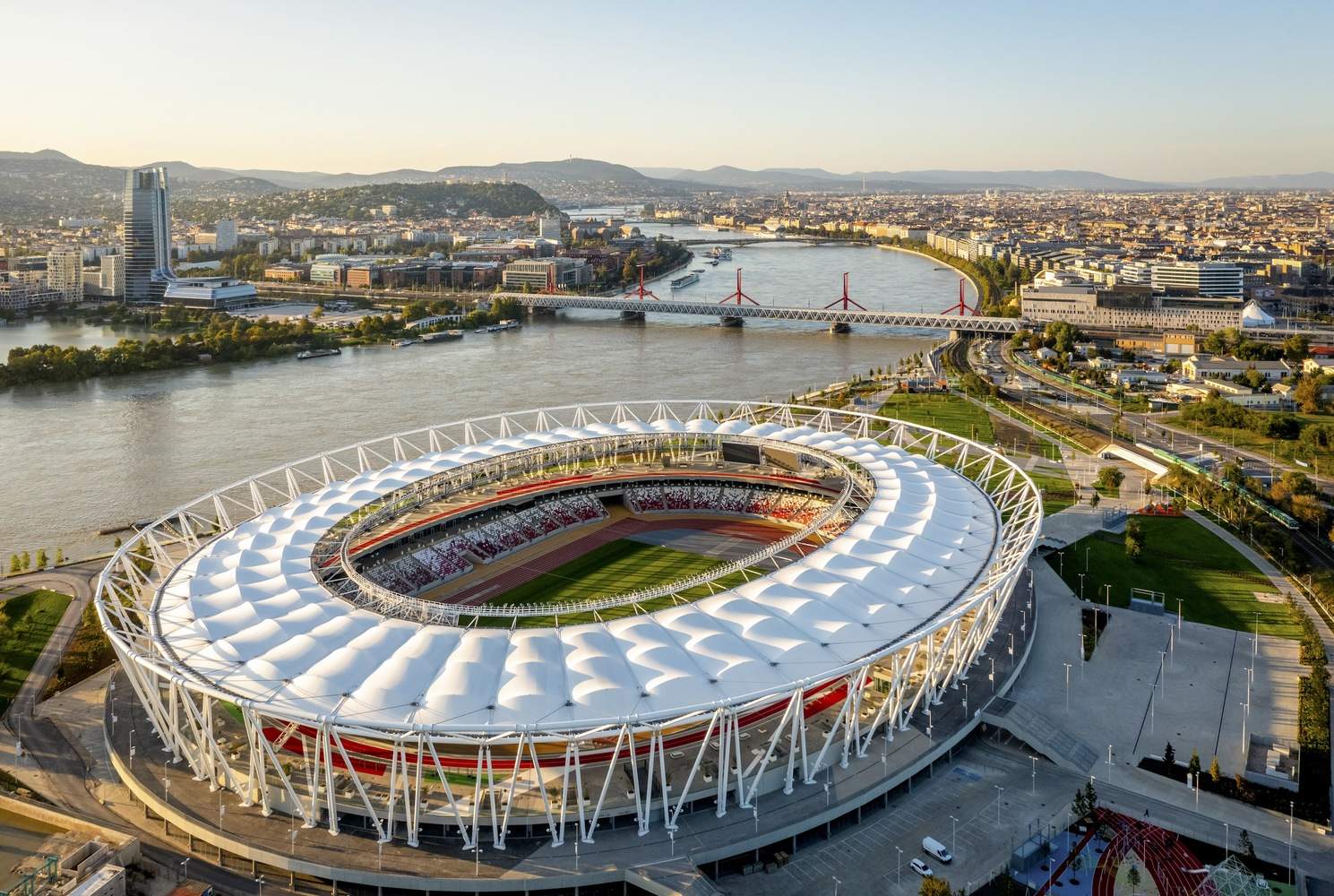
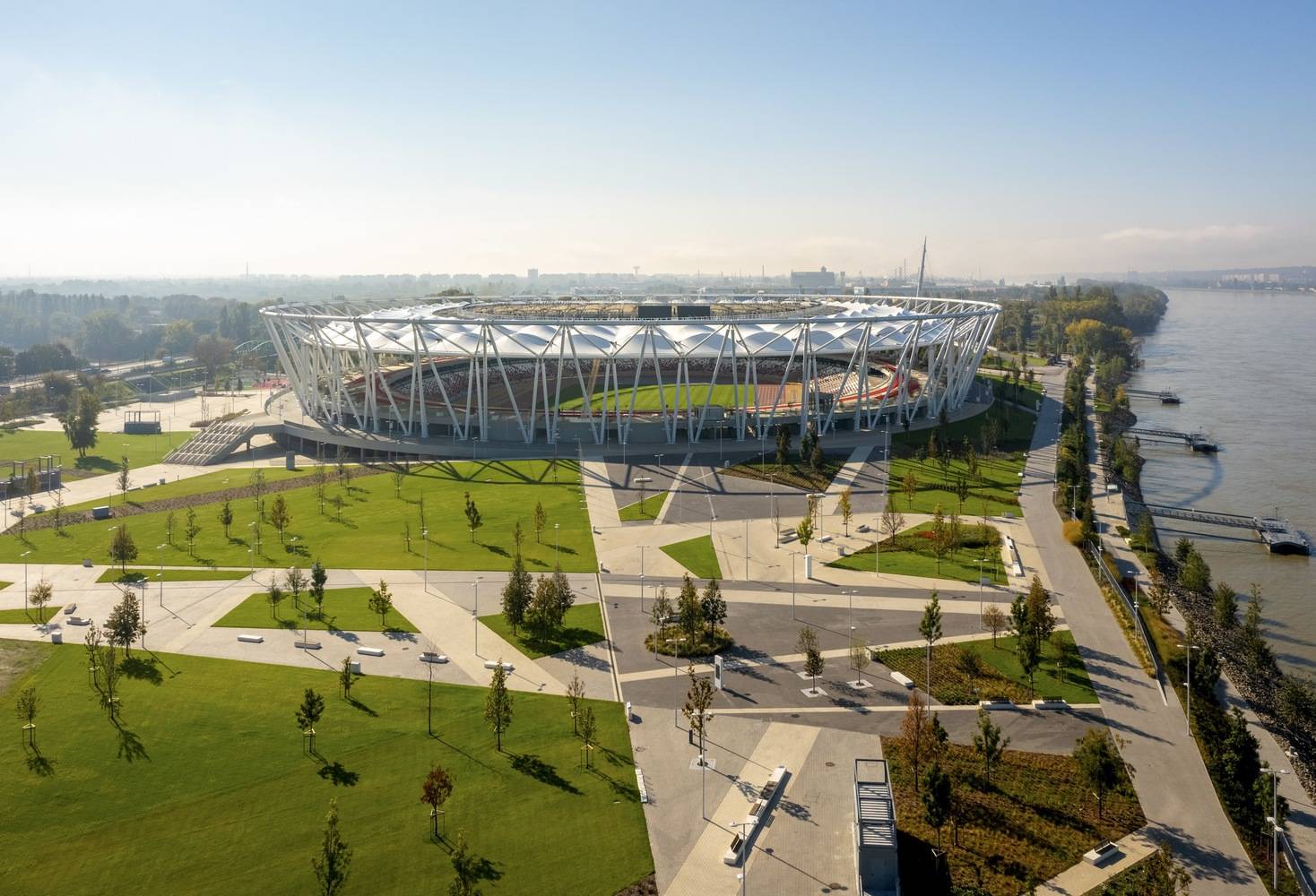
城市更新与宏大愿景的启动器:匈牙利国家田径体育场不仅是一个单体建筑,更是布达佩斯南城门长期城市规划的标志性开篇之作。它成功地将一个废弃的 Vituki 工业区转化为一个占地20公顷的综合性公共空间,通过引入体育场、公园、步行/自行车缆车桥及训练中心,实现了区域的彻底生态修复与功能重塑。这种以重大基础设施项目驱动区域复兴的策略,展现了建筑作为城市发展催化剂的巨大潜力,彰显了对未来城市生活品质的深远承诺。
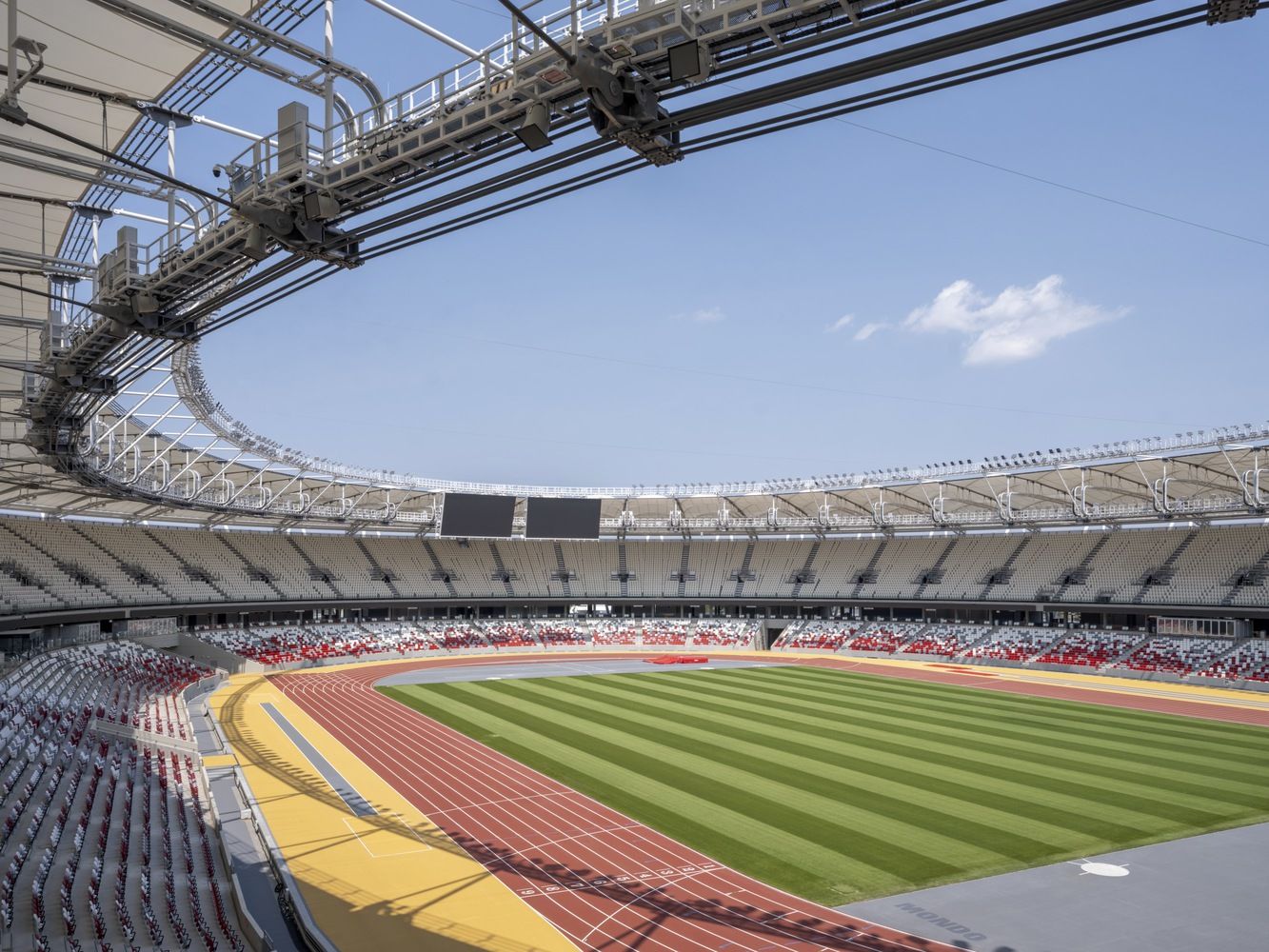
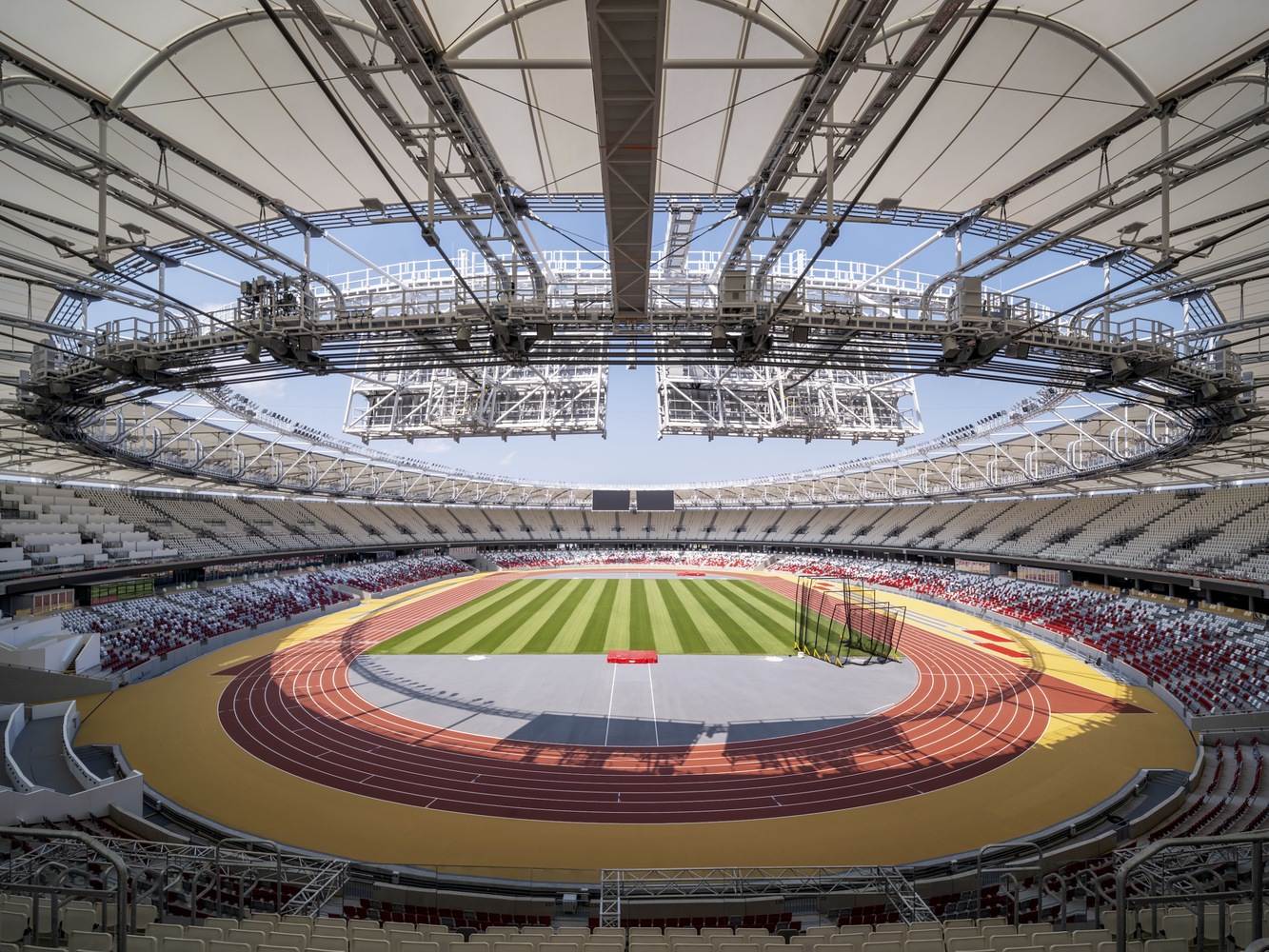
“开放竞技场”理念的创新实践:本项目最精髓的亮点在于其革命性的“开放竞技场”设计理念及其两阶段的生命周期管理。最初为满足 2023 年世锦赛需求而建的 35000 座体育场,在赛后通过拆除临时看台,无缝转换为一个 15000 平方米的永久性、面向公众的休闲公园——“开放城市环”。这种从“为赛事服务”到“为市民服务”的平滑过渡,通过跑道、健身区和餐饮设施的植入,确保了建筑全年 365 天的活力和使用率,是大型体育设施可持续运营的典范。
多维度的可持续性与交通整合:设计在可持续性方面表现出极高的综合考量。除了场地修复和利用地热能等绿色技术外,更重要的是其对城市交通和社区连接的优化。通过建设新的防洪设施、沿海步道、自行车道以及关键的缆车桥,项目成功串联了佩斯码头南北区域,优先发展公共交通、步行和骑行,有效减少了对私家车的依赖。拉伸屋顶结构优化了钢材使用,而针对性的功能加热策略则进一步降低了能耗,体现了从结构到运营的全面绿色思维。
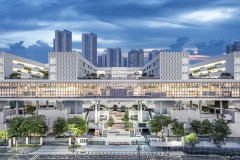
National Athletics Stadium in Hungary is established to represent the Hungarian nation, serving as the starting building for the long-term urban development plan of the southern gateway project of Budapest.
匈牙利国家田径体育场是代表匈牙利国家建立的,作为布达佩斯南城门开发项目长期城市规划的起始建筑。
The stadium was designed by the winner of the design competition, NAPUR Architect Kft., and constructed by the joint venture of ZÁÉV Zrt. – Magyar Építő Zrt.
体育场由设计竞赛获胜者 NAPUR Architect Kft. 公司设计,由 ZÁÉV Zrt. – Magyar Építő Zrt. 建筑联合体施工建造。
© Molnár József
© Tamás Bujnovszky
© Molnár József
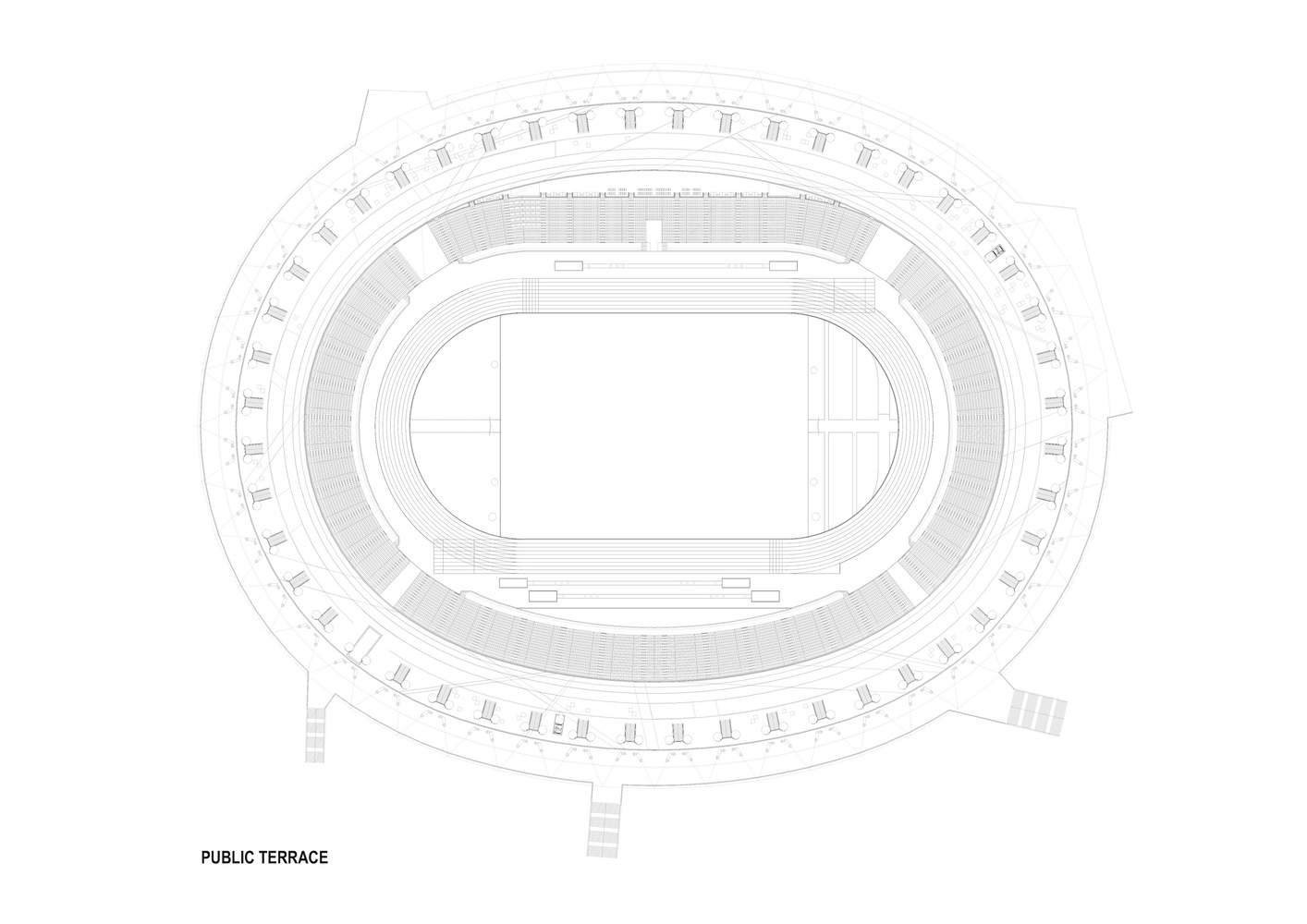
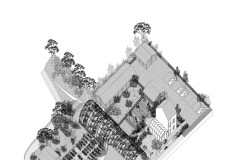
Floor Plan - Public Terrace Layer
平面图 - 公共露台层
© Tamás Bujnovszky
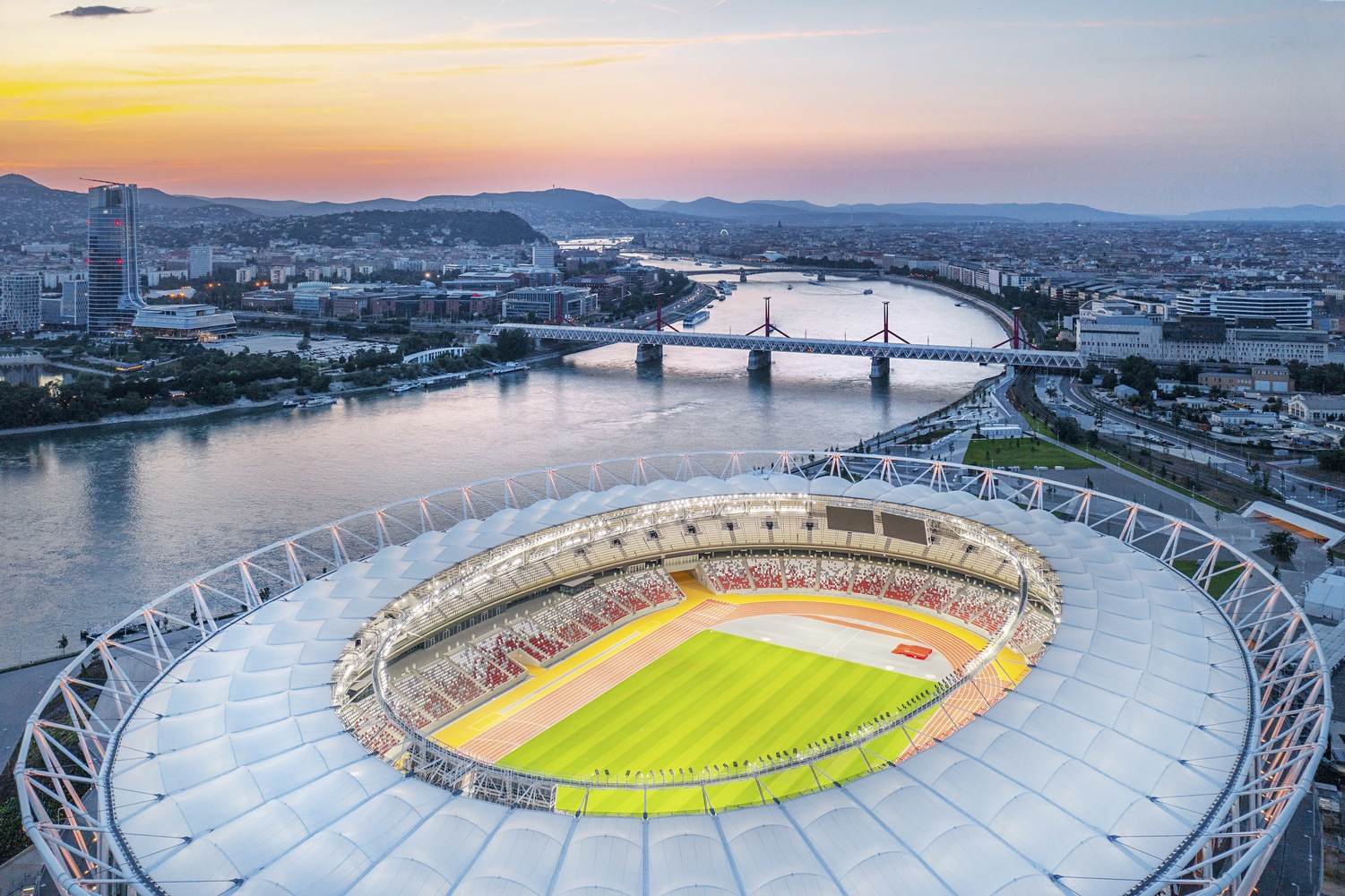
The main contents of the plan include: the construction of a new athletics stadium and park on the former site of the Vituki industrial area in Ferencváros; the planned construction of a new pedestrian-bicycle cable car bridge connecting it to the northern Csepel hilltops; and a new athletics training center accessible via the cable car bridge. These three project elements collectively aim to drive the development of the area based on an urban planning vision. The design and appearance of the building pay tribute to the athletes.
规划的主要内容包括:在费伦茨瓦罗斯的 Vituki 工业区原址上建造新的田径体育场和公园;计划建造新的步行-自行车缆车桥,将其与北切佩尔山顶相连;以及通过缆车桥可到达的新的田径训练中心。这三个项目元素共同旨在以城市规划愿景推动该地区的发展。建筑的设计和外观是为了向运动员致敬。
© Tamás Bujnovszky
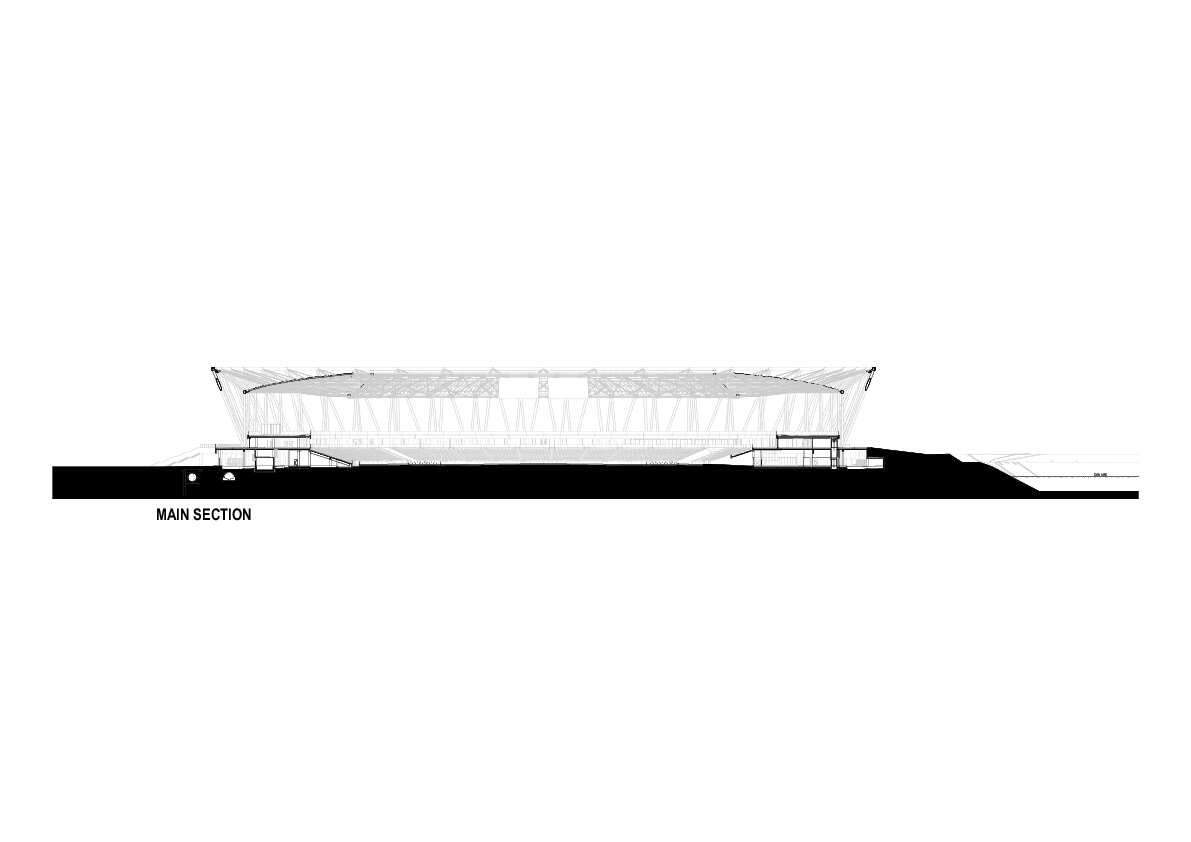
Section View
剖面图
© Molnár József
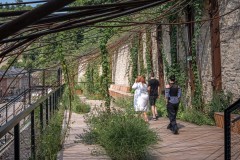
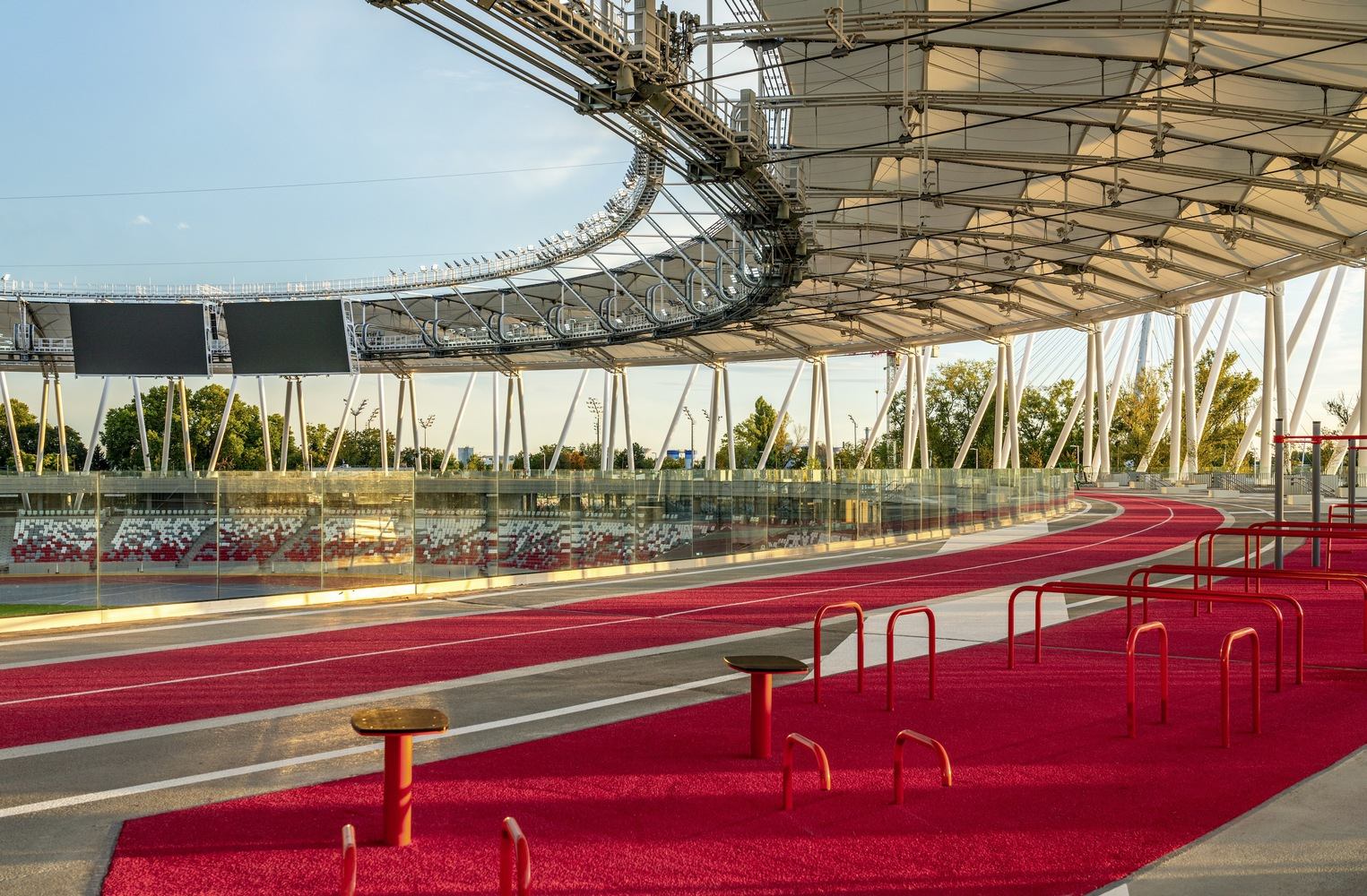
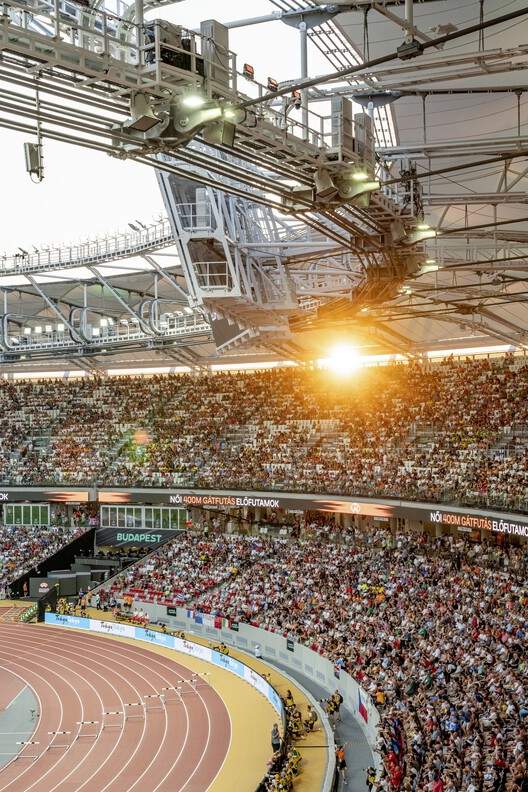
In terms of sustainability, the project was realized by eliminating a derelict industrial area on the southern bank of the Danube in Budapest and restoring the entire 20-hectare area. The goal was to create a new, open, multi-functional athletics stadium and public park for sports enthusiasts and city residents looking to relax. In the center of the park, the Hungarian National Athletics Stadium was built in competition mode to accommodate 35,000 people for the 2023 World Athletics Championships in Budapest. After the World Championships, the base design of the athletics stadium building was completed in 2024. The temporary upper stands were dismantled and replaced by a 15,000-square-meter open, illuminated leisure park—the "Open City Ring"—featuring a running track, family jogging paths, street fitness areas, training zones, and street food services. The objective was to build a high-capacity stadium capable of hosting the World Championships, but subsequently, to open it up as much as possible to the public, allowing for public participation in mass sports and athletics 365 days a year.
根据可持续性方面,该项目通过消除布达佩斯南部多瑙河岸的废弃工业区,并对整个 20 公顷区域进行修复而实施。目标是创建一个新的、开放的、多功能的田径体育场和公共公园,供体育爱好者和想要放松的城市居民使用。在公园中央,以竞技模式建造了匈牙利国家田径体育场,以容纳 35000 人参加 2023 年布达佩斯世界田径锦标赛。世锦赛后,田径体育场建筑的基础设计于 2024 年完成。临时上层看台被拆除,取而代之的是一个 15000平方米的开放式、有照明的休闲公园——“开放城市环”,其上设有跑道、家庭慢跑道、街头健身区、训练区和街头餐饮服务。目标是建造一个可容纳世锦赛的大容量体育场,但在后续时期尽可能向大众开放,让大众全年 365 天都能参与大众体育和田径运动。
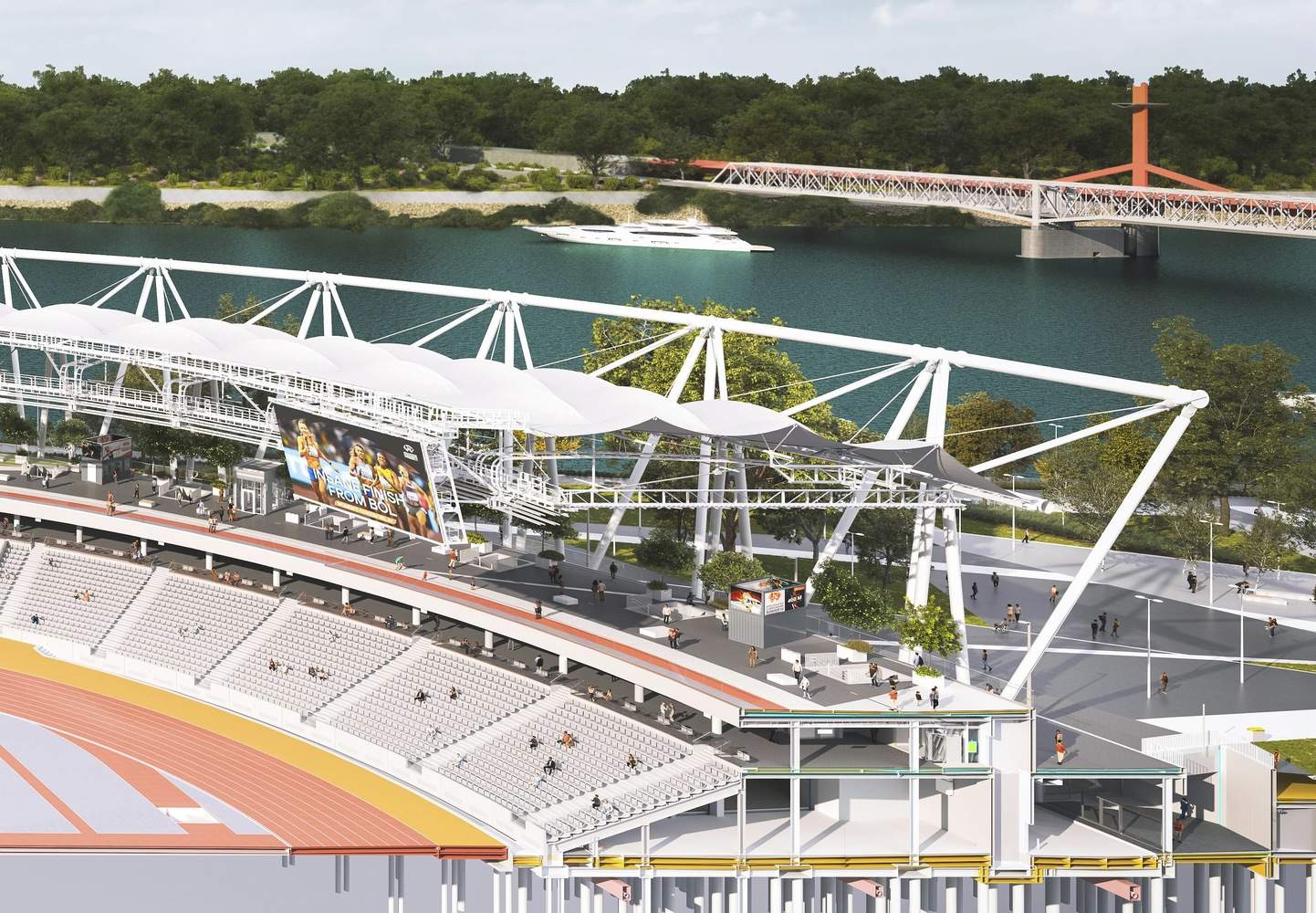
Section Diagram
剖面图
This building is the world's first "Open Arena" to achieve this goal. The first public event in the building was held in September 2024, where the "Open City Ring" leisure park debuted as a new recreational spot in Budapest.
所展示的这座建筑是世界上第一个实现这一目标的“开放竞技场”。2024 年 9 月,该建筑内举办了首个开放节目,其中“开放城市环”休闲公园作为布达佩斯的新休闲场所亮相。
© Molnár József
© Molnár József
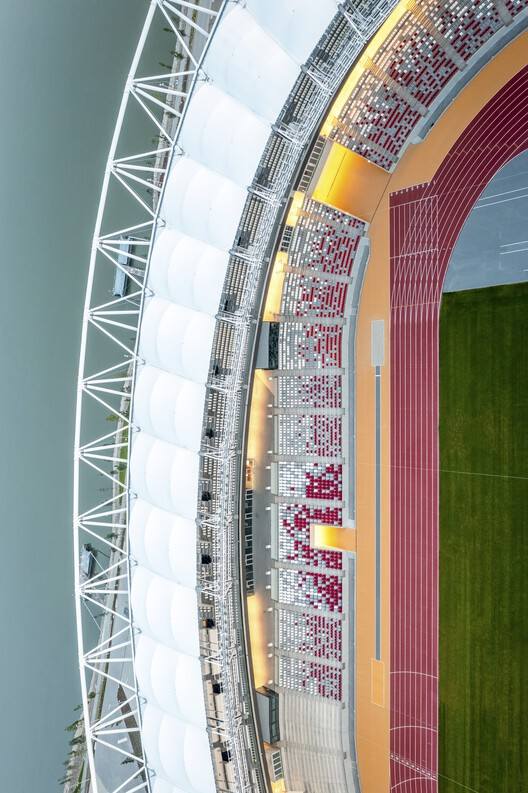
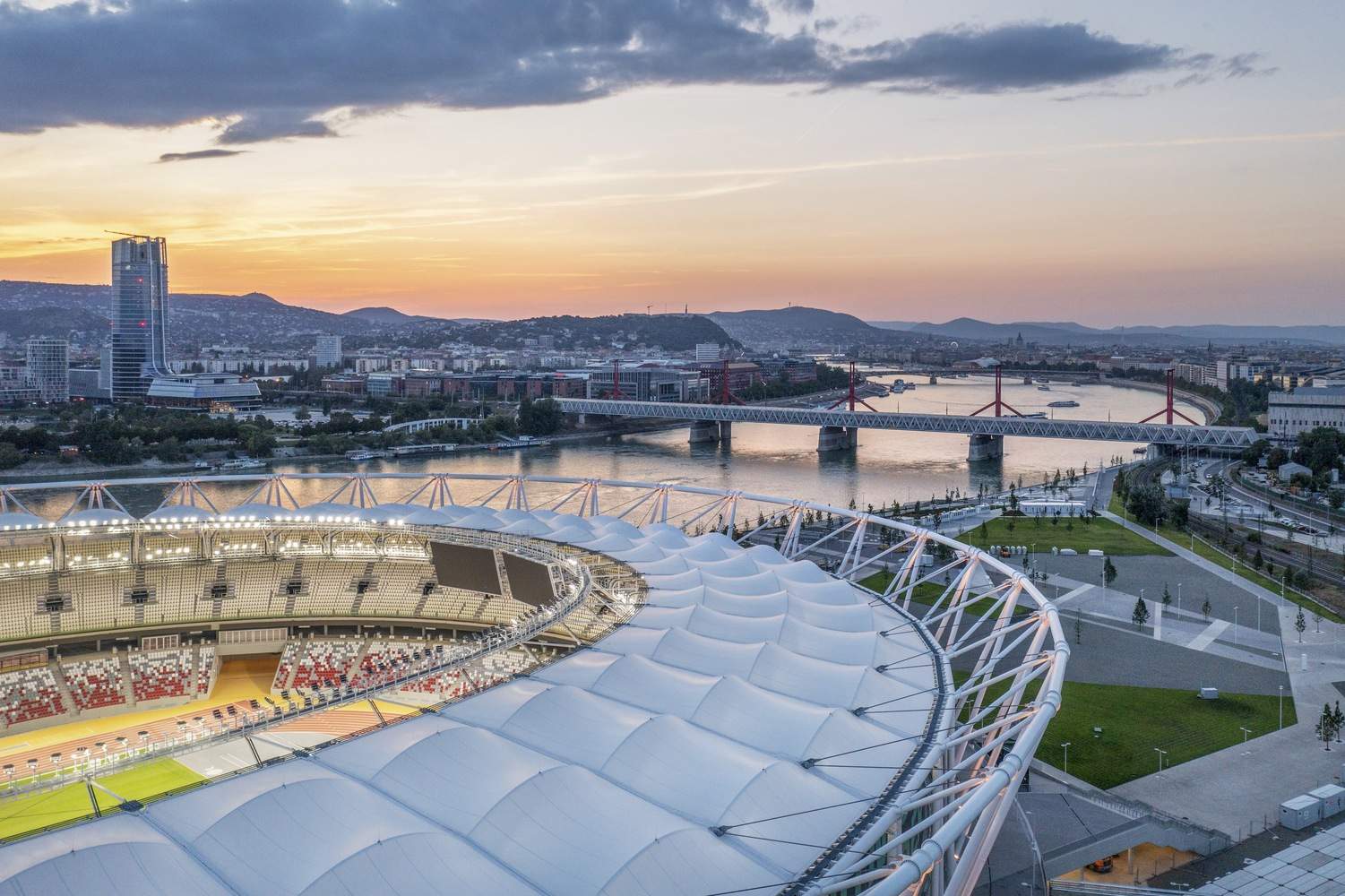
Throughout the stadium's surrounding development area, from the Rákóczi Bridge to the Kvassay Lock, extending via the new cable car bridge to Northern Csepel, new flood protection facilities, riverside promenades, bicycle paths, and boat stations were constructed. As the development project progressed, pedestrian, bicycle, and water connections for the entire North and South Pest quay areas were realized, leading to the southern part of the city. The aim is to create an attractive recreational community for city residents that can become part of the European Union and Hungarian ecological networks. The sustainability of the new "green" investment is based on maximum sustainability, thanks to its continuous use as a multi-functional activity area and its renewable geothermal energy system. In reducing environmental impact, the system prioritizes public transport solutions and walking/cycling over car traffic. The structural support system of the stadium is a unique tensile roof structure built with optimized steel consumption, heating only the areas most functionally important to the building's interior, approximately 10% of the total area. Considering these sustainability aspects, NAPUR Architect Kft. designed Budapest's new "Open Arena" in 2024, taking into account engineering, construction, and operational aspects.
在整个体育场周边开发区,从拉科奇桥到克瓦赛水闸,通过新的缆车桥一路延伸至北切佩尔,建造了新的防洪设施、沿海步行道、自行车道和船站。随着开发项目的推进,整个佩斯码头南北区域的步行、自行车和水上连接得以实现,通向城市南部。目的是为城市居民创造一个有吸引力的休闲社区,该社区可以成为欧盟和匈牙利生态网络的一部分。新“绿色”投资的可持续性建立在最大限度可持续的基础上,这得益于其作为多功能活动区域的持续使用以及其可再生地热能系统。在减少环境影响方面,系统优先采用公共交通解决方案和步行、自行车出行,而非汽车交通。体育场的结构支撑结构是一种独特的拉伸屋顶结构,采用优化钢材消耗建造,仅对建筑内部功能最重要的区域进行加热,约占总面积的 10%。考虑到这些可持续性方面,NAPUR Architect Kft.公司于 2024 年设计了布达佩斯的新“开放竞技场”,同时考虑了工程、施工和运营方面。
© Tamás Bujnovszky