以人为本的社区赋能与空间再生:该项目精髓在于其高度的参与性和协作性。它超越了传统的设计流程,通过与居民的深度对话,将社区的记忆、身份和需求直接转化为具体的设计成果。从内院的修复到雨水花园和运动场的创建,每一个空间都承载着提升居民福祉和增强社区韧性的明确目标。这种自下而上的设计模式,确保了新建公共空间能够真正服务于当地,促进了社会生态互动,是城市更新中社区赋能的典范。
多功能性与气候韧性基础设施集成:项目巧妙地将社会功能与环境可持续性目标相结合。例如,“格瓦拉花园”不仅是袖珍公园,更被设计为雨水花园,直接回应了城市洪涝的挑战,体现了绿色基础设施在应对气候变化中的关键作用。这种集成性的设计策略,使得公共空间在提供娱乐、文化和教育活动的同时,也增强了社区对极端天气的抵御能力,实现了功能性和生态效益的双赢。
社会经济协同与可持续管理模式:该项目的另一个亮点是其创新的管理和实施模式。通过整合当地组织和合作社,项目不仅在建设阶段创造了本地就业机会,促进了经济发展,更重要的是,它确保了后期维护和运营的内生动力与可持续性。这种公私(政府、国际捐助者)与地方(民间组织、合作社)的多方利益相关者协作,为未来类似社区发展项目提供了一种可复制的、强社区基础的治理蓝本,使干预措施的长期影响得以固化。
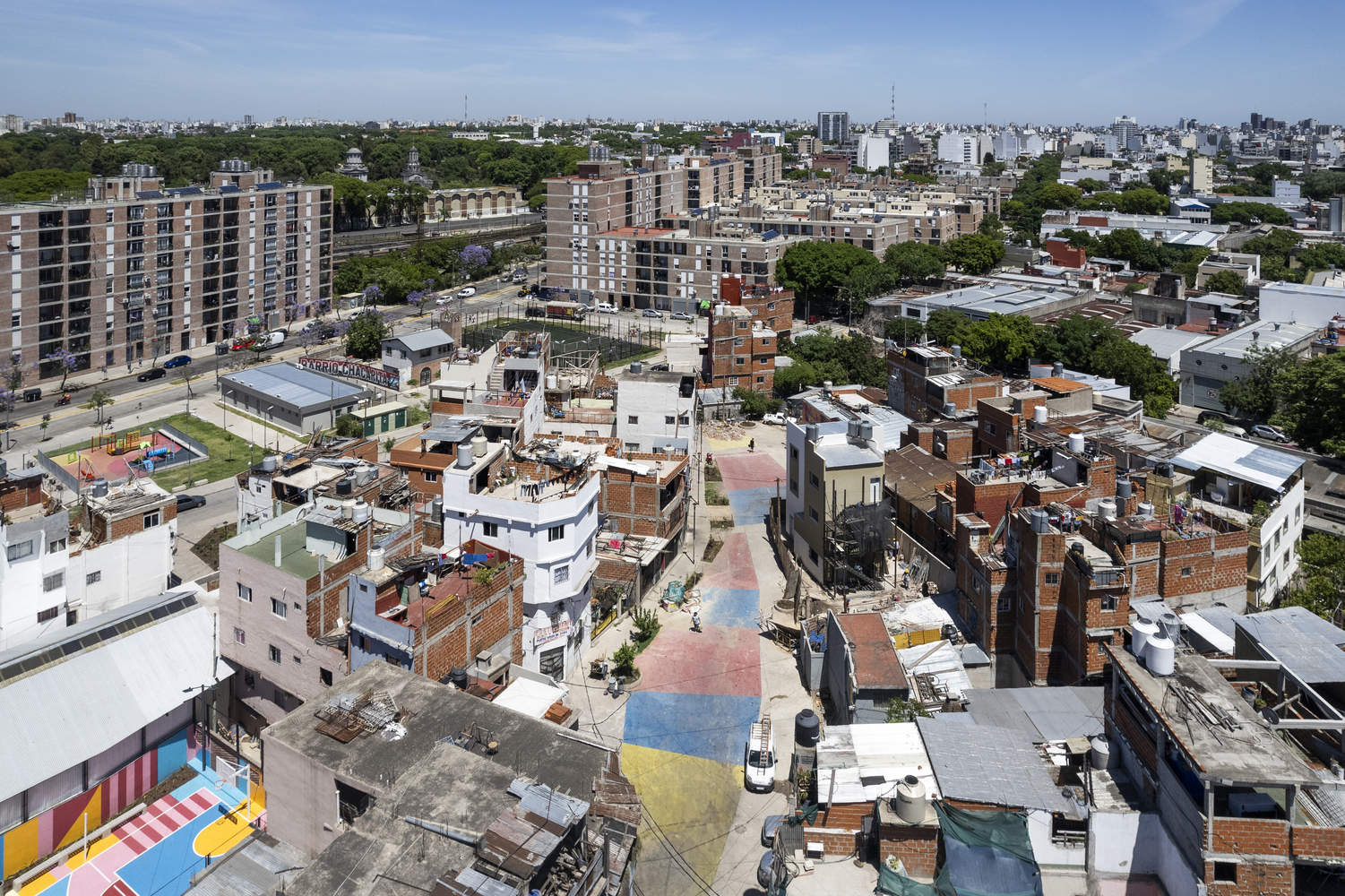
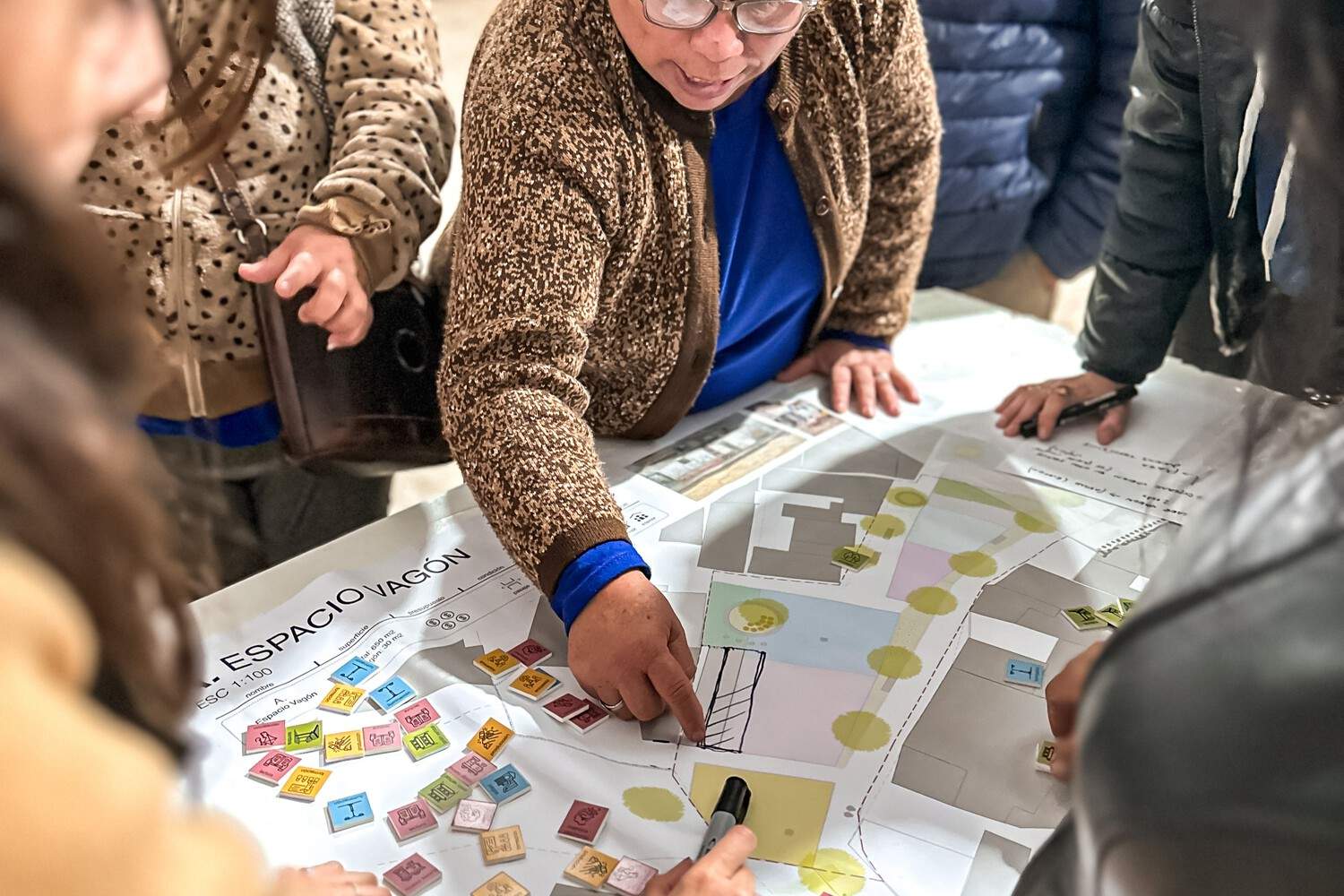
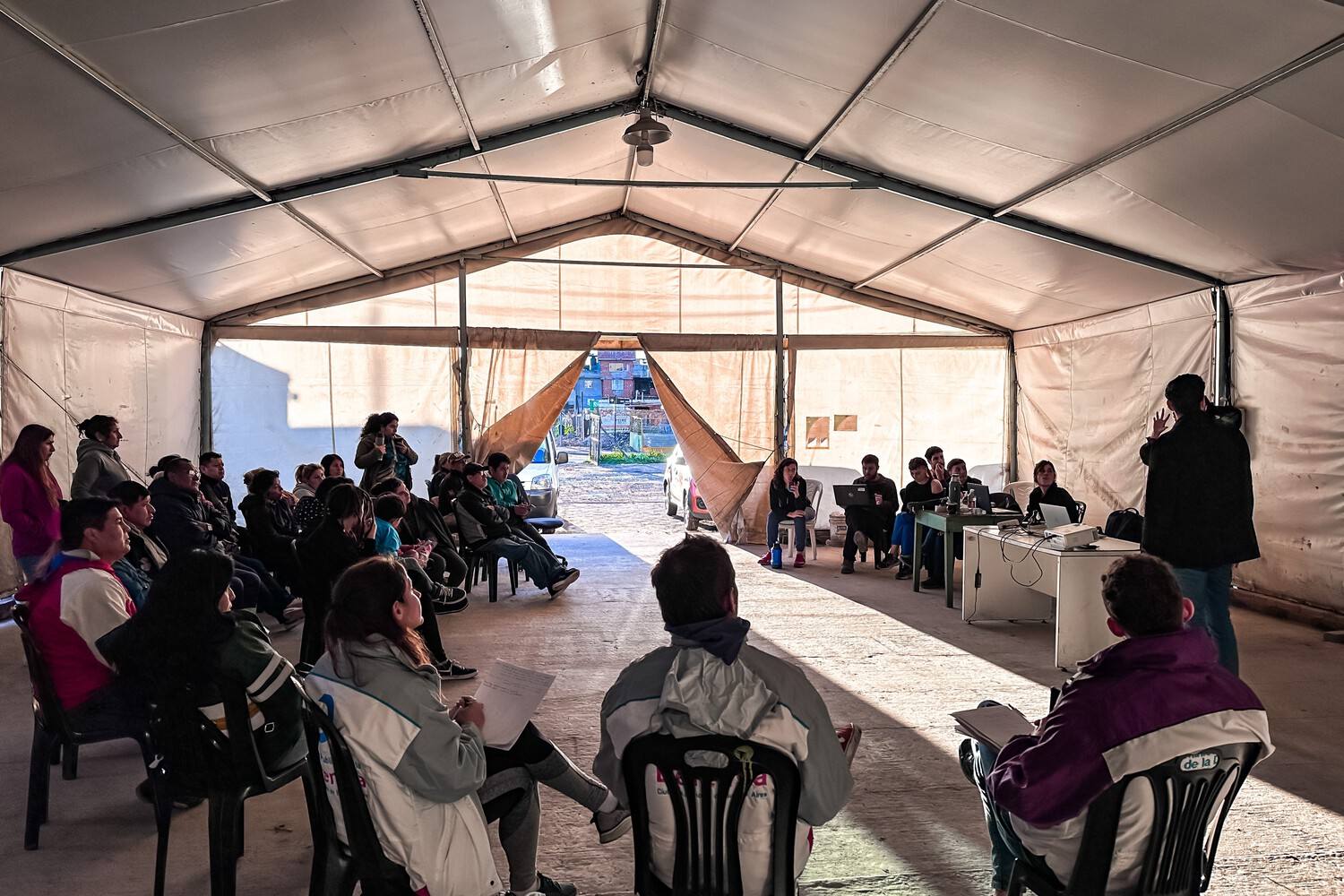
From the architect. Playón de Chacarita is a popular neighborhood in Buenos Aires, established in 2000 on former railway tracks. The Playón Red project aims to create a network of safe, healthy, and sustainable public spaces through participatory dialogue with residents. The initiative seeks to foster socio-ecological interaction to build a more inclusive and resilient community. To achieve these goals, a collaborative management model was implemented, integrating local organizations and cooperatives, supported financially by the re:arc Institute and the Buenos Aires City Housing Institute.
来自建筑师。Playón de Chacarita 是布宜诺斯艾利斯的一个热门街区,于 2000 年在原有铁路轨道上建立。 Playón Red 项目旨在通过与居民的参与式对话,创建一个安全、健康和可持续的公共空间网络。 该倡议旨在促进社会生态互动,以建立一个更具包容性和弹性的社区。 为了实现这些目标,实施了一种协作管理模式,将当地组织和合作社整合在一起,并得到了 re:arc 研究所的财政支持和布宜诺斯艾利斯市住房研究所的支持。
© Luis Barandiarán
© Luis Barandiarán
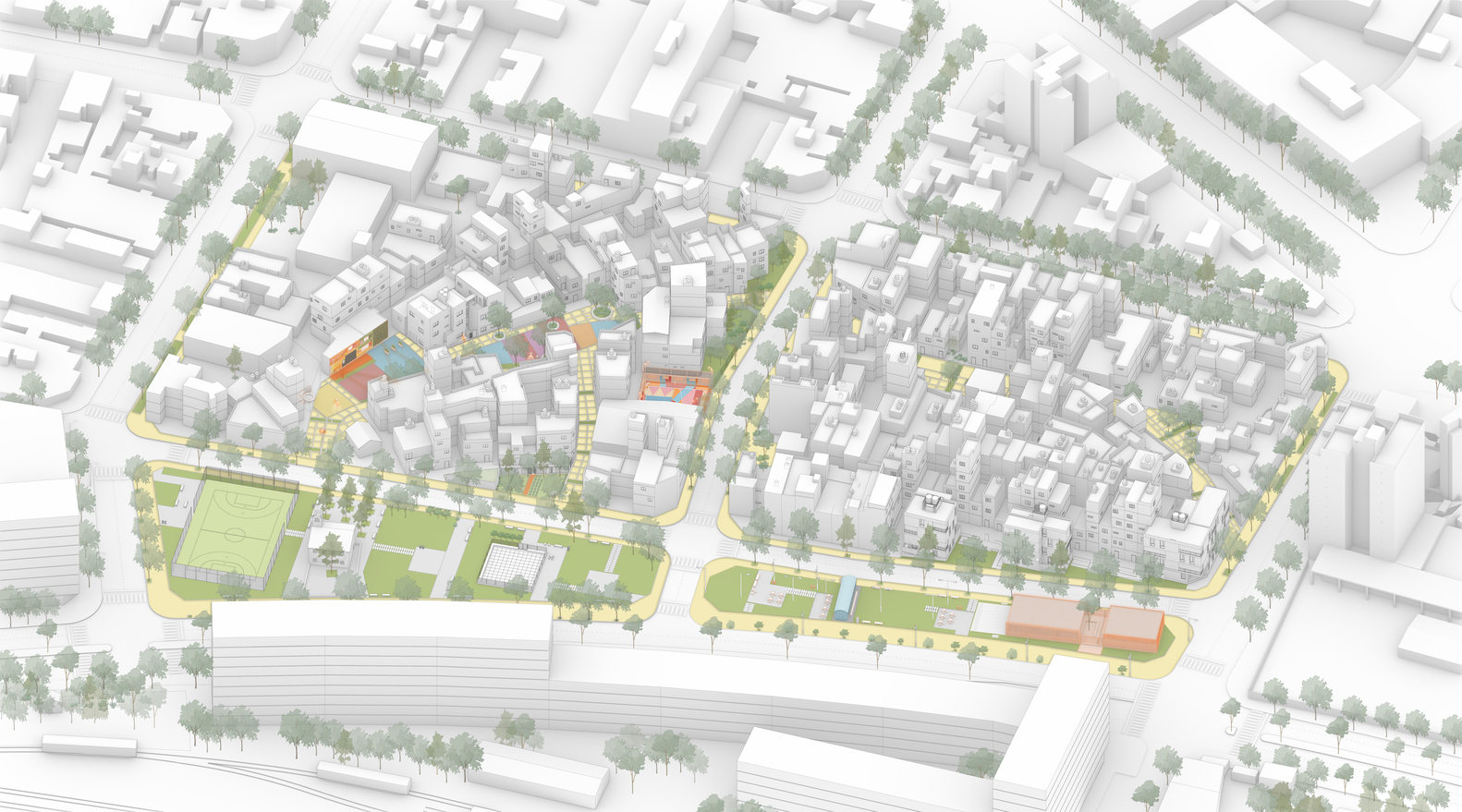
Analysis Diagram
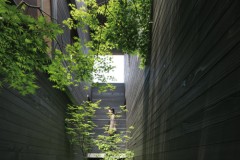
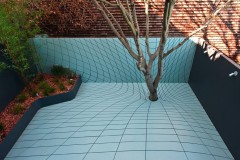
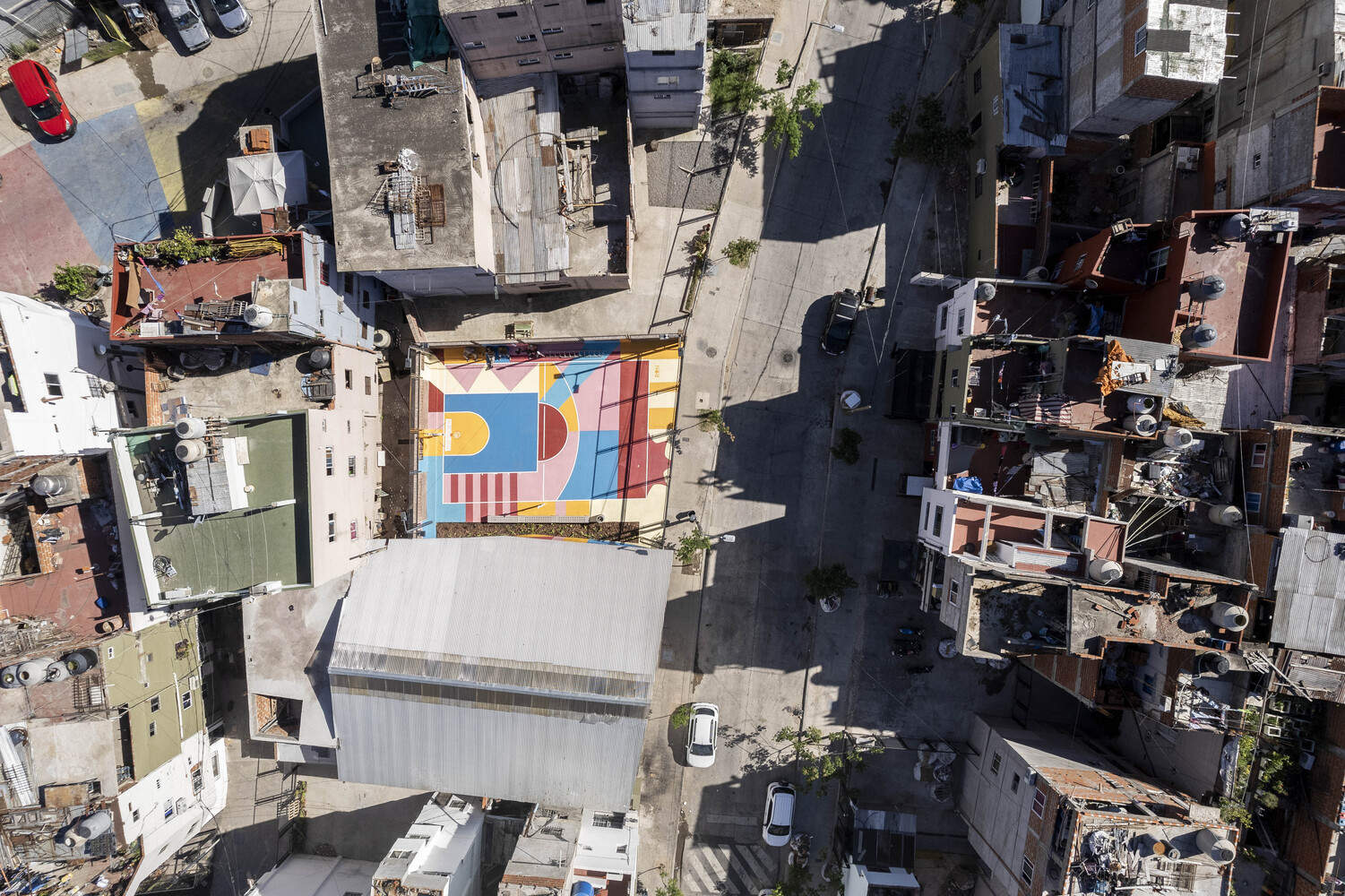
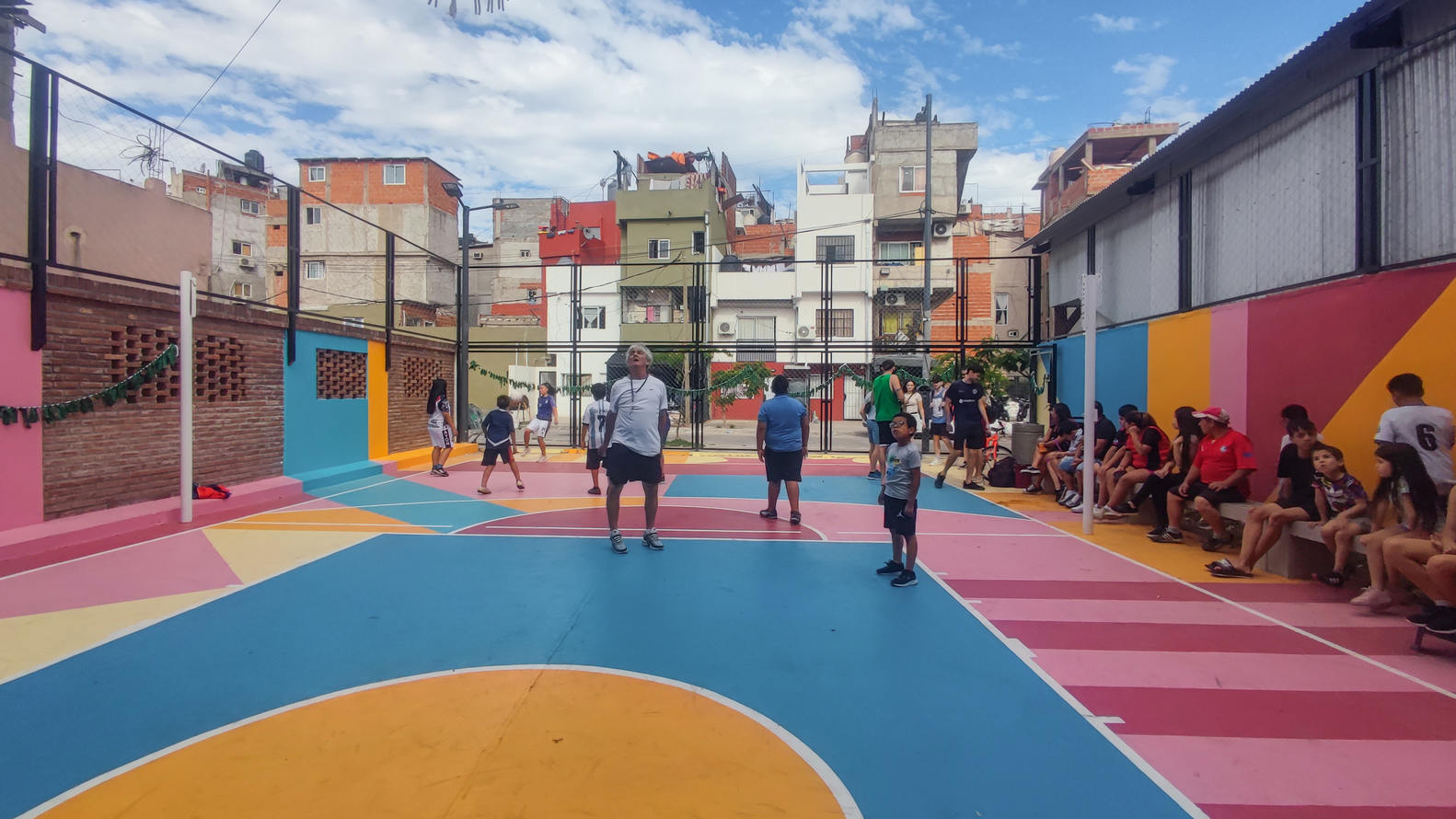
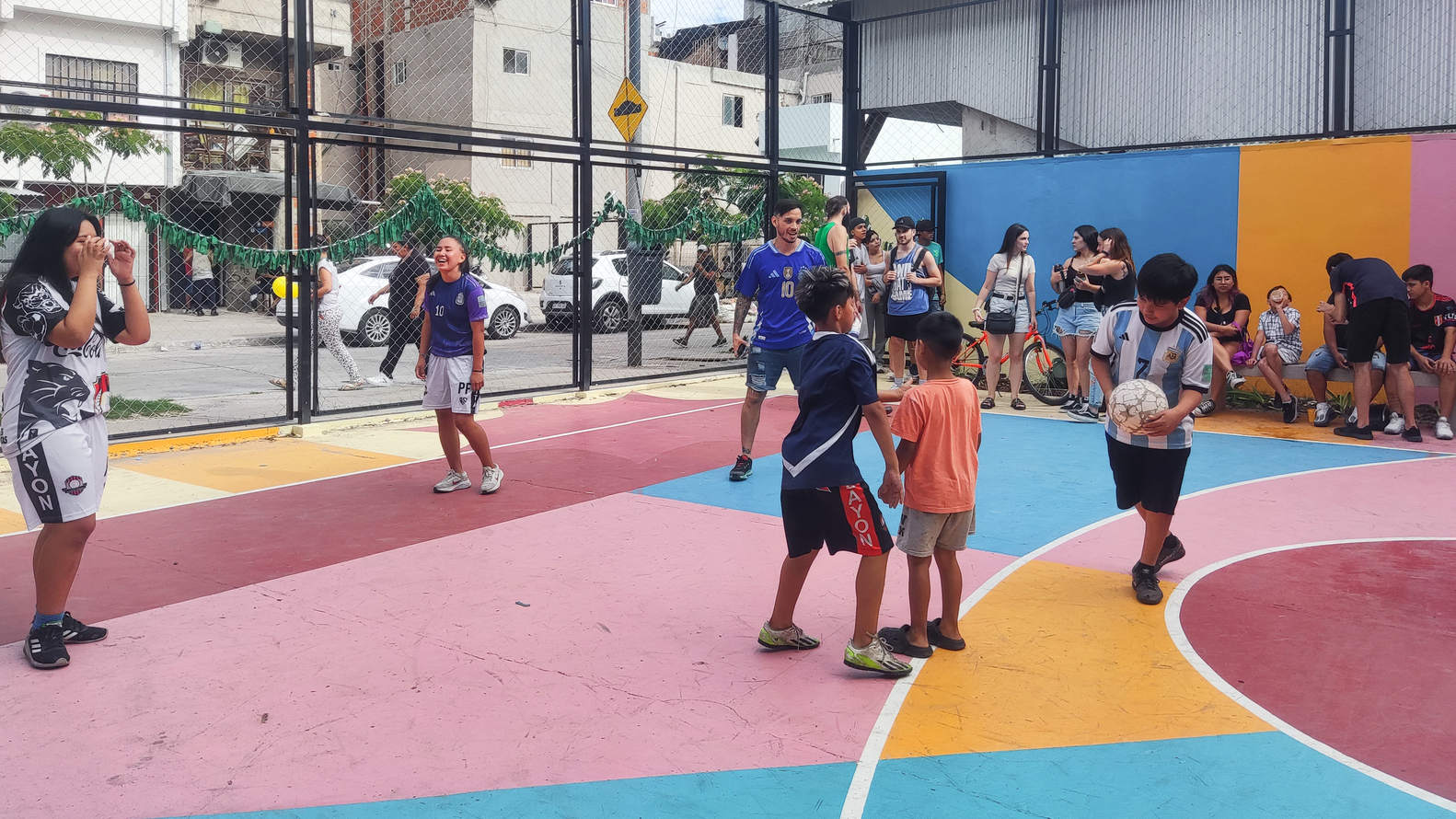
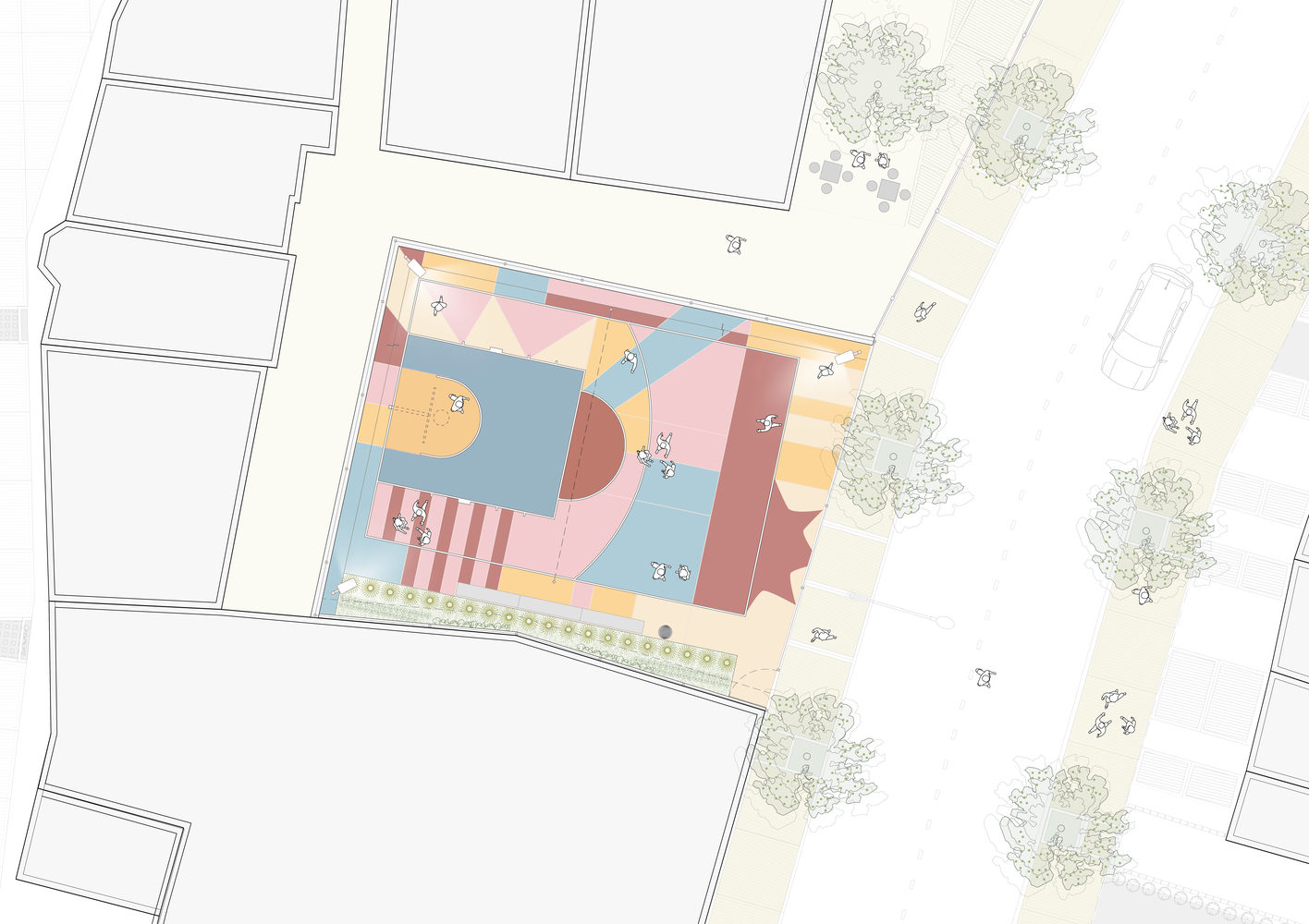
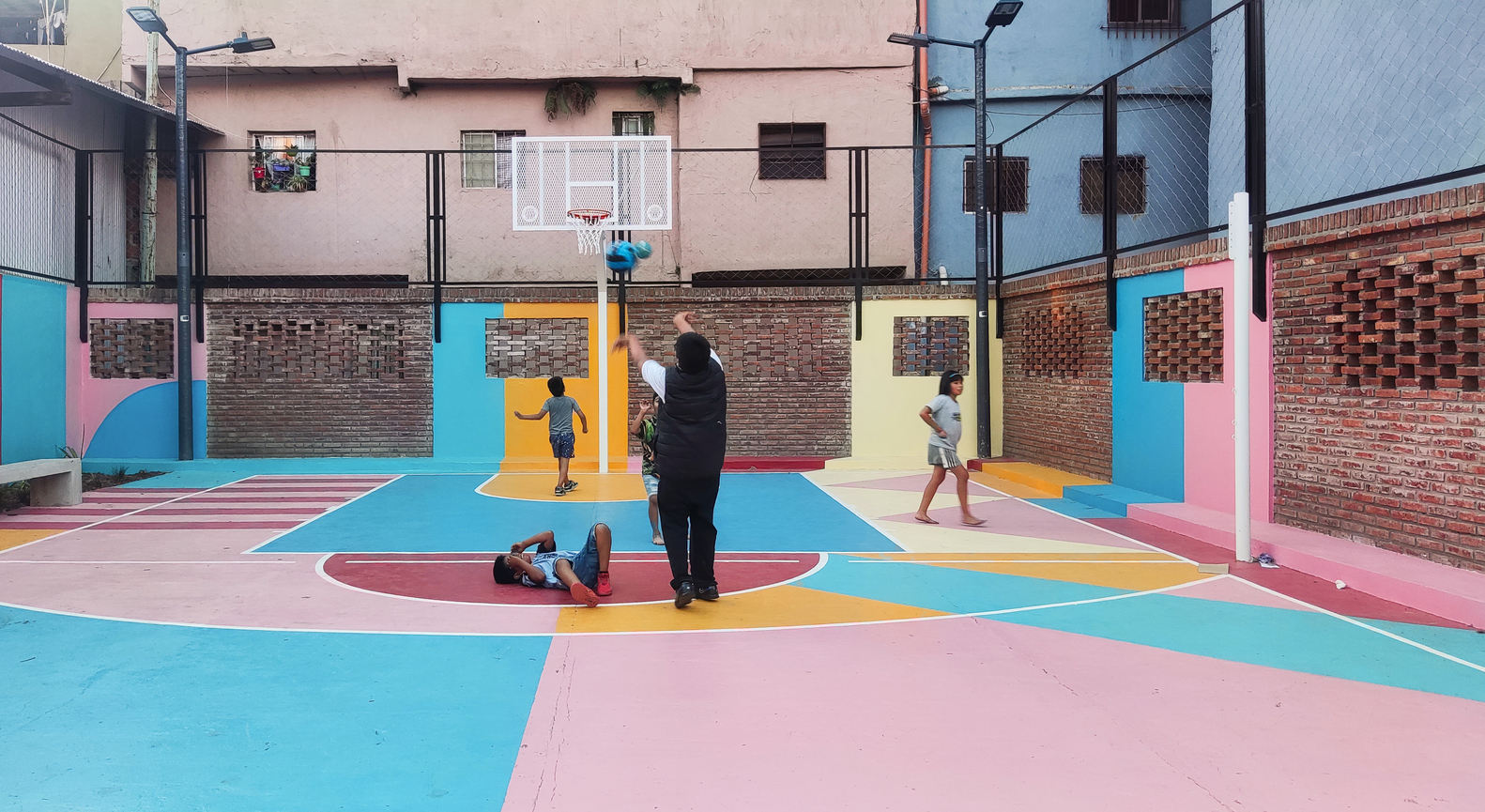
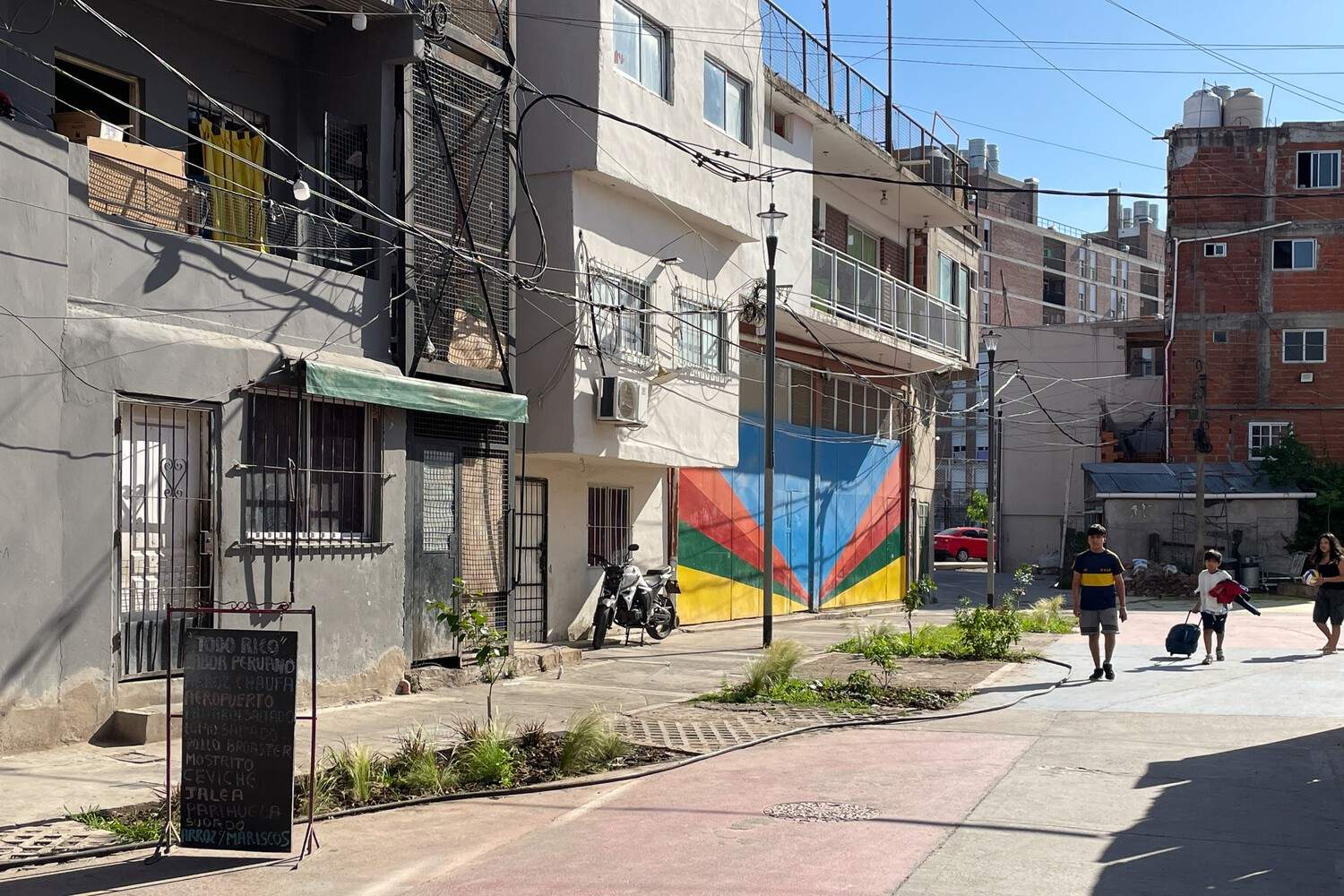
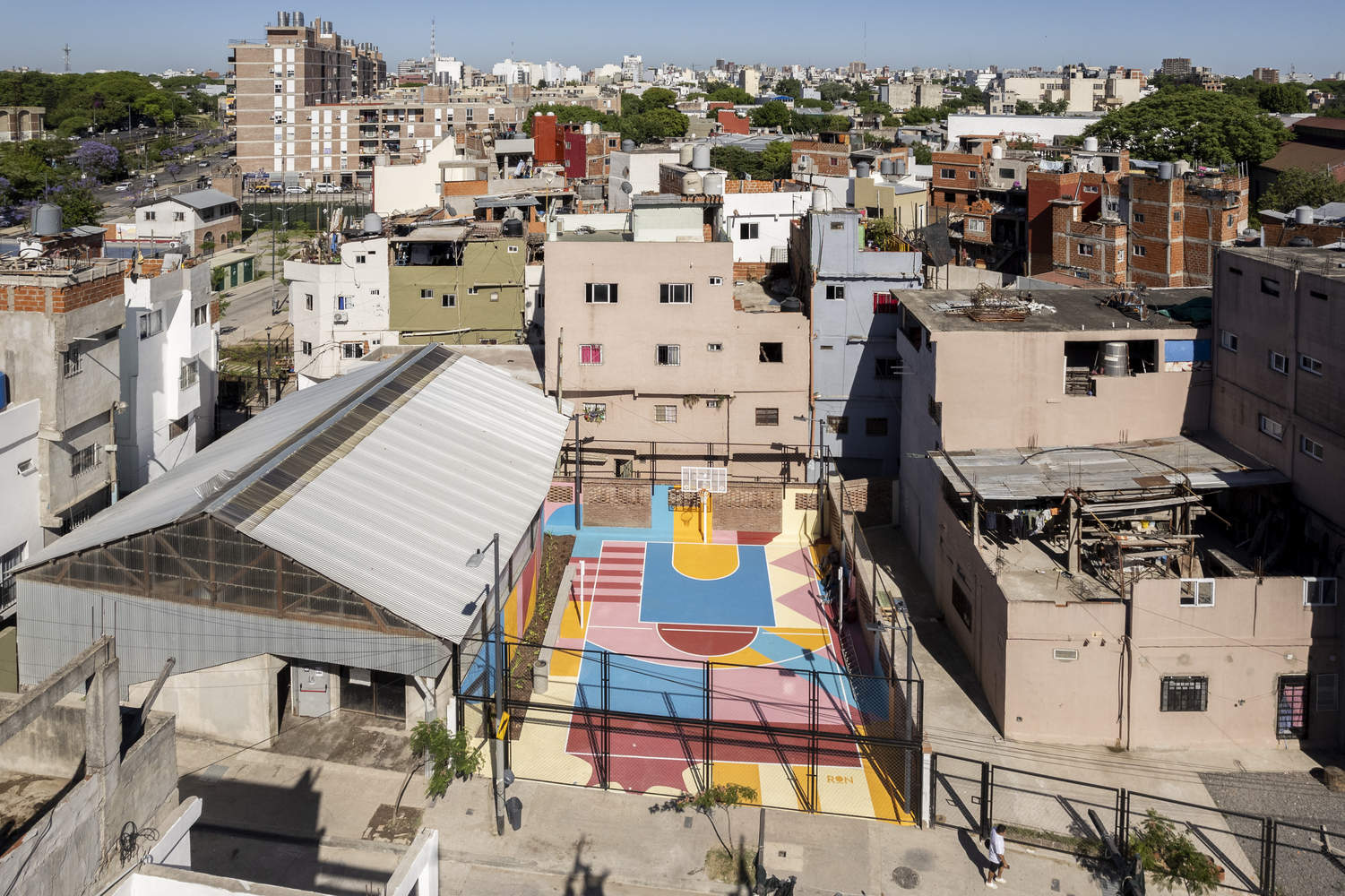
通过参与式工作坊,居民们积极为三个关键项目的设计做出了贡献,这三个项目旨在在第一阶段改造社区:1。 内院:一条经过修复的内部通道,在改善环境质量的同时保留了当地的记忆和身份。2. 格瓦拉花园:一个袖珍公园,同时也作为一个雨水花园,以减轻洪水。3. 帕尔帕球场:一个为年轻人和儿童提供安全娱乐机会的运动场所。
通过参与式工作坊,居民们积极为三个关键项目的设计做出了贡献,这三个项目旨在在第一阶段改造社区:1。 内院:一条经过修复的内部通道,在改善环境质量的同时保留了当地的记忆和身份。2. 格瓦拉花园:一个袖珍公园,同时也作为一个雨水花园,以减轻洪水。3. 帕尔帕球场:一个为年轻人和儿童提供安全娱乐机会的运动场所。
© Luis Barandiarán
© Luis Barandiarán
In the second phase, the project envisions the construction of a community center dedicated to cultural, educational, and economic activities. These initiatives form a network of green infrastructure and public spaces crucial for improving the quality of life in the neighborhood. These public spaces not only contribute to reducing social and urban inequalities but also enhance resilience against the impacts of climate change, which disproportionately affects the most vulnerable communities. Furthermore, the implementation of these solutions transforms unsafe areas into spaces for community interaction and play, promoting a reduction in urban violence.
在第二阶段,该项目设想建设一个致力于文化、教育和经济活动的社区中心。 这些举措形成了一个绿色基础设施和公共空间网络,对于提高社区生活质量至关重要。 这些公共空间不仅有助于减少社会和城市的不平等,而且还能增强对气候变化影响的抵御能力,气候变化对最脆弱的社区造成了不成比例的影响。 此外,这些方案的实施将不安全区域转变为社区互动和玩耍的空间,促进了城市暴力的减少。
© Luis Barandiarán
© Luis Barandiarán
Floor Plan
© Luis Barandiarán
Local organizations and cooperatives, deeply rooted in the community, led the implementation and construction process, generating employment opportunities and promoting the local economy. This, in turn, fostered a sense of belonging and ensured the sustainability of the interventions. The initiative brought together a diverse range of stakeholders, including governmental agencies, local NGOs, and international donors.
深深扎根于社区的当地组织和合作社领导了实施和建设过程,创造了就业机会,促进了当地经济的发展。 这反过来又促进了归属感,并确保了干预措施的可持续性。 该倡议汇集了各种各样的利益相关者,包括政府机构、当地非政府组织和国际捐助者。
© Luis Barandiarán
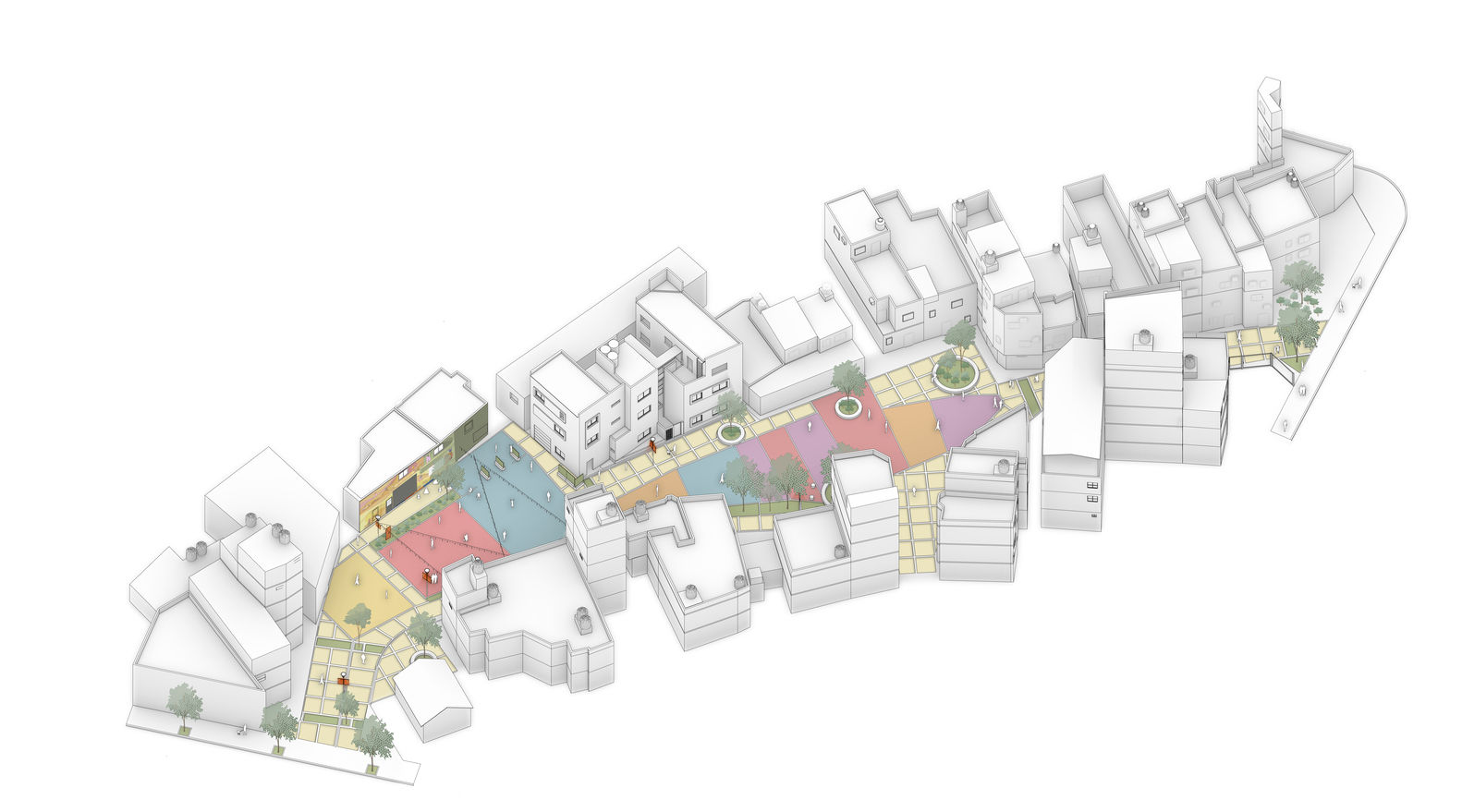
Analysis Diagram
The project highlights the power of public space as a driver for social and environmental transformation in vulnerable populations. Playón Red emphasizes the importance of integrated and participatory approaches for building more inclusive, resilient, and sustainable cities, promoting cooperation between the community, the private sector, government, and civil society.
该项目突出了公共空间作为弱势群体社会和环境变革驱动力的力量。 Playón Red 项目强调了综合性和参与性方法对于建设更具包容性、弹性和可持续性的城市,促进社区、私营部门、政府和民间社会之间的合作的重要性。
© Luis Barandiarán