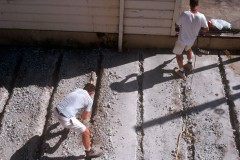
可持续性与在地资源利用的典范:该项目超越了简单的翻新,深度践行了经济、环境和社会可持续性原则。通过对当地土壤进行试验性利用建造半土筑墙,以及对原有结构材料(如旧马厩的木板)的循环再利用,建筑师有效地推动了循环经济。这种对在地资源的尊重和创新性应用,不仅降低了对外部资源的依赖,也使得新建部分与历史肌理和自然景观实现了和谐共融,是现代建筑实践中可持续策略的有力展示。
文化传承与身份认同的重塑:洛斯利亚诺斯之宅的改造核心在于连接过去与未来。建筑不仅是屋主童年记忆的载体,更通过精心保留和修复,重建了居住者与其家族历史之间的文化纽带。通过重拾和注入时代气息,项目成功地呵护了这种“被忽视和贬低”的乡村建筑风格,确保了祖先生活的精髓得以在新时代语境下得以延续,实现了物质形态与精神内涵的统一。
空间体量感与现代生活需求的平衡:在室内布局上,设计大胆地响应了当代对开放、宏大主空间的需求,拆除了原有的分隔墙,创造出仅由建筑外壳界定的高体量公共区域。这种策略最大化了居住者对空间的感知,完美适应了现代生活方式。同时,将卧室和卫生间等私密功能压缩至剩余空间,体现了高效的空间组织能力,在尊重历史结构限制的同时,实现了功能与美学的优化平衡。
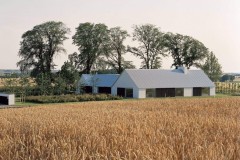
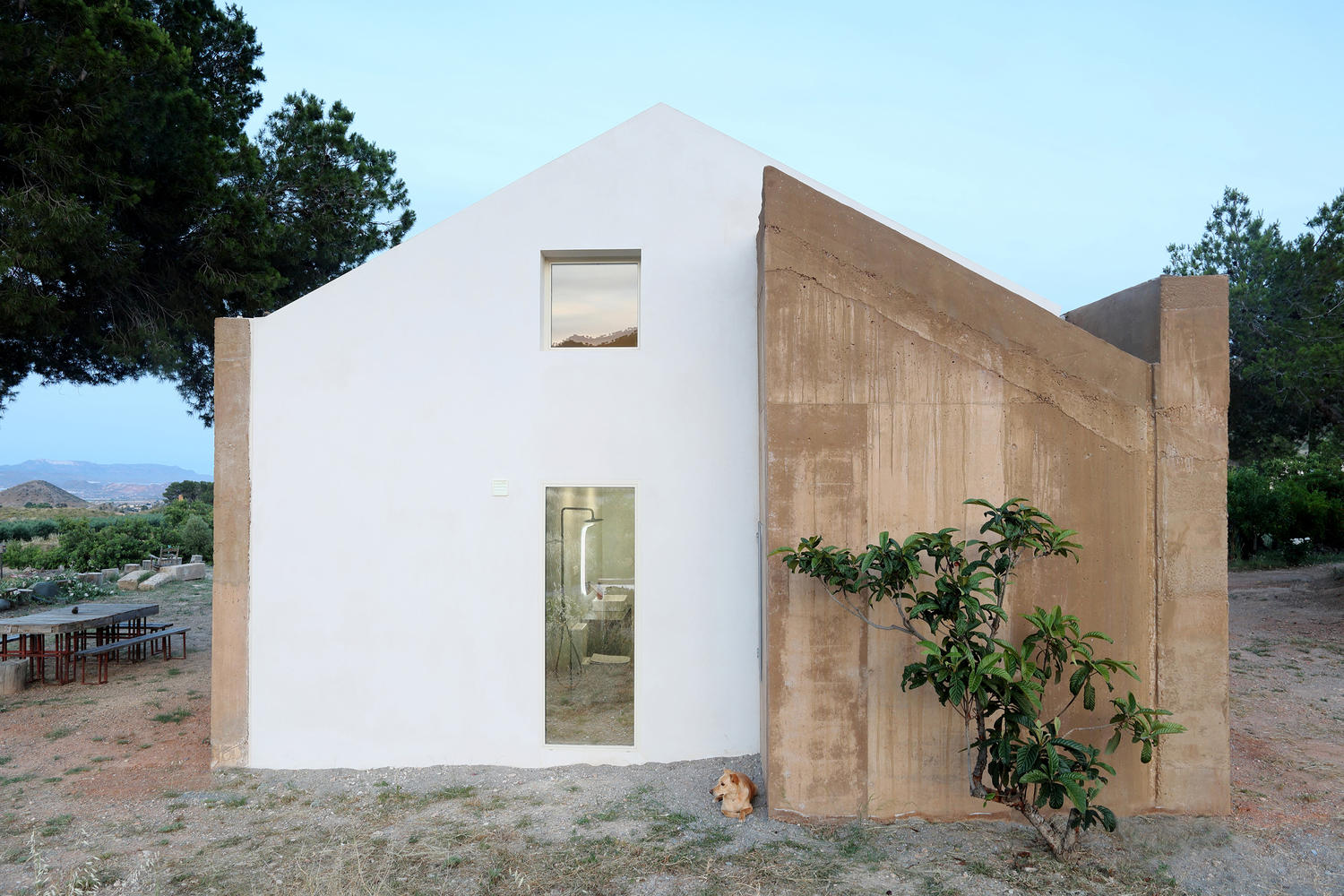
The House of Los Llanos is a timeless and stylistically diverse residence, whose predecessor was almost reduced to ruins; initially, there was little left, but it was the home of the owner's childhood. In compliance with the demands of the Law on the Quality of Construction, efforts were made to harmonize it with the surrounding landscape in a way that was economically, environmentally, and socially sustainable. In this process, local resources were fully utilized, and recyclable materials were reused and recycled, thus promoting the circular economy. The conception and design of this residence are reflected not only in its material form but also in its profound cultural and identity connotations, intimately linking the land with its inhabitants and their families.
洛斯利亚诺斯之宅是一座永恒且风格多元的居所,其前身几乎沦为废墟;起初,这里几乎所剩无几,但它是屋主儿时的家园。根据《建筑质量法》的要求,人们通过适应经济、环境和社会可持续性的方式,努力使其与周边景观和谐相融。这一过程中,人们充分利用当地资源,对可回收利用的材料进行再利用和循环利用,从而推动了循环经济的发展。这座宅邸的构思与设计,不仅体现在物质形态上,更蕴含着文化与身份认同的深刻内涵,将这片土地与居住者及其家庭紧密相连。
© Juan S. Calventus y Jerónimo José Montes Martínez
© Juan S. Calventus y Jerónimo José Montes Martínez
© Juan S. Calventus y Jerónimo José Montes Martínez
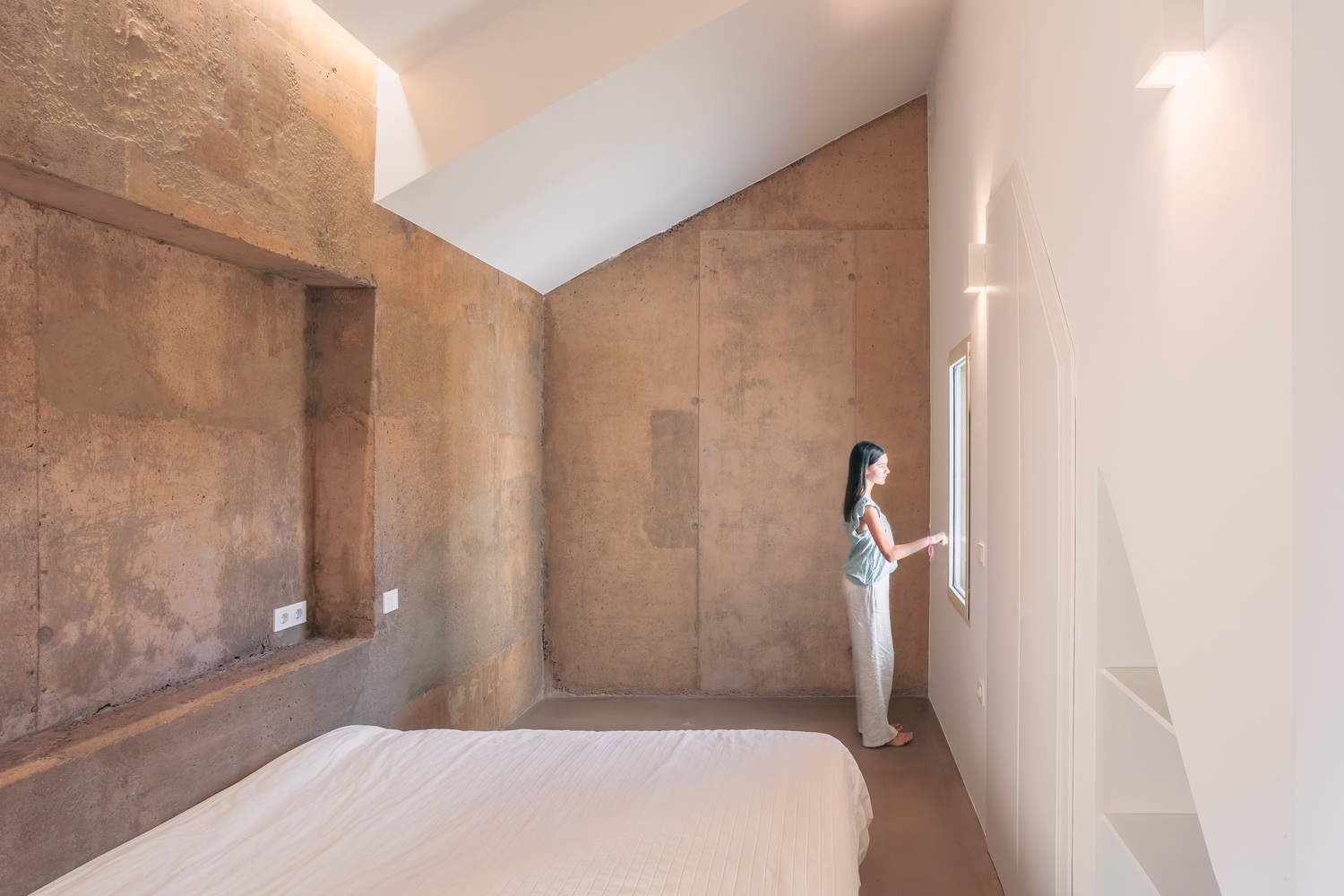
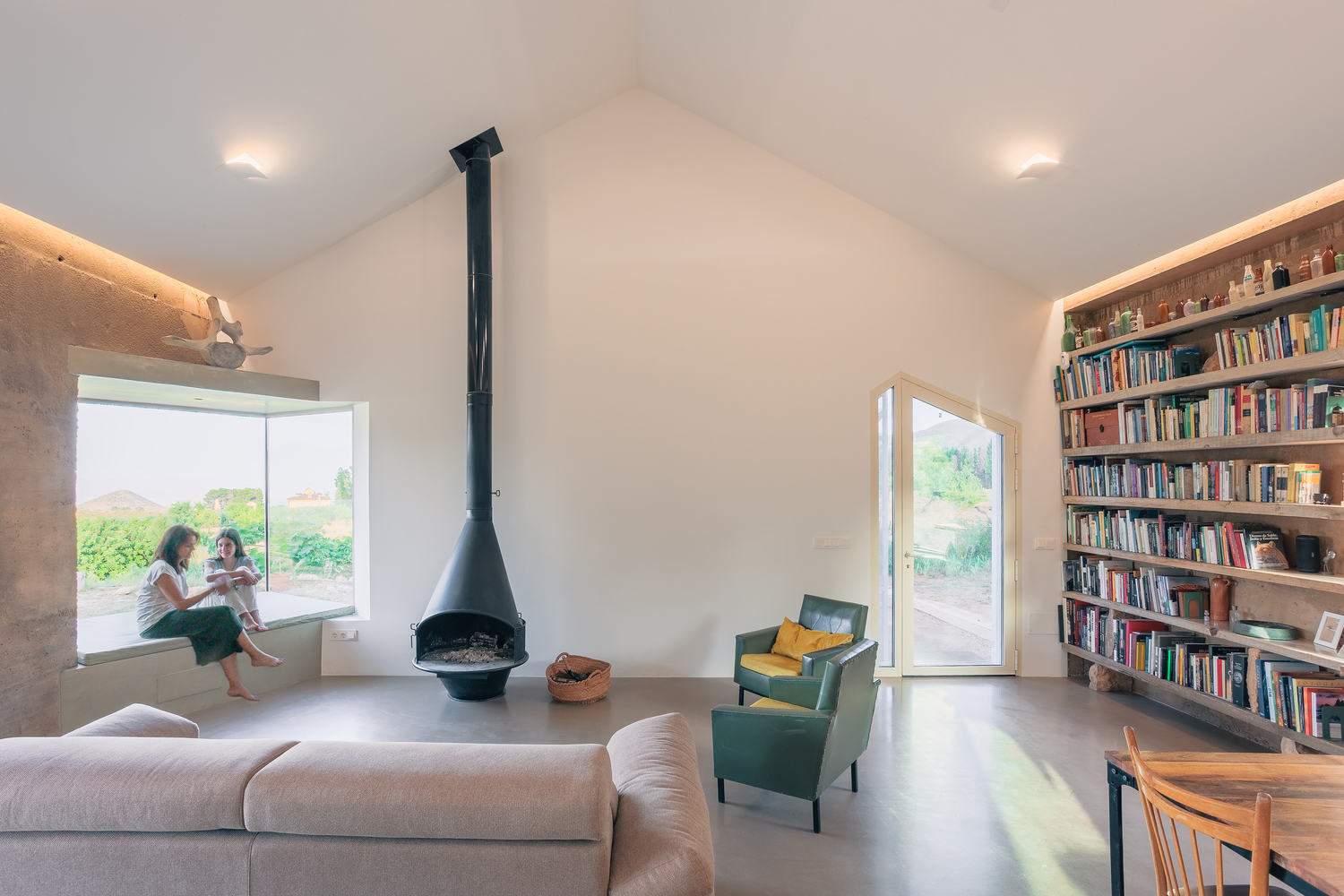
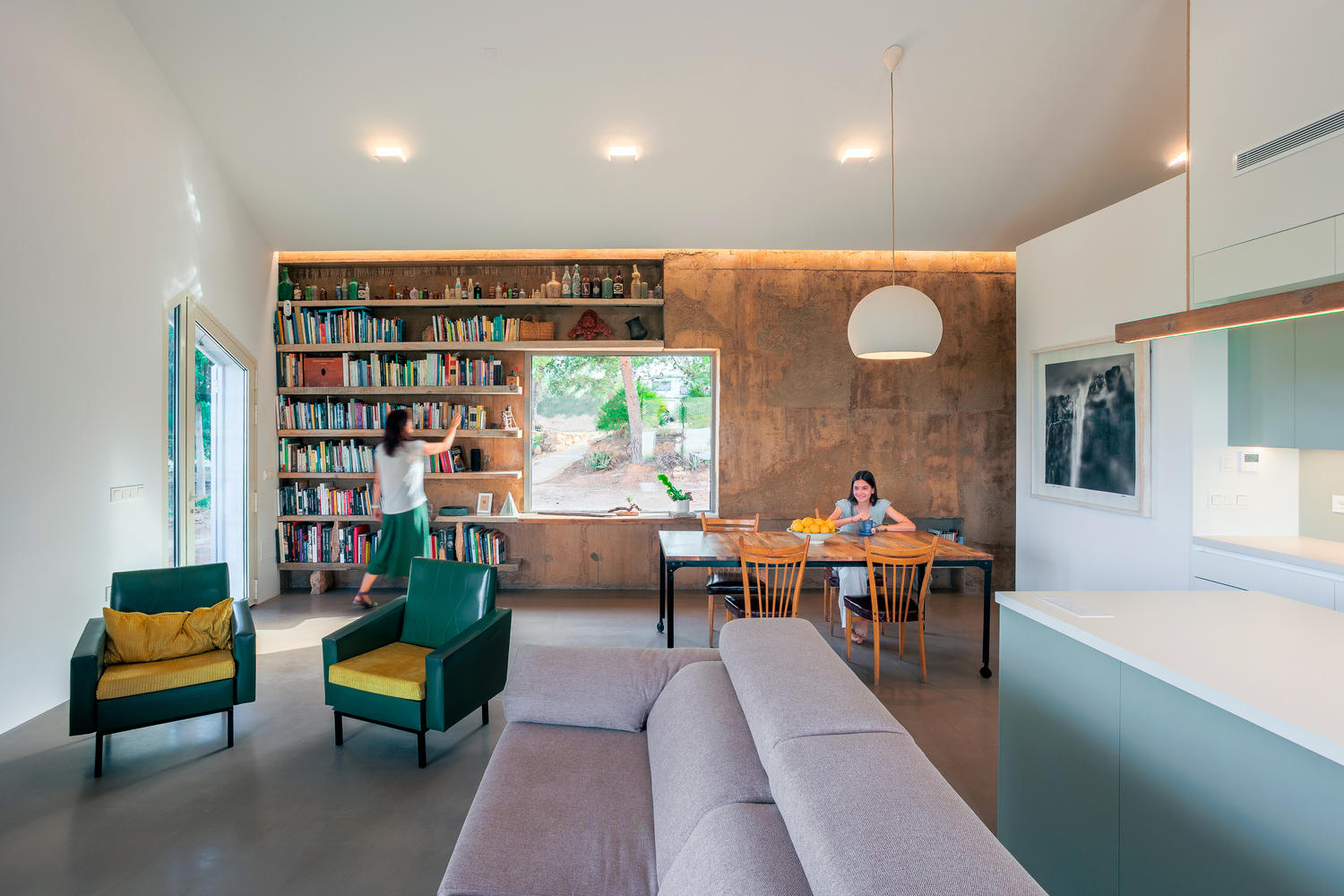
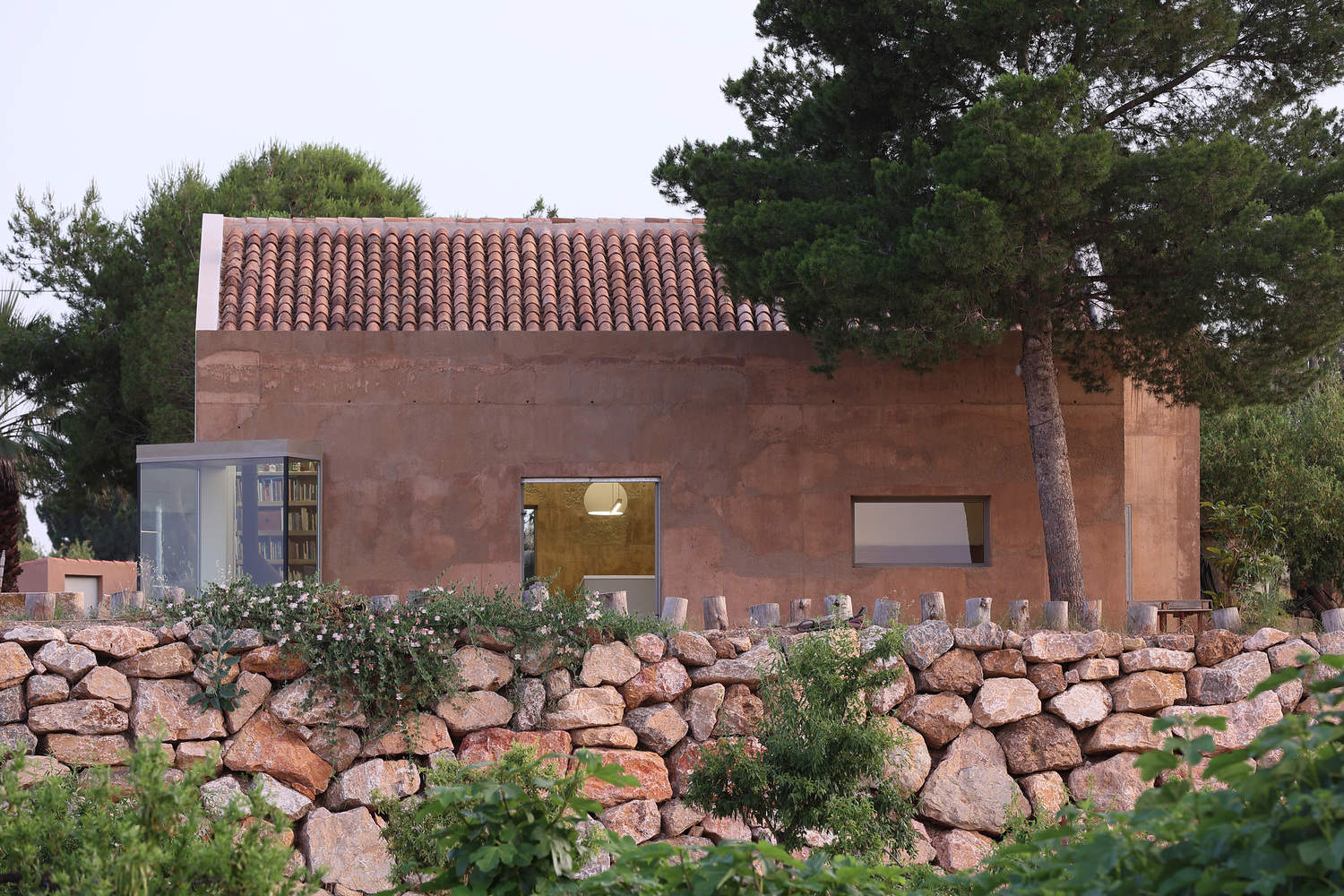
The construction of the project incorporated a degree of craftsmanship, including rammed earth walls, which allowed builders to experiment with the local soil, exploring its possibilities and challenges. They dedicated themselves to building these walls with the same fervor with which their parents had worked the land where the house stands, creating a connection that is parallel and seamless. They also restored other parts of the original structure, such as the roof, or reused materials to create interior furniture. For example, the wooden boards from the small stable roof now serve as bookshelves in the living area.
该项目的建设融入了一定程度的匠心工艺,其中包括半土筑墙,这种墙体让建造者得以用当地土壤进行试验,探索其可能性与挑战。他们以父母耕耘宅邸所在土地的同样热忱,投入到这些墙体的建造中,形成了并行不悖、浑然一体的联系。他们还修复了原始结构的其他部分,如屋顶,或重新利用材料来打造室内家具。例如,小马厩屋顶的木板如今成了起居区的书架。
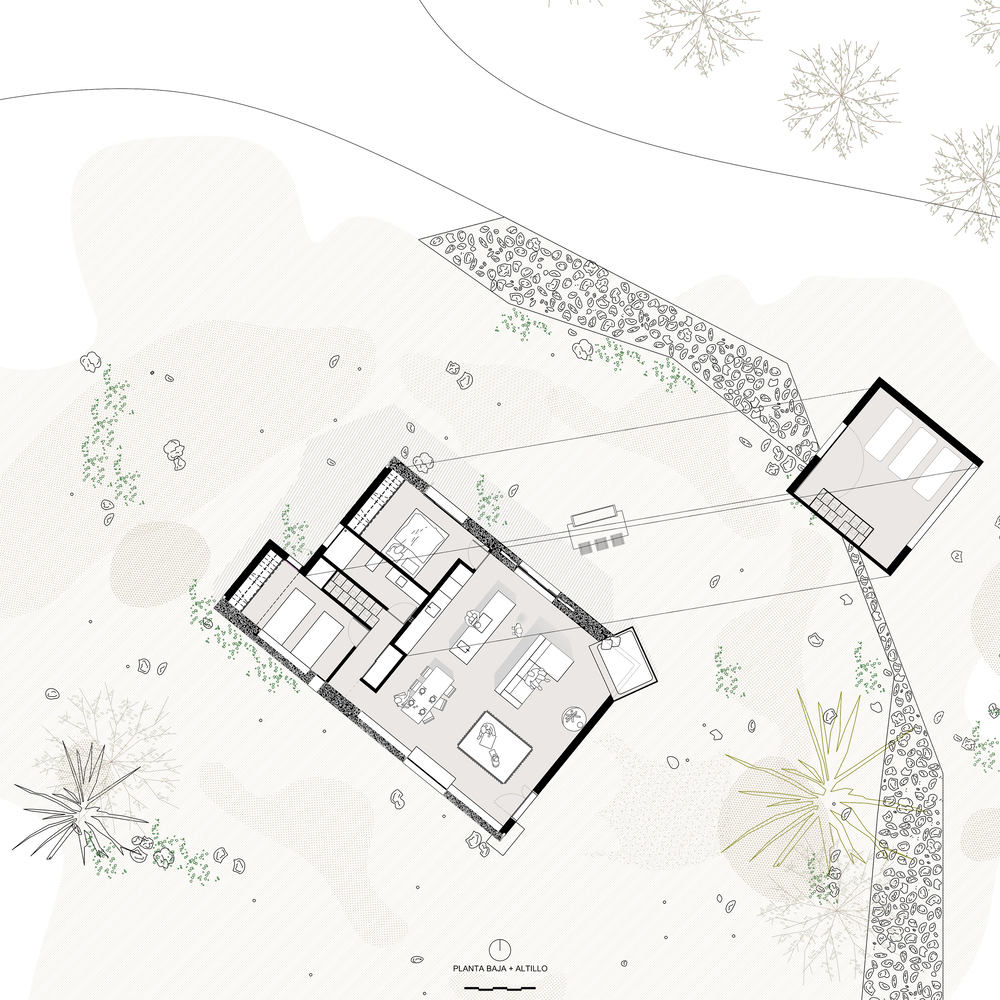
Ground and Attic Floor Plans
底层与阁楼平面图
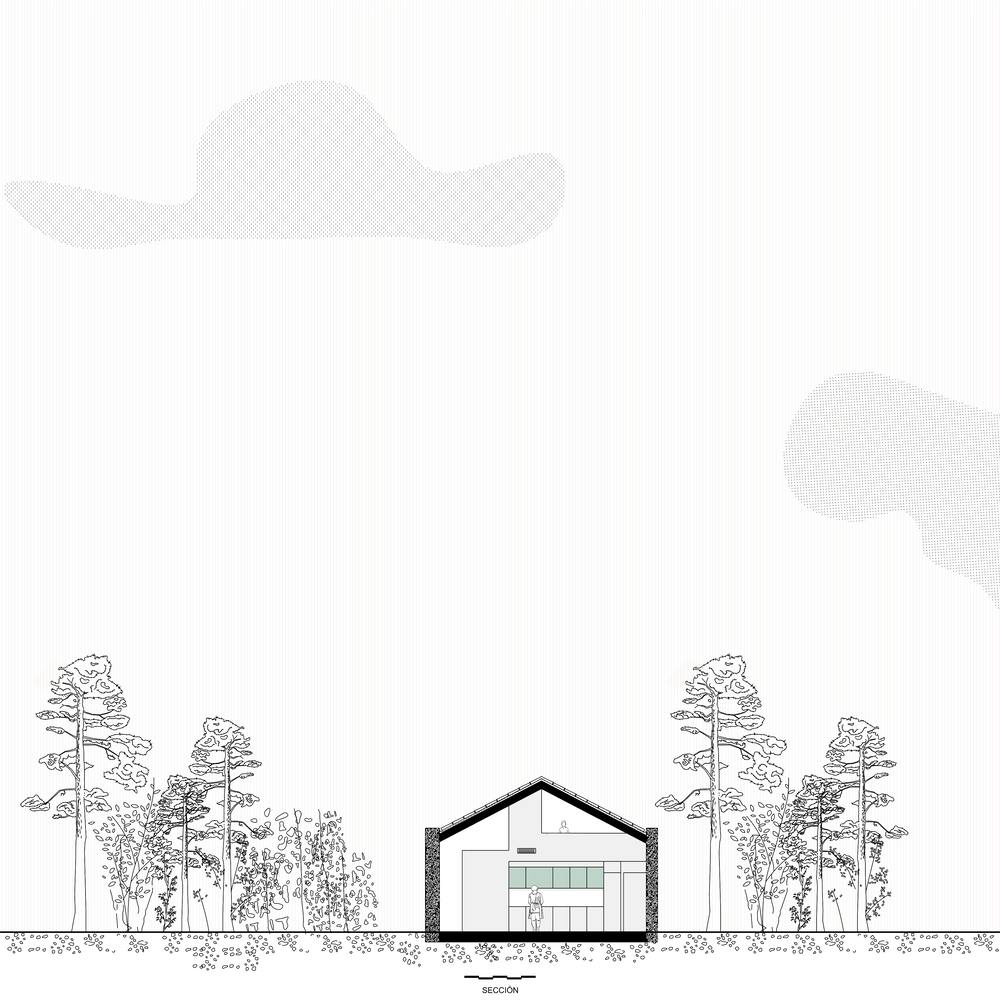
Section
剖面图
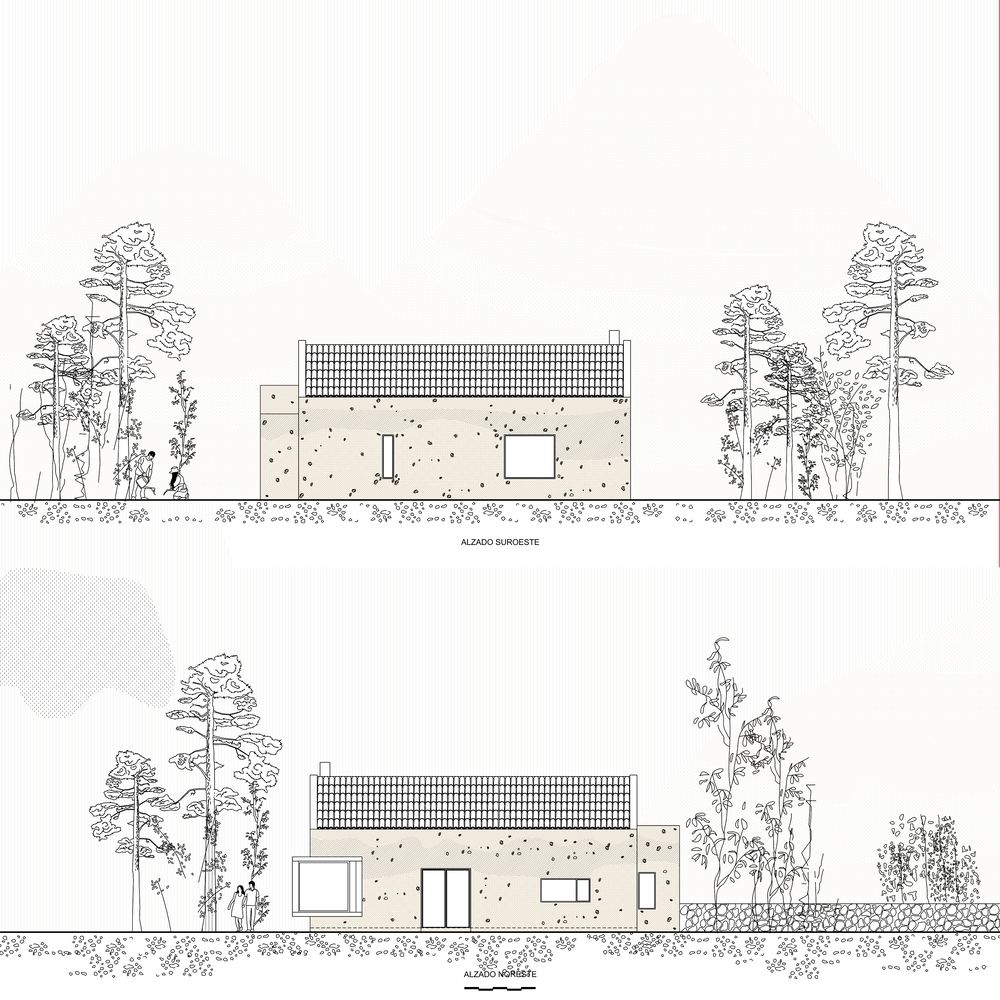
Elevation
立面图
The focus of the renovation of the House of Los Llanos was on recovering the rural aesthetic, nurturing and cultivating this architectural style—sometimes neglected and undervalued—while infusing it with a new spirit of the times. Recovering the essence of homes that once sheltered field workers and agricultural life implies establishing the necessary link between the inhabitants and their ancestors and descendants. It means leaving a contemporary mark on what already existed, while remembering those who lived here in childhood.
洛斯利亚诺斯之宅的改造重点在于重拾乡村风貌,呵护并滋养这一有时被忽视和贬低的建筑风格,同时为其注入新的时代气息。重拾那些曾为田间劳作者和农业生活者提供庇护的家园的精髓,意味着为居住者建立起与祖先和后代之间必要的联系。这意味着在既有的事物上留下当代的印记,同时铭记那些童年时曾在此居住的人。
© Juan S. Calventus y Jerónimo José Montes Martínez
© Juan S. Calventus y Jerónimo José Montes Martínez
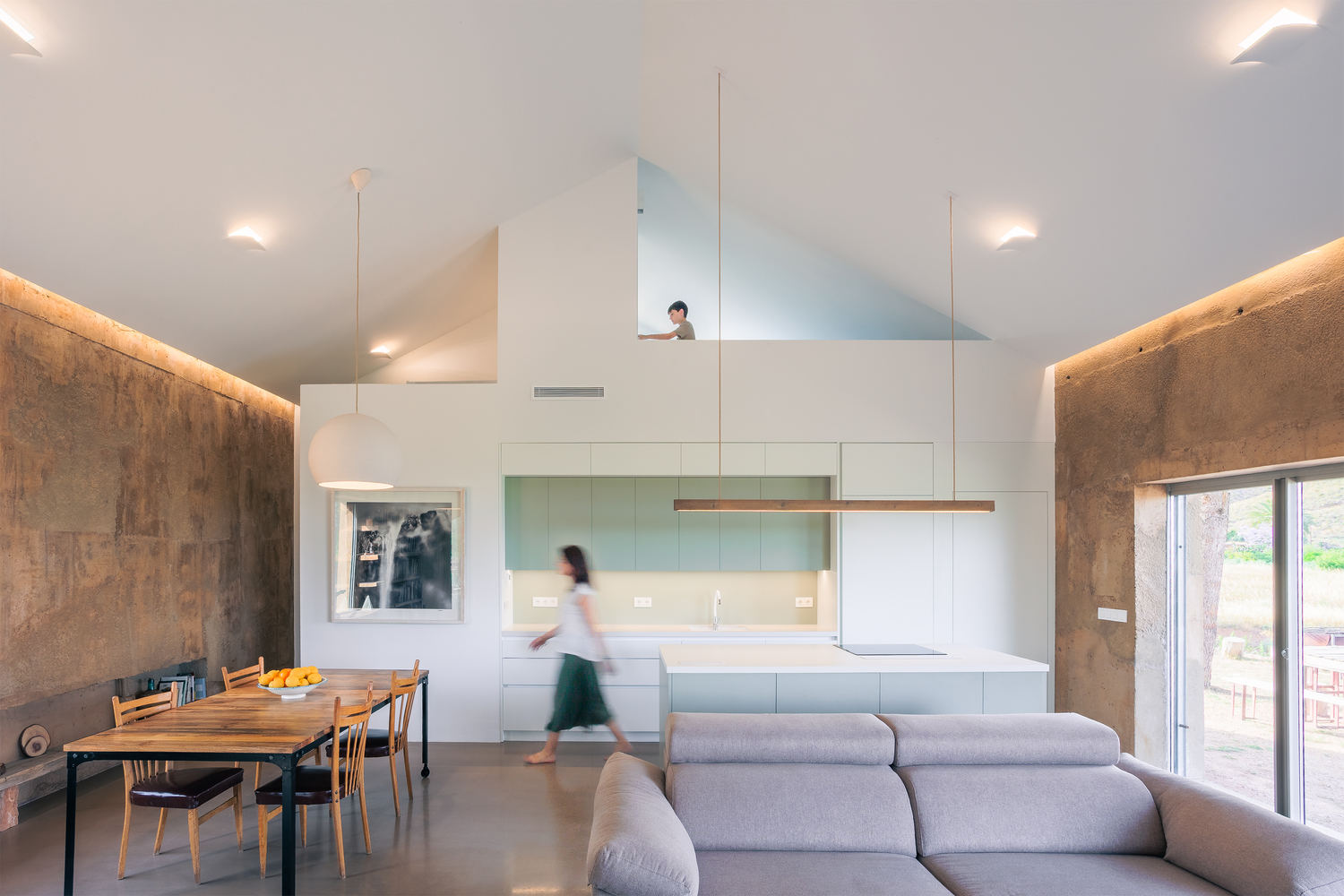
It is a timeless place of quietude, sheltered from urban incursions. It prompts reflection on the relationship with the natural environment, on how to integrate into it, and on new ways of inhabiting space in the future. While the interior of the residence was originally divided into multiple small rooms, the inhabitants wished to enjoy the concept of a main space advocated by contemporary architecture: a space enclosed only by the building's shell, without false ceilings. This allows the family to perceive the volume of the space while moving around the living area, thus adapting to the demands of modern life and new ways of inhabiting, compared to the 20th century's seventies. Consequently, the remaining functional areas, including bedrooms and bathrooms, are compressed into the remaining space.
这是一个免受城市侵扰、永恒静谧之地。它促使人们反思与自然环境的关系,思考如何融入其中,以及未来新的居住方式。宅邸内部原本分隔成多个小房间,而居住者希望享受当代所倡导的主空间概念,即仅由建筑外壳围合而成,无虚假吊顶的空间。这使得家人在起居区活动时能够感受空间的体量,从而适应与 20 世纪六七十年代相比,现代生活的需求与新的居住方式。因此,其余功能区域,包括卧室和卫生间,被压缩至剩余的空间内。
© Juan S. Calventus y Jerónimo José Montes Martínez