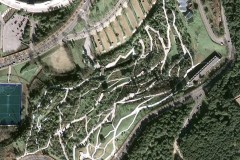
轴线引导与日照策略的空间组织:该项目巧妙地利用轴线逻辑,通过入口处的开放空间与延伸至建筑入口的通道,确立了清晰的场所导向性。其精髓在于东西向挑檐屋顶的设计,不仅界定了这一核心轴线,更展现了对微气候的精细考量——通过设置两个不同高度的屋顶,确保了宝贵的阳光能够充分照射到北侧的房屋,体现了对场地条件和居住舒适度的尊重与整合。
高低屋顶下的功能分区与流动性:建筑通过高低错落的屋顶结构,有机地划分了内部功能空间,形成了“共享”与“私密”的明确界限。较高的屋顶覆盖了公共活动区域,而较低的屋顶则界定了私密空间。这种结构上的差异不仅在视觉上丰富了体量,更在物理上创造了一个自然的过渡区域,促进了人员在不同功能区之间的自由、流畅的动线组织,使得功能组织逻辑清晰而富有张力。
尺度对话与环境的含蓄连接:项目在处理与周边既有建筑的关系时,展现了克制而智慧的设计手法。设计并未追求简单的开放或遮挡,而是通过深度访谈明确了保持适宜间距的重要性。最关键的是,私密房间窗户的选择性开启,配合外露的两排屋檐,与邻近的传统日式住宅形成了微妙的视觉共鸣与材质上的呼应,实现了新旧环境之间一种低调而有力的场所精神连接。
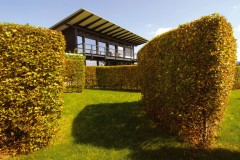
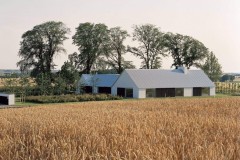
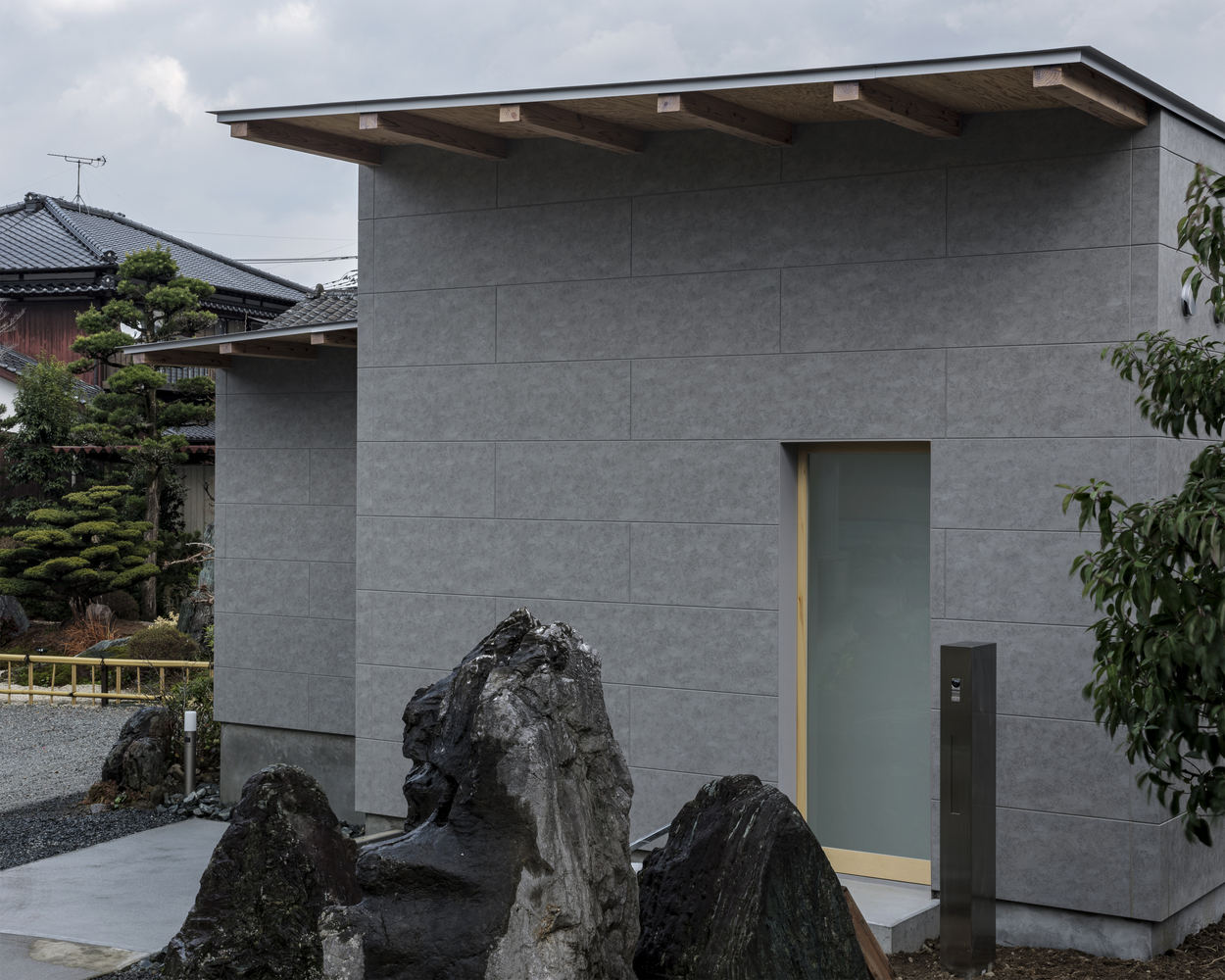
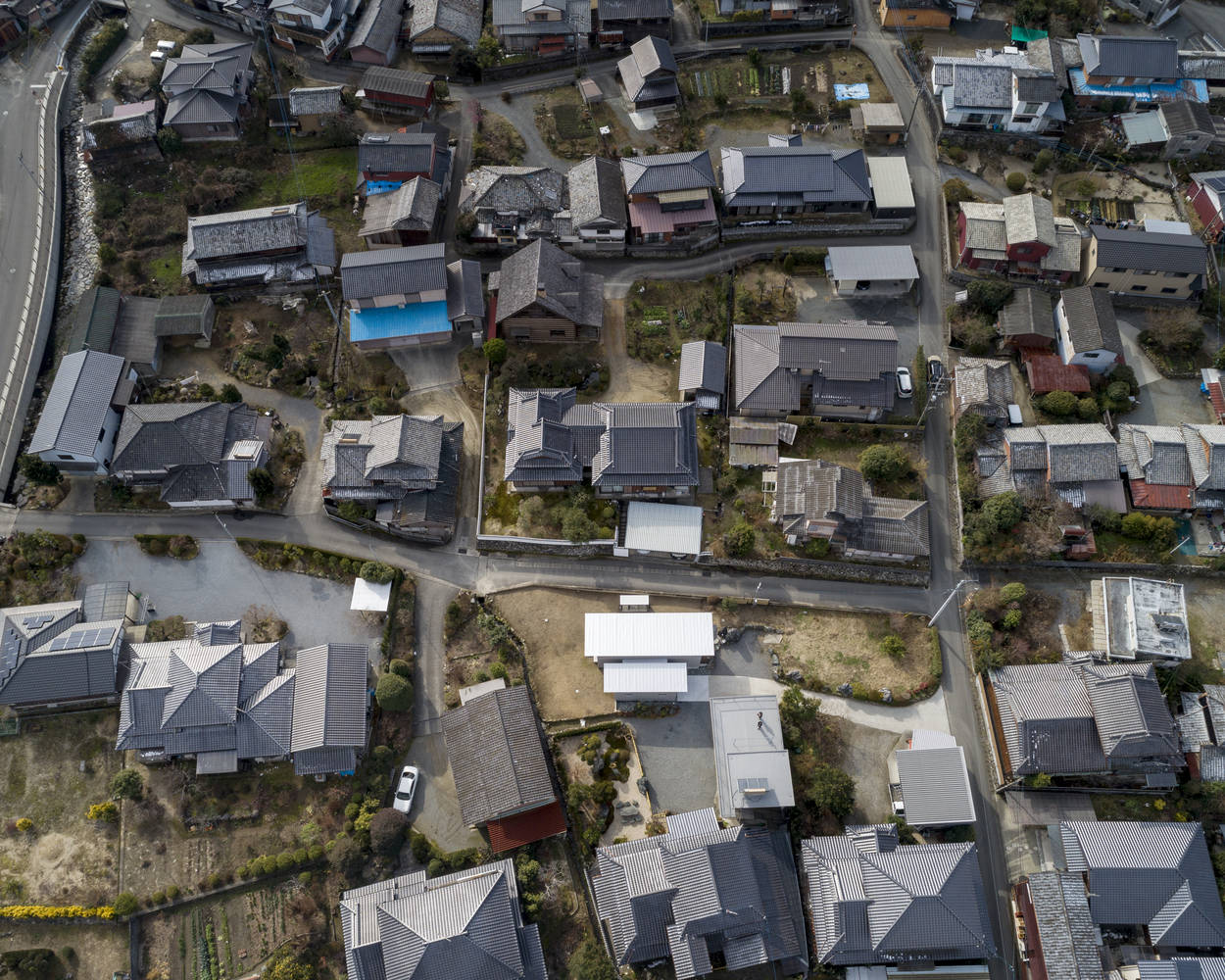
The building is situated in a quiet residential area, and the design plans an open space at the entrance, using an axis extending from this space to the entrance passage as the layout scheme. The east-west eaves roof highlights this axis. The roof design fully considered allowing sunlight to reach the north-facing house, employing two roof heights, with the north side roof being lower.
该建筑坐落于一片静谧的住宅区,其设计在入口处规划了一片开放空间,并以一条从该空间延伸至入口通道的轴线作为布局方案。一顶东西向挑檐的屋顶突显了这条轴线。屋顶设计时充分考虑了让阳光能够照射到北侧房屋的因素,采用了两个不同高度的屋顶,其中北侧屋顶较低。
Courtesy of Tatsunori Kakuno/ tatta architects
Courtesy of Tatsunori Kakuno/ tatta architects
Courtesy of Tatsunori Kakuno/ tatta architects
Courtesy of Tatsunori Kakuno/ tatta architects
Courtesy of Tatsunori Kakuno/ tatta architects
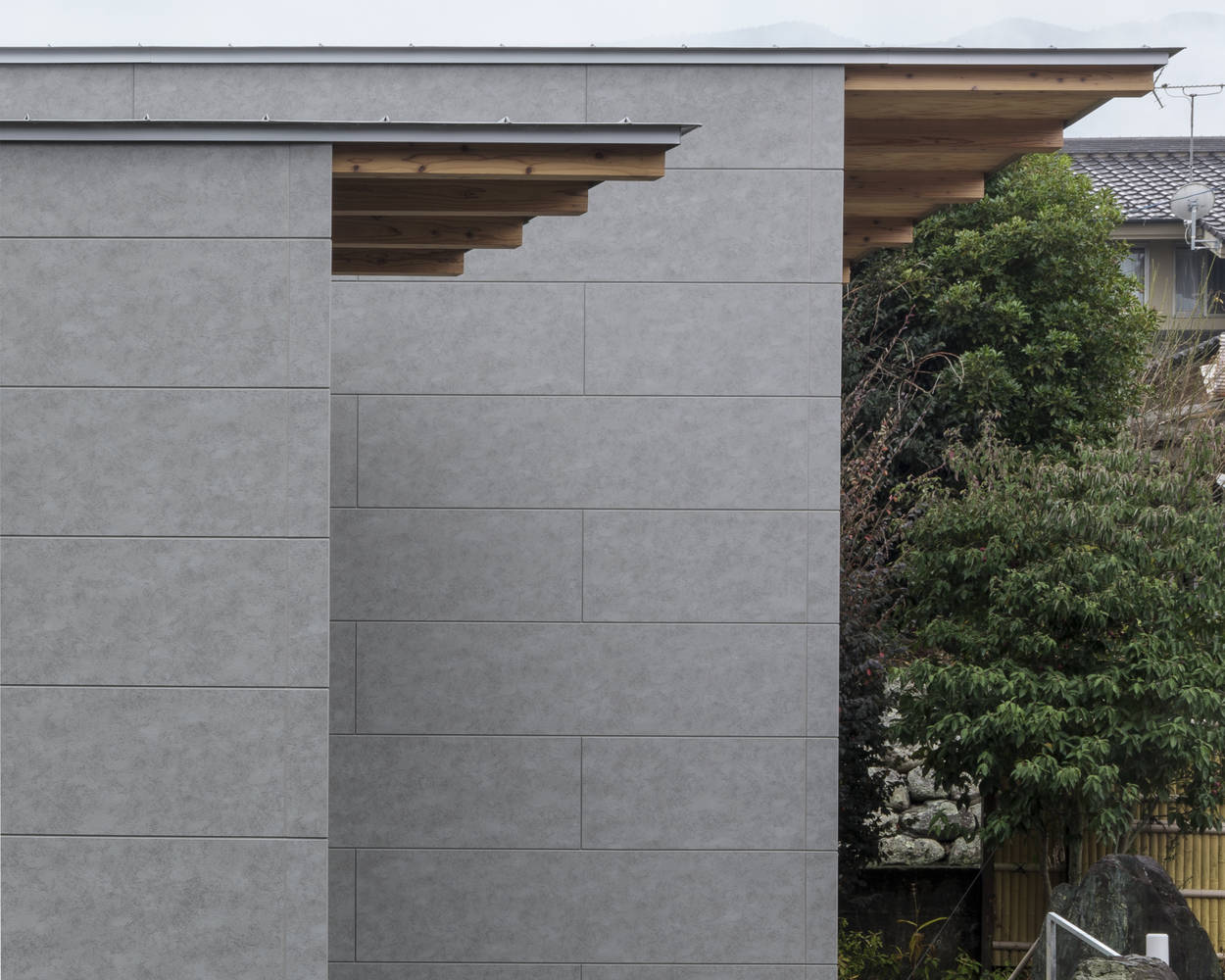
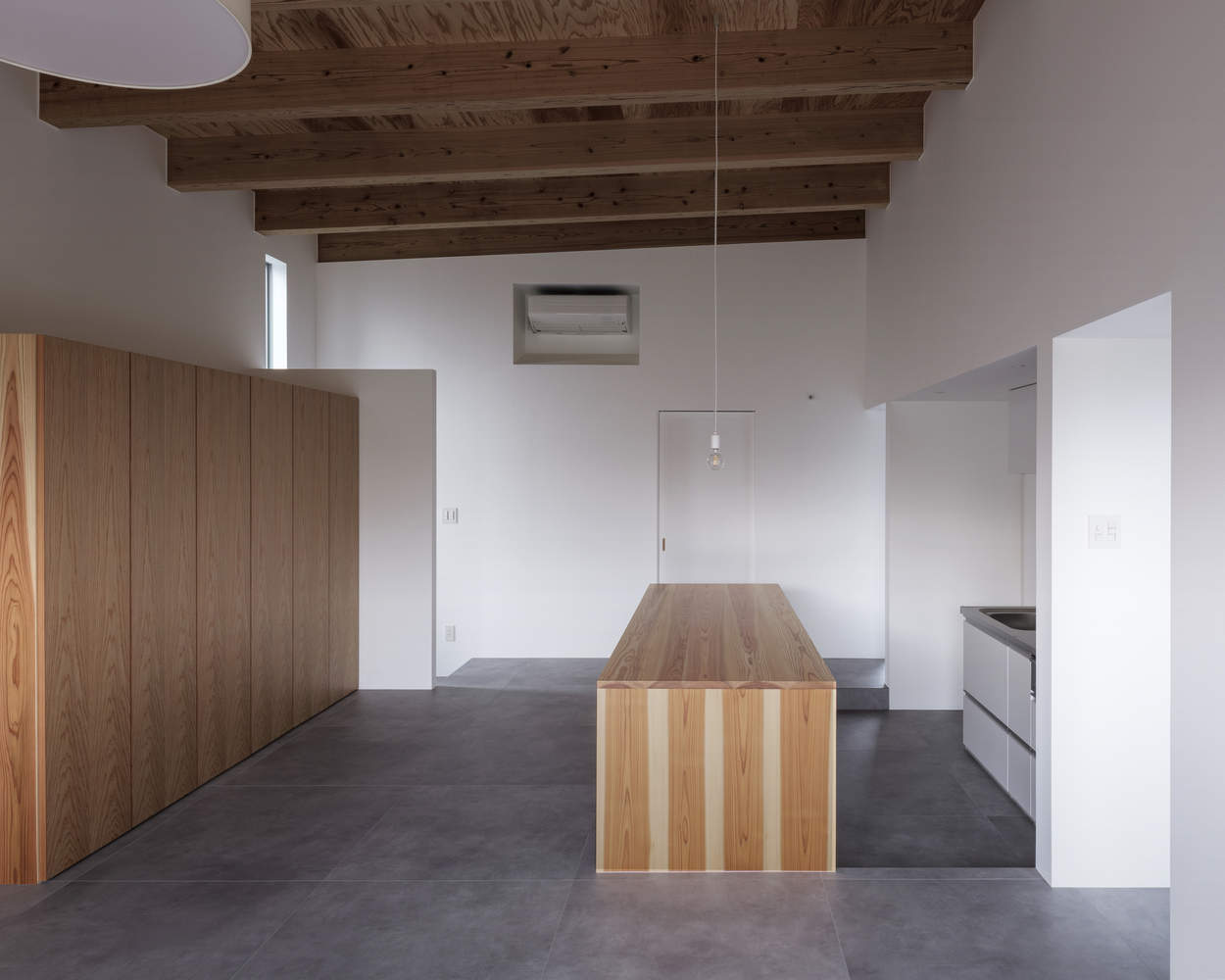
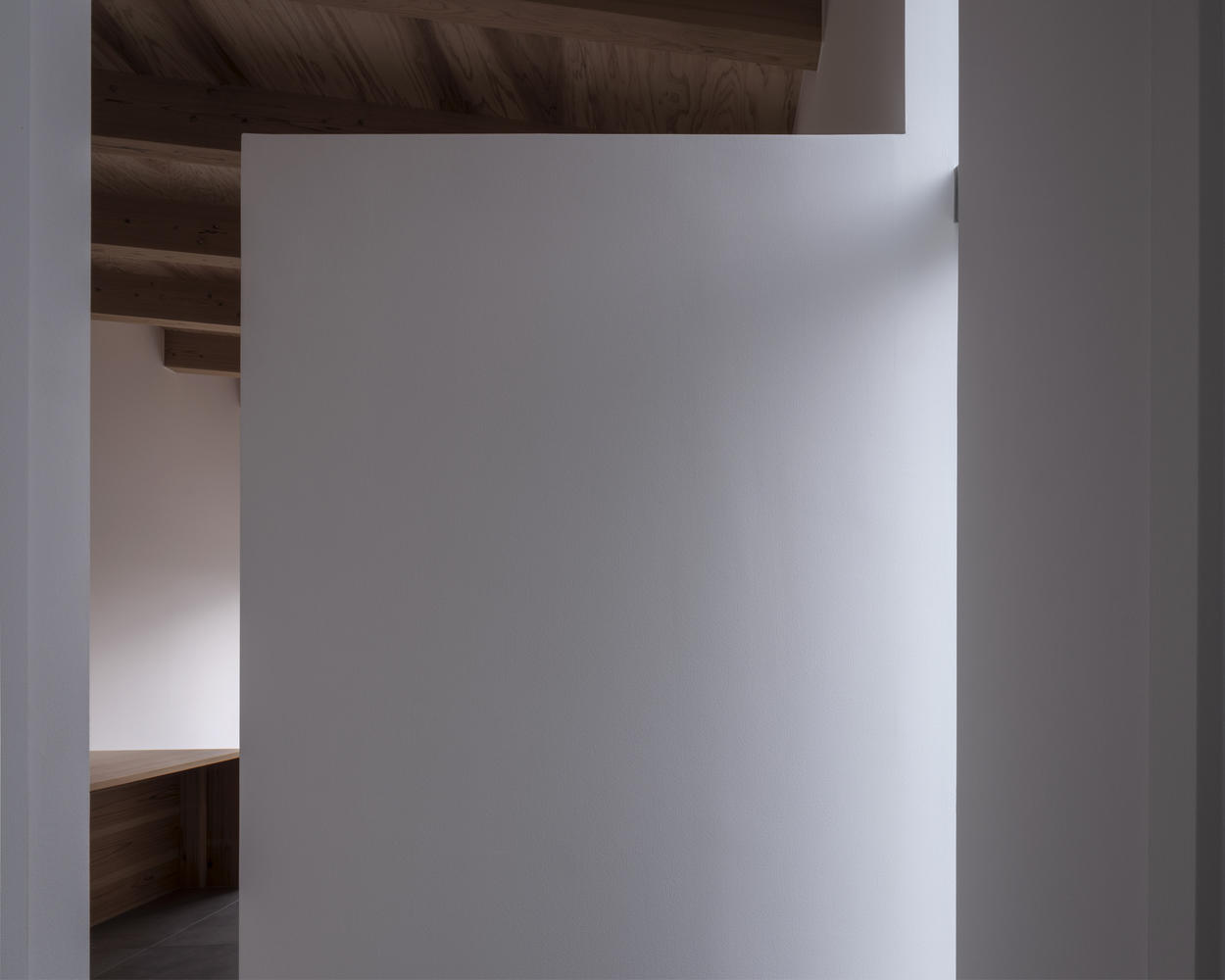
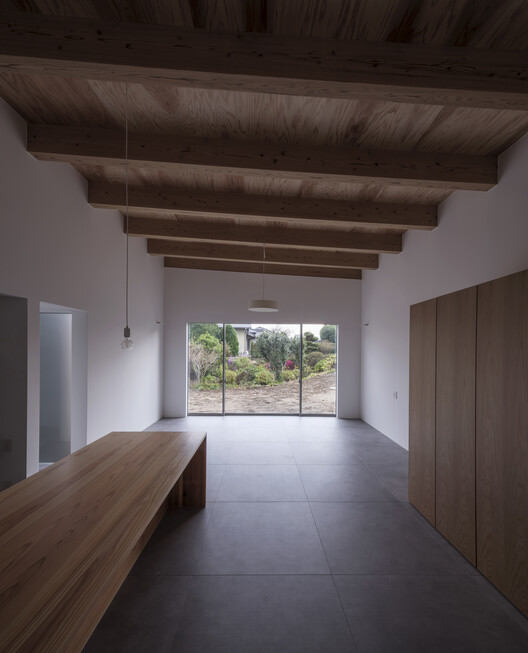
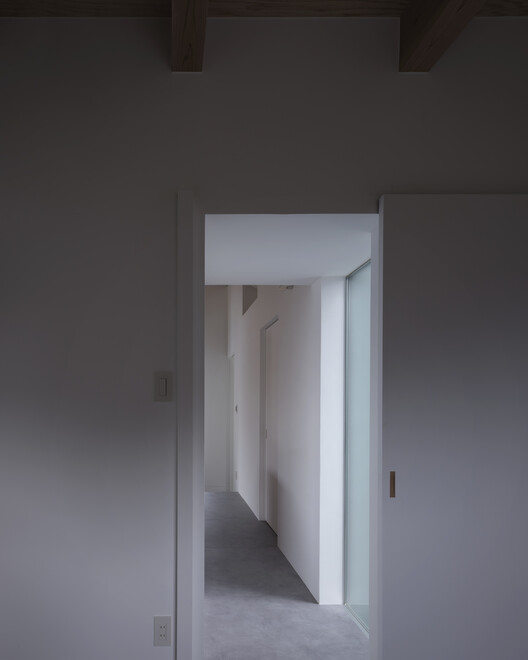
The living spaces under the roof are divided into two parts: shared spaces under the higher roof and private spaces under the lower roof, forming an architectural volume that connects the two spaces and facilitates free movement of people.
屋顶下方的居住空间被划分为两部分:较高屋顶下为共享空间,较低屋顶下为私密空间,从而形成了一个连接两个空间的建筑体量,便于人员自由流动。
Courtesy of Tatsunori Kakuno/ tatta architects
Courtesy of Tatsunori Kakuno/ tatta architects
Courtesy of Tatsunori Kakuno/ tatta architects
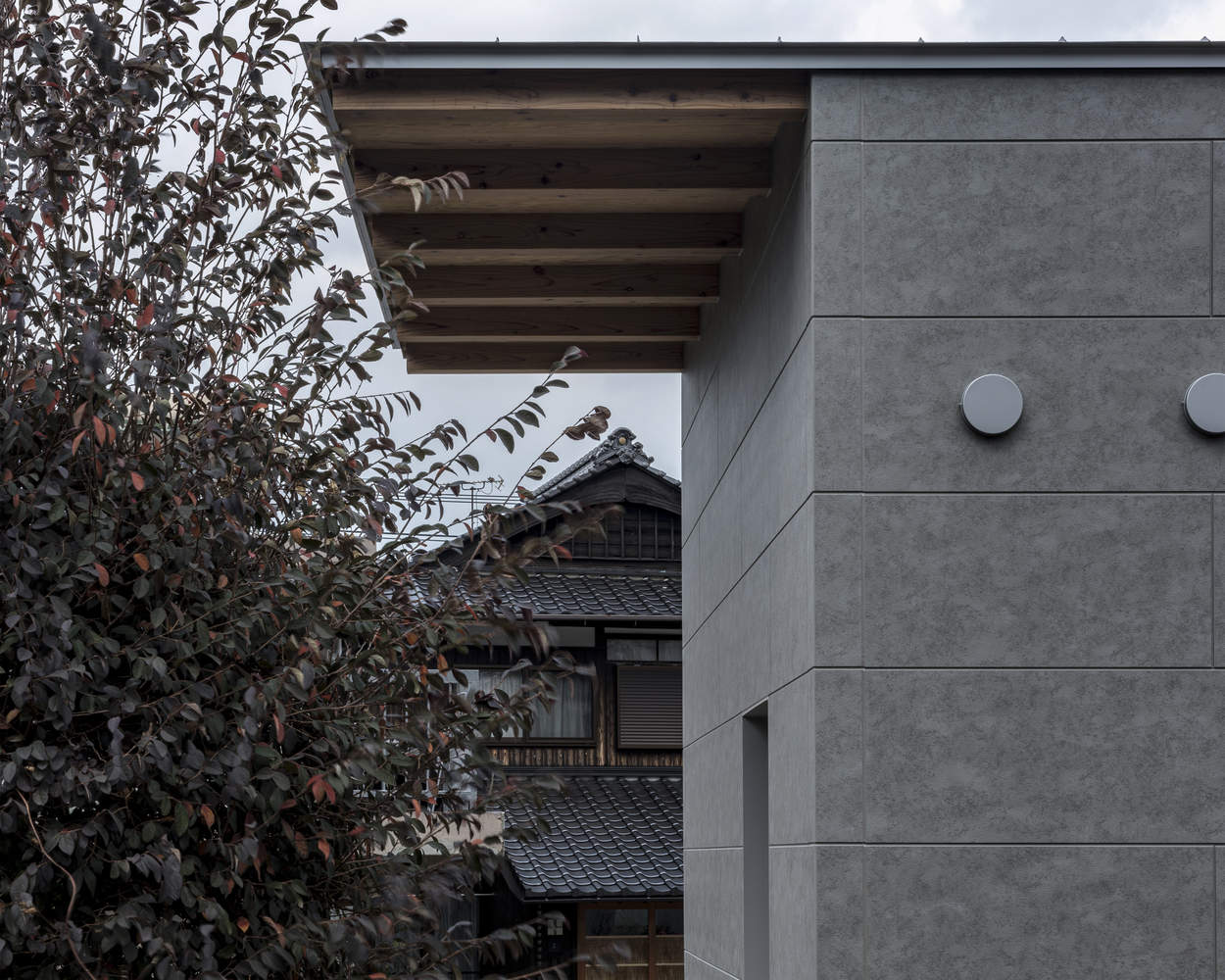
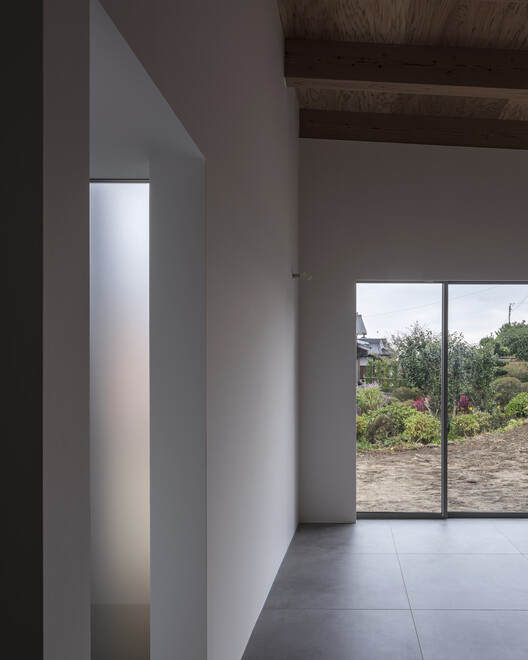
Regarding the relationship with existing houses, the design team conducted in-depth understanding through interviews and other means, focusing on maintaining a comfortable distance between the two spaces during planning, rather than meaningless openness. The only openings are set on the windows of the private rooms, and when viewed from the existing house, the two rows of exposed eaves create a visual correspondence and sense of connection with the existing Japanese-style residence.
关于与现有房屋的关系,设计团队通过访谈等方式进行了深入了解,在规划时注重保持两个空间之间舒适的间距,而非无谓地敞开。唯一的开口设置在私密房间的窗户上,从现有房屋望去,两排外露的屋檐与现有的日式住宅形成了一种视觉上的呼应与连接感。
Courtesy of Tatsunori Kakuno/ tatta architects