金缮美学与再生哲学的深度融合:该项目最精髓之处在于其将日本传统“金缮(Kintsugi)”艺术理念转化为当代医疗建筑的叙事核心。它超越了单纯的结构修复,而是将患者的康复过程视为一种“再生”和“重生”的契机,将“伤痕”提升为历史和价值的一部分。建筑通过墙体分段图案的精心设计,直观地呼应了金缮中对连接和完整性的颂扬,为传统的医疗空间注入了深刻的人文关怀和哲学高度,实现了情感疗愈与空间设计的完美统一。
将康复环境转化为“城市生活模拟器”:设计在功能性和体验性上达到了高水准的平衡,尤其体现在一楼的康复区域。通过大面积玻璃、镜面天花板的应用,模糊了室内外边界,极大地增强了空间的开放感和患者的心理舒适度。更具开创性的是,设计了具有真实坡度和台阶的“户外治疗路径”,这不仅仅是一个简单的花园,而是对患者回归日常城市生活的精确“预演”和适应性训练场,体现了对患者未来生活质量的深切关注。
社区共创与传统工艺的活化利用:项目成功地将建筑设计与社区资源及传统工艺深度绑定,构建了多层次的社会价值。公共区域的艺术瓷砖柱由当地窑炉与社会福利就业中心合作完成,象征着医院作为社区坚实支柱的角色,增强了项目的在地性和包容性。同时,在顶层舒缓疗护病房中,运用木材、灰泥以及定制的江户切子灯具,营造出强烈的家庭化和尊严感,成功地将高科技医疗空间转化为一个尊重个体、充满温暖的“家”。
Exterior at Night
阿育王医院南翼是东京一座开创性的“再生建筑”,它将日本传统金缮艺术融入治愈环境之中,修复患者与日常生活的联结。
© Takumi Ota Photography Co., Ltd.
Aerial View of Connecting Bridge
阿育王医院南翼是东京一座开创性的“再生建筑”,它将日本传统金缮艺术融入治愈环境之中,修复患者与日常生活的联结。
© Takumi Ota Photography Co., Ltd.
Exterior in Daylight
阿育王医院南翼是东京一座开创性的“再生建筑”,它将日本传统金缮艺术融入治愈环境之中,修复患者与日常生活的联结。
© Takumi Ota Photography Co., Ltd.
Exterior in Daylight2
阿育王医院南翼是东京一座开创性的“再生建筑”,它将日本传统金缮艺术融入治愈环境之中,修复患者与日常生活的联结。
© Takumi Ota Photography Co., Ltd.
1. Background and Challenges
Ojioka Hospital is located in Koto Ward, Tokyo, and has supported regional healthcare for nearly a century since its establishment in 1930. The new South Wing aims to address the growing demand for rehabilitation services driven by Japan's aging society. The main challenge for the construction project was erecting the new annex while maintaining the hospital's 24/7 uninterrupted medical operations, alongside planning for the phased renovation of the older main building.
1. 背景与挑战
阿育王医院位于东京江东区,自 1930 年成立以来,近一个世纪以来一直支持着区域医疗保健事业。新建南翼旨在应对日本老龄化社会对康复服务日益增长的需求。该建筑项目面临的主要挑战在于,在保持医院全天候不间断医疗运营的同时,建造这座新附属建筑,并规划未来对老旧主楼的分阶段翻新。
Therapy Path
1. 背景与挑战
阿育王医院位于东京江东区,自 1930 年成立以来,近一个世纪以来一直支持着区域医疗保健事业。新建南翼旨在应对日本老龄化社会对康复服务日益增长的需求。该建筑项目面临的主要挑战在于,在保持医院全天候不间断医疗运营的同时,建造这座新附属建筑,并规划未来对老旧主楼的分阶段翻新。
© Takumi Ota Photography Co., Ltd.
2. Design Concept
Kintsugi and Regeneration: The core of the design is based on the concept of "regeneration." The architects view illness not as a loss, but see the rehabilitation process as an opportunity for the patient to be "reborn" as a new self. This concept is materialized through the motif of Kintsugi—the Japanese art of repairing broken ceramics with gold, where scars are celebrated as beautiful parts of an object's history.
2. 设计理念
Staff Station__General Ward 2
金缮与再生:设计核心基于“再生”理念。建筑师们并未将疾病视为一种缺失,而是将康复过程视为患者以全新自我“重生”的契机。这一理念通过金缮的图案得以具象化 —— 金缮是一种用黄金修补破损陶瓷的工艺,其中伤痕被视为物体历史中美丽的一部分而被颂扬。
© Takumi Ota Photography Co., Ltd.
Staff Station__Palliative Care Ward 2
金缮与再生:设计核心基于“再生”理念。建筑师们并未将疾病视为一种缺失,而是将康复过程视为患者以全新自我“重生”的契机。这一理念通过金缮的图案得以具象化 —— 金缮是一种用黄金修补破损陶瓷的工艺,其中伤痕被视为物体历史中美丽的一部分而被颂扬。
© Takumi Ota Photography Co., Ltd.
Interior Strategy: On the general wards (Floors 2 to 5), the walls feature segmented patterns with clearly visible seams, echoing the Kintsugi aesthetic and symbolizing physical and mental restoration.
走廊__普通病房:在普通病房( 2 至 5 层),墙壁采用分段图案,接缝清晰可见,呼应金缮美学,象征着身心修复。
Corridor__General Ward_
室内策略:在普通病房( 2 至 5 层),墙壁采用分段图案,接缝清晰可见,呼应金缮美学,象征着身心修复。
© Takumi Ota Photography Co., Ltd.
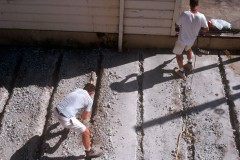
Rehabilitation as Life: The rehabilitation rooms on the first floor feature mirrored ceilings and large glass panels, blurring the boundary between inside and outside. They connect to an "Outdoor Therapy Path" intentionally designed with real slopes and steps, allowing patients to practice movement in an environment that simulates the urban streets they long to return to.
康复即生活:一楼的康复室设有镜面天花板和大面积玻璃,模糊了室内外的界限。它与一条“户外治疗路径”相连,这条路径特意设计了真实的坡度和台阶,让患者能够在模拟他们渴望回归的城市街道环境中练习移动。
Lounge__General Ward 1
康复即生活:一楼的康复室设有镜面天花板和大面积玻璃,模糊了室内外的界限。它与一条“户外治疗路径”相连,这条路径特意设计了真实的坡度和台阶,让患者能够在模拟他们渴望回归的城市街道环境中练习移动。
© Takumi Ota Photography Co., Ltd.
Lounge__Palliative Care Ward_
康复即生活:一楼的康复室设有镜面天花板和大面积玻璃,模糊了室内外的界限。它与一条“户外治疗路径”相连,这条路径特意设计了真实的坡度和台阶,让患者能够在模拟他们渴望回归的城市街道环境中练习移动。
© Takumi Ota Photography Co., Ltd.
3. Social Integration and Craftsmanship
The project emphasizes community connection through unique collaborations. Symbolic Pillars: Art tiles on the pillars in public areas were made in collaboration with Tokoname traditional kilns and a local social welfare employment center. These pillars, resembling "soaring trees," represent the hospital's role as a pillar for the community.
3. 社会融合与工艺
Exterior at Night1
该项目通过独特的合作强调社区联系。象征性支柱:公共区域的艺术瓷砖柱由常滑传统窑炉与当地社会福利就业中心合作制作。这些“参天大树”般的支柱代表着医院作为社区支柱的角色。
© Takumi Ota Photography Co., Ltd.
Palliative Care: The top-floor palliative care ward utilizes natural materials such as wood and shikkui (lime plaster). Custom lighting fixtures made using the Edo Kiriko (traditional cut glass) technique create a warm, homelike atmosphere, while medical consoles are discreetly hidden within woodwork to maintain patient dignity and comfort.
舒缓疗护:顶层舒缓疗护病房采用木材和灰泥(shikkui)等天然材料。定制的照明灯具采用江户切子(传统雕花玻璃)工艺,营造出温馨的家庭氛围,而医疗控制台则巧妙地隐藏在木工制品中,以维护患者的尊严和舒适。
Exterior at Dusk
舒缓疗护:顶层舒缓疗护病房采用木材和灰泥(shikkui)等天然材料。定制的照明灯具采用江户切子(传统雕花玻璃)工艺,营造出温馨的家庭氛围,而医疗控制台则巧妙地隐藏在木工制品中,以维护患者的尊严和舒适。
© Takumi Ota Photography Co., Ltd.
4. Conclusion
The Ojioka Hospital South Wing redefines the modern hospital, combining cutting-edge medical functionality with traditional craftsmanship and a philosophy of resilience, positioning it not just as a place for treatment, but as a place where human lives can be beautifully mended.
4. 结论
Overall Exterior View
阿育王医院南翼将尖端医疗功能与传统工艺和韧性哲学相结合,重新定义了现代医院不仅是一个治疗场所,更是一个让人类生活得以美丽修复的地方。
© Takumi Ota Photography Co., Ltd.